Search

Lee Jorgensen Photos

Self Appointed Ambassador to Scandinavia passionate about Photography, People, Travels and all the other Magic Moments of Life!

Category

Denmark

Château de Danemark

Watching History in the Making!

Nobody knows for sure when Danes discovered wine. The Vikings had what we would call wine goblets, but did they use them for wine or mead? I personally think that they did drink wine after all their travels (after all, they settled in Wineland in today’s Canada!), but since they did not document their daily lives, we just cannot know.

We first read about wine in 1269 in the town of Ribe where rules are created about how much to fine if an establishment served too much or too little to a patron. After this, wine would be bought in large quantities from Germany by various Kings. However, no wine seems to have grown in Scandinavia for thousands and thousands of years.

In the 80s and 90s, a few not so successful wineries started popping up. Today, Denmark boasts 100 professional wineries spread out across the country.

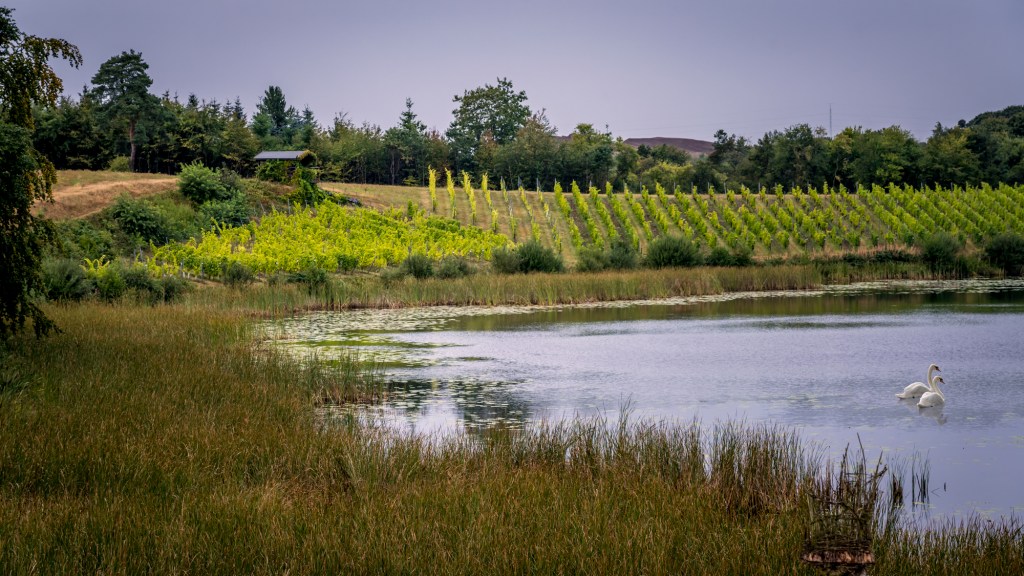
Needless to say, climate change is a huge factor for this new development, but several wine makers are of the opinion that Denmark should have started making wine much sooner. The secret is choosing varietals that can live with the relativ lack of sunshine and that will survive without nasty pesticides which are not allowed in Denmark (hurrah!).

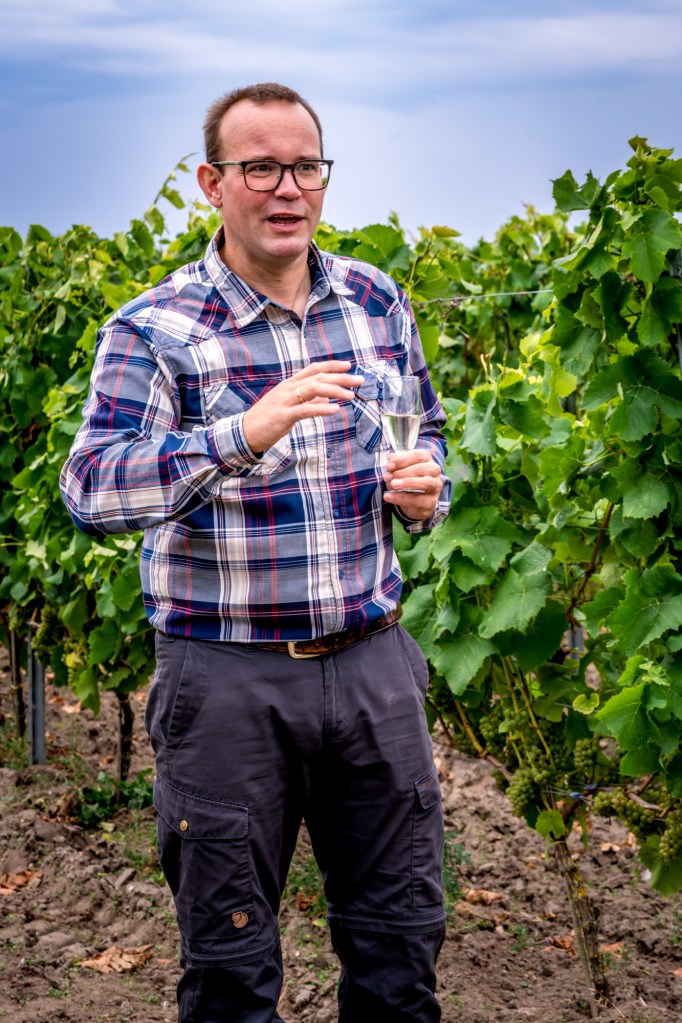
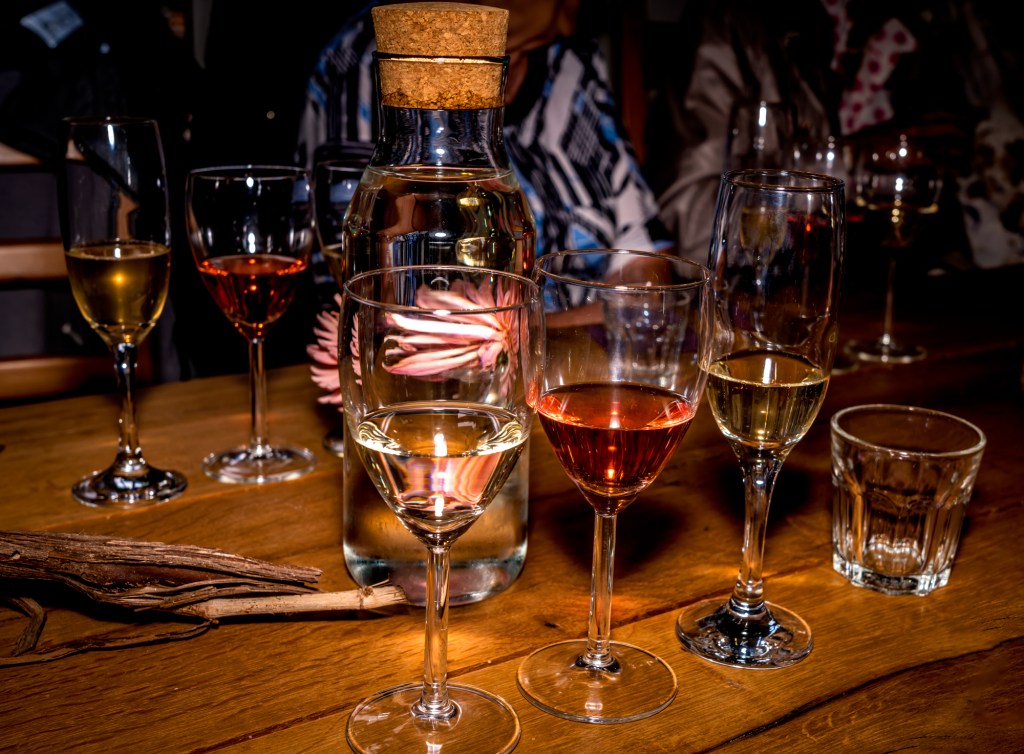
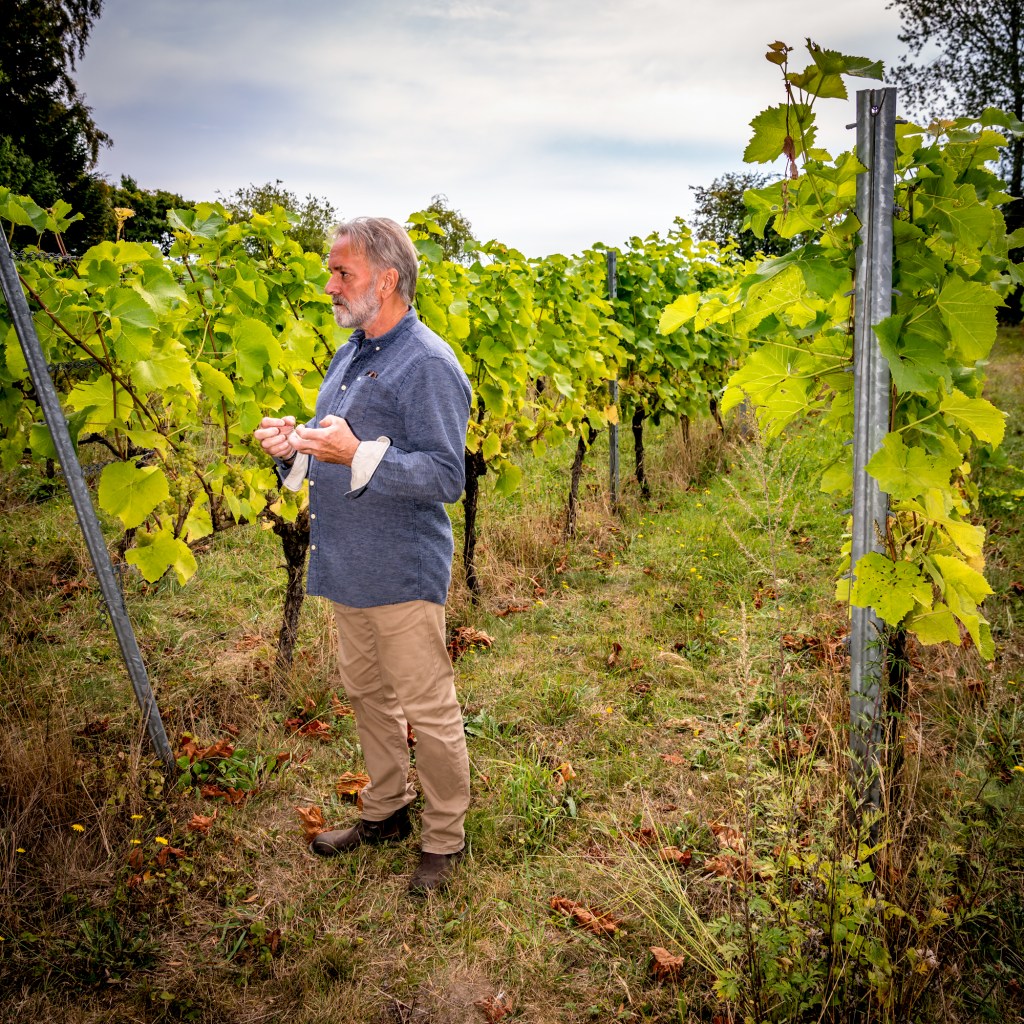
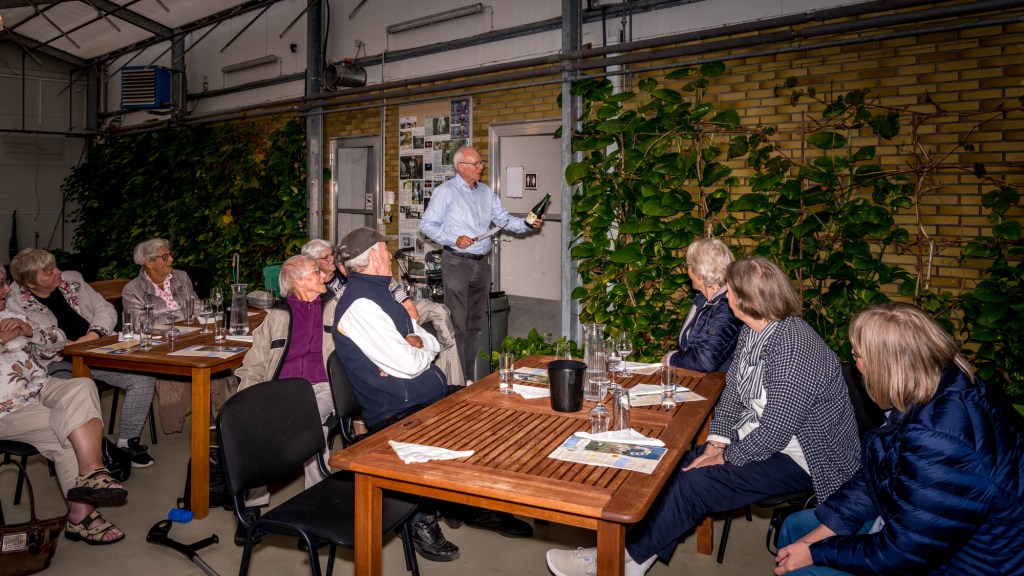
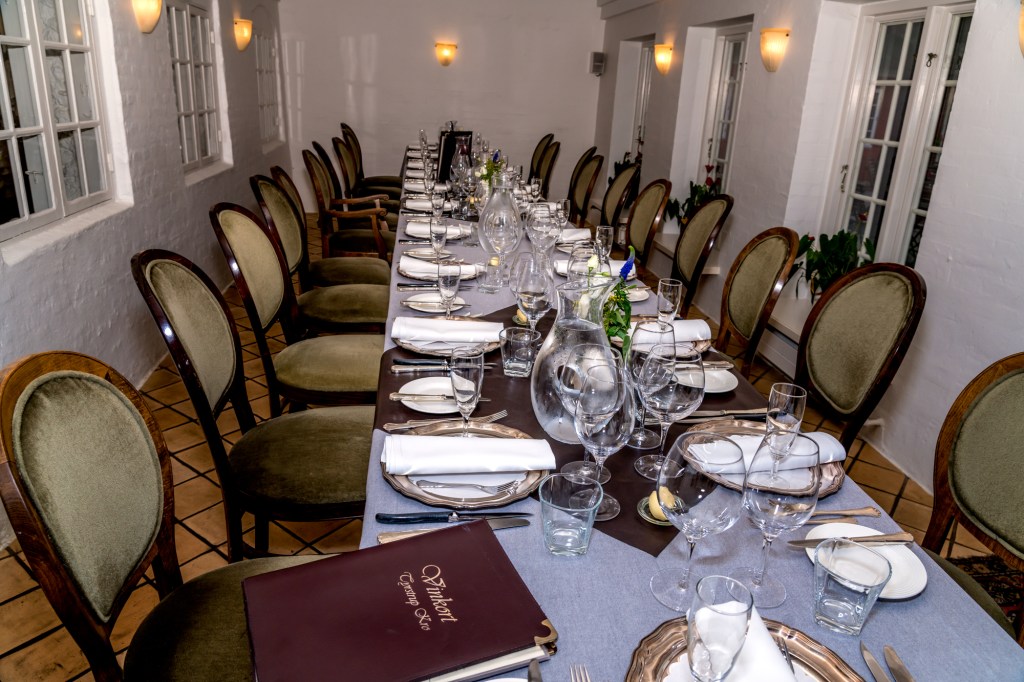
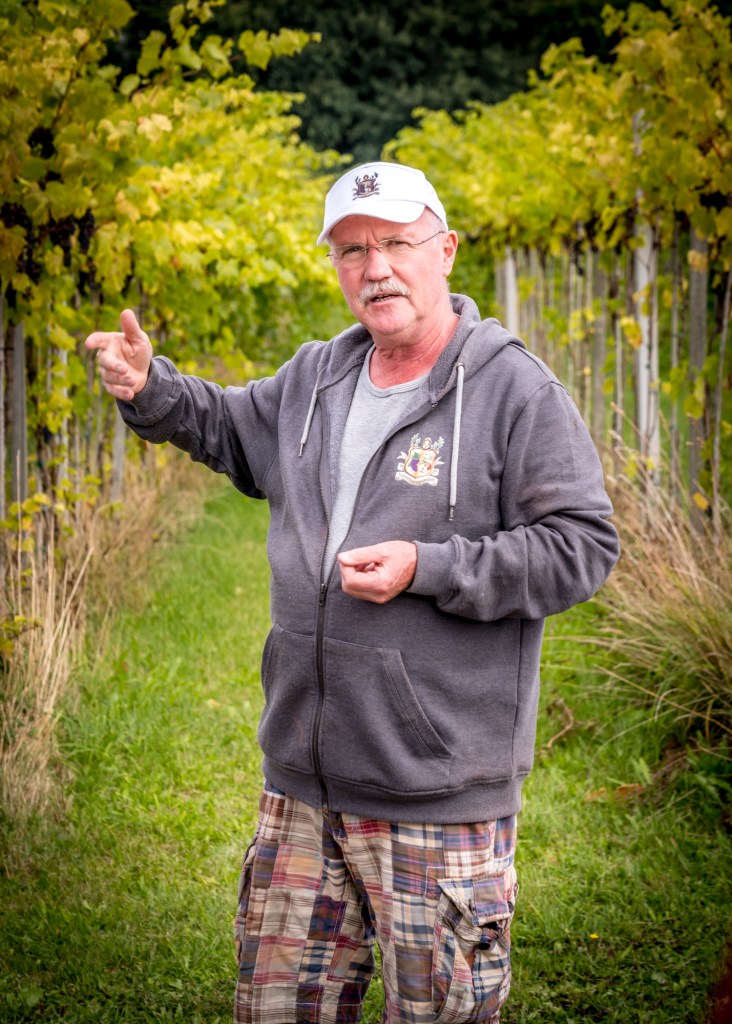
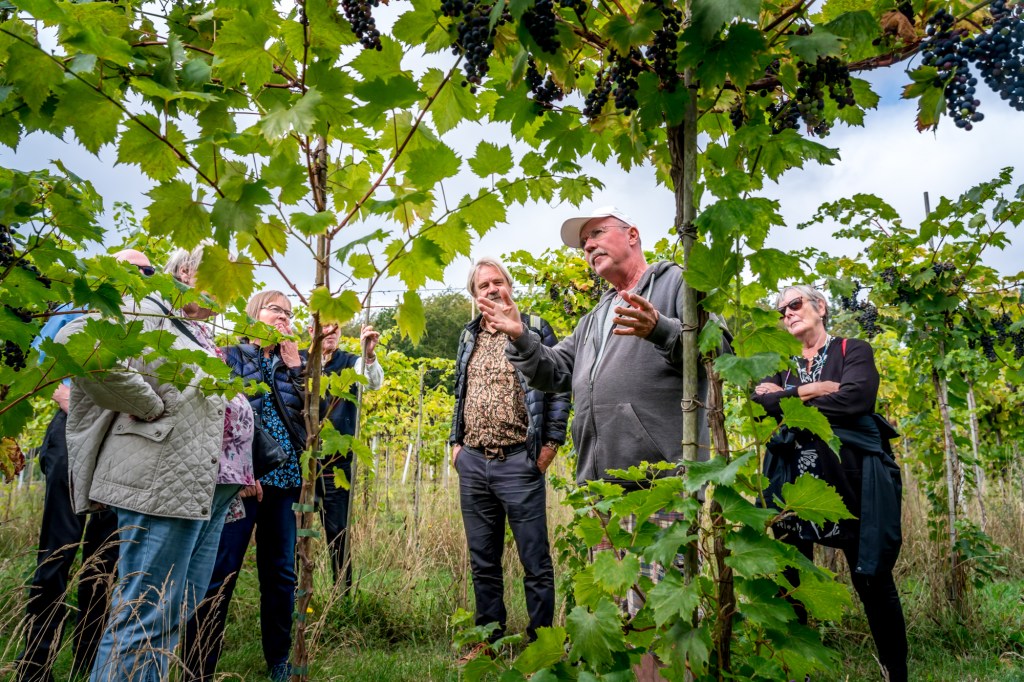
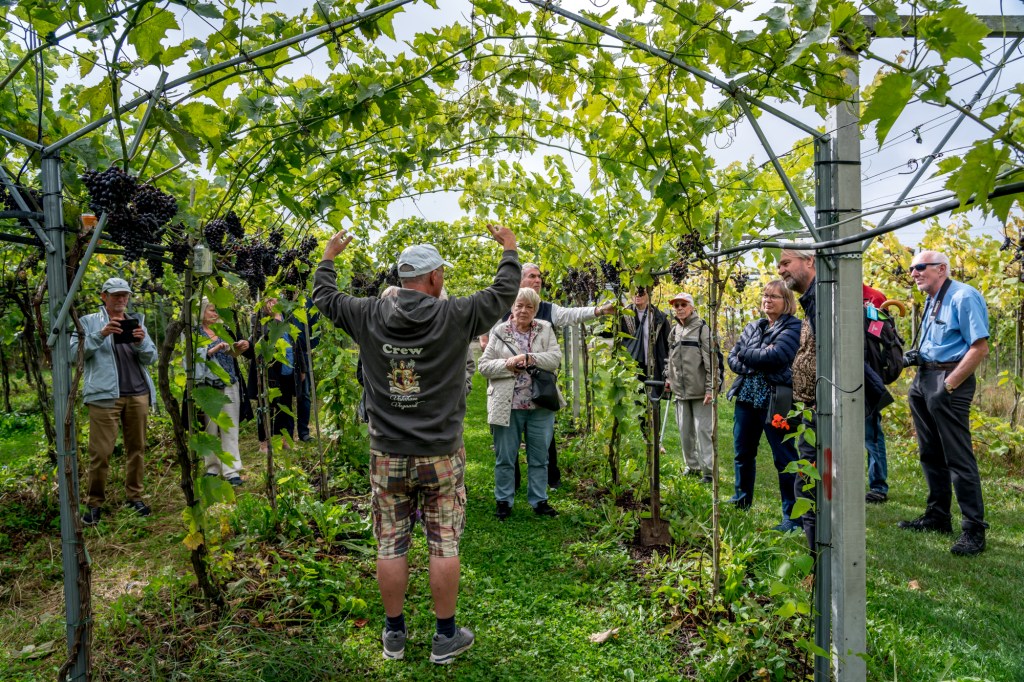
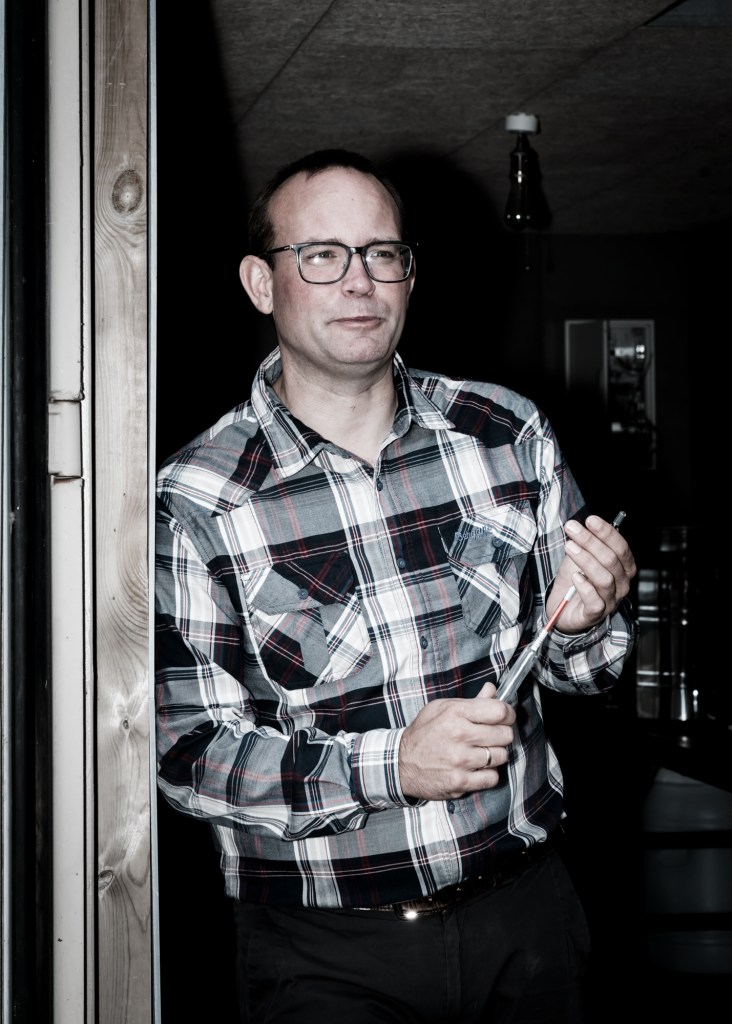
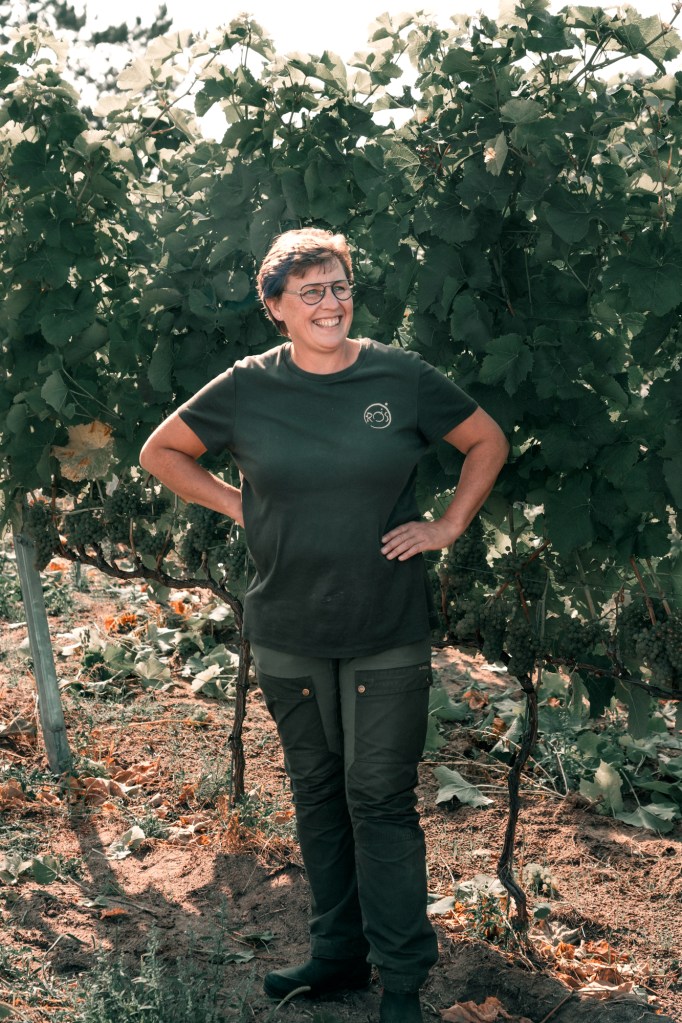
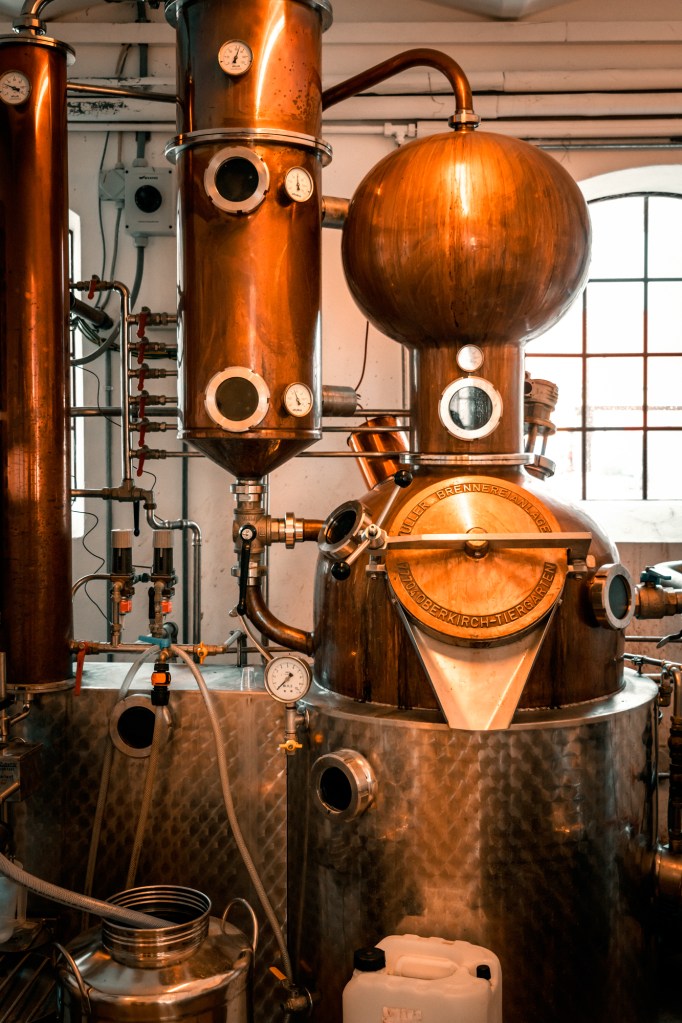
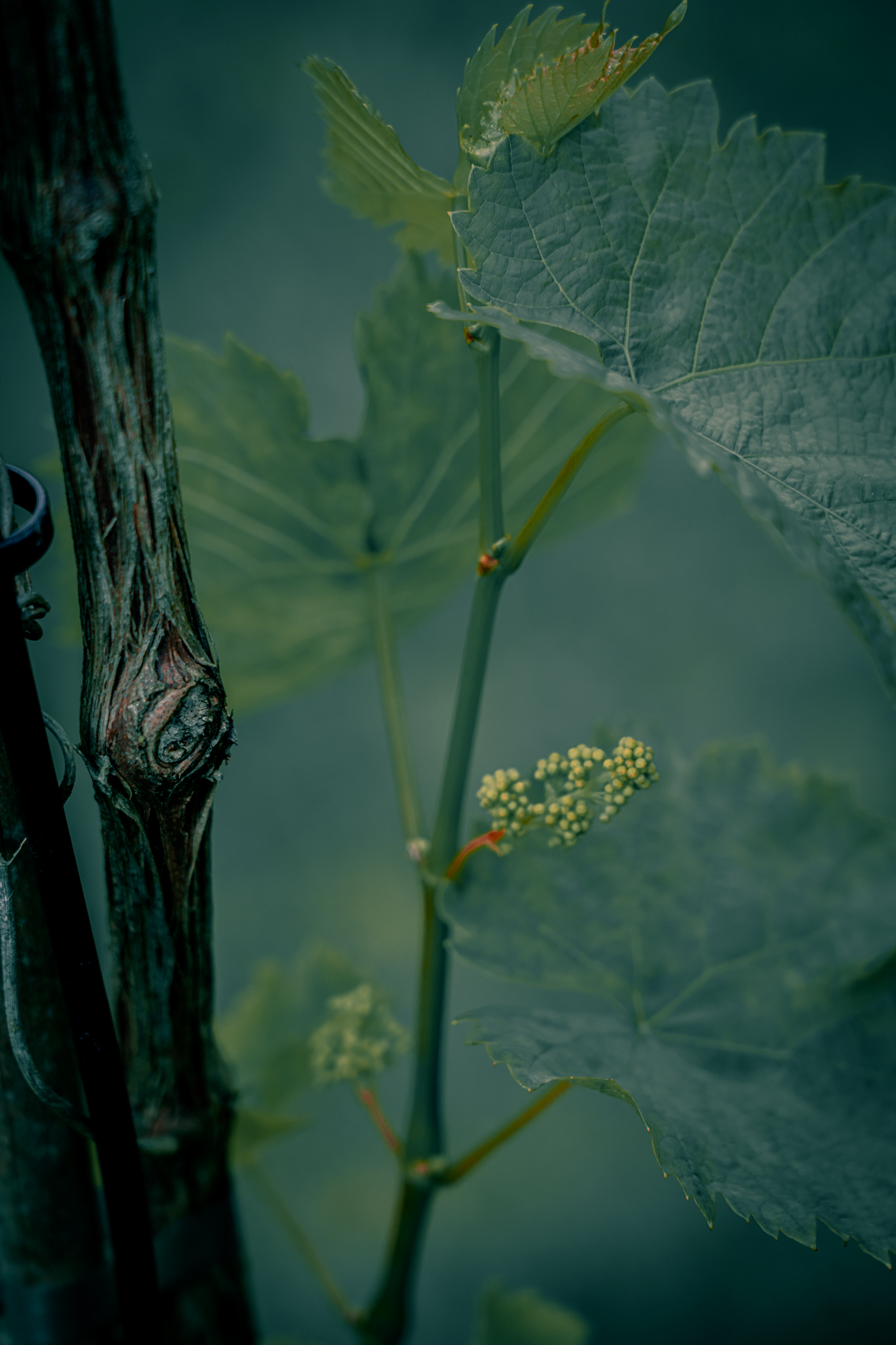
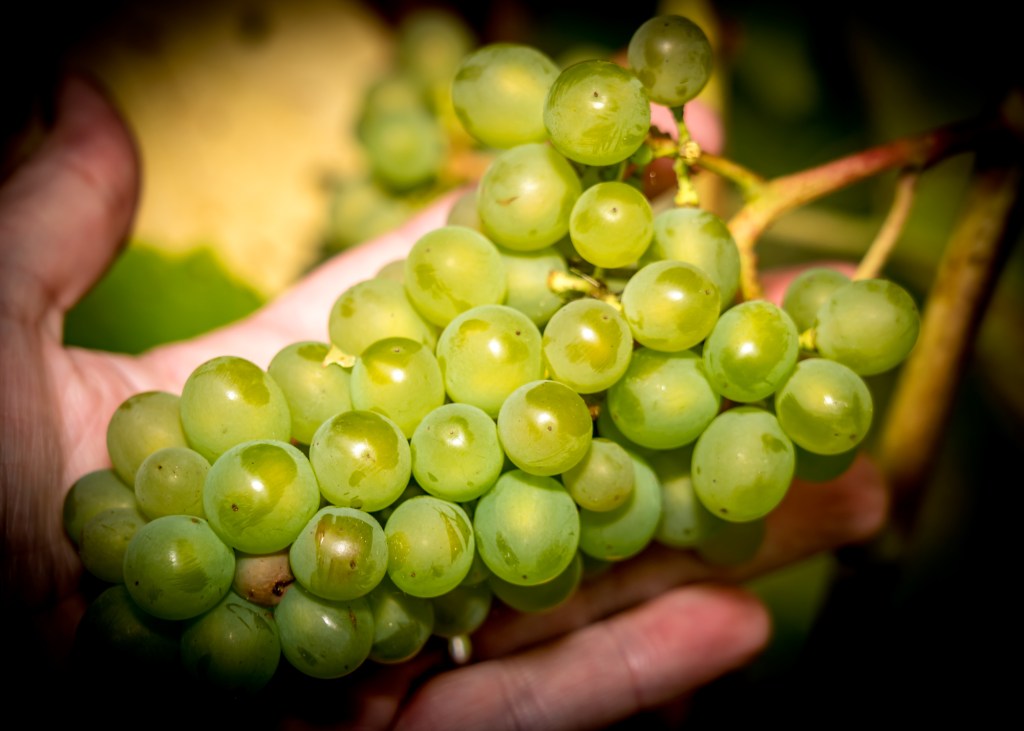
We embarked on a three day tour of 5 vineyards arranged by Vagns Kulturrejser i Danmark (Vagn’s Cultural Trips in Denmark), https://vagns.dk and I will have to admit that my life in Bordeaux and California did not create any particular expectations with regards to Danish Wineries! I was dead wrong. Instead, I discovered a highly technical and scientific world and lovely wineries that are able to cater to large groups, tastings, food pairings AND that receive international accolades and trophies in major tastings.

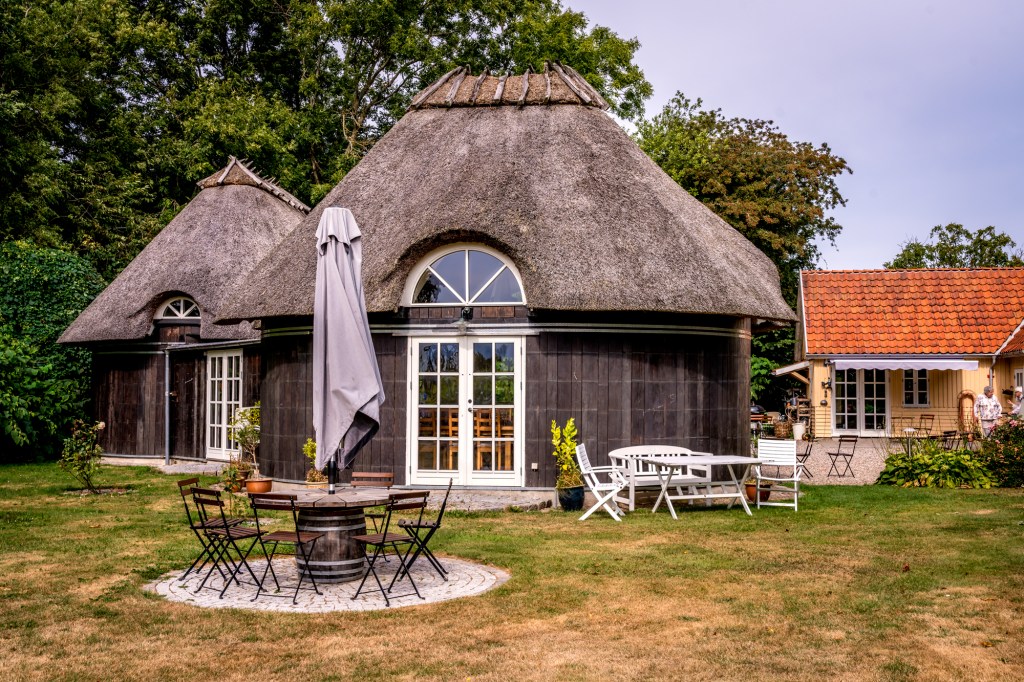
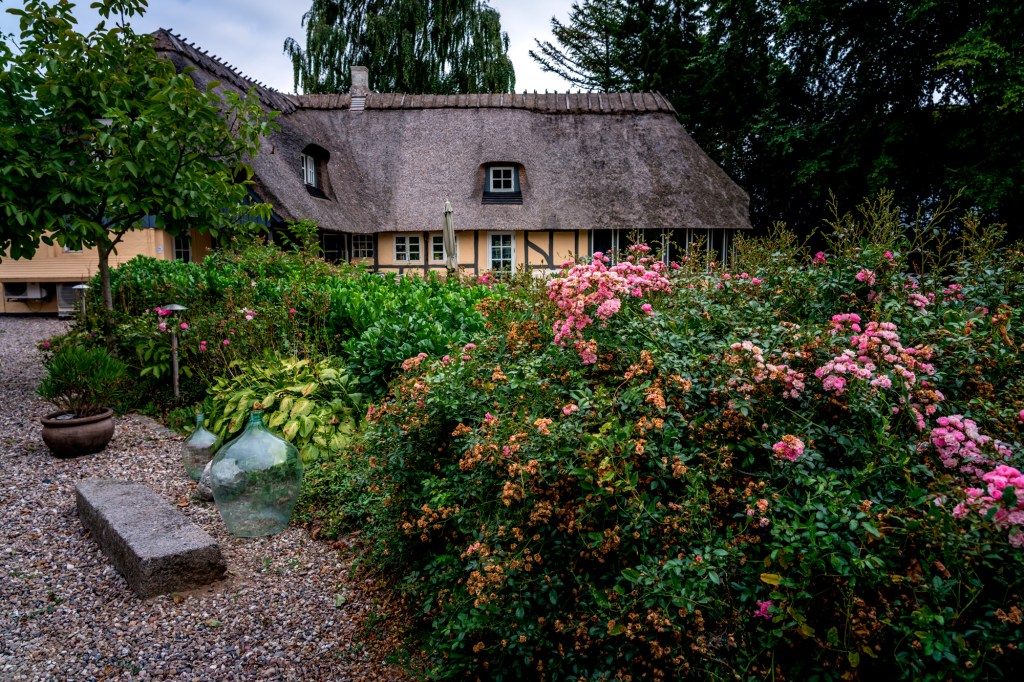
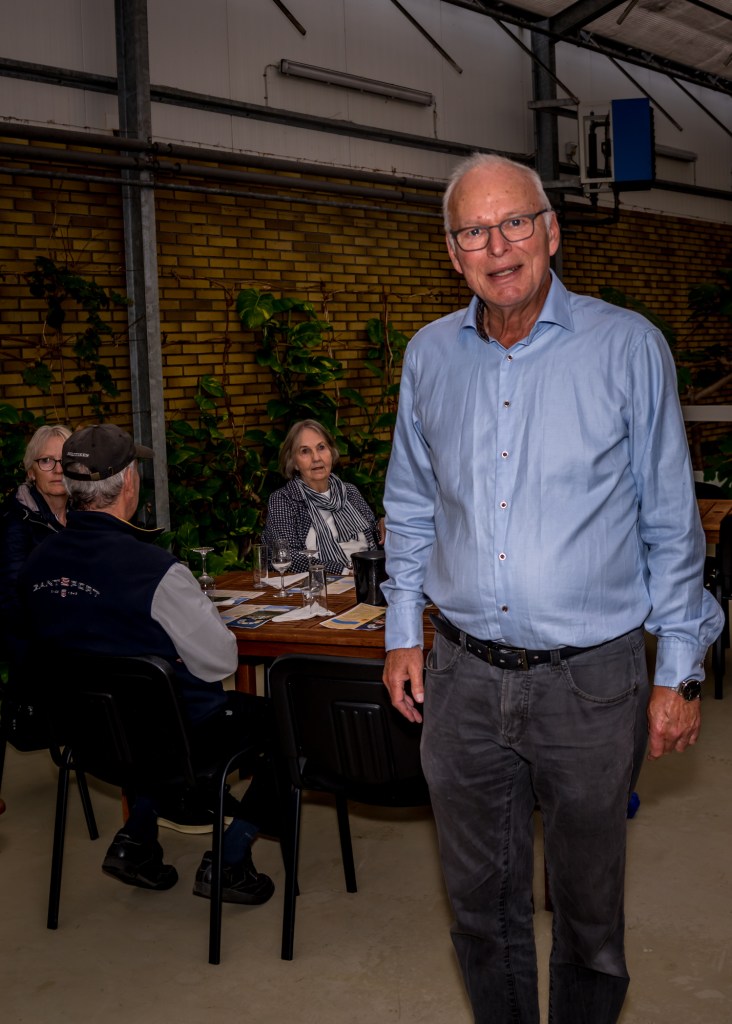
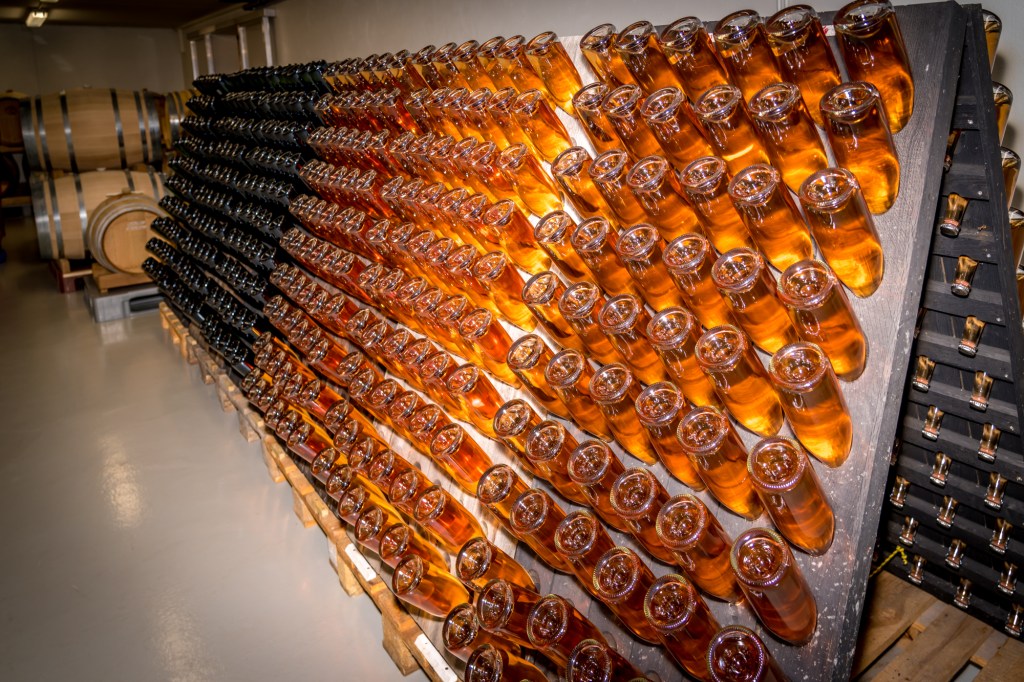
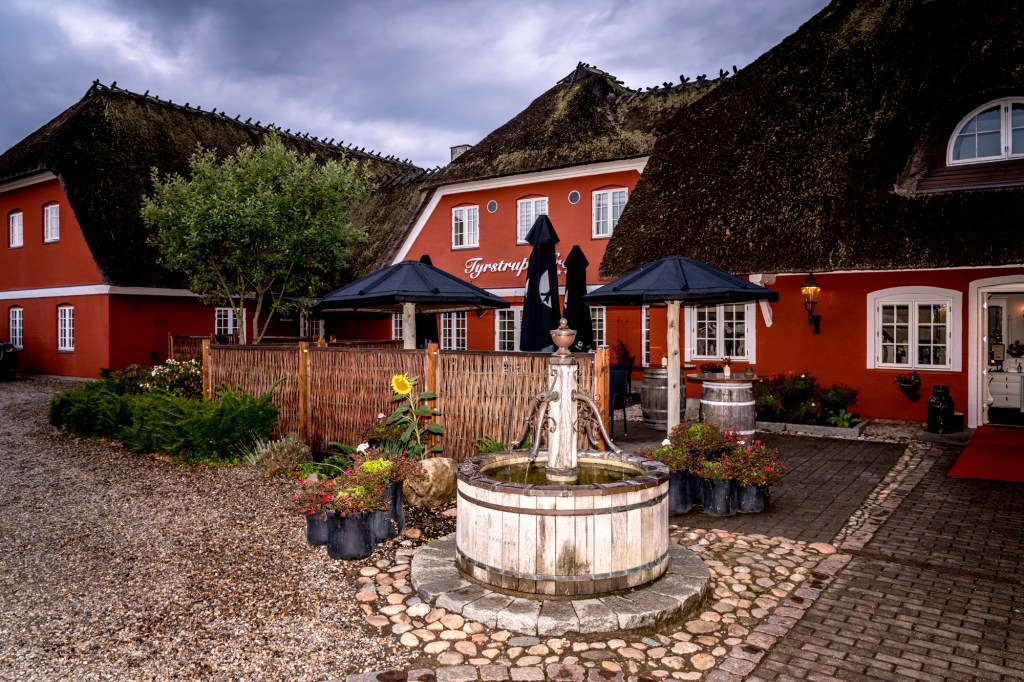
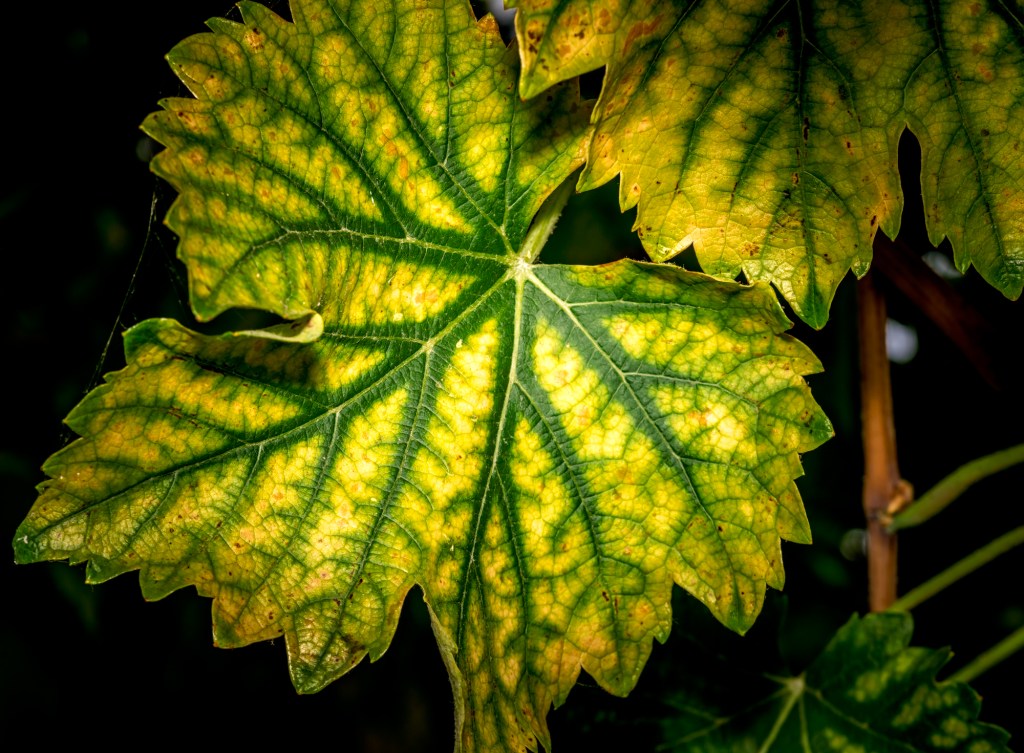
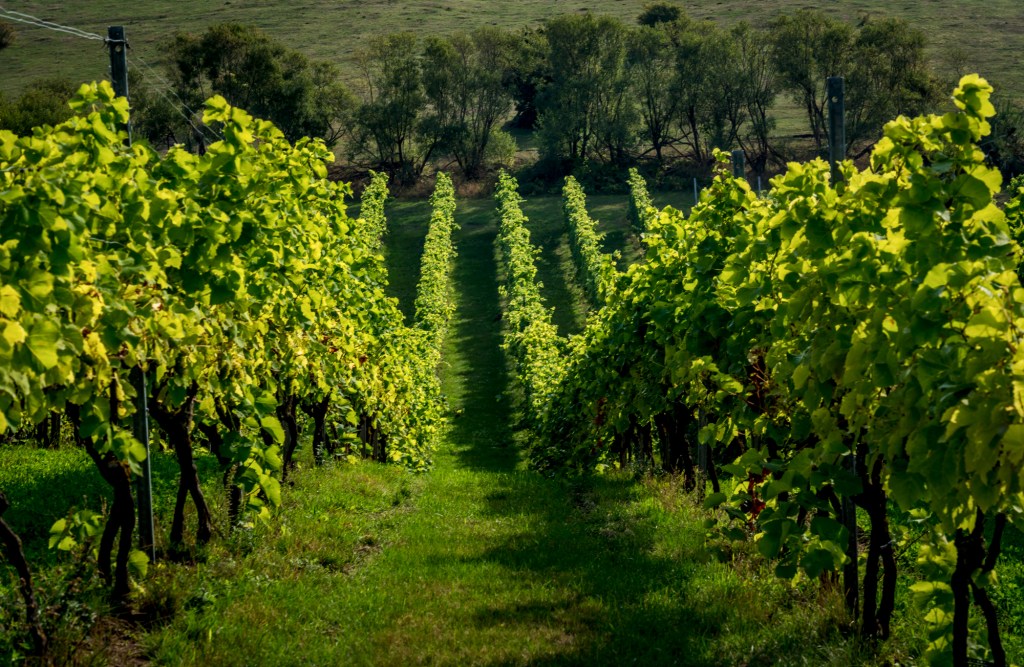
The following pictures are from the following vineyards:

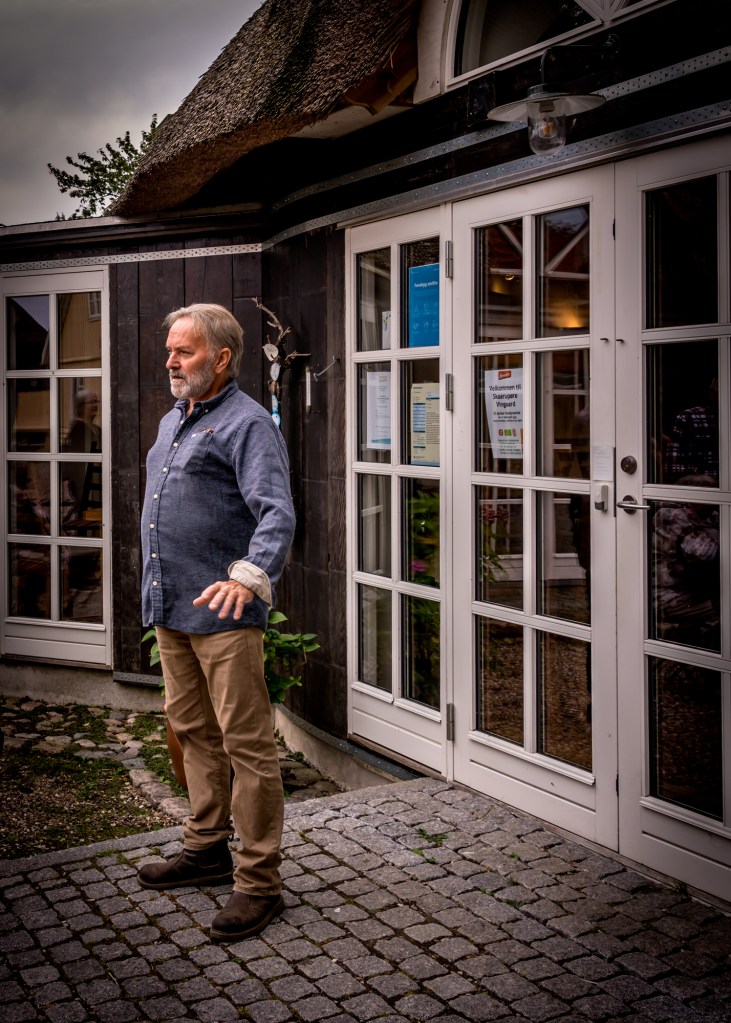
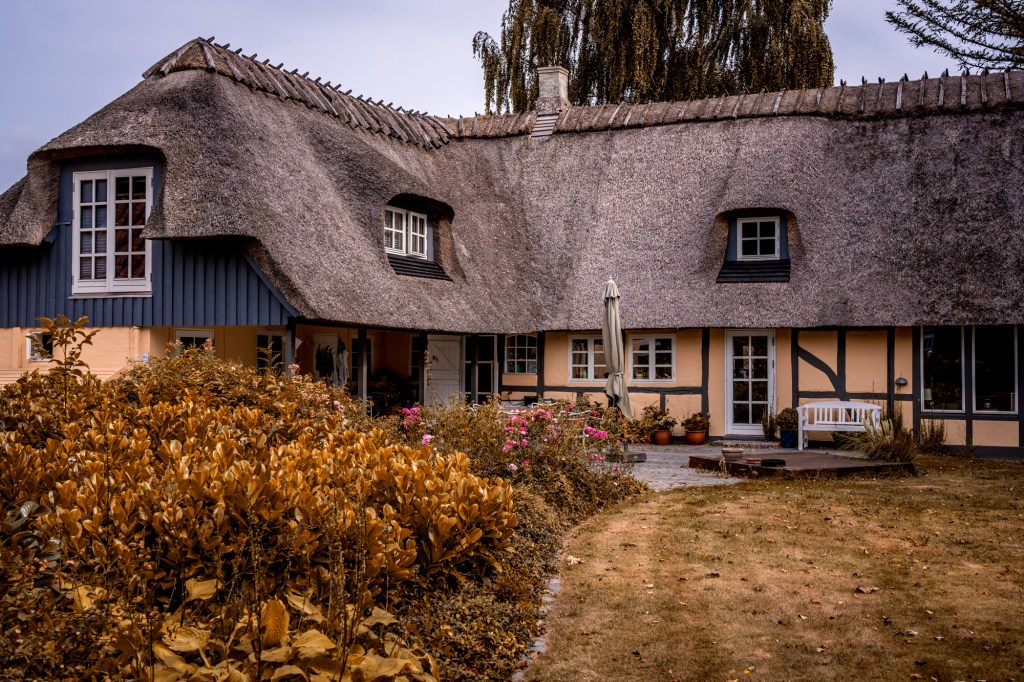
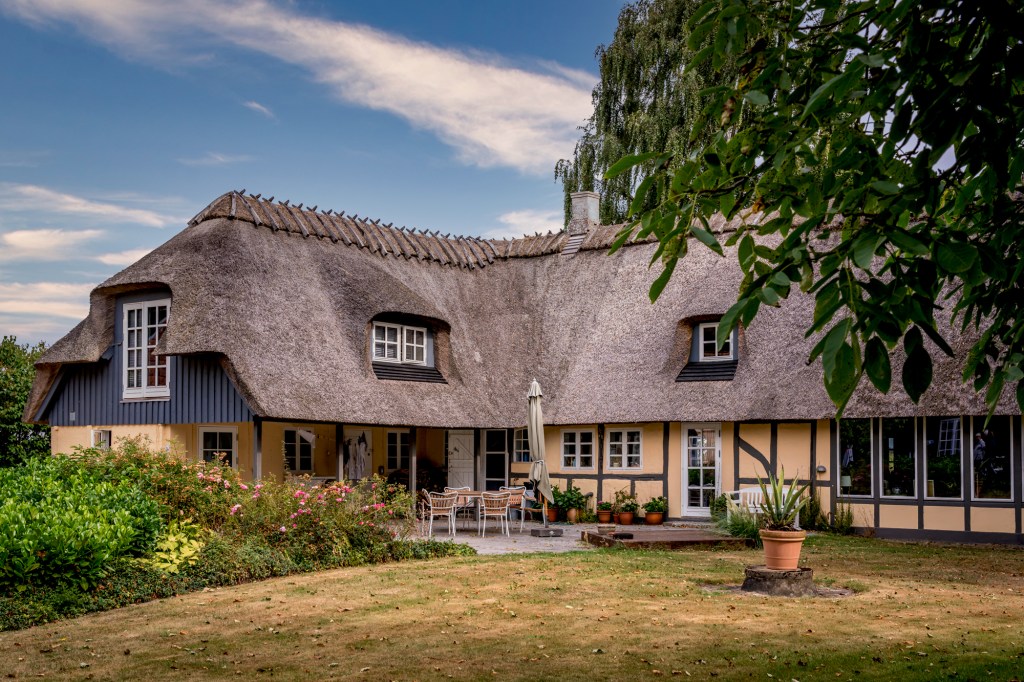
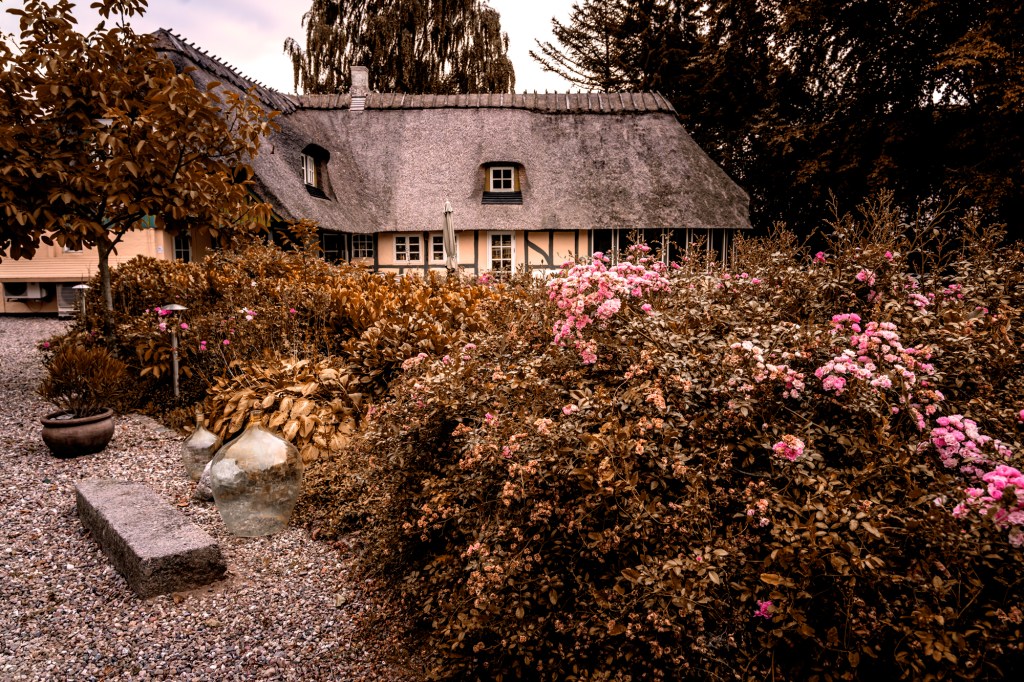
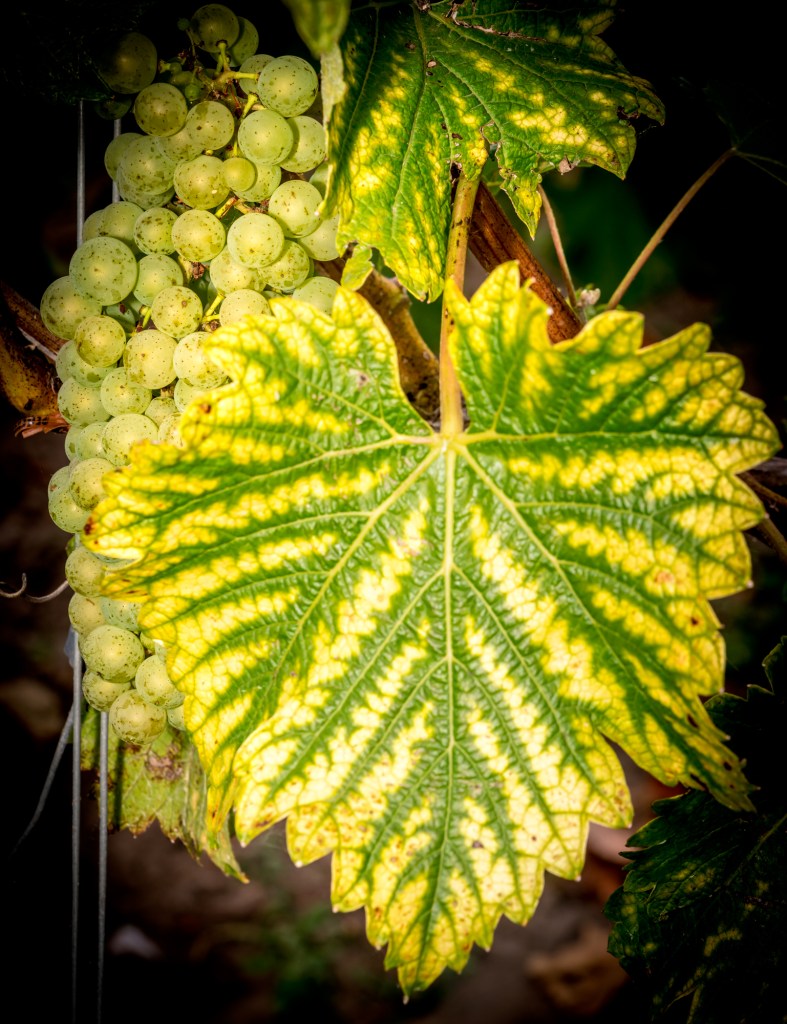
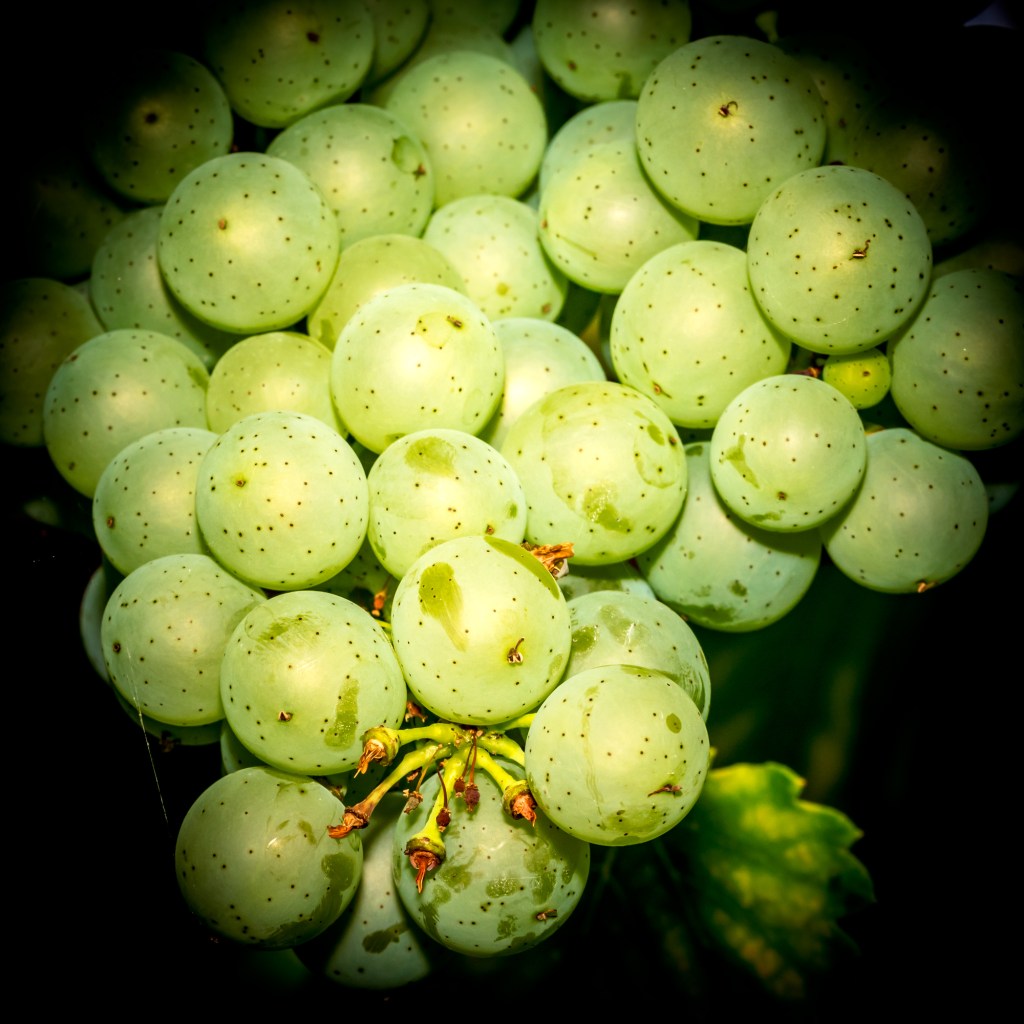
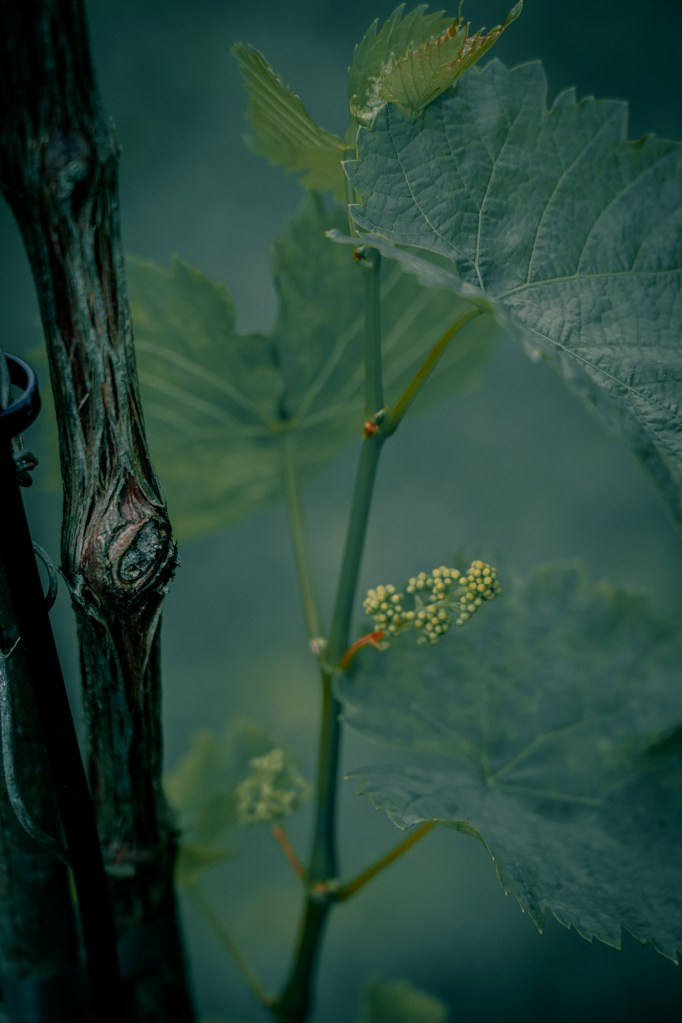
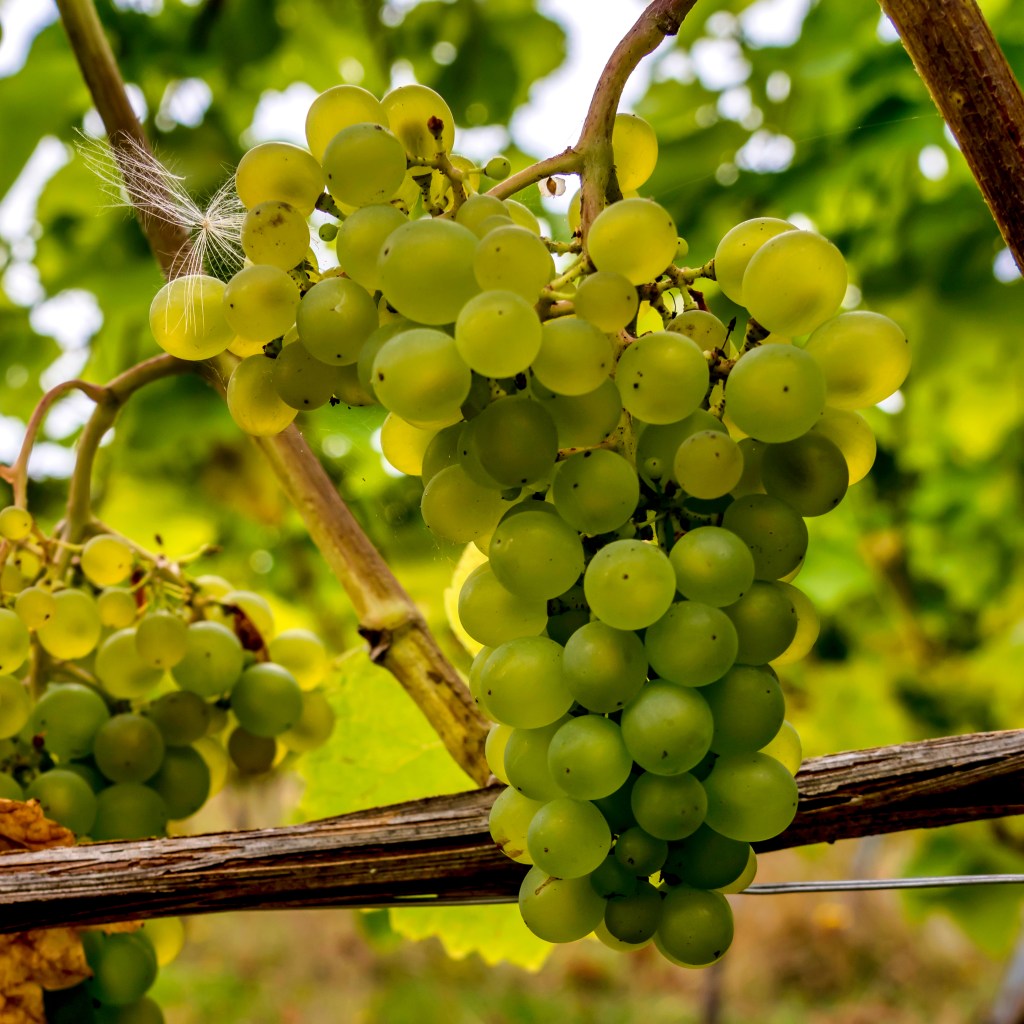
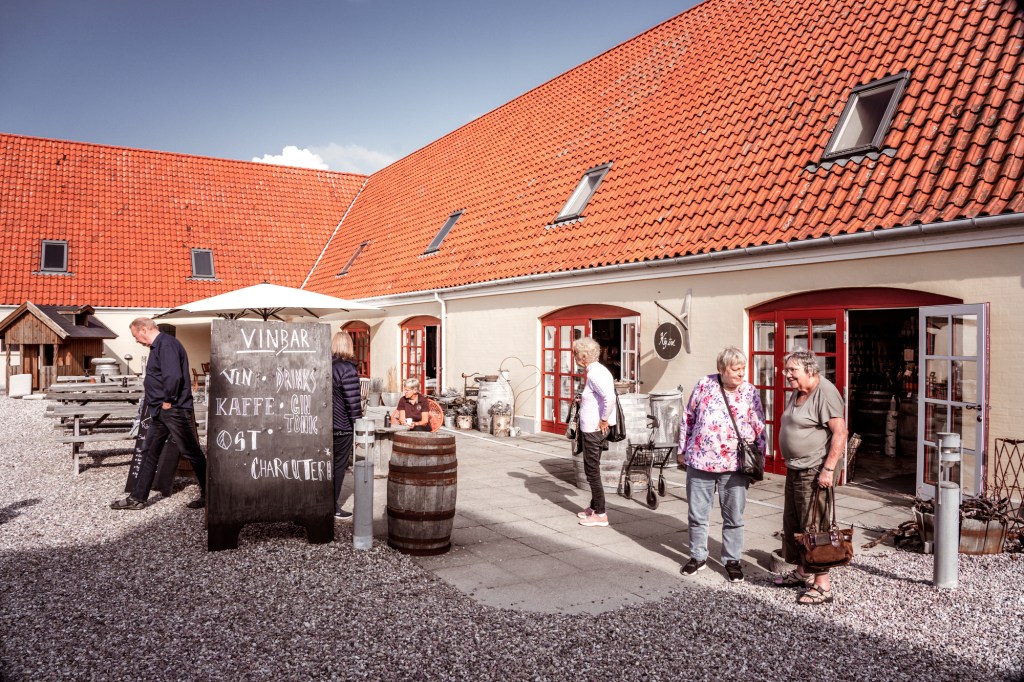
Skaarupøre Vingaard: Lovely organic winery located in Skårup on the Island of Fyn offering Bubbles, Rosé and White, as well as some fortified wines.

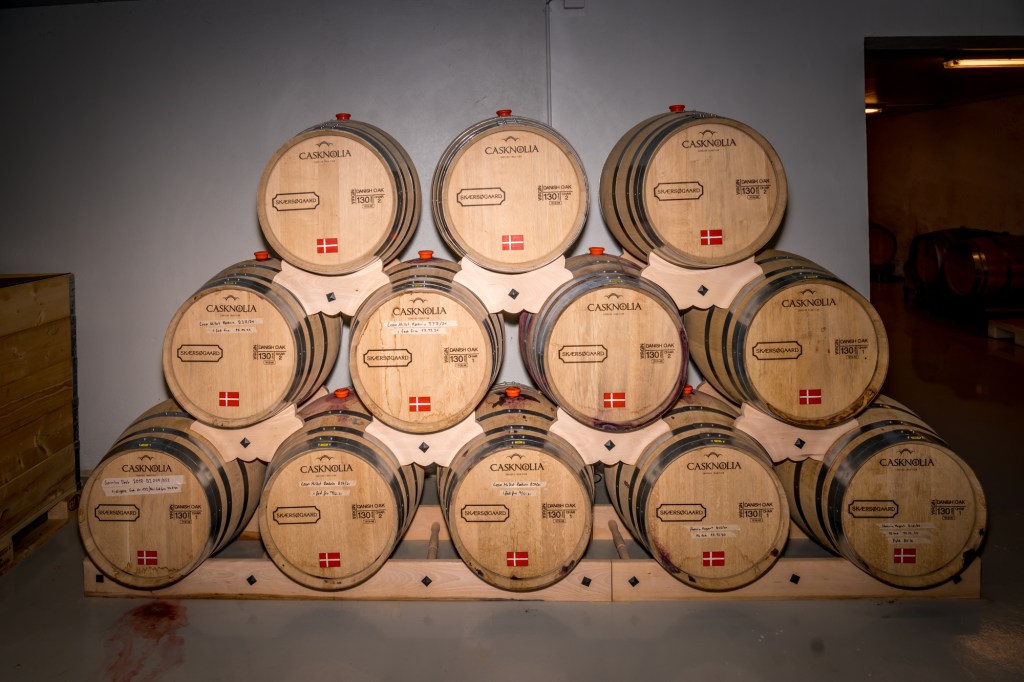
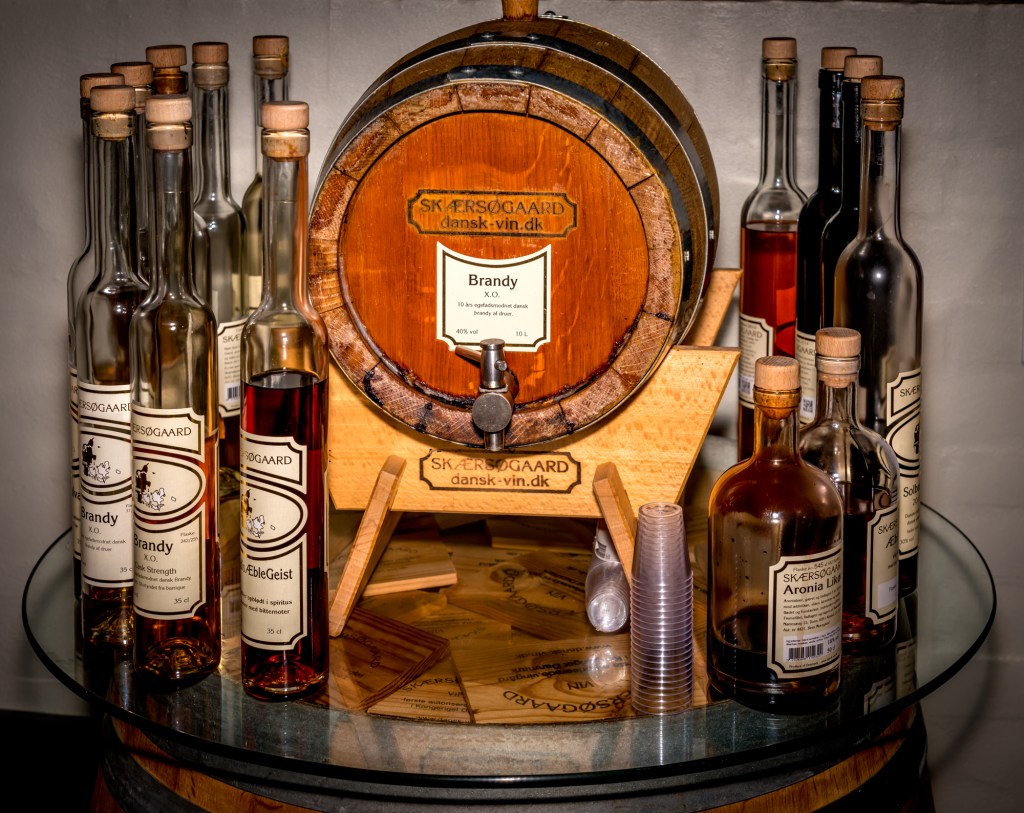
Skærsøgård Vin: The only wine with an appellation in Denmark (Dons) and the most awarded winery in the country with 126 Danish medals and 115 International ones. Located near Kolding in Jylland offering the same typical Danish wines.

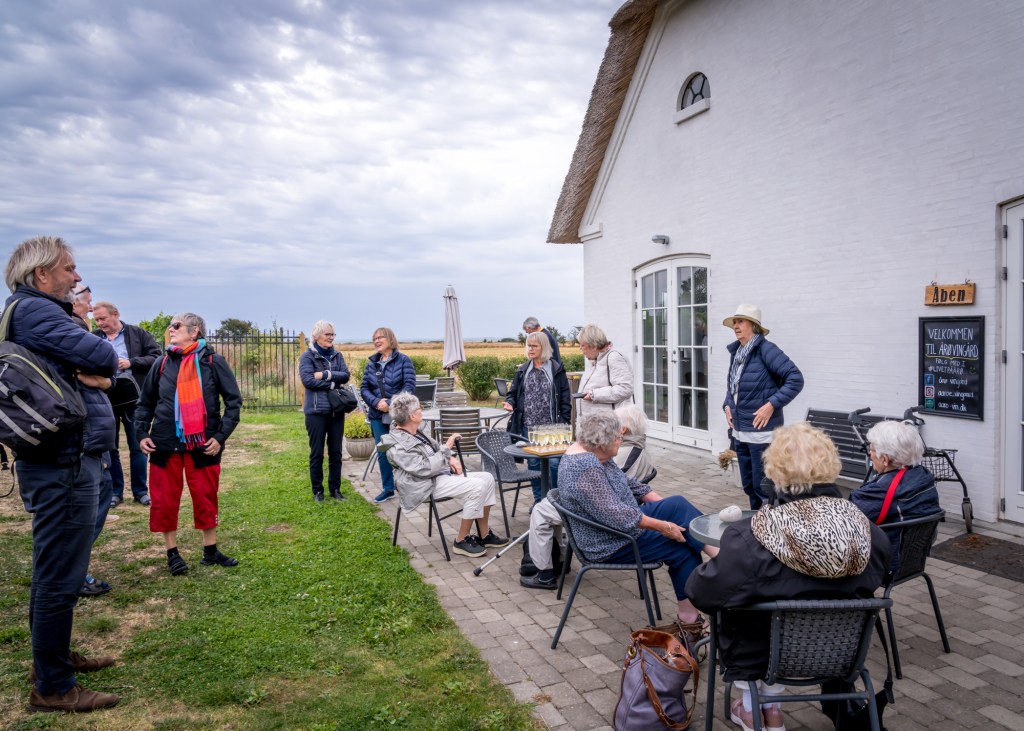
Årø Vingård: Located in Southern Jutland on the tiny island of Årø offering the usual Bubbles, Rosé and White, but also red and fortified wines. Don’t miss the “Flammkuchen” (Alsatian pizza simplified!) that come with the tasting!

Vesterhave Vingård: We are back in Zealand in the adorable town of Karrebæksminde way down south, only it feels more like tasting Amarone in Italy! Whoever said that Denmark cannot make red wine is just wrong!

Dyrehøj Vingård: Denmark’s largest vinery with 50,000 vines spread across 4-5 parcels and the only winery on a slope that I have seen so far in this flat country! An impressive production of bubbles, rosé and white, but also gin, rum, fortified wines, liqueurs etc.

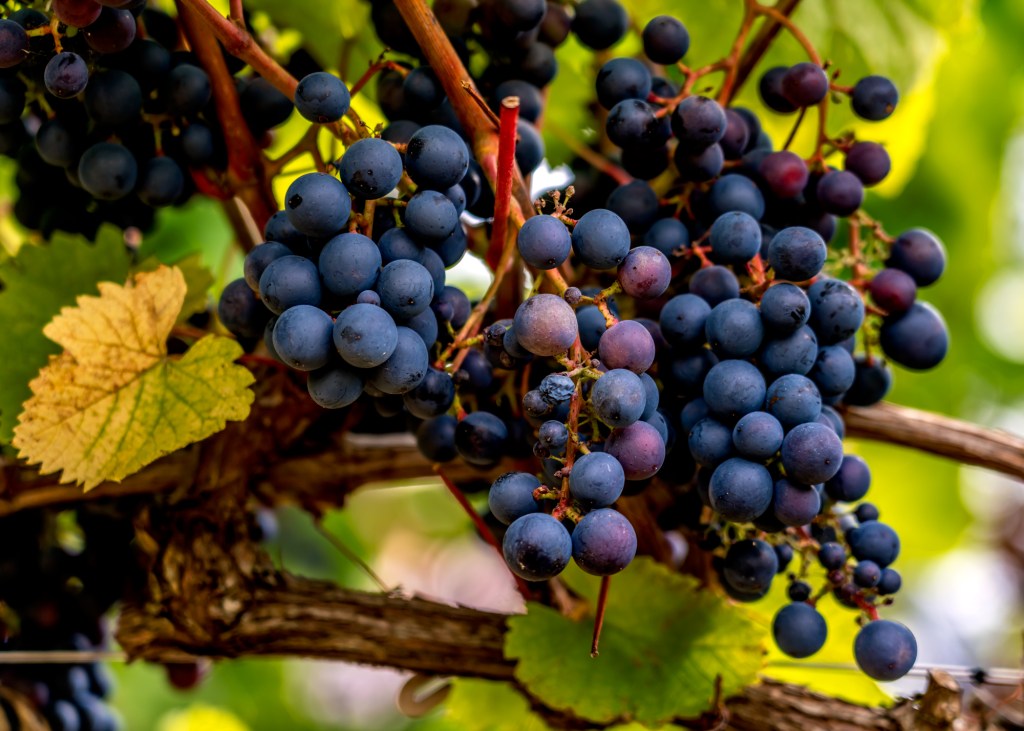
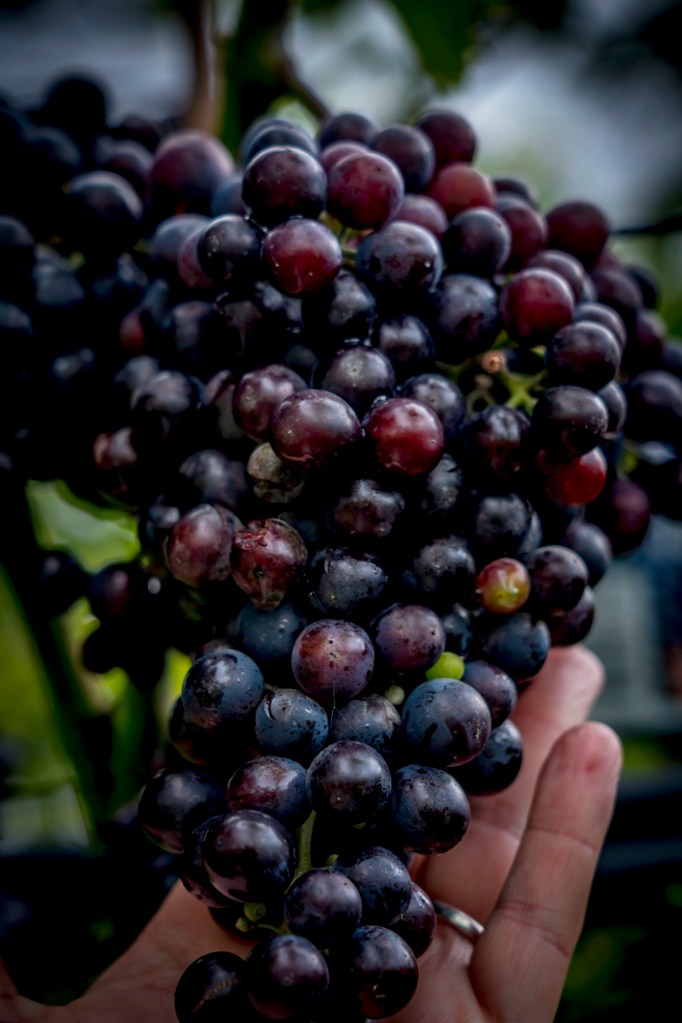
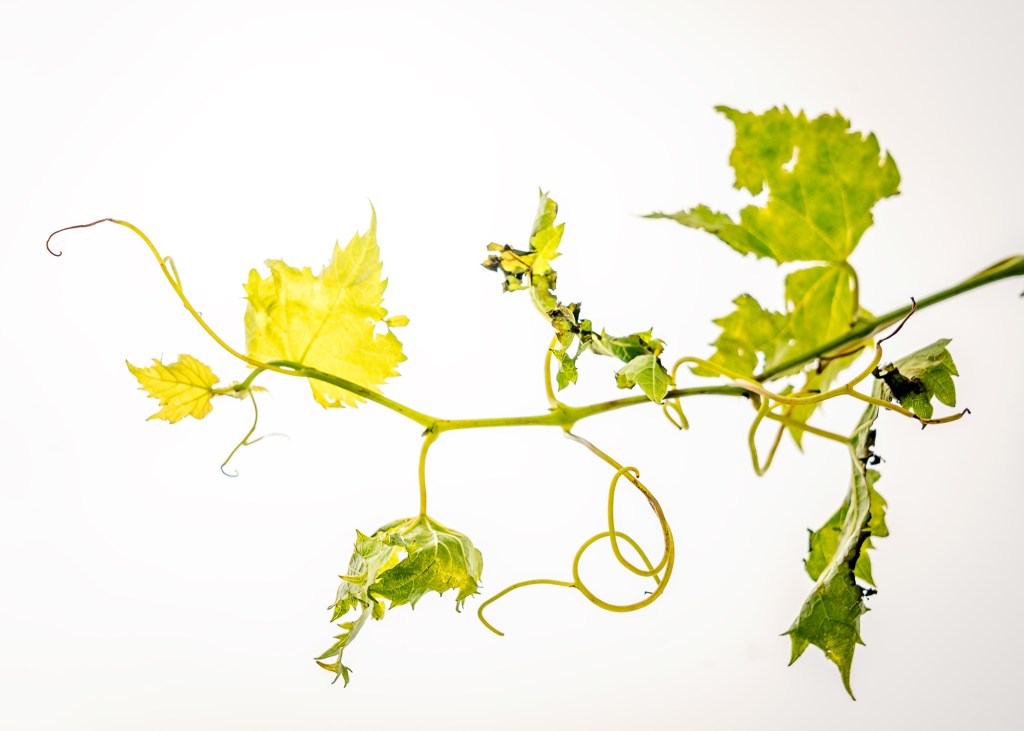
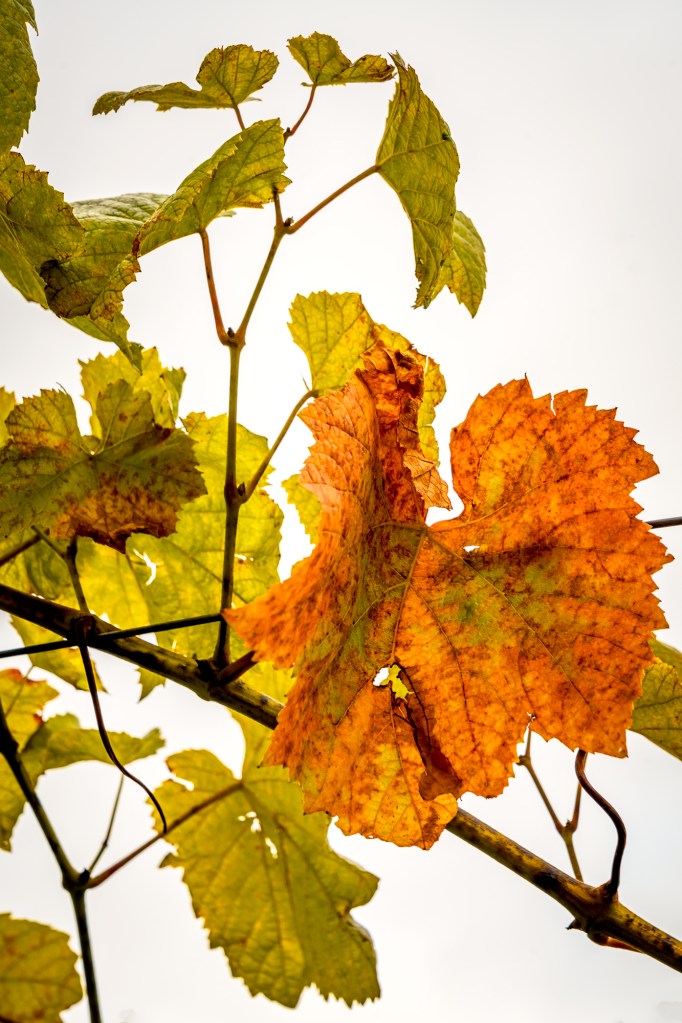
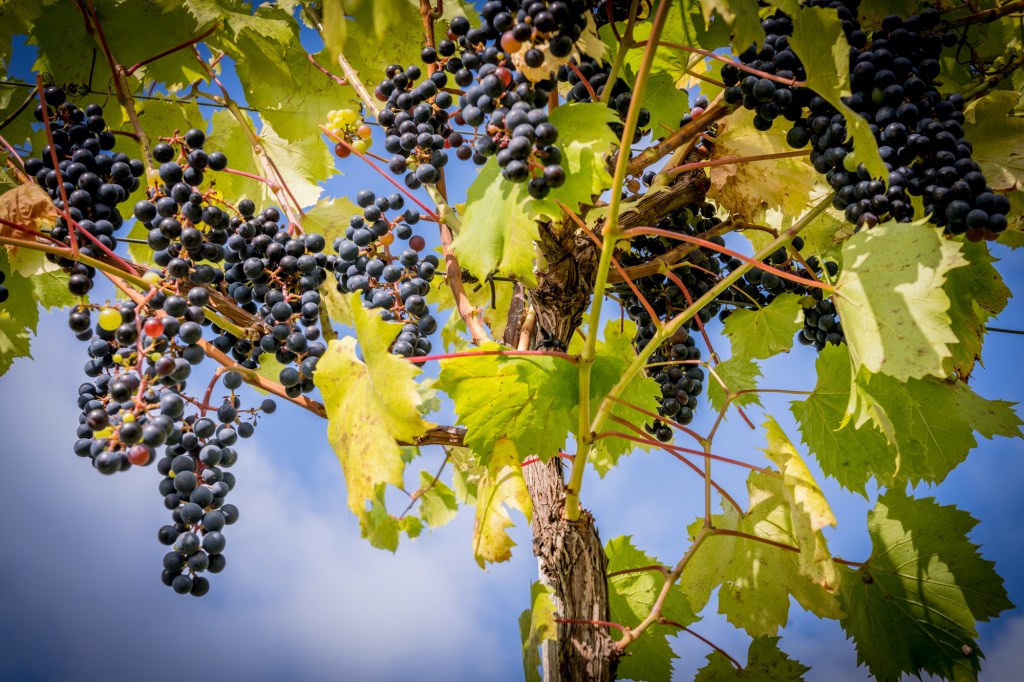
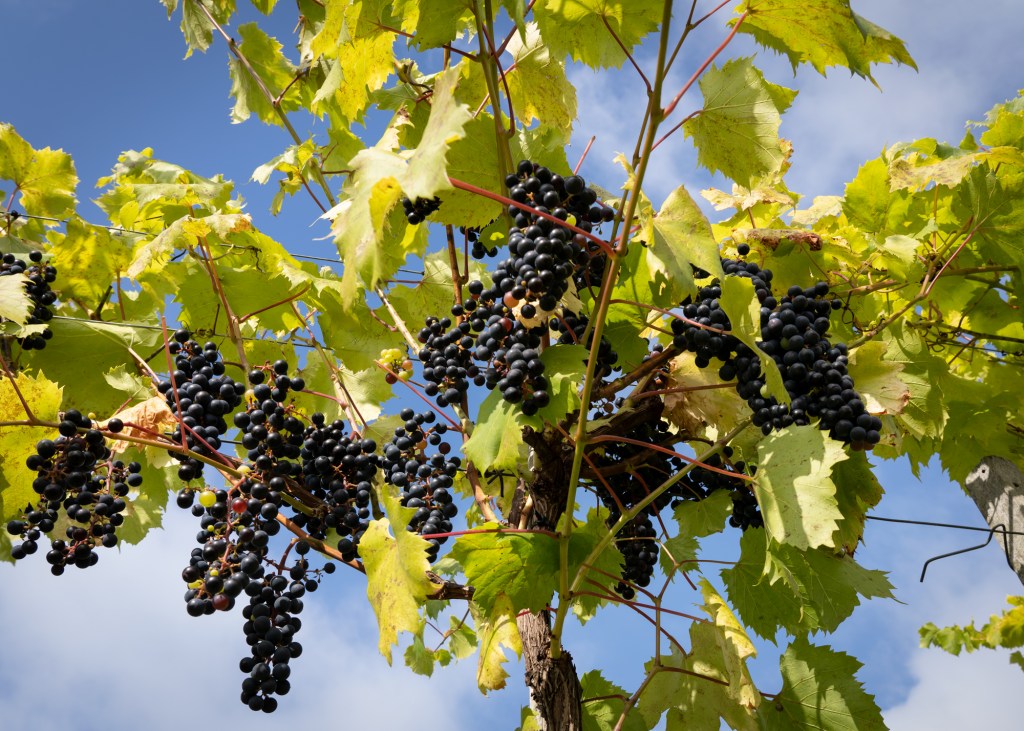
Grapes in Denmark are: Rondo, Regent, Leon Millot, Boleo, Cabernet Cantor, Cabernet Cortis, Castel, Solaris, Souvignier Gris, Orion, Zalas Perle and Riesel, all from Germany, France and Hungary.

A very special thank you to Vagn Olsen for organizing a perfect trip with wonderful wineries, food, hotels and stories, and to Alex, our fearless driver from Løvschall Bus.

Next adventure: The Vineyards of Sweden!

Skål!
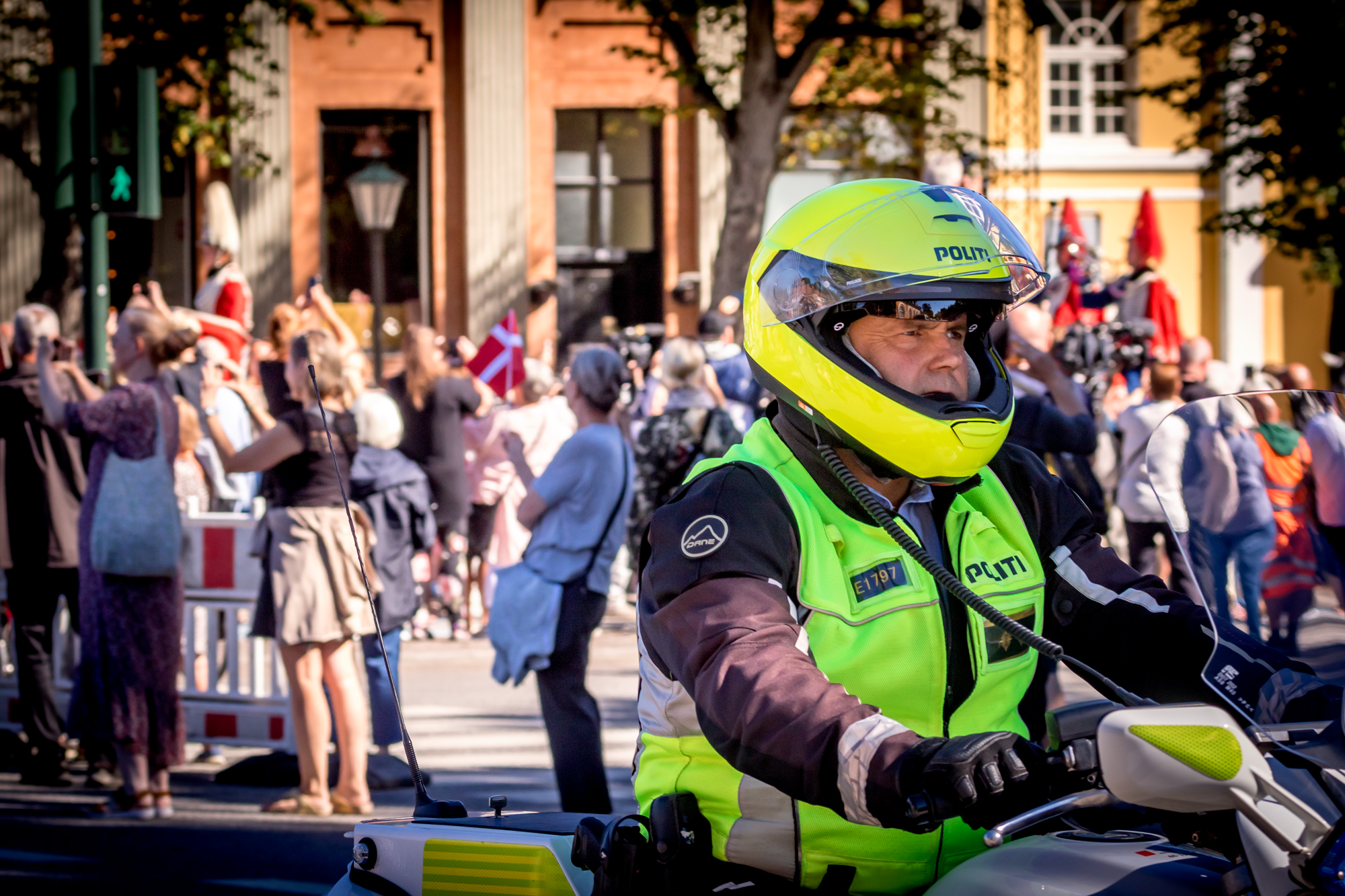
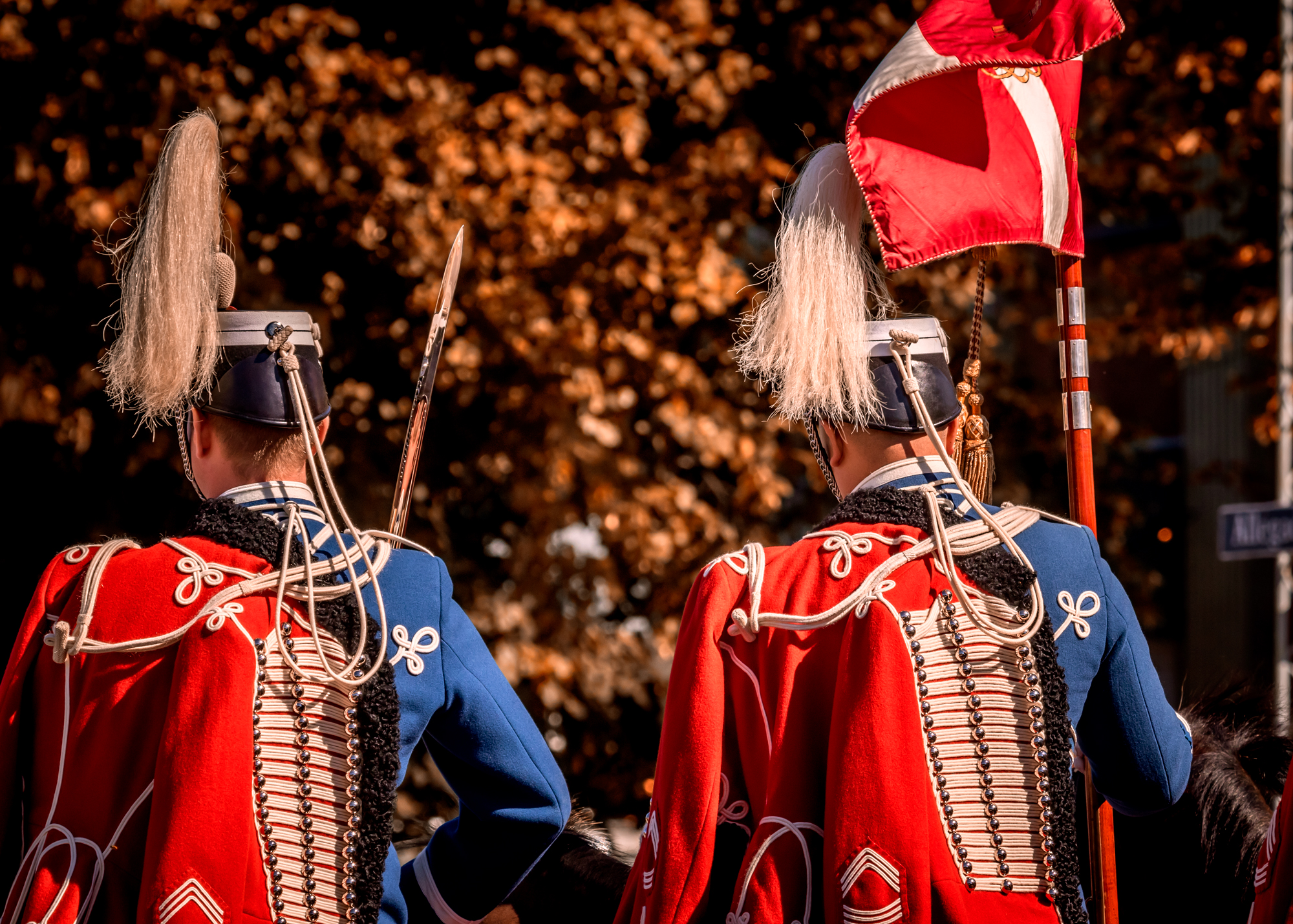
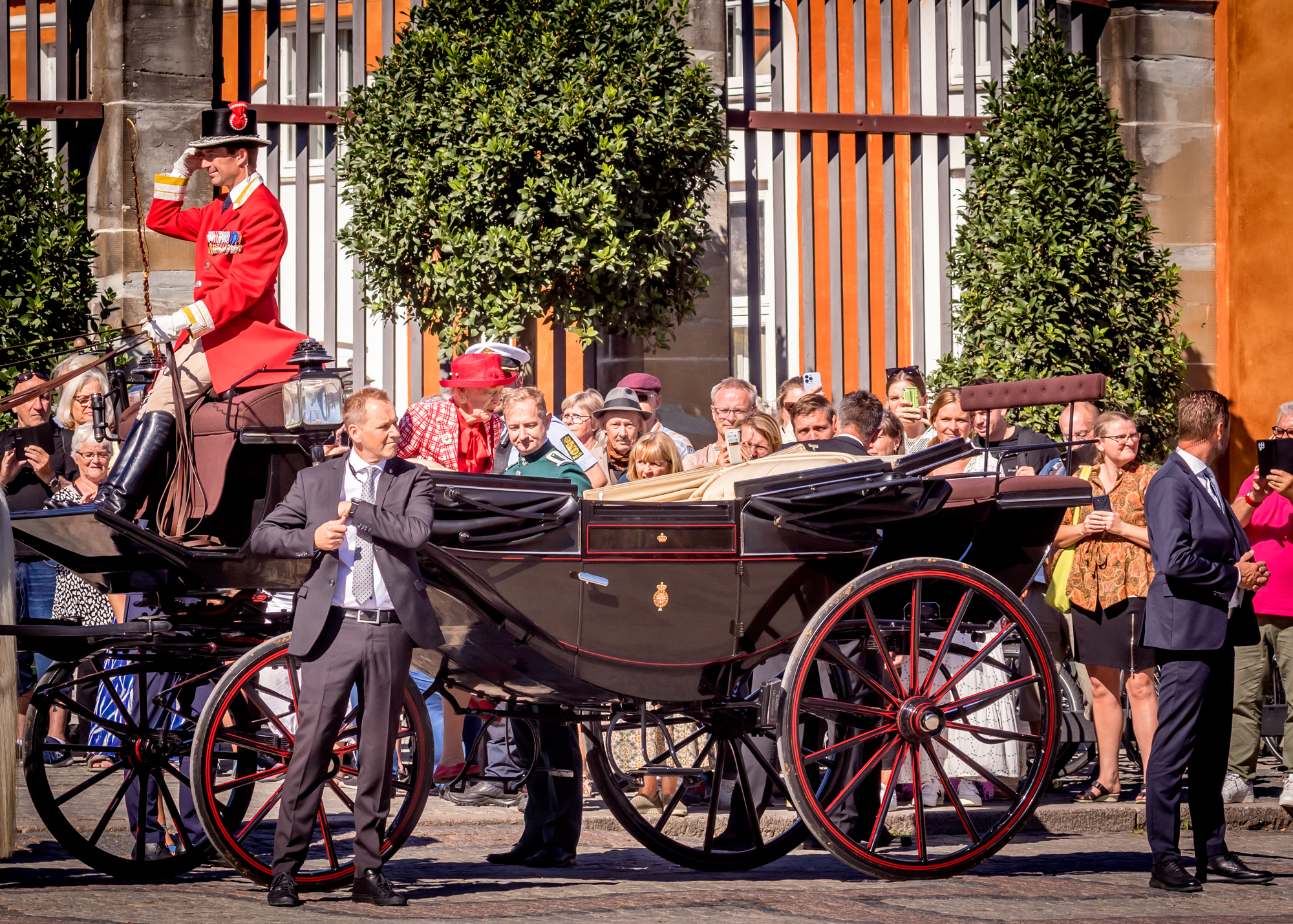
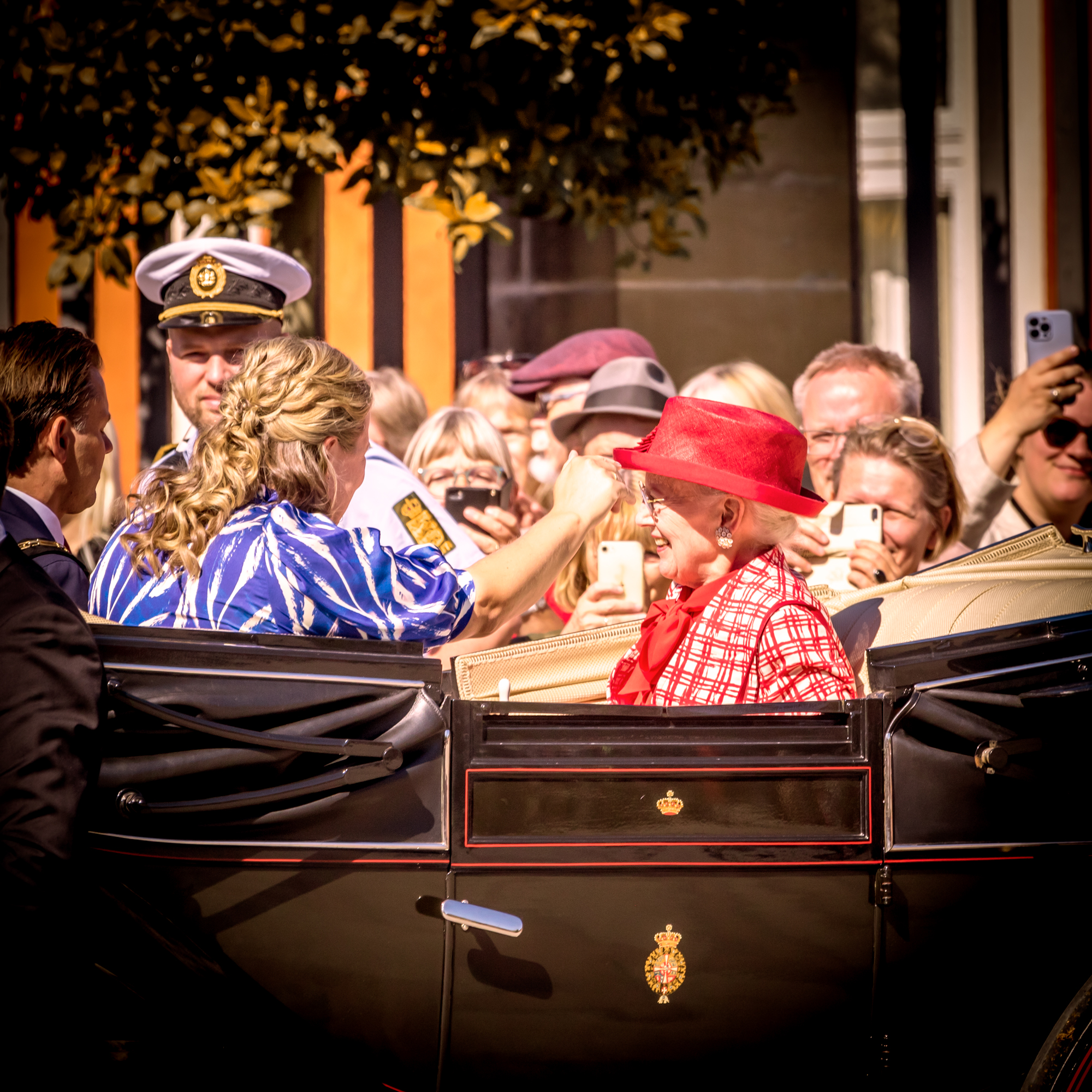
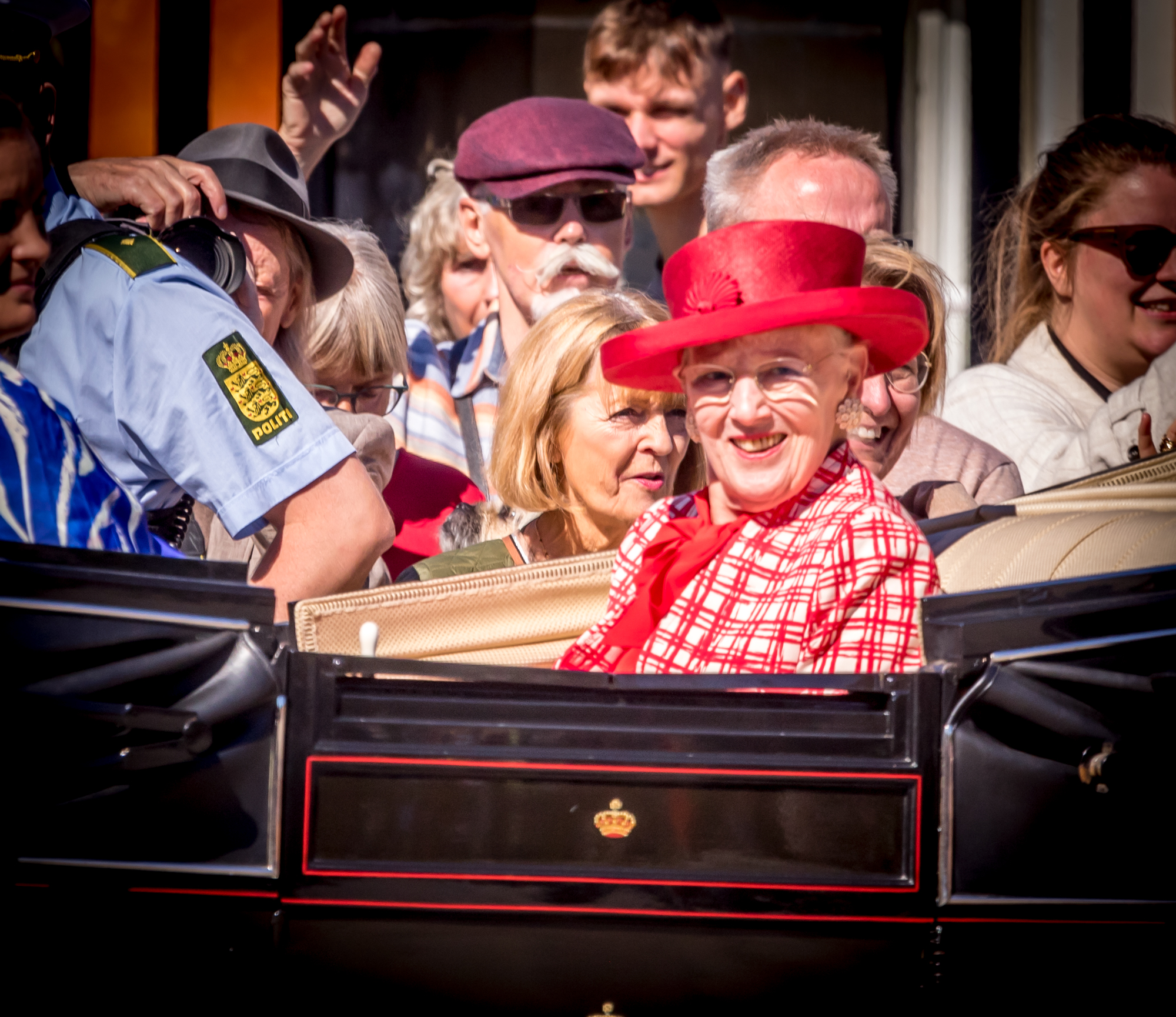
Her Majesty the Queen visits Frederiksberg!

Frederiksberg is where I have been living since the end of 2020. Most people think of it as a part of Copenhagen, but it is actually a town on its own!

Wikipedia says:

Frederiksberg (Danish pronunciation: [fʁeðʁeksˈpɛɐ̯ˀ]) is a part of the Capital Region of Denmark. It is formally an independent municipality, Frederiksberg Municipality, separate from Copenhagen Municipality, but both are a part of the City of Copenhagen. It occupies an area of less than 9 km2 and had a population of 103,192 in 2015.

Frederiksberg is an enclave surrounded by Copenhagen Municipality. Some sources ambiguously refer to Frederiksberg as a quarter or neighbourhood of Copenhagen, being one of the four municipalities that constitute the City of Copenhagen (the other three being Copenhagen, Tårnby and Dragør). However, Frederiksberg has its own mayor and municipal council, and is fiercely independent.

Frederiksberg is an affluent area, characterised by its many green spaces such as the Frederiksberg Gardens, Søndermarken, and Hostrups Have. Some institutions and locations that are widely considered to be part of Copenhagen are actually located in Frederiksberg. For example, Copenhagen Zoo as well as several stations of the Copenhagen Metro (the stations Forum, Frederiksberg, Fasanvej, Lindevang, Flintholm, Axel Møllers Have, and Frederiksberg Allé) are located in Frederiksberg. The Copenhagen S-train system also has several stations in Frederiksberg, including Peter Bangs Vej station and Flintholm station.

Frederiksberg’s original name was Tulehøj, a combination of the Danish words thul (thyle) and høj (hill),indicating that a thyle lived there, the reciter of eldritch times. The term is known from the Snoldelev rune stone.In Beowulf, Unferth holds the same title. In Håvamål, Odin himself is referred to as “the old thul”. Thula translates as “song”, like in the Rigsthula poem from the Edda. By 1443 the name Tulehøj was spelled Tulleshøy. It was regarded as Copenhagen’s border to the west. People have lived in the area since the Bronze Age.

The history of Frederiksberg goes back to 2 June 1651 when King Frederik III gave 20 Danish-Dutch peasants the rights to settle at Allégade (from the words allé (tree-lined street) and gade (street)), and founded the town then named “Ny Amager” (New Amager) or “Ny Hollænderby” (New Dutchman-town). Farming was not very successful, and in 1697 most of the town burned down. This meant that the peasants were unable to pay taxes, and the land reverted to the crown by Frederik III’s son Christian V.

In 1700–1703, King Frederik IV built a palace on top of the hill known as Valby Bakke (bakke = hill). He named the palace Frederichs Berg, and the rebuilt town at the foot of the hill consequently changed its name to Frederiksberg. A number of the local houses were bought by wealthy citizens of Copenhagen who did not farm the land, but rather used the properties as country houses.

The town changed slowly from a farming community to a merchant town, with craftsmen and merchants. During the summer rooms were offered for rent, and restaurants served food to the people of Copenhagen who had left the cramped city for the open land, and to be near the royals.

Initially the town grew slowly with population growing from 1,000 in 1770, to 1,200 in 1800, and to 3,000 in 1850.

In 1852, Parliament removed restrictions which prohibited permanent construction outside Copenhagen’s city walls. Almost immediately numerous residential areas were constructed, starting in the eastern part near Copenhagen, and ending in the western part farthest away from Copenhagen in 1950. This led to rapid population growth; in 1900 the population reached 80,000, and in 1950 Frederiksberg peaked with a population of 120,000.

Today Frederiksberg consists almost entirely of 3- to 5-story residential houses, large single-family homes, and large parks; only a few small areas with light industry remain.

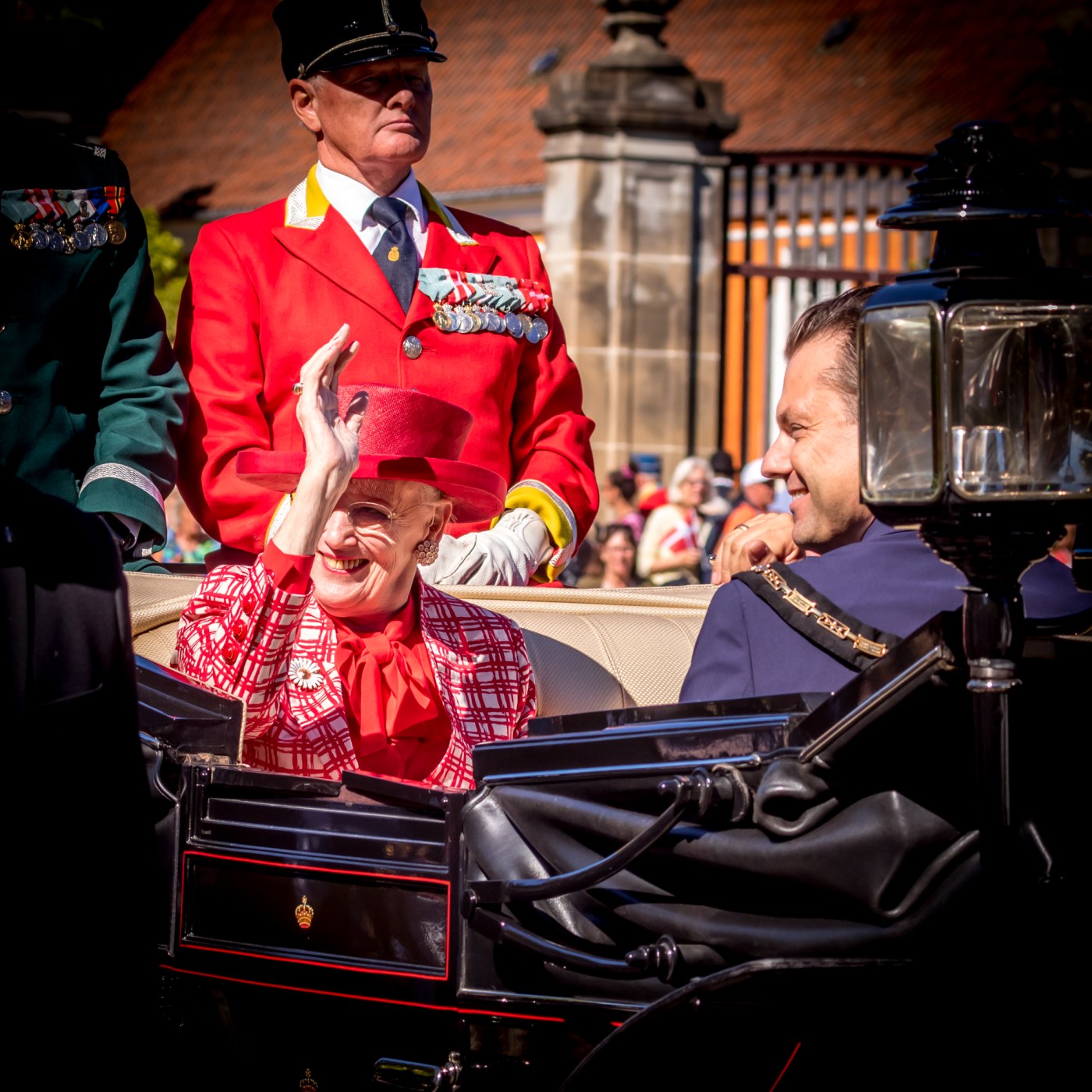
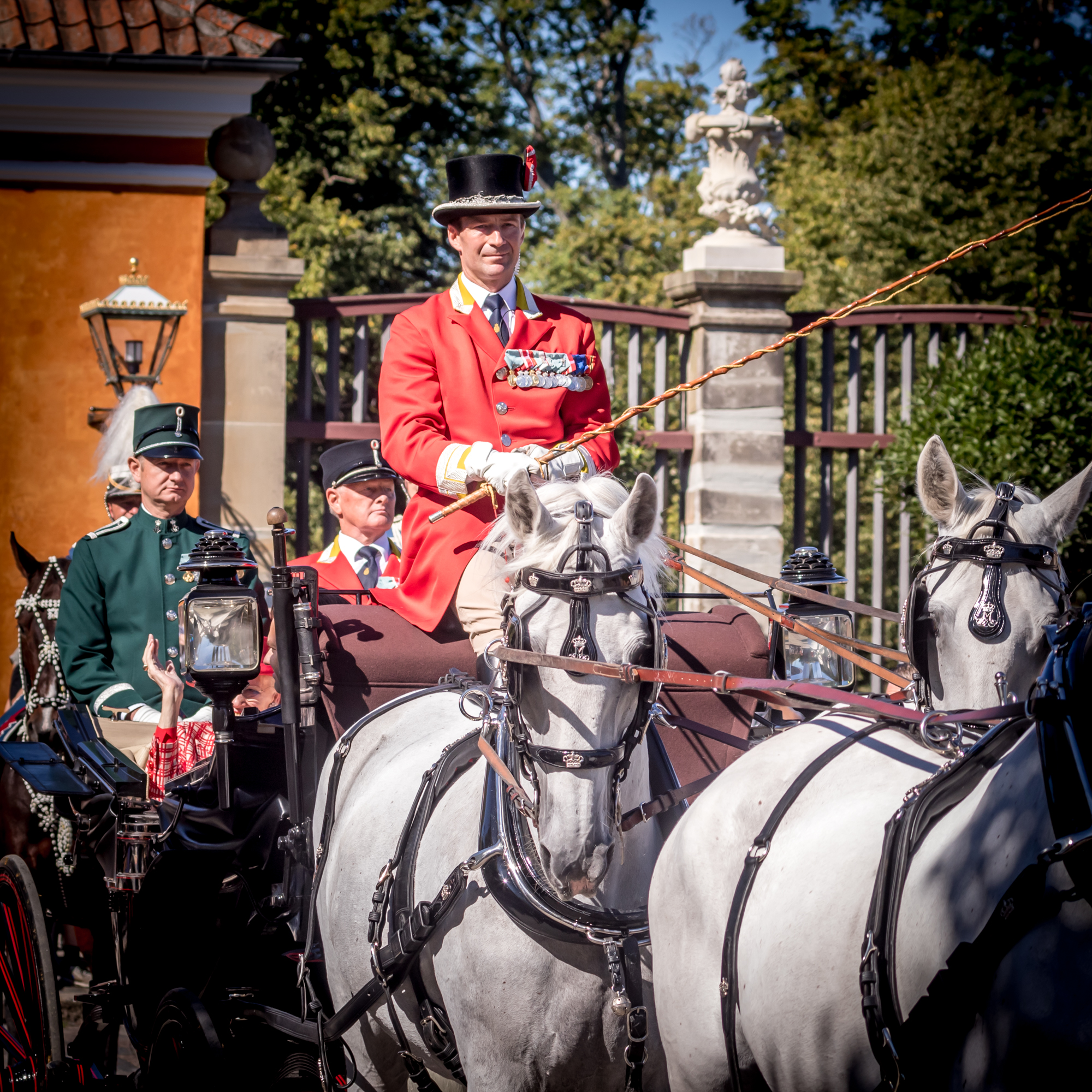
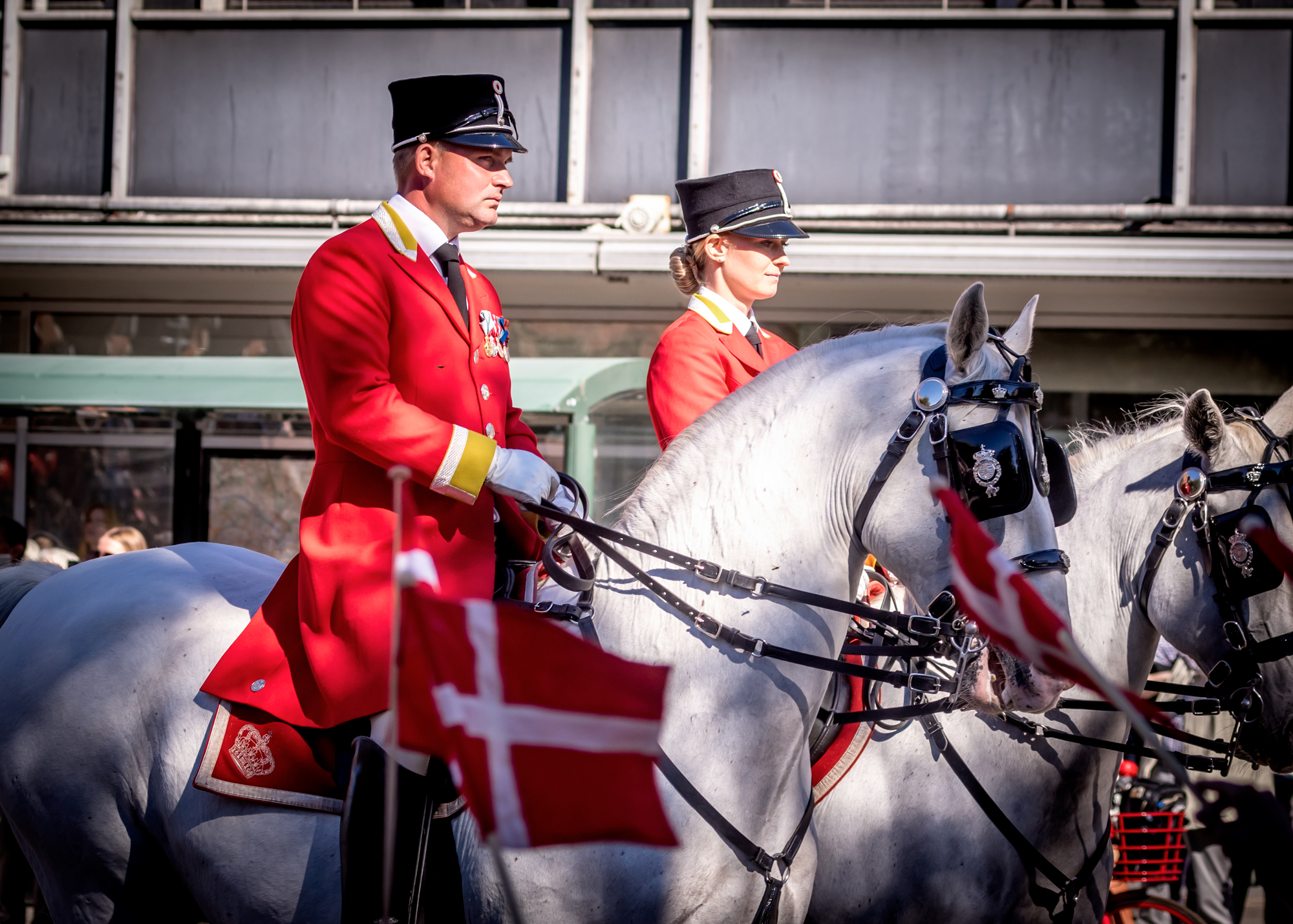
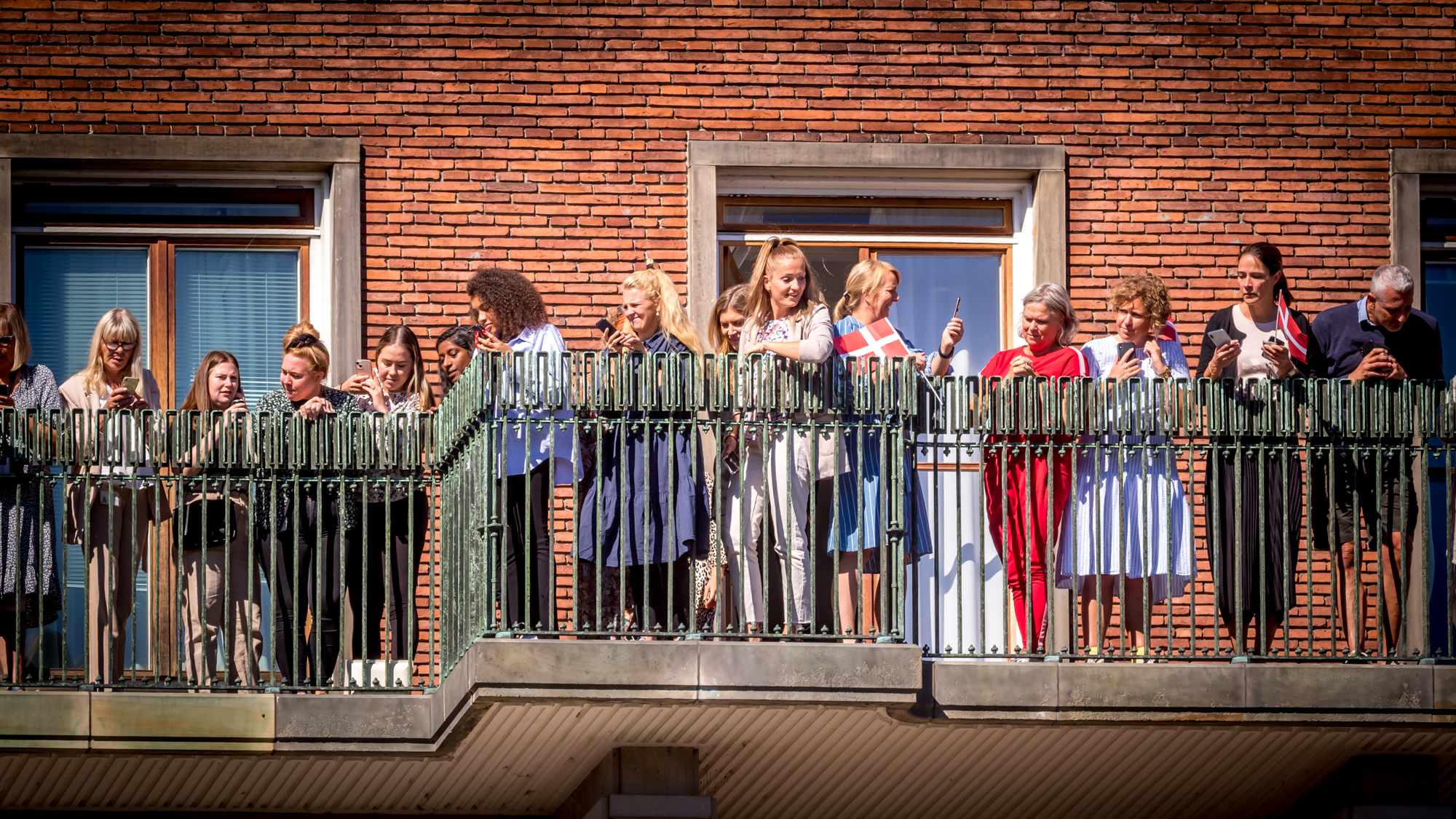
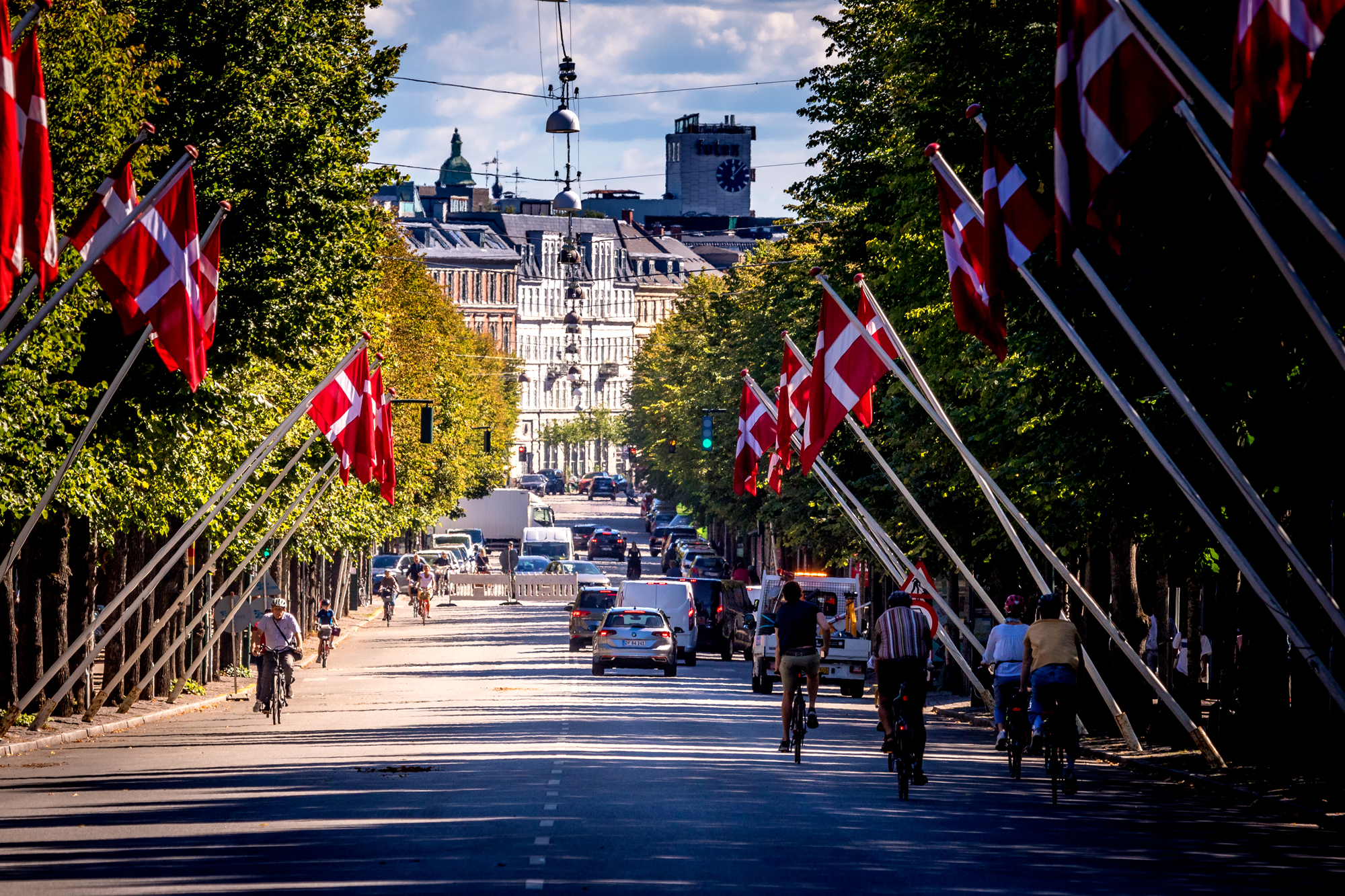
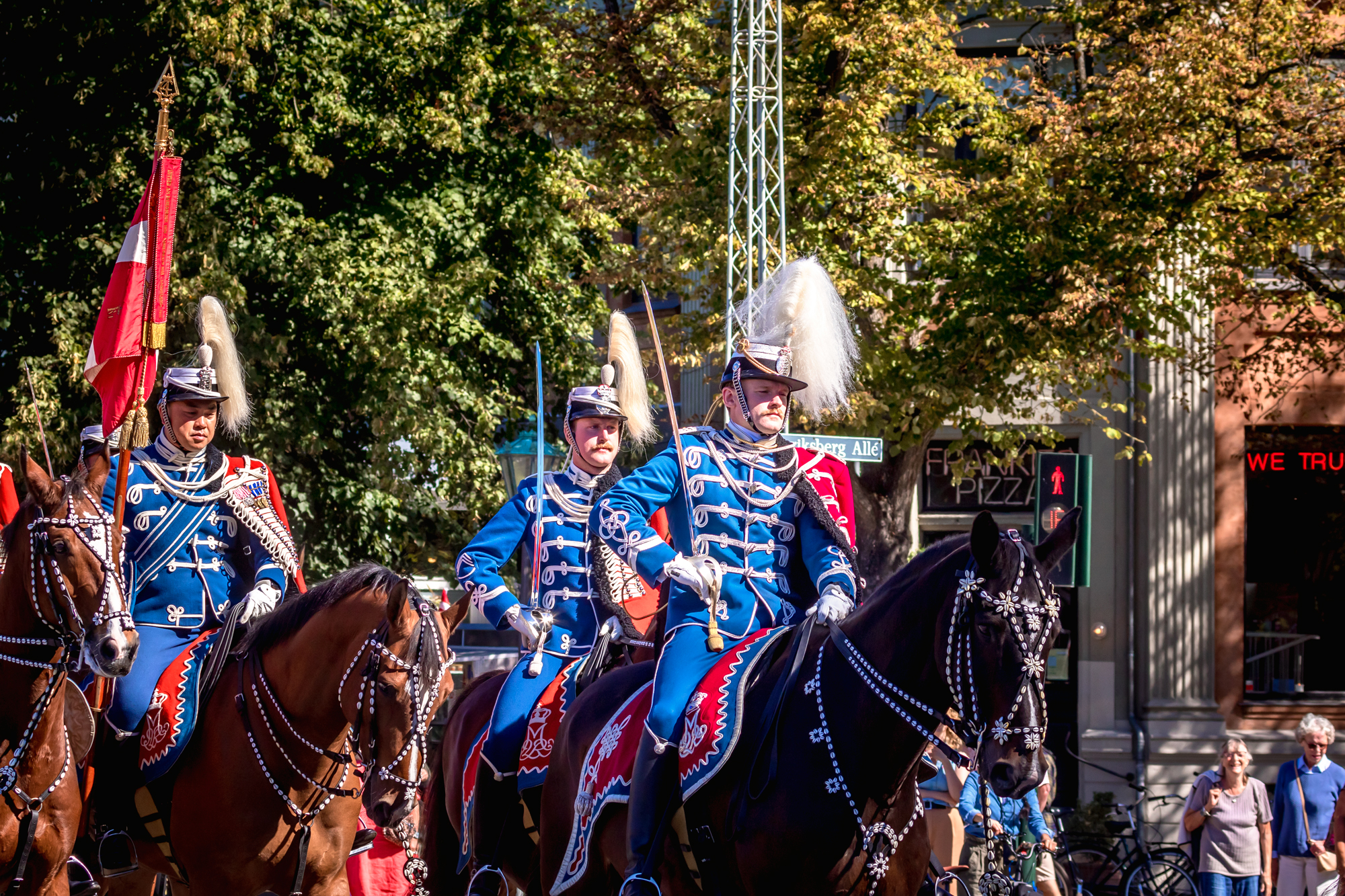
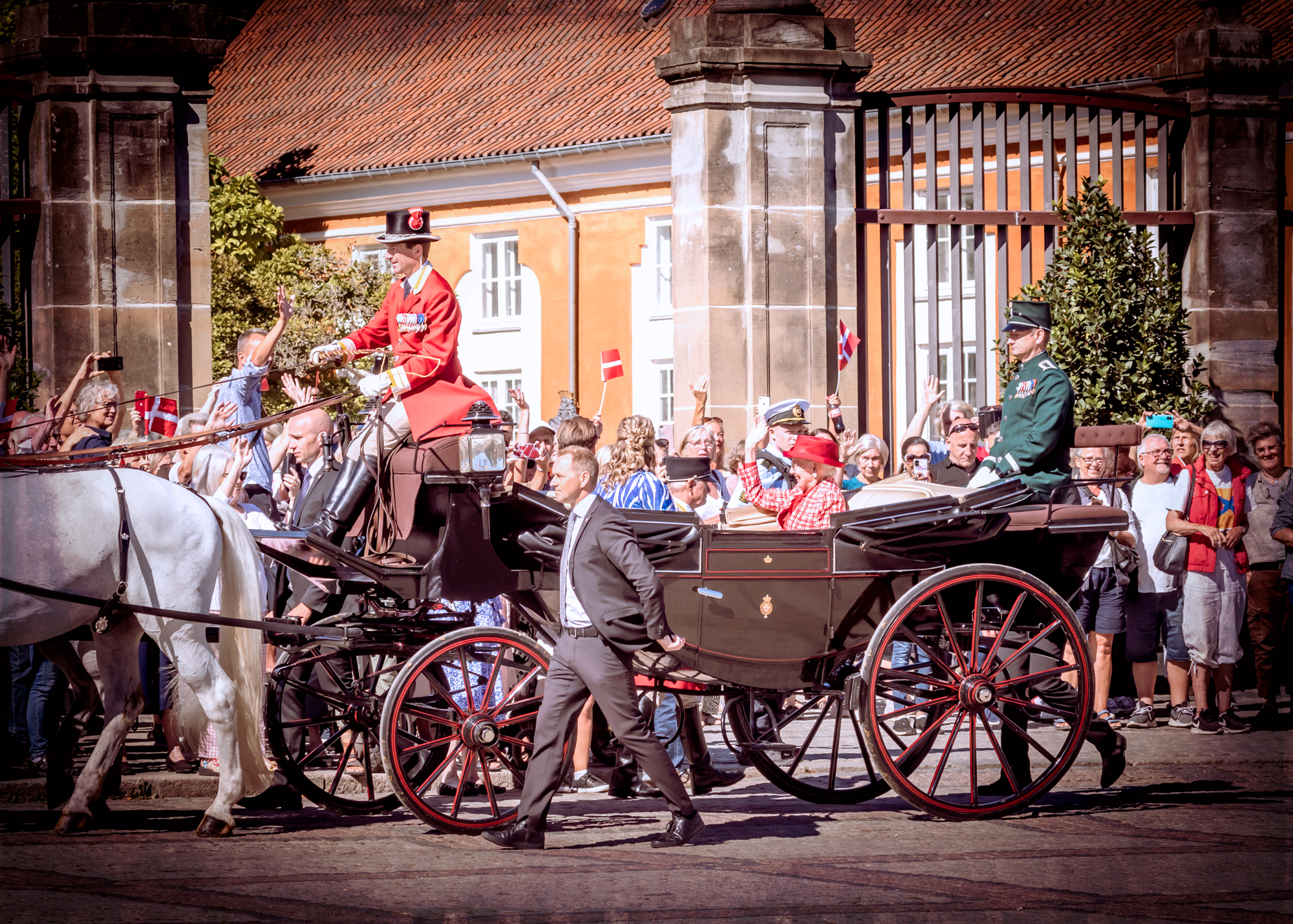
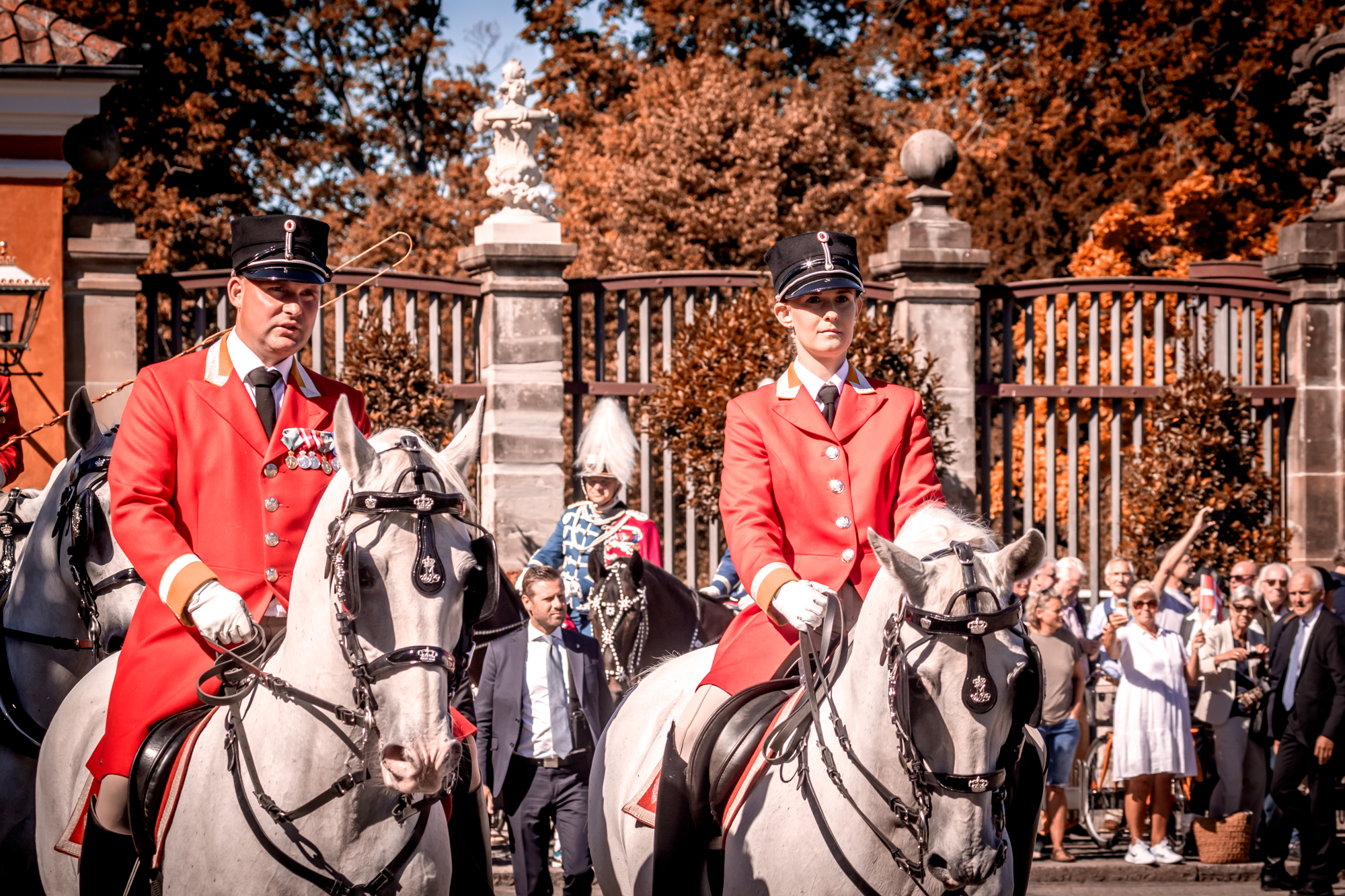
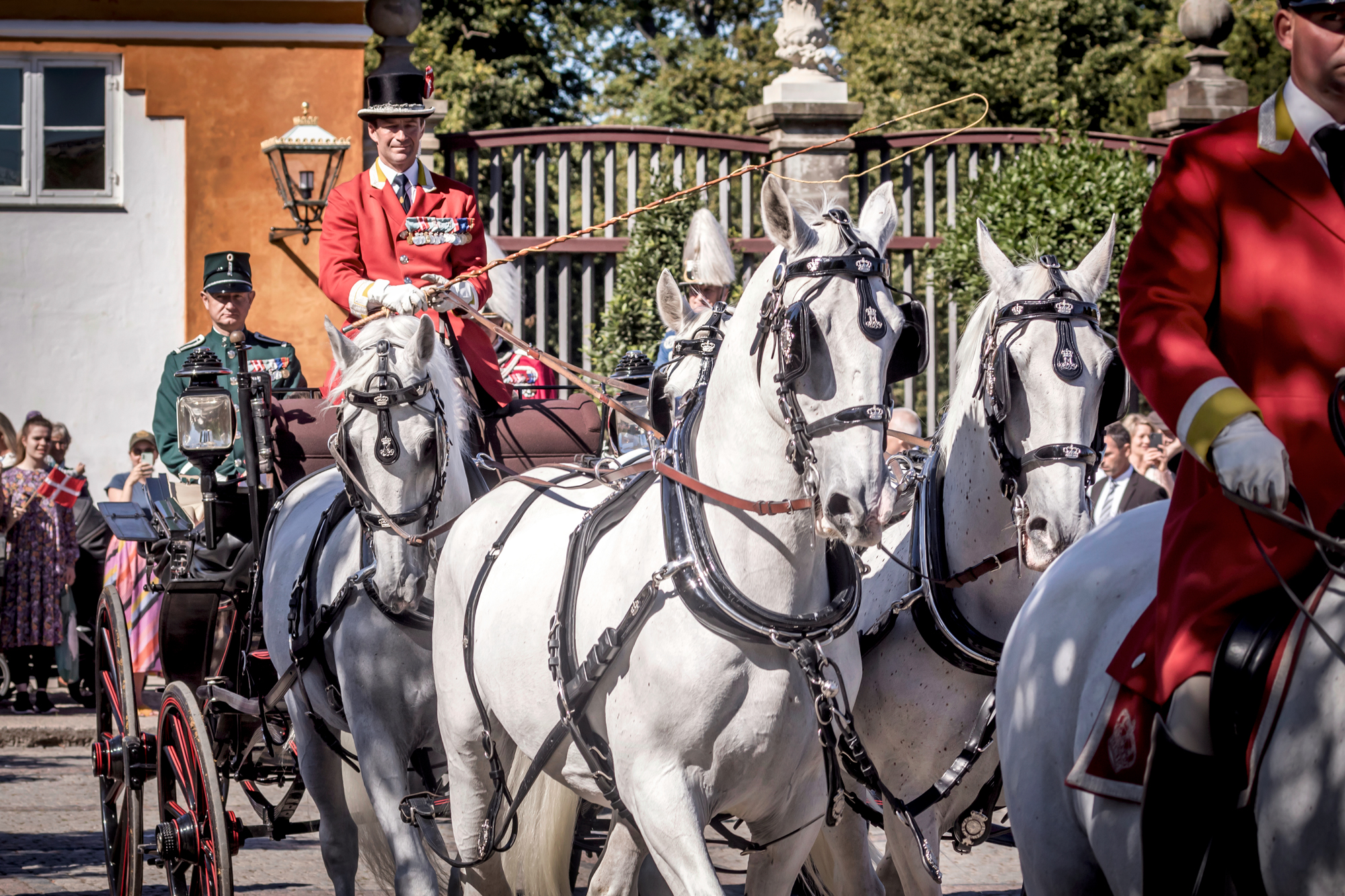
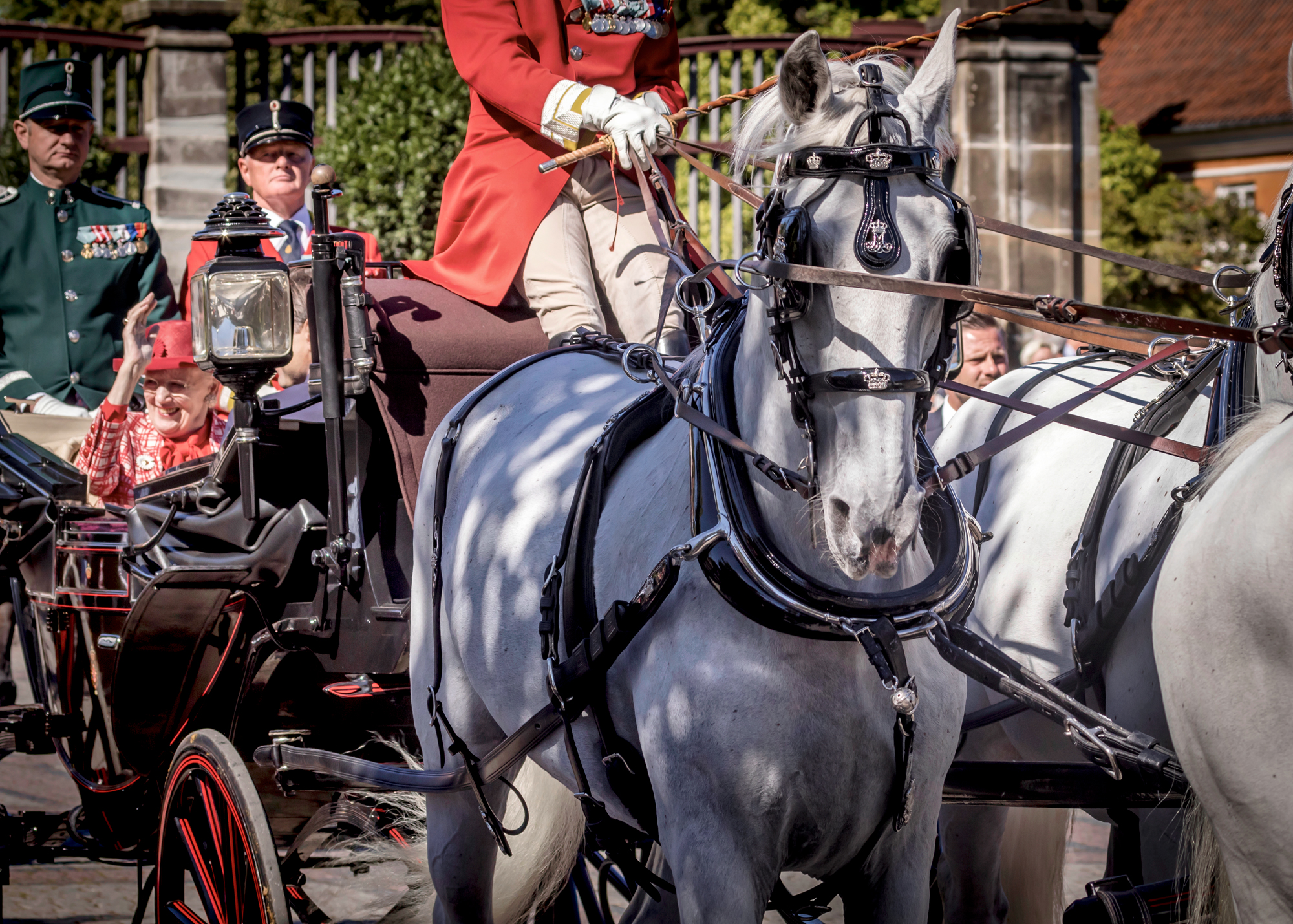
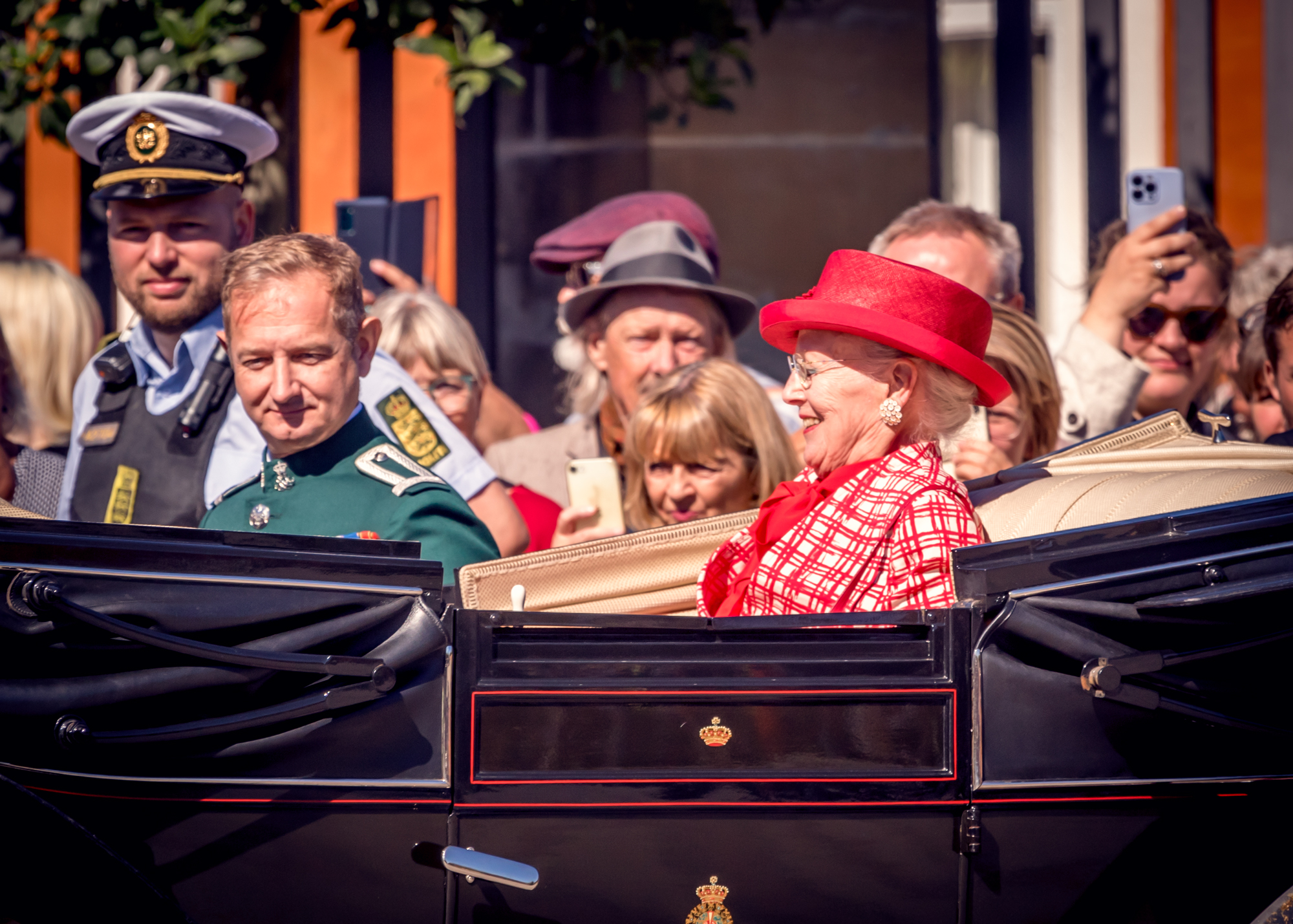
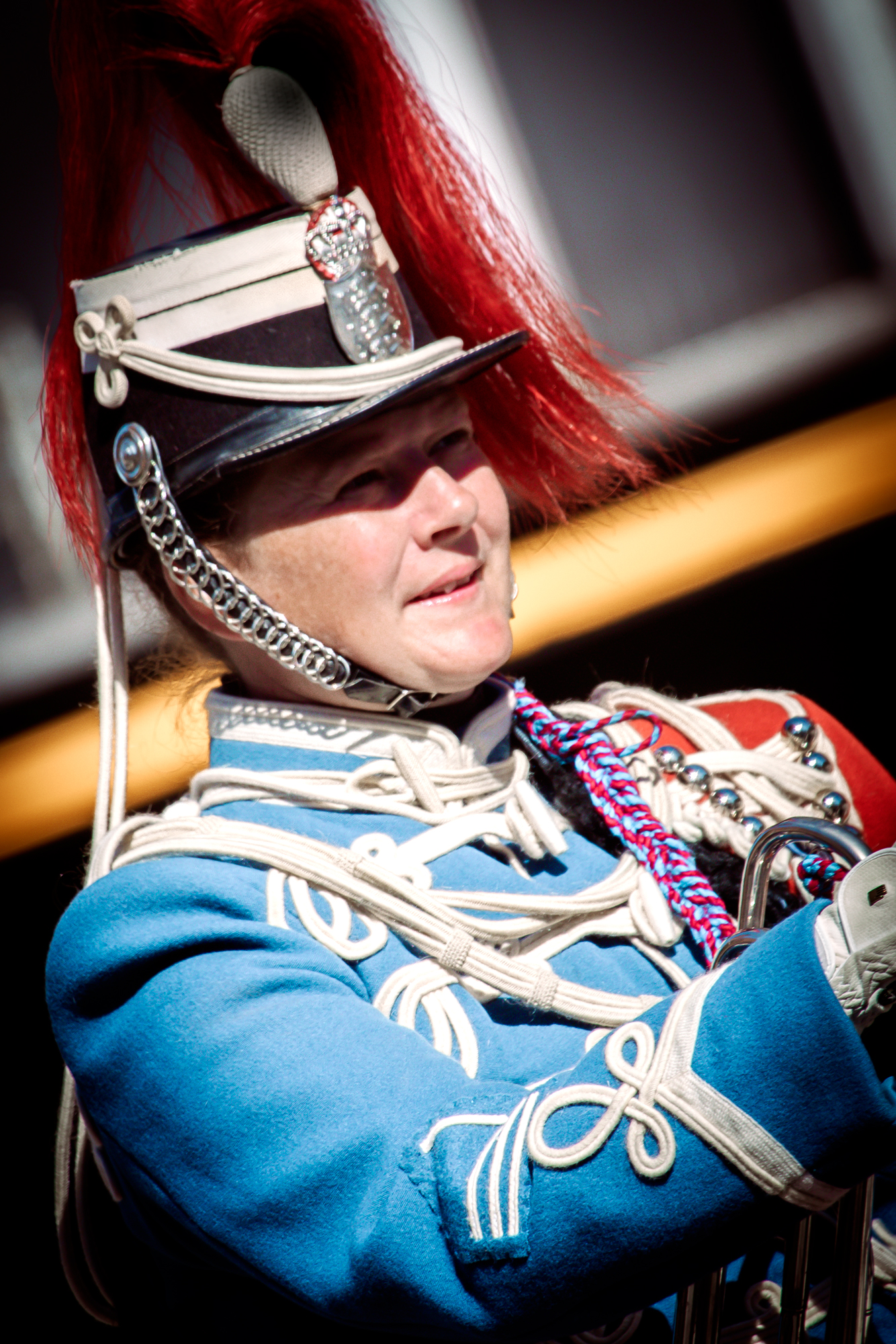
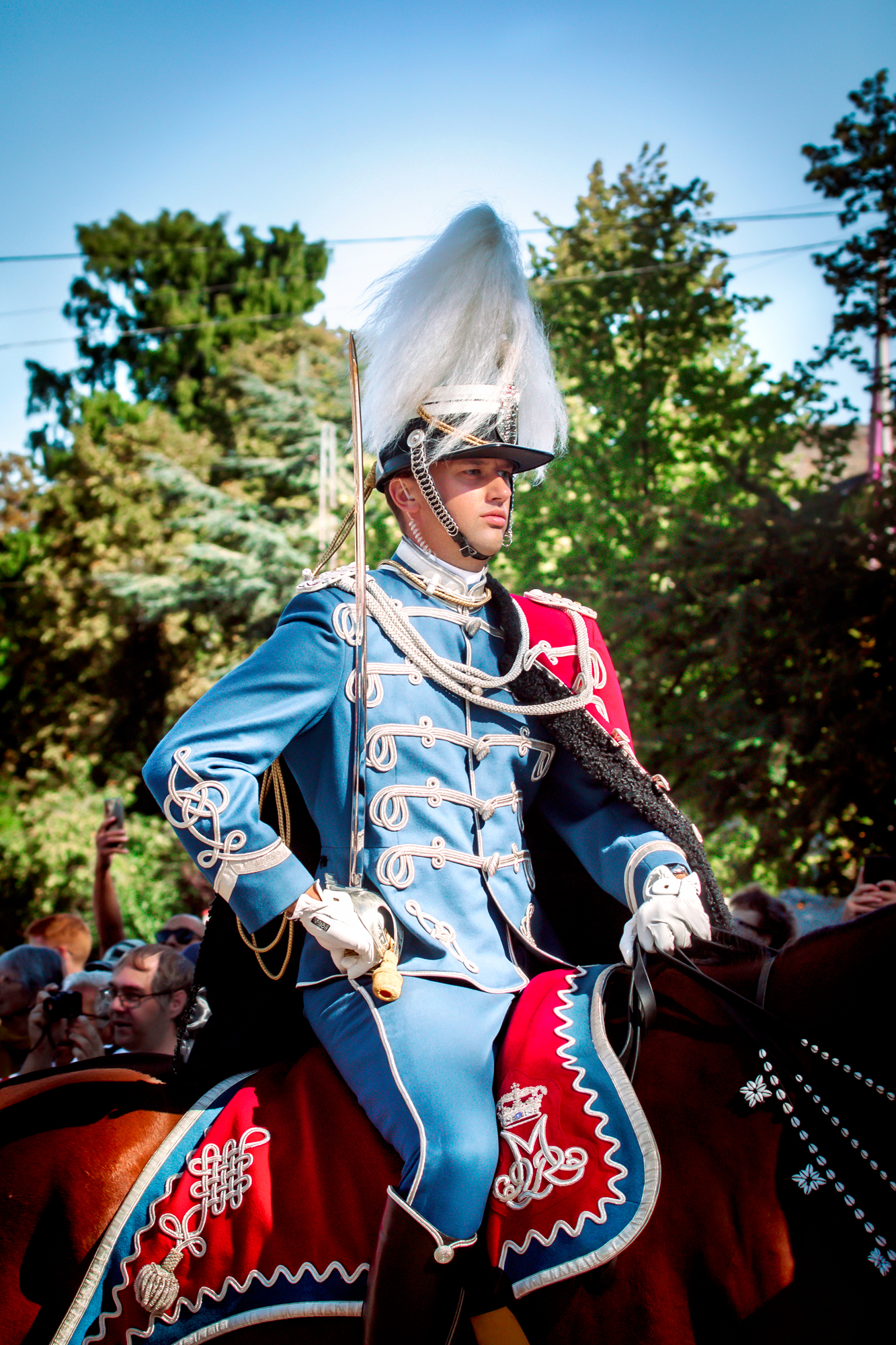
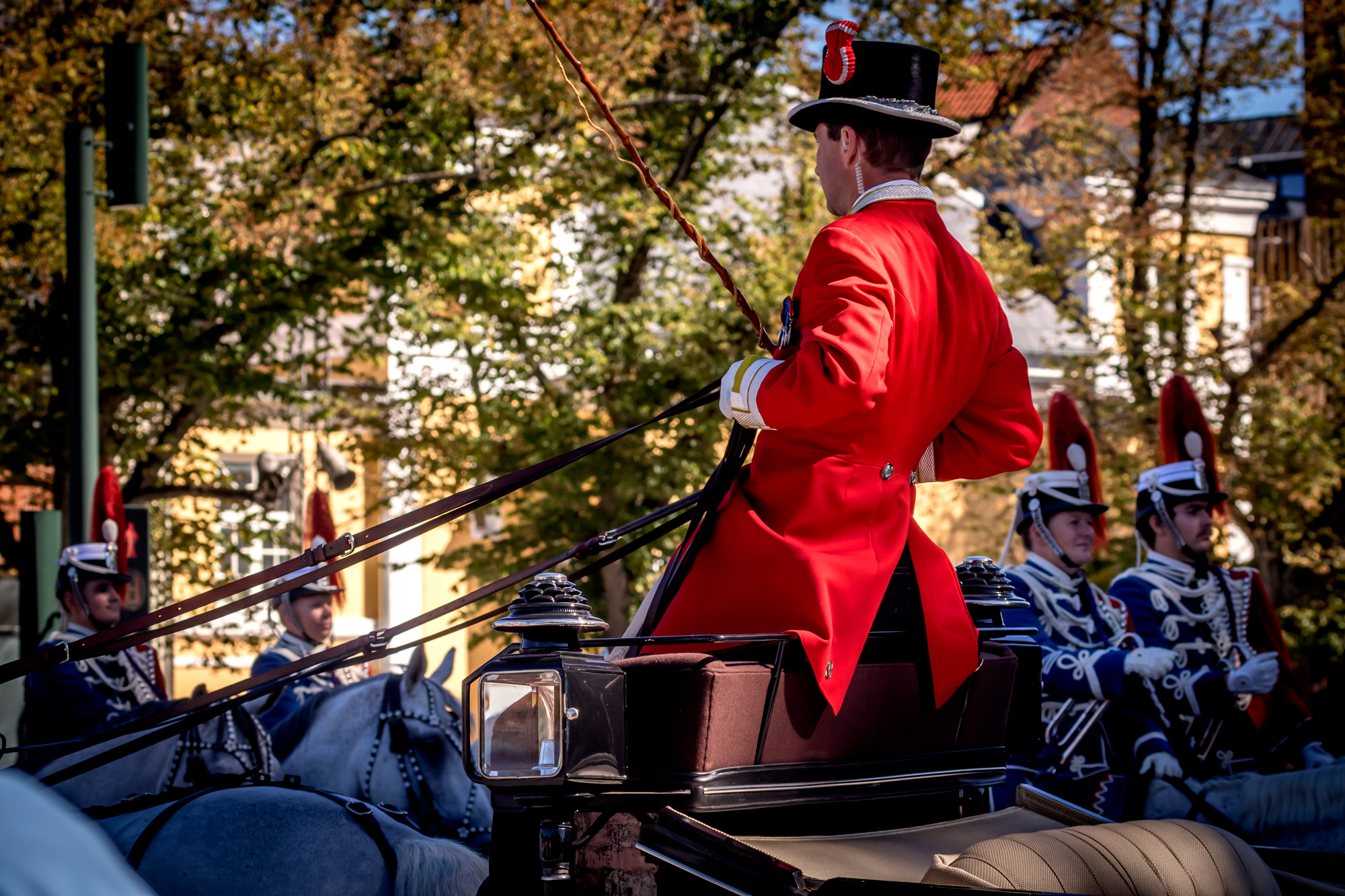
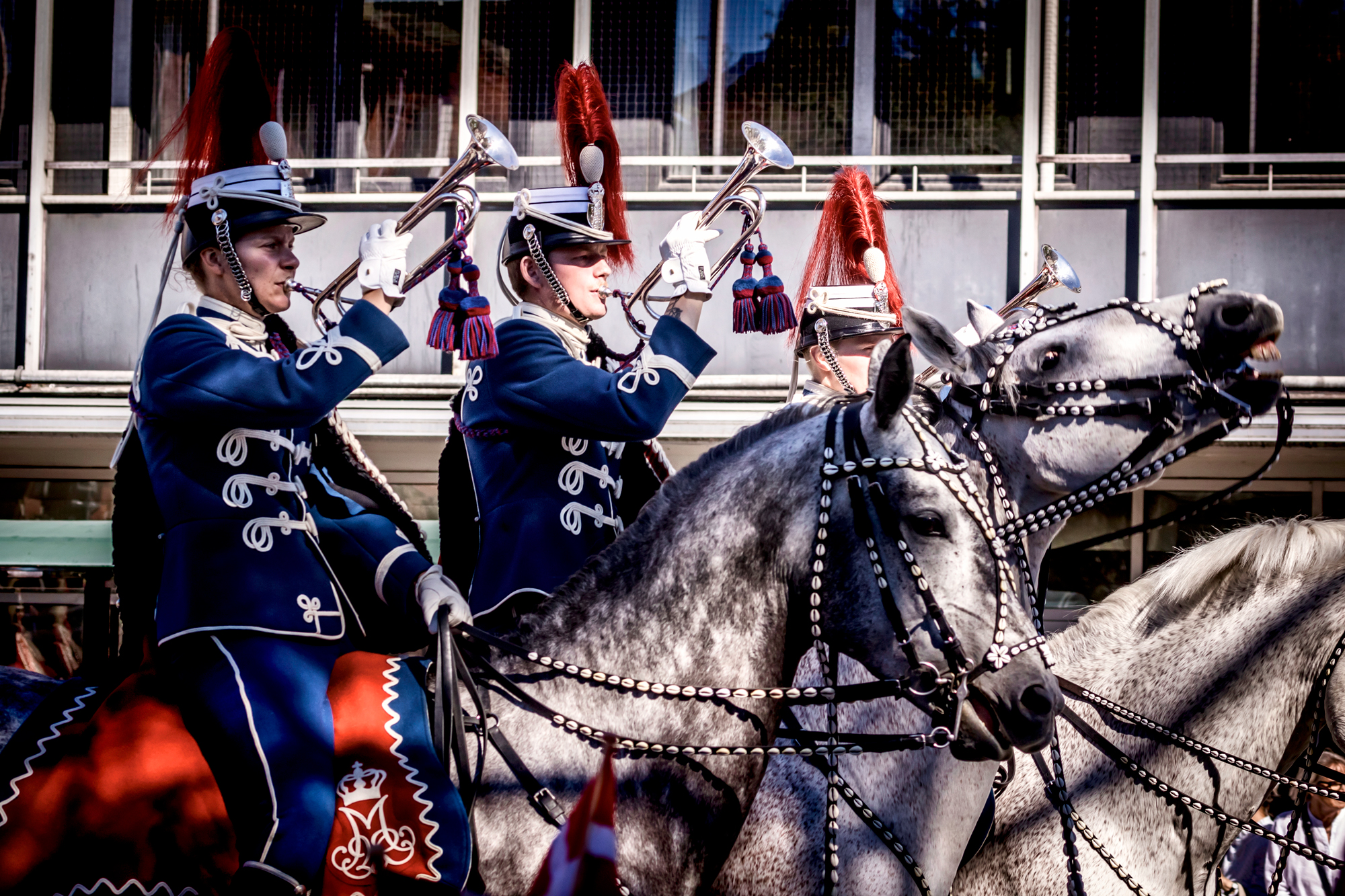
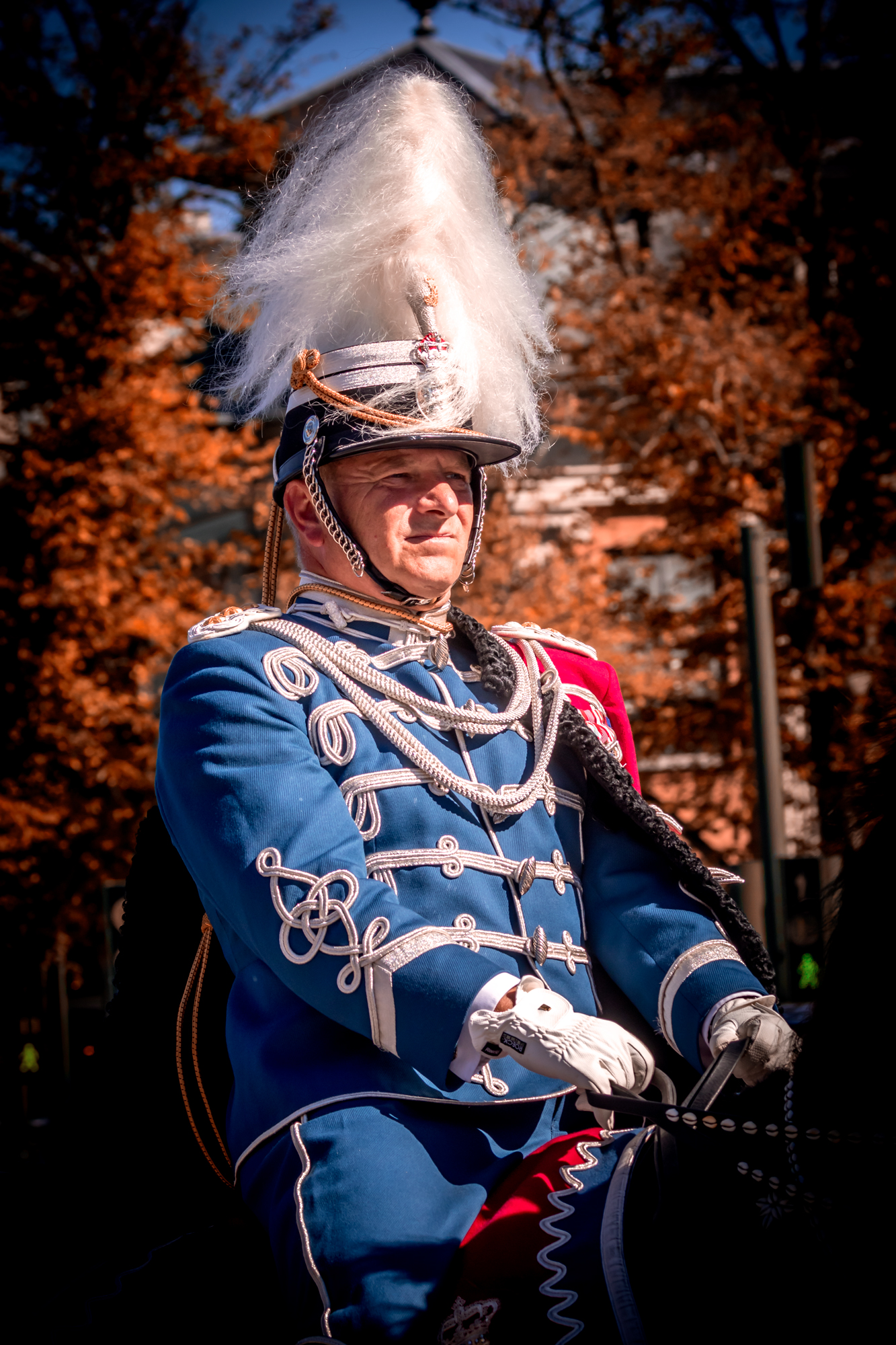
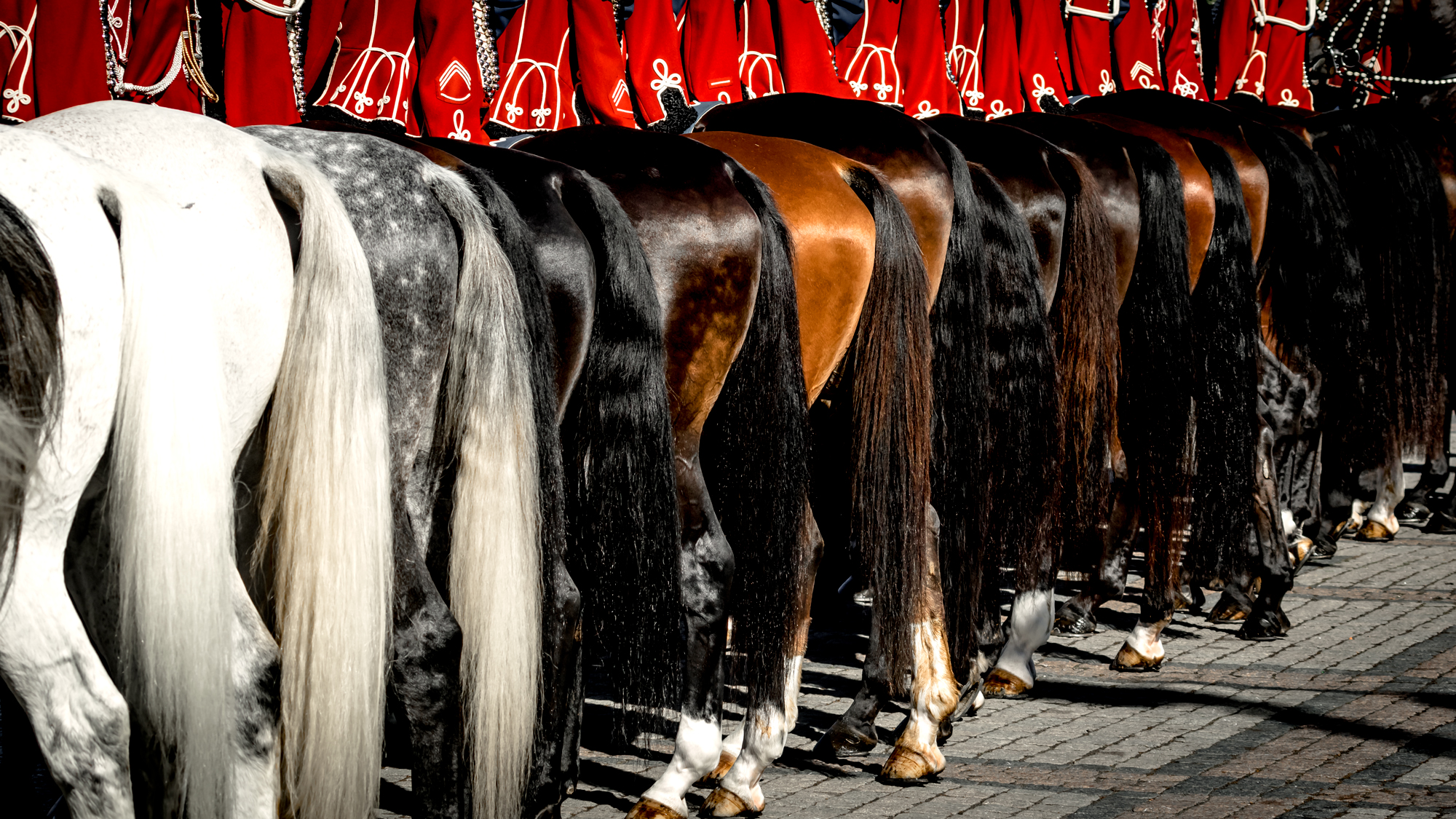
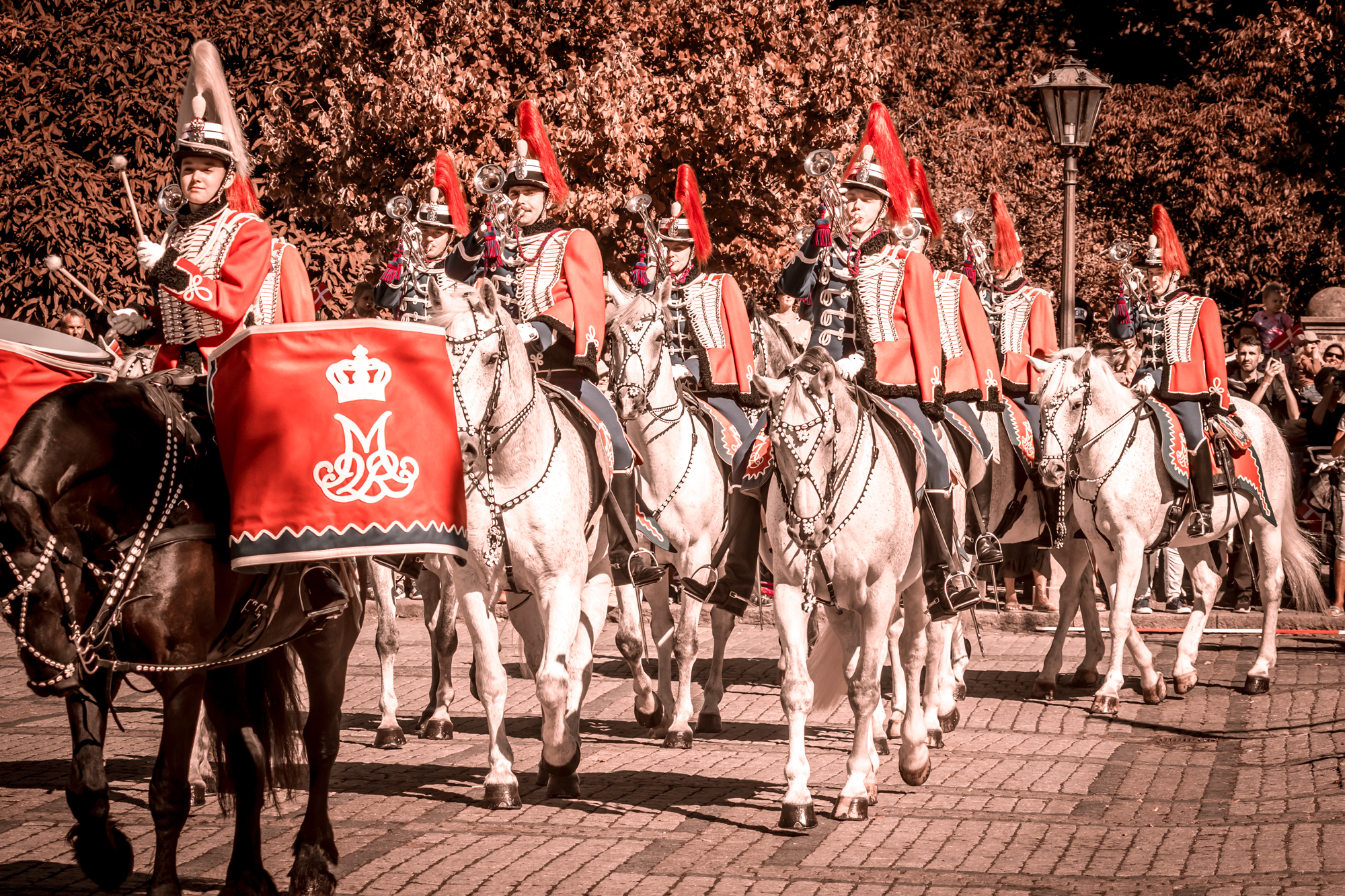
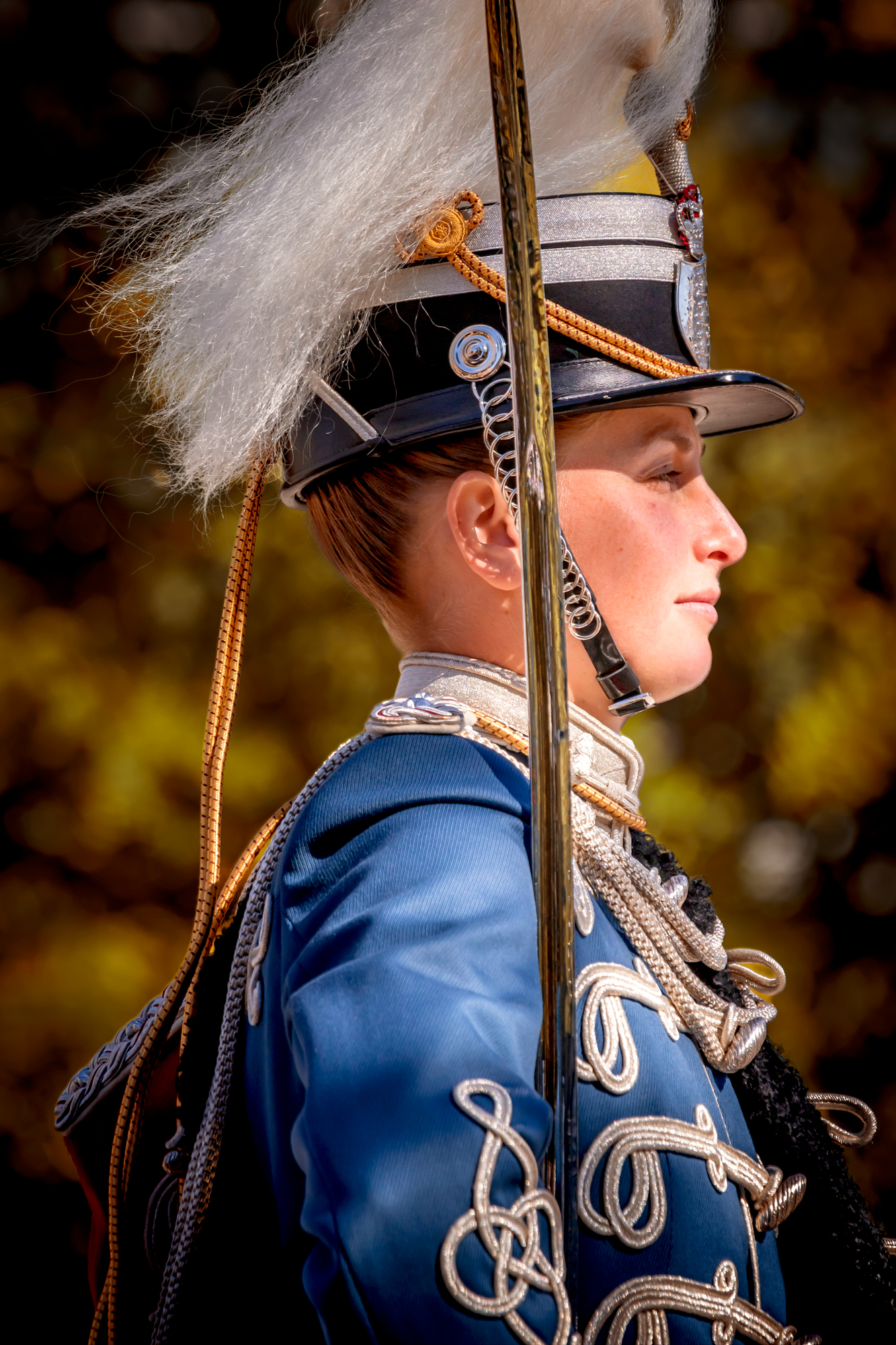
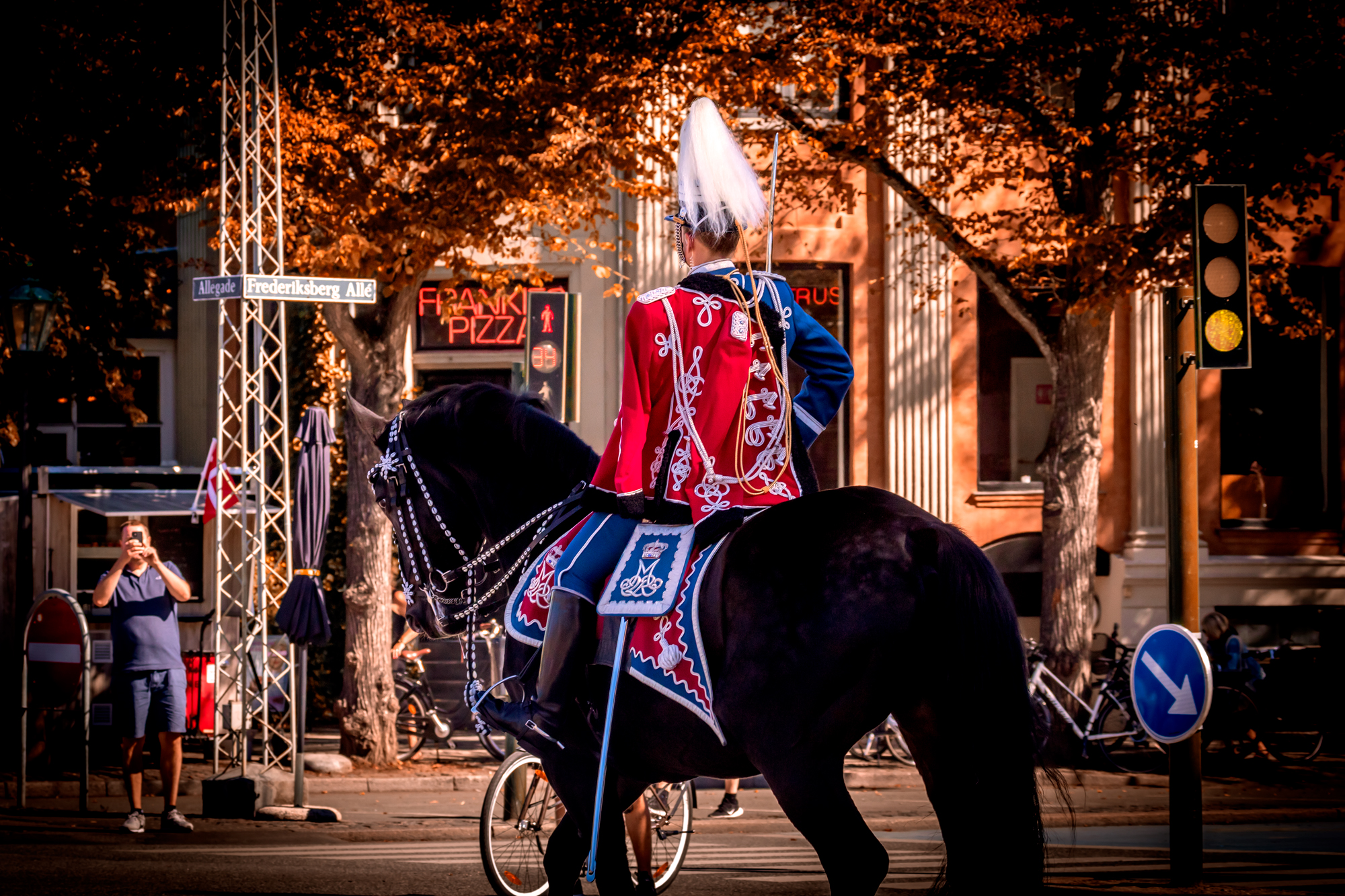
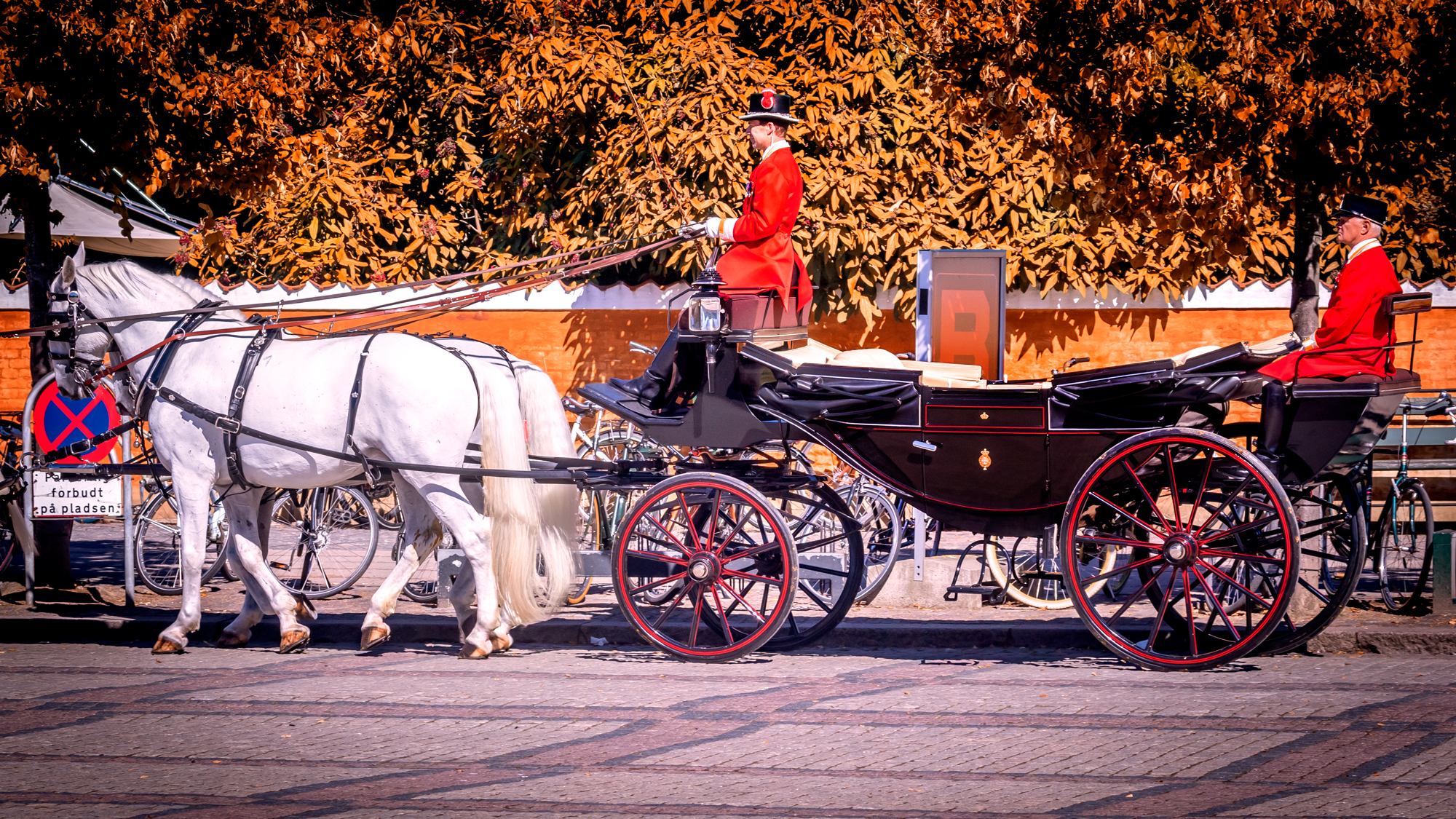
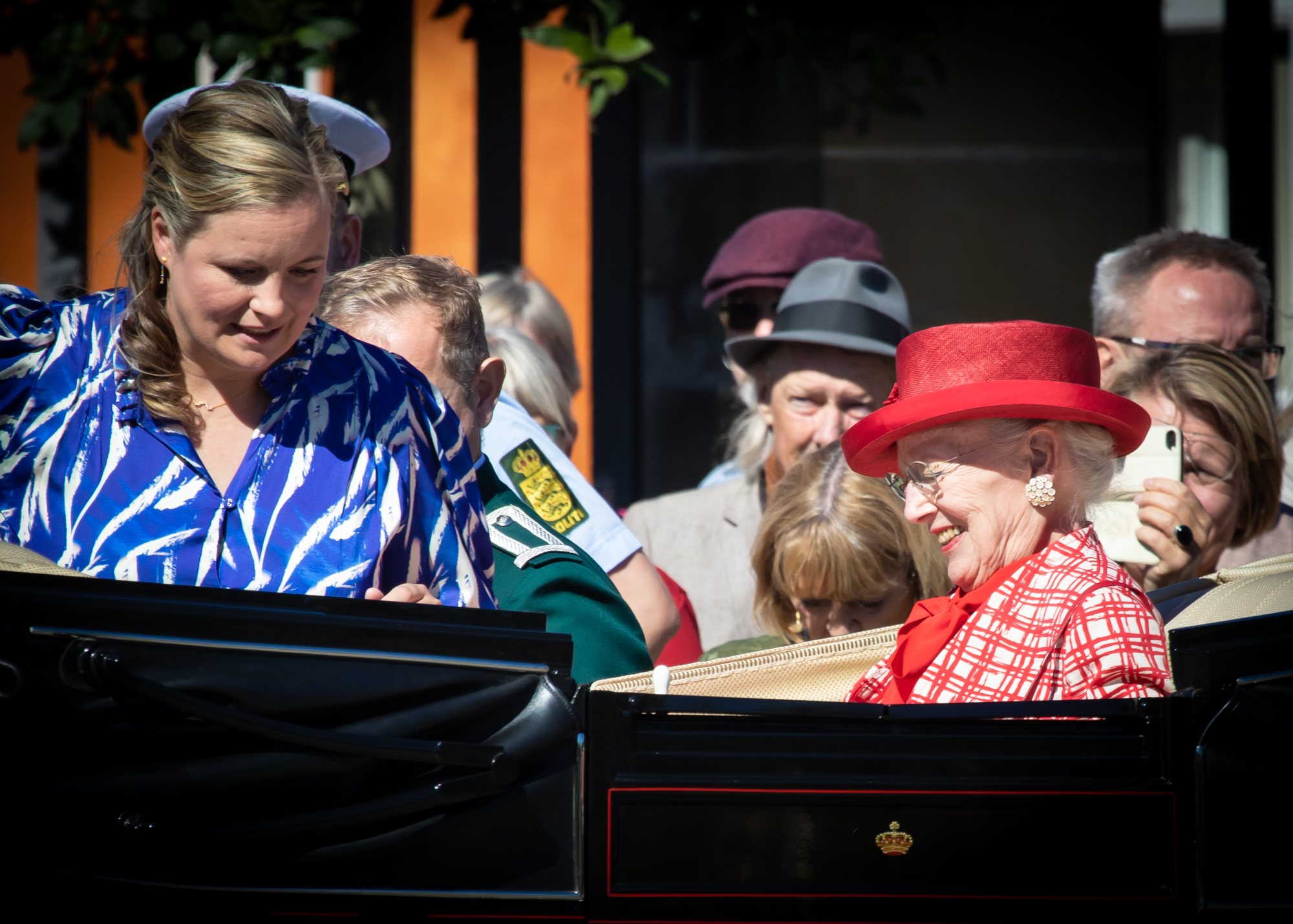
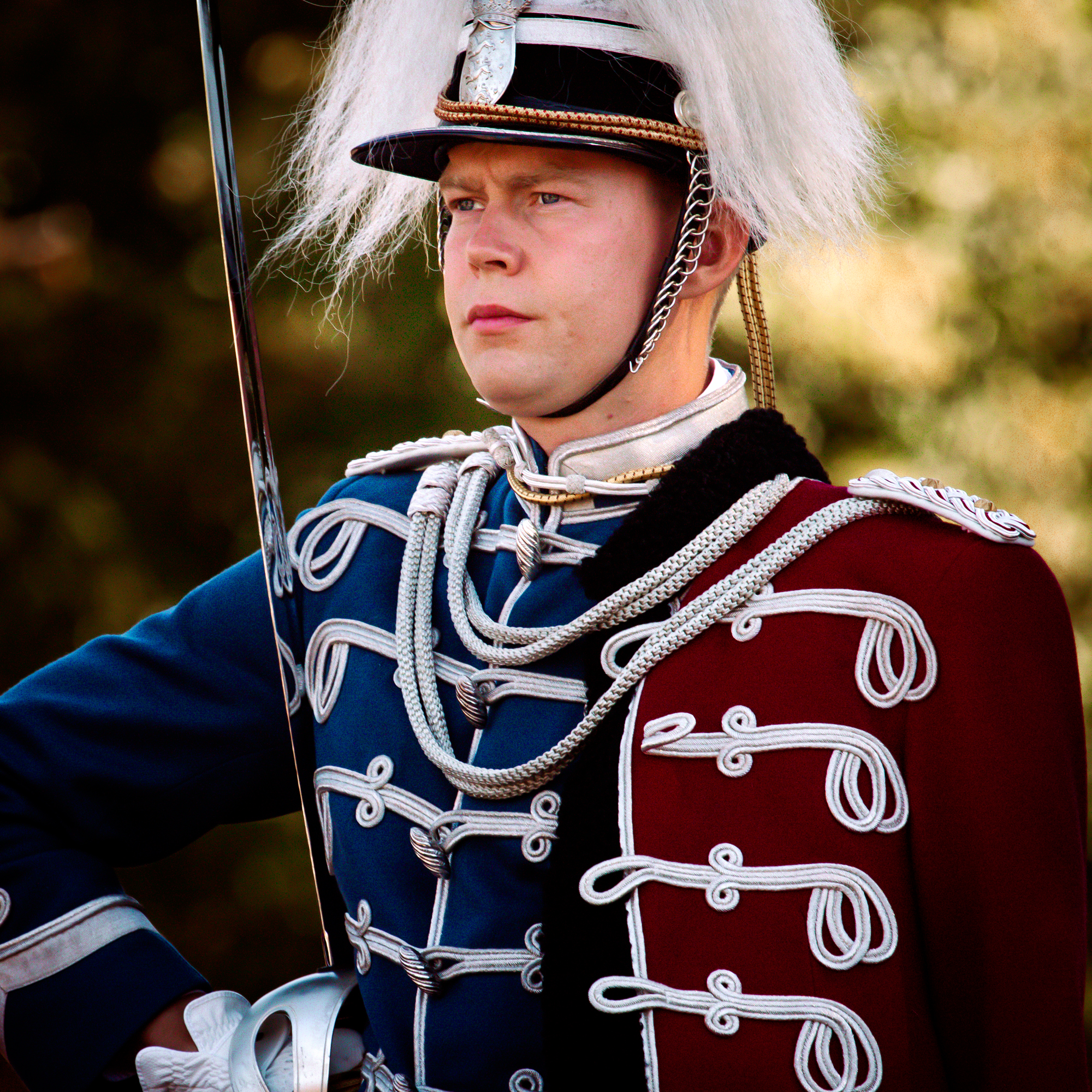
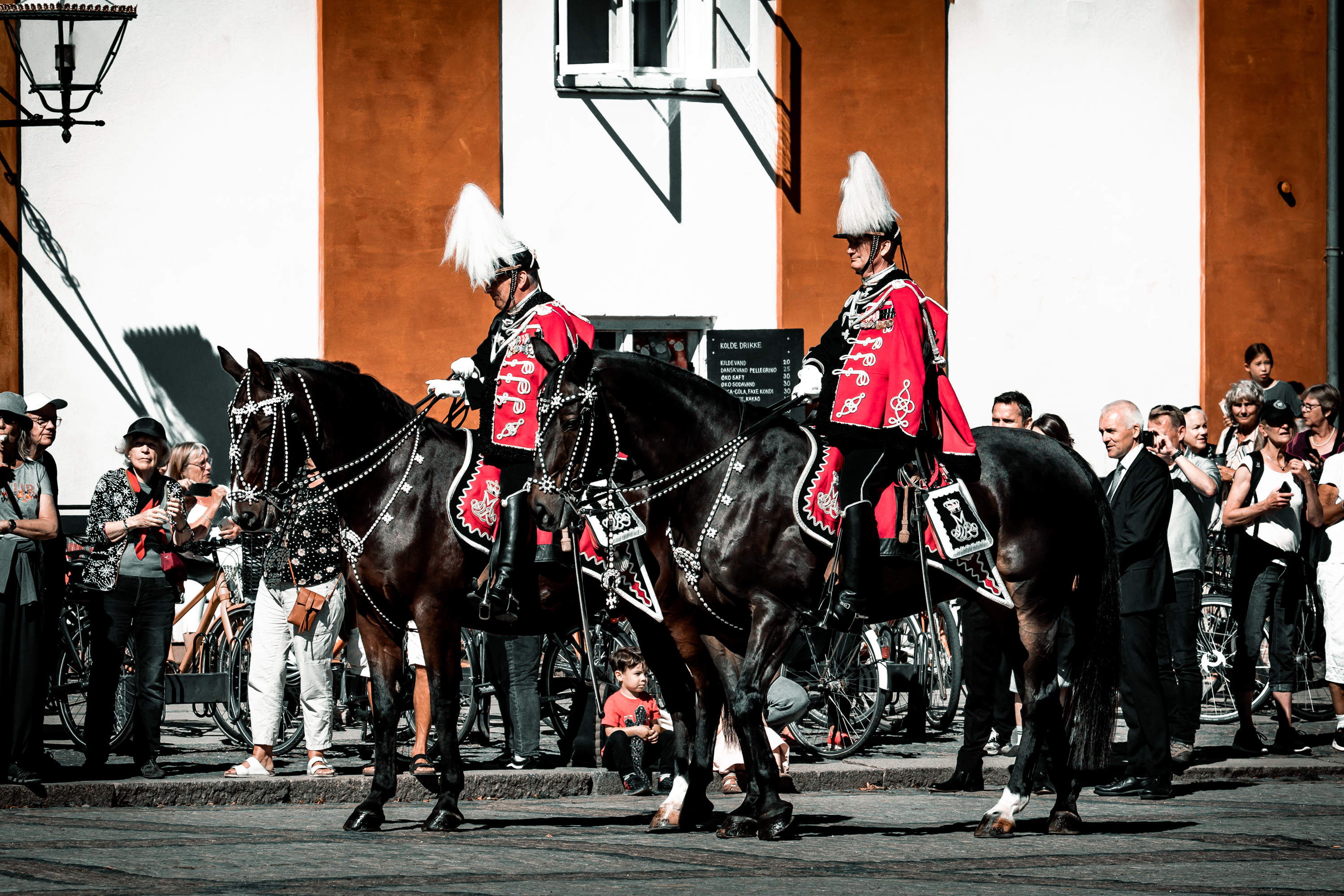
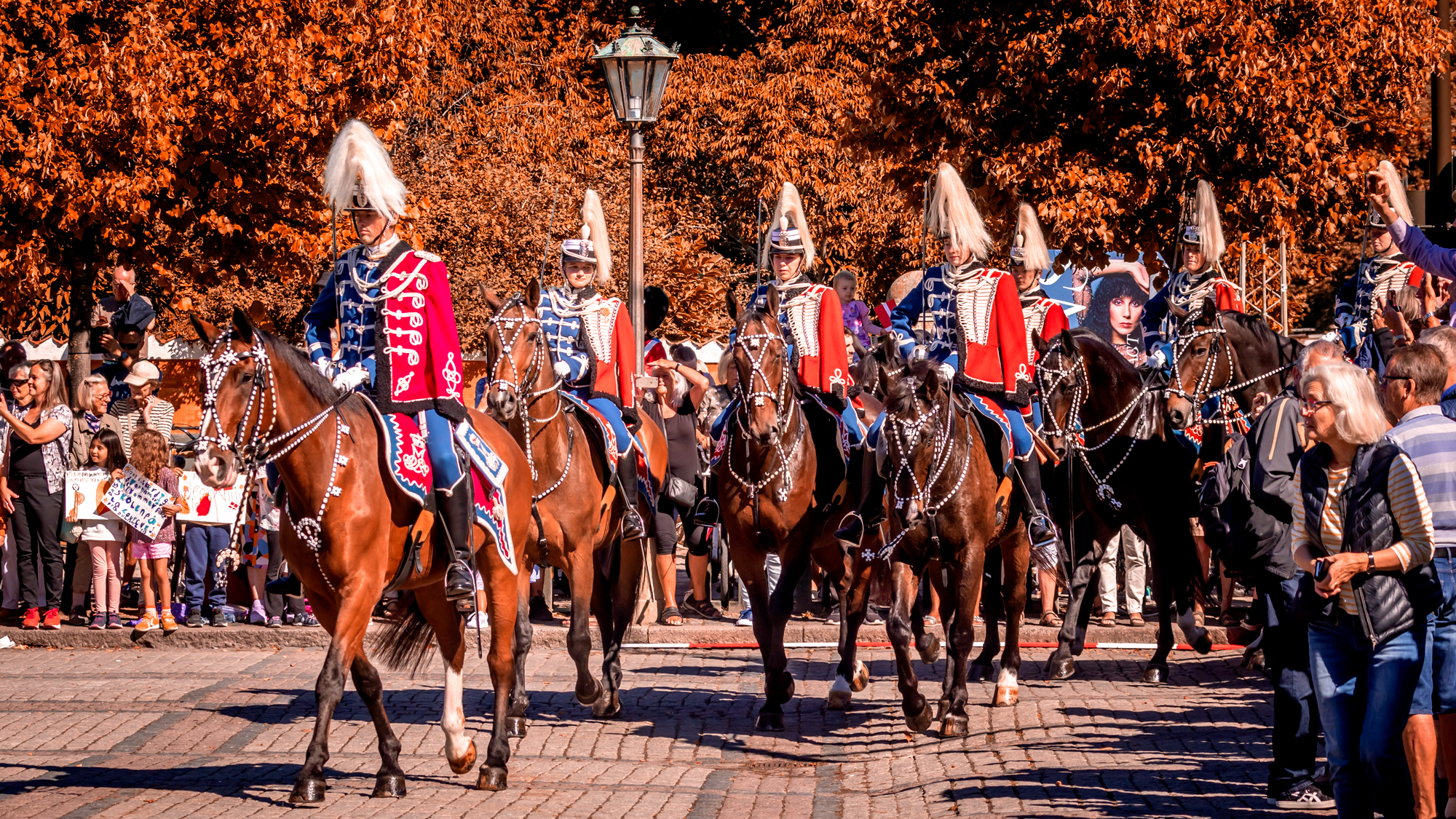
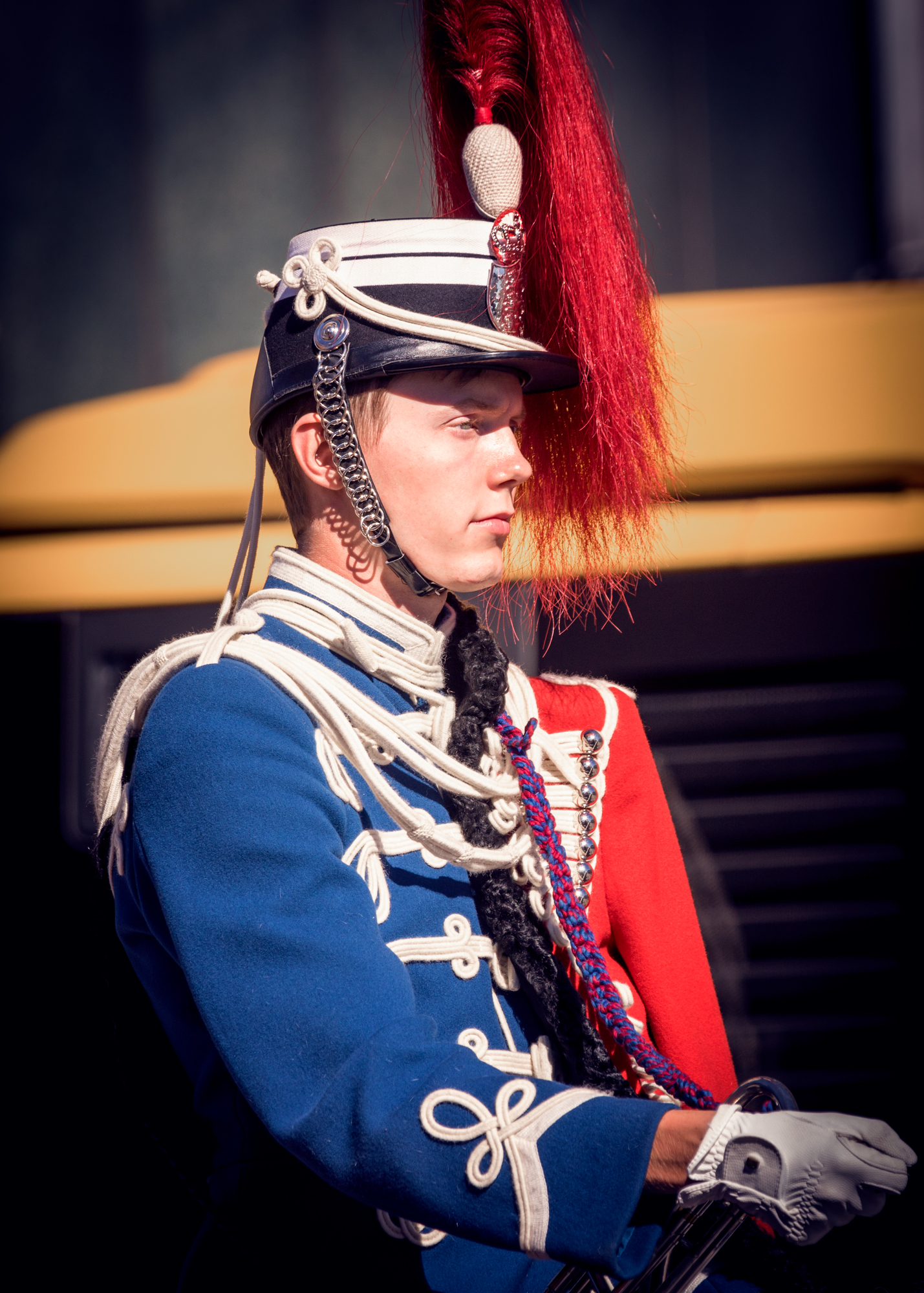
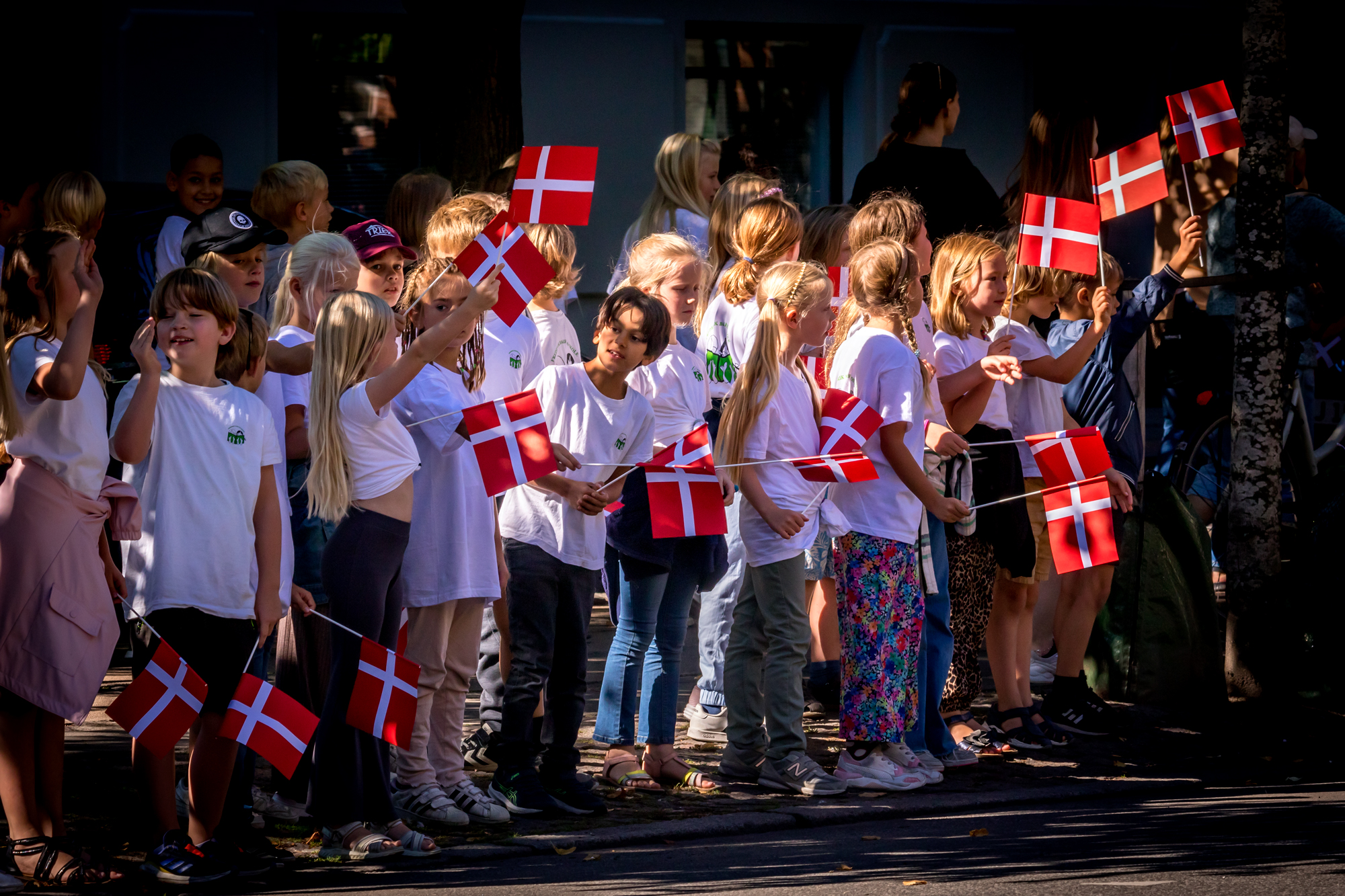
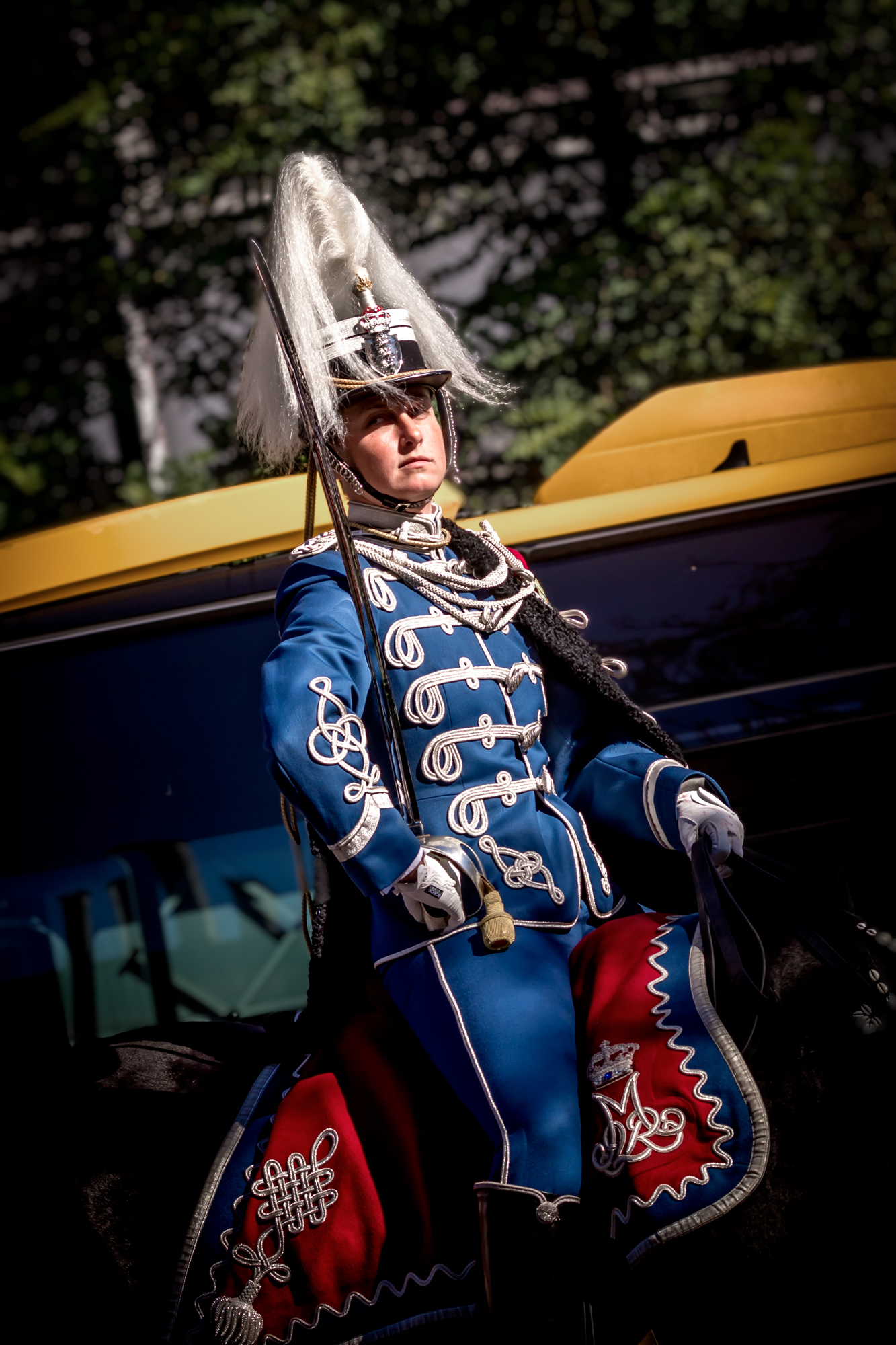
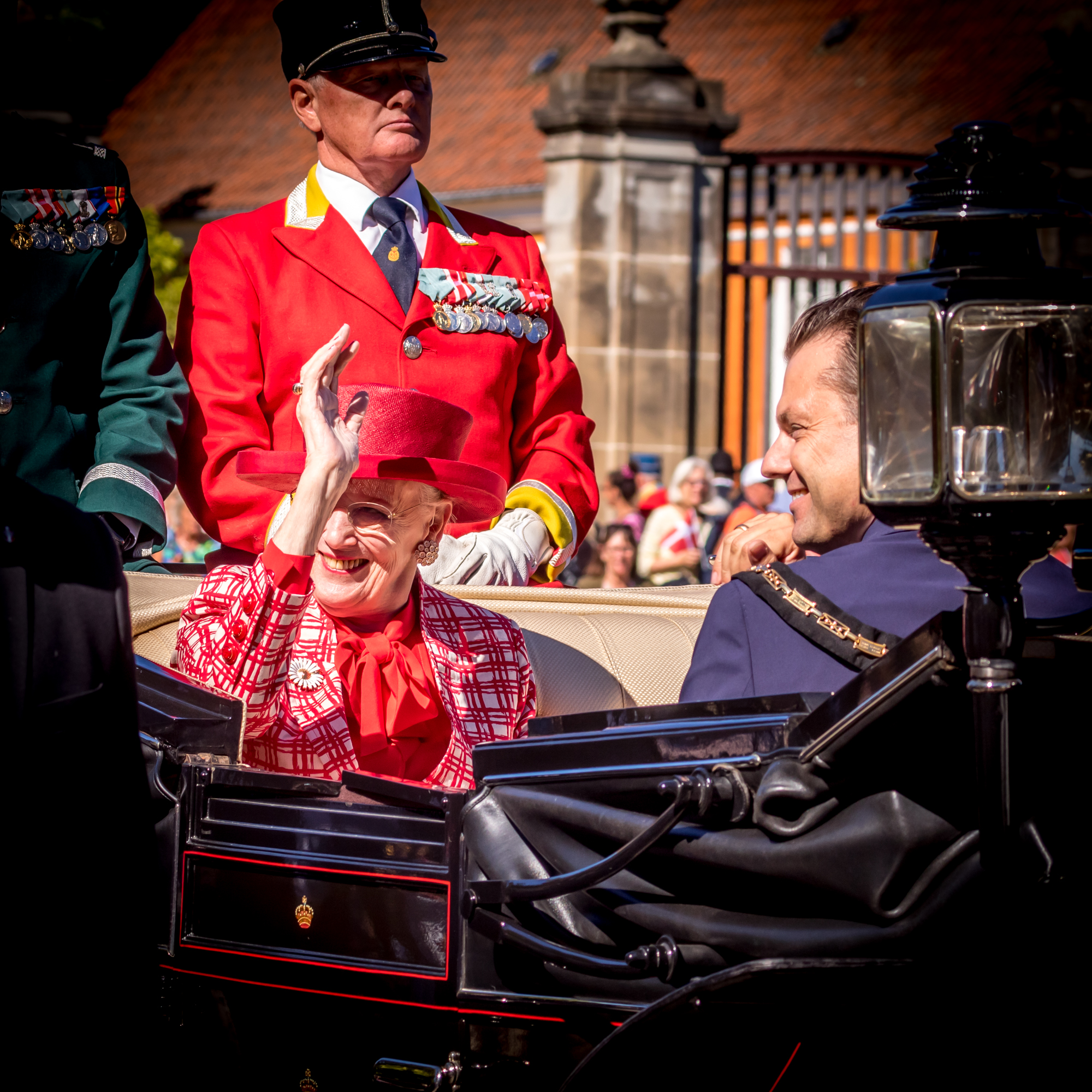
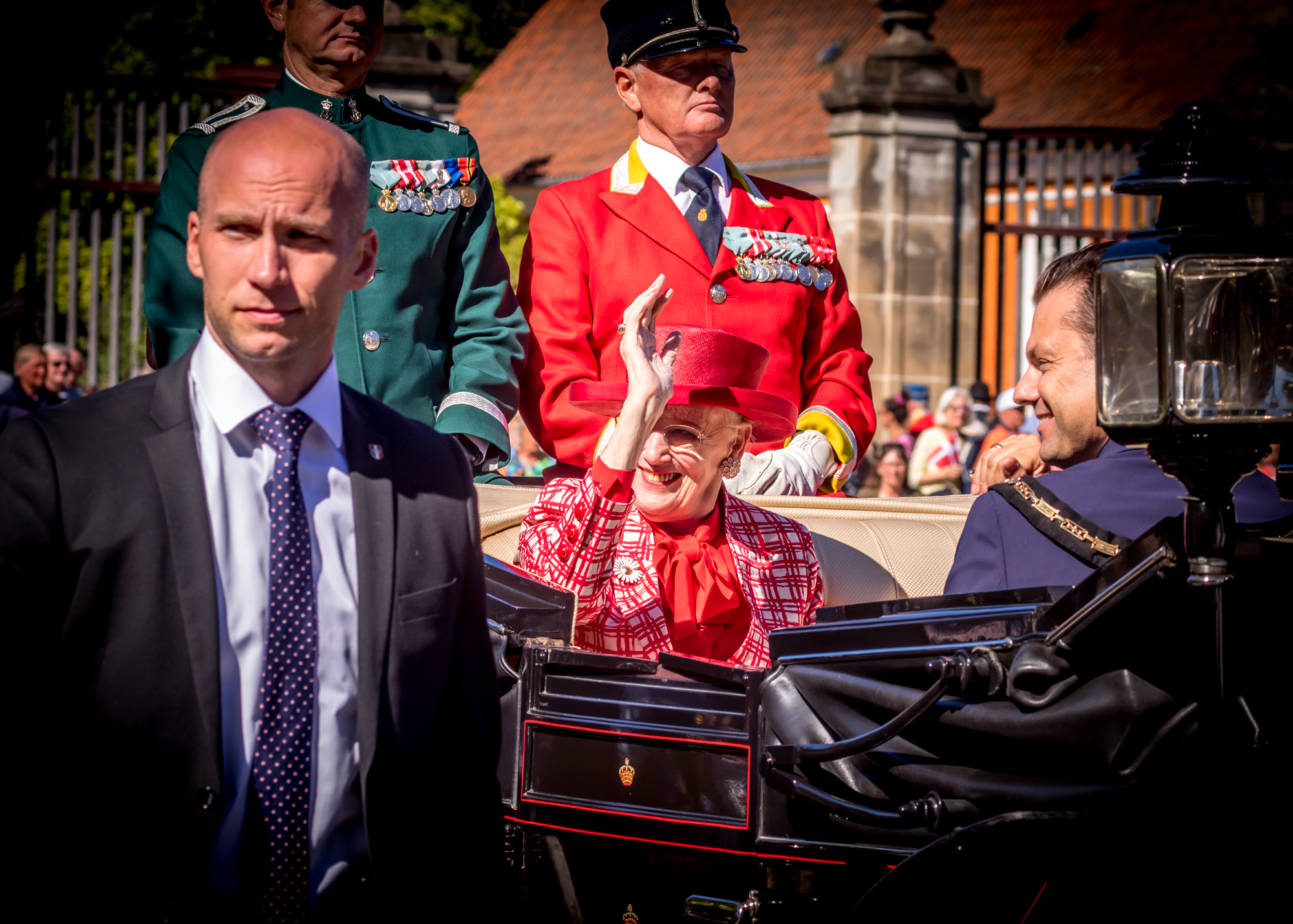
Yesterday, Her Majesty Queen Margrethe II visited Frederiksberg which caused a big hoopla with children lining the streets with flag and the Royal Guard looking absolutely smashing on their patient horses. How lovely to witness a beloved Regent being transported all over Frederiksberg in perfect safety and calm! I am not a big Royalist, but it was a rather moving moment that caused me to go a bit misty-eyed!

Sakura Matsuri!

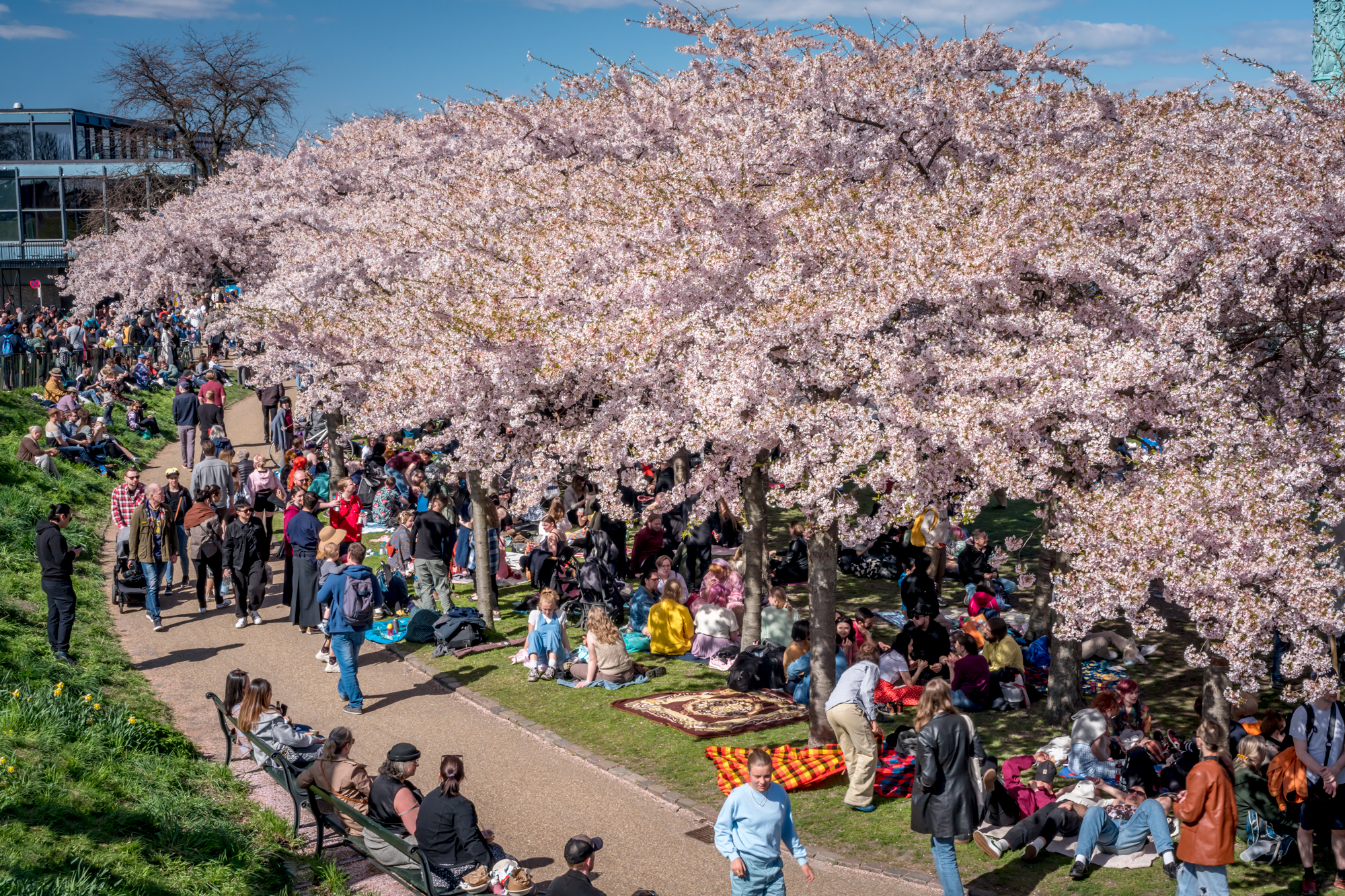
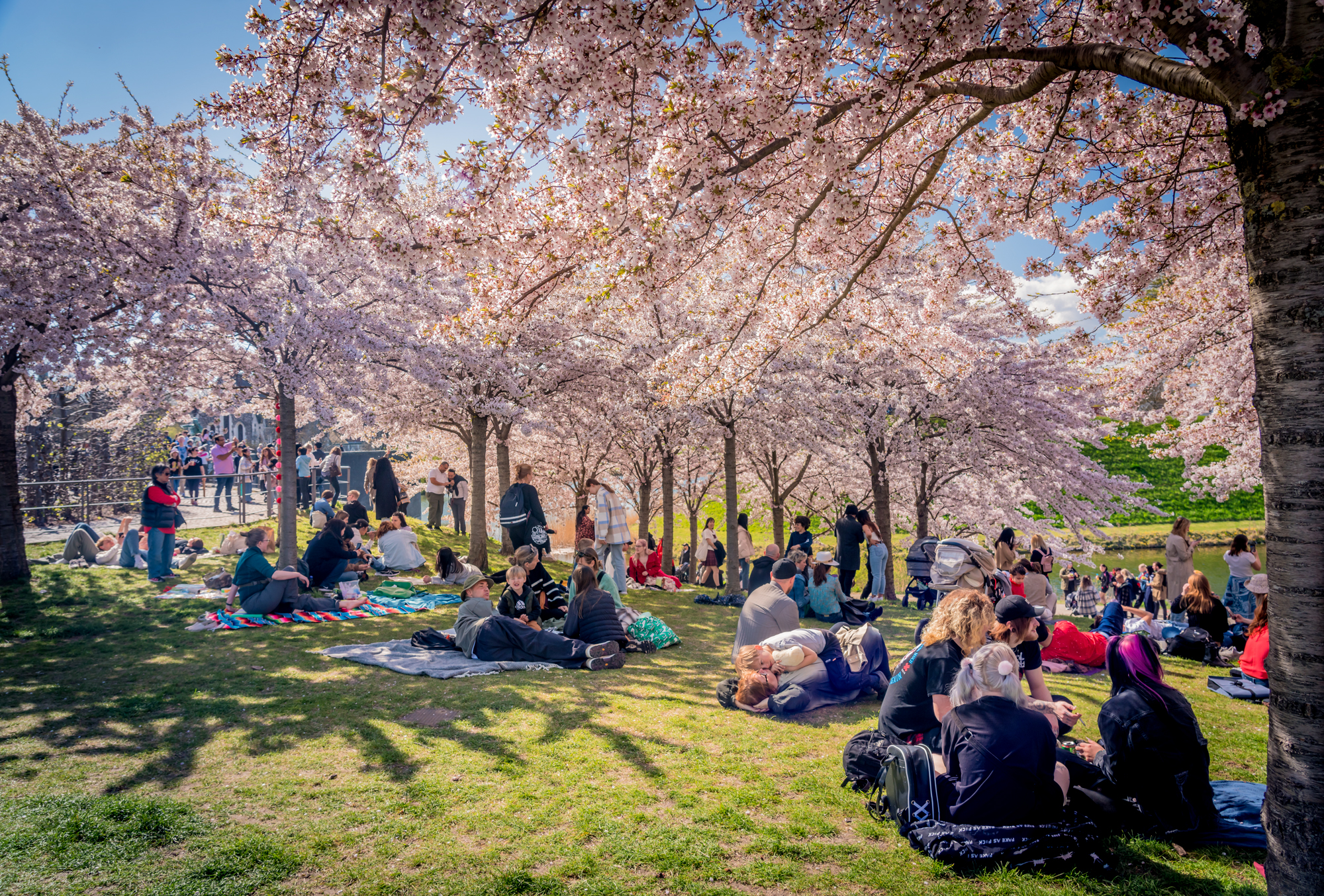
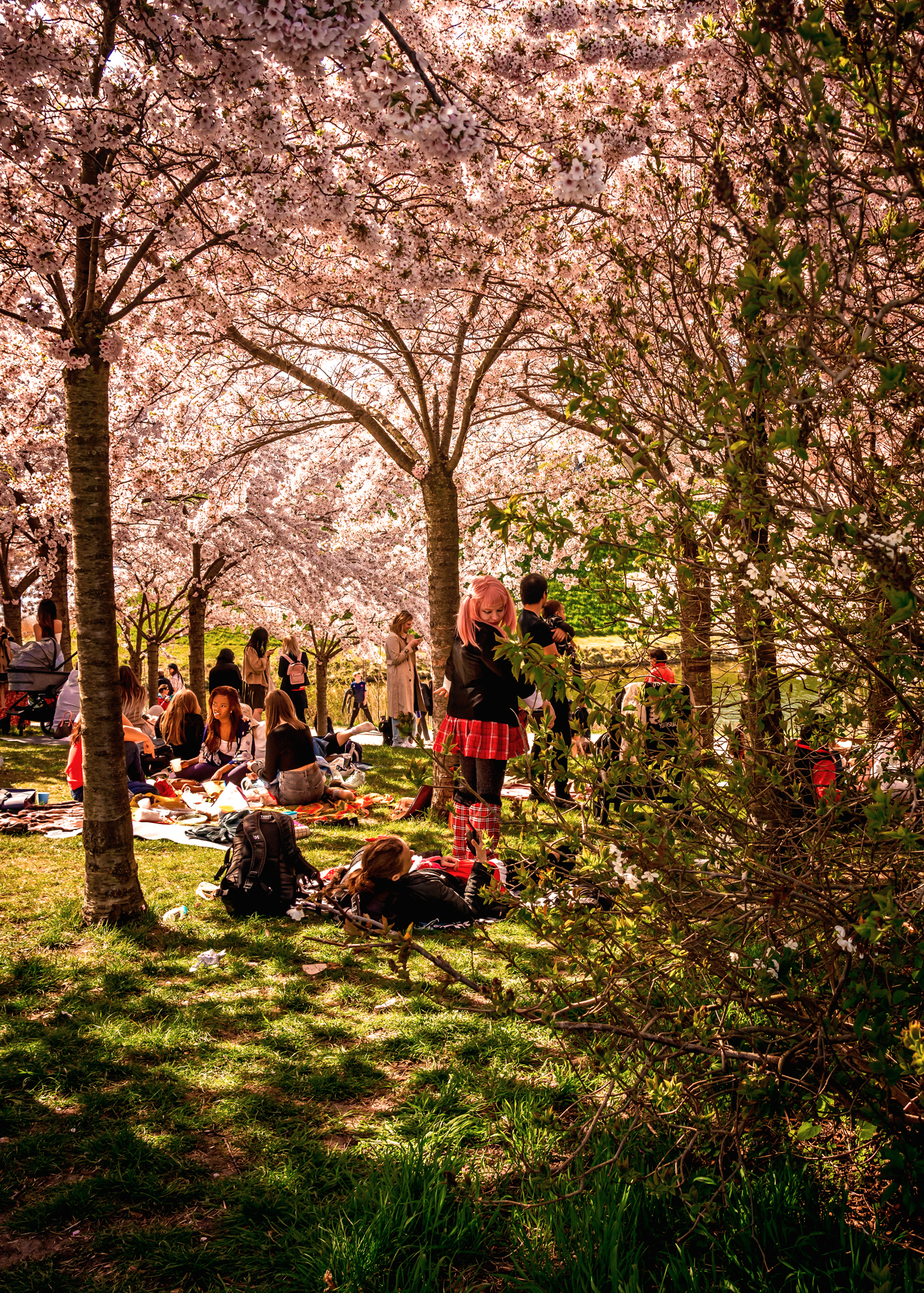
Cherry Blossom Festival in Copenhagen

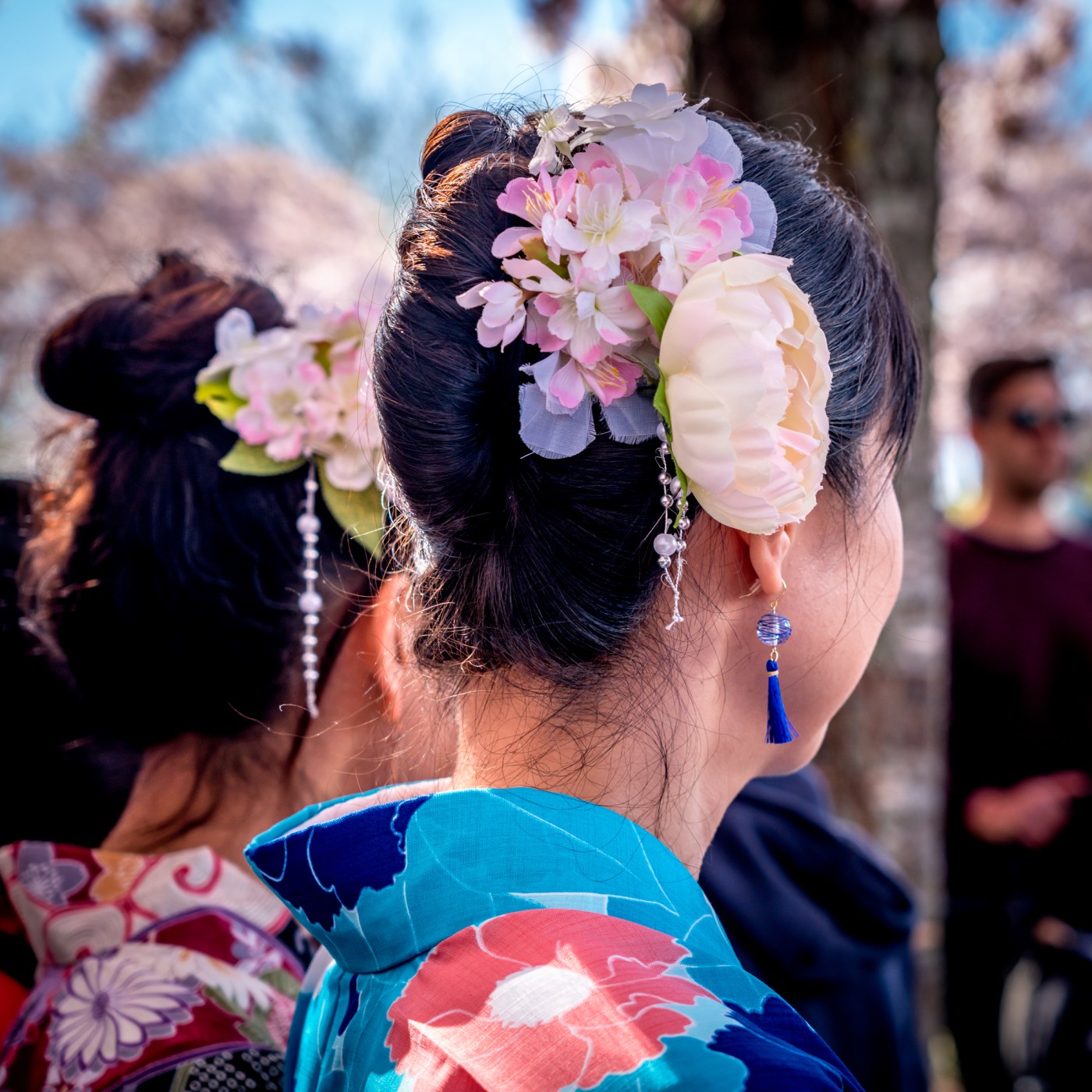
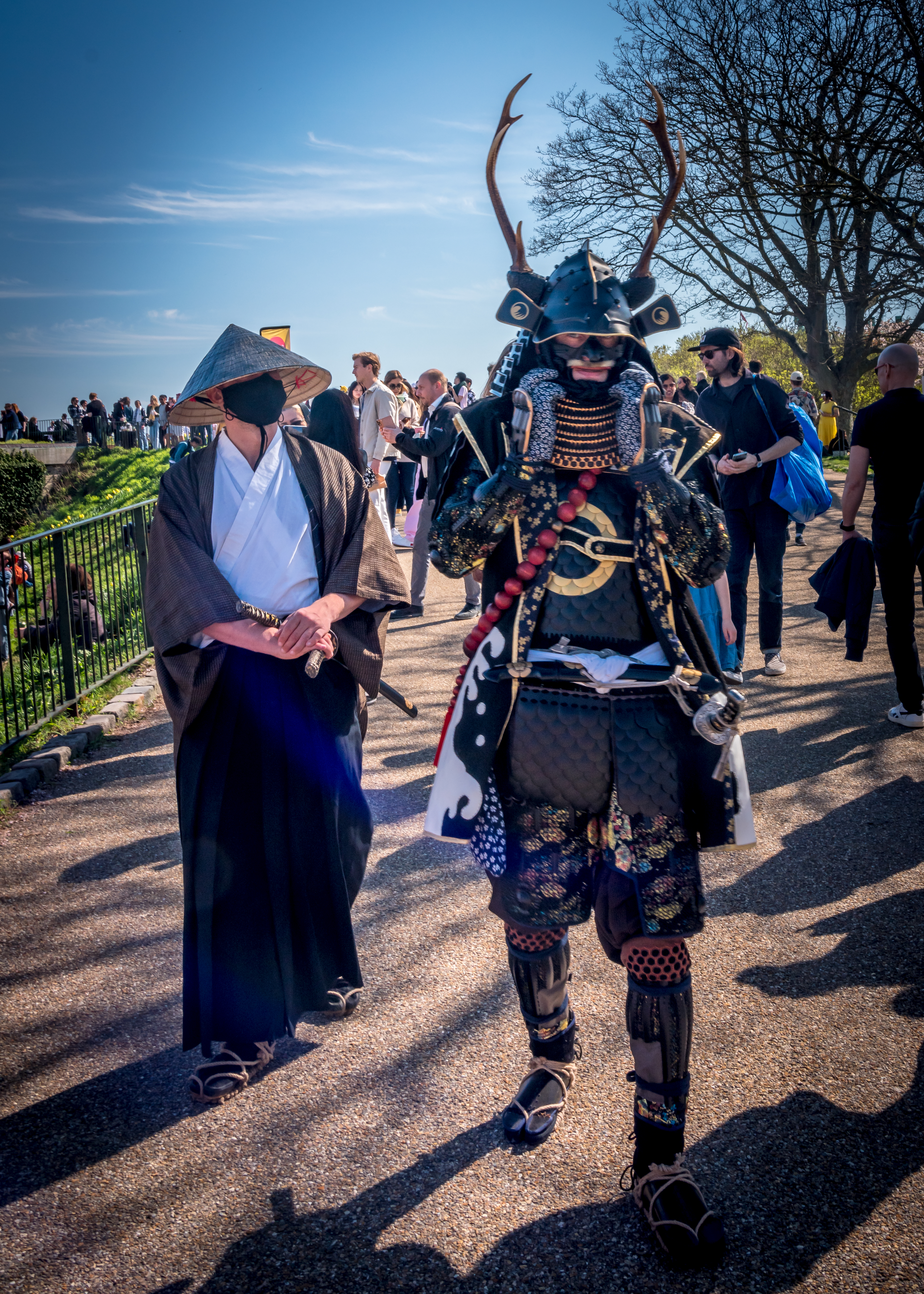
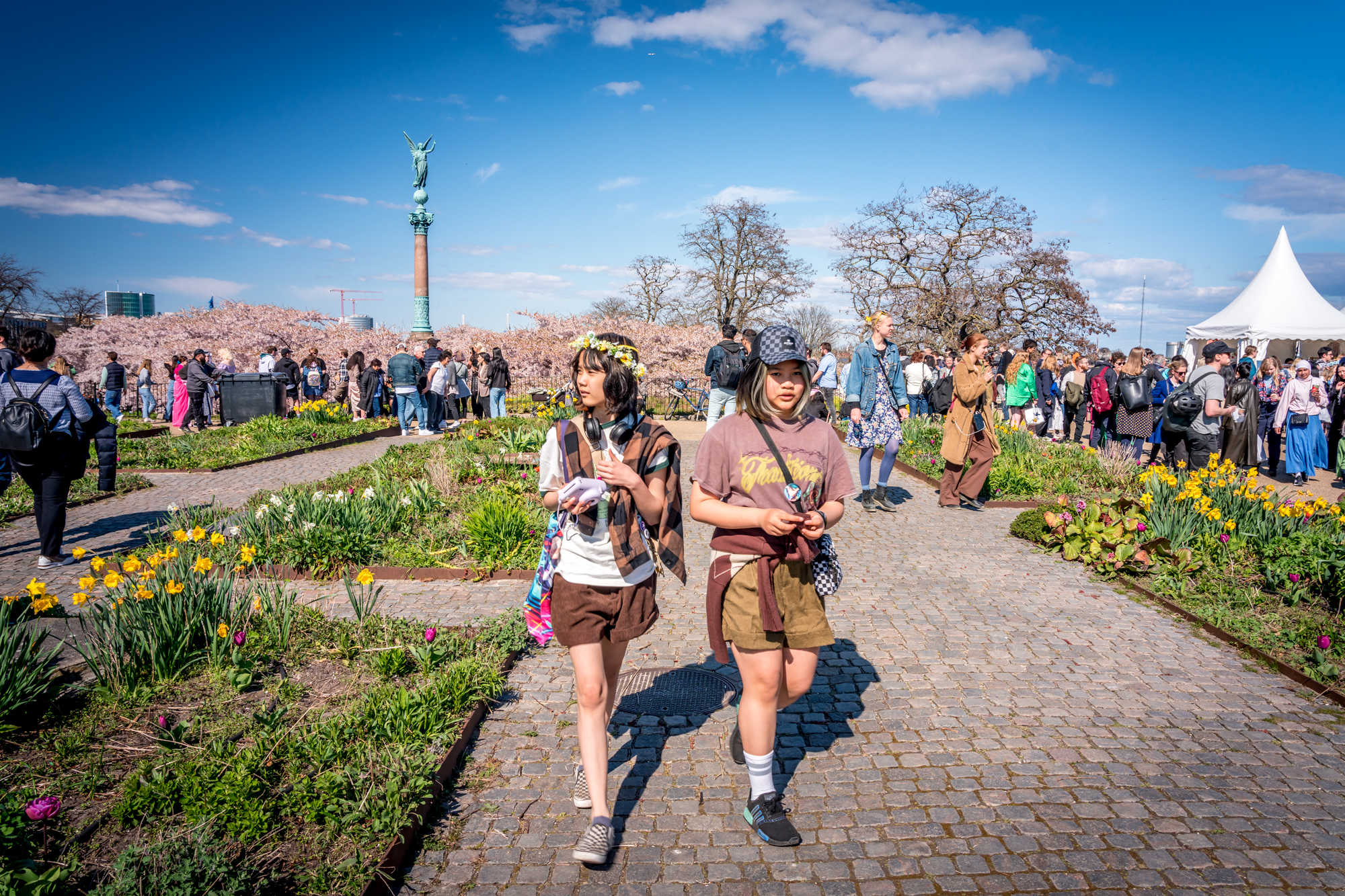
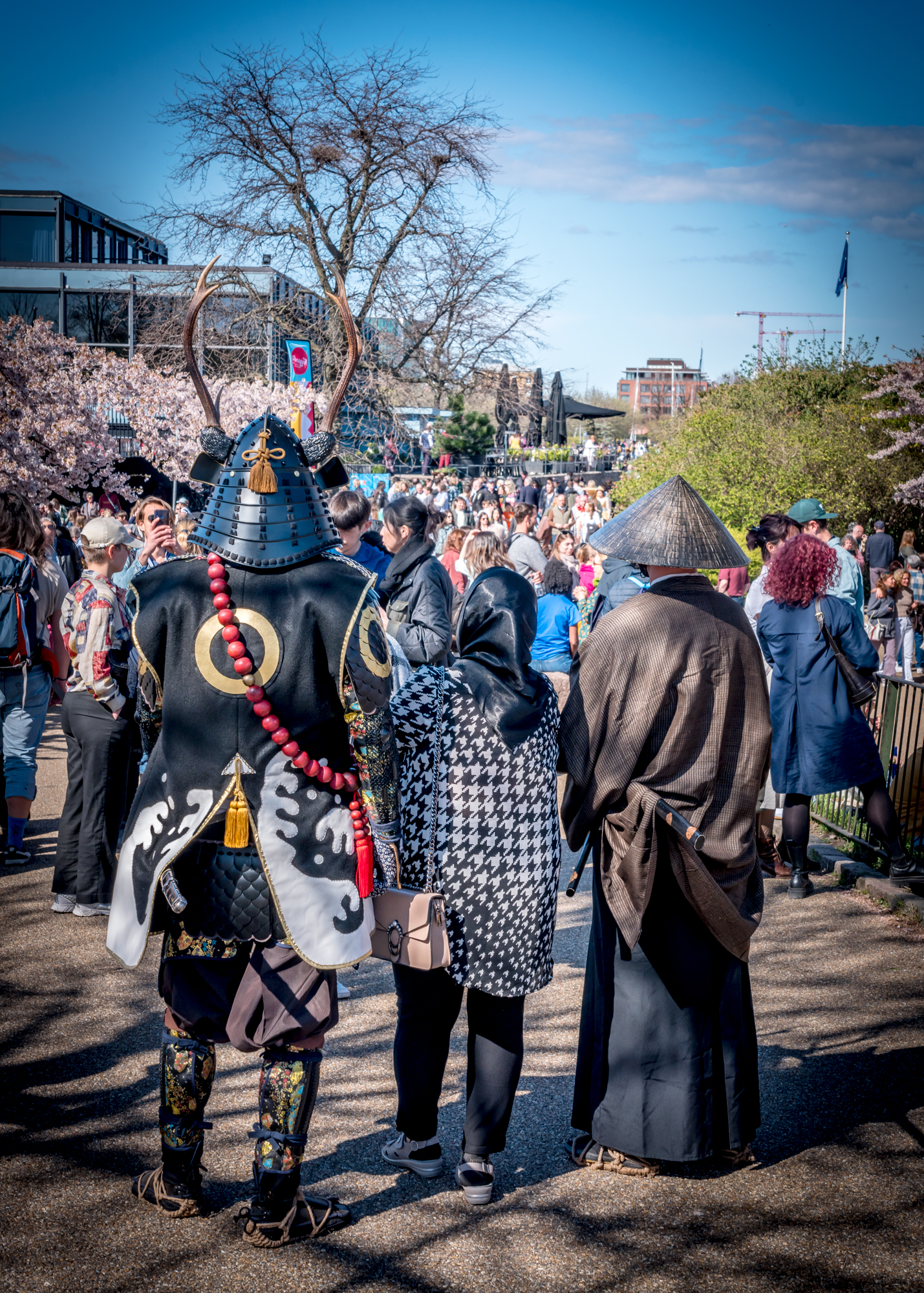
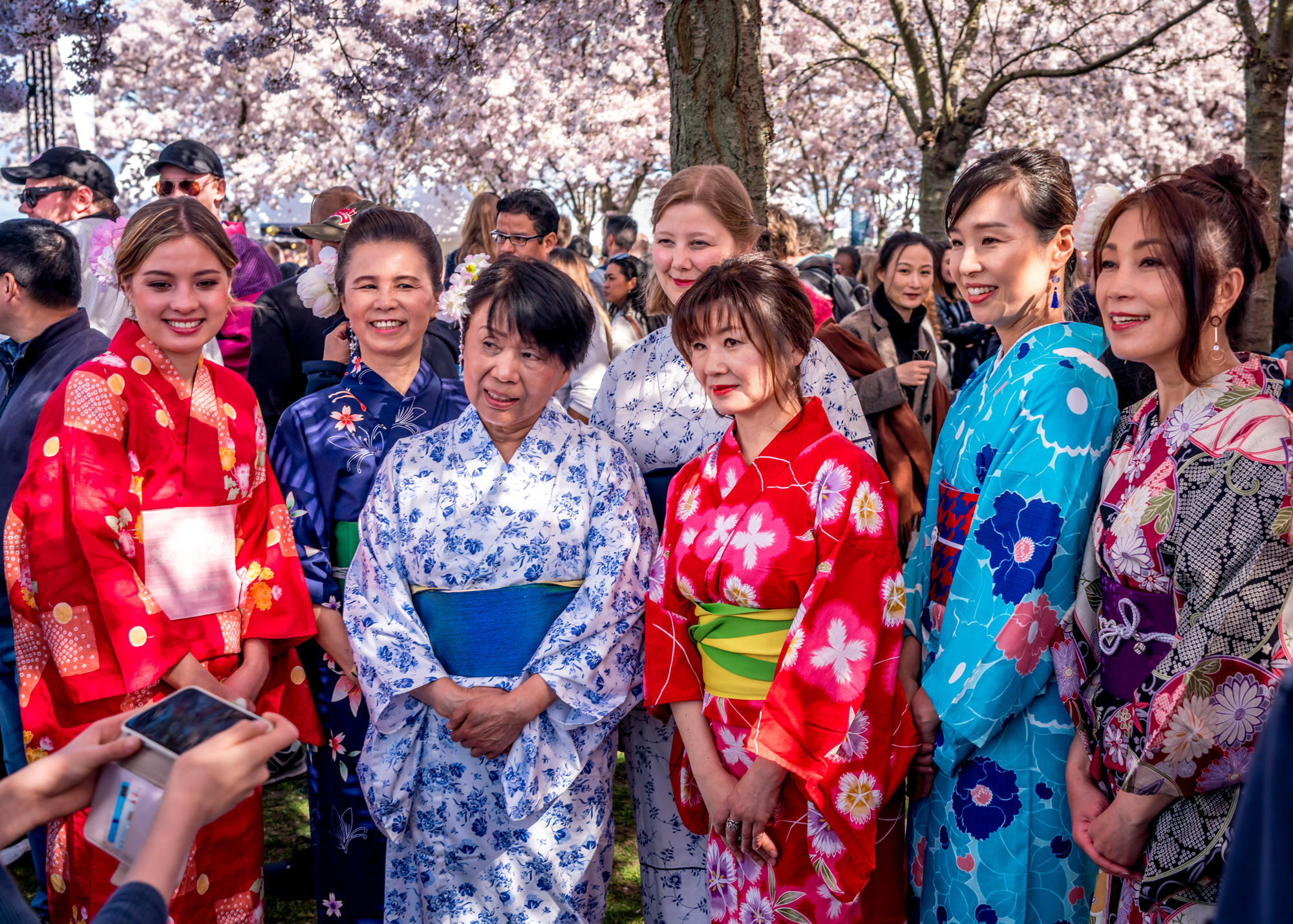
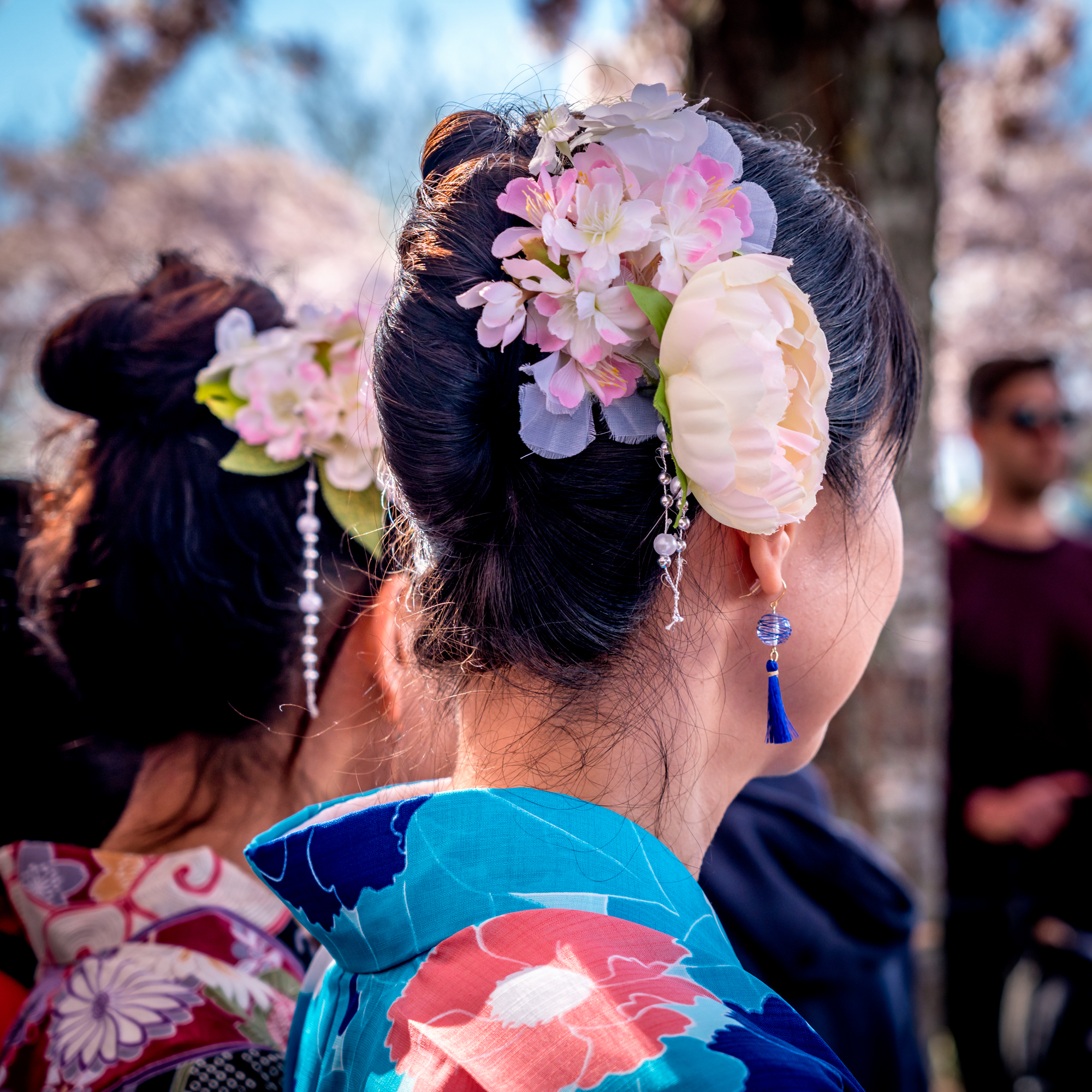
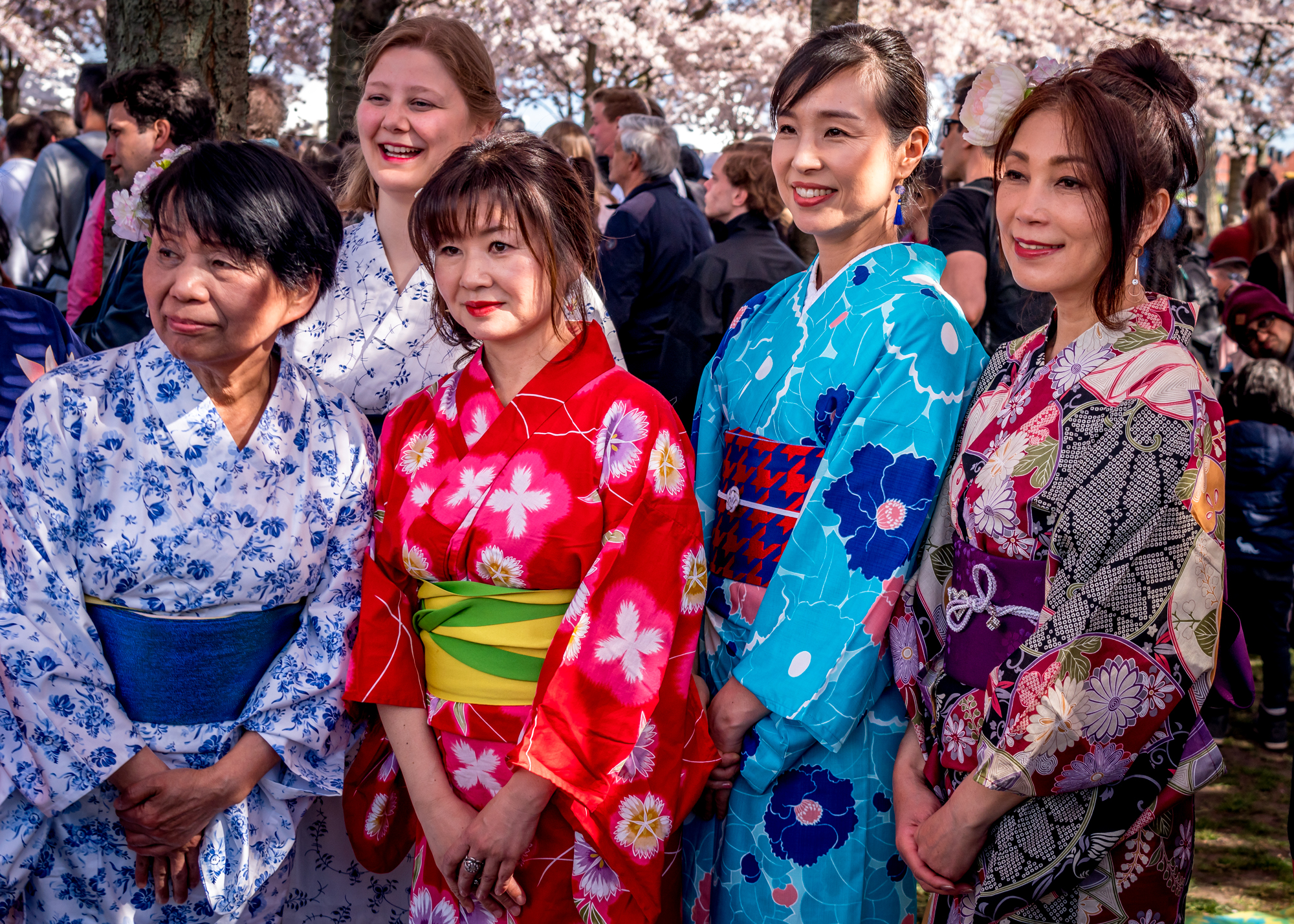
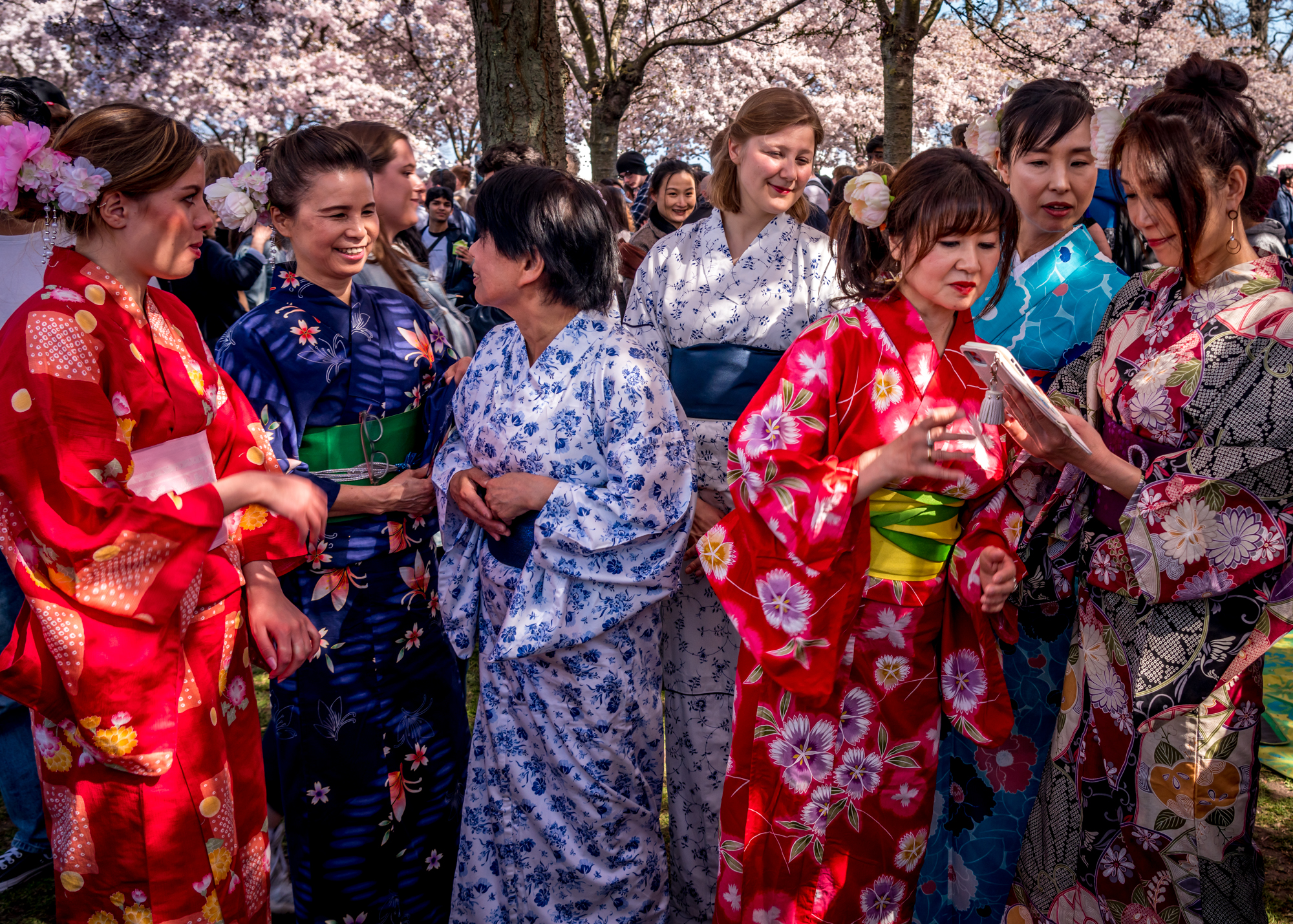
Yesterday’s mood was overshadowed by the very moving march for peace in Ukraine, but it was very life-affirming to see the huge crowds that had gathered at Langelinje for the Cherry Blossom Festival. There was traditional music, food tents, lounging spring-loving people everywhere, ladies in traditional yukata and even a samurai! This was the first real spring day after a long and dreary winter and Copenhagen was on fire!

Even in the midst of all the worry and sadness, we must remember to enjoy life and bring joy around us. Happy Sunday!

March for Ukraine

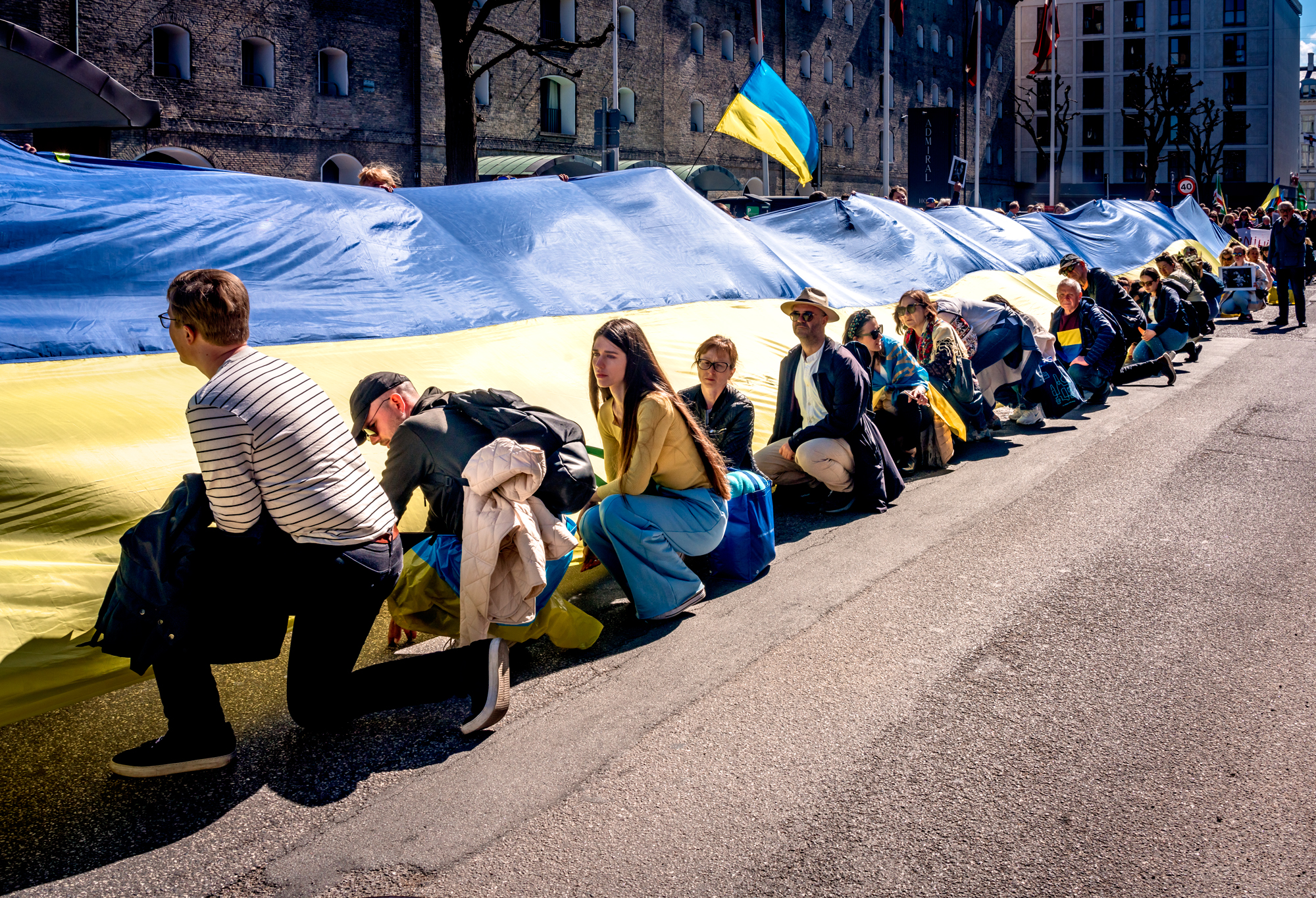
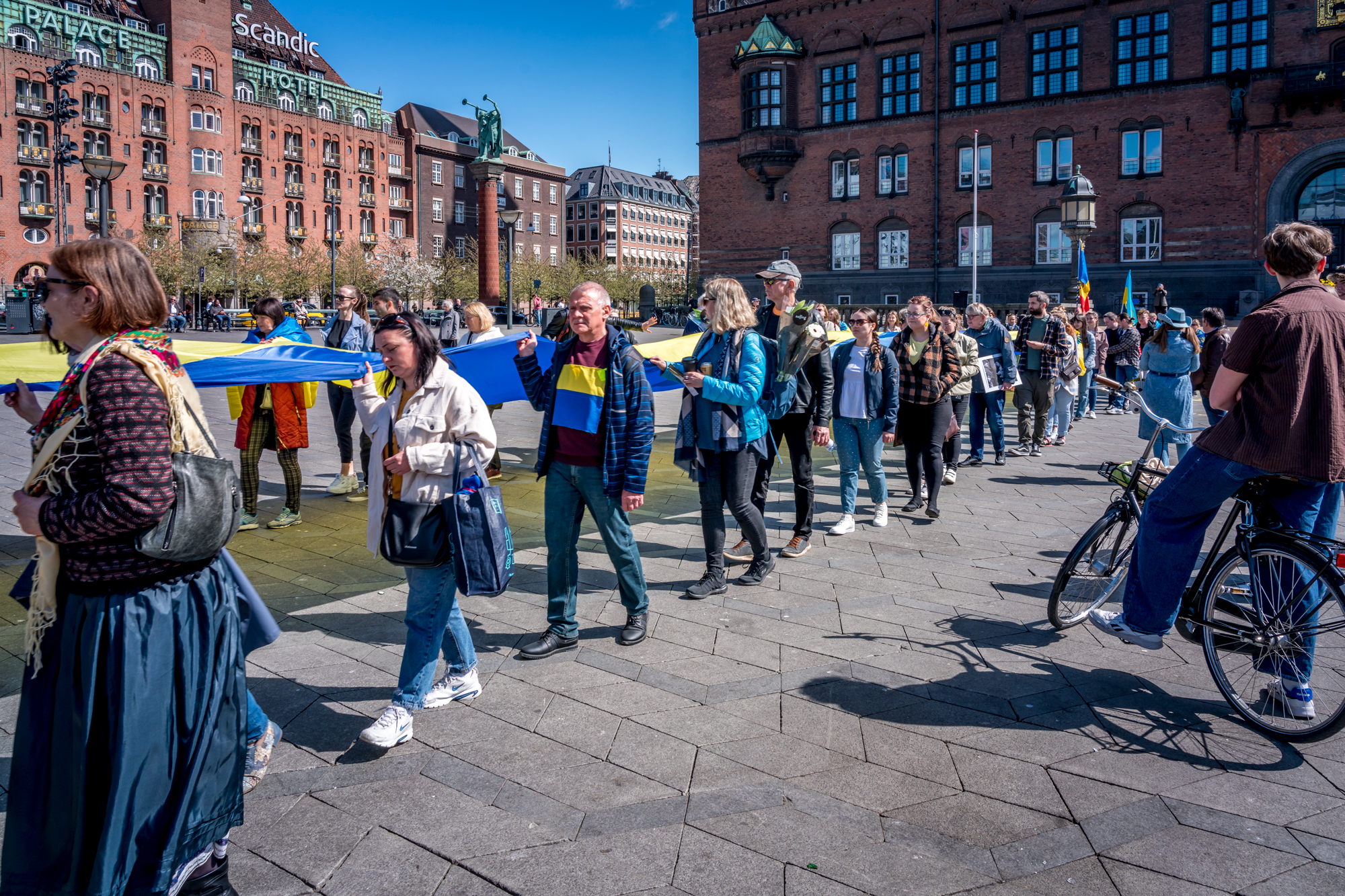
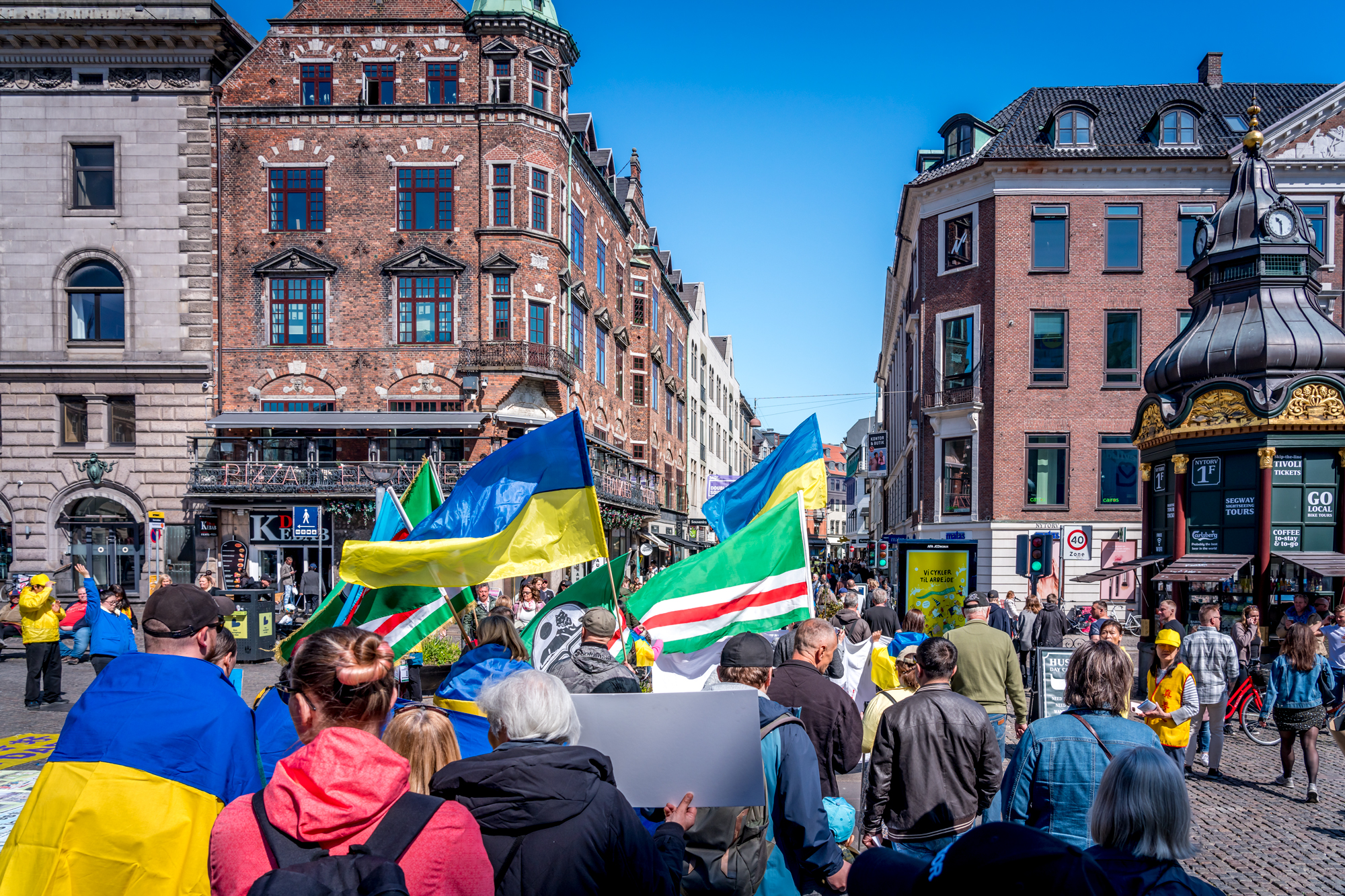
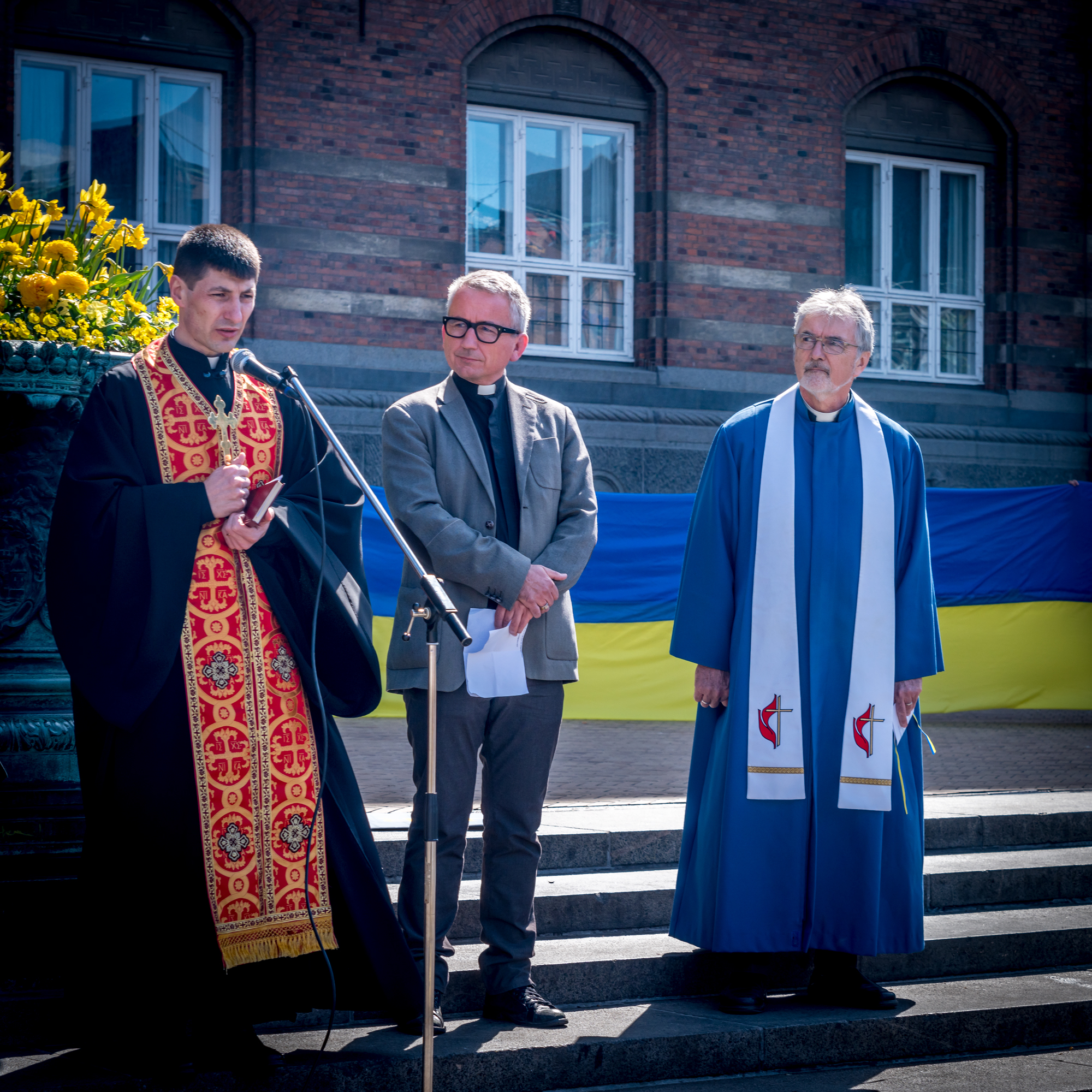
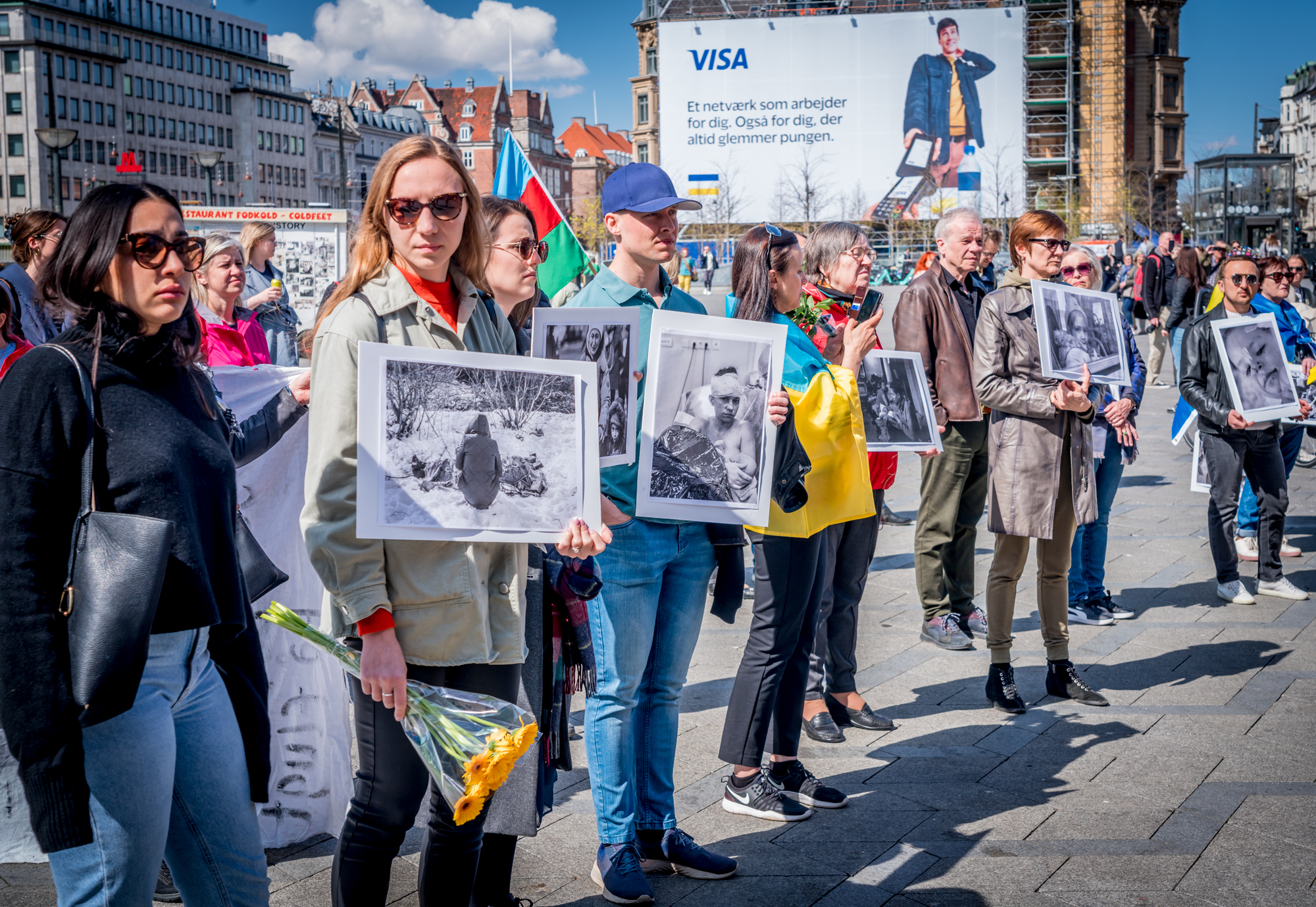
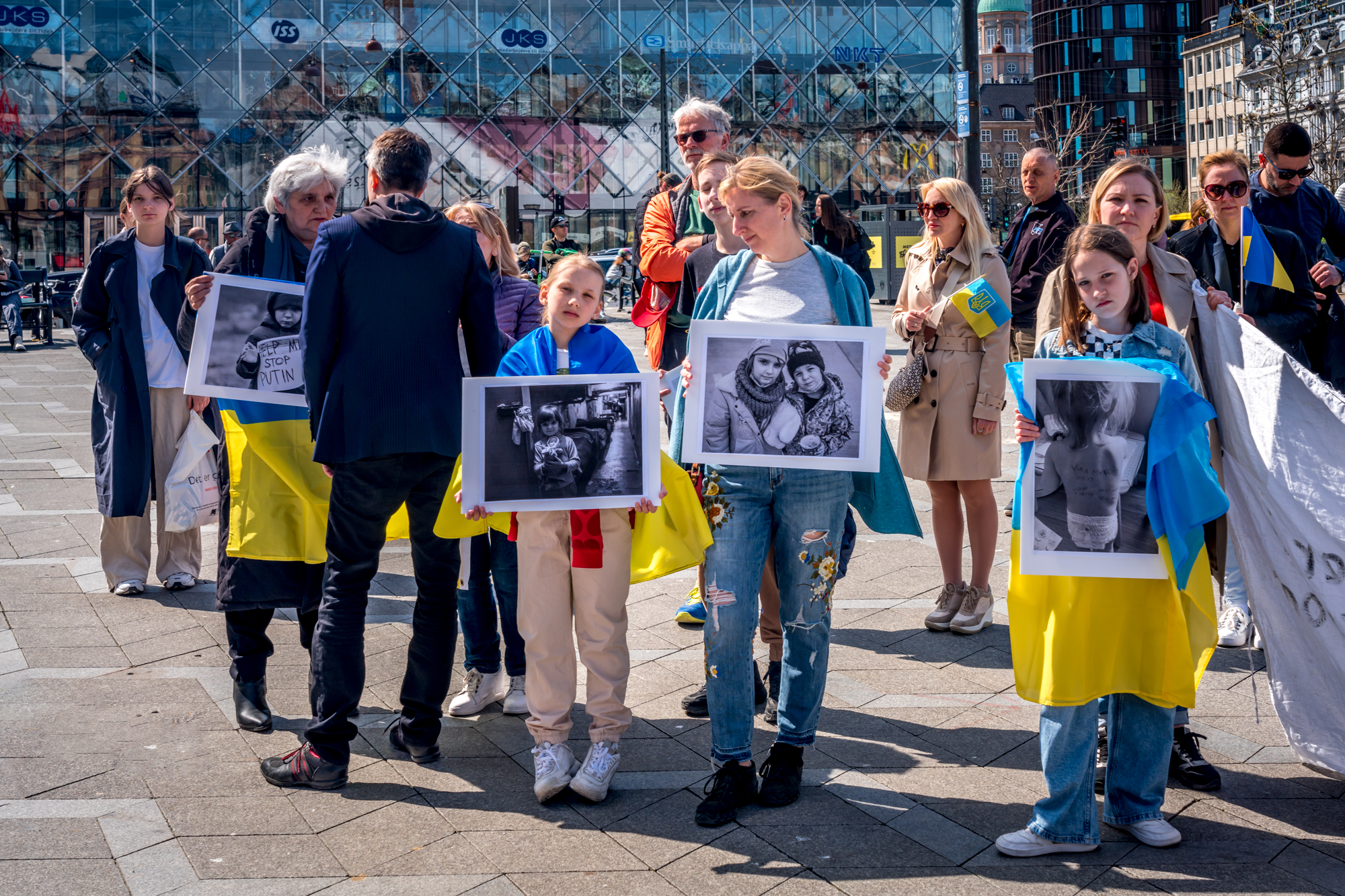
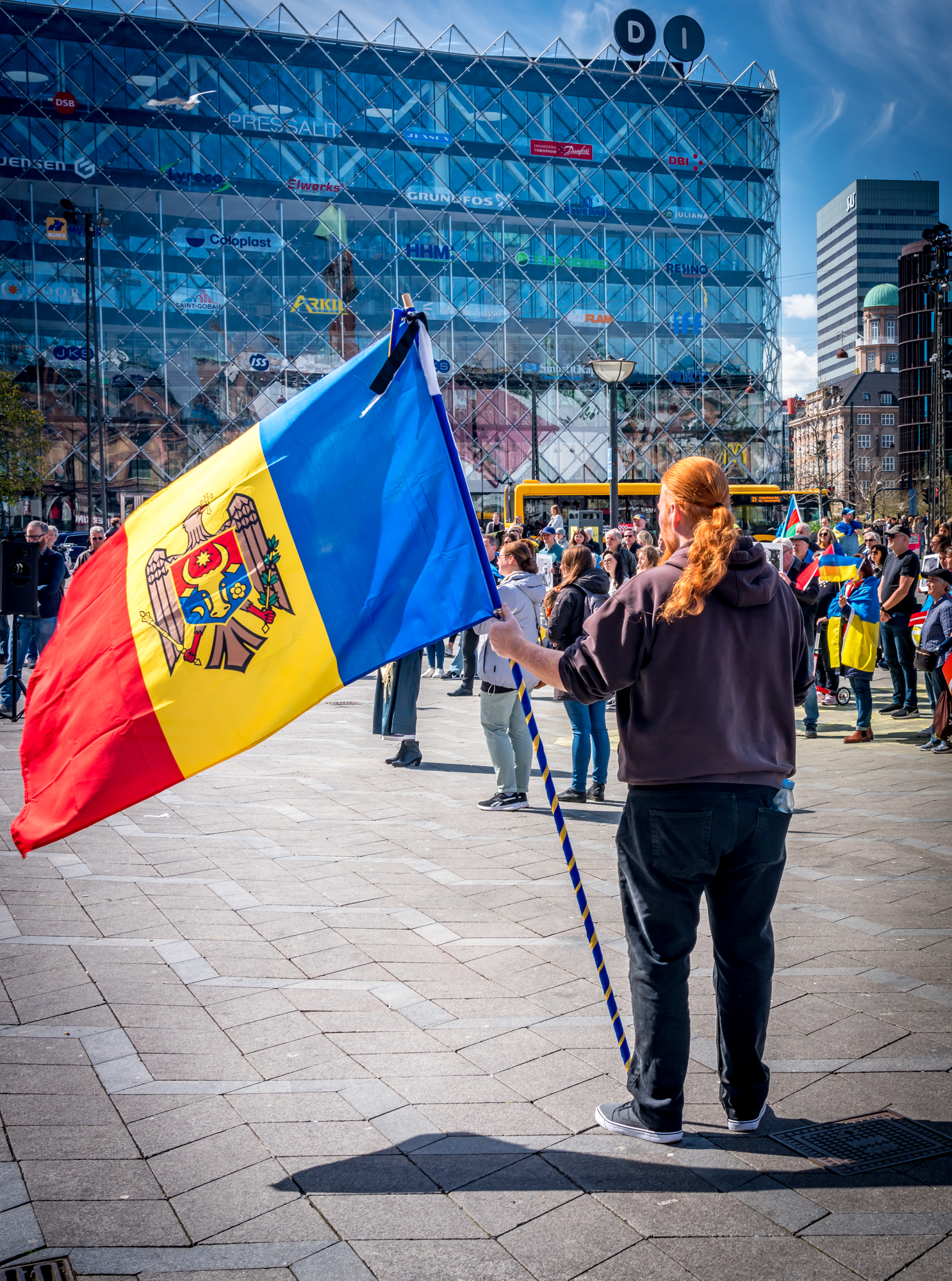
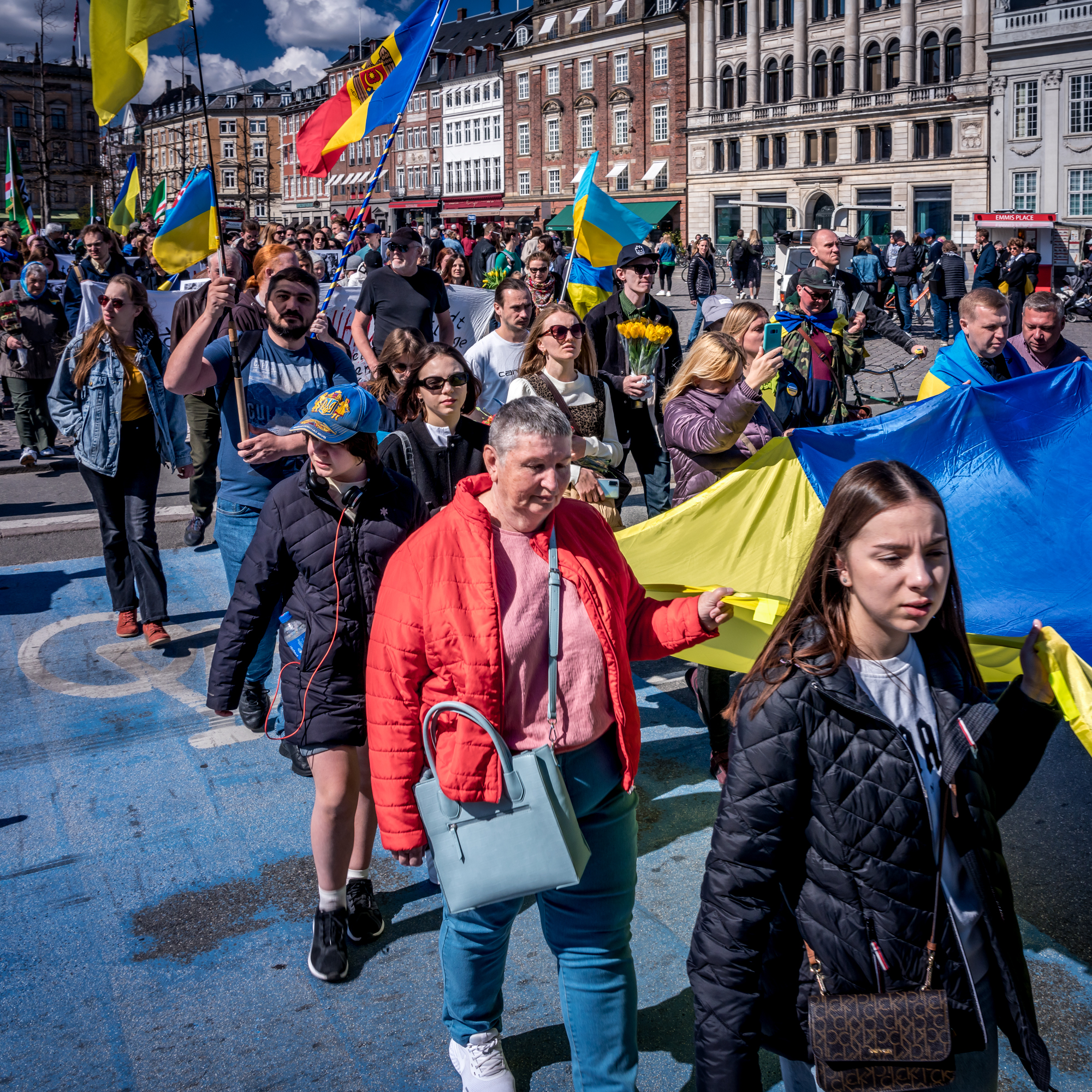
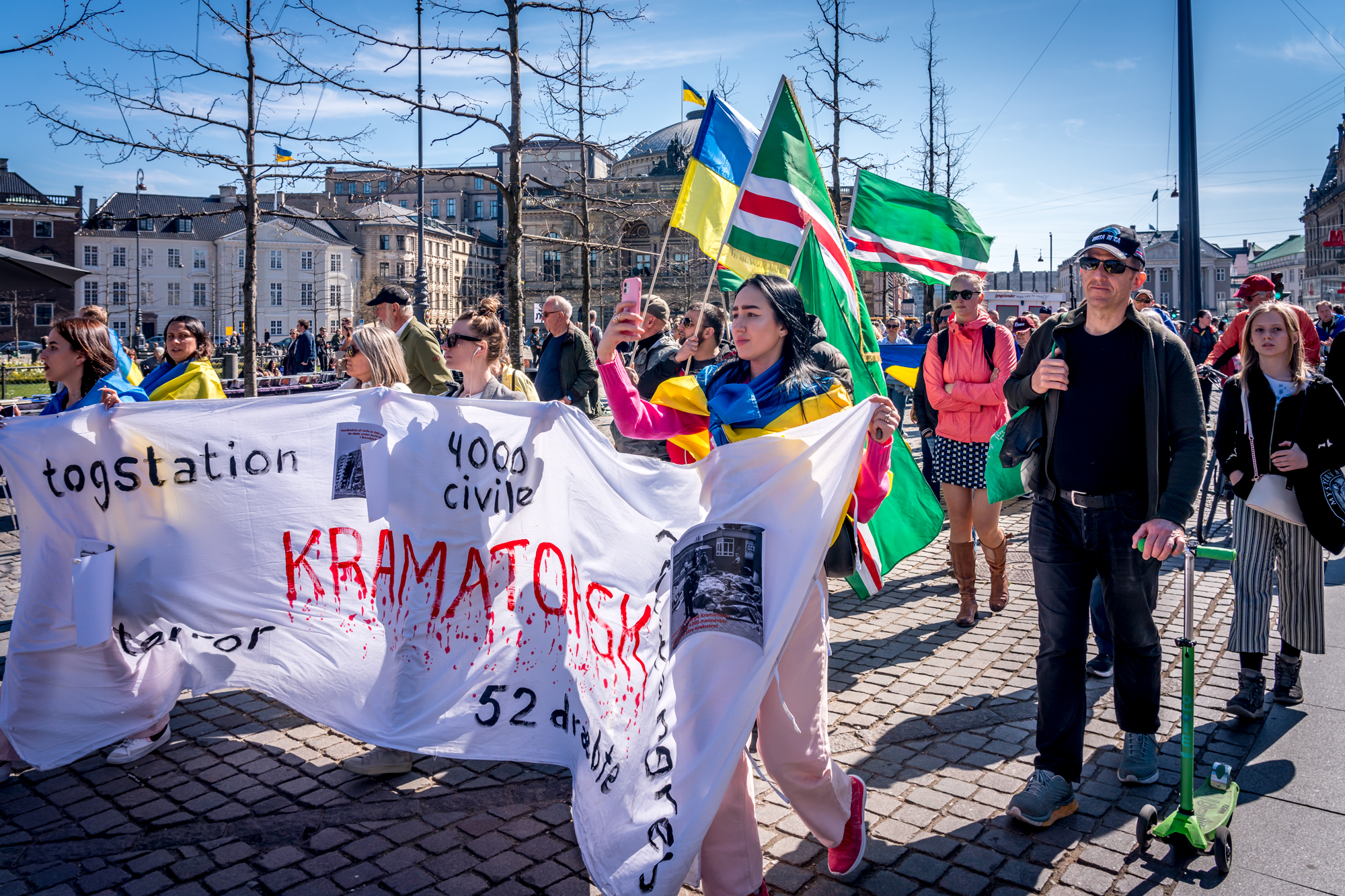
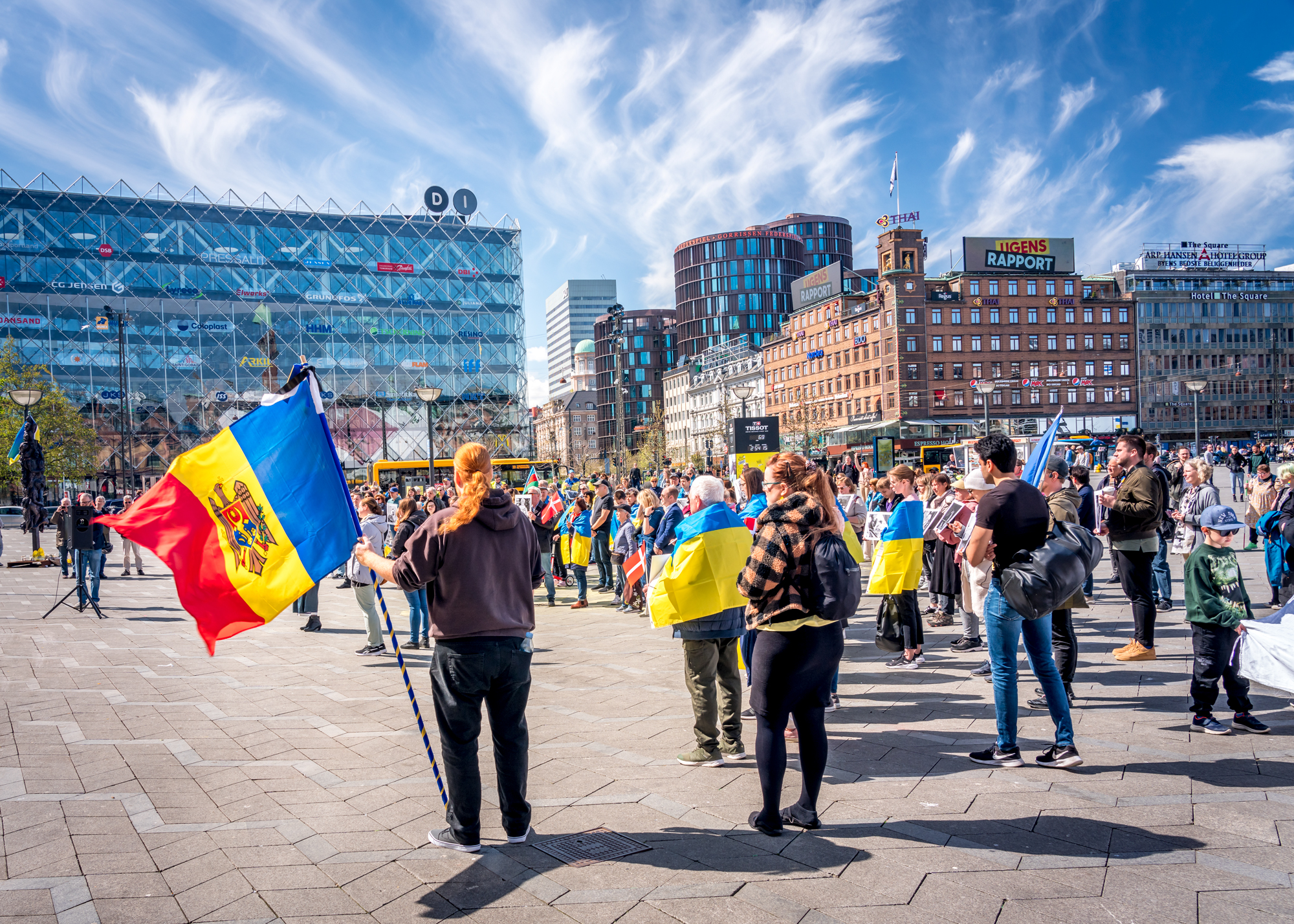
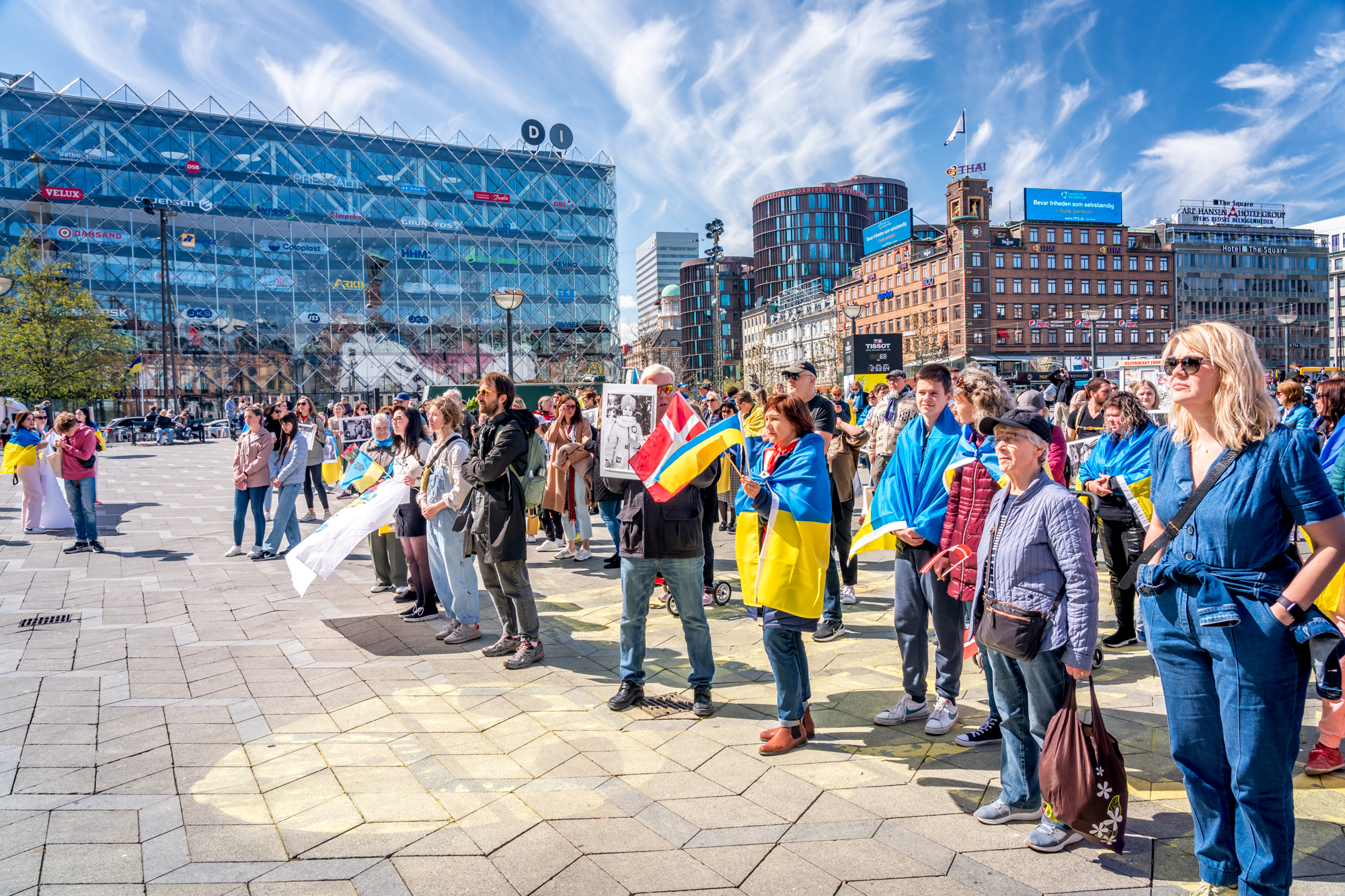
I participated in the ceremony and march for peace in Ukraine yesterday and will have to admit to being very moved by the somber mood and faces. Sadly, only about 200 people showed up (we can do better than that for our fellow Europeans!) and marched from Rådhuspladsen via Strøget to Kongens Nytorv. We then walked through the very busy Nyhavn and ended up in front of the Ukrainian Embassy.

There are no words that can describe the sadness, fear and anger that I have felt for the past two months, so I will just let the photos speak for themselves and hope that peace will soon come back to Europe. СЛАВА УКРАЇНІ ! / GLORY TO UKRAINE !

You can also see them as a slide show:

The Bombing of the French School in Frederiksberg, Copenhagen

On March 21, 1945, Ingrid woke up to a normal day in her apartment on Carl Bernhards Vej in Frederiksberg. She was 5 years old and Denmark was occupied by the Germans. Just before 11:16 am, she saw planes flying very low over her apartment building and was rushed to the basement by her parents.

Little did they know what had happened….

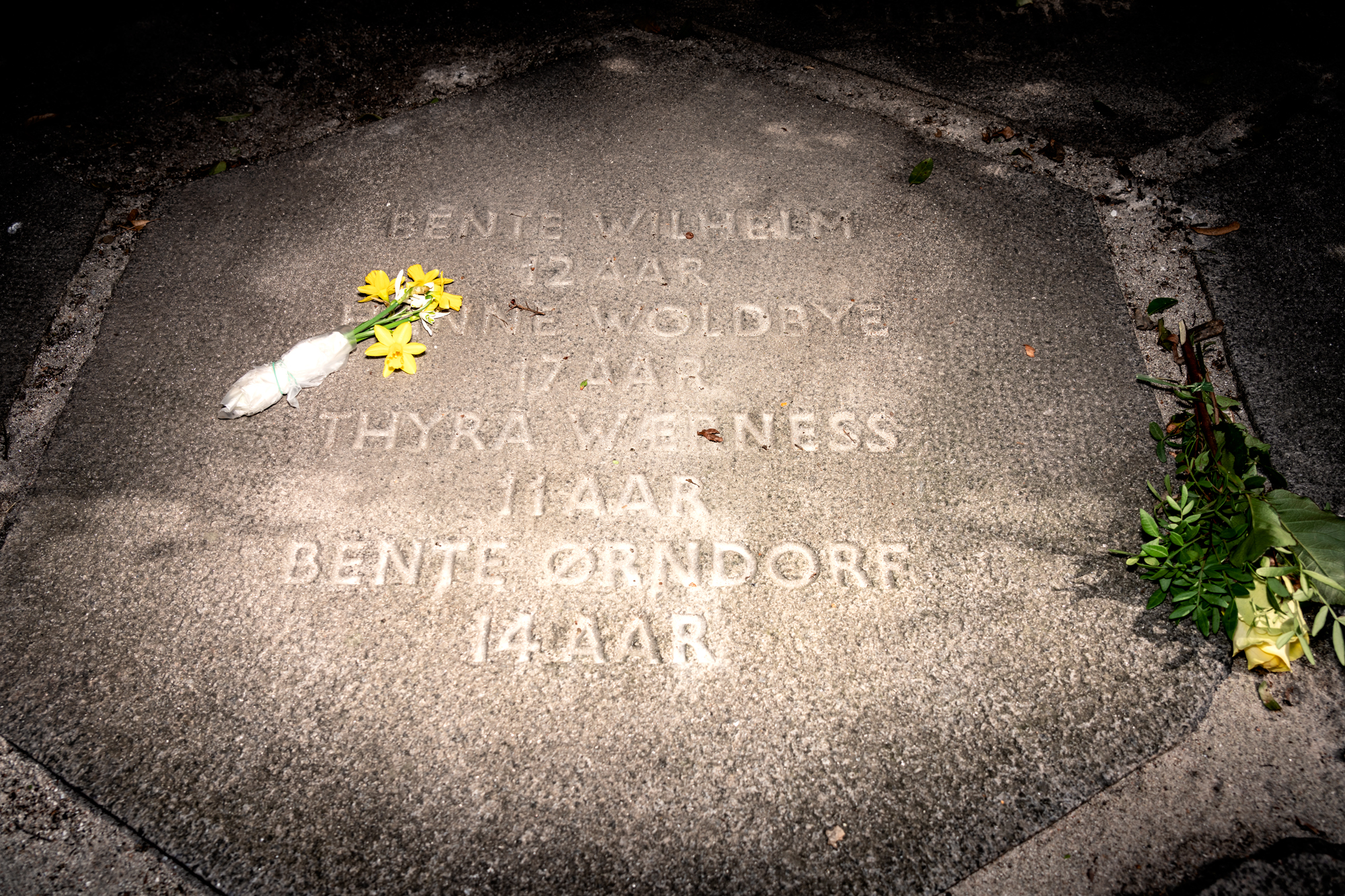
The war was drawing towards the end, but the Nazis were still here and very much active. They had chosen the Shell Building as their headquarters and were preparing a big blow against the Danish Resistance. The United Kingdom decided to do something about it and prepared an incredibly dangerous Air Force operation. It involved flying very low and targeting just one building. Unfortunately, a human error made one plane bomb the wrong building, the French School in peaceful and sleepy Frederiksberg, the independant city within the city of Copenhagen. 82 children were killed, but not necessarily from the bombs, but from drowning when the pipes in the basement burst.

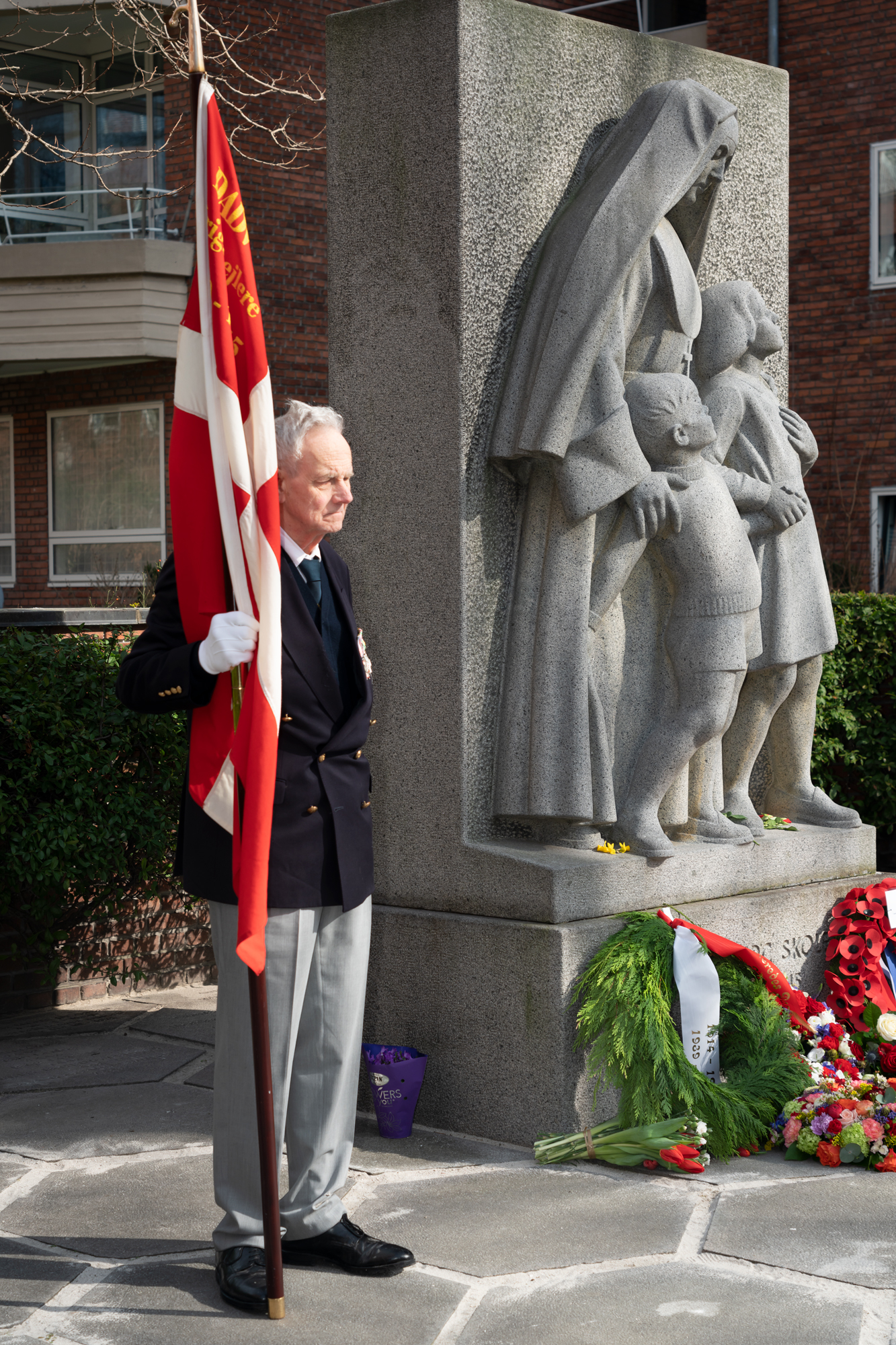
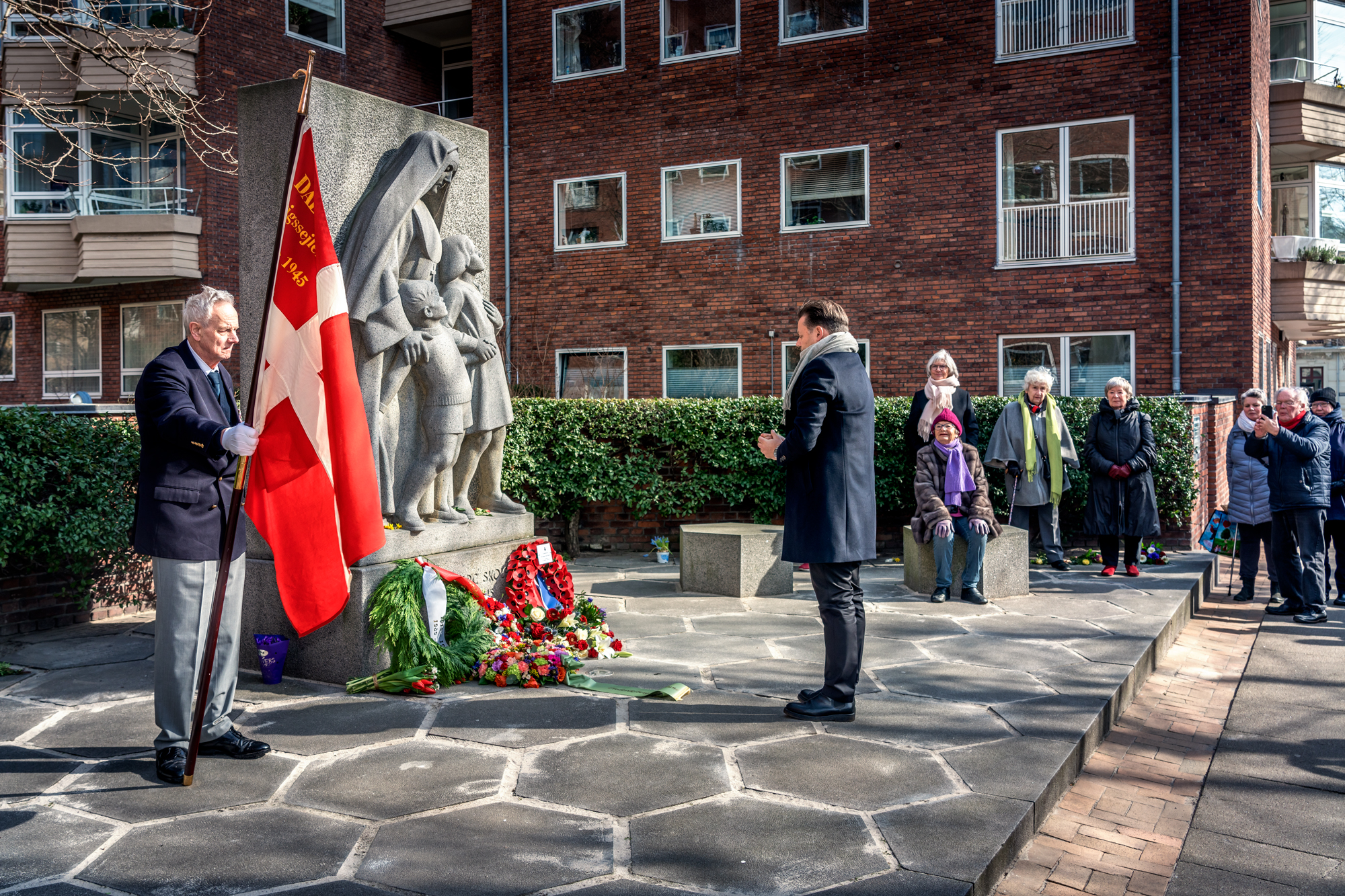
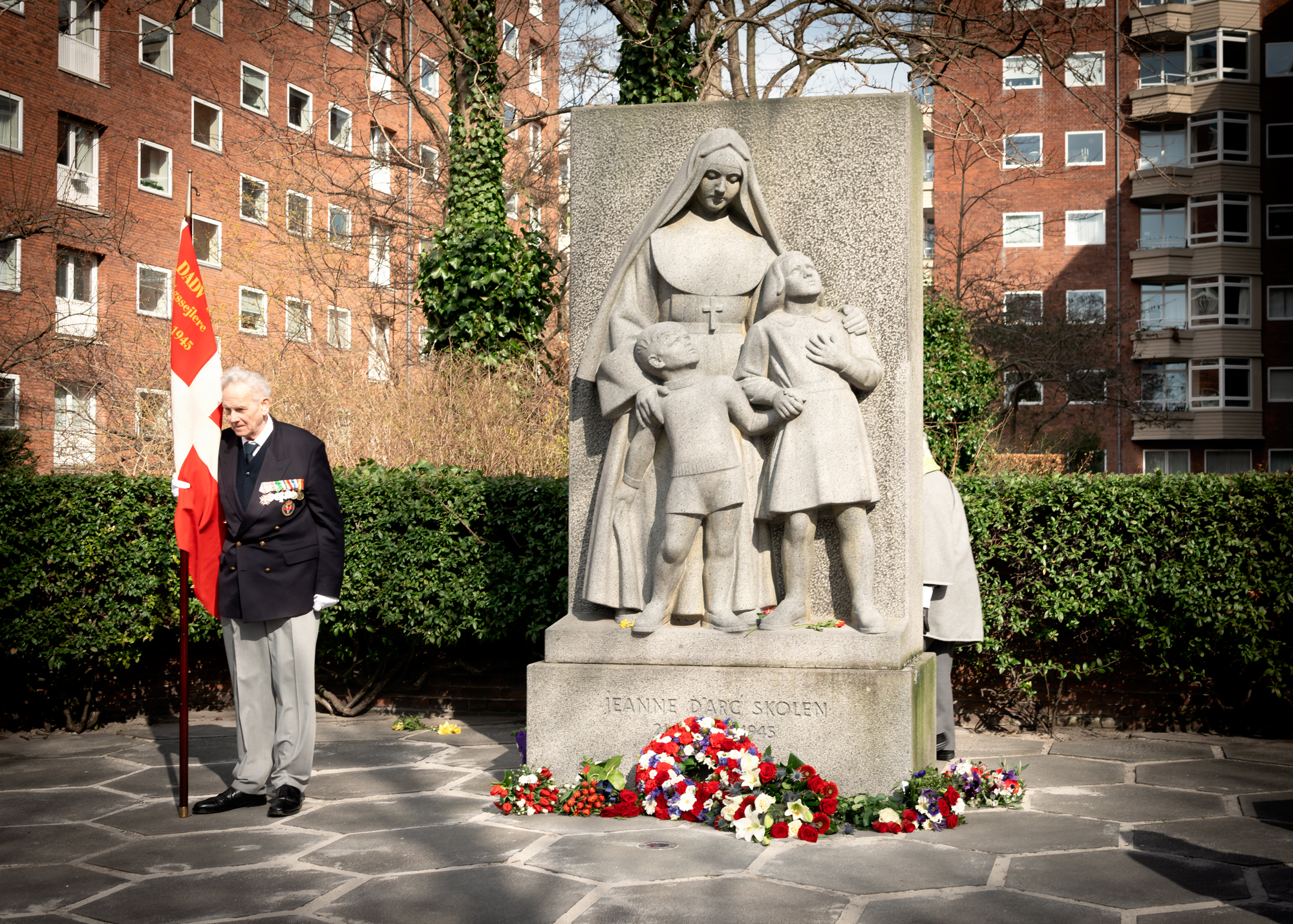
Ingrid is the mother of one of my best friends whom I have known since 6th grade. I went to see the heartbreaking, but fantastic movie “In the Shadow of my Eye” with her and could not help noticing that she, just like me, had tears running down her cheeks. She later explained to me that she knew so many of the children whose names were mentioned at the end of the movie In Memoriam. We decided to meet up at the statue that has been erected where the school used to be, 5 minutes away from my apartment on Carl Bernhards Vej!

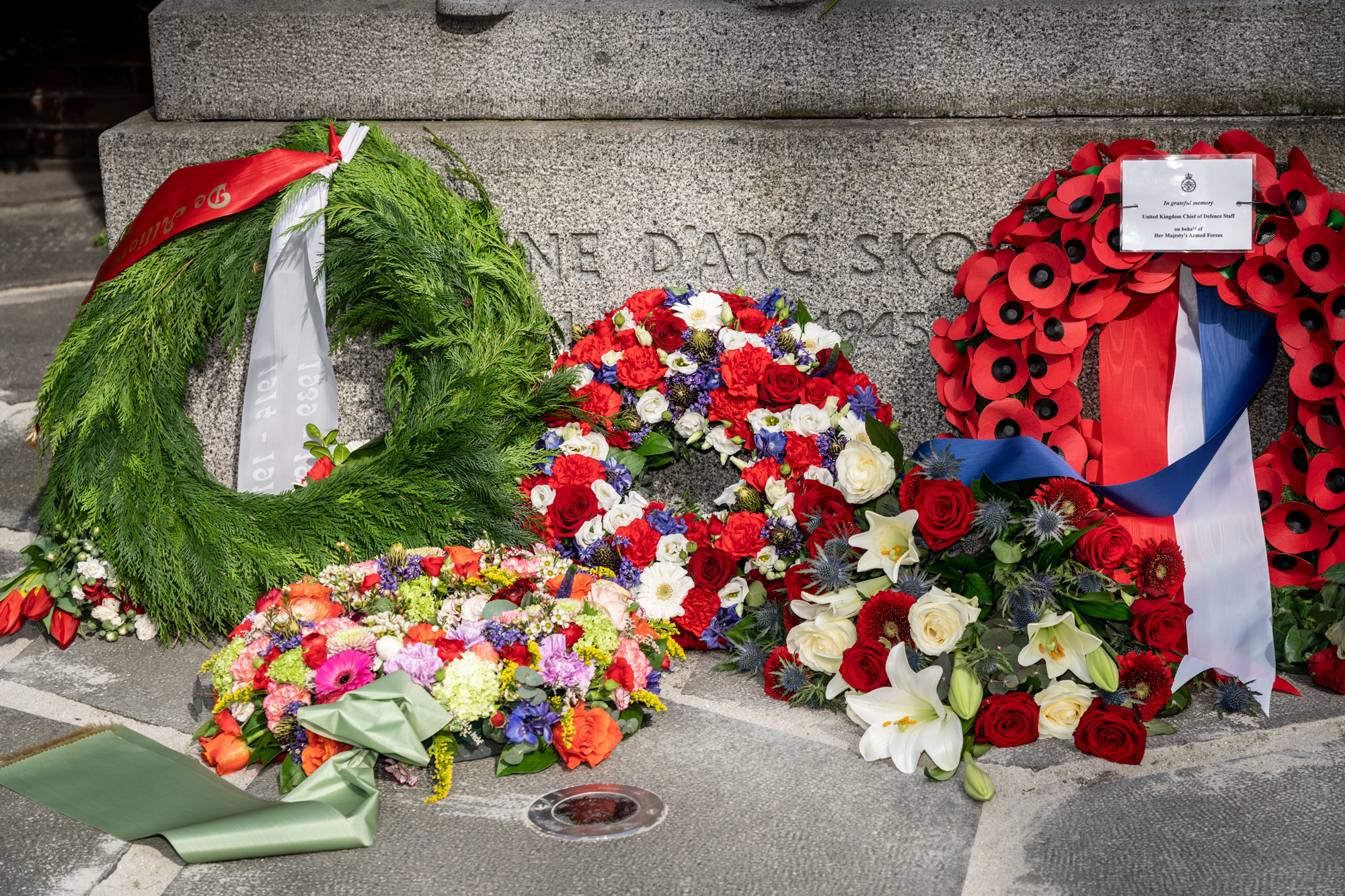
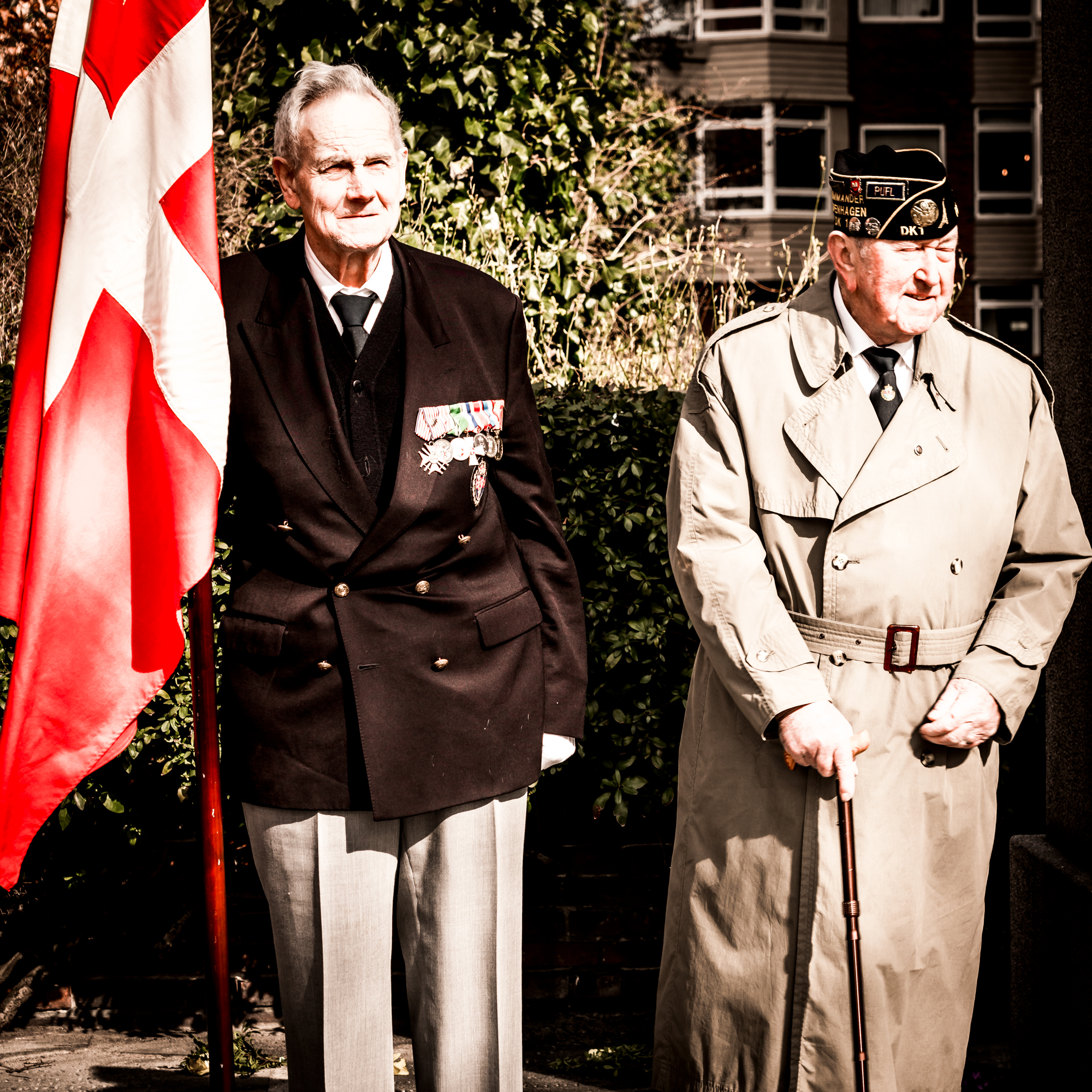
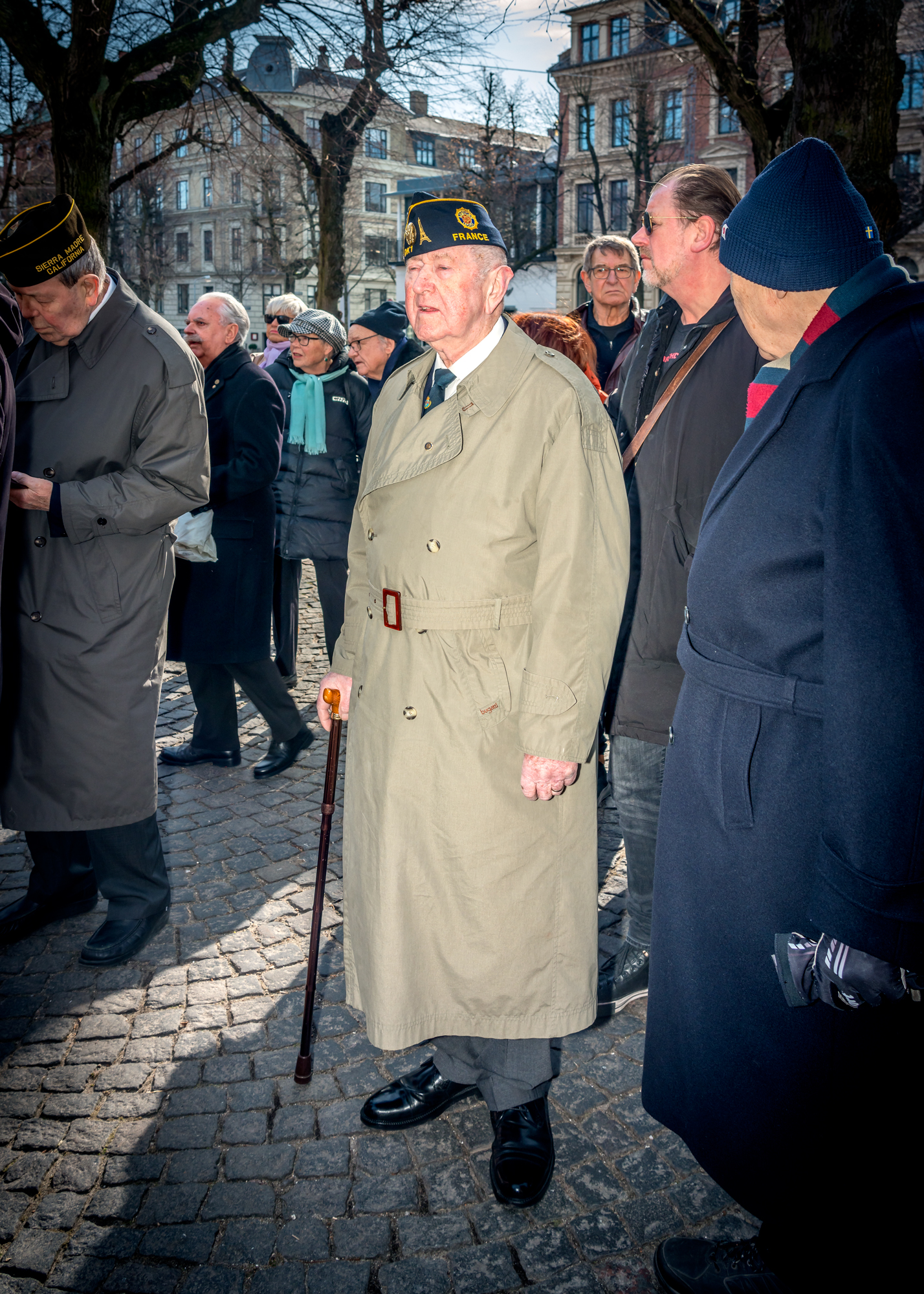
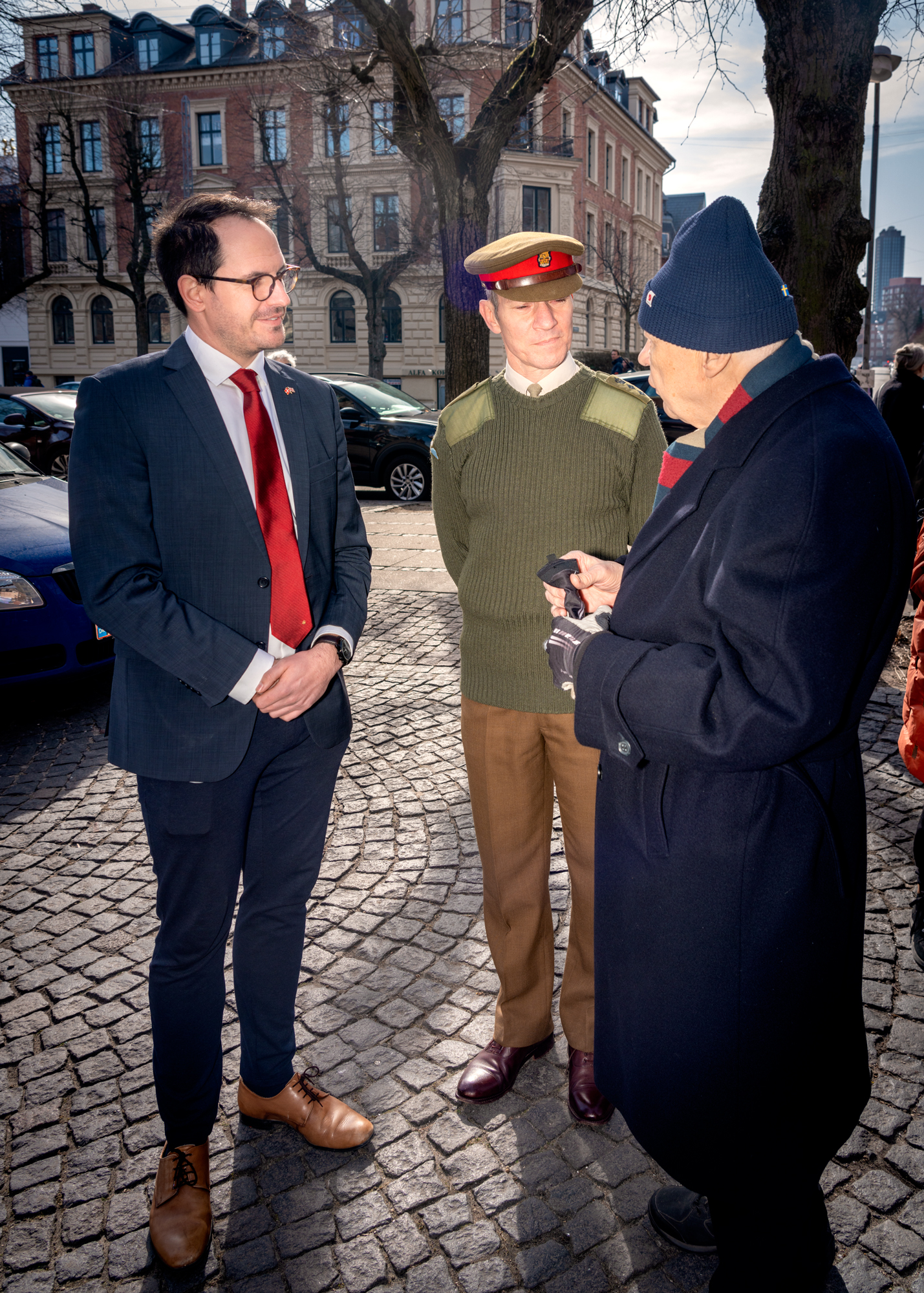
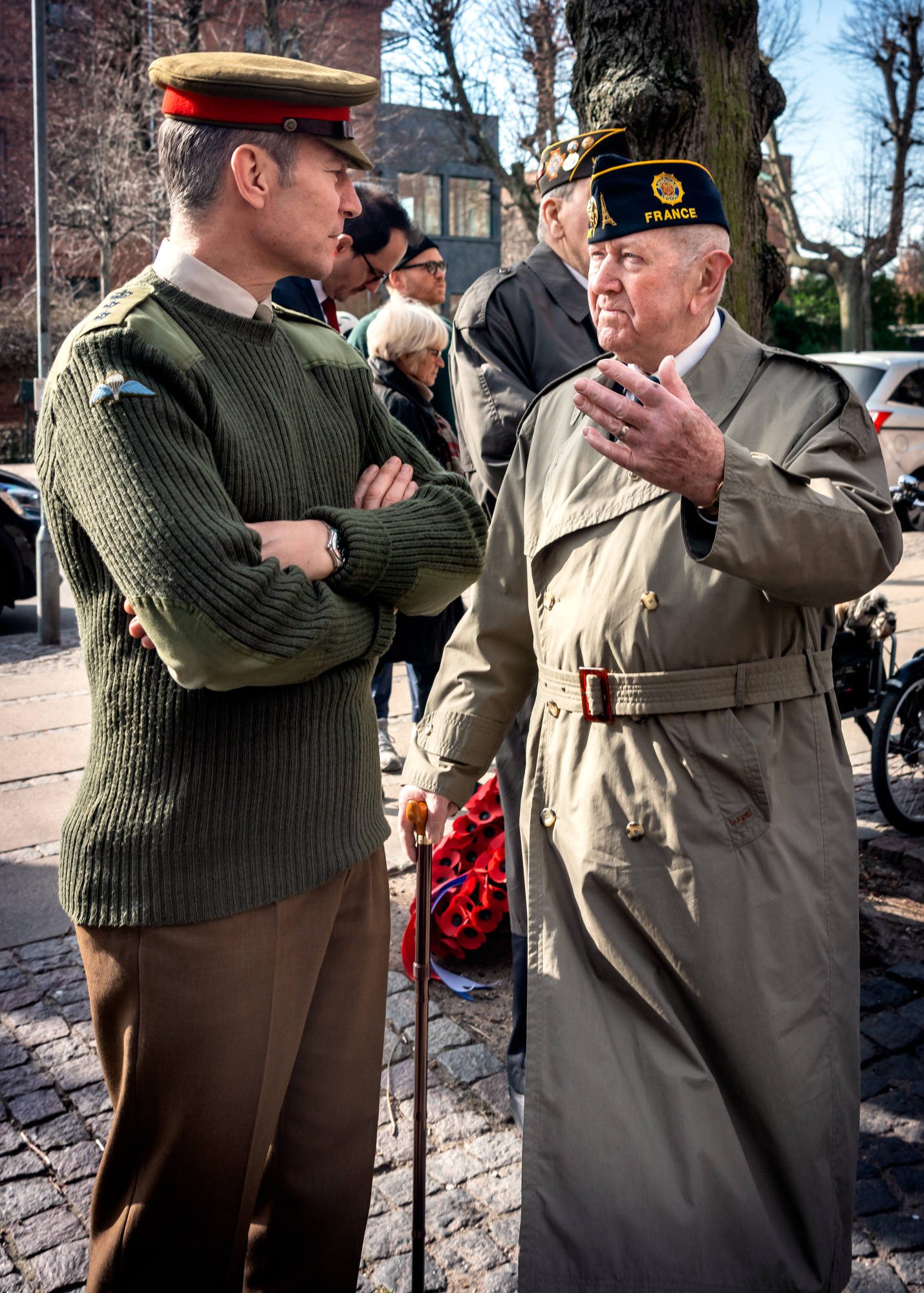
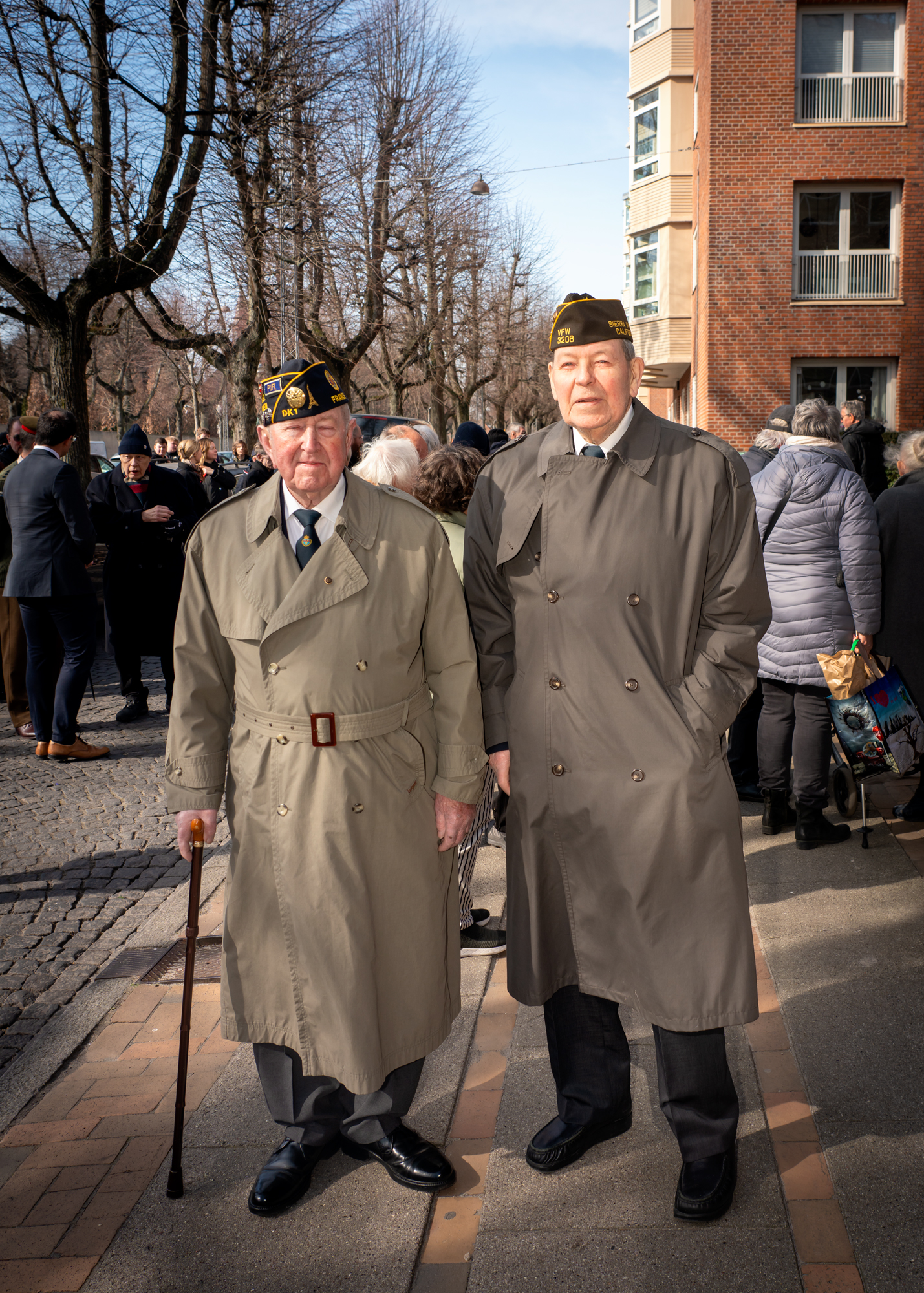
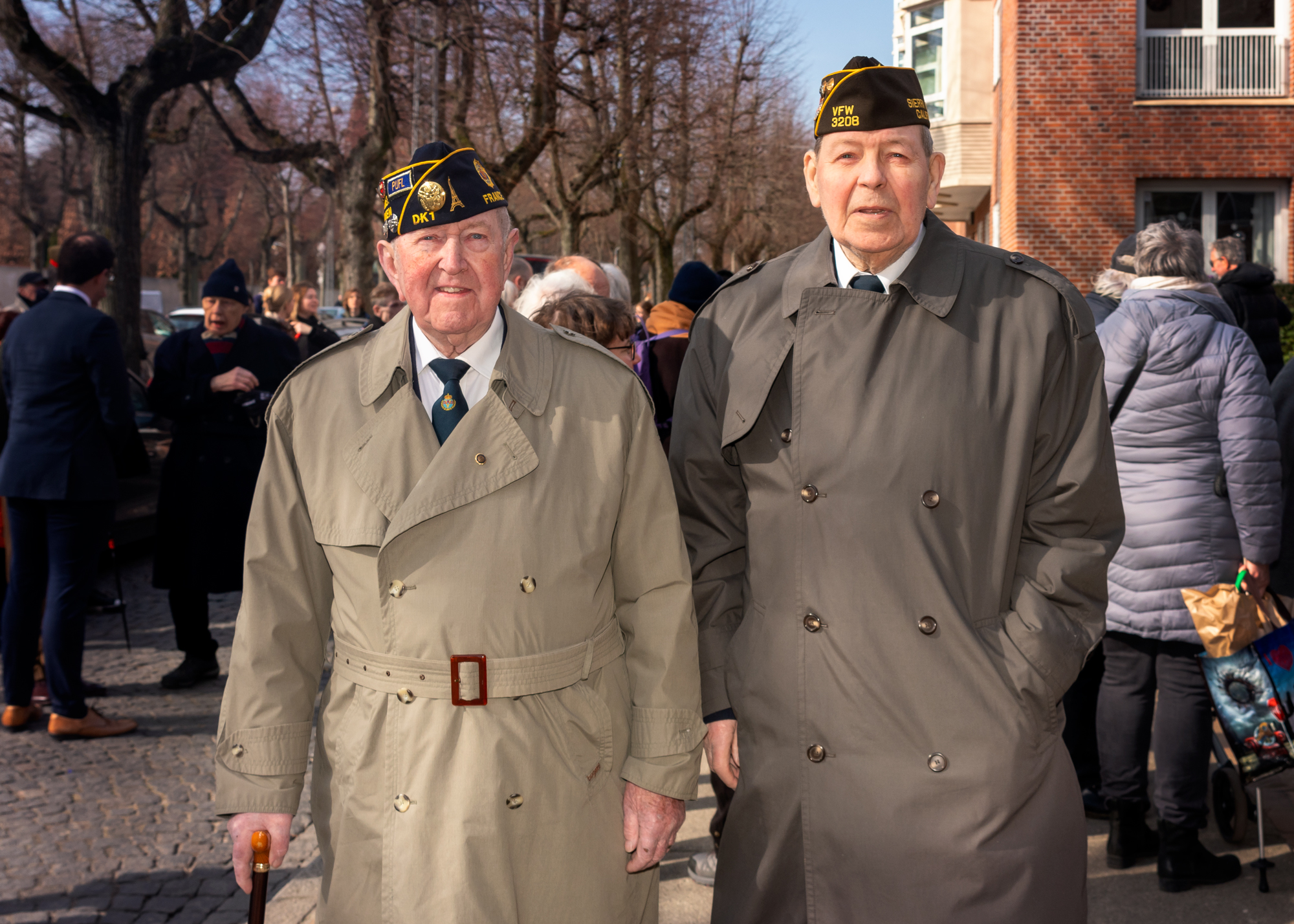
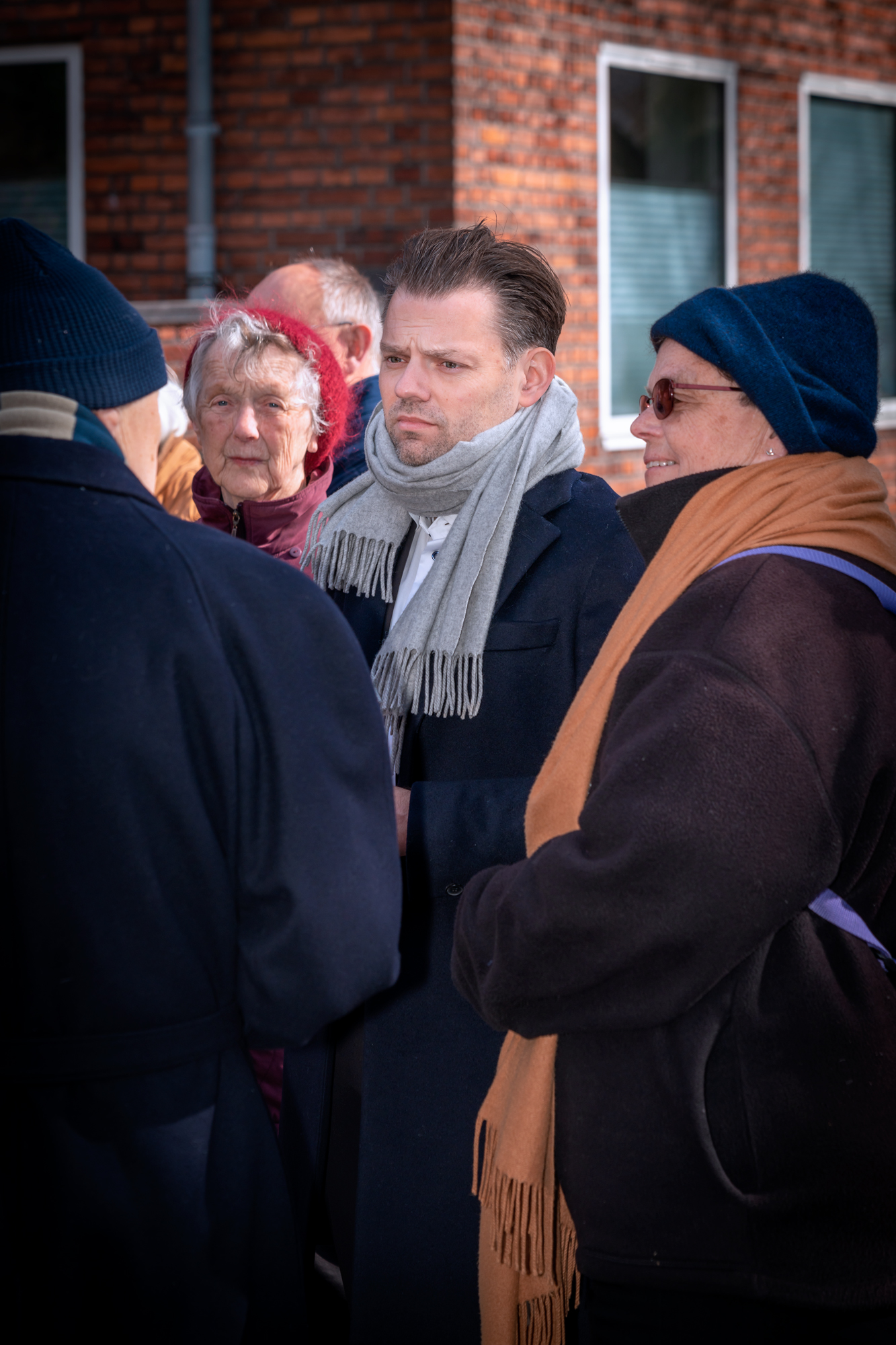
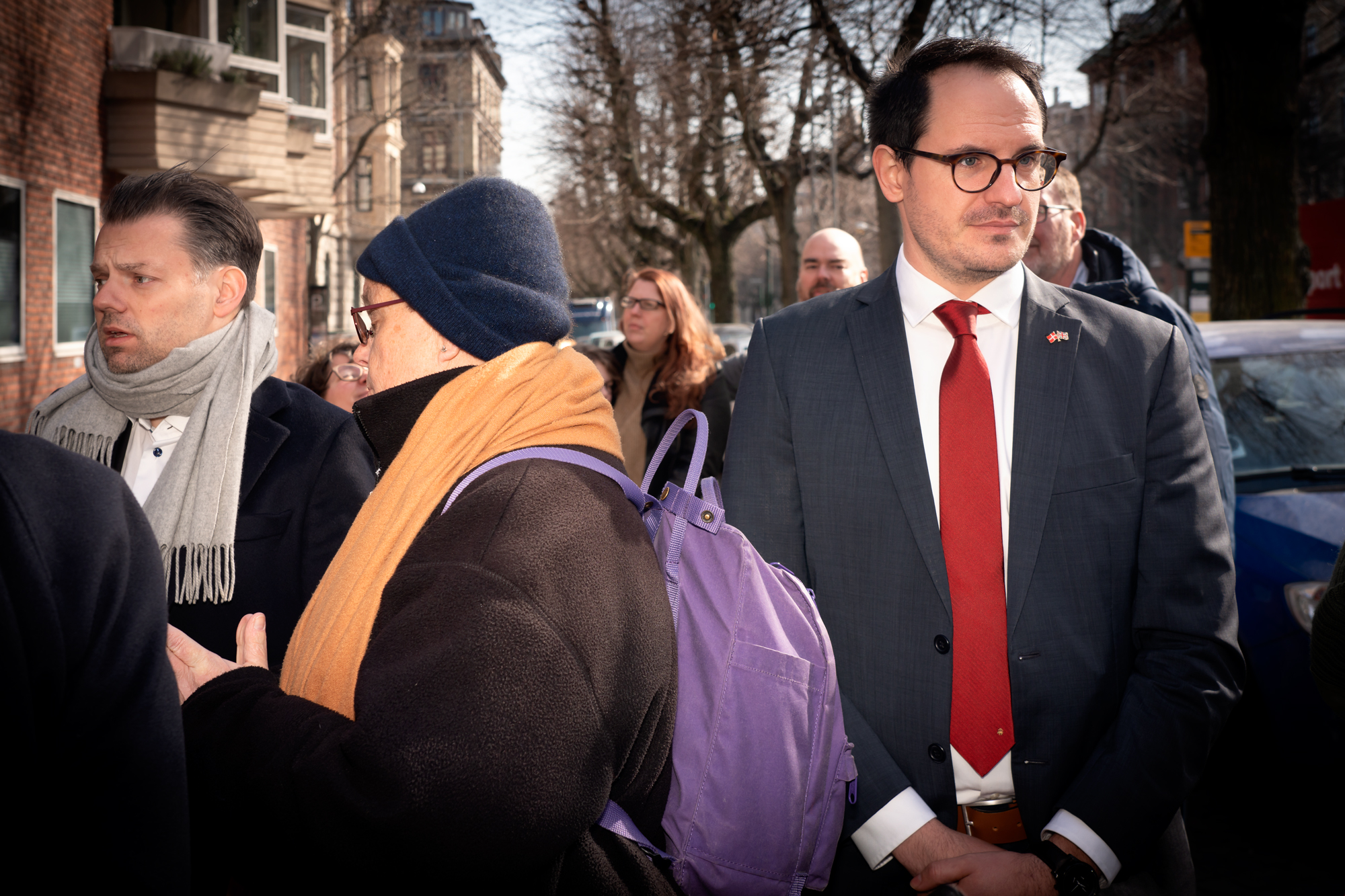
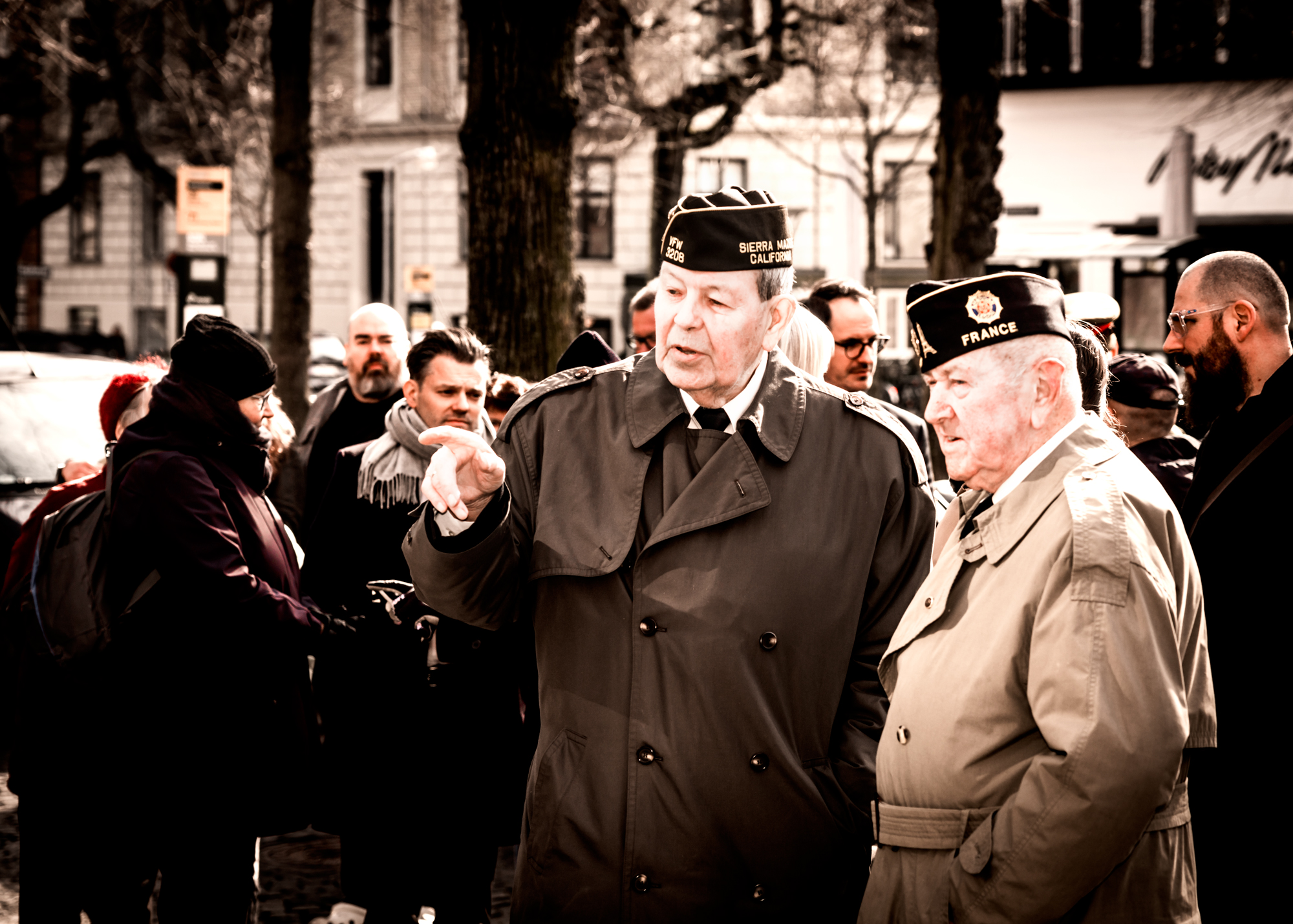
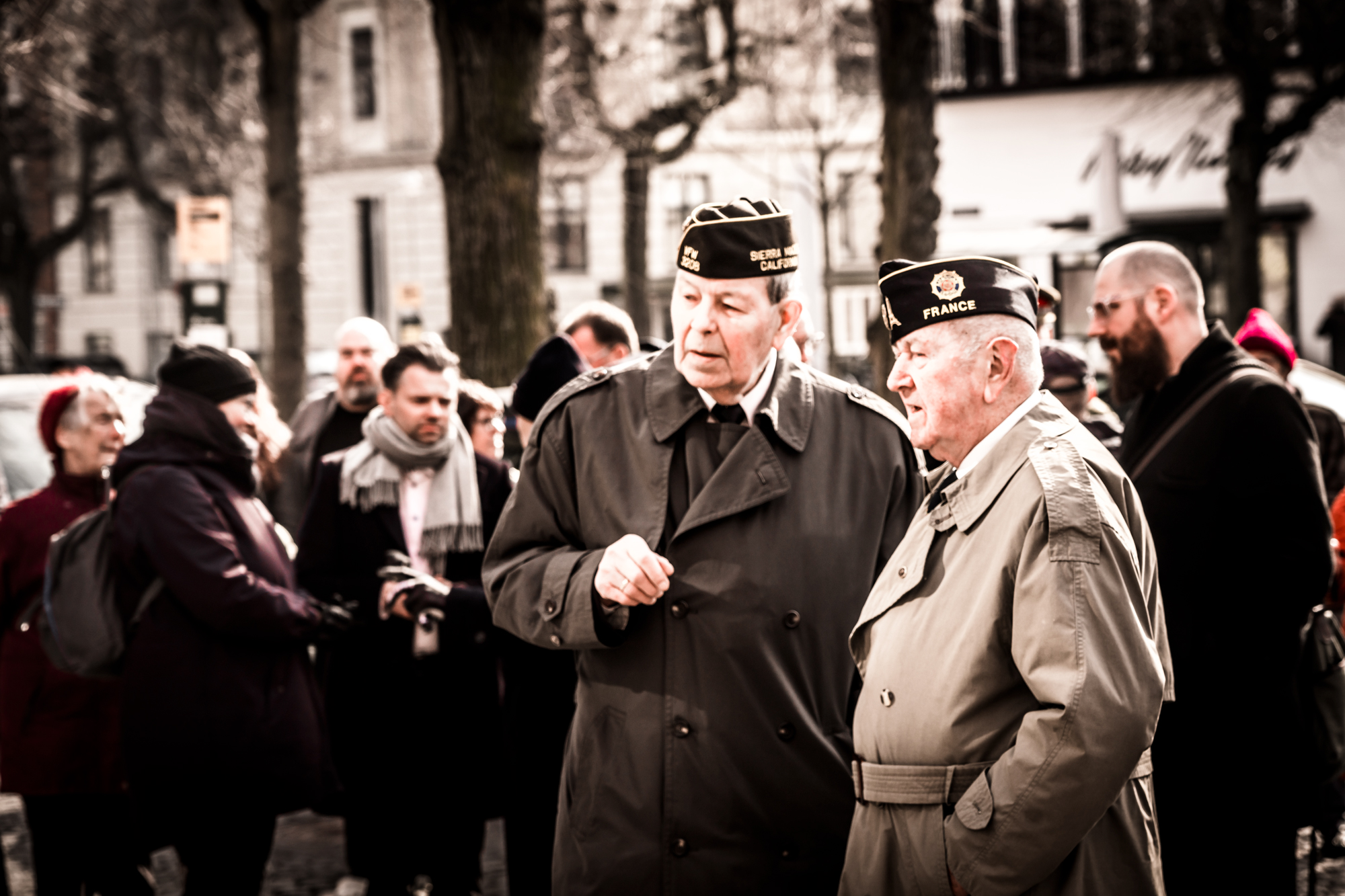
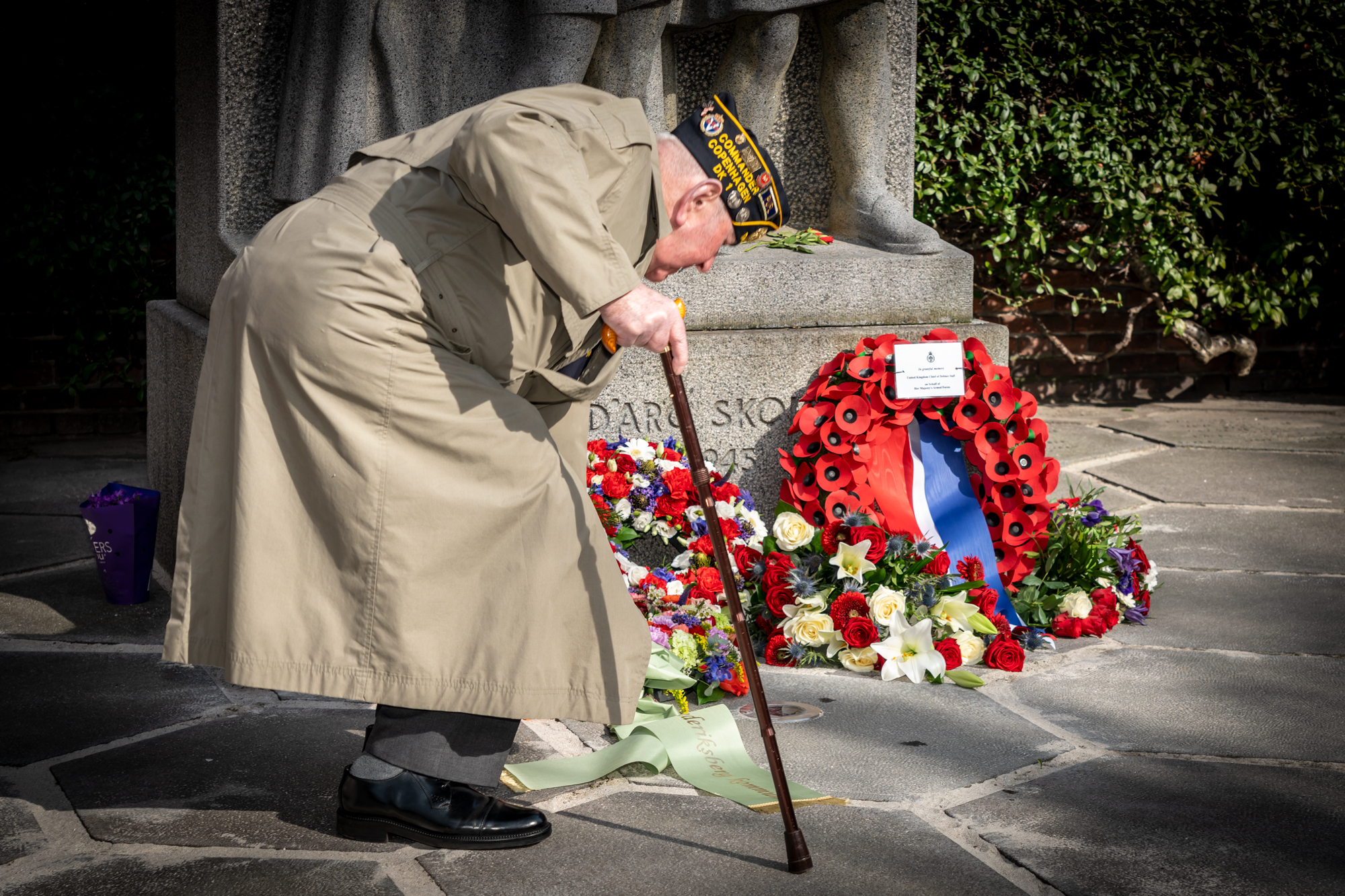
I did not realize that every year, RAF Veterans, Danish Veterans, the Mayor of Frederiksberg, the British Embassy and people either remembering or honoring the horrific accident gather in this spot. I felt it was important to document this, as less and less people will after 76 years, but also as a reminder of what war does to a peaceful nation and how long the ripples last, especially now as we seem to potentially face a much greater danger with a country that is going amok trying to repeat history.

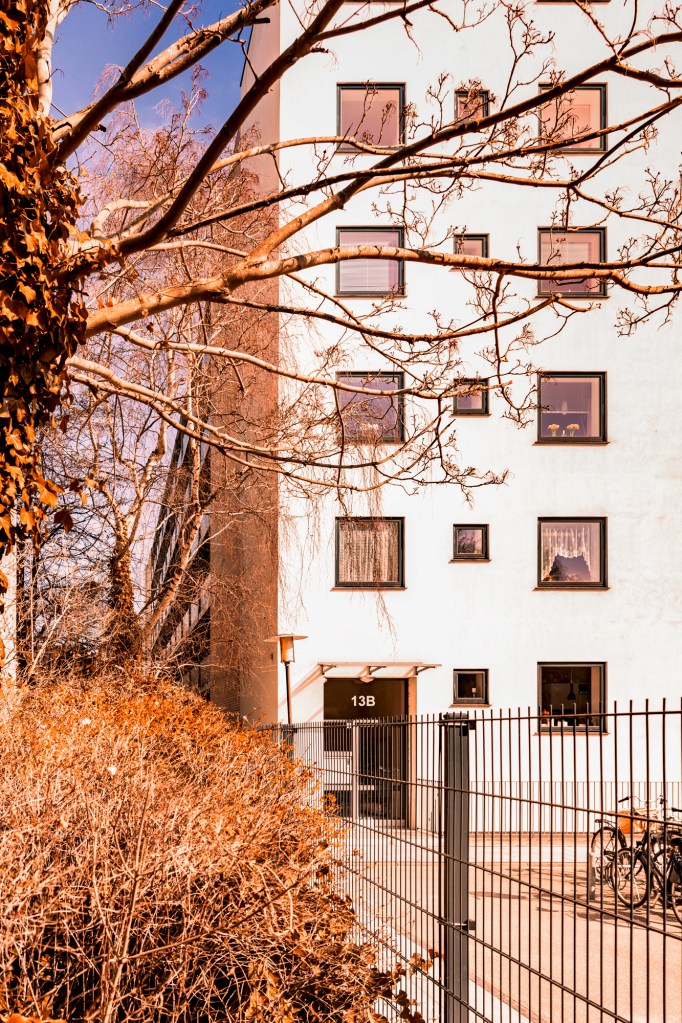
Ingrid and I sat down for a warm drink afterwards and she also told me about the building where I currently live which is right next to her childhood home. I did not know, but it used to be a factory which was taken over by the Germans during the Occupation. It was blown up by the Resistance and all the windows in Ingrid’s building right next door were blown out. I had no idea!

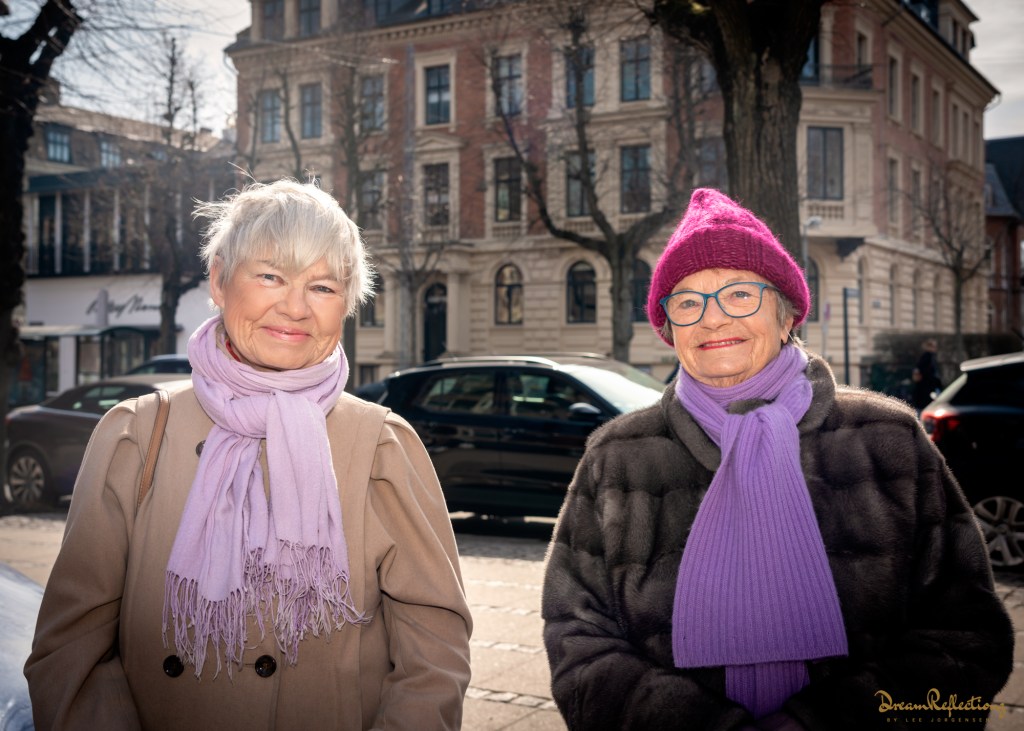
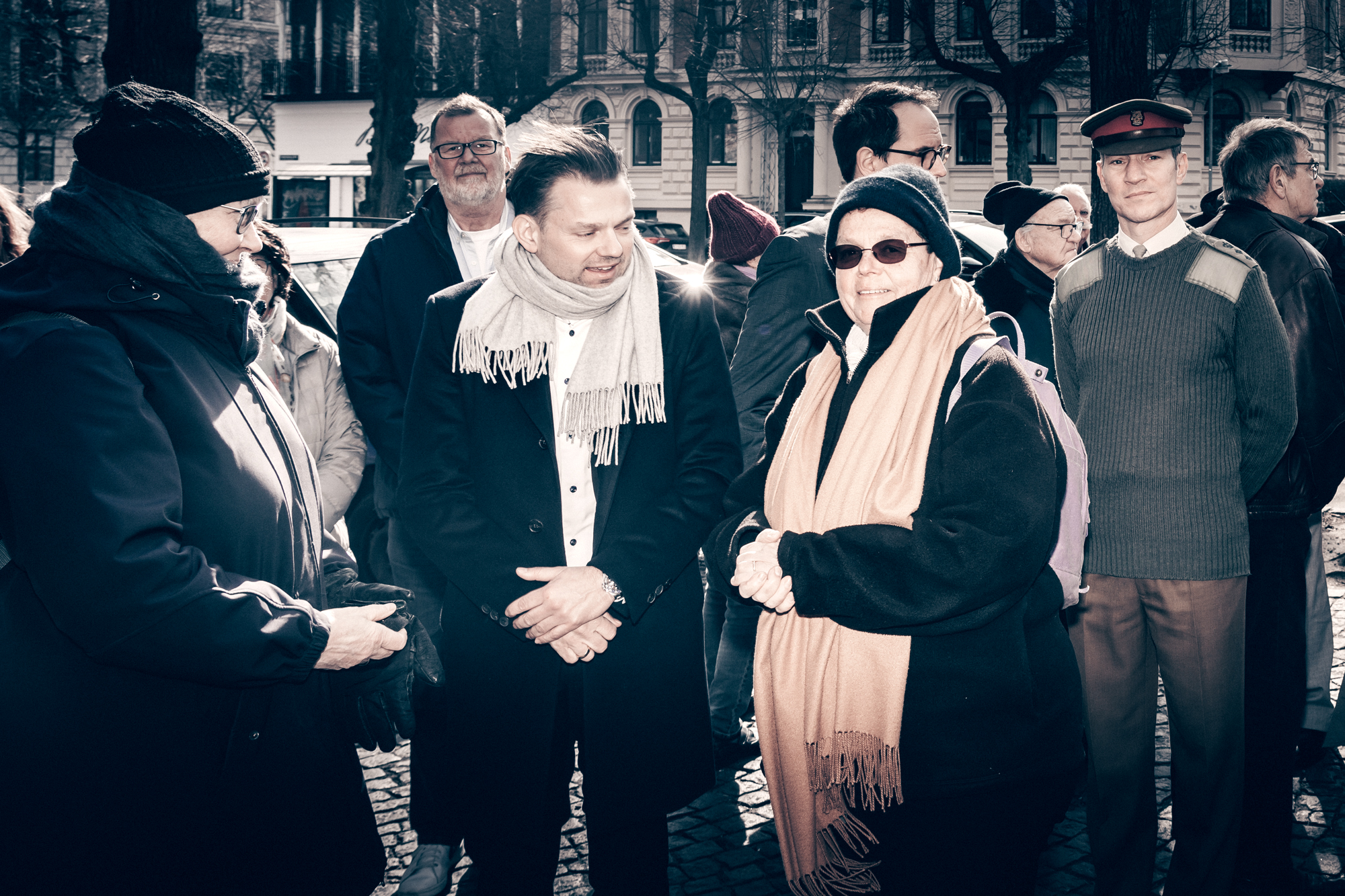
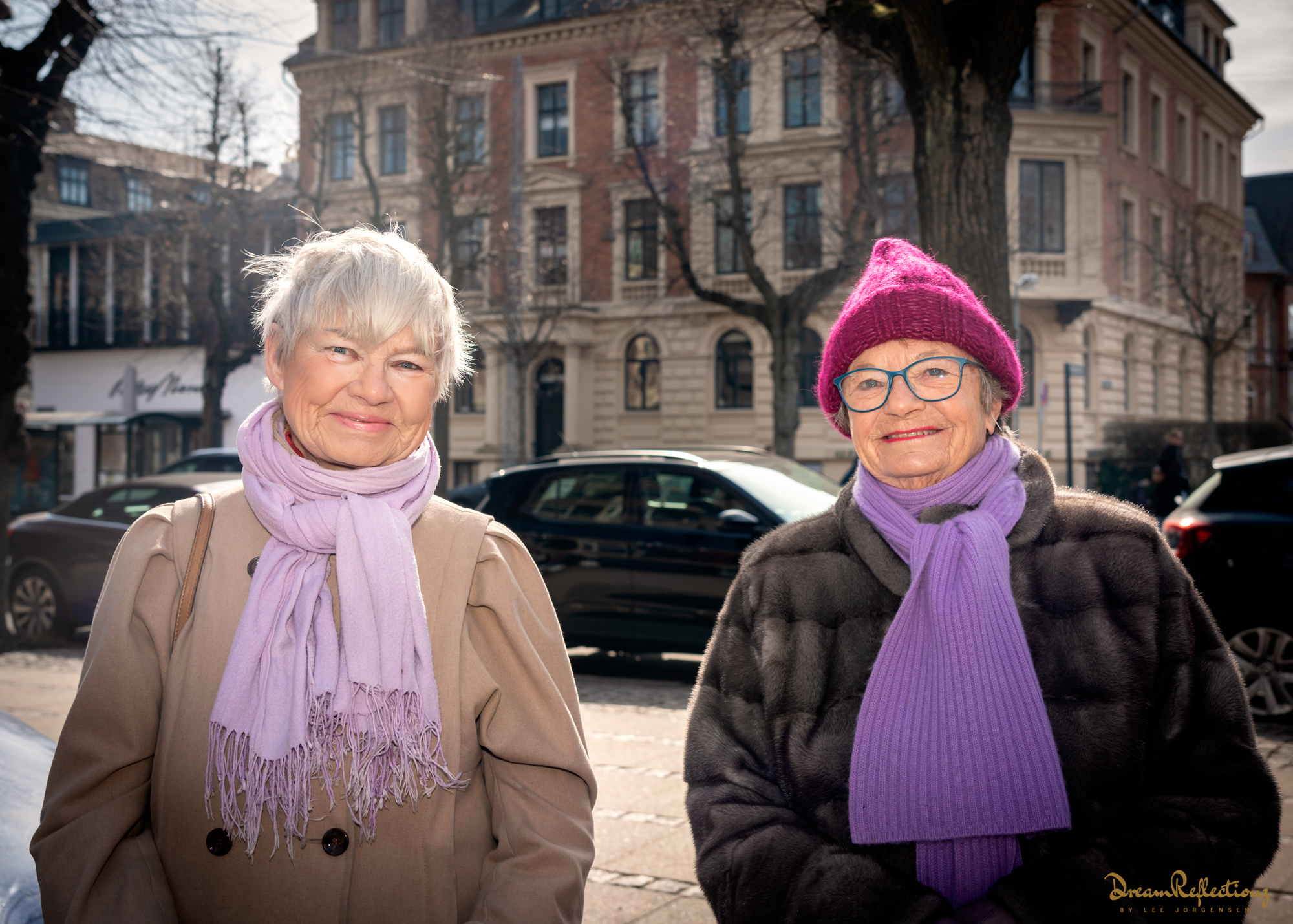
Ingrid to the left and a new friend who also remembers the event well. What an honor to be a part of this!

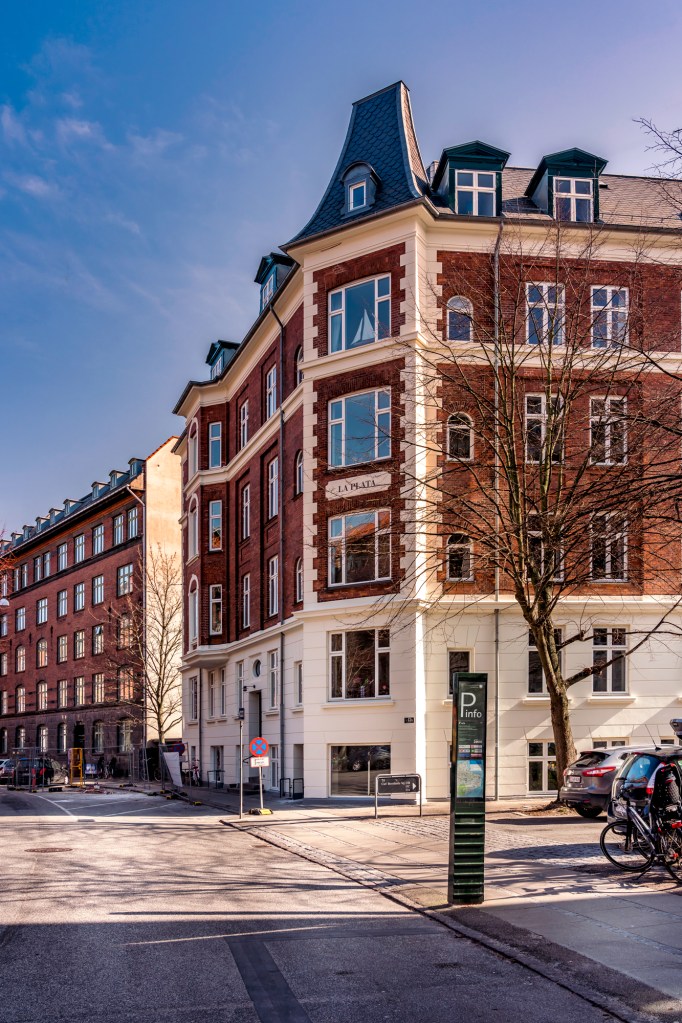
Below you can see Ingrid’s childhood building and mine where the factory once stood:

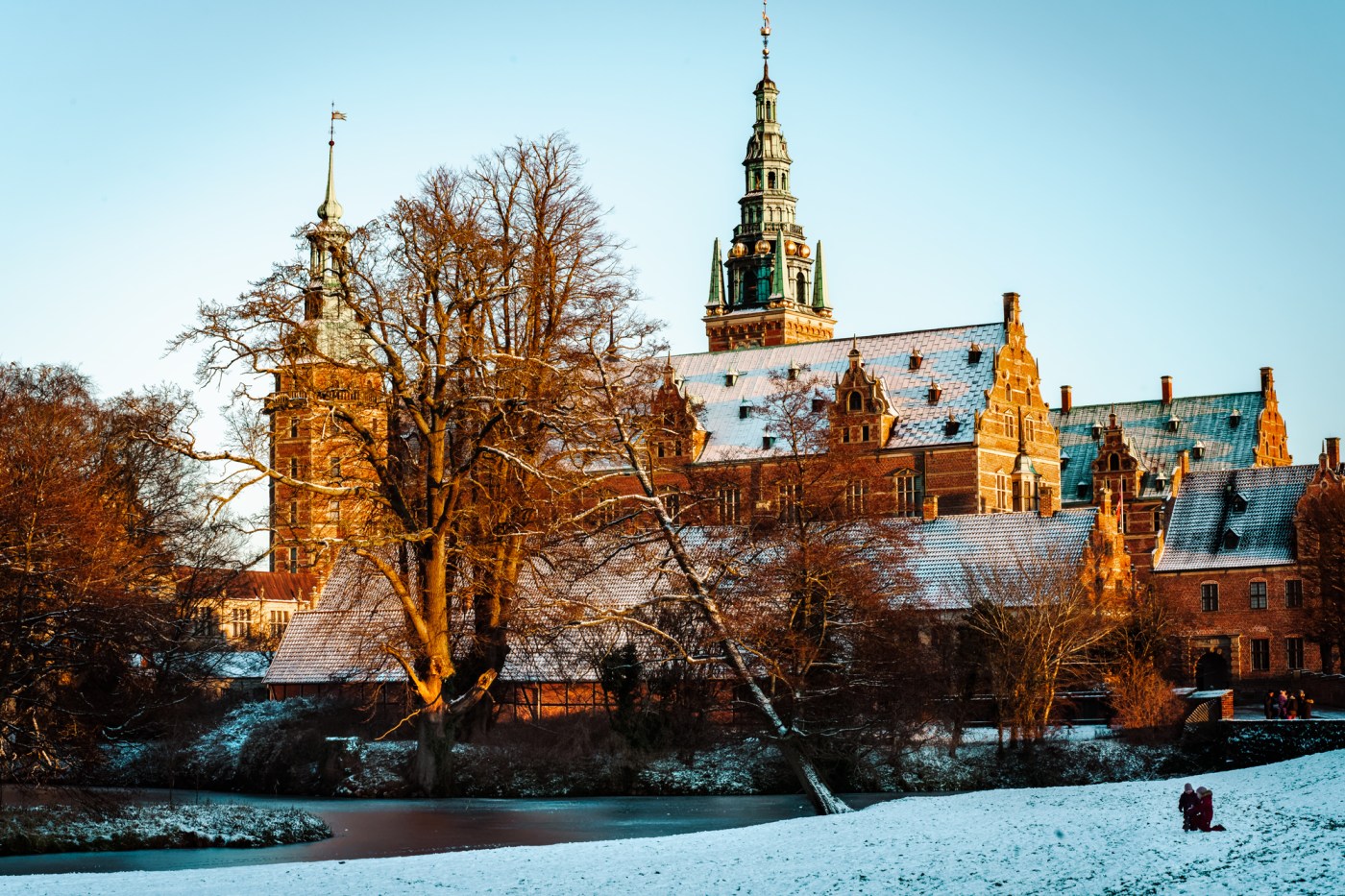
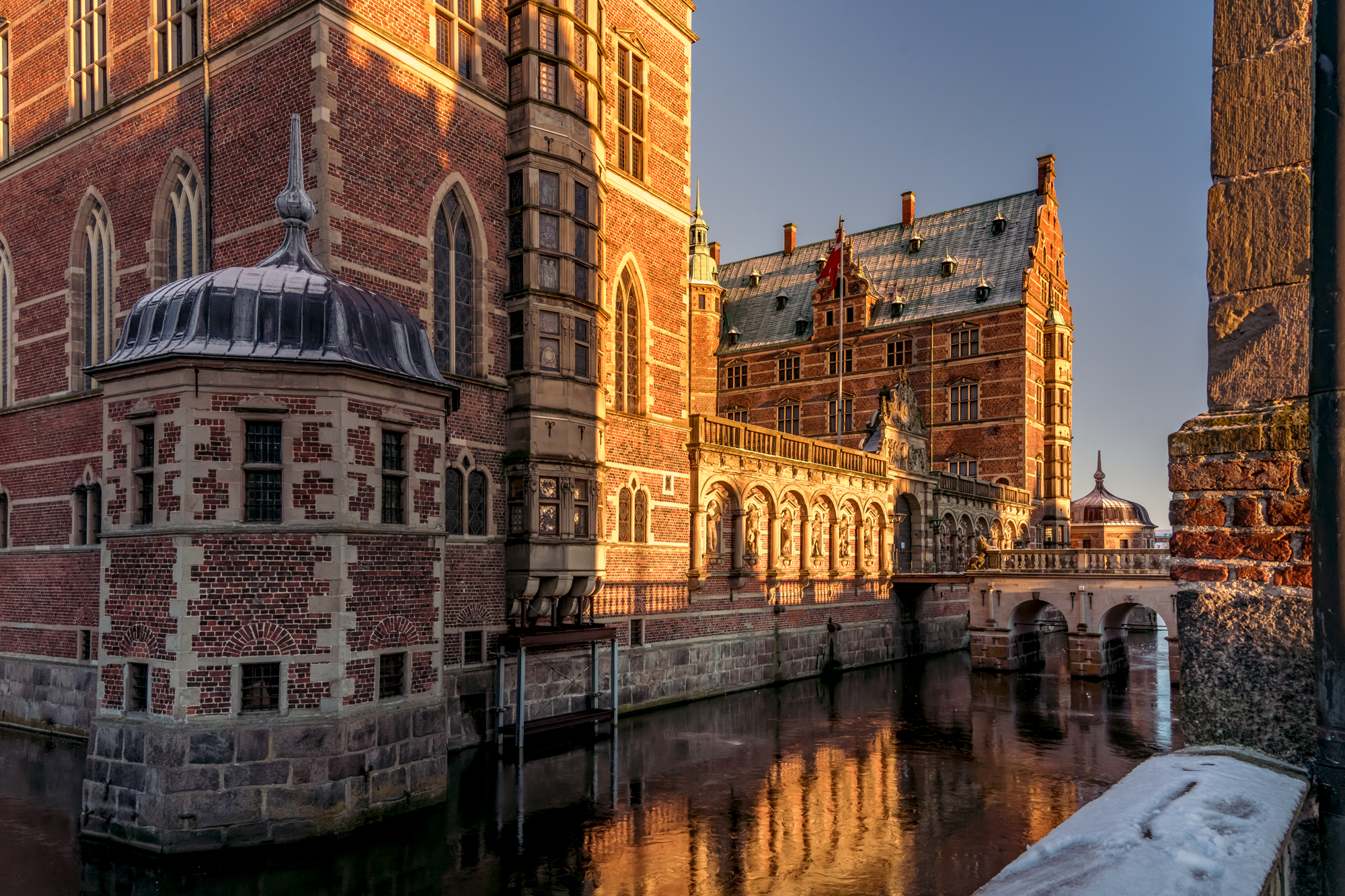
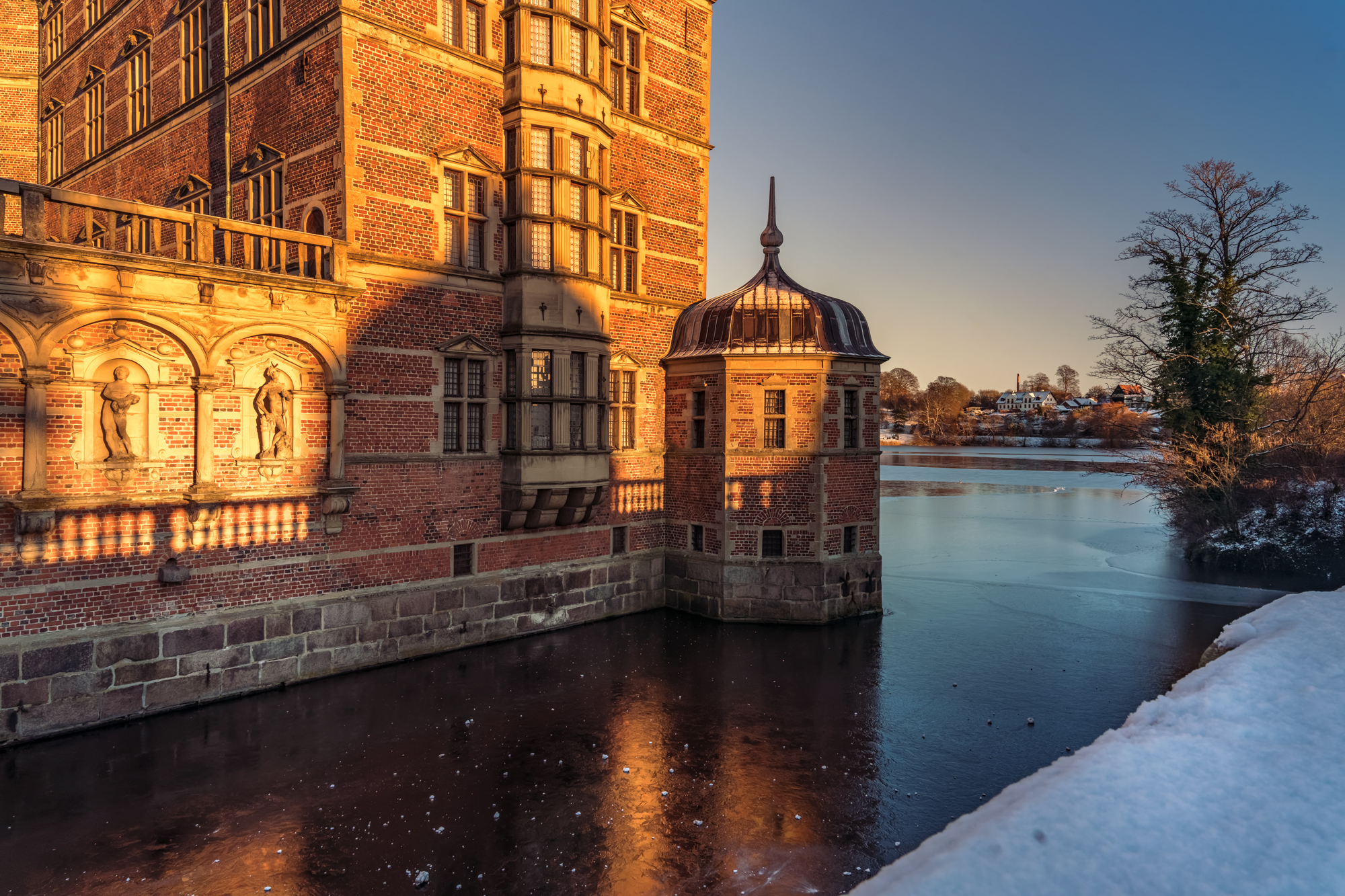
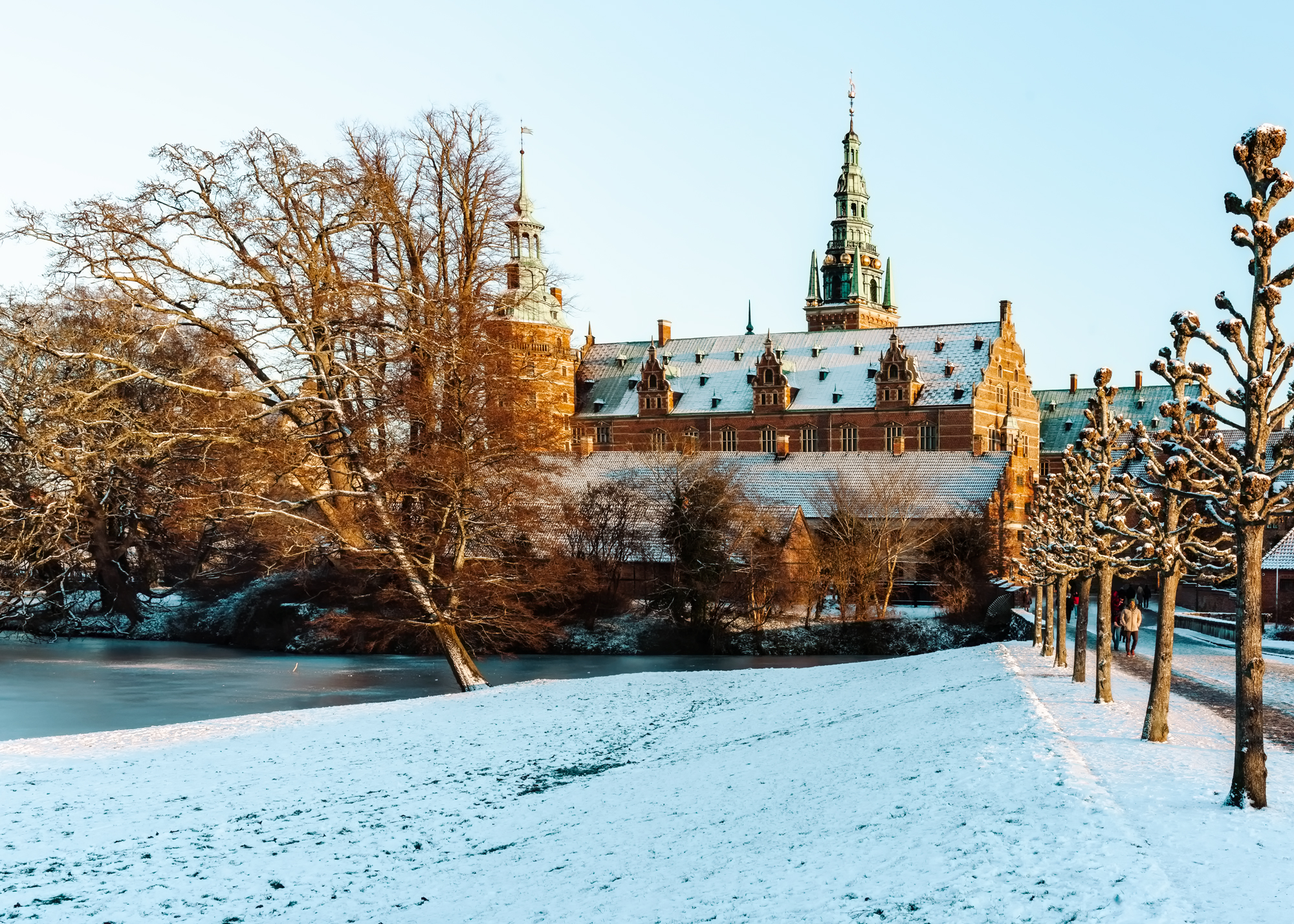
Frederiksborg Castle

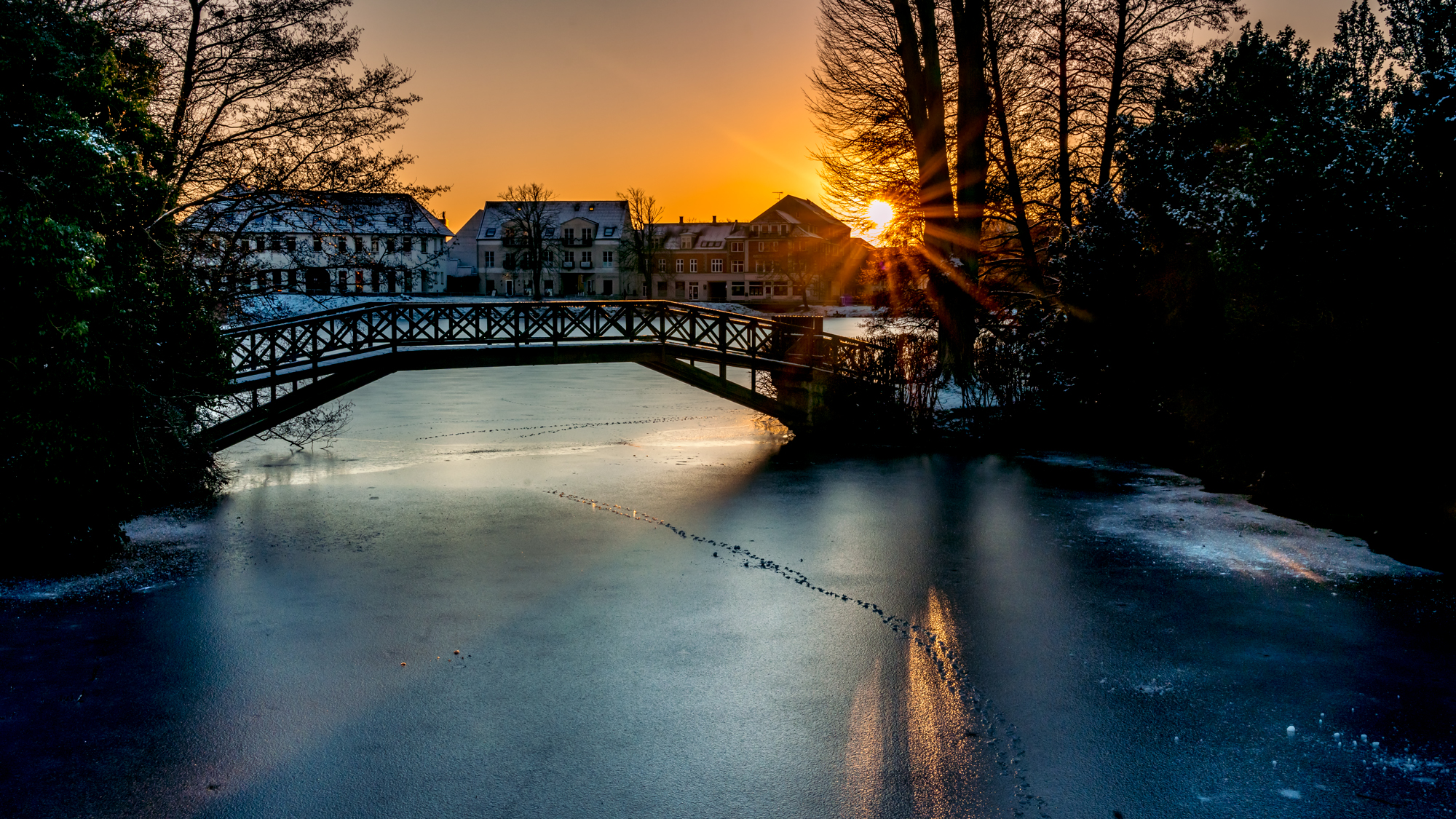
About 40 minutes from Copenhagen, in the Northern town of Hillerød, lies the majestic Frederiksberg Castle right in the middle of the old part of town. I had never visited, but remember admiring it from a jigsaw puzzle I had as a child. It was obviously closed due to Covid, but what a beautiful day to spend Christmas Day, the 25th. Having had our Christmas celebration on the 24th as usual, it was wonderful to get out in the glorious, but cold weather!

“Frederiksborg Castle (Danish: Frederiksborg Slot) is a palatial complex in Hillerød, Denmark. It was built as a royal residence for King Christian IV of Denmark-Norway in the early 17th century, replacing an older castle acquired by Frederick II and becoming the largest Renaissance residence in Scandinavia. On three islets in the Slotssøen (castle lake), it is adjoined by a large formal garden in the Baroque style.

After a serious fire in 1859, the castle was rebuilt on the basis of old plans and paintings. Thanks to public support and the brewer J. C. Jacobsen, its apartments were fully restored and reopened to the public as the Danish Museum of National History in 1882. Open throughout the year, the museum contains the largest collection of portrait paintings in Denmark. It also provides visitors with an opportunity to visit several of the castle’s state rooms including the restored Valdemar Room and Great Hall as well as the Chapel and the Audience Chamber which were both largely spared by the fire and contain sumptuous decorations.” Wikipedia

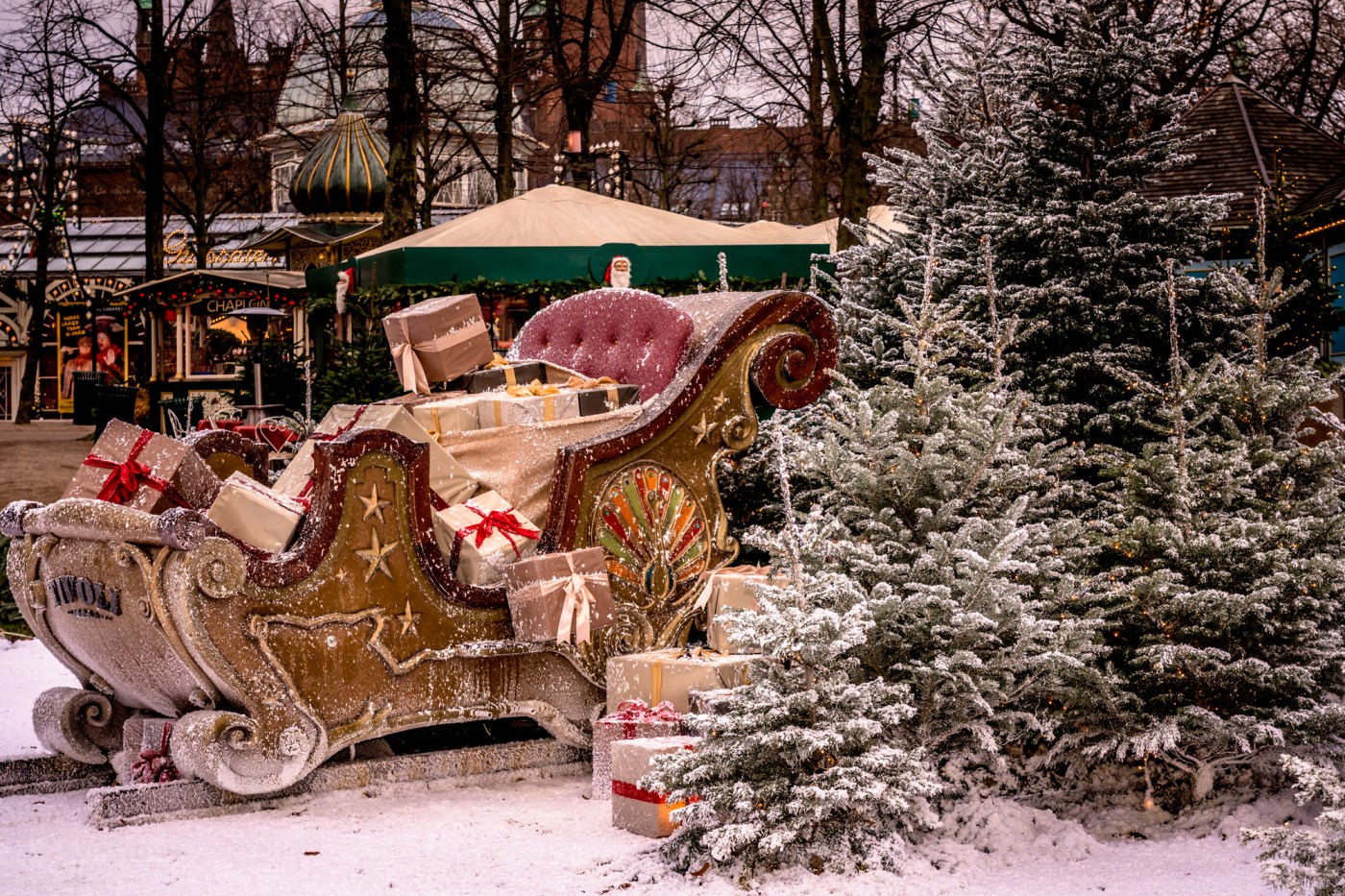
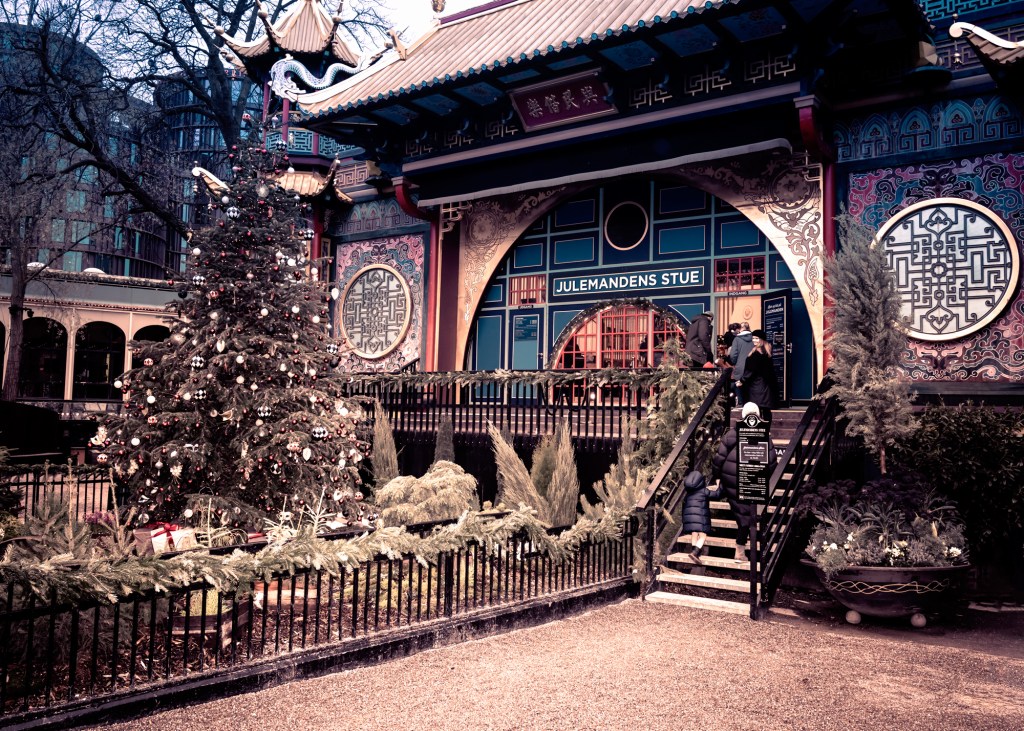
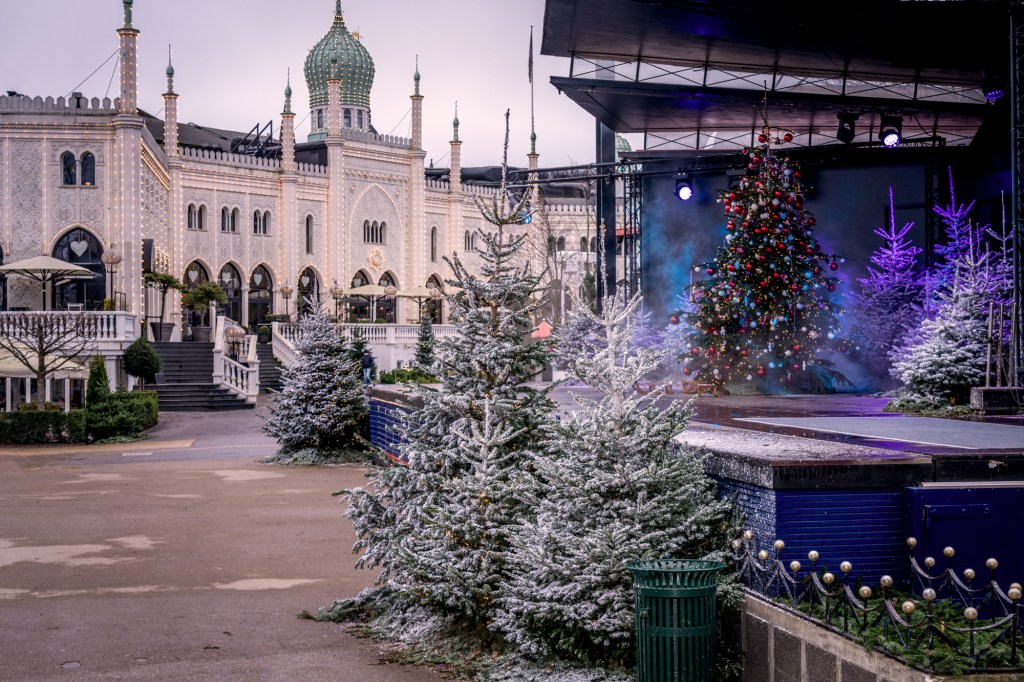
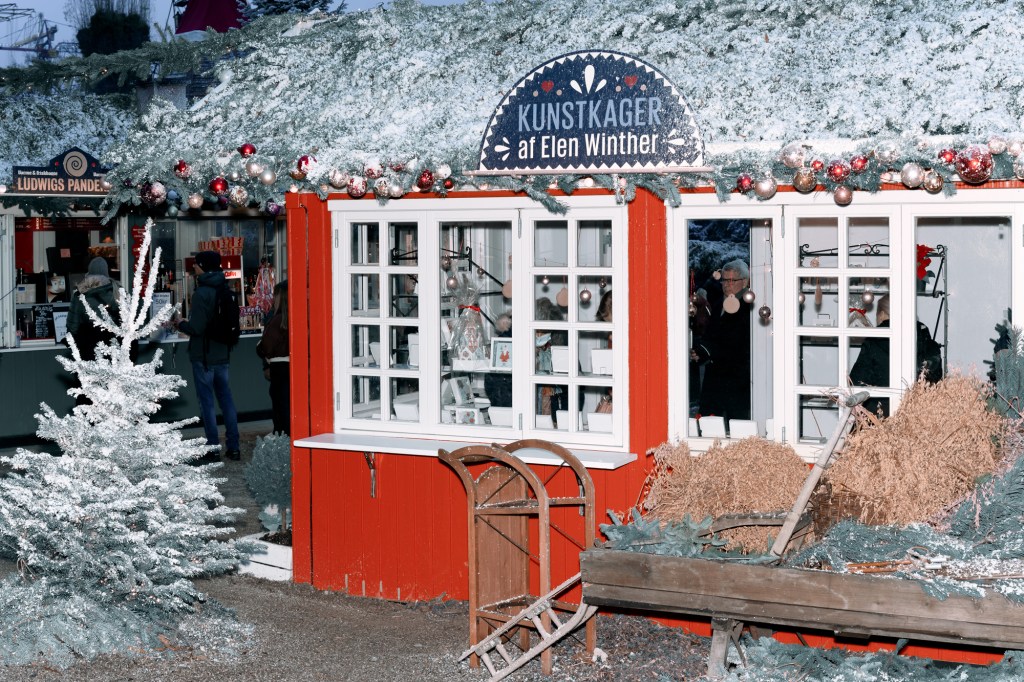
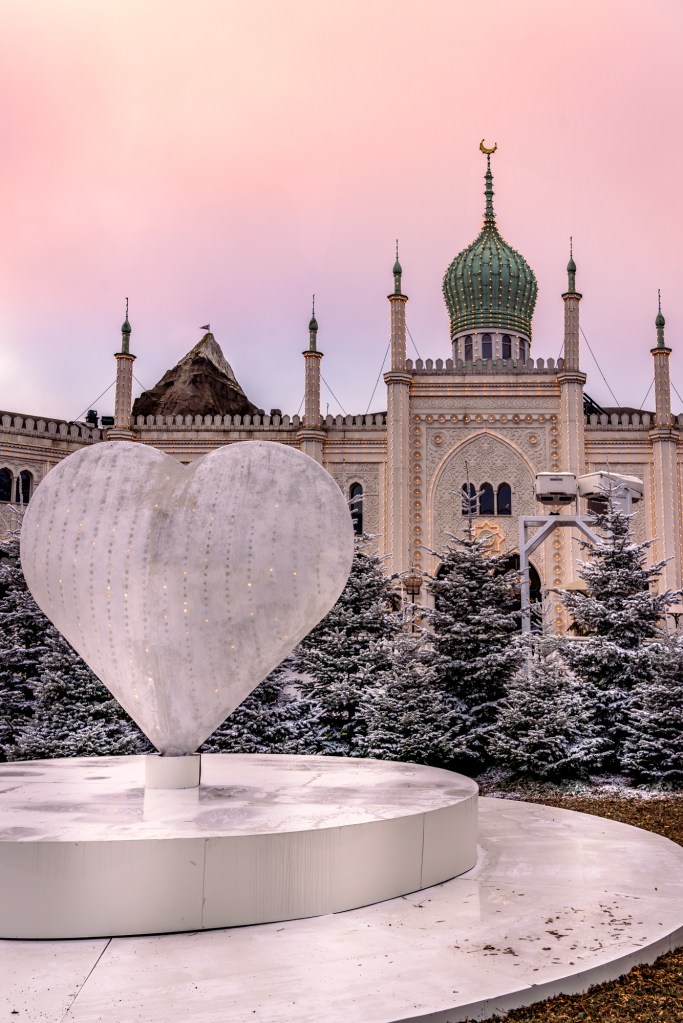
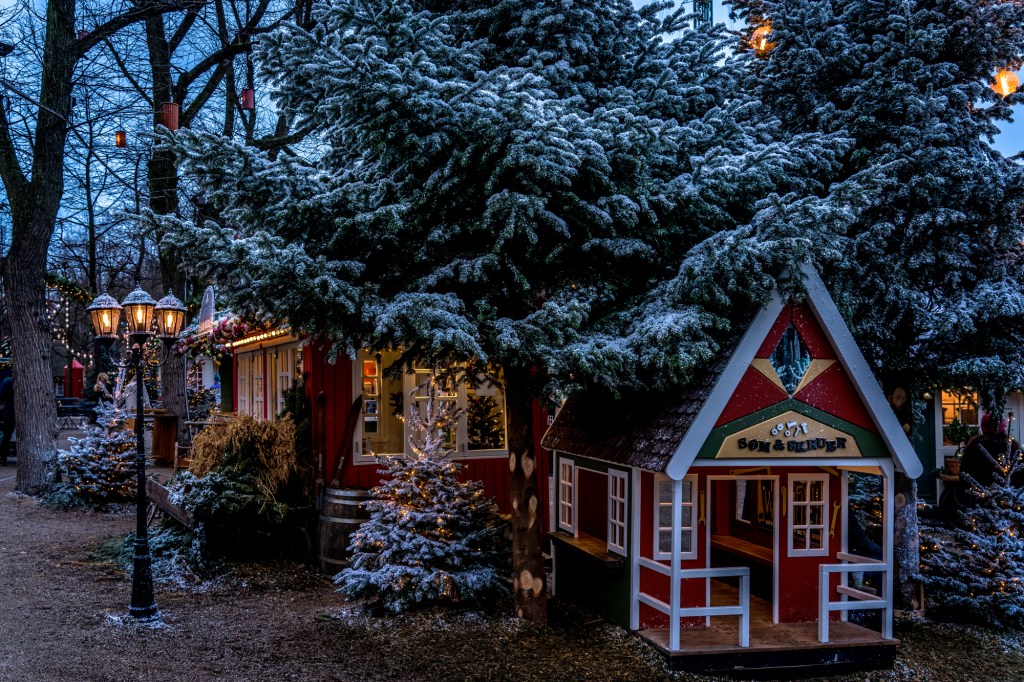
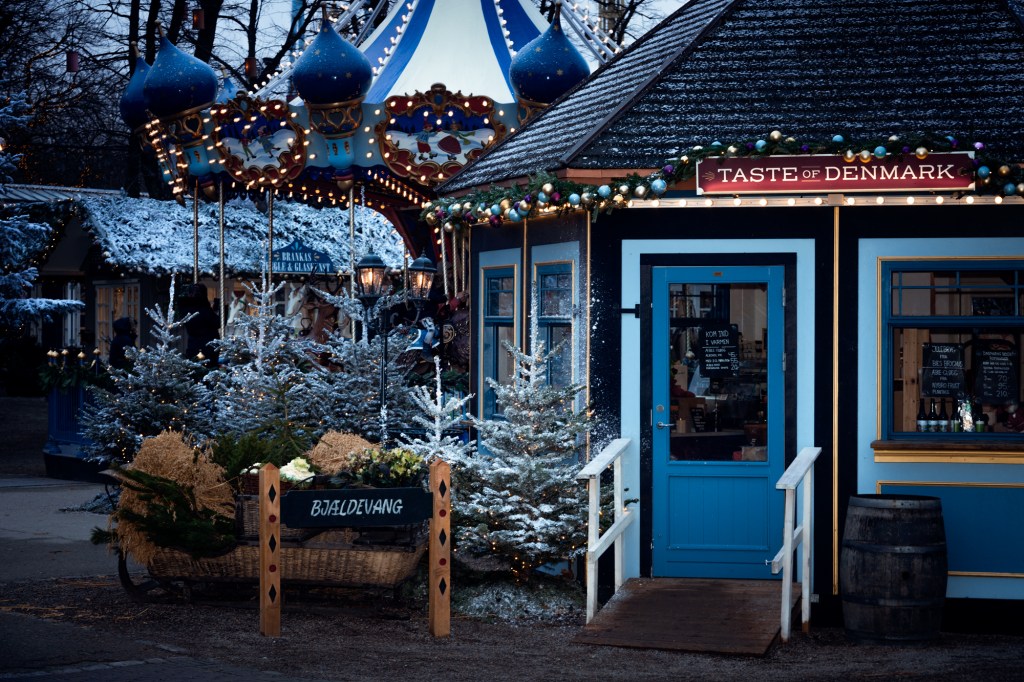
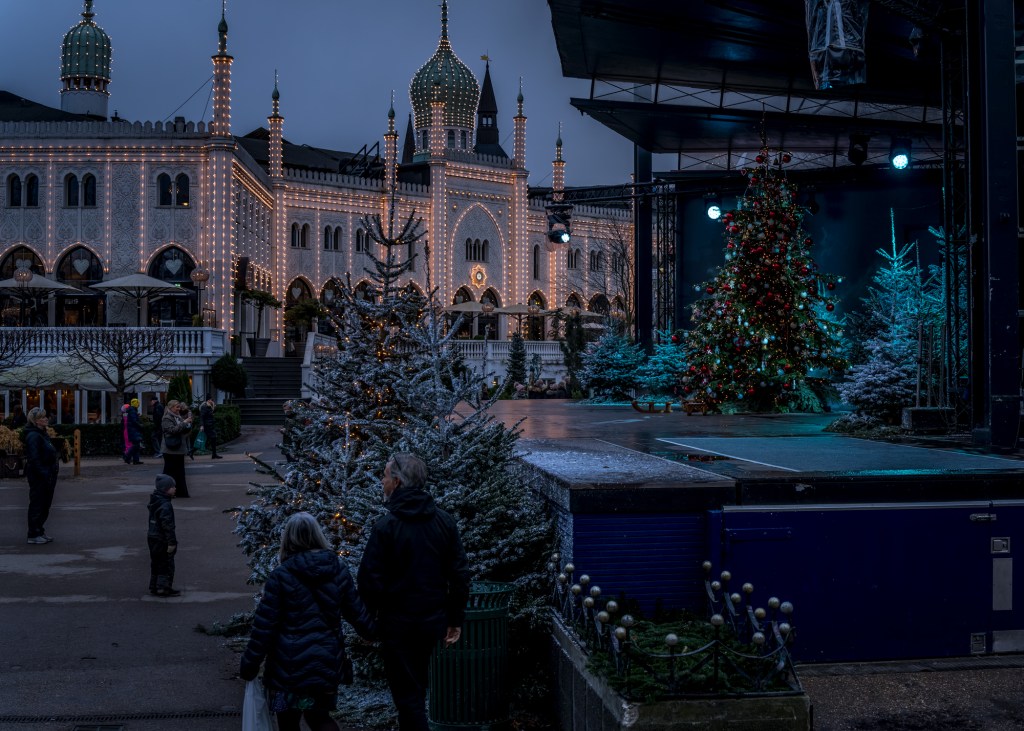
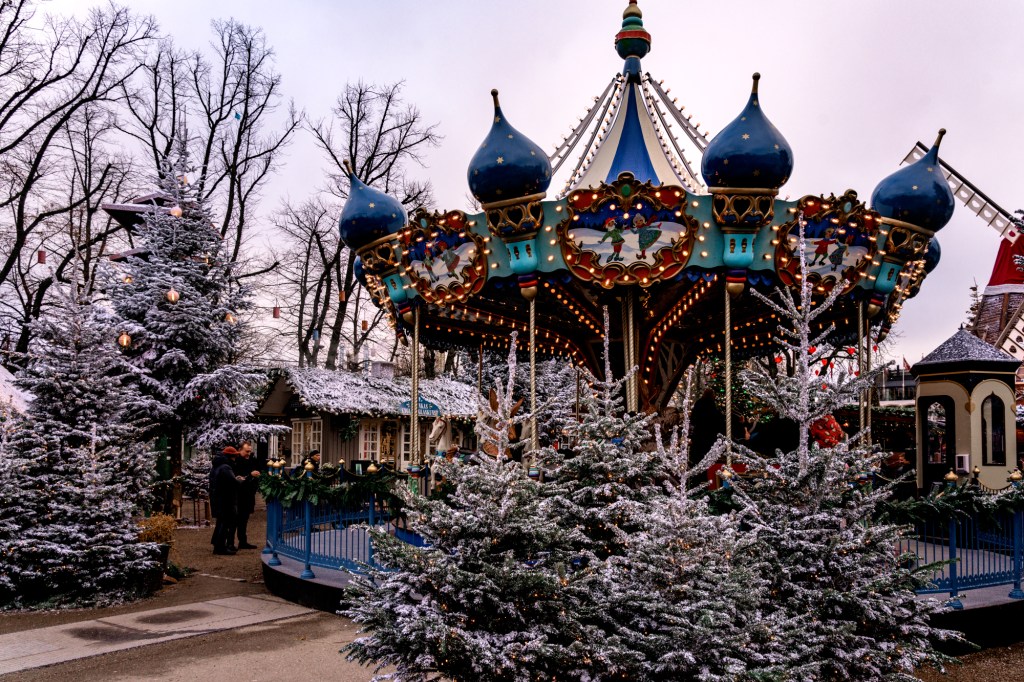
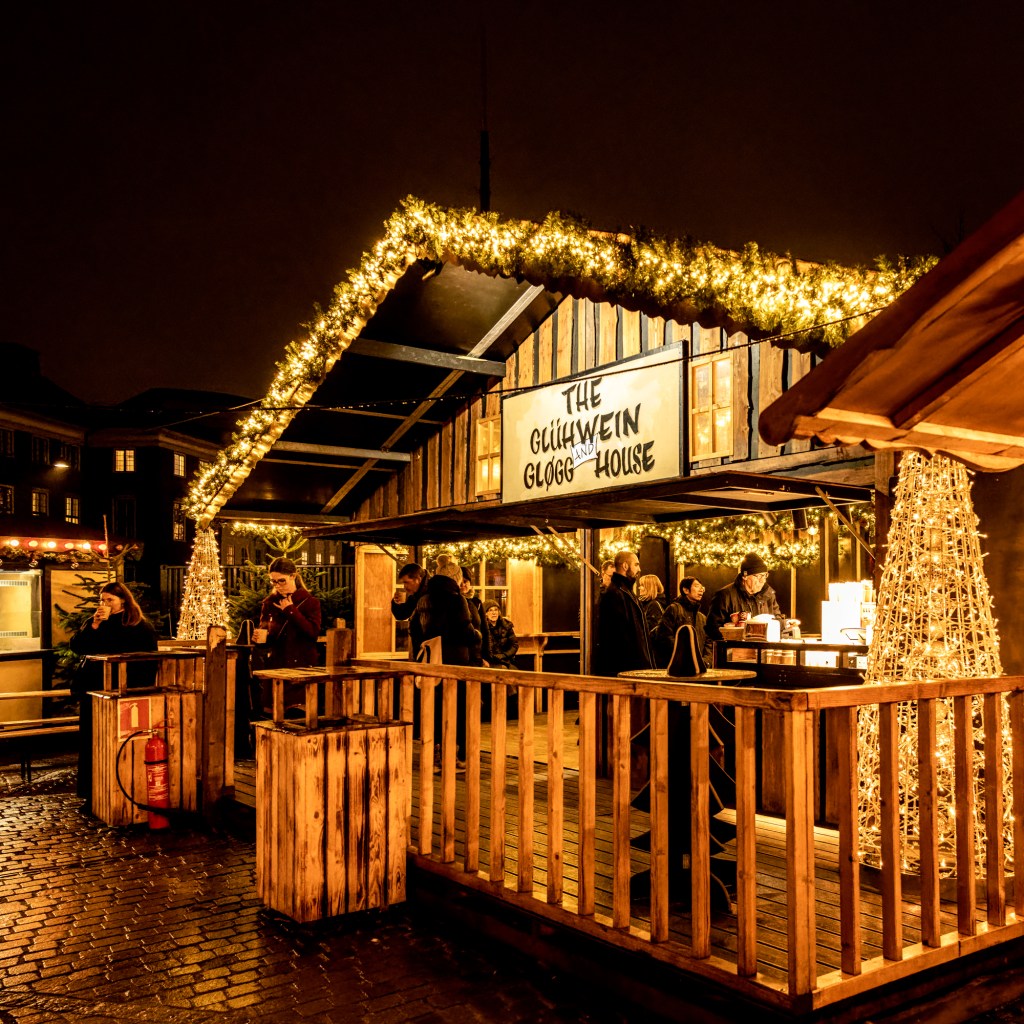
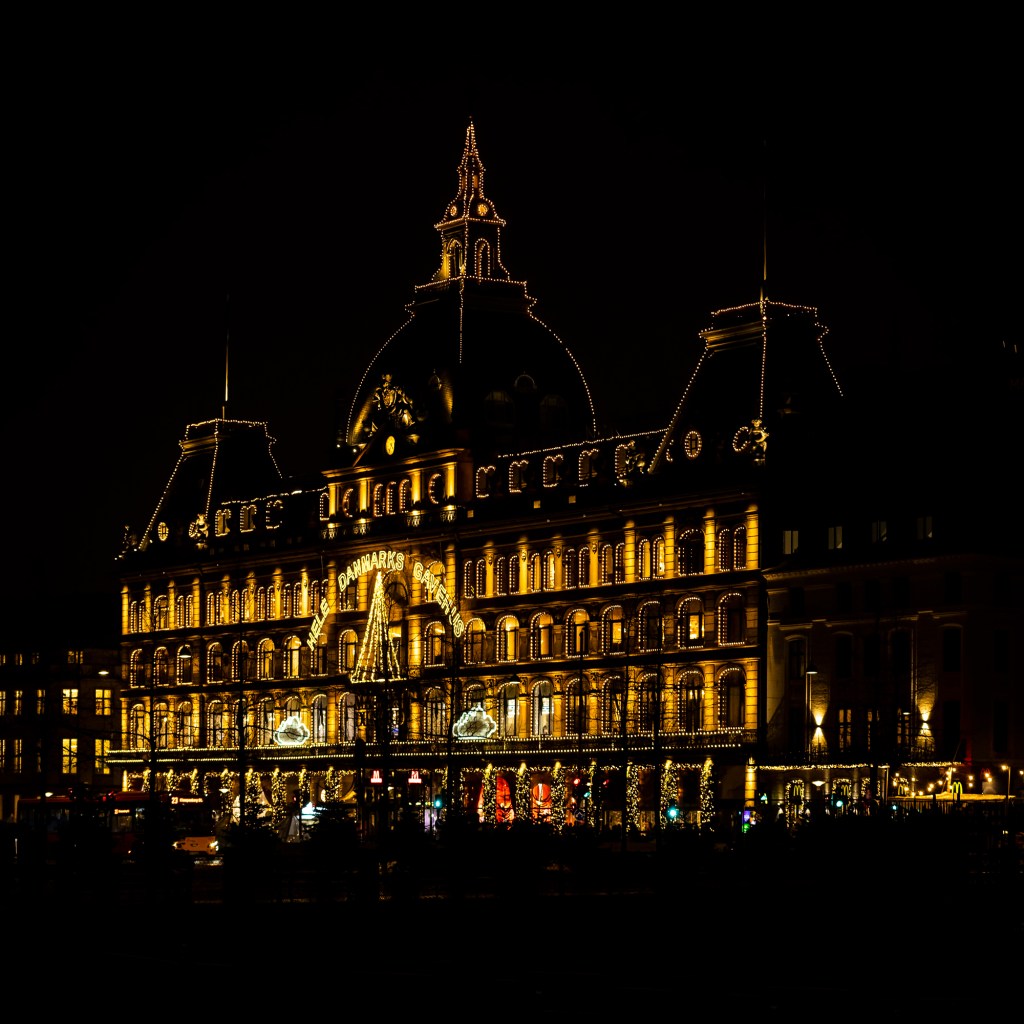
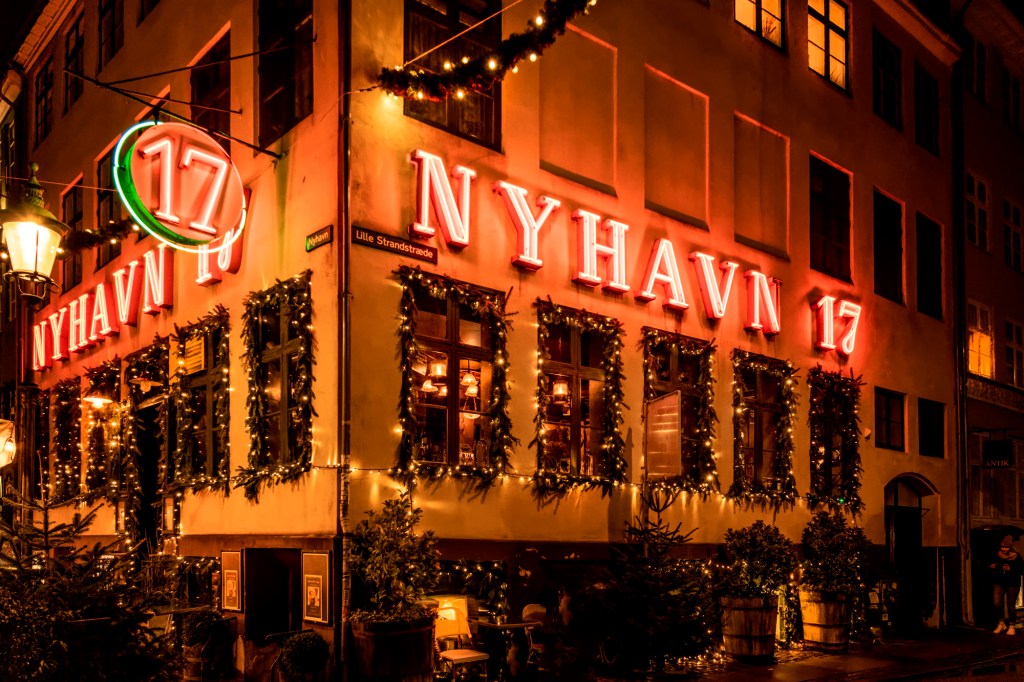
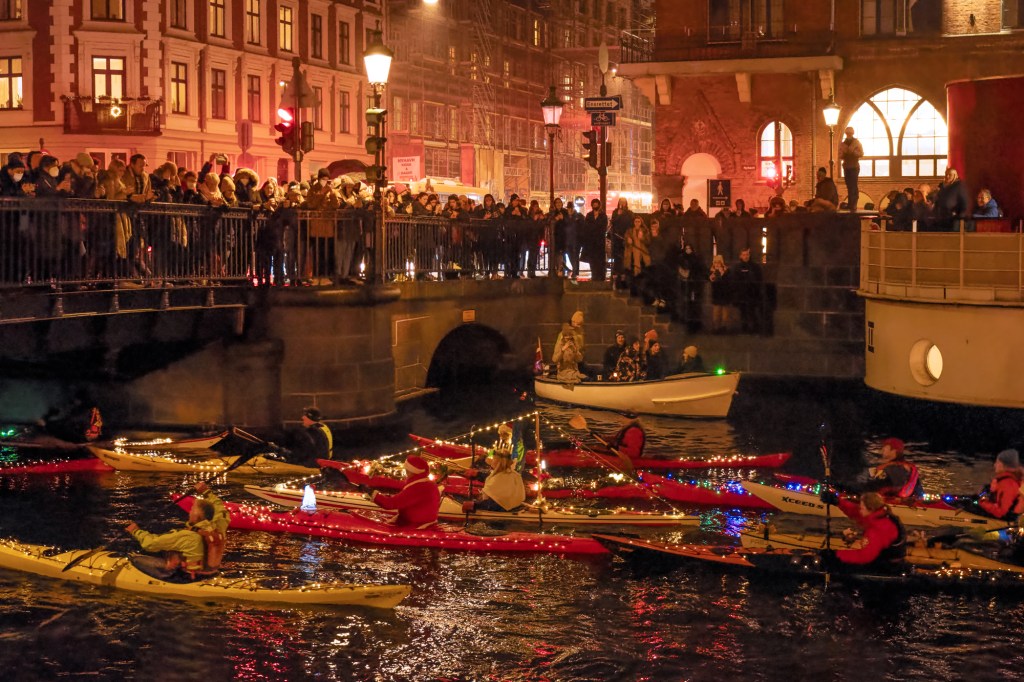
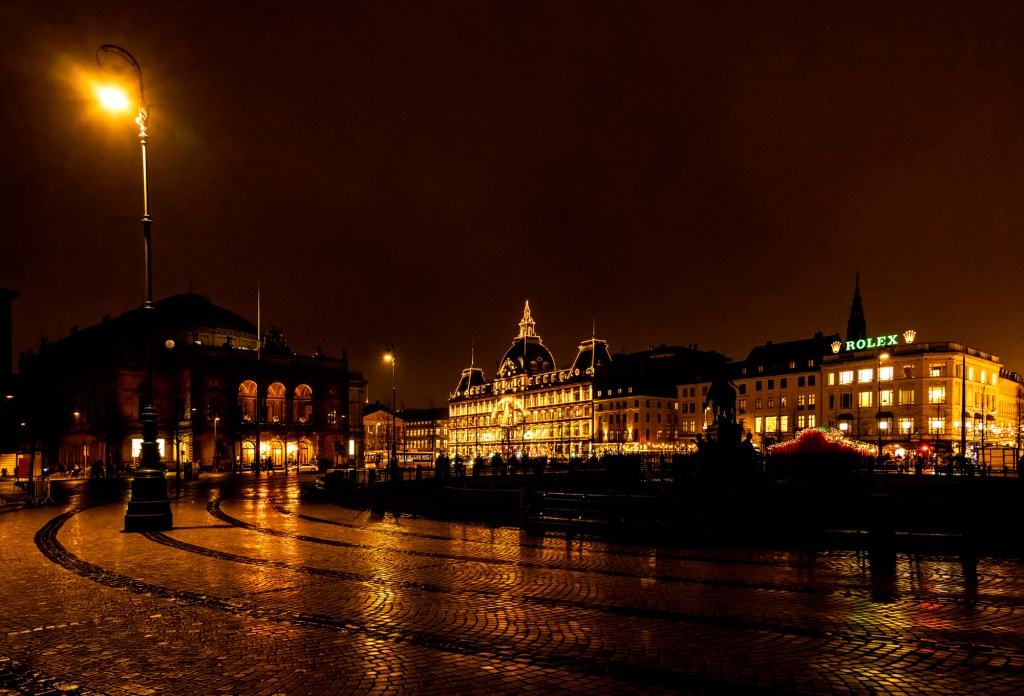
Holiday Decorations at Tivoli Gardens, Kongens Nytorv & Nyhavn

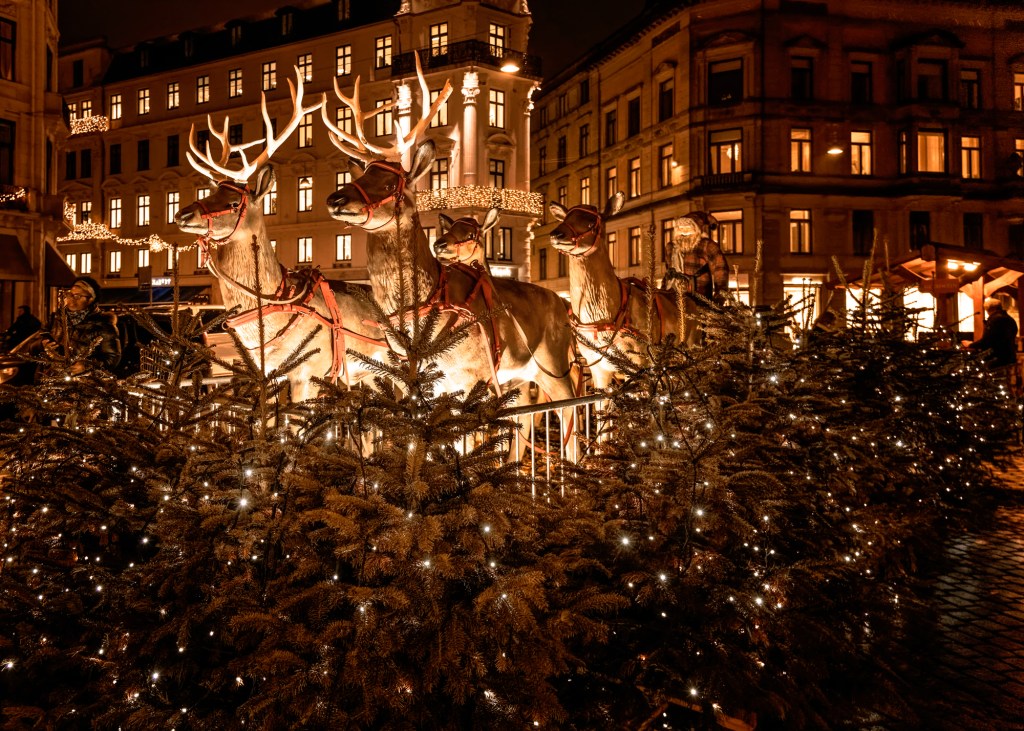
After having enjoyed the Halloween decorations, it was time to see the Holiday lights for the first time. I was there to shoot a wedding couple, but had a few hours to myself prior to the event. After a lovely lunch at Færgekroen, I started my walk around the grounds. I had most of the place to myself, as people suspected that Covid restrictions were around the corner and at 2 pm they hit us again and we are now back to square one it feels like. Luckily, I got this last day before most things closed down again.

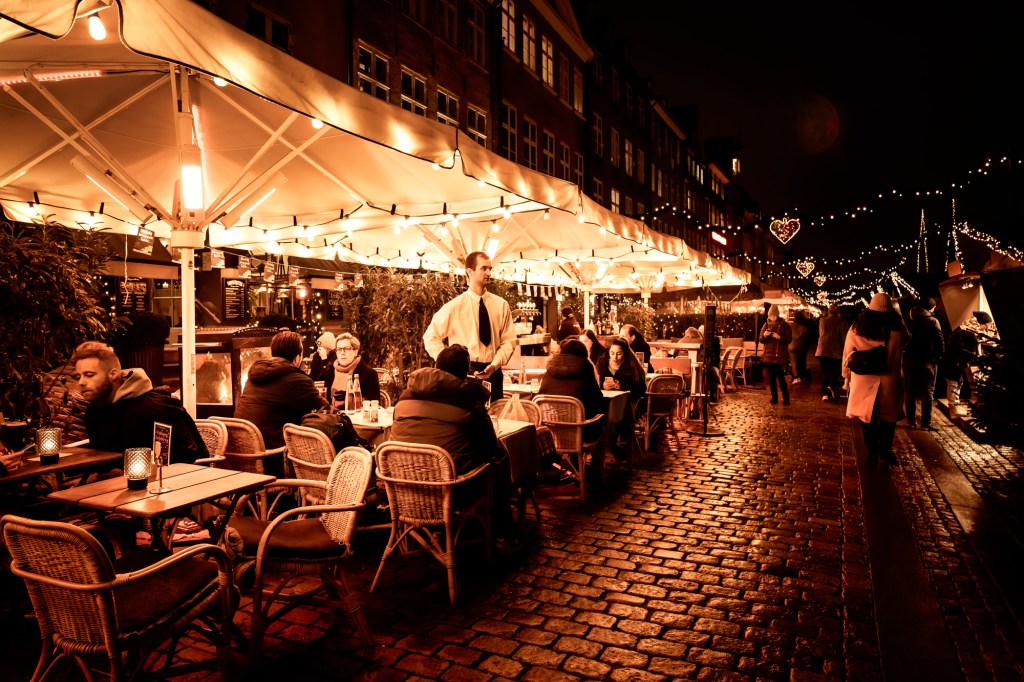
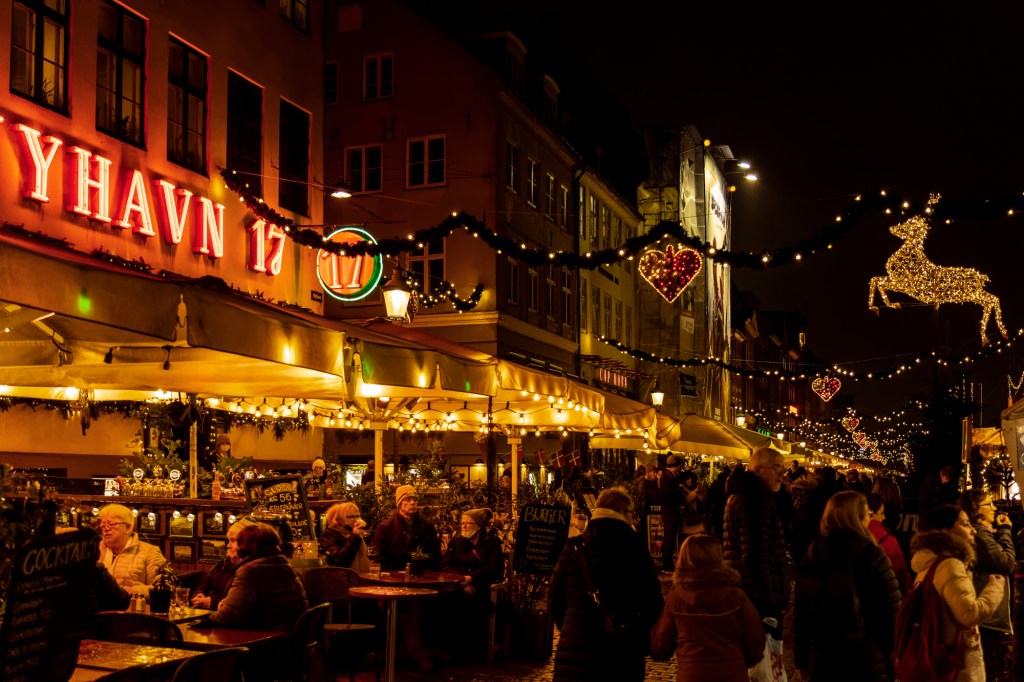
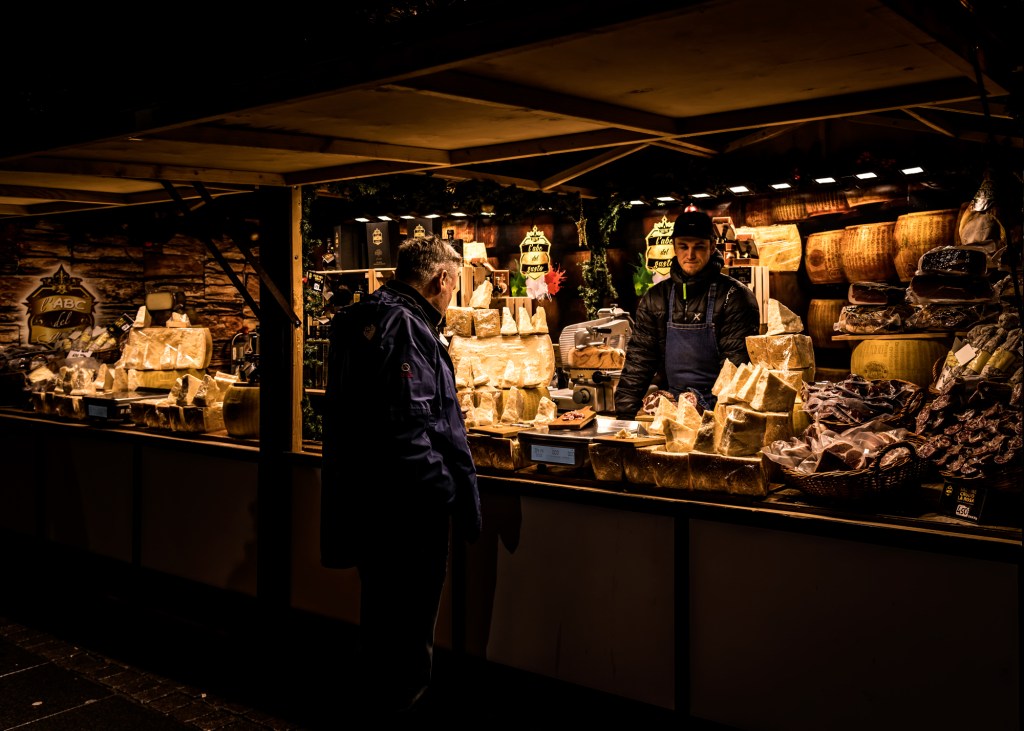
A few days prior to this, we were still able to enjoy the Christmas markets and my Happy Place, the very touristy, but adorable Nyhavn!

I wish you all Happy Holidays and hope that 2022 will bring some relief after almost two years of having our lives put on hold.

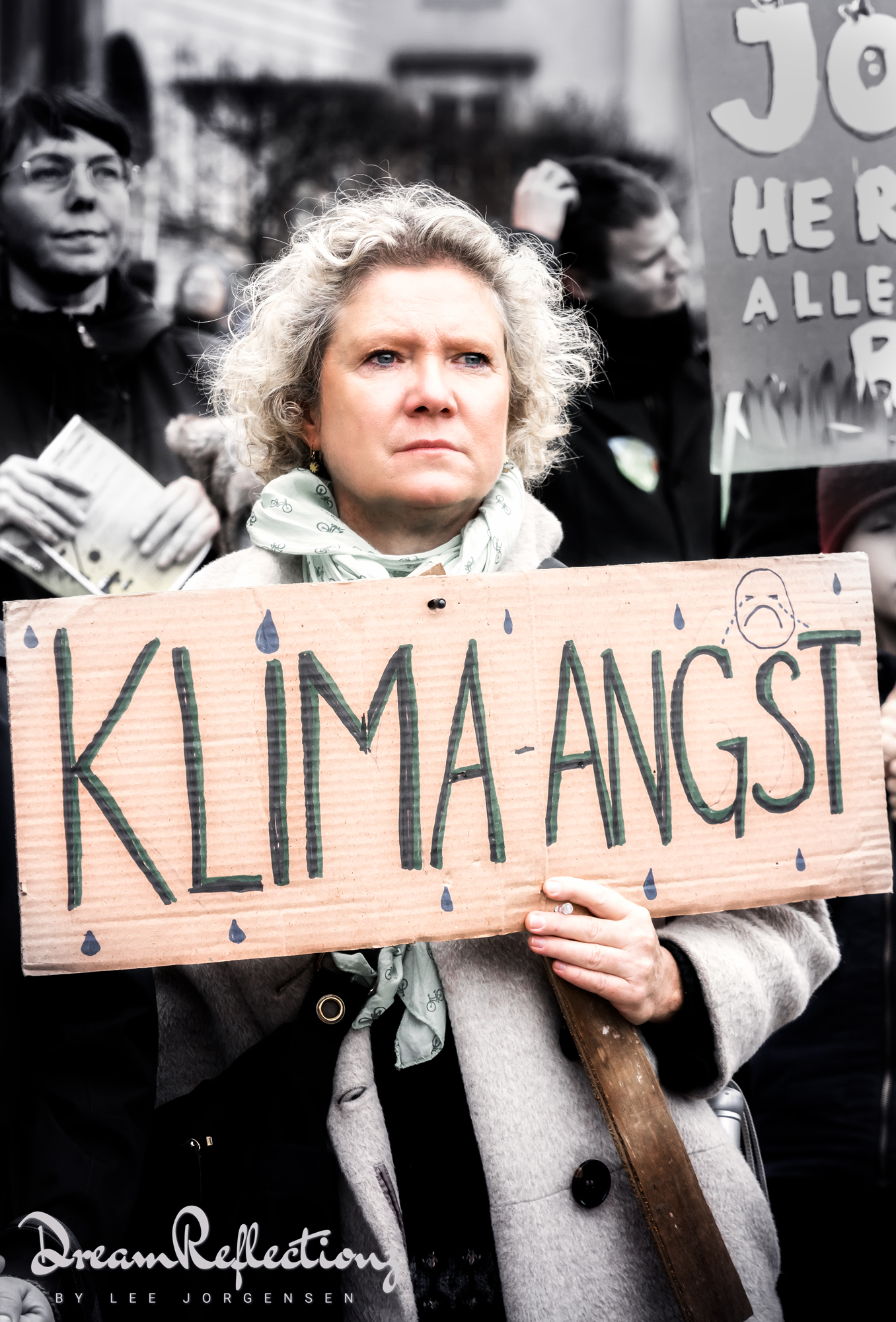
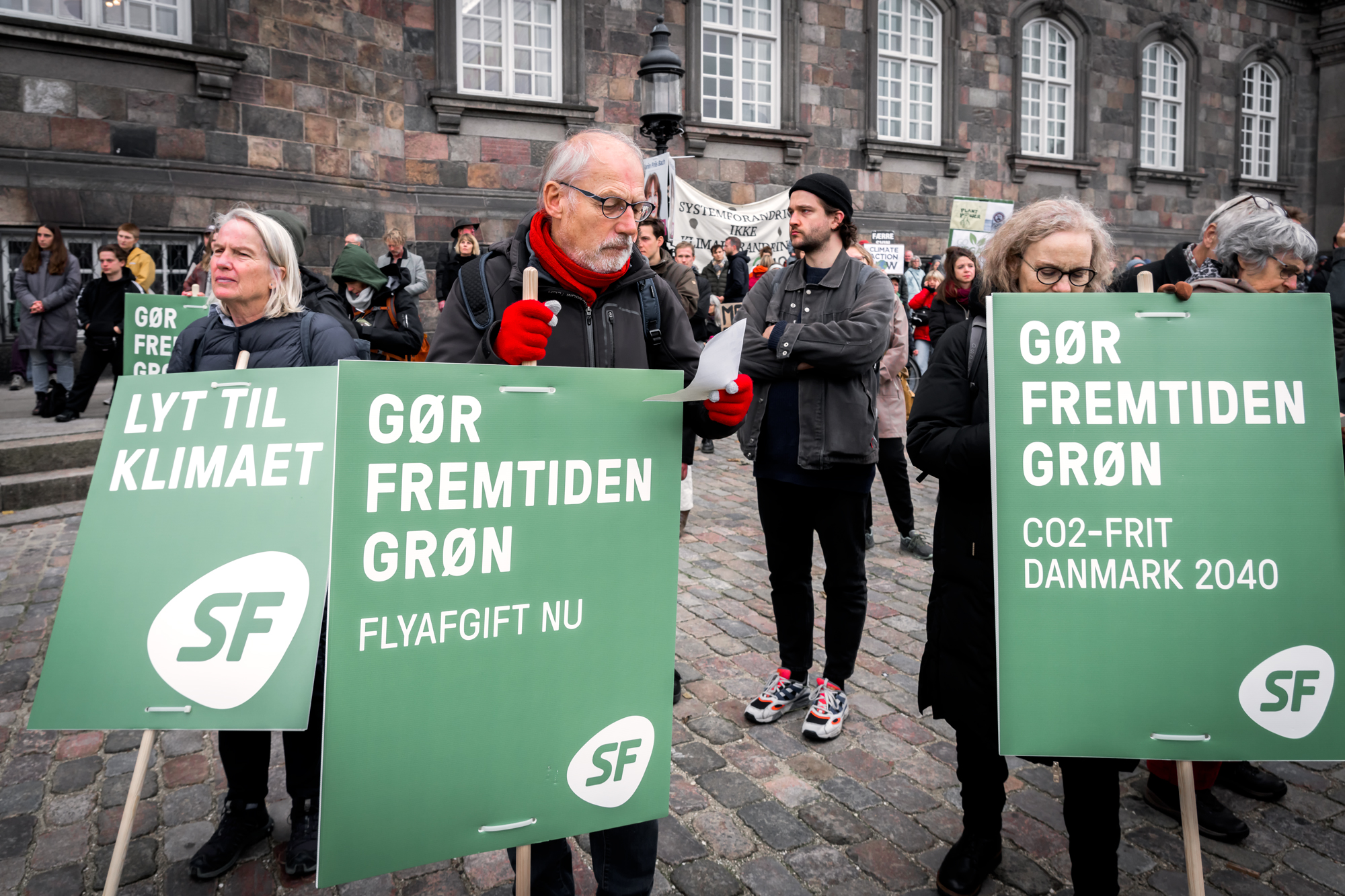
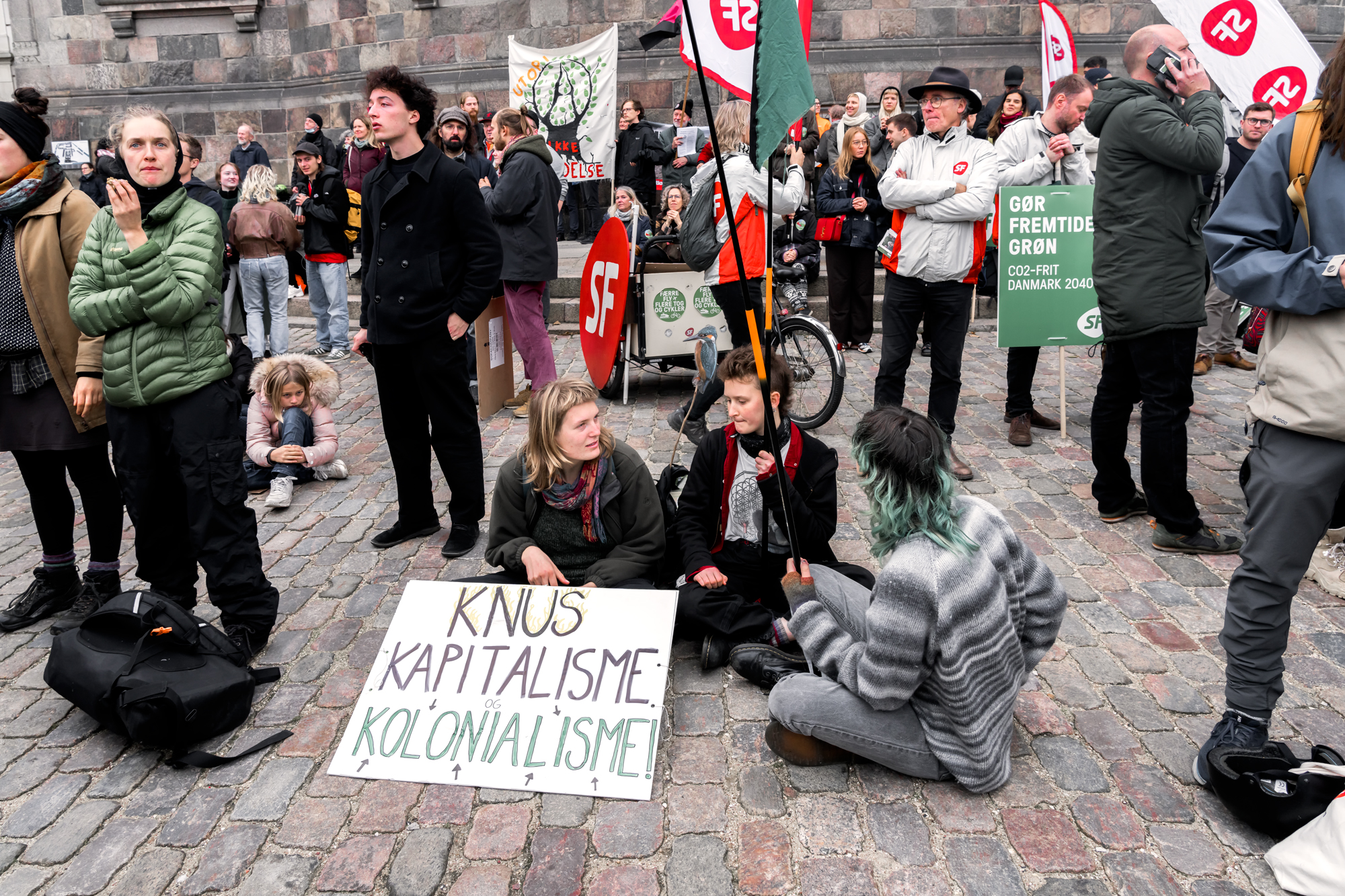
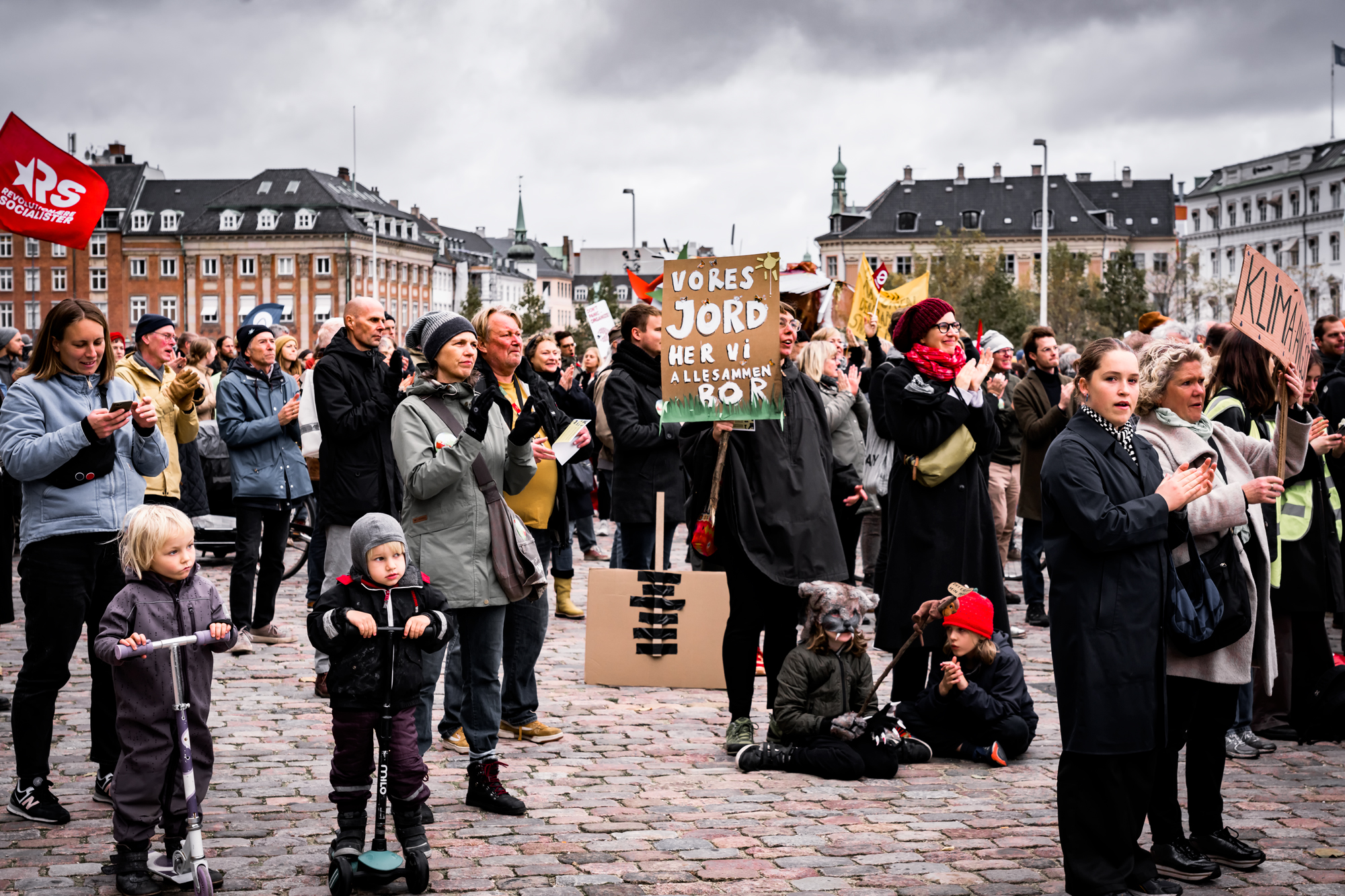
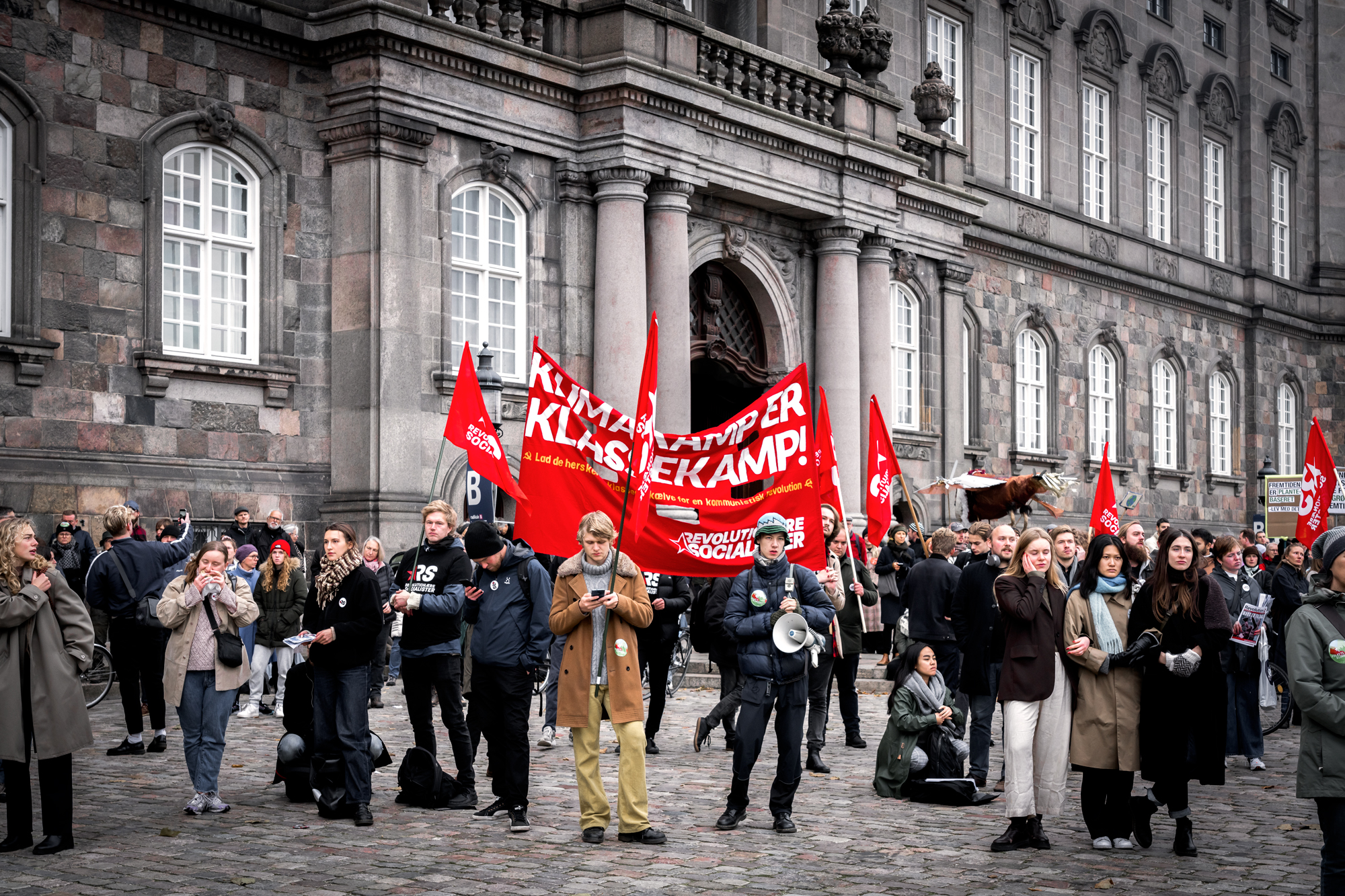
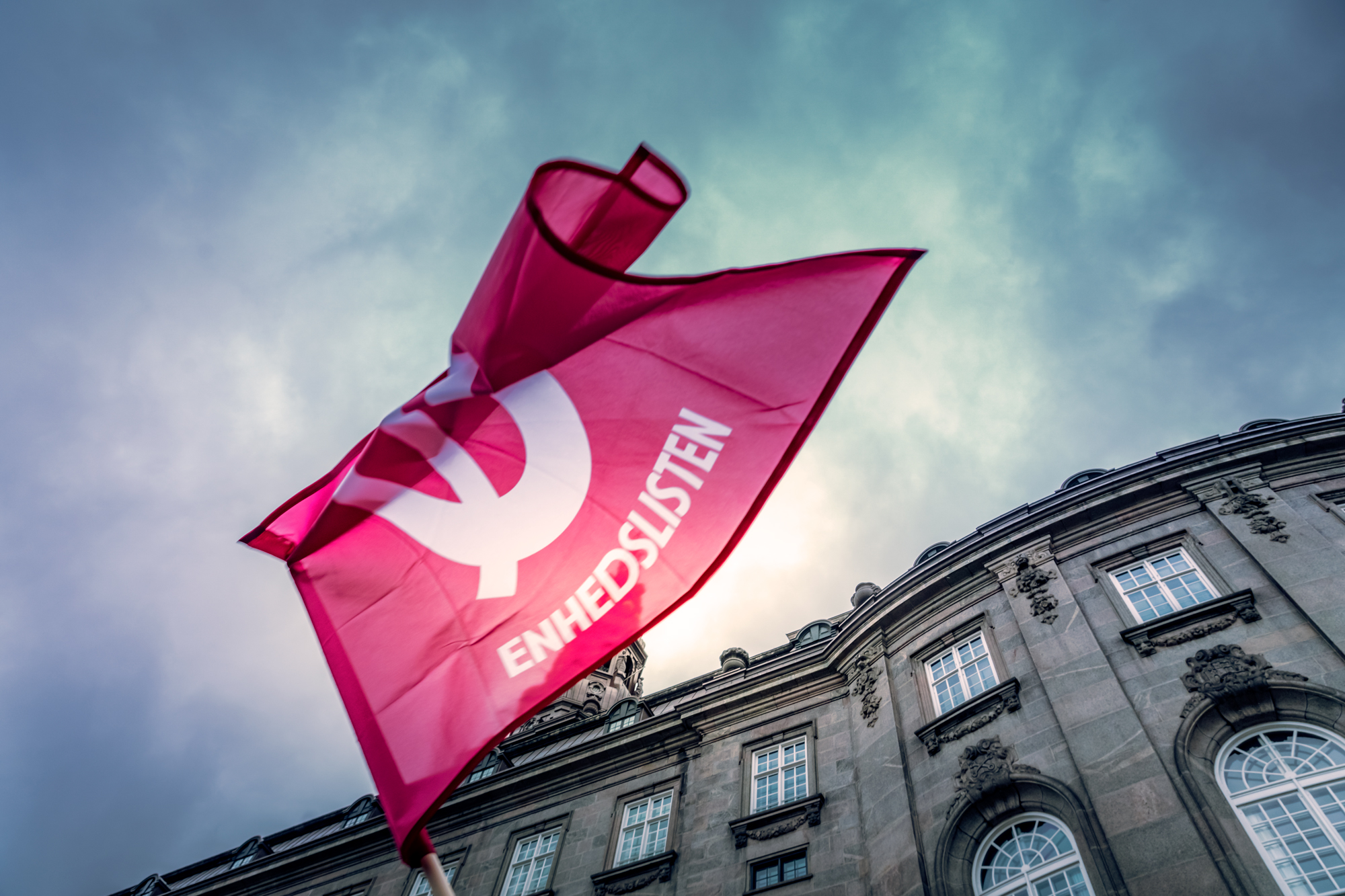
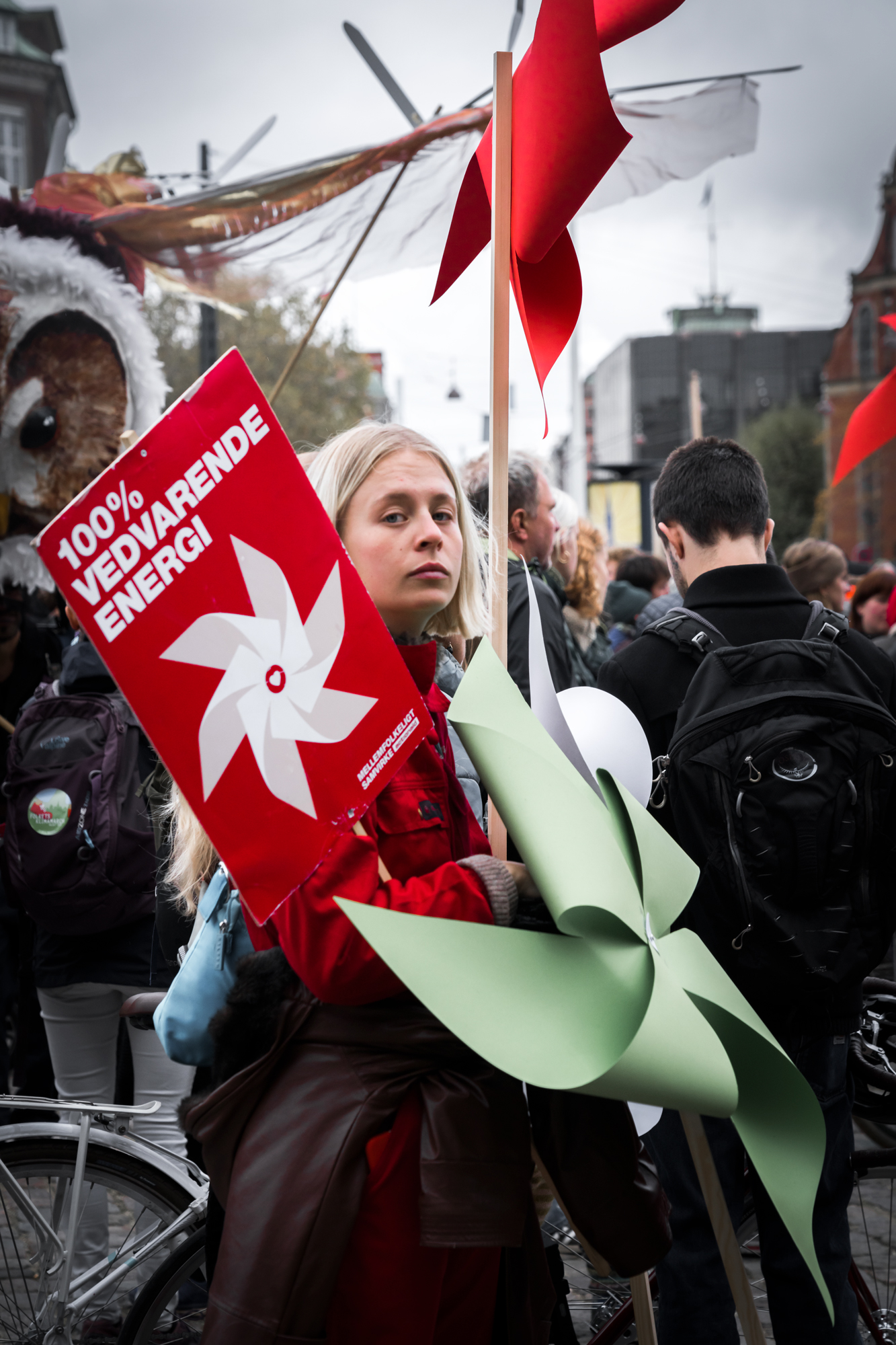
Climate March in Copenhagen

I cannot believe that we yet again have fight for the right to inhabit a planet without toxins, poisons and destruction. While the summit in Glasgow went on, people across the globe mobilized to get heard by governments and businesses that fail to fully understand or simply acknowledge the severity of the times we are in. Ice is melting, oceans are rising while certain parts of the world will become uninhabitable due to lack of water and fresh air. Food supply will dwindle and we will see a mass exodus from corners of the planet where life as we know it is no longer possible. Yet, we fail to plan ahead for that inevitability and continue to look down upon and fear refugees. What other species on the planet would achieve this level of self-destruction?

The fact that I have no children of my own is to me completely irrelevant and I see red when people use this as an excuse to not care. Should we not simply care about the only planet that we know, treat it with the utmost respect and care for our fellow human beings?

To quote somebody who clearly is more in tune with nature than most of us:

“Only when the last tree has been cut down, the last fish been caught, and the last stream poisoned, will we realize we cannot eat money.”

― Cree Indian Prophecy

Tivoli Gardens on Steroids!

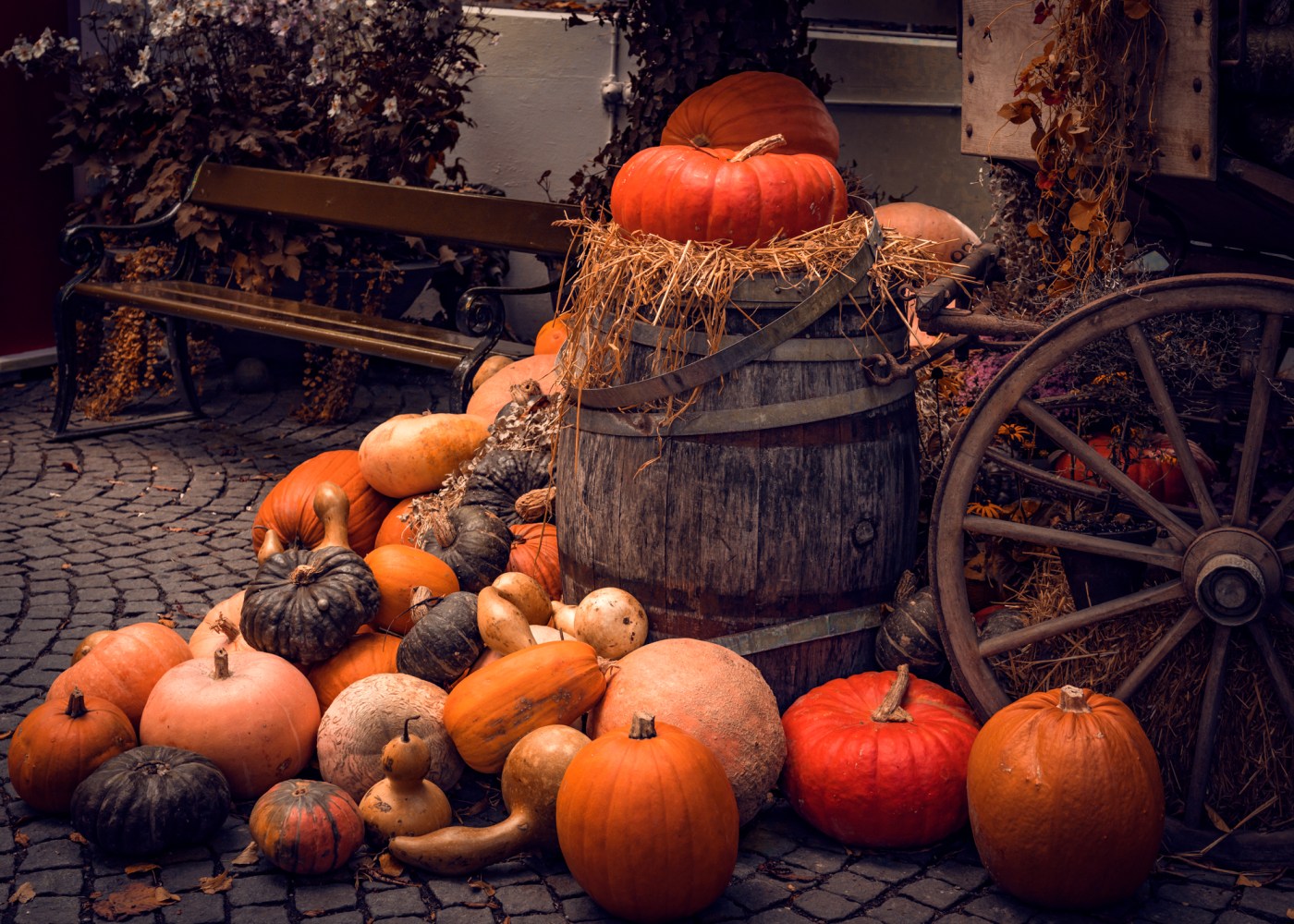
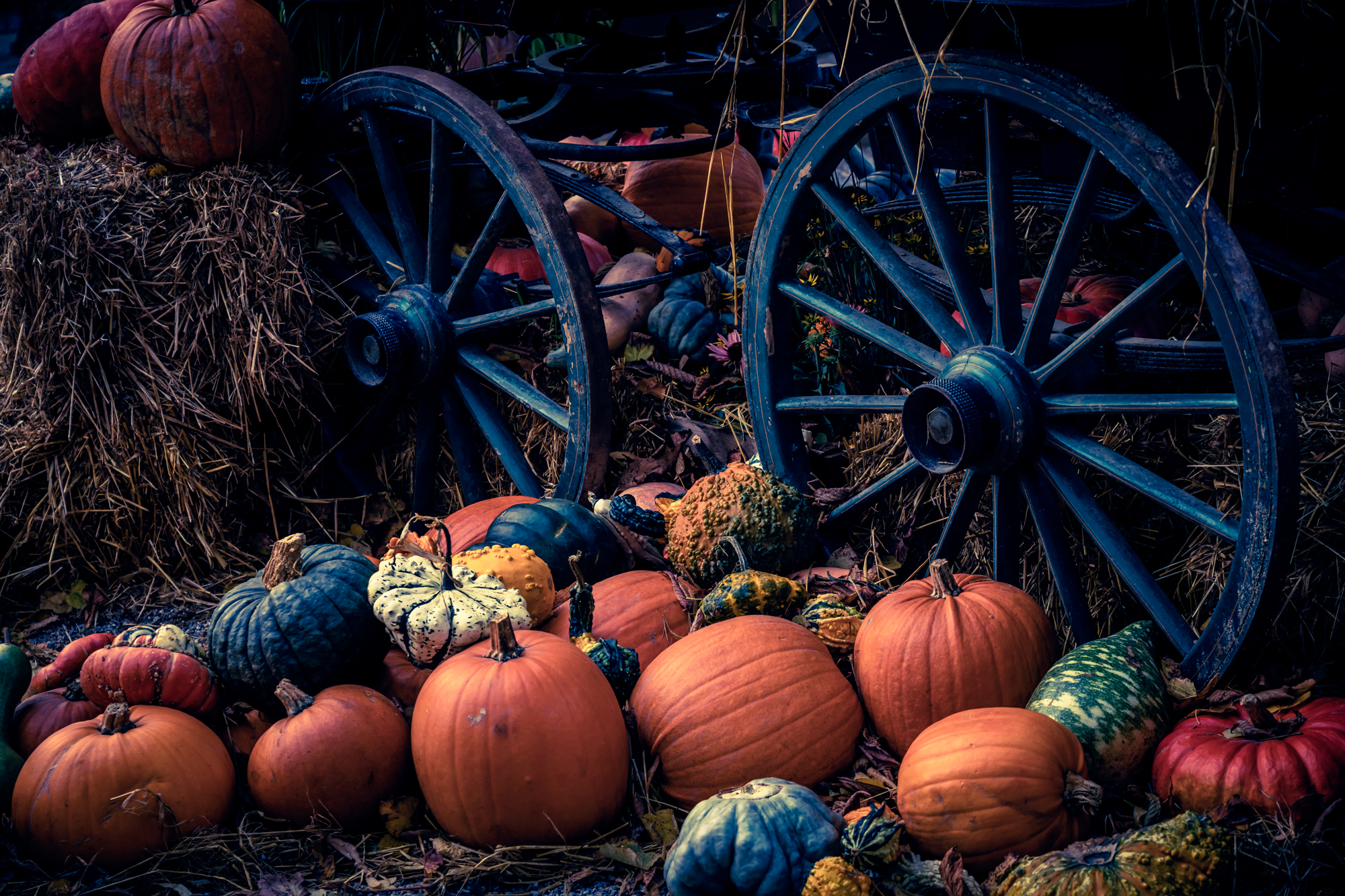
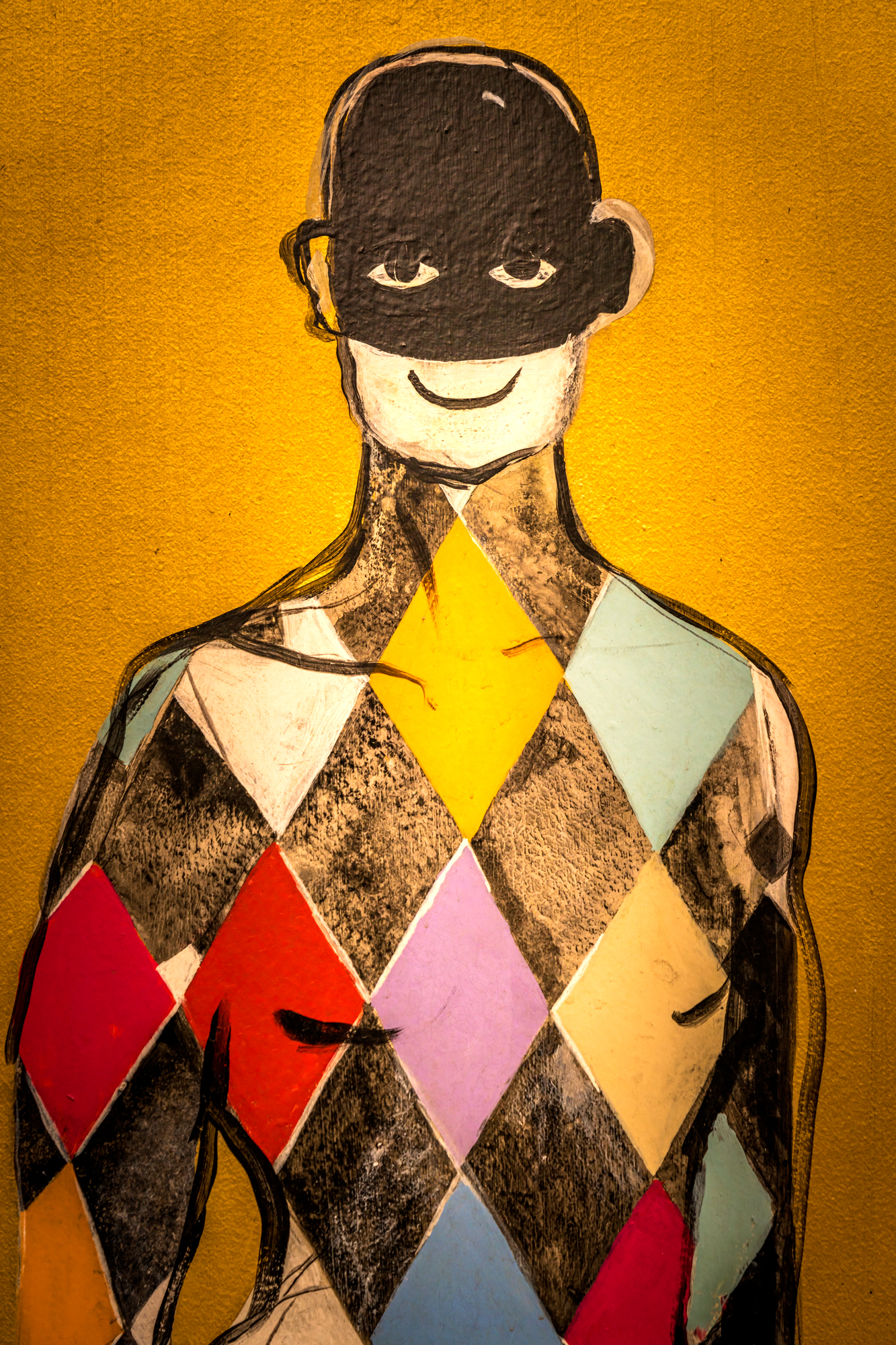
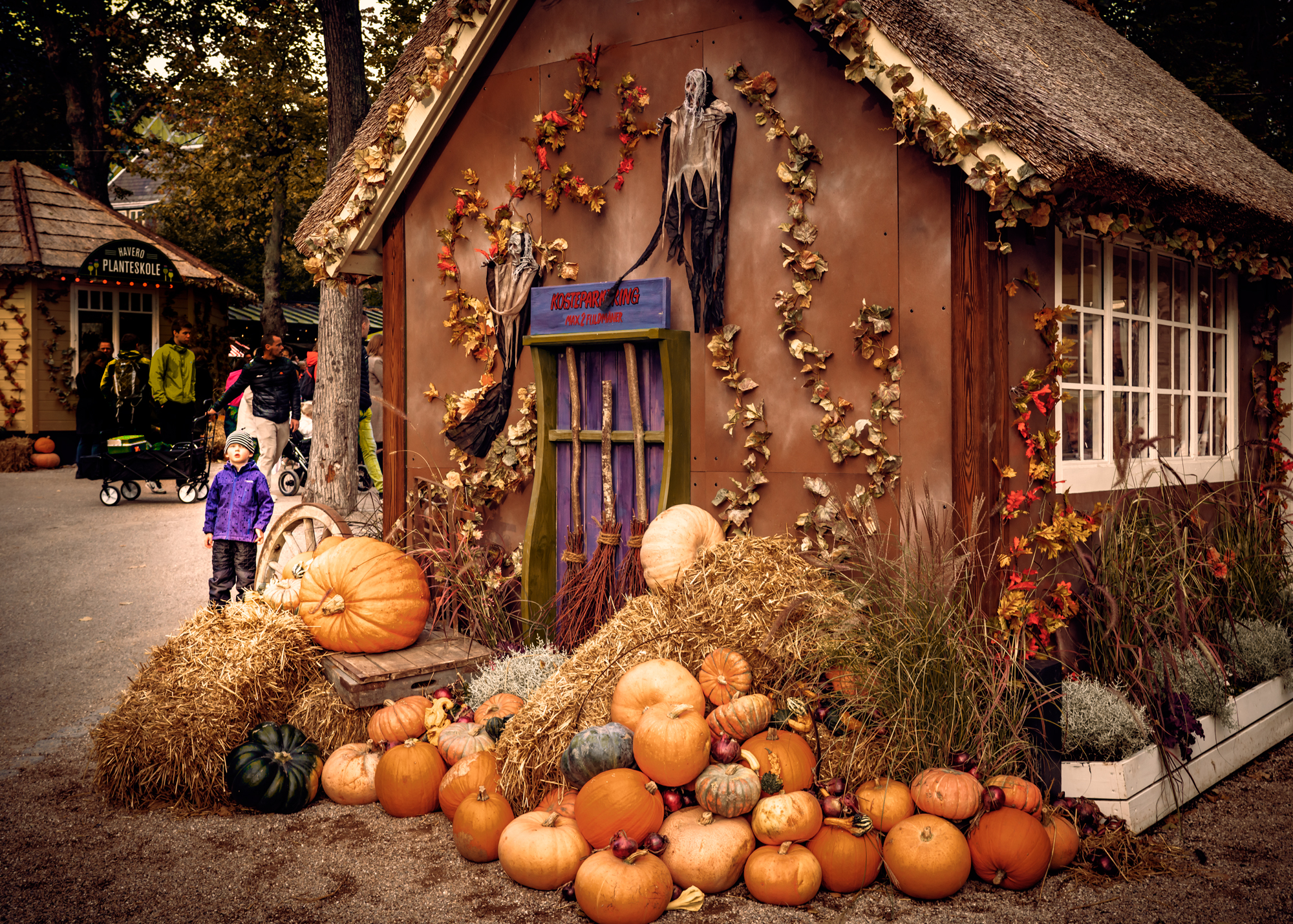
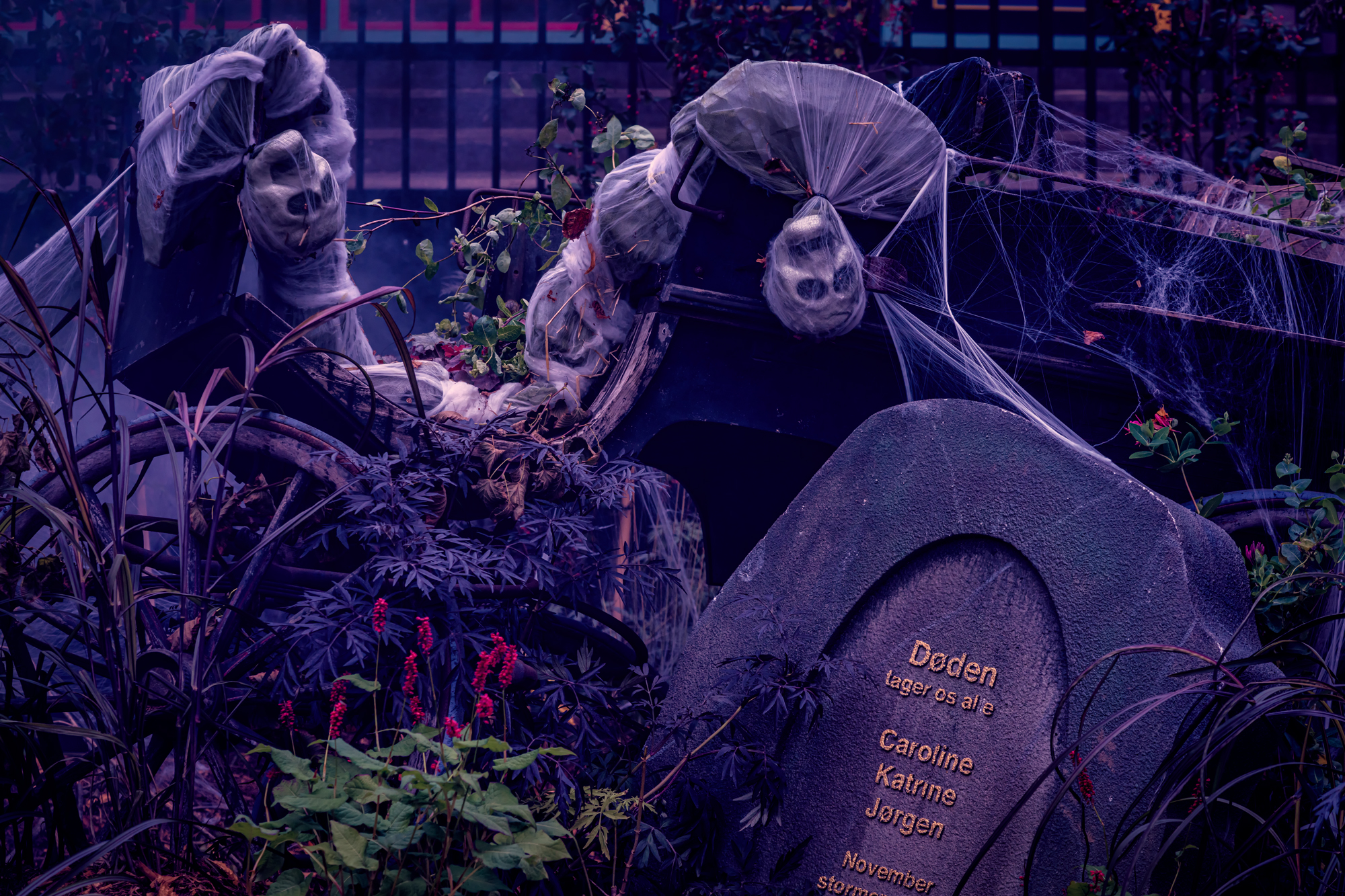
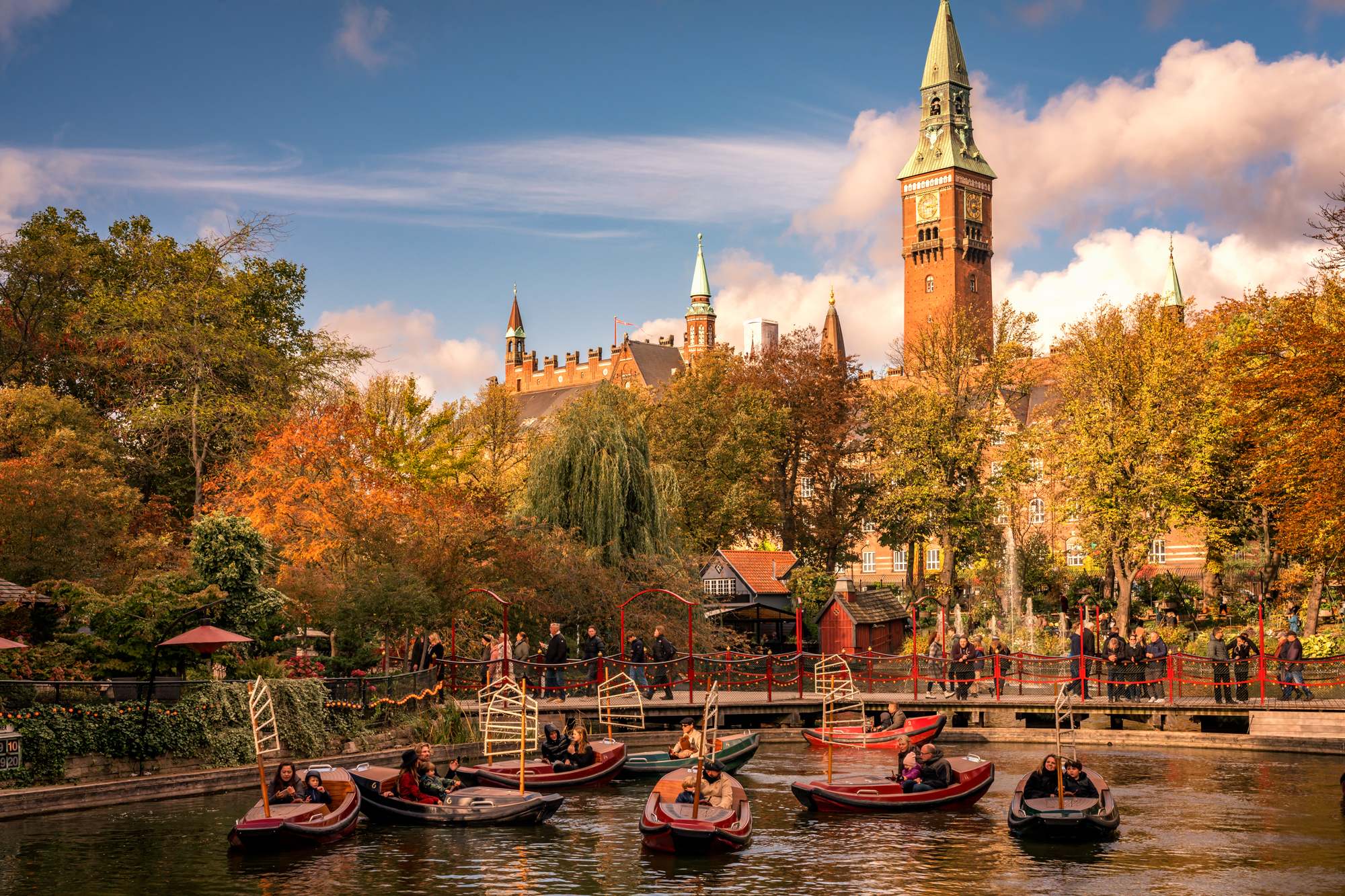
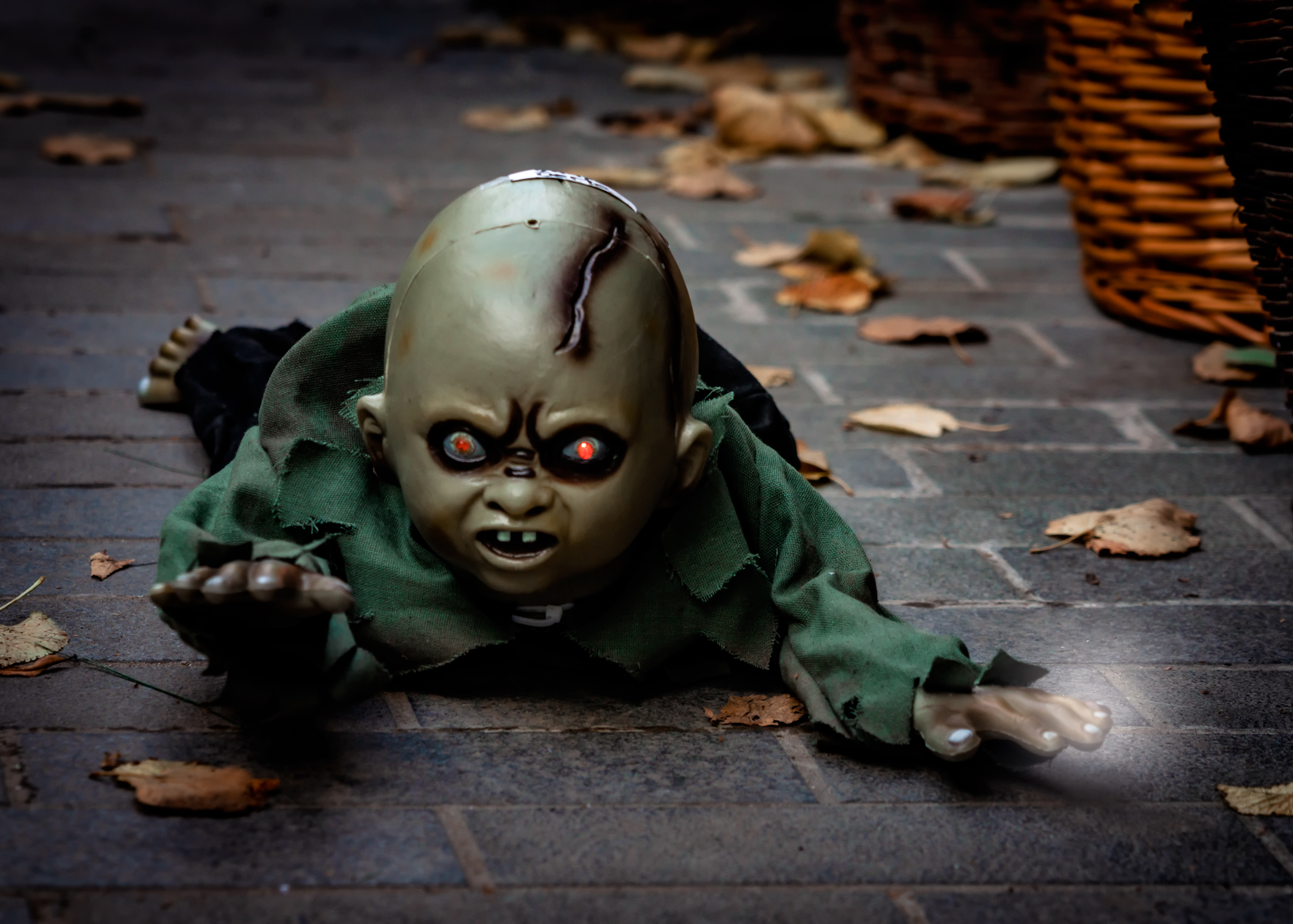
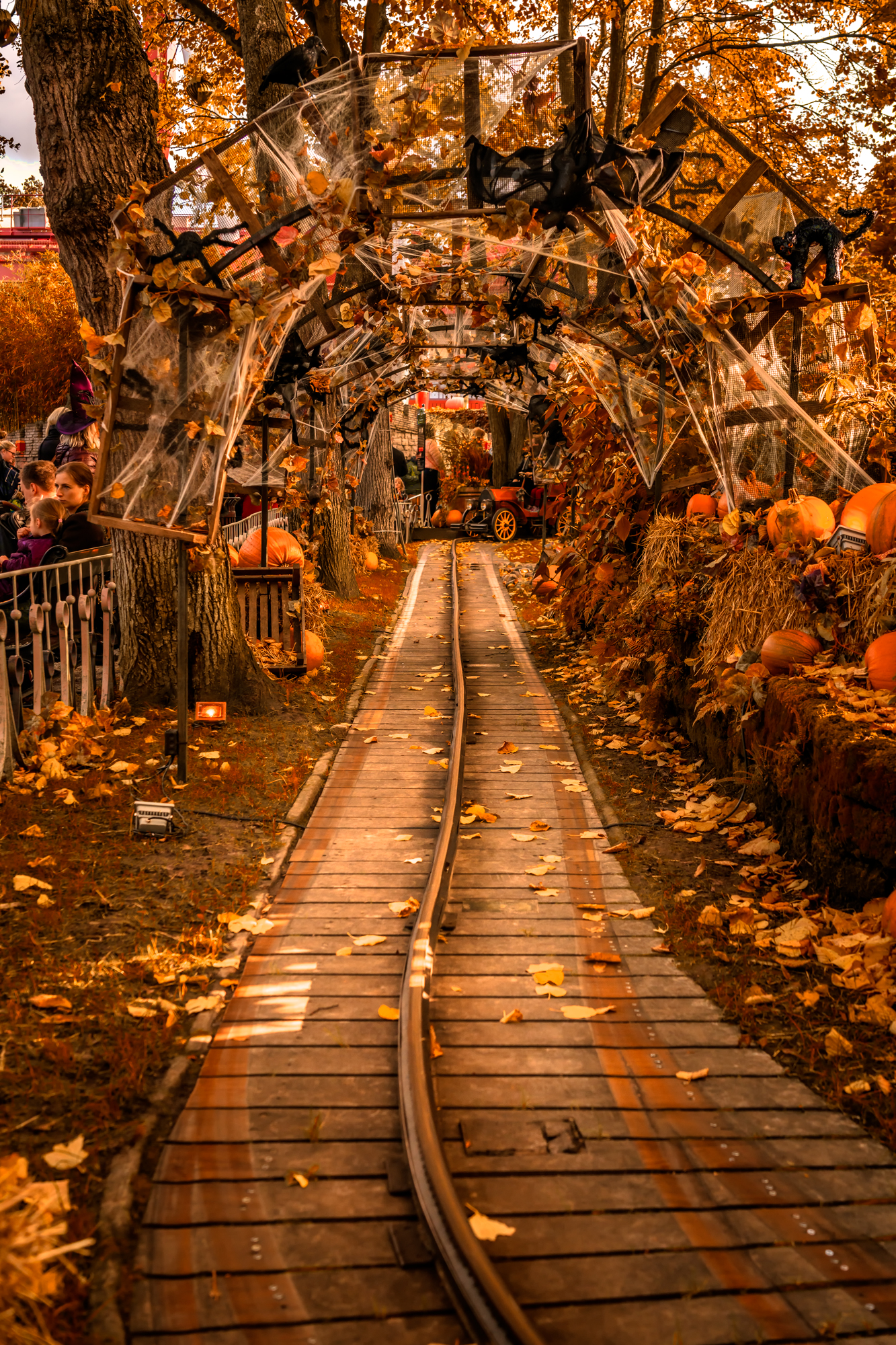
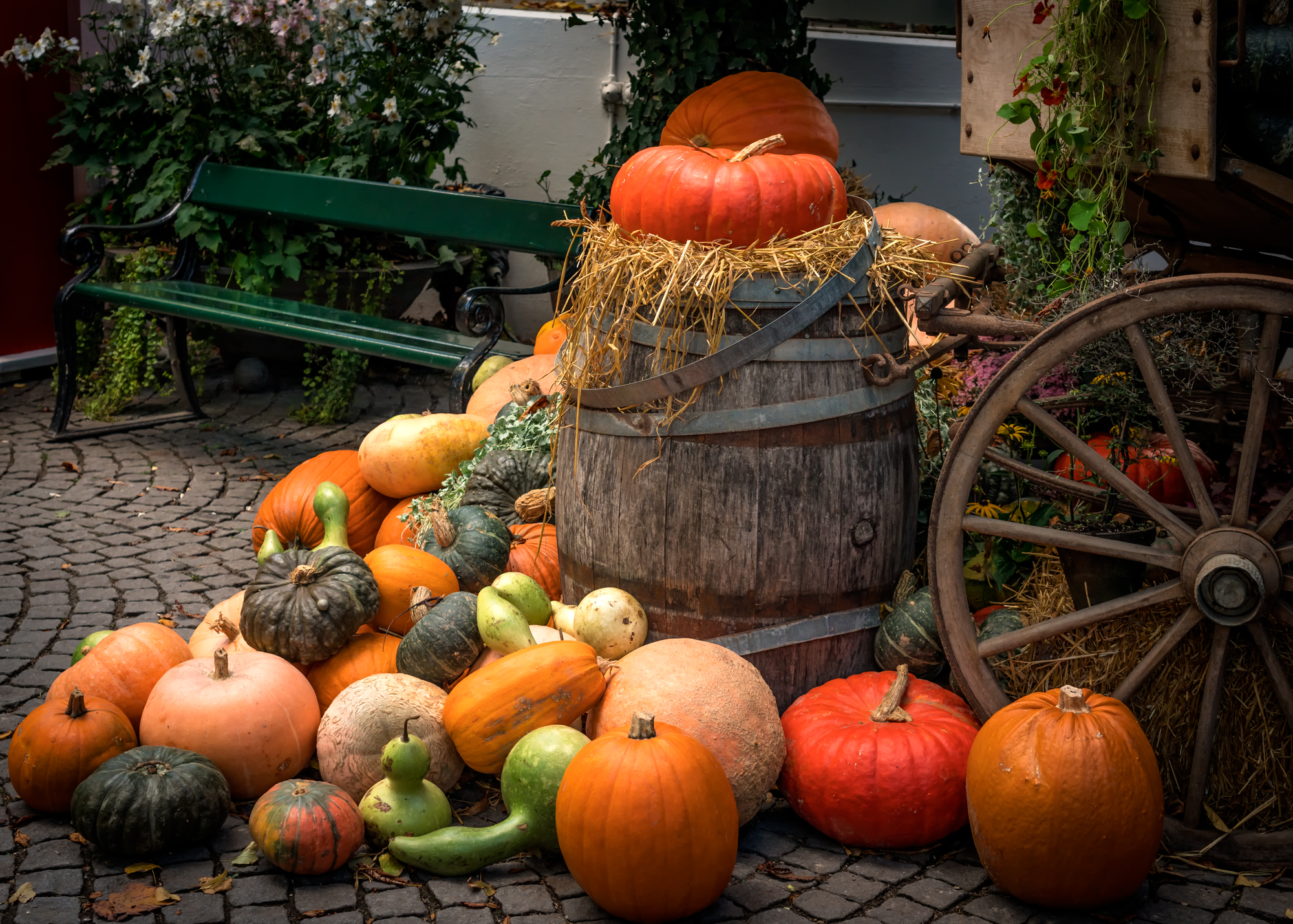
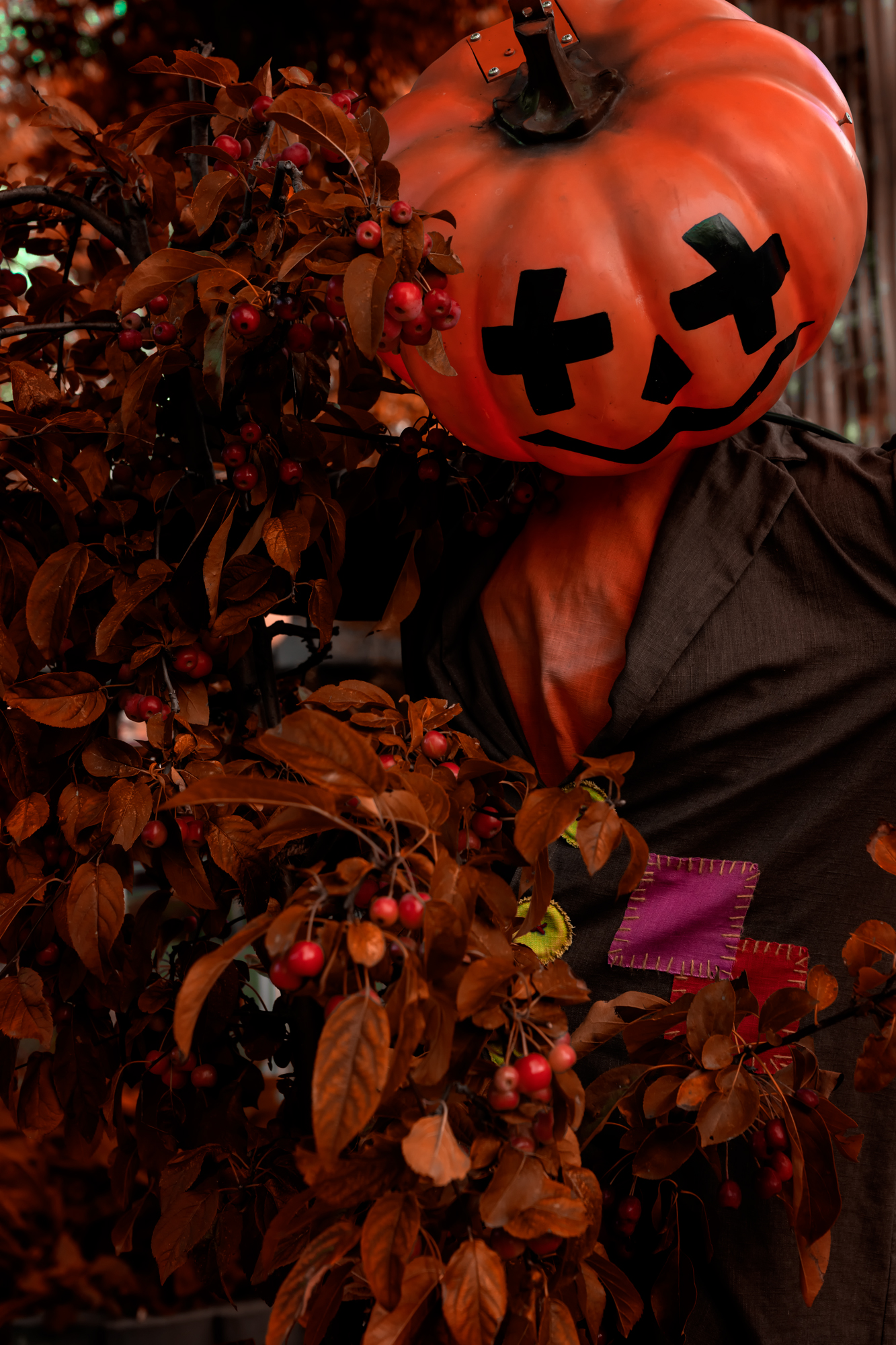
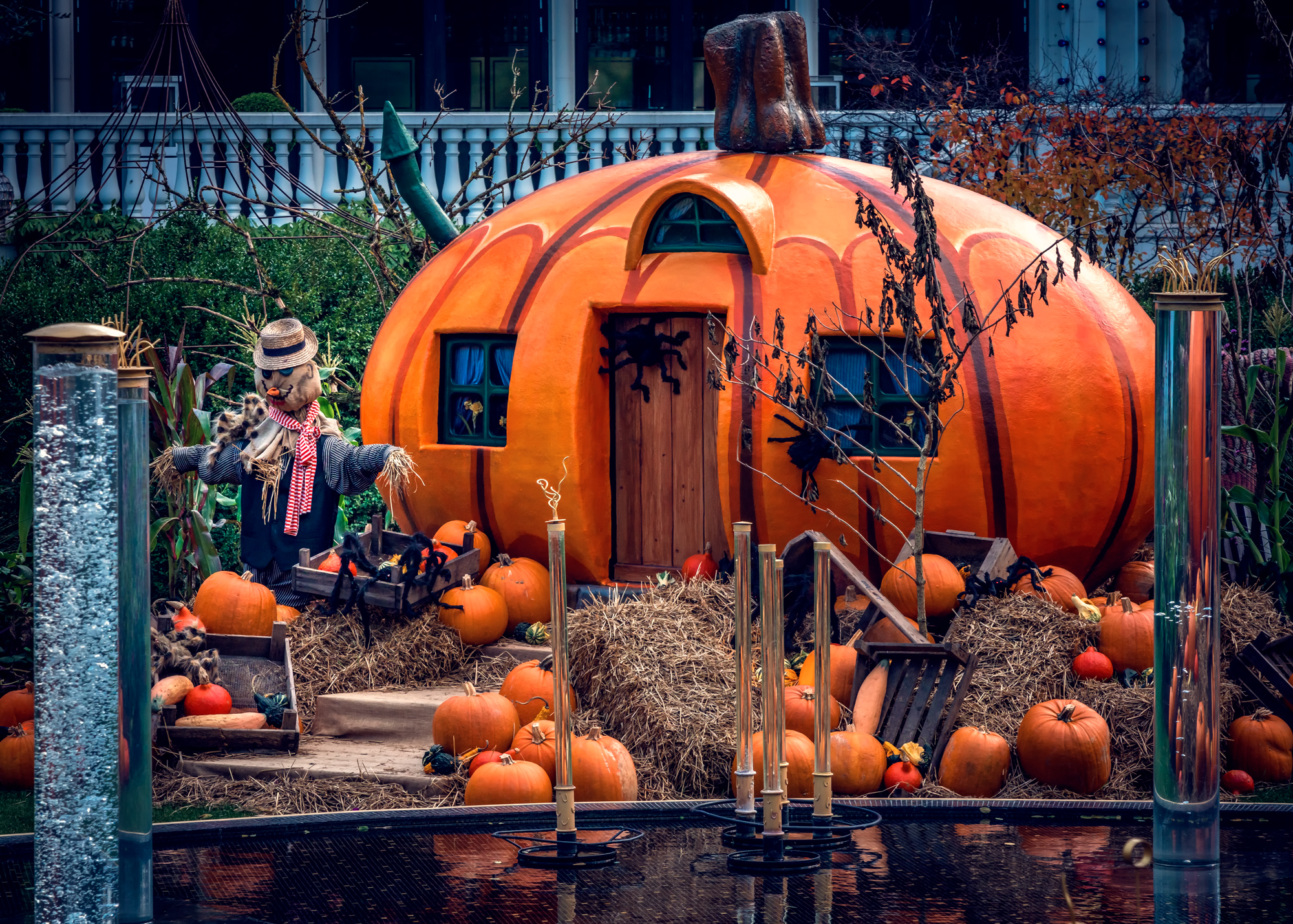
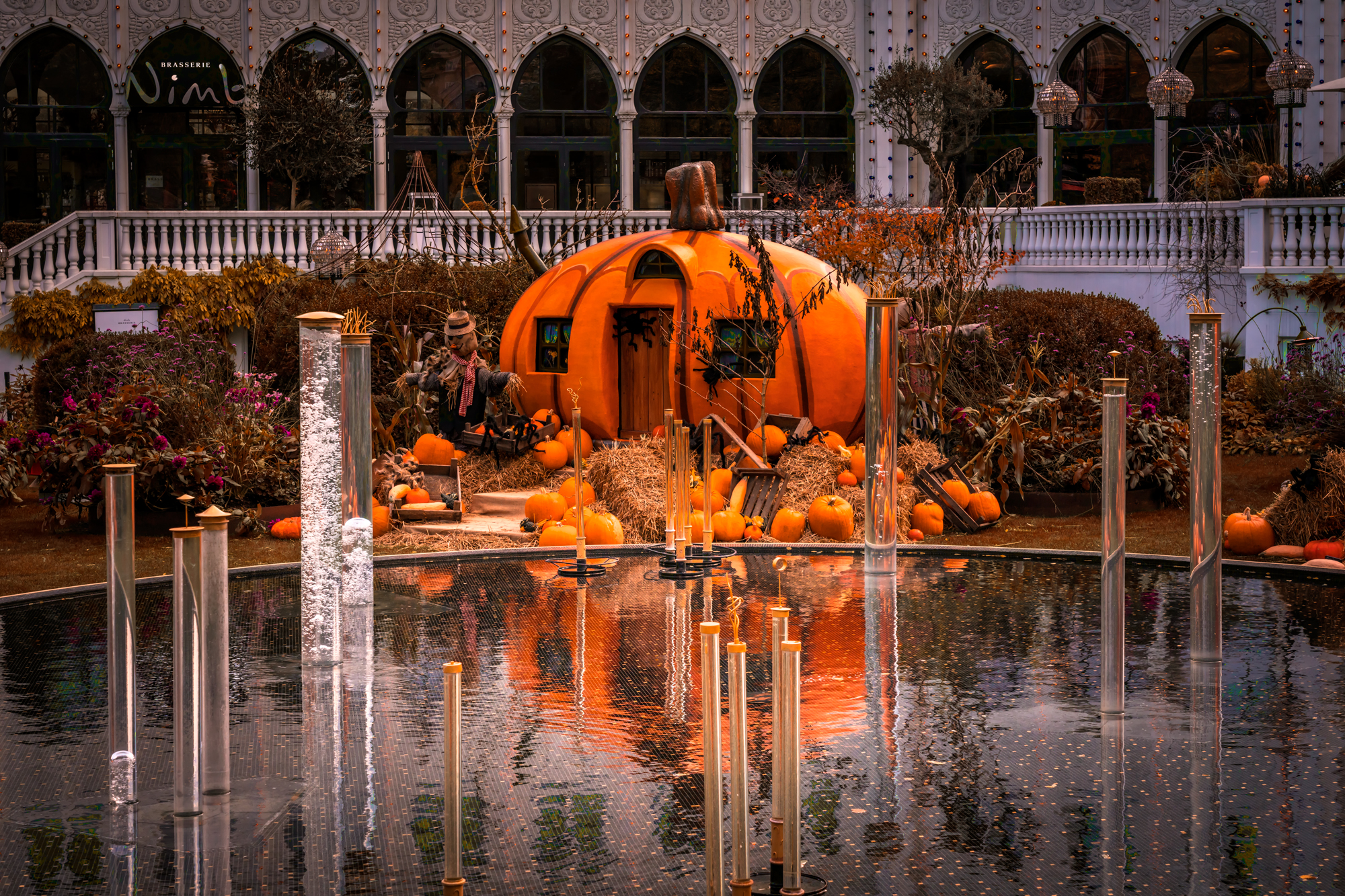
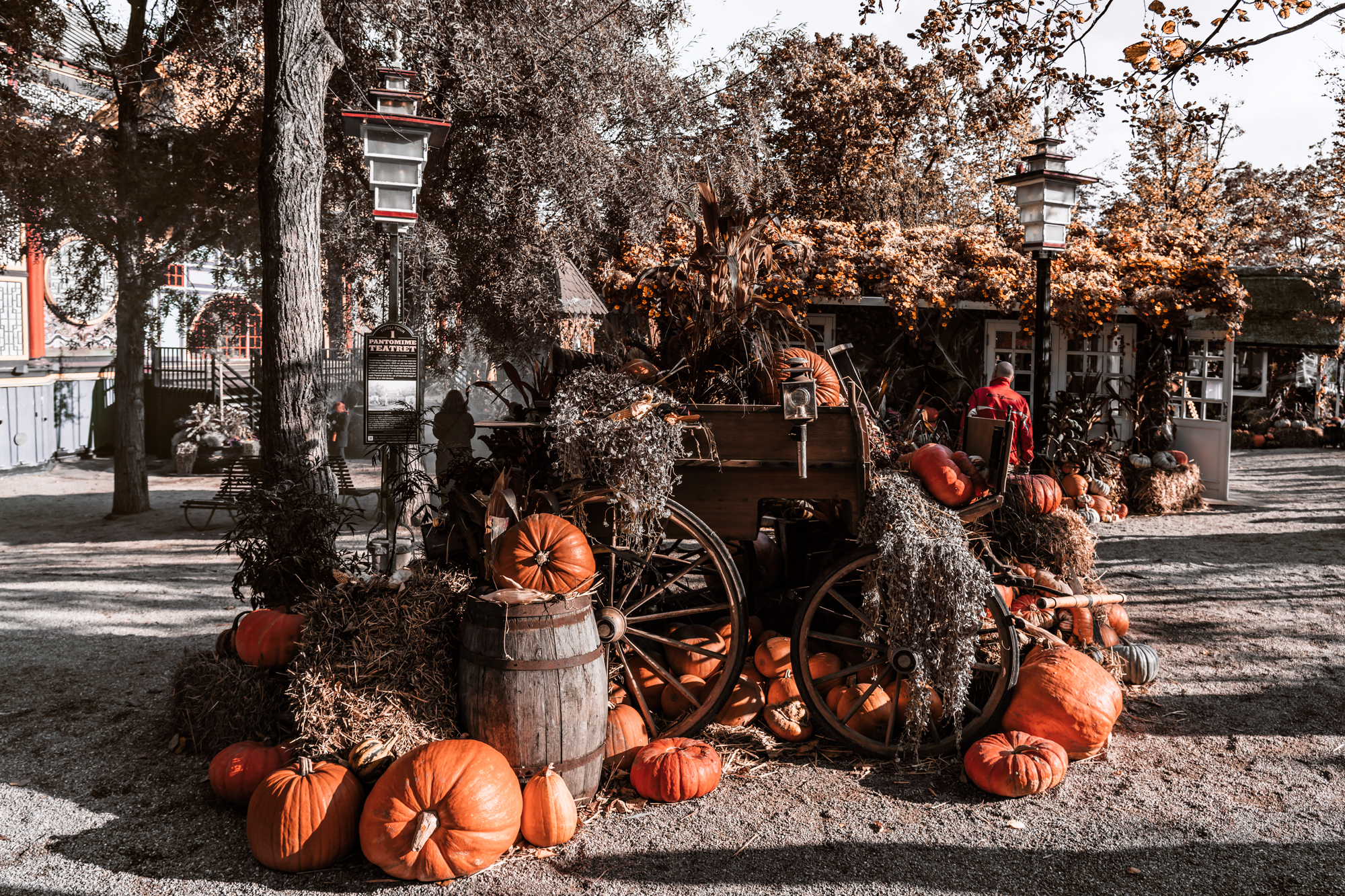
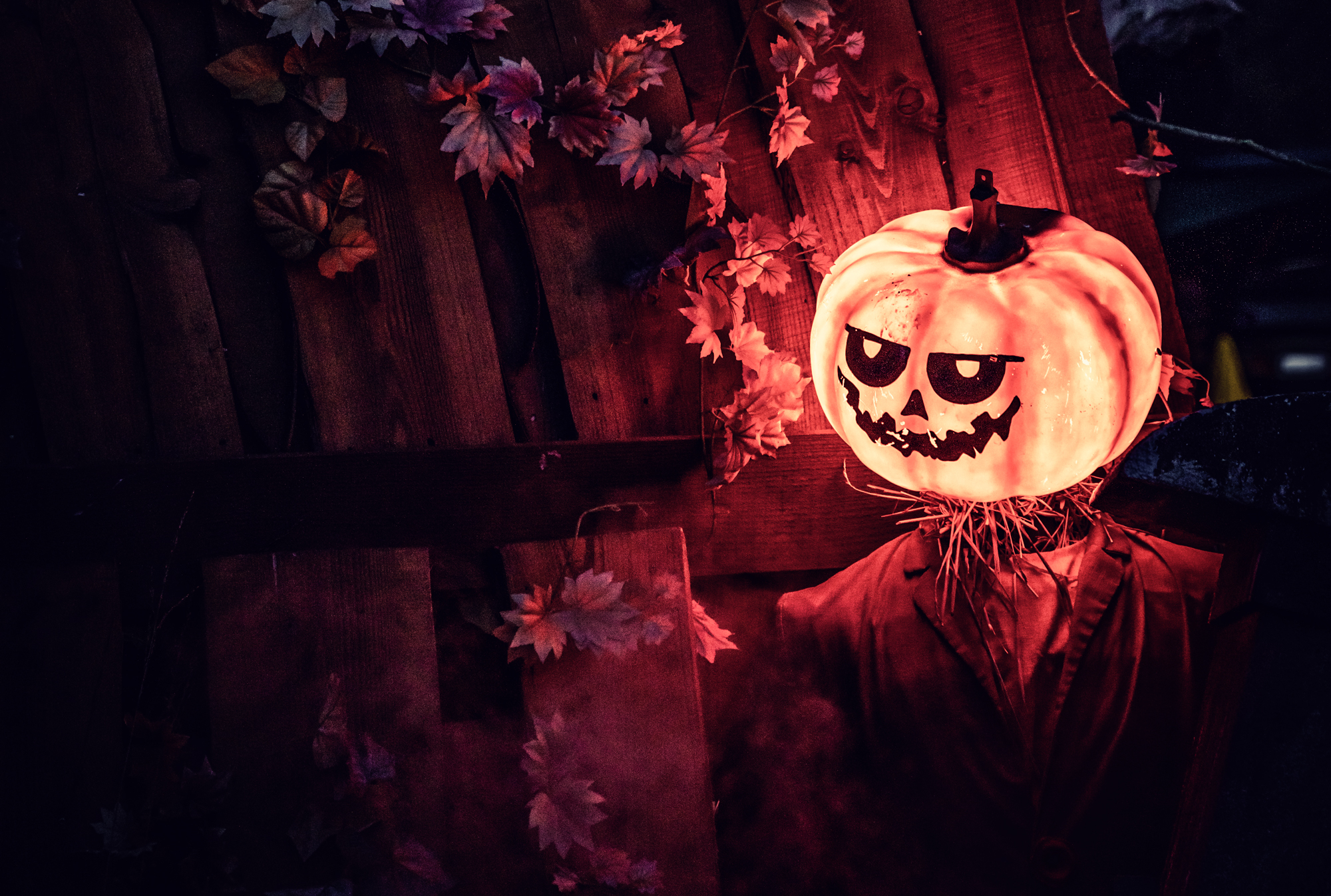
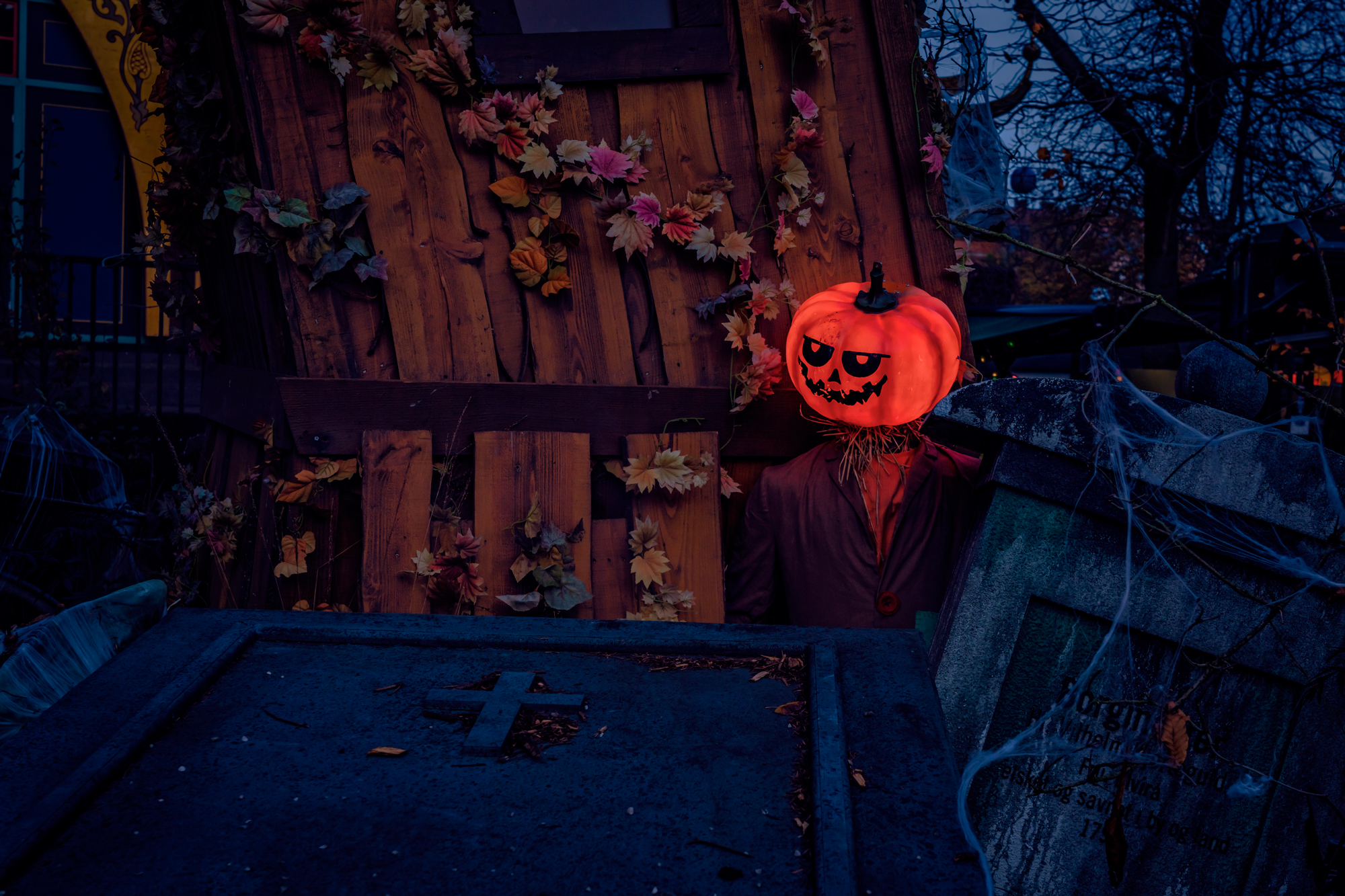
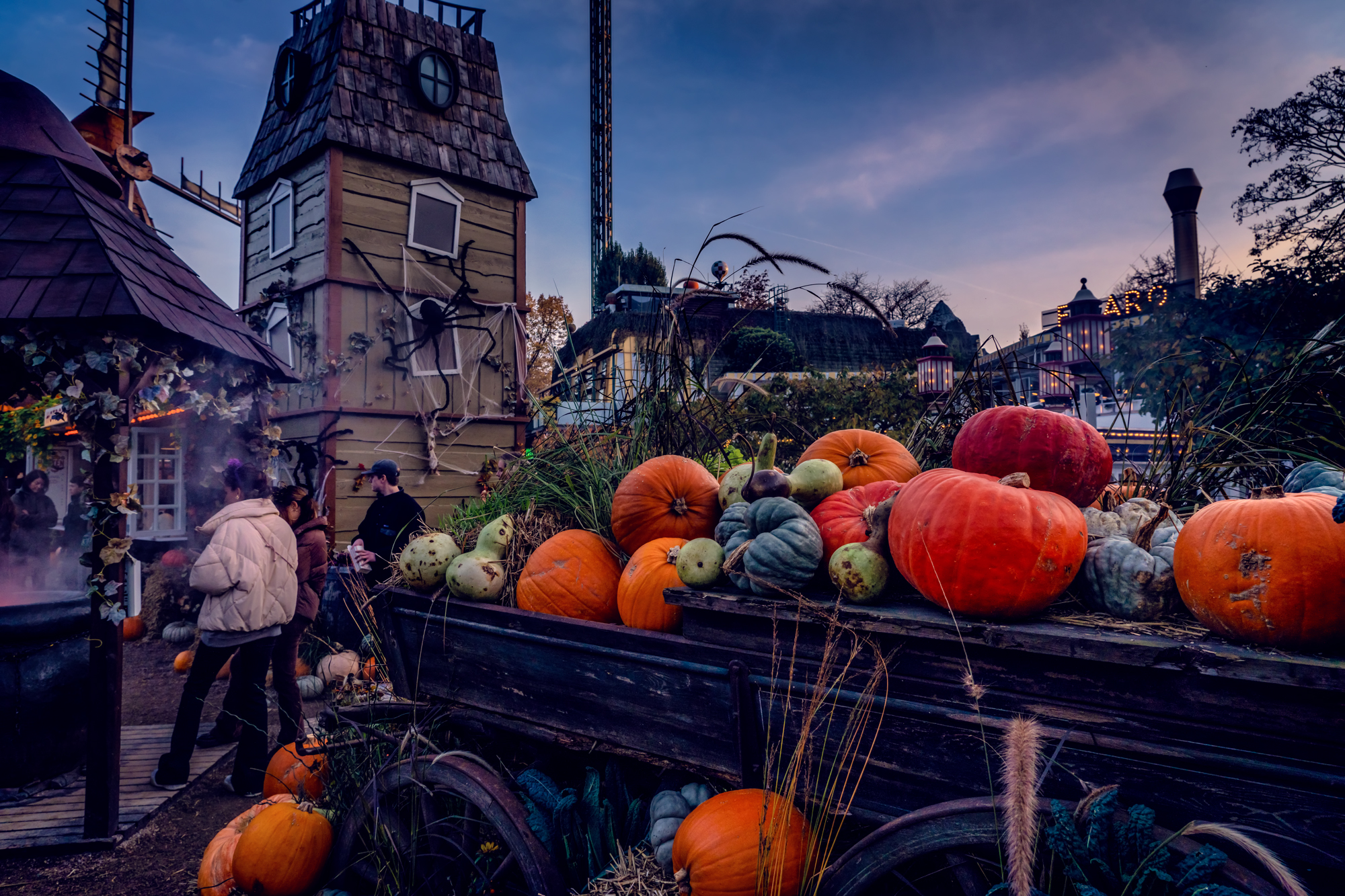
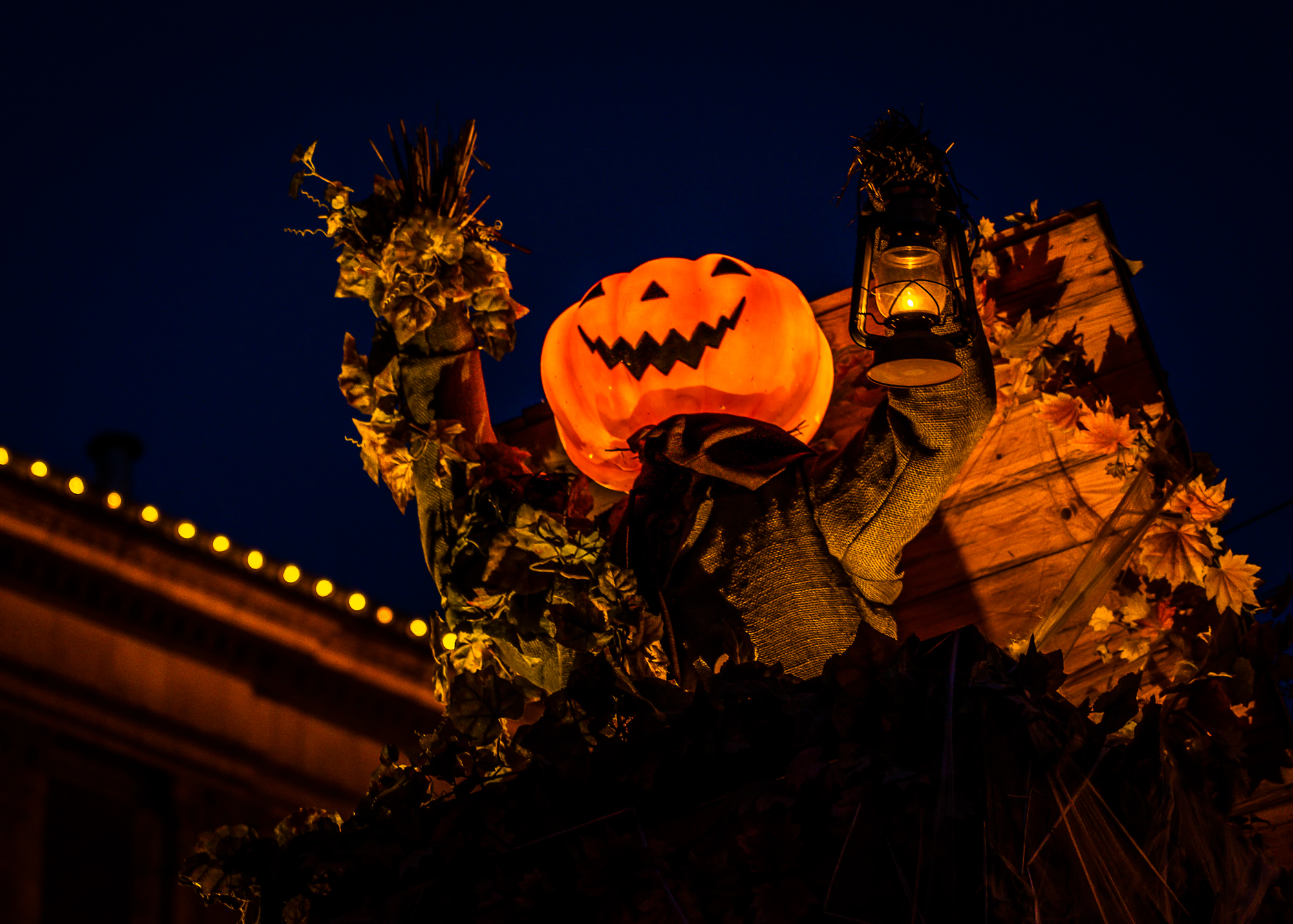
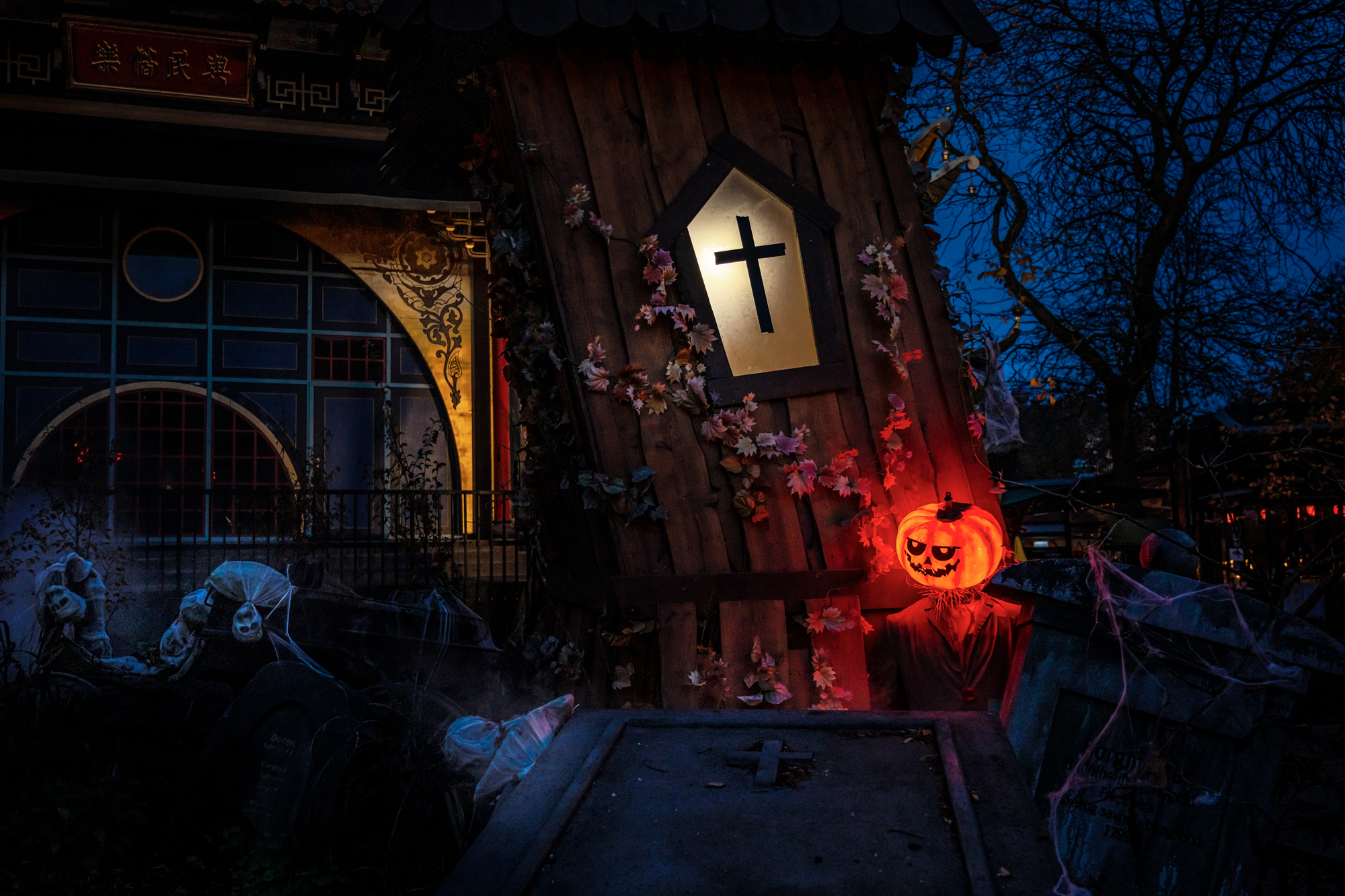
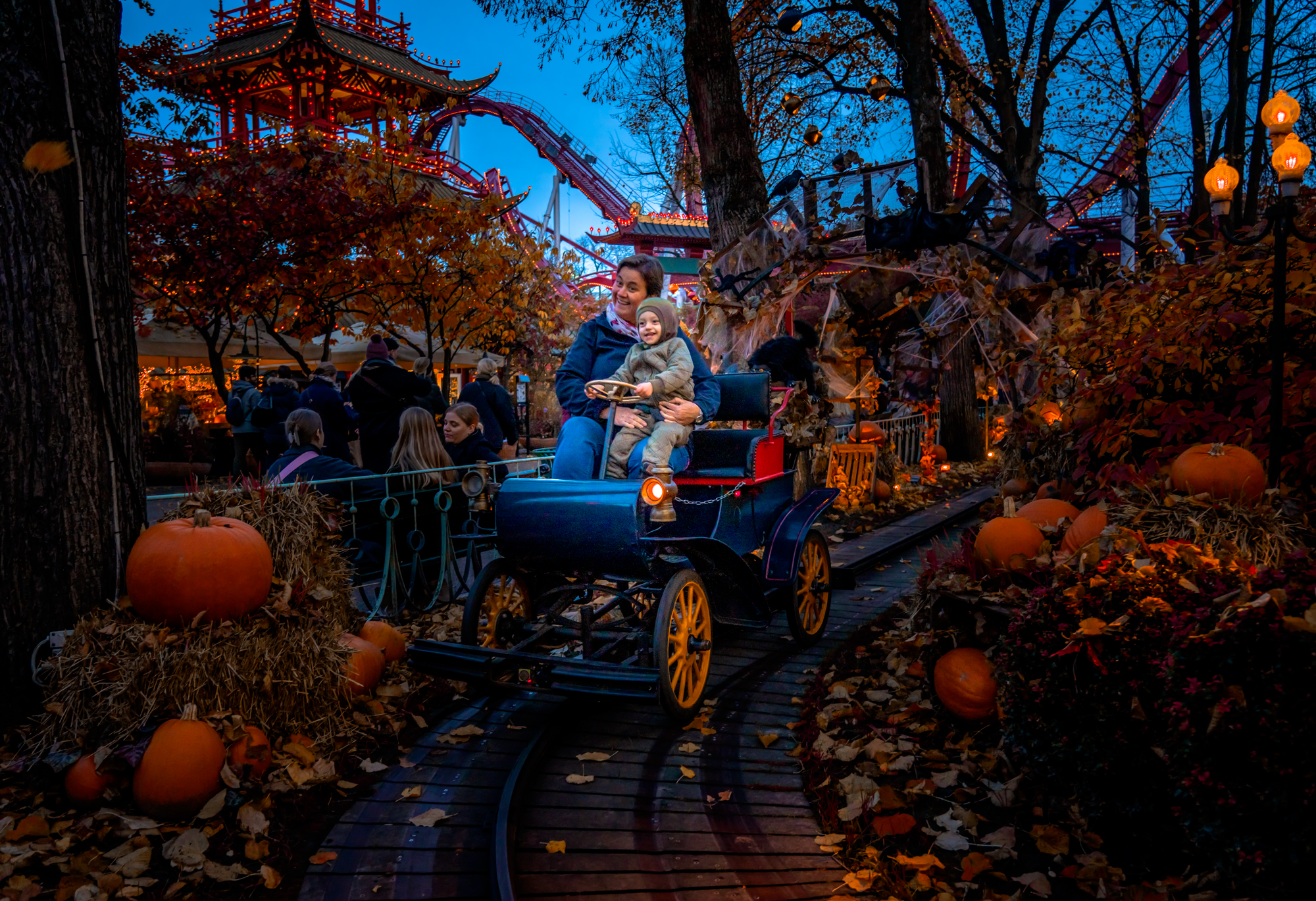
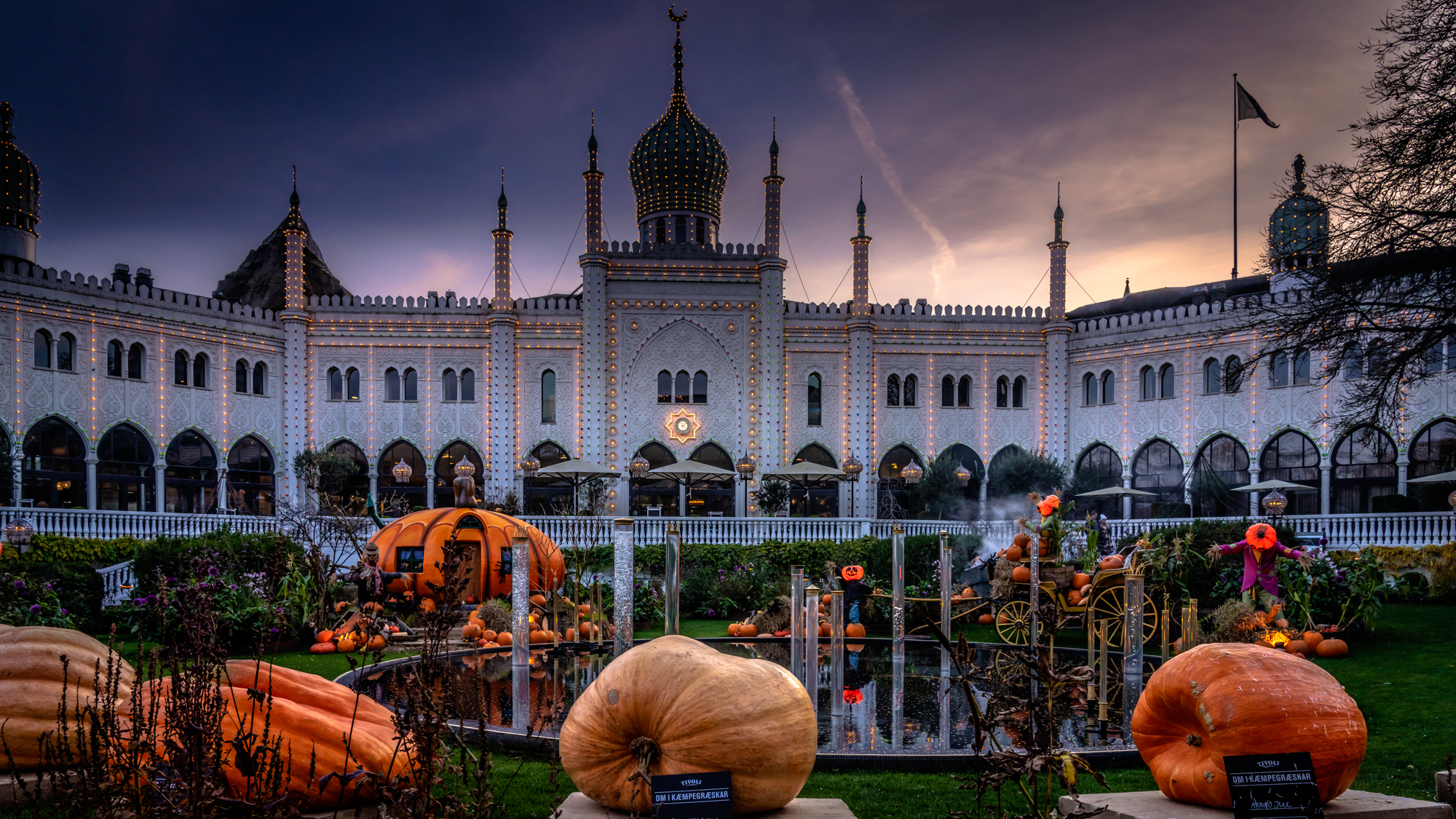
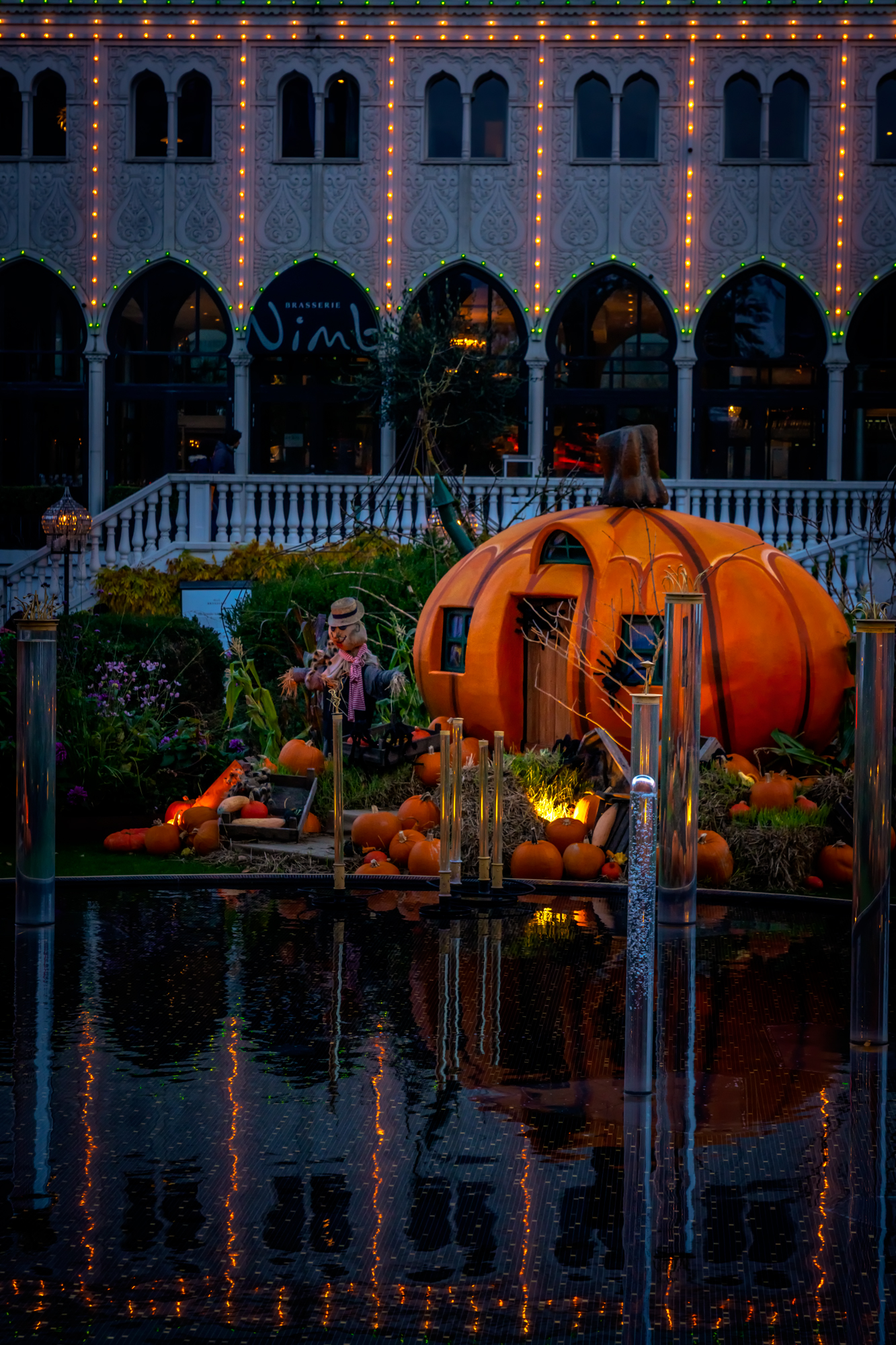
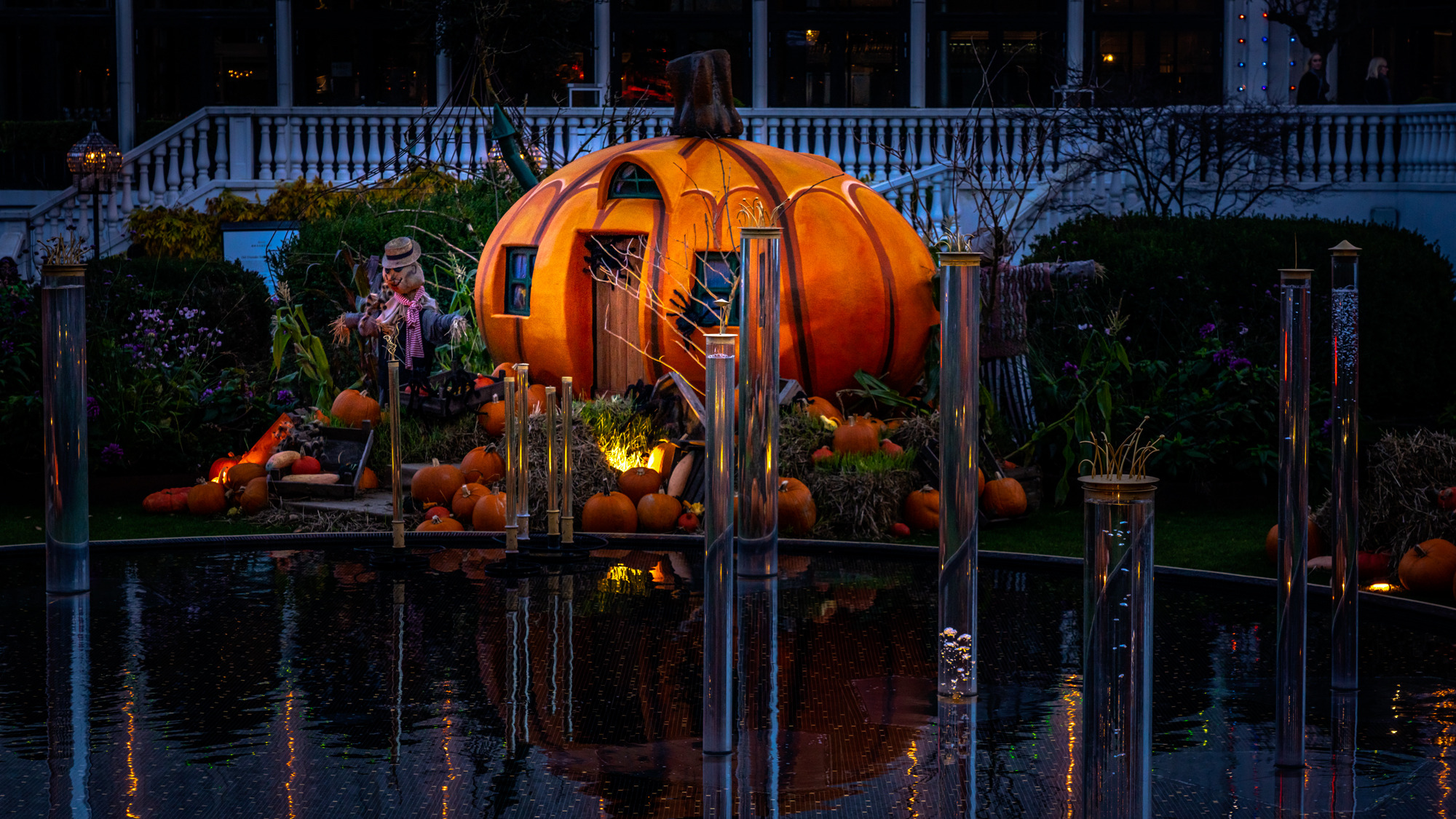
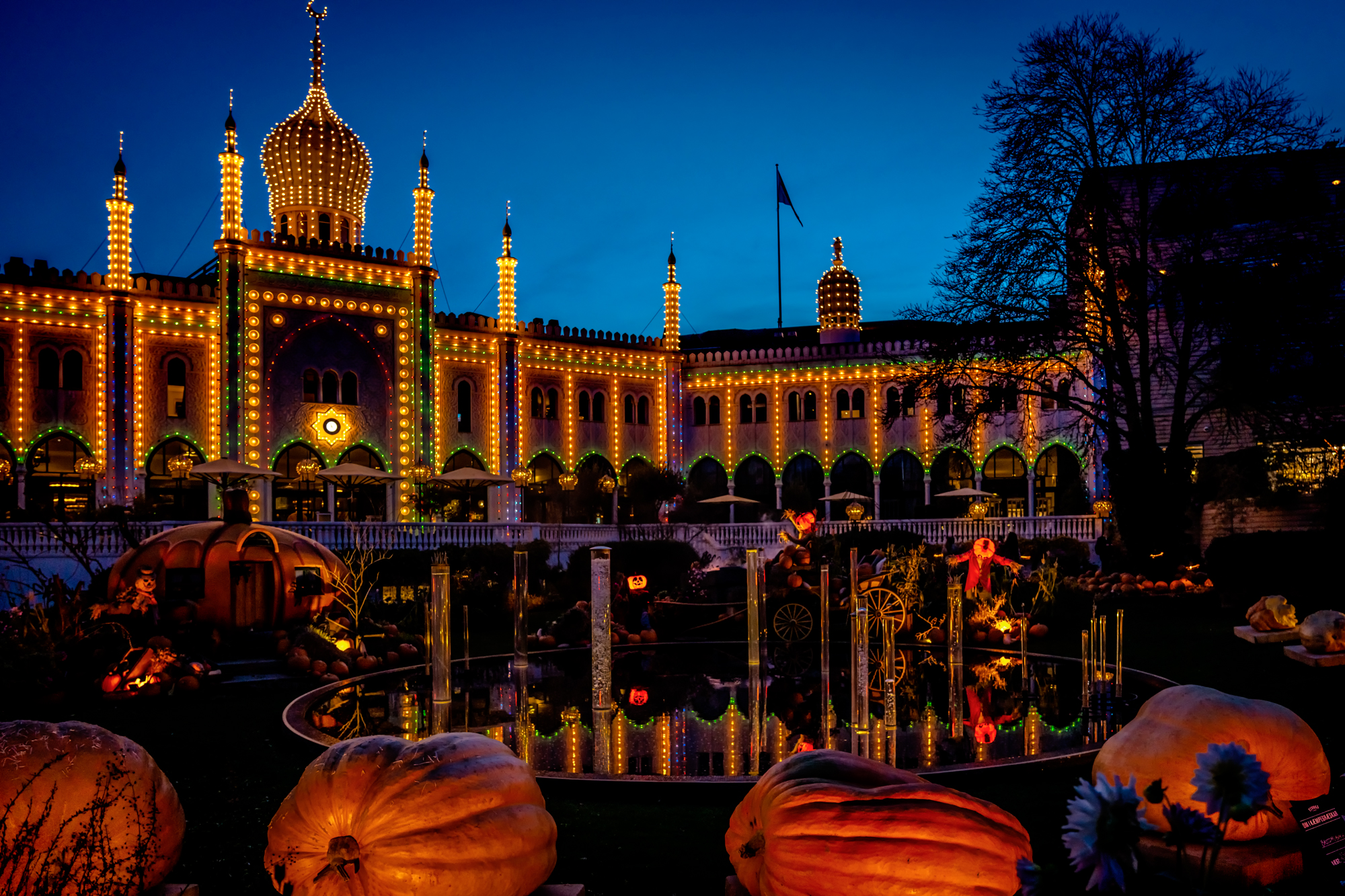
When I was a child in Scandinavia, there was no such things as Valentine’s Day, St. Patrick’s or Halloween, but it would seem that things have changed and we are now overwhelmed with goblins, scary monsters and super creeps this November! Nowhere else do they take this to the extent that Tivoli Gardens do and in spite of the relative tackiness of it all, it was a sight worth seeing – twice in 10 days! I cannot help but wonder if Denmark is the biggest producer or importer of pumpkins, though….

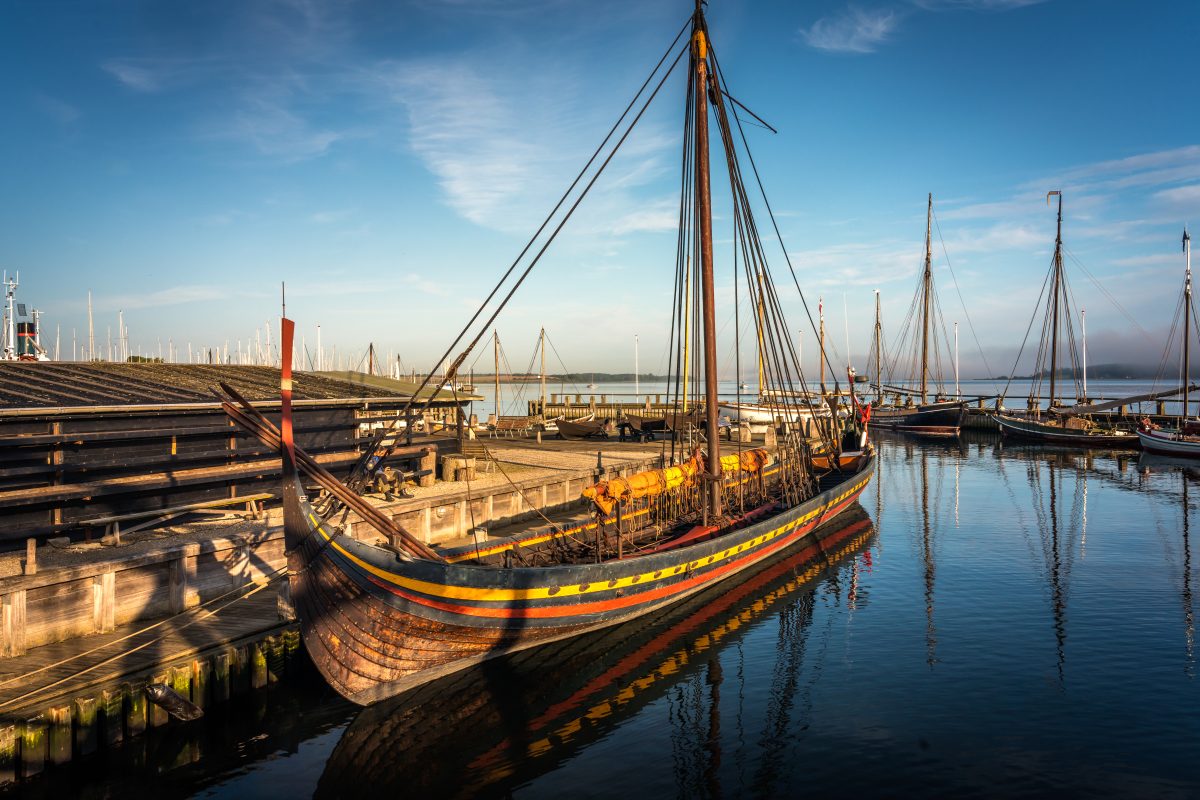
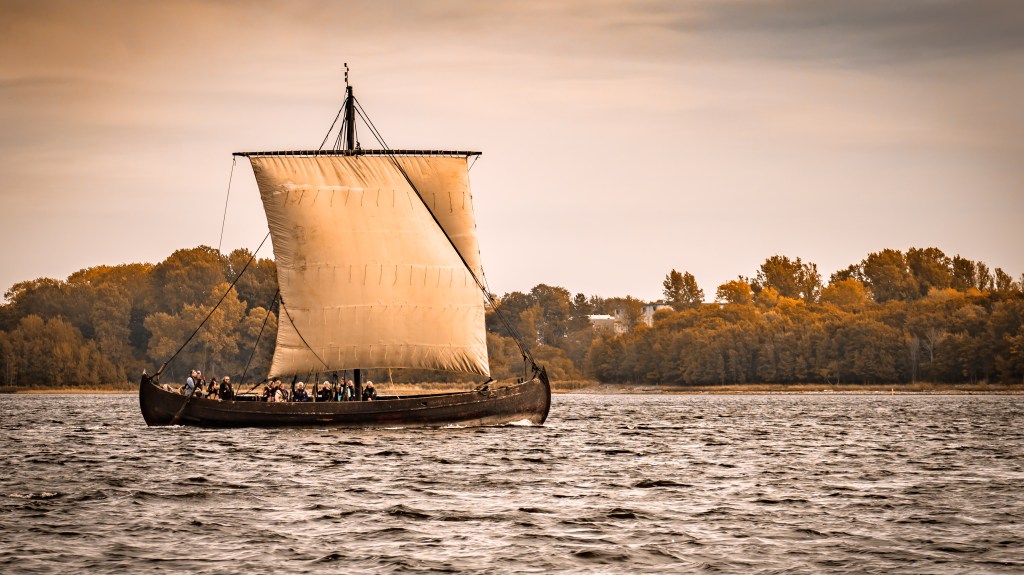
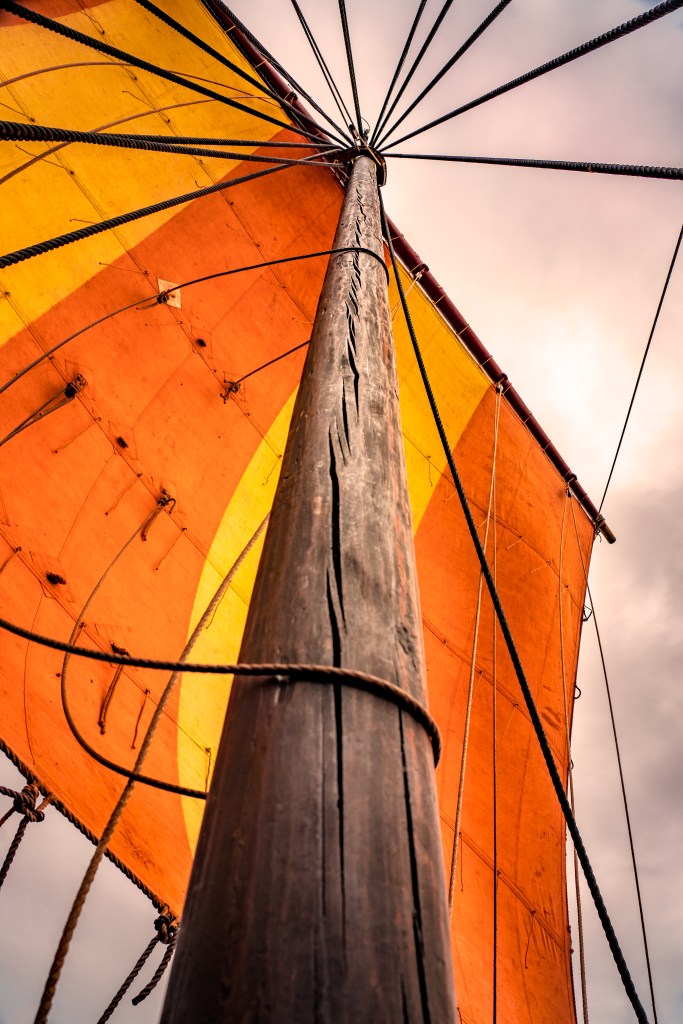
Havhingsten from Glendalough (The Sea Stallion from Glendalough)

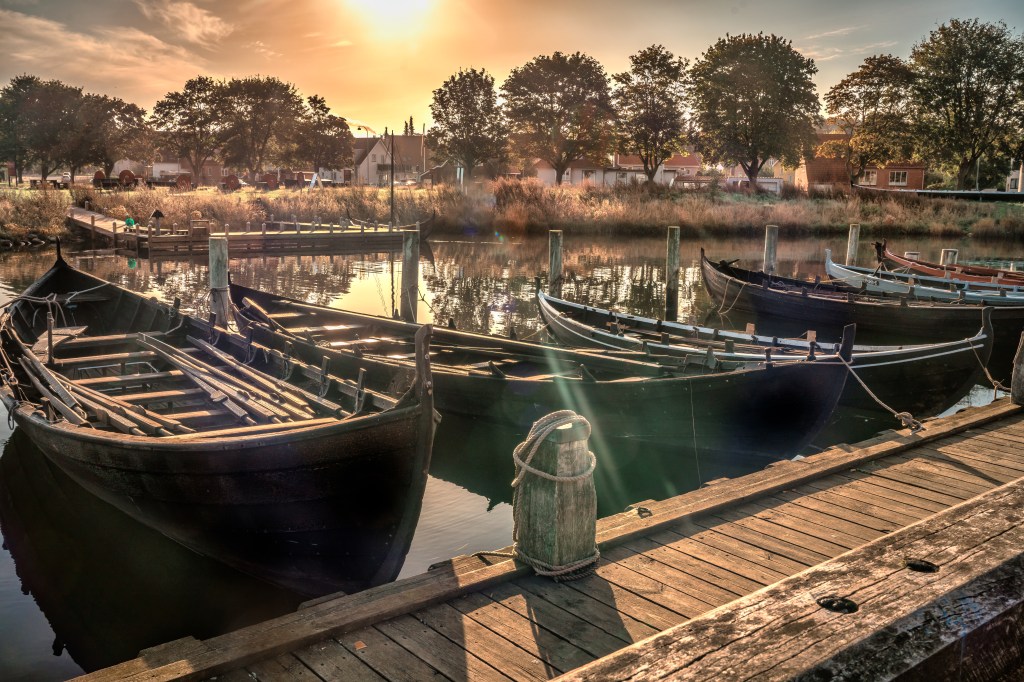
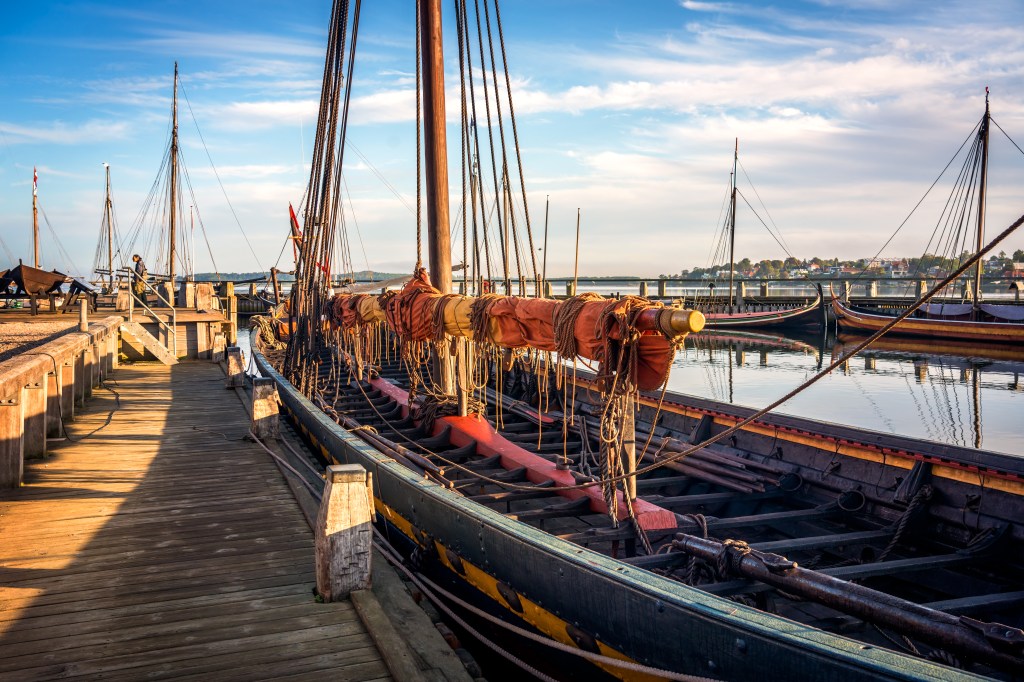
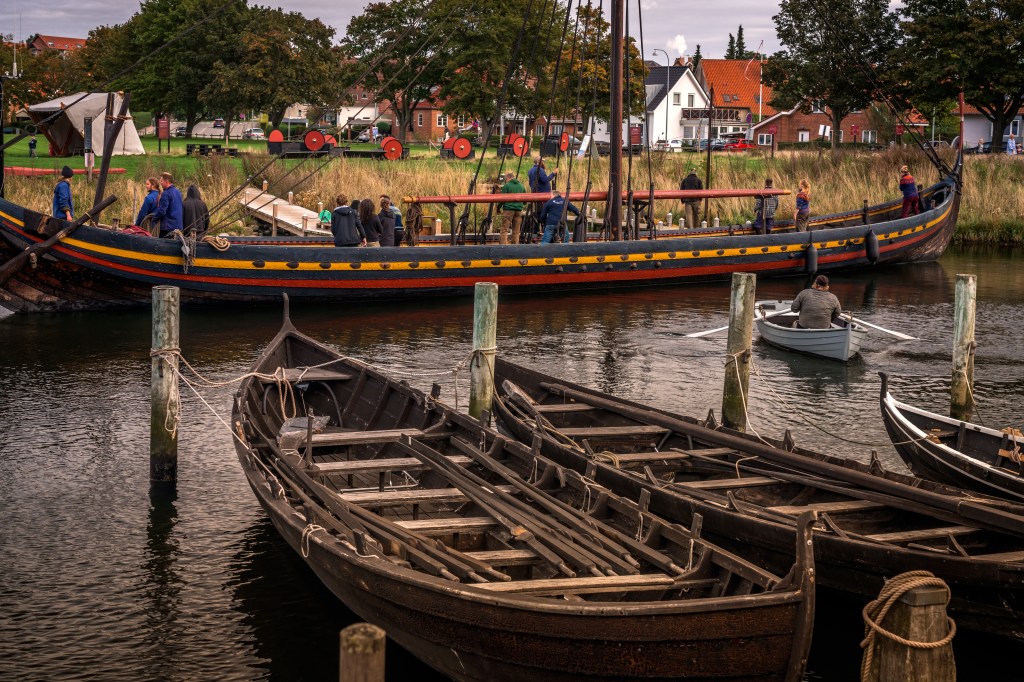
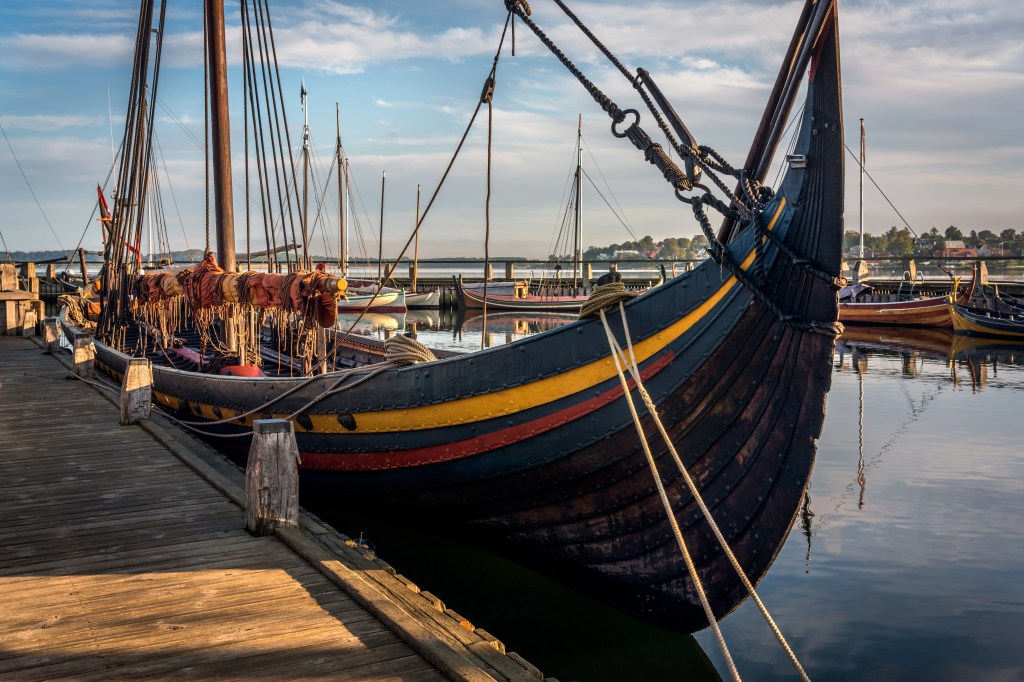
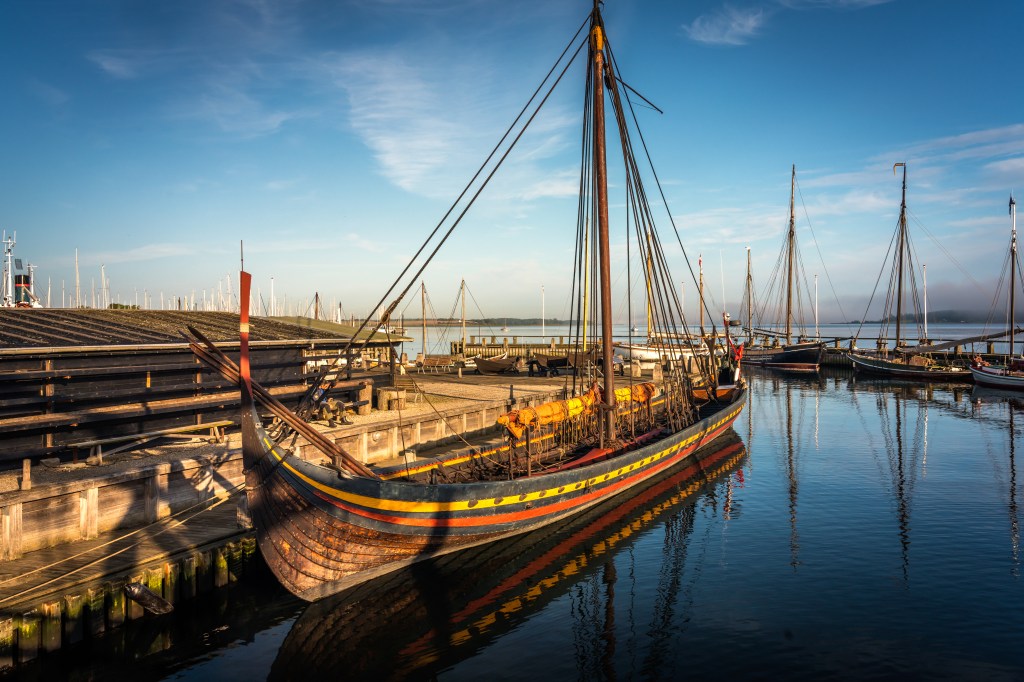
In 1962, several viking ships were found in the Fjord of Roskilde and it was decided in 2000 to try to reconstruct the largest of them which was 30 meters long. It is believed that the original warrior ship was built in Ireland in 1042.

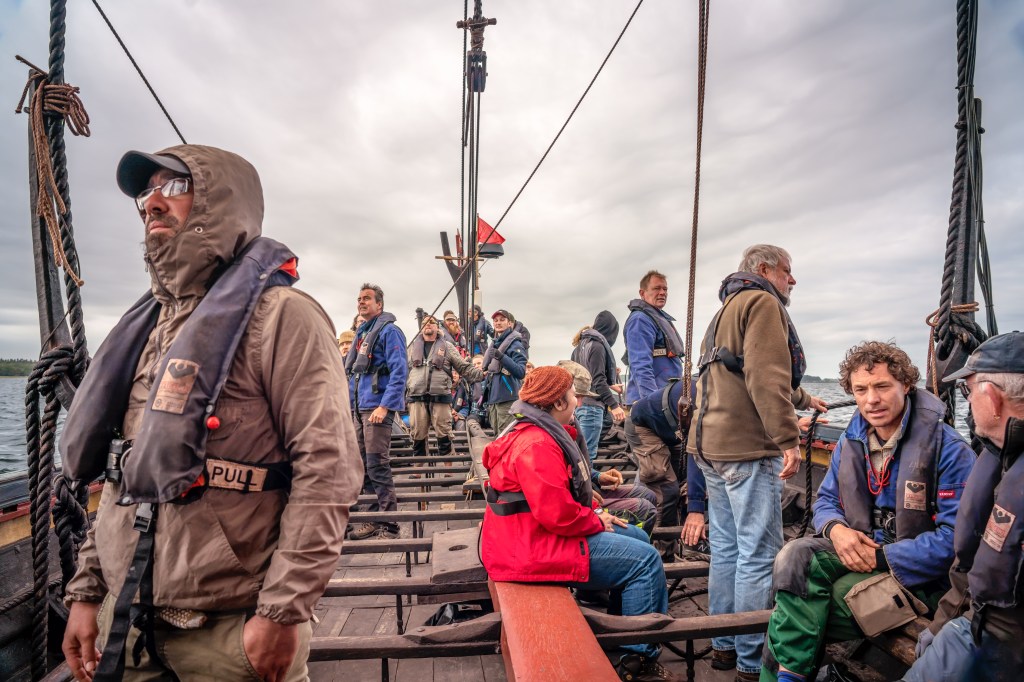
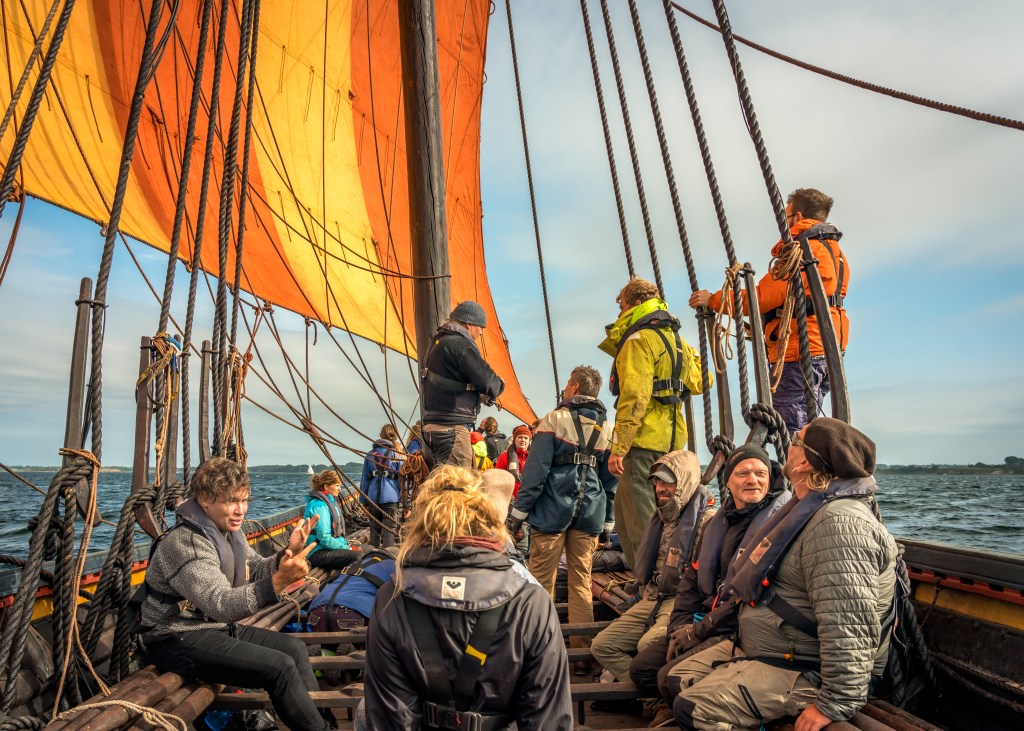
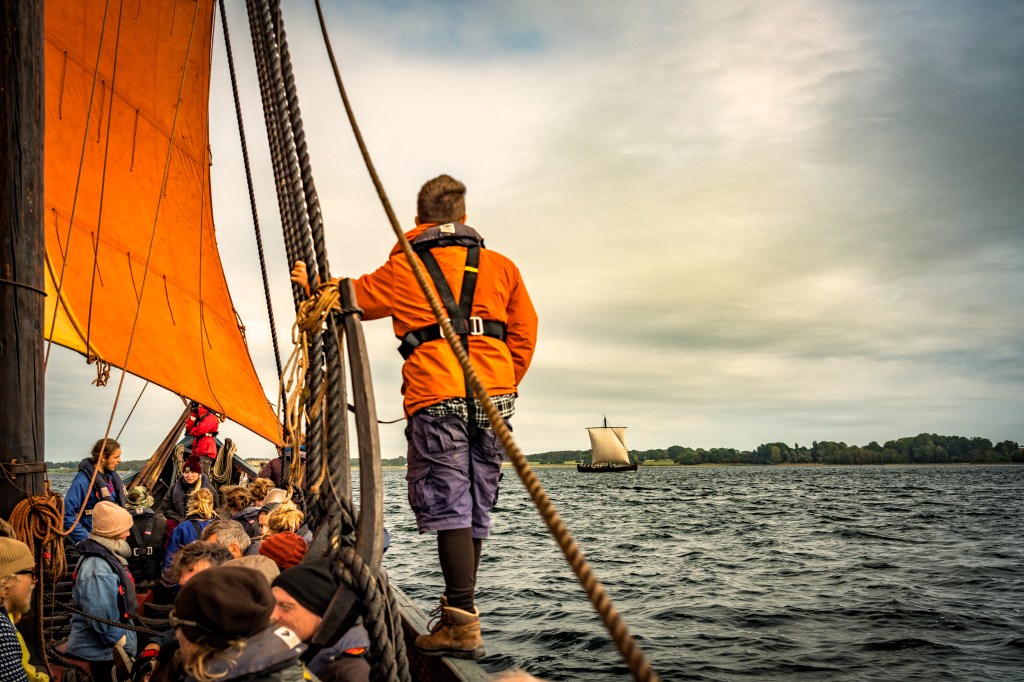
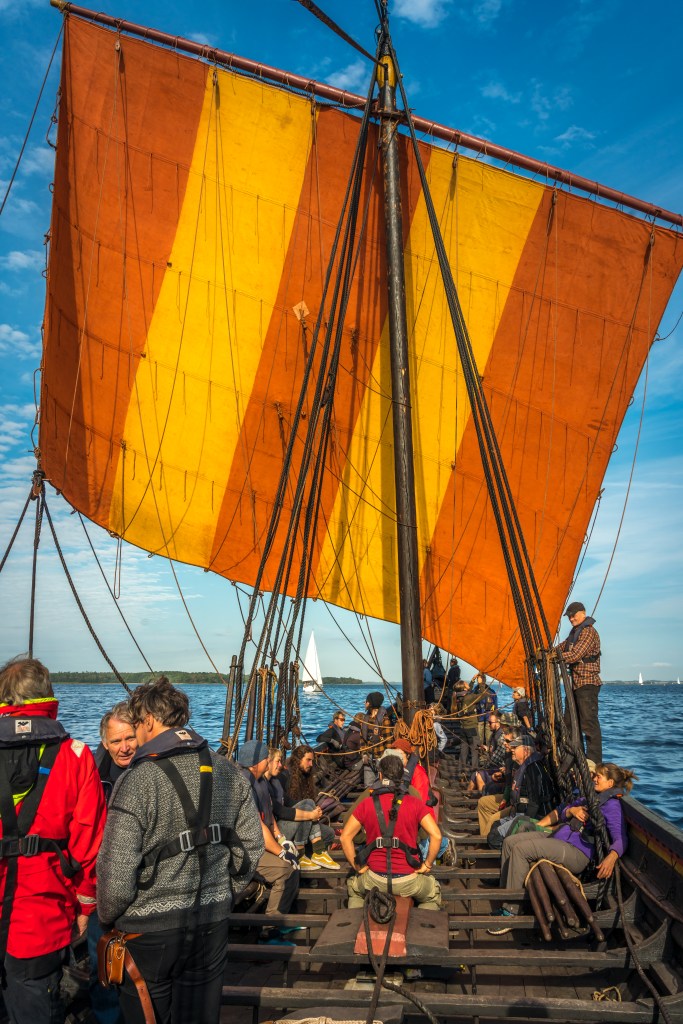
I had the privilege of spending a full day on this majestic ship on what seemed to be the last late summer day of the year. We were about 65 people onboard, most of whom were passionate sailors deeply in love with this historical gem. Sailing up and down the Fjord of Roskilde with two other viking boats in close proximity definitely set the imagination off and it was easy to be transported 1000 years back in time.

Copenhagen Zoo

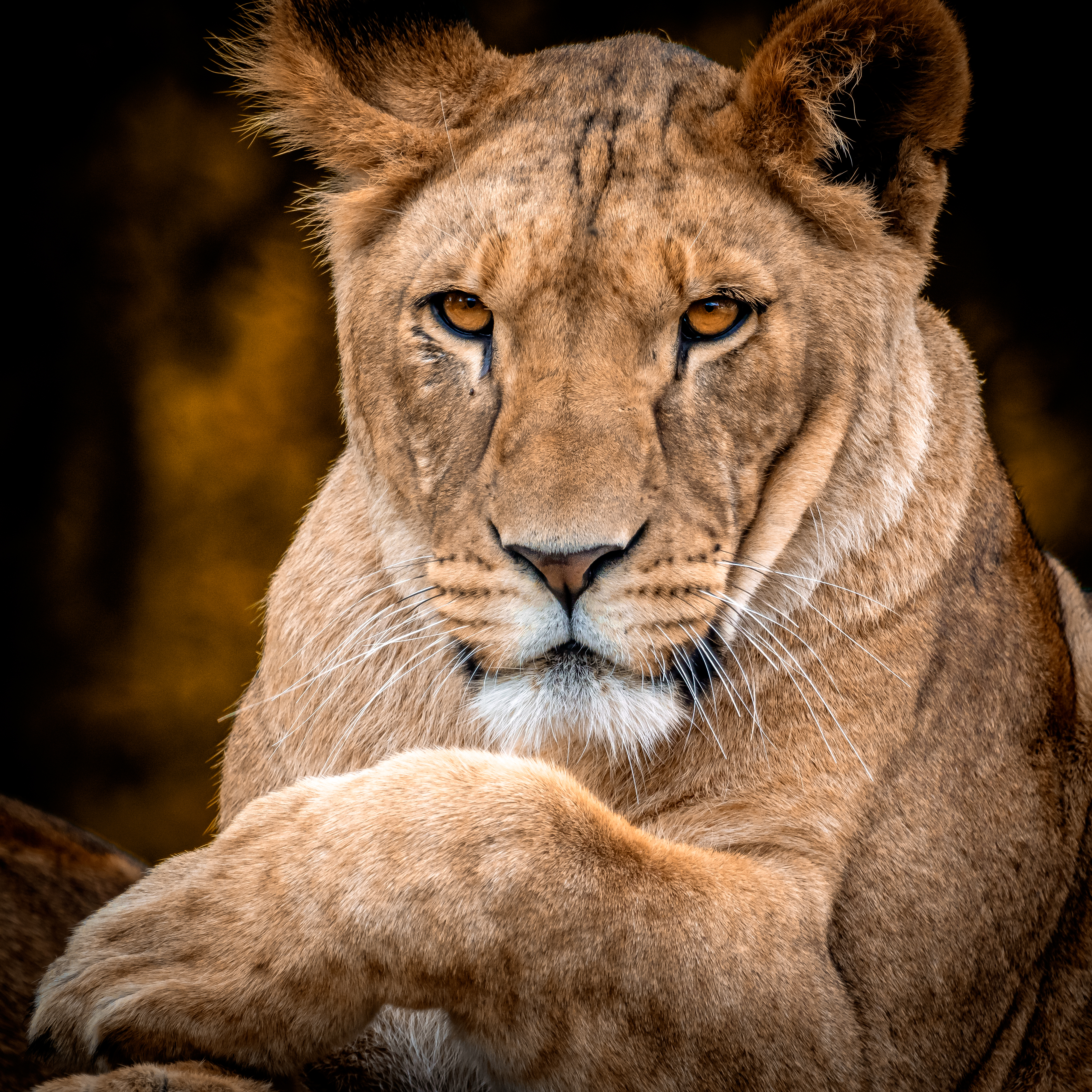
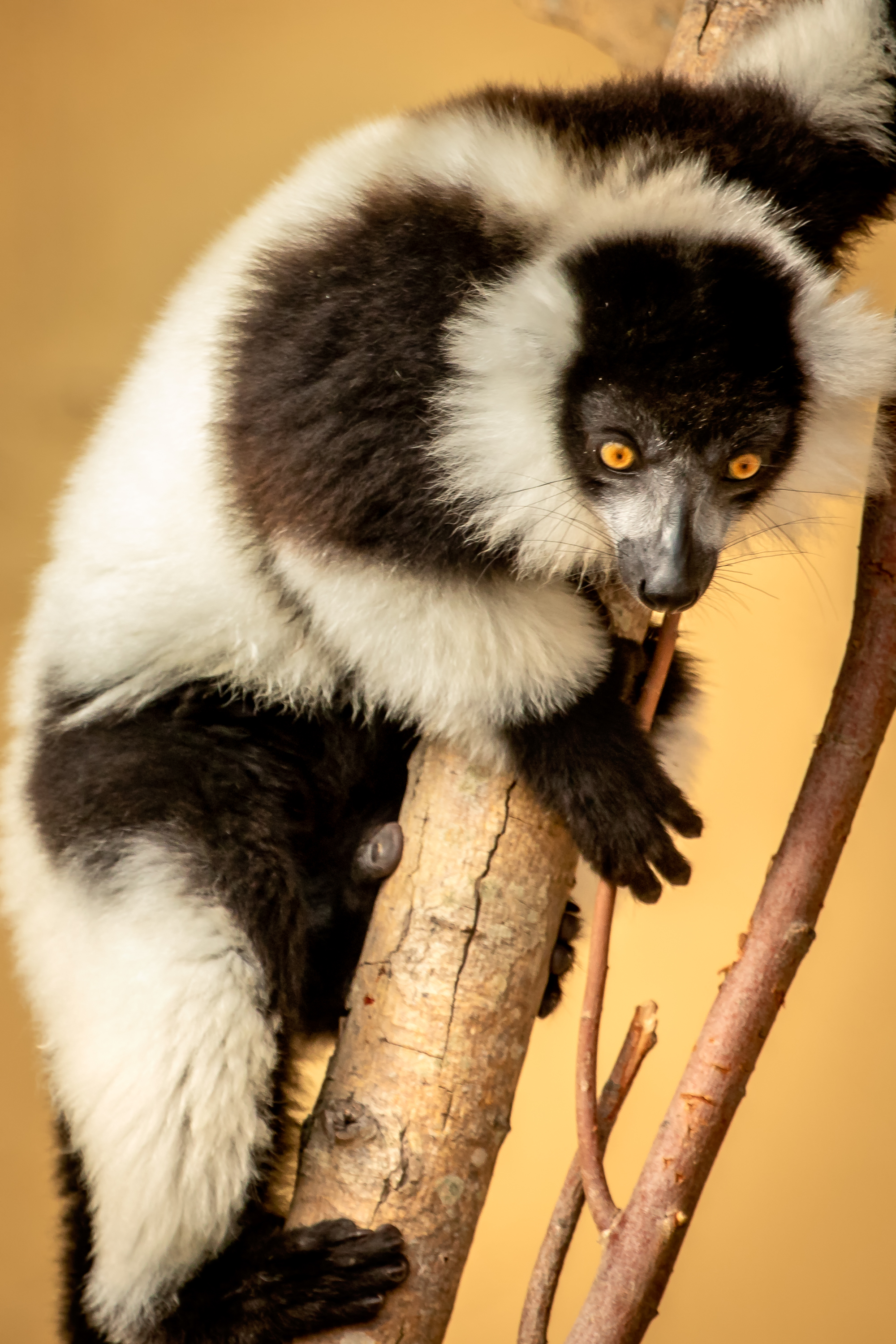
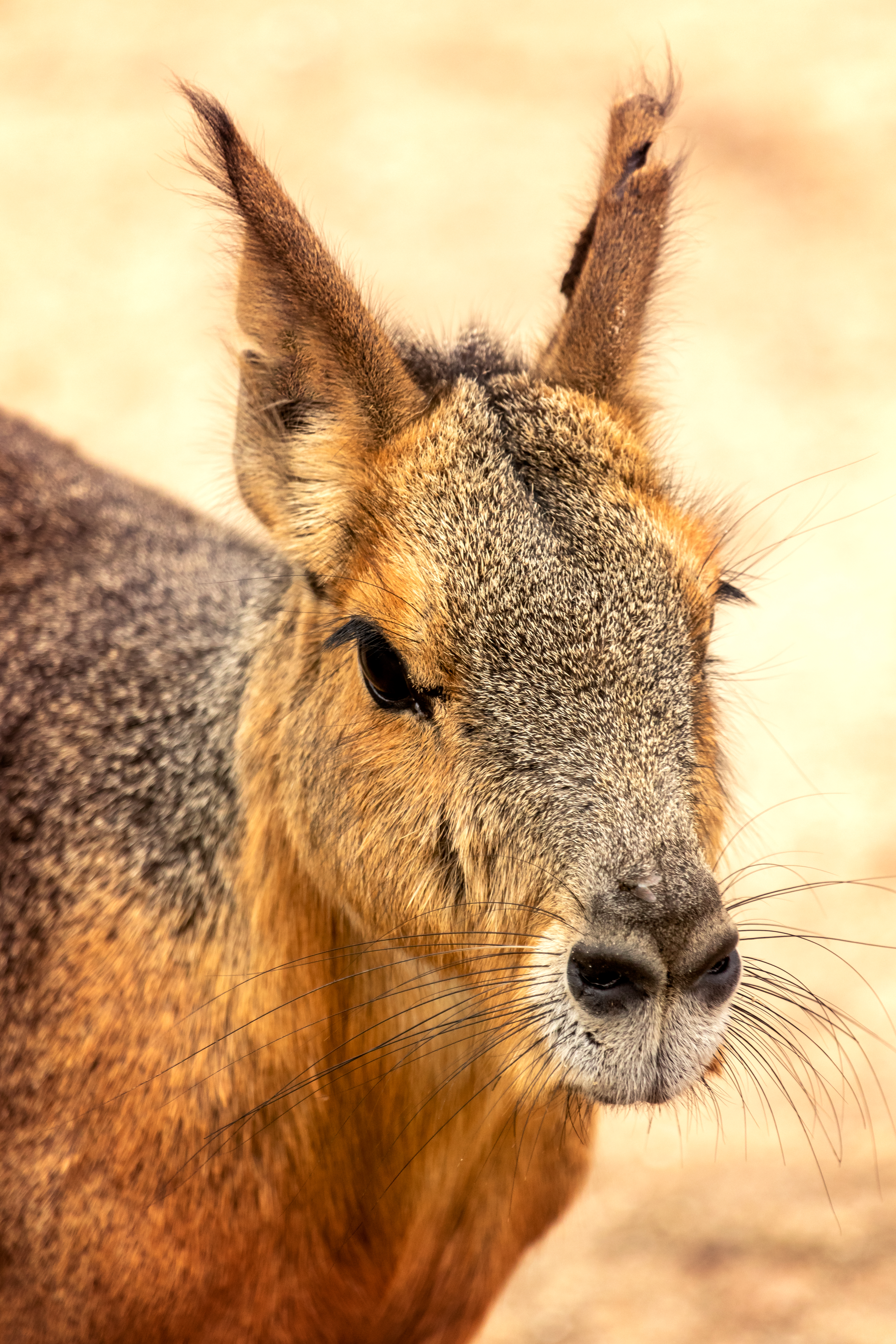
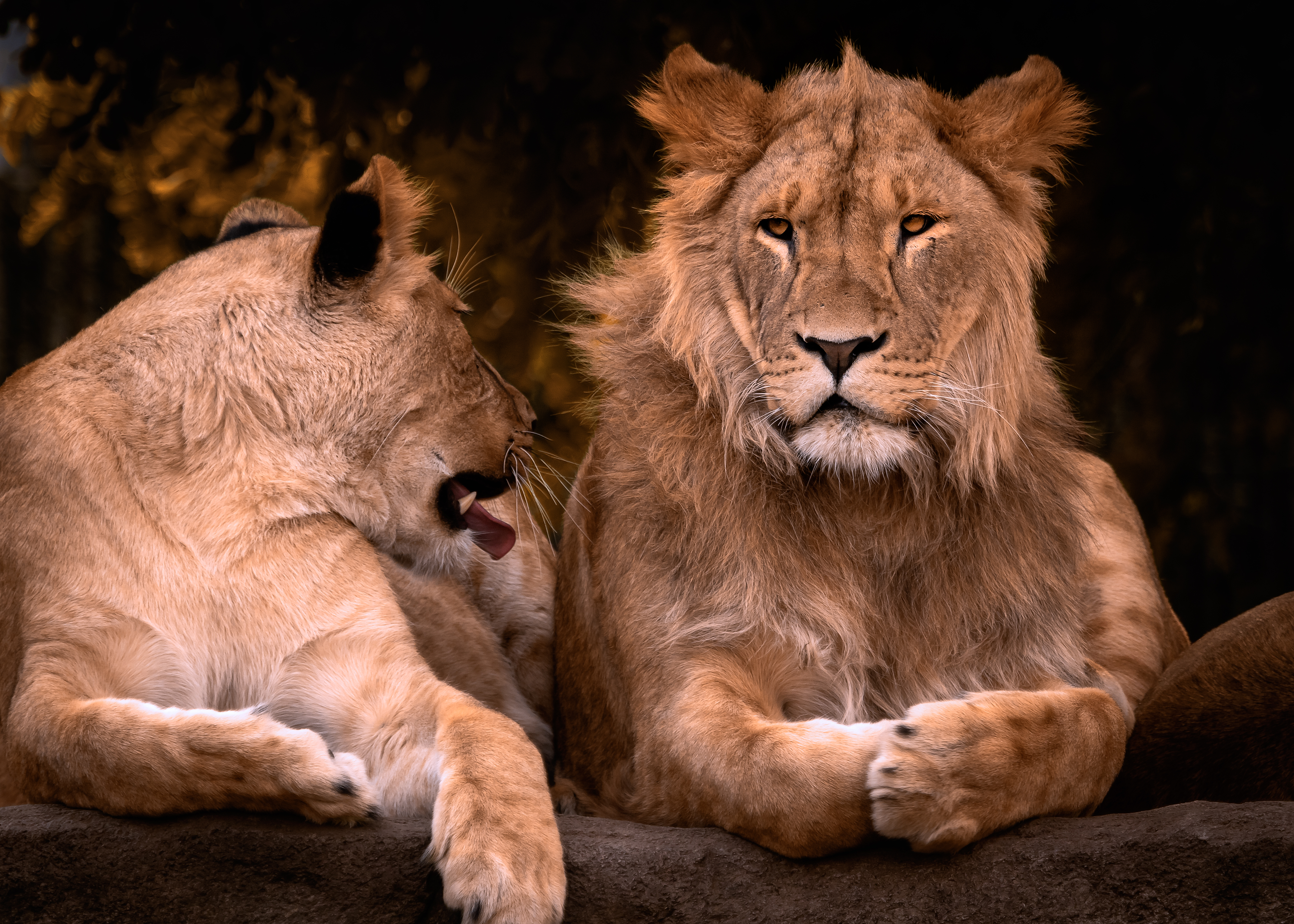
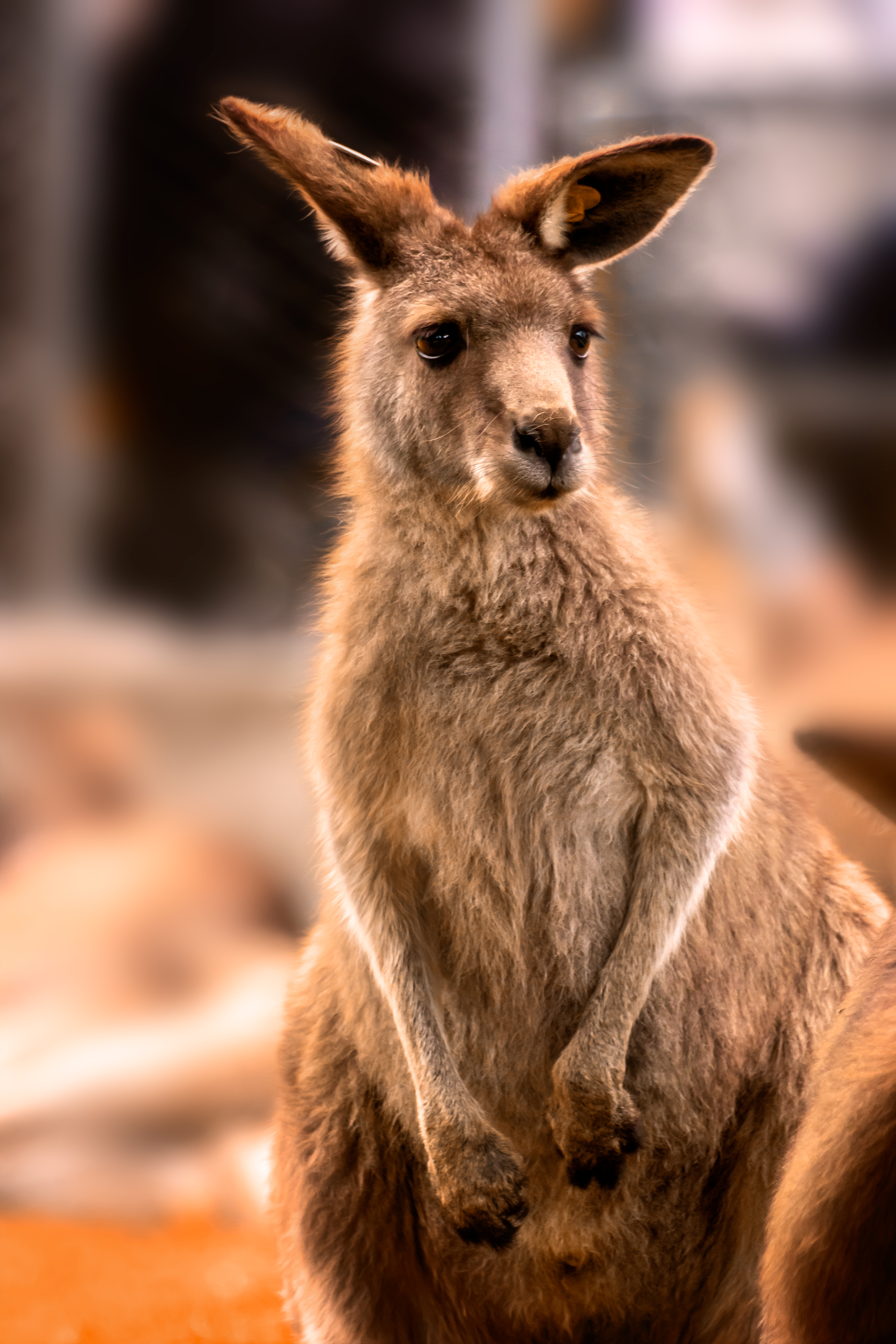
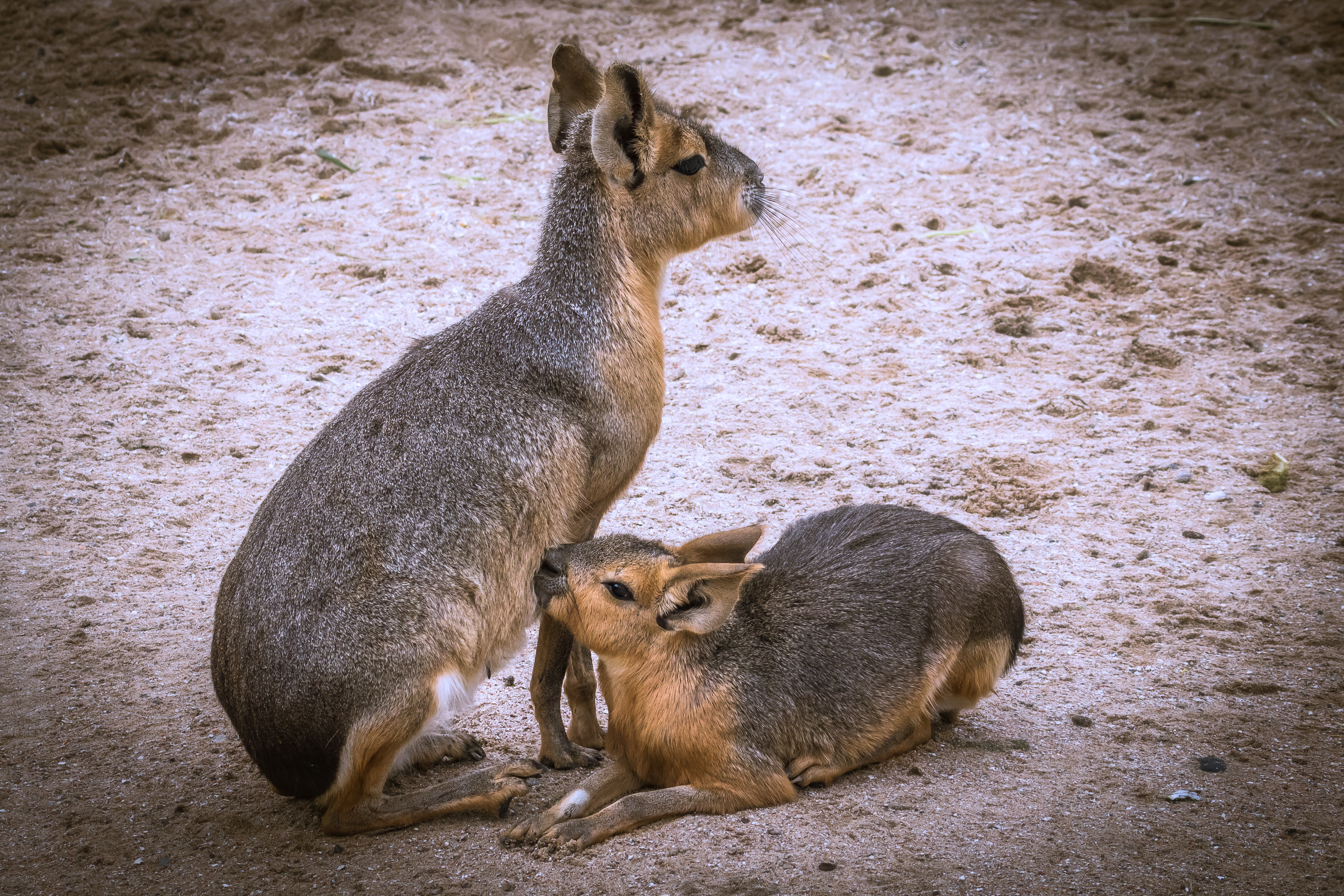
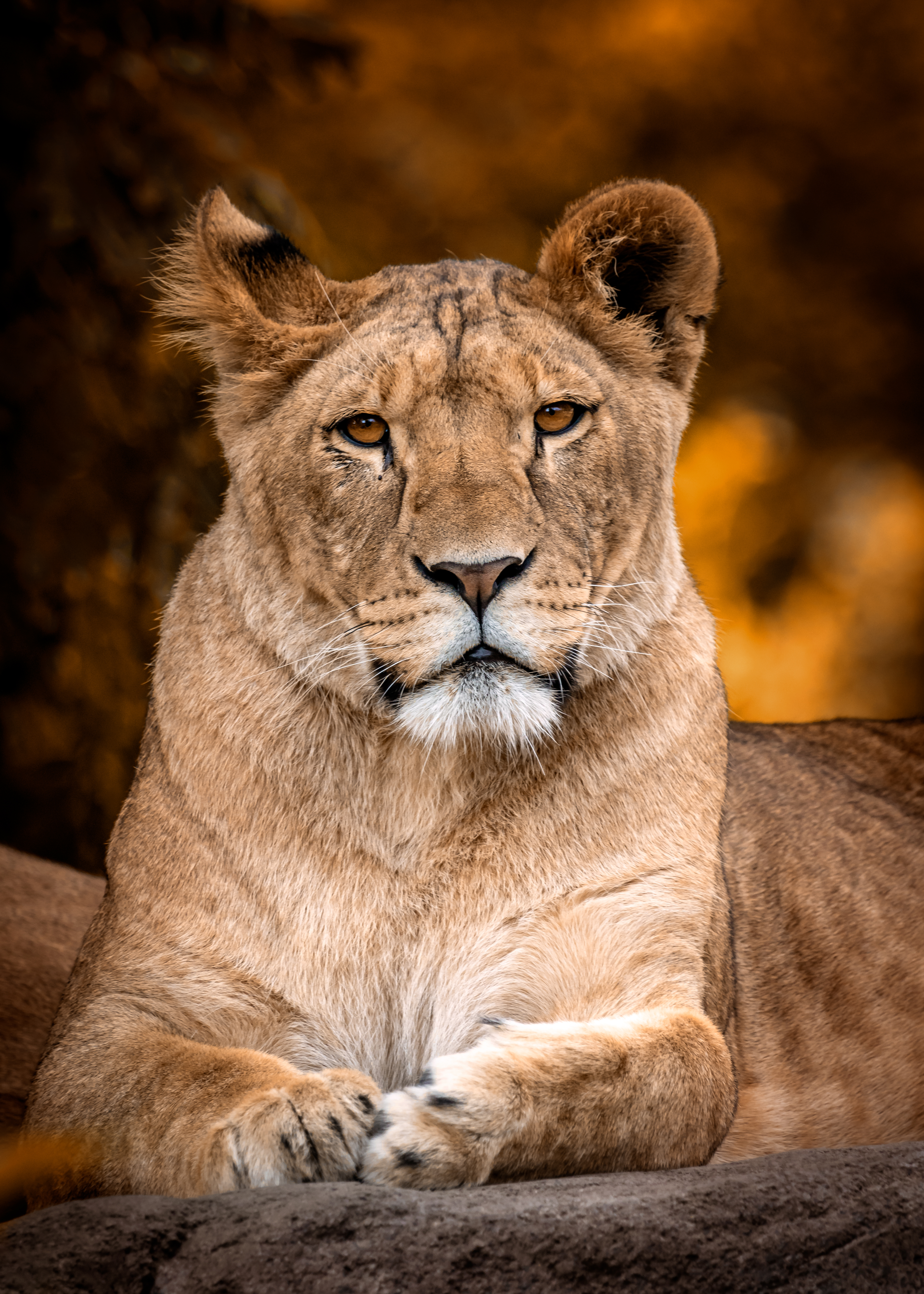
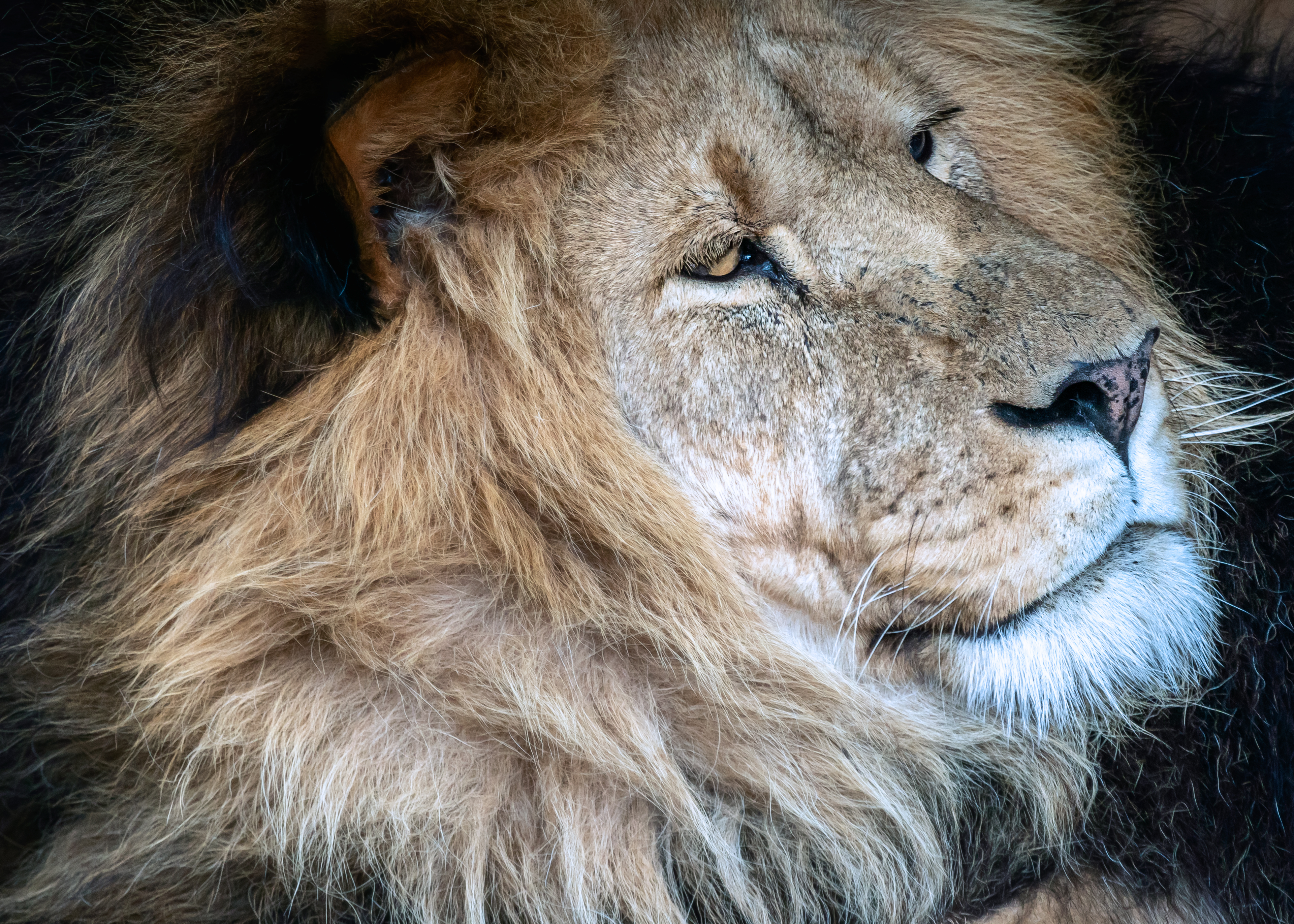
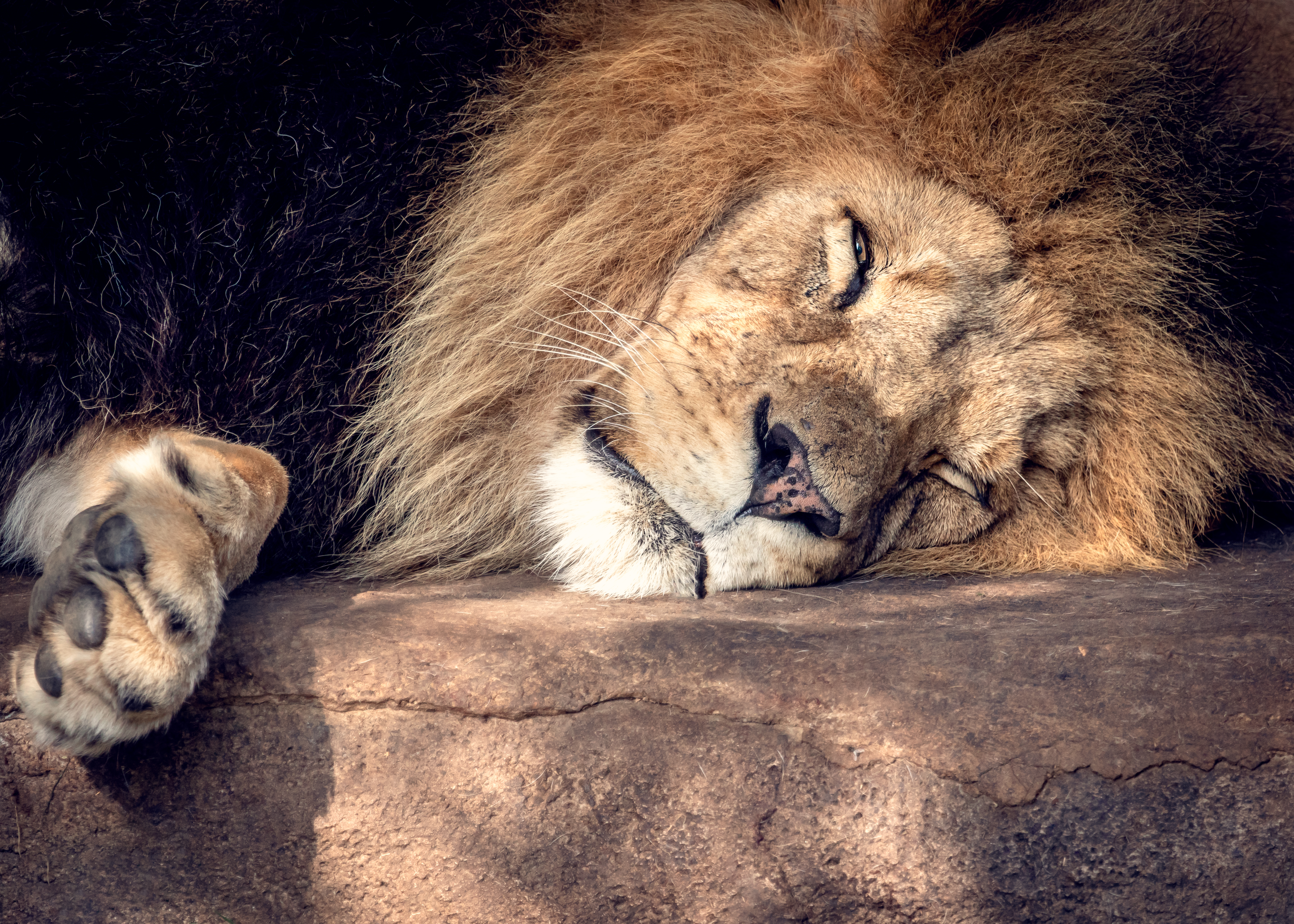
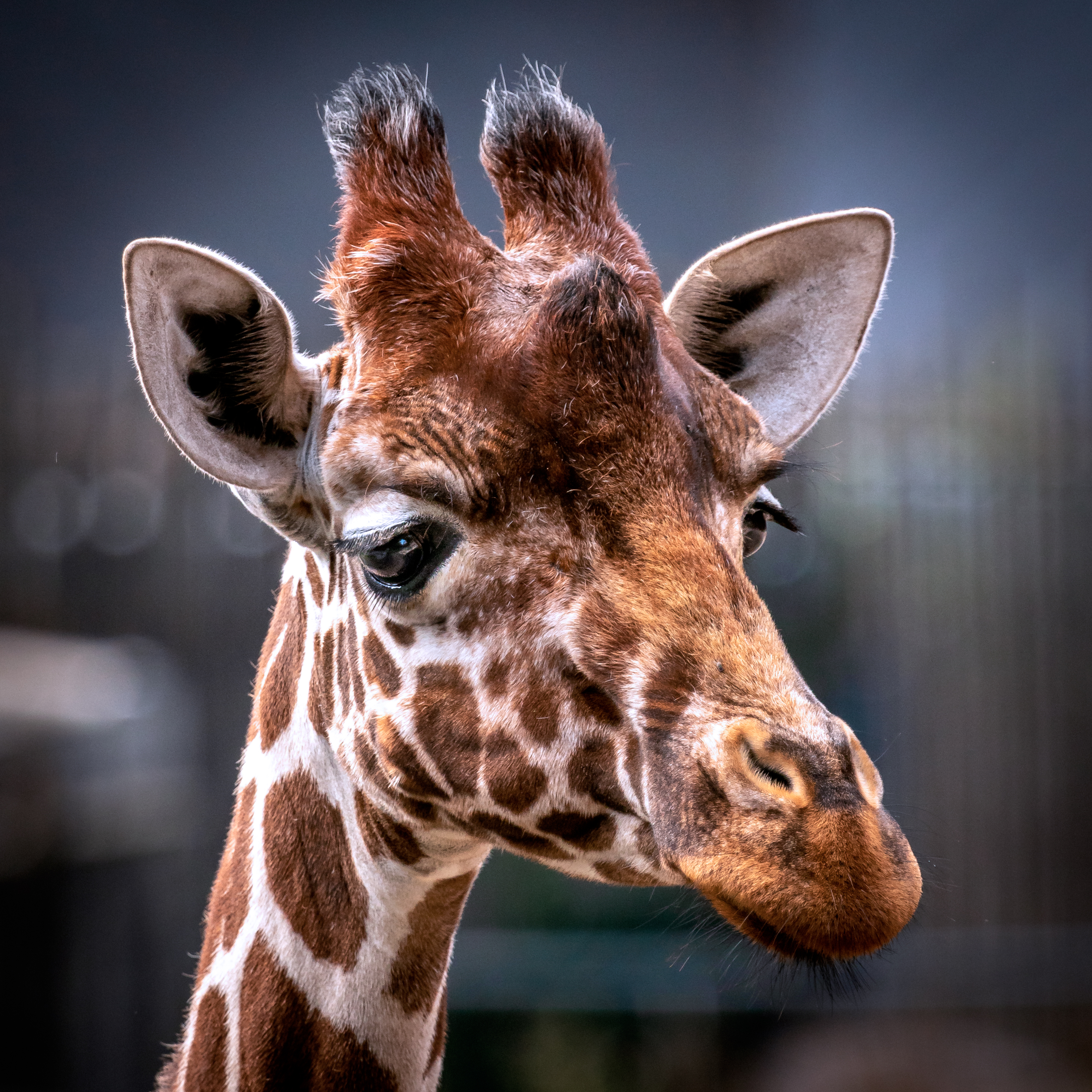
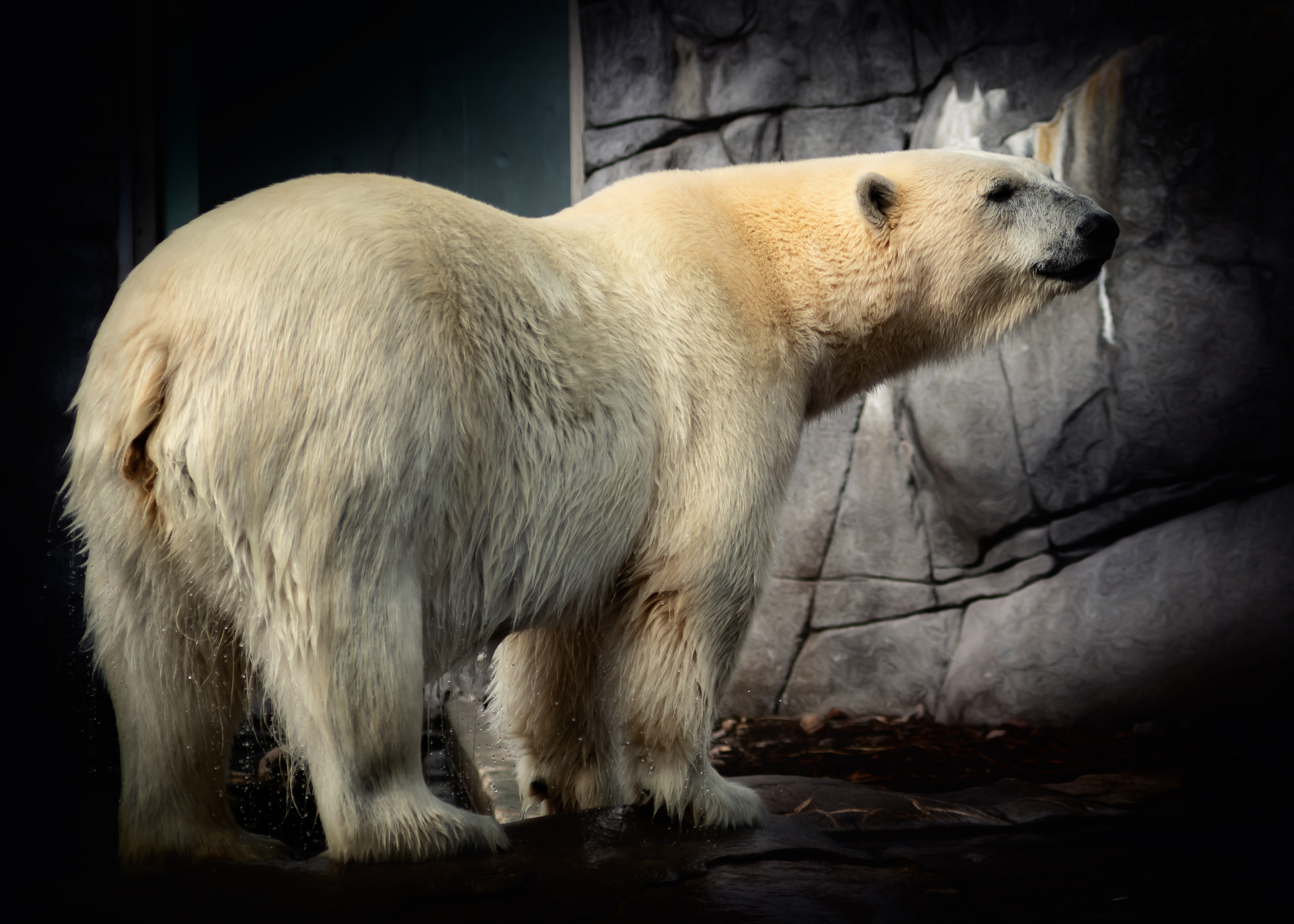
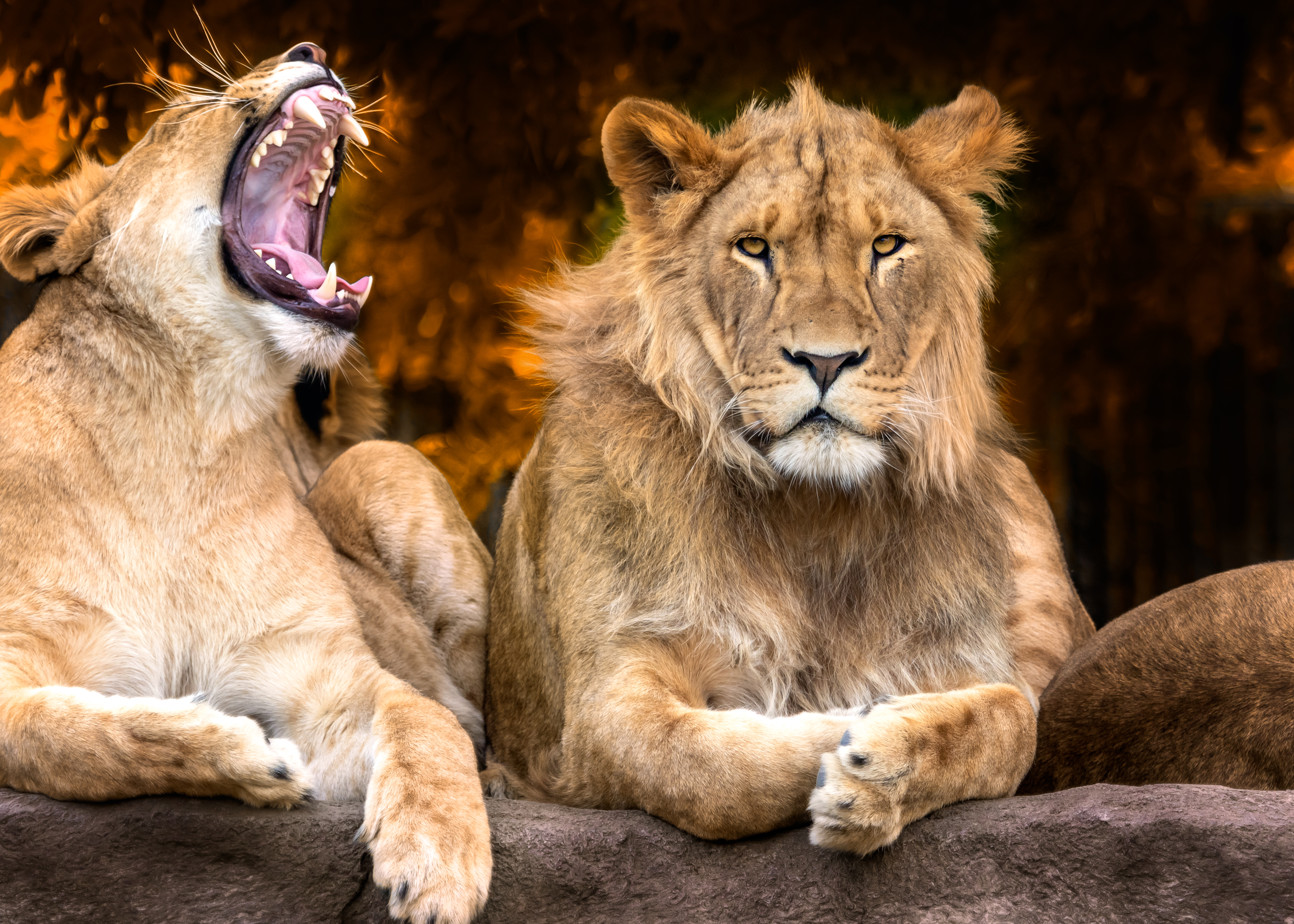
I am not a big fan of zoos, as it pains me to see animals in captivity, but once every five years or so, I do visit one, as I truly love looking at them through my zoom lens and sharing their faces and quirks.

The pictures are from the Copenhagen Zoo where life has come back after all these Covid months. I have not visited since I was around 12 years old when I had a yearly pass and would bike up that steep hill on Roskildevej several times a month. I was glad to see on Sunday that the living conditions of the animals are much better now than in the 70s!

Who could resist these faces?

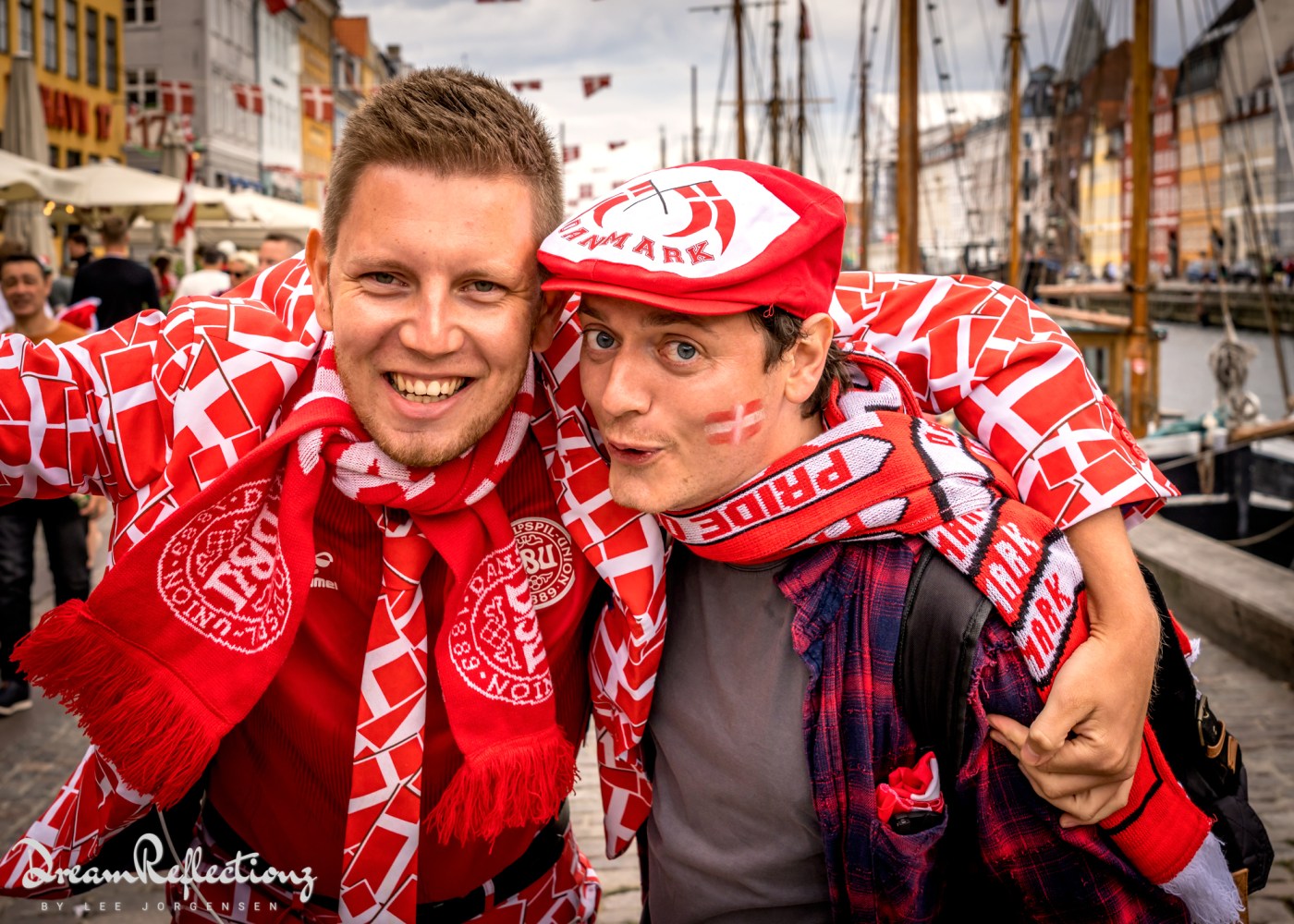
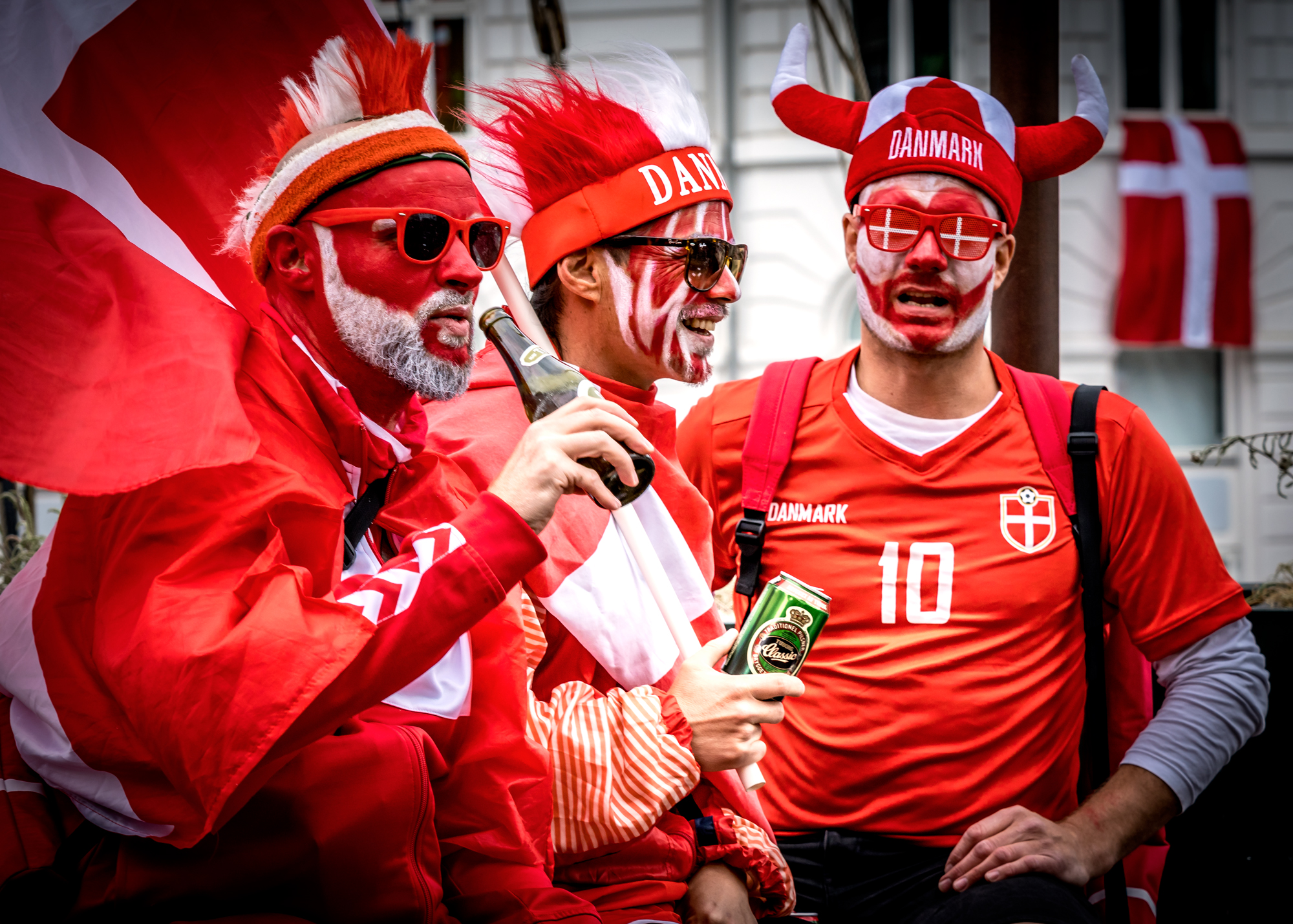
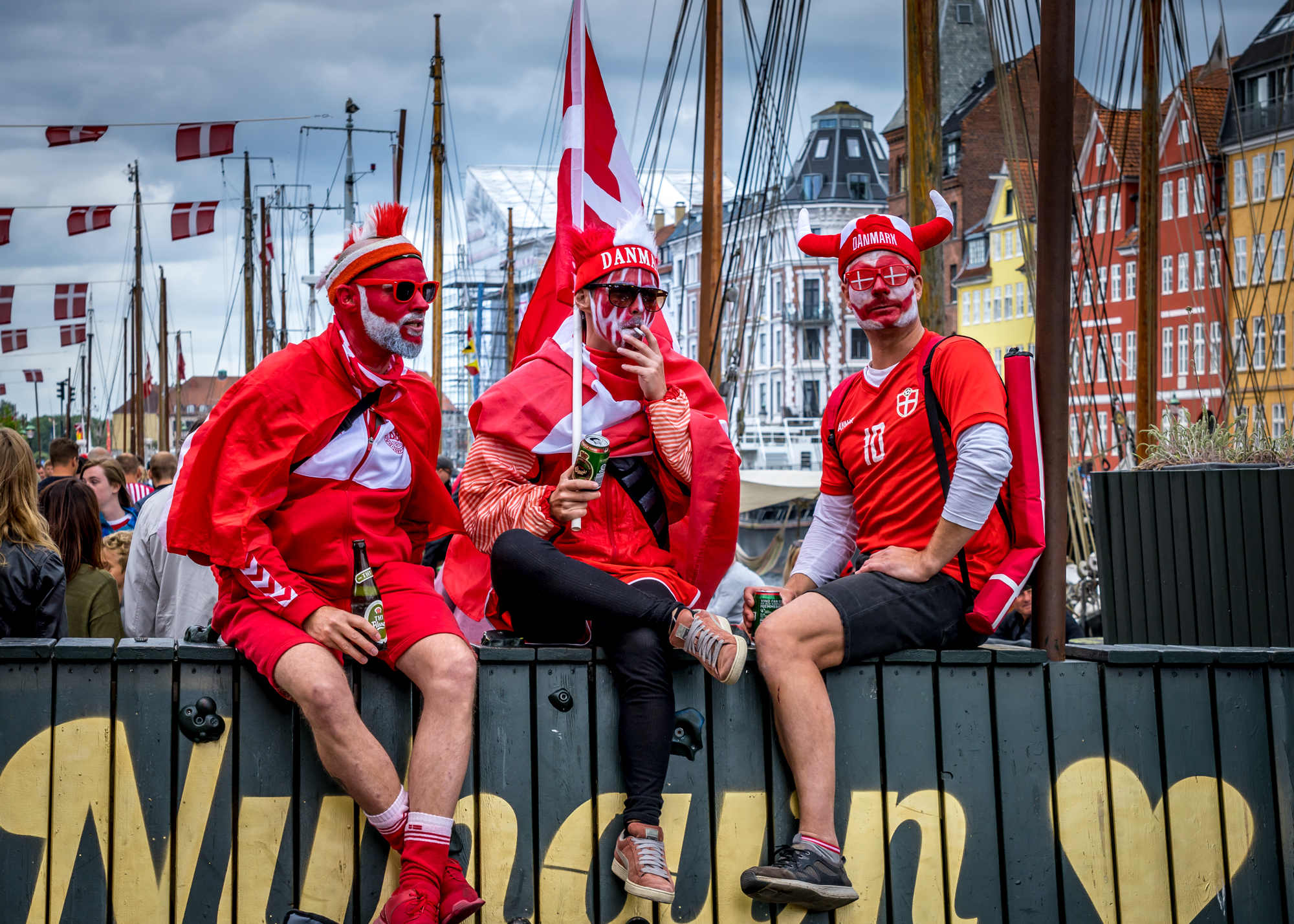
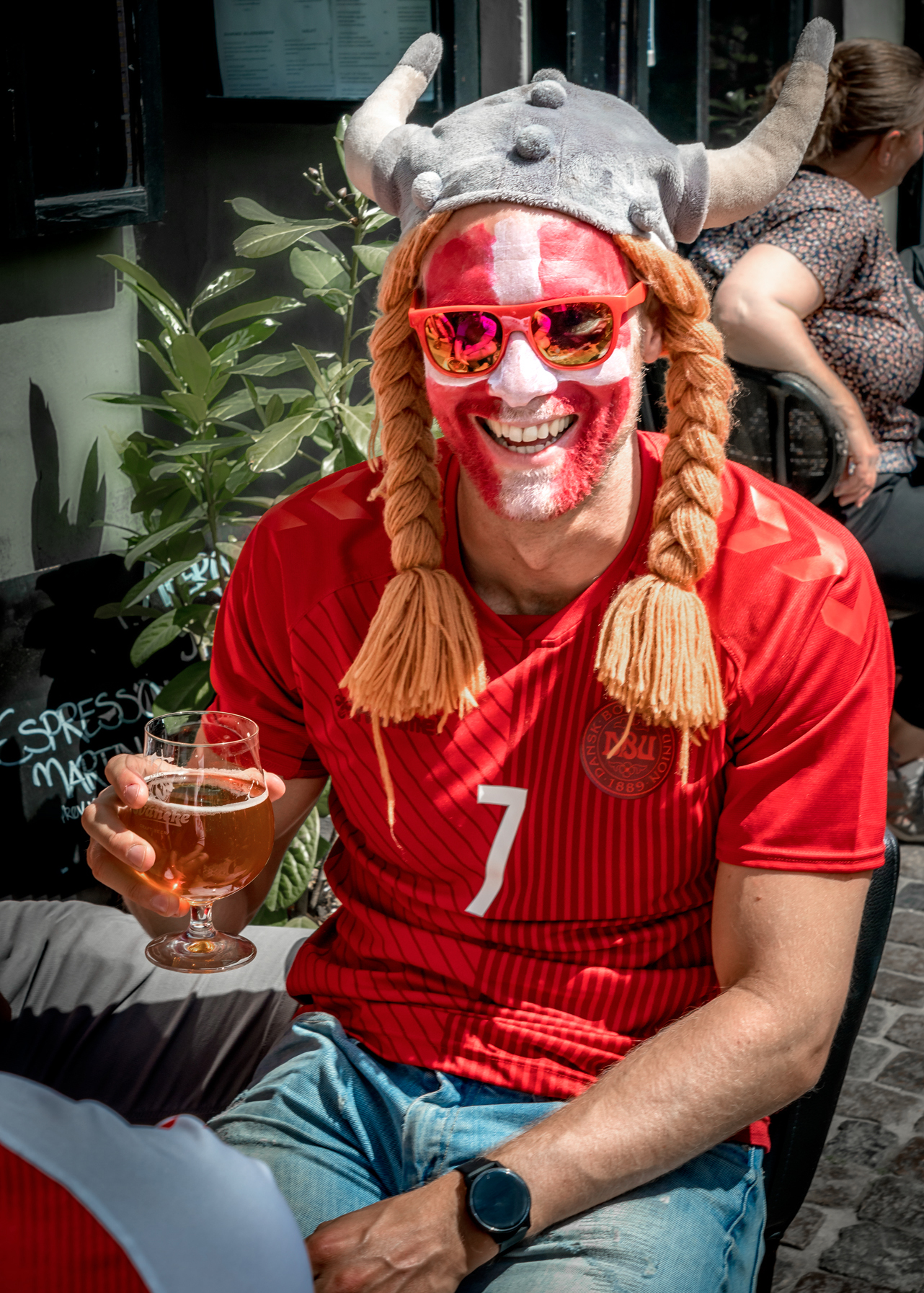
Soccer Fever!

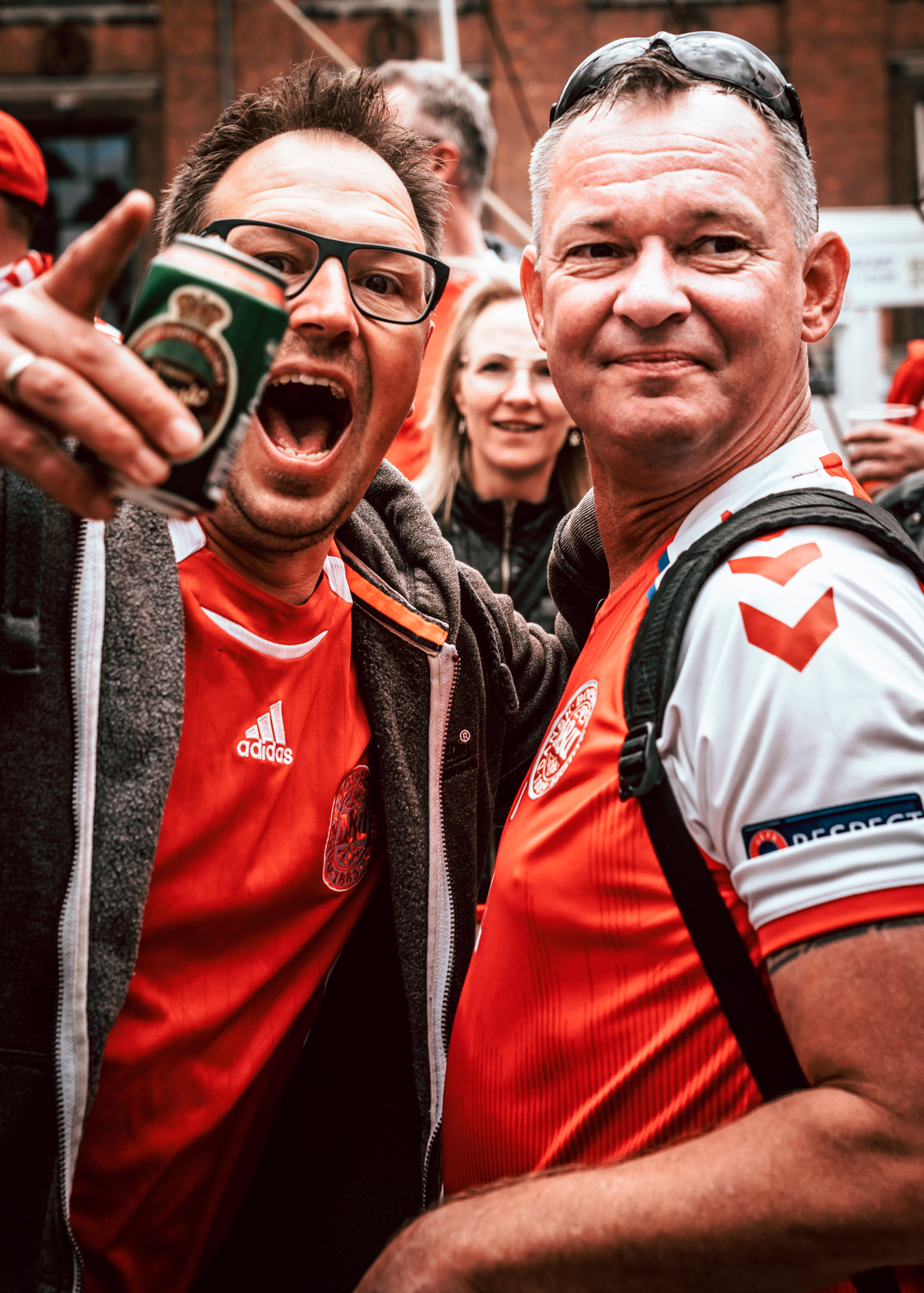
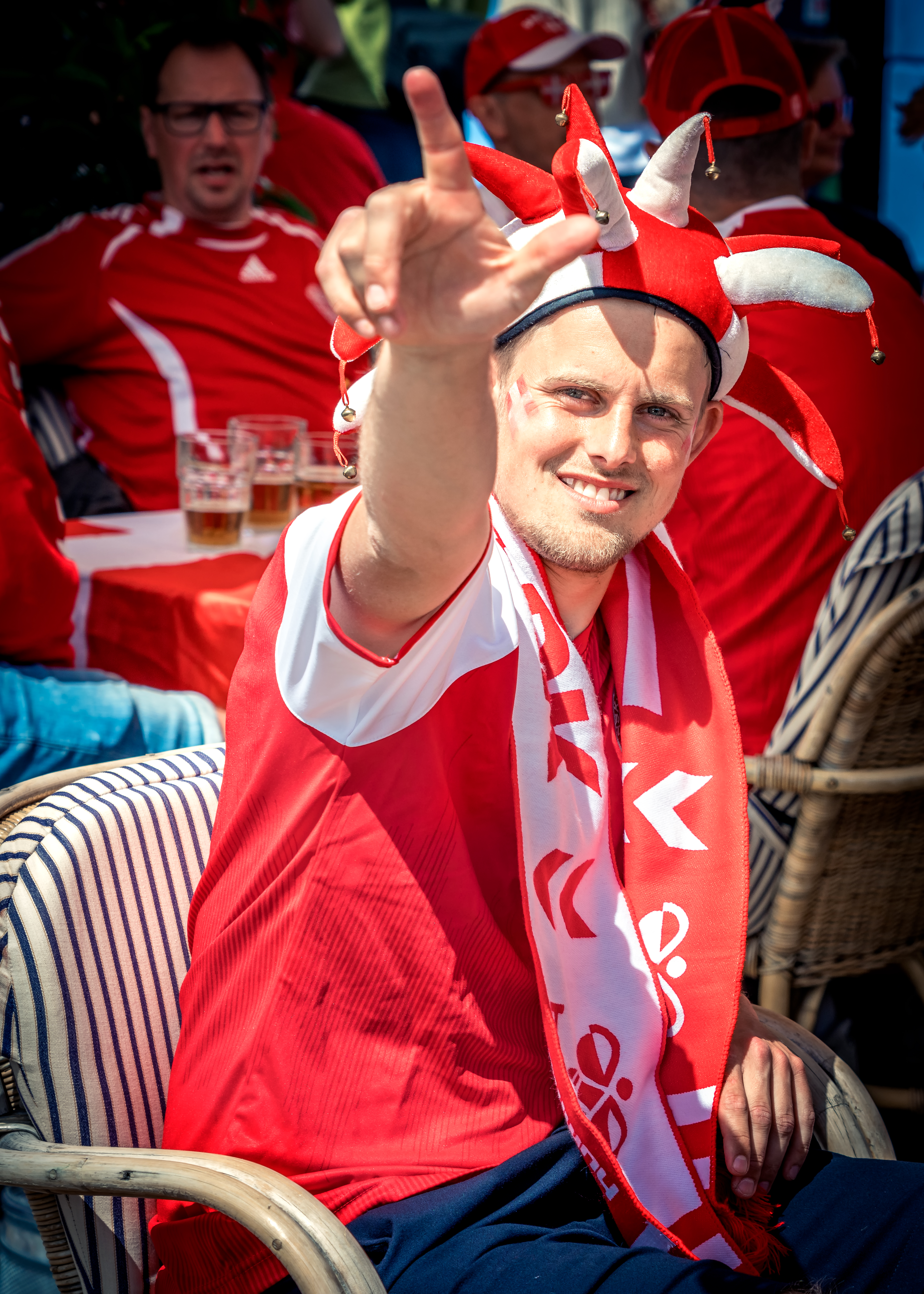
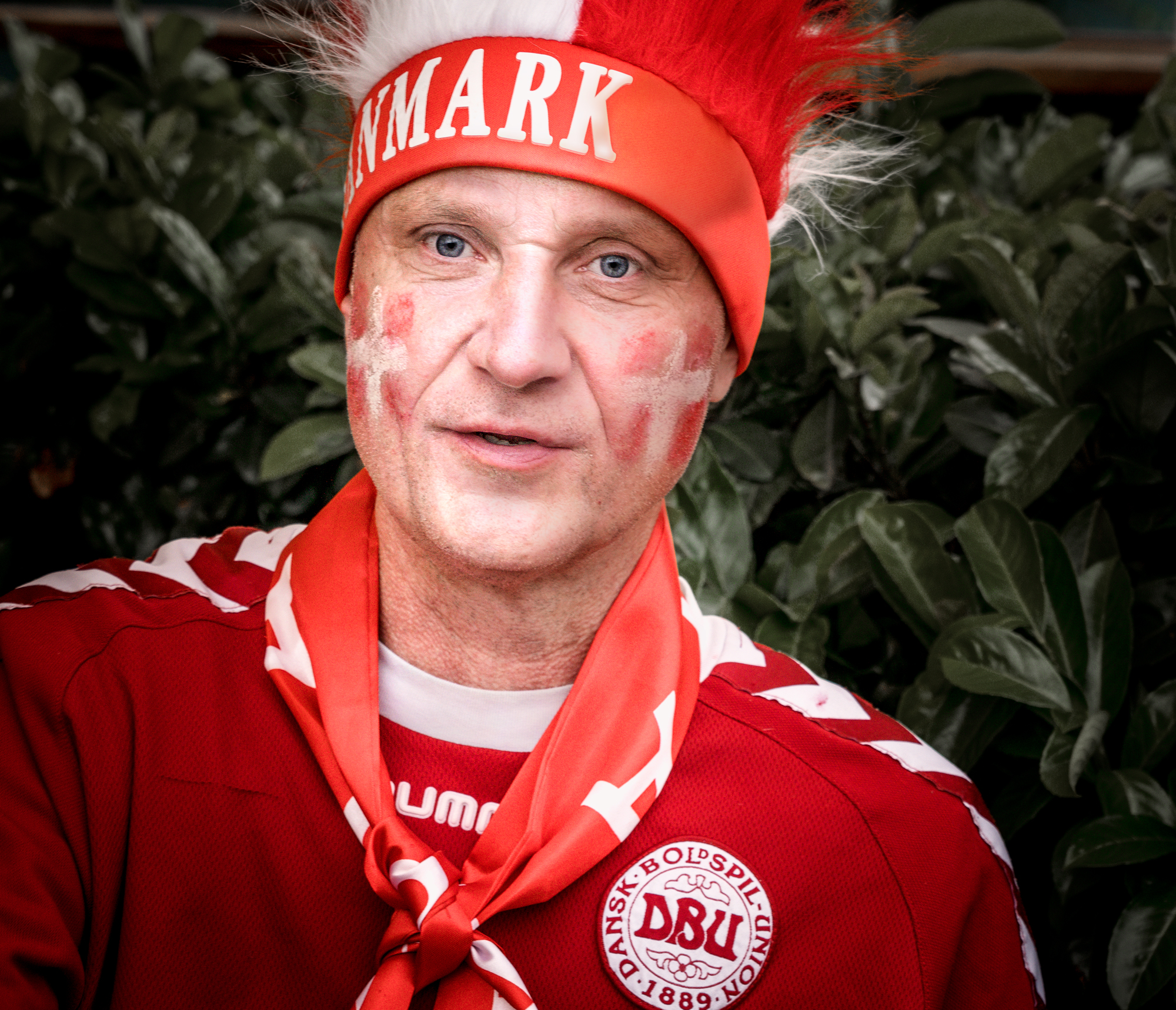
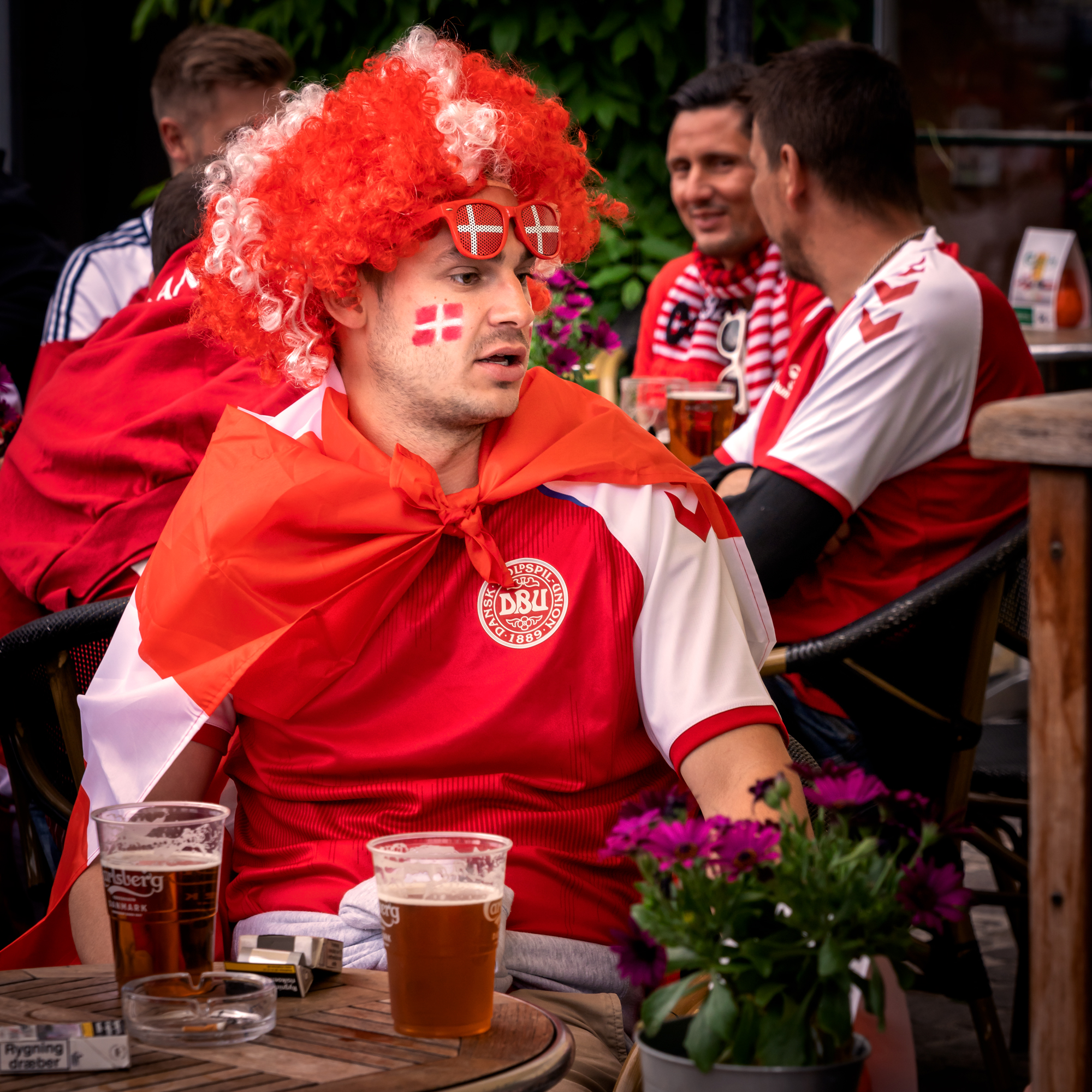
Copenhagen was on fire the day of the European Soccer Championship!

I will have to admit that I have never been the slightest interested in soccer! The only time I sat through a game was at the age of 8 when I tried to bond with my grumpy old grandfather! However, after over a year of lockdown and/or restrictions, the ambiance in Copenhagen on Saturday was electric! Thousand of people out in the streets dressed in red and white, flags and Viking helmets signing and drinking and enjoying the beautiful day. This was probably the most life-affirming day I have had since March 2020!

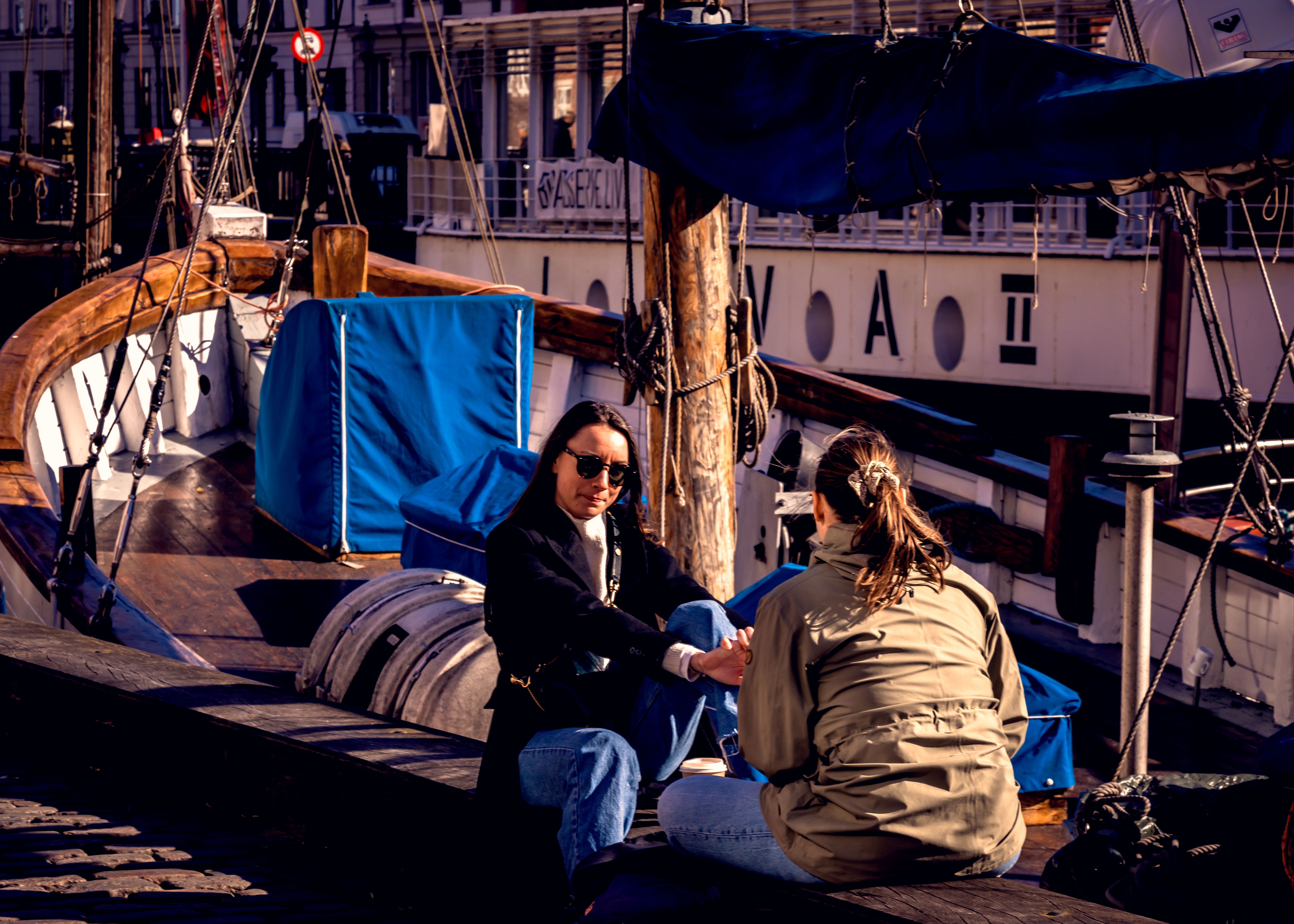
Unfortunately, the main player had a heart attack on the field that was fatal, but they quickly managed to revive him and it was decided that the game should continue in that spirit. Unfortunately, the bet did not pay off which was rather disappointing after all those emotions that rippled through the country and Finland won 1-0. Please enjoy this little vignette into true joy! These were all taken in Nyhavn, the former seedy sailor part of town and now a fashionable restaurant area with millions of tourists every year (except 2020 and 2021 so far!).

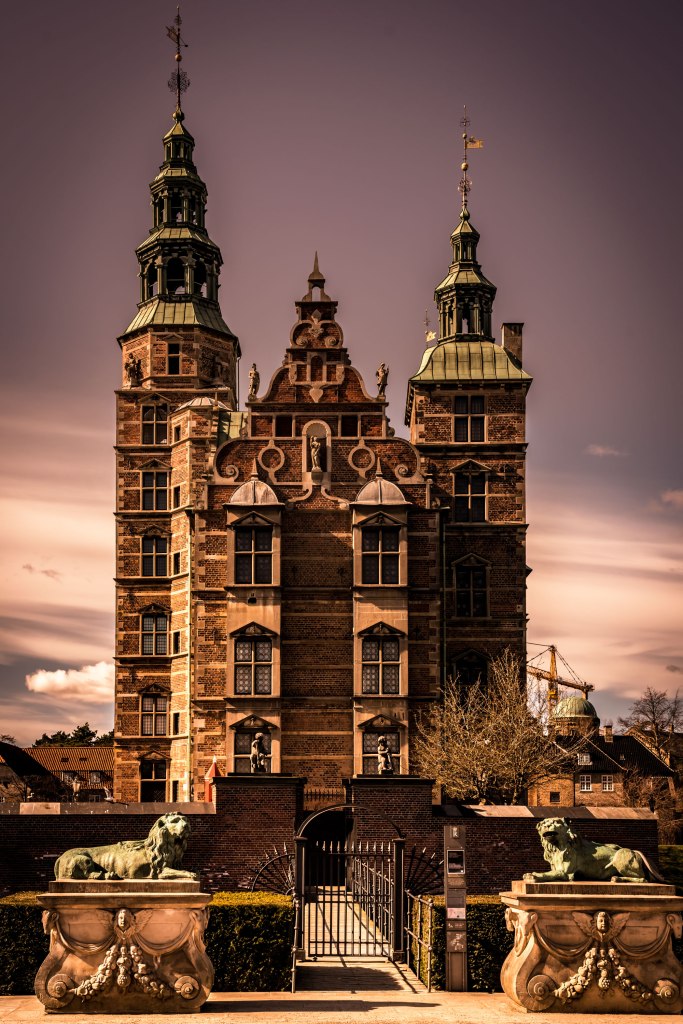
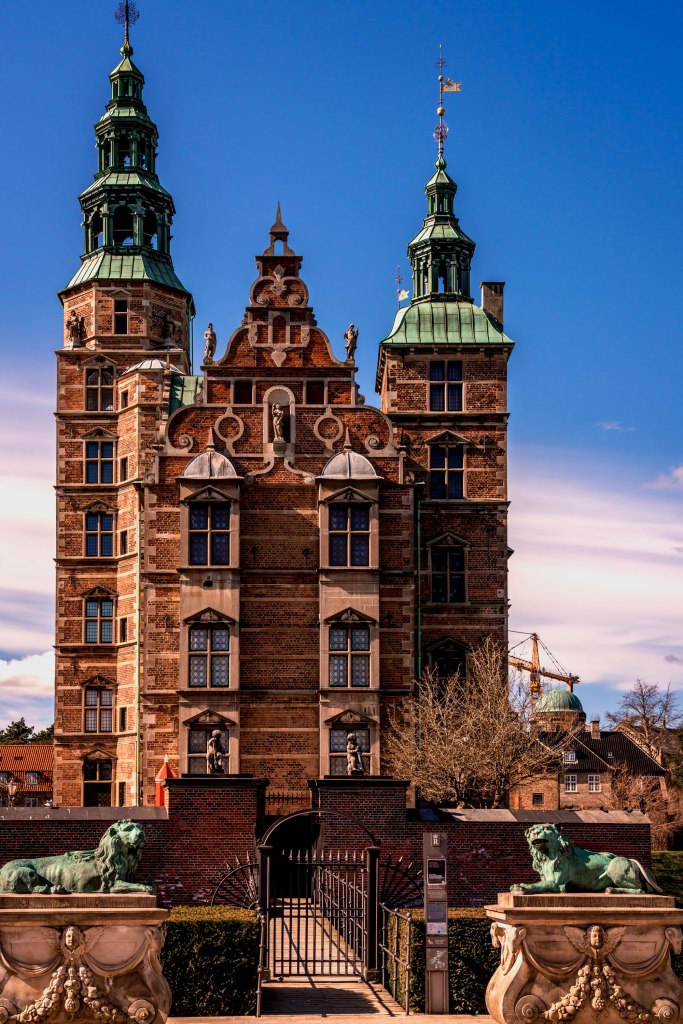
Rosenborg Castle

An adorable gem in the middle of Copenhagen!

Christian IV, responsible for most of Copenhagen’s older architecture, was deeply influenced by the Dutch Renaissance style. Rosenborg, finished in 1615, was his summer residence. Today, it houses the Danish Kings’ Chronological Collection which includes the Crown Jewels.

Rosenborg was opened to the public in 1838 and the large park is often full of sun worshippers, joggers and family picnics.

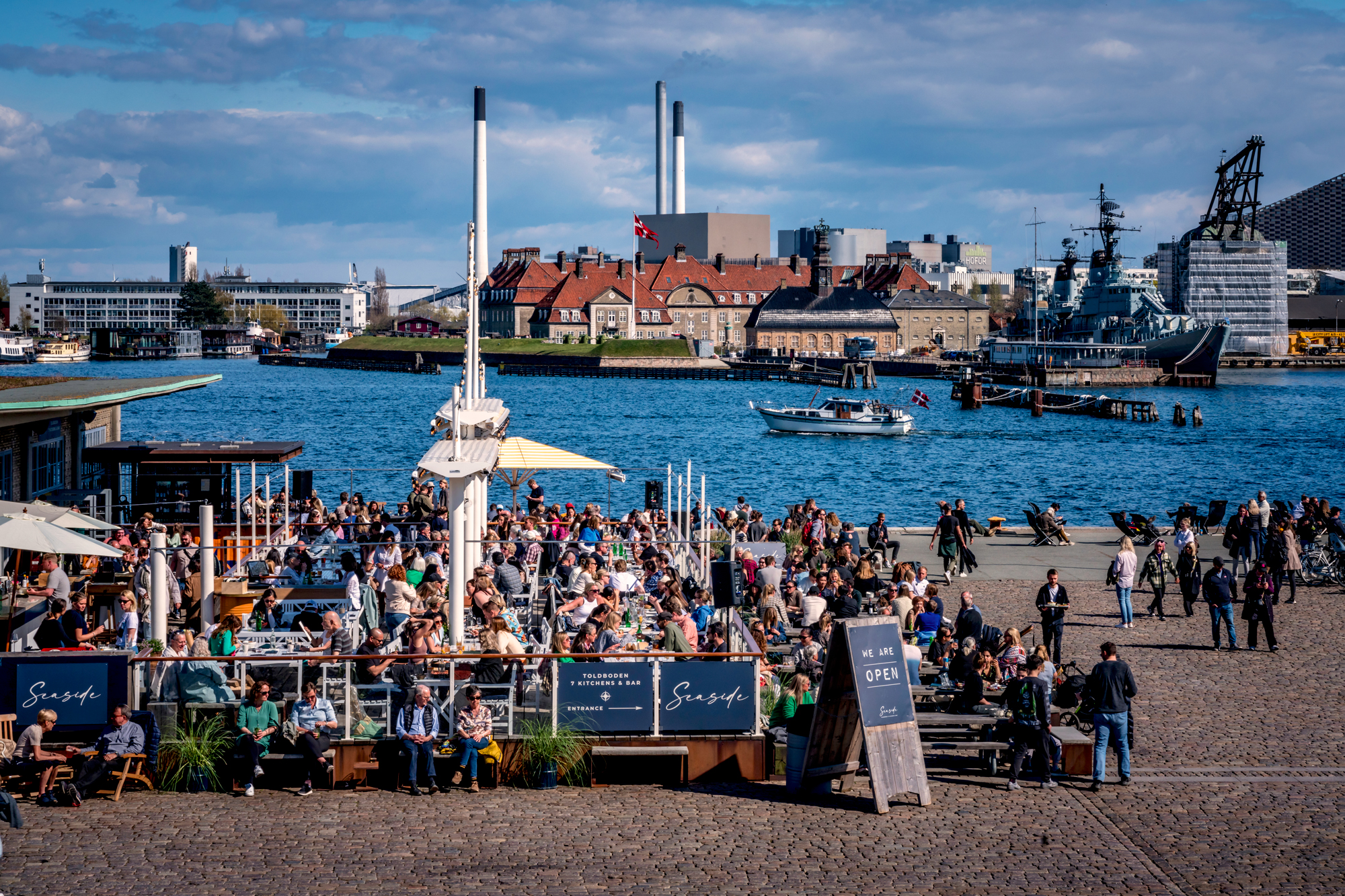
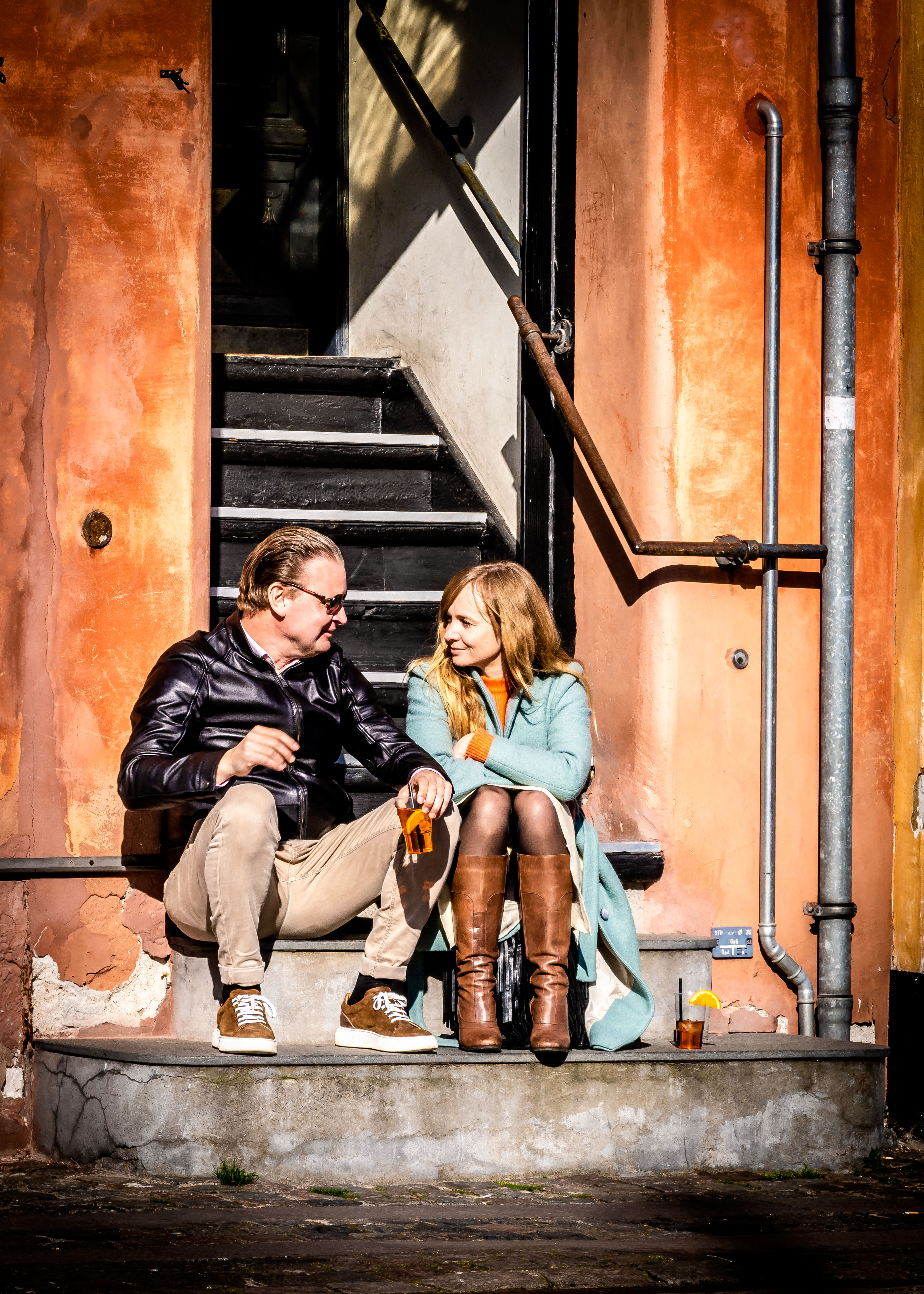
Saturday was the first day that felt like spring after a long and depressing Covid winter. Although shopping is still limited, the streets were filled with people and every square hosted myriads of people just sitting outside watching life, drinking wine or beer or enjoying family time. Hopefully, in a month or two, we will all be able to dine outside and feel the warmth of Scandinavian summer.

Spring joy!

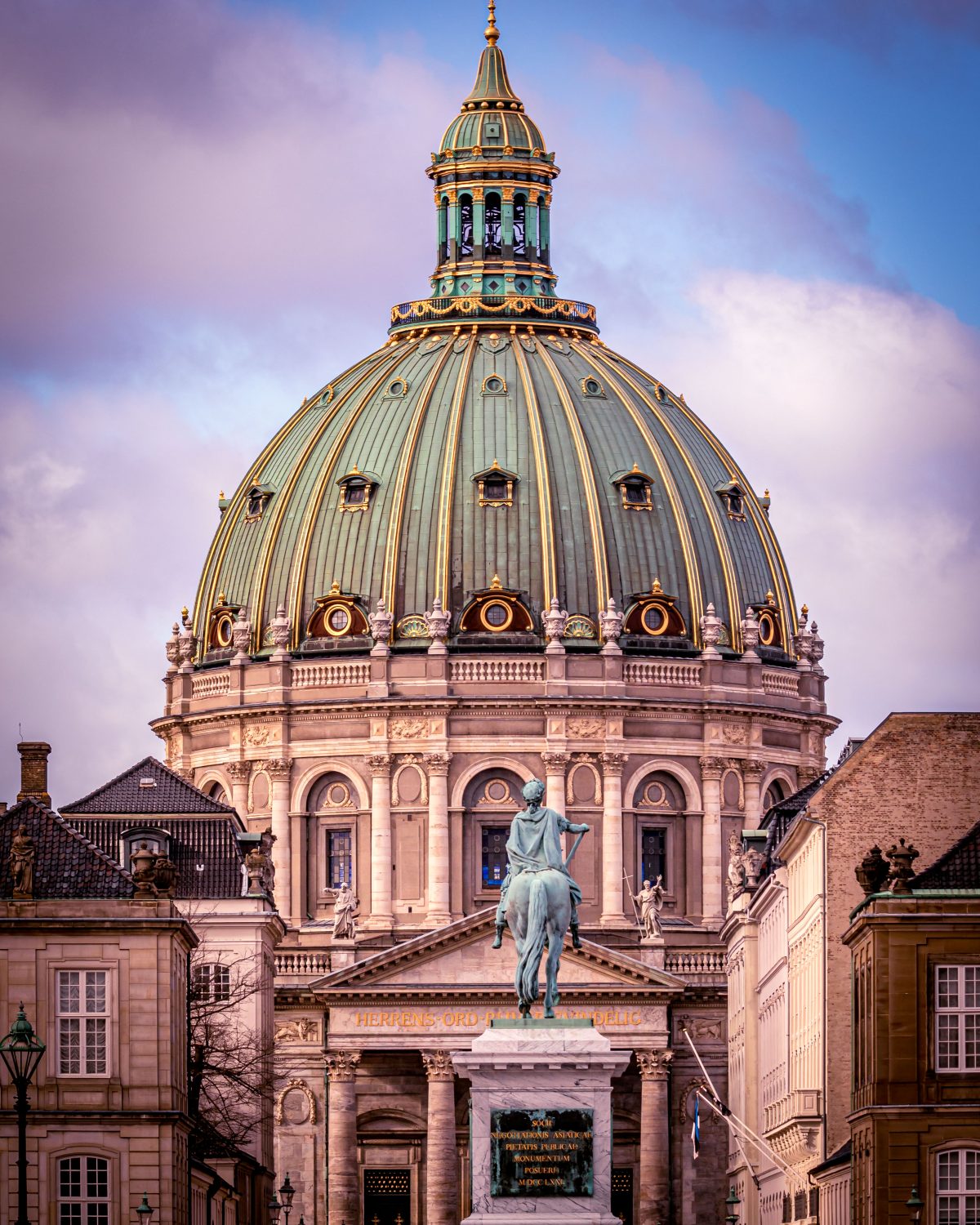
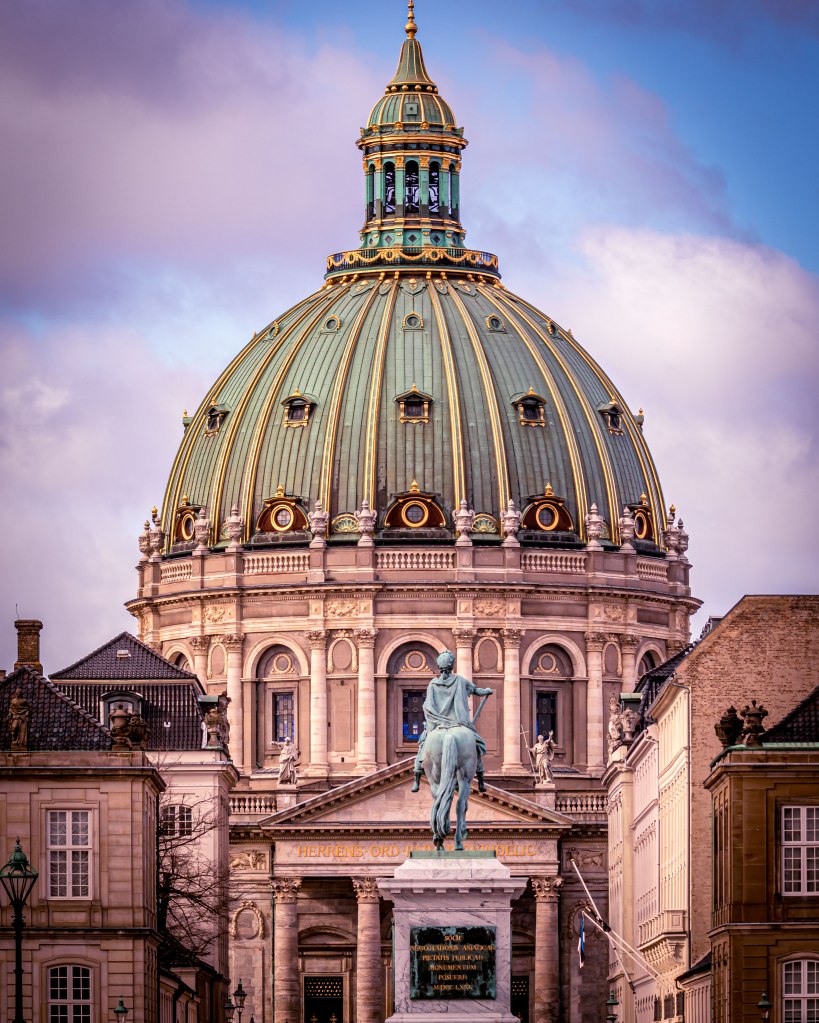
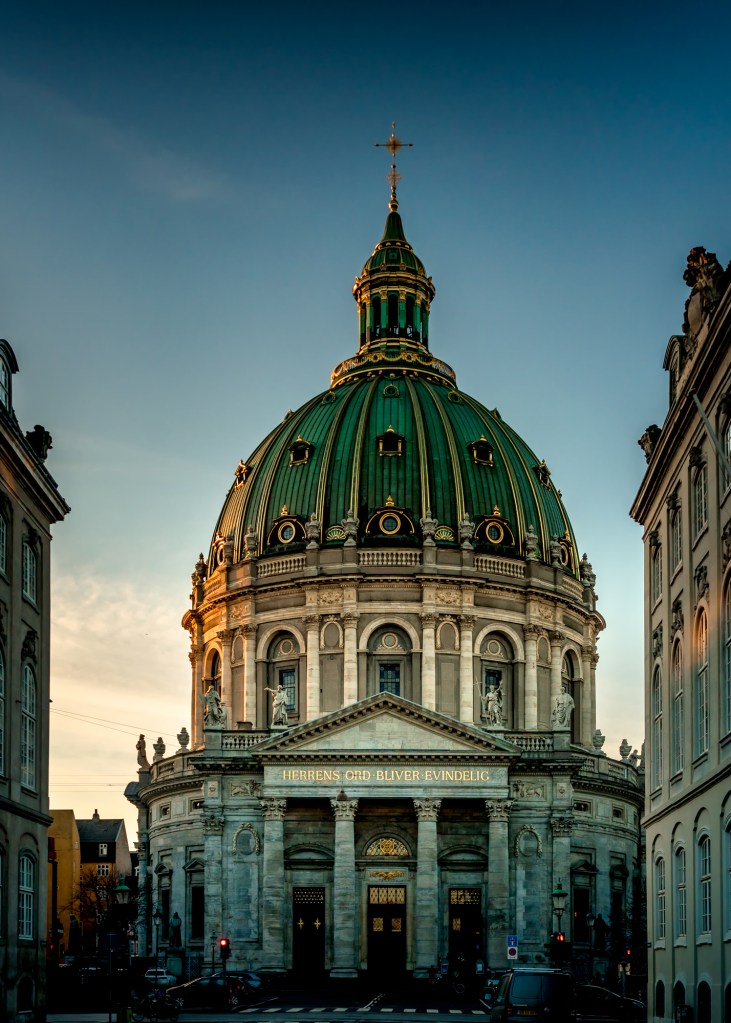
Marmorkirken & Amalienborg

The Marble Church and the Royal Palace

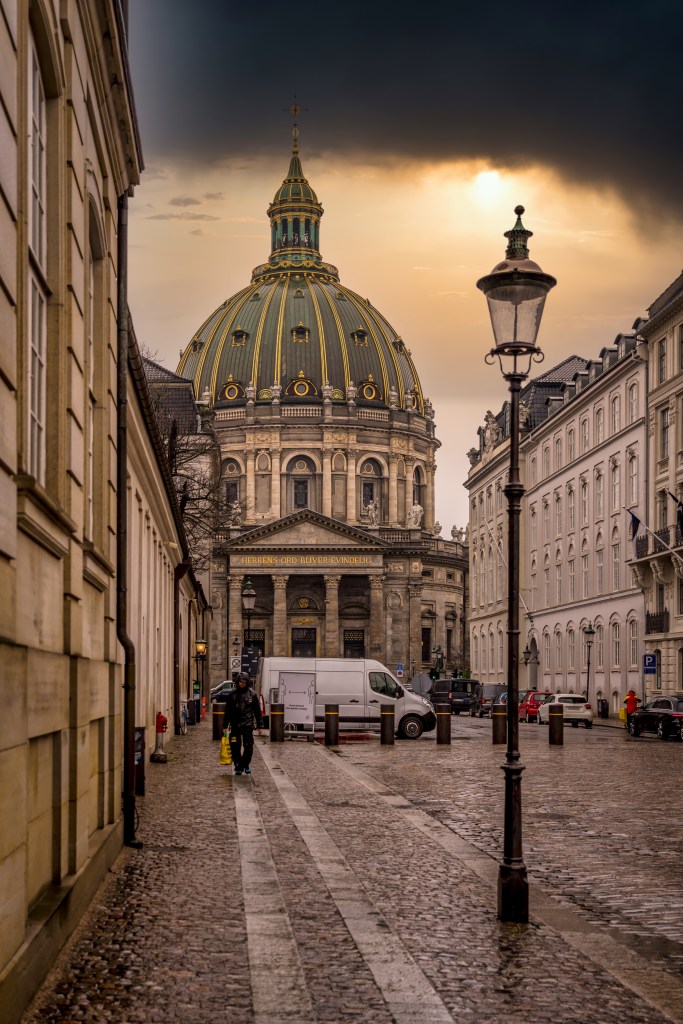
I admit it – I am totally in love with this Church! It is generally referred to as the Marble Church, but its real name is Frederiks Kirke or the Church of Frederik.

The church was designed by the architect Nicolai Eigtved in 1740 has the largest church dome in Scandinavia with a span of 31m. The dome rests on 12 columns.The inspiration was probably St. Peter’s Basilica in Rome.

The foundation stone was set by king Frederick V on October 31, 1749, but the construction was slowed by budget cuts and the death of Eigtved in 1754. In 1770, the original plans for the church were abandoned by Johann Friedrich Struensee (Interesting tidbit for those who enjoyed Mads Mikkelsen in “A Royal Affair”). The church was left incomplete and, in spite of several initiatives to complete it, stood as a ruin for nearly 150 years.

In 1874, Andreas Frederik Krieger, Denmark’s Finance Minister at the time, sold the ruins of the uncompleted church and the church square to Carl Frederik Tietgen for 100,000 Rigsdaler — none of which was to be paid in cash — on the condition that Tietgen would build a church in a style similar to the original plans and donate it to the state when complete, while in turn he acquired the rights to subdivide neighboring plots for development.

The deal was at the time highly controversial. On 25 January 1877, a case was brought by the Folketing at the Court of Impeachment, Krieger being charged with corruption over this deal. He was, however, eventually acquitted.

Tietgen got Ferdinand Meldahl to design the church in its final form and financed its construction. Due to financial restrictions, the original plans for the church to be built almost entirely from marble were discarded, and instead Meldahl opted for construction to be done with limestone. The church was finally opened to the public on August 19, 1894.

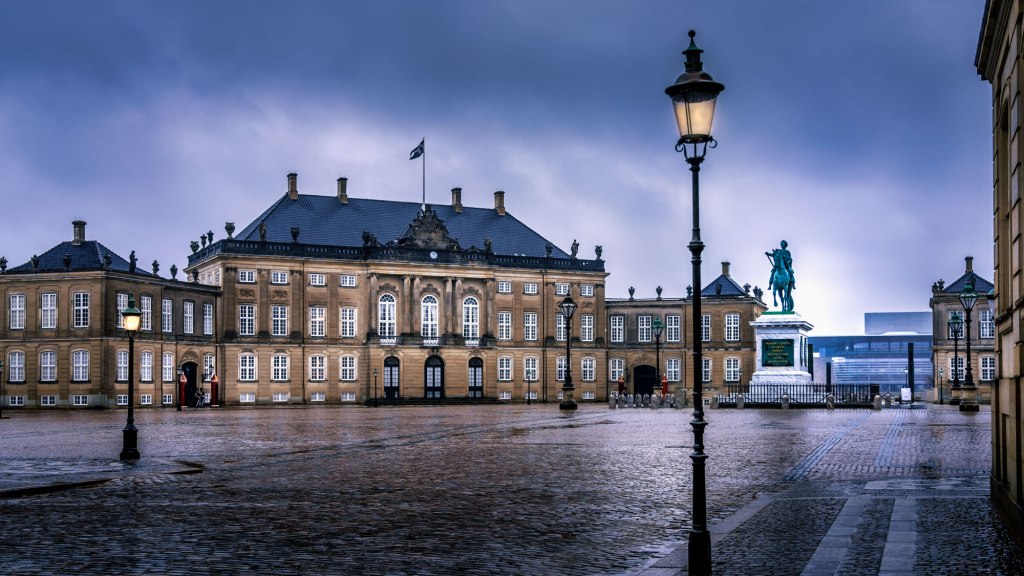
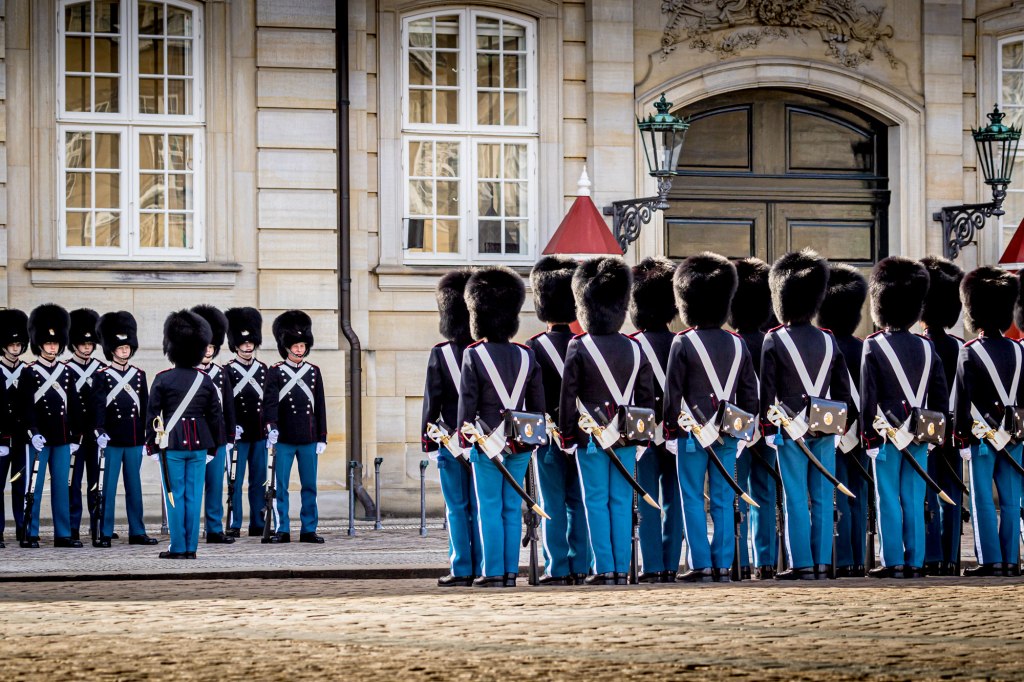
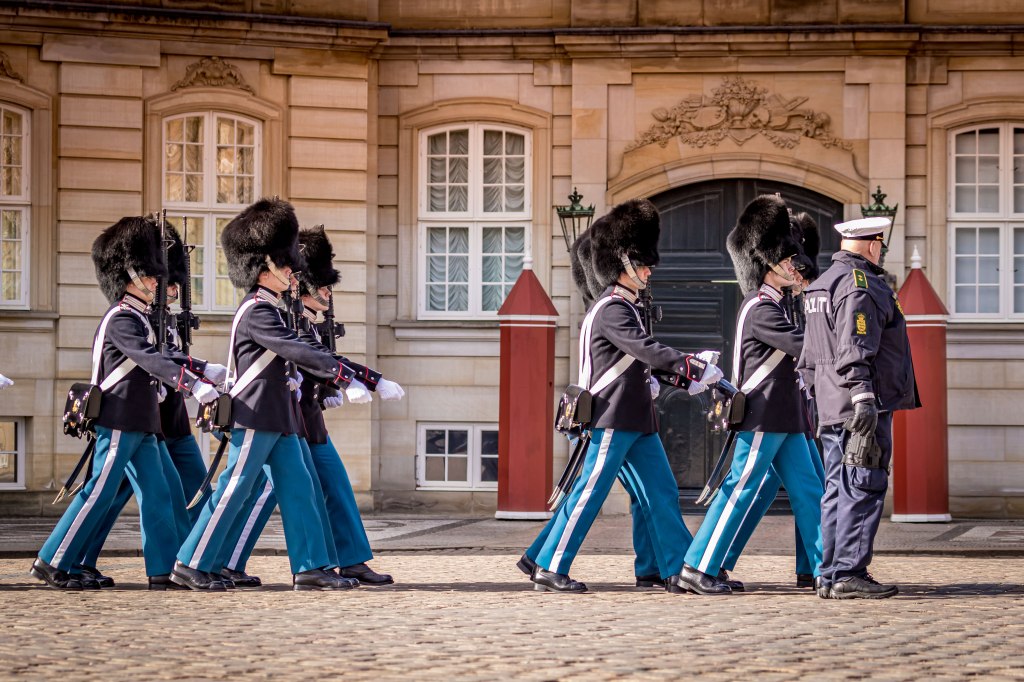
Right next to the Church is Amalienborg, home to the Royal Family and the Royal Guards who march through town every day at noon.

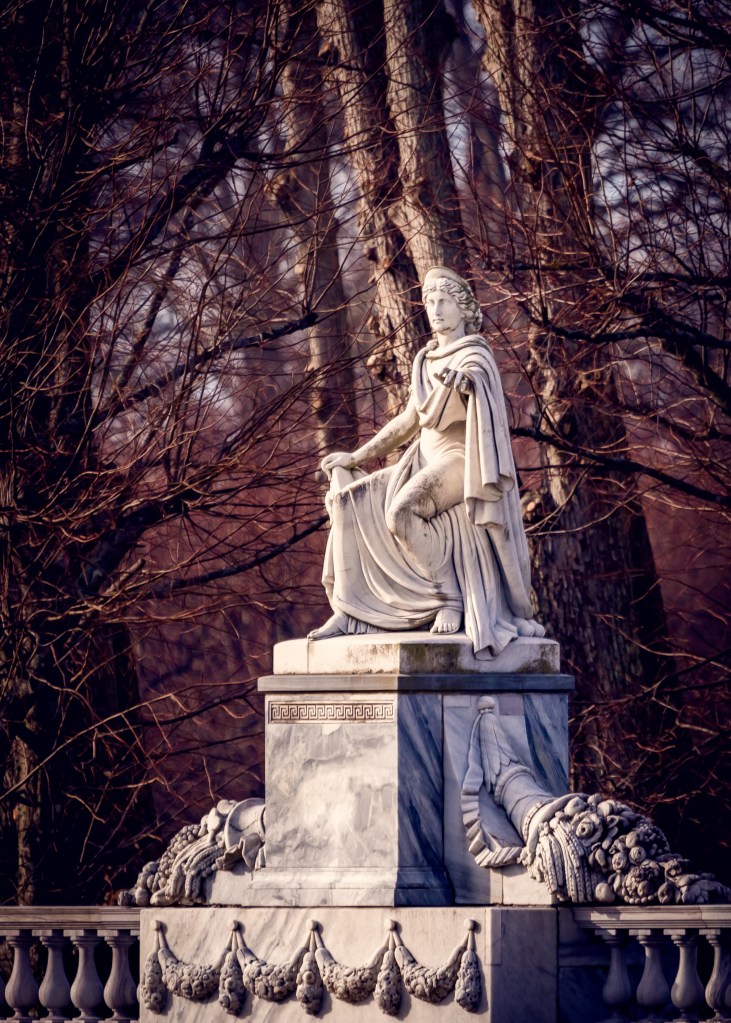
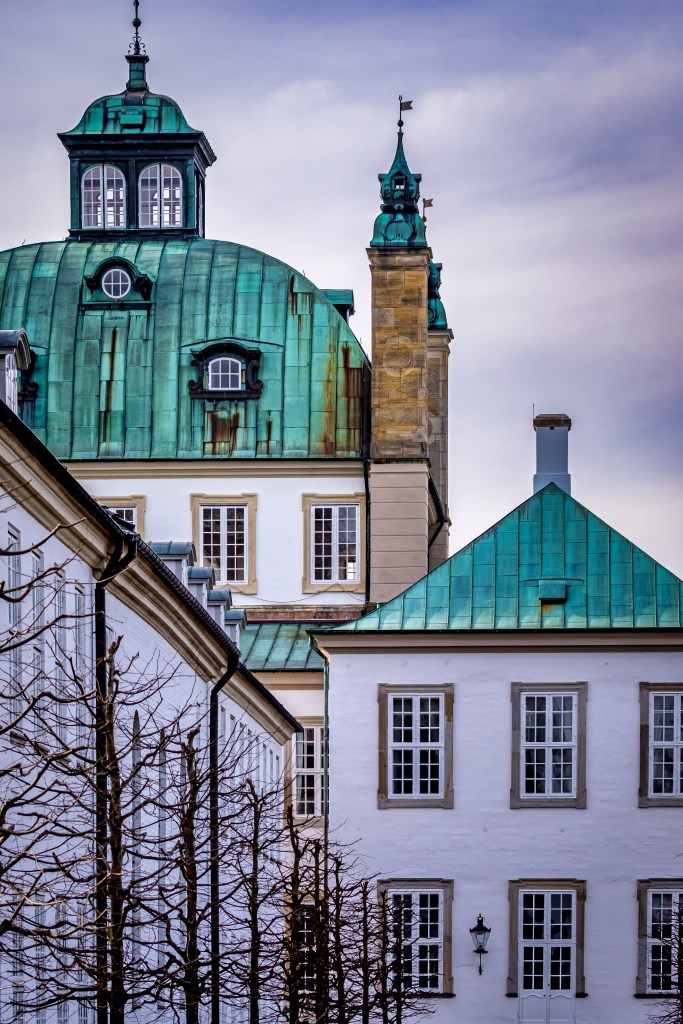
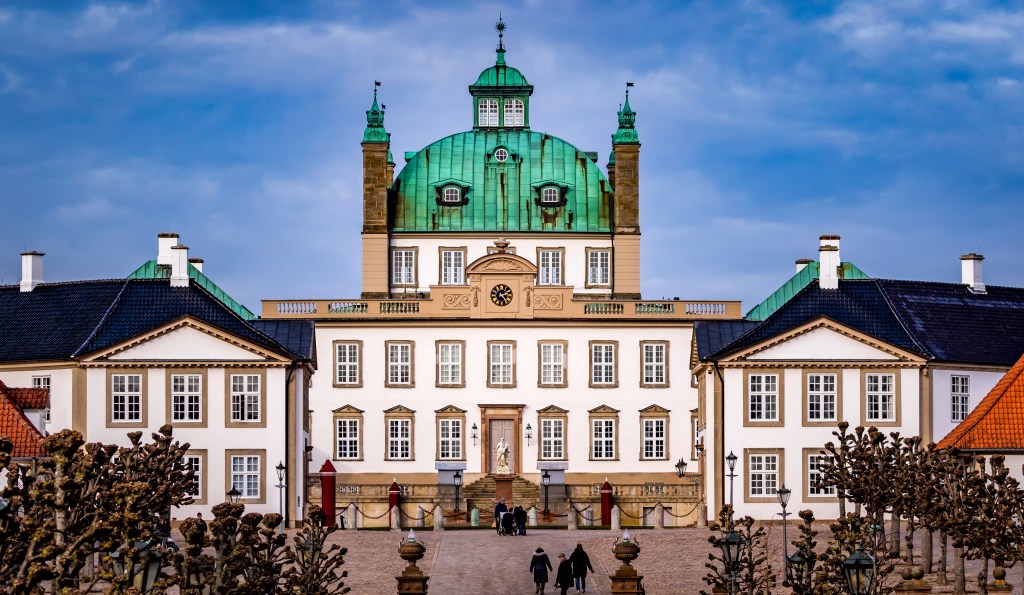
Fredensborg

The adorable Spring/Fall Residence of the Royal Family and occasional hotel to VIPs (I hear George W spent a night there!)

“Fredensborg Palace was built as a hunting seat for King Frederik IV by the architect J.C. Krieger. Construction began in 1719. The main building was first used in 1722 and the chapel in 1726.

It was rebuilt and expanded during the reigns of King Christian VI and of King Frederik V and his Queen, Juliane Marie, by the architects N.Eigtved, L. de Thurah and C.F. Harsdorff.

After Queen Juliane Marie’s death in 1796, the palace was rarely used. It was not until the reign of King Christian IX and Queen Louise that the palace again became the setting for the Royal Family’s life for lengthy periods. “Europe’s parents-in-law” gathered their daughters and sons-in-law, all of whom represented many of Europe’s royal and princely houses, at Fredensborg Palace every summer.

Now HM The Queen uses the palace for three months in the spring and three in the autumn”.

The visit did not start so well, as I had managed to forget the battery of my Sony and could only use my Canon with its Paparazzi lens which meant having to get creative and concentrate on the details rather than the amazing surroundings. I am now aching to go back towards the end of the day with a tripod and some filters! This zen gem definitely deserves some more time!

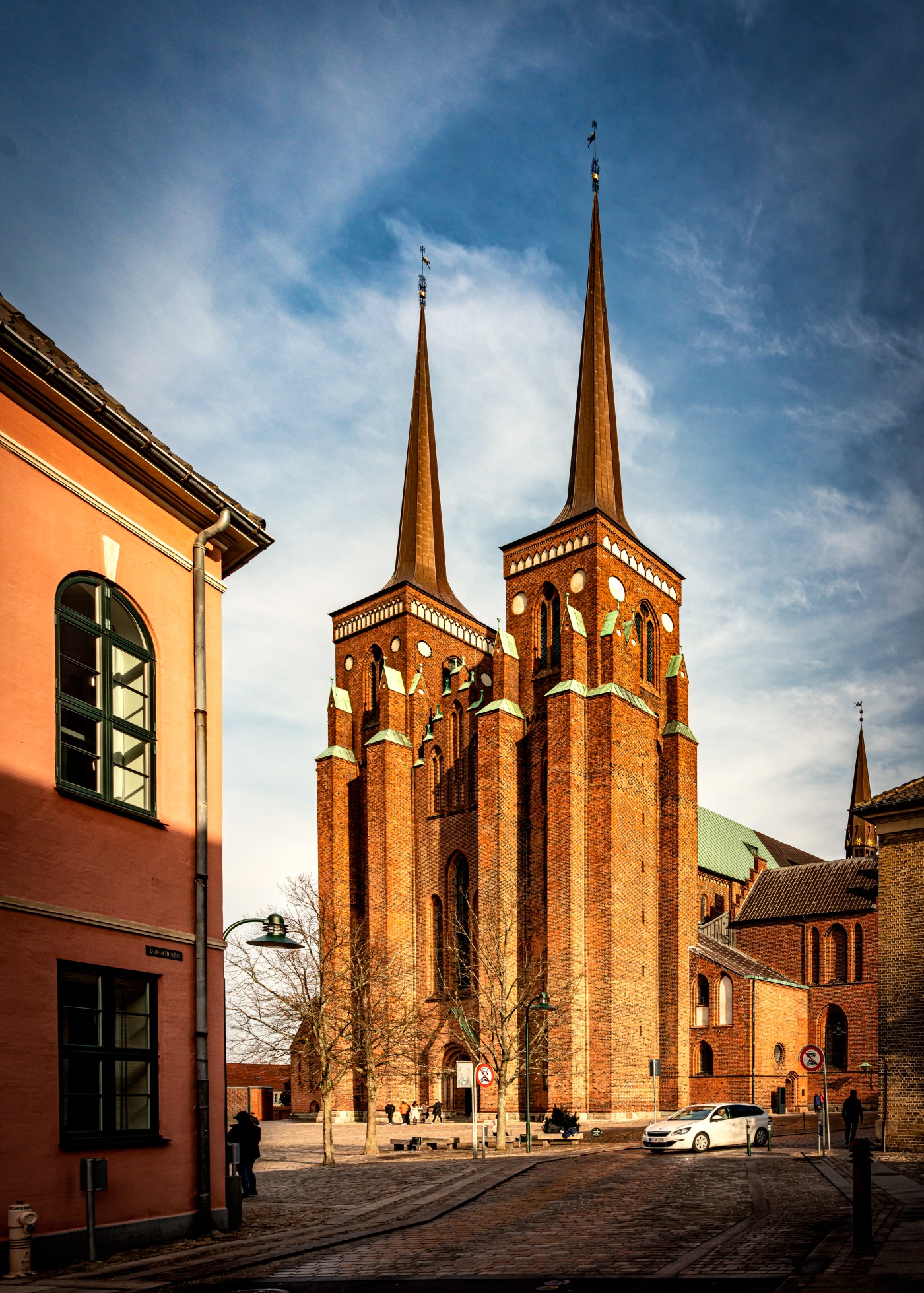
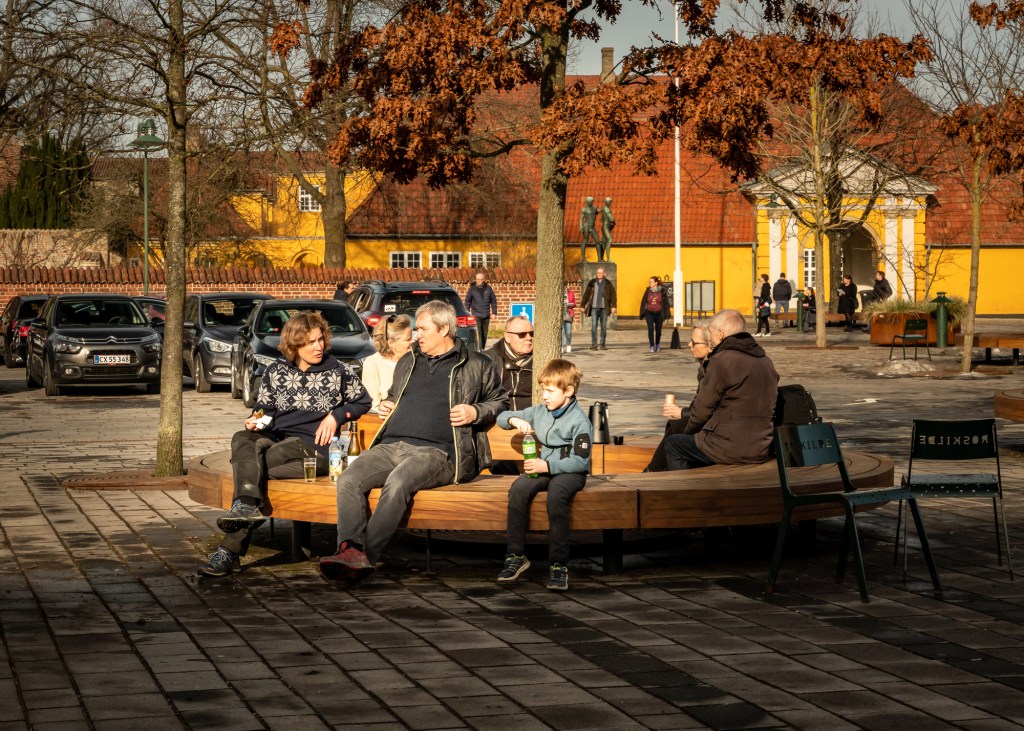
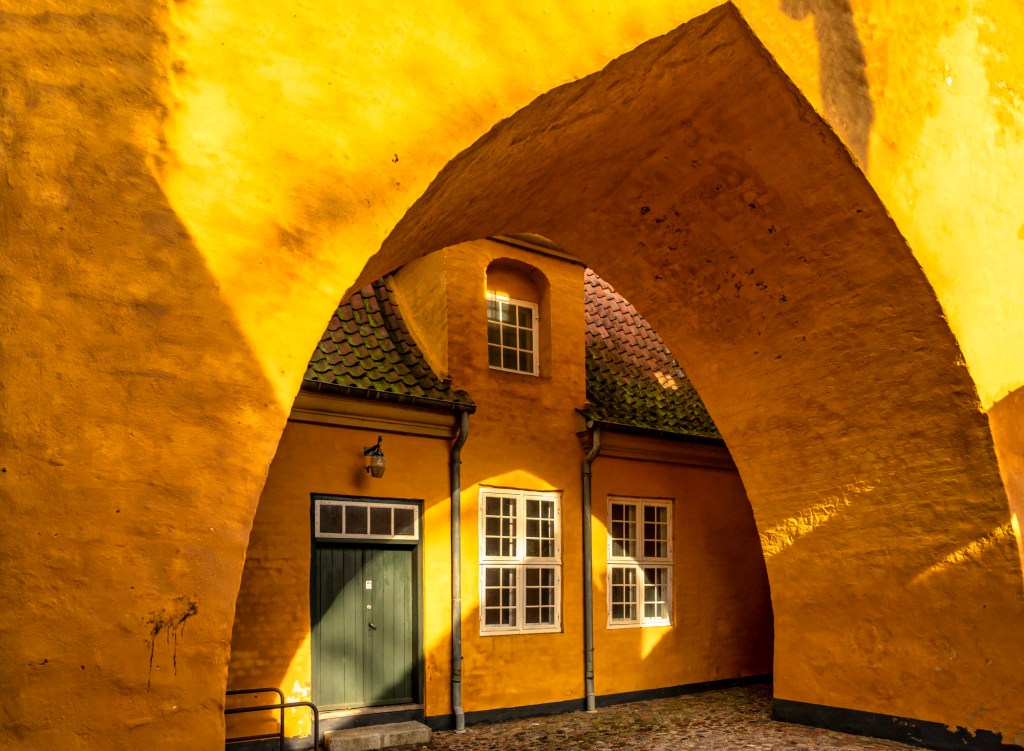
Roskilde – Home to Harald Blåtand

Denmark’s Former Capital and Unesco Site!

The drive from Copenhagen to Roskilde is not a whole lot to write home about. Flat freeways with ugly landscapes and the entry into town reminds me of any American city with car dealerships on every corner – I instinctively started looking for the inevitable Target (pardon, Tarjaaaaaiii), BUT then, once the streets all have royal names, you step into a time warp!

It has now been almost two months of total lockdown here in Copenhagen, added to the 10 months spent on lockdown in California, and seeing nature springing back to life while we cannot quite is almost unbearable! Danes now spend their Sundays picnicking in public squares and My Lady Mother and I spent 15 minutes gazing at every restaurant menu and dreaming of being in a noisy restaurant again! A new, wonderful life starts and we are like fish in a tank counting the moments until we can start participating again! Zen……

I do realize that most people do not know much about Viking history, but if there is one name we all recognize, it is that of its Roskilde’s Founding Father; Harald Blåtand, or the more familiar Bluetooth!

According to Wikipedia:

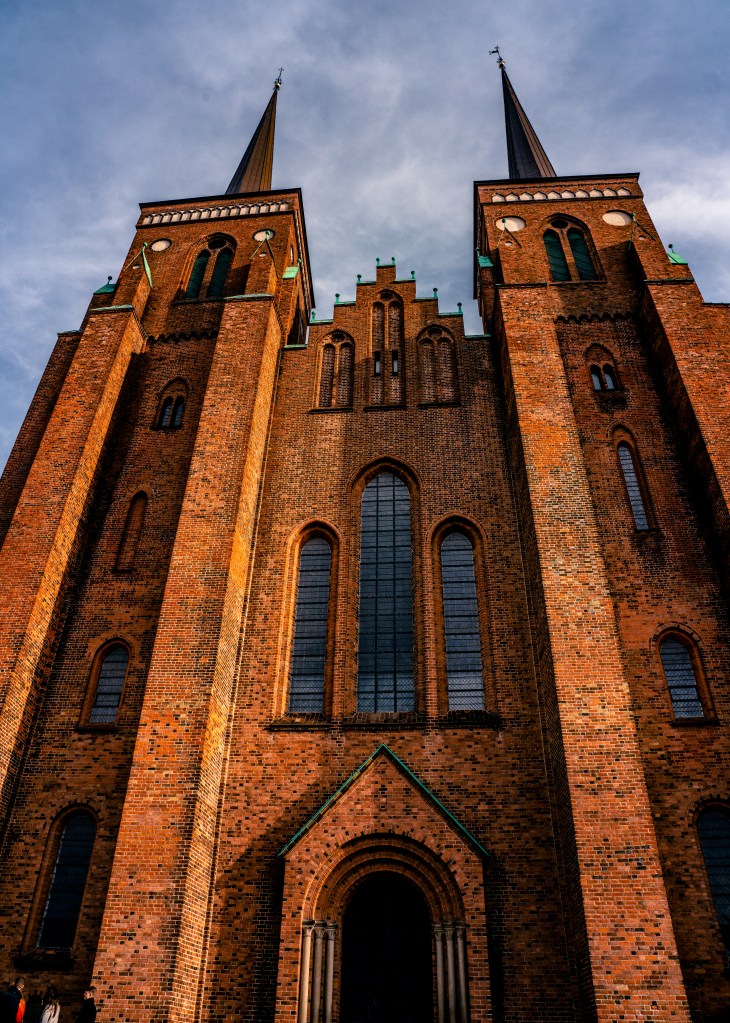
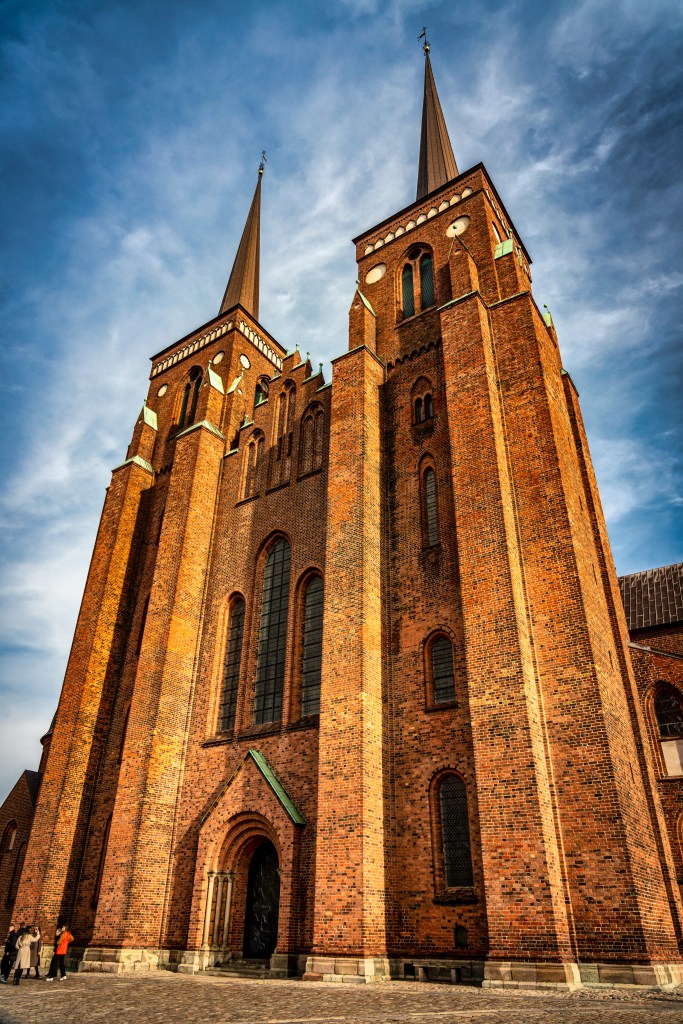
“Roskilde, which developed as the hub of the Viking land and sea trade routes over a thousand years ago, is one of Denmark’s oldest cities. From the 11th century until 1443, it was the capital of Denmark.[4] By the Middle Ages, with the support of kings and bishops, it had become one of the most important centres in Scandinavia.[5] The Saxo Grammaticus and other early sources associate the name Roskilde (meaning “Ro’s spring”) with the legendary King Roar who possibly lived there in the 6th century.[6]

According to Adam of Bremen and the Saxo Grammaticus, Roskilde was founded in the 980s by Harald Bluetooth. On high ground above the harbour, he built a wooden church consecrated to the Holy Trinity as well as a royal residence nearby.[7] Although no traces of these buildings have been discovered, in 1997 archaeologists found the remains of Viking ships in the Isefjord, the oldest of which is dated to 1030. At the time, there were also two churches in the area: St Jørgensbjerg, an early stone church, and a wooden church discovered under today’s St Ib’s Church.[8][9] Harald was buried in the wooden church he had built on the site of today’s Roskilde Cathedral.[5]

In 1020, King Canute elevated Roskilde to a bishopric, giving it high national status.[7] Absalon, the Danish bishop, had a brick church built on the site of Harald’s church in 1170. Today’s cathedral was completed in 1275 after five of Absalon’s successors had contributed to its construction. As a result of Absalon’s influence, many other churches were built in the vicinity, making Roskilde the most important town in Zealand. Coins were minted there from the 11th to the 14th century.[7] In 1150, Sweyn Grathe built a moat around the city.[8] In 1151/2, a religious confraternity was founded for the defence of the town against Wendish pirates. Under the command of Wetheman, it also took part in the Wendish Crusade.[10] The Roskilde bishops owned large areas of land in the region including, from 1186, Havn on the Øresund which later became Copenhagen. By the time of the Danish Reformation in 1536, there were 12 churches and five monasteries in the city.[7]“”

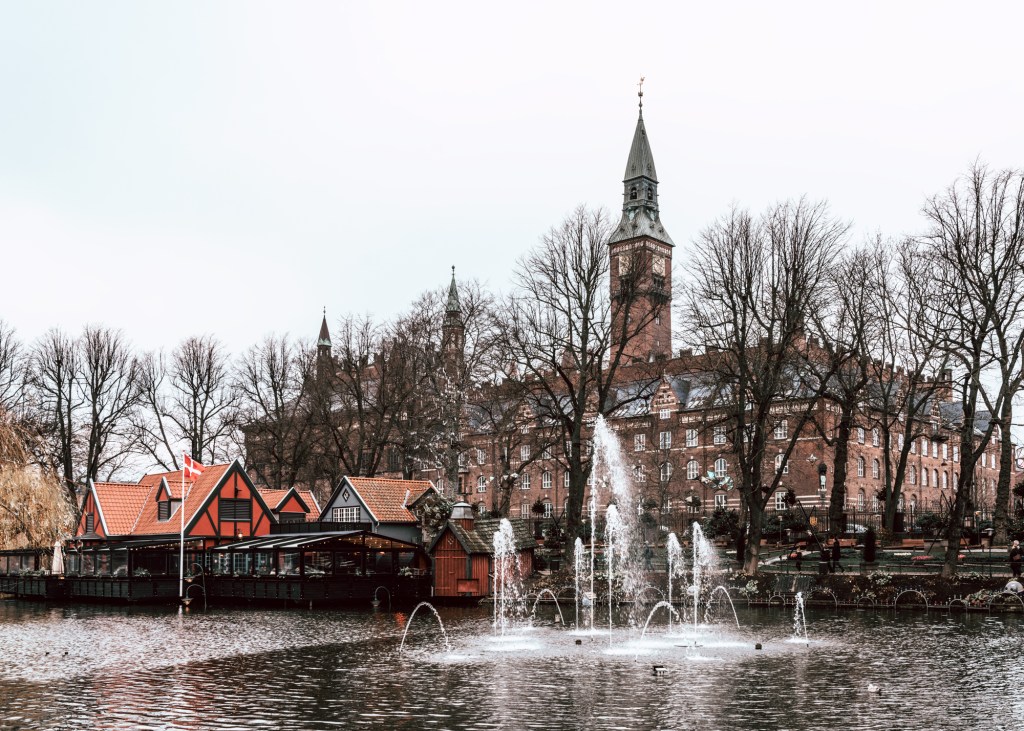
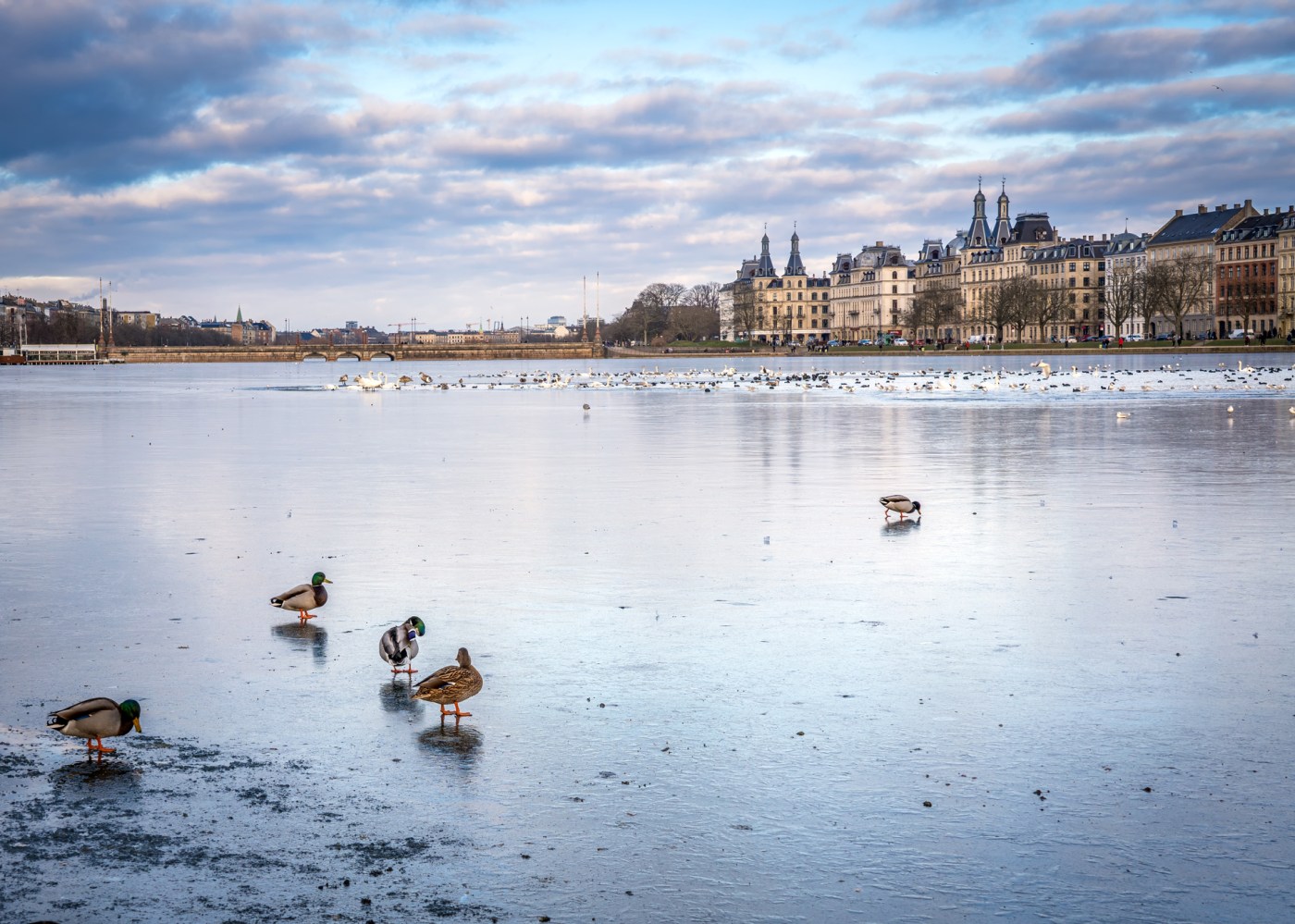
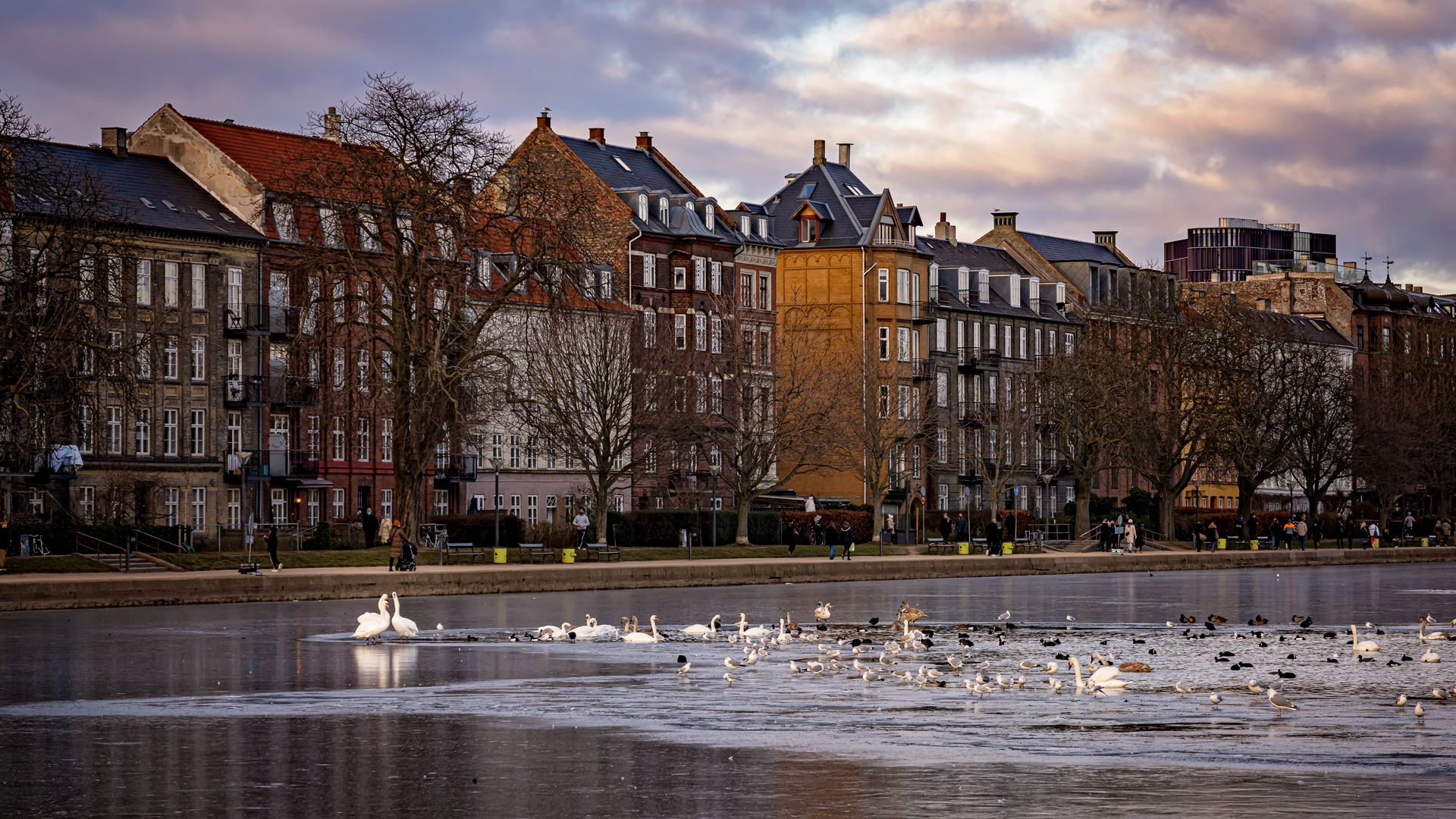
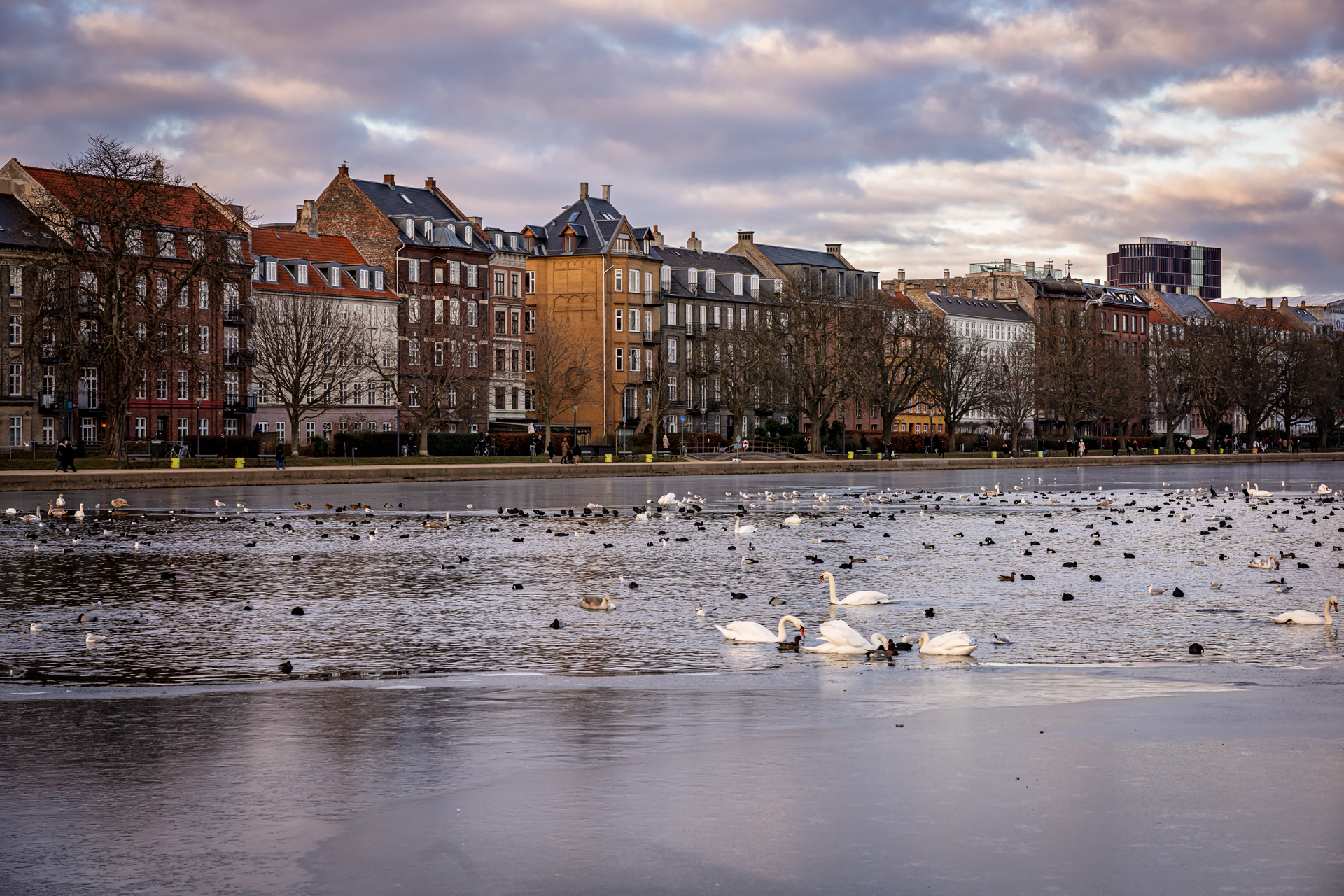
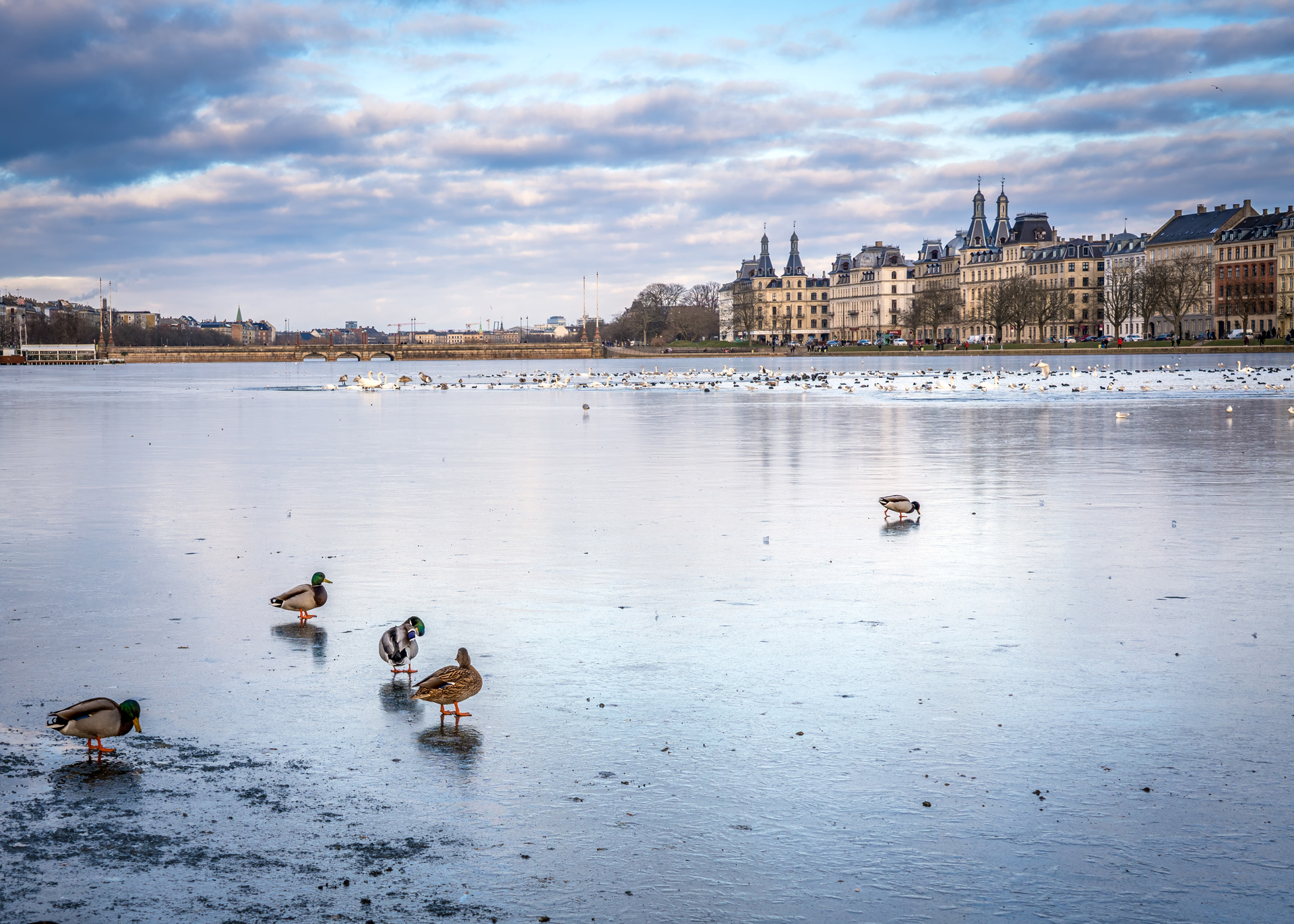
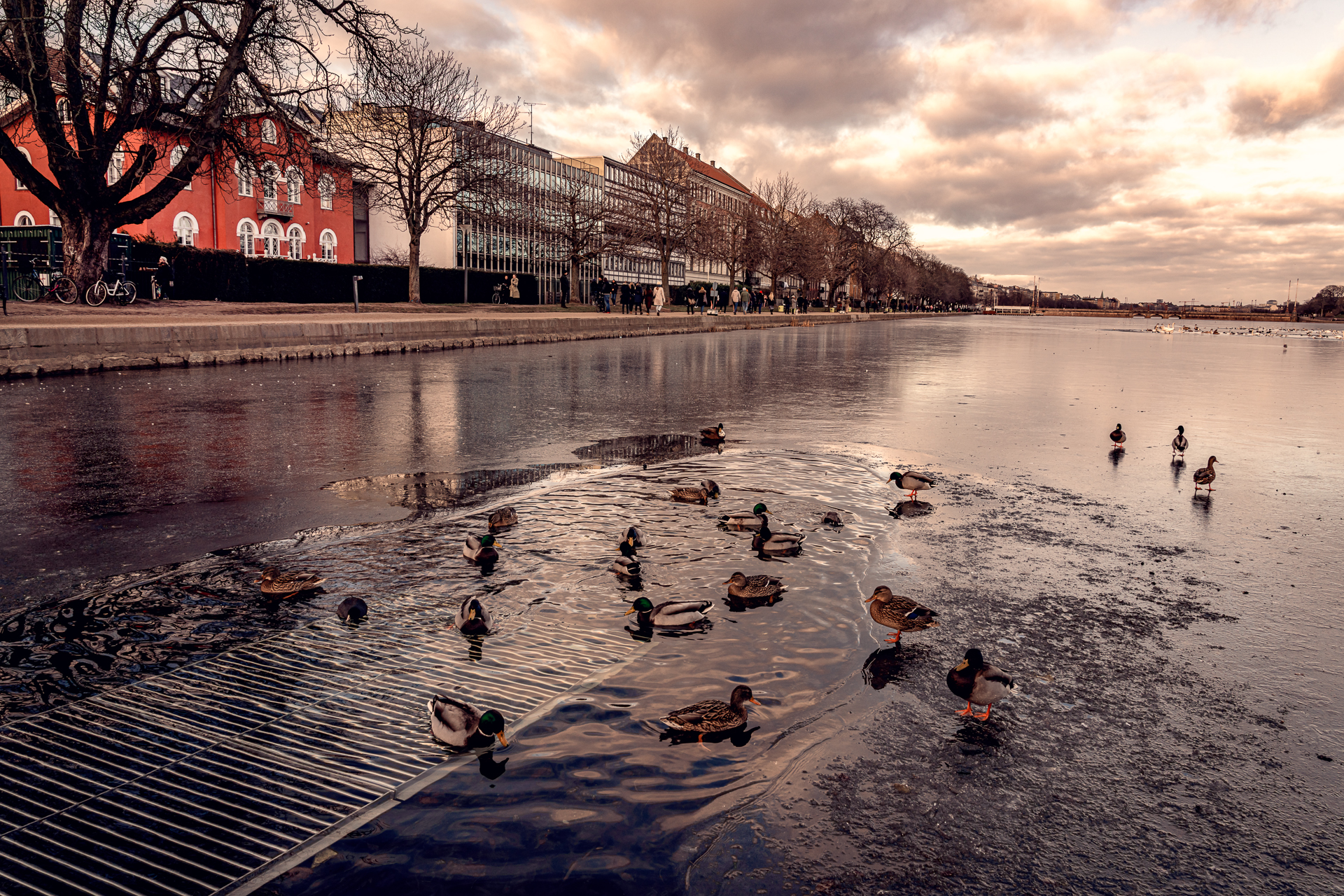
The Lakes

The Lakes (Danish: Søerne) in Copenhagen, Denmark are a row of three rectangular lakes curving around the western margin of the City Centre, forming one of the oldest and most distinctive features of the city’s topography. The paths around them are popular with strollers, bikers and runners.

In the early Middle Ages, a need of water for watermills was determined. As a result of this a dam was built and the Peblinge Sø was created.

As a result of a siege of Copenhagen in 1523, it was decided to expand the entrenchments in order to improve the fortifications of the city. The levee at Peblinge Sø was expanded and another was created, which resulted in the creation of Sortedams Sø. In the beginning of the 16th century, Sankt Jørgens Sø was created, by further damming. This made it possible to flood the banks and lakes in case of an attack.

There are plans to create a park around Sankt Jørgens Sø, with the dual use of acting as a detention basin for cloudburst flood waters. Likely as a consequence of Global Warming, cloudbusts have become much more common in Denmark, making the sewerage pipes designed for the old weather patterns insufficient; using Sankt Jørgens Sø as a detention basin is just one of many such projects in Copenhagen.[1] [2] The municipality of Copenhagen together with Nordic Innovation, an organisation under Nordic Council of Ministers, is launching an extensive climate adaptation and urban space initiative with objectives such as redirecting rainwater from cloudbursts, purifying the water running into the Peblinge City Lake, and creating new, attractive and more liveable urban spaces.

Source: Wikipedia

Since we are all on lockdown, but are allowed walks, Danes flock to parks and beaches in spite of the biting cold, but the views are all worth it!

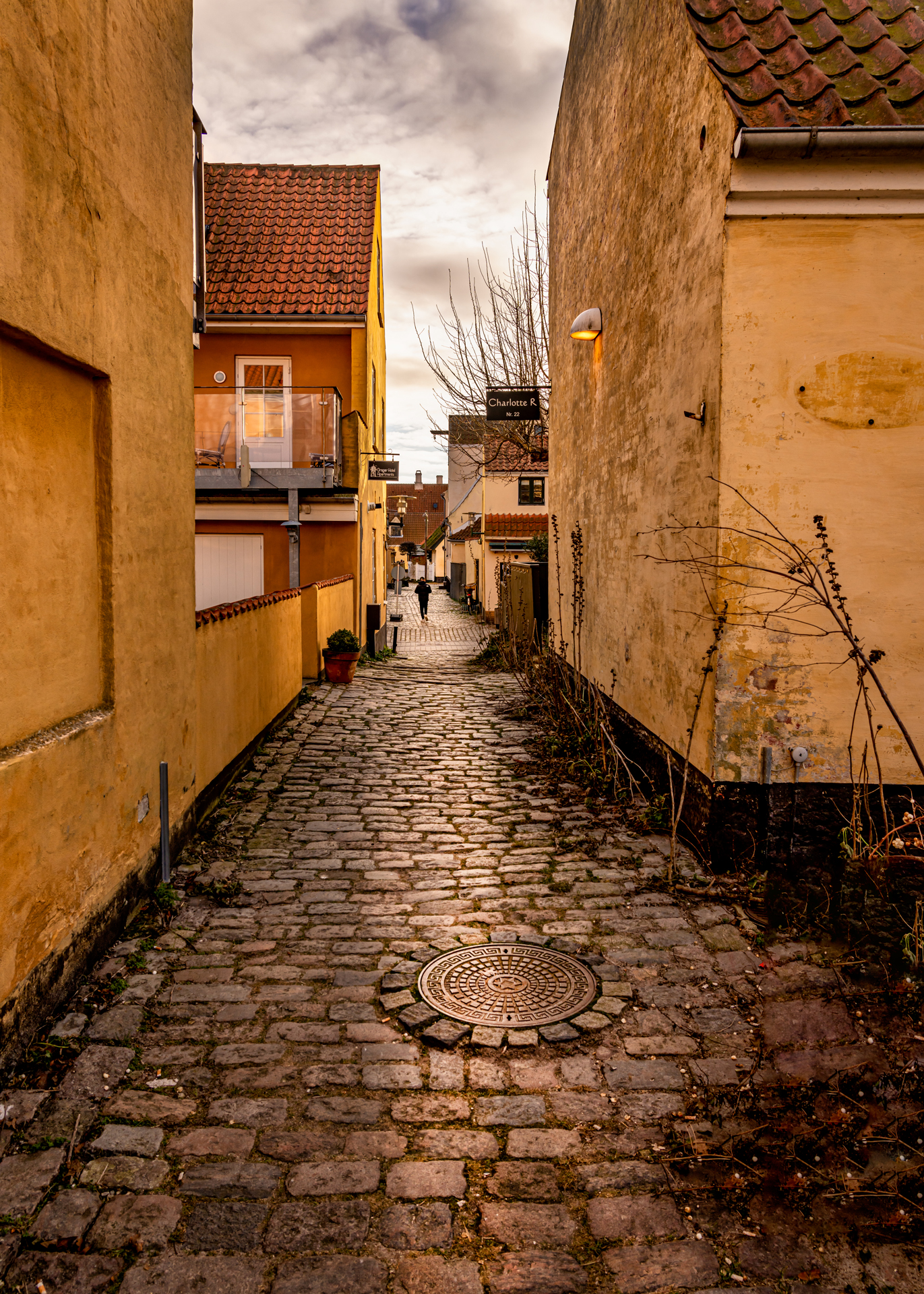
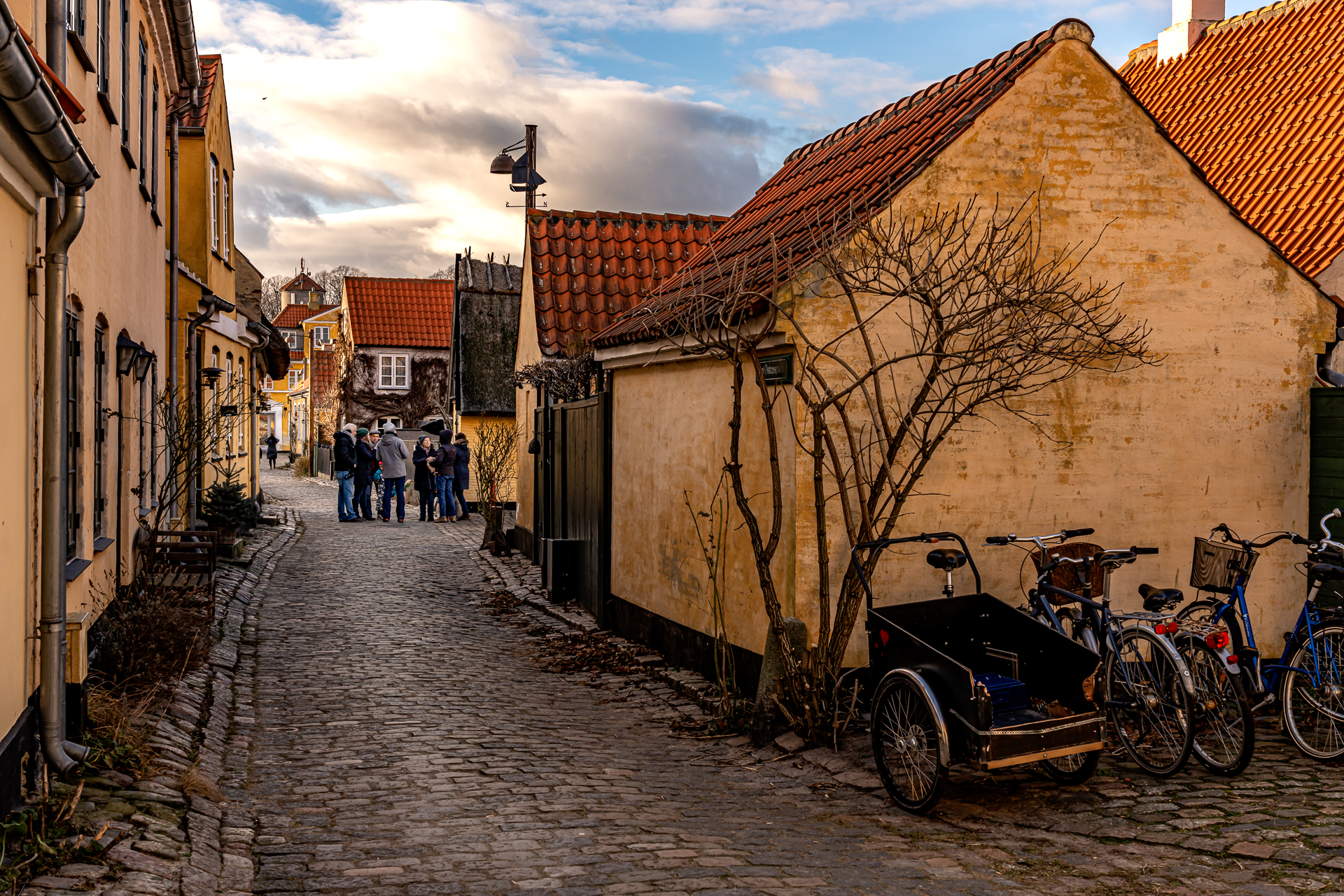
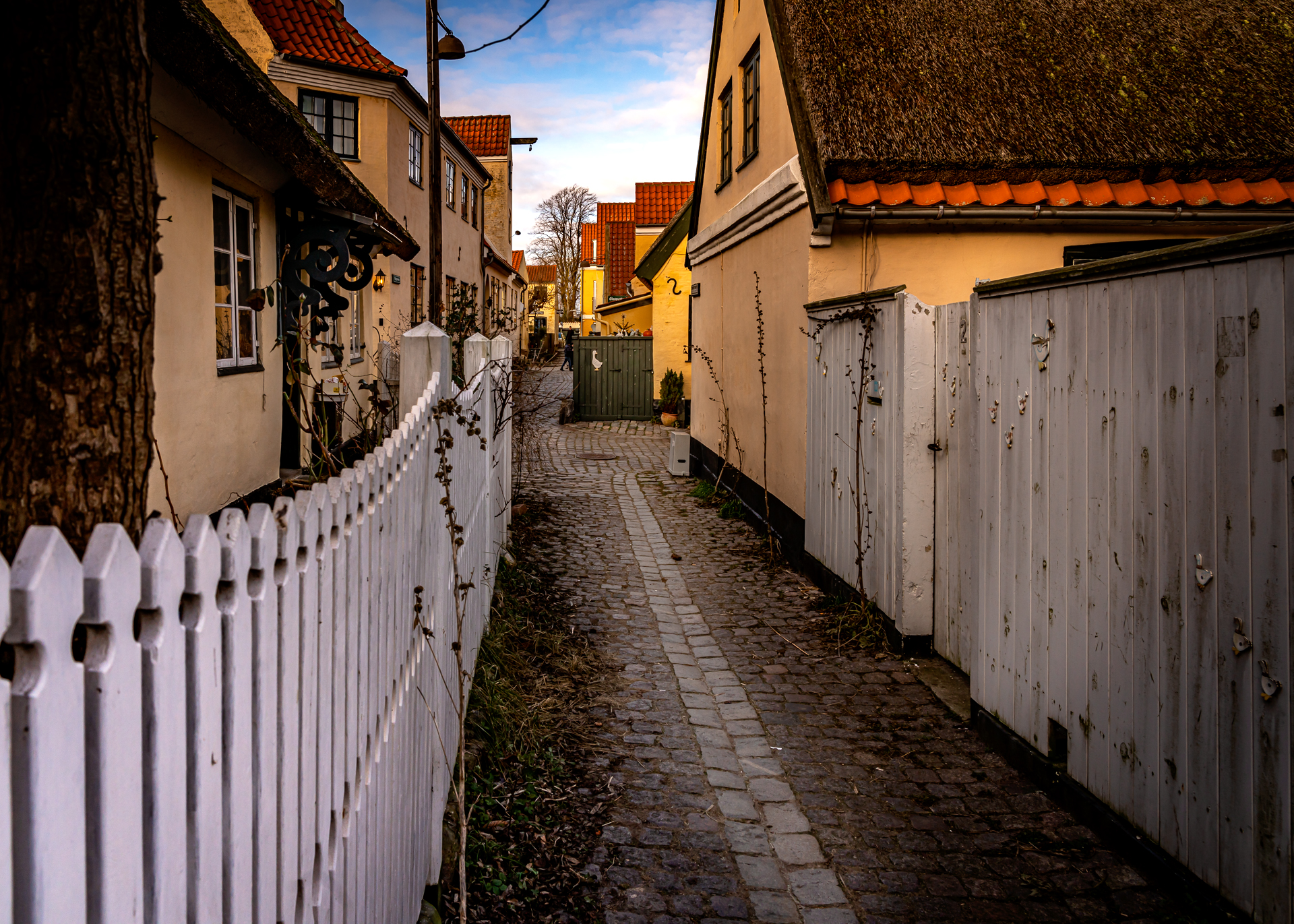
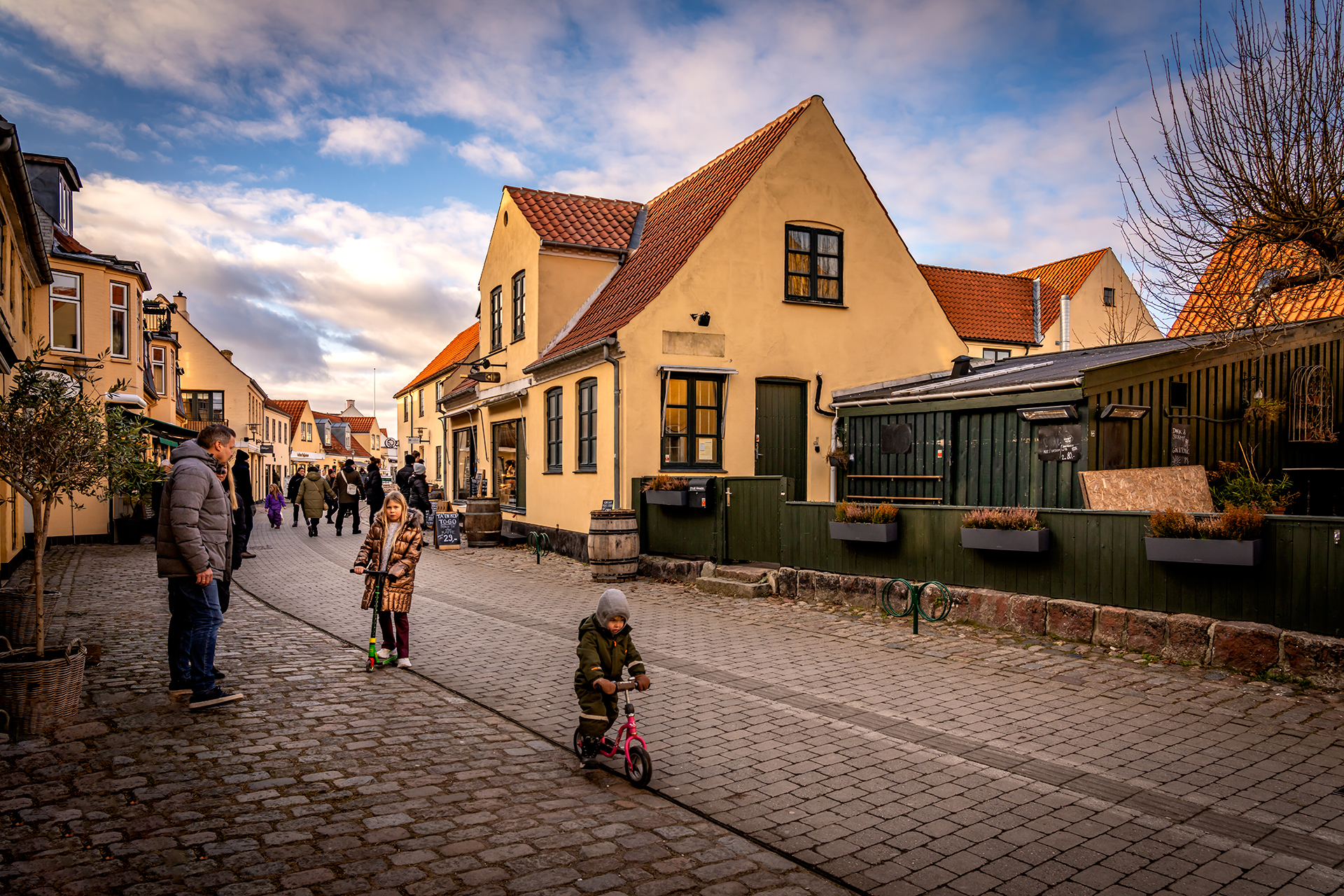
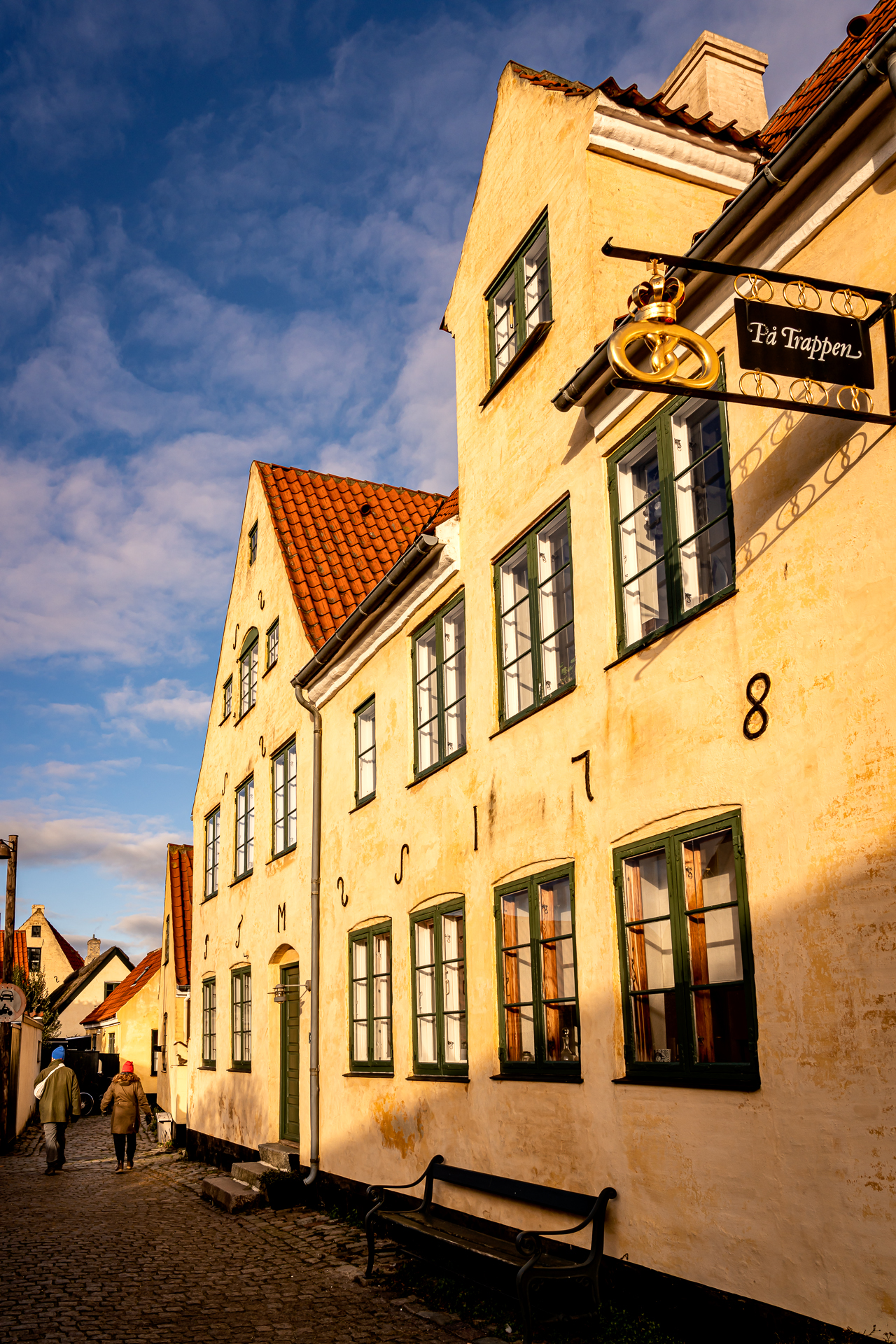
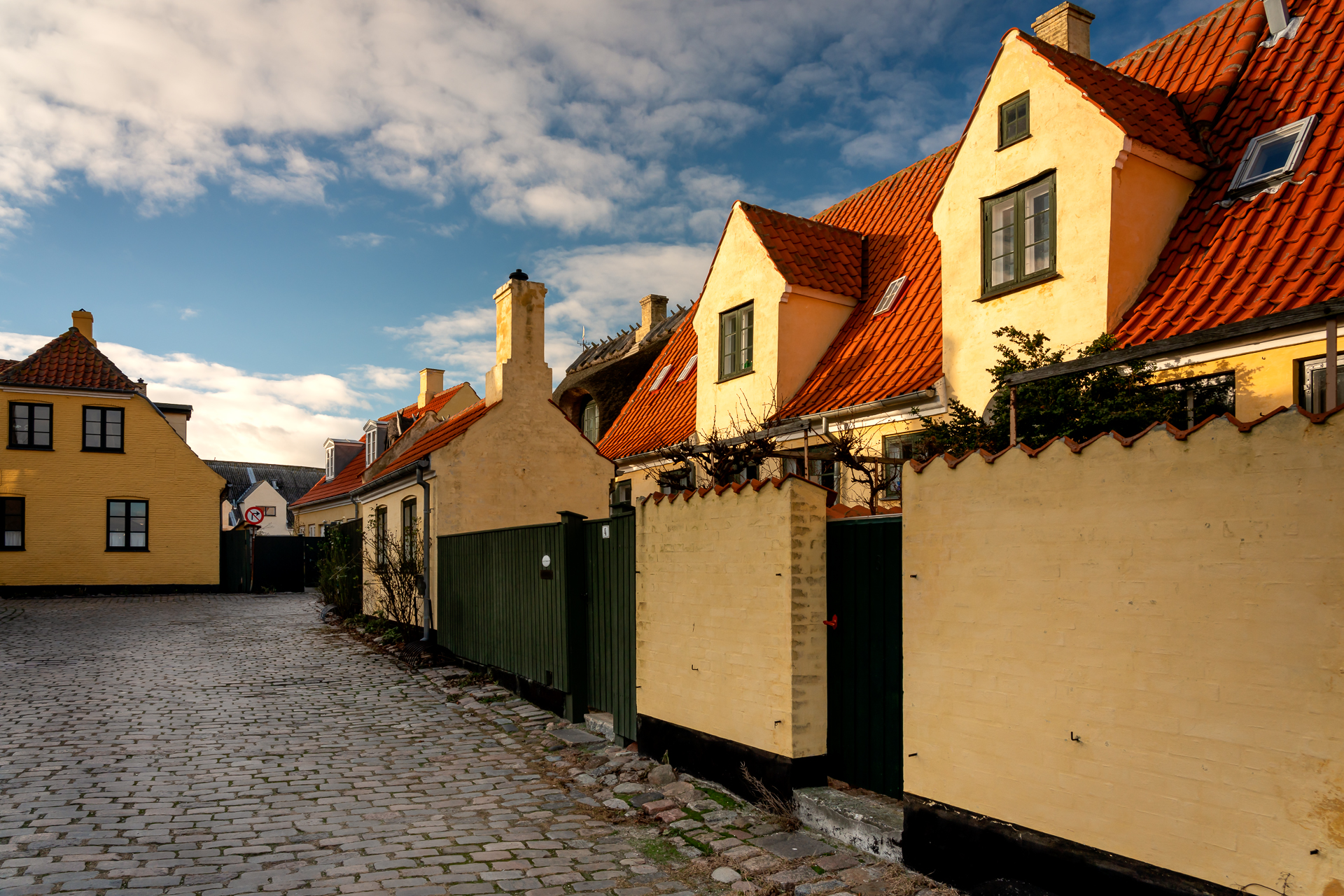
A Winter Stroll through Dragør

The place where the happiest Danes live!

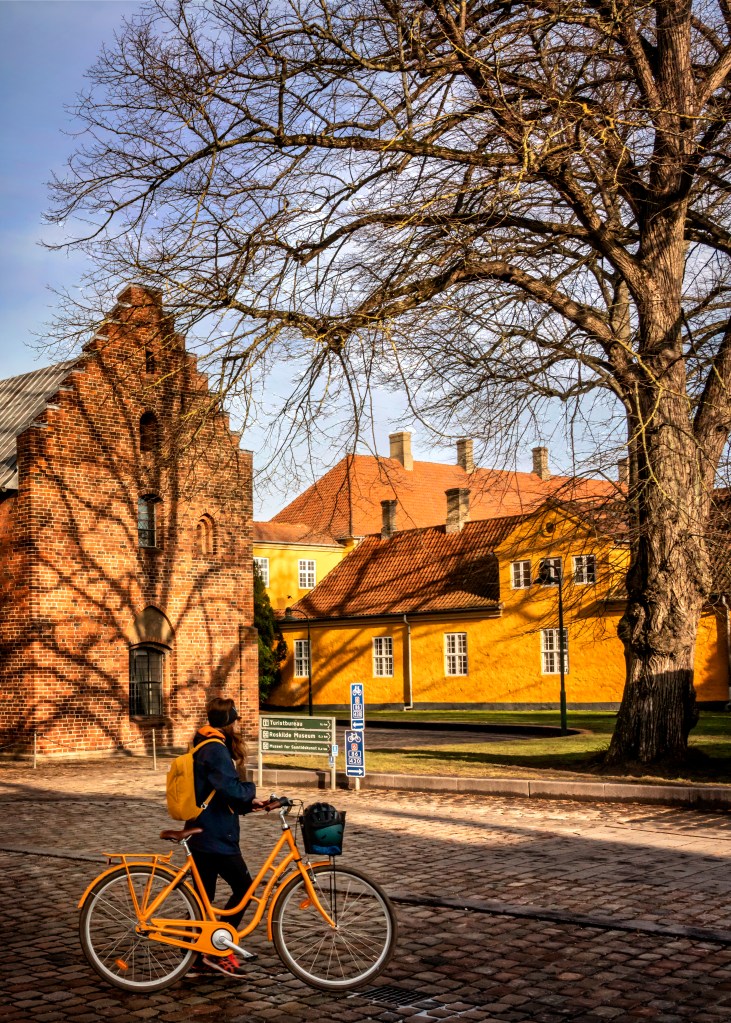
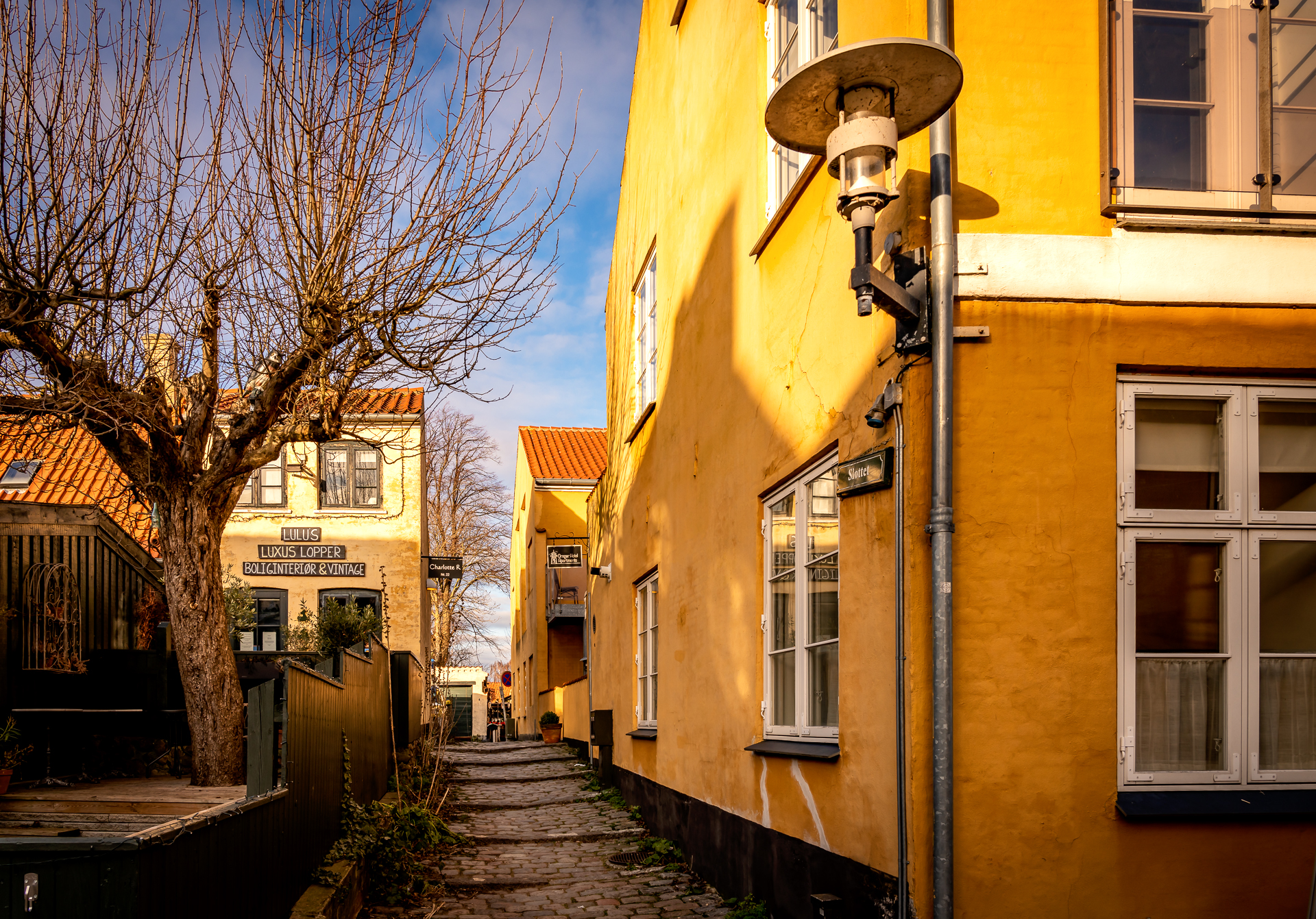
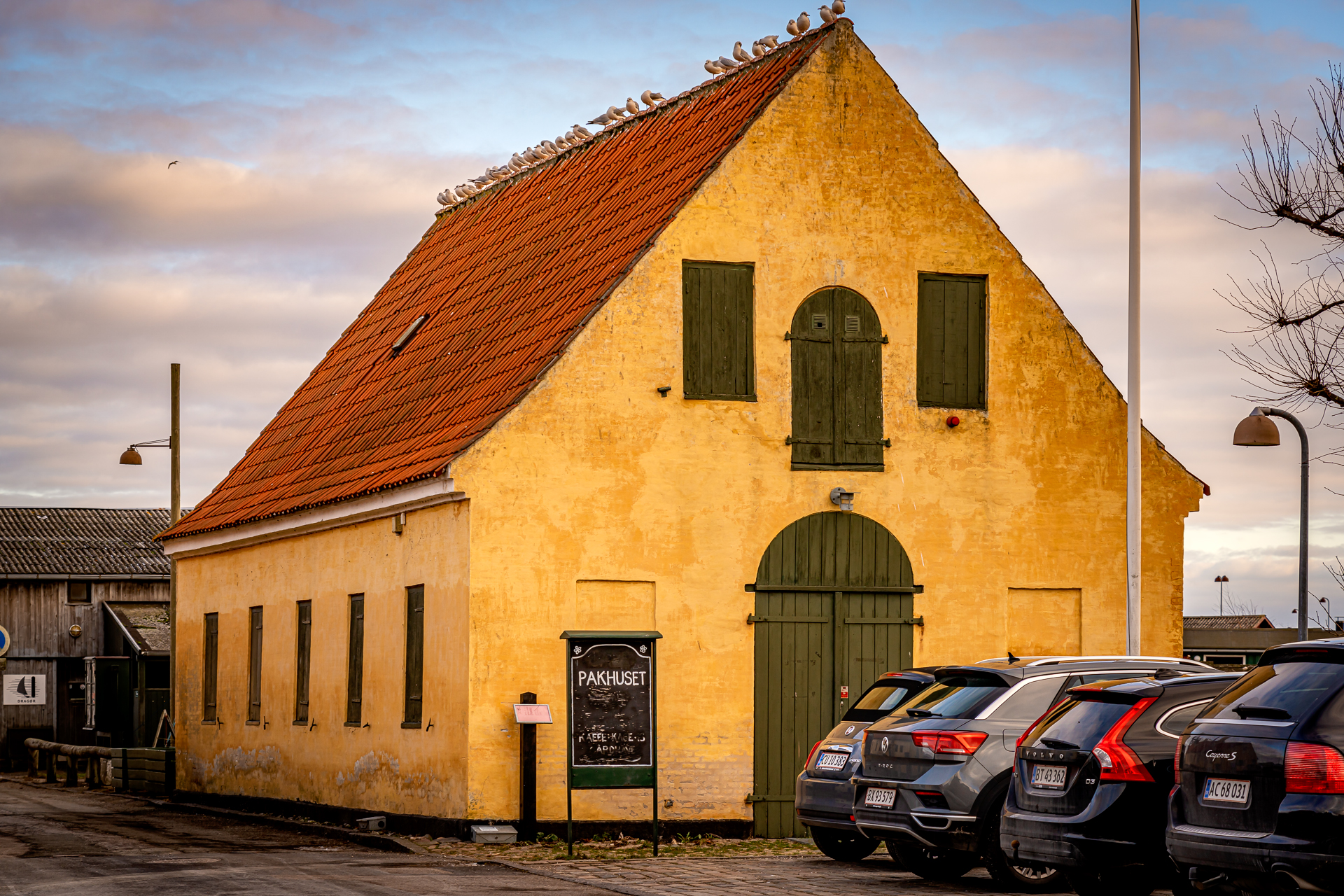
10 minutes from Kastrup, Copenhagen’s Airport, you find yourself transported to a different planet, seemingly dominated by yellow houses and adorable shops.

Dragør was founded in the 12th century and rapidly grew as a fishing port, further aided by the trade privileges granted by the Hanseatic League in 1370 and became one of the major fishing fleets in Denmark.

In the early 16th Century, King Christian II invited a group of farmers from the Netherlands to settle there. The Dutch were considered much advanced in agriculture and they were invited to produce food for the Royal Household. The first settlers were 24 families and their presence is still felt until this day. The Old Town still offers many well-preserved historical buildings and it is a compact maze of alleys with yellow-painted houses, red roofs and cobblestones.

Usually thriving with tourists, it was an eerie feeling walking around like Palle Alene i Verden (Childhood book about a boy who woke up and everybody was gone). Unfortunately, it was much too cold to stick around and wait for the sunset so here are some Tourist Photos, ugly light and all!
Blog at WordPress.com.

Up ↑