Search

Lee Jorgensen Photos

Self Appointed Ambassador to Scandinavia passionate about Photography, People, Travels and all the other Magic Moments of Life!

Category

Travels

Uppsala

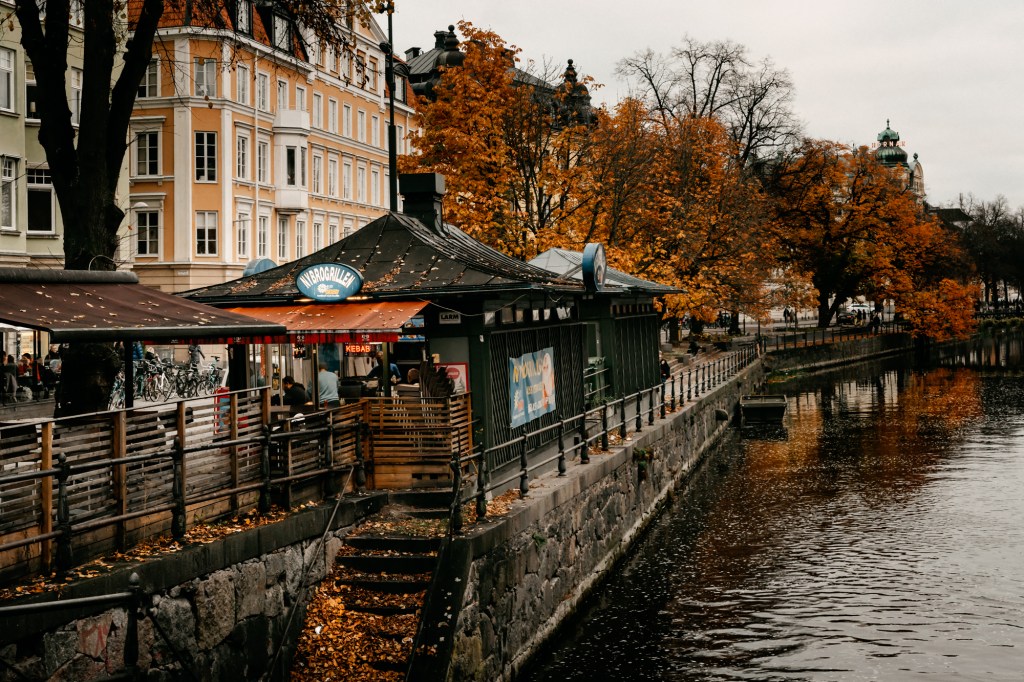
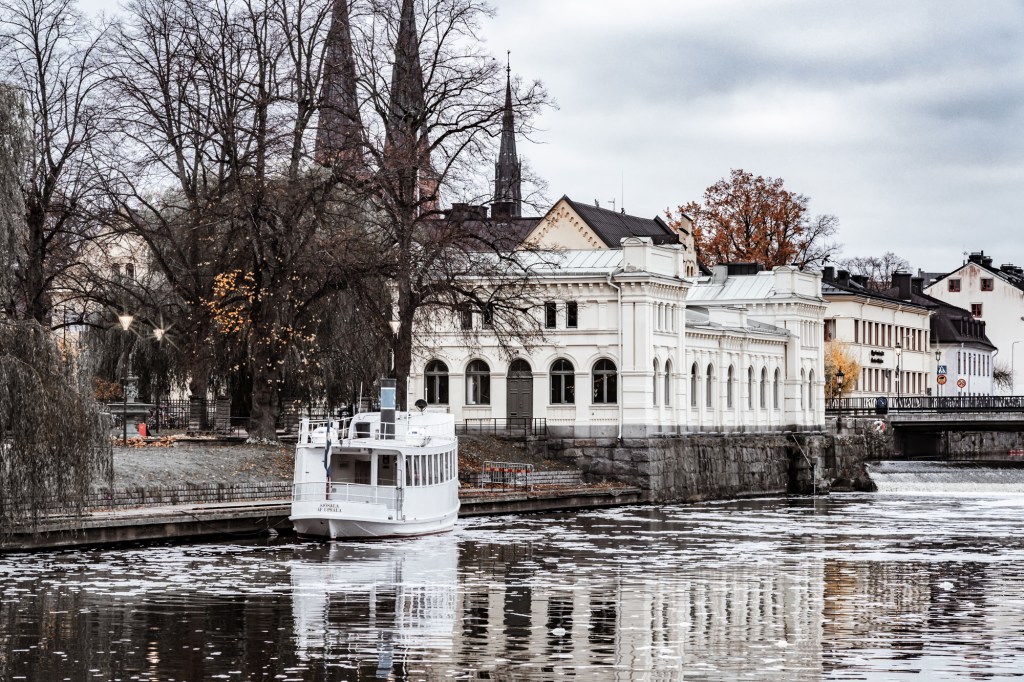
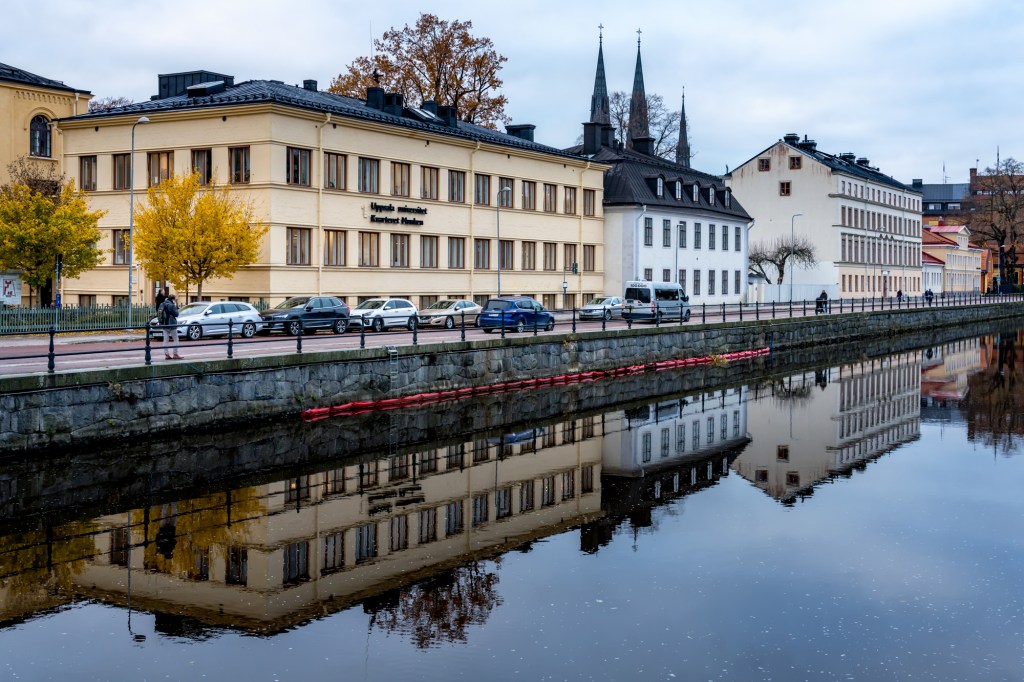
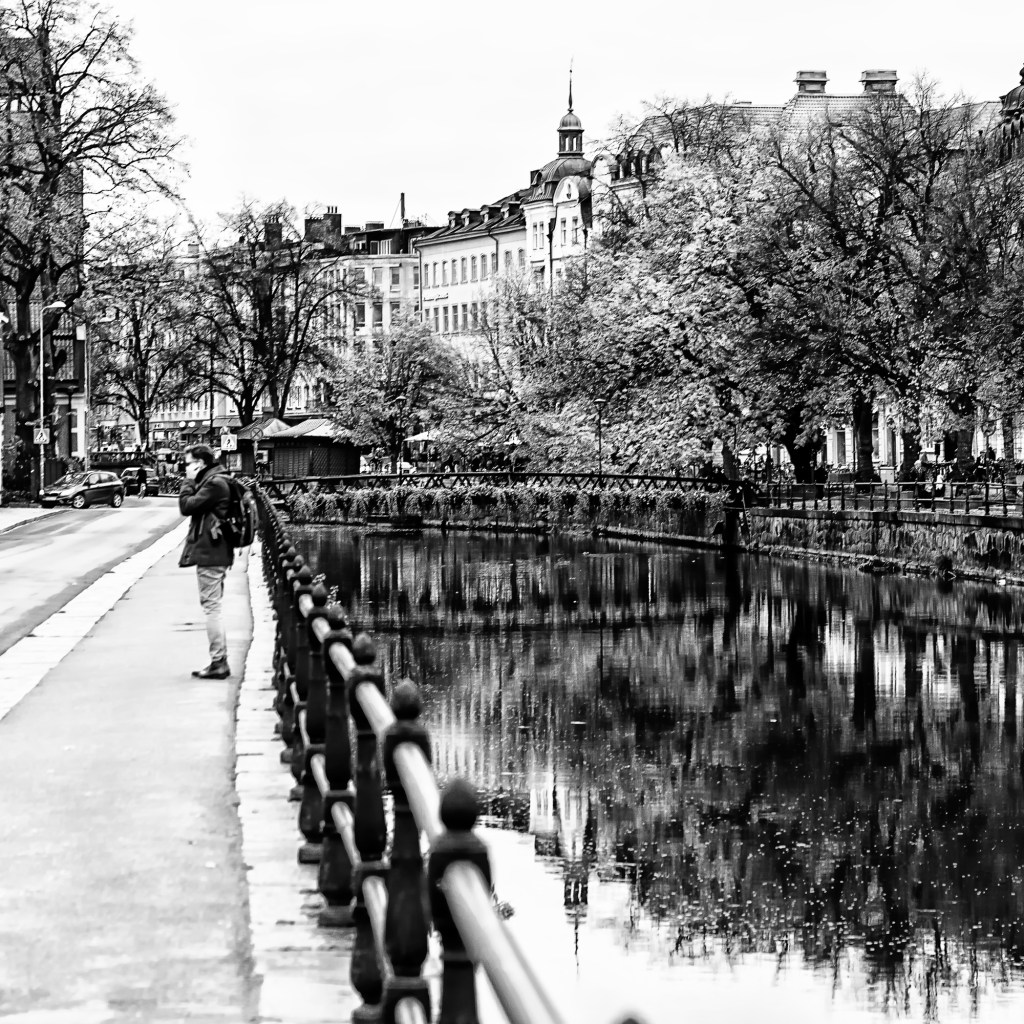
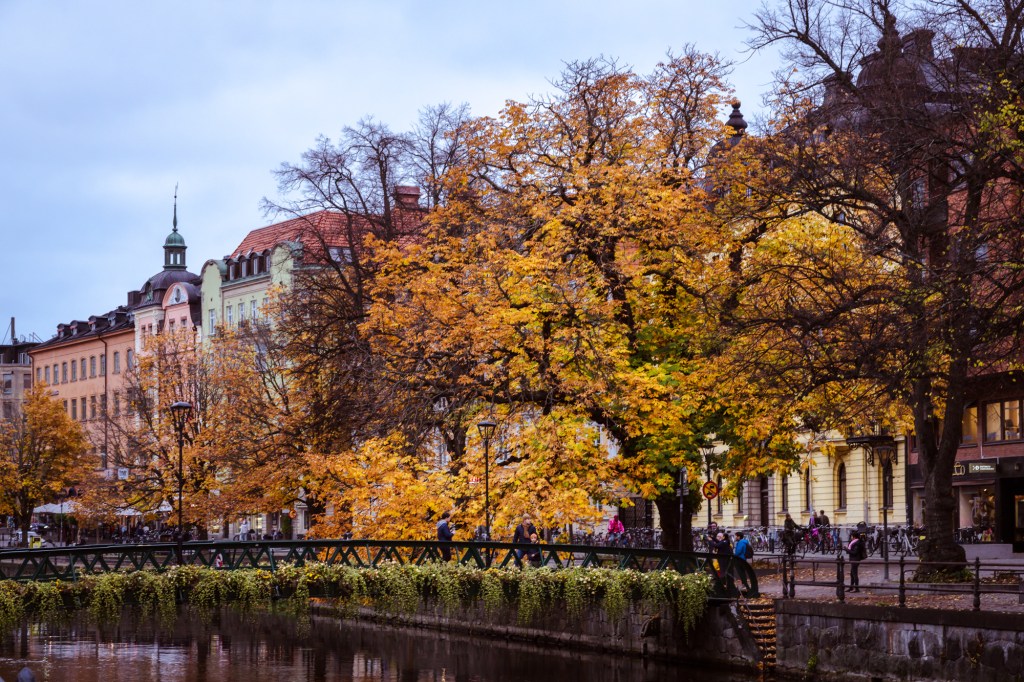
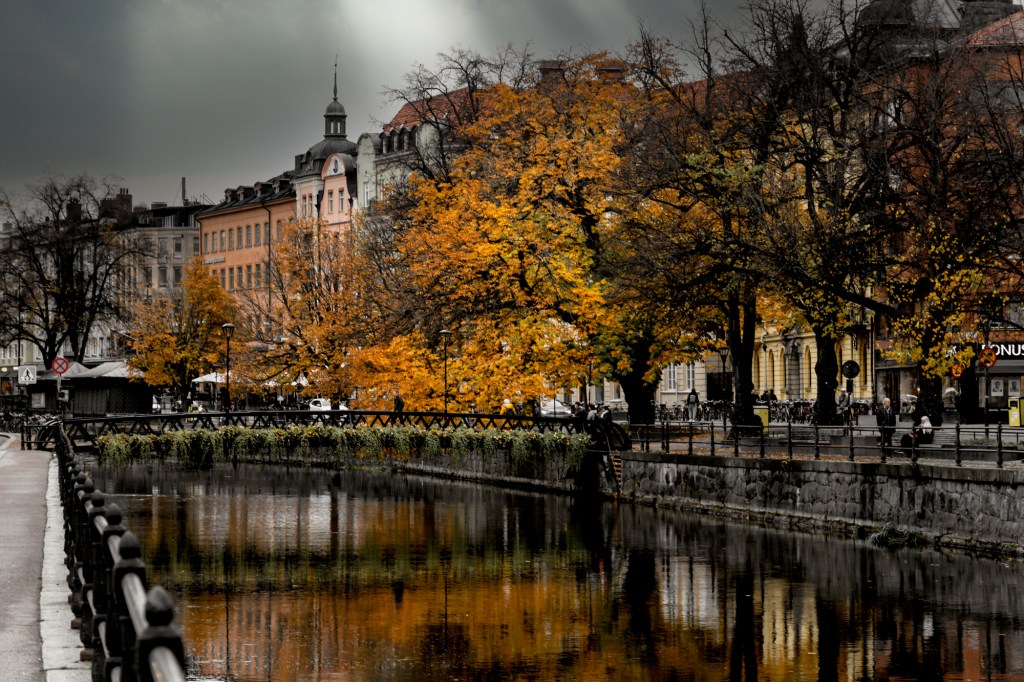
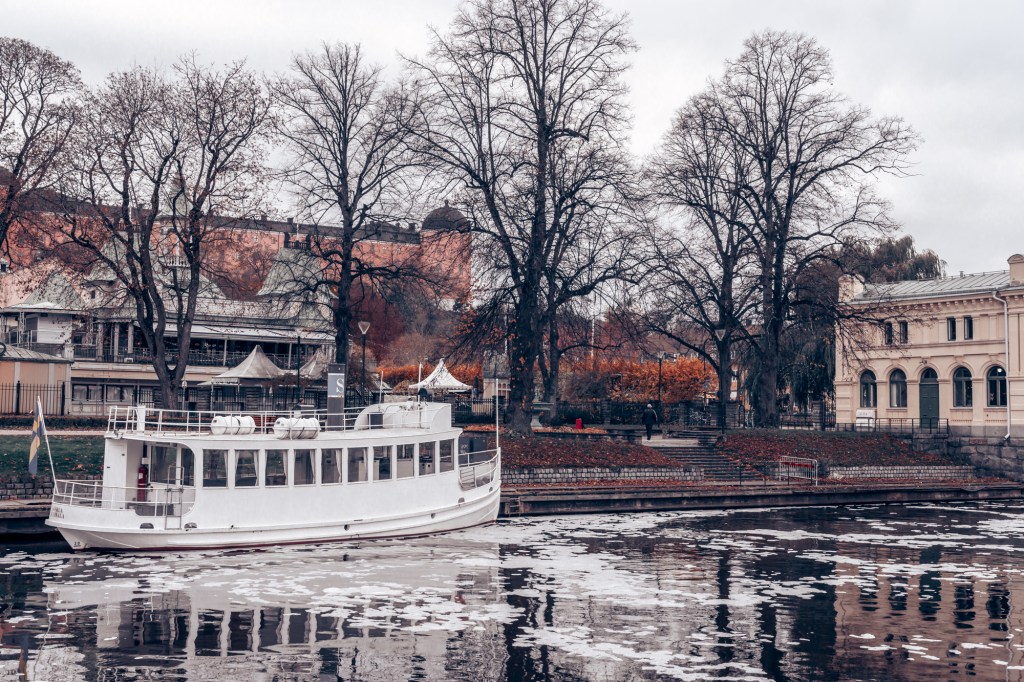
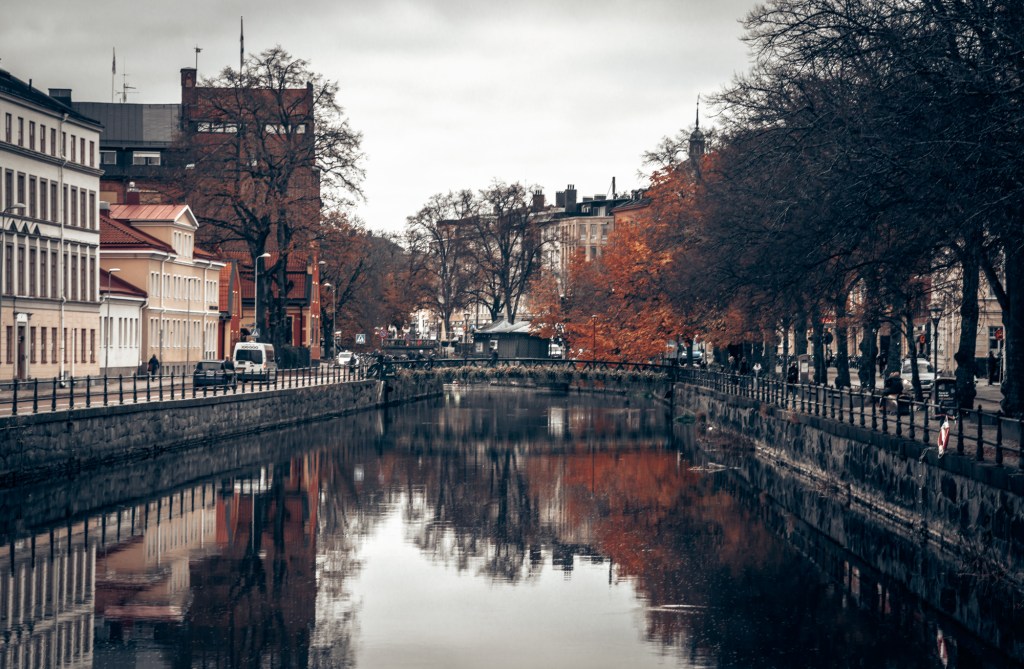
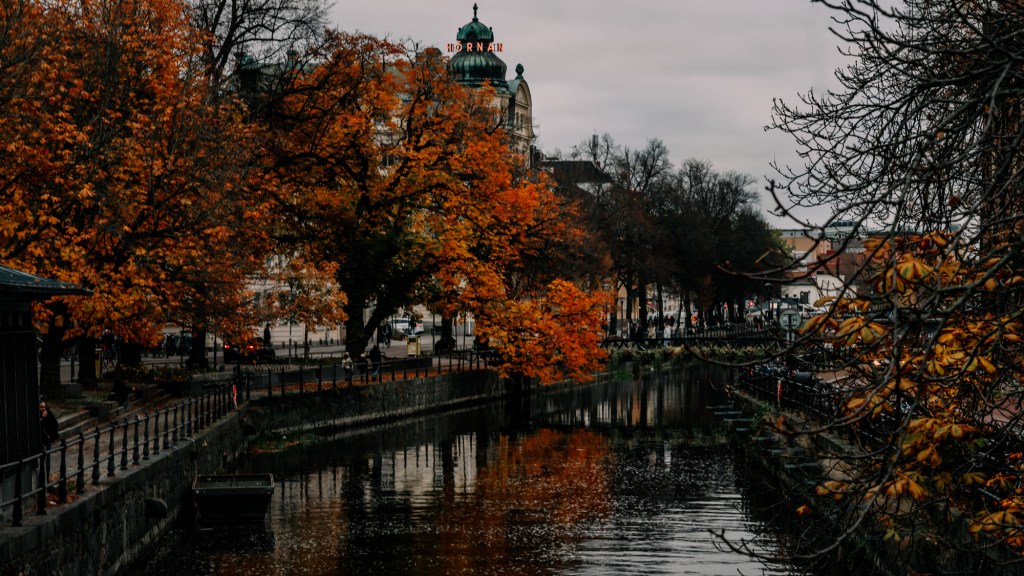
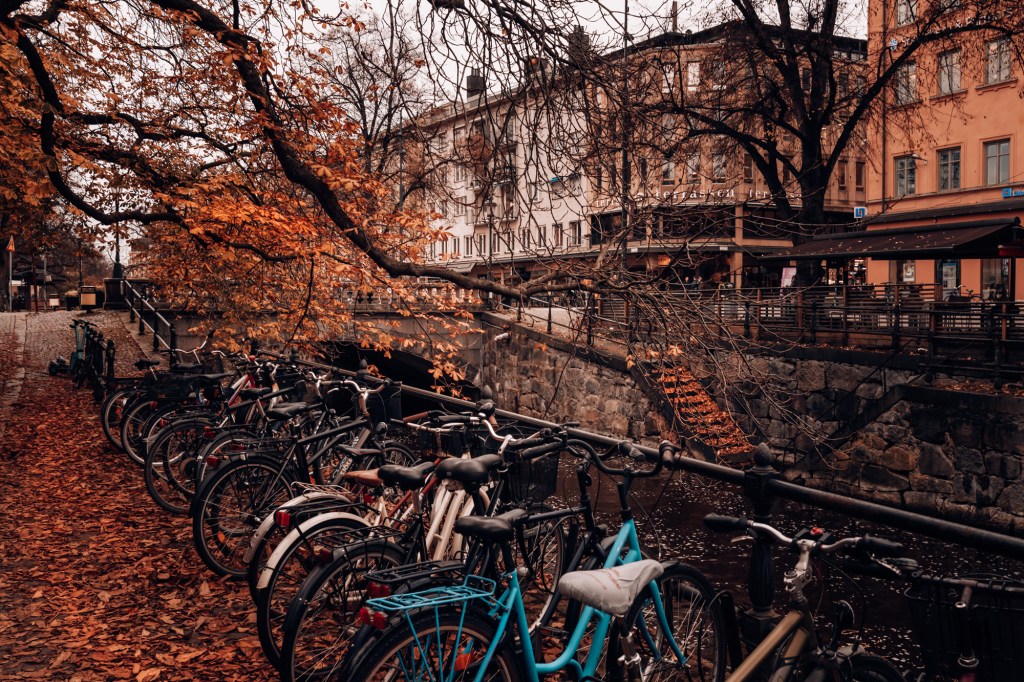
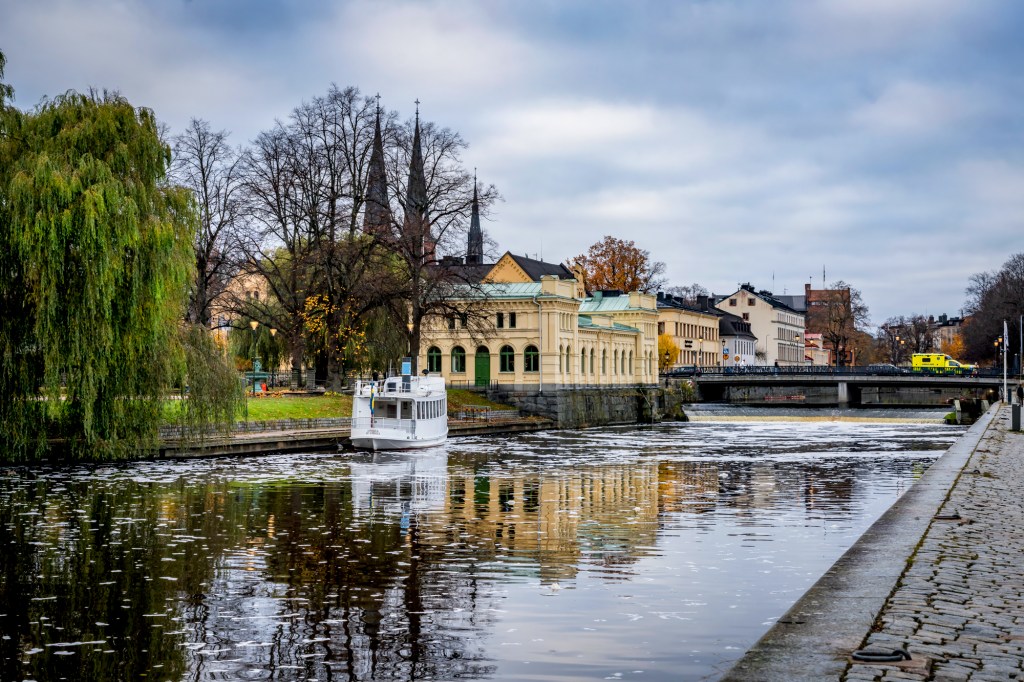
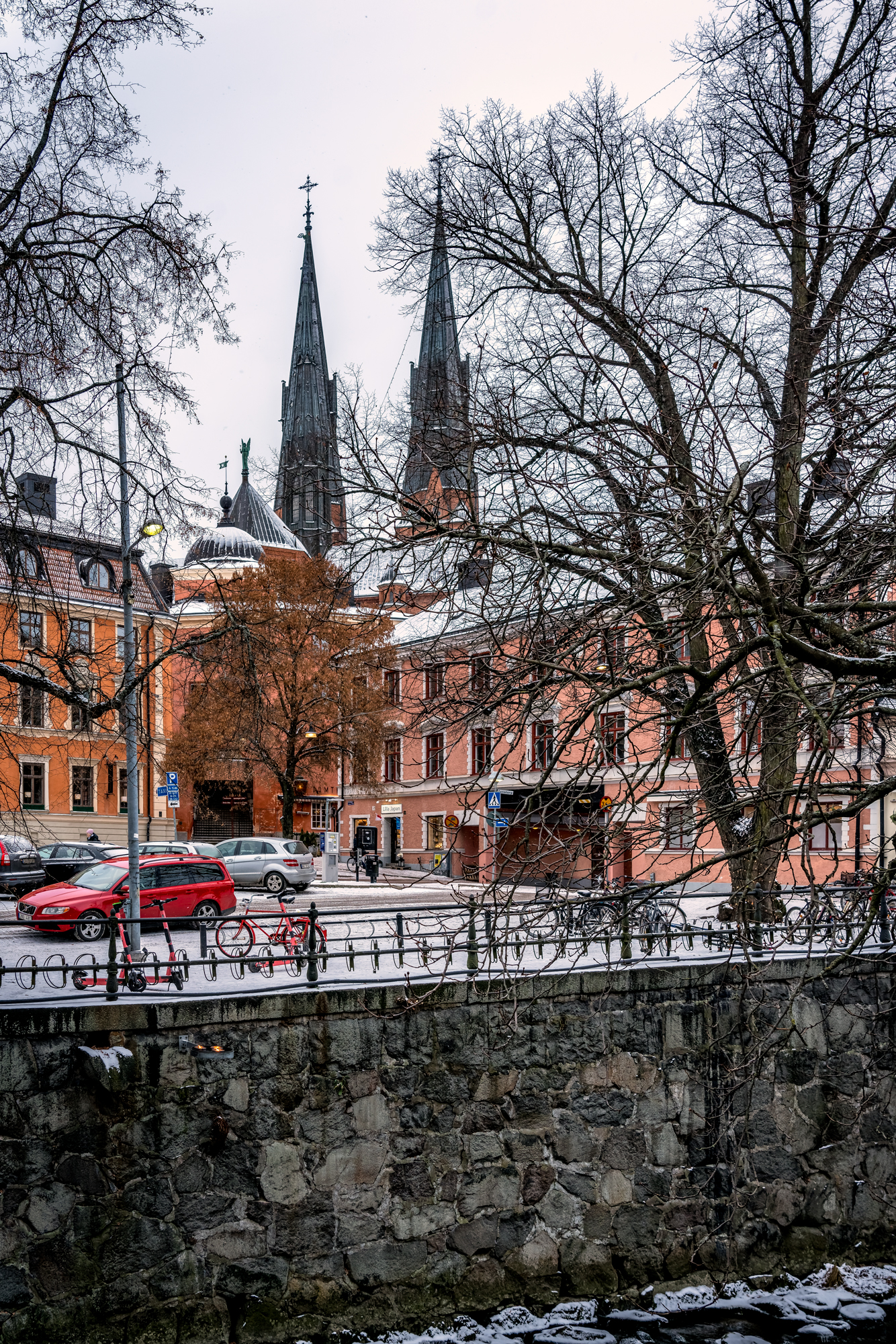
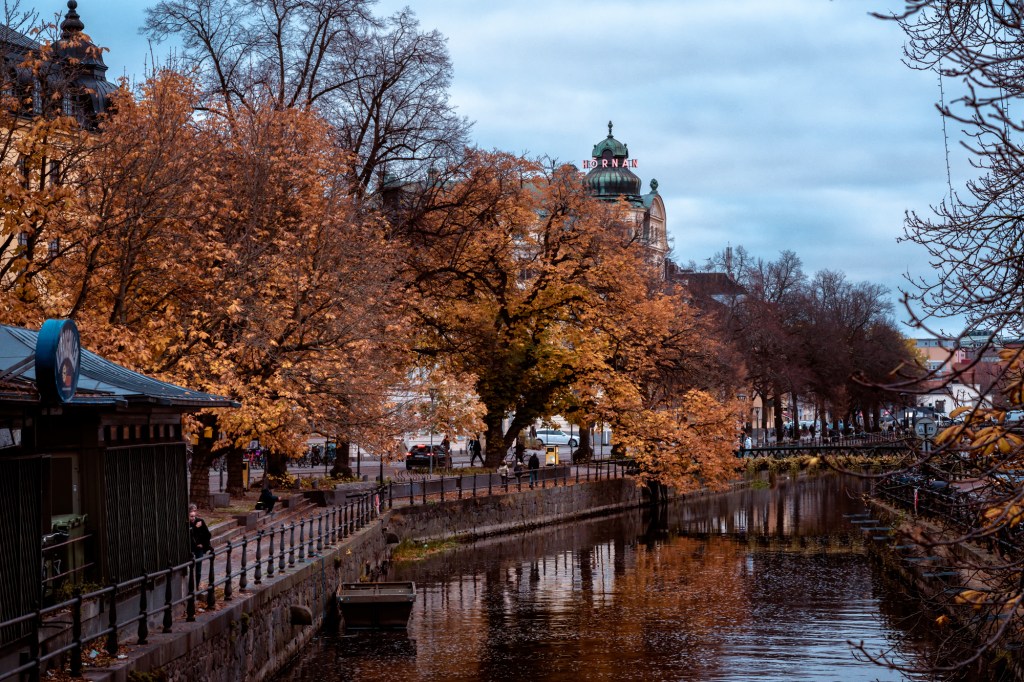
I have now lived in Sweden for a little over two weeks and finally had time to take out my beloved camera that has been quite bored lately! This was probably one of the last days of fall this year and the colors were about to disappear, but I did manage to catch a few last breaths!

Historic Uppsala – travel back in time to the Iron Age and the Viking era 

Wherever you set foot in Uppsala, you’re bound to stumble upon sights of historical significance. On display within the centrally located Carolina Rediviva, Uppsala University’s library, you’ll find the astonishing 6th century Silver Bible, one of the world’s oldest and most extensive Gothic codices. A stone’s throw away lies Uppsala Cathedral, the burial place of Swedish royals such as King Gustav Vasa, who died in 1560. Other must-see sights include Uppsala Castle and its expansive grounds. A sprawling affair, this key landmark houses two museums: Uppsala Art Museum and Vasaborgen. Don’t miss the opportunity to view the cityscape from high above by joining a guided walk atop the castle roof. 

Uppsala University, founded in the 15th century and the oldest university in Sweden, is another draw. The building – bearing the delightfully fancy name Gustavianum – dates back to the 1620s. Even non-students can discover its legacy as it now serves as a museum. Among its highlights, you’ll find the intricately constructed Augsburg Art Cabinet, a fine example of early 17th-century cabinetmaking. Gustavianum also houses a significant portion of Uppsala University’s heritage in the shape of artworks and archaeological finds, both Nordic and classical.  

Further must-see discoveries await at Gamla Uppsala Museum (Old Uppsala Museum), nestled by the royal mounds. A mythical wonderland dating back to the Iron Age, this is one of Scandinavia’s key cultural environments. You can wander around the centuries-old royal mounds, as well as take a closer look at some of the archaeological finds that illustrate a fascinating past. Courtesy of the virtual reality tour, you’ll be immersed in Viking life as you travel back in time to Uppsala of the 7th century.

Source: Visit Sweden
Croatia

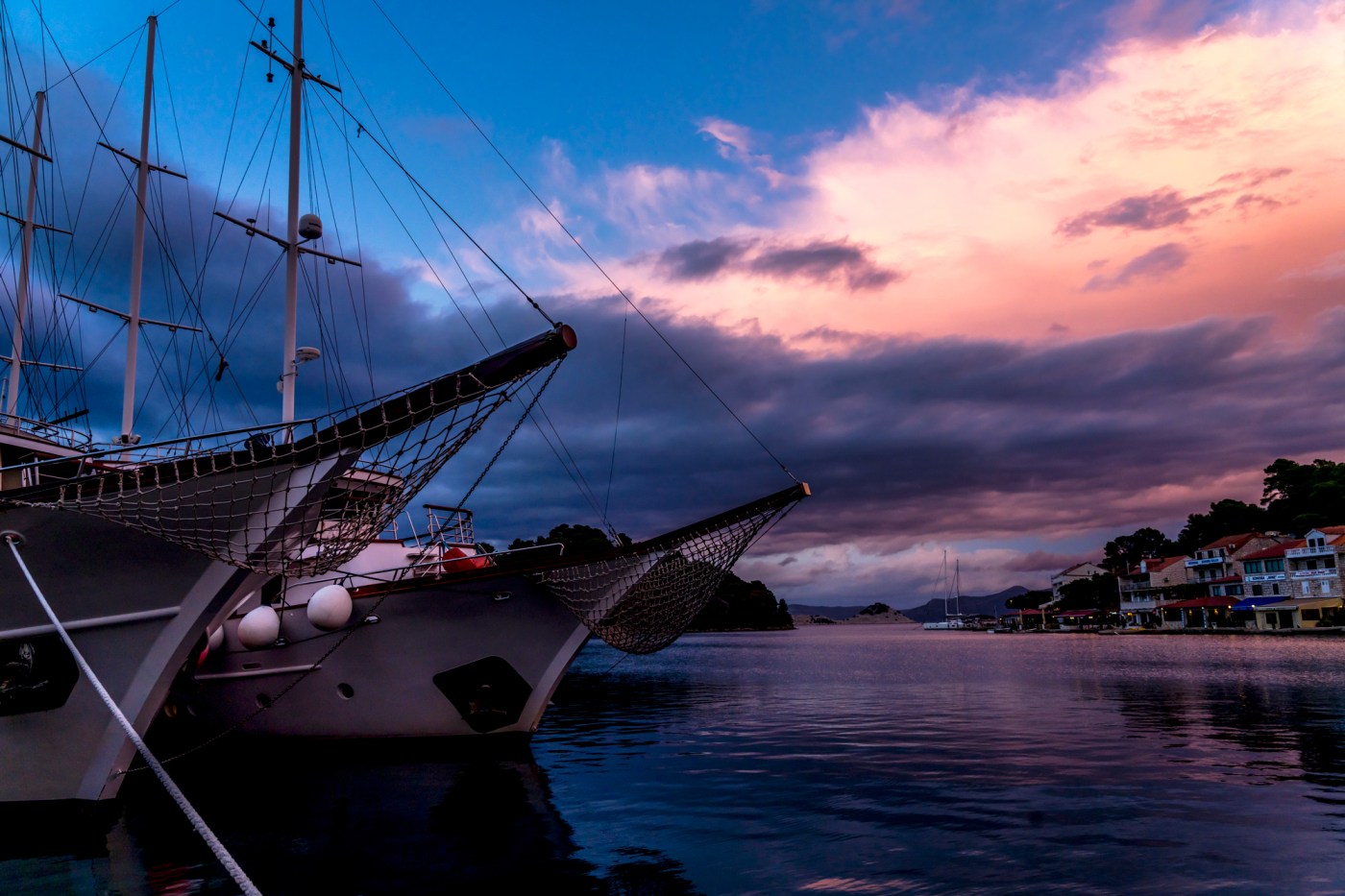
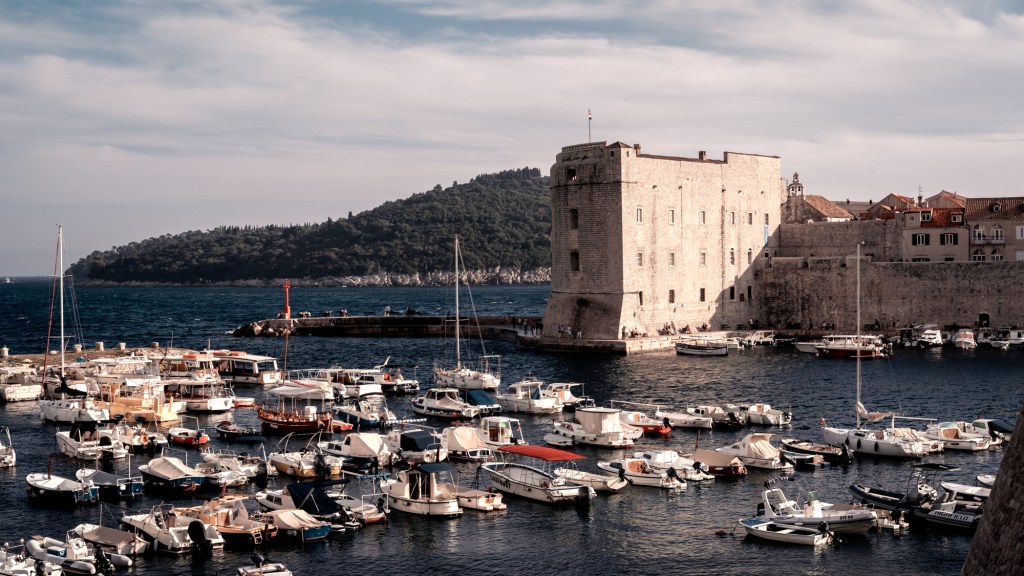
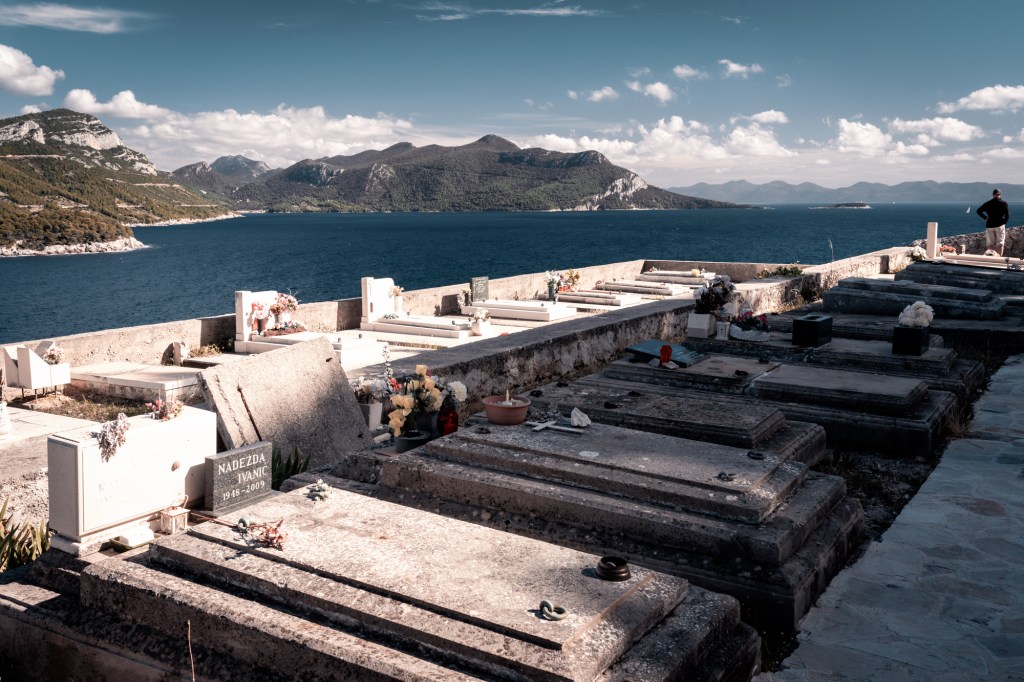
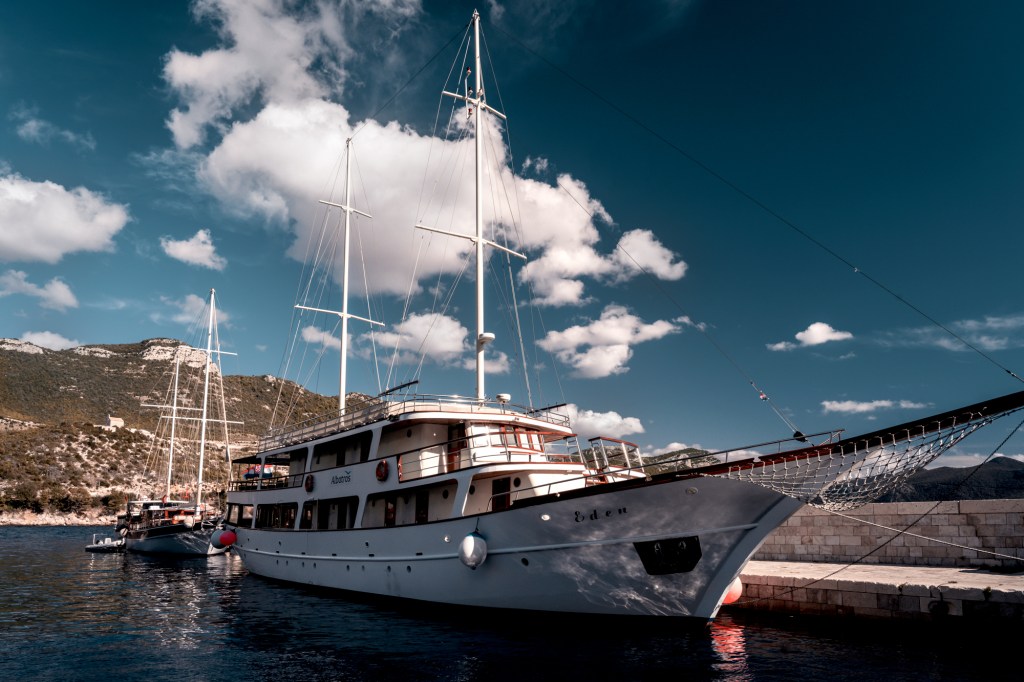
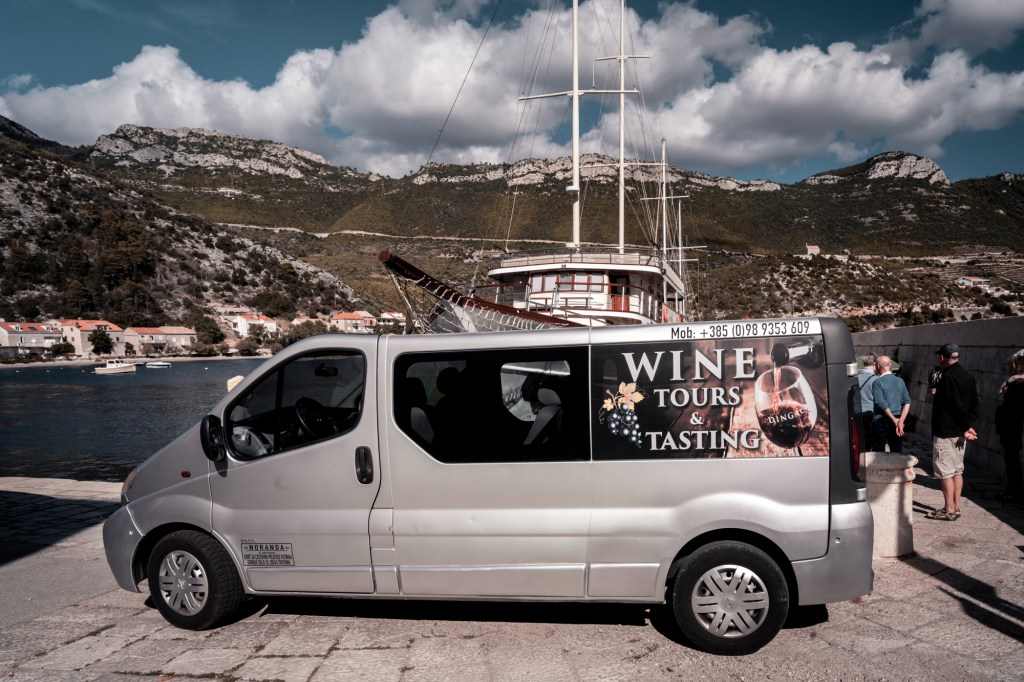
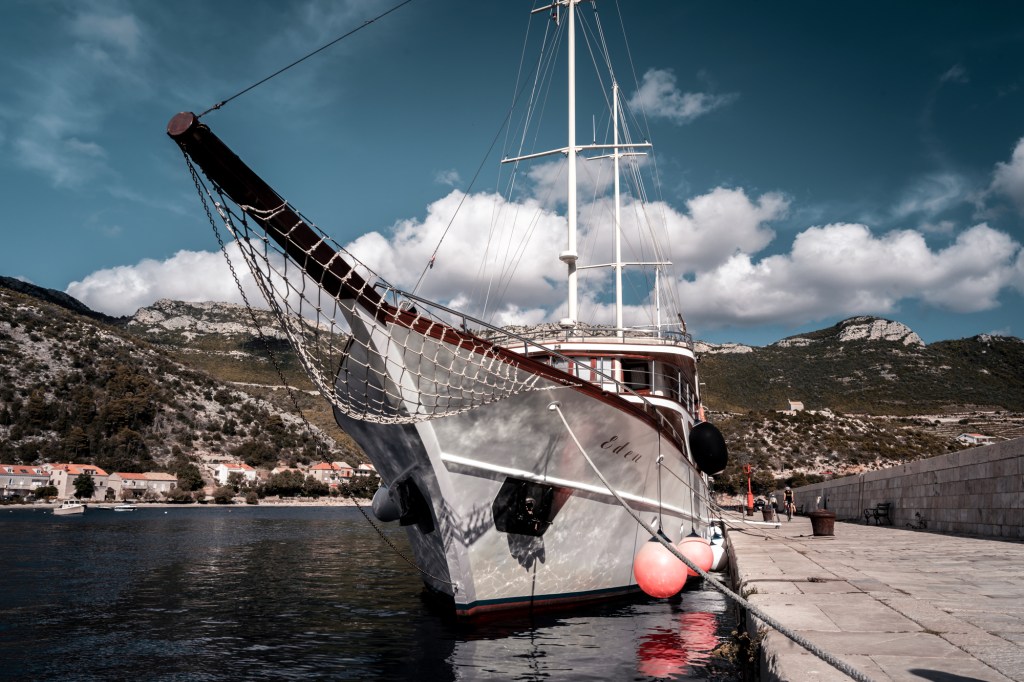
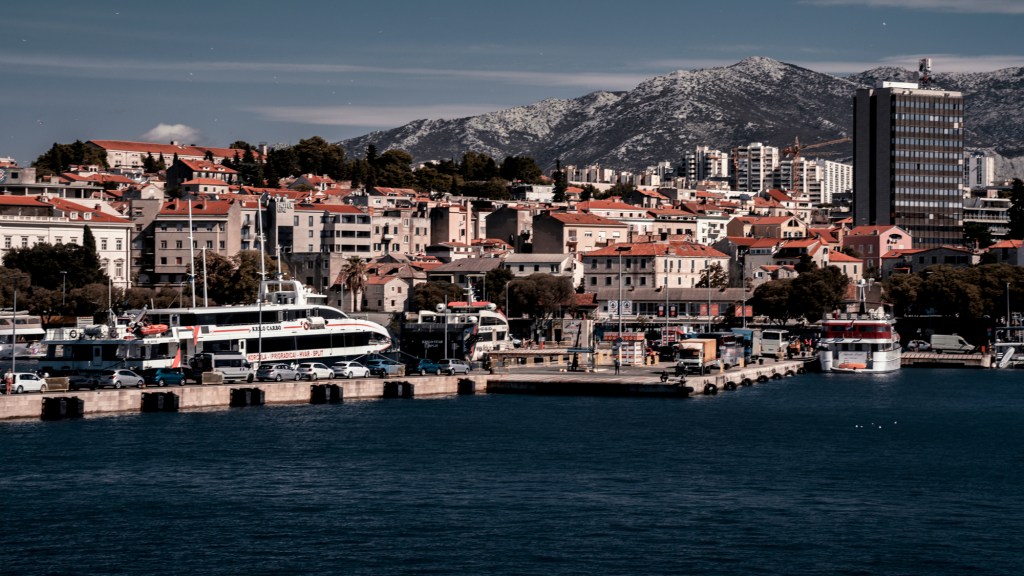
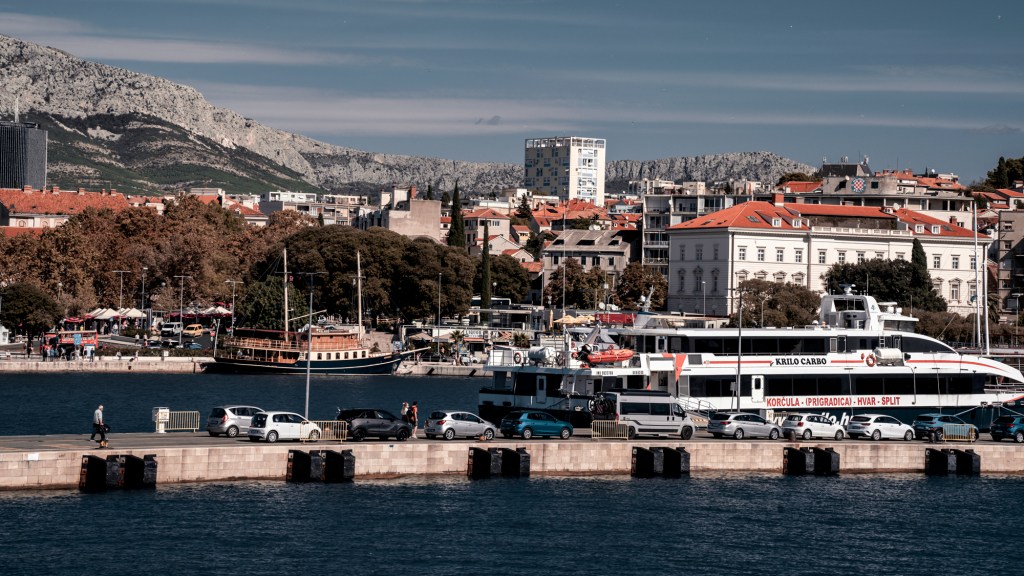
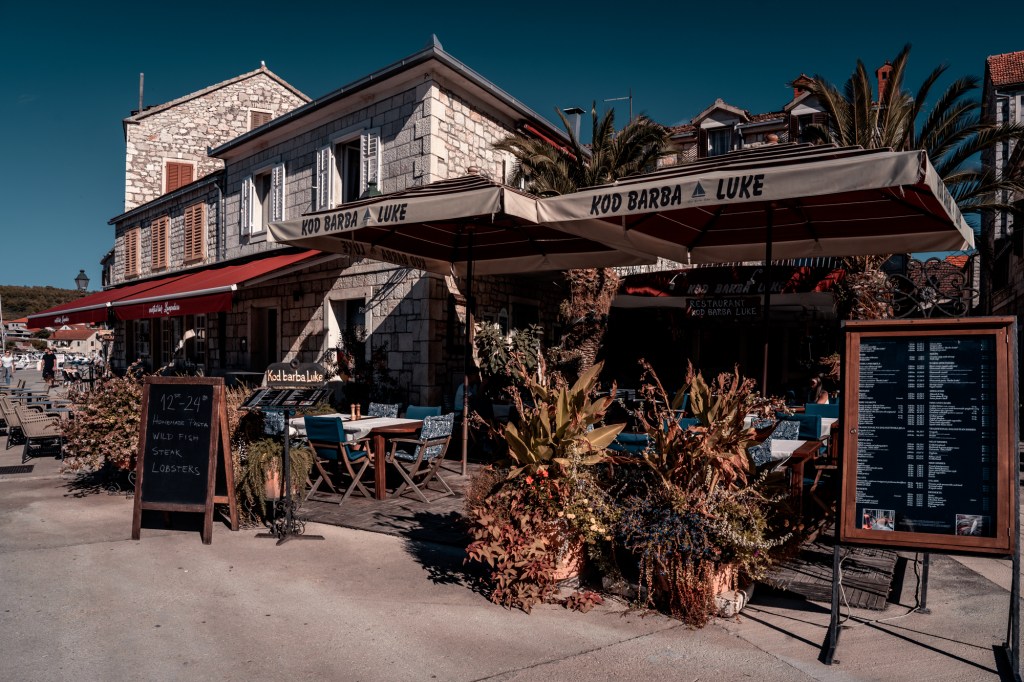
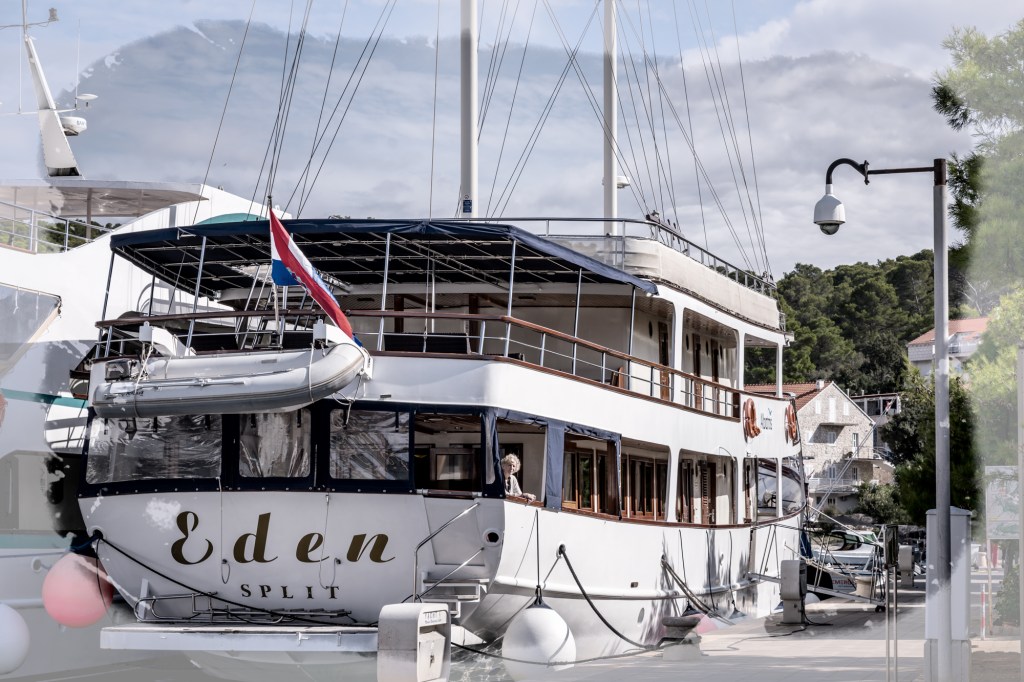
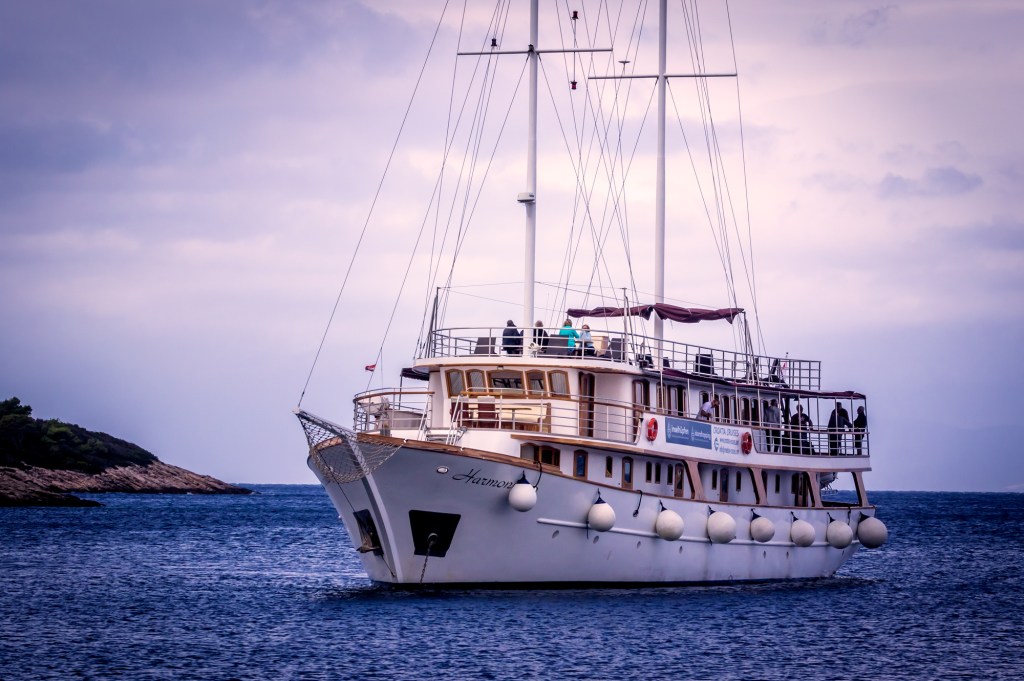
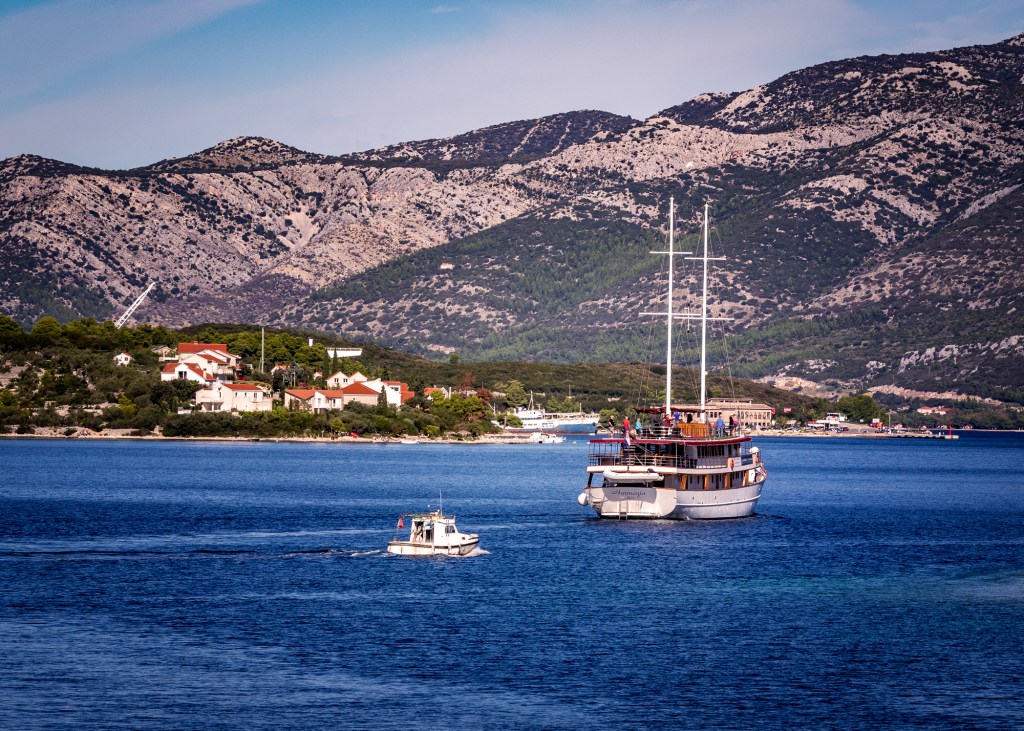
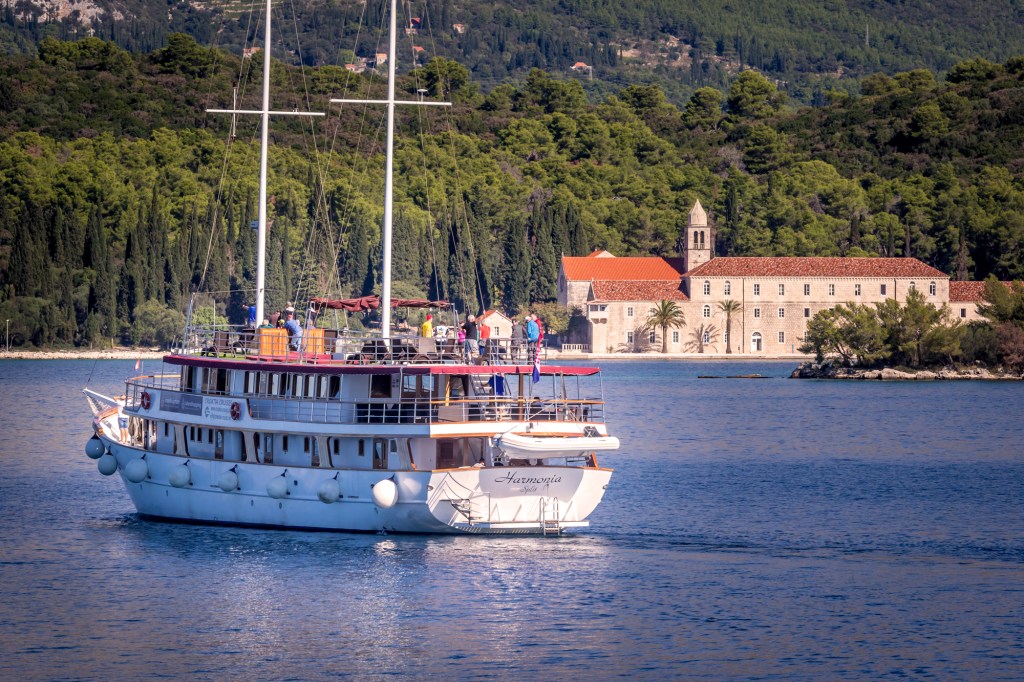
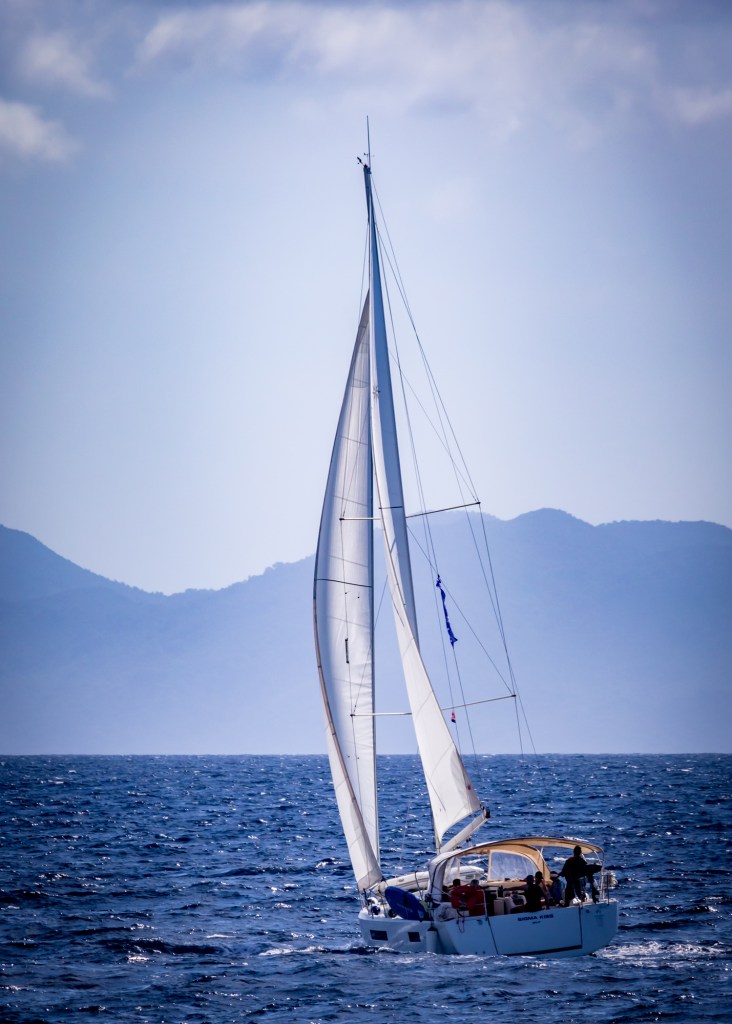
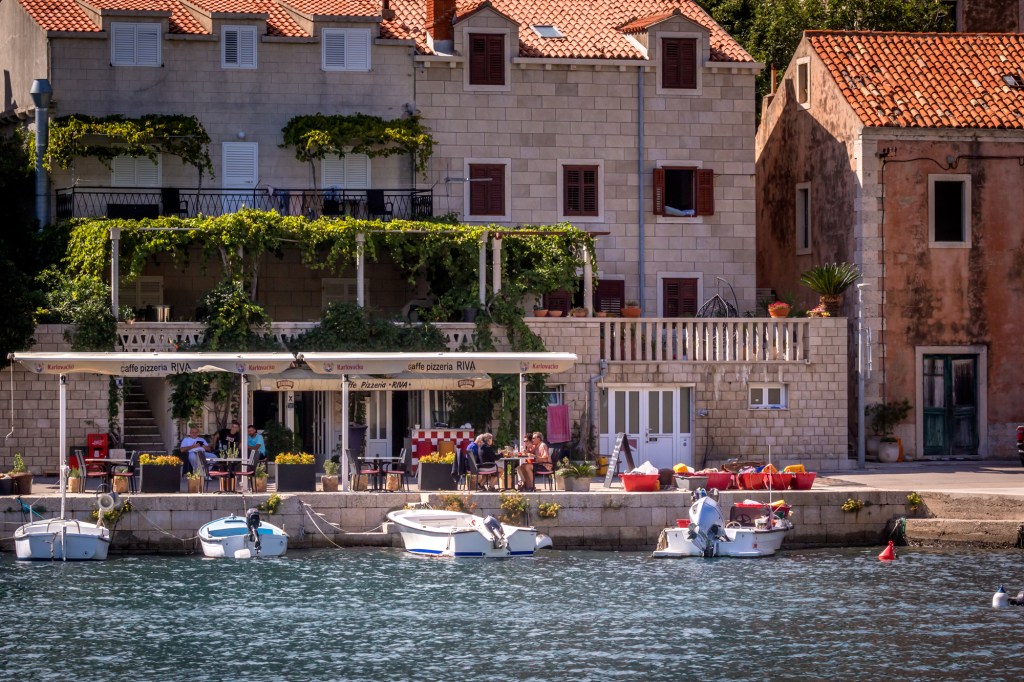
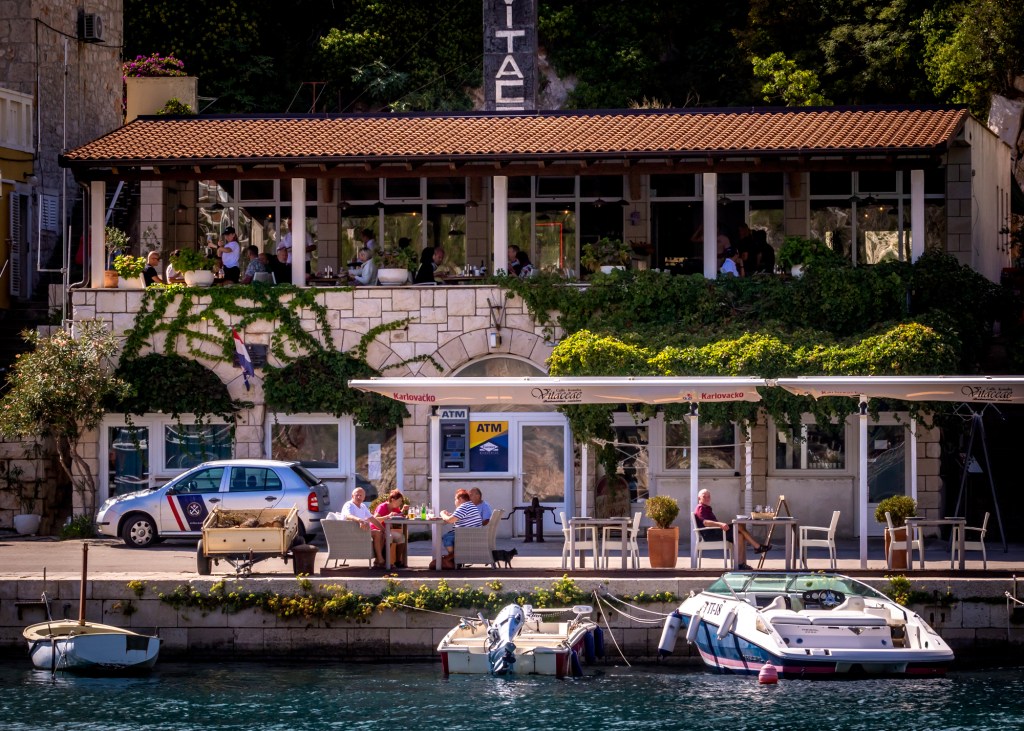
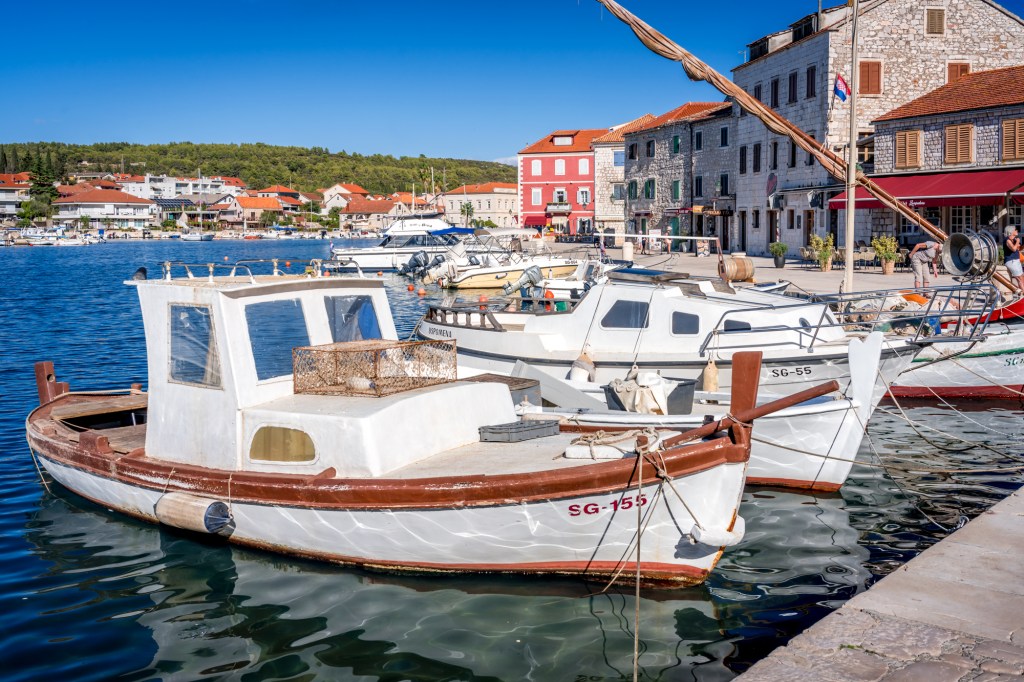
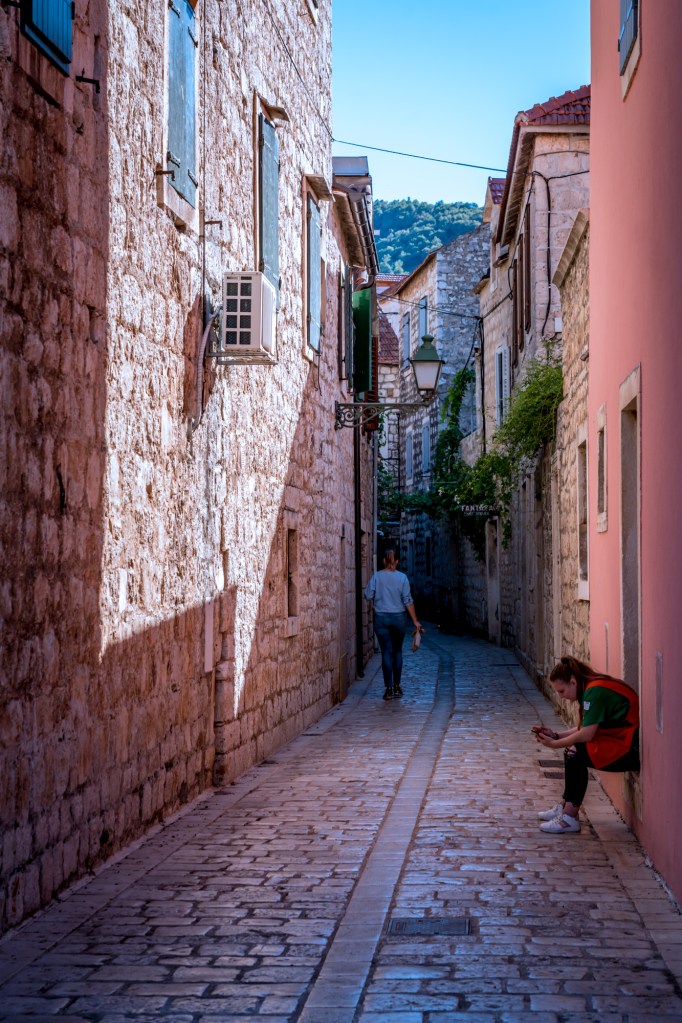
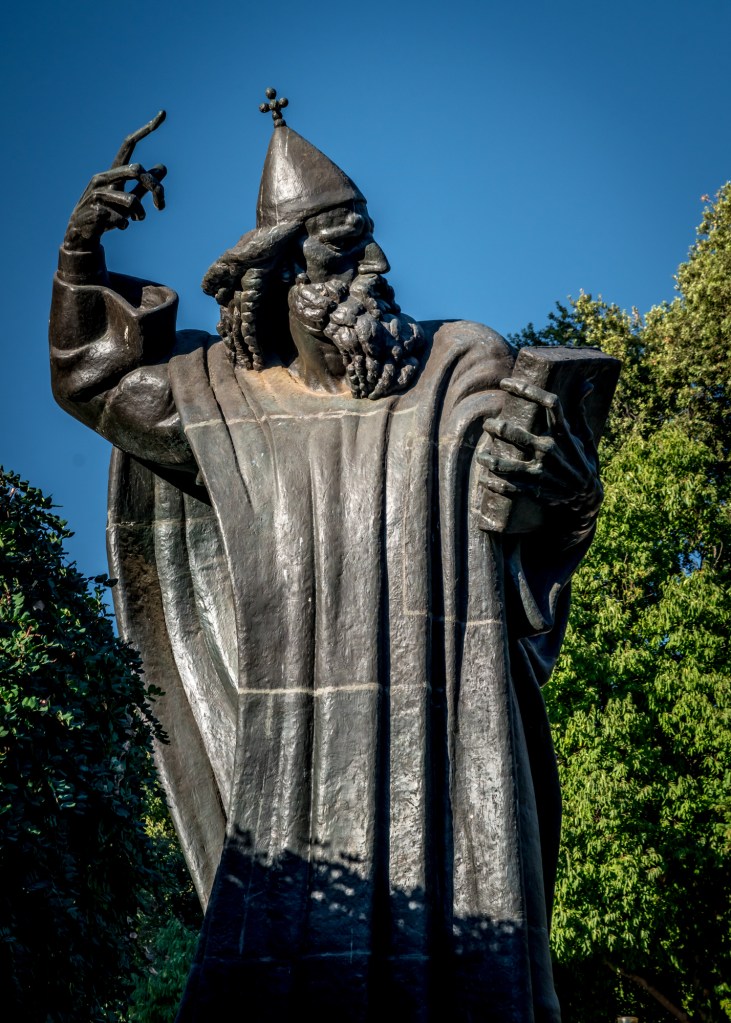
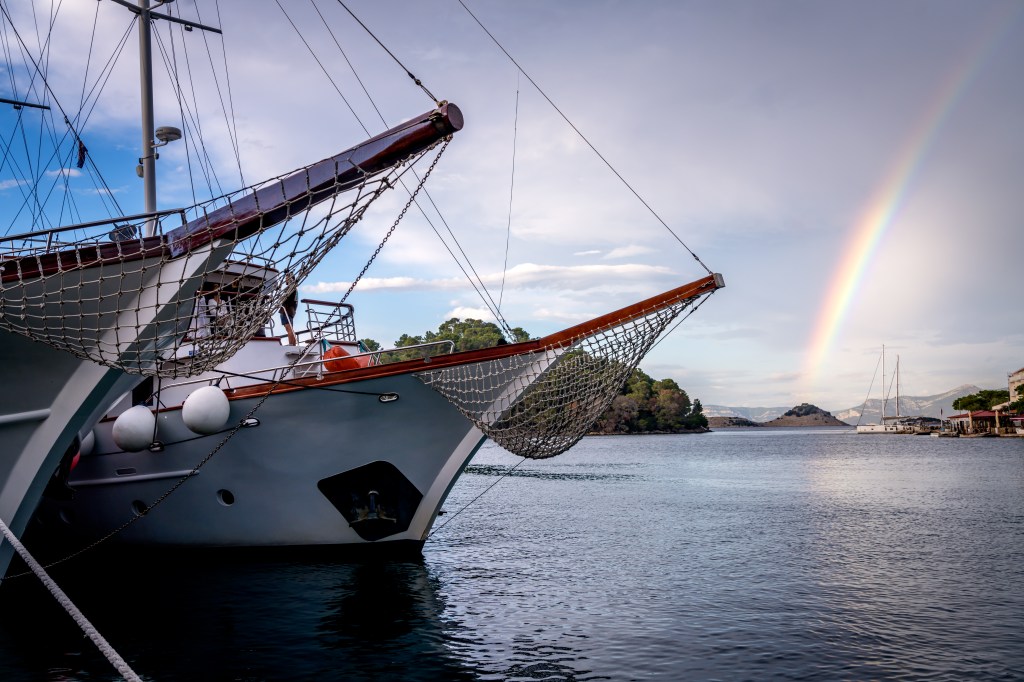
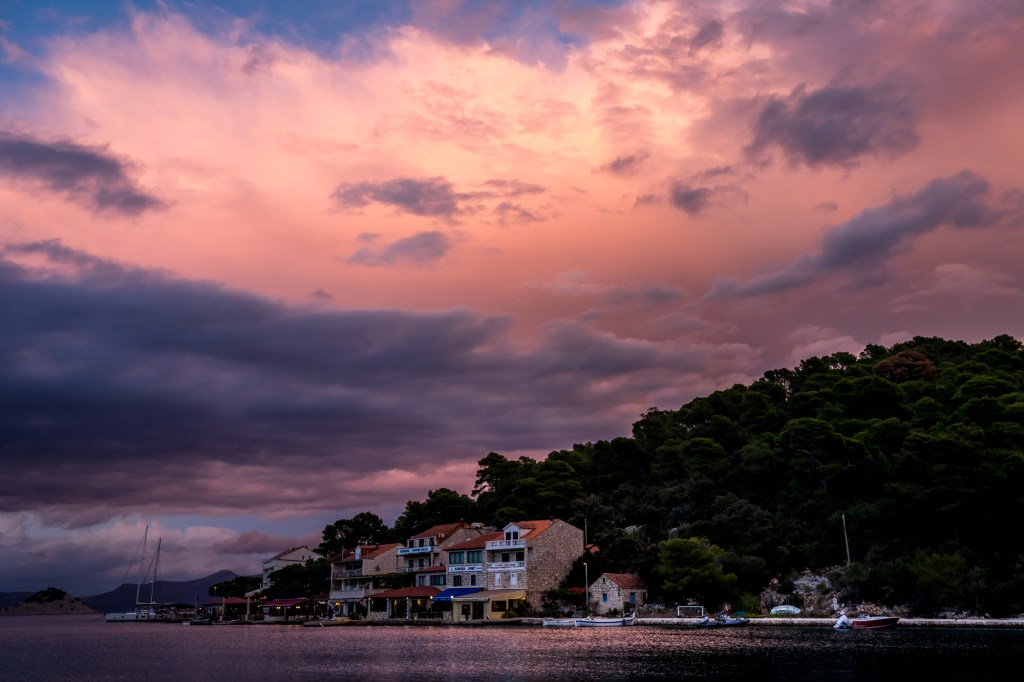
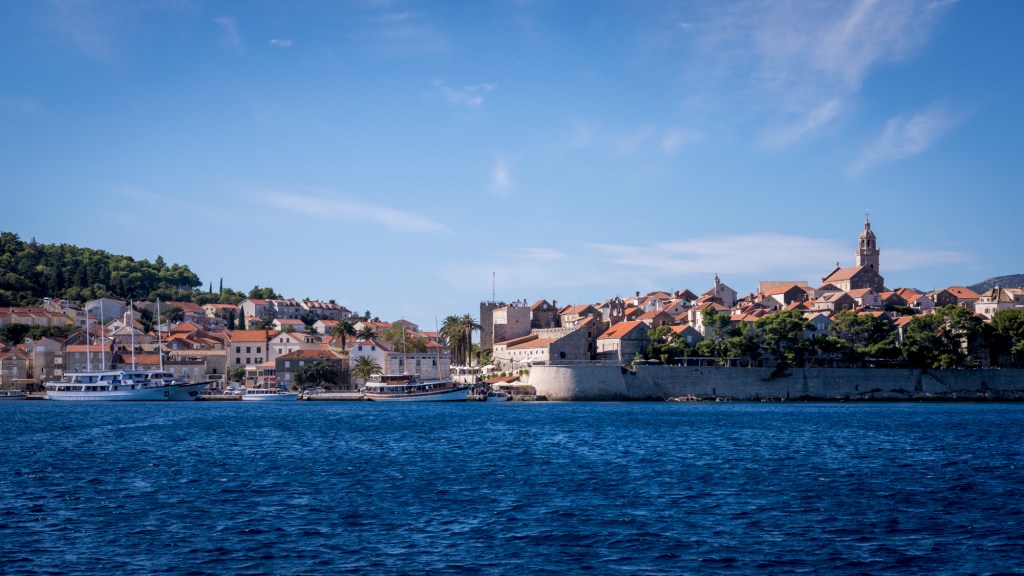
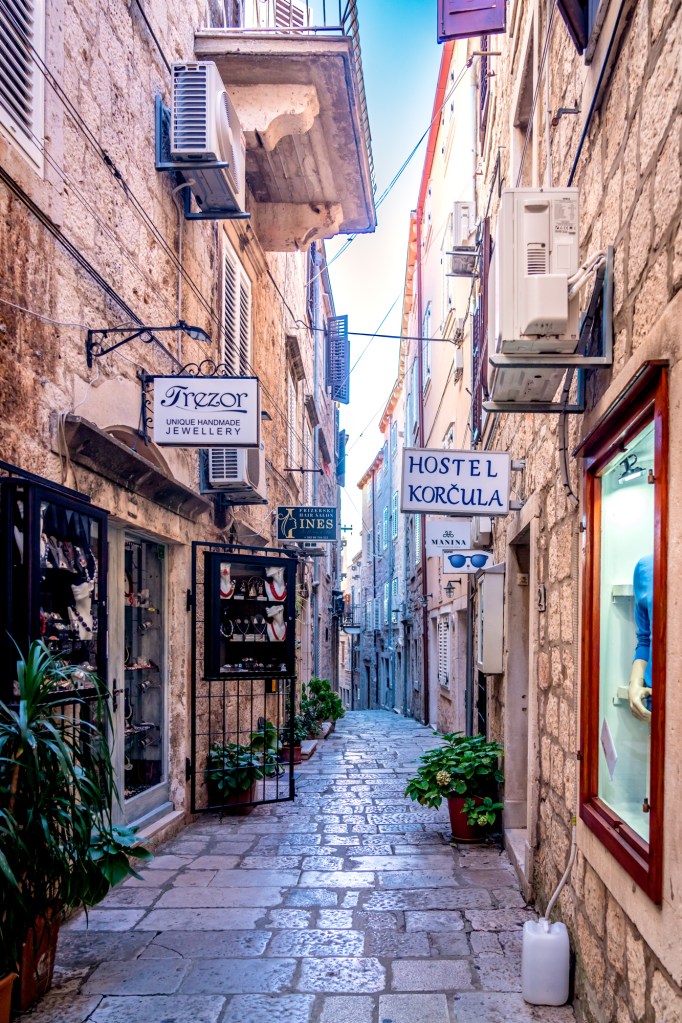
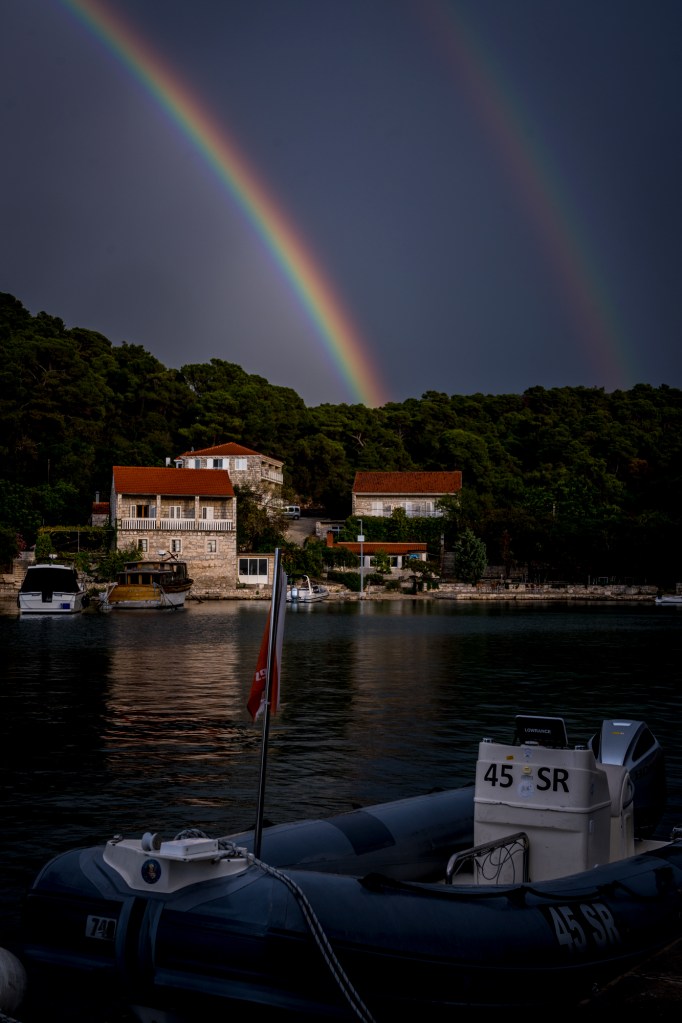
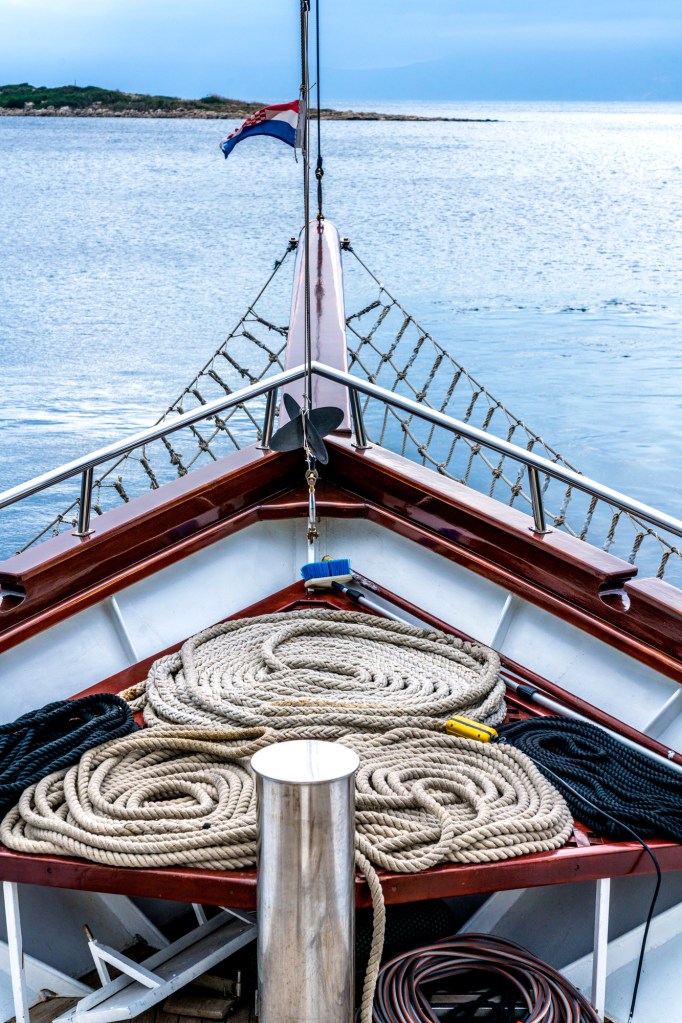
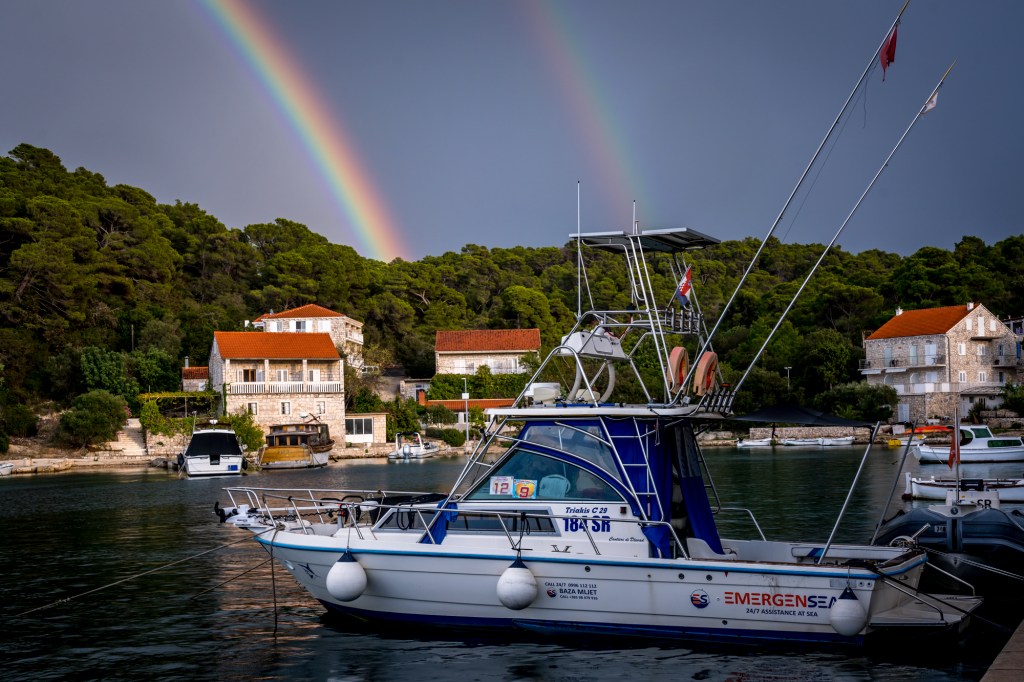
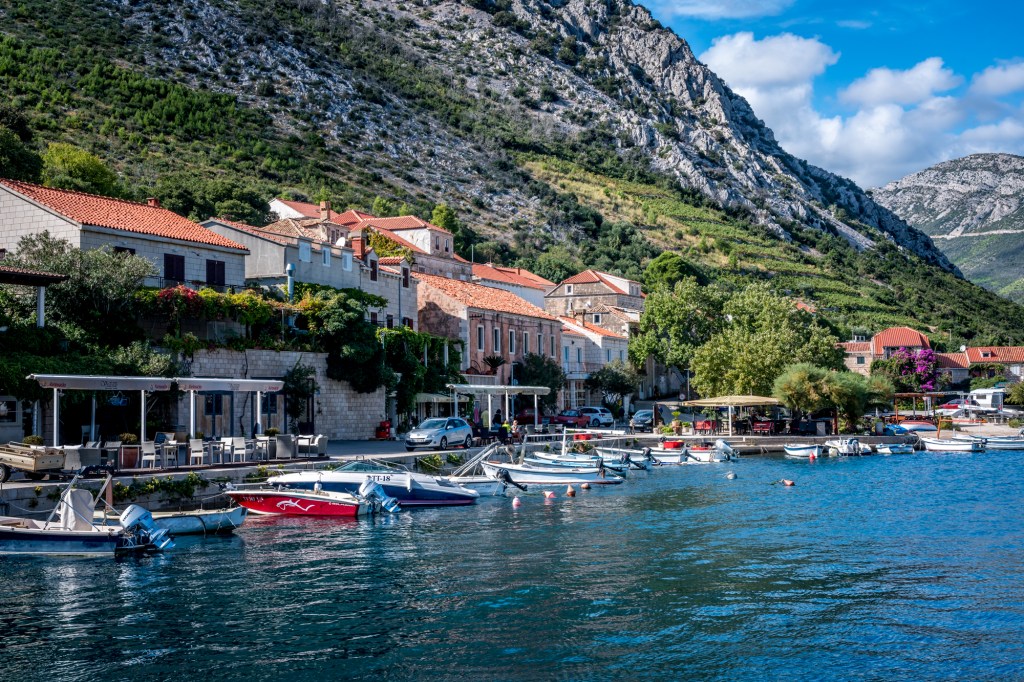
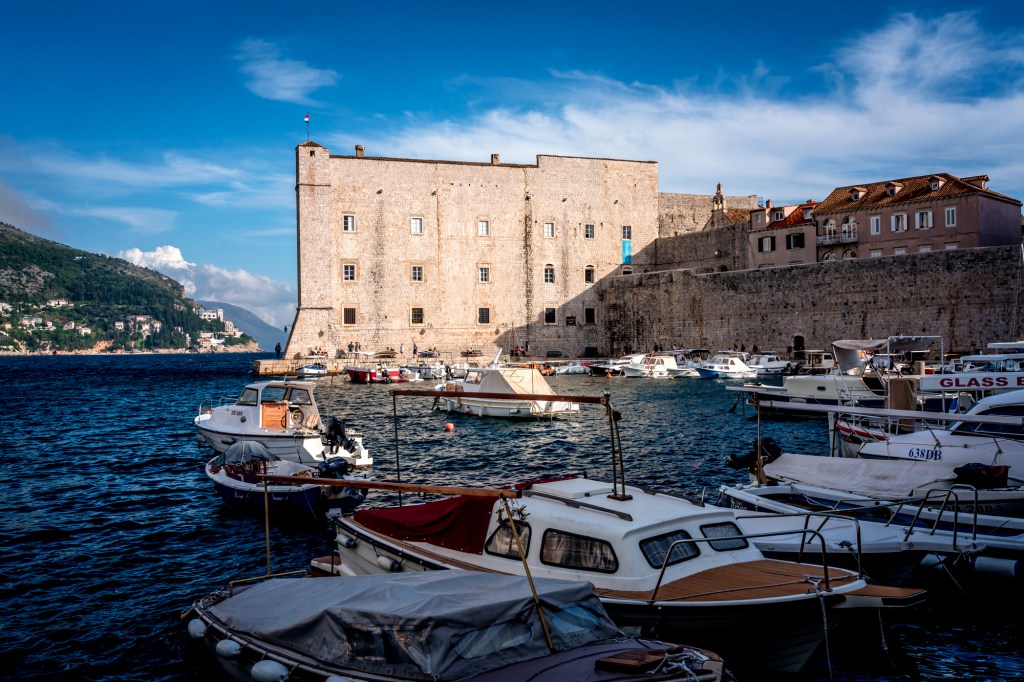
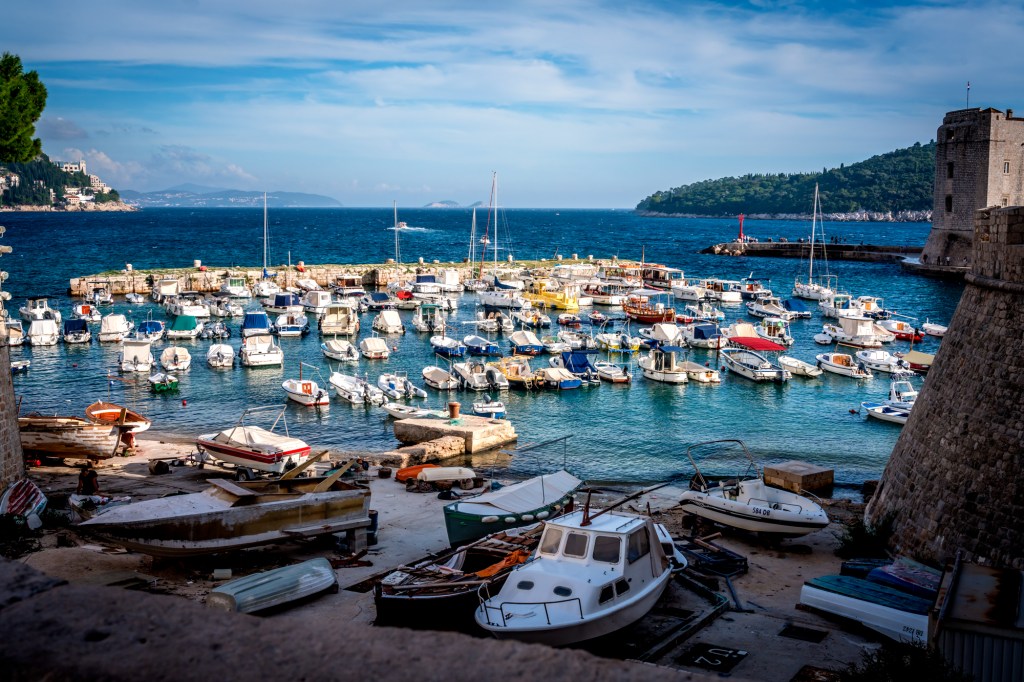
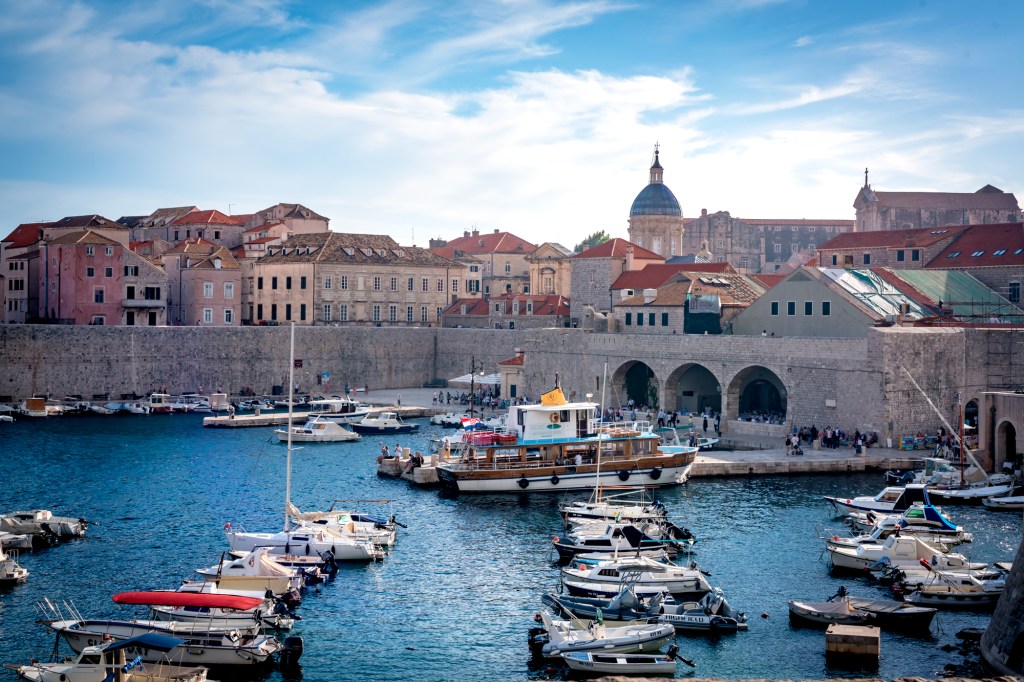
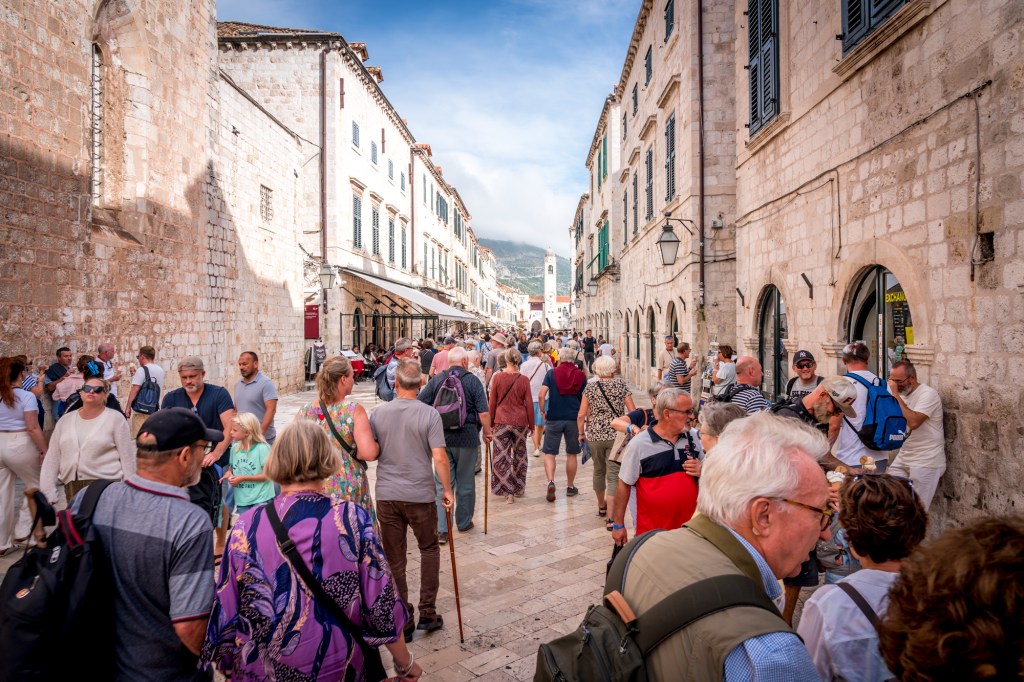
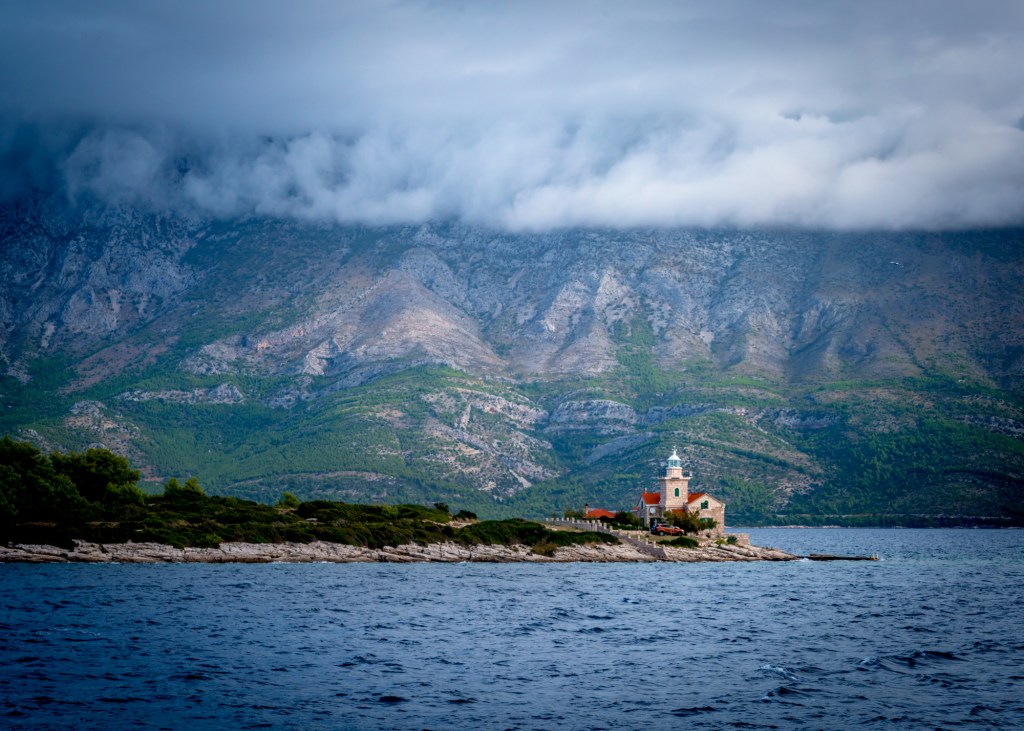
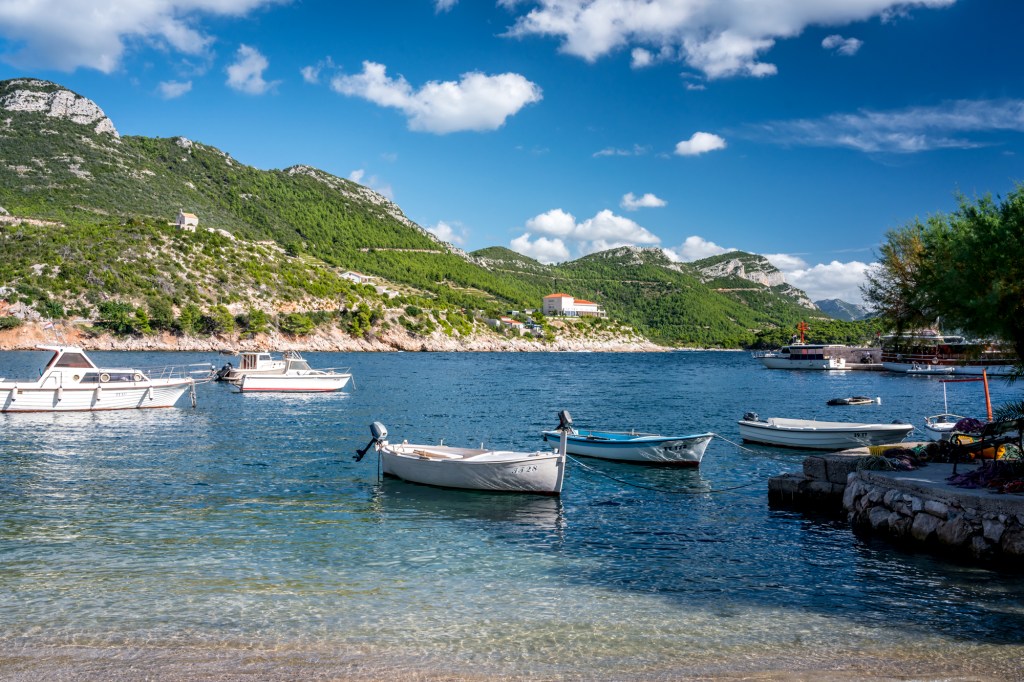
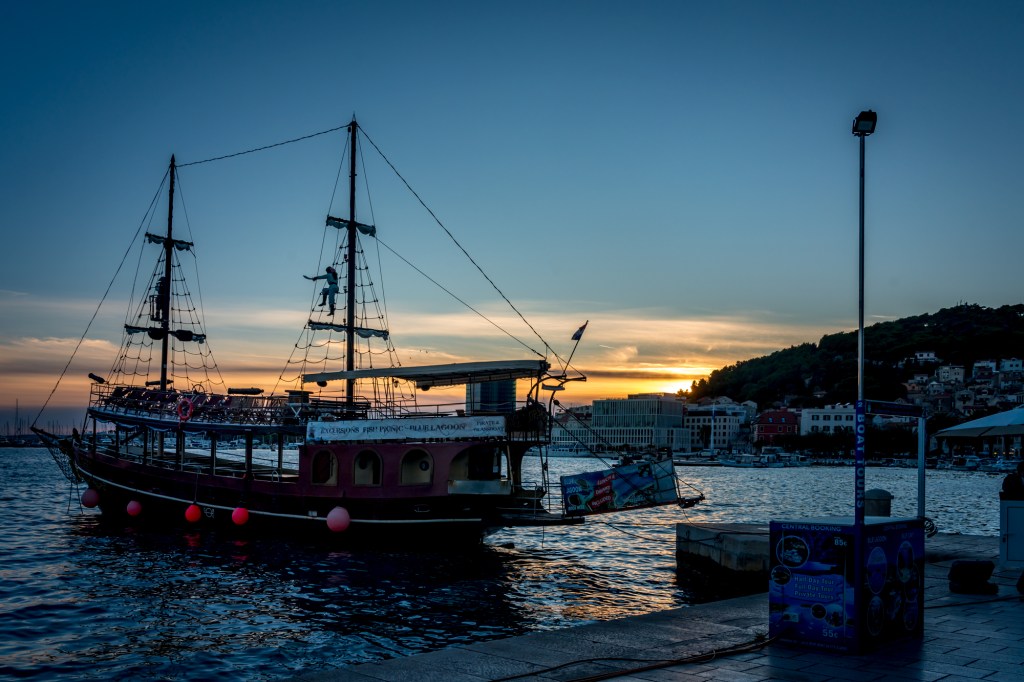
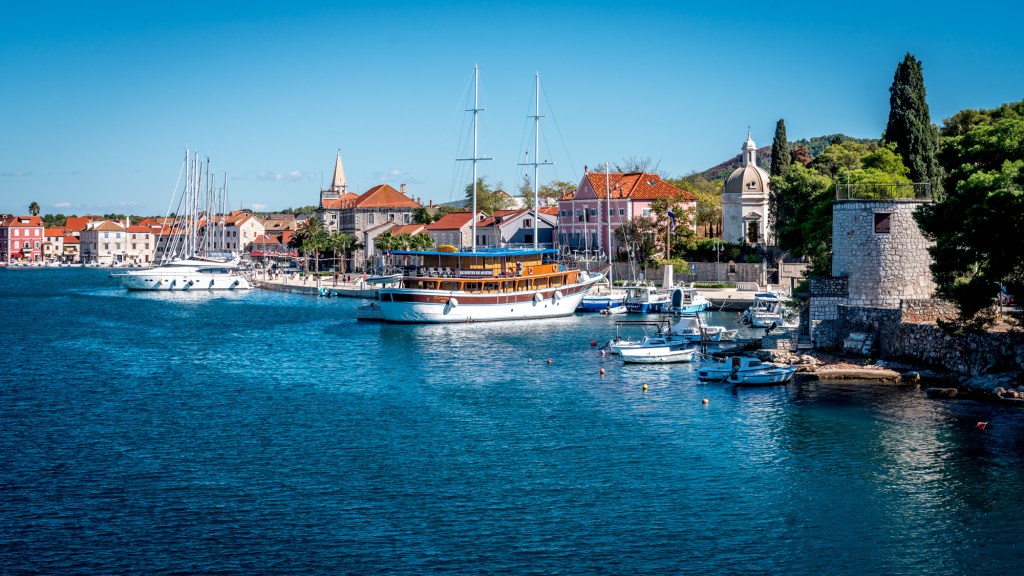
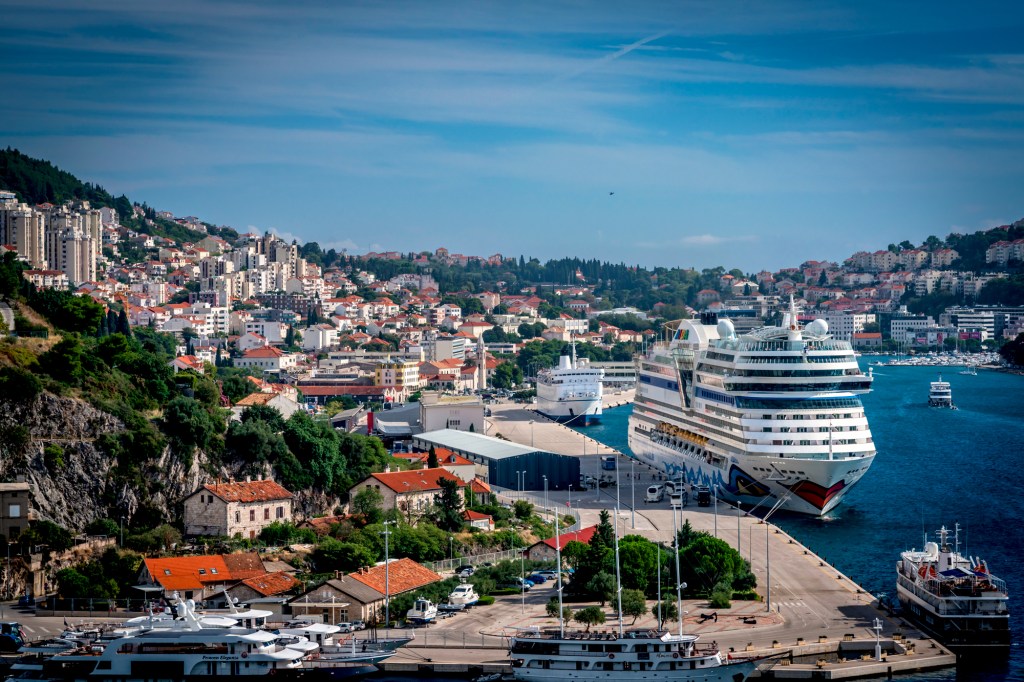
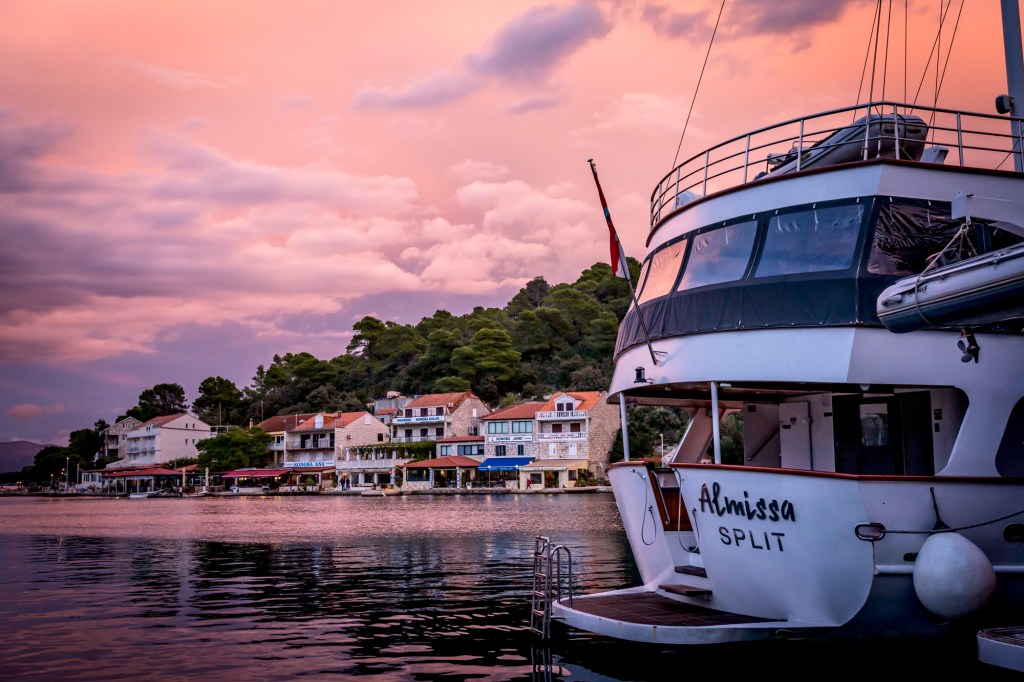
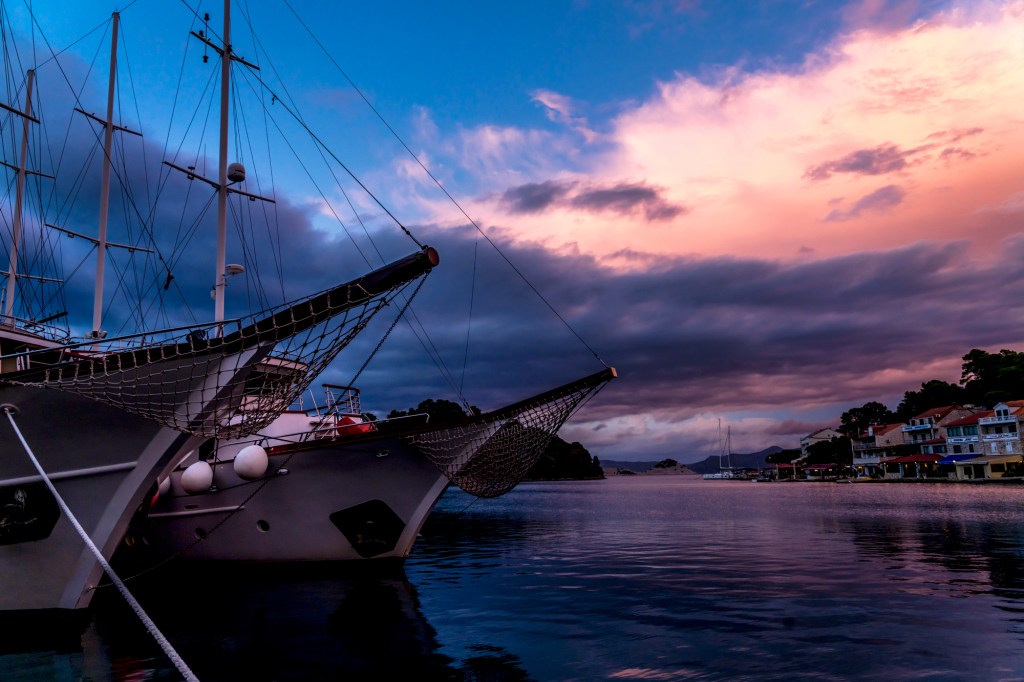
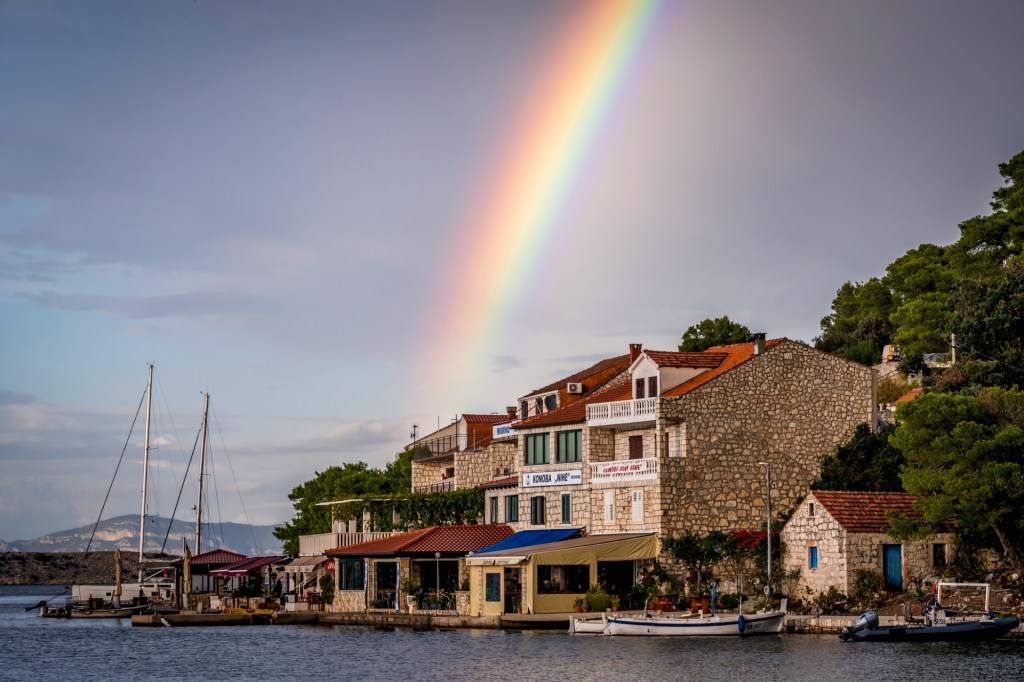
A little over a month ago, I did a cruise around Croatia which was quite unforgettable! All the gorgeous little islands and towns are now a total blur, especially since the program changed daily due to the weather conditions, but we visited Split, Dubrovnik, Trstnenik, Mljet, Hvar and Korcula. The weather was not at its best the first 2-3 days, but cleared up and we got 5 days of Adriatic Summer! We have traveled with Albatros Travel before and are now used to the Not So Big & Fluffy American Towels and the spartan cabins and can truly enjoy the guides and the excellent service!

The Jews of Budapest

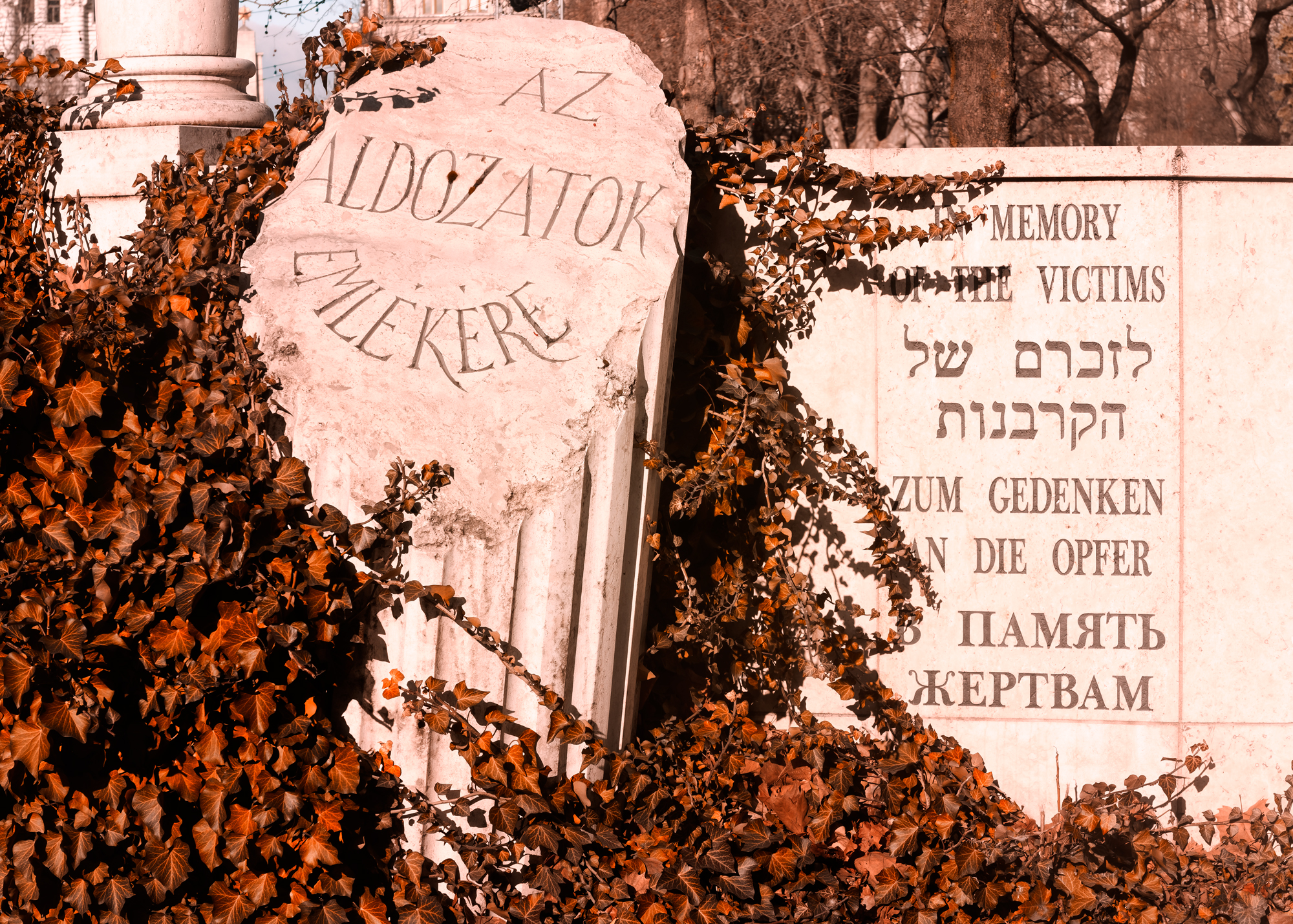
I am dedicating this post to the many Jews of Budapest who were pursued and killed during World War II. In a world that is increasingly intolerant and with frightening right-wing populist leaders on the rise, it imperative not to forget this somber past in order to prevent these atrocities from it ever happening again – anywhere.

The United States Holocaust Memorial Museum writes:

“Hungary’s capital, Budapest, straddles the banks of the Danube River and is the country’s most populous city. Budapest was created by the union of three cities: Buda, Obuda, and Pest.

Before World War II, approximately 200,000 Jews lived in Budapest, making it the center of Hungarian Jewish cultural life. In the late 1930s and early 1940s, Budapest was a safe haven for Jewish refugees. Before the war some 5,000 refugees, primarily from Germany and Austria, arrived in Budapest. With the beginning of deportations of Jews from Slovakia in March 1942, as many as 8,000 Slovak Jewish refugees also settled in Budapest.

Hungary was allied with Nazi Germany. Despite discriminatory legislation against the Jews and widespread antisemitism, the Jewish community of Budapest was relatively secure until the German occupation of Hungary in March 1944. With the occupation, the Germans ordered the establishment of a Jewish council in Budapest and severely restricted Jewish life. Apartments occupied by Jews were confiscated. Hundreds of Jews were rounded up and interned in the Kistarcsa transit camp View This Term in the Glossary (originally established by Hungarian authorities), 15 miles northeast of Budapest.

Between April and July 1944, the Germans and Hungarians deported Jews from the Hungarian provinces. By the end of July, the Jews in Budapest were virtually the only Jews remaining in Hungary. They were not immediately ghettoized. Instead, in June 1944, Hungarian authorities ordered the Jews into over 2,000 designated buildings scattered throughout the city. The buildings were marked with Stars of David. About 25,000 Jews from the suburbs of Budapest were rounded up and transported to the Auschwitz-Birkenau killing center. Hungarian authorities suspended the deportations in July 1944, sparing the remaining Jews of Budapest, at least temporarily.

In October 1944, Germany orchestrated a coup and installed a new Hungarian government dominated by the fascist Arrow Cross party. The remaining Jews of Budapest were again in grave danger. The Arrow Cross instituted a reign of terror in Budapest and hundreds of Jews were shot. Jews were also drafted for brutal forced labor.

On November 8, 1944, the Hungarians concentrated more than 70,000 Jews—men, women, and children—in the Ujlaki brickyards in Obuda, and from there forced them to march on foot to camps in Austria. Thousands were shot and thousands more died as a result of starvation or exposure to the bitter cold. The prisoners who survived the death march reached Austria in late December 1944. There, the Germans took them to various concentration camps, especially Dachau in southern Germany and Mauthausen in northern Austria, and to Vienna, where they were employed in the construction of fortifications around the city.

In November 1944, the Arrow Cross ordered the remaining Jews in Budapest into a closed ghetto. Jews who did not have protective papers issued by a neutral power were to move to the ghetto by early December. Between December 1944 and the end of January 1945, the Arrow Cross took as many as 20,000 Jews from the ghetto, shot them along the banks of the Danube, and threw their bodies into the river.

Soviet forces liberated Budapest on February 13, 1945. More than 100,000 Jews remained in the city at liberation.”

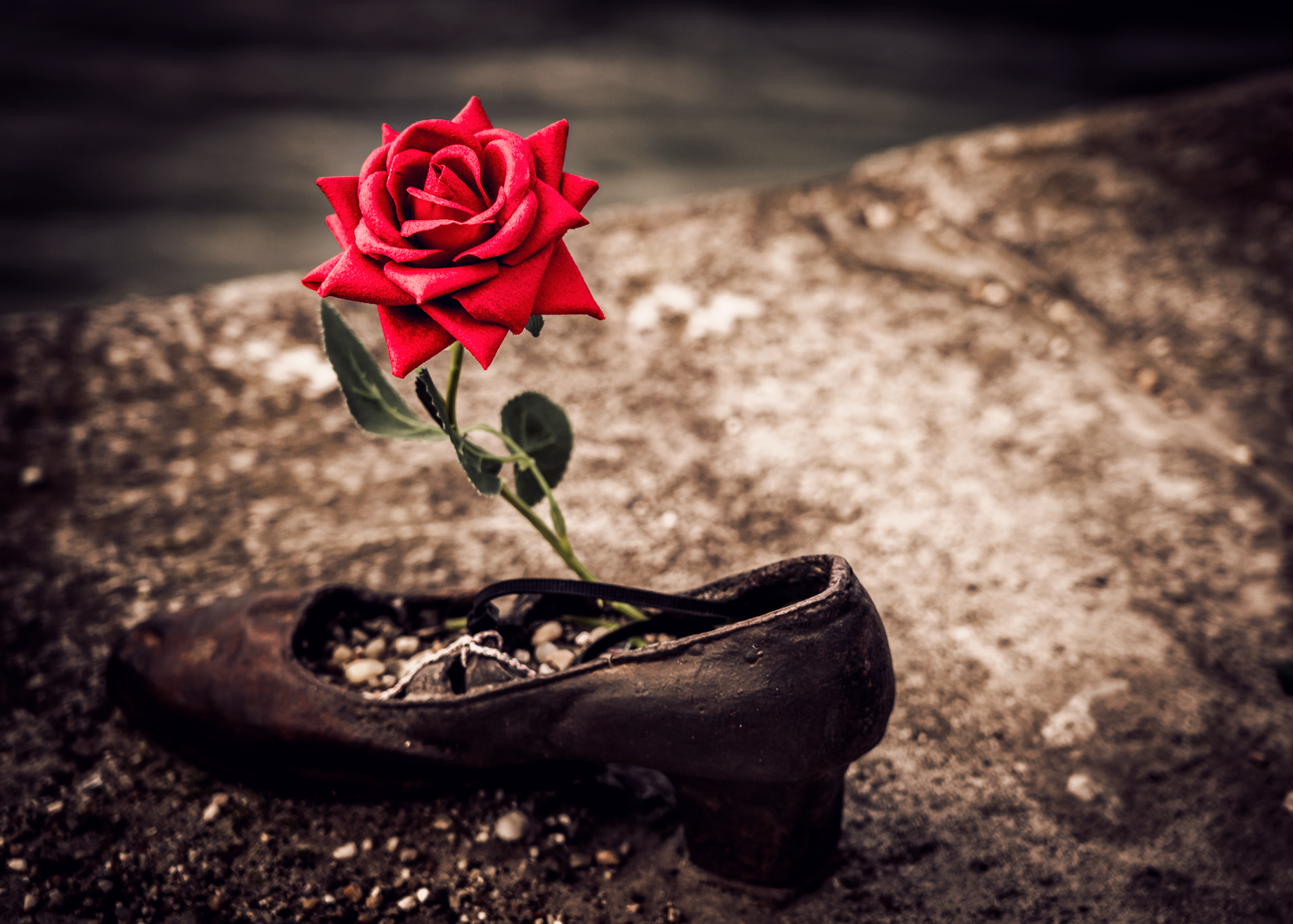
Few Memorials outside Ground Zero in New York have touched me as much as the Shoes on the Danube. Created by film director Can Togay and the sculptor, Gyula Pauer, these haunting shoes are located just South of the majestic Parliament. The Jews were told to remove their shoes, as they at least had some value in the eyes of the Third Reich, before being shot and thrown into the Danube River. I was definitely not the only one crying on the brink of the river that day. Never, ever again.

Frederiksborg Castle

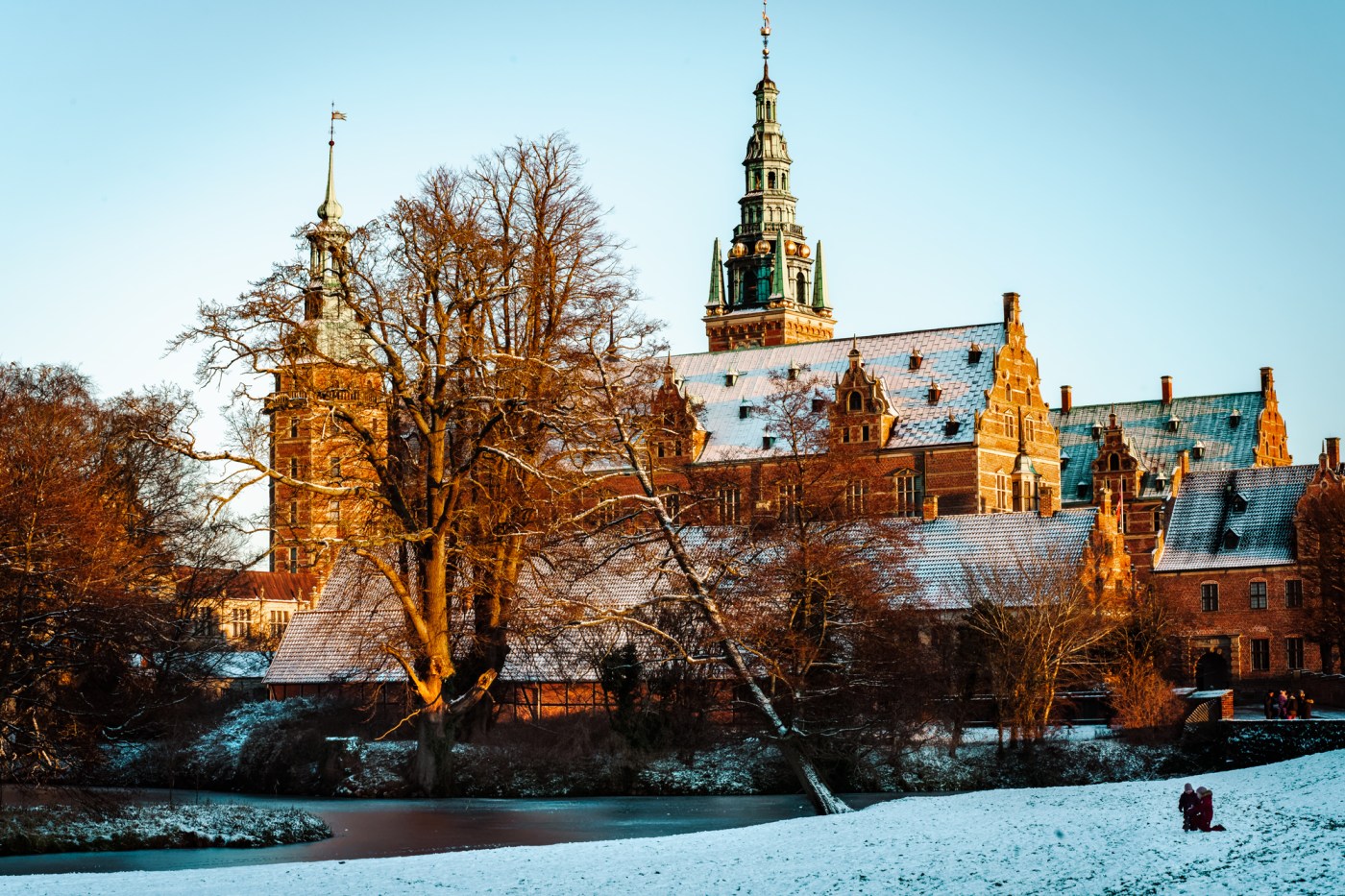
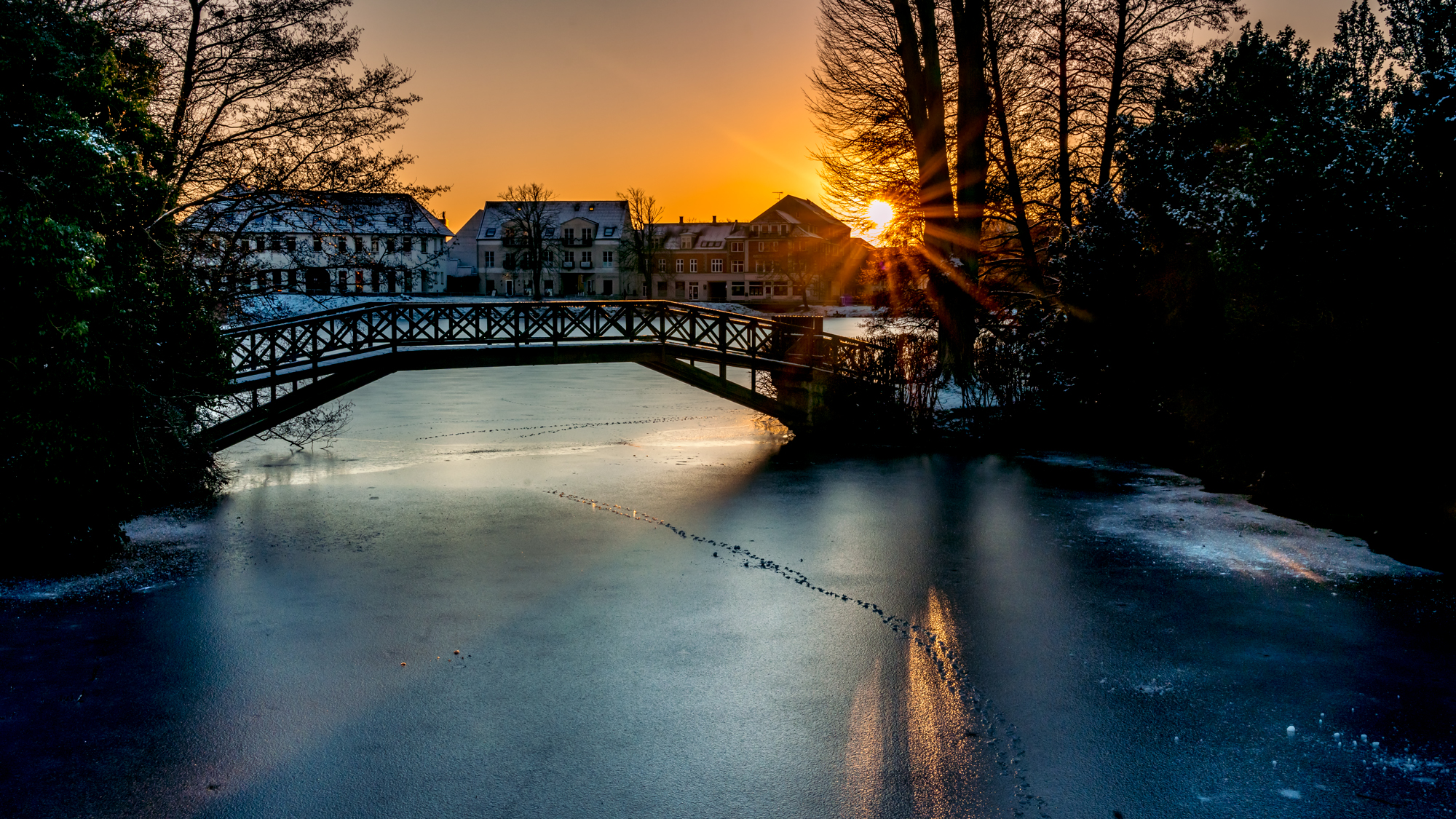
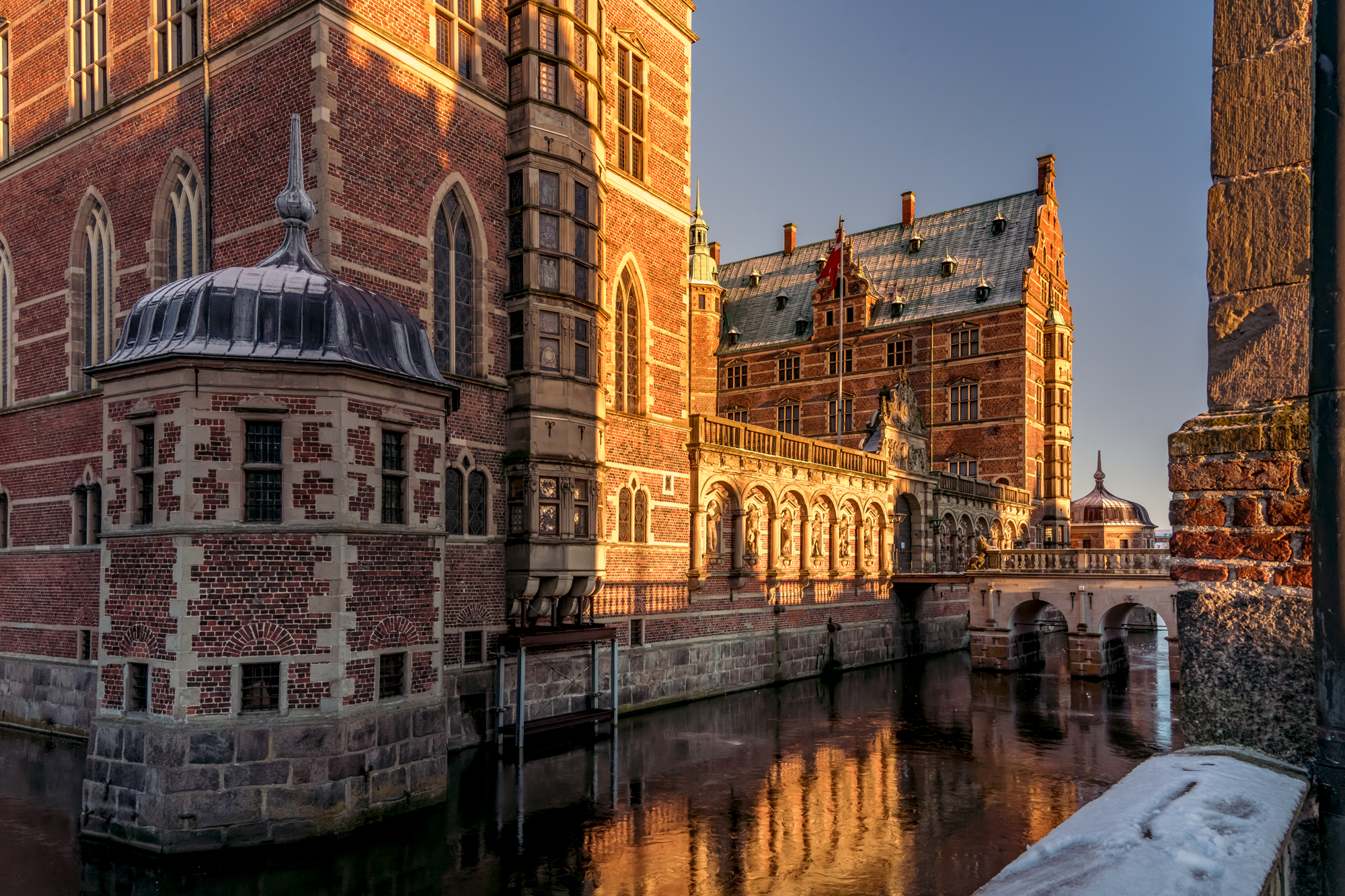
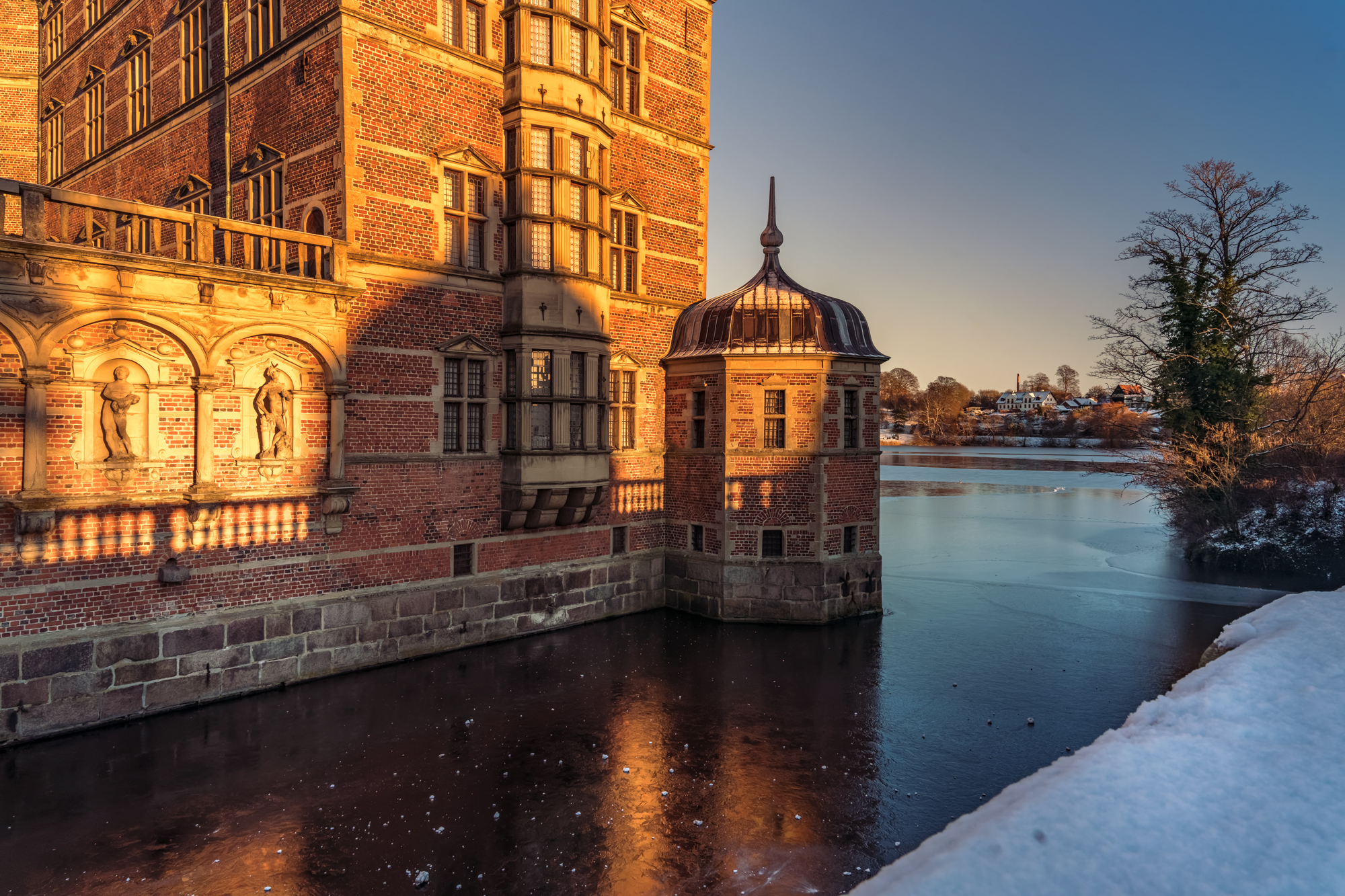
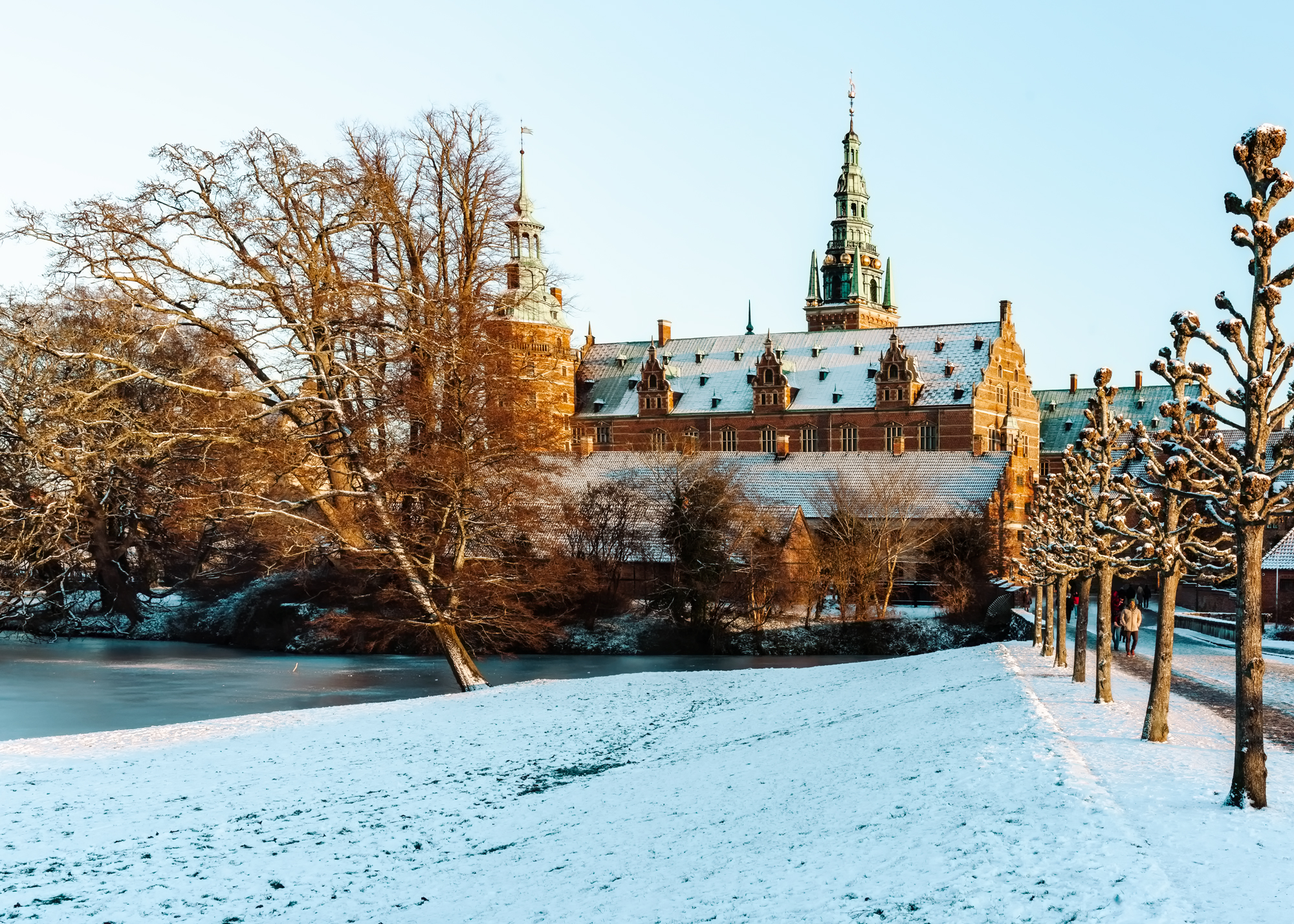
About 40 minutes from Copenhagen, in the Northern town of Hillerød, lies the majestic Frederiksberg Castle right in the middle of the old part of town. I had never visited, but remember admiring it from a jigsaw puzzle I had as a child. It was obviously closed due to Covid, but what a beautiful day to spend Christmas Day, the 25th. Having had our Christmas celebration on the 24th as usual, it was wonderful to get out in the glorious, but cold weather!

“Frederiksborg Castle (Danish: Frederiksborg Slot) is a palatial complex in Hillerød, Denmark. It was built as a royal residence for King Christian IV of Denmark-Norway in the early 17th century, replacing an older castle acquired by Frederick II and becoming the largest Renaissance residence in Scandinavia. On three islets in the Slotssøen (castle lake), it is adjoined by a large formal garden in the Baroque style.

After a serious fire in 1859, the castle was rebuilt on the basis of old plans and paintings. Thanks to public support and the brewer J. C. Jacobsen, its apartments were fully restored and reopened to the public as the Danish Museum of National History in 1882. Open throughout the year, the museum contains the largest collection of portrait paintings in Denmark. It also provides visitors with an opportunity to visit several of the castle’s state rooms including the restored Valdemar Room and Great Hall as well as the Chapel and the Audience Chamber which were both largely spared by the fire and contain sumptuous decorations.” Wikipedia

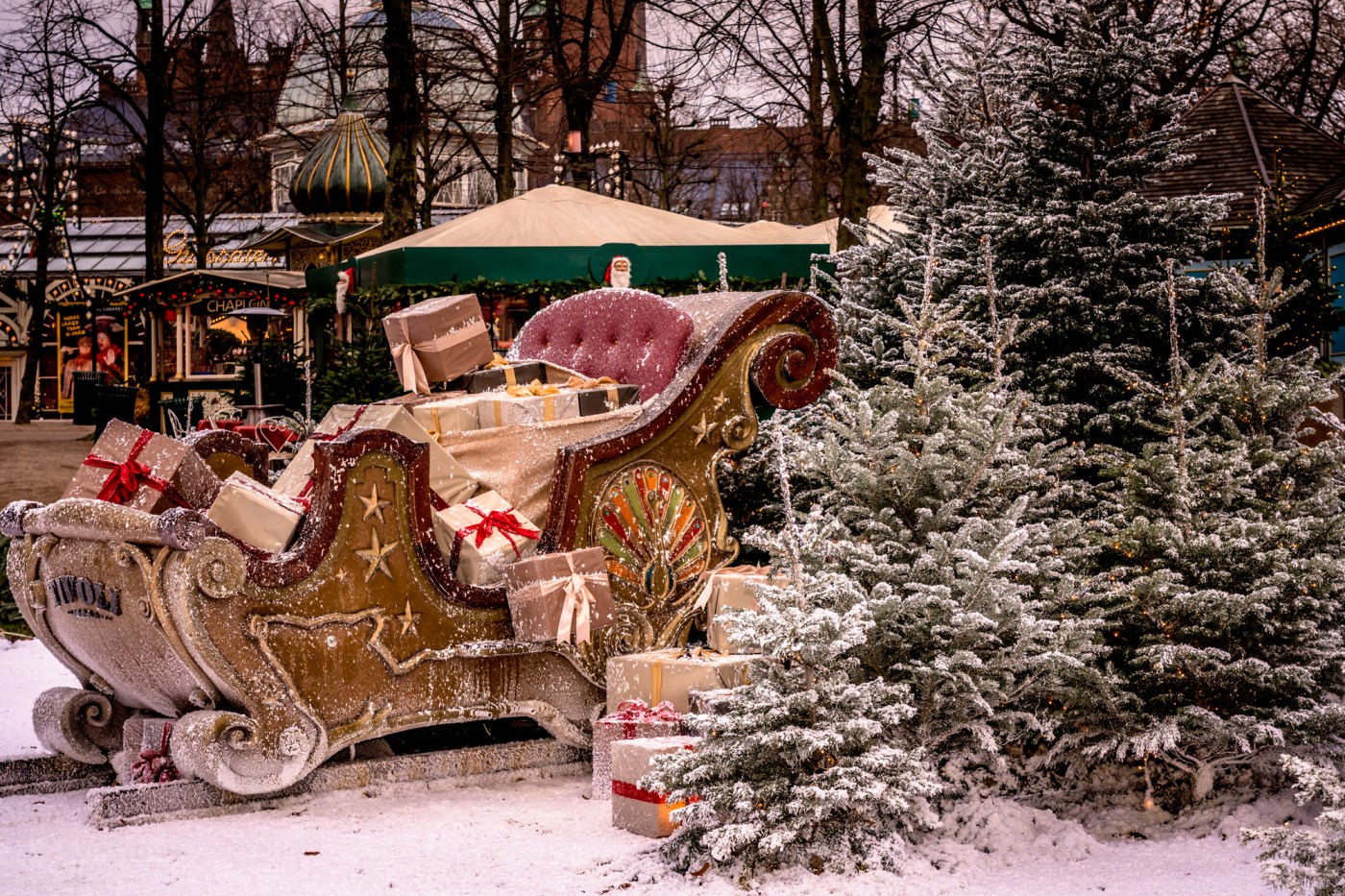
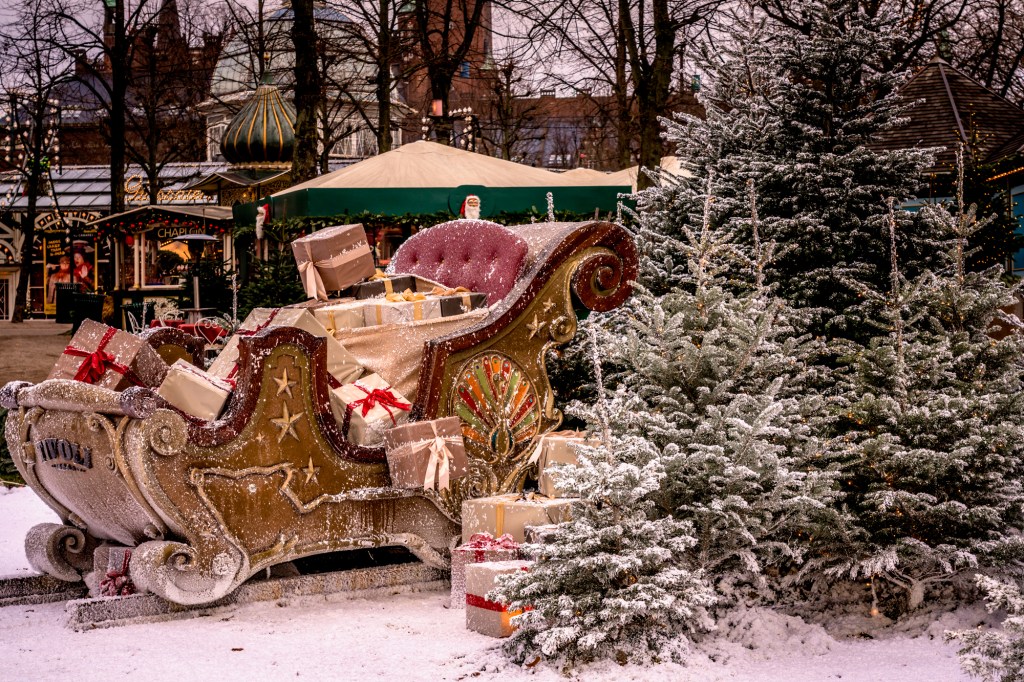
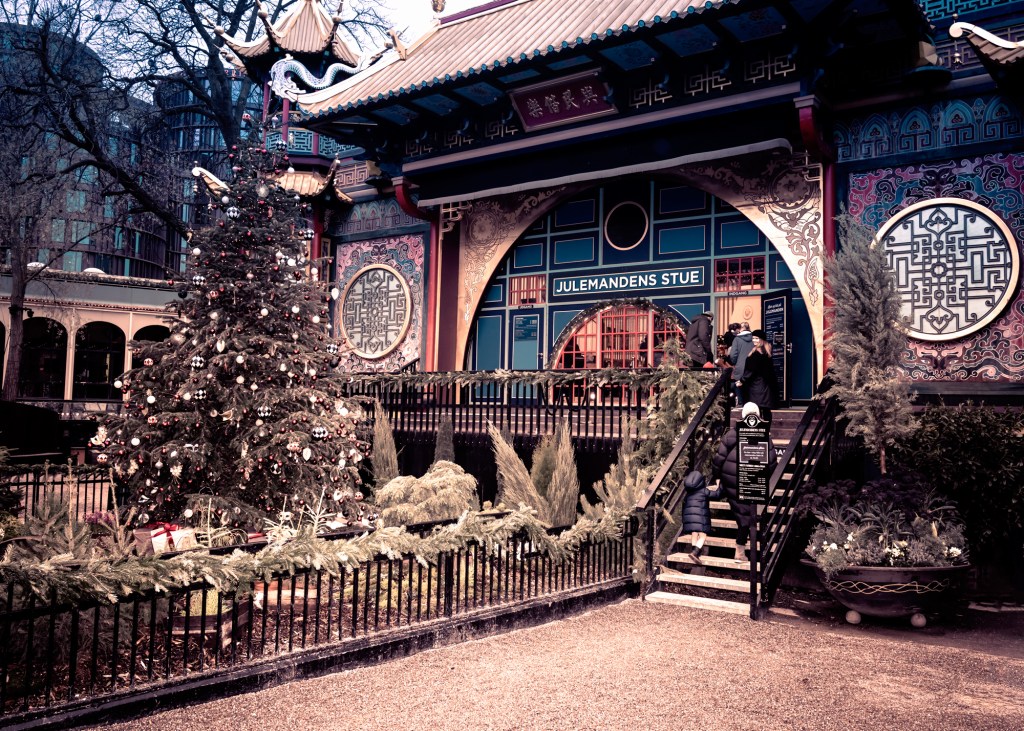
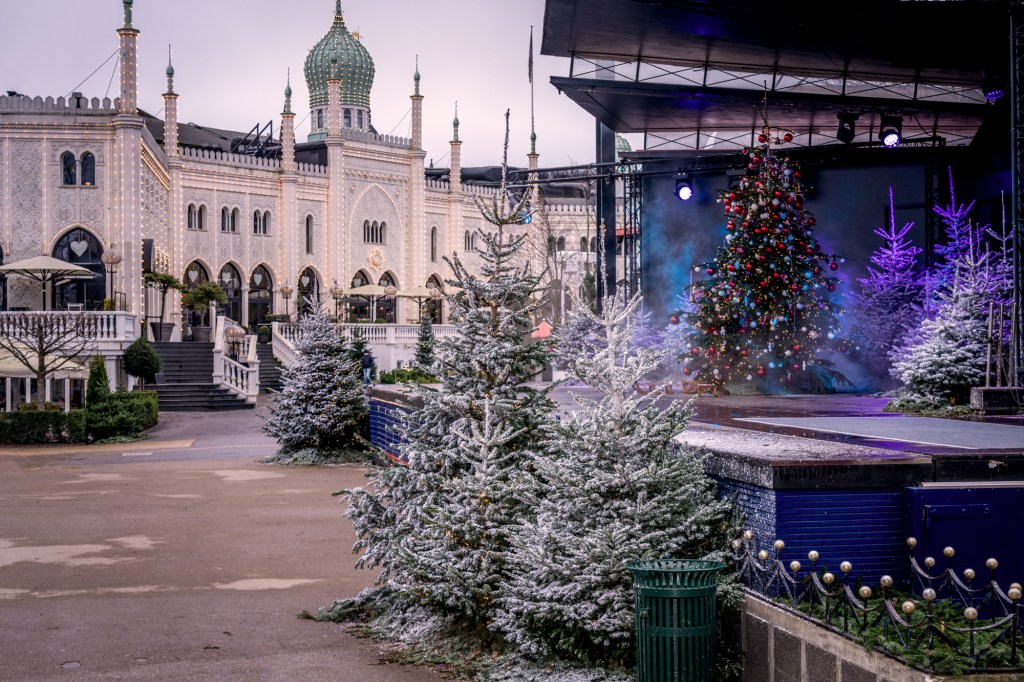
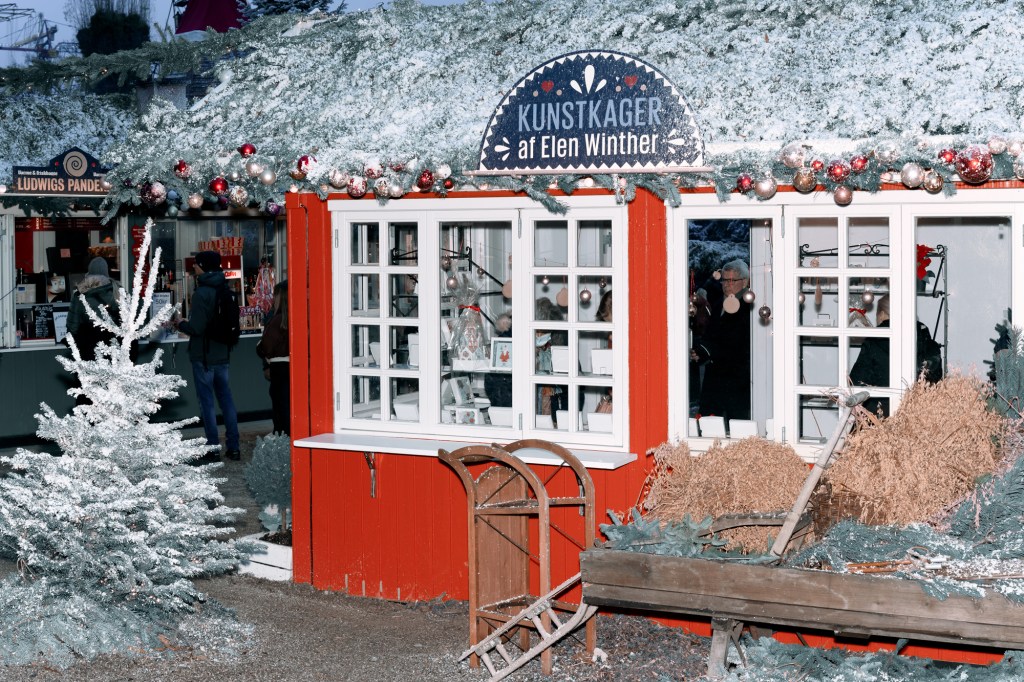
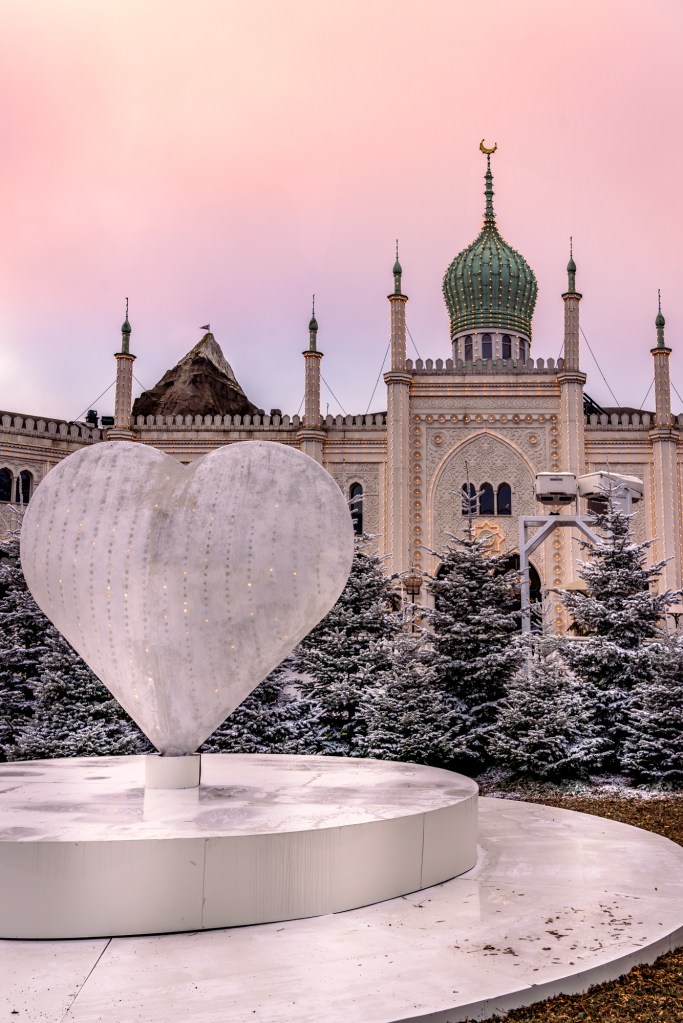
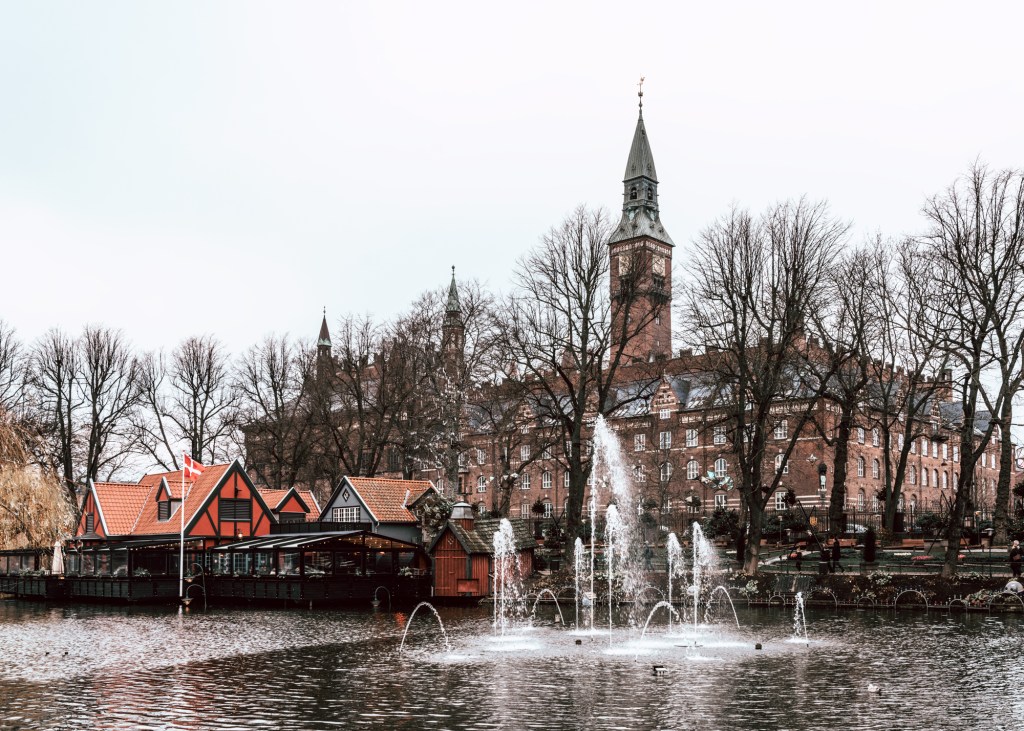
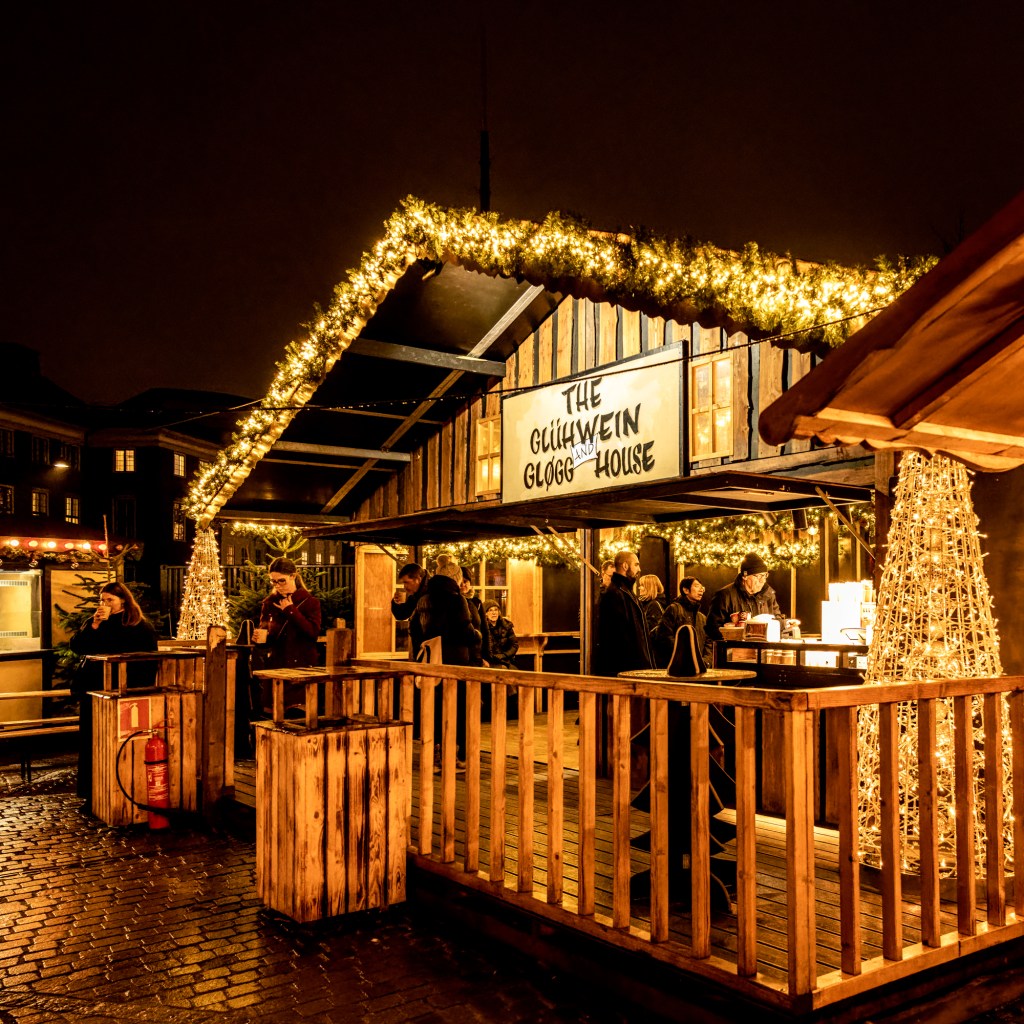
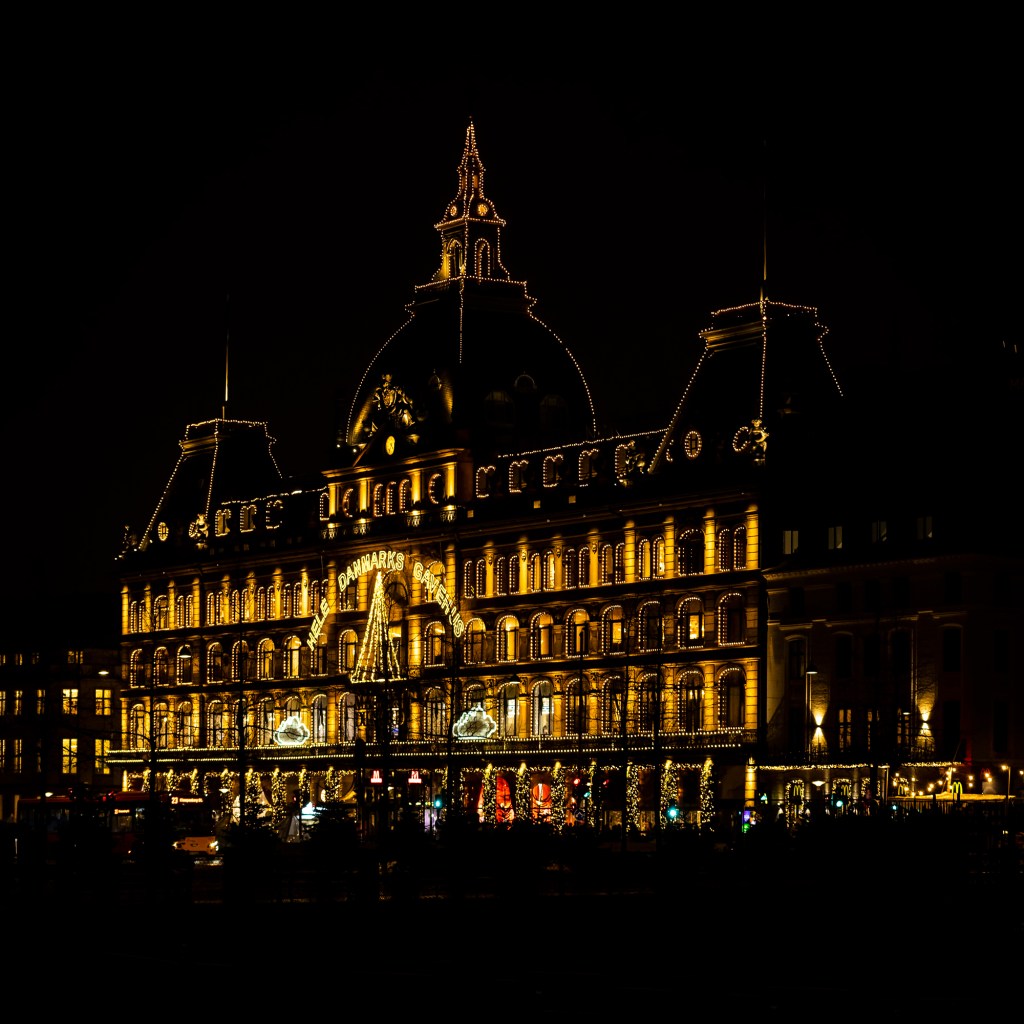
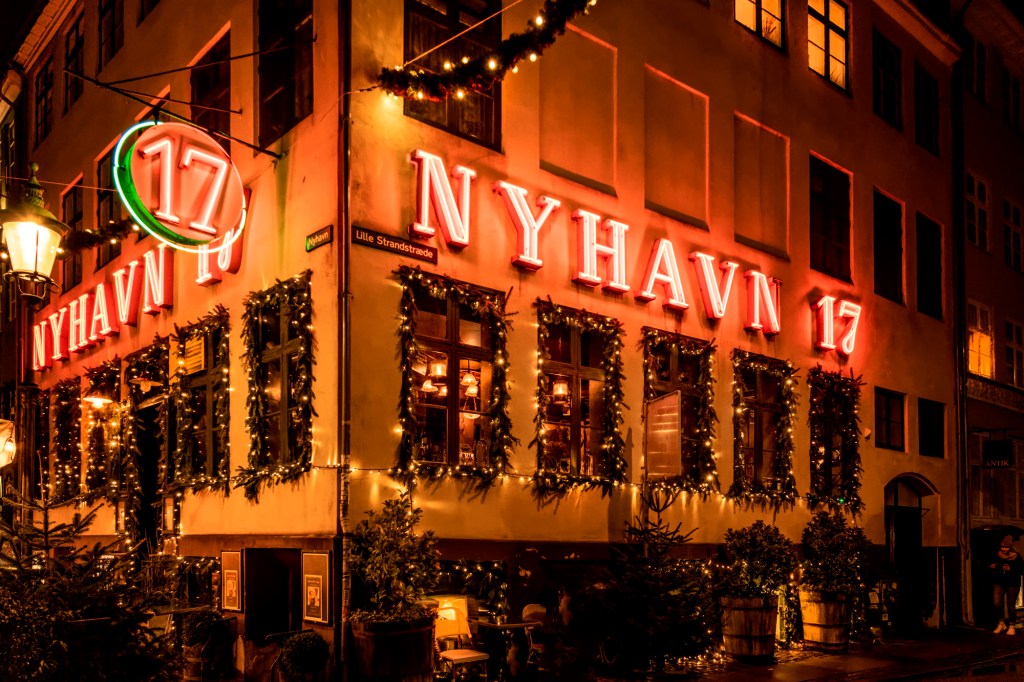
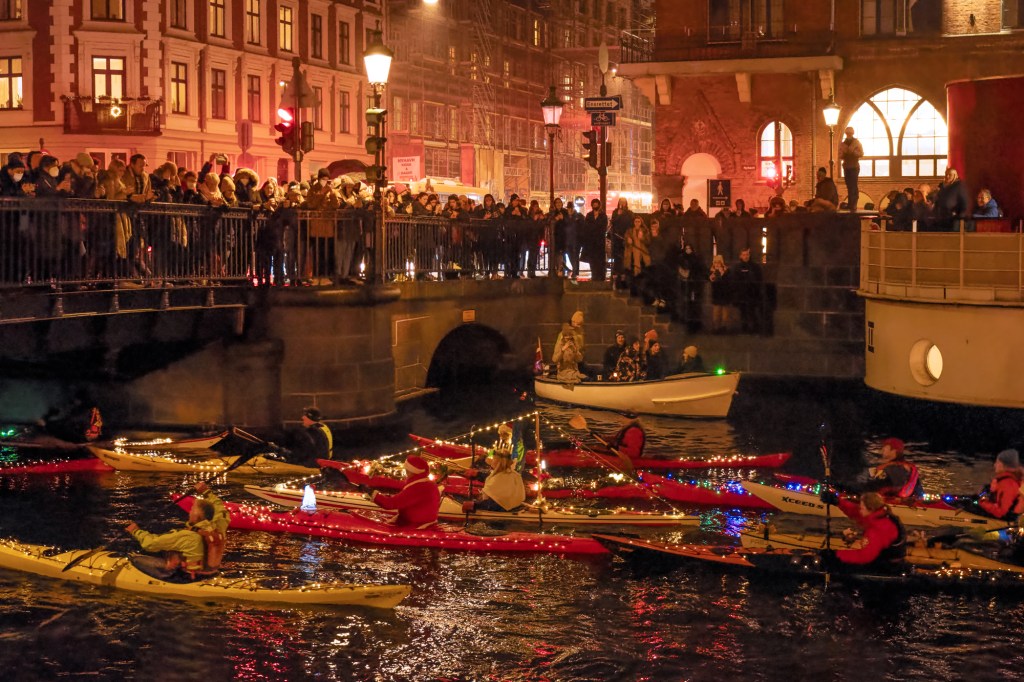
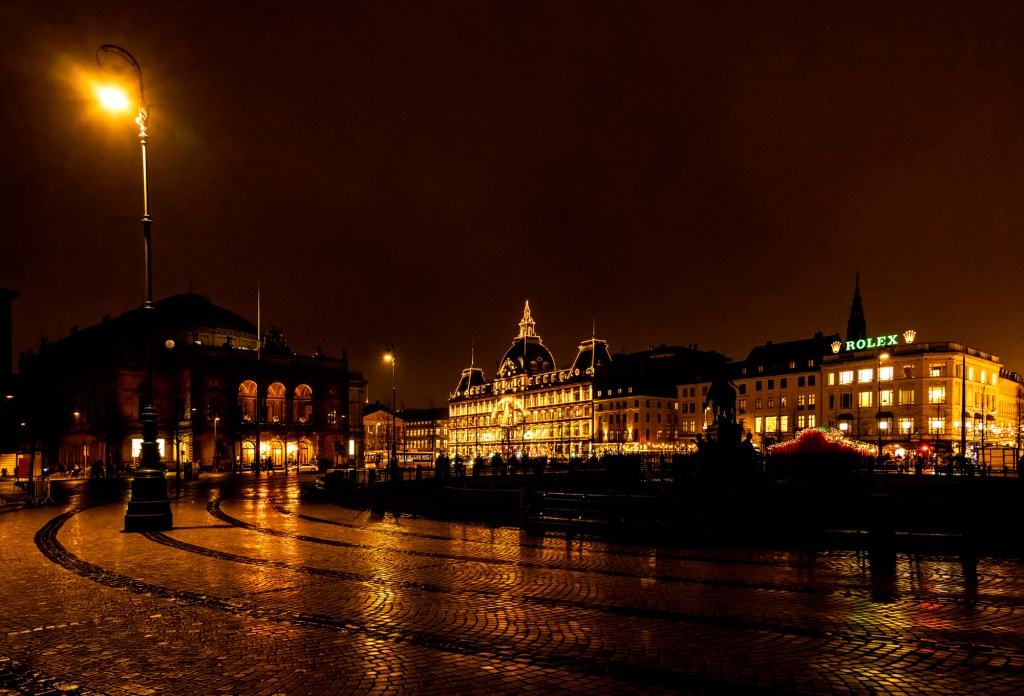
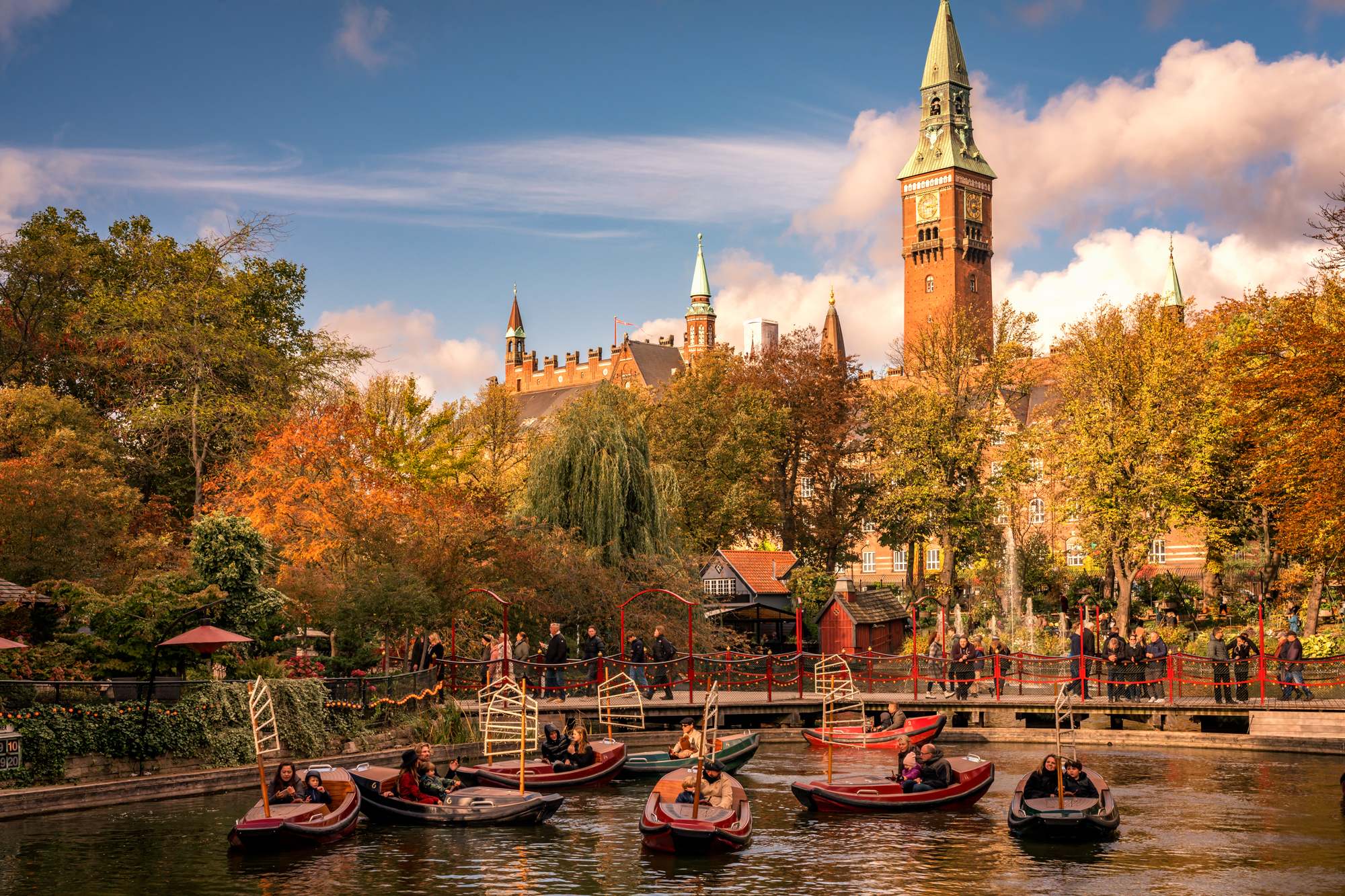
Holiday Decorations at Tivoli Gardens, Kongens Nytorv & Nyhavn

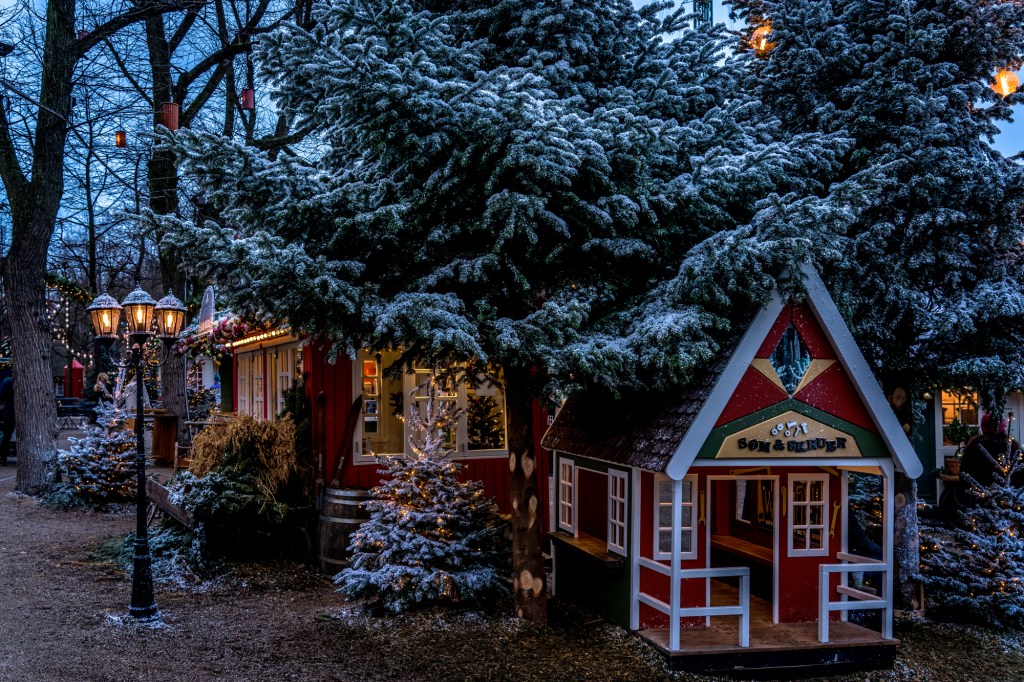
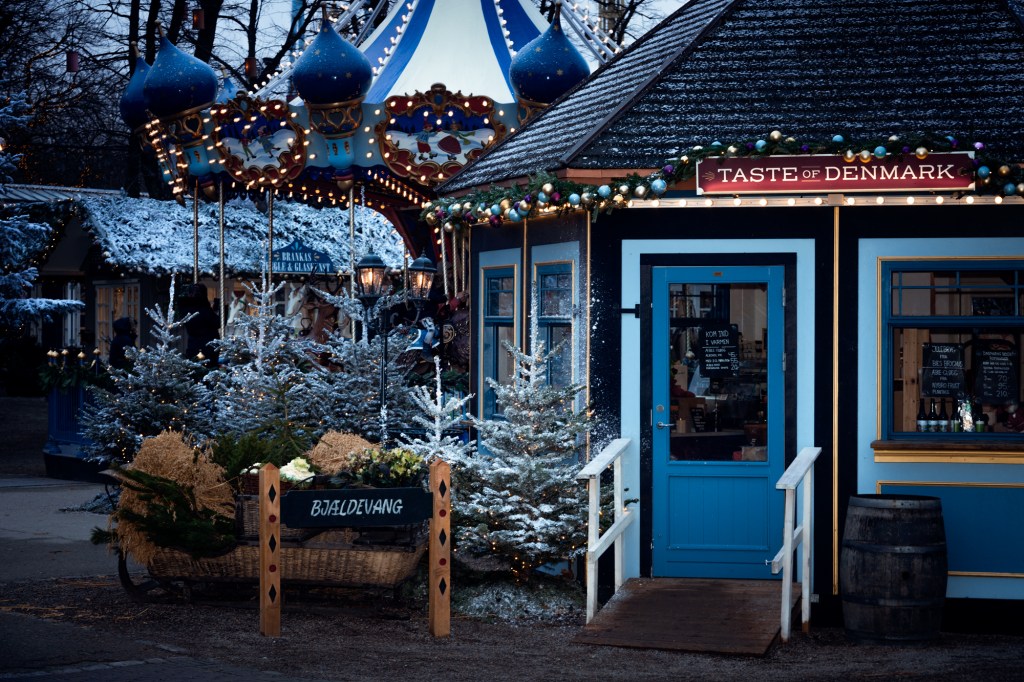
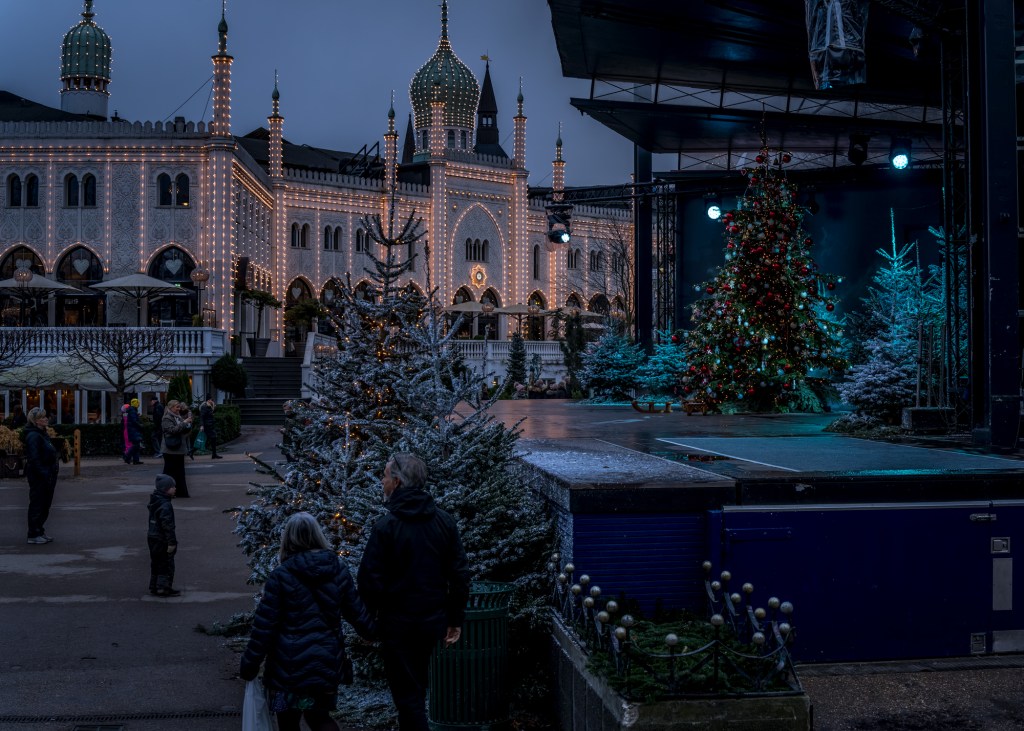
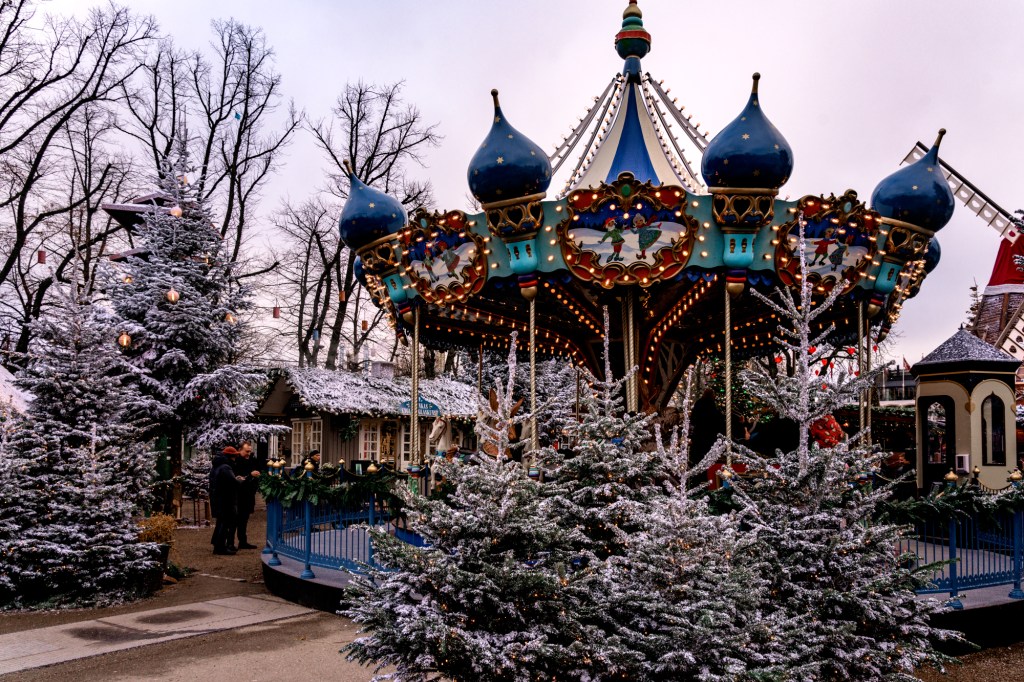
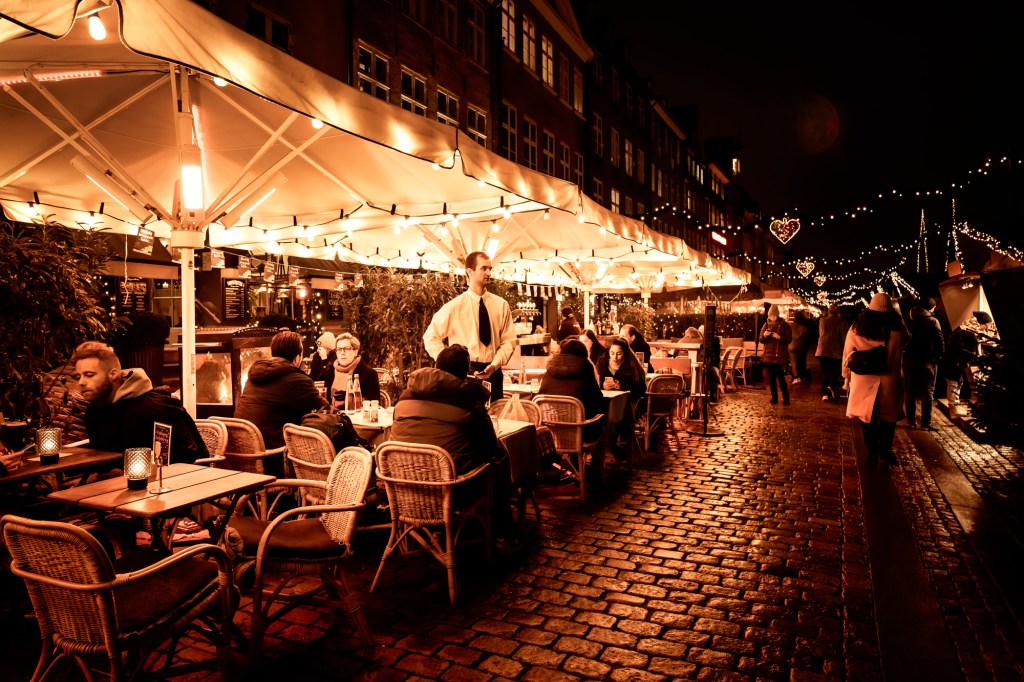
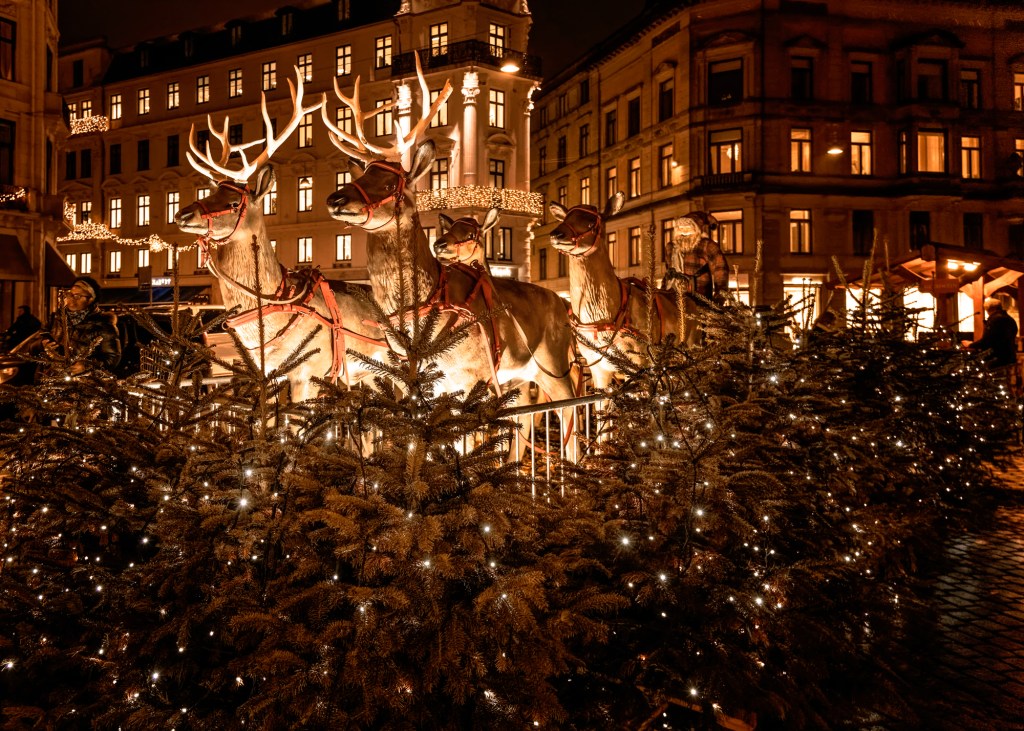
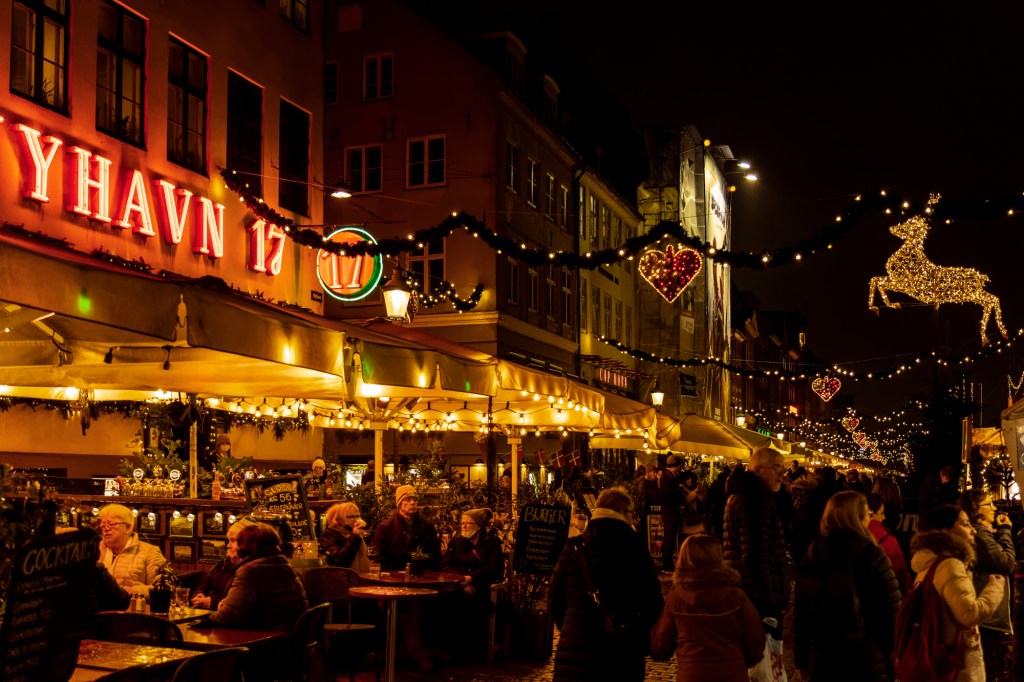
After having enjoyed the Halloween decorations, it was time to see the Holiday lights for the first time. I was there to shoot a wedding couple, but had a few hours to myself prior to the event. After a lovely lunch at Færgekroen, I started my walk around the grounds. I had most of the place to myself, as people suspected that Covid restrictions were around the corner and at 2 pm they hit us again and we are now back to square one it feels like. Luckily, I got this last day before most things closed down again.

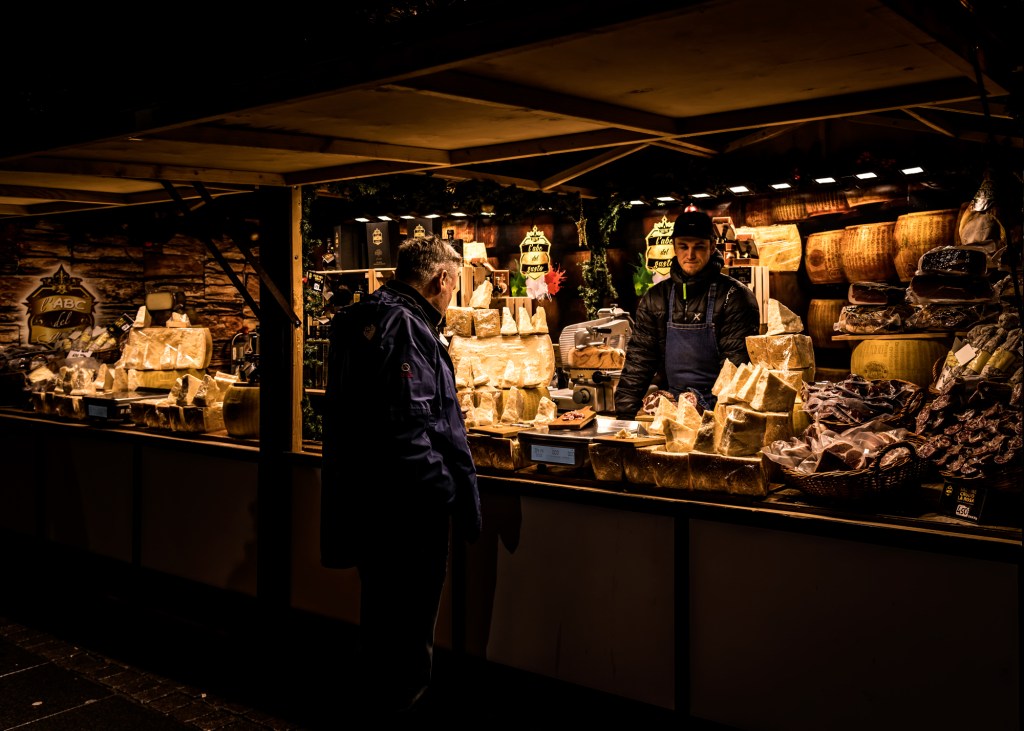
A few days prior to this, we were still able to enjoy the Christmas markets and my Happy Place, the very touristy, but adorable Nyhavn!

I wish you all Happy Holidays and hope that 2022 will bring some relief after almost two years of having our lives put on hold.

Winter Wonderland – The Movie

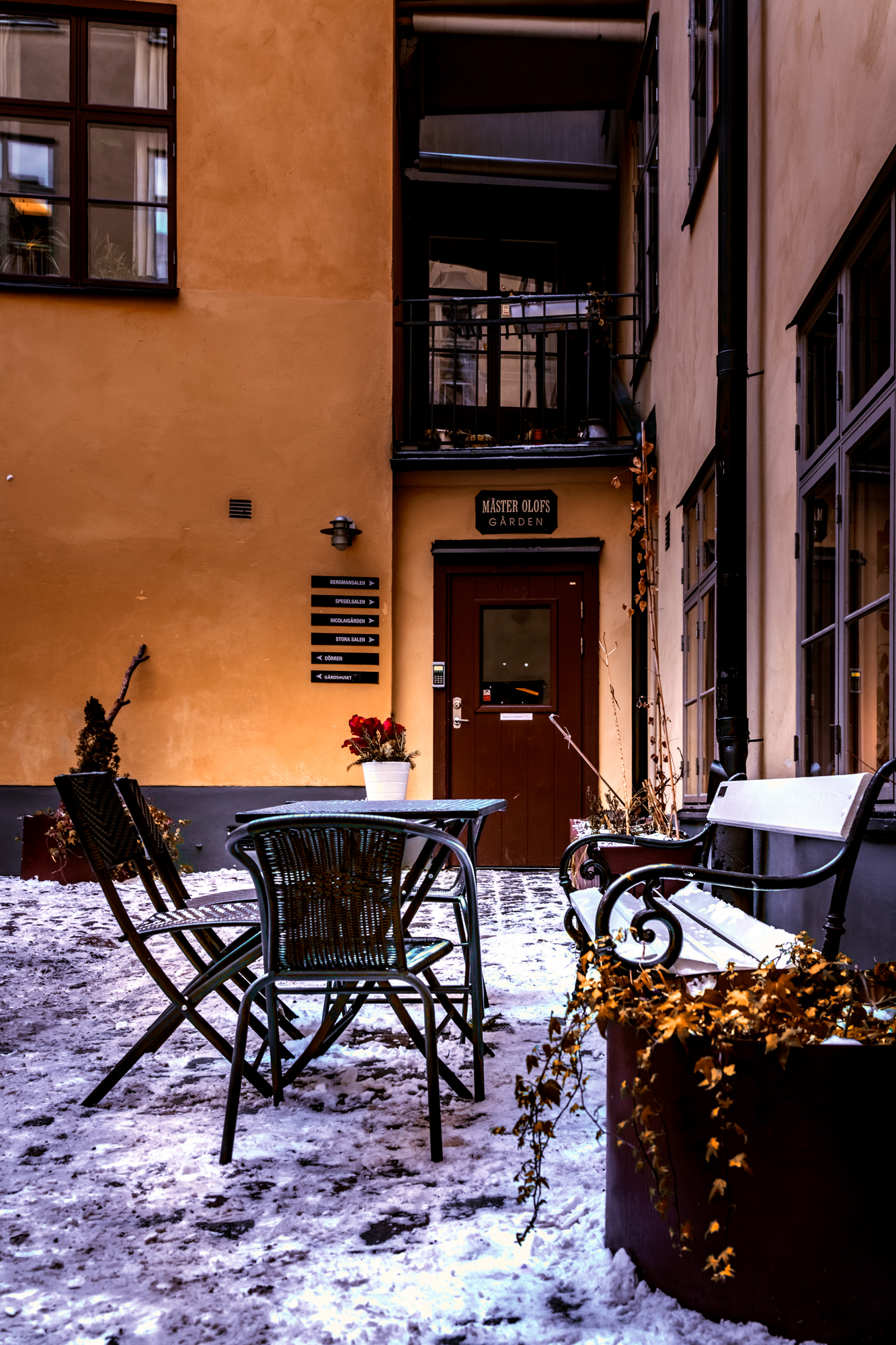
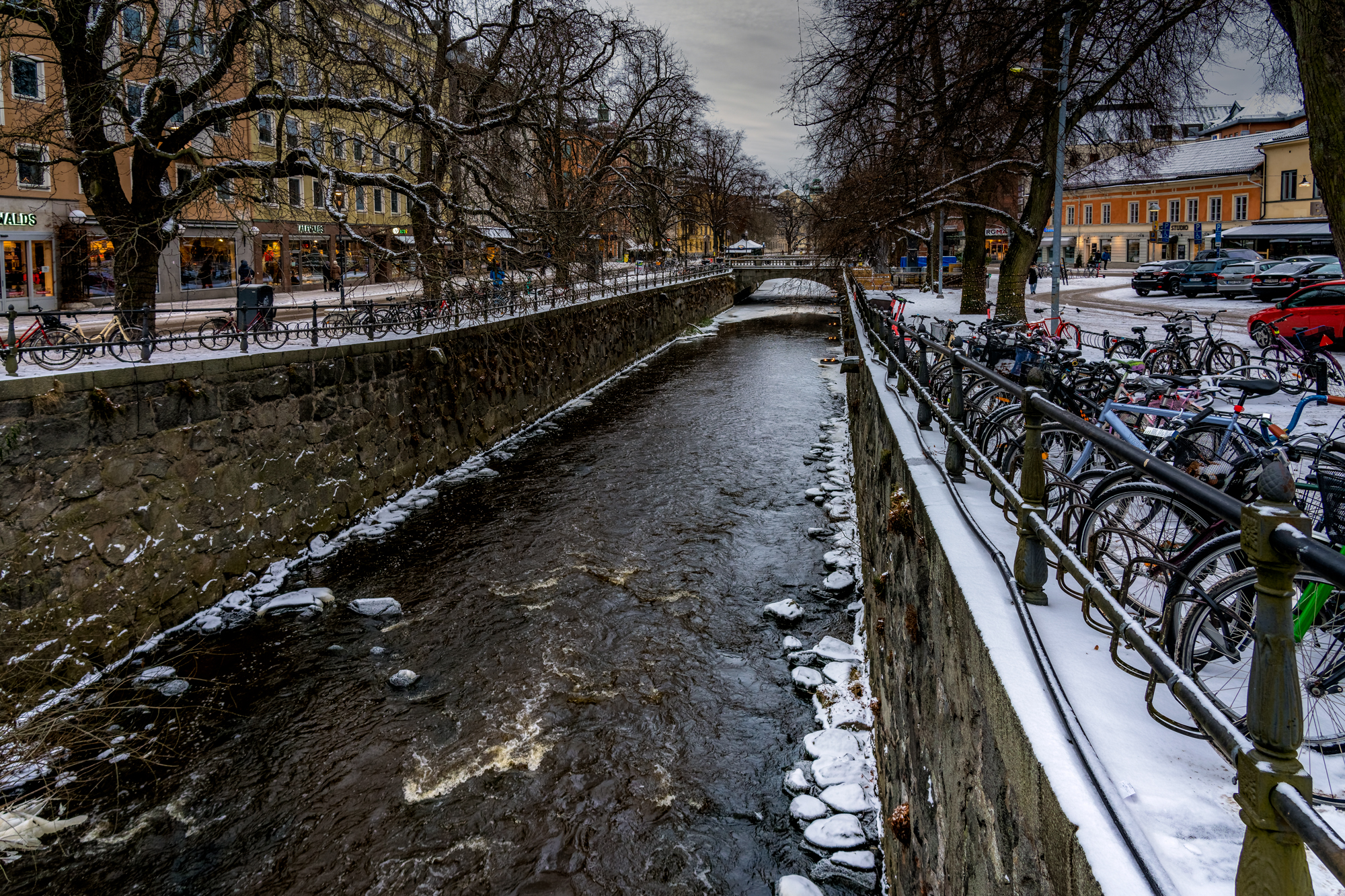
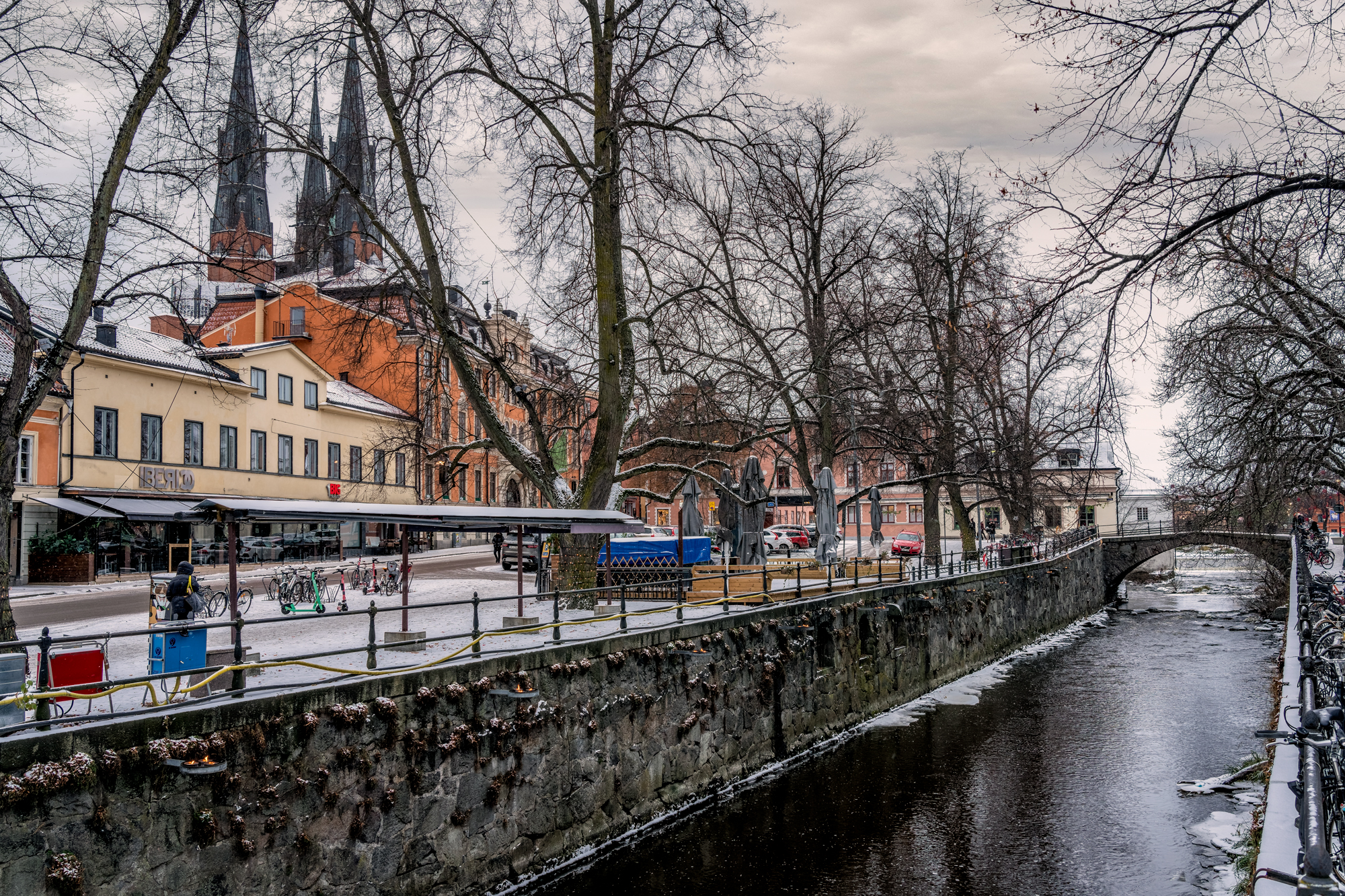
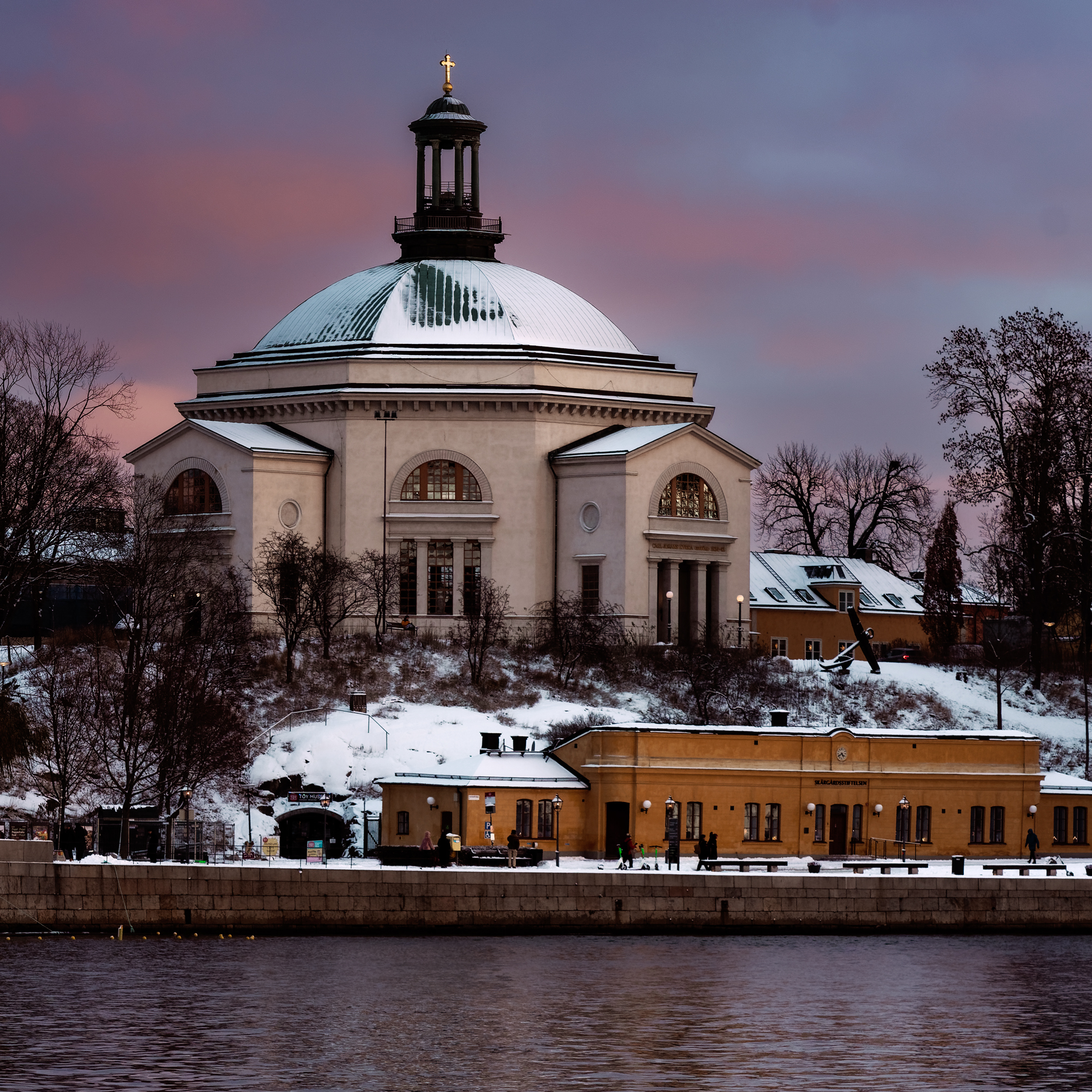
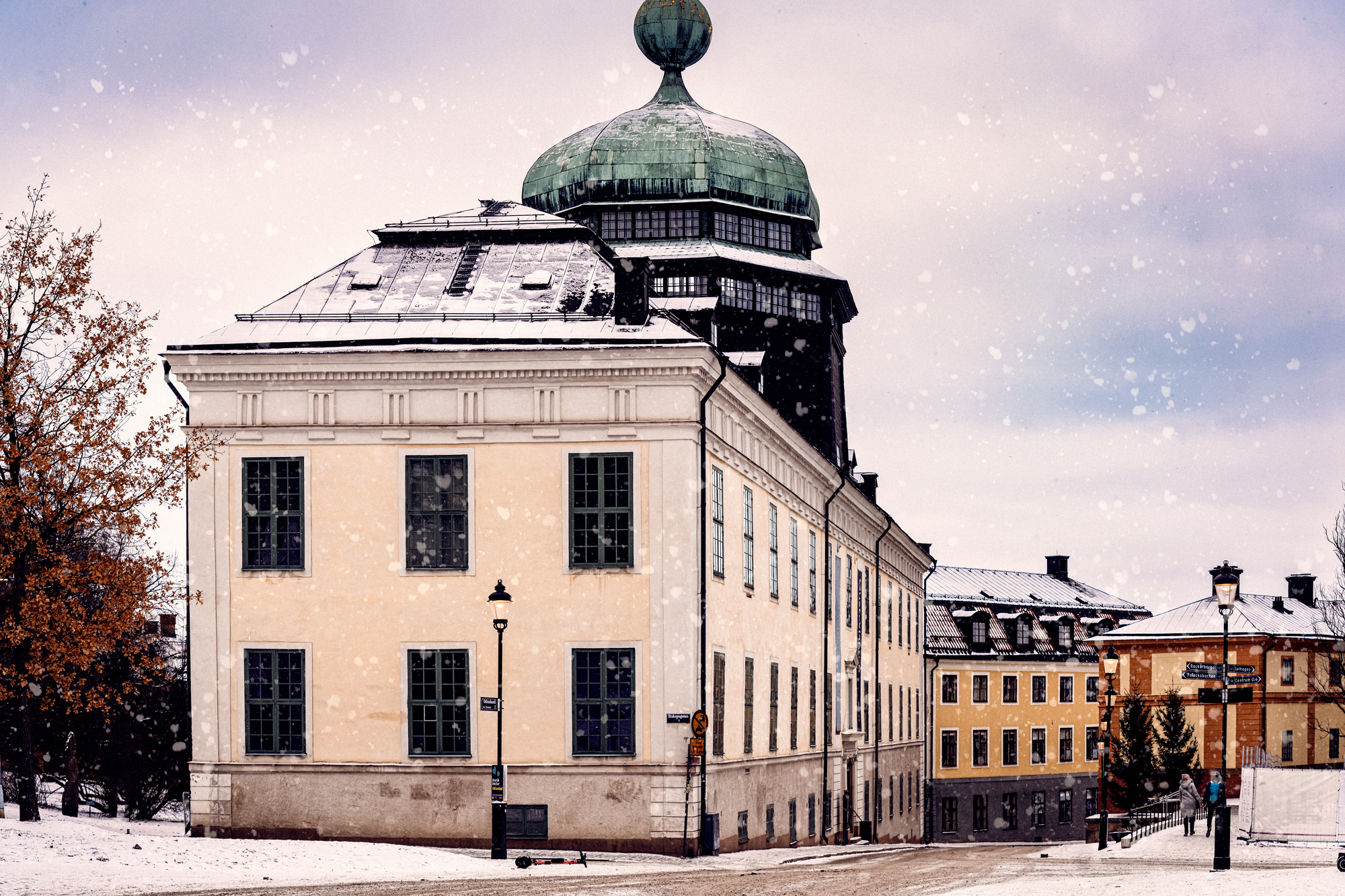
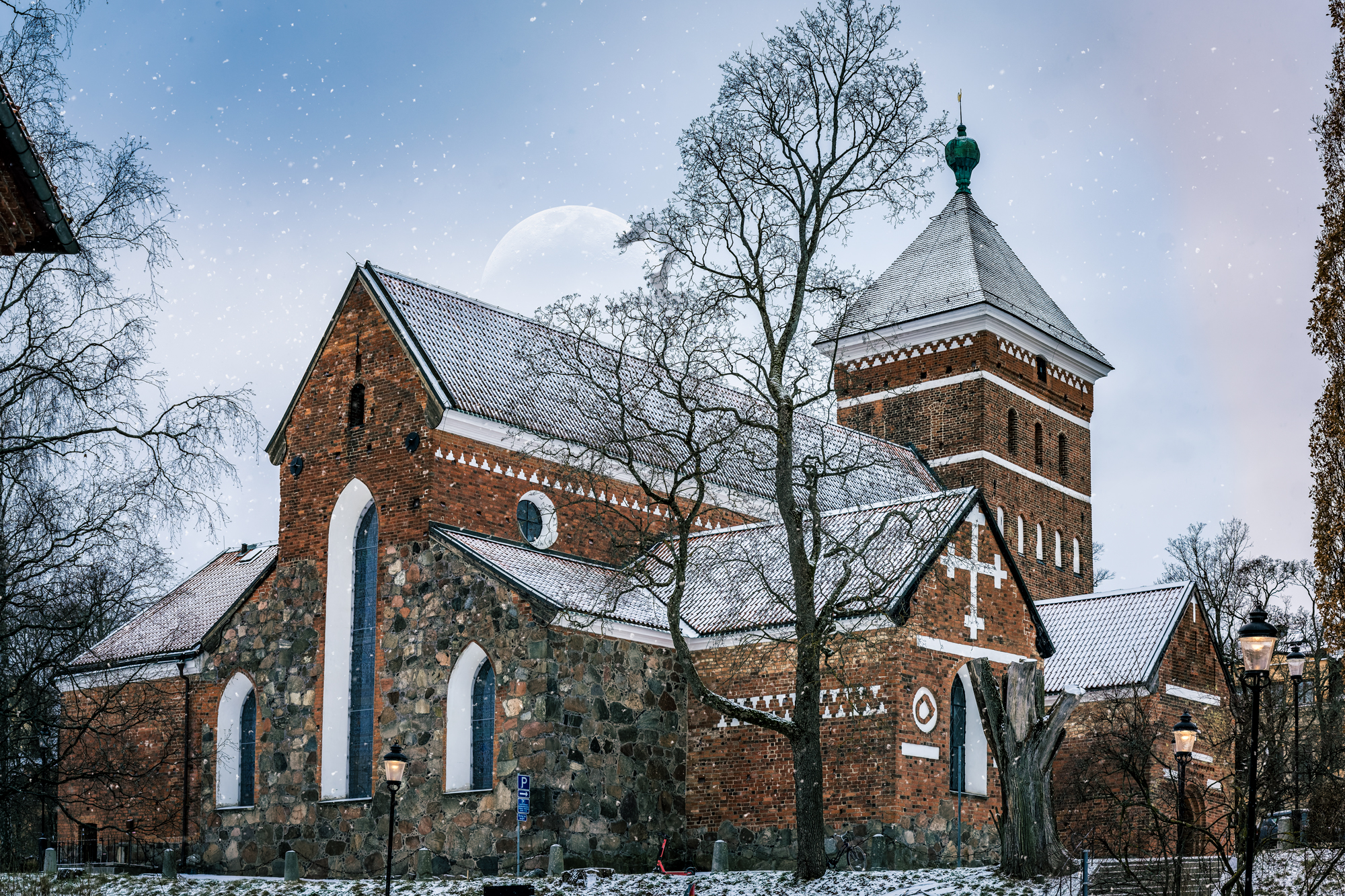
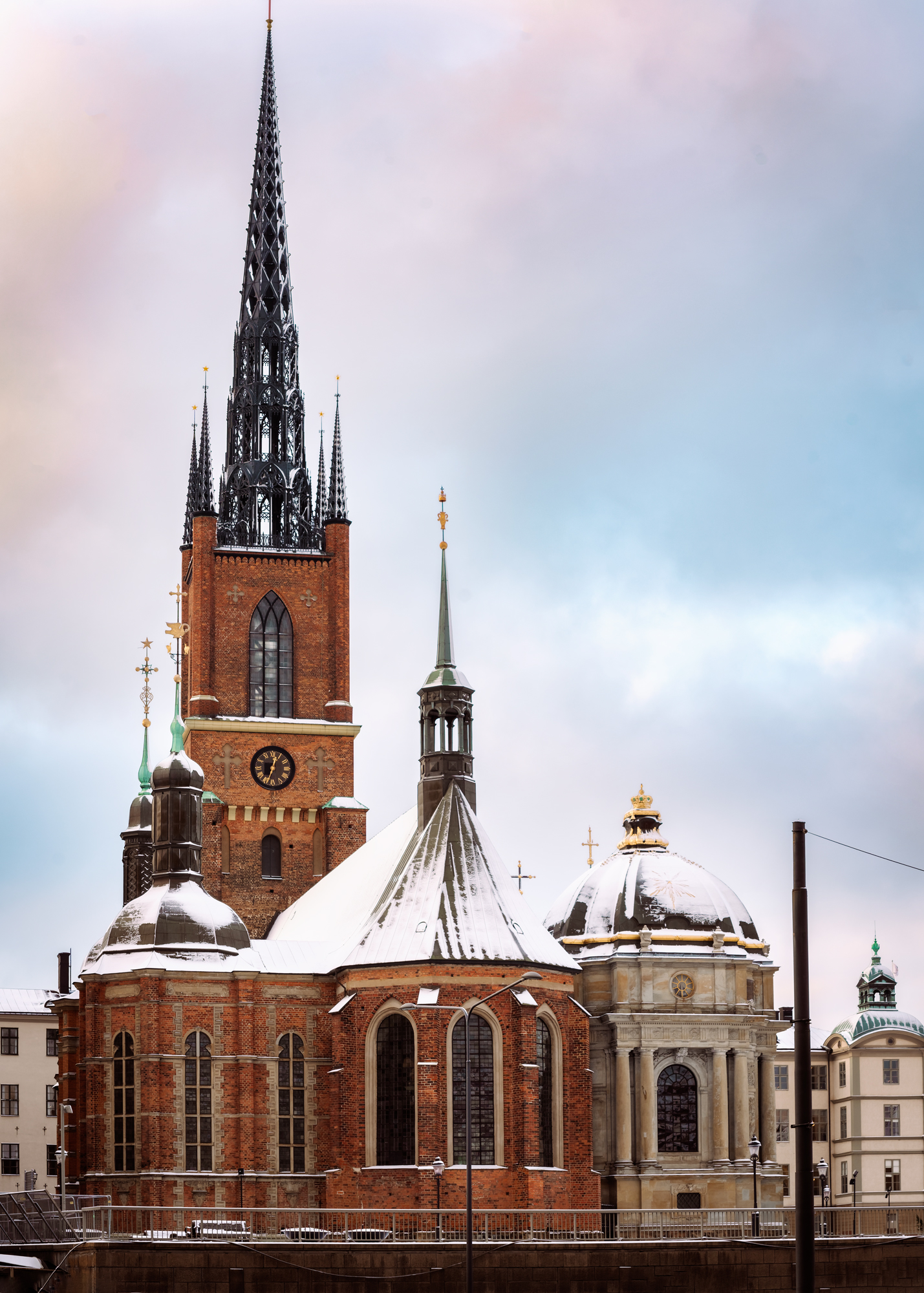
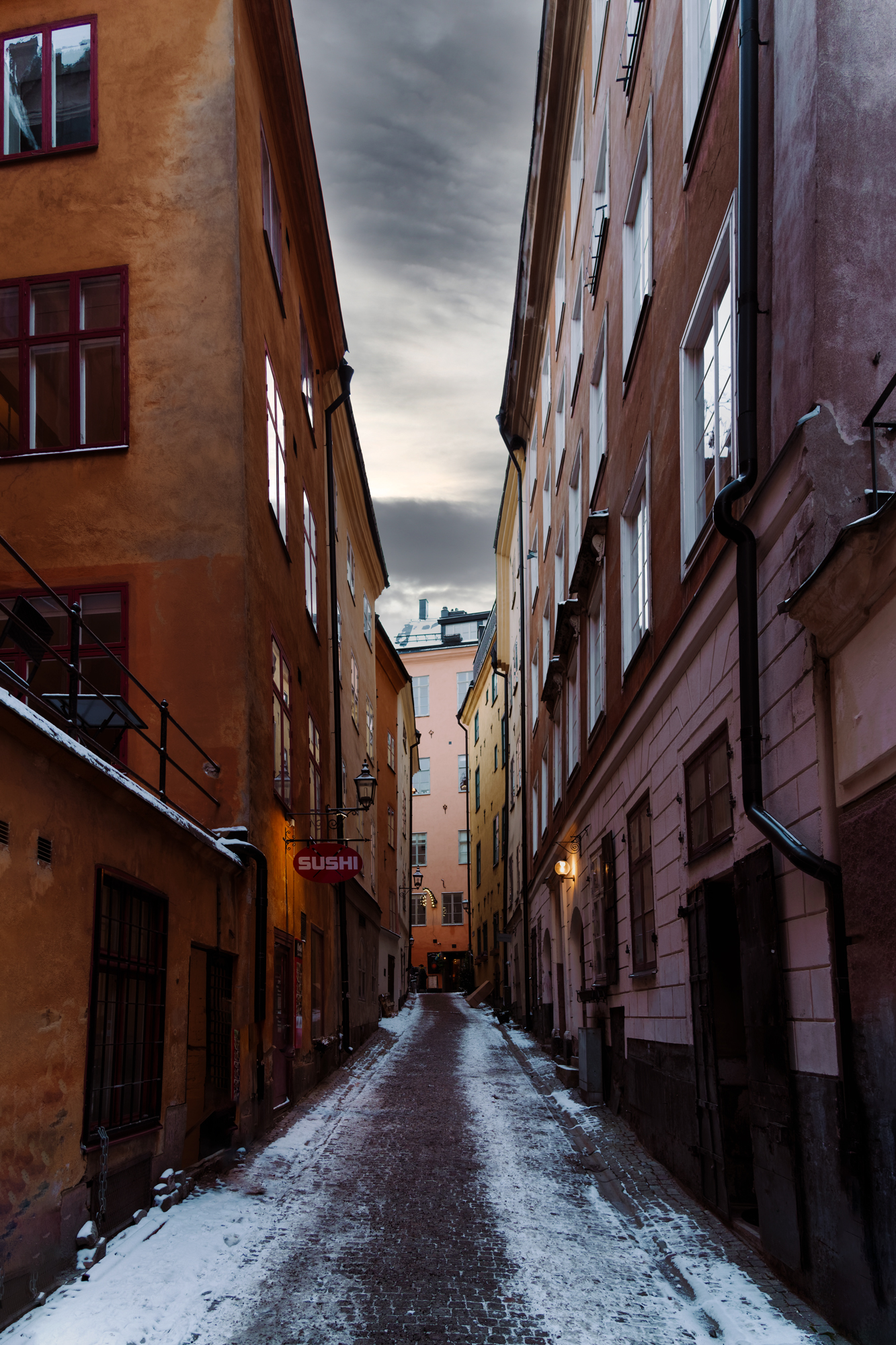
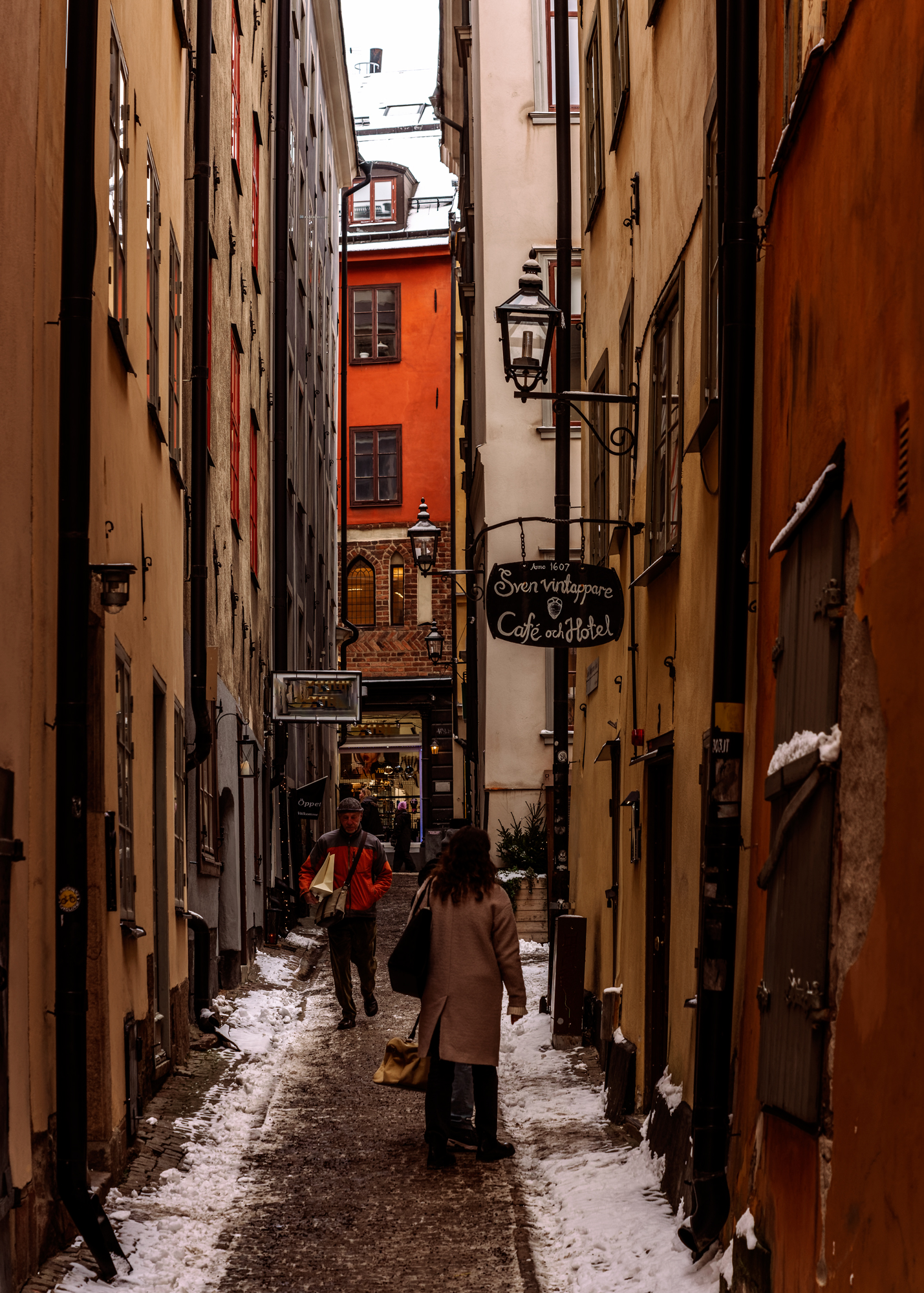
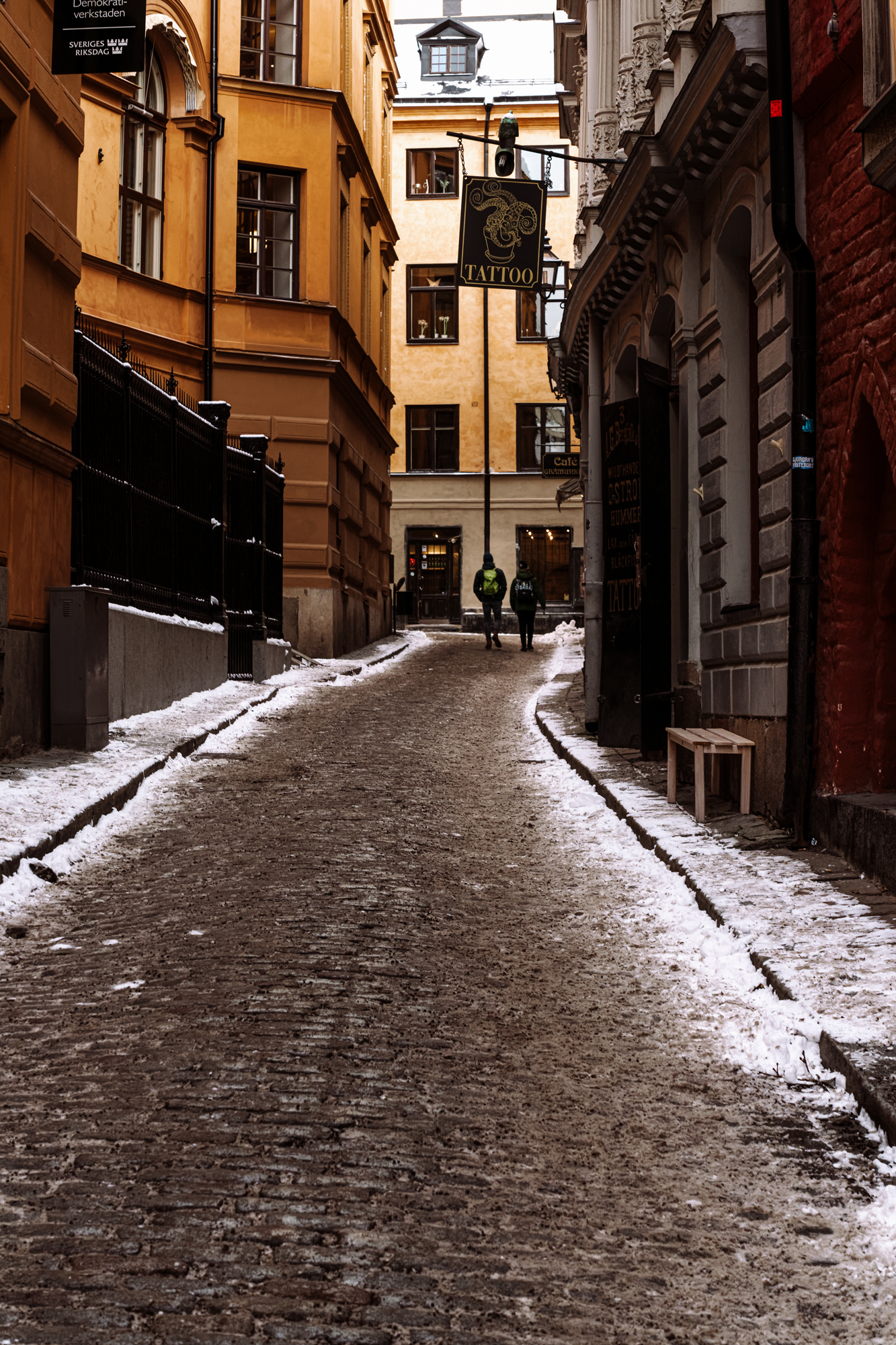
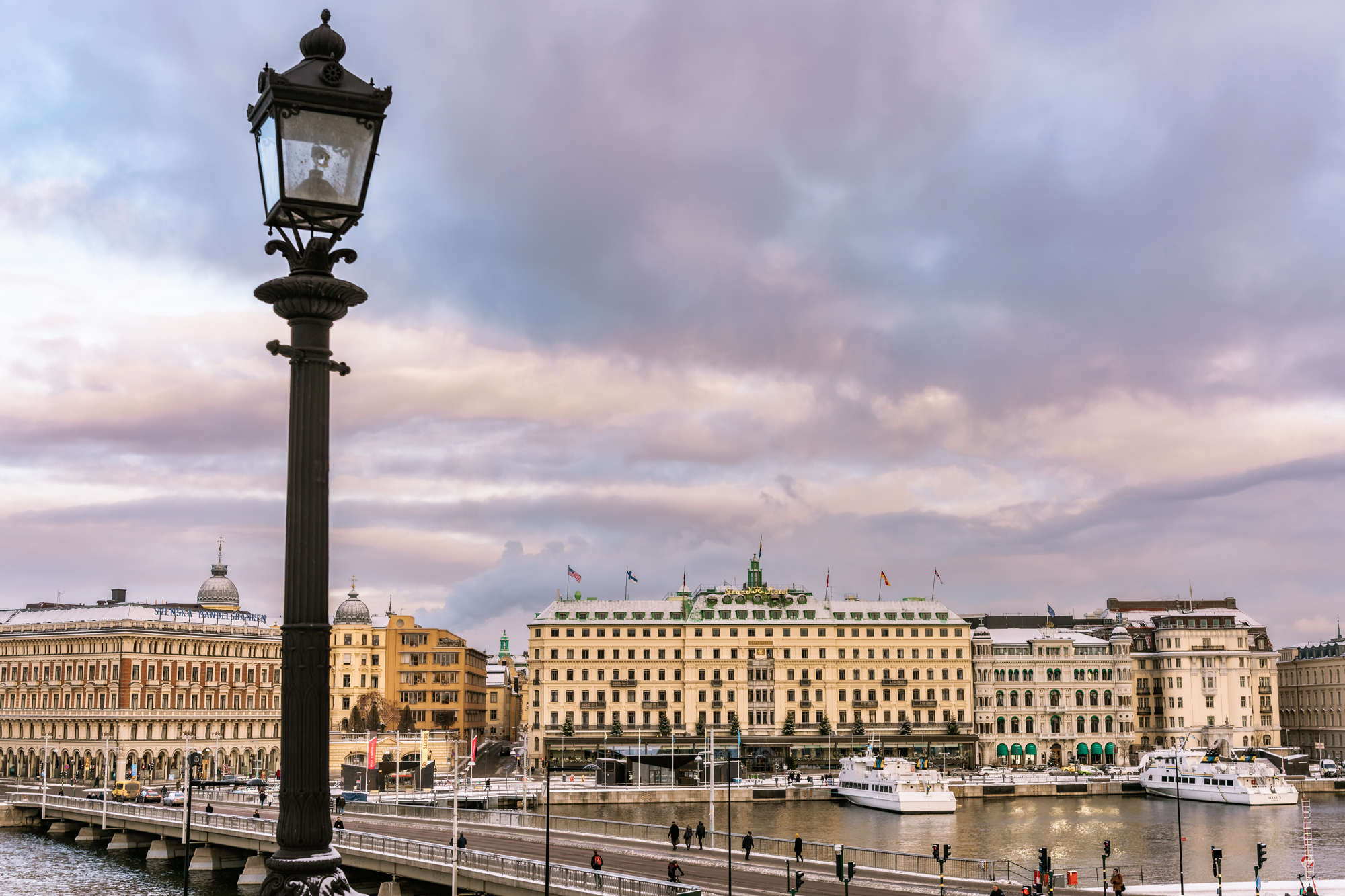
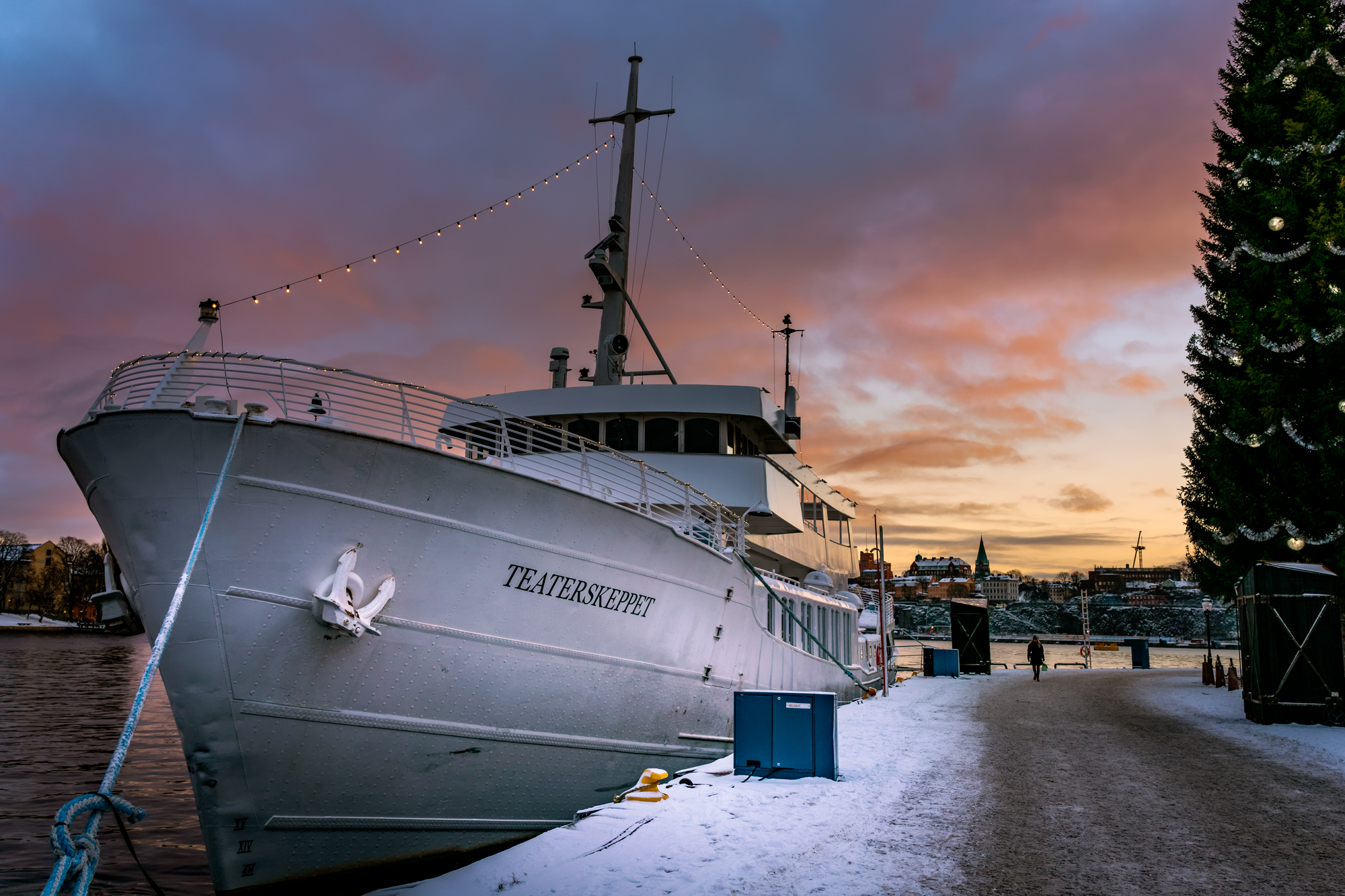
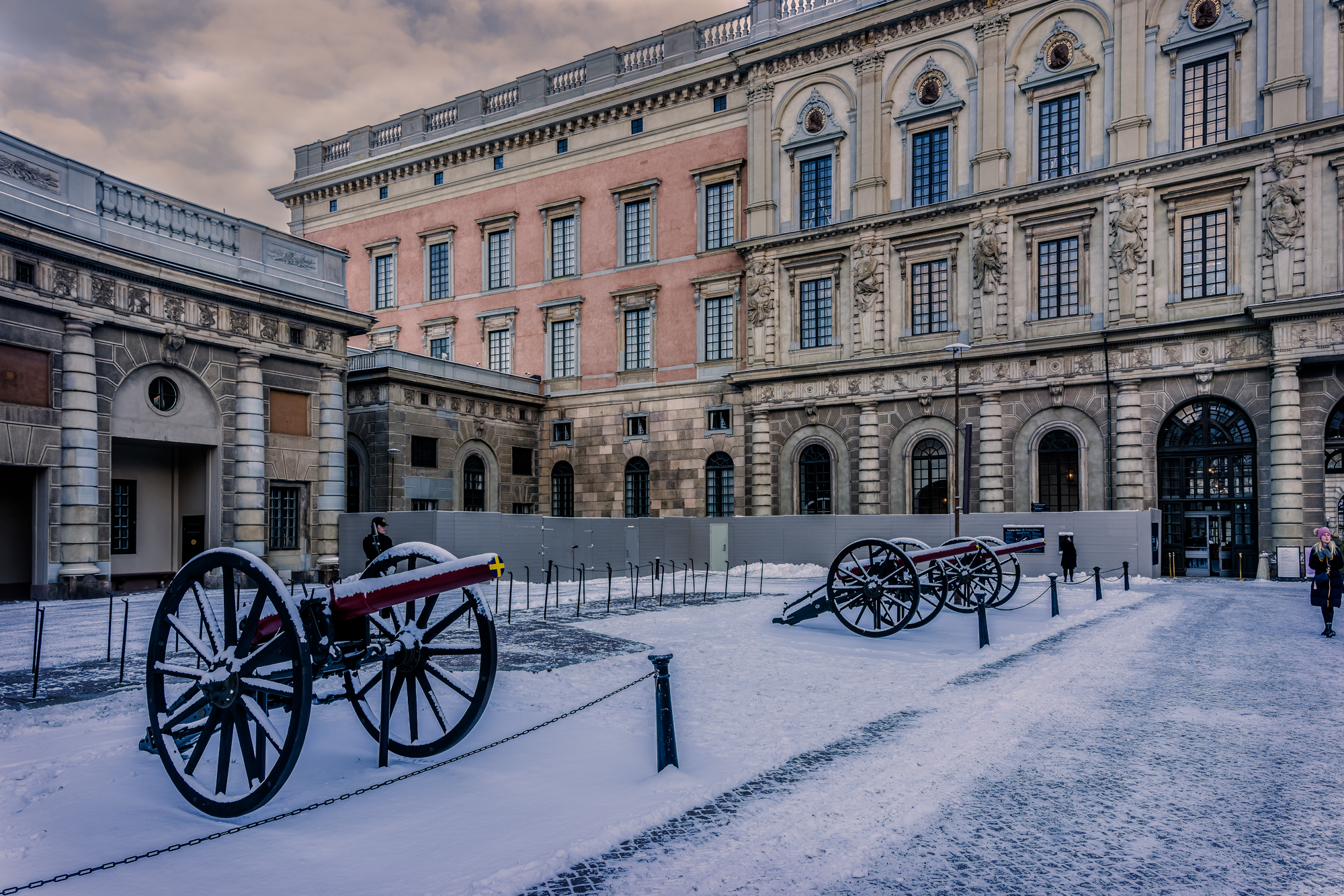
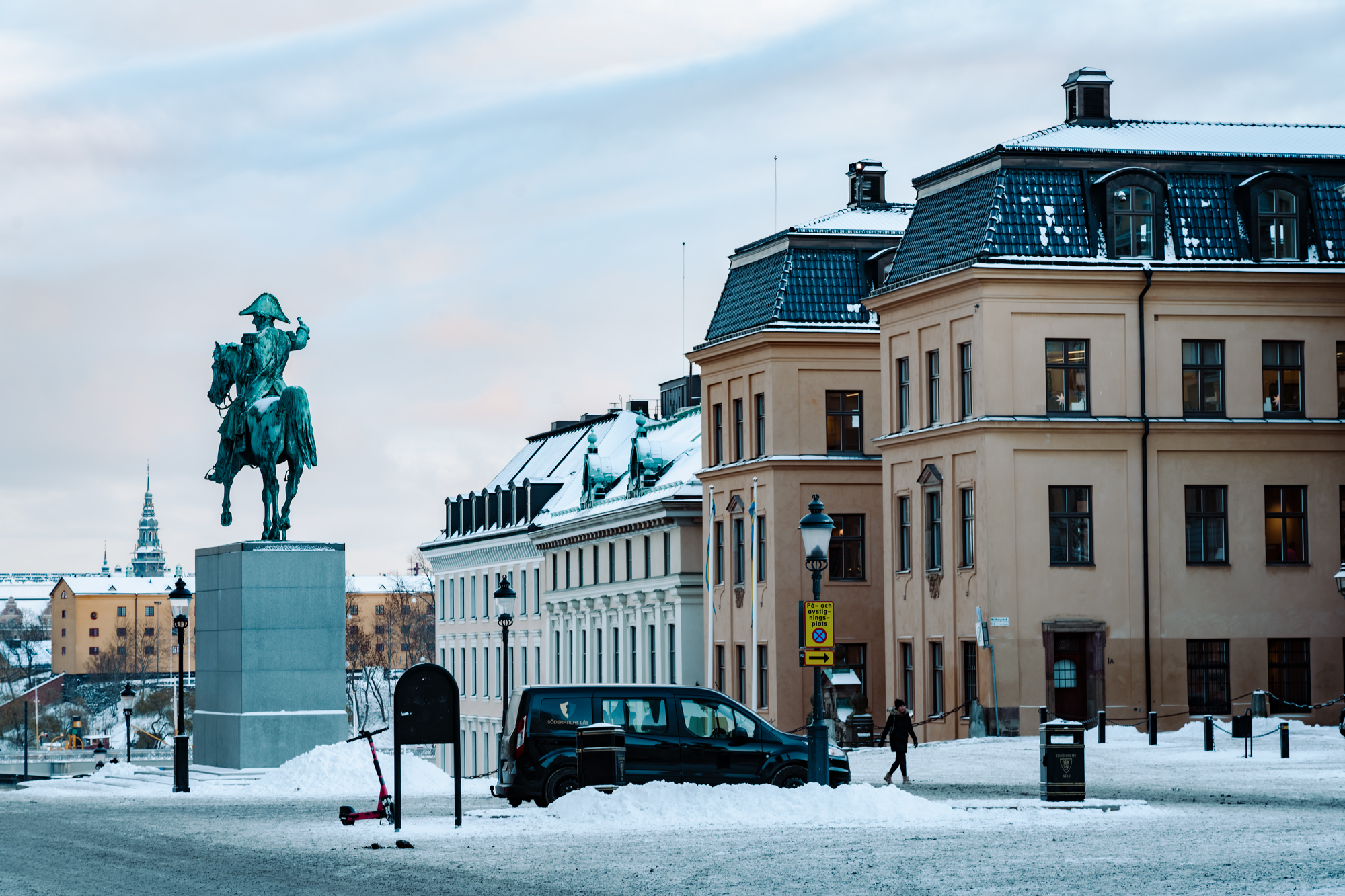
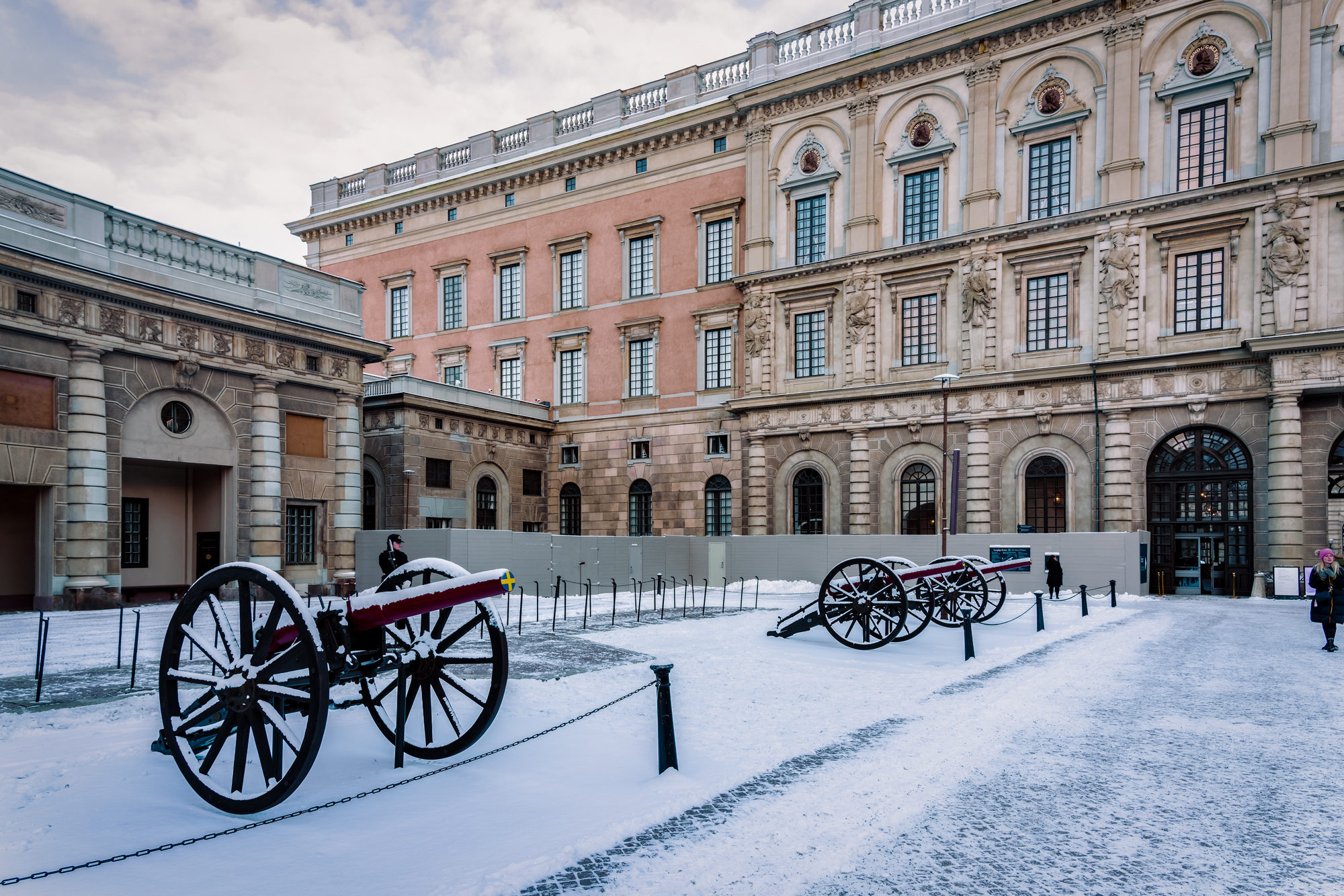
Photos from last week in Stockholm, Uppsala & Österskär

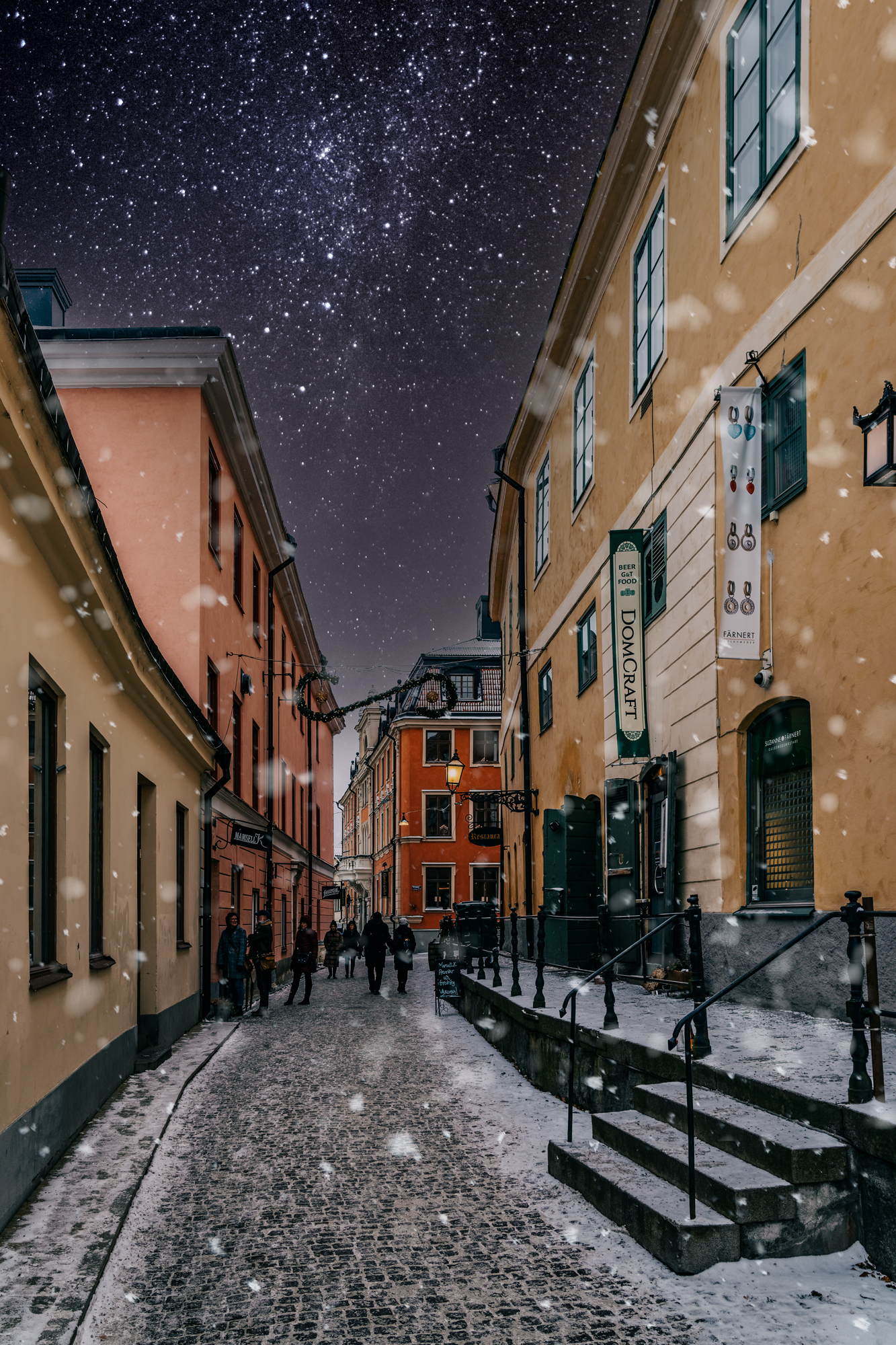
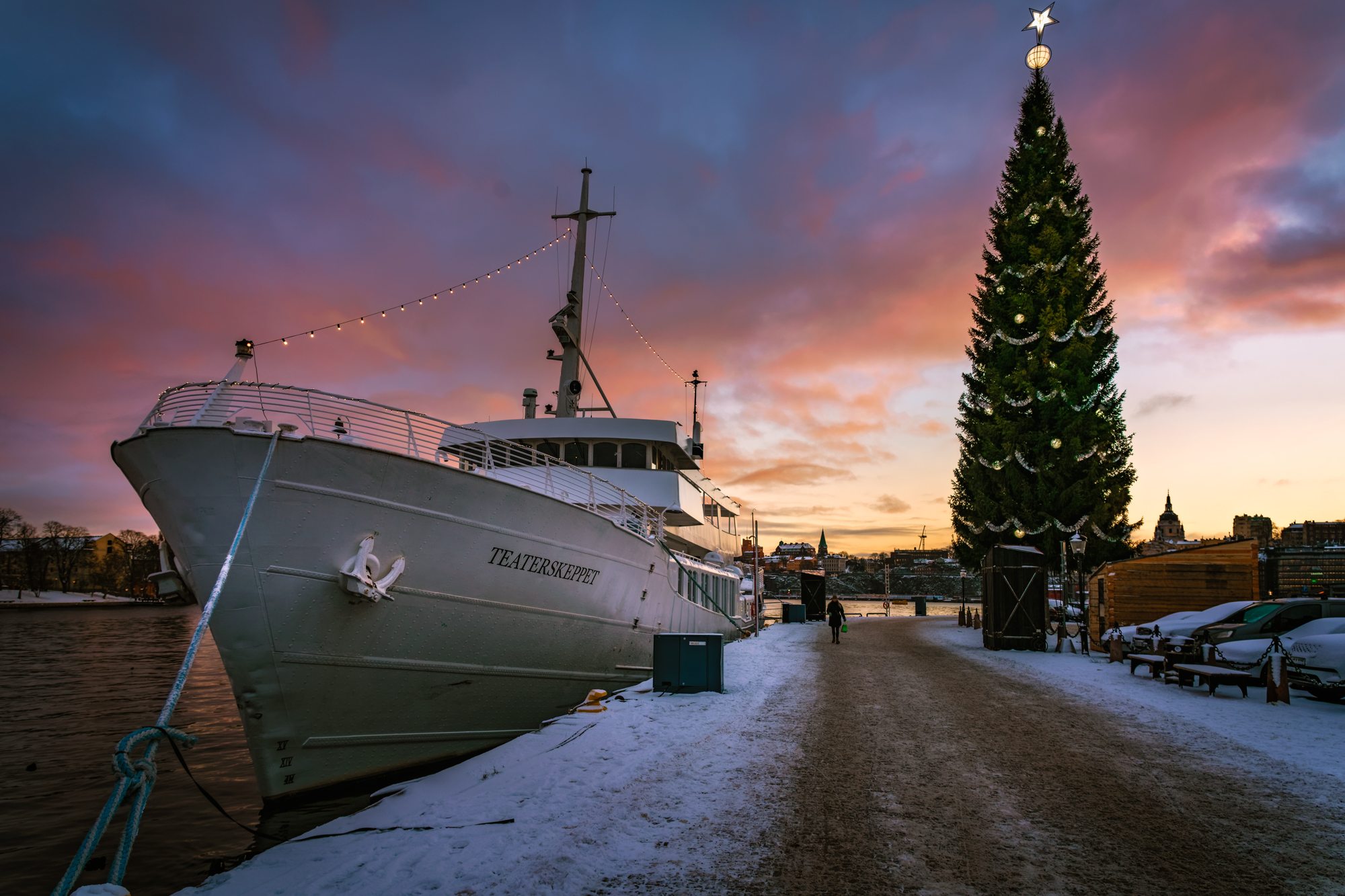
Winter Wonderland in Stockholm!

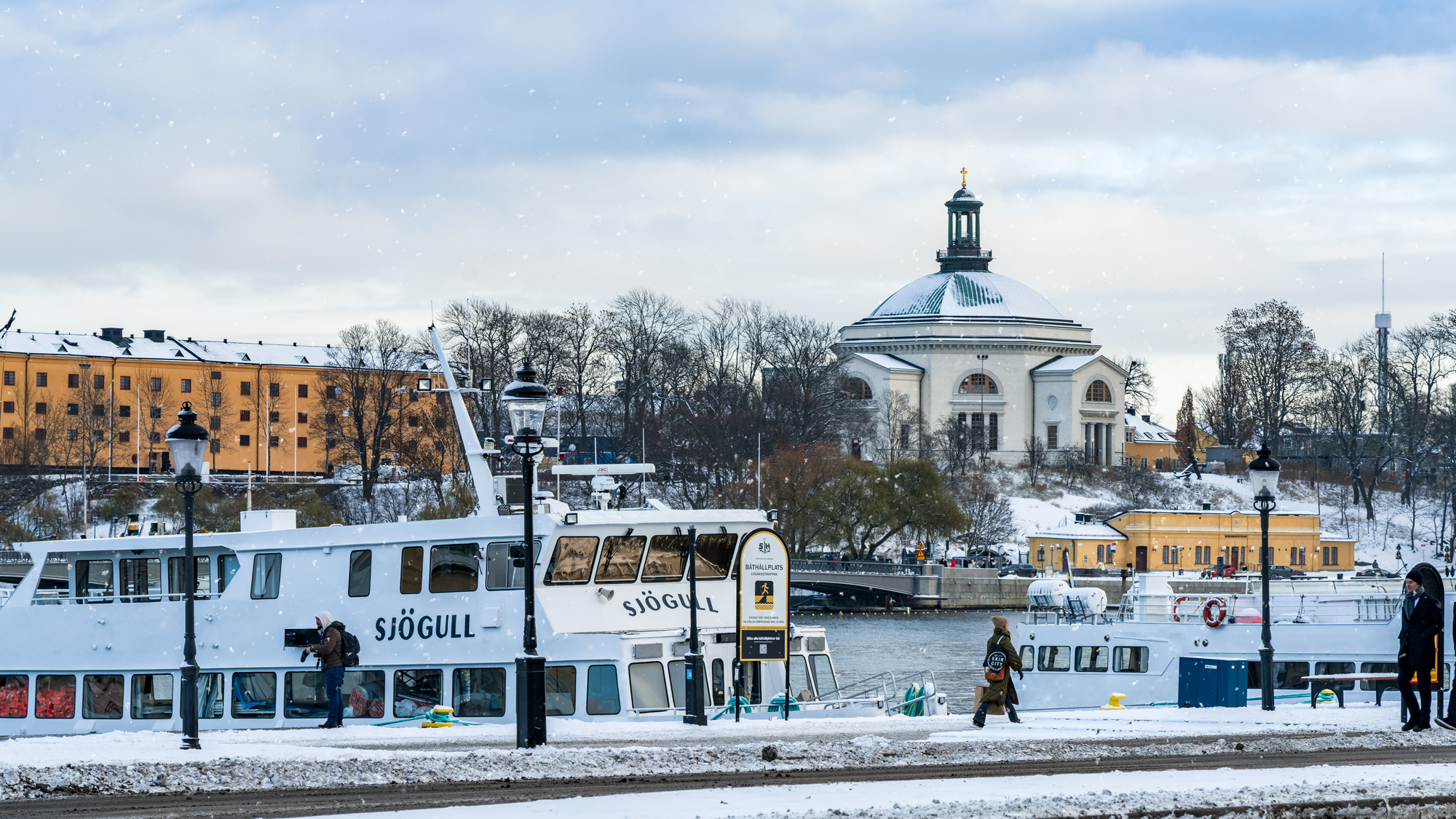
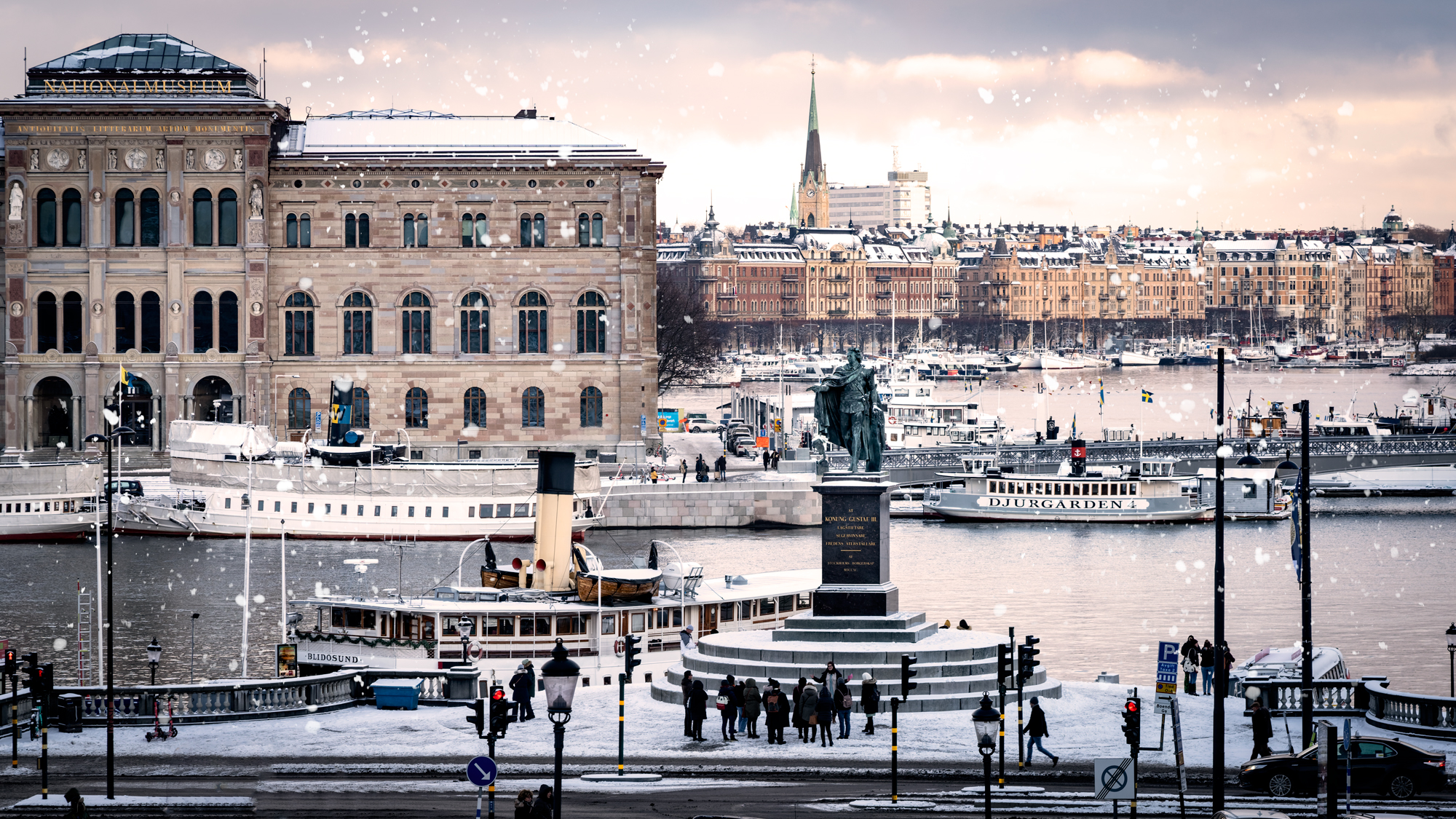
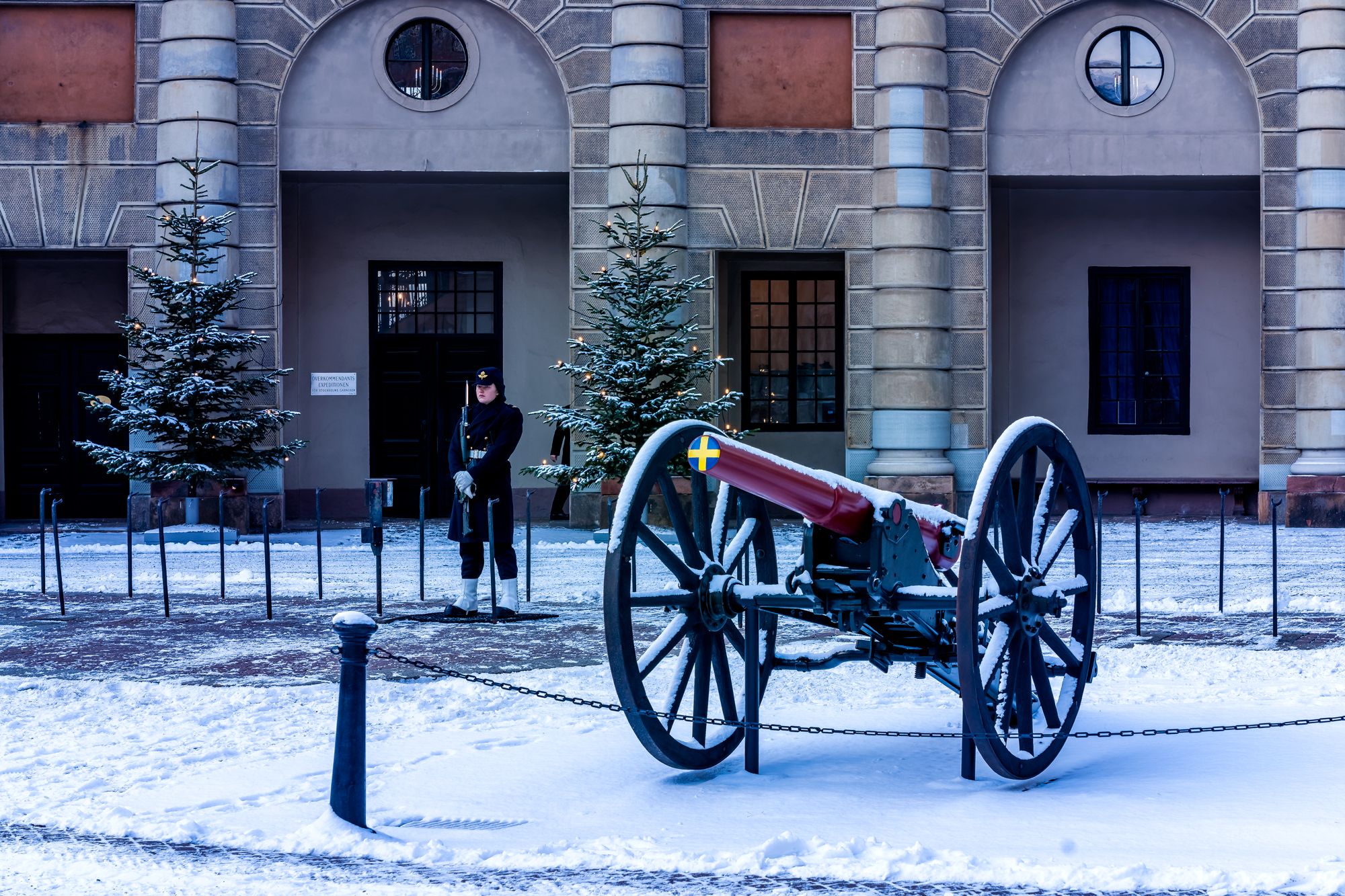
Sweden has always held a very special spot in my heart. I only lived here from the age of 6 to 10, but it has always felt “just right” to me. I was lucky enough to live in a gorgeous part of the country; the Stockholm Archipelago with an international capital about half an hour away. I will eventually move back into the house that I left close to 50 years ago when my mother and I moved to Denmark.
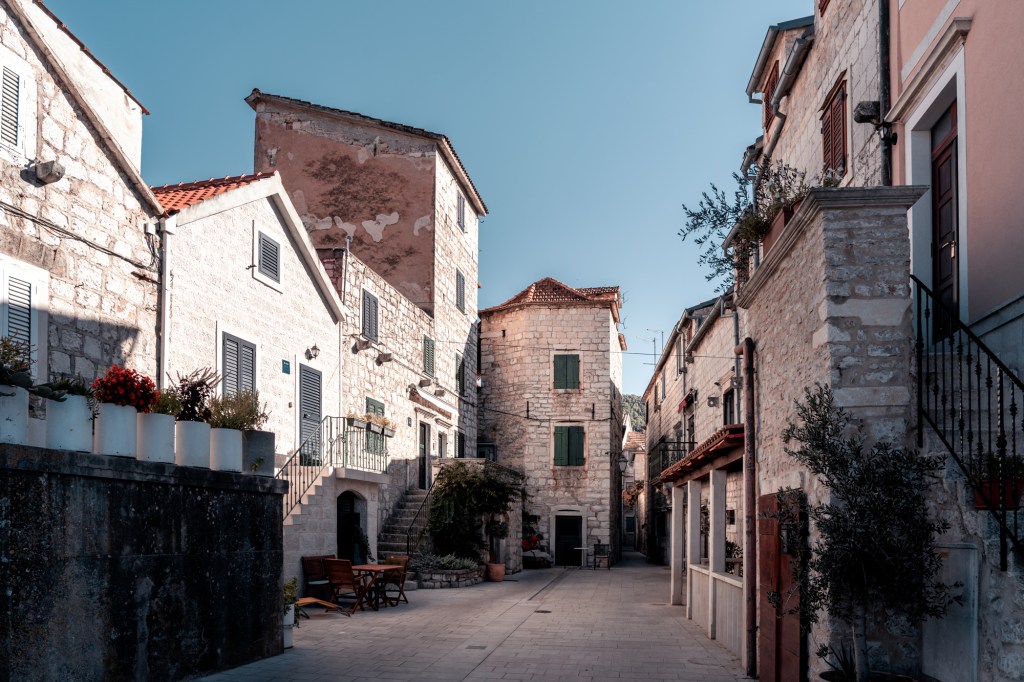
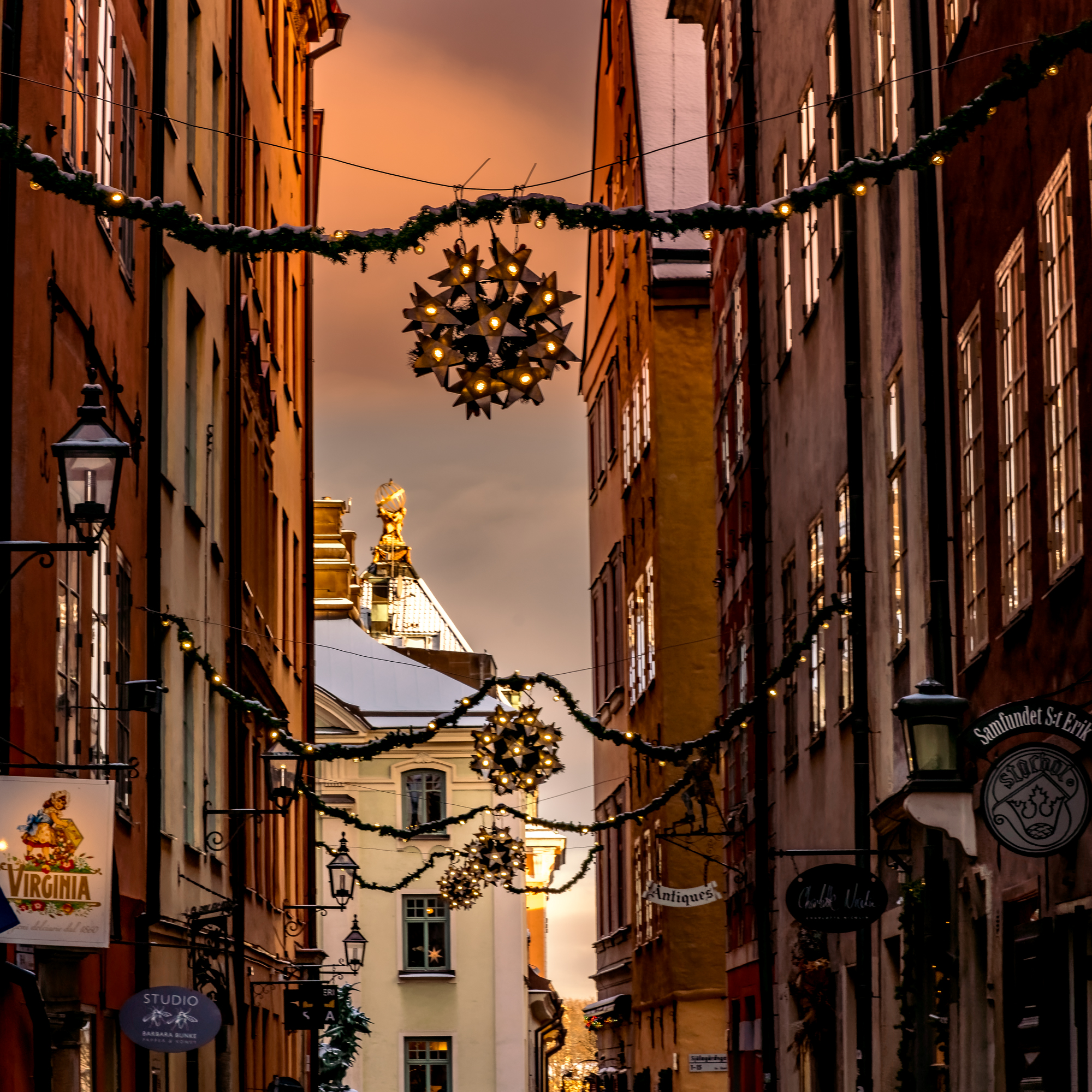
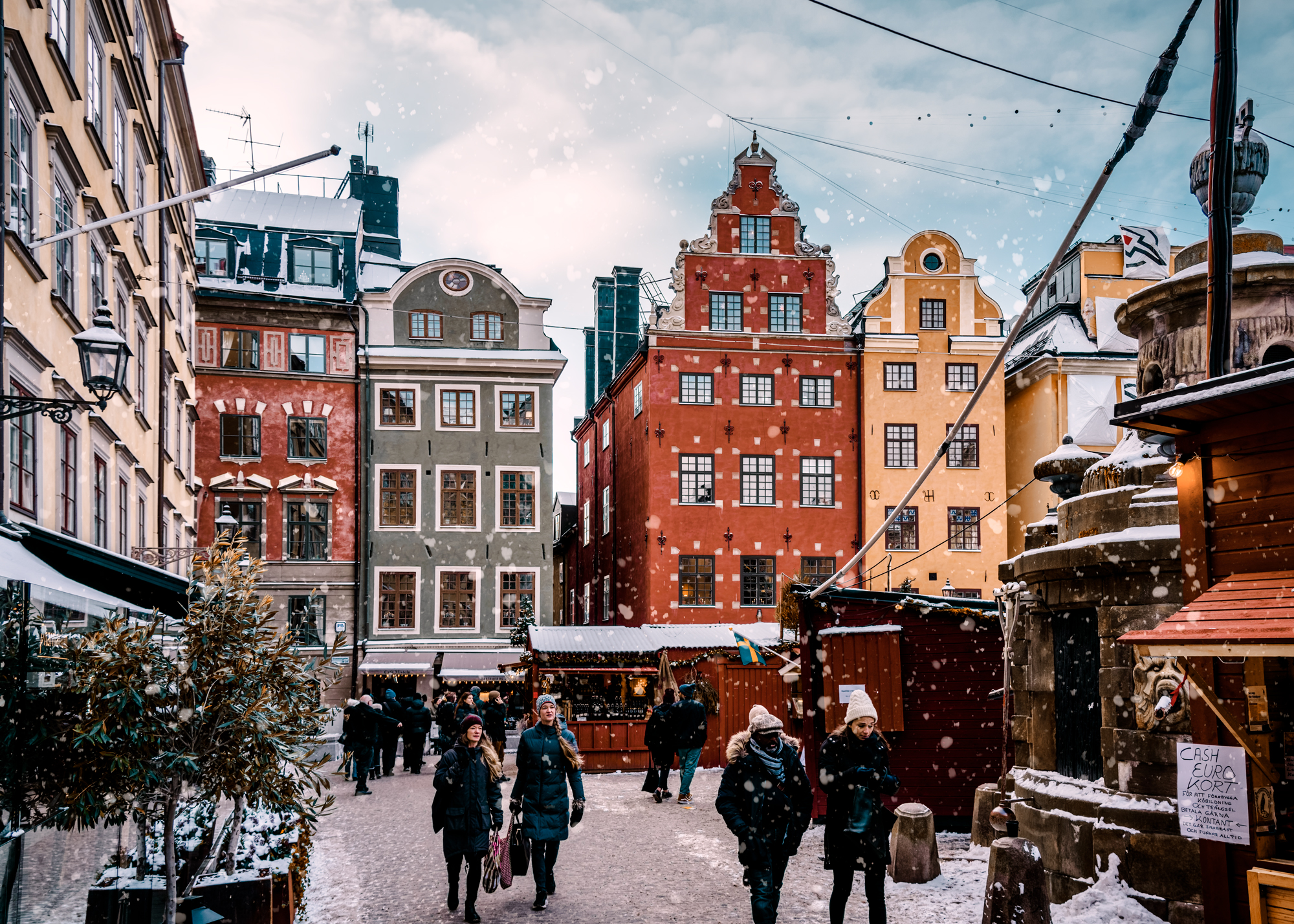
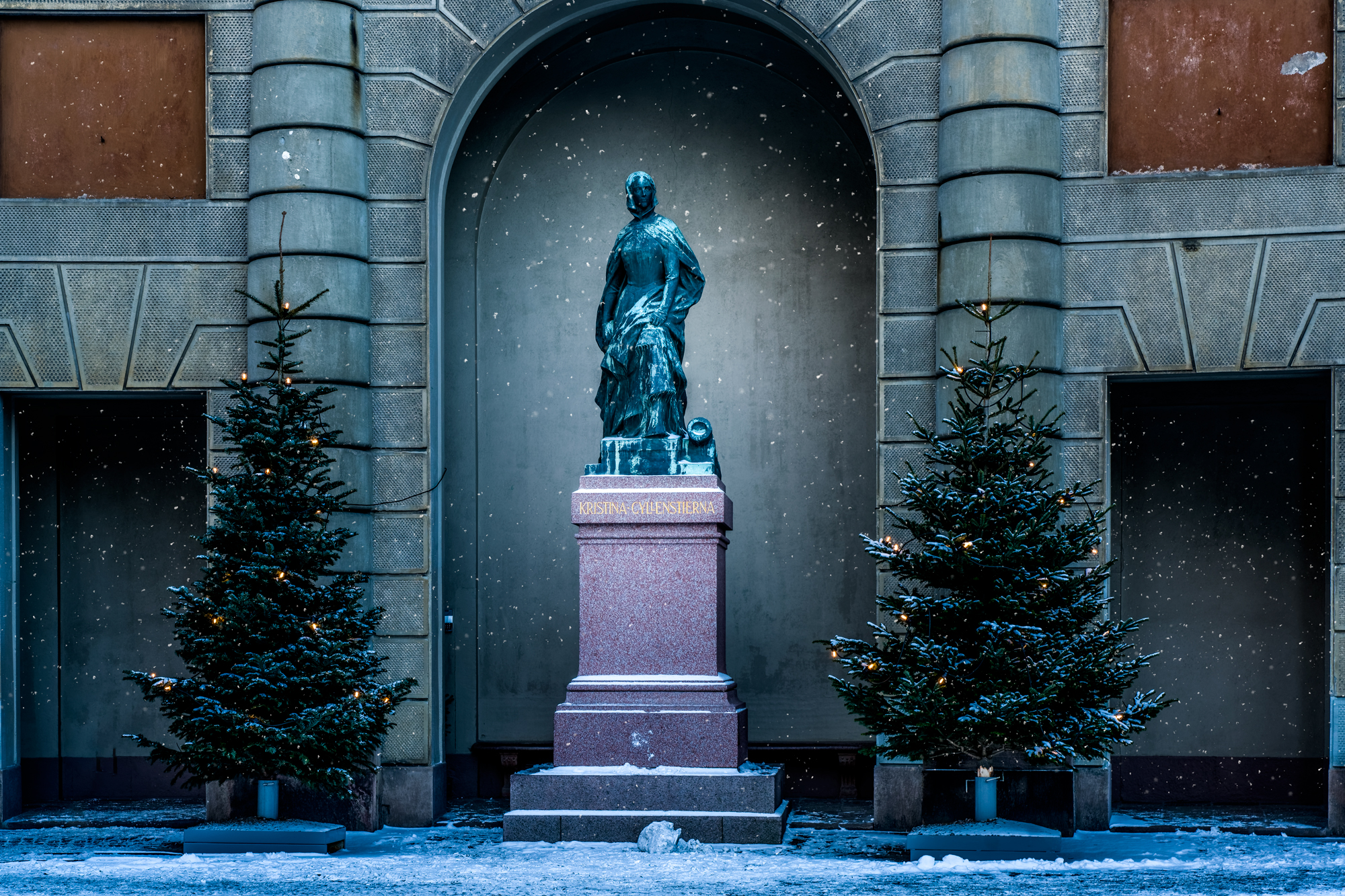
I spent the past week exploring and reliving Sweden via Stockholm, Uppsala, Vaxholm, Vallentuna och Österskär. I would have taken 100 times as many pictures of these gorgeous streets if it were not for the biting cold – minus 17 Celcius is a bit rough on this former Californian! Next year, I will do my best to channel my inner Viking!

Tivoli Gardens on Steroids!

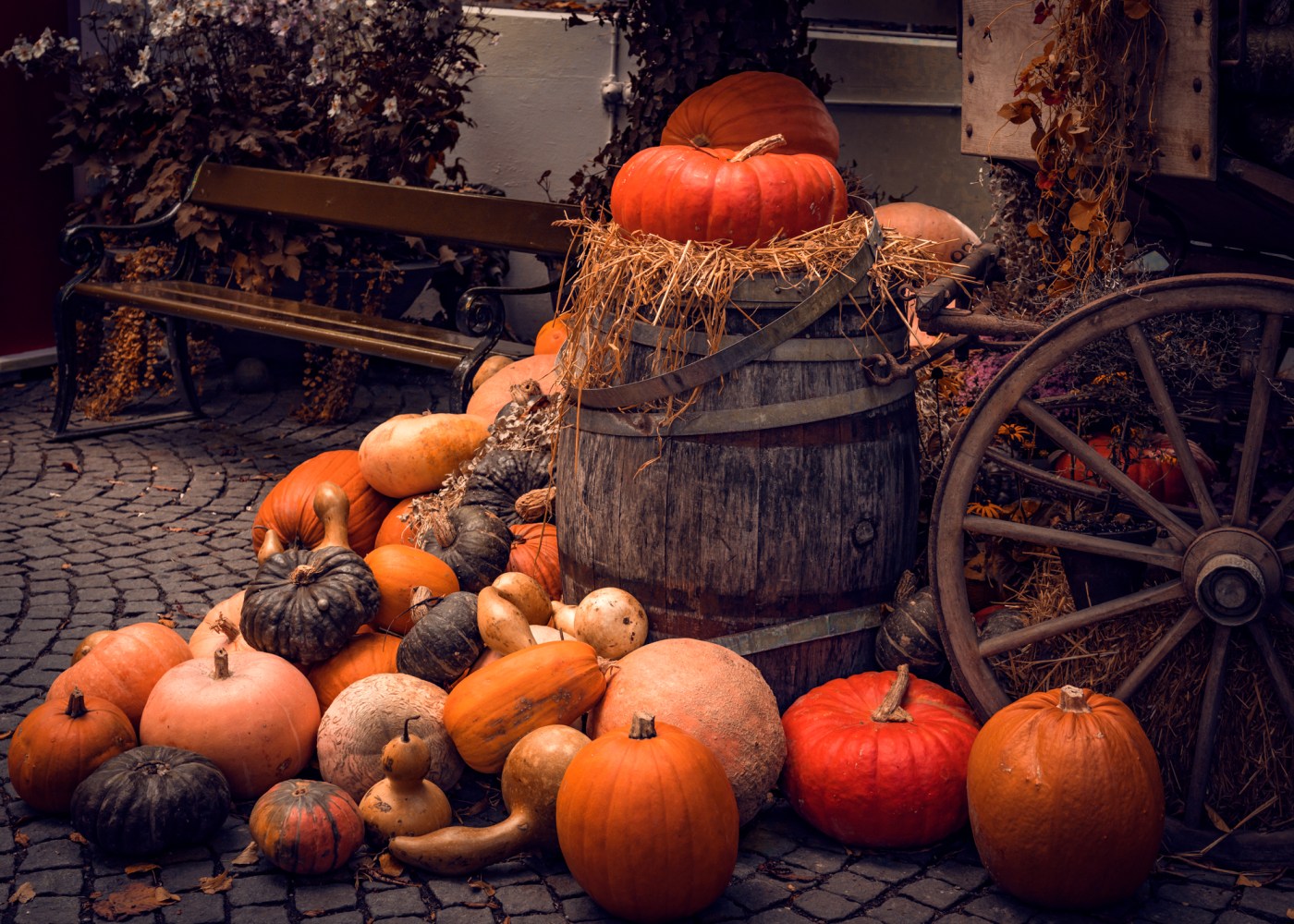
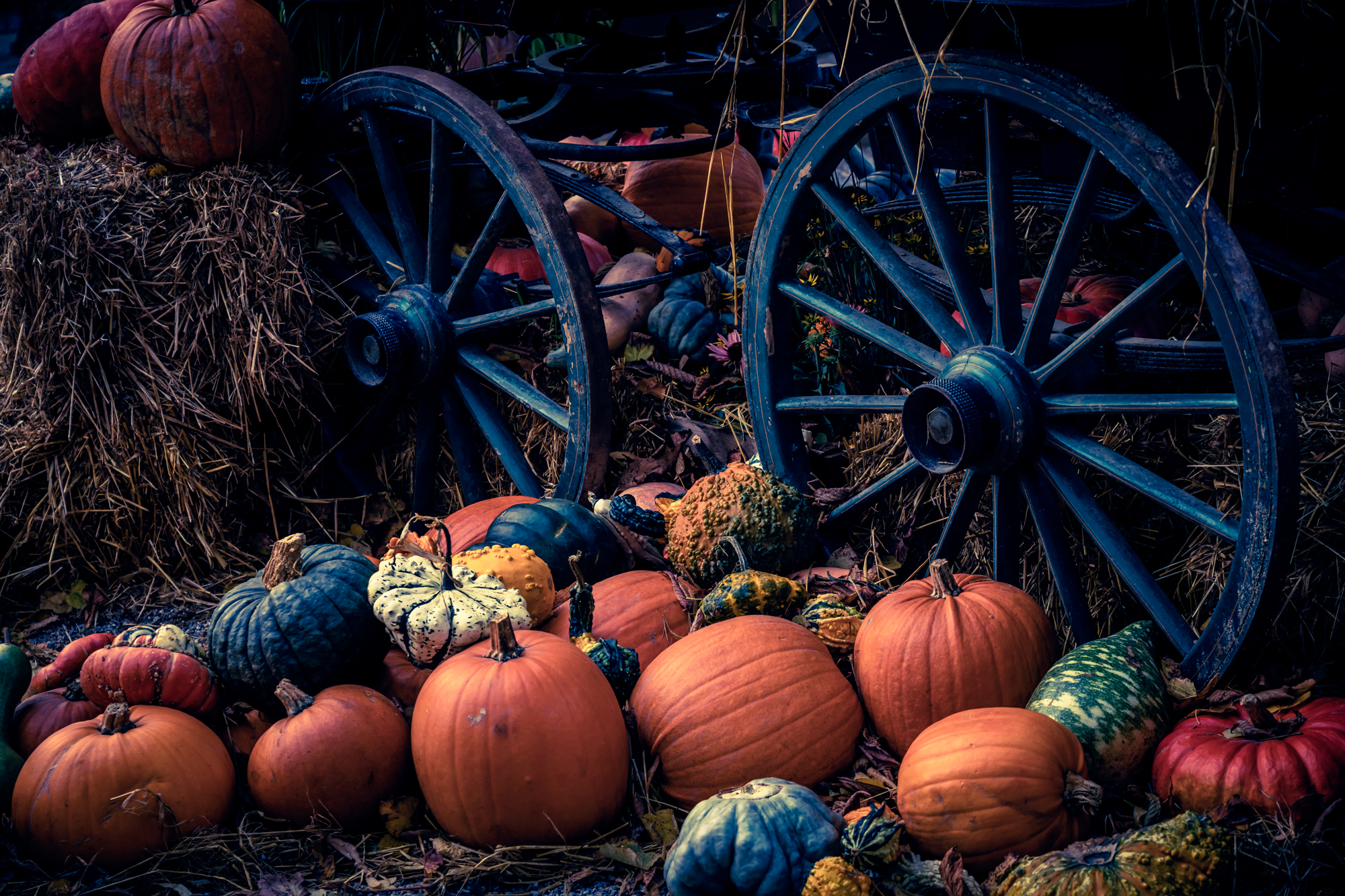
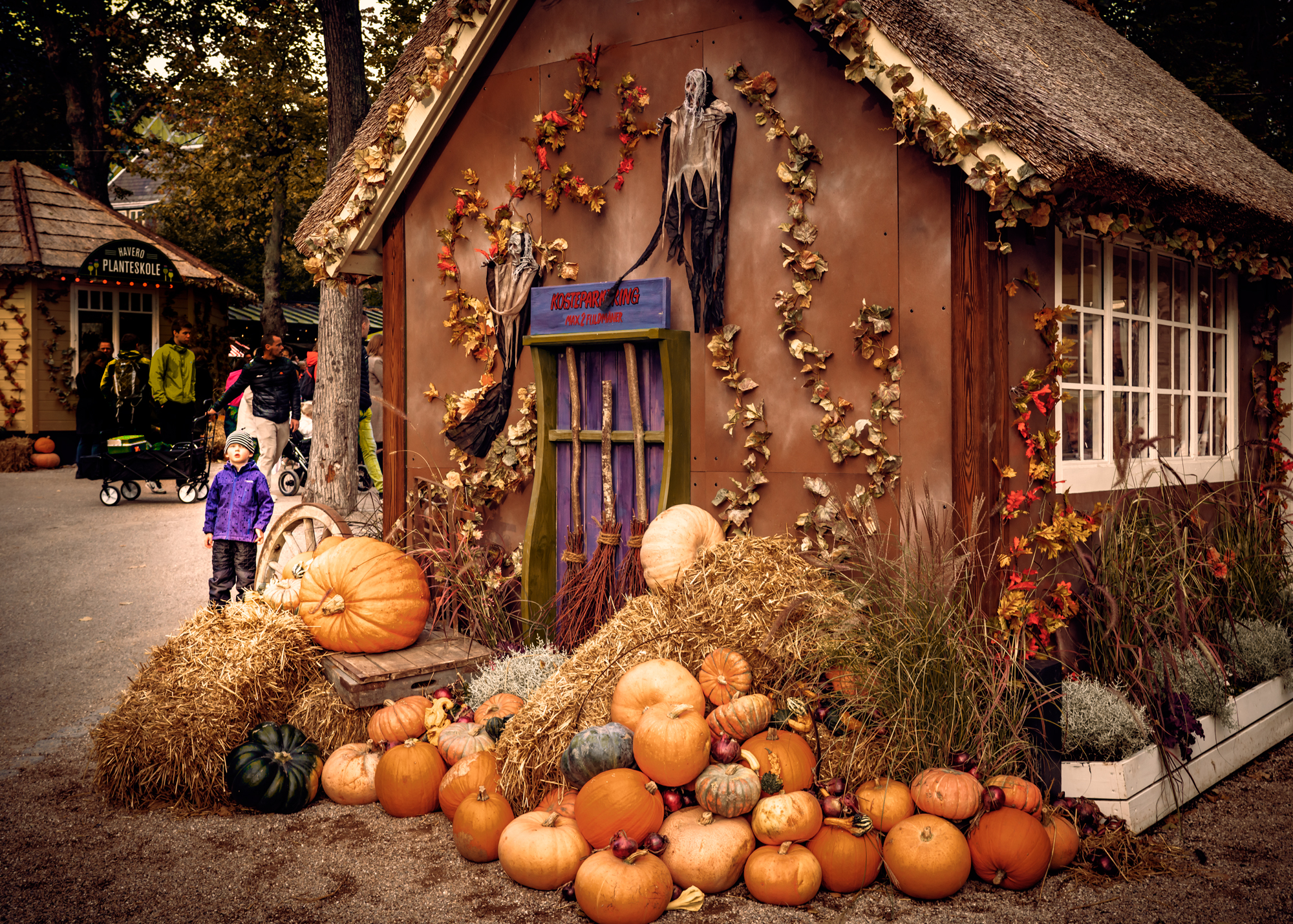
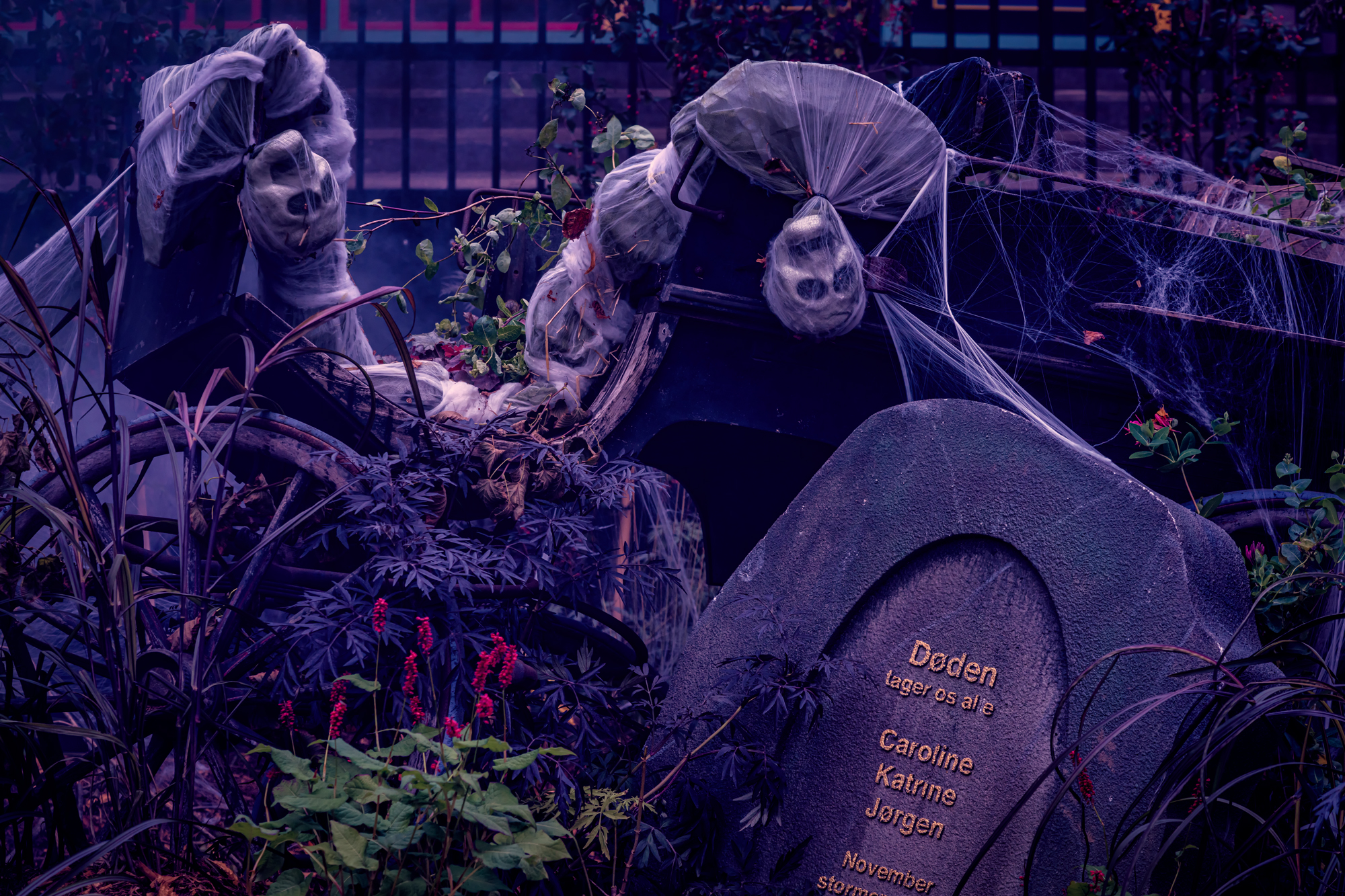
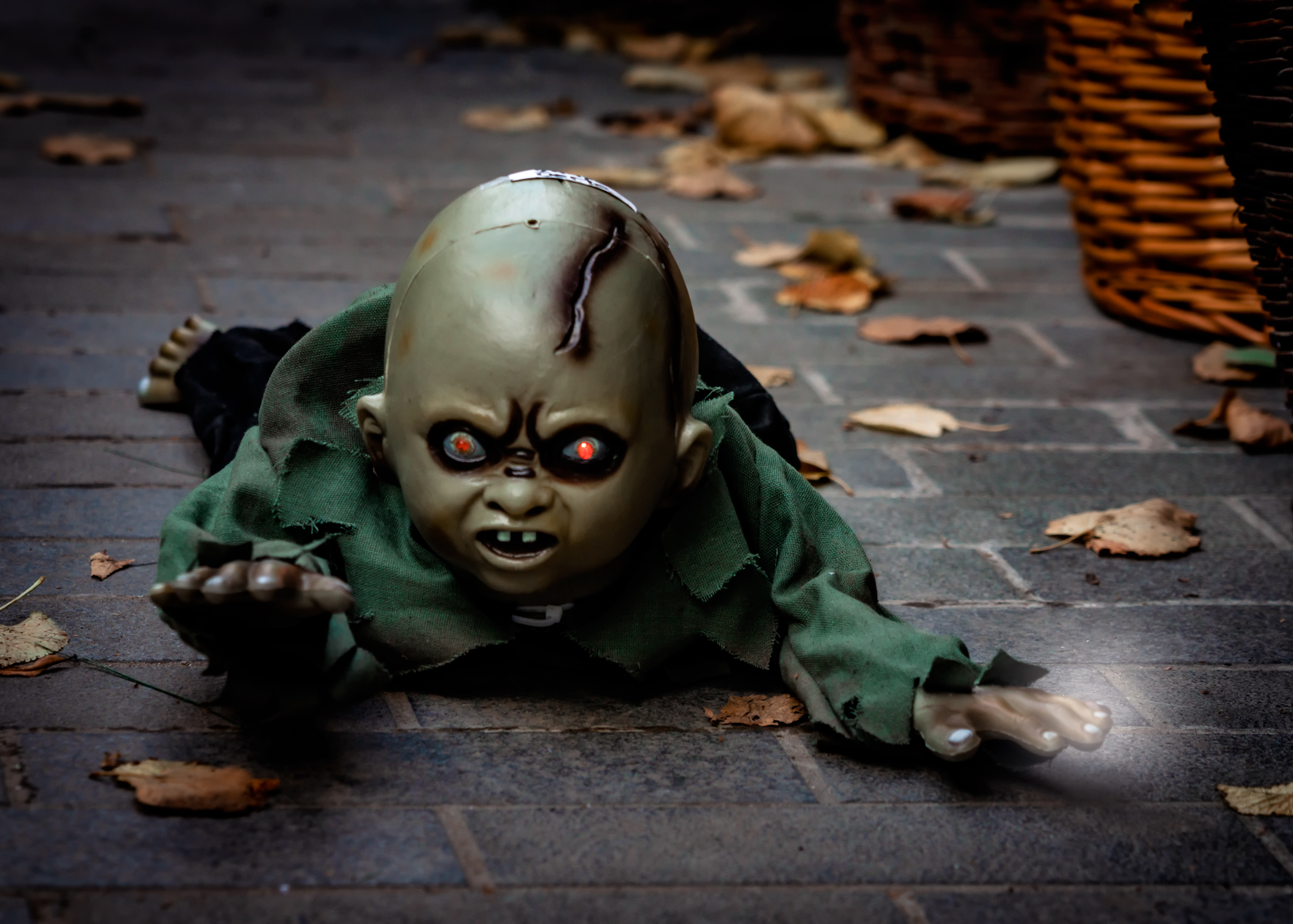
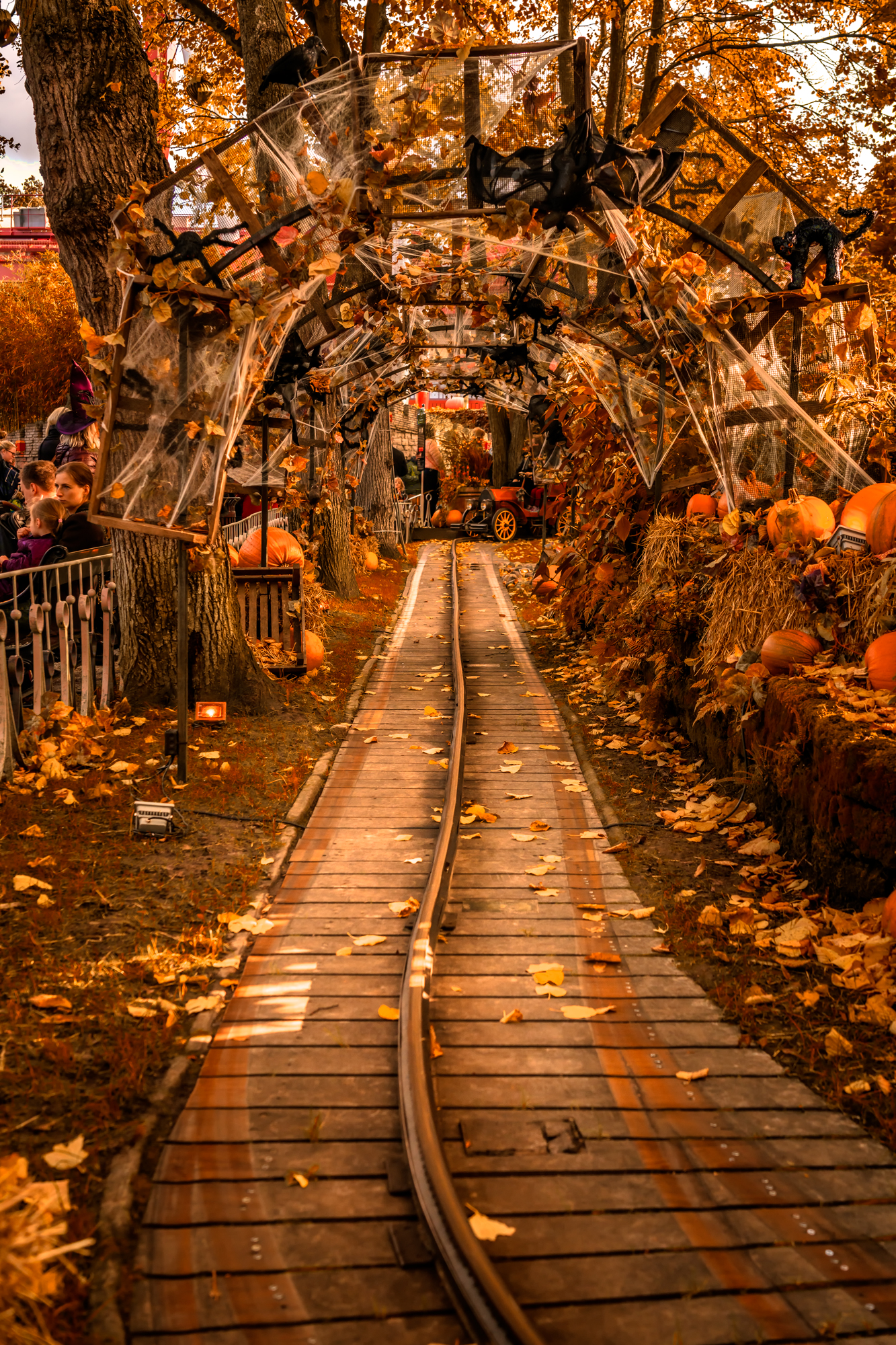
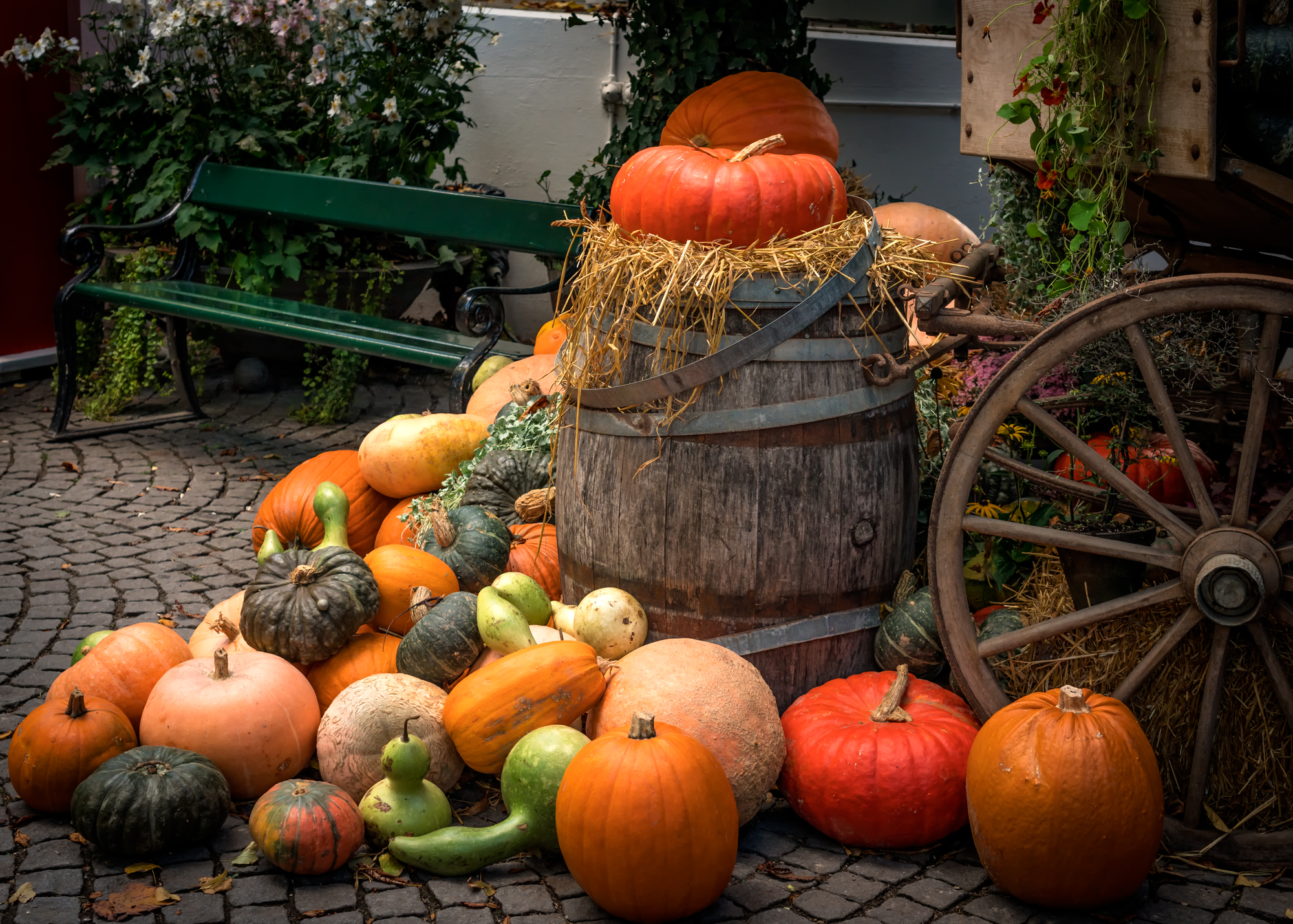
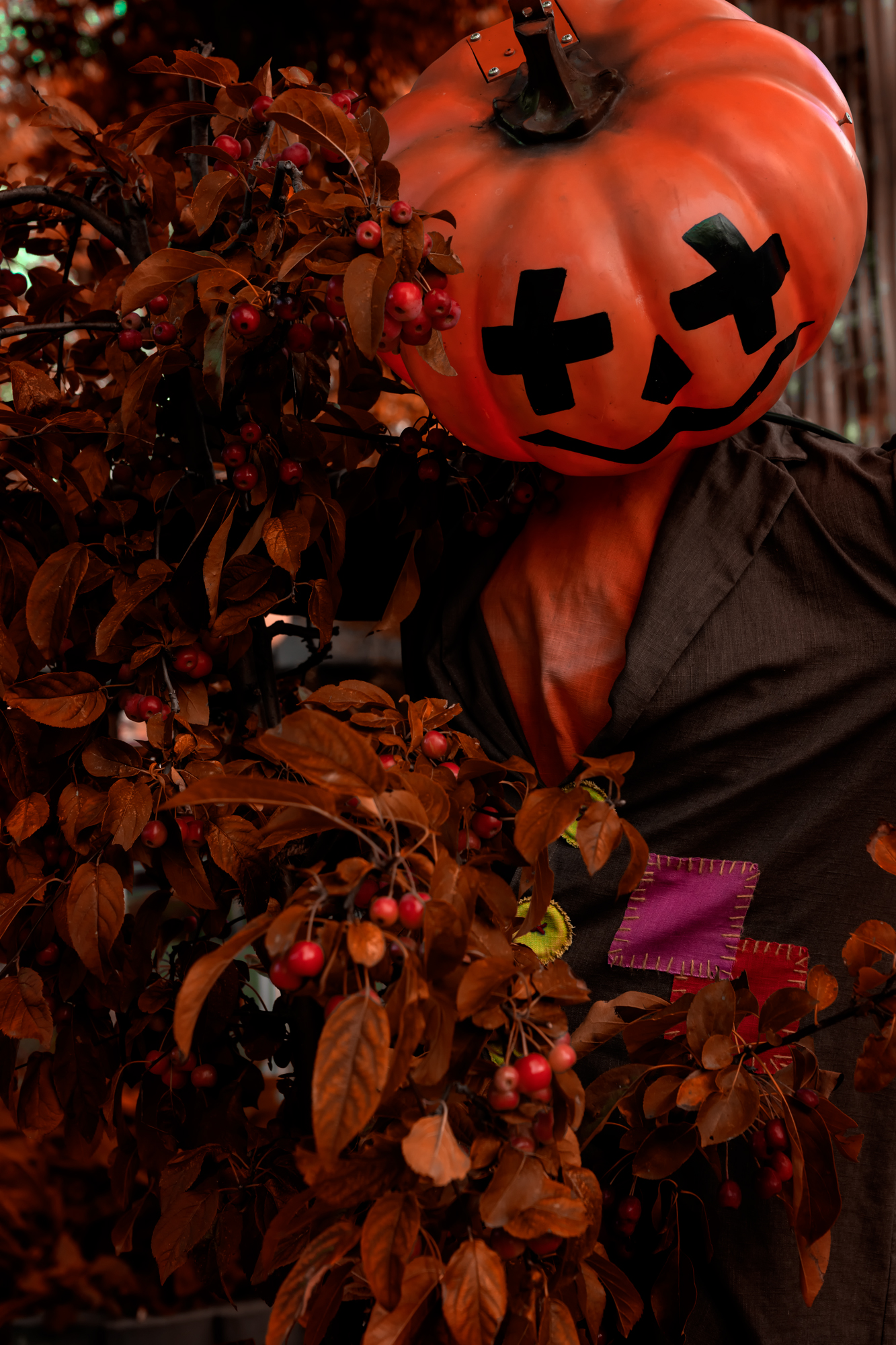
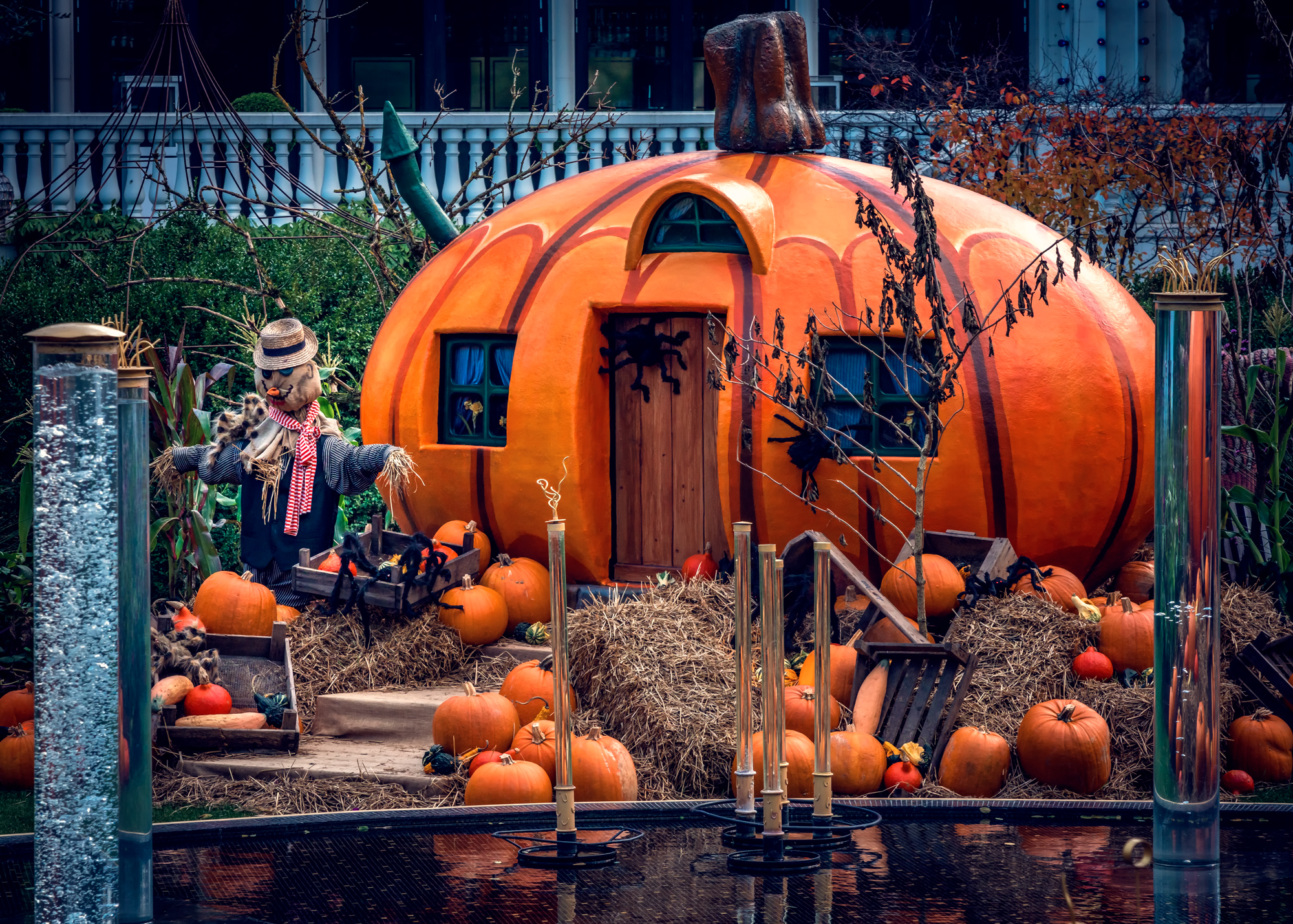
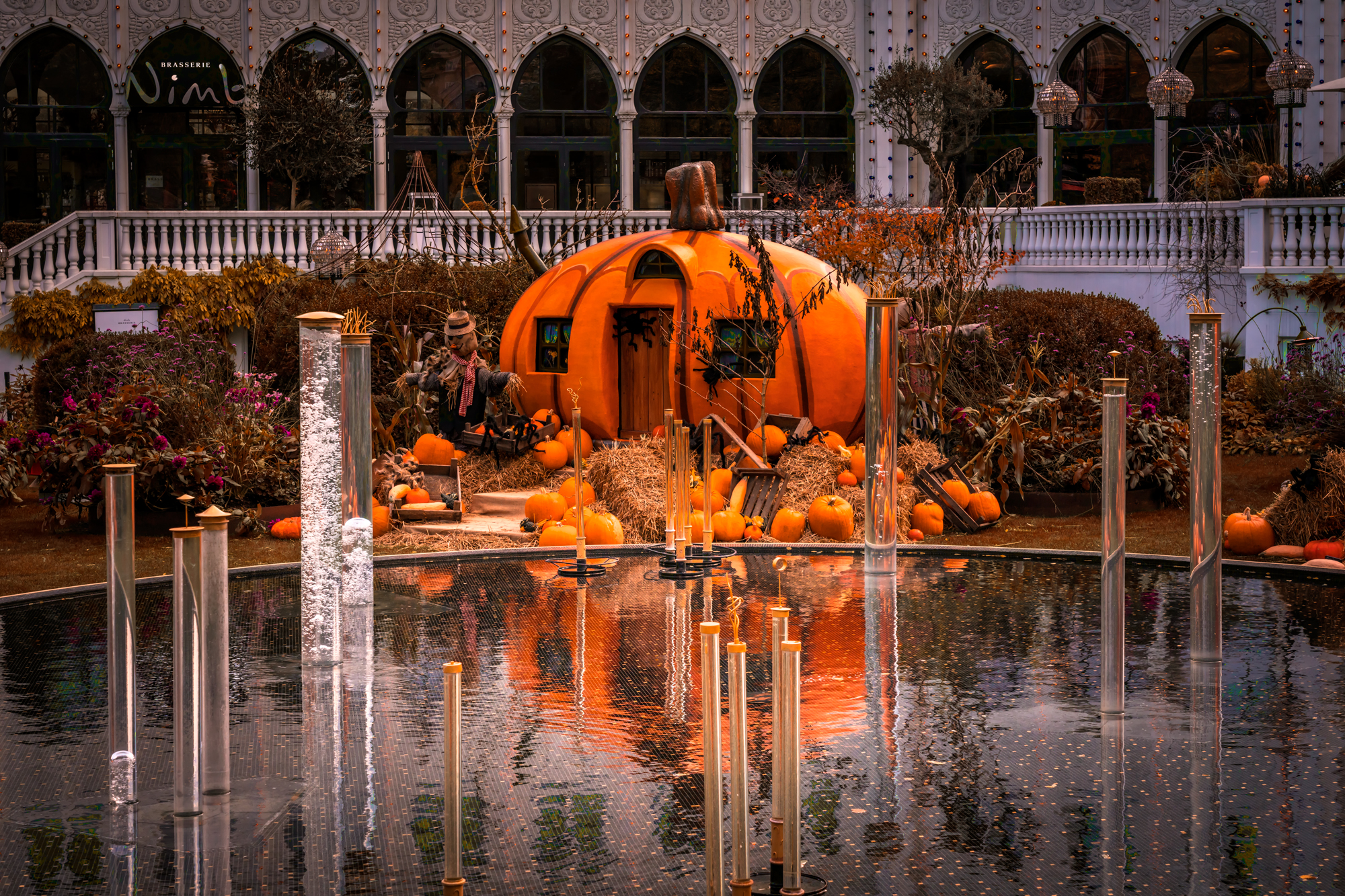
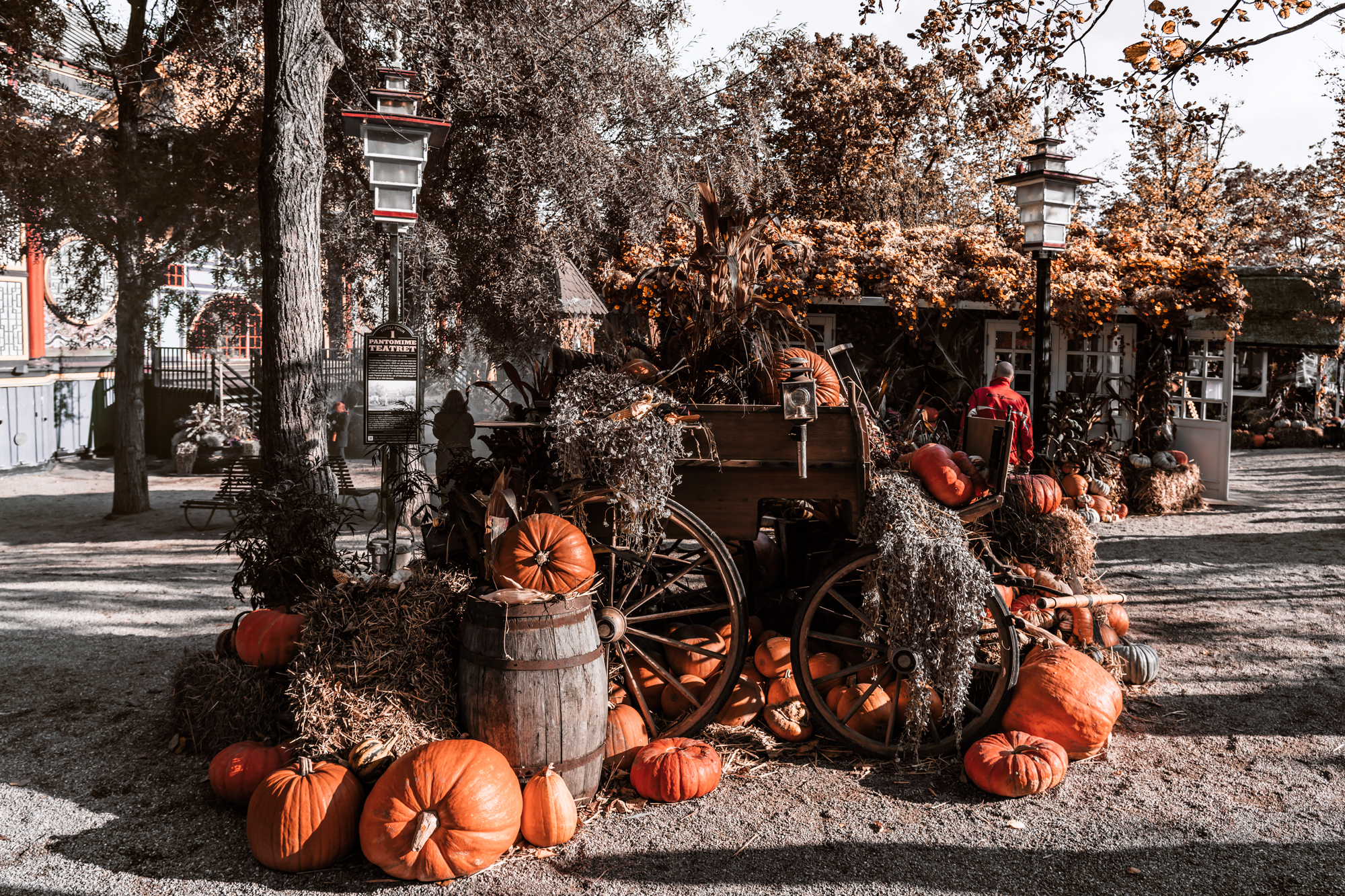
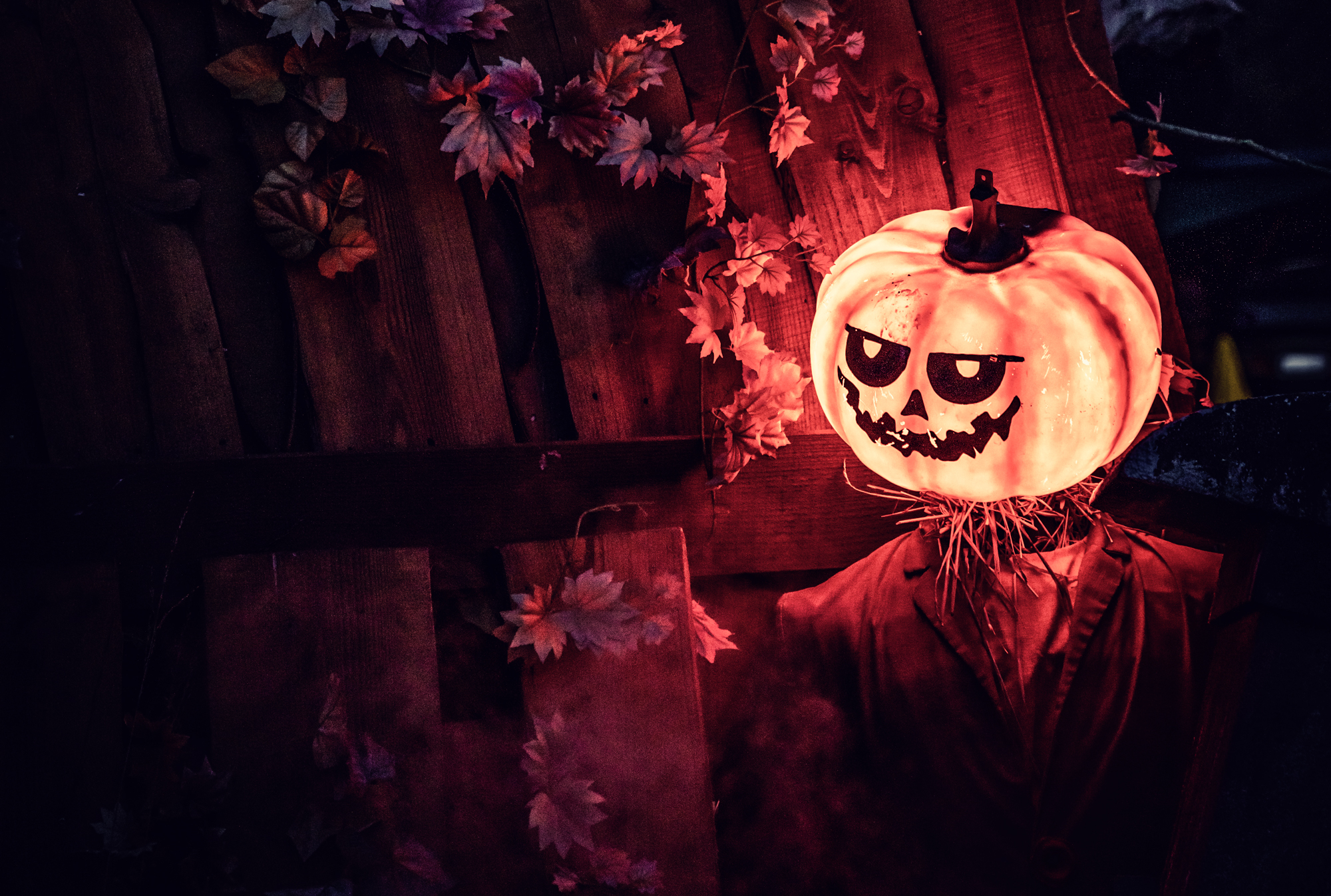
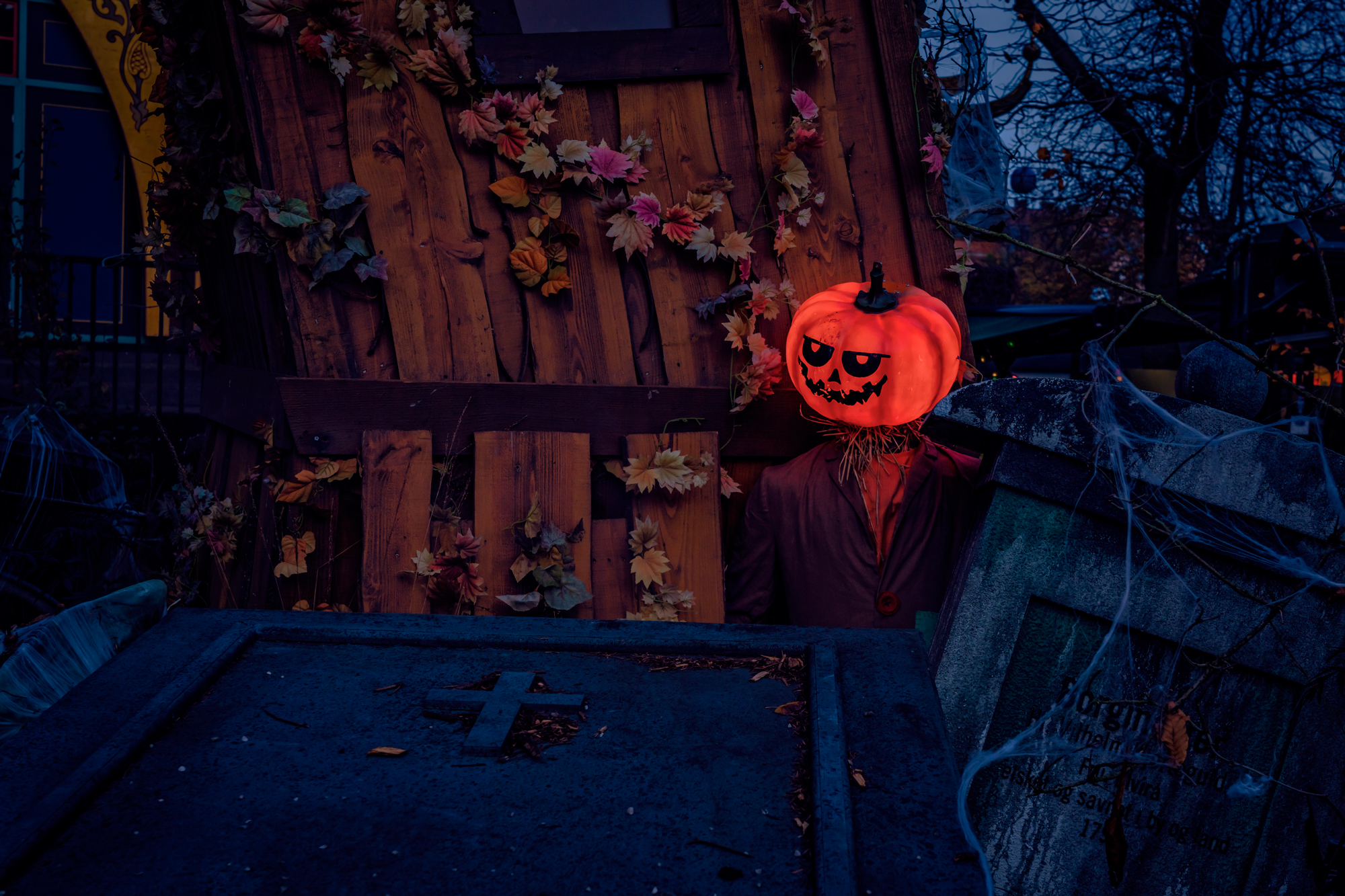
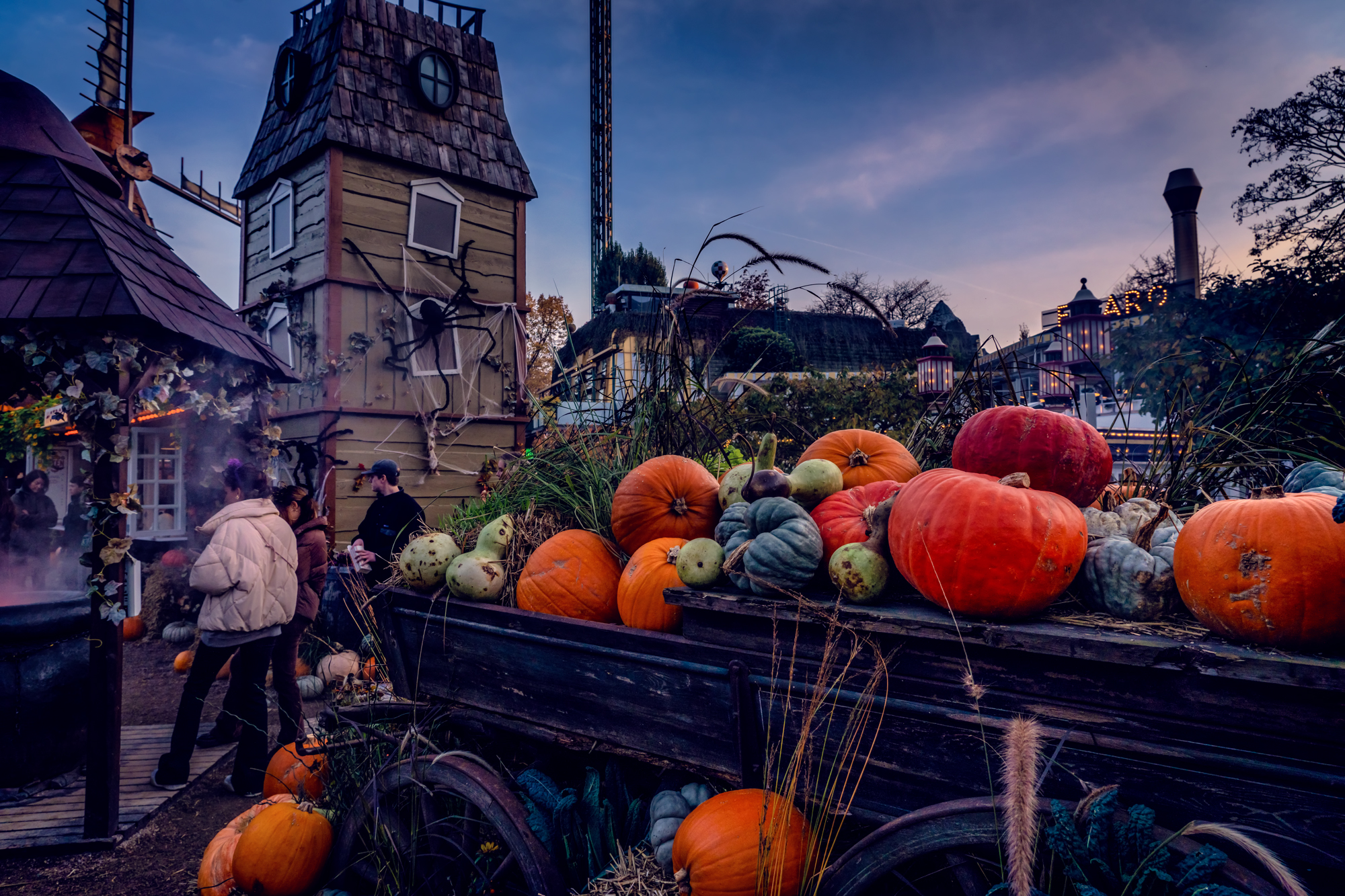
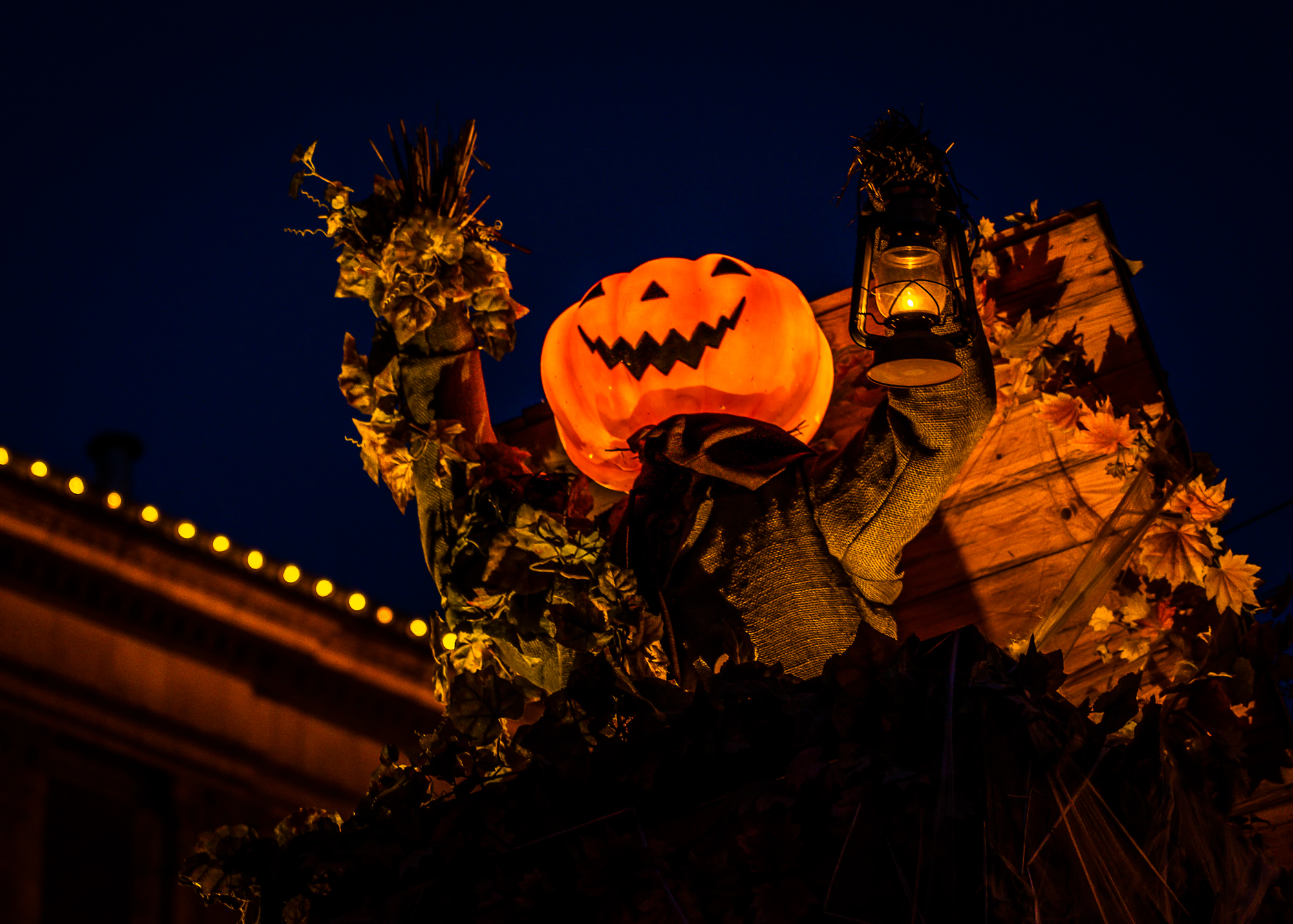
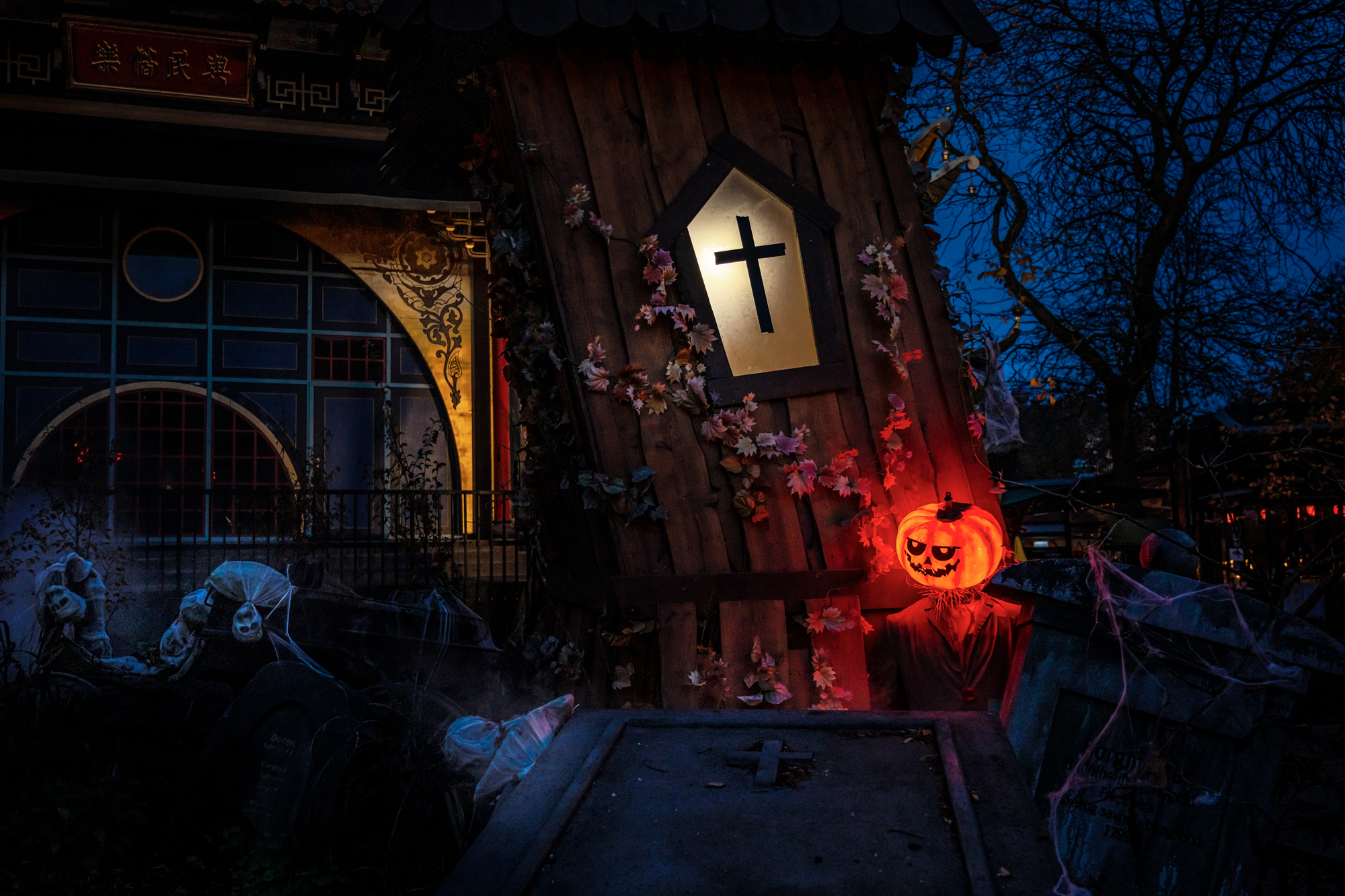
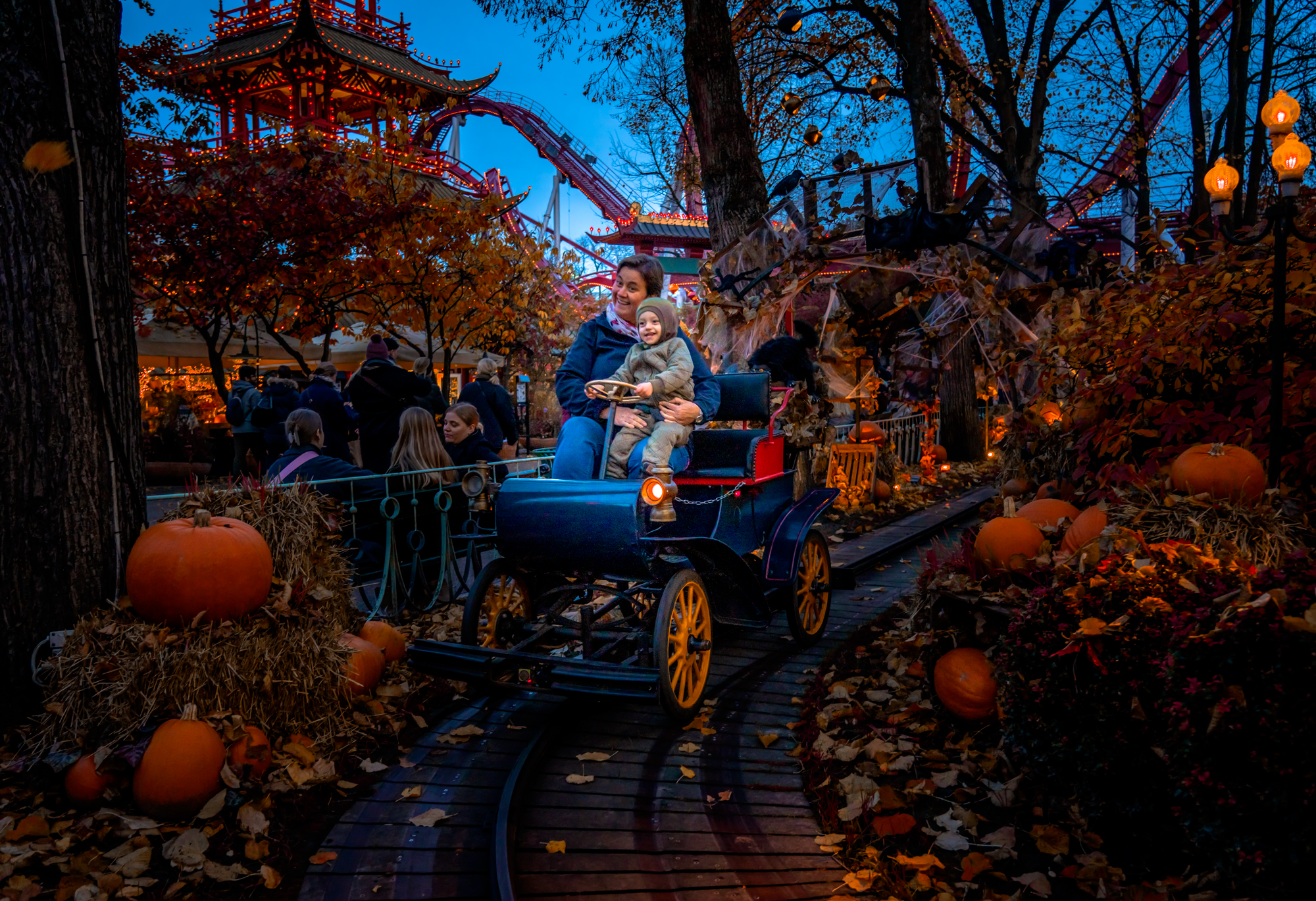
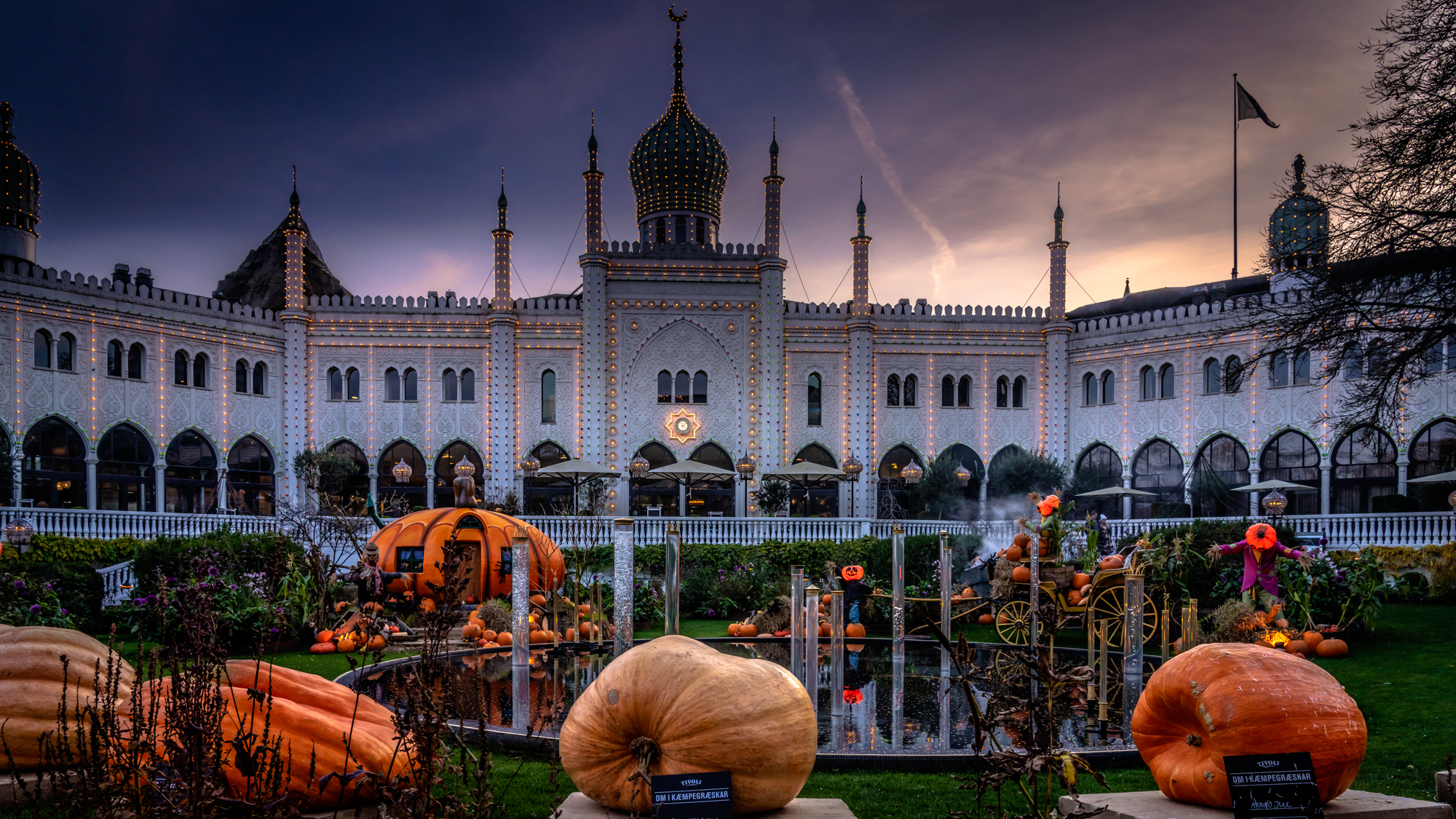
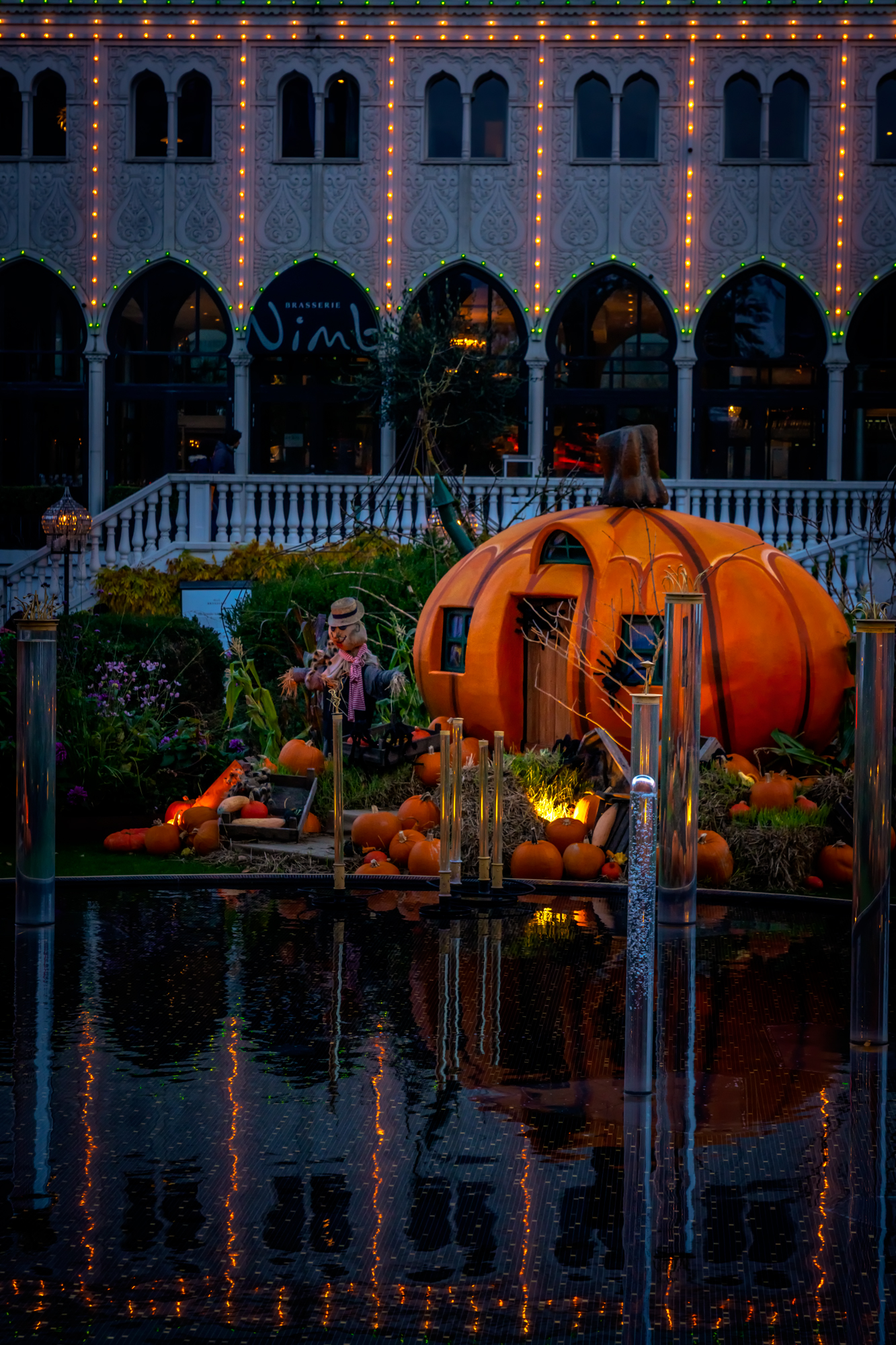
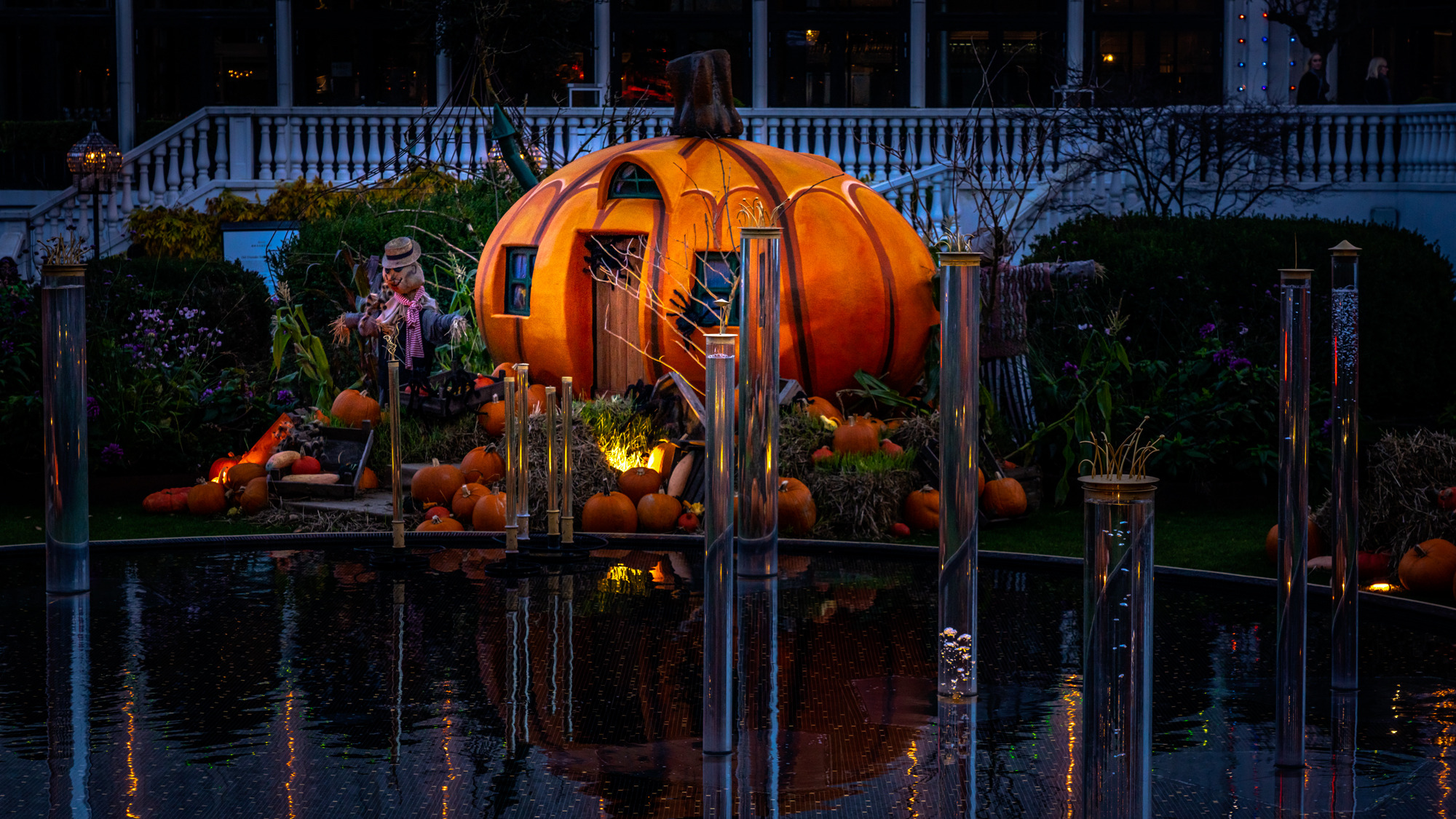
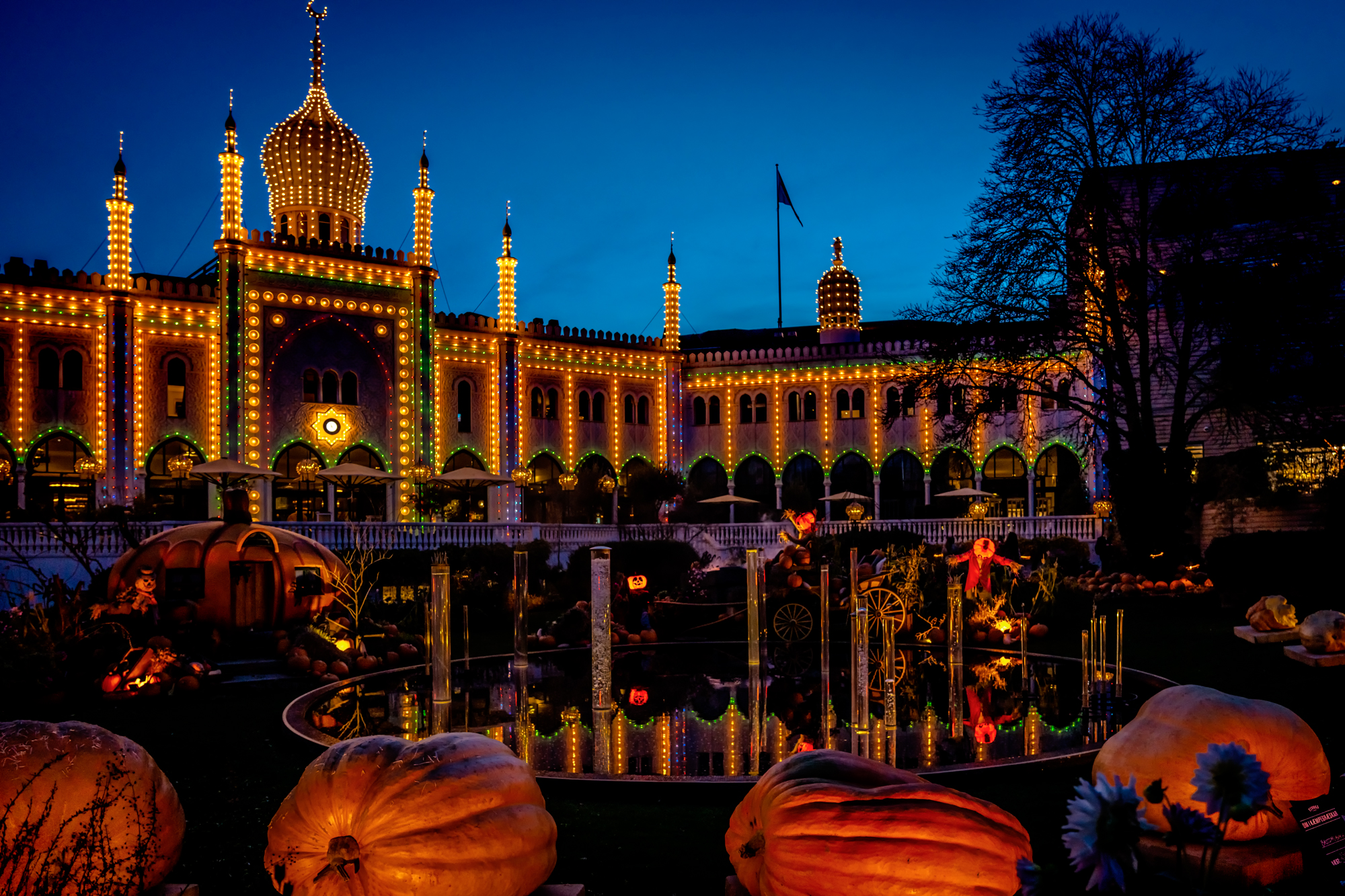
When I was a child in Scandinavia, there was no such things as Valentine’s Day, St. Patrick’s or Halloween, but it would seem that things have changed and we are now overwhelmed with goblins, scary monsters and super creeps this November! Nowhere else do they take this to the extent that Tivoli Gardens do and in spite of the relative tackiness of it all, it was a sight worth seeing – twice in 10 days! I cannot help but wonder if Denmark is the biggest producer or importer of pumpkins, though….

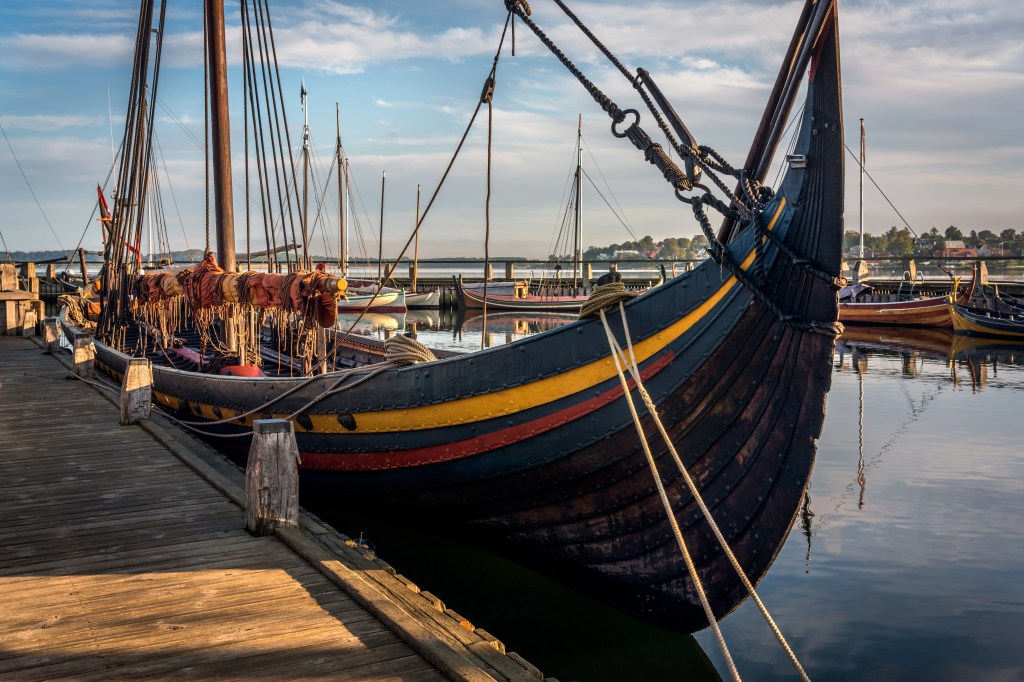
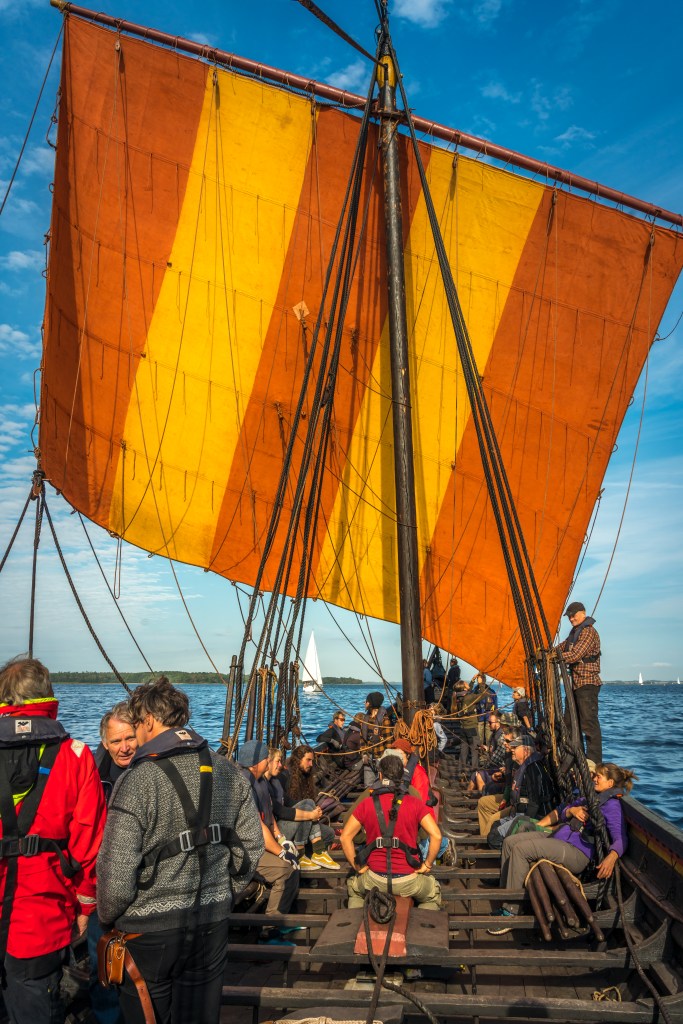
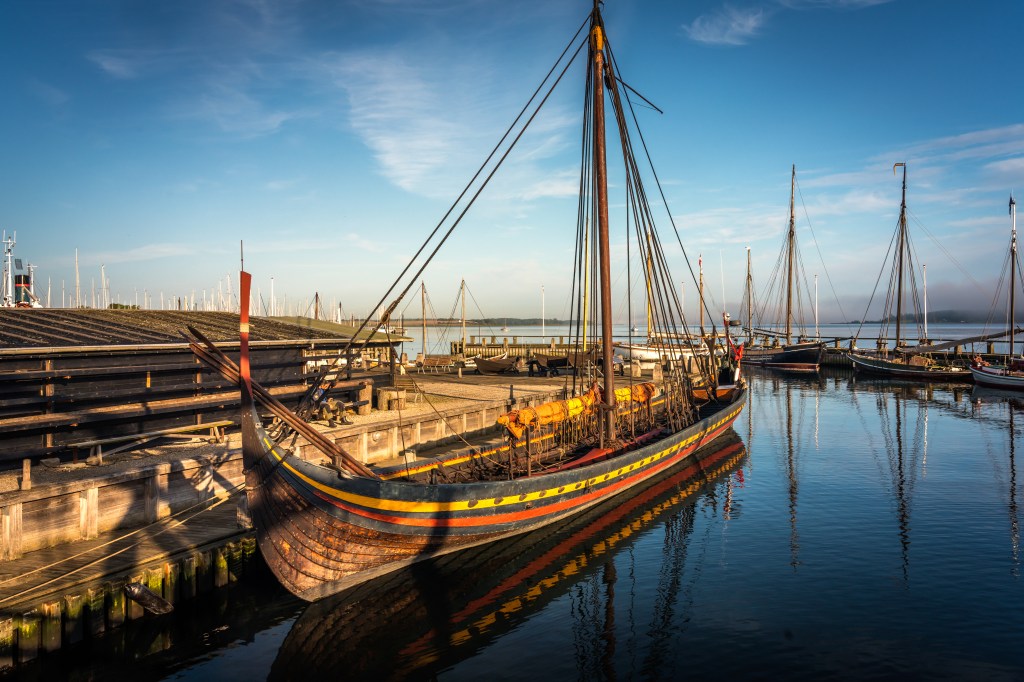
Havhingsten from Glendalough (The Sea Stallion from Glendalough)

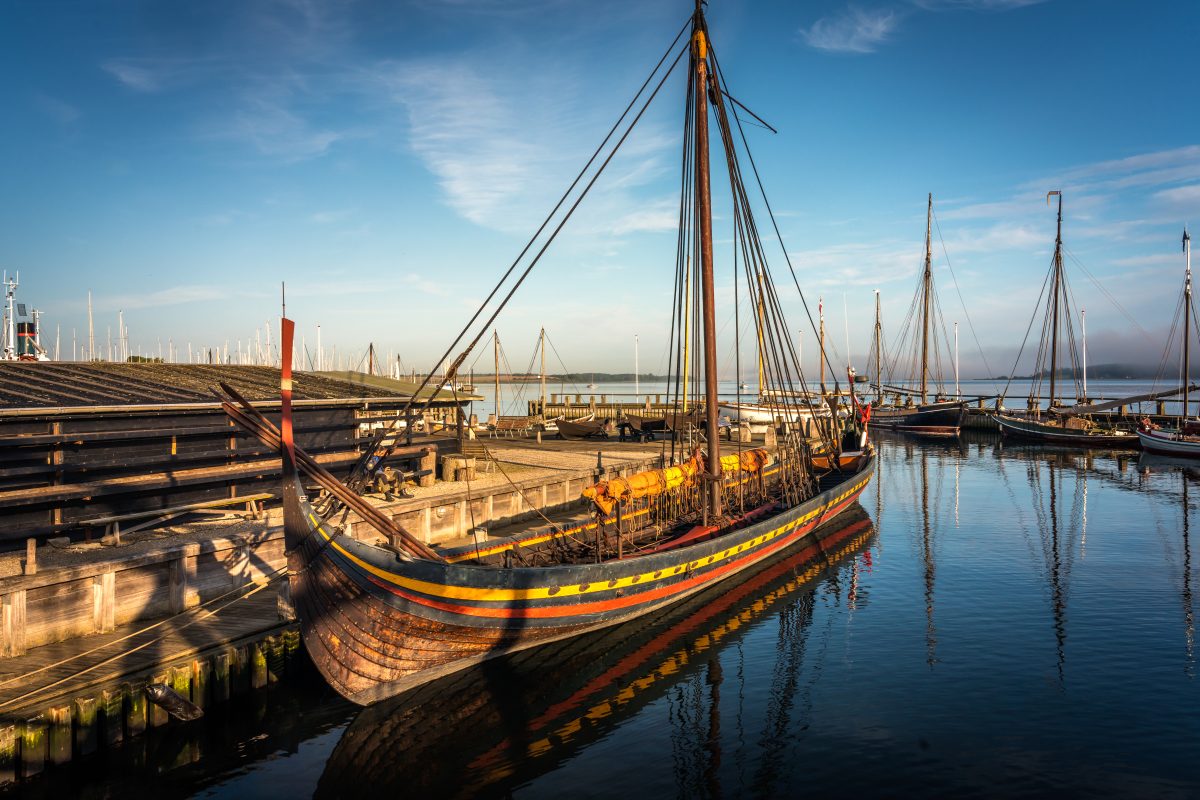
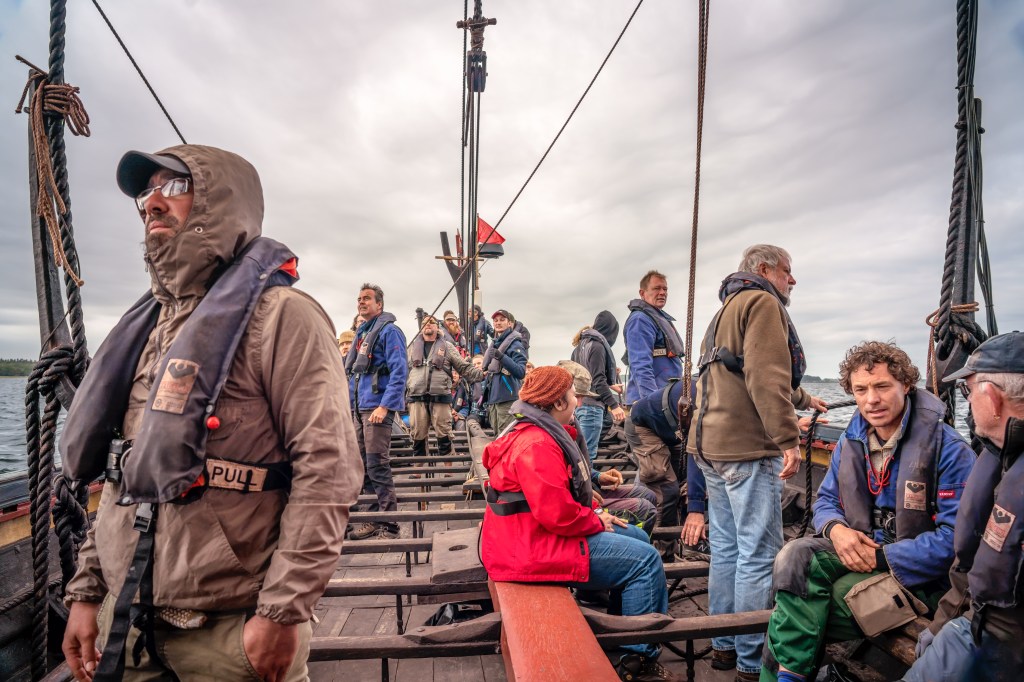
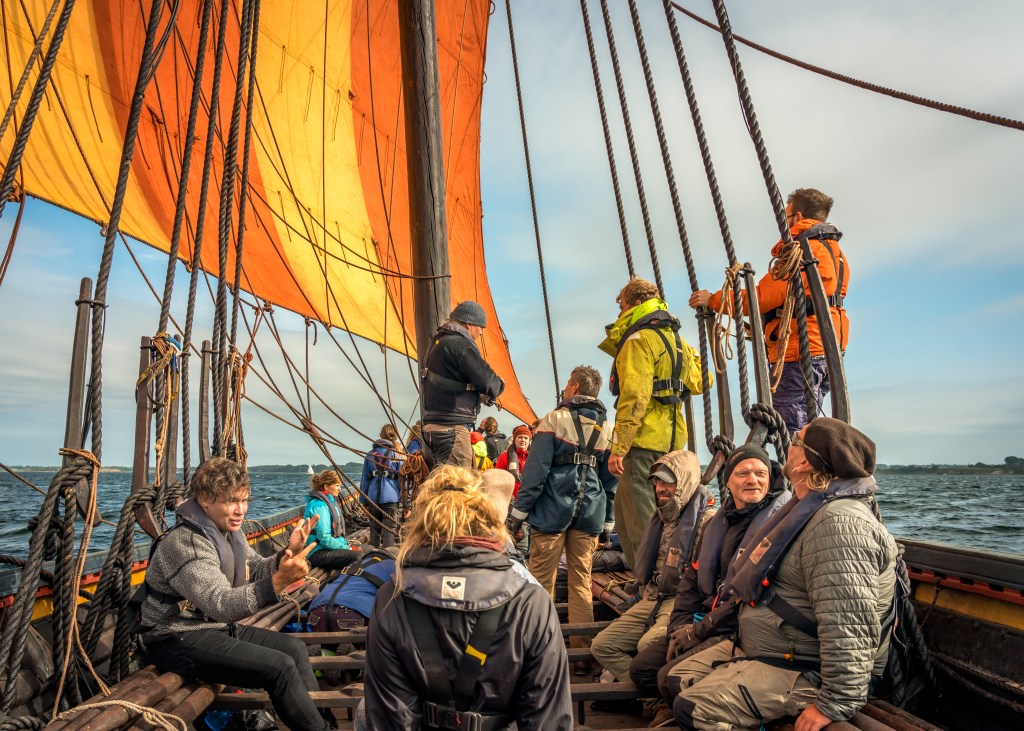
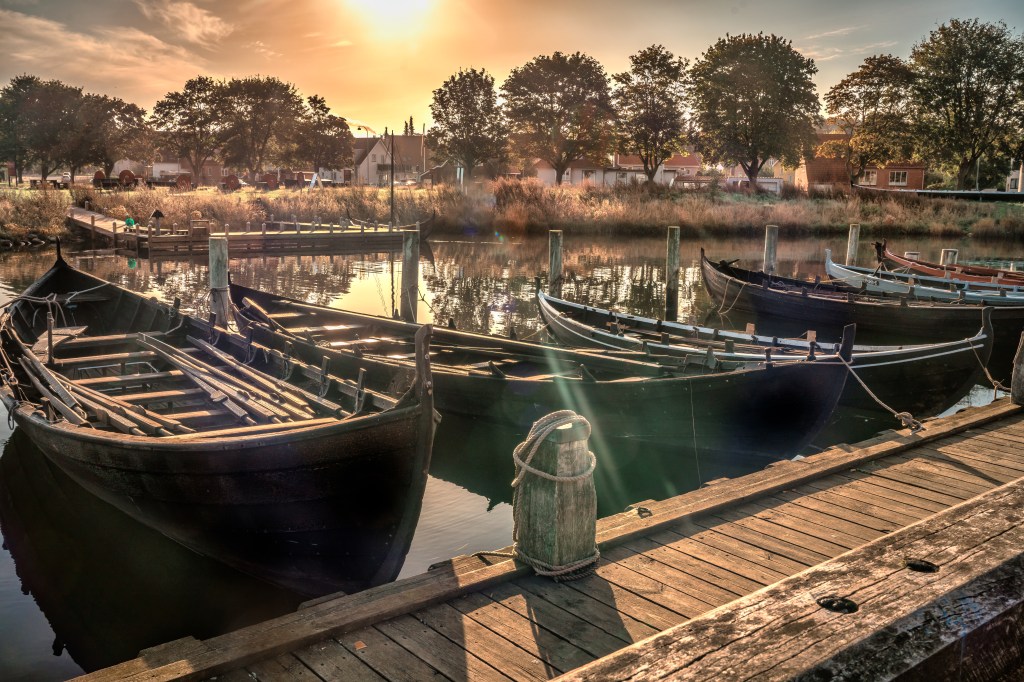
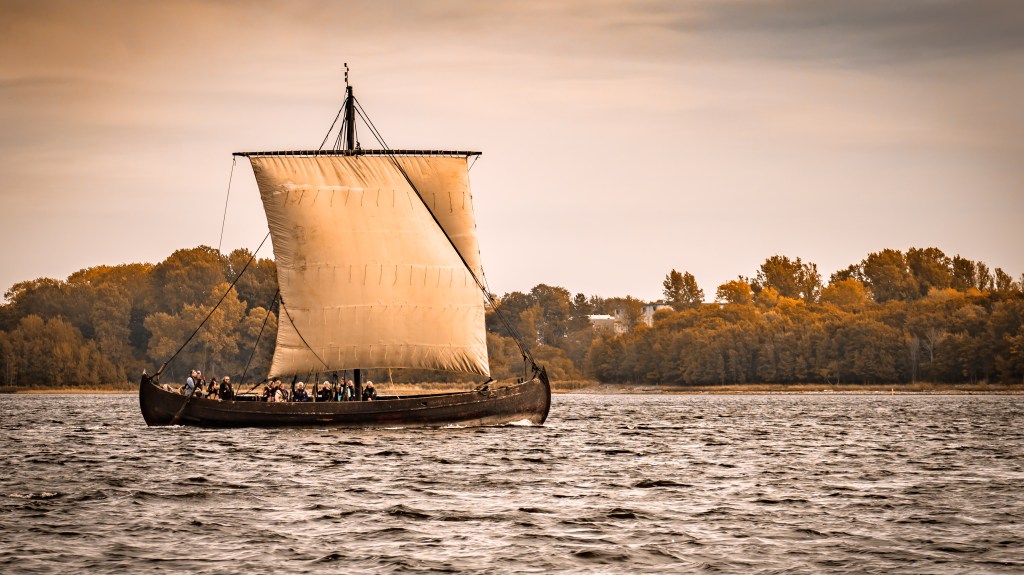
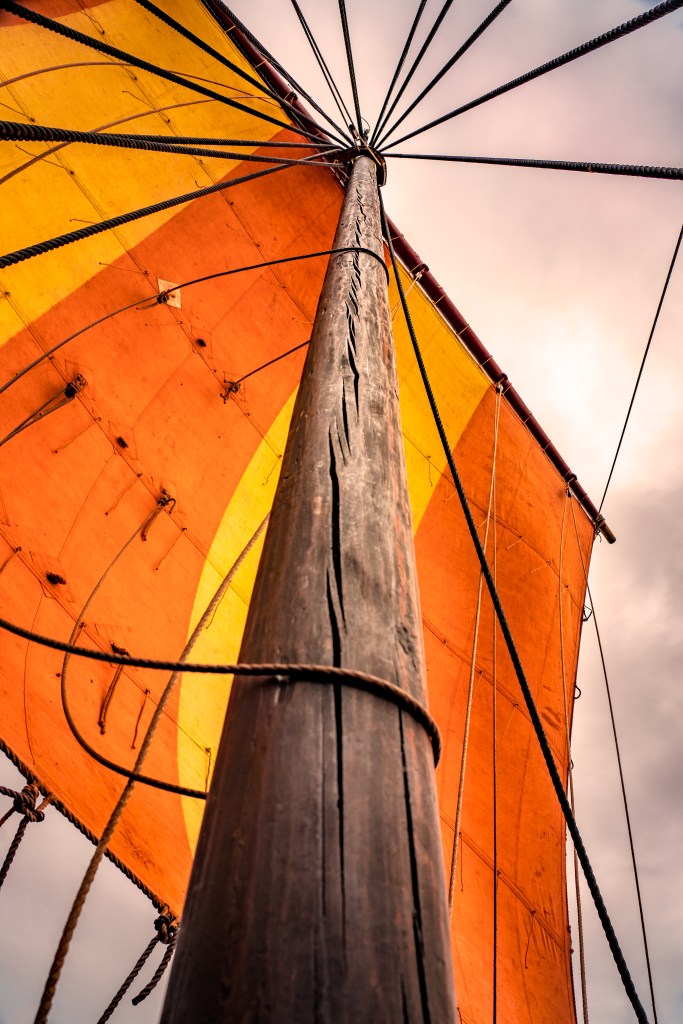
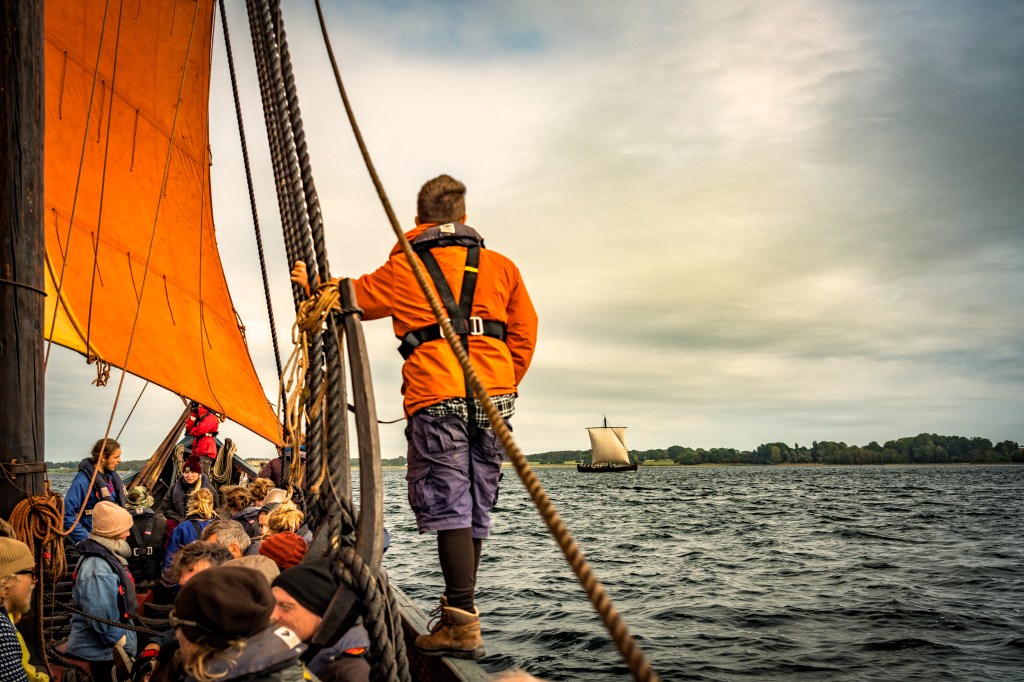
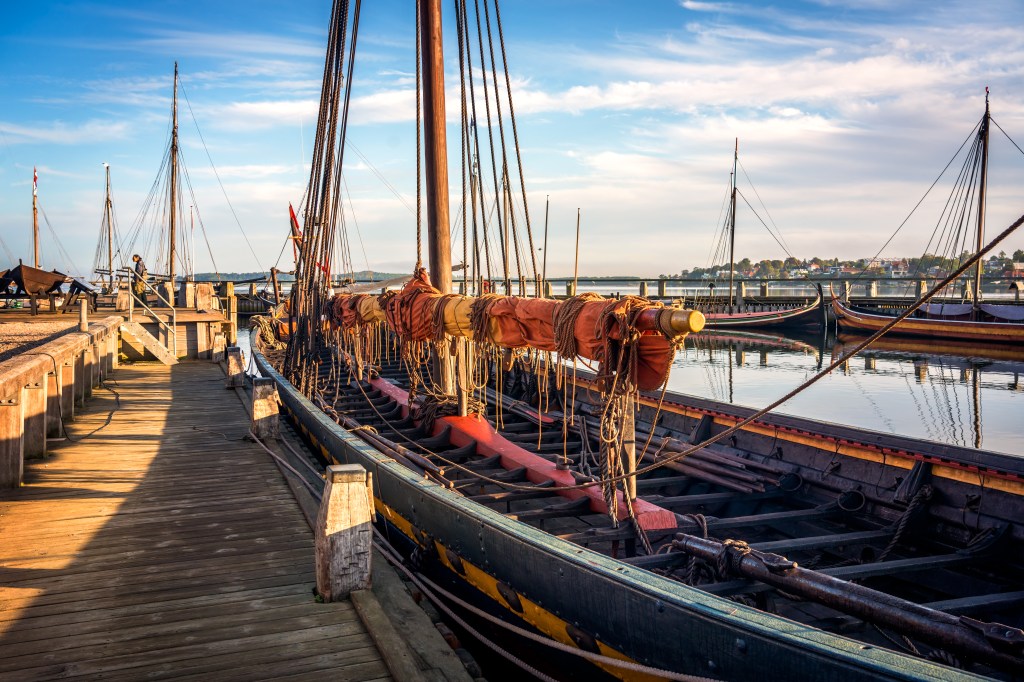
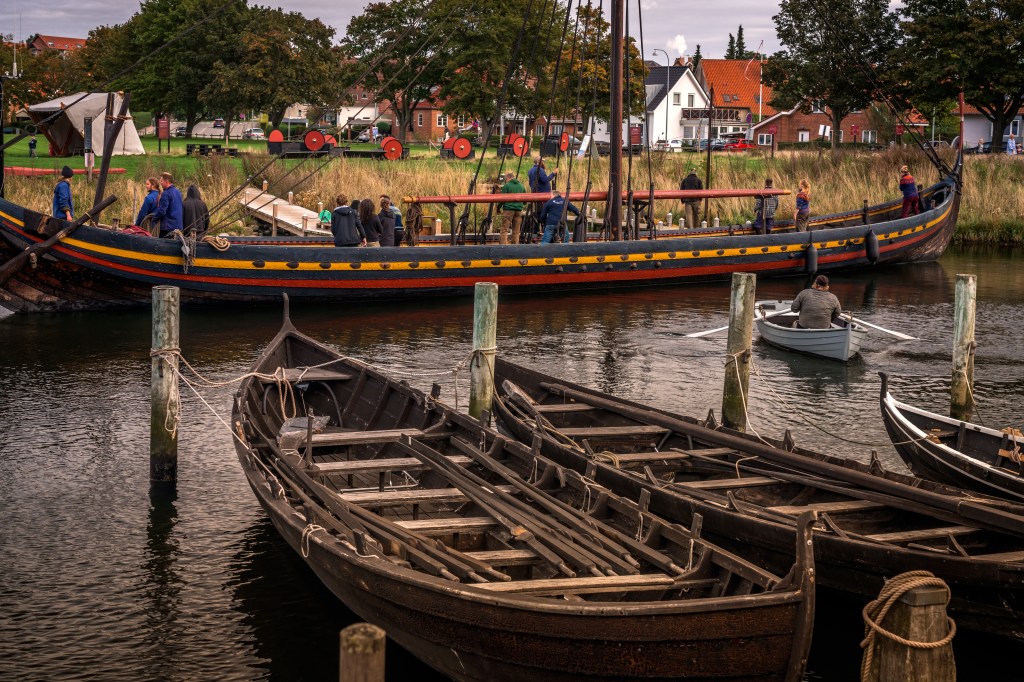
In 1962, several viking ships were found in the Fjord of Roskilde and it was decided in 2000 to try to reconstruct the largest of them which was 30 meters long. It is believed that the original warrior ship was built in Ireland in 1042.

I had the privilege of spending a full day on this majestic ship on what seemed to be the last late summer day of the year. We were about 65 people onboard, most of whom were passionate sailors deeply in love with this historical gem. Sailing up and down the Fjord of Roskilde with two other viking boats in close proximity definitely set the imagination off and it was easy to be transported 1000 years back in time.

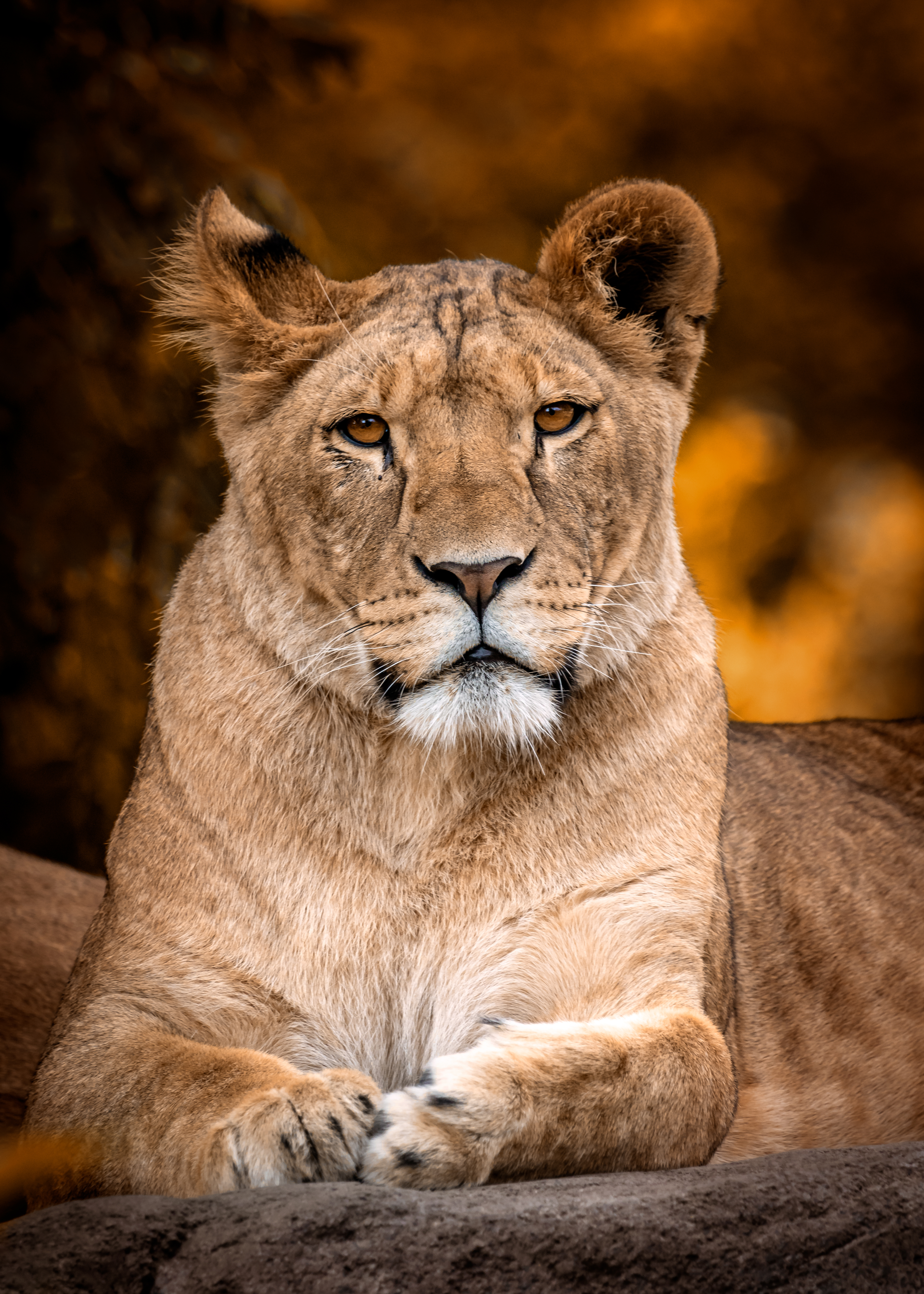
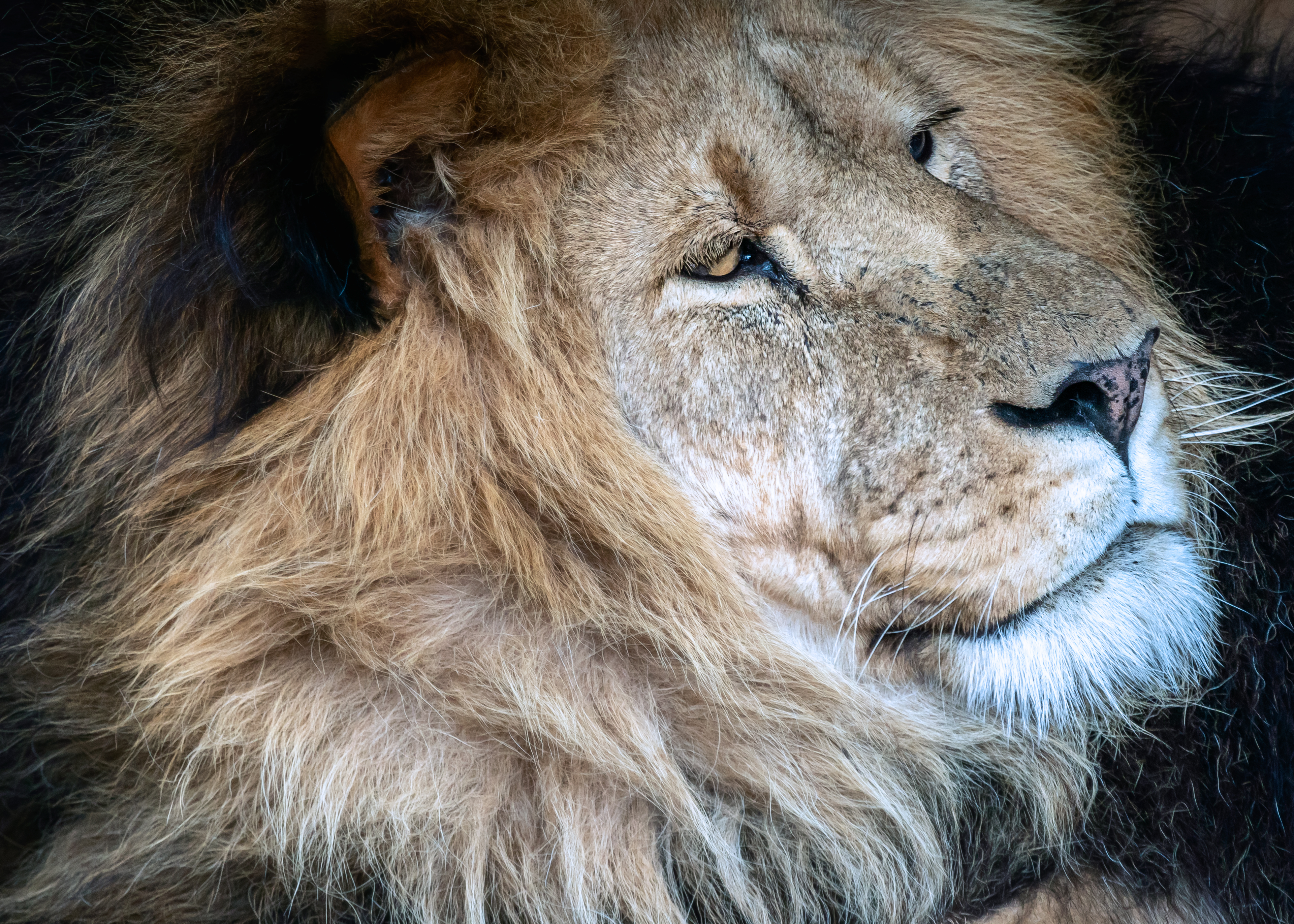
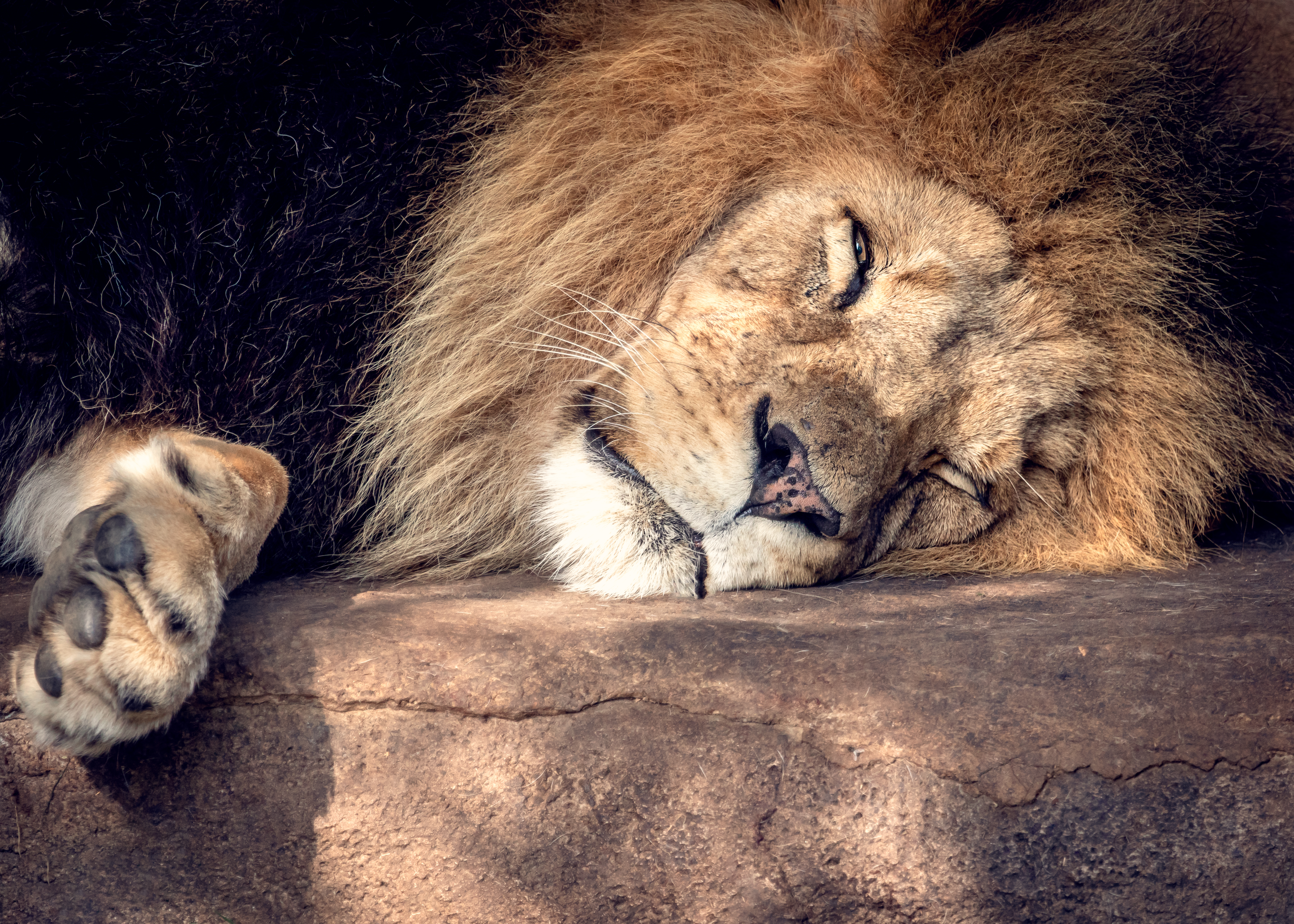
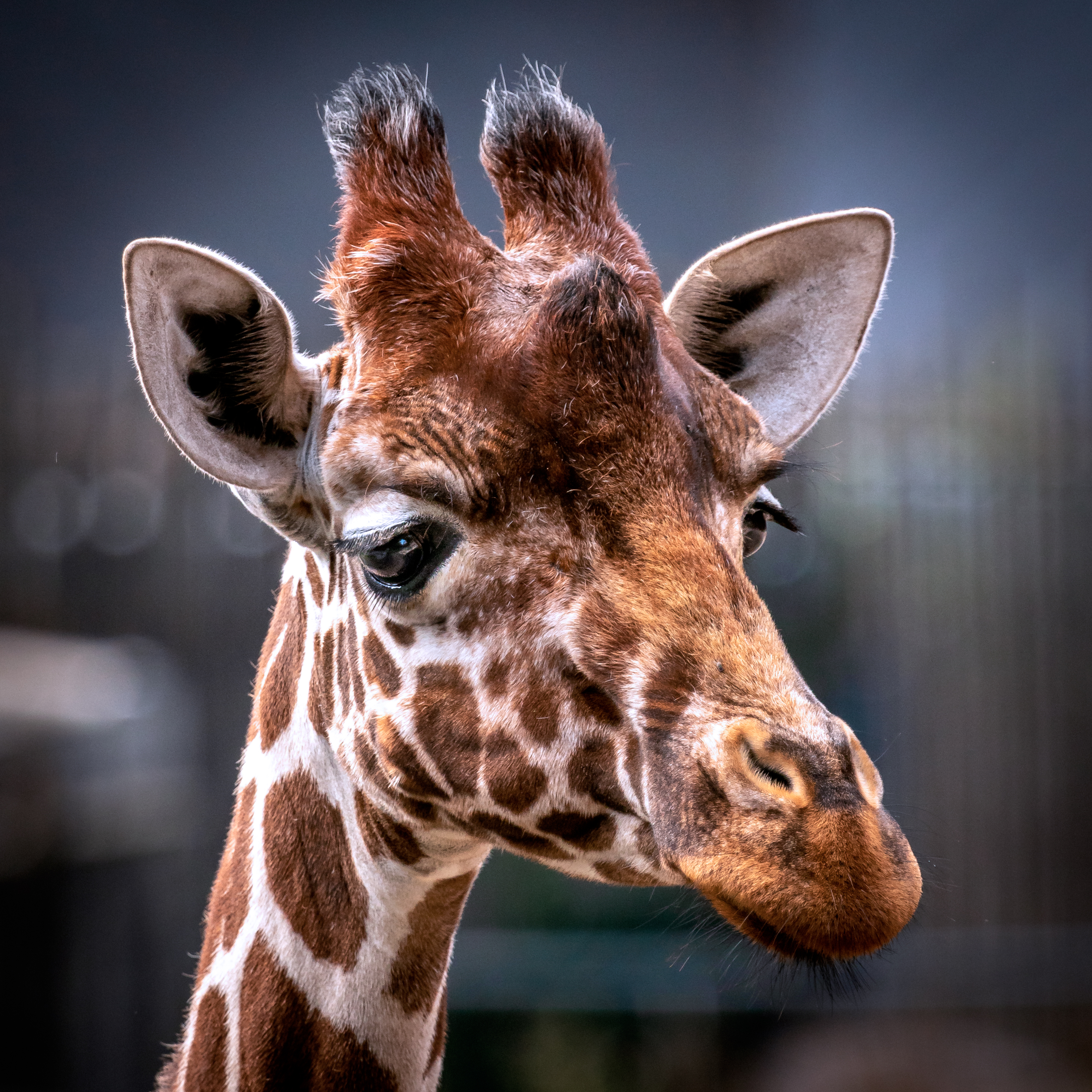
Copenhagen Zoo

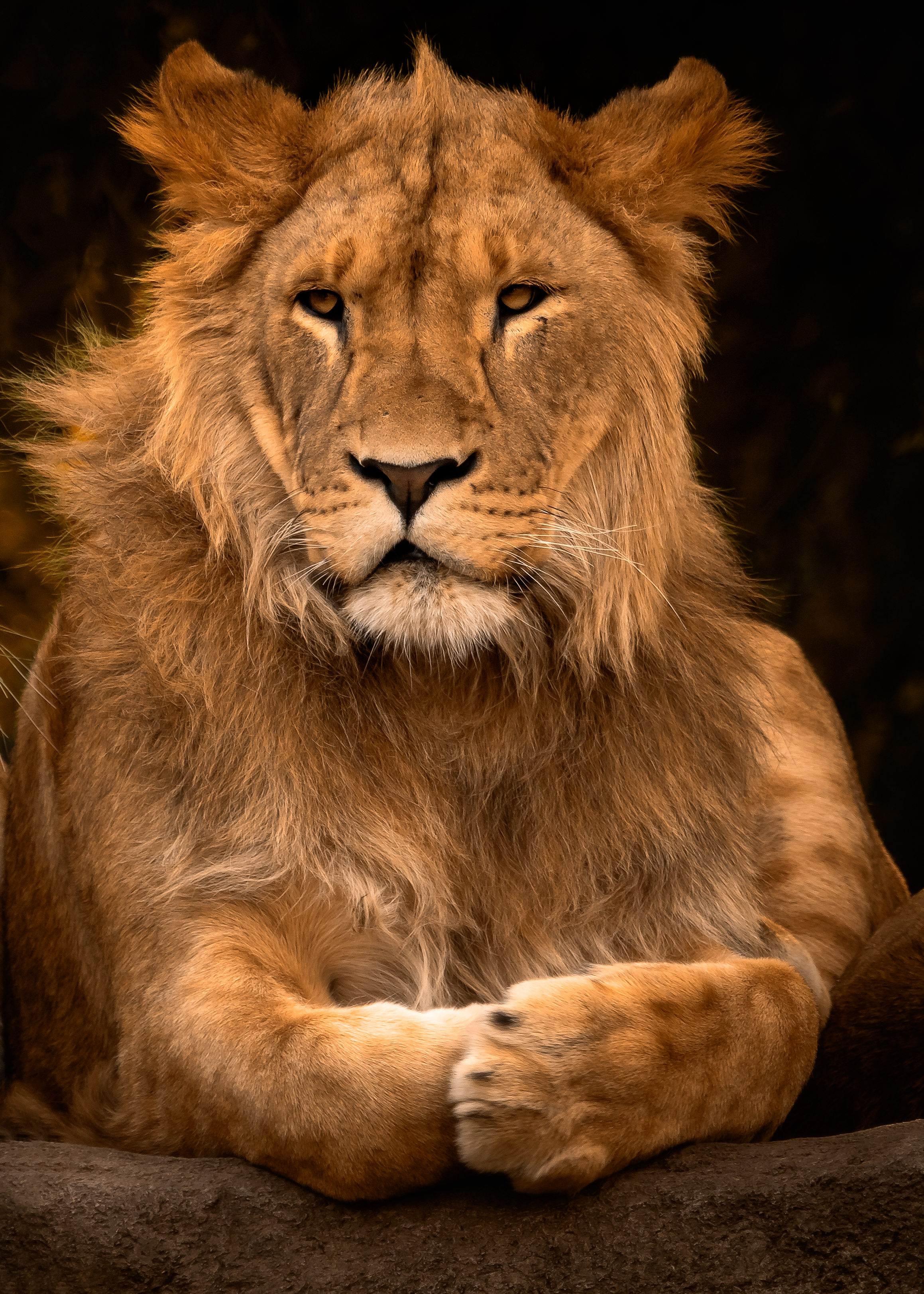
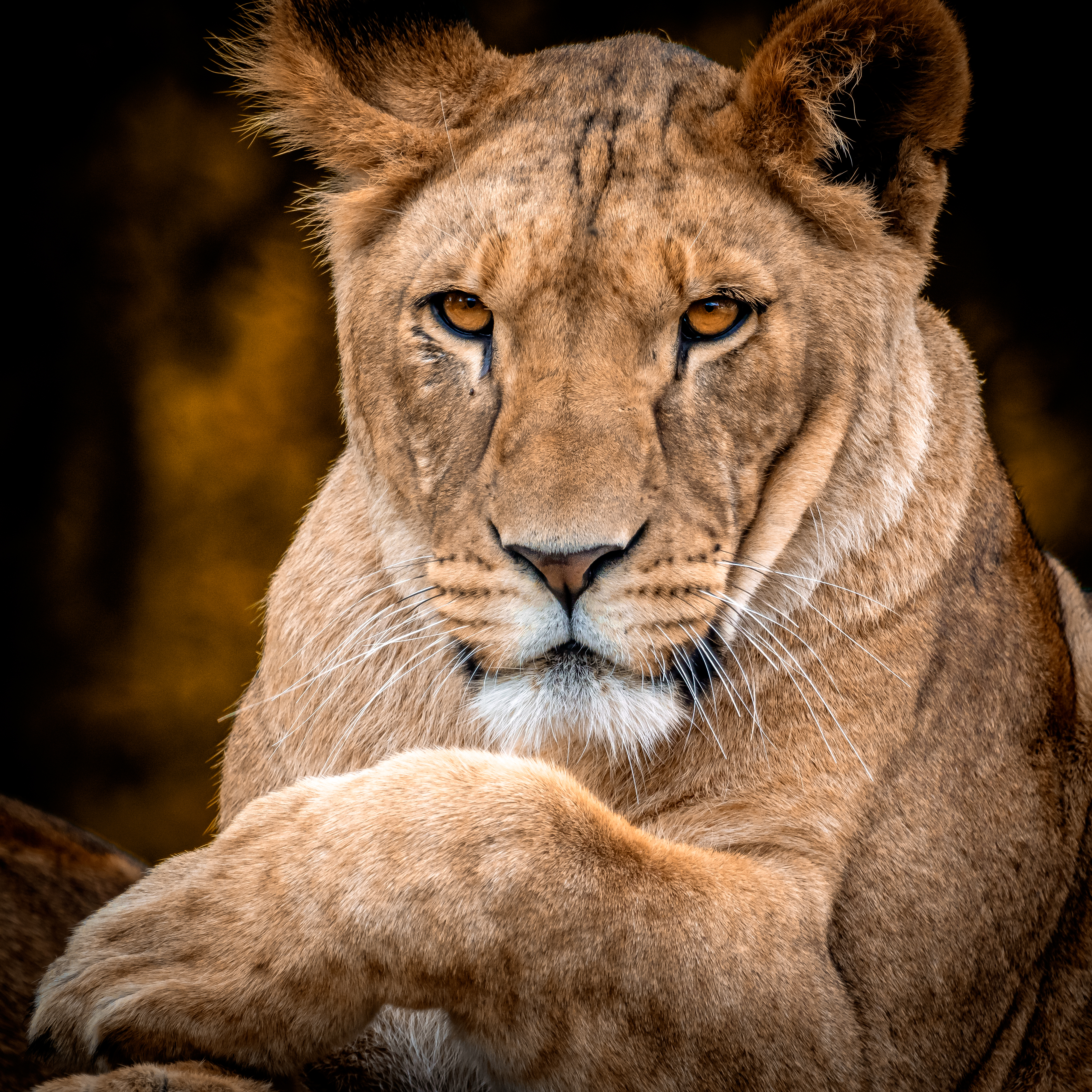
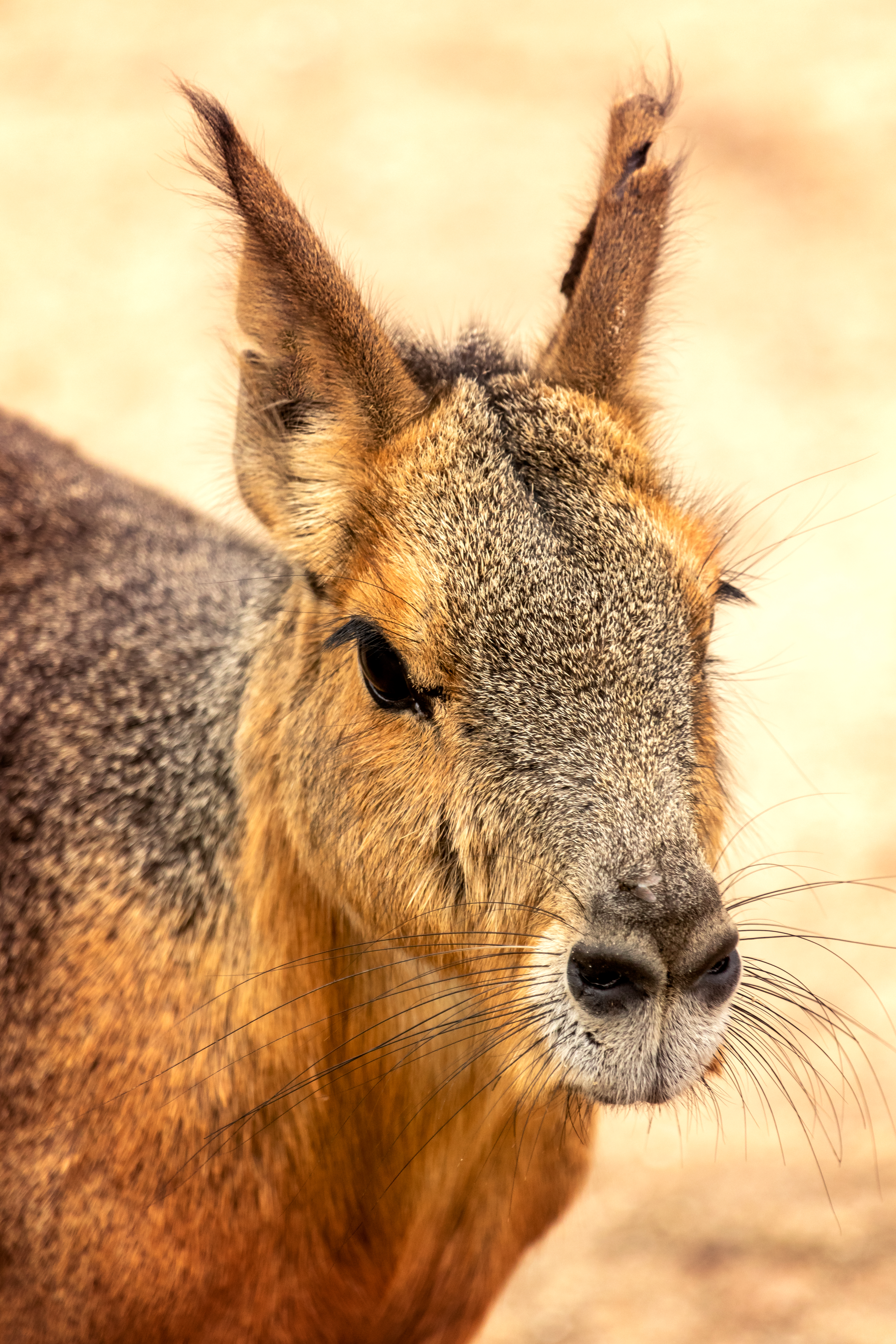
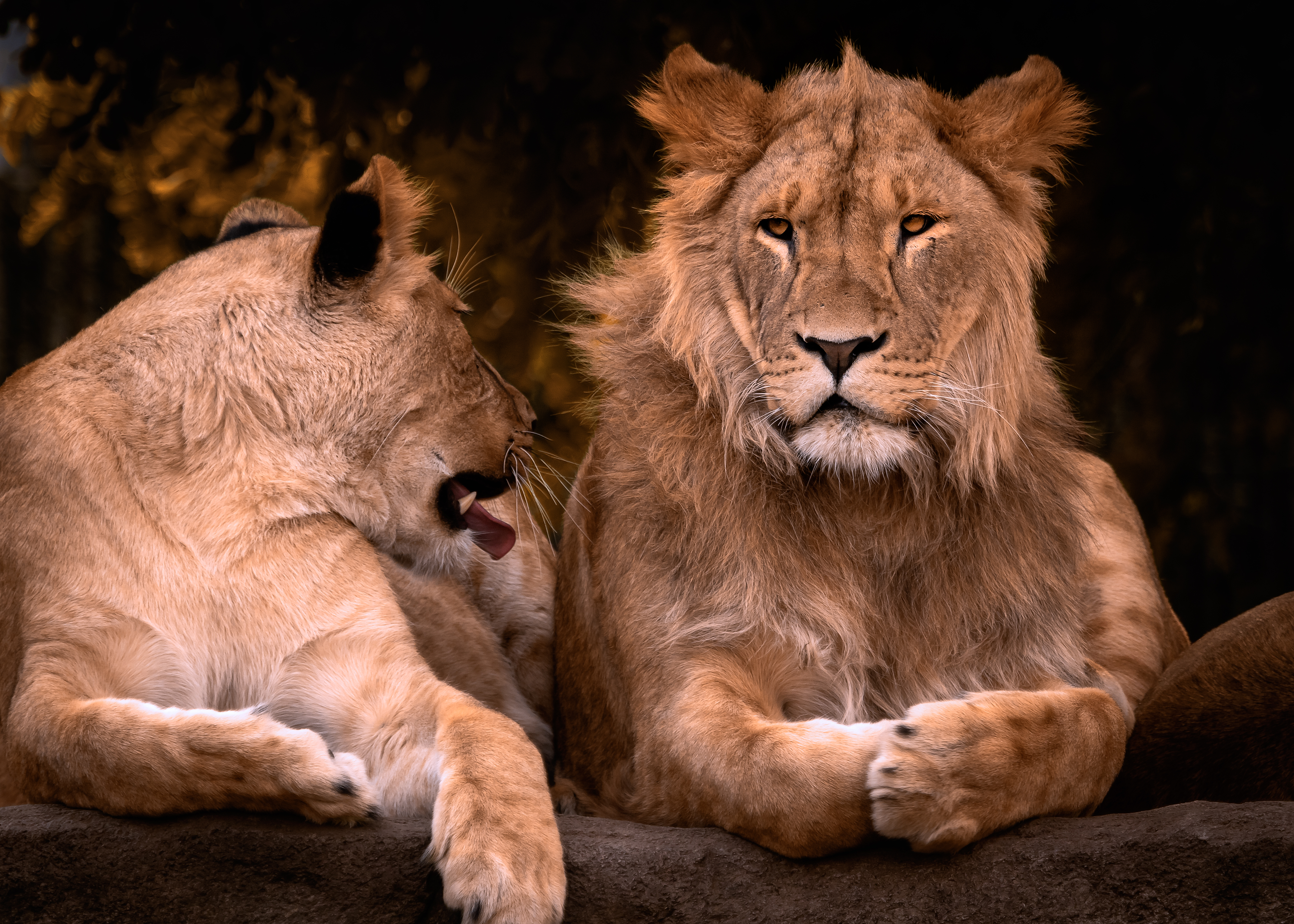
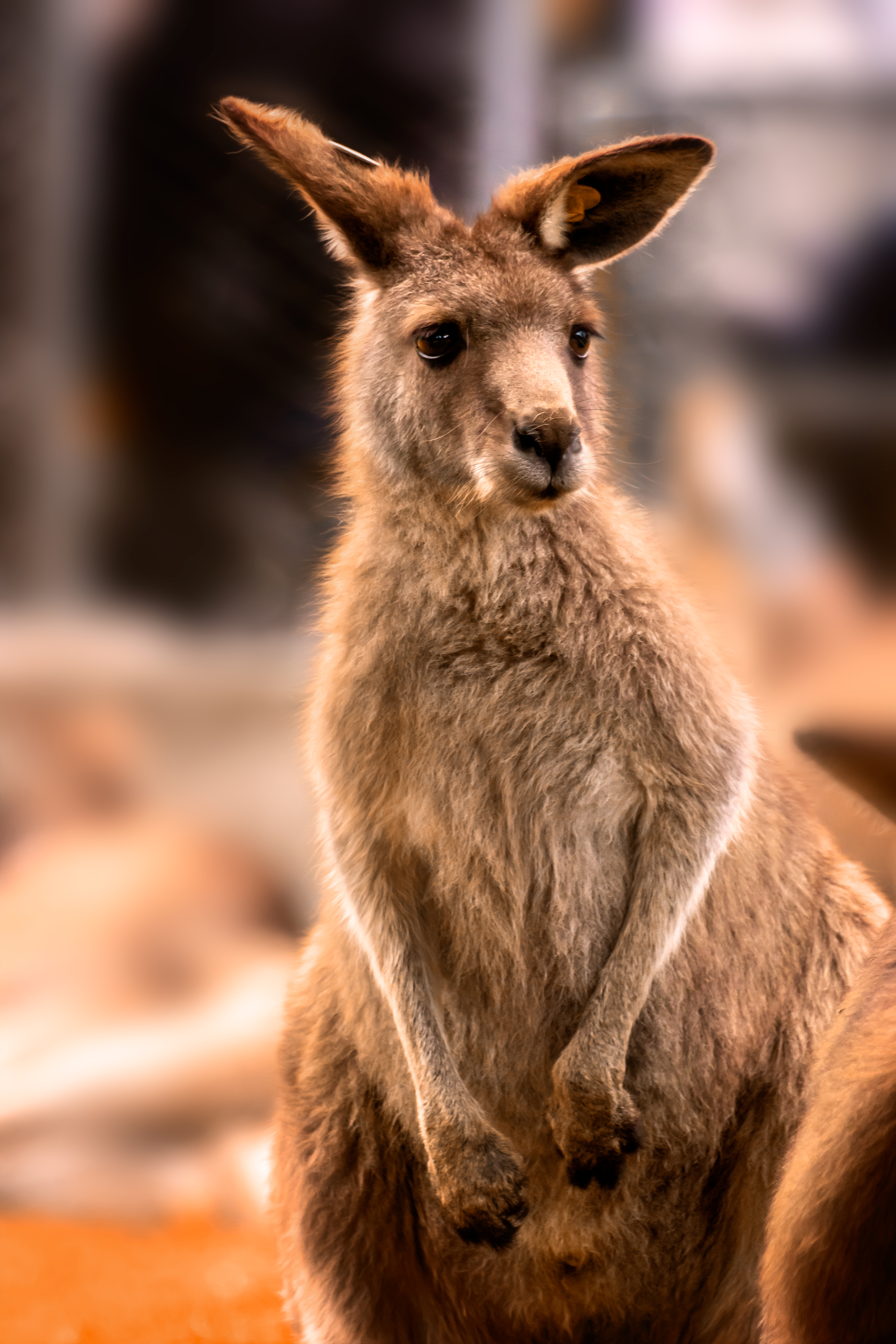
I am not a big fan of zoos, as it pains me to see animals in captivity, but once every five years or so, I do visit one, as I truly love looking at them through my zoom lens and sharing their faces and quirks.

The pictures are from the Copenhagen Zoo where life has come back after all these Covid months. I have not visited since I was around 12 years old when I had a yearly pass and would bike up that steep hill on Roskildevej several times a month. I was glad to see on Sunday that the living conditions of the animals are much better now than in the 70s!

Who could resist these faces?

Soccer Fever!

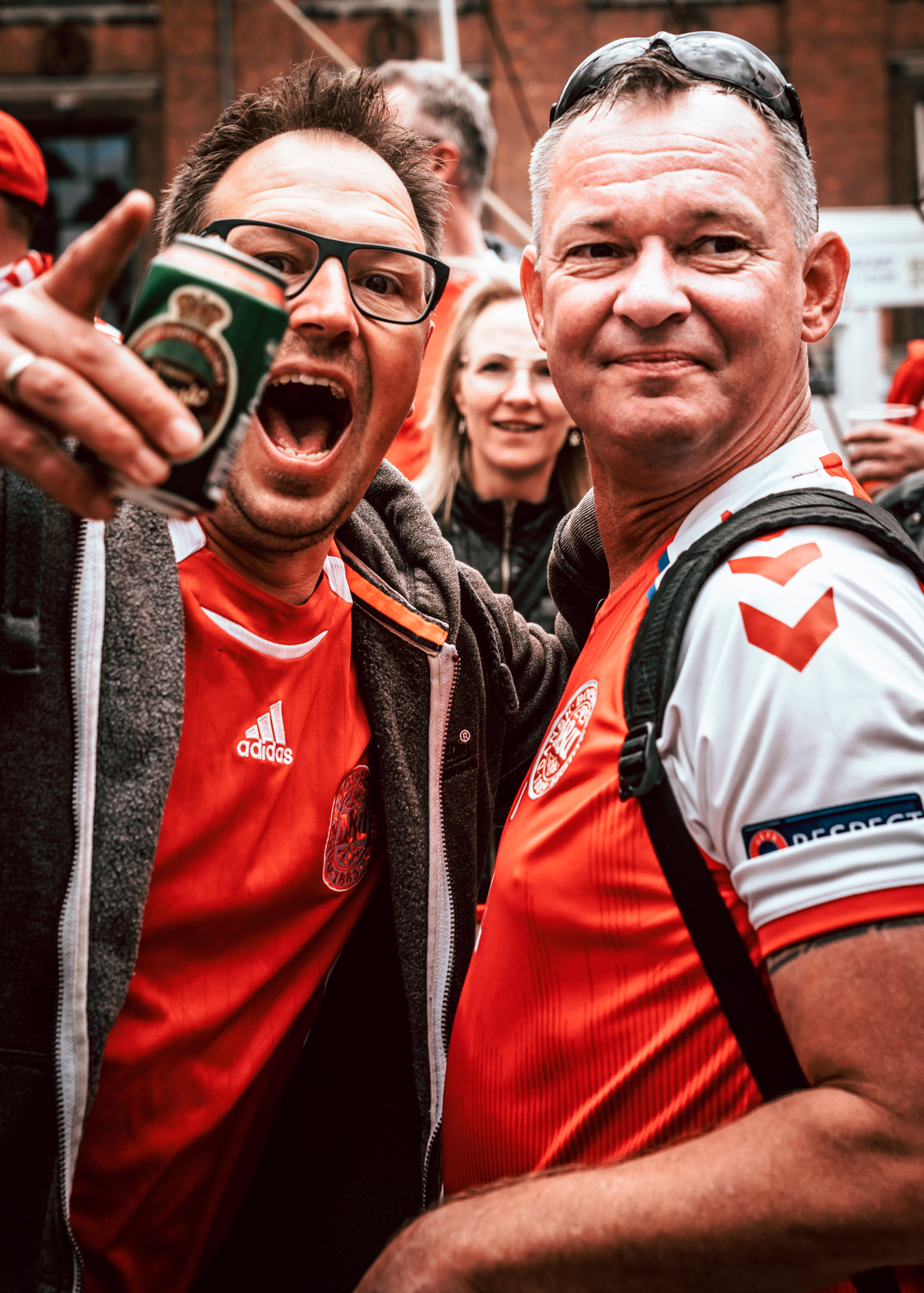
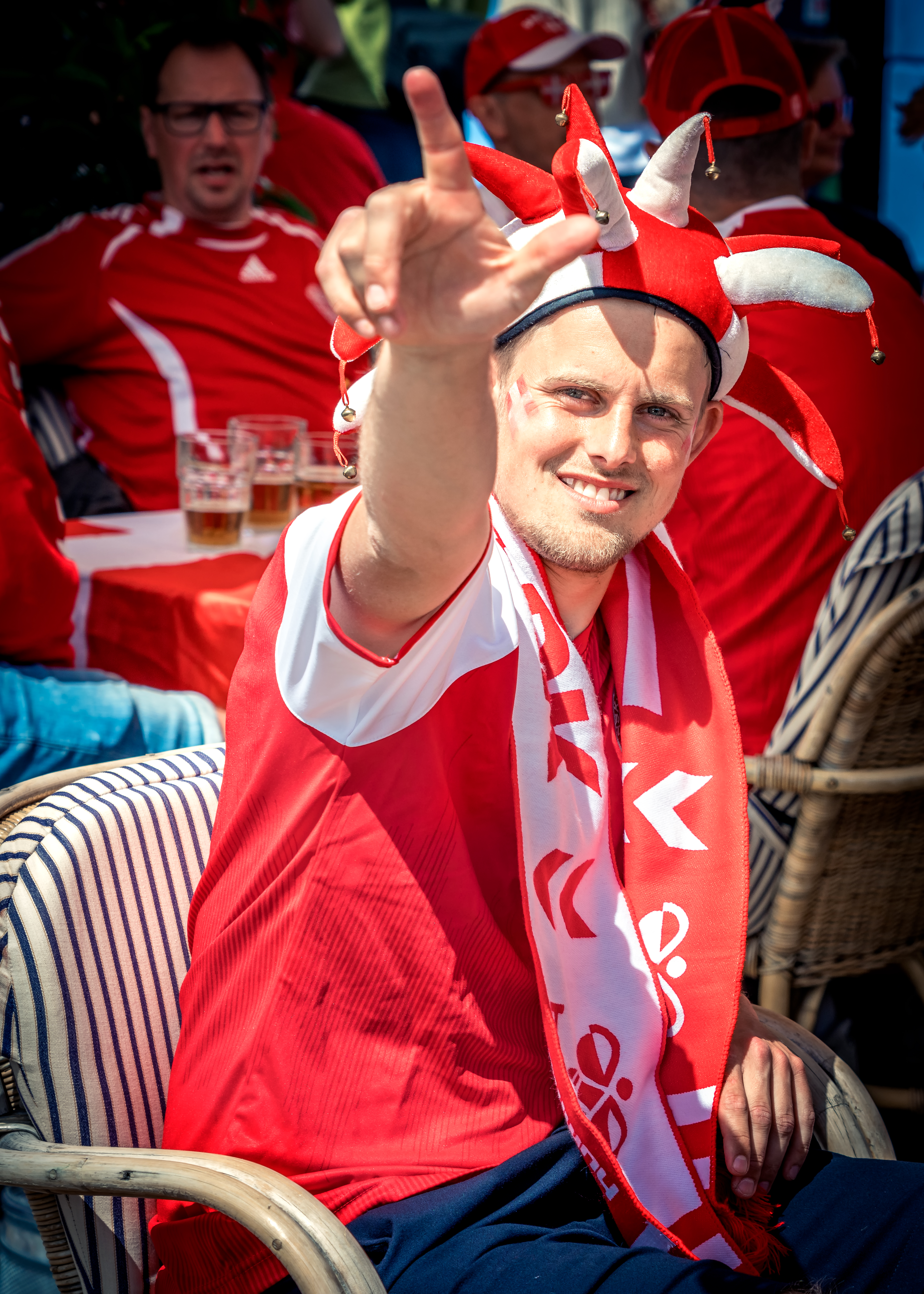
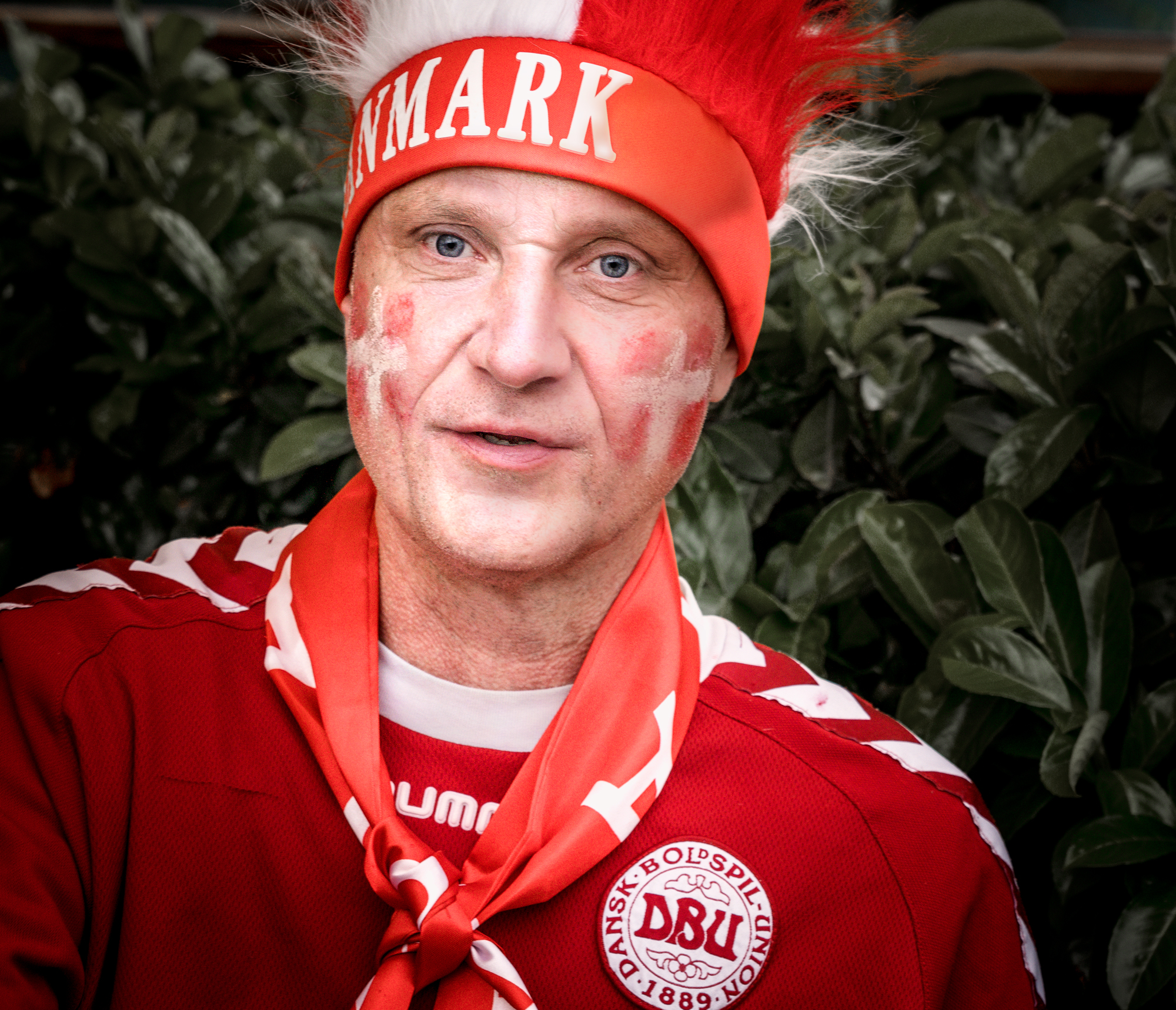
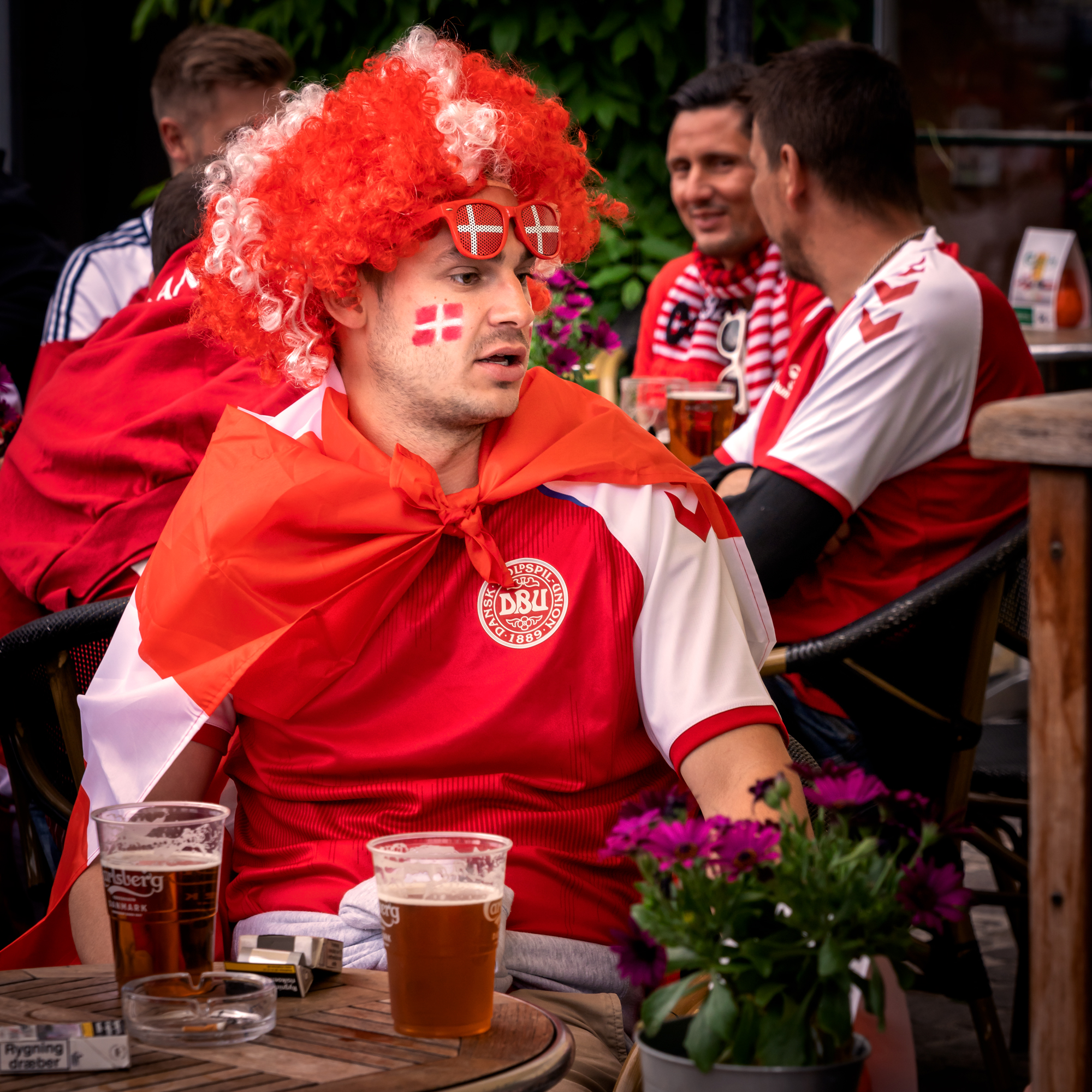
Copenhagen was on fire the day of the European Soccer Championship!

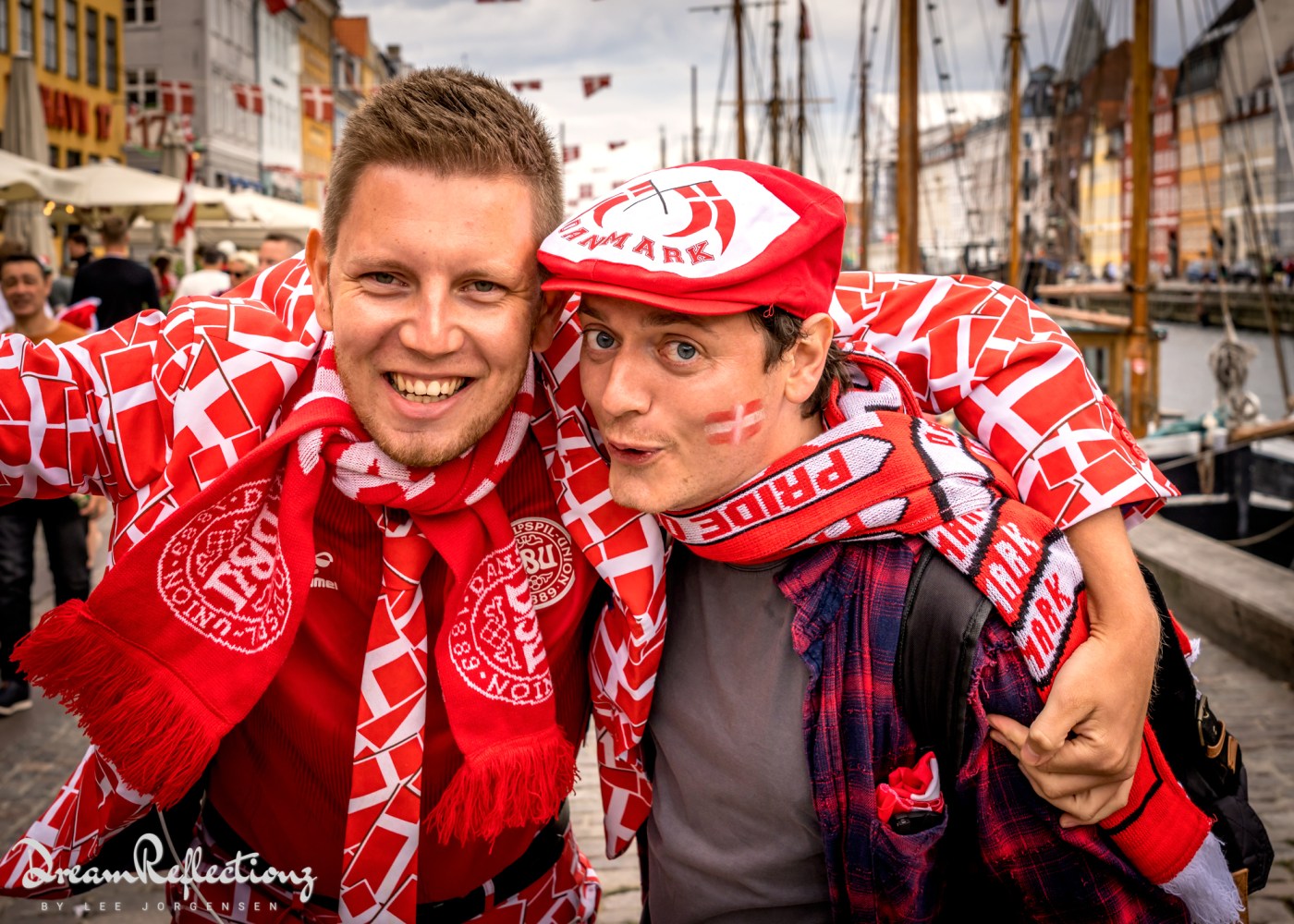
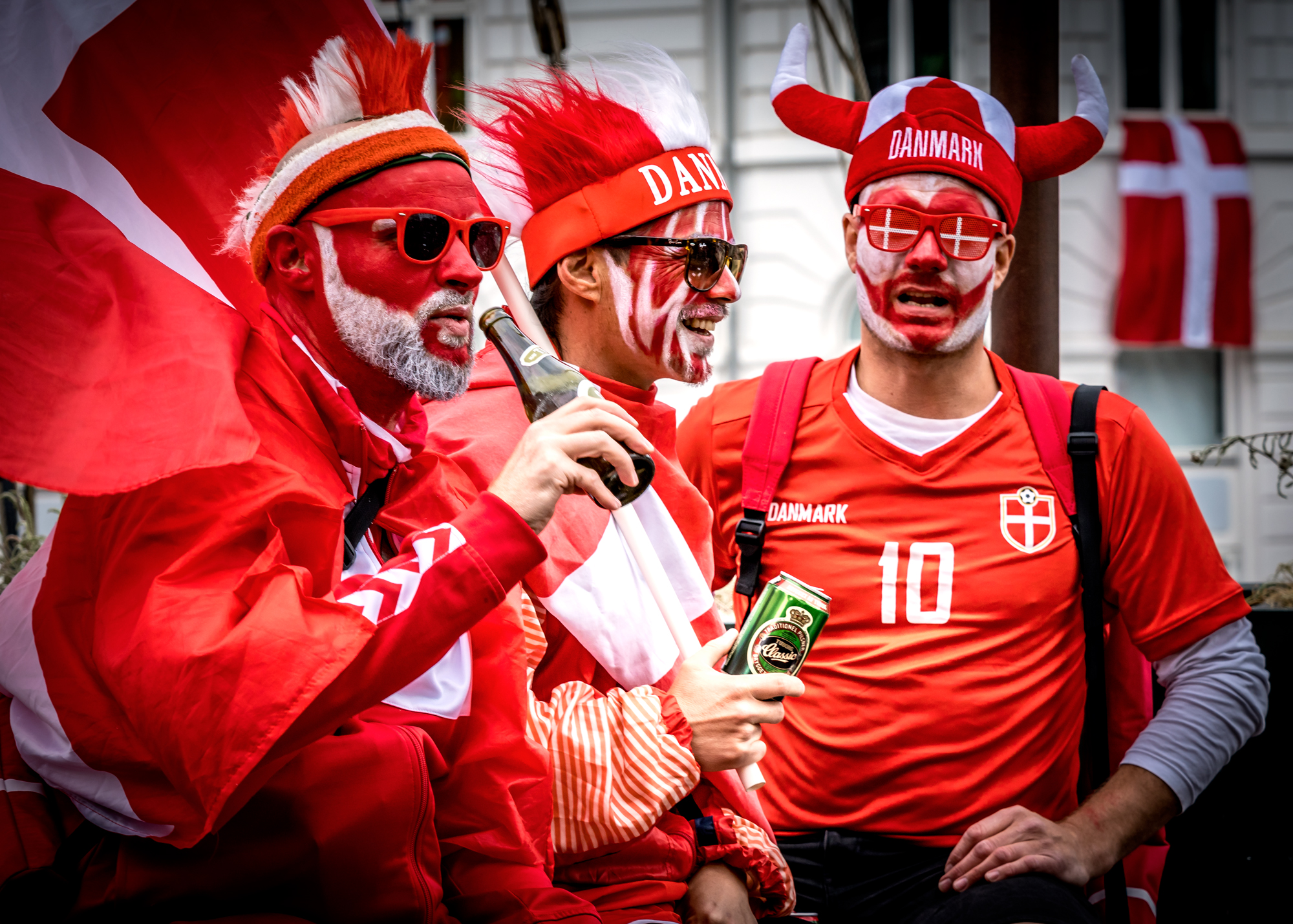
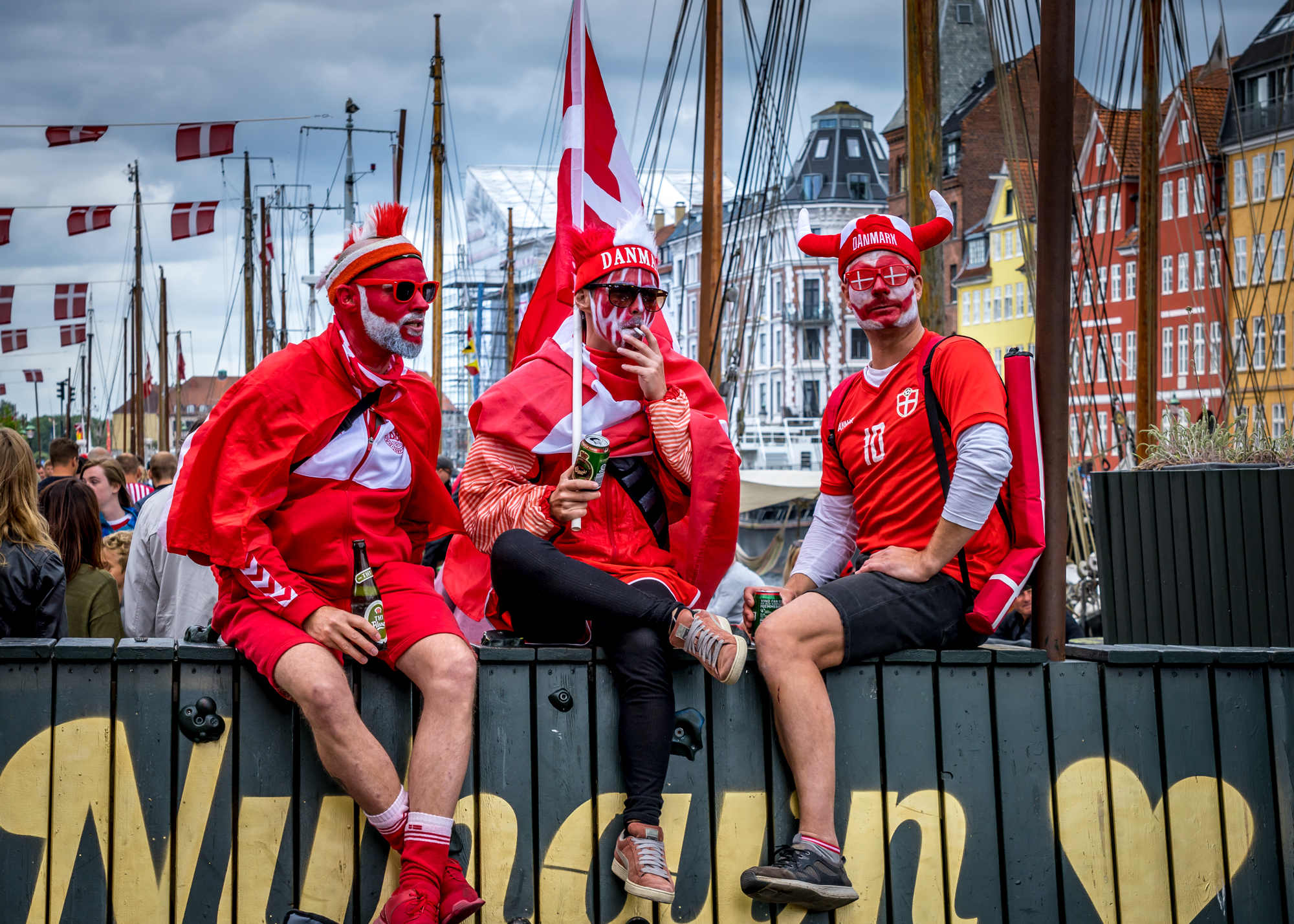
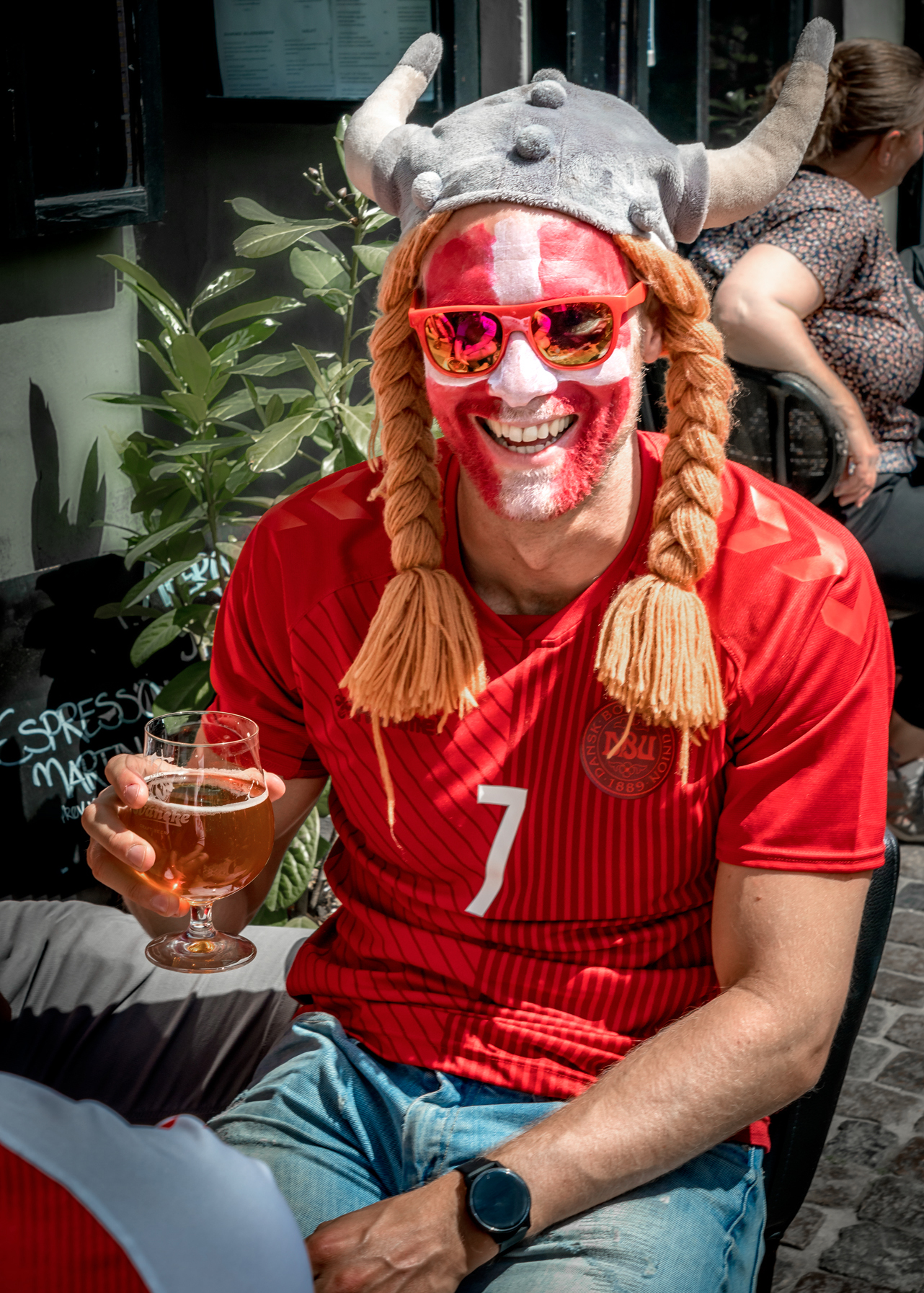
I will have to admit that I have never been the slightest interested in soccer! The only time I sat through a game was at the age of 8 when I tried to bond with my grumpy old grandfather! However, after over a year of lockdown and/or restrictions, the ambiance in Copenhagen on Saturday was electric! Thousand of people out in the streets dressed in red and white, flags and Viking helmets signing and drinking and enjoying the beautiful day. This was probably the most life-affirming day I have had since March 2020!

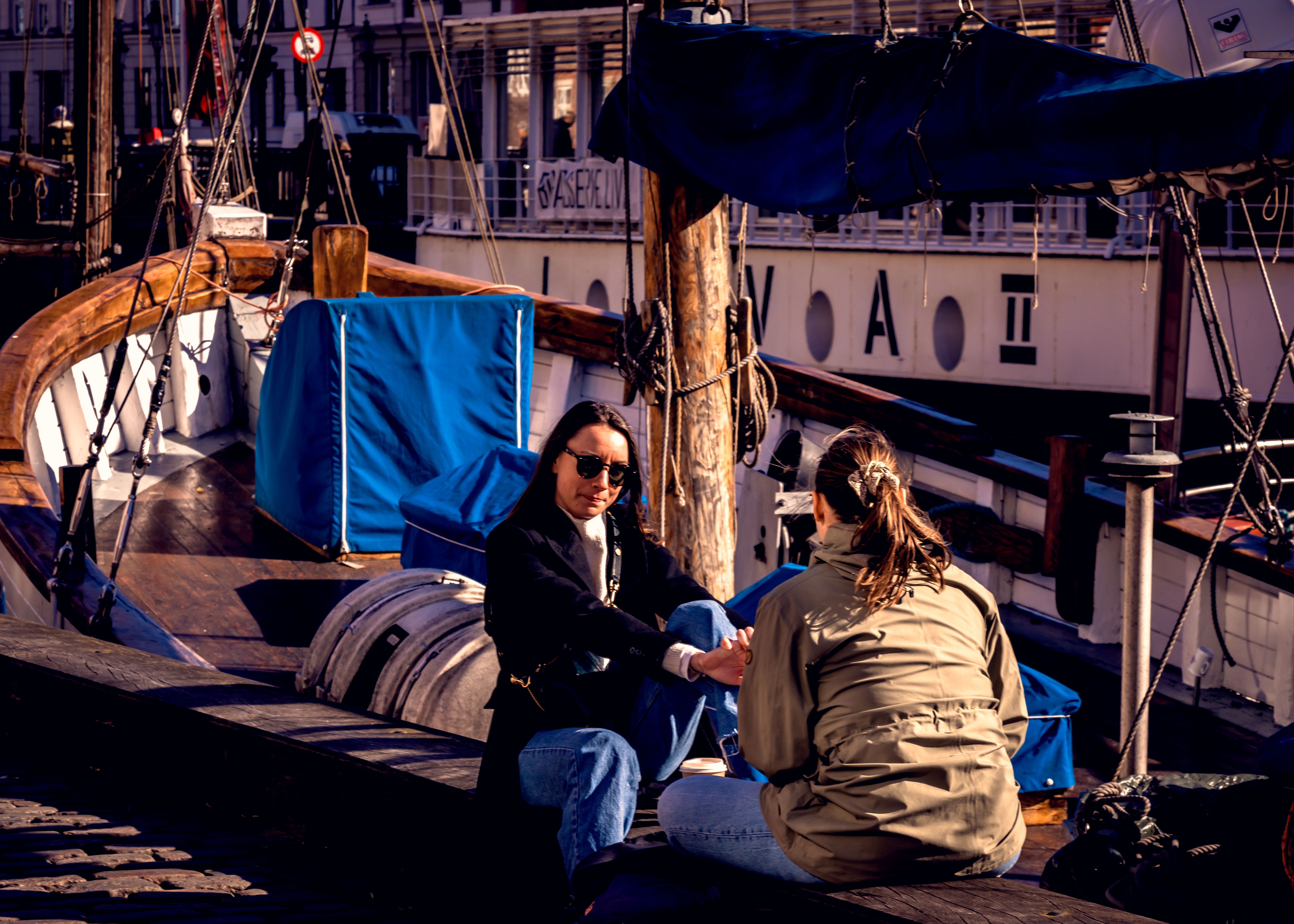
Unfortunately, the main player had a heart attack on the field that was fatal, but they quickly managed to revive him and it was decided that the game should continue in that spirit. Unfortunately, the bet did not pay off which was rather disappointing after all those emotions that rippled through the country and Finland won 1-0. Please enjoy this little vignette into true joy! These were all taken in Nyhavn, the former seedy sailor part of town and now a fashionable restaurant area with millions of tourists every year (except 2020 and 2021 so far!).

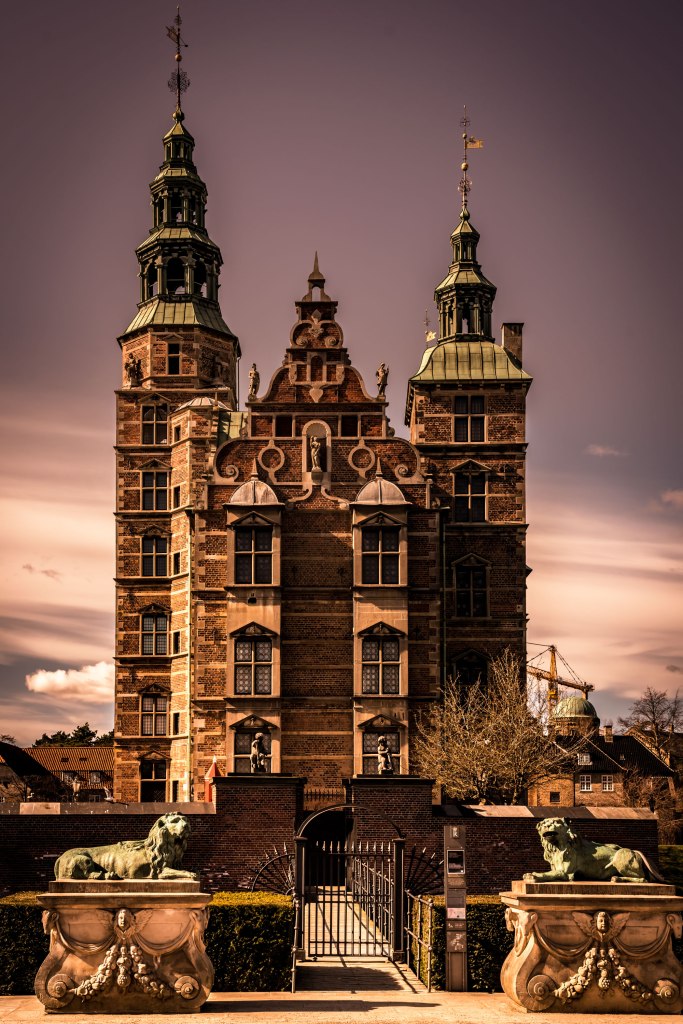
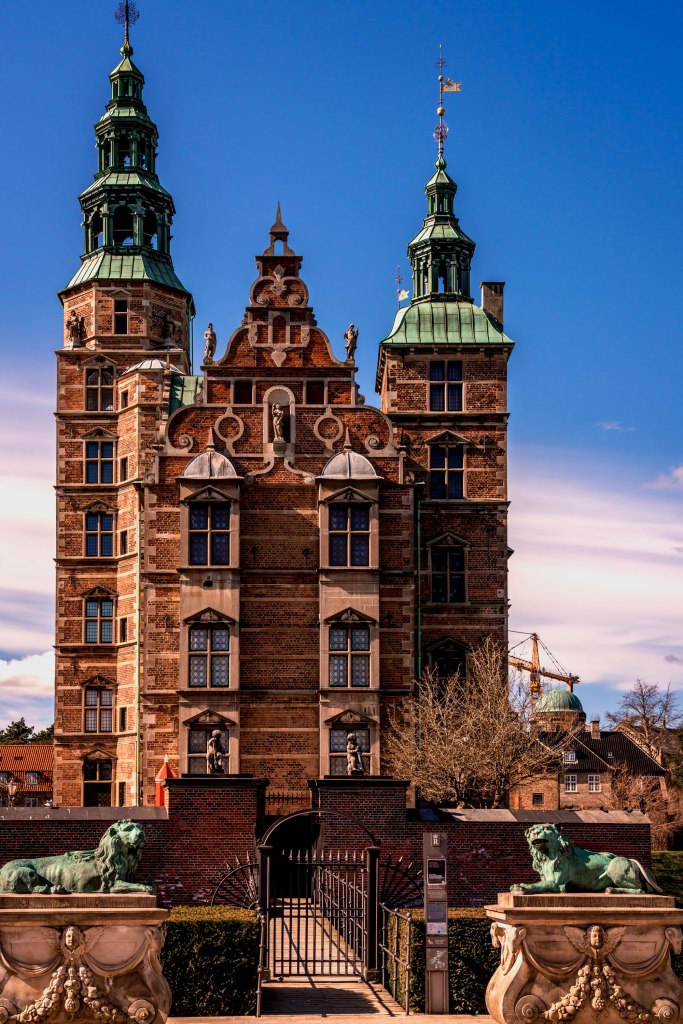
Rosenborg Castle

An adorable gem in the middle of Copenhagen!

Christian IV, responsible for most of Copenhagen’s older architecture, was deeply influenced by the Dutch Renaissance style. Rosenborg, finished in 1615, was his summer residence. Today, it houses the Danish Kings’ Chronological Collection which includes the Crown Jewels.

Rosenborg was opened to the public in 1838 and the large park is often full of sun worshippers, joggers and family picnics.

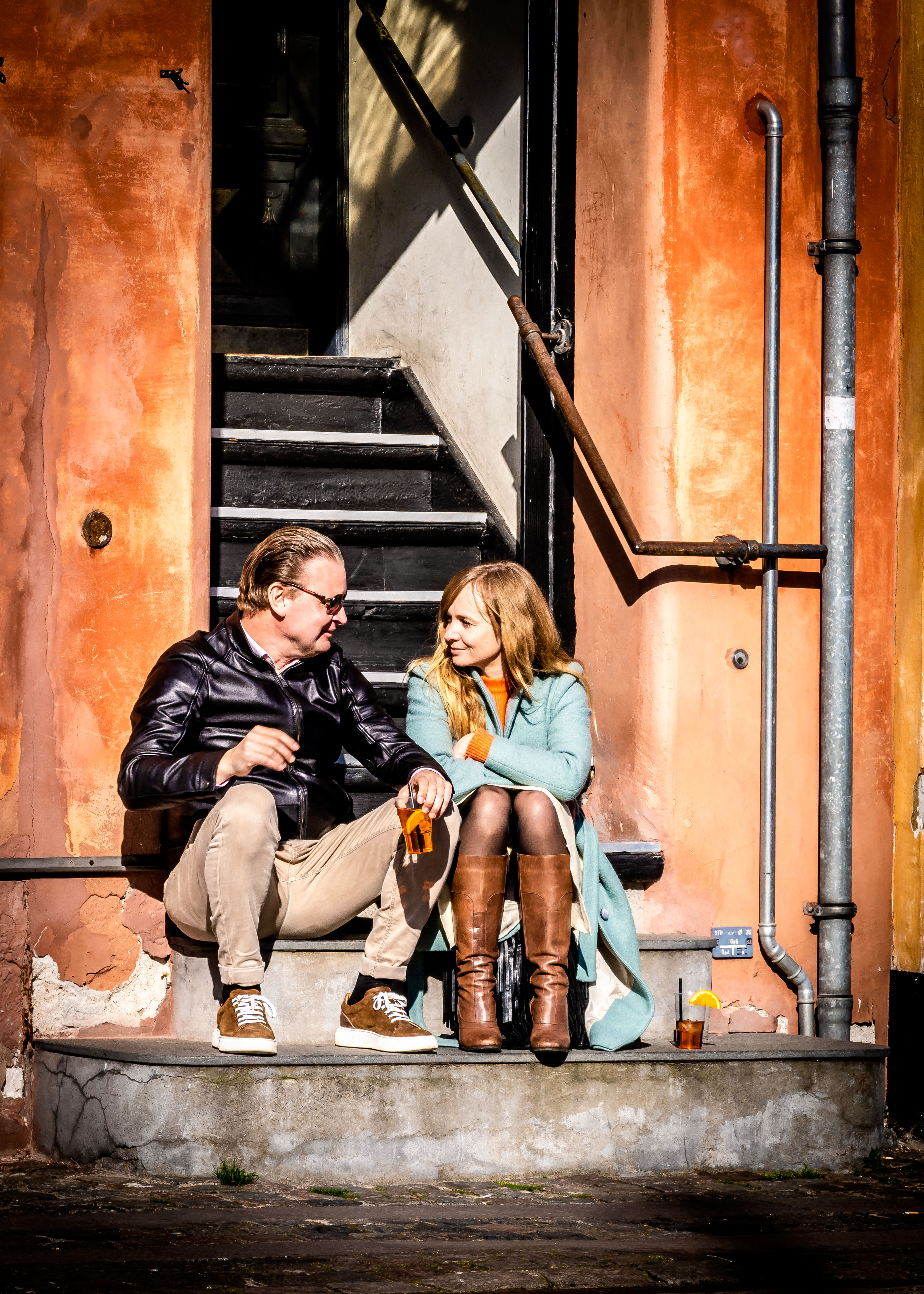
Saturday was the first day that felt like spring after a long and depressing Covid winter. Although shopping is still limited, the streets were filled with people and every square hosted myriads of people just sitting outside watching life, drinking wine or beer or enjoying family time. Hopefully, in a month or two, we will all be able to dine outside and feel the warmth of Scandinavian summer.

Spring joy!

Stop the Madness!

See in a browser for a better viewing experience

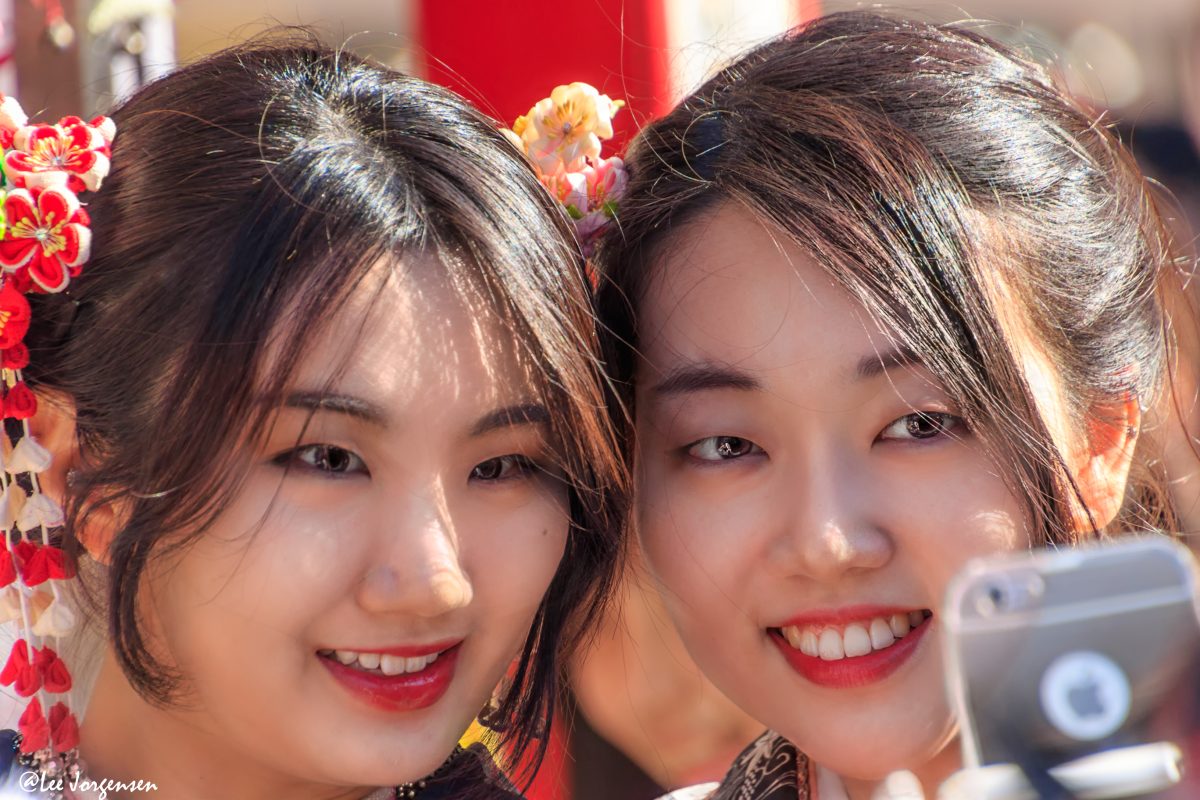
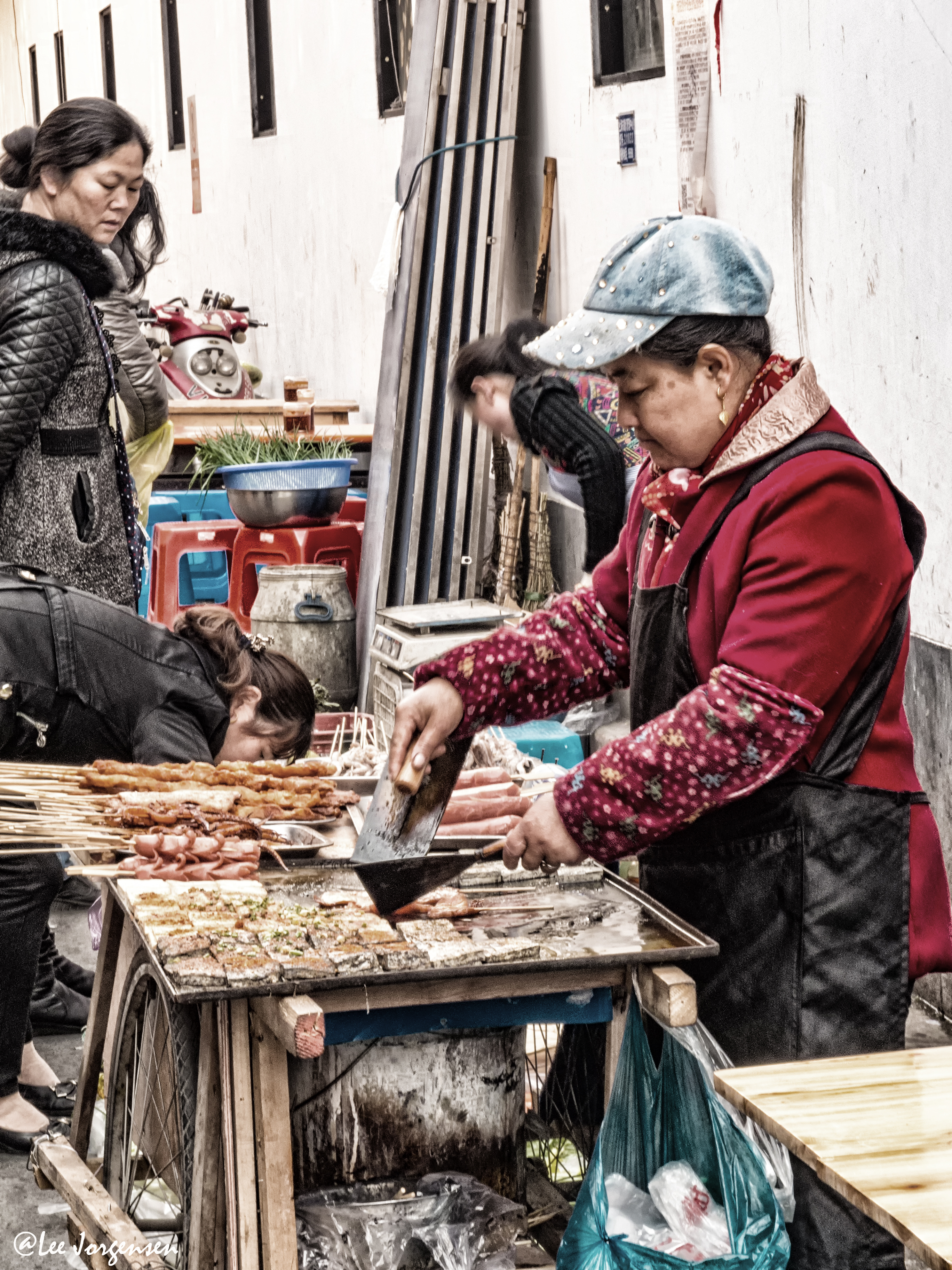
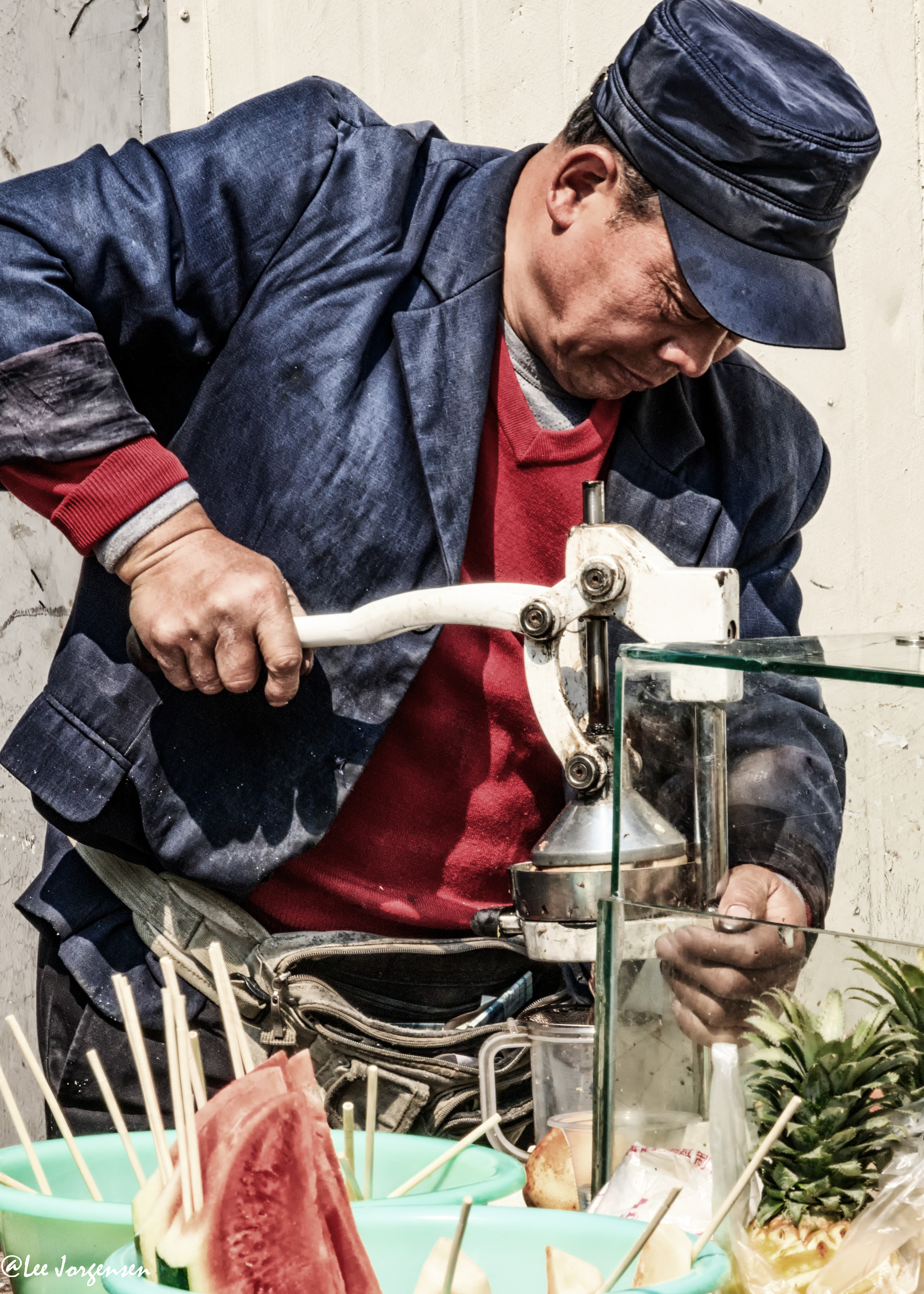
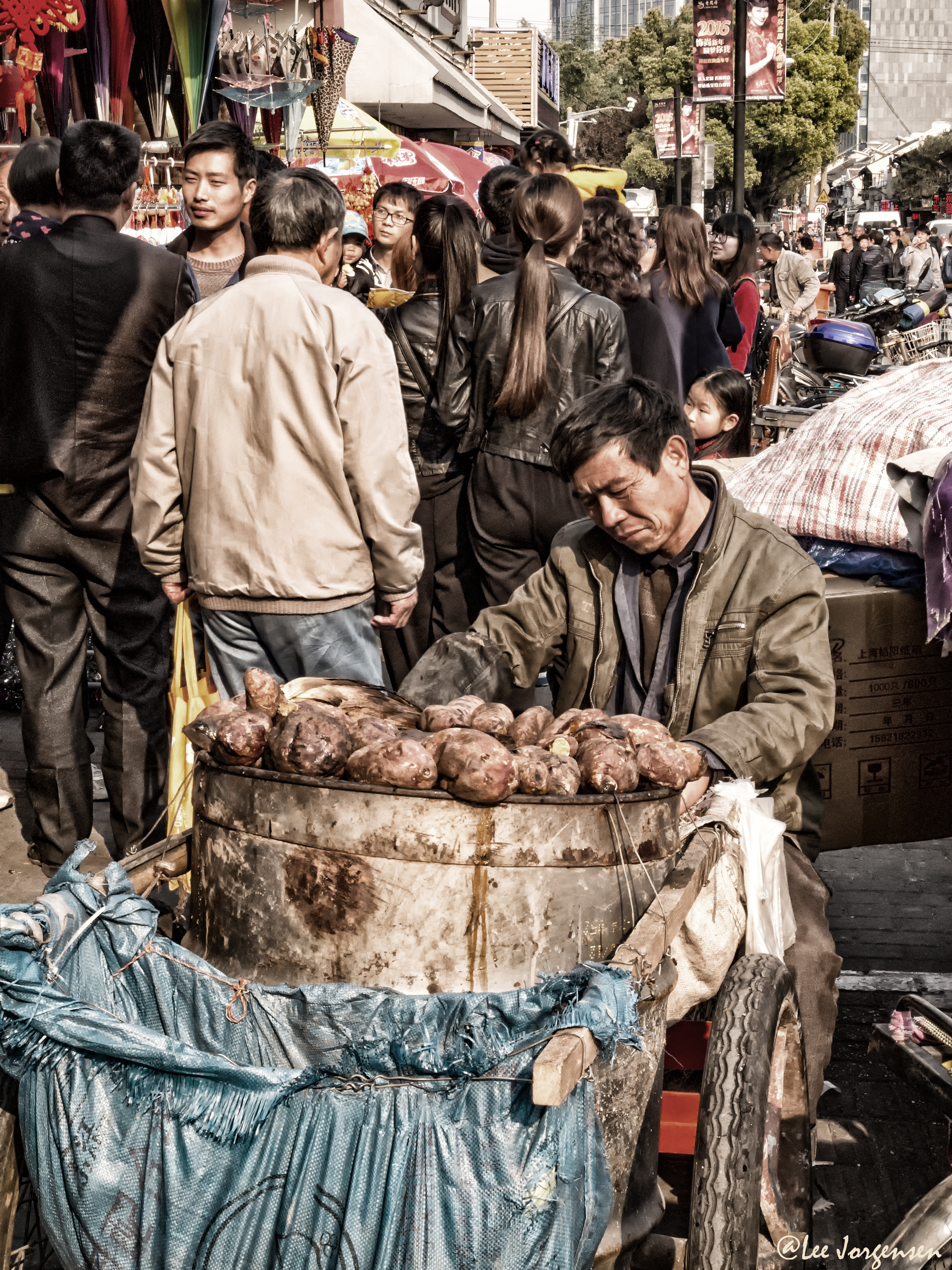
The recent violence against Asians simply needs to stop!

I am outraged and saddened that one man’s words have rippled into hatred against a large part of the American population. My beloved San Francisco, once a beacon for tolerance and neighborly love, is now a hot bed for attacks against often defenseless elders. By calling Covid the “Kung Flu” or “China Plague”, an entire part of the country is now demonized and vilified and it is completely unacceptable.

Asia has always been a big part of my life. My fascination started with Shogun, the 70s series based on the book by James Clavell. My mother later took me on a trip to Thailand where I fell in love for the first time with a gorgeous Thai. In 1993, I started making yearly business trips to Japan, Korea, China, Taiwan, Hong Kong, Macau, Thailand, Malaysia and Singapore and a love for the East was born which changed everything from food preferences, medical practices, music, self-care and religion. Yes, I am a proud Buddhist, although I do not consider it a religion, but rather a philosophy.

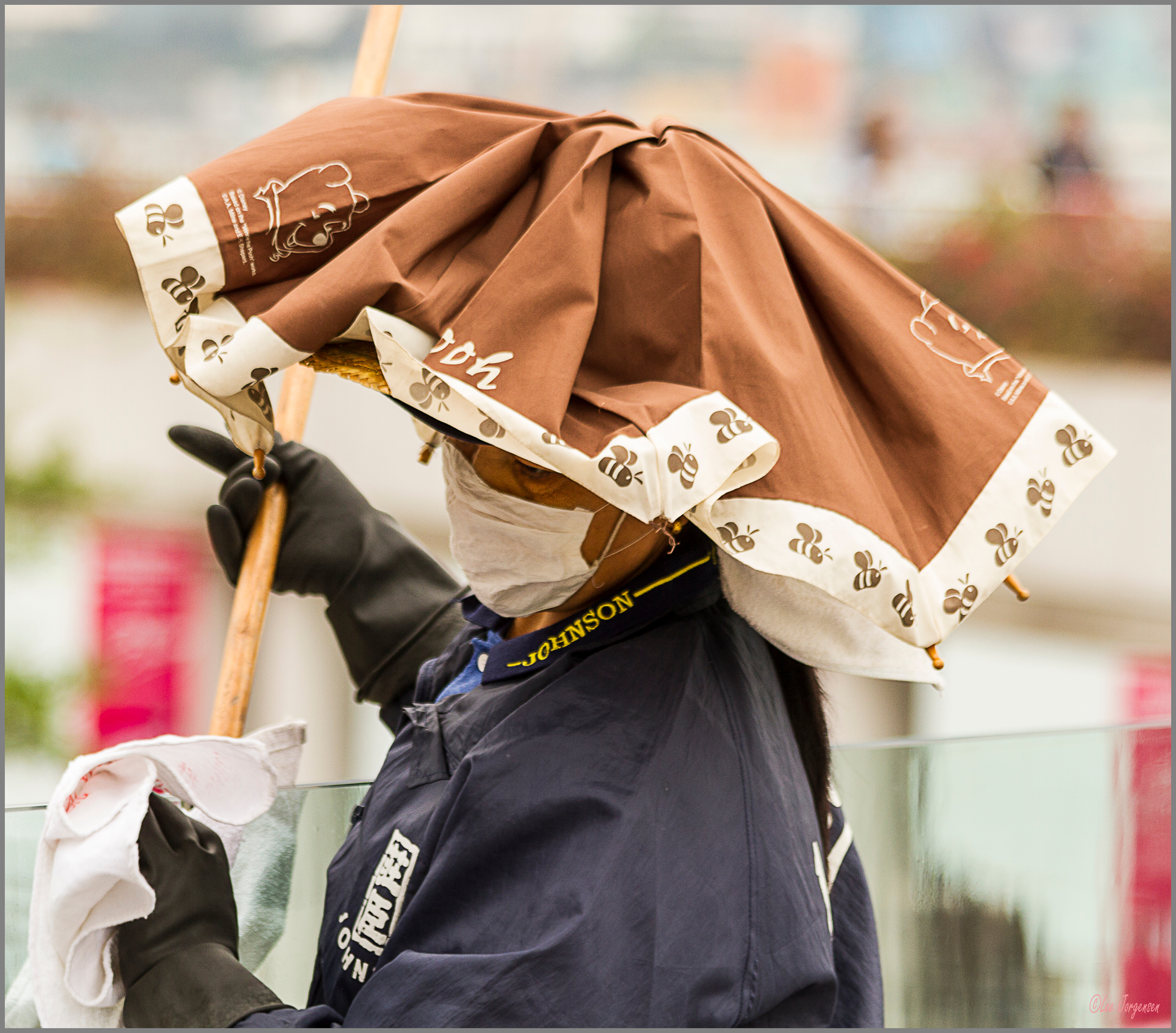
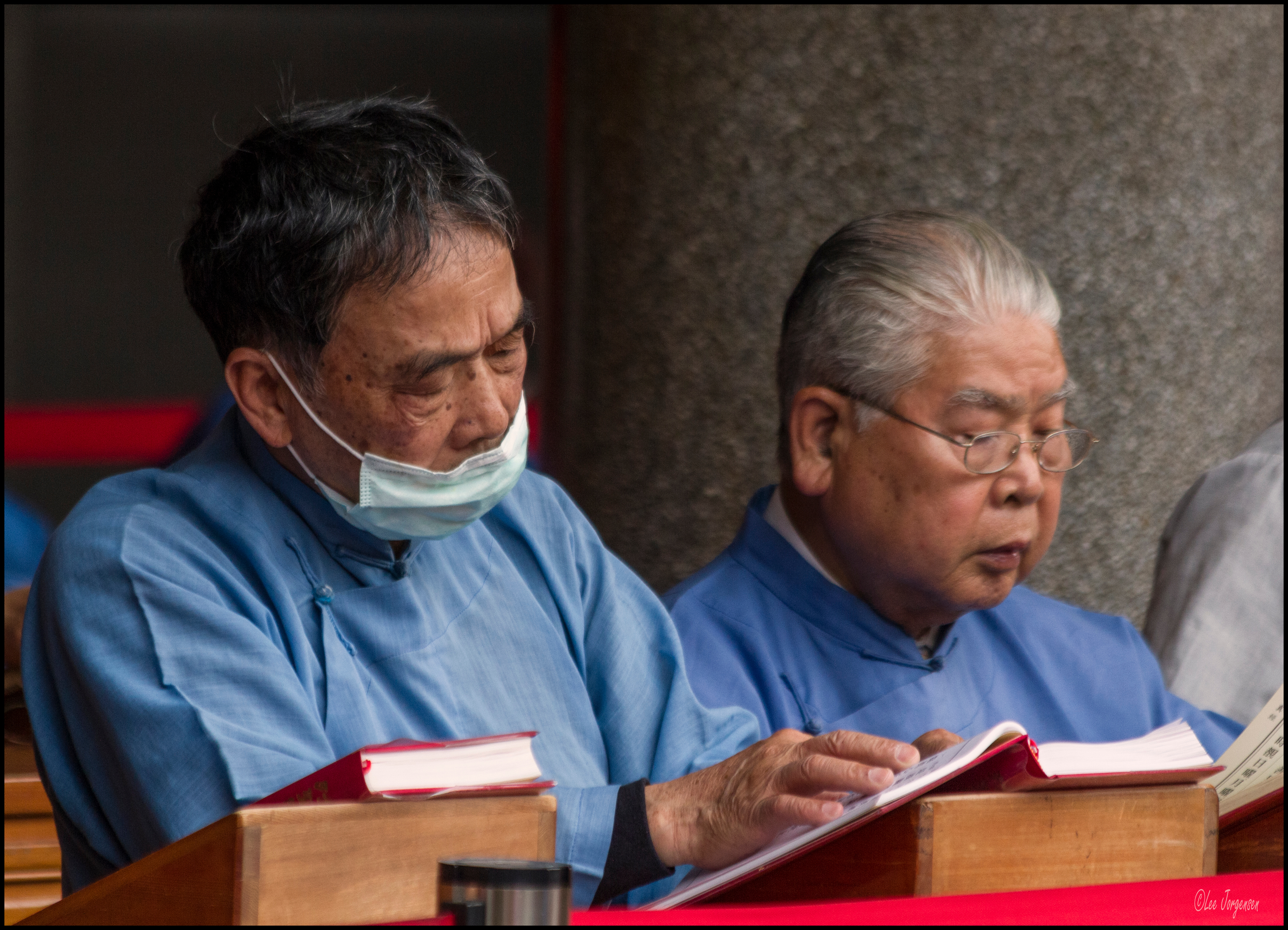
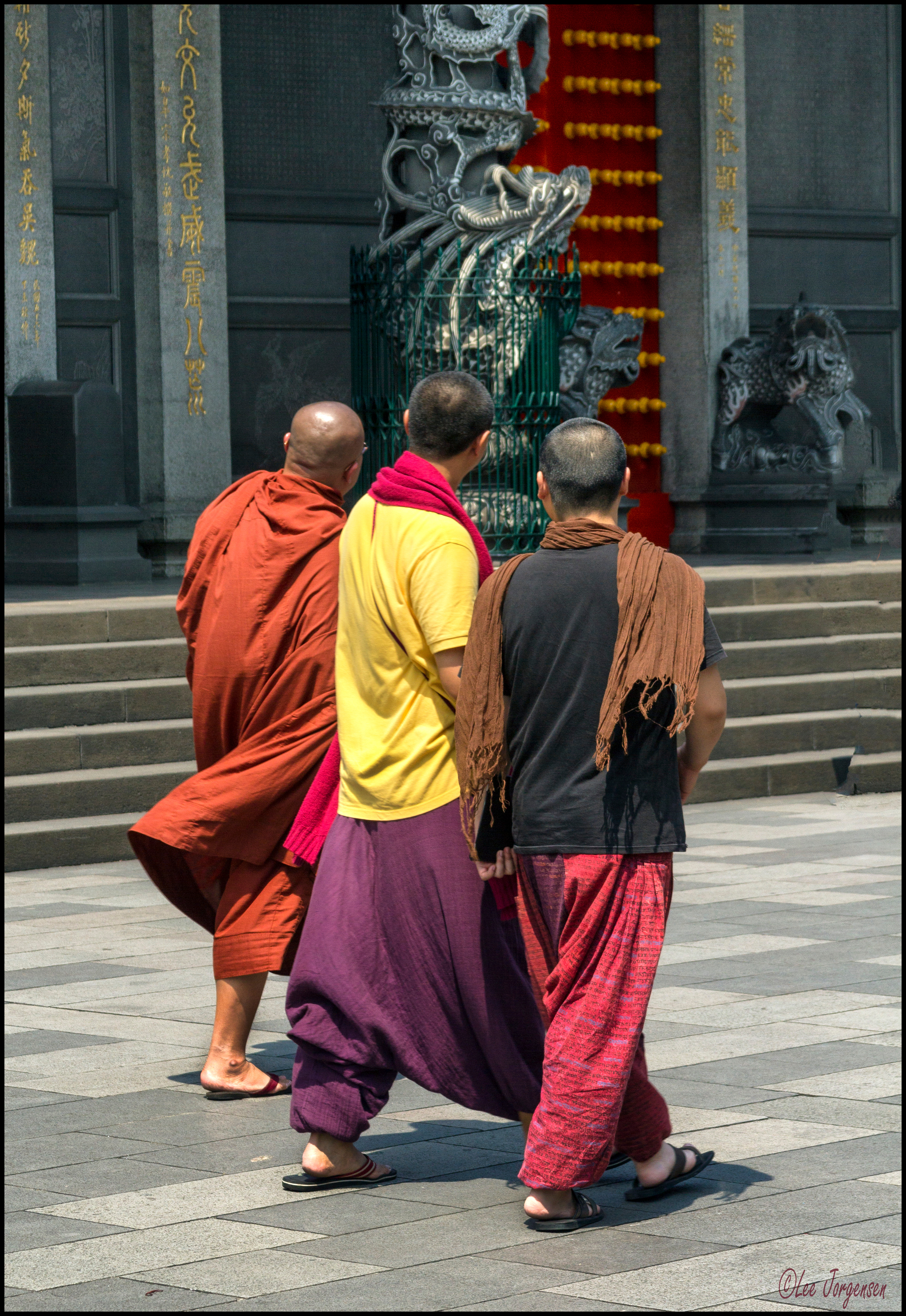
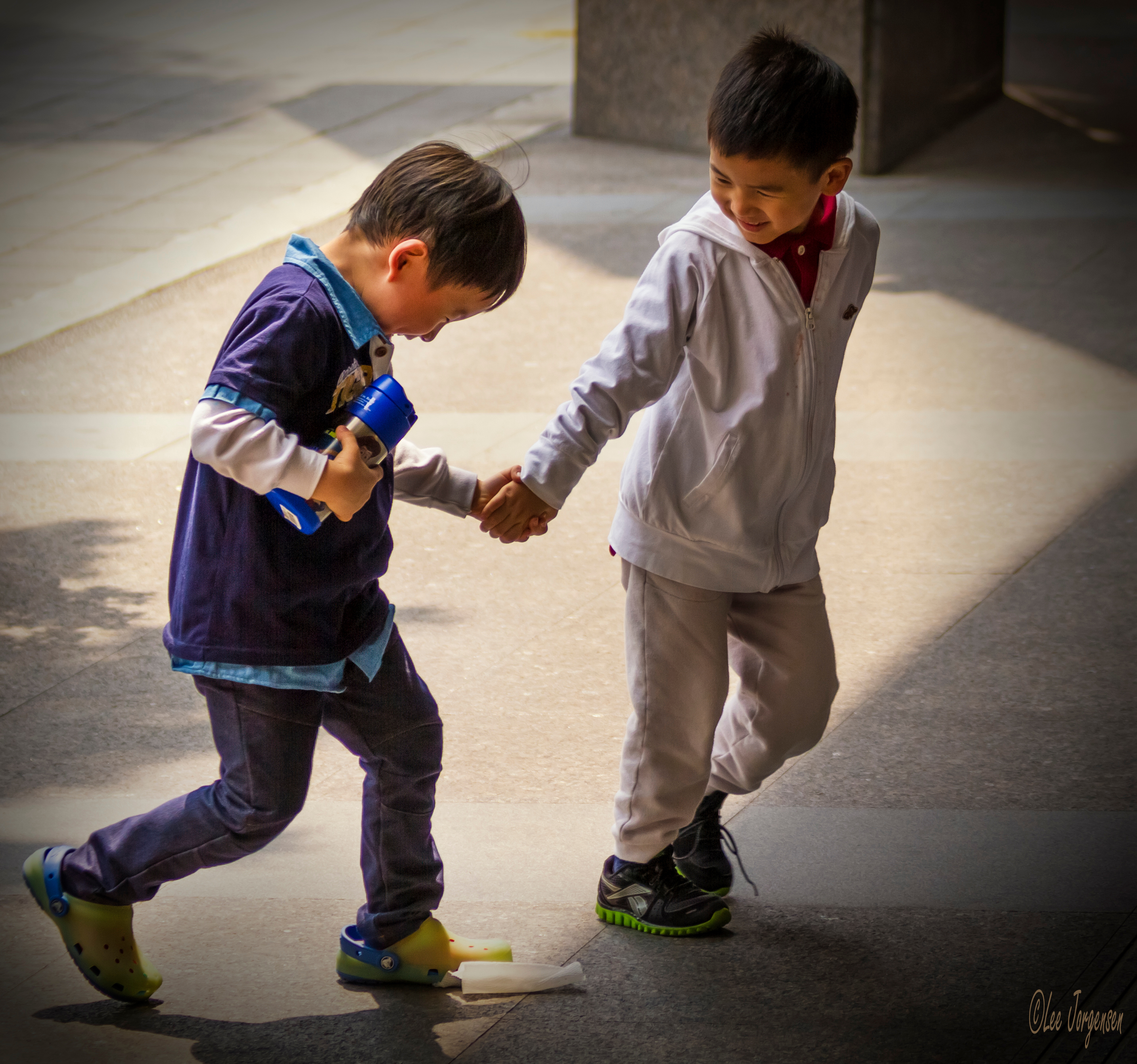
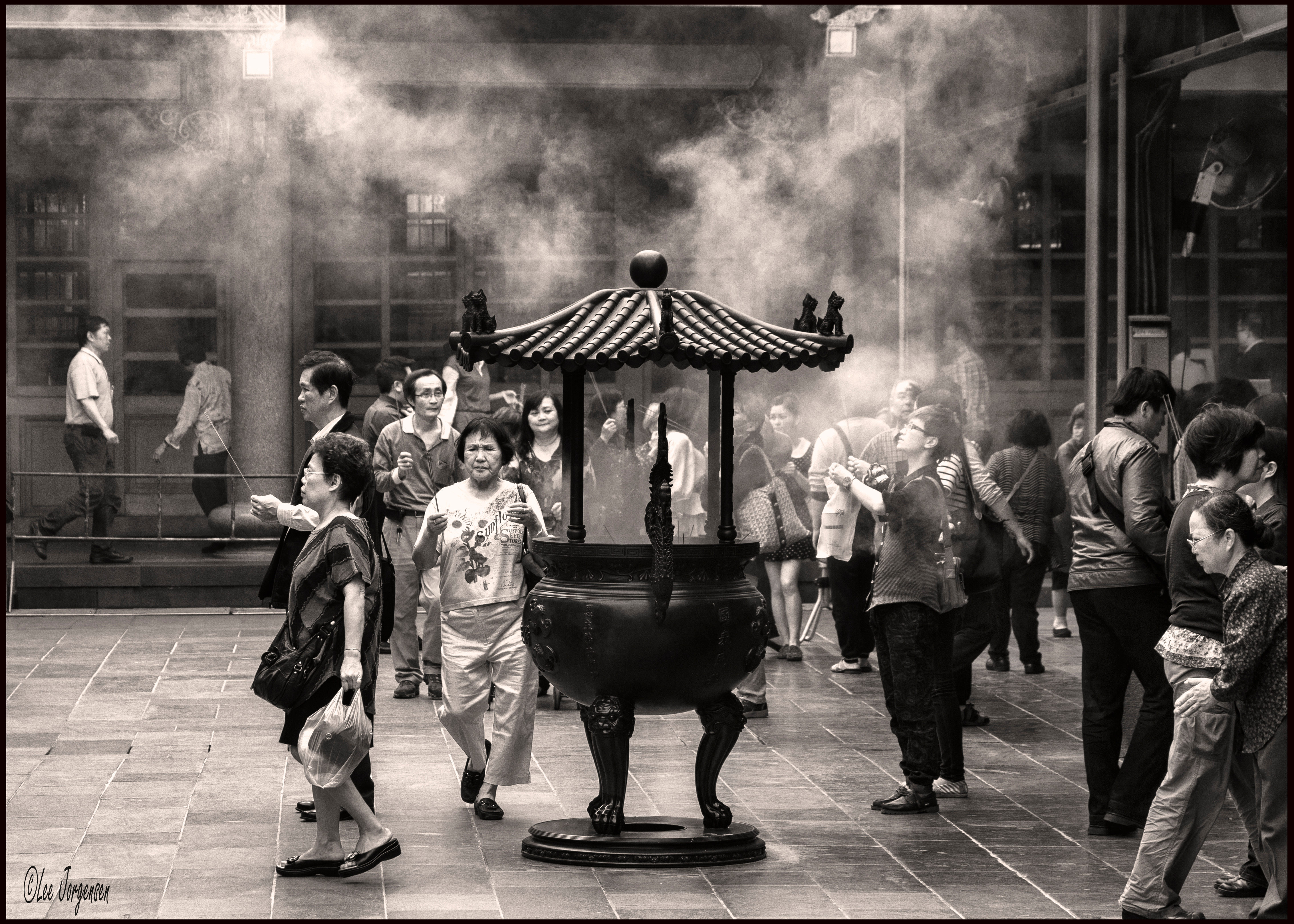
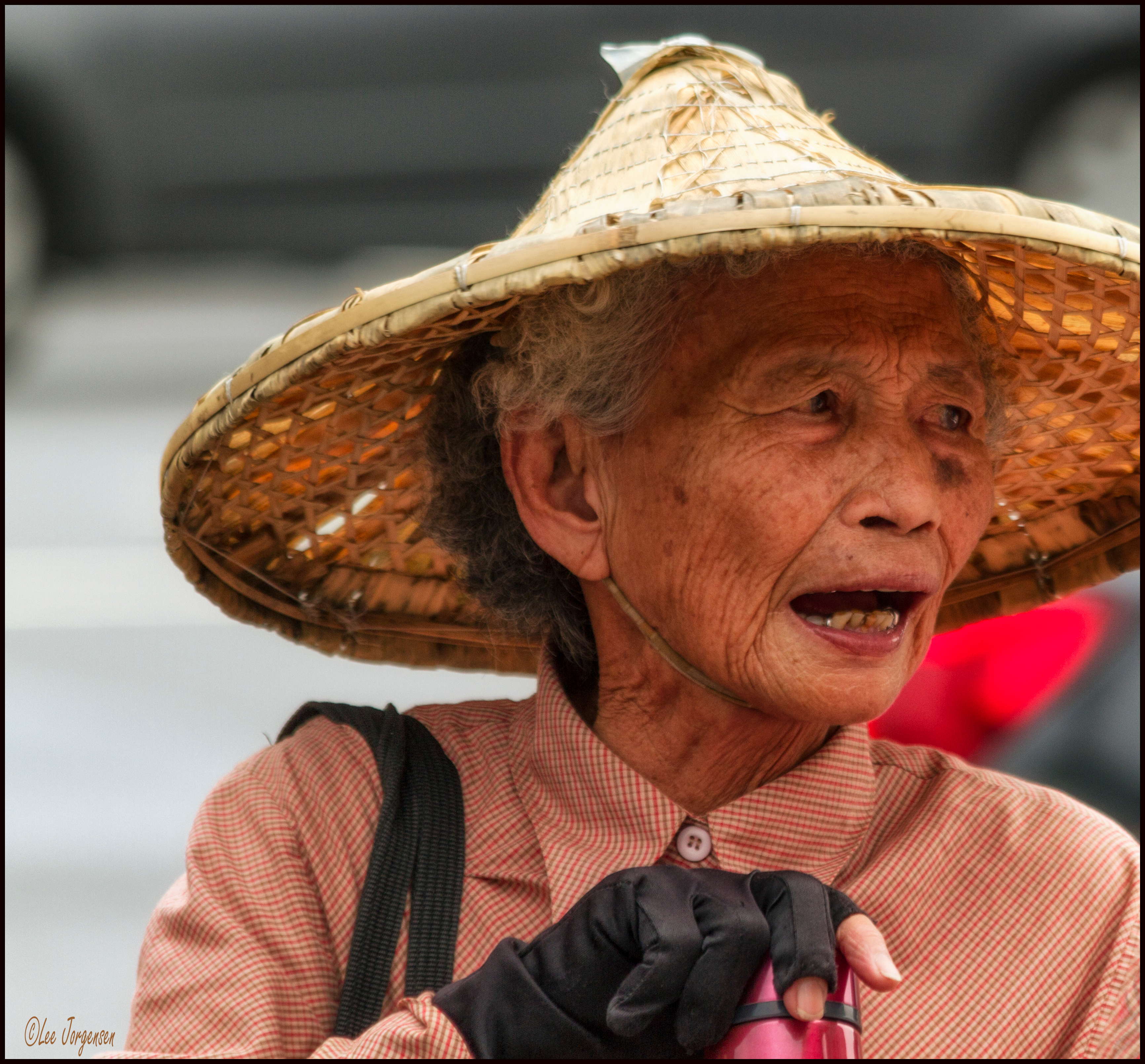
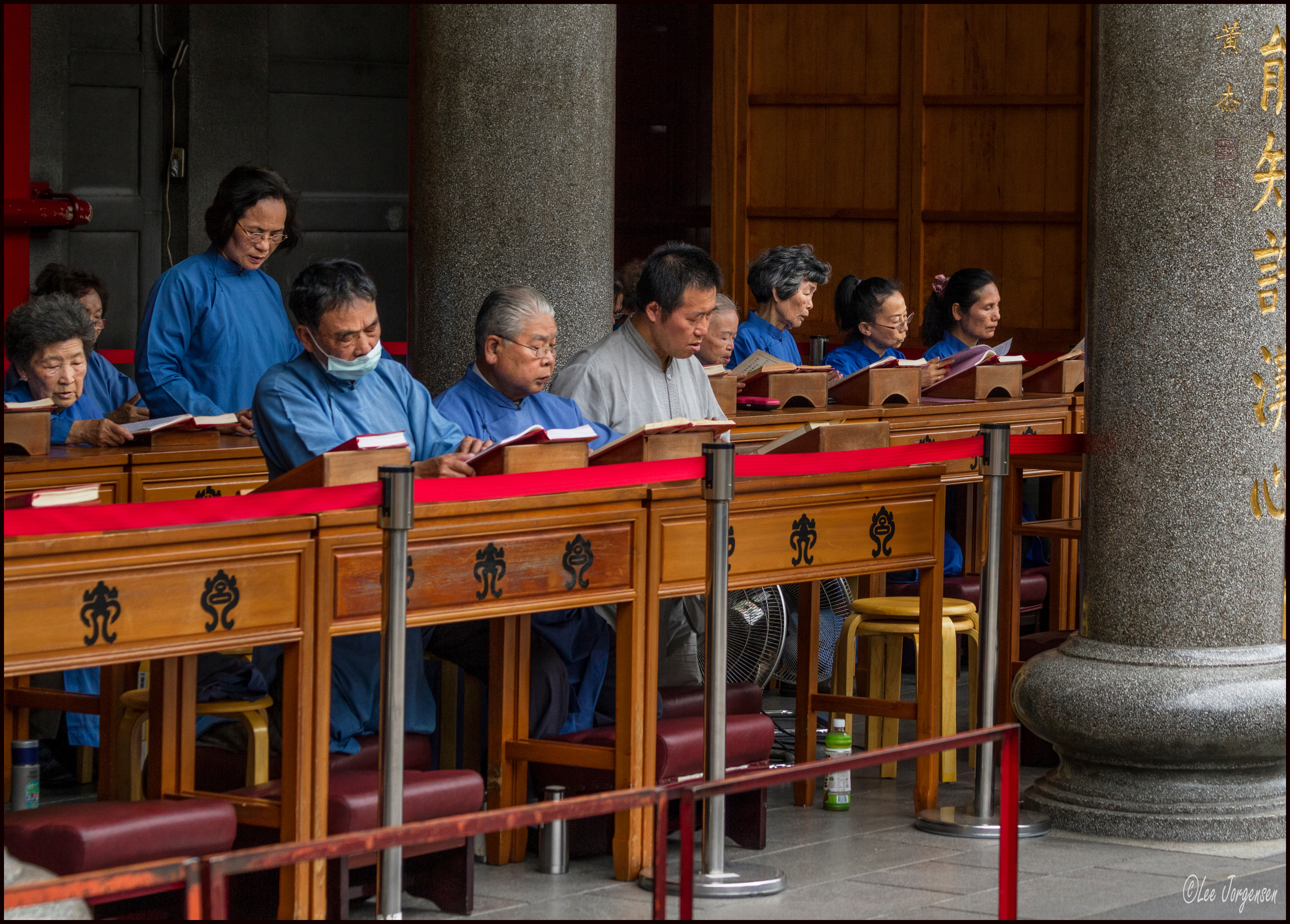
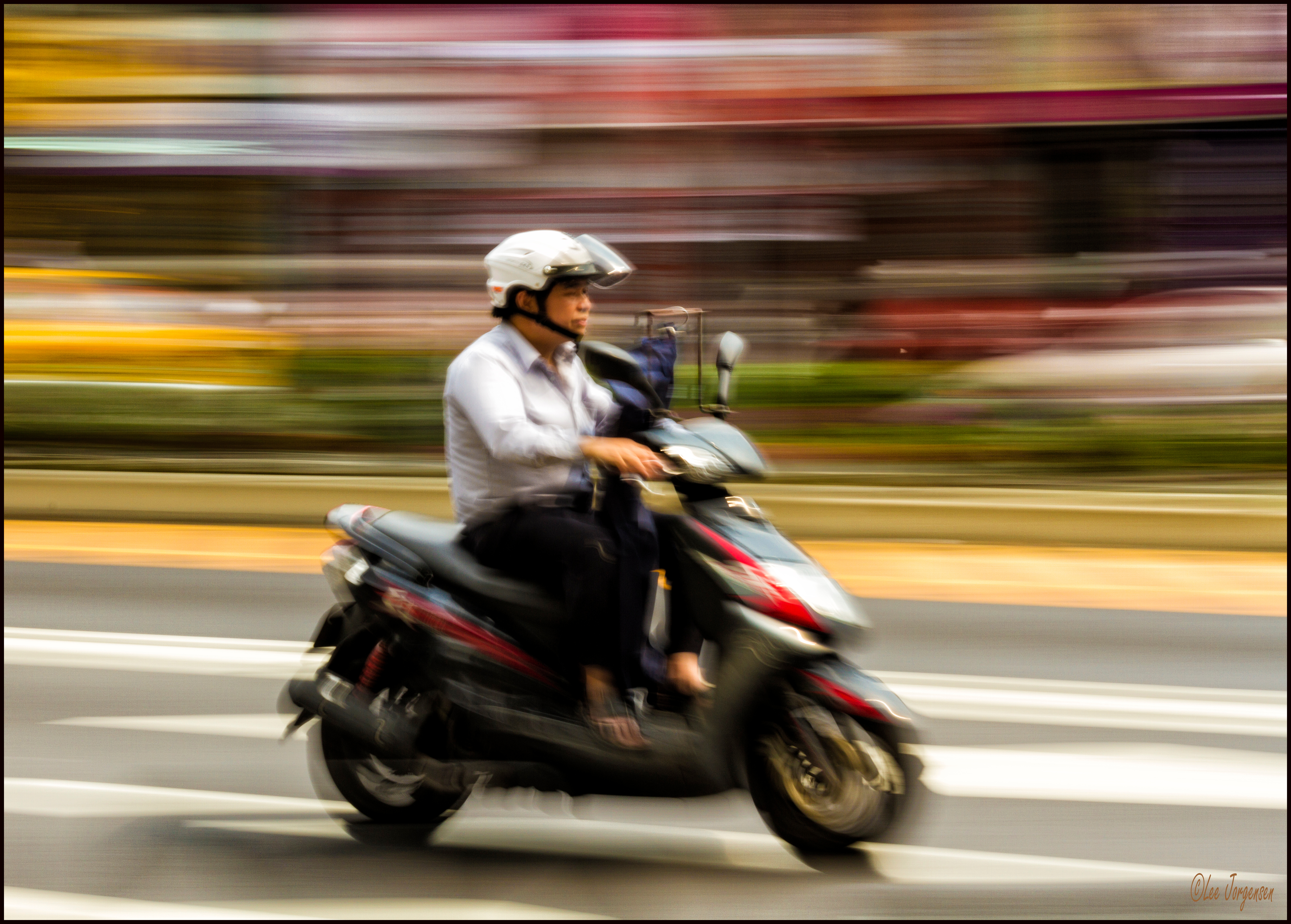
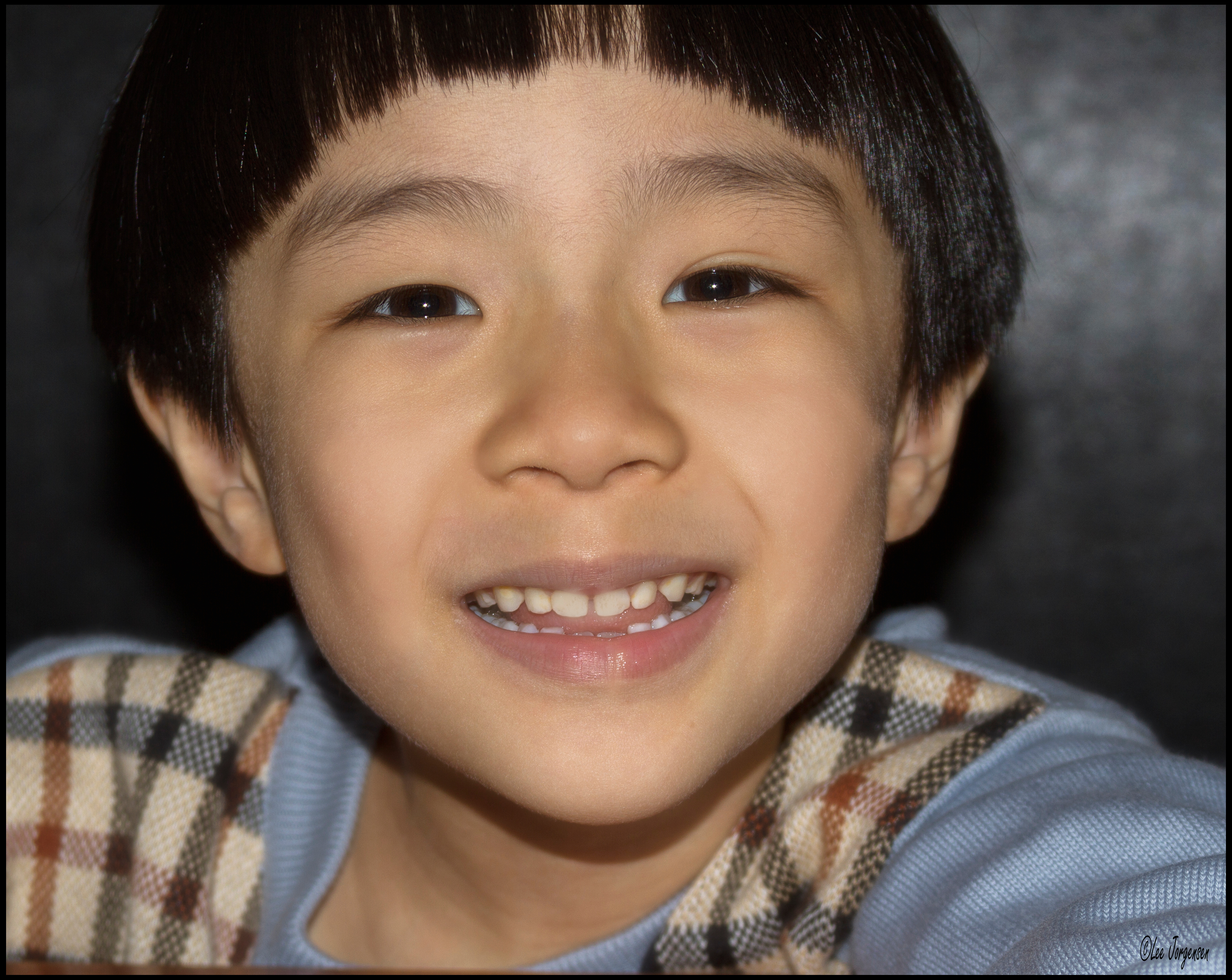
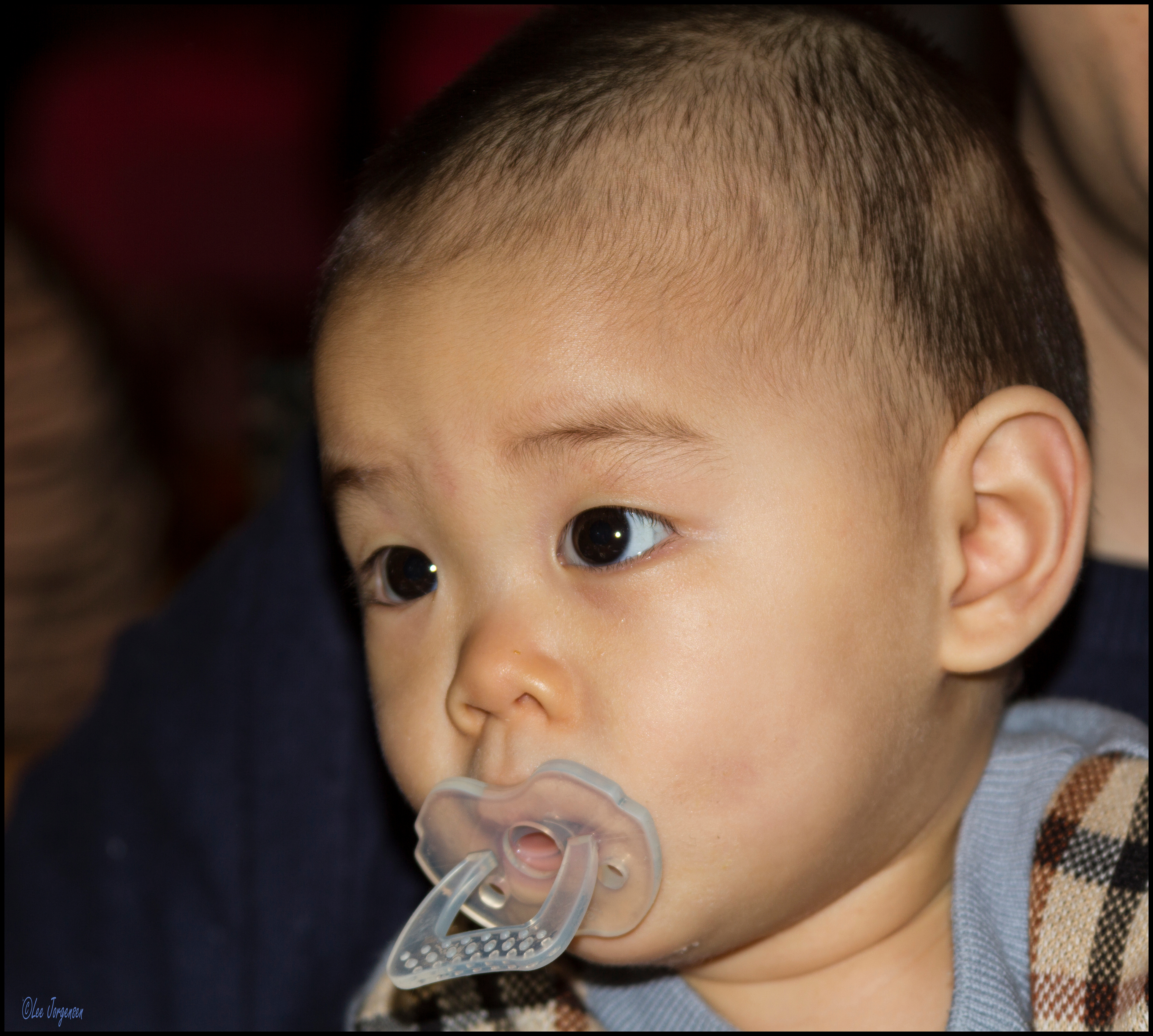
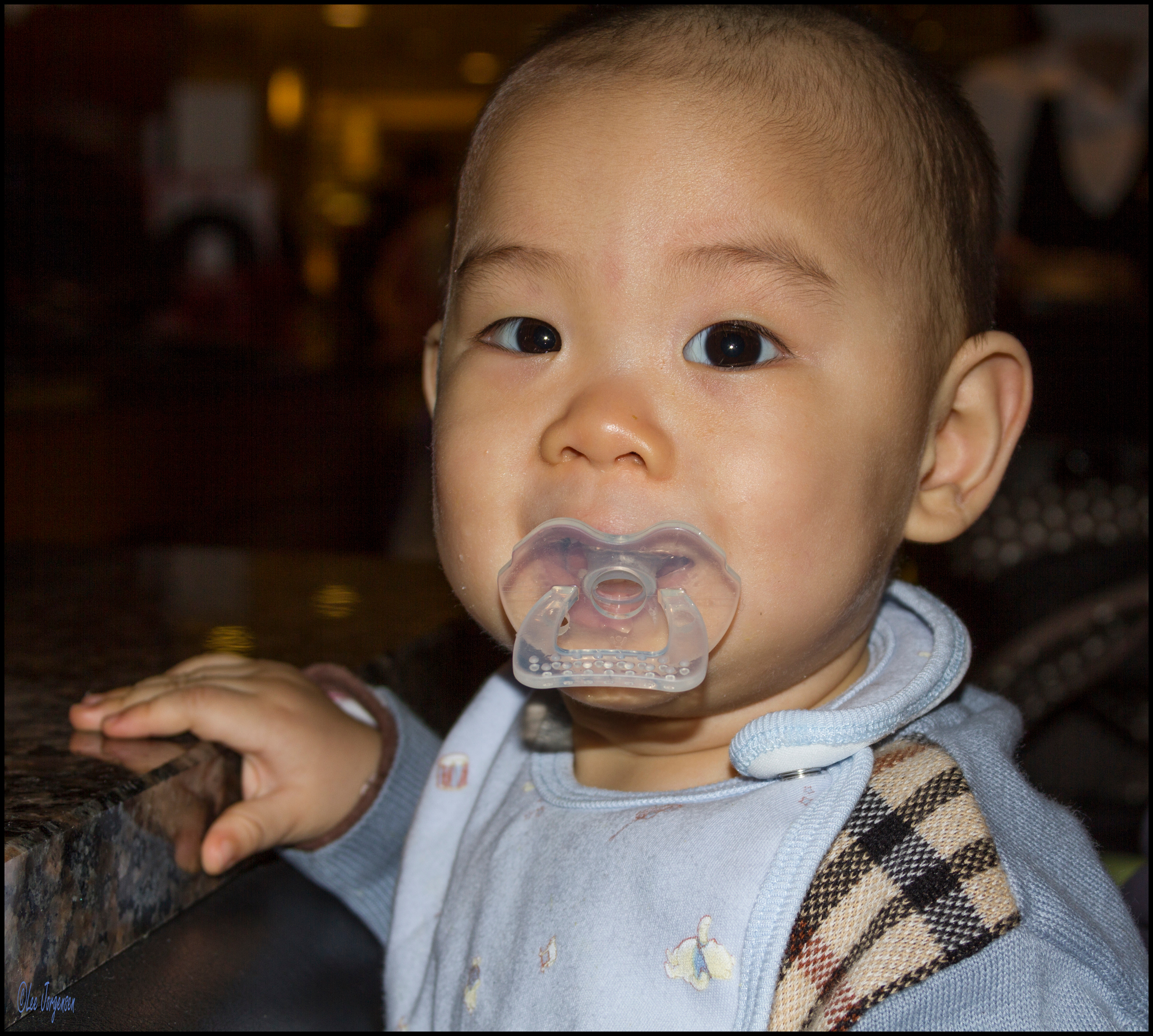
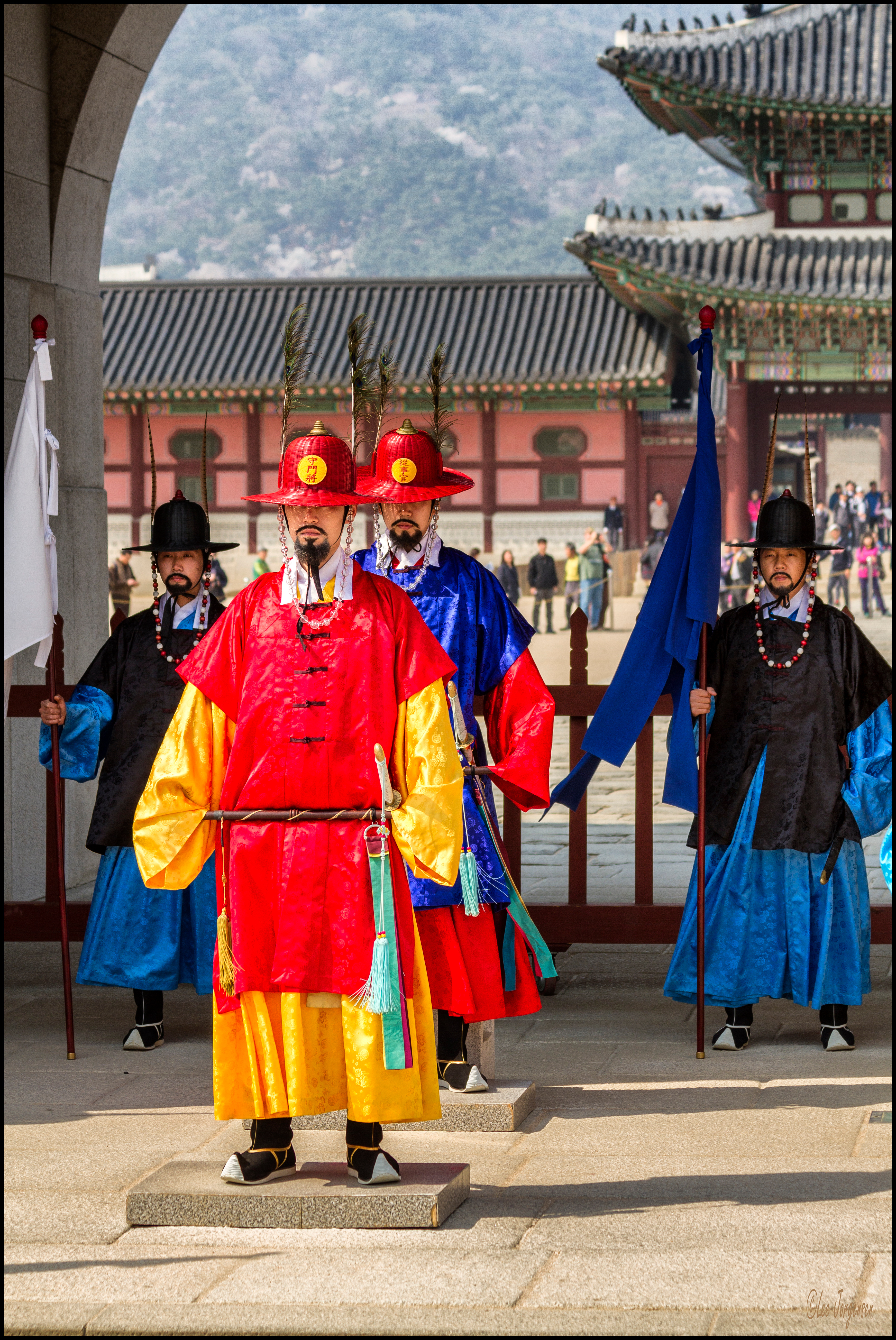
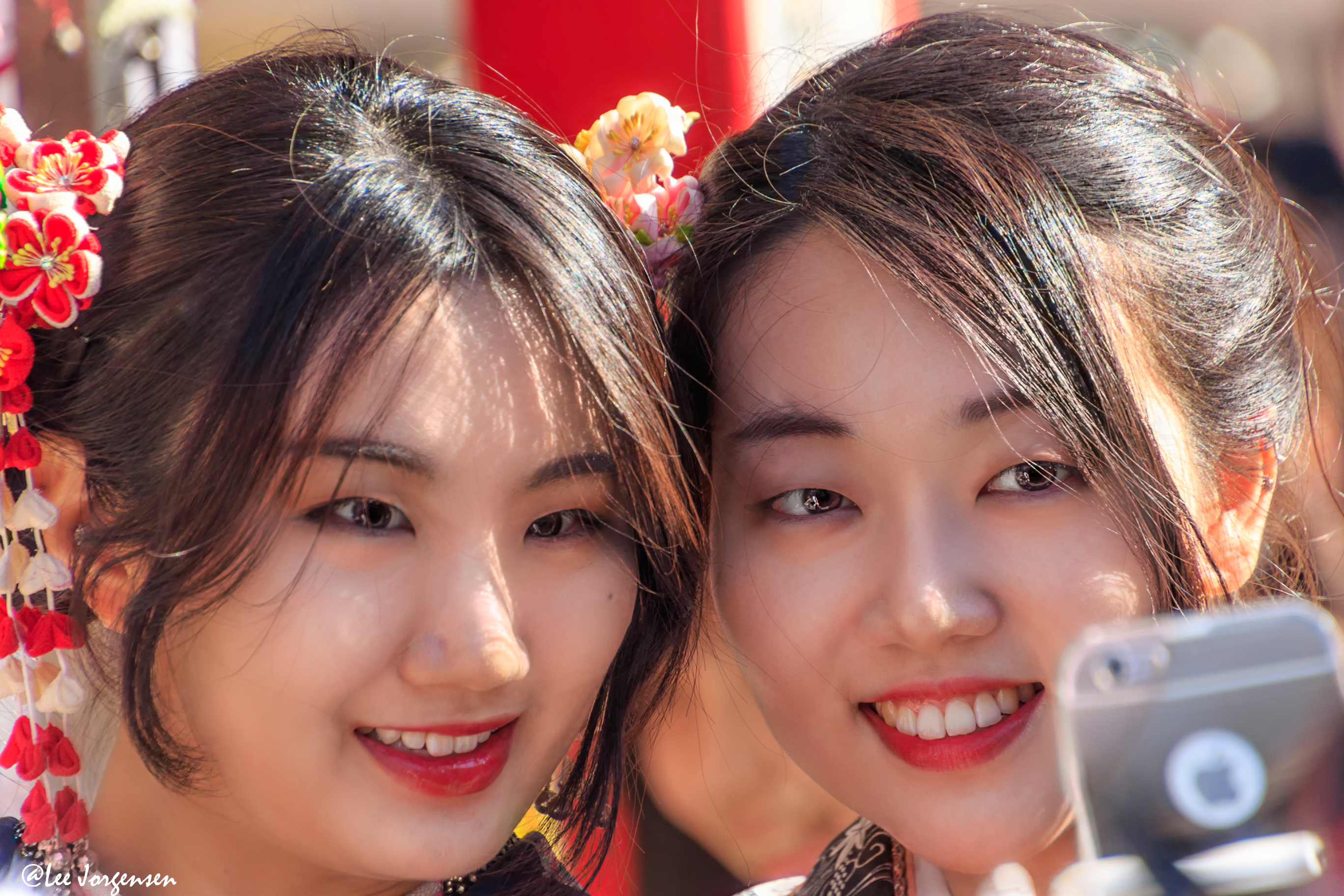
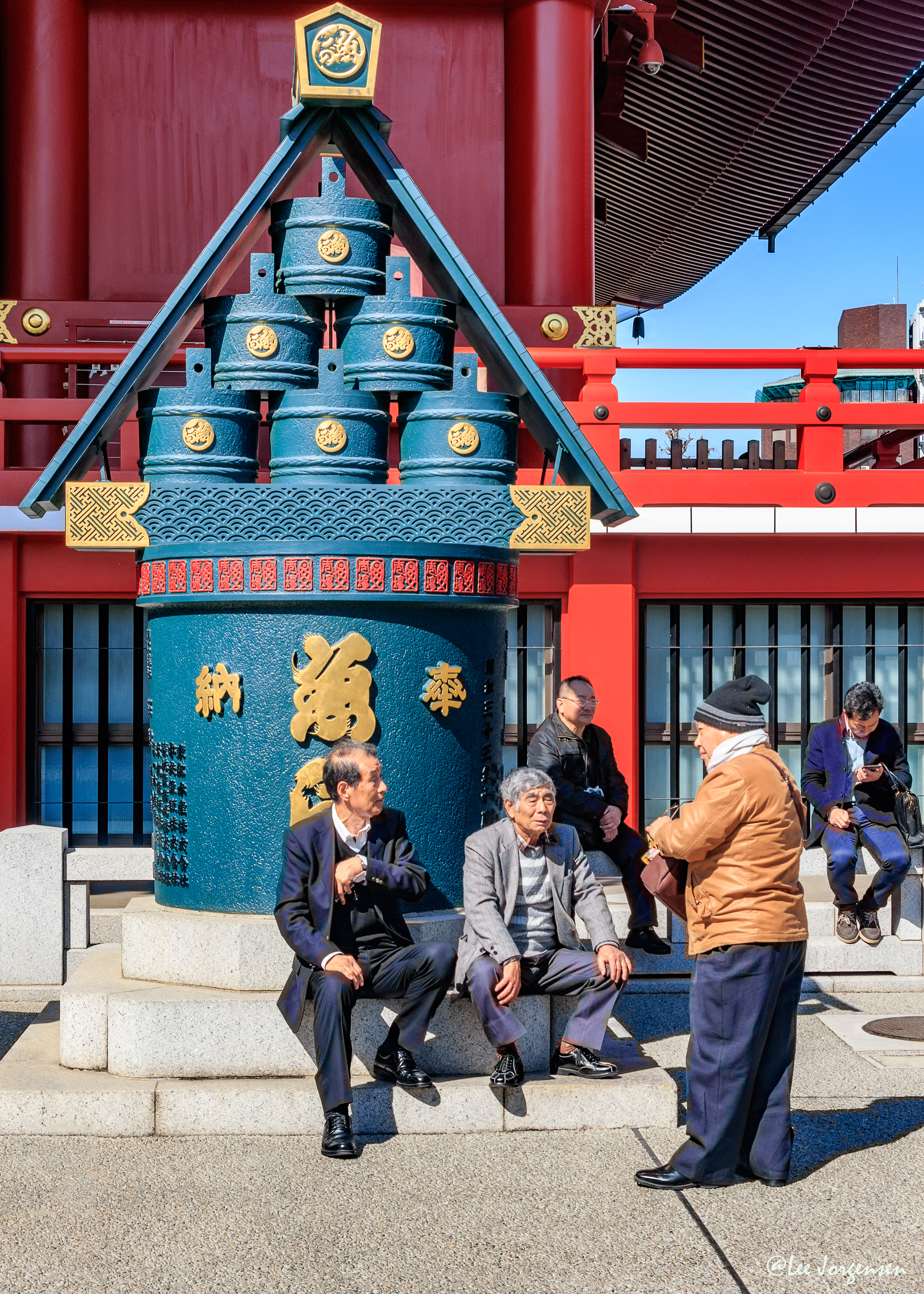
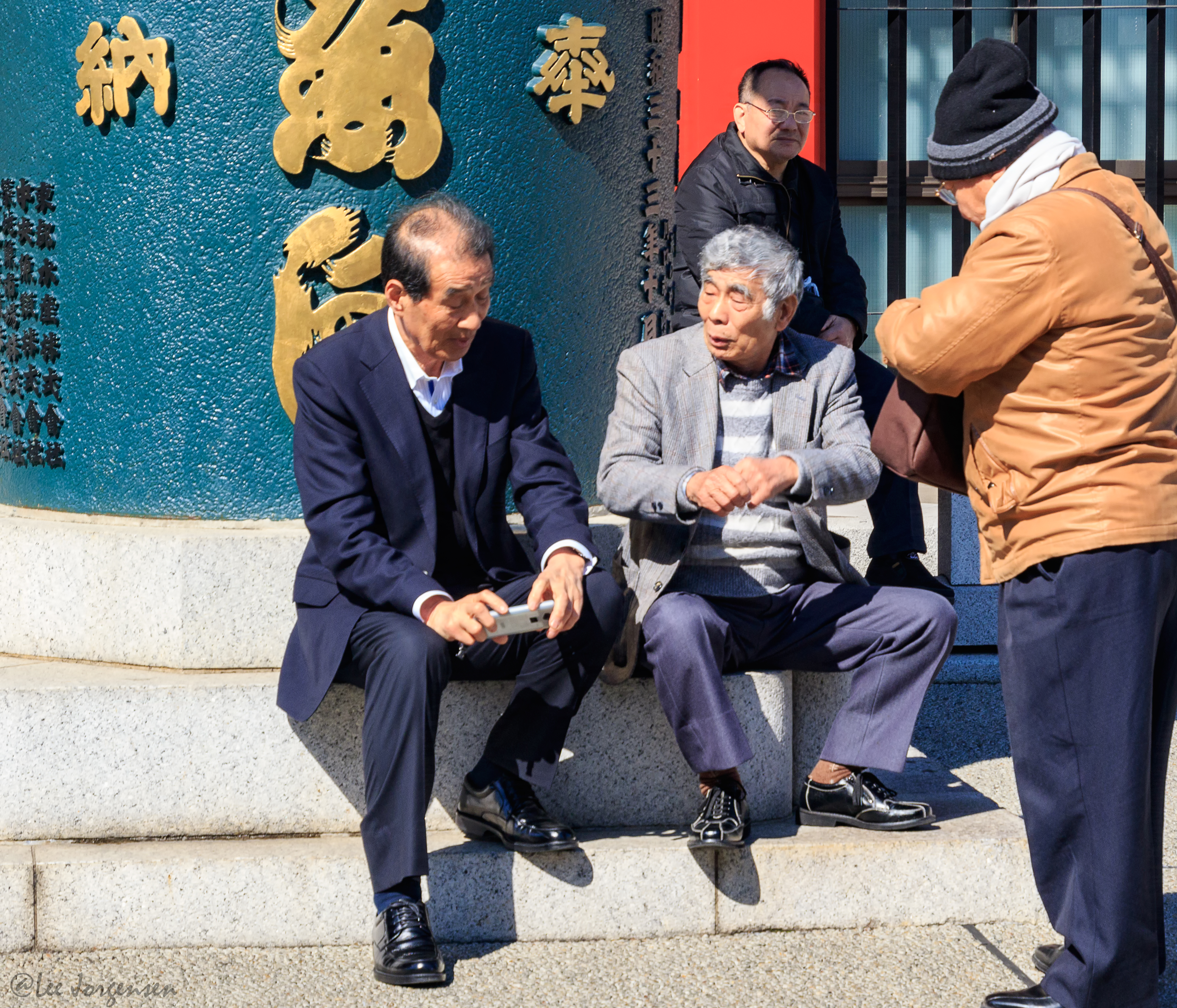
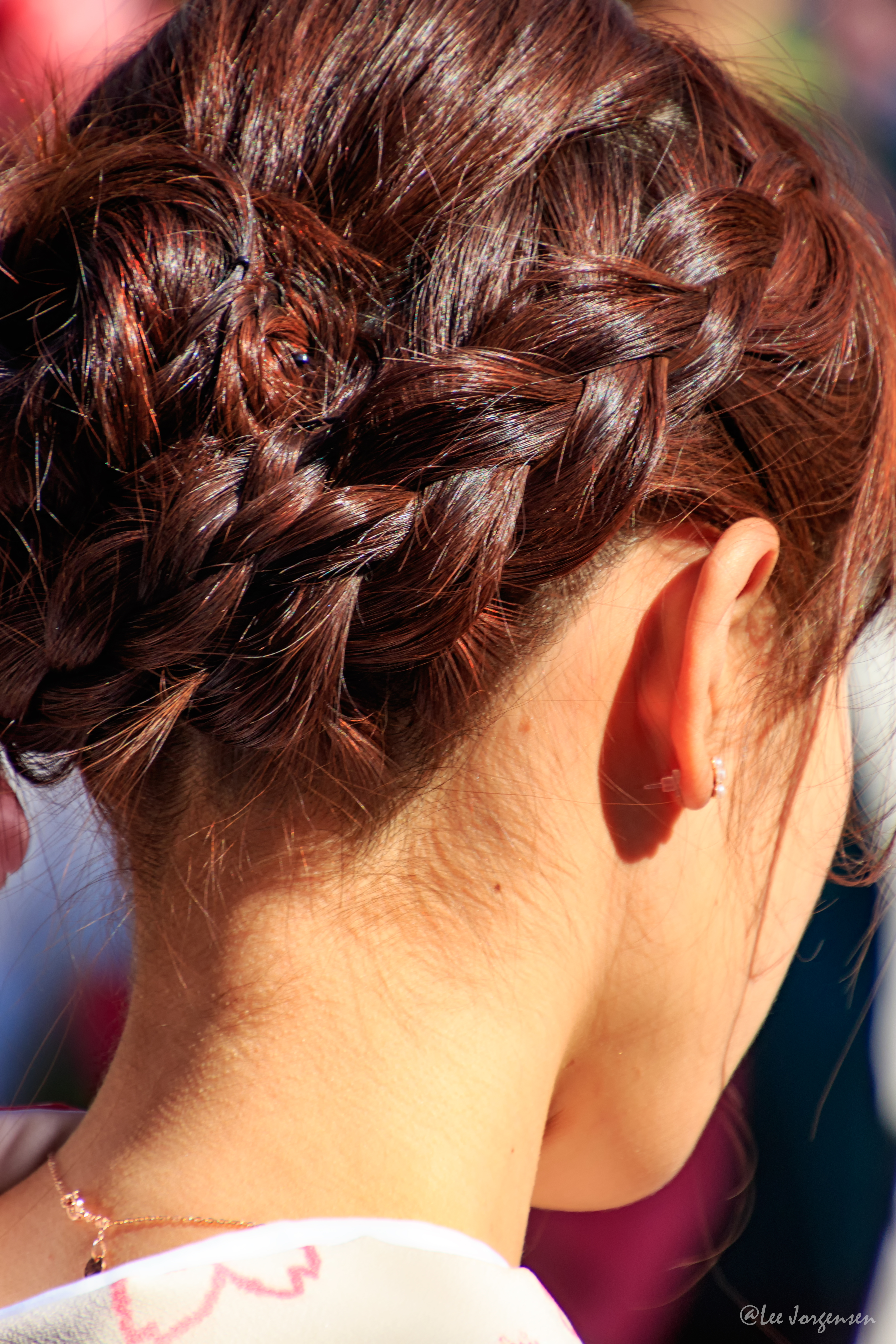
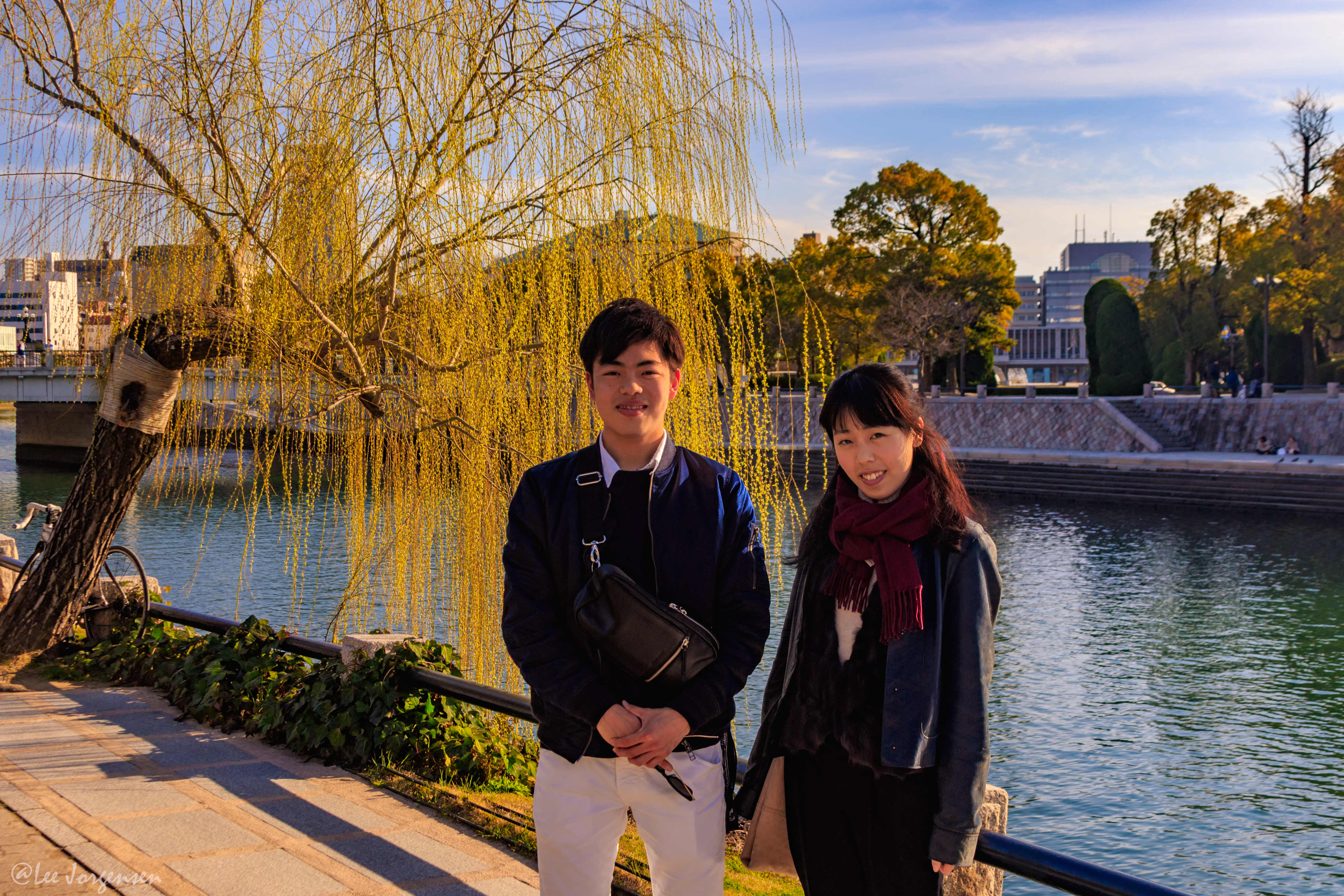
I chose to honor Asians with a collection of these beautiful people from all over Asia and some American Asians from San Francisco:

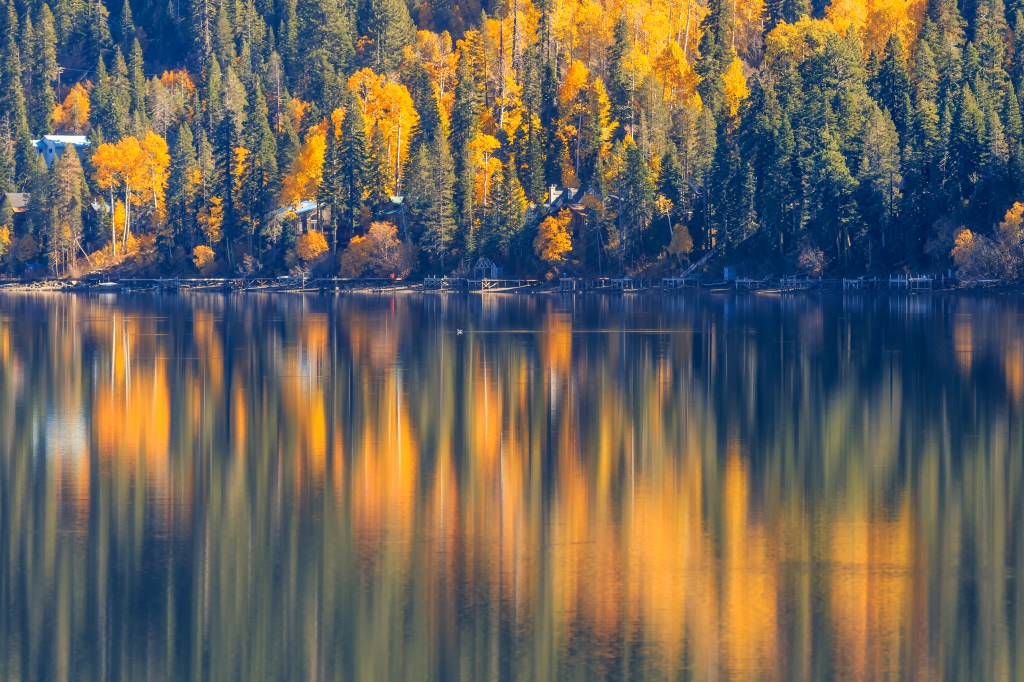
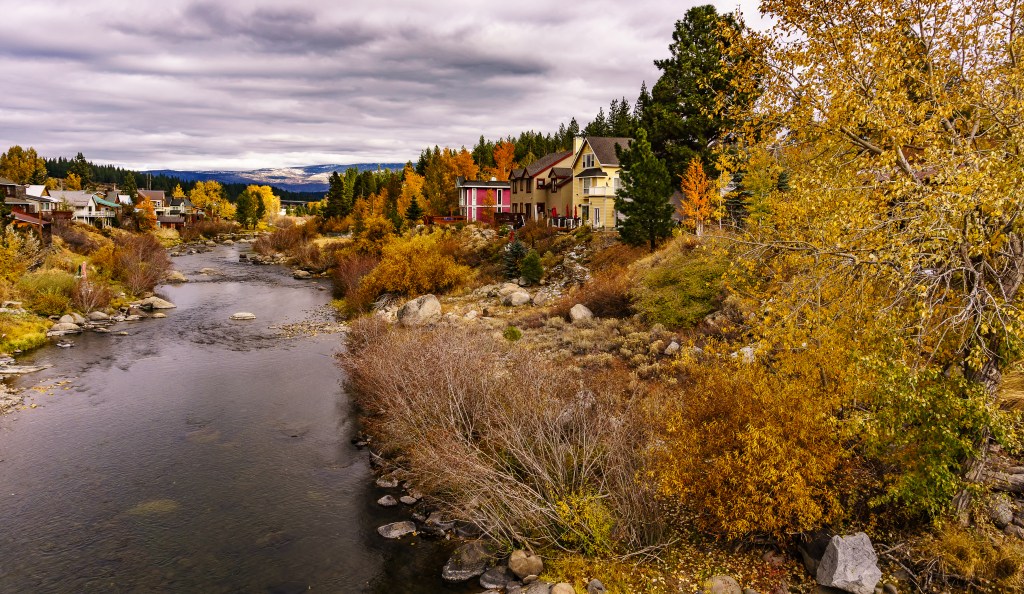
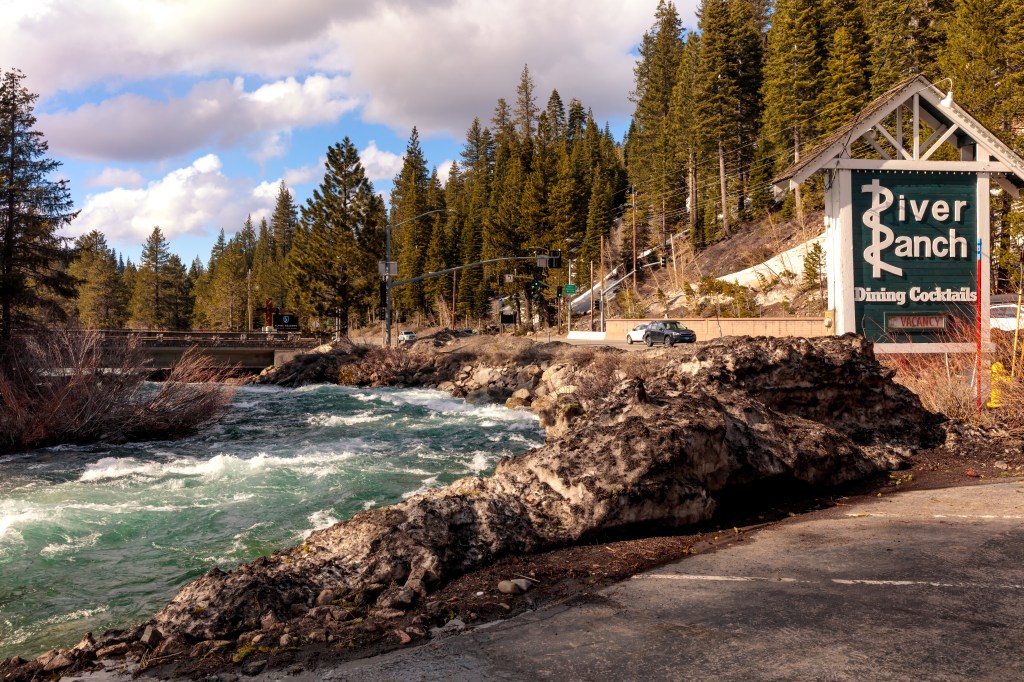
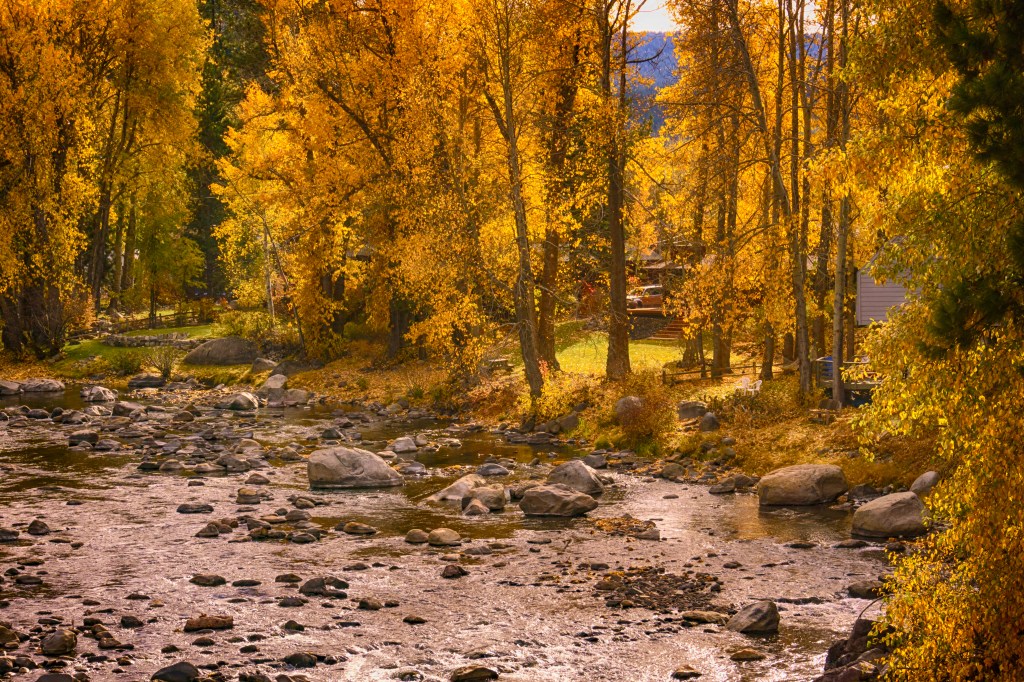
A Hommage to Lake Tahoe

(See in a browser for a better viewing experience)

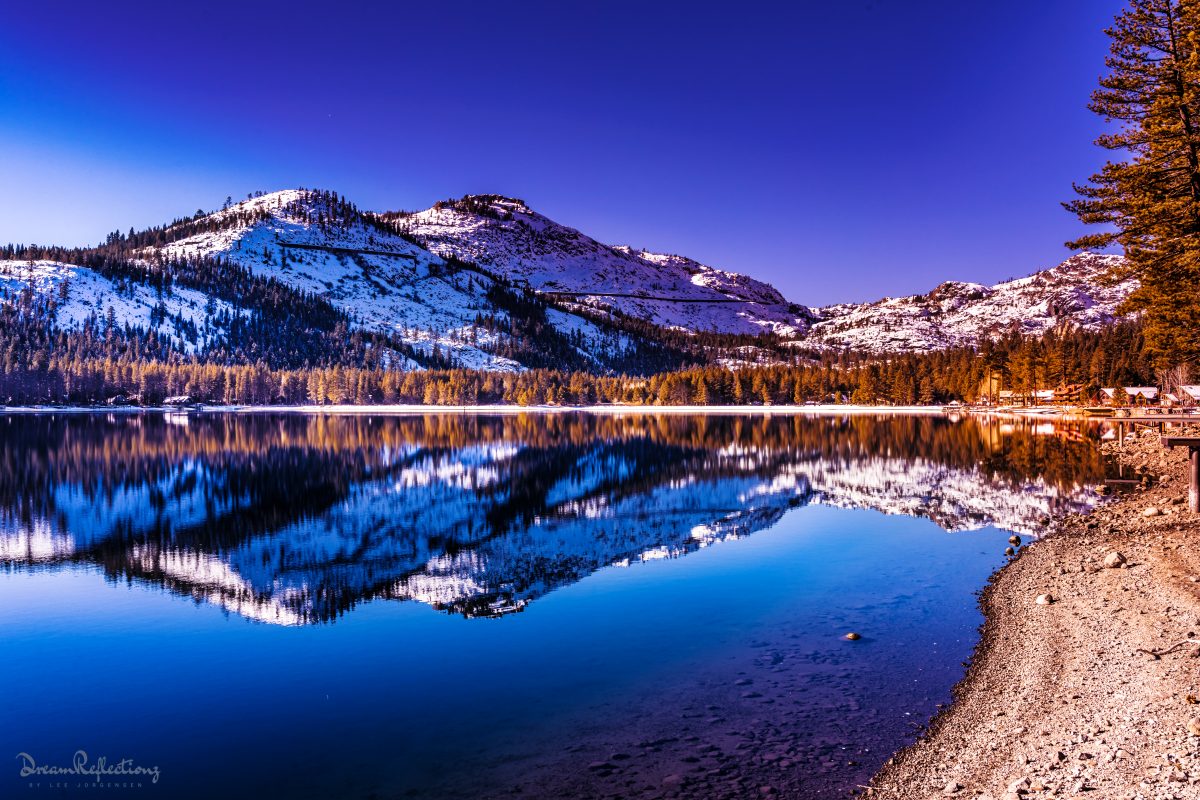
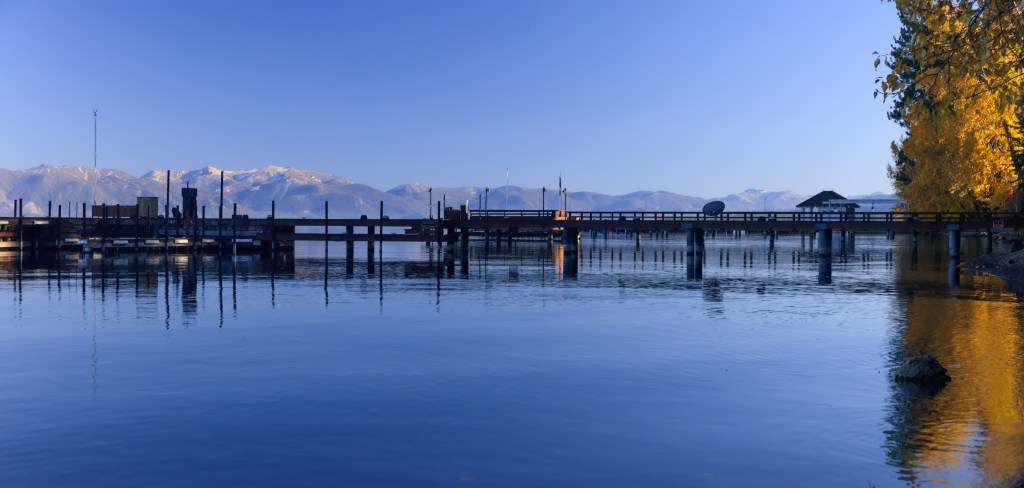
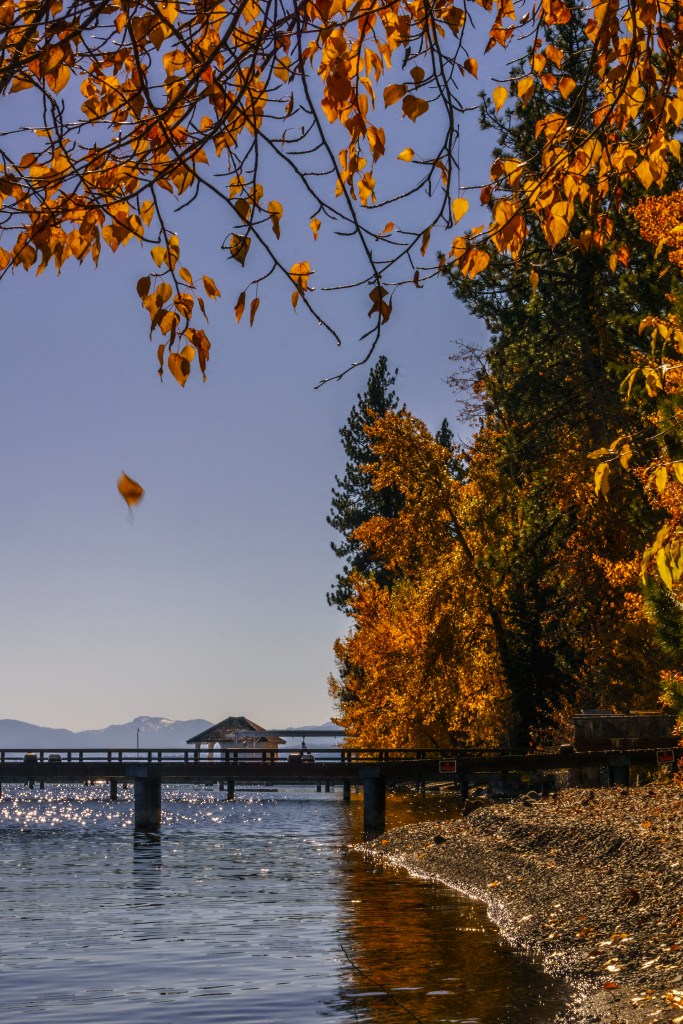
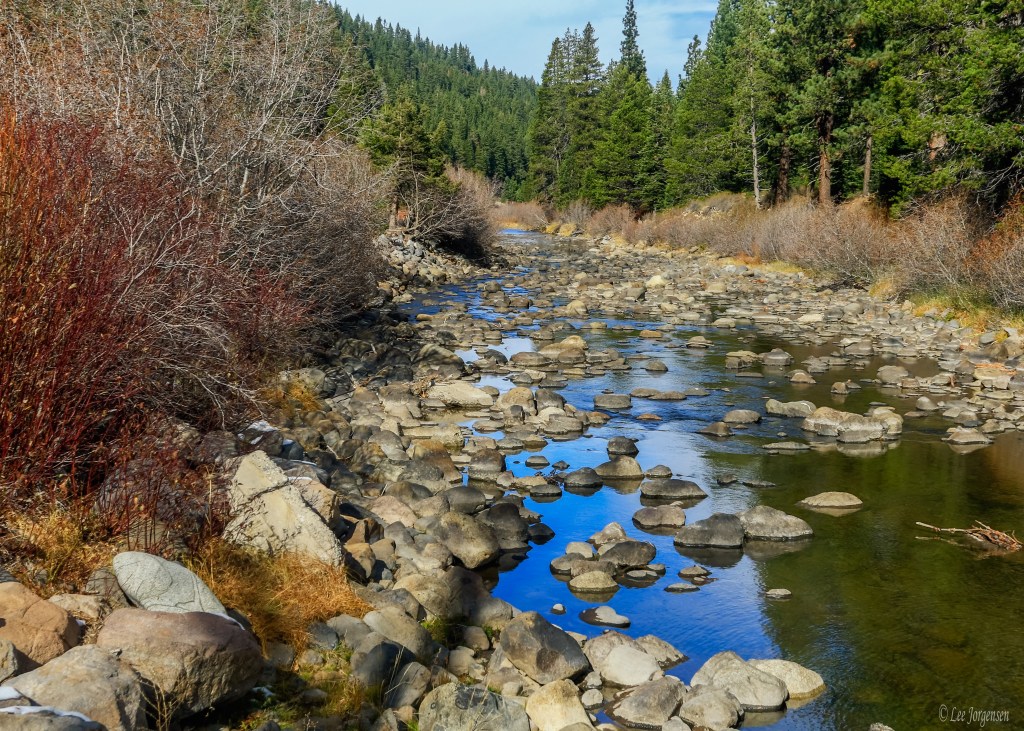
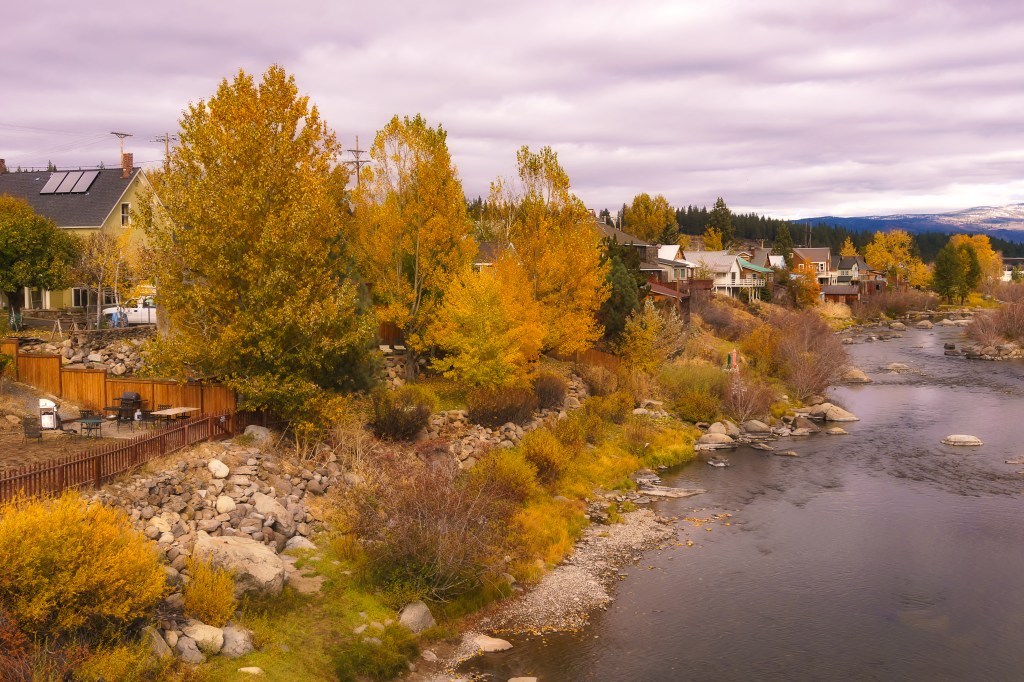
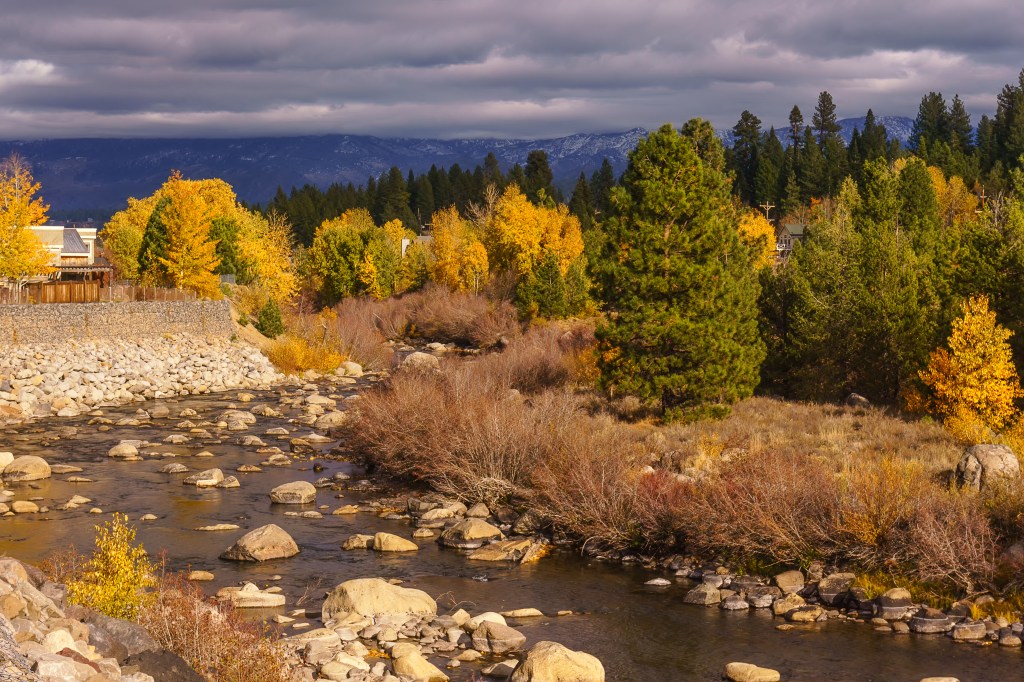
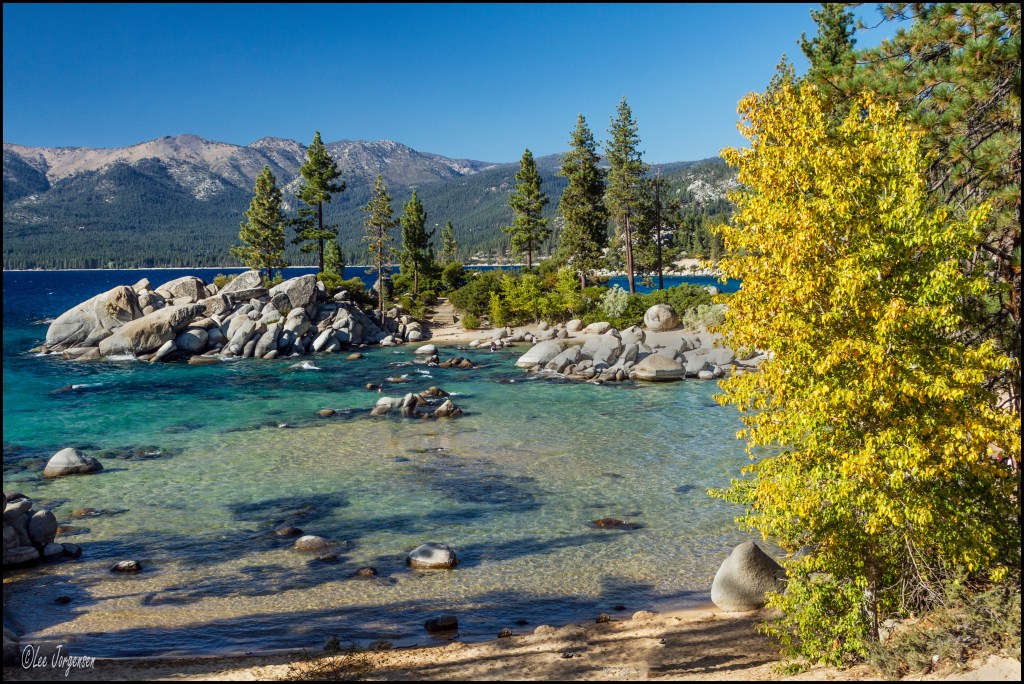
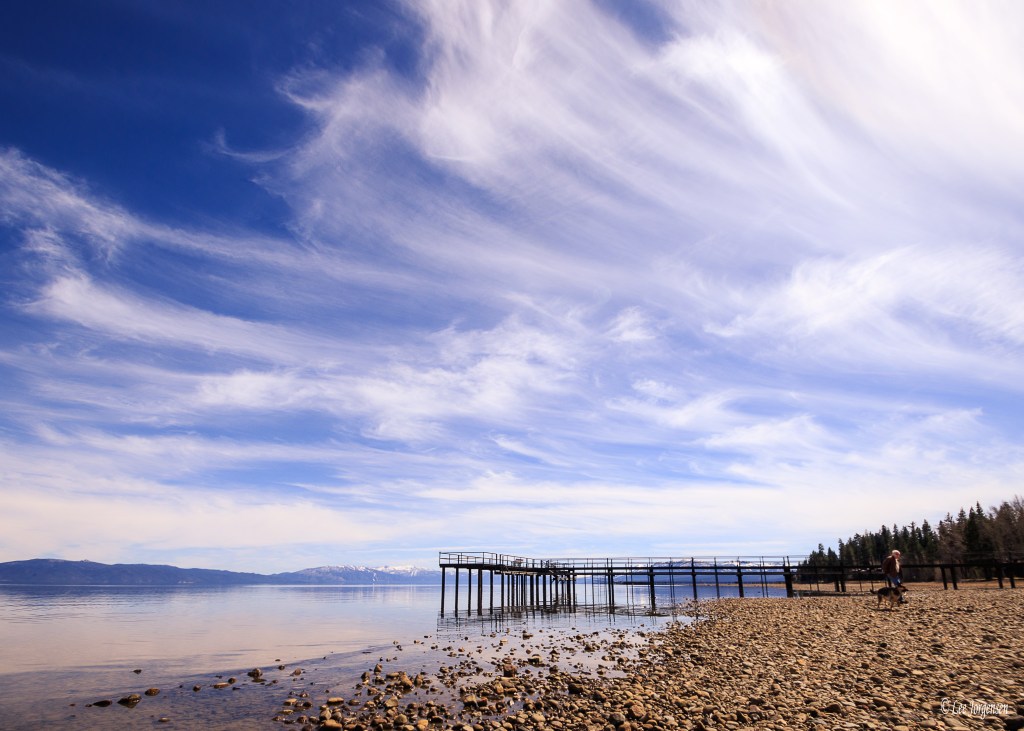
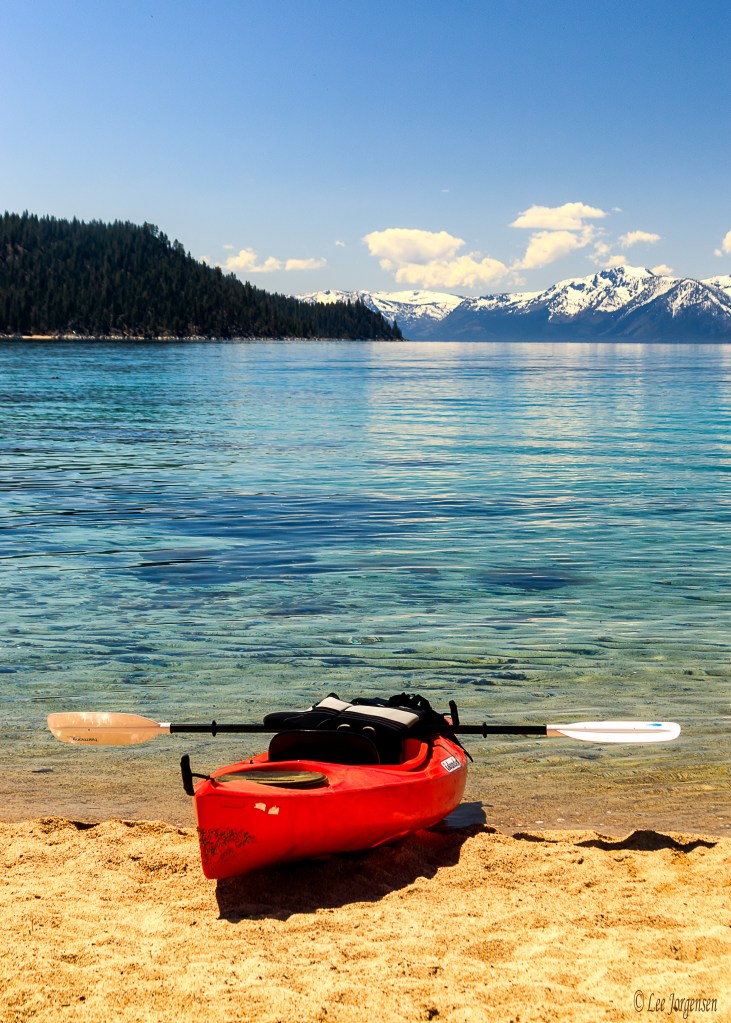
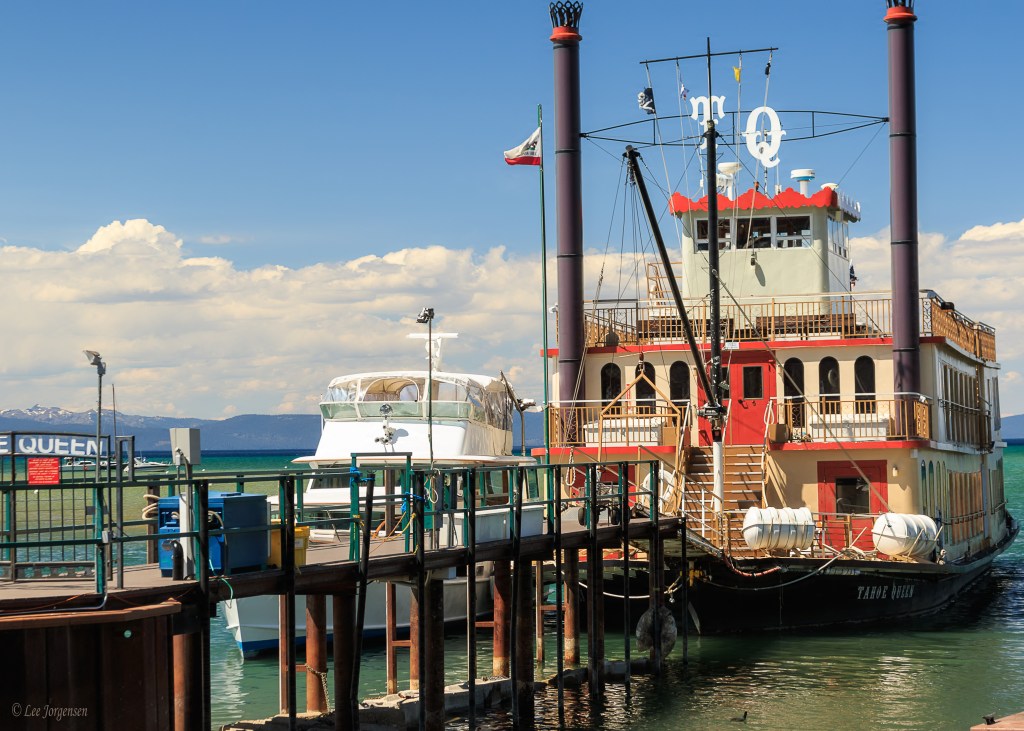
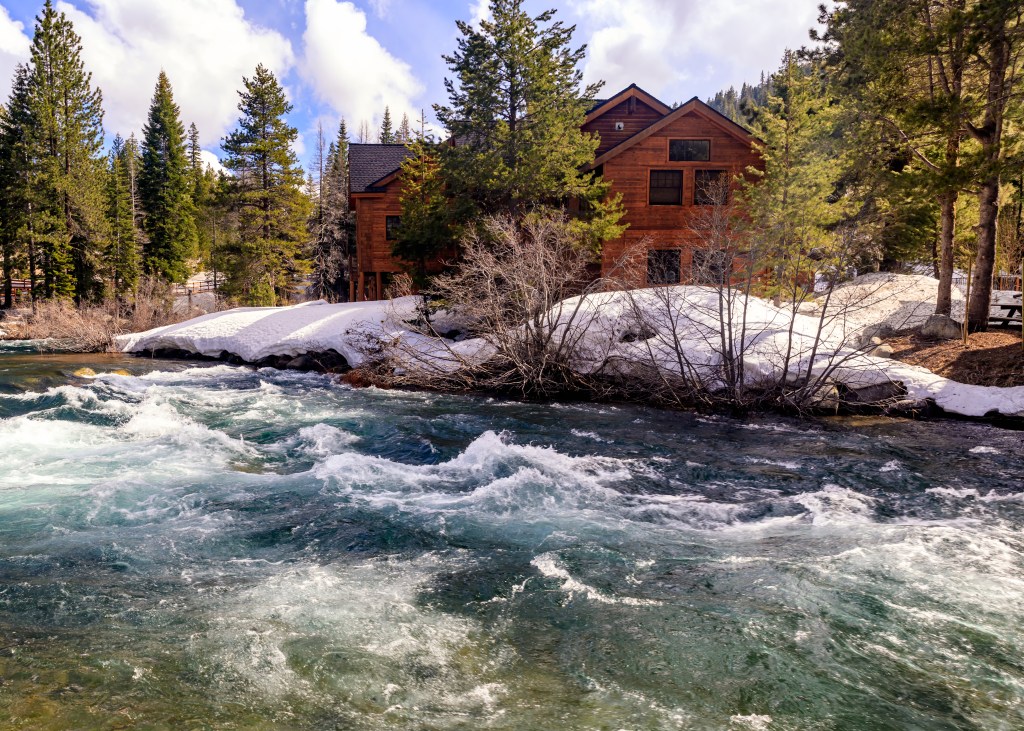
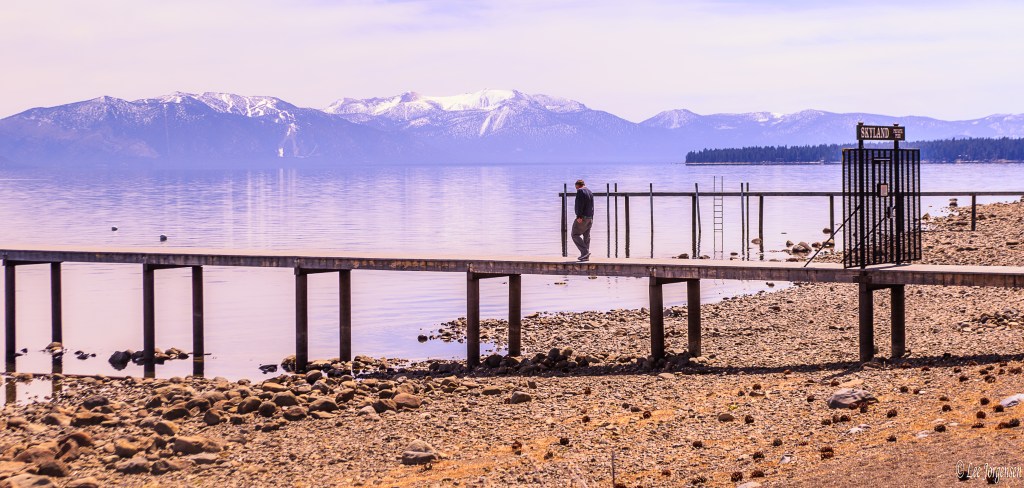
Lake Tahoe is Americas’s second deepest lake and my safe haven for the past 28 years. I have loved Tragic Season (Fall before Winter arrives and Spring before the summer season hits), full-blown winters, 4th of July on the Lake and every moment in between. Nestled in the heart of the Sierra Nevada on the California side, Squaw Valley and Tahoe City became my homes away from home and nothing felt more familiar or safe to me for all those years. As I find myself on the other side of the globe in these early spring days, I feel the pull of the mountains and my lake. I truly hope I will see it again and/or discover my new Tahoe which I believe will be Höga Kusten. Until then, here are a few pictures from the past ten years in Tahoe:

For those of you who are not familiar with the various projects around this Lake, there are currently plans to build a gigantic hotel in Homewood on the West Shore which would make the 5 mile drive to Tahoe City 2 hours during 4th of July weekend, as well as a gigantic outdoor waterslide in Squaw Valley. As far as I am concerned, this would be a disaster for residents, tourists, critters and nature and I can only repeat over and over “KEEP TAHOE TRUE”!

Marmorkirken & Amalienborg

The Marble Church and the Royal Palace

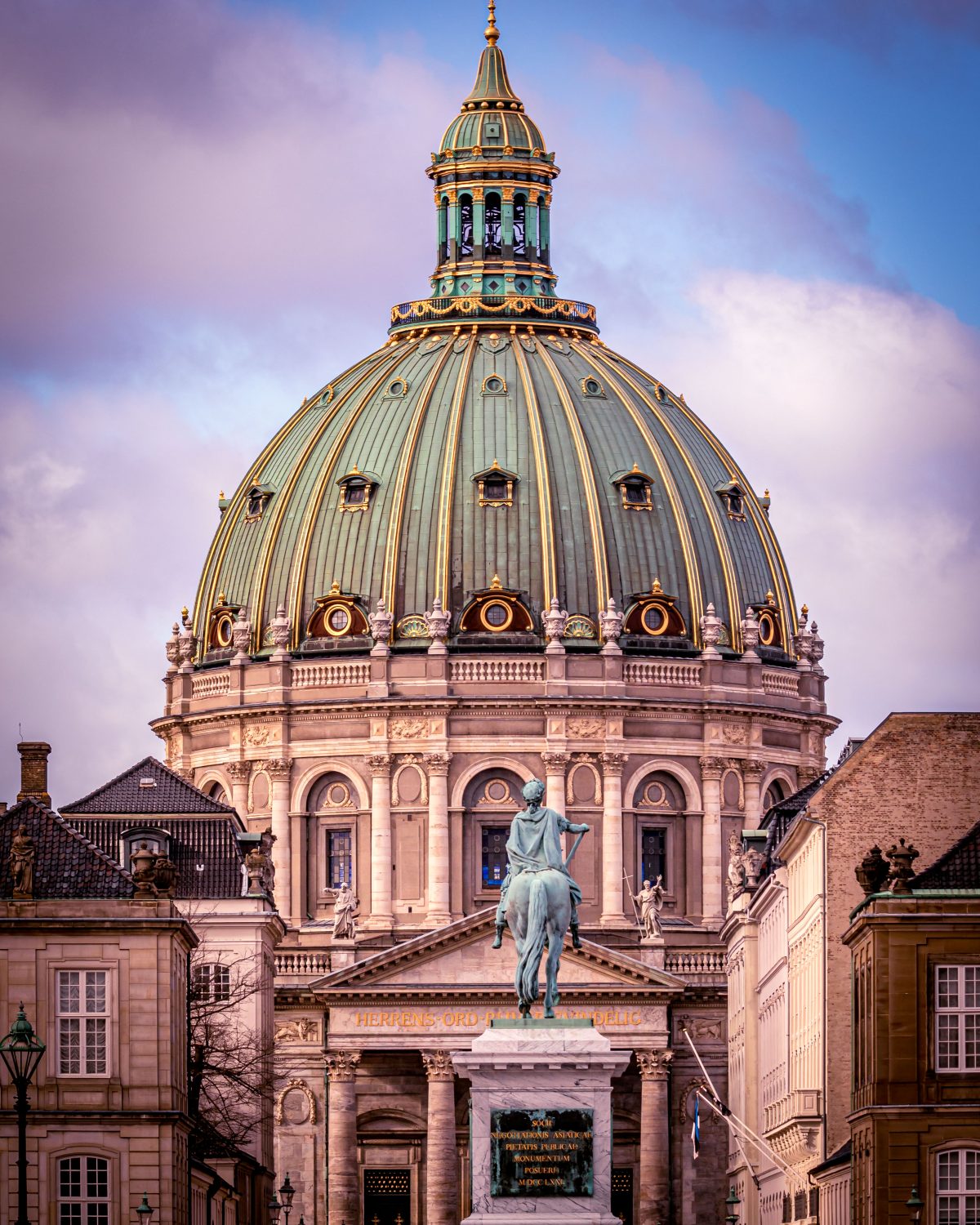
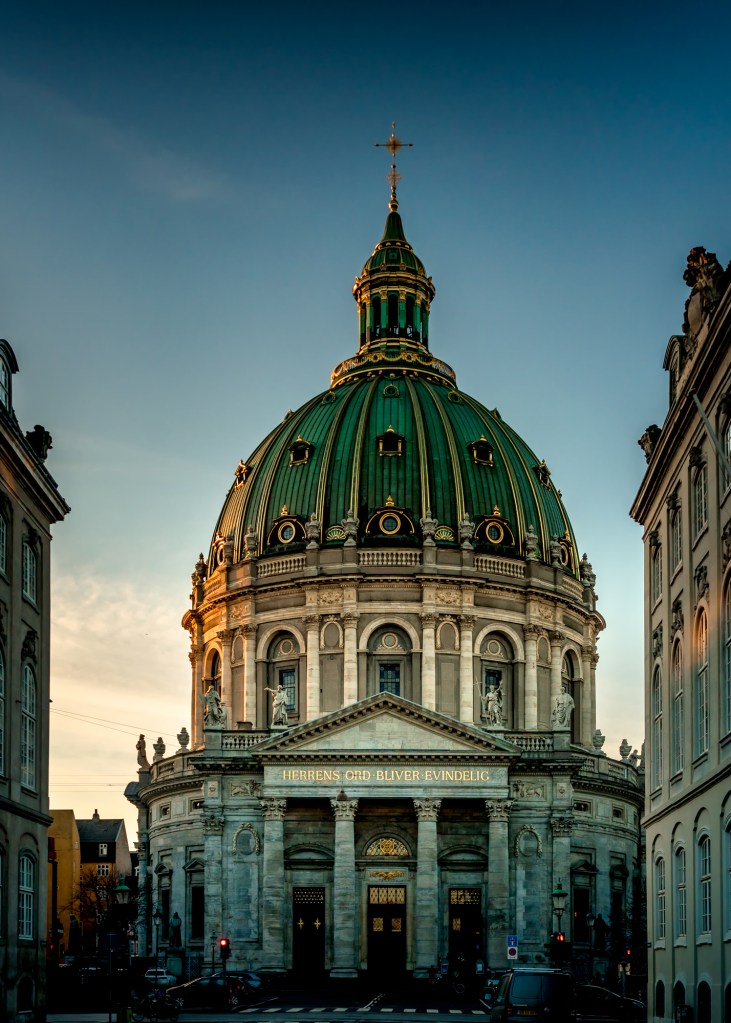
I admit it – I am totally in love with this Church! It is generally referred to as the Marble Church, but its real name is Frederiks Kirke or the Church of Frederik.

The church was designed by the architect Nicolai Eigtved in 1740 has the largest church dome in Scandinavia with a span of 31m. The dome rests on 12 columns.The inspiration was probably St. Peter’s Basilica in Rome.

The foundation stone was set by king Frederick V on October 31, 1749, but the construction was slowed by budget cuts and the death of Eigtved in 1754. In 1770, the original plans for the church were abandoned by Johann Friedrich Struensee (Interesting tidbit for those who enjoyed Mads Mikkelsen in “A Royal Affair”). The church was left incomplete and, in spite of several initiatives to complete it, stood as a ruin for nearly 150 years.

In 1874, Andreas Frederik Krieger, Denmark’s Finance Minister at the time, sold the ruins of the uncompleted church and the church square to Carl Frederik Tietgen for 100,000 Rigsdaler — none of which was to be paid in cash — on the condition that Tietgen would build a church in a style similar to the original plans and donate it to the state when complete, while in turn he acquired the rights to subdivide neighboring plots for development.

The deal was at the time highly controversial. On 25 January 1877, a case was brought by the Folketing at the Court of Impeachment, Krieger being charged with corruption over this deal. He was, however, eventually acquitted.

Tietgen got Ferdinand Meldahl to design the church in its final form and financed its construction. Due to financial restrictions, the original plans for the church to be built almost entirely from marble were discarded, and instead Meldahl opted for construction to be done with limestone. The church was finally opened to the public on August 19, 1894.

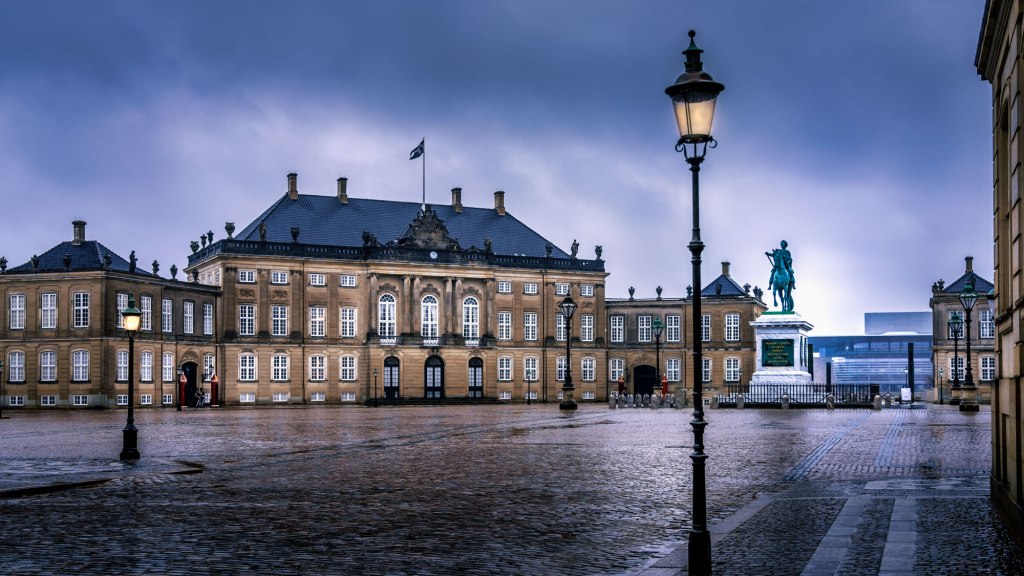
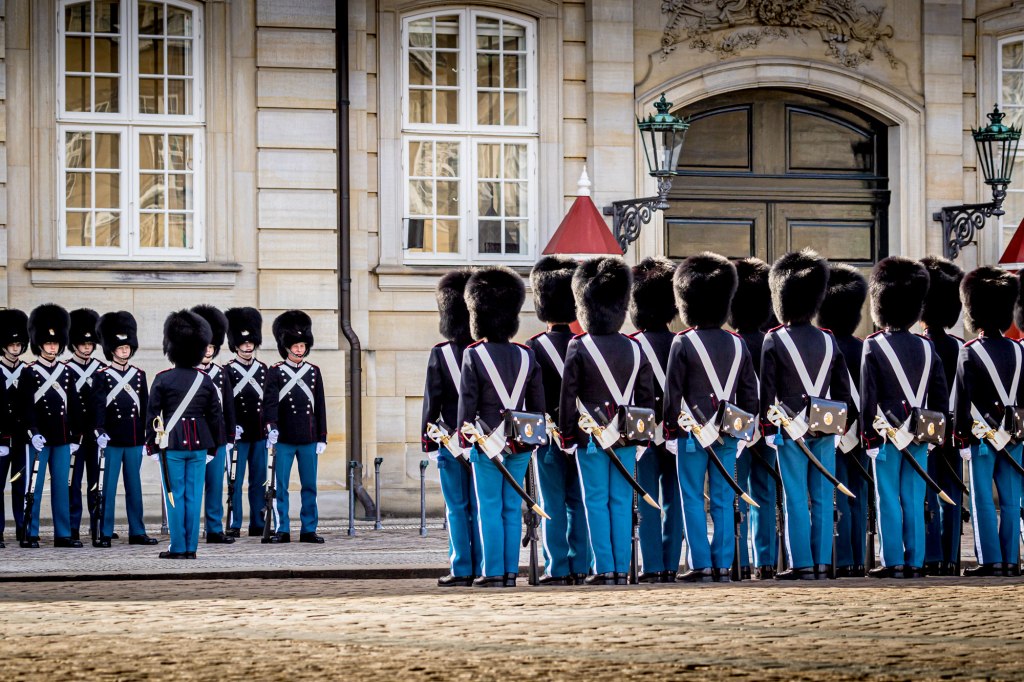
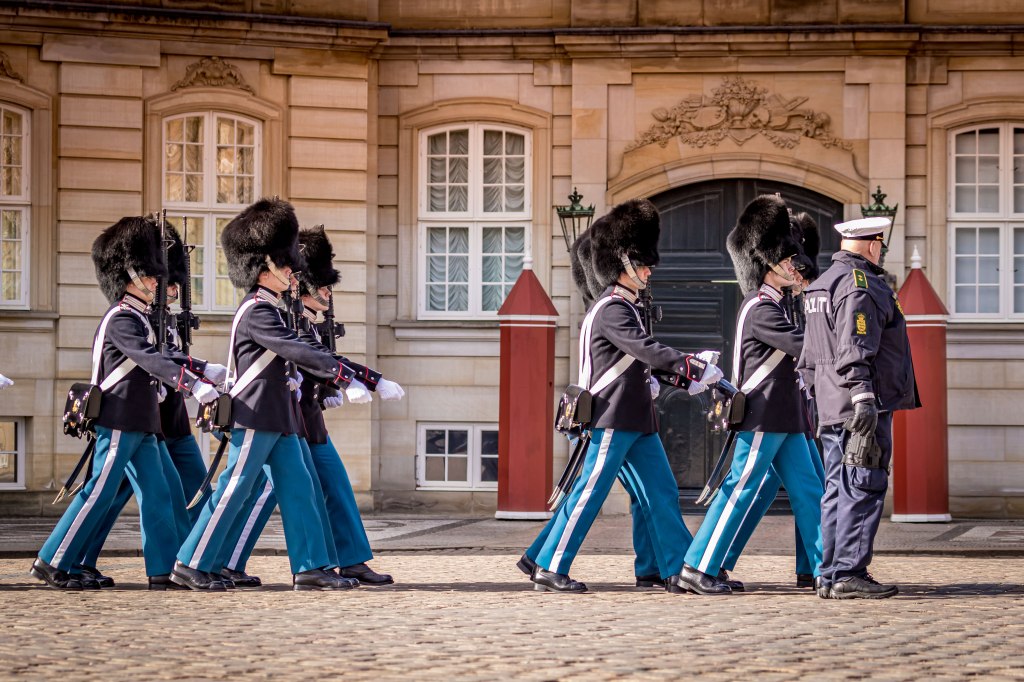
Right next to the Church is Amalienborg, home to the Royal Family and the Royal Guards who march through town every day at noon.

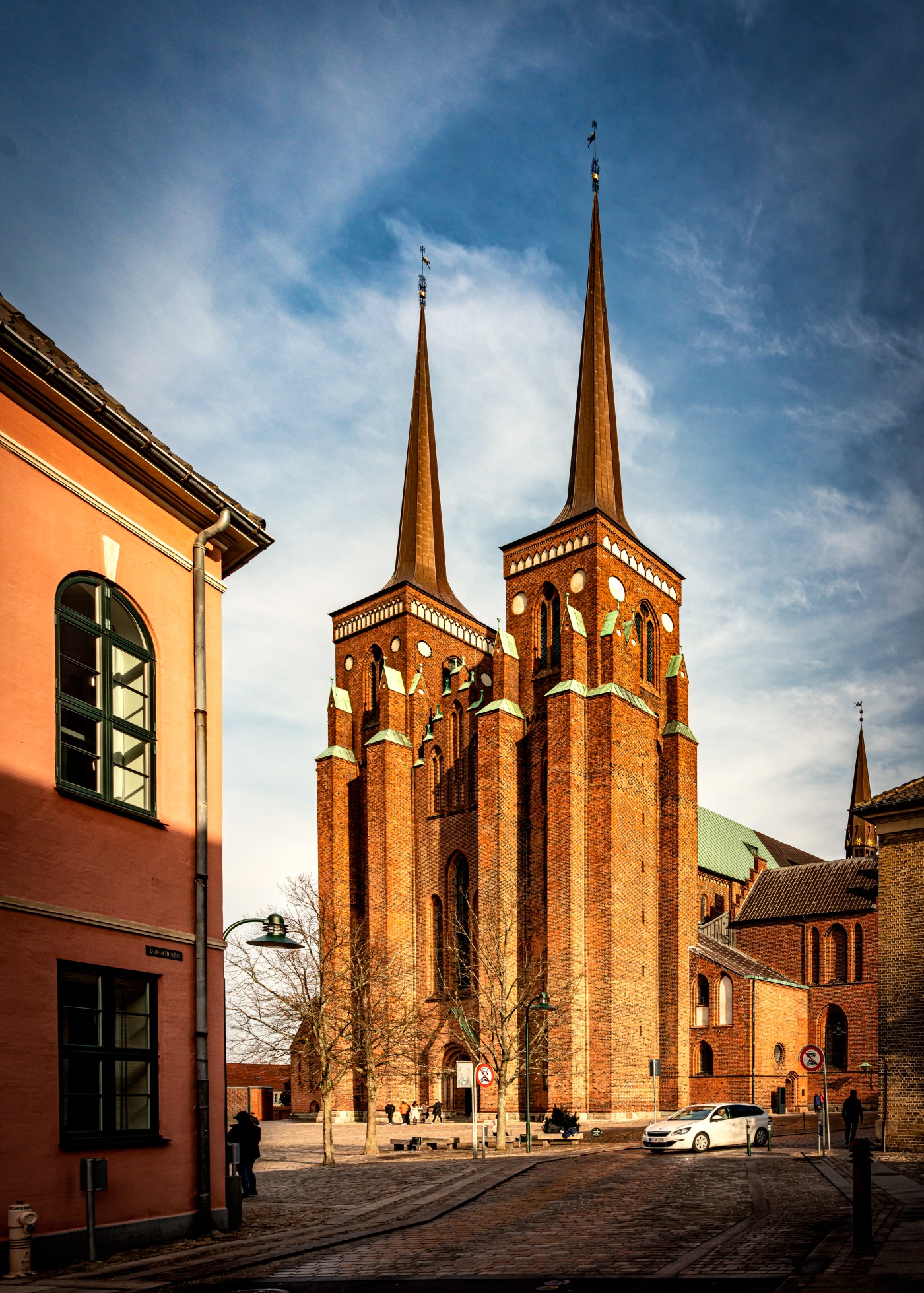
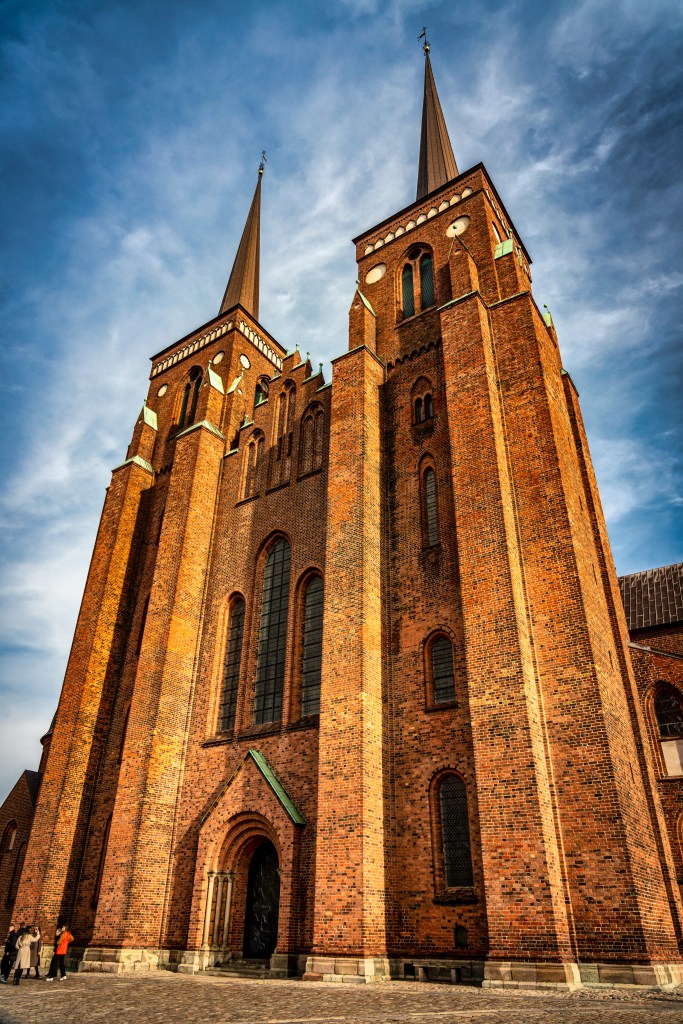
Roskilde – Home to Harald Blåtand

Denmark’s Former Capital and Unesco Site!

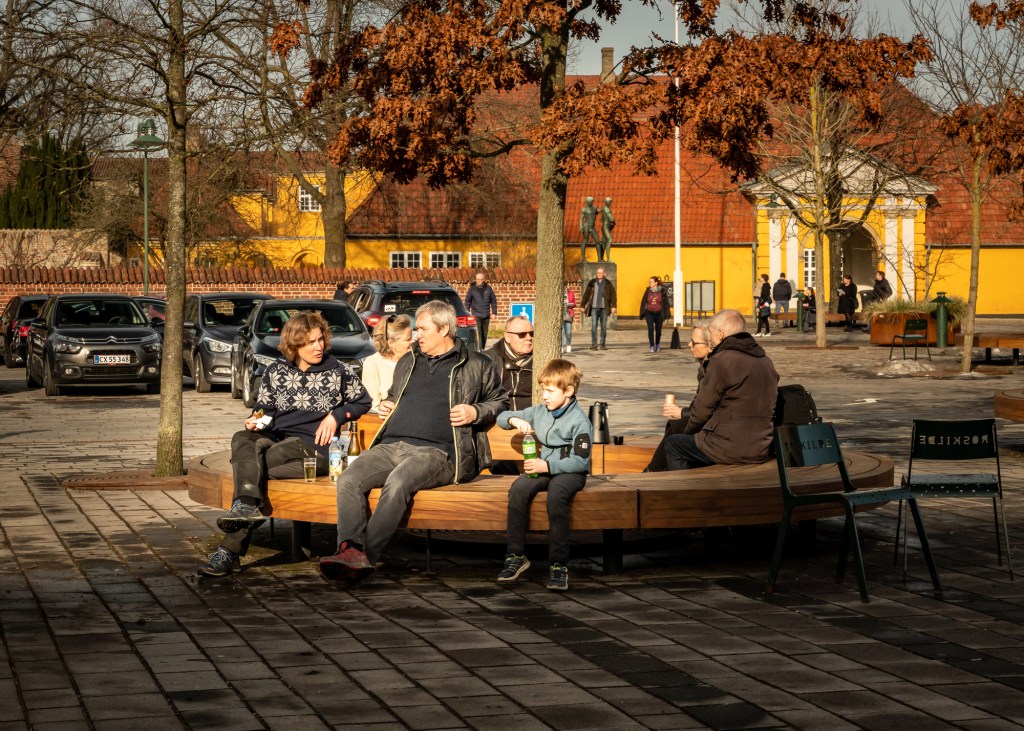
The drive from Copenhagen to Roskilde is not a whole lot to write home about. Flat freeways with ugly landscapes and the entry into town reminds me of any American city with car dealerships on every corner – I instinctively started looking for the inevitable Target (pardon, Tarjaaaaaiii), BUT then, once the streets all have royal names, you step into a time warp!

It has now been almost two months of total lockdown here in Copenhagen, added to the 10 months spent on lockdown in California, and seeing nature springing back to life while we cannot quite is almost unbearable! Danes now spend their Sundays picnicking in public squares and My Lady Mother and I spent 15 minutes gazing at every restaurant menu and dreaming of being in a noisy restaurant again! A new, wonderful life starts and we are like fish in a tank counting the moments until we can start participating again! Zen……

I do realize that most people do not know much about Viking history, but if there is one name we all recognize, it is that of its Roskilde’s Founding Father; Harald Blåtand, or the more familiar Bluetooth!

According to Wikipedia:

“Roskilde, which developed as the hub of the Viking land and sea trade routes over a thousand years ago, is one of Denmark’s oldest cities. From the 11th century until 1443, it was the capital of Denmark.[4] By the Middle Ages, with the support of kings and bishops, it had become one of the most important centres in Scandinavia.[5] The Saxo Grammaticus and other early sources associate the name Roskilde (meaning “Ro’s spring”) with the legendary King Roar who possibly lived there in the 6th century.[6]

According to Adam of Bremen and the Saxo Grammaticus, Roskilde was founded in the 980s by Harald Bluetooth. On high ground above the harbour, he built a wooden church consecrated to the Holy Trinity as well as a royal residence nearby.[7] Although no traces of these buildings have been discovered, in 1997 archaeologists found the remains of Viking ships in the Isefjord, the oldest of which is dated to 1030. At the time, there were also two churches in the area: St Jørgensbjerg, an early stone church, and a wooden church discovered under today’s St Ib’s Church.[8][9] Harald was buried in the wooden church he had built on the site of today’s Roskilde Cathedral.[5]
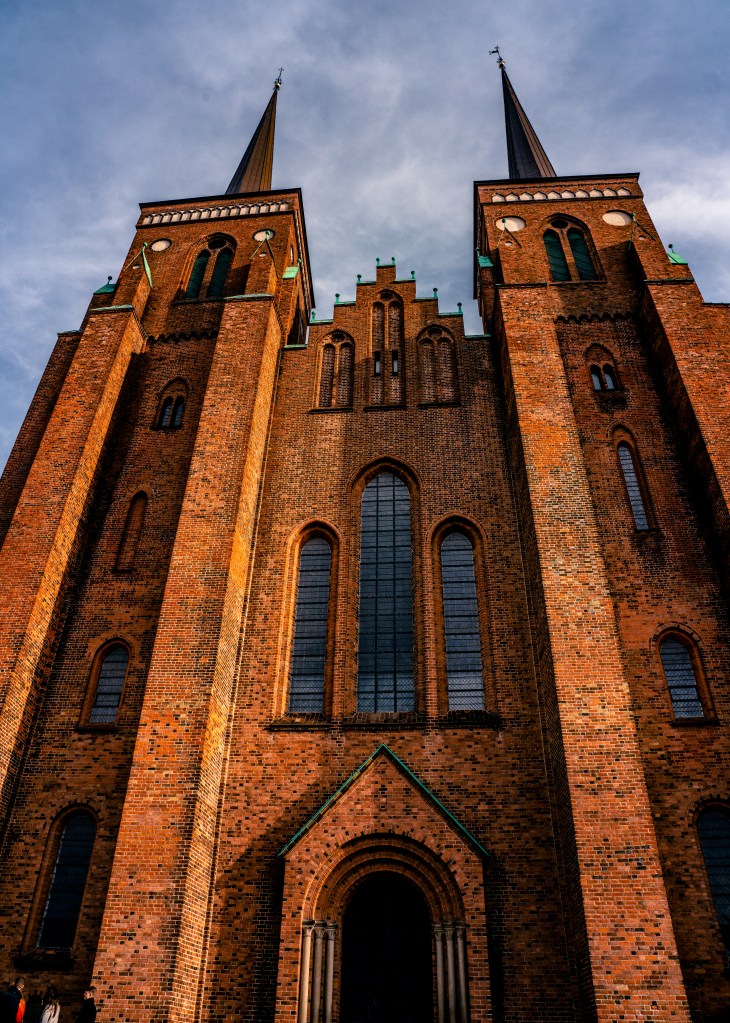
In 1020, King Canute elevated Roskilde to a bishopric, giving it high national status.[7] Absalon, the Danish bishop, had a brick church built on the site of Harald’s church in 1170. Today’s cathedral was completed in 1275 after five of Absalon’s successors had contributed to its construction. As a result of Absalon’s influence, many other churches were built in the vicinity, making Roskilde the most important town in Zealand. Coins were minted there from the 11th to the 14th century.[7] In 1150, Sweyn Grathe built a moat around the city.[8] In 1151/2, a religious confraternity was founded for the defence of the town against Wendish pirates. Under the command of Wetheman, it also took part in the Wendish Crusade.[10] The Roskilde bishops owned large areas of land in the region including, from 1186, Havn on the Øresund which later became Copenhagen. By the time of the Danish Reformation in 1536, there were 12 churches and five monasteries in the city.[7]“”

The Lakes

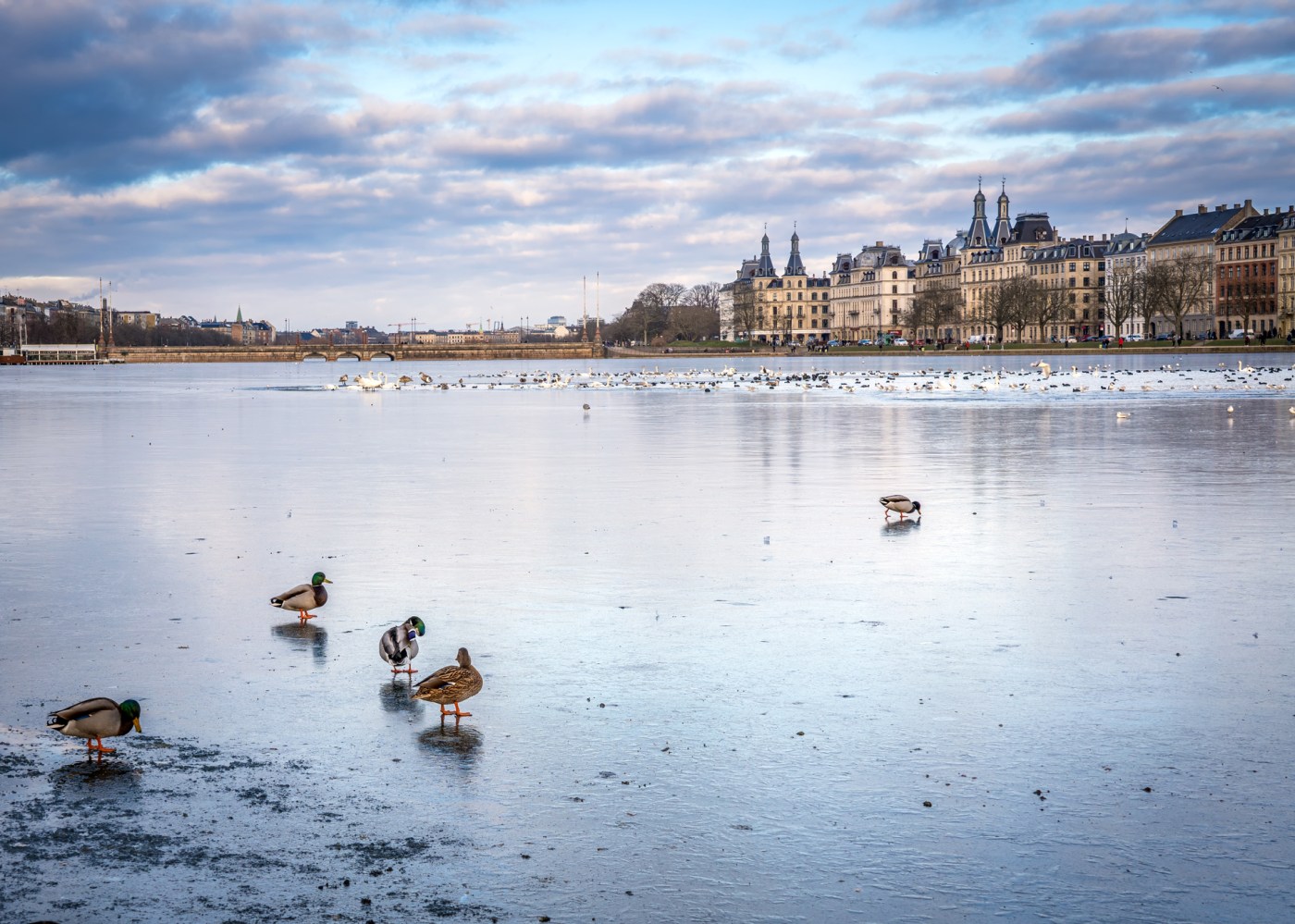
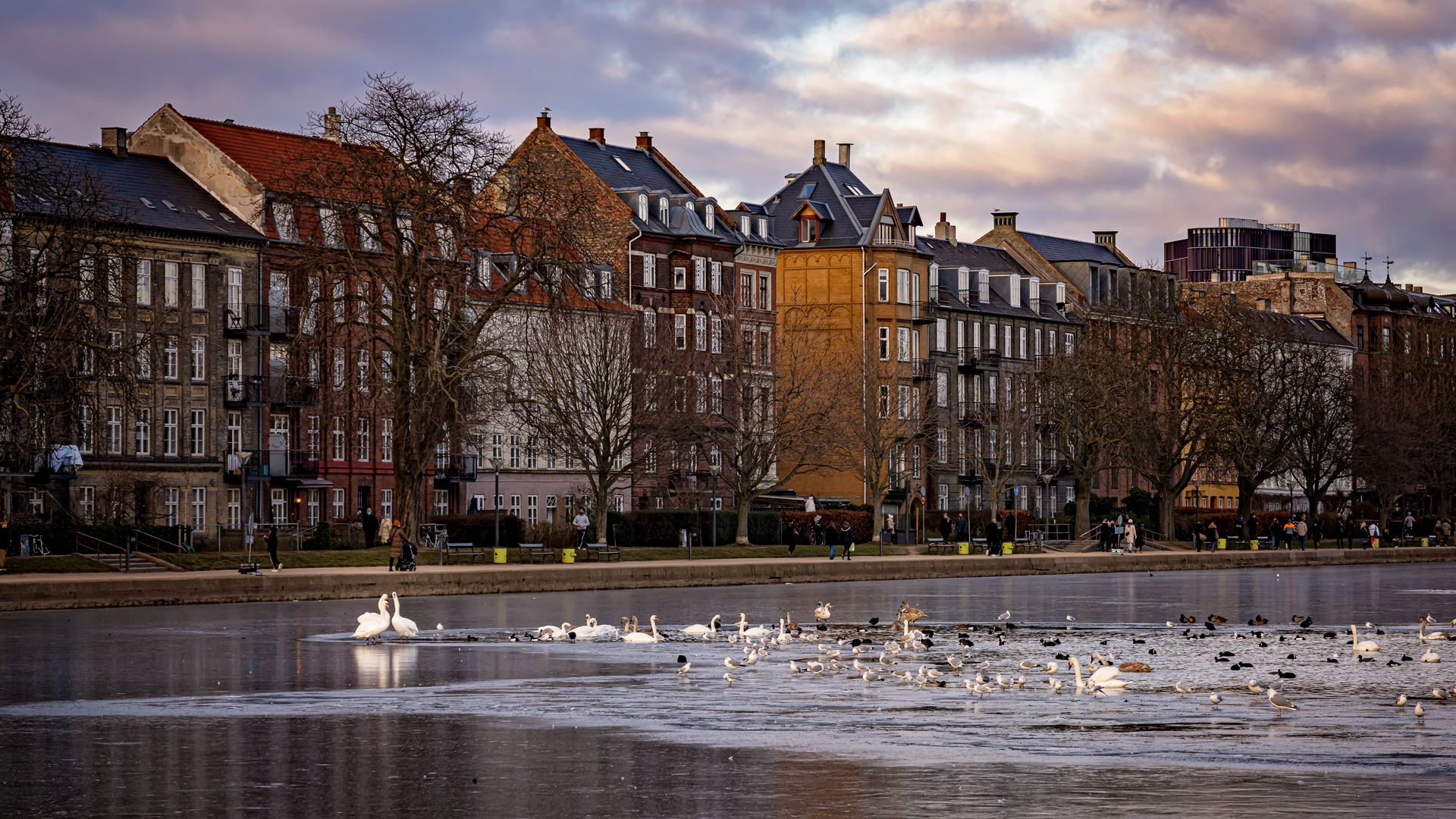
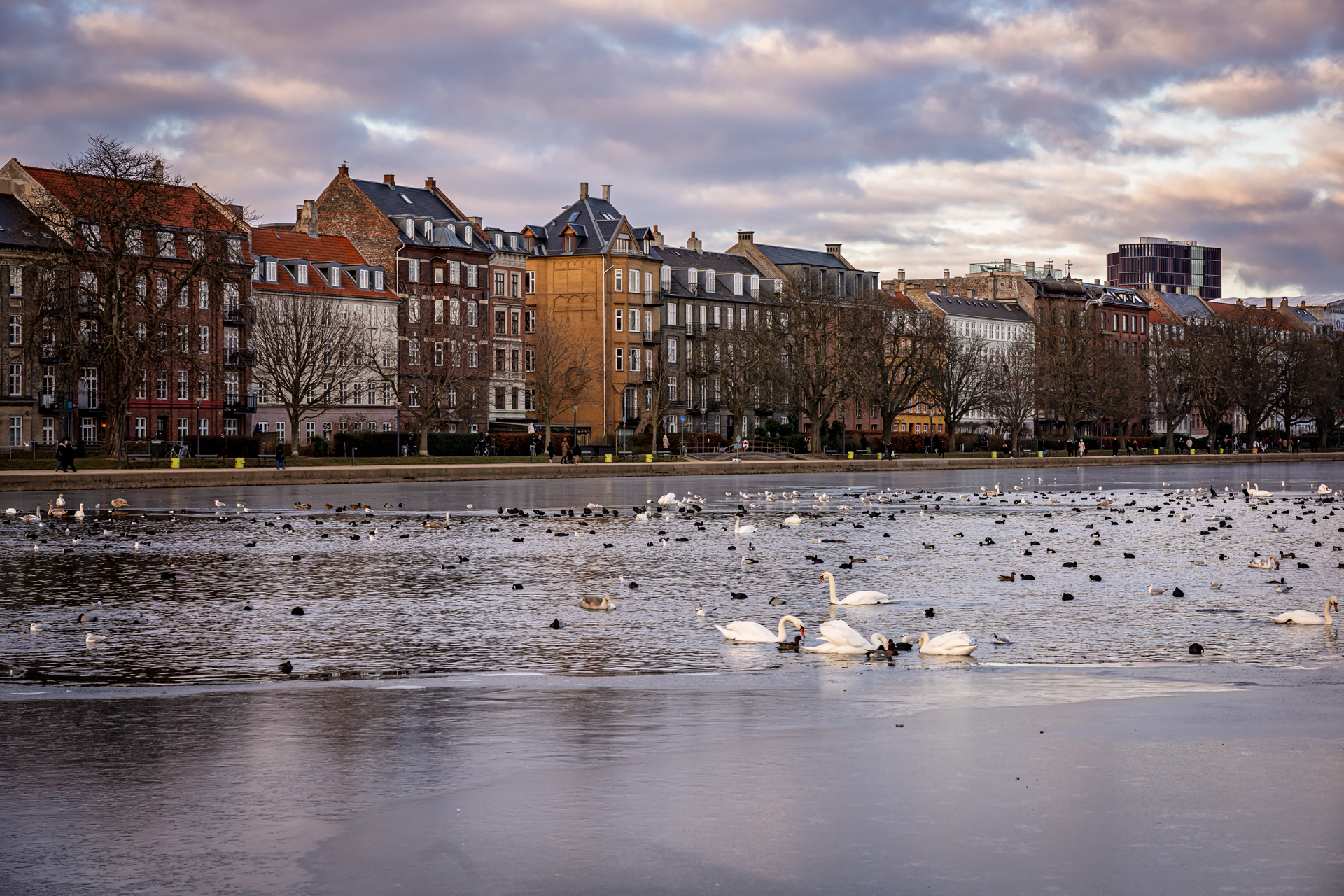
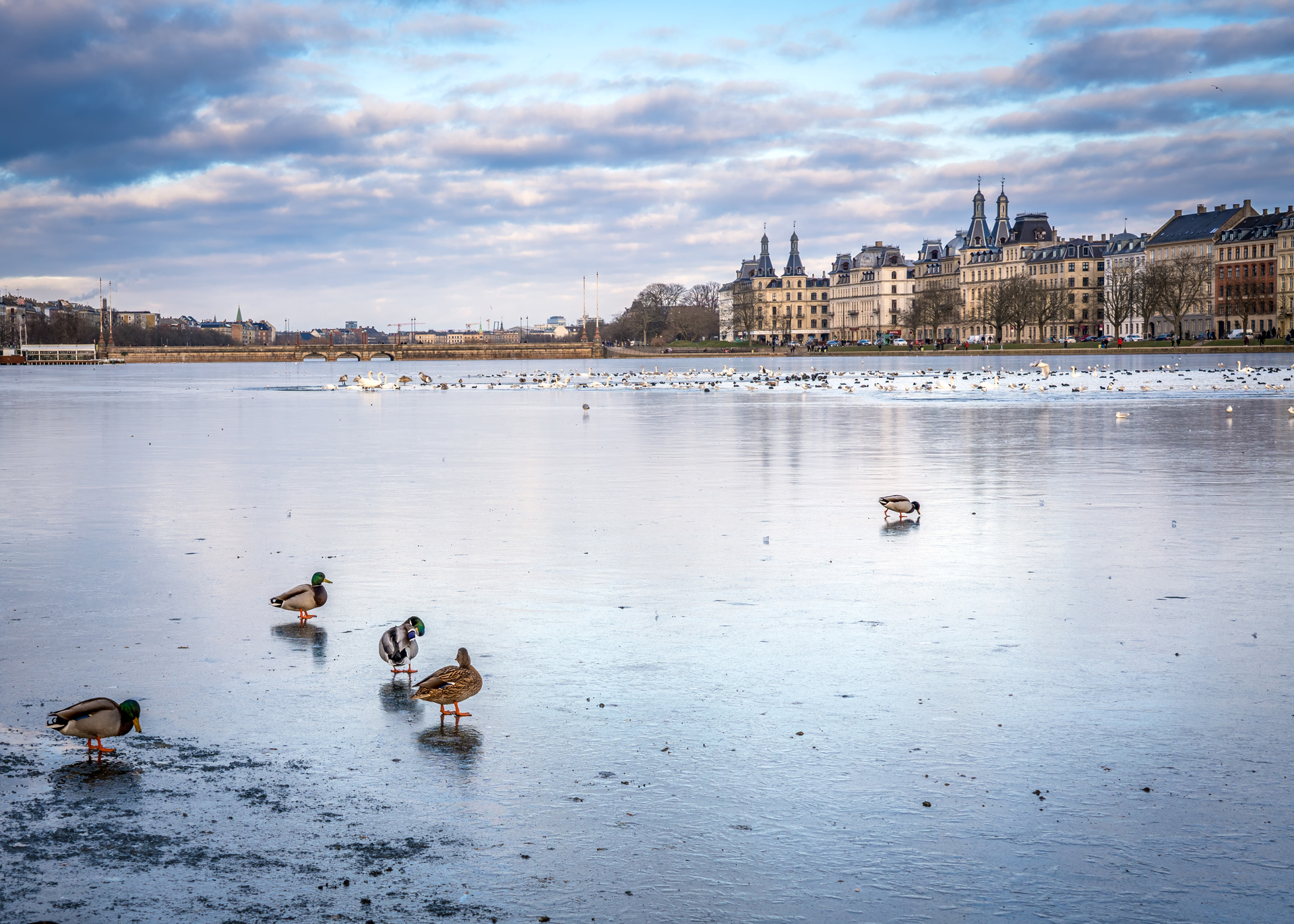
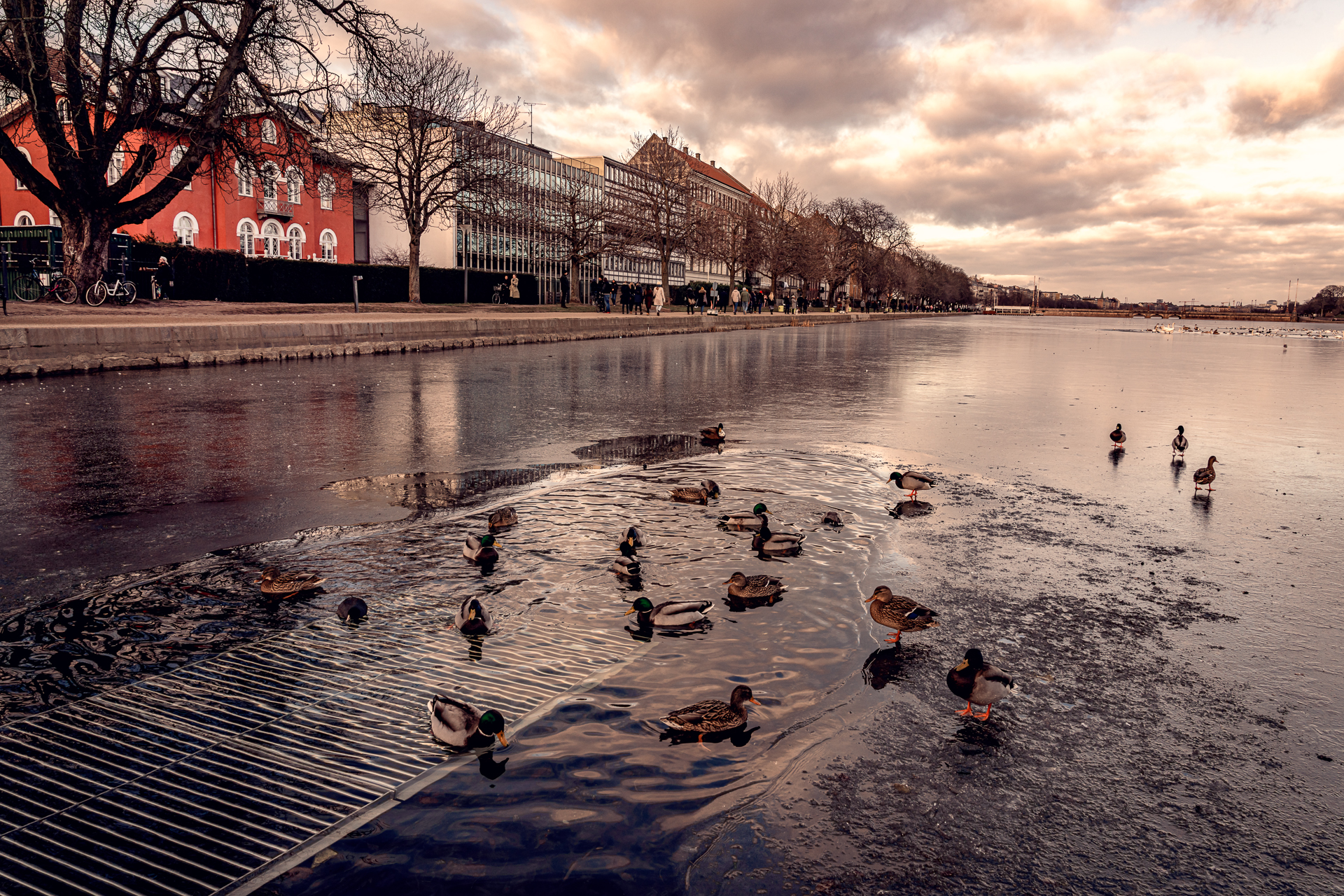
The Lakes (Danish: Søerne) in Copenhagen, Denmark are a row of three rectangular lakes curving around the western margin of the City Centre, forming one of the oldest and most distinctive features of the city’s topography. The paths around them are popular with strollers, bikers and runners.

In the early Middle Ages, a need of water for watermills was determined. As a result of this a dam was built and the Peblinge Sø was created.

As a result of a siege of Copenhagen in 1523, it was decided to expand the entrenchments in order to improve the fortifications of the city. The levee at Peblinge Sø was expanded and another was created, which resulted in the creation of Sortedams Sø. In the beginning of the 16th century, Sankt Jørgens Sø was created, by further damming. This made it possible to flood the banks and lakes in case of an attack.

There are plans to create a park around Sankt Jørgens Sø, with the dual use of acting as a detention basin for cloudburst flood waters. Likely as a consequence of Global Warming, cloudbusts have become much more common in Denmark, making the sewerage pipes designed for the old weather patterns insufficient; using Sankt Jørgens Sø as a detention basin is just one of many such projects in Copenhagen.[1] [2] The municipality of Copenhagen together with Nordic Innovation, an organisation under Nordic Council of Ministers, is launching an extensive climate adaptation and urban space initiative with objectives such as redirecting rainwater from cloudbursts, purifying the water running into the Peblinge City Lake, and creating new, attractive and more liveable urban spaces.

Source: Wikipedia

Since we are all on lockdown, but are allowed walks, Danes flock to parks and beaches in spite of the biting cold, but the views are all worth it!

A Winter Stroll through Dragør

The place where the happiest Danes live!

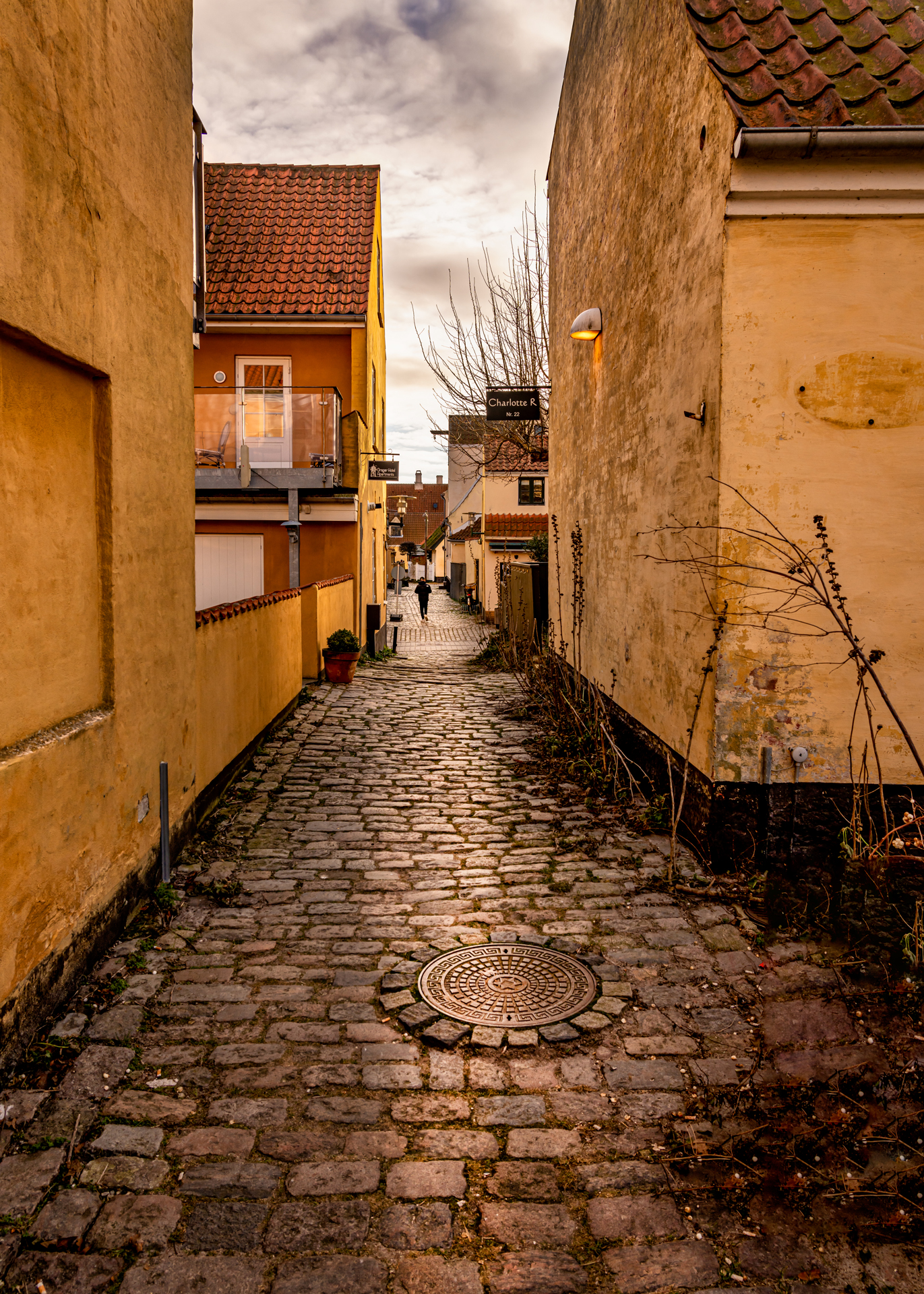
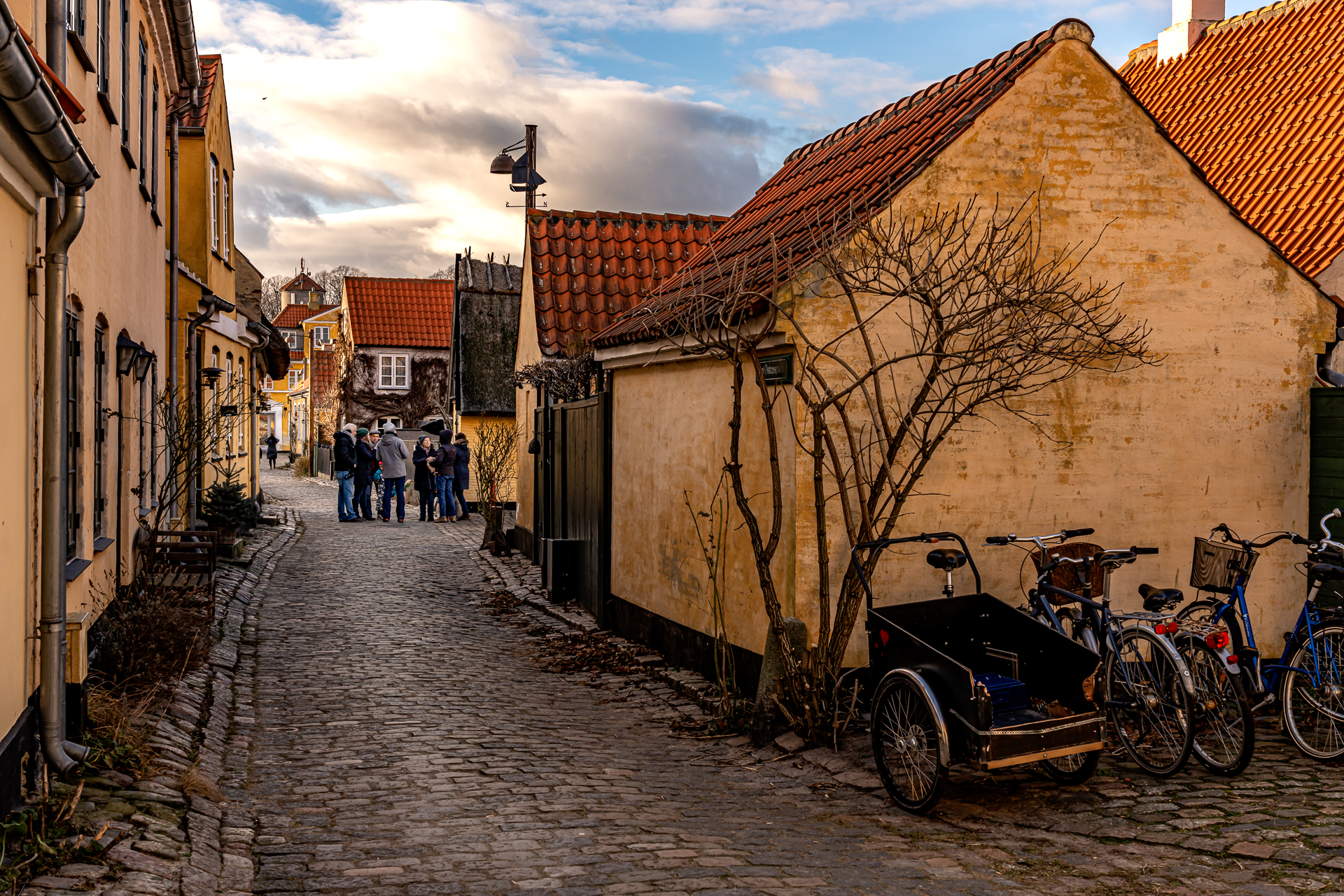
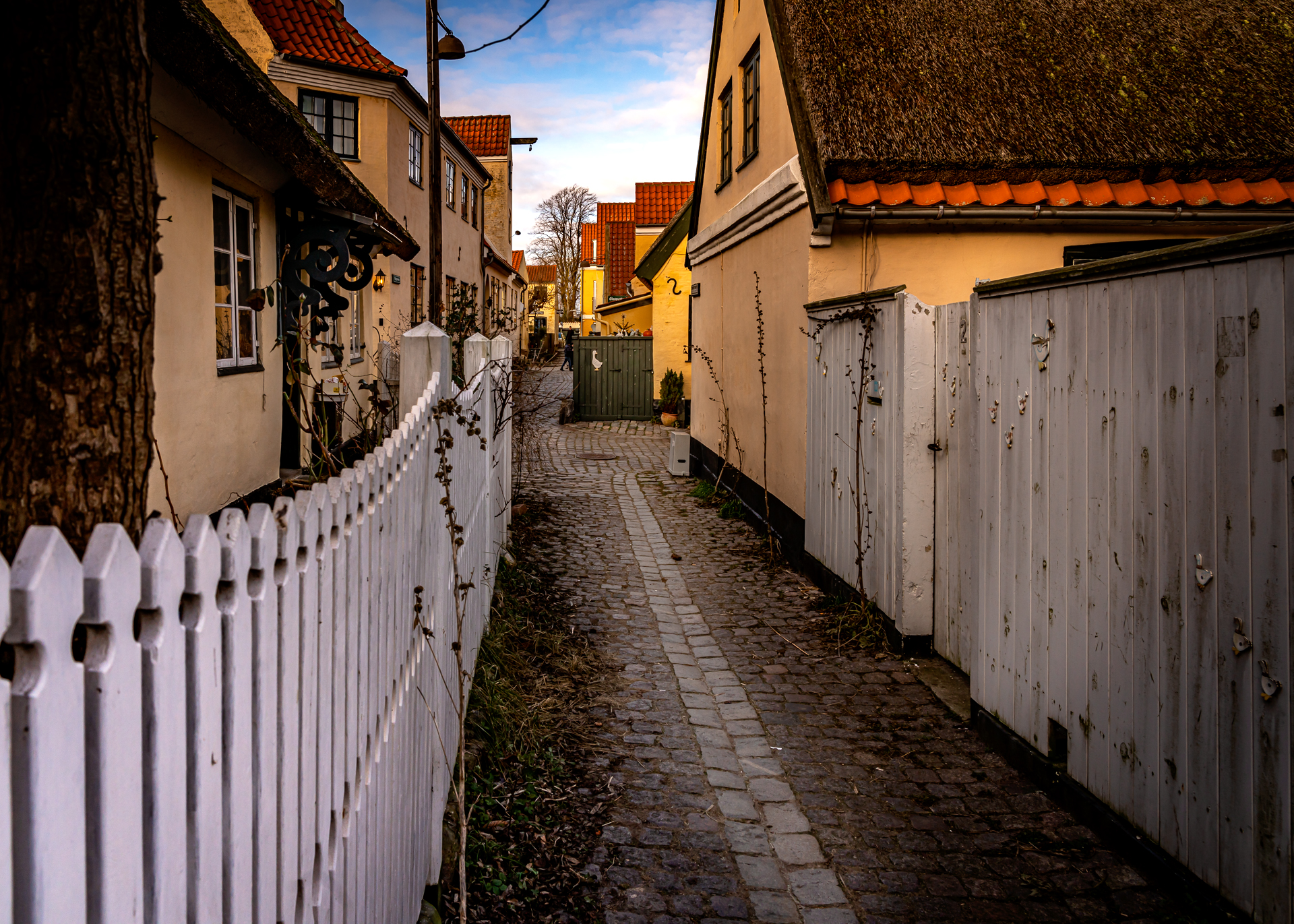
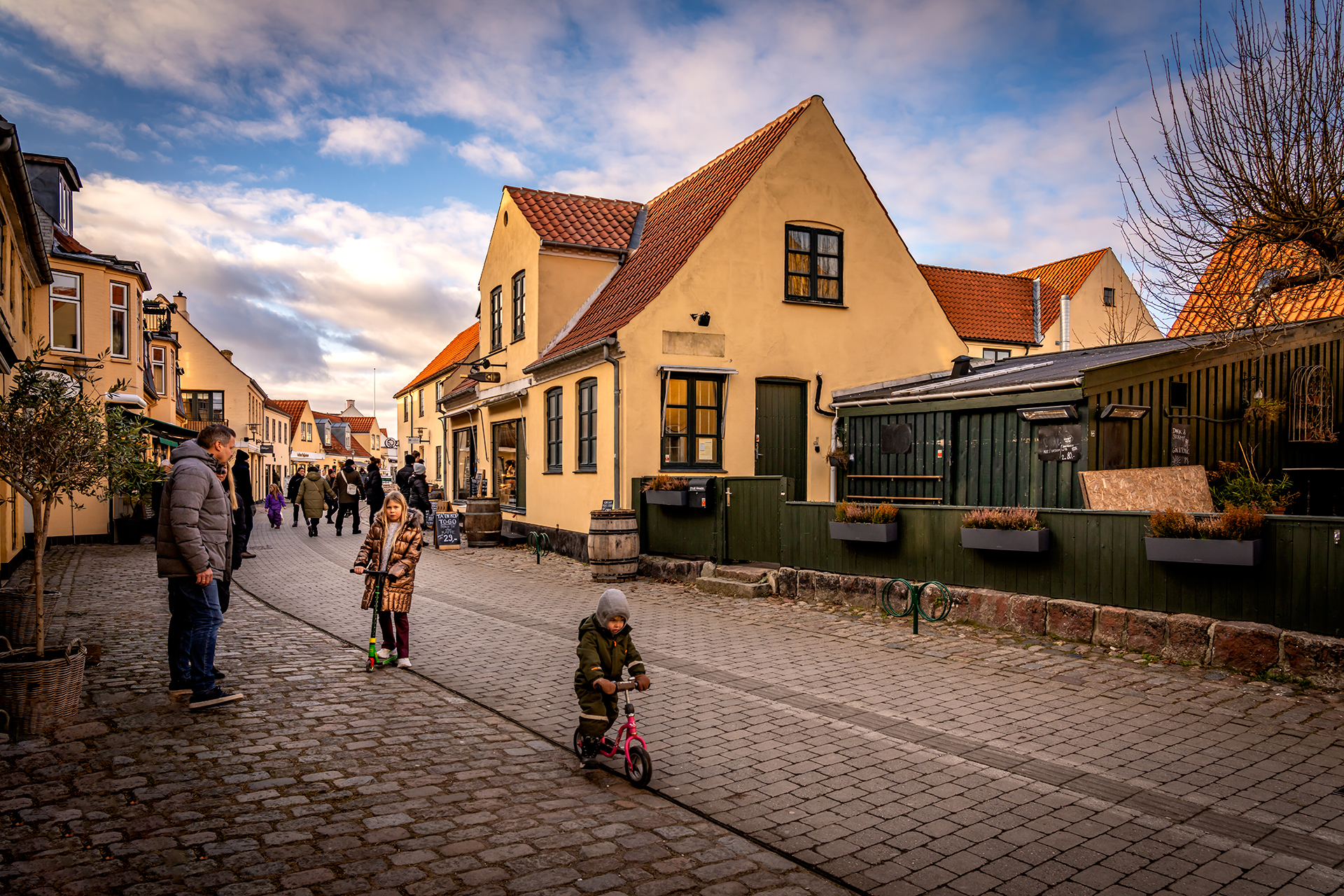
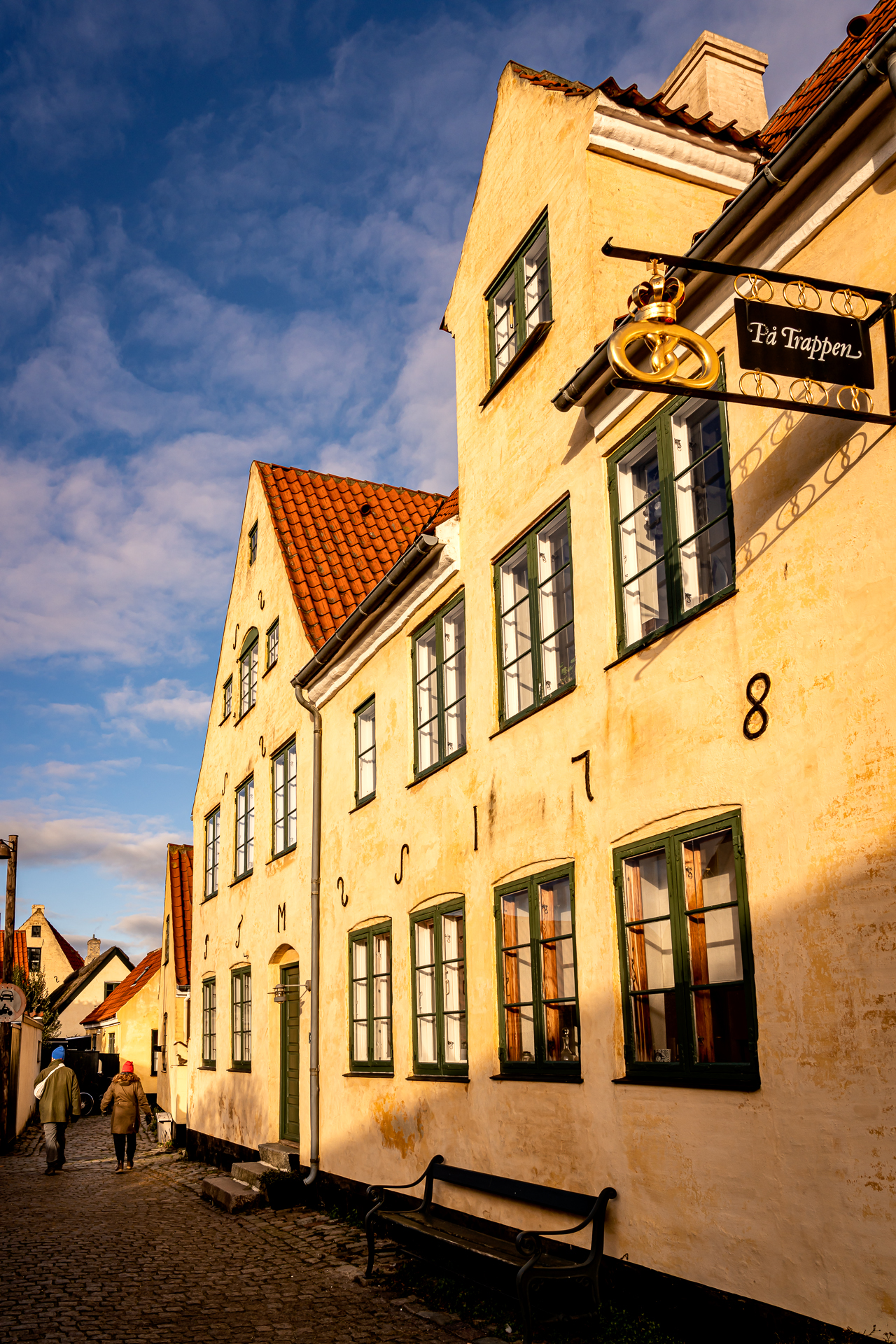
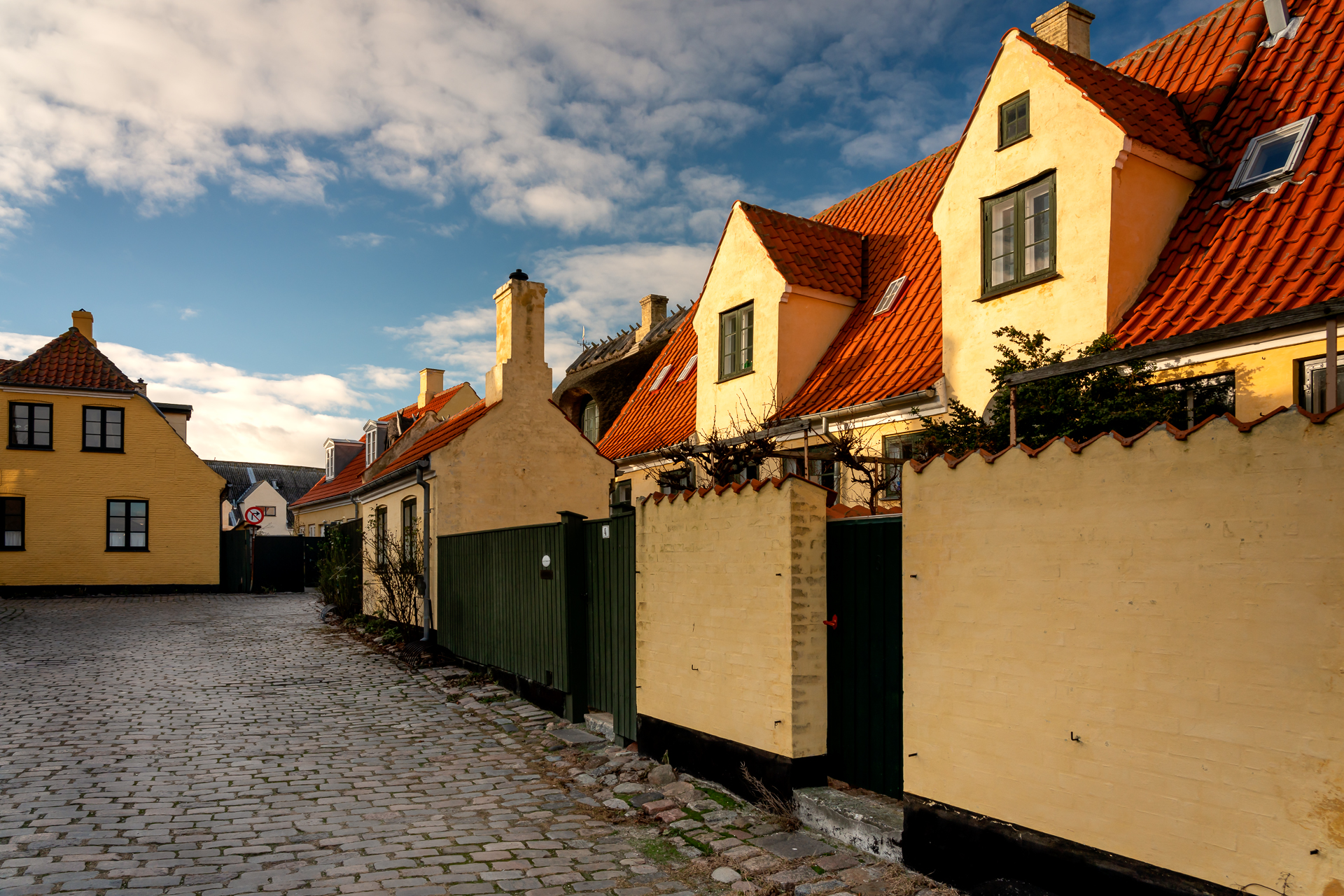
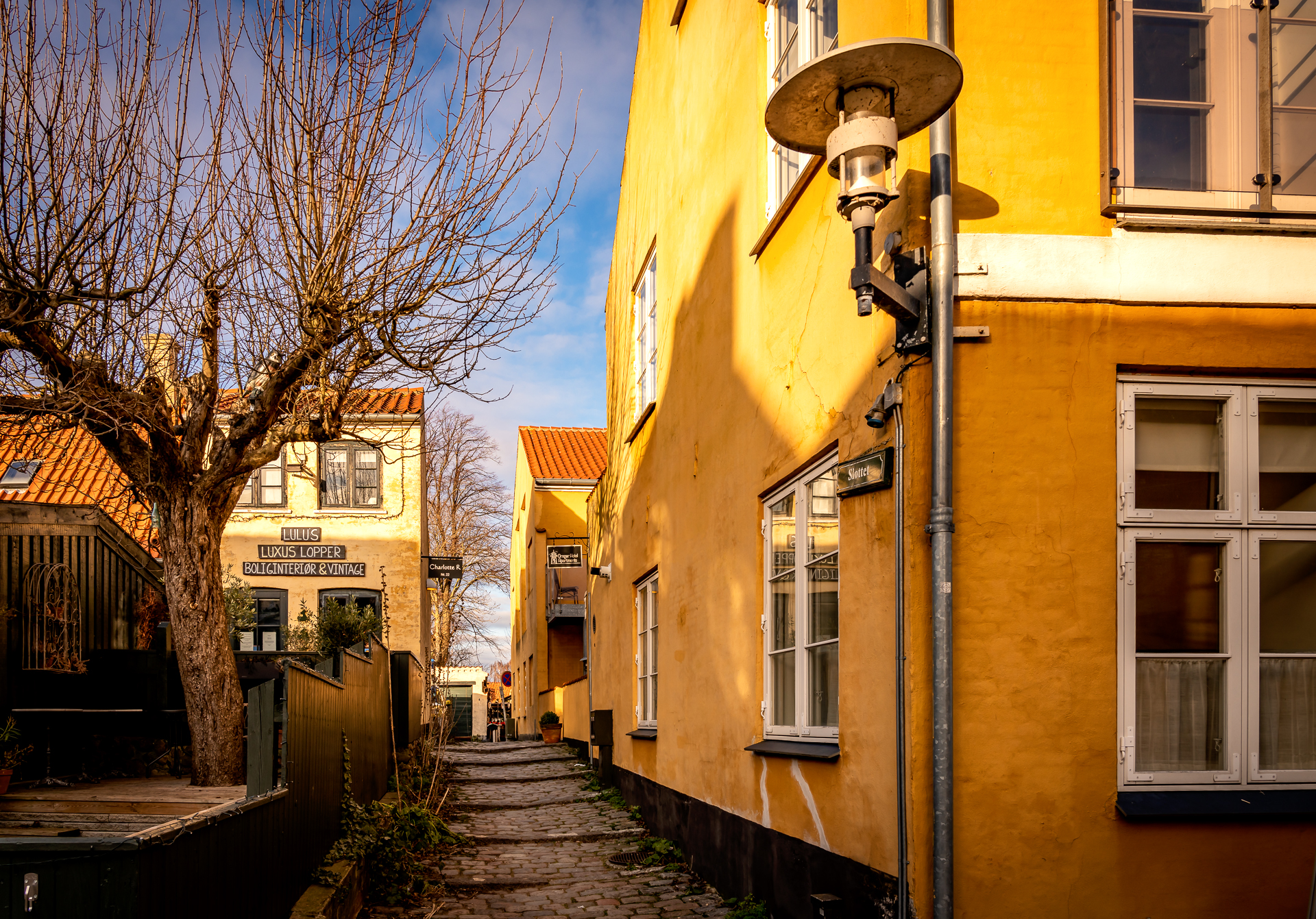
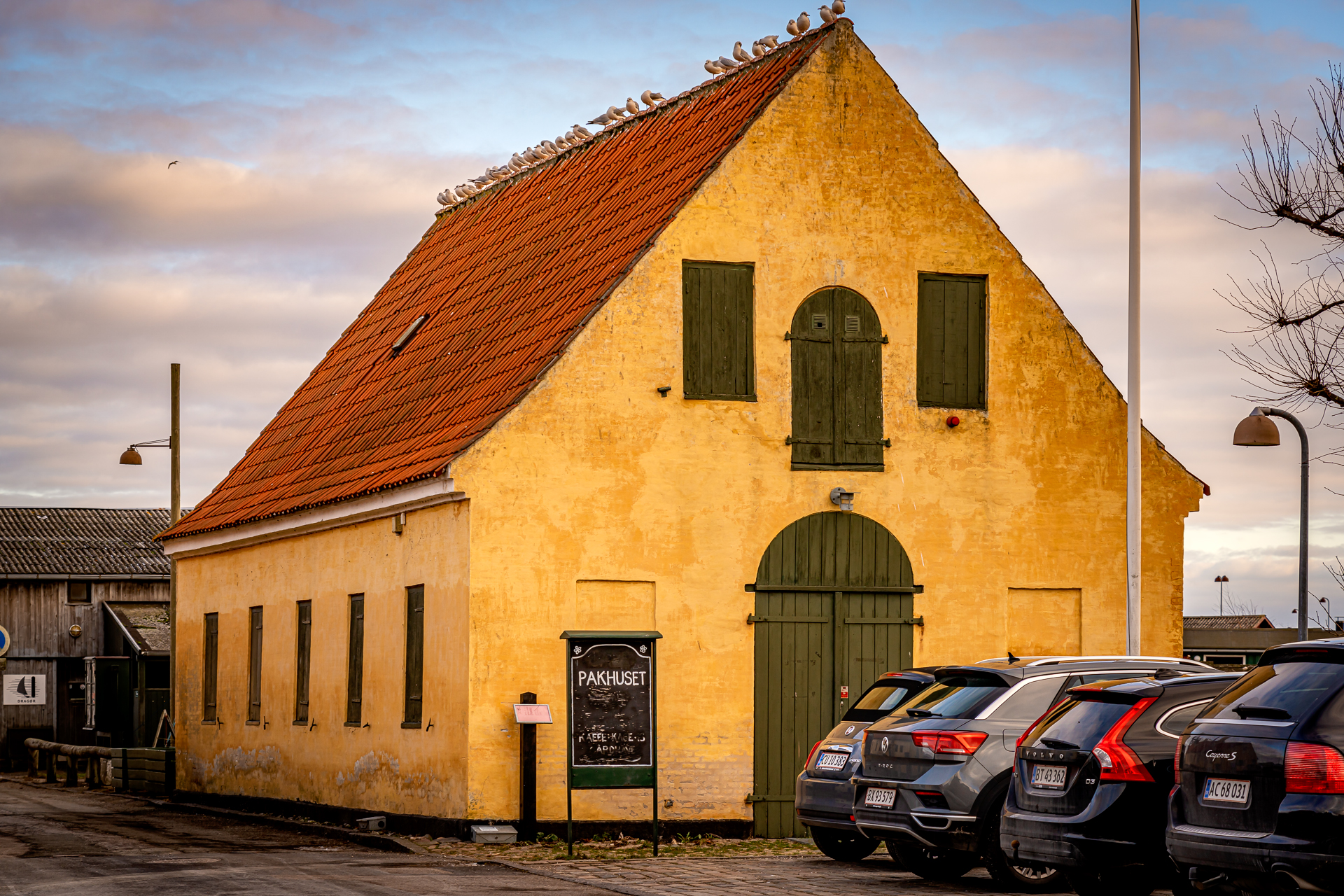
10 minutes from Kastrup, Copenhagen’s Airport, you find yourself transported to a different planet, seemingly dominated by yellow houses and adorable shops.

Dragør was founded in the 12th century and rapidly grew as a fishing port, further aided by the trade privileges granted by the Hanseatic League in 1370 and became one of the major fishing fleets in Denmark.

In the early 16th Century, King Christian II invited a group of farmers from the Netherlands to settle there. The Dutch were considered much advanced in agriculture and they were invited to produce food for the Royal Household. The first settlers were 24 families and their presence is still felt until this day. The Old Town still offers many well-preserved historical buildings and it is a compact maze of alleys with yellow-painted houses, red roofs and cobblestones.

Usually thriving with tourists, it was an eerie feeling walking around like Palle Alene i Verden (Childhood book about a boy who woke up and everybody was gone). Unfortunately, it was much too cold to stick around and wait for the sunset so here are some Tourist Photos, ugly light and all!

Covid Time in the Rain

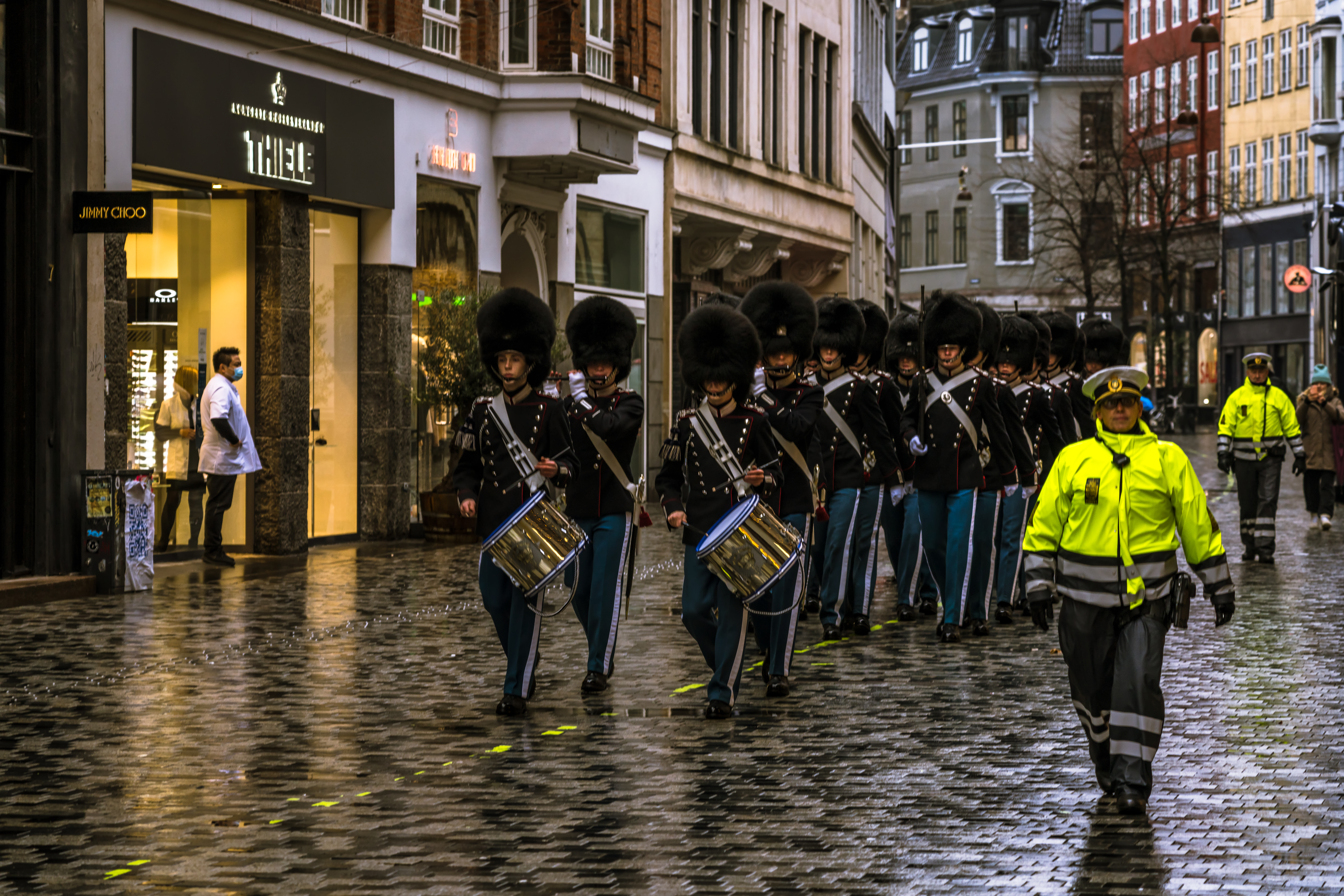
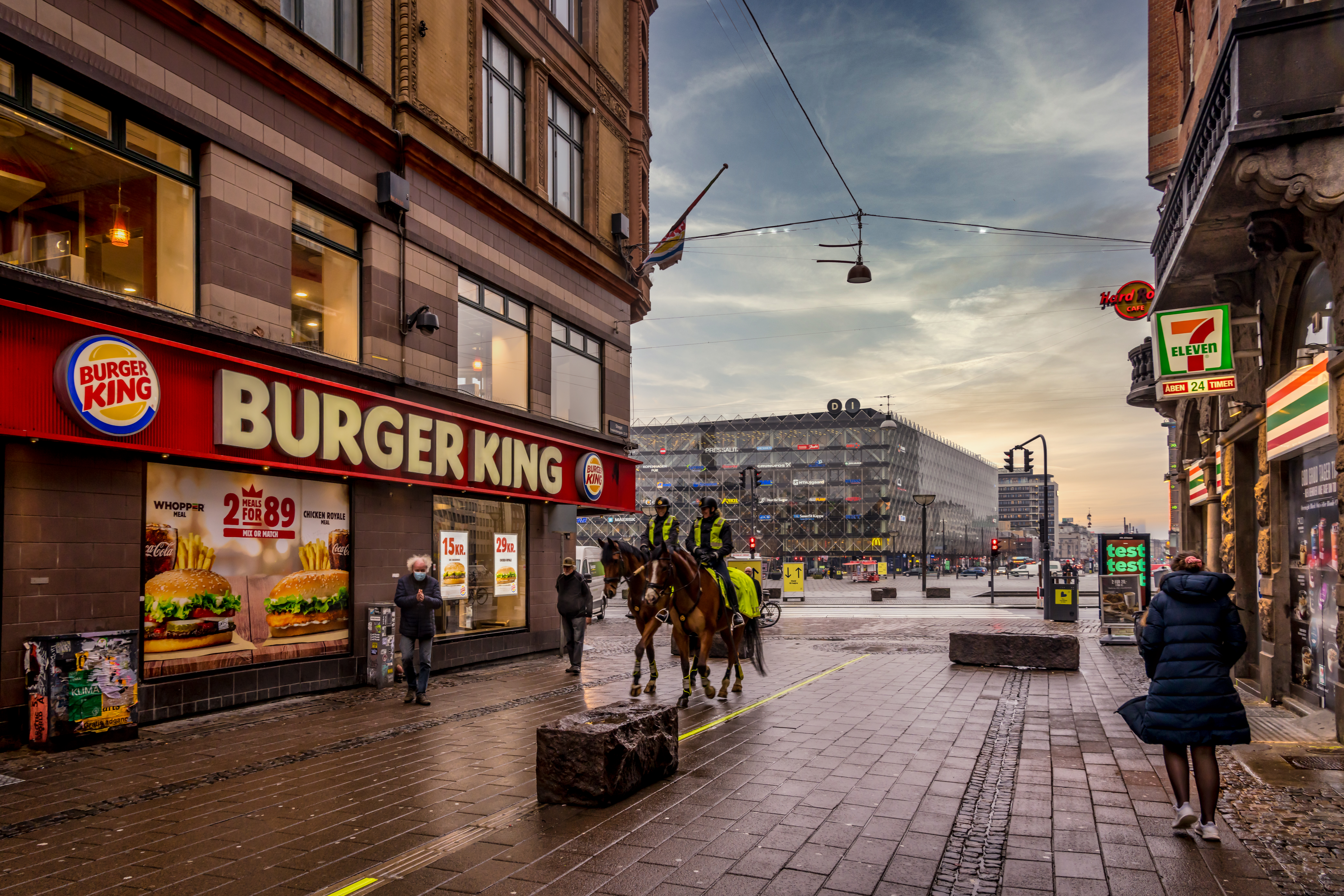
Copenhagen is usually a very busy city, but ever since I landed end of last year, we have been on strict lockdown with only food shops open. I cannot even open a bank account and who knows how long this will last with the new strains showing up everywhere? I am pleased to see the respons of the Government here and feel fairly safe, but will admit to some cabin fever during these dark days. Luckily, I can still take out the camera when it is not too cold or pouring down, even though my tripod has not arrived yet. The lack of tripod is reflected in the pictures, so these are just a few Happy Snaps:

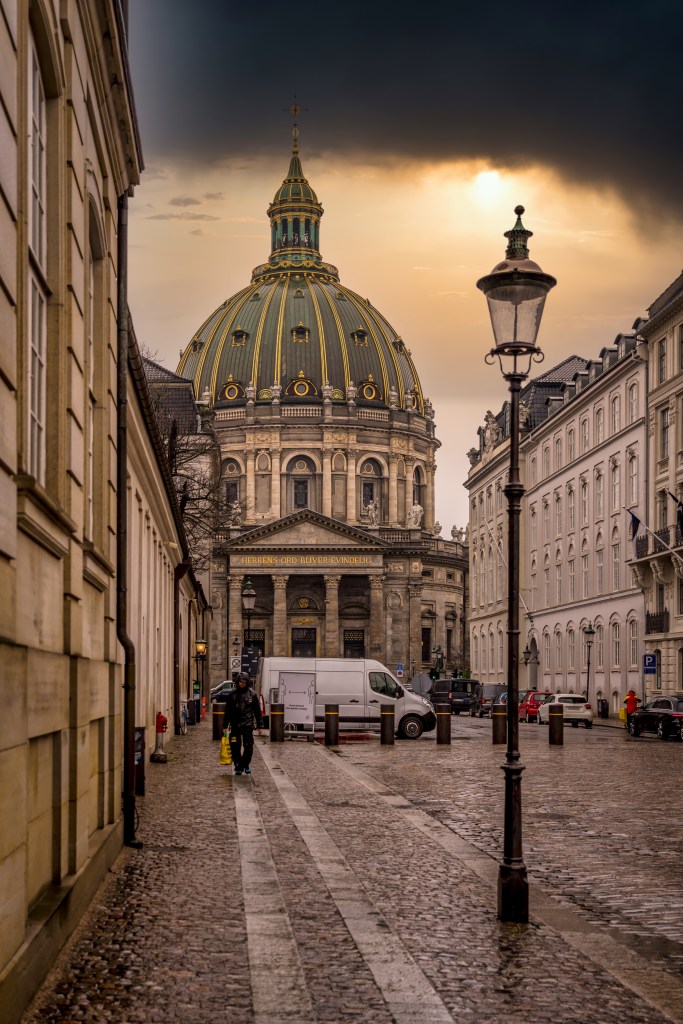
These pictures are of The Royal Guard, the Marble Church, Strøget (the famous Pedestrian Street – now with Mounties?), Amalienborg (home to the Queen), Nyhavn and old downtown streets.

It is terribly frustrating to know that there are all these lovely spots out there to (re)discover while we have to stay as safe as possible until the vaccines arrive! As it seems to be the case everywhere, there are delays here and as a relatively young person, I am last in line and probably will not see it until May. It seems awfully far away right now, I will admit and it is hard to envision a world back to normal at this point in history. But there will be Spring eventually…..

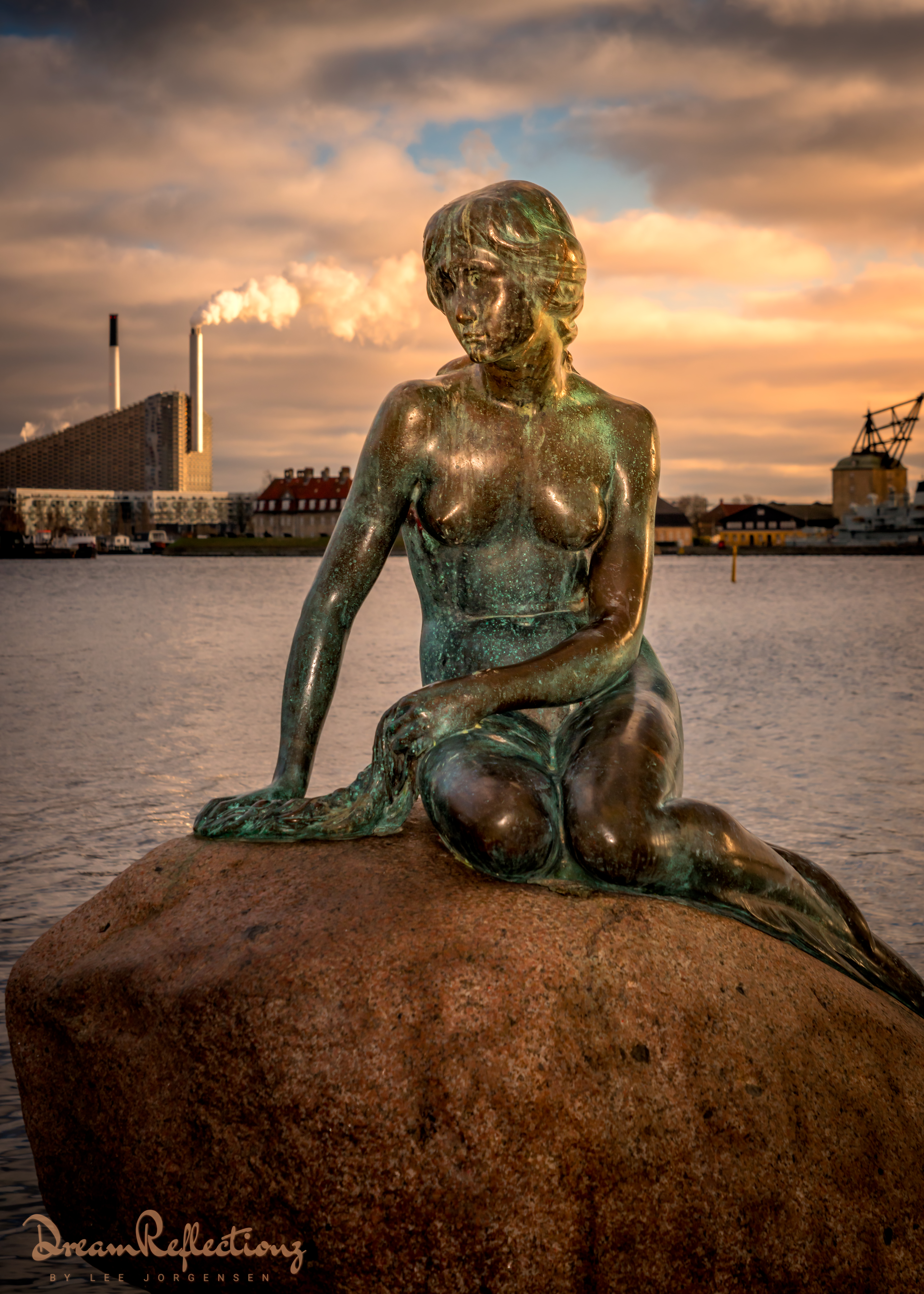
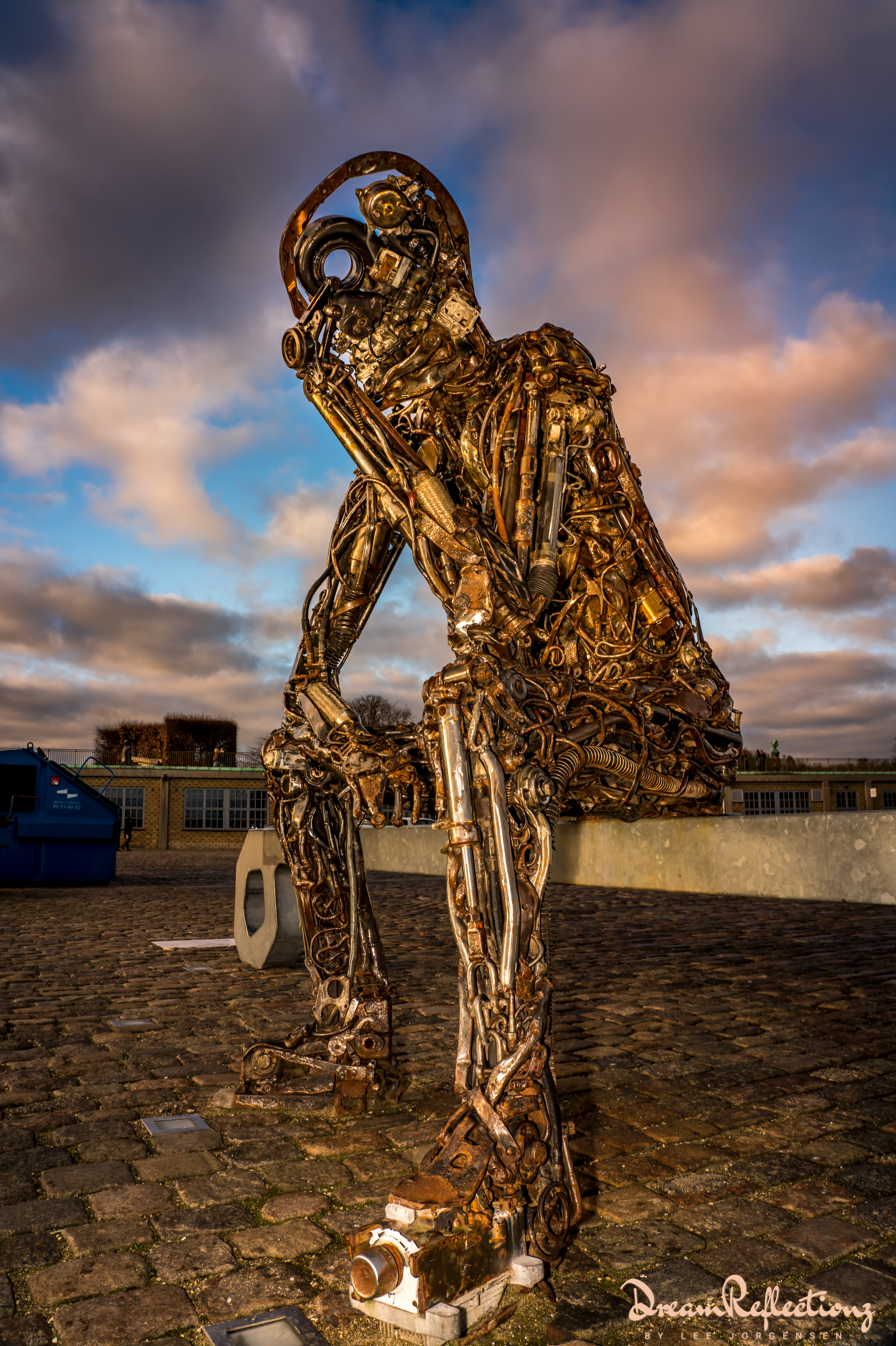
Langelinie – Home to the Little Mermaid and Metal Man

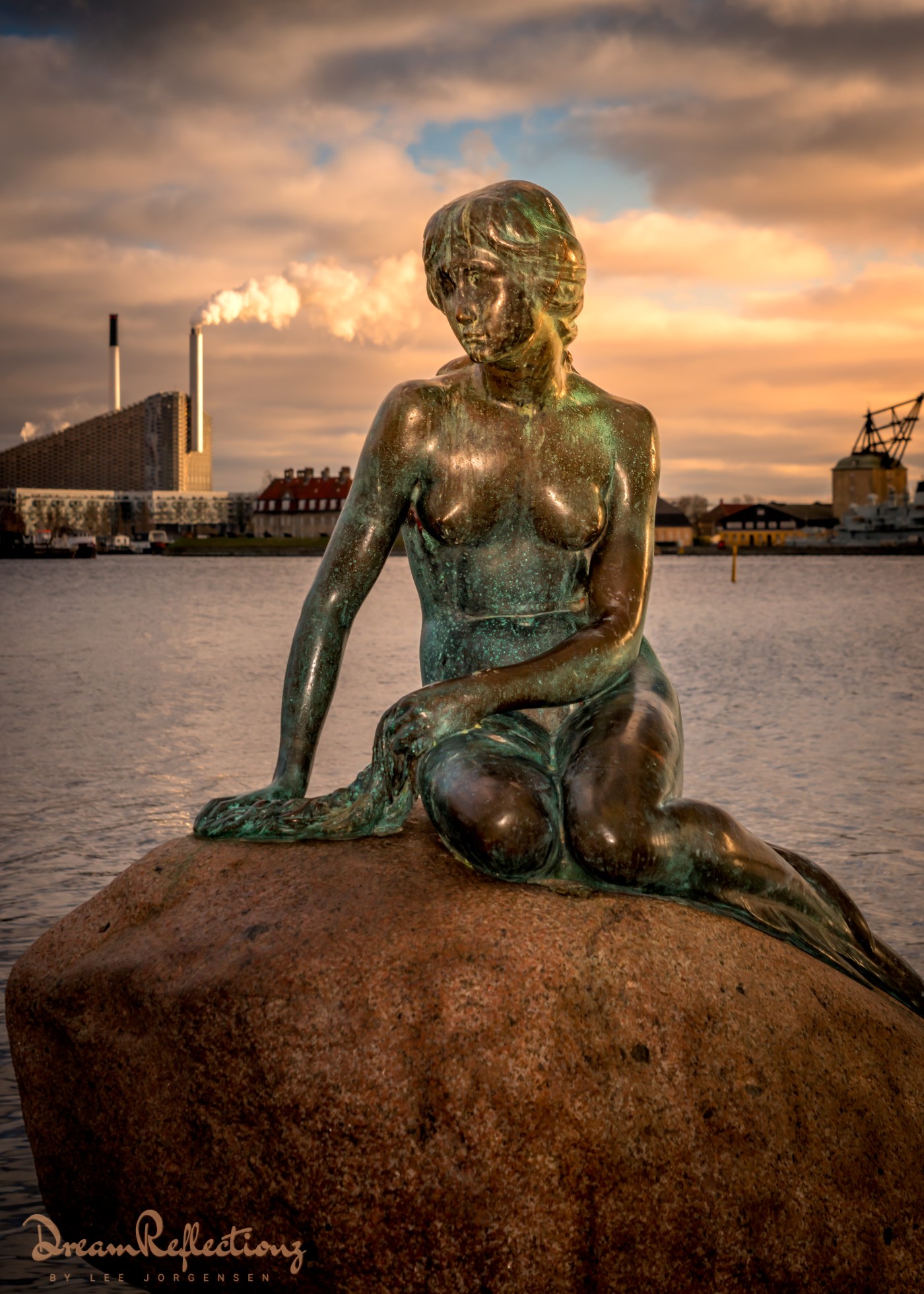
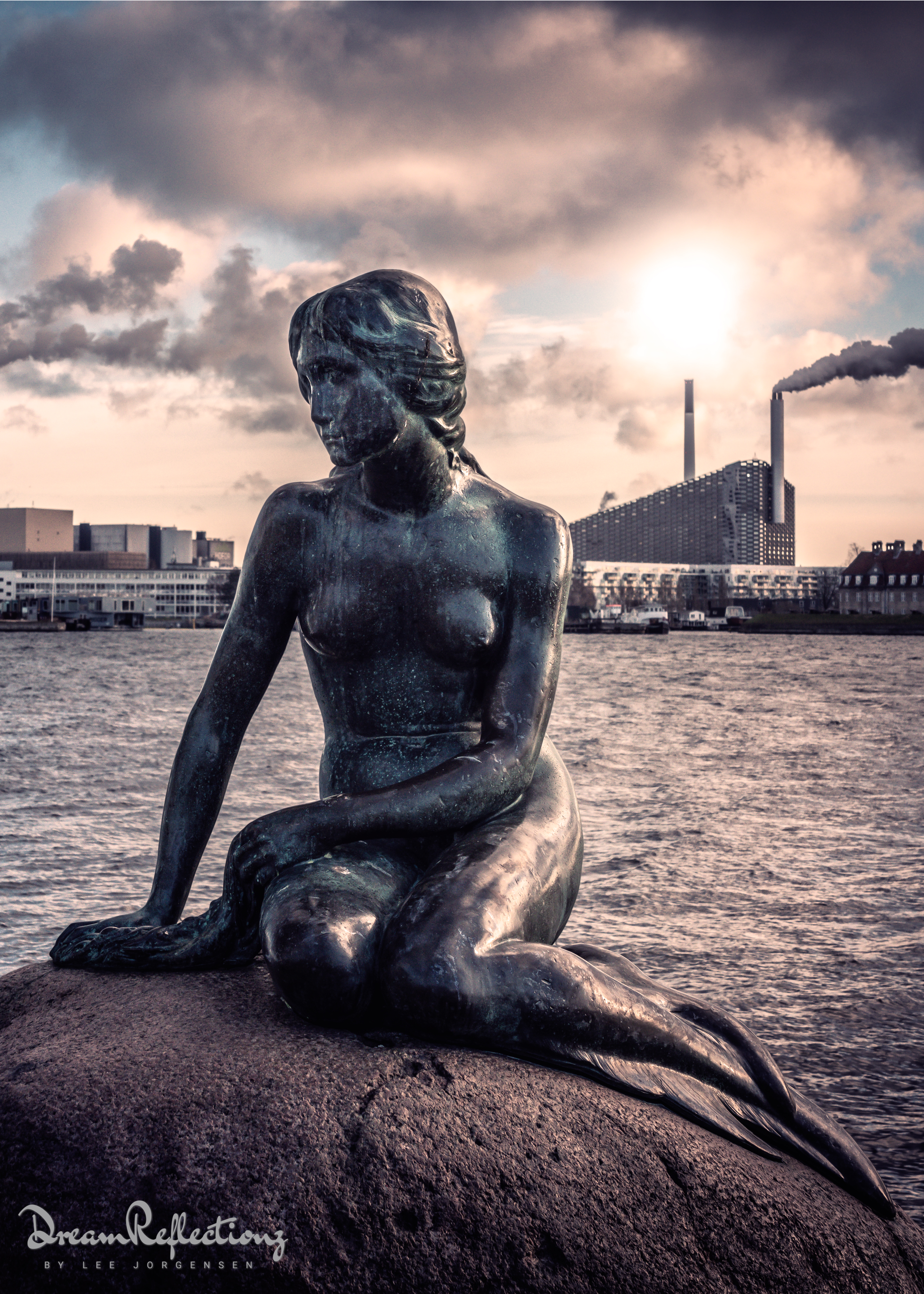
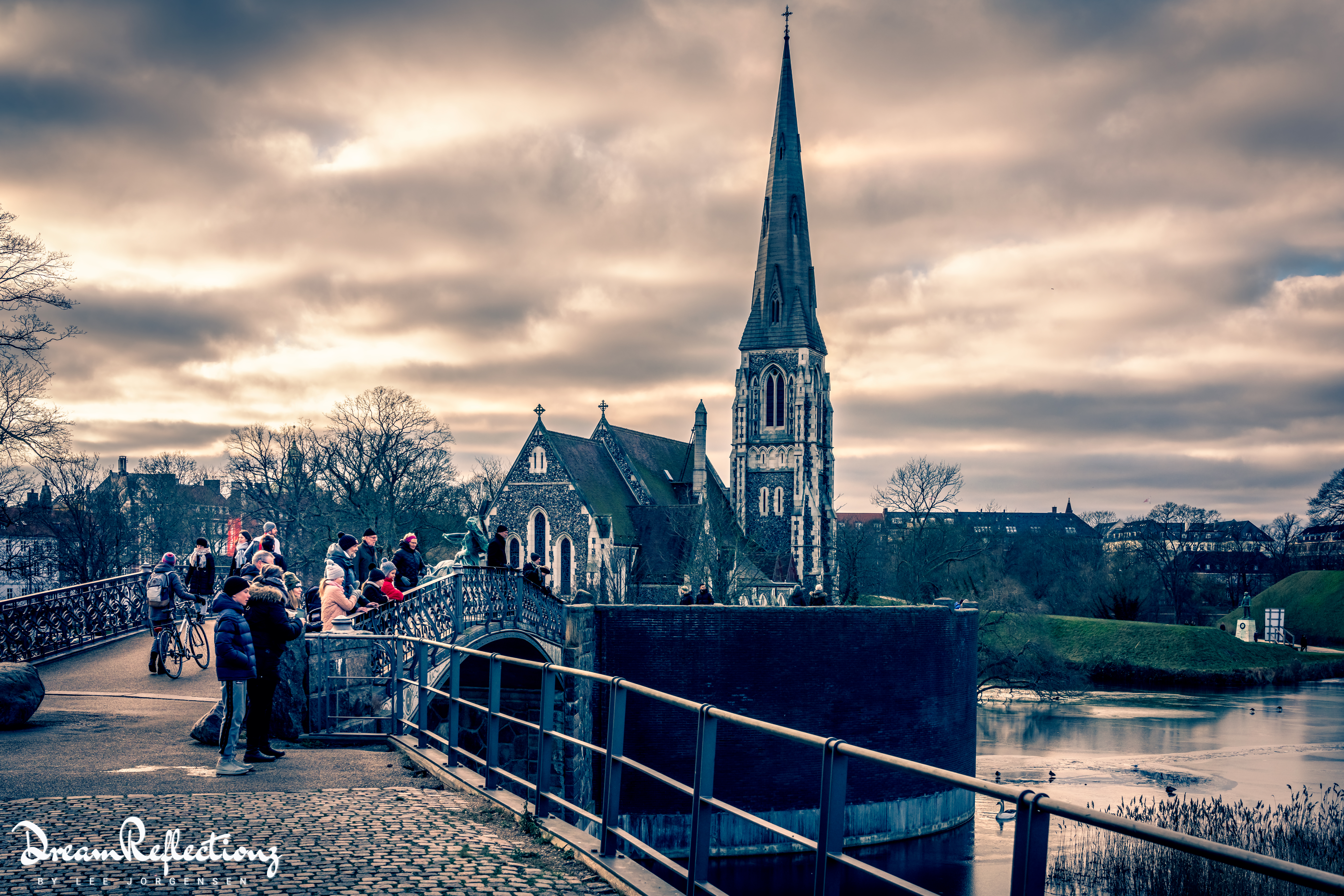
One of the loveliest areas of Copenhagen is Langelinie which is home to one of the most famous, and smallest, statues in the world. It is usually packed with people, but I had the place almost to myself on Friday, as we are on total lockdown and can only shop for food and go for walks. The view is amazing and there are statues everywhere, one of them being the famous Gefion Fountain in front of St. Albans Church.

Unfortunately, my tripod has not arrived yet, so the sunset pictures are going to have to wait a couple of weeks!

Blog at WordPress.com.

Up ↑