Search

Lee Jorgensen Photos

Self Appointed Ambassador to Scandinavia passionate about Photography, People, Travels and all the other Magic Moments of Life!

Category

Information

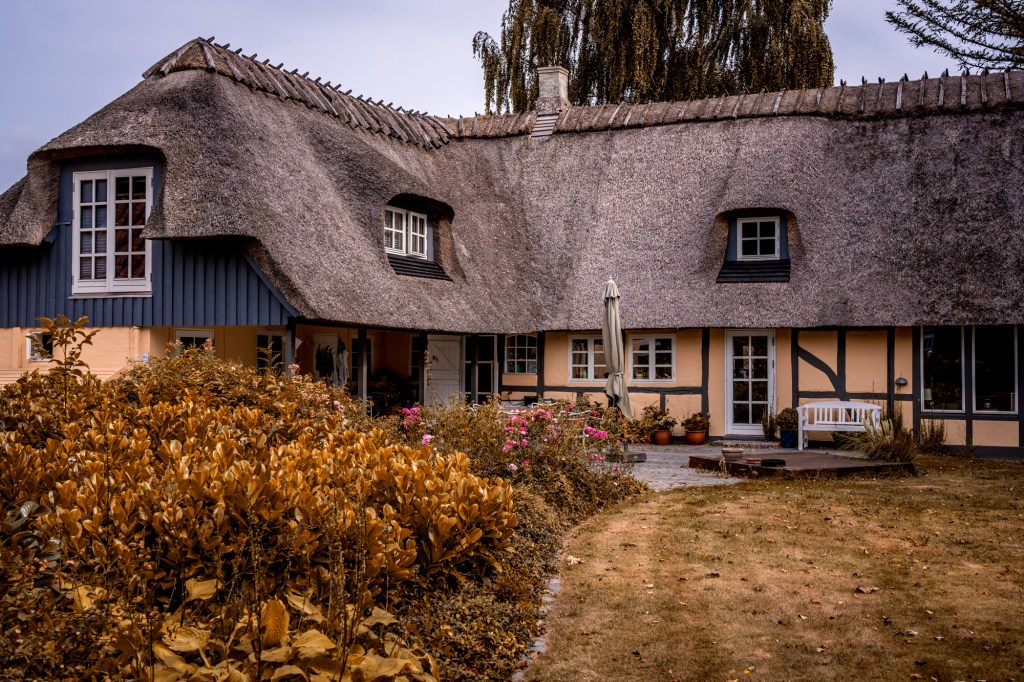
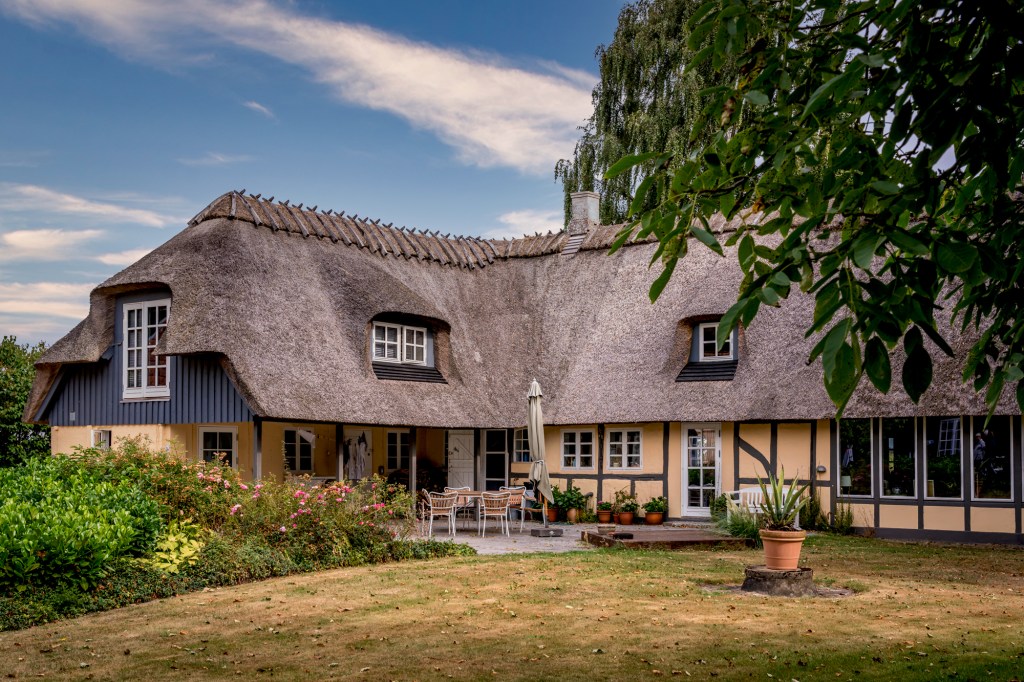
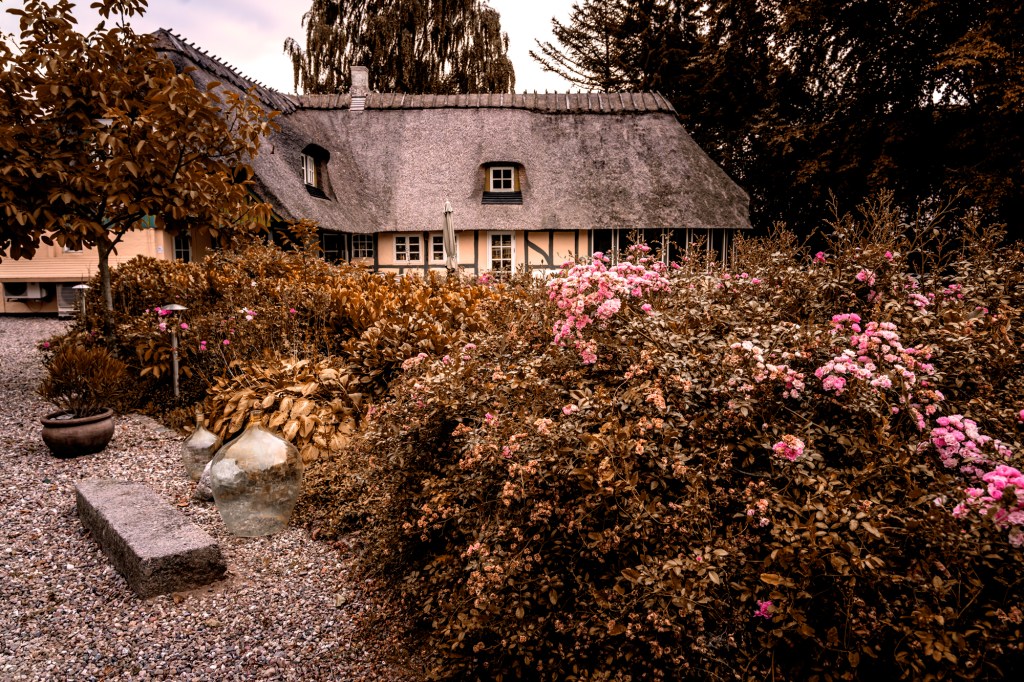
Château de Danemark

Watching History in the Making!

Nobody knows for sure when Danes discovered wine. The Vikings had what we would call wine goblets, but did they use them for wine or mead? I personally think that they did drink wine after all their travels (after all, they settled in Wineland in today’s Canada!), but since they did not document their daily lives, we just cannot know.

We first read about wine in 1269 in the town of Ribe where rules are created about how much to fine if an establishment served too much or too little to a patron. After this, wine would be bought in large quantities from Germany by various Kings. However, no wine seems to have grown in Scandinavia for thousands and thousands of years.

In the 80s and 90s, a few not so successful wineries started popping up. Today, Denmark boasts 100 professional wineries spread out across the country.

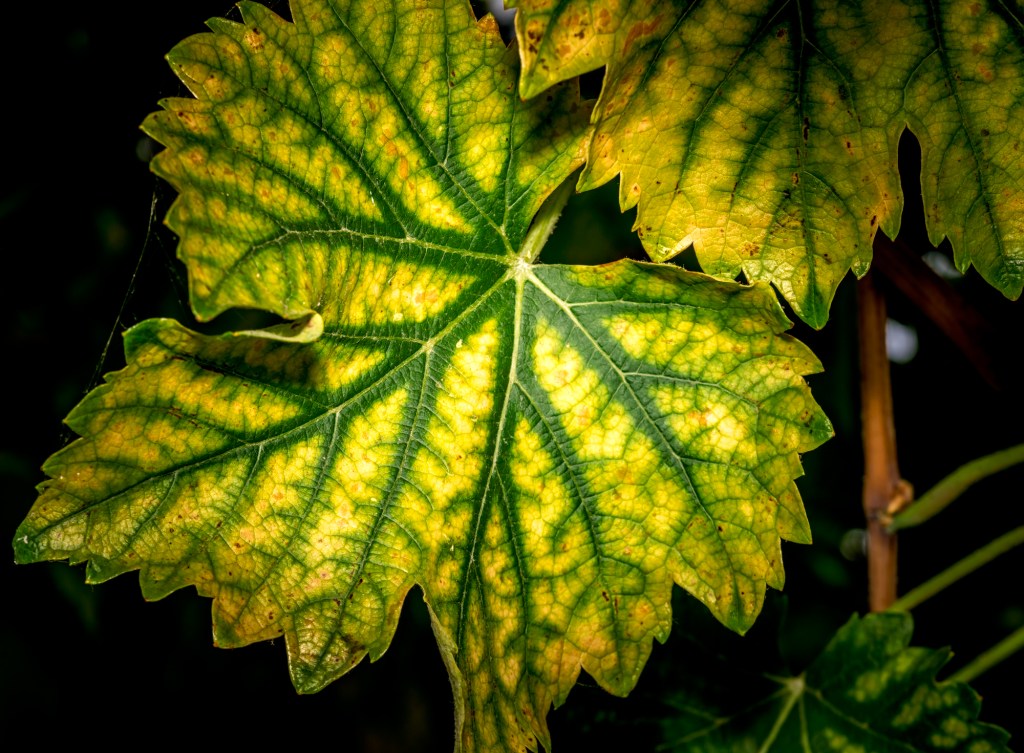
Needless to say, climate change is a huge factor for this new development, but several wine makers are of the opinion that Denmark should have started making wine much sooner. The secret is choosing varietals that can live with the relativ lack of sunshine and that will survive without nasty pesticides which are not allowed in Denmark (hurrah!).

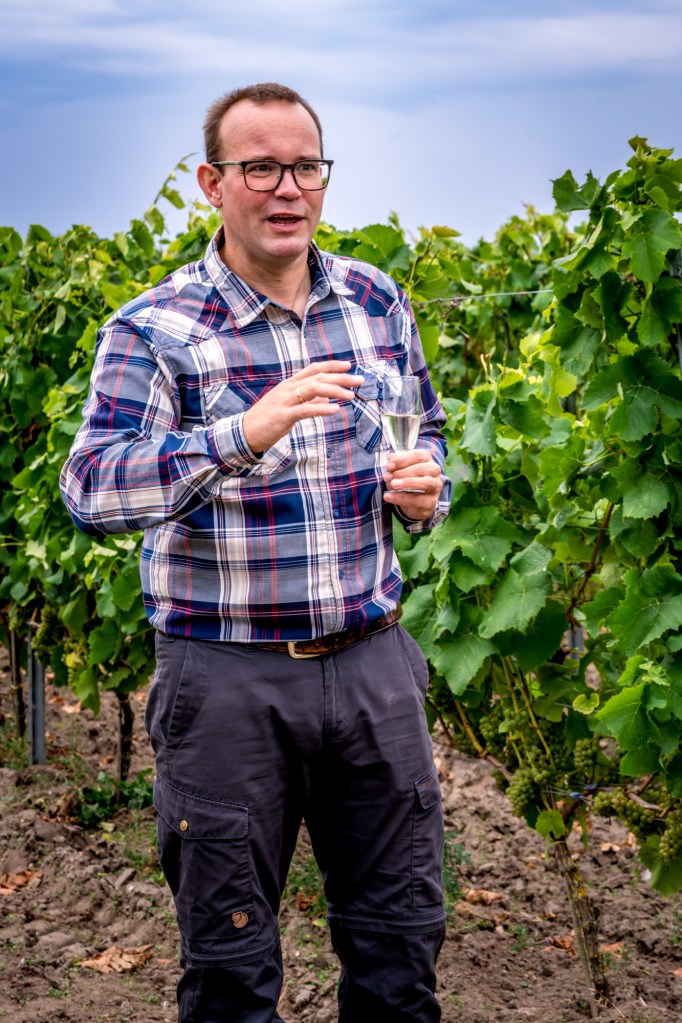
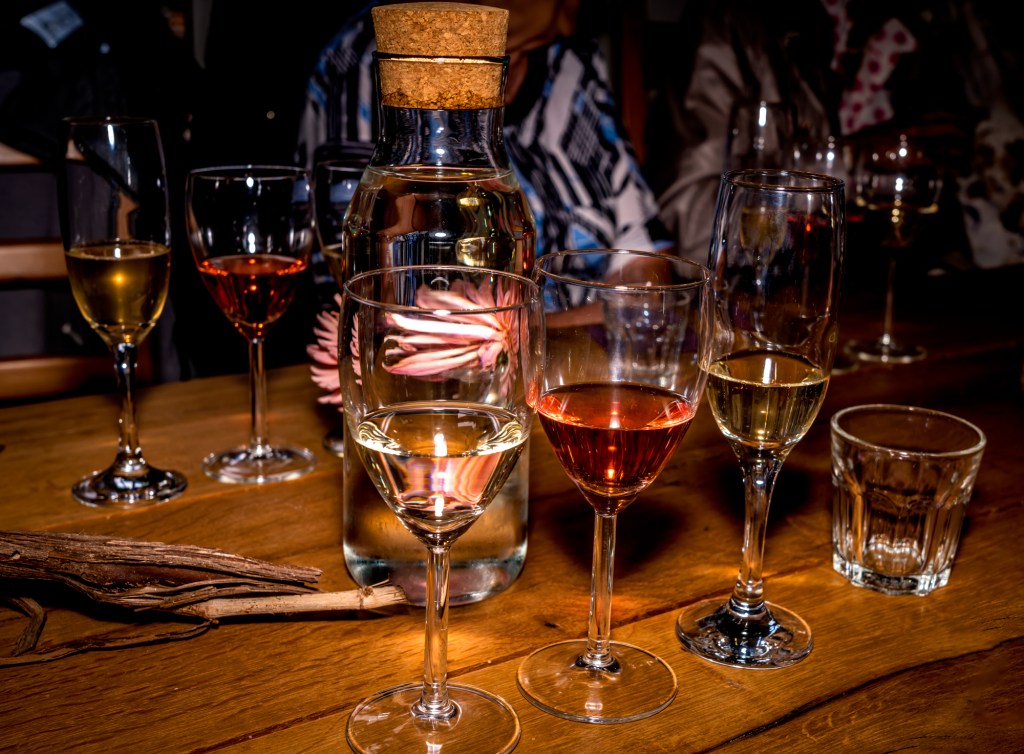
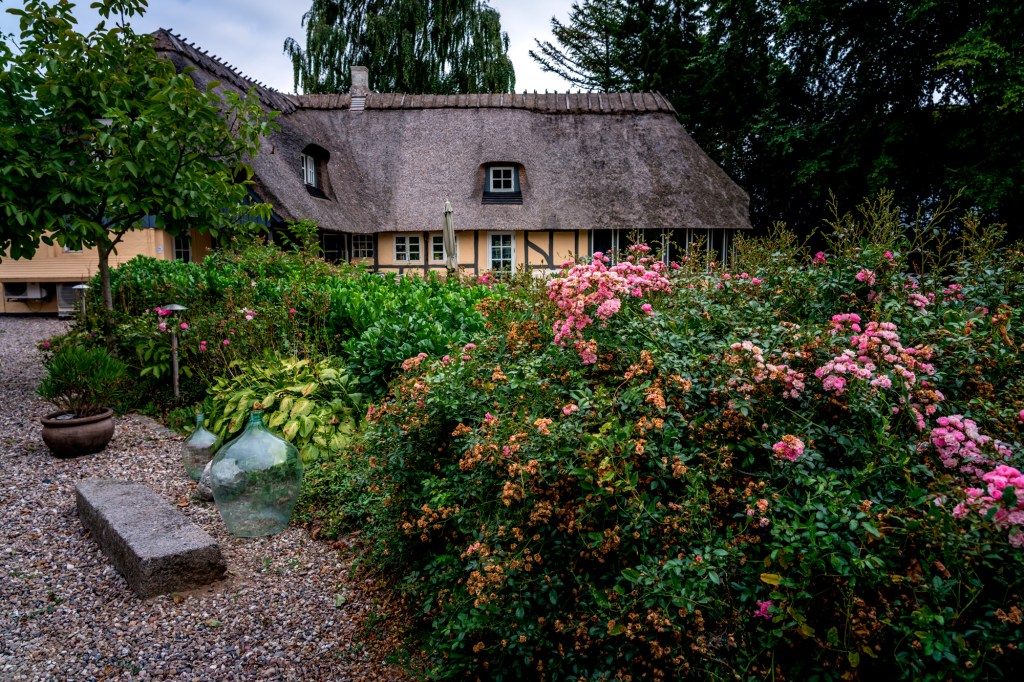
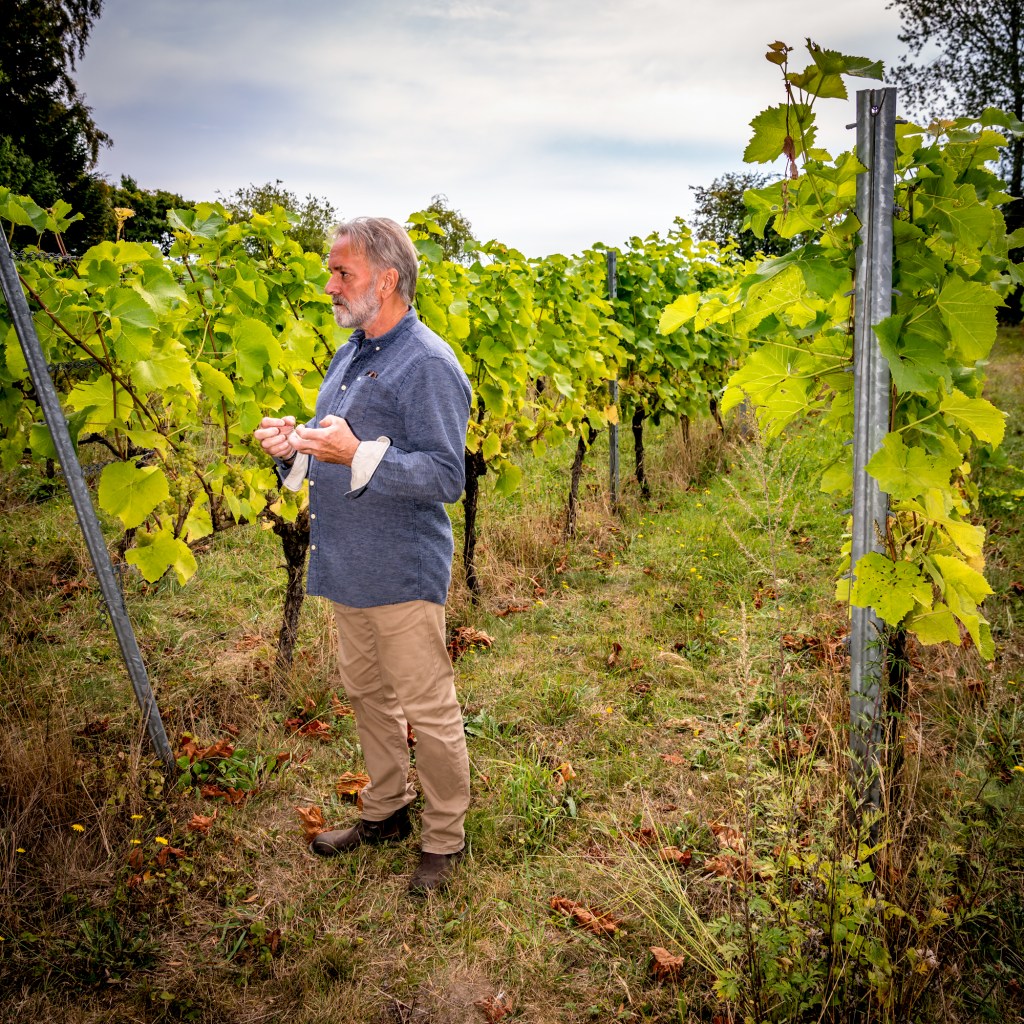
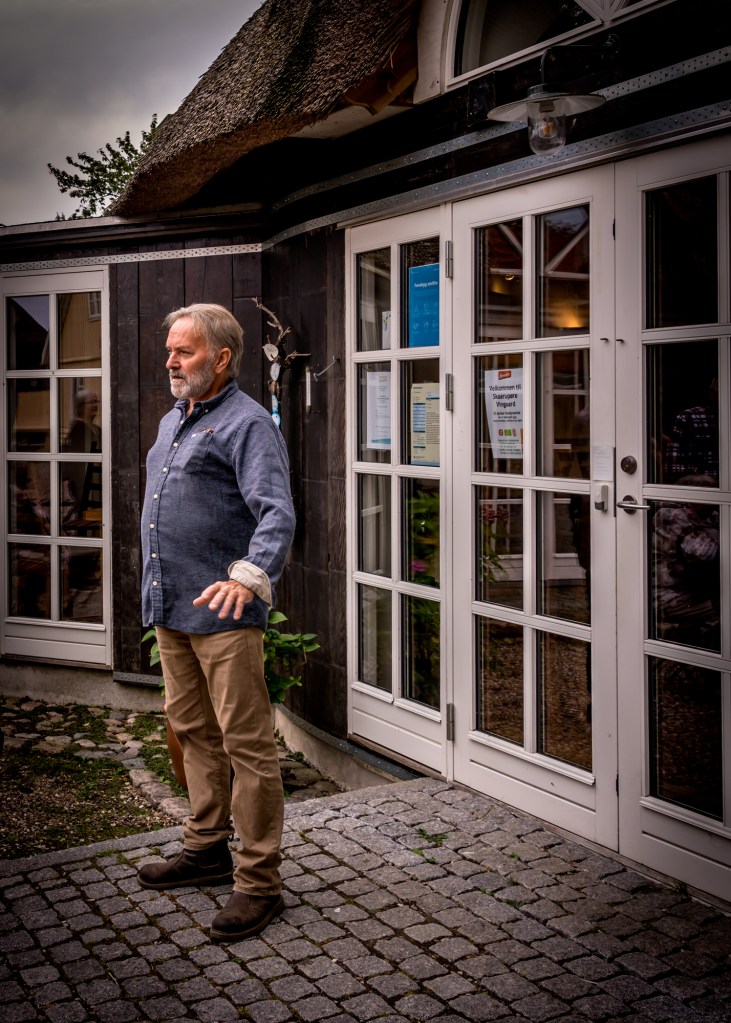
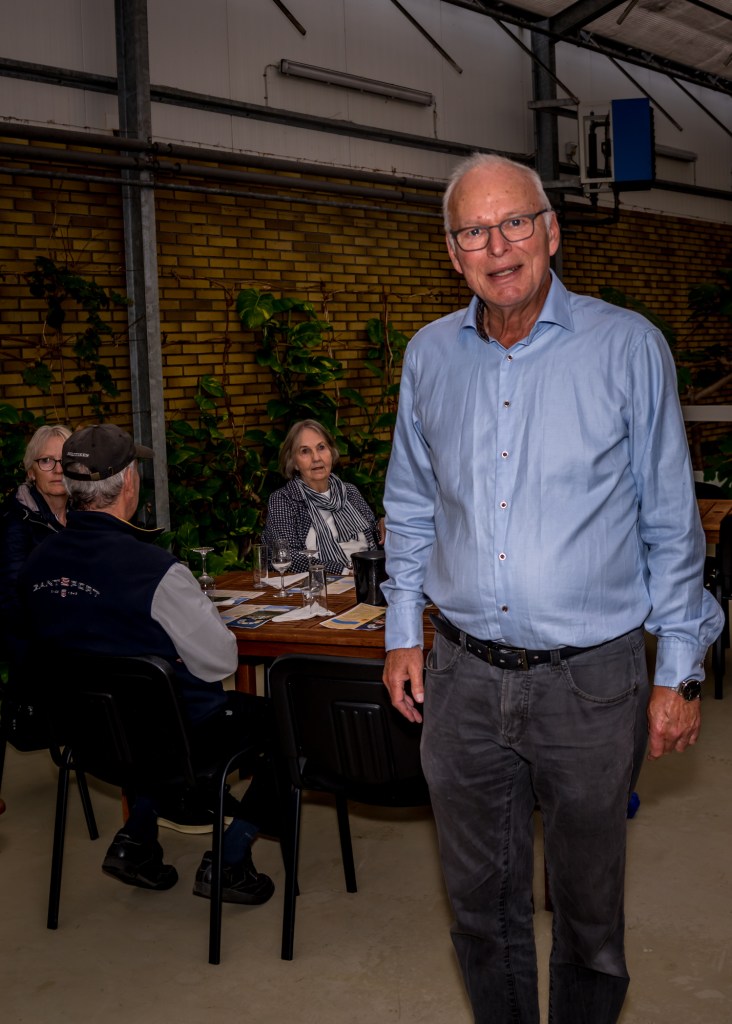
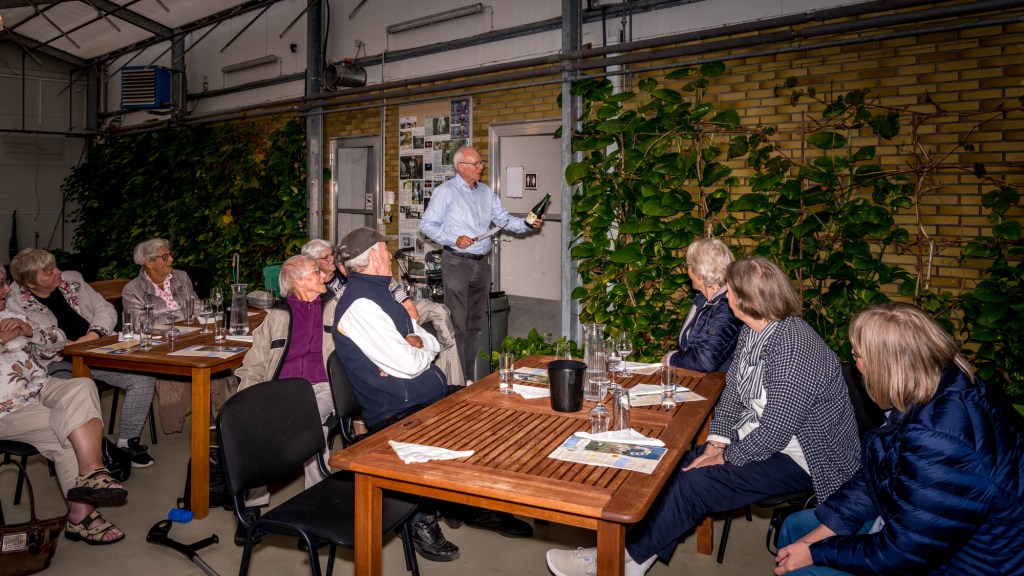
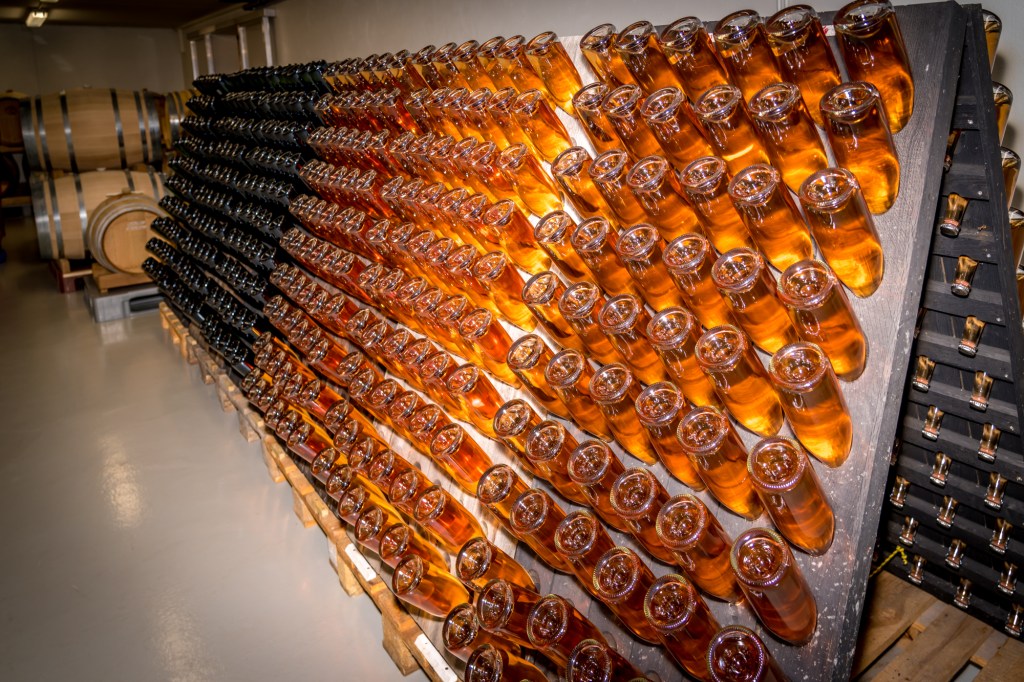
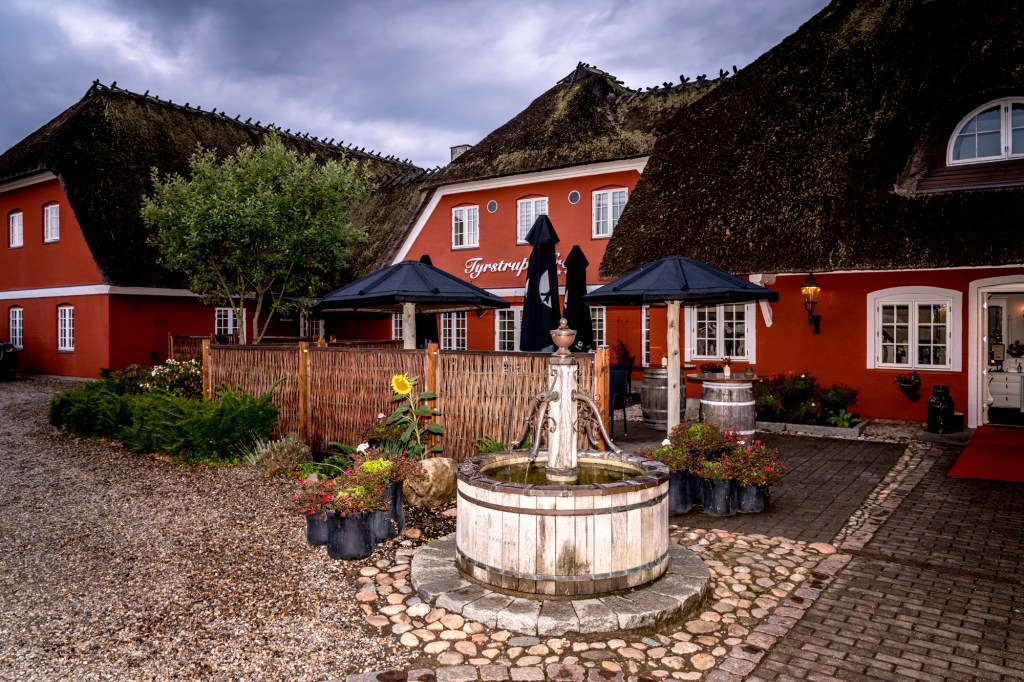
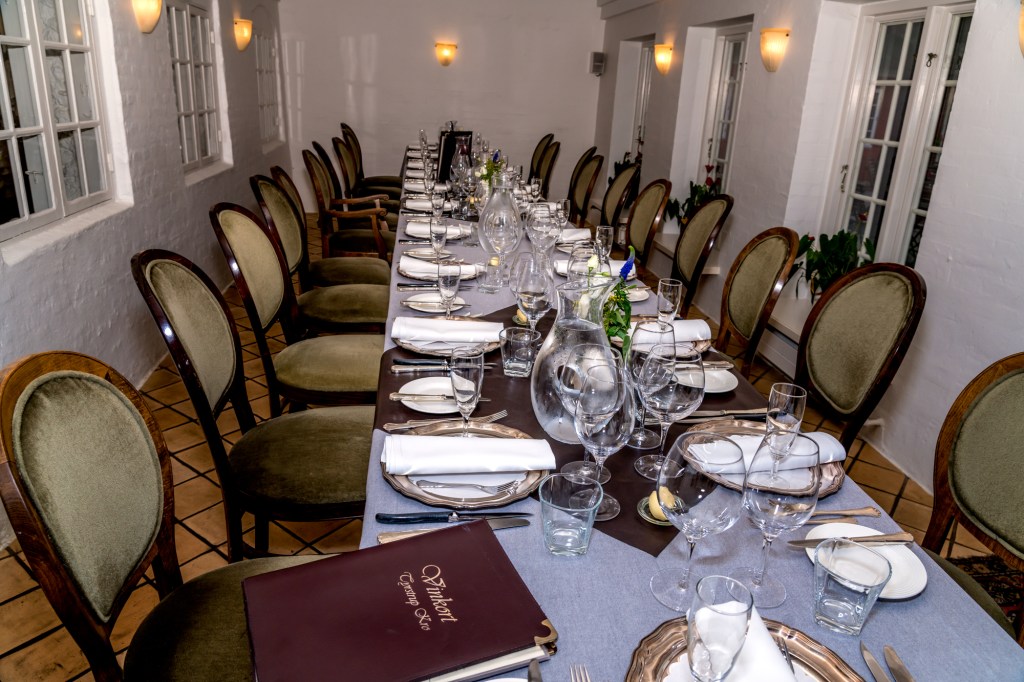
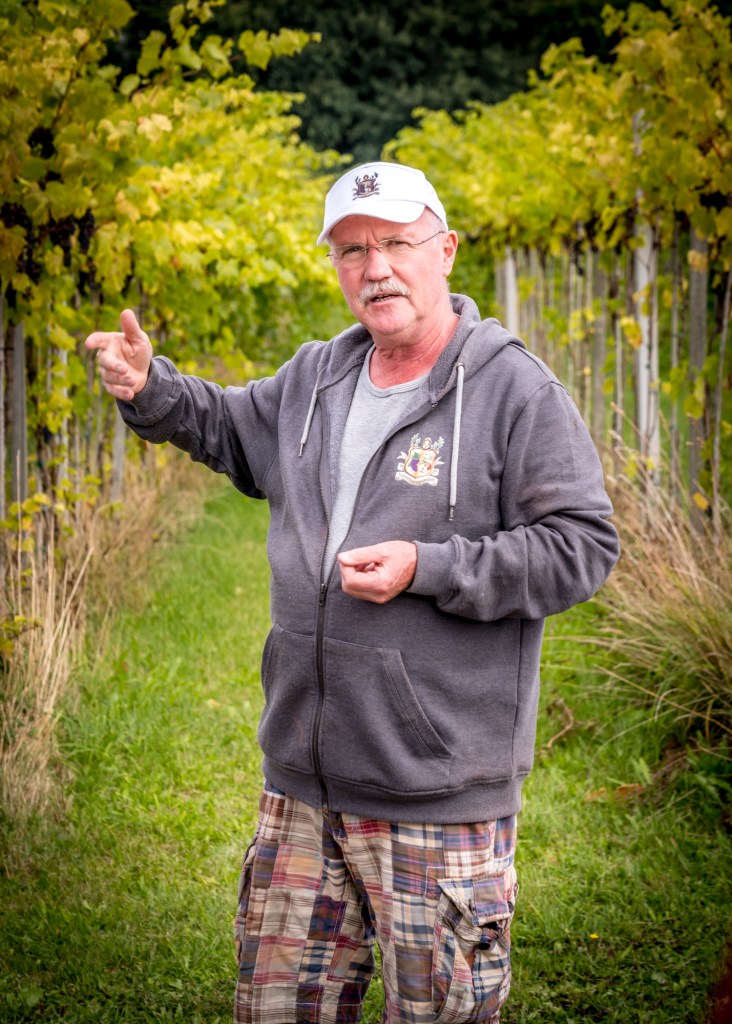
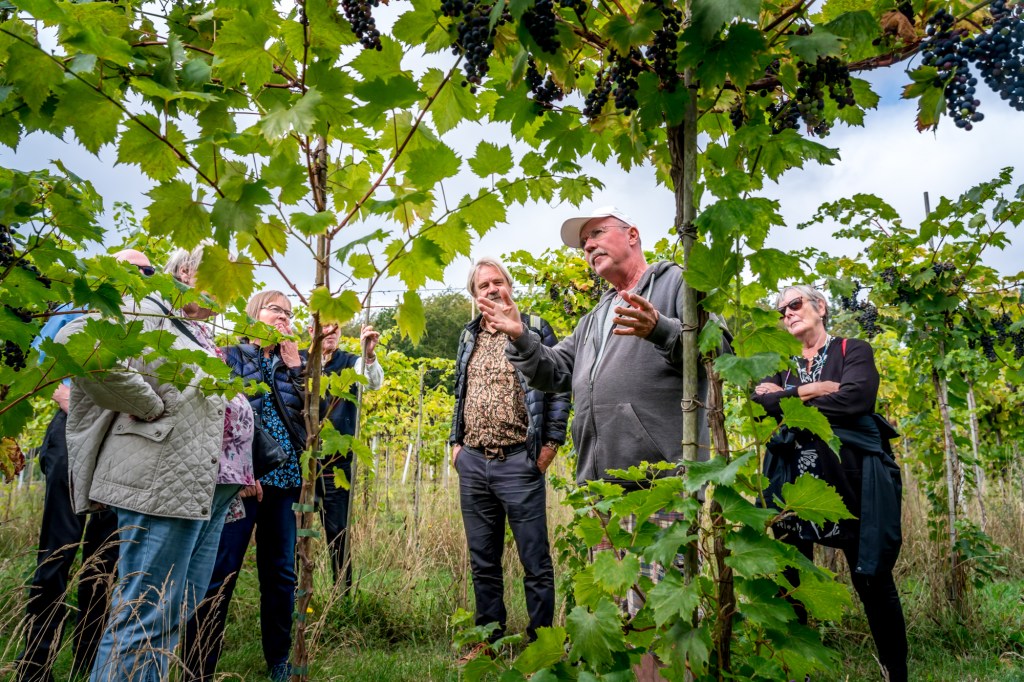
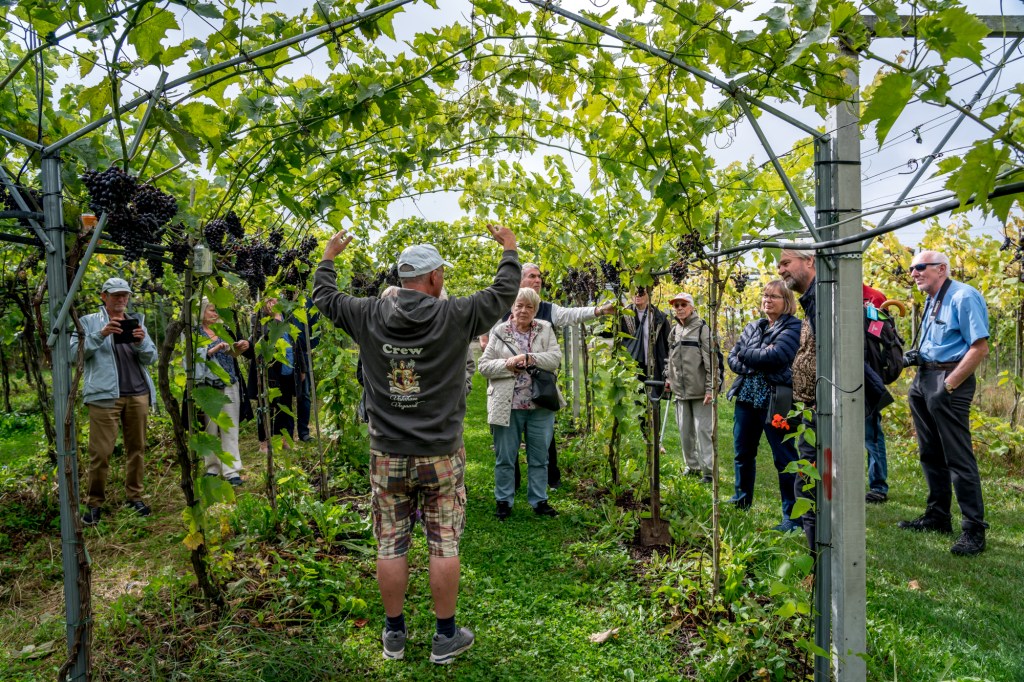
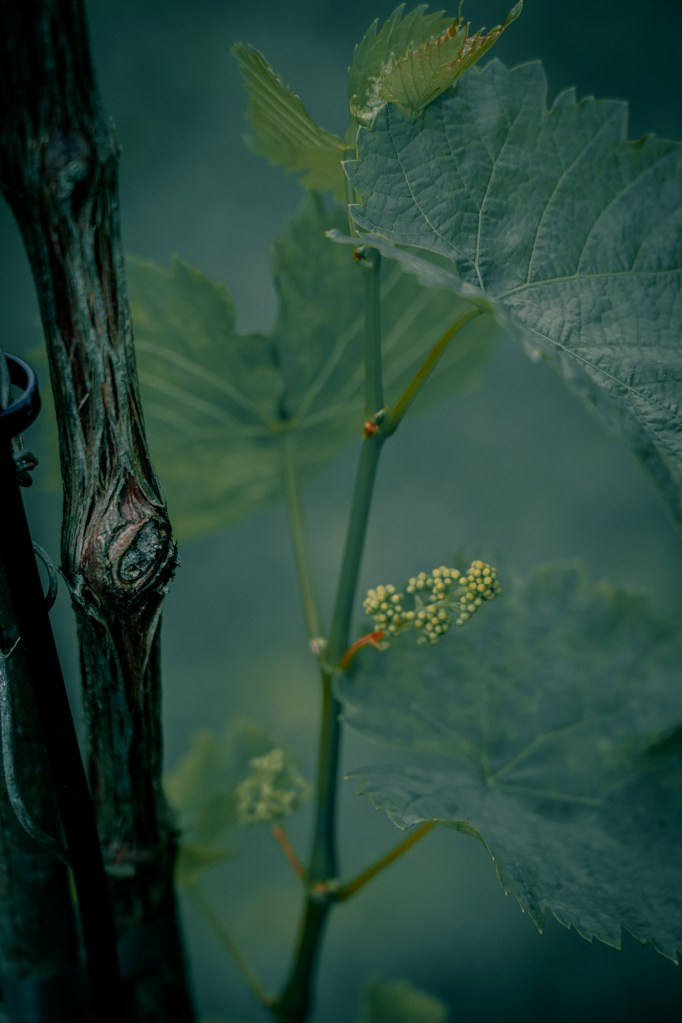
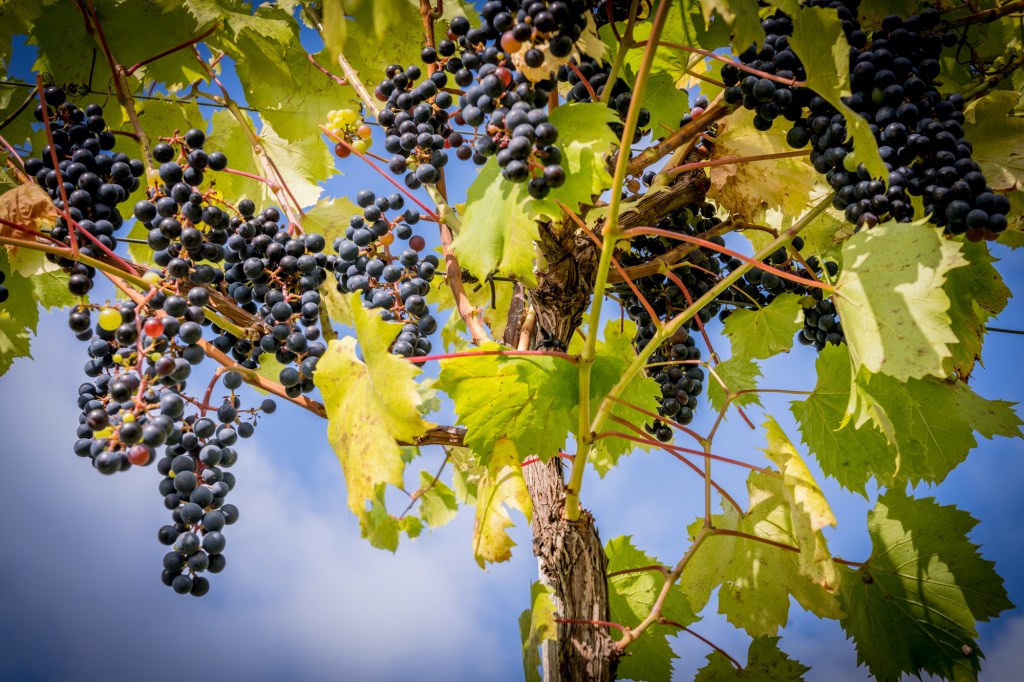
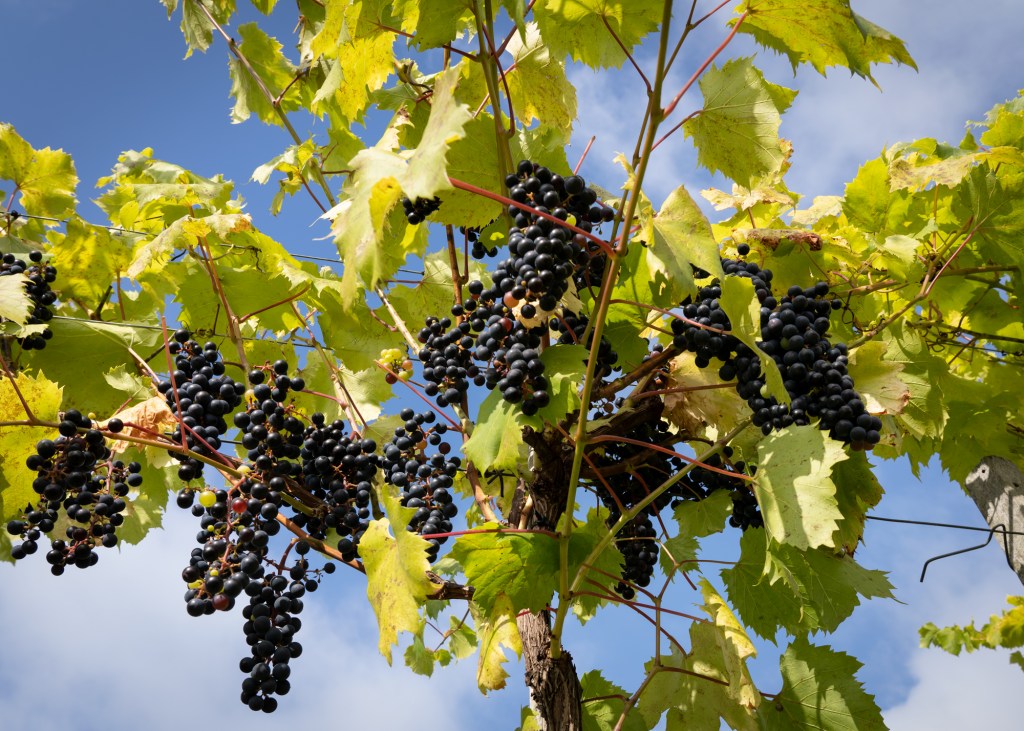
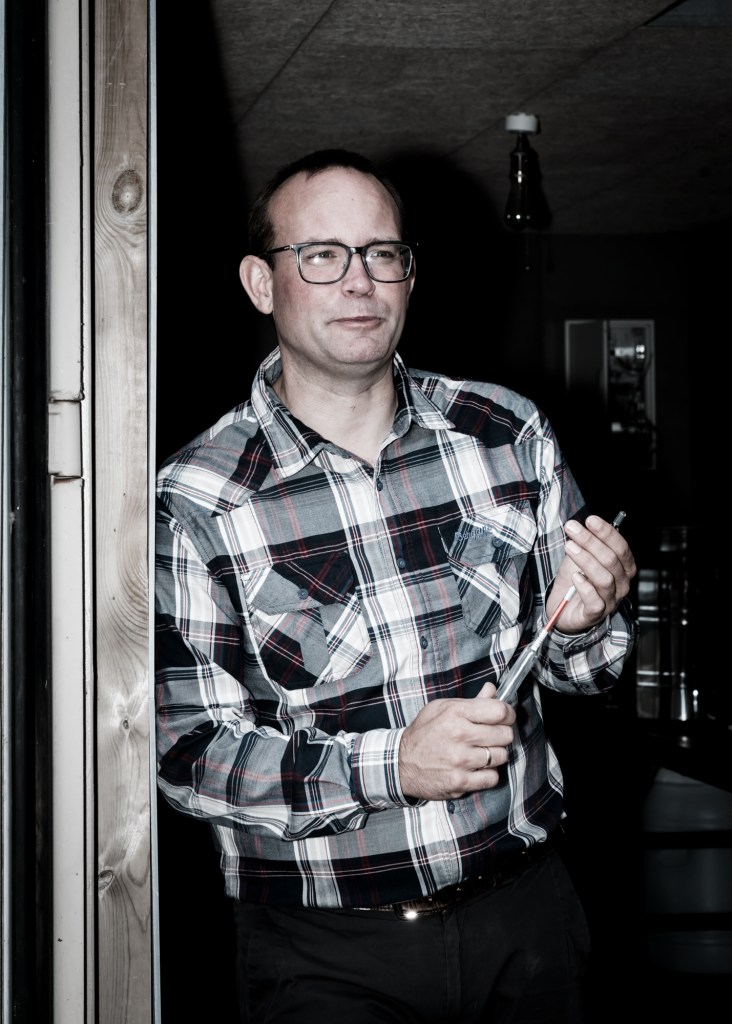
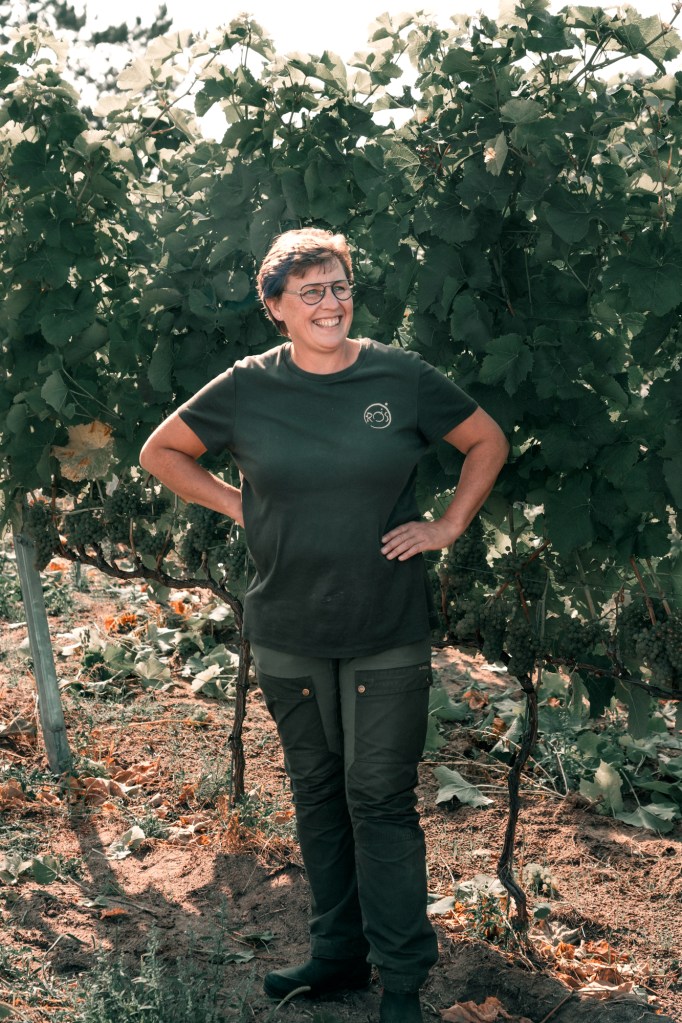
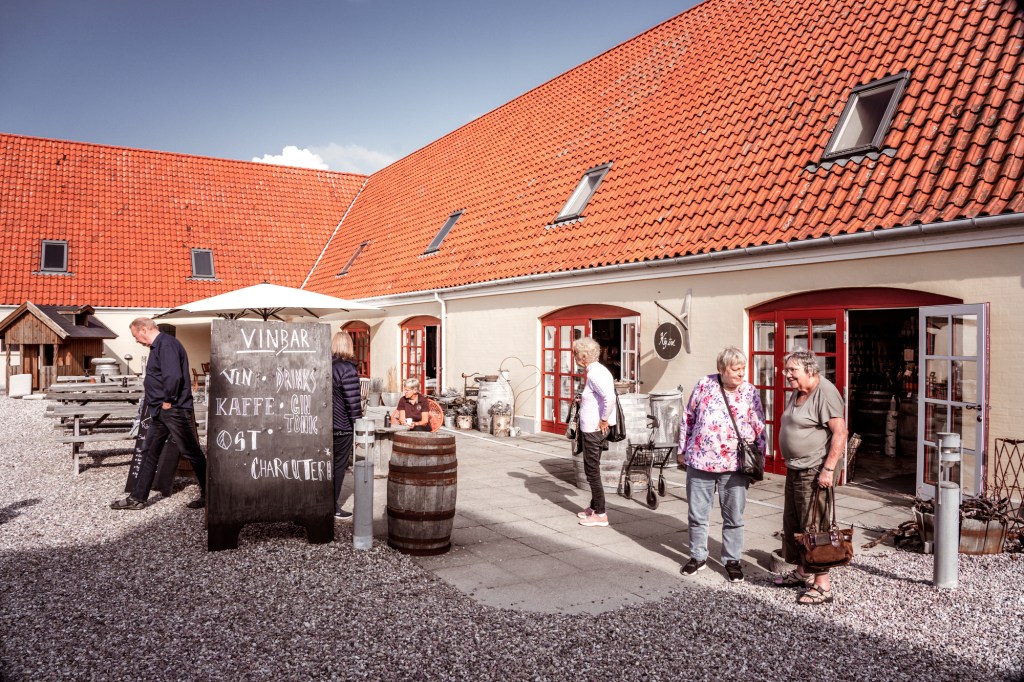
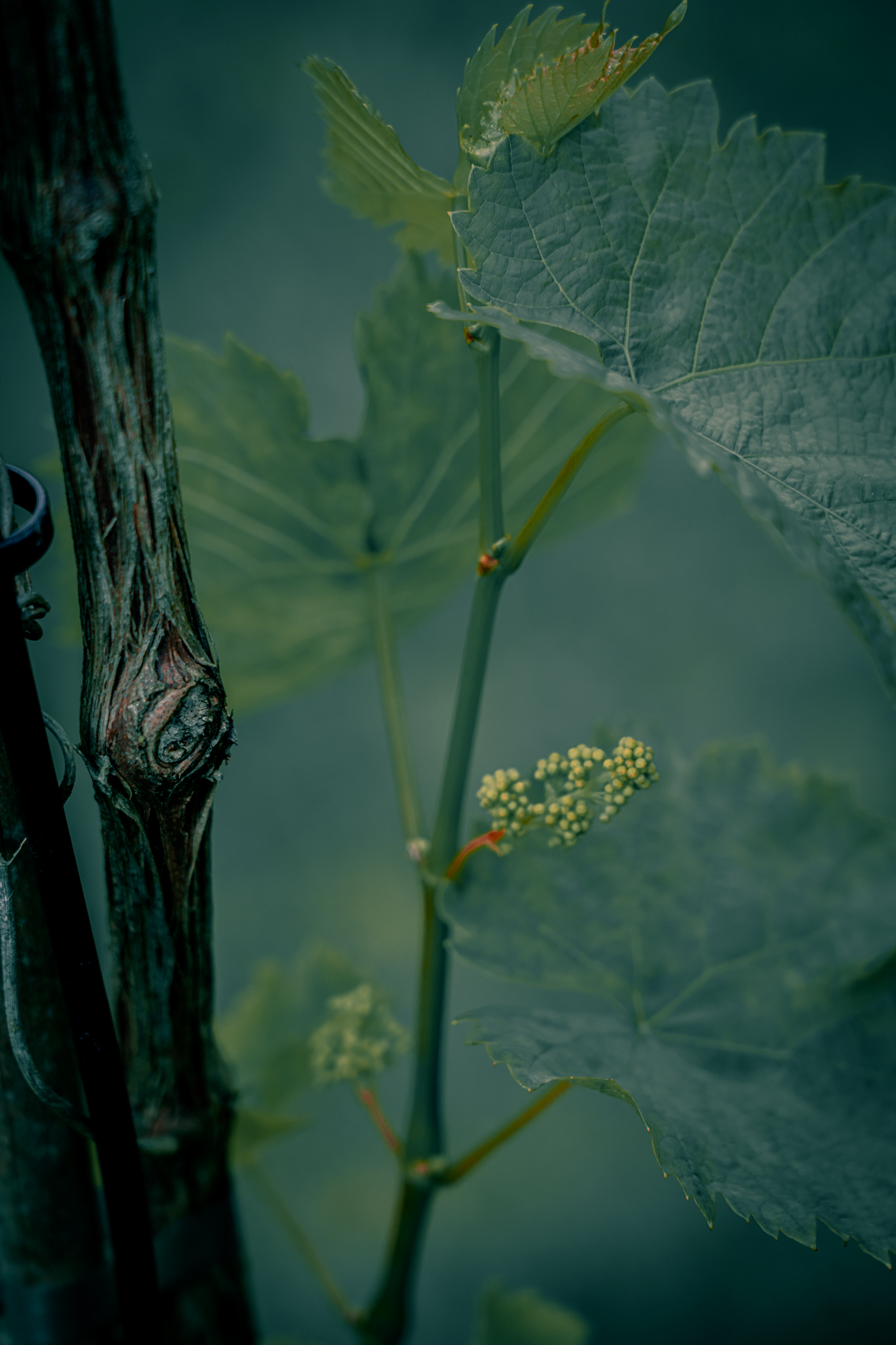
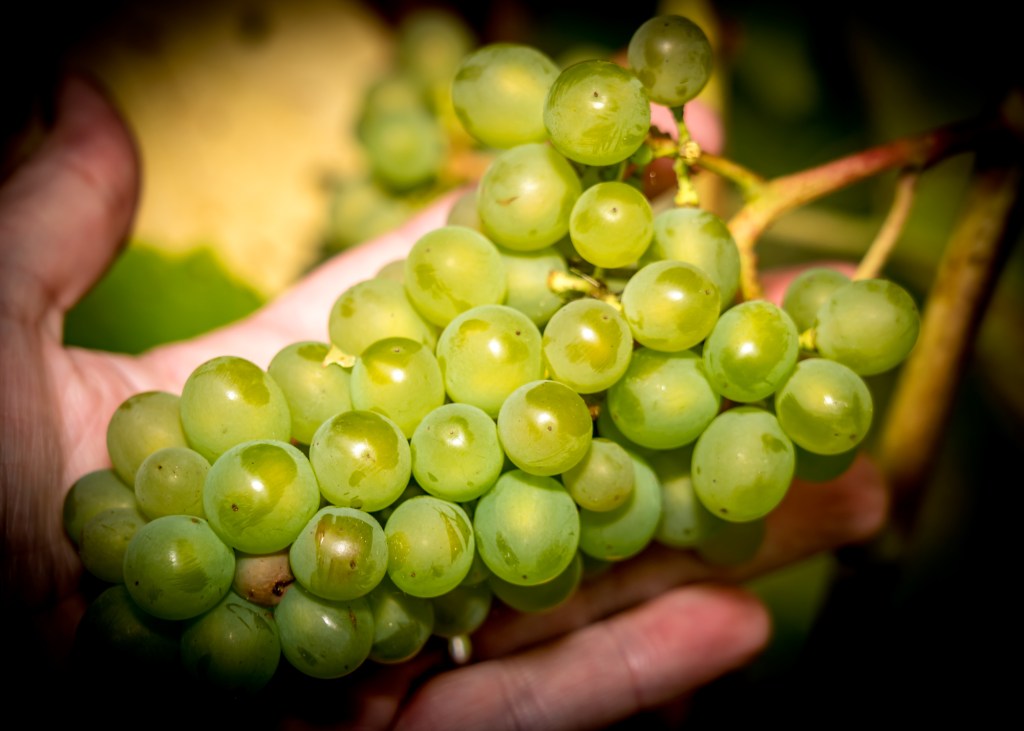
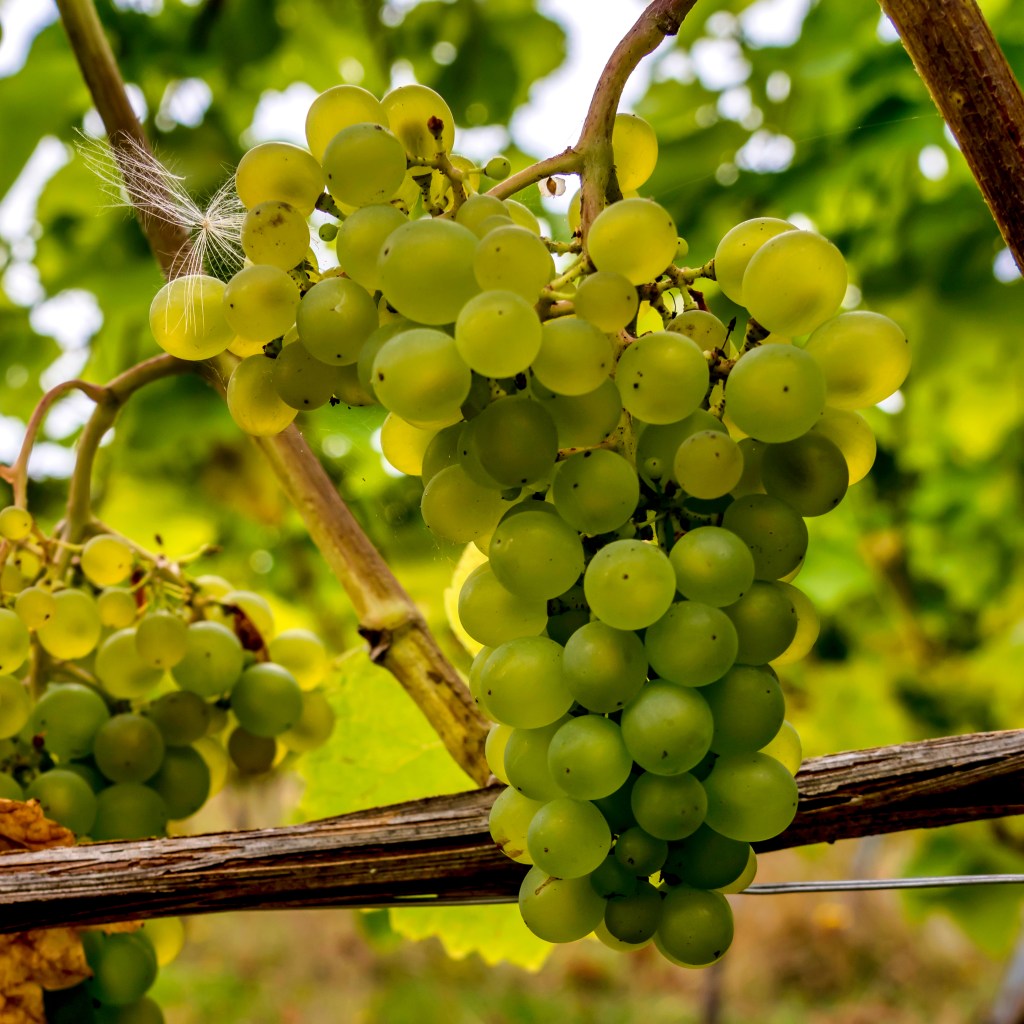
We embarked on a three day tour of 5 vineyards arranged by Vagns Kulturrejser i Danmark (Vagn’s Cultural Trips in Denmark), https://vagns.dk and I will have to admit that my life in Bordeaux and California did not create any particular expectations with regards to Danish Wineries! I was dead wrong. Instead, I discovered a highly technical and scientific world and lovely wineries that are able to cater to large groups, tastings, food pairings AND that receive international accolades and trophies in major tastings.

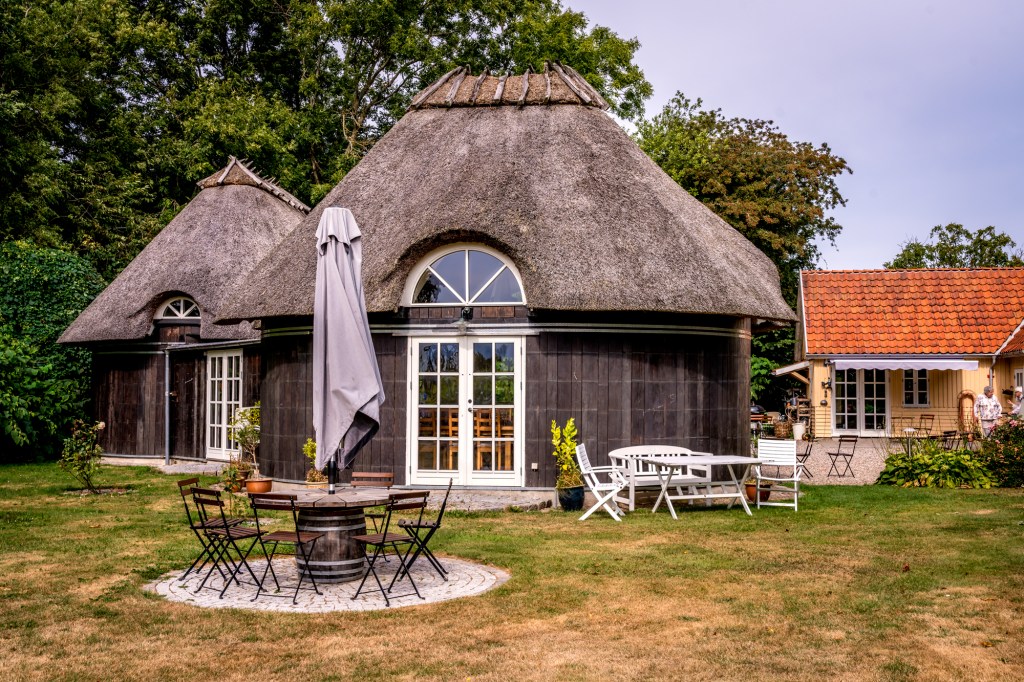
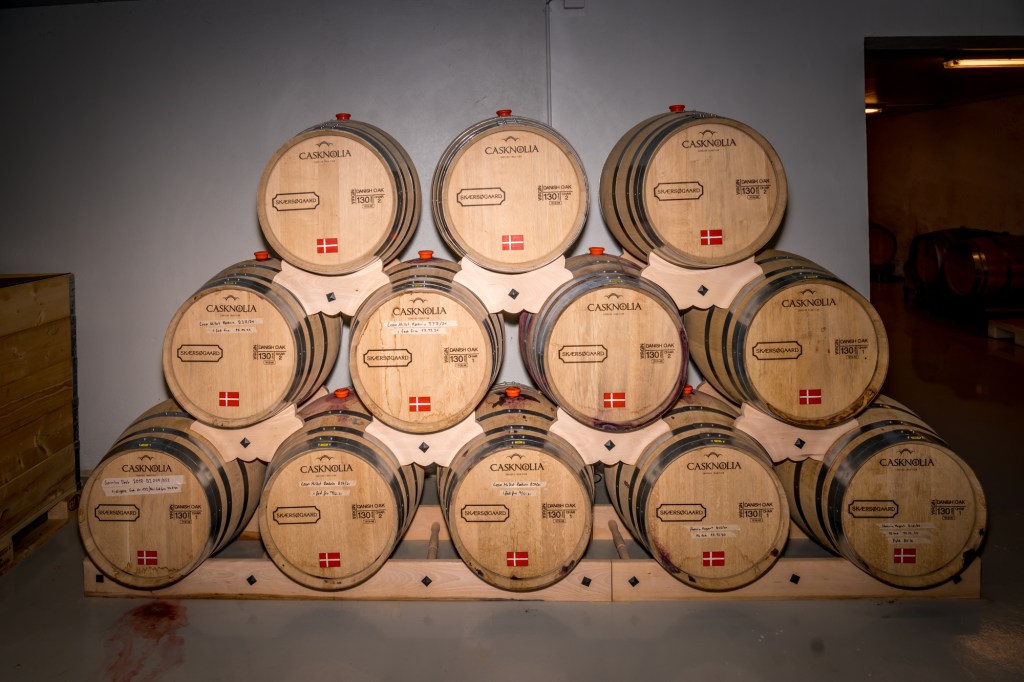
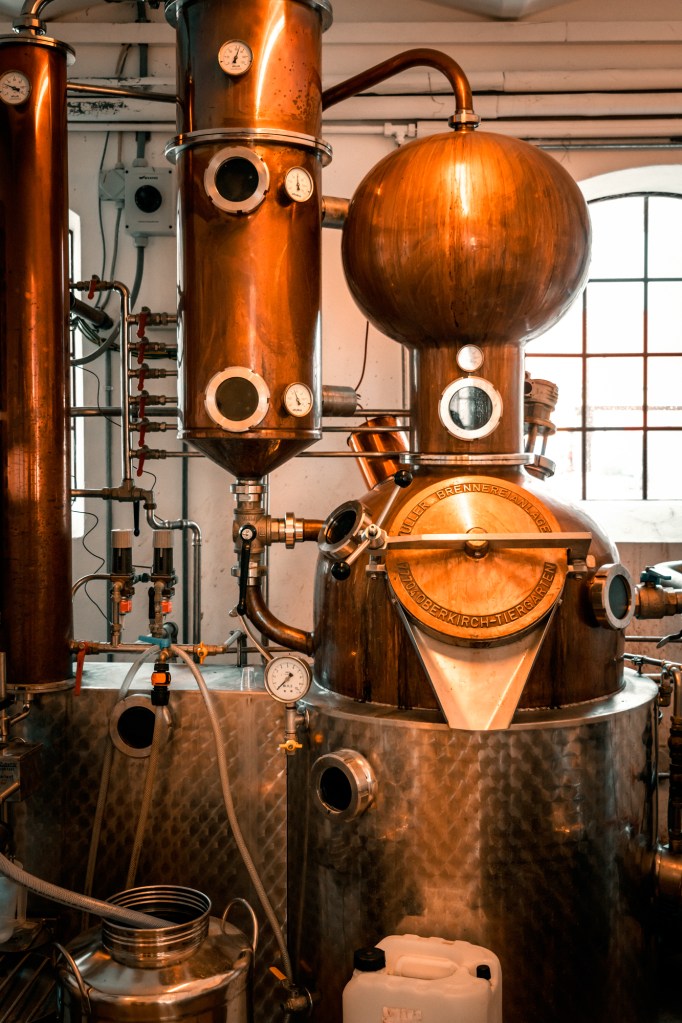
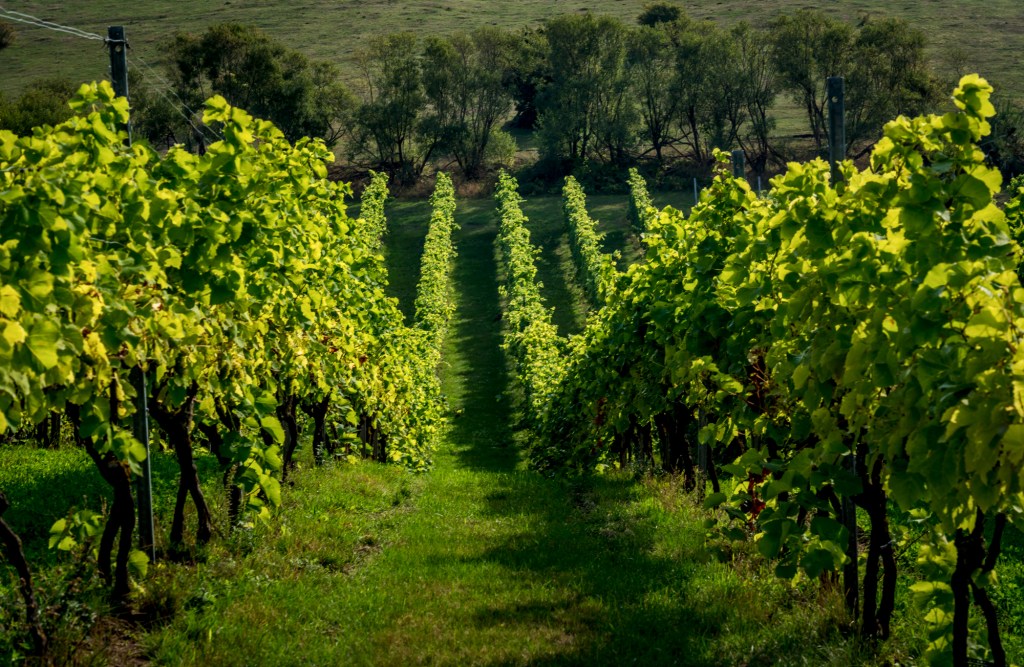
The following pictures are from the following vineyards:

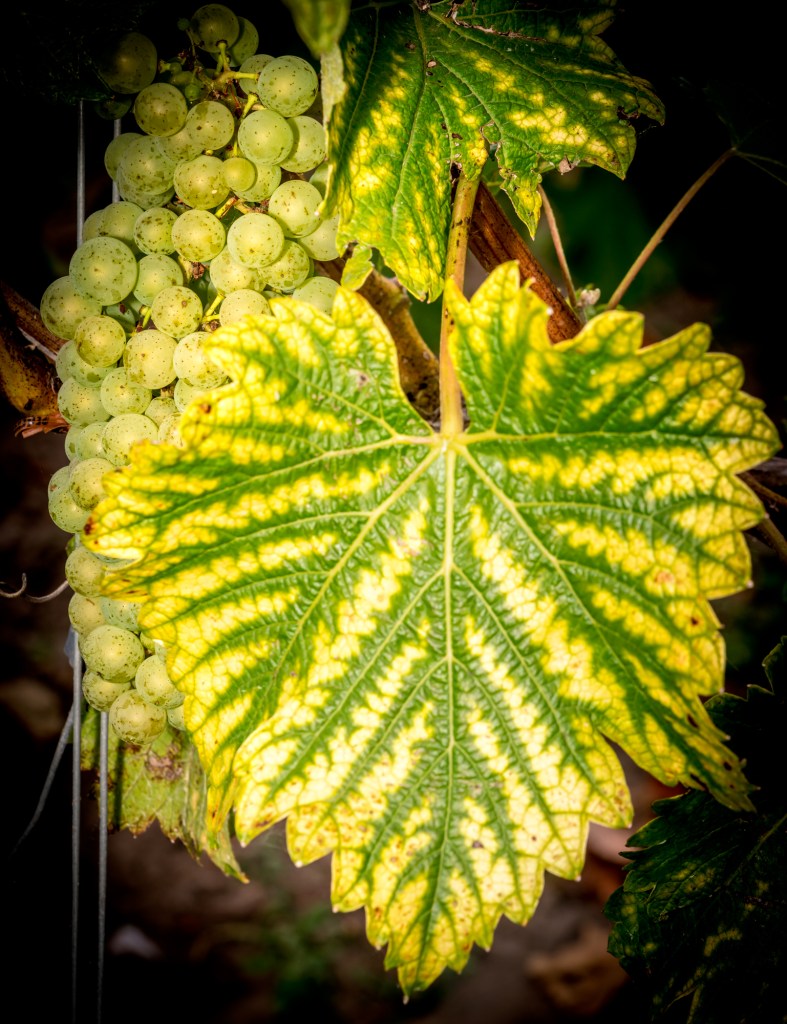
Skaarupøre Vingaard: Lovely organic winery located in Skårup on the Island of Fyn offering Bubbles, Rosé and White, as well as some fortified wines.

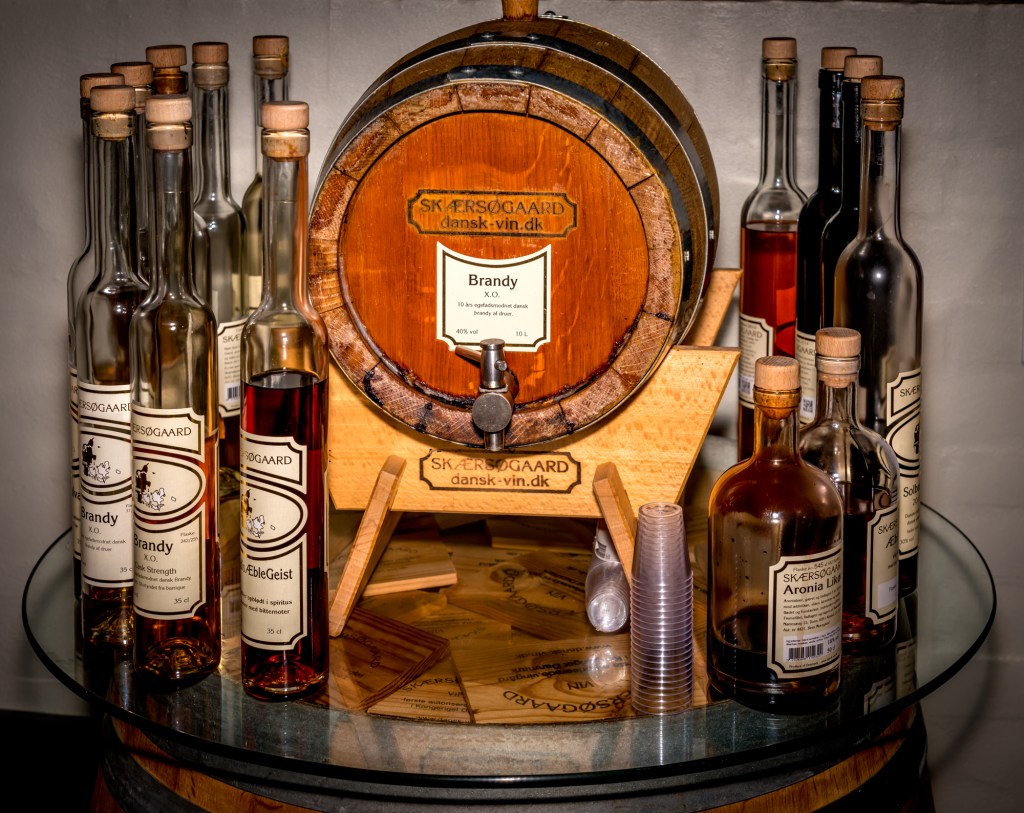
Skærsøgård Vin: The only wine with an appellation in Denmark (Dons) and the most awarded winery in the country with 126 Danish medals and 115 International ones. Located near Kolding in Jylland offering the same typical Danish wines.

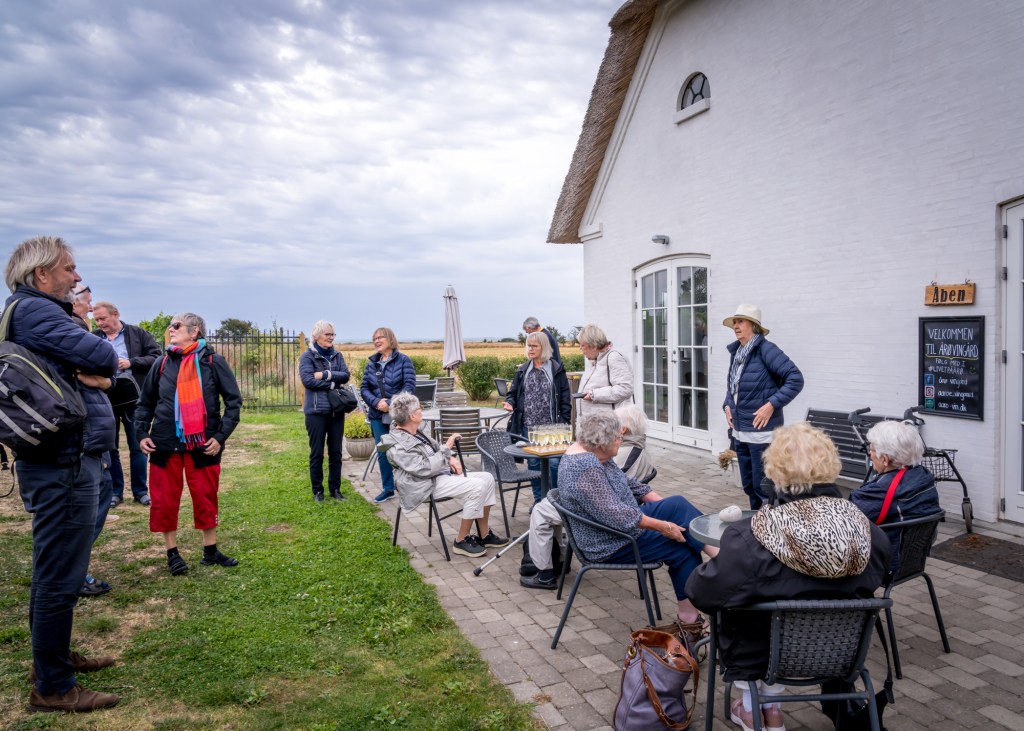
Årø Vingård: Located in Southern Jutland on the tiny island of Årø offering the usual Bubbles, Rosé and White, but also red and fortified wines. Don’t miss the “Flammkuchen” (Alsatian pizza simplified!) that come with the tasting!

Vesterhave Vingård: We are back in Zealand in the adorable town of Karrebæksminde way down south, only it feels more like tasting Amarone in Italy! Whoever said that Denmark cannot make red wine is just wrong!

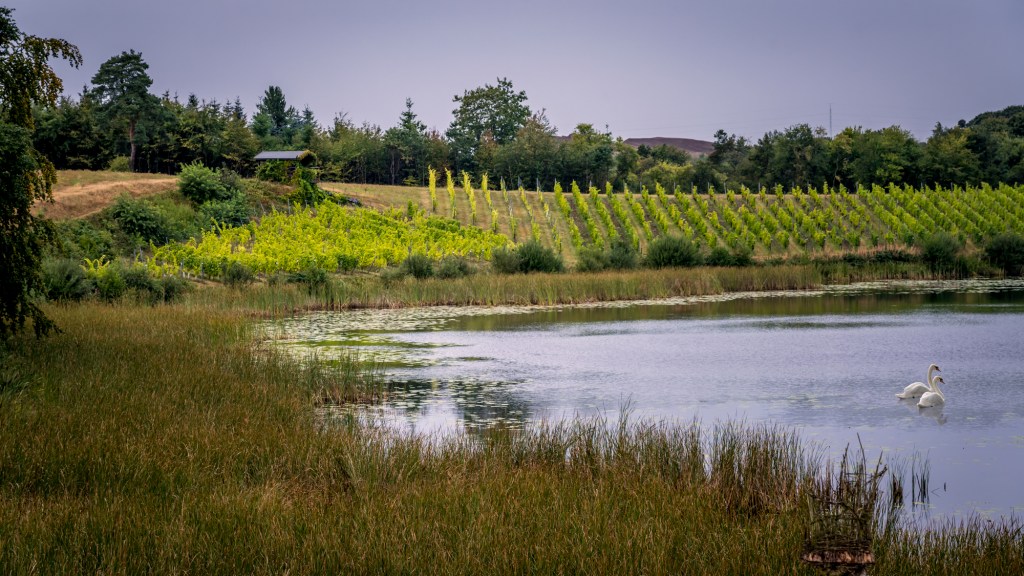
Dyrehøj Vingård: Denmark’s largest vinery with 50,000 vines spread across 4-5 parcels and the only winery on a slope that I have seen so far in this flat country! An impressive production of bubbles, rosé and white, but also gin, rum, fortified wines, liqueurs etc.

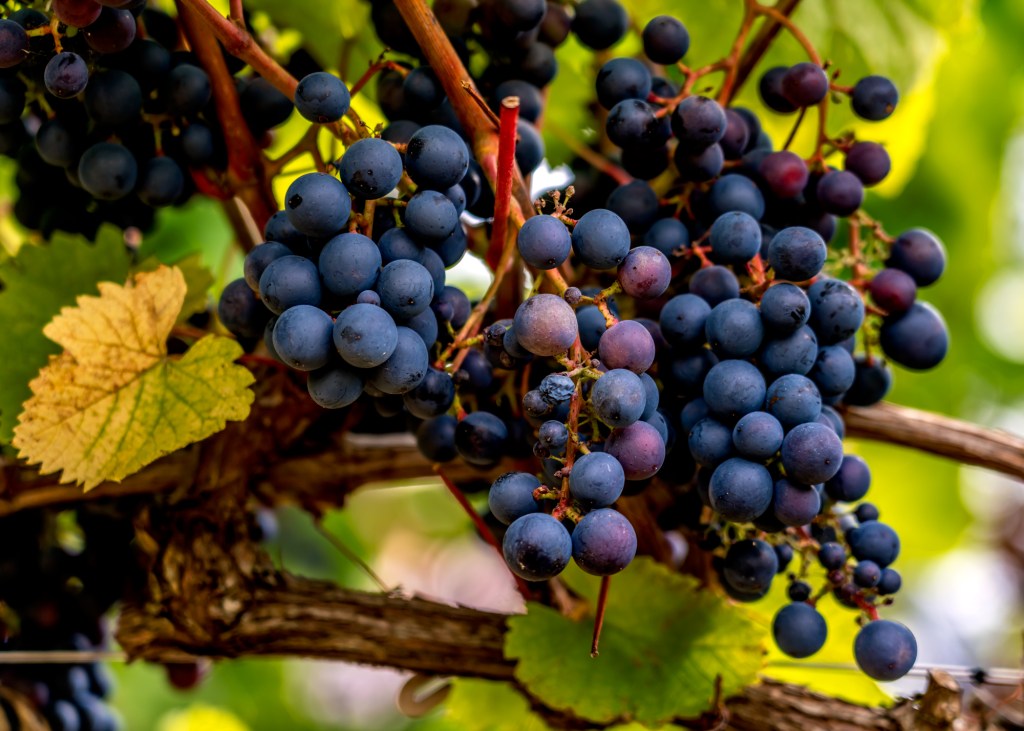
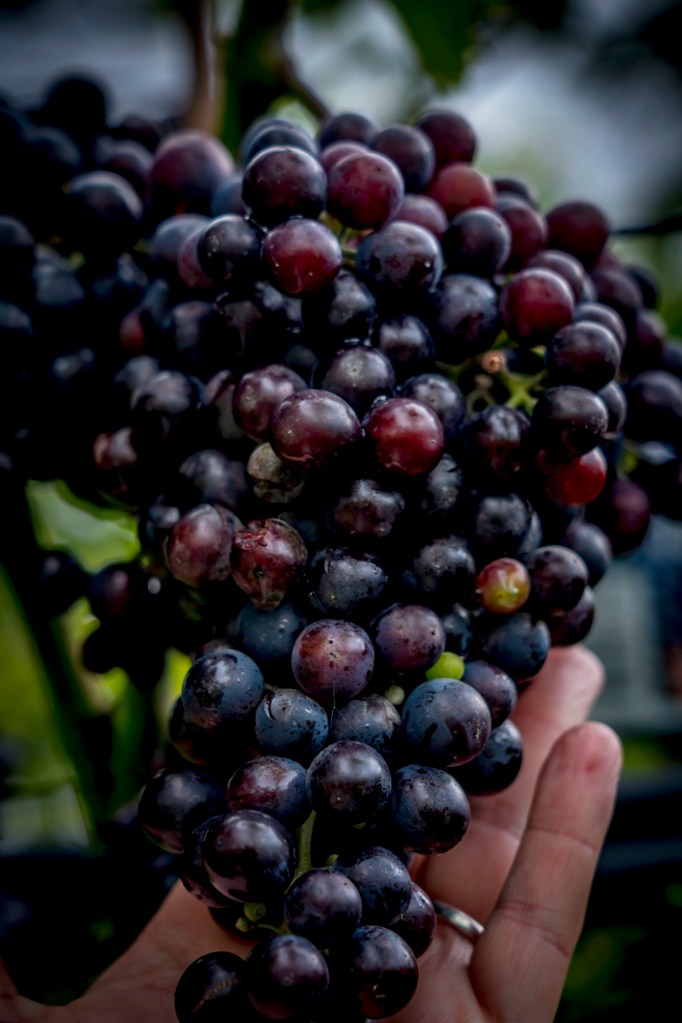
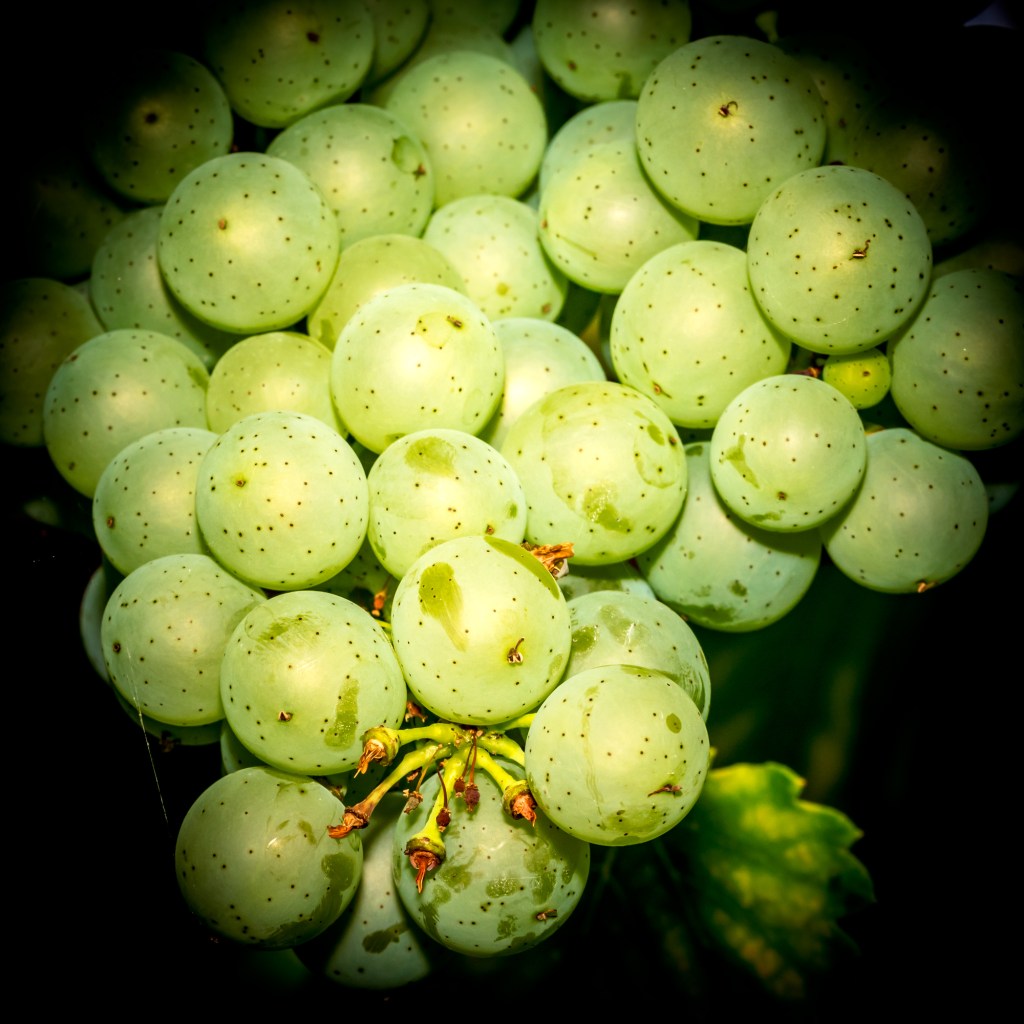
Grapes in Denmark are: Rondo, Regent, Leon Millot, Boleo, Cabernet Cantor, Cabernet Cortis, Castel, Solaris, Souvignier Gris, Orion, Zalas Perle and Riesel, all from Germany, France and Hungary.

A very special thank you to Vagn Olsen for organizing a perfect trip with wonderful wineries, food, hotels and stories, and to Alex, our fearless driver from Løvschall Bus.

Next adventure: The Vineyards of Sweden!

Skål!
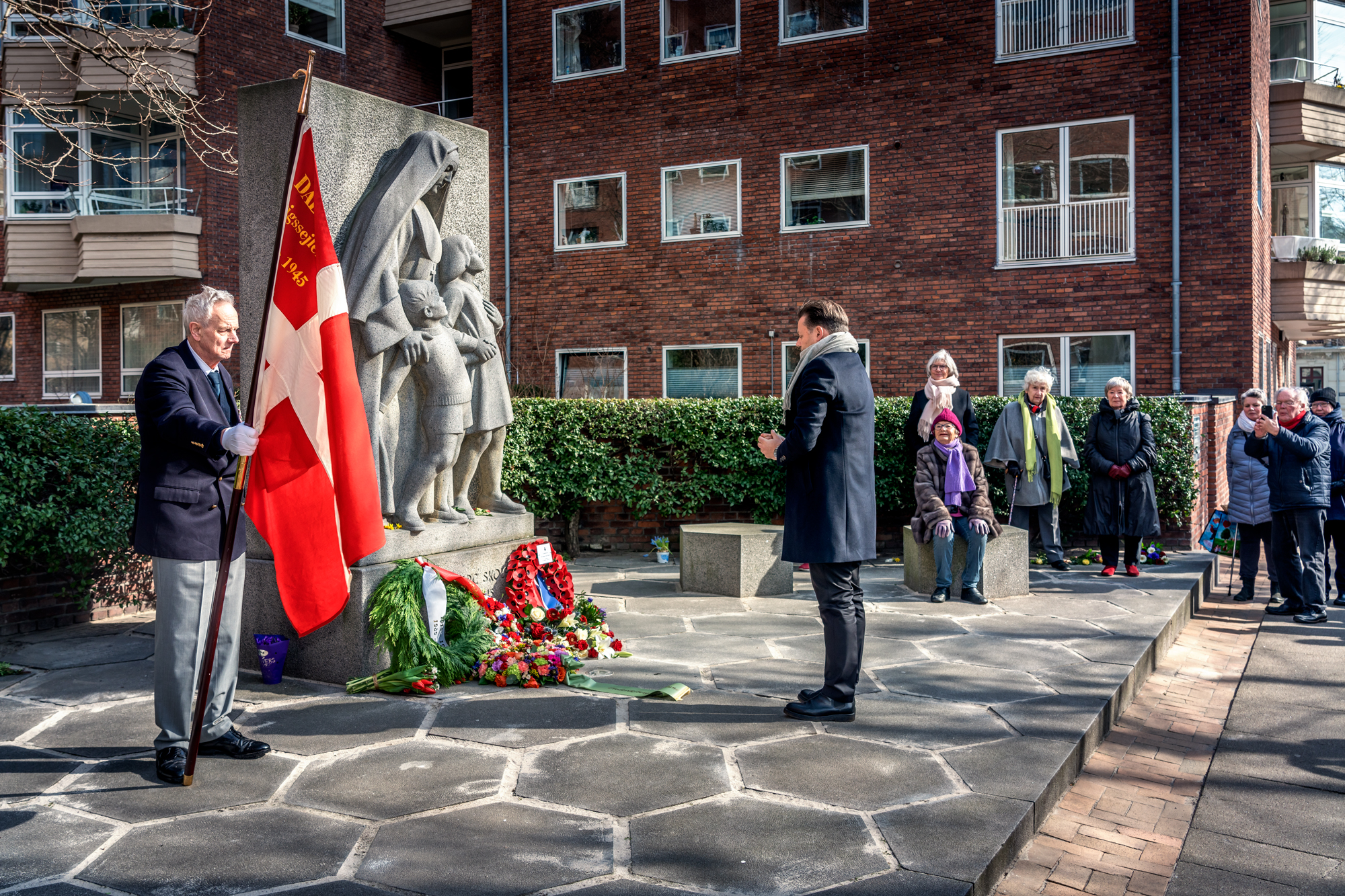
The Bombing of the French School in Frederiksberg, Copenhagen

On March 21, 1945, Ingrid woke up to a normal day in her apartment on Carl Bernhards Vej in Frederiksberg. She was 5 years old and Denmark was occupied by the Germans. Just before 11:16 am, she saw planes flying very low over her apartment building and was rushed to the basement by her parents.

Little did they know what had happened….

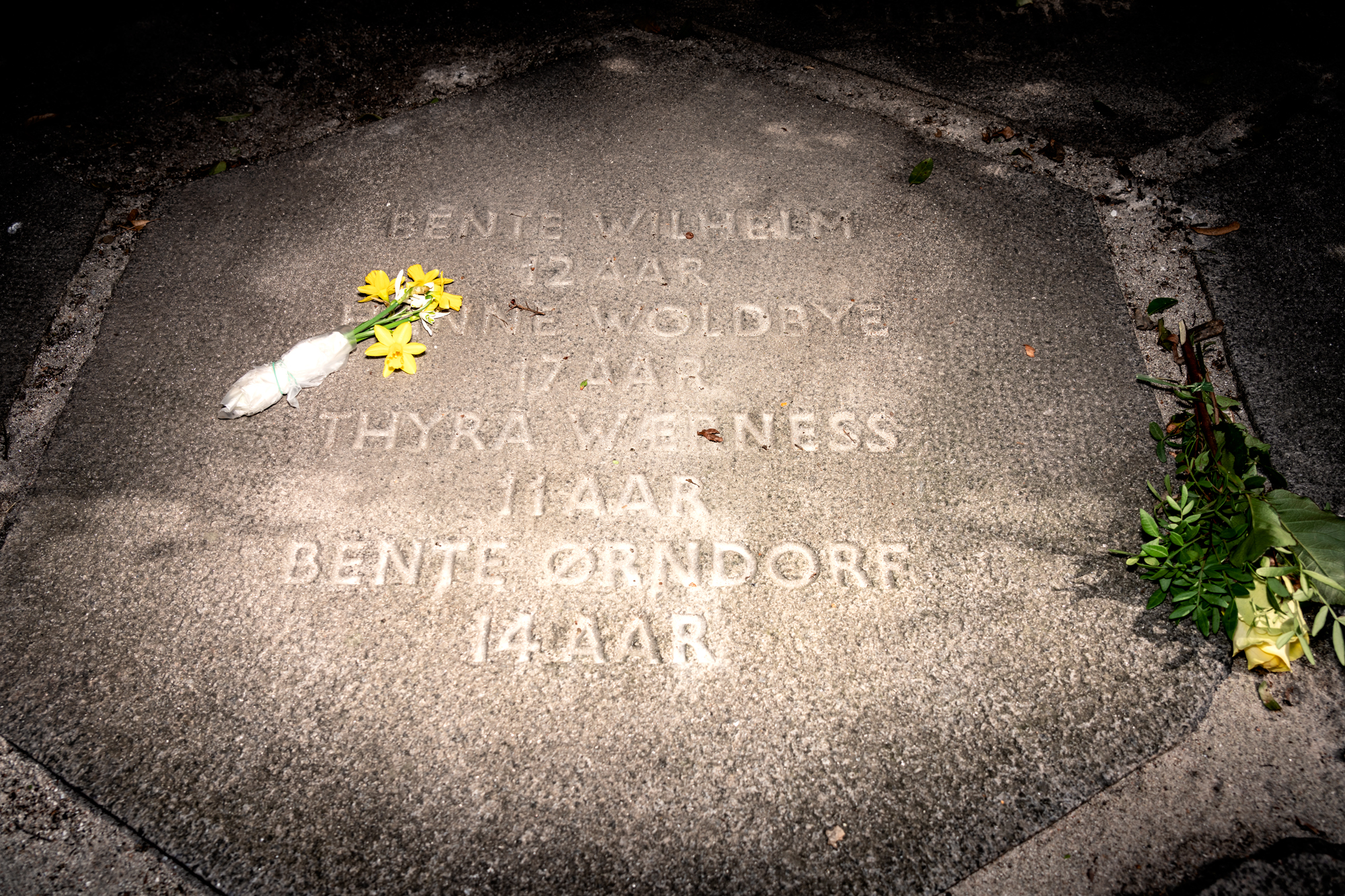
The war was drawing towards the end, but the Nazis were still here and very much active. They had chosen the Shell Building as their headquarters and were preparing a big blow against the Danish Resistance. The United Kingdom decided to do something about it and prepared an incredibly dangerous Air Force operation. It involved flying very low and targeting just one building. Unfortunately, a human error made one plane bomb the wrong building, the French School in peaceful and sleepy Frederiksberg, the independant city within the city of Copenhagen. 82 children were killed, but not necessarily from the bombs, but from drowning when the pipes in the basement burst.

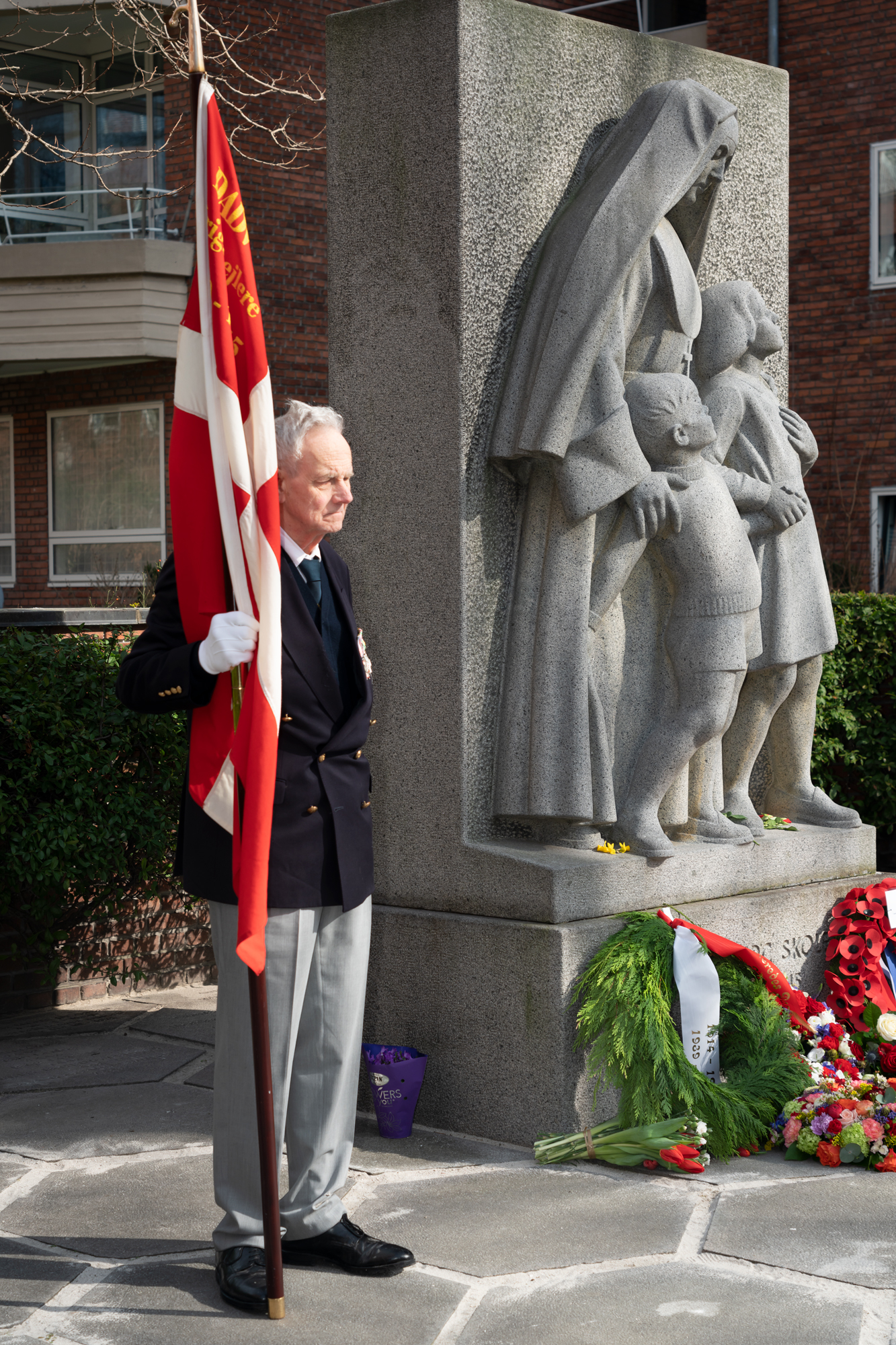
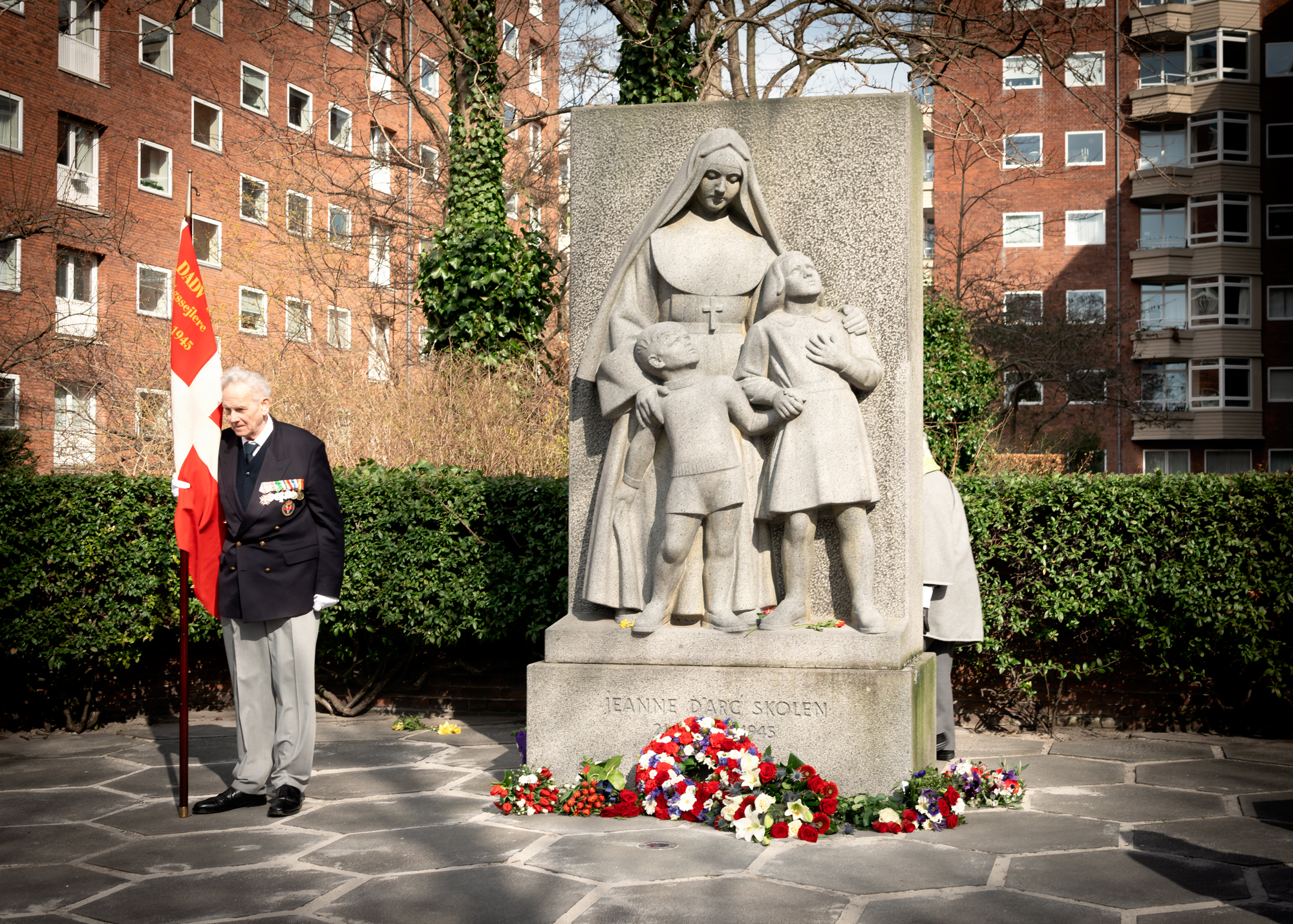
Ingrid is the mother of one of my best friends whom I have known since 6th grade. I went to see the heartbreaking, but fantastic movie “In the Shadow of my Eye” with her and could not help noticing that she, just like me, had tears running down her cheeks. She later explained to me that she knew so many of the children whose names were mentioned at the end of the movie In Memoriam. We decided to meet up at the statue that has been erected where the school used to be, 5 minutes away from my apartment on Carl Bernhards Vej!
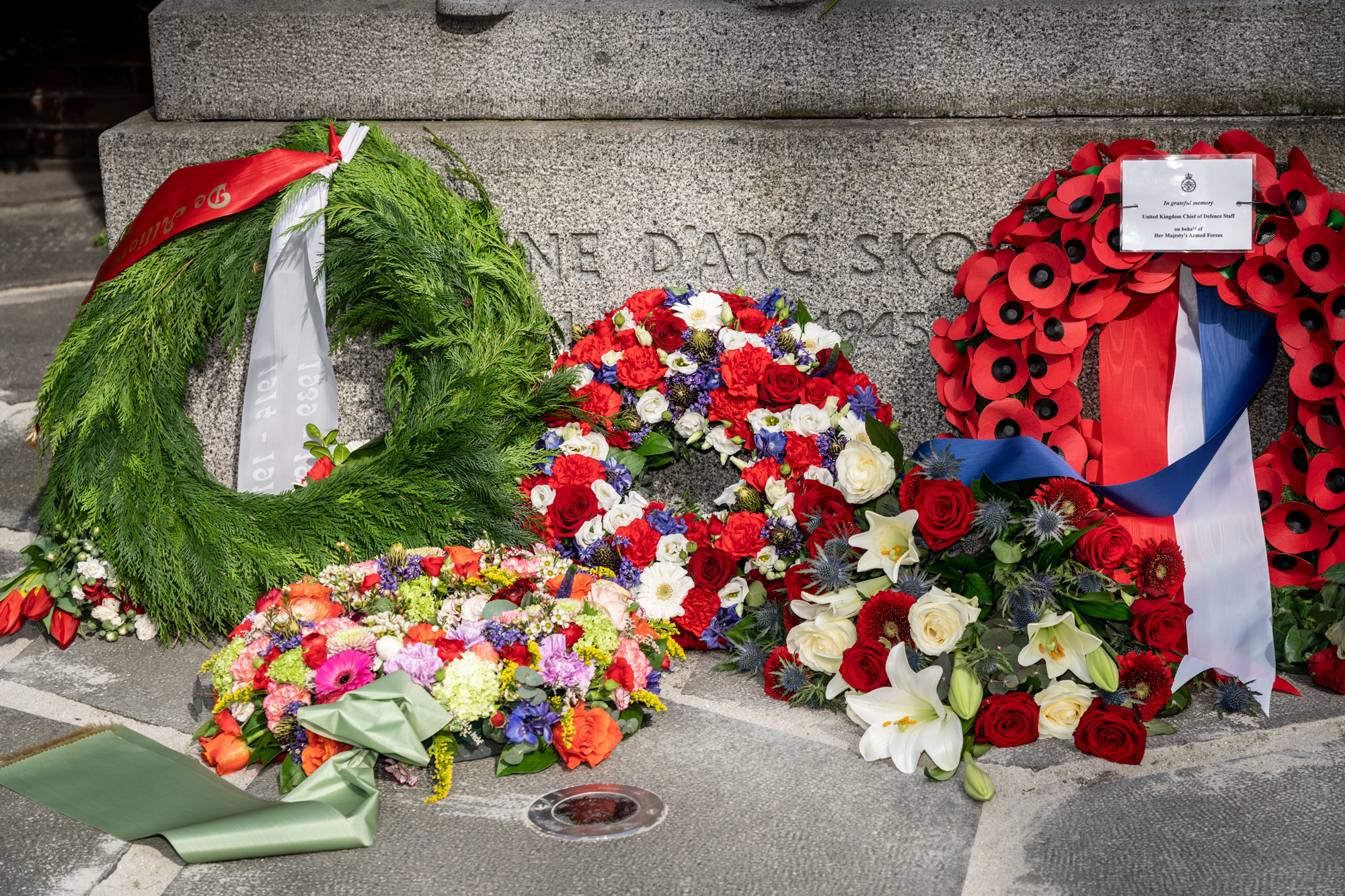
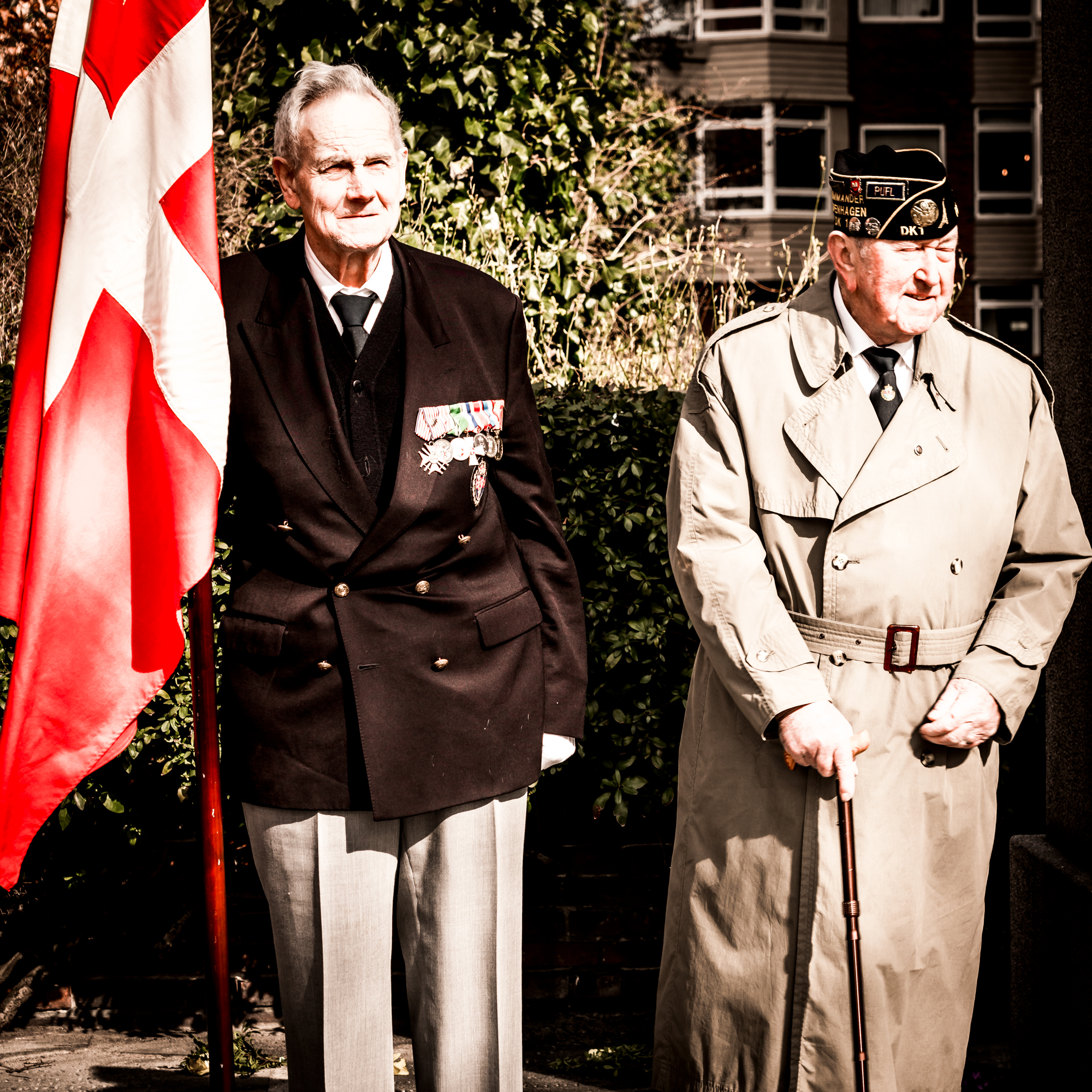
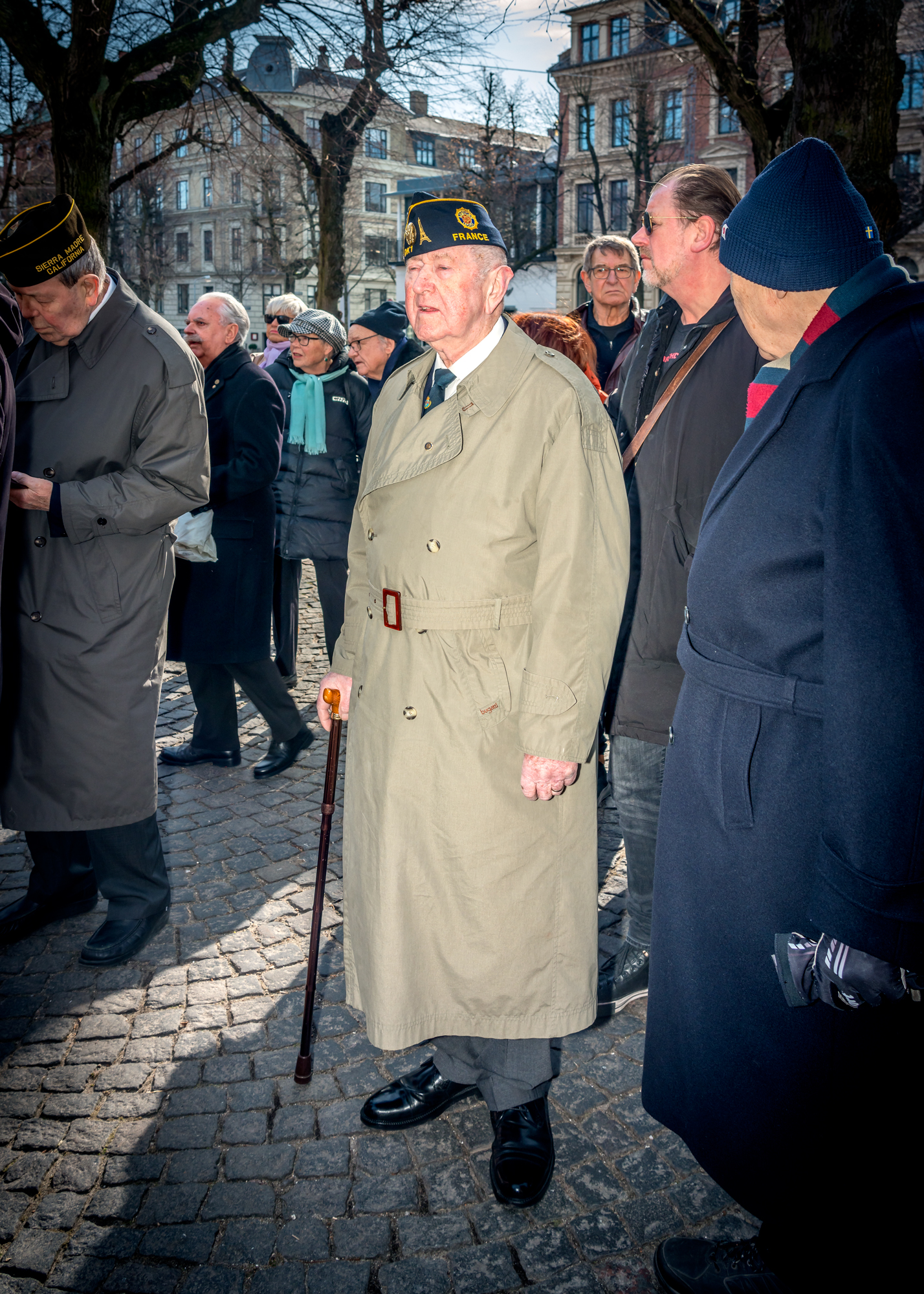
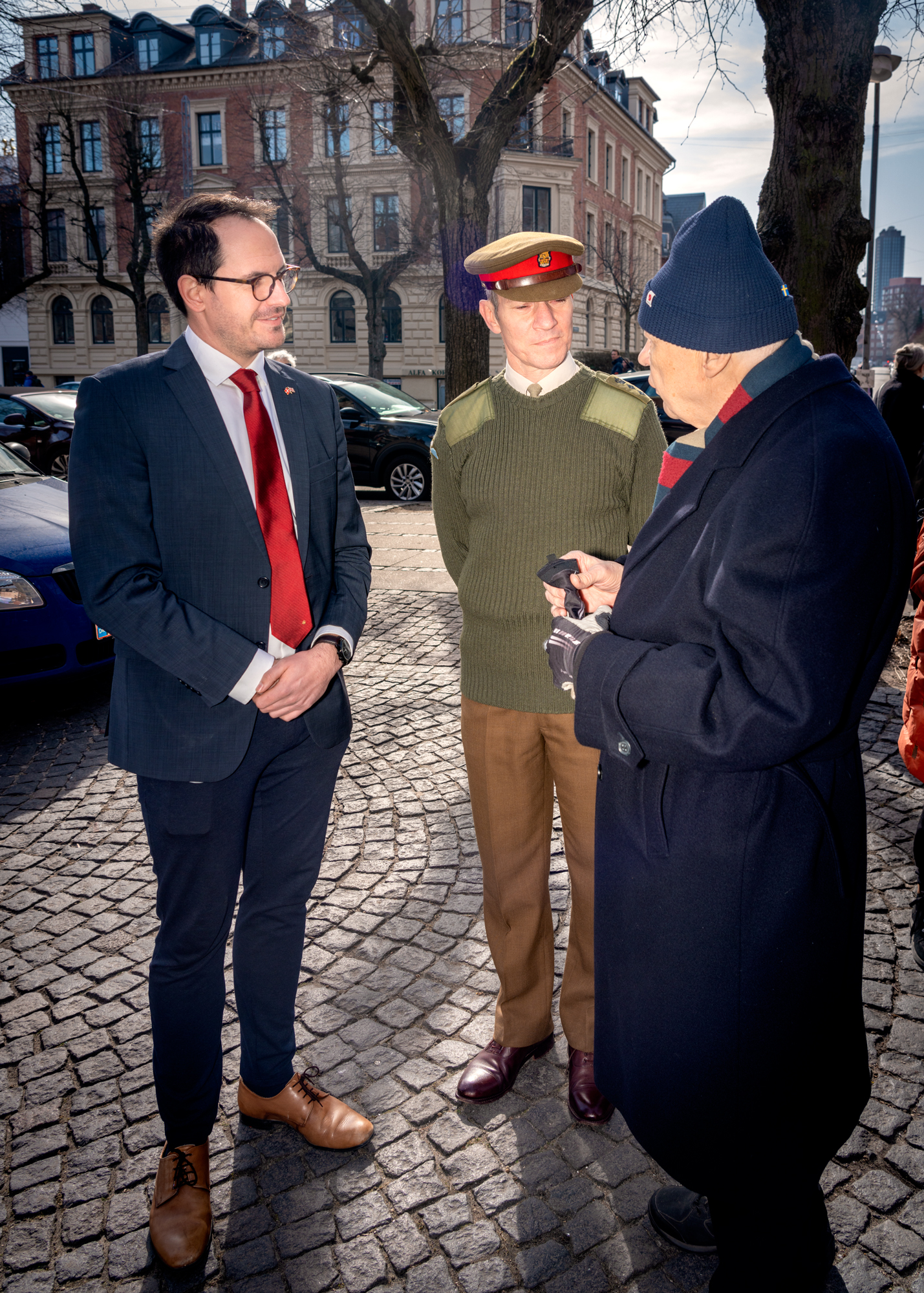
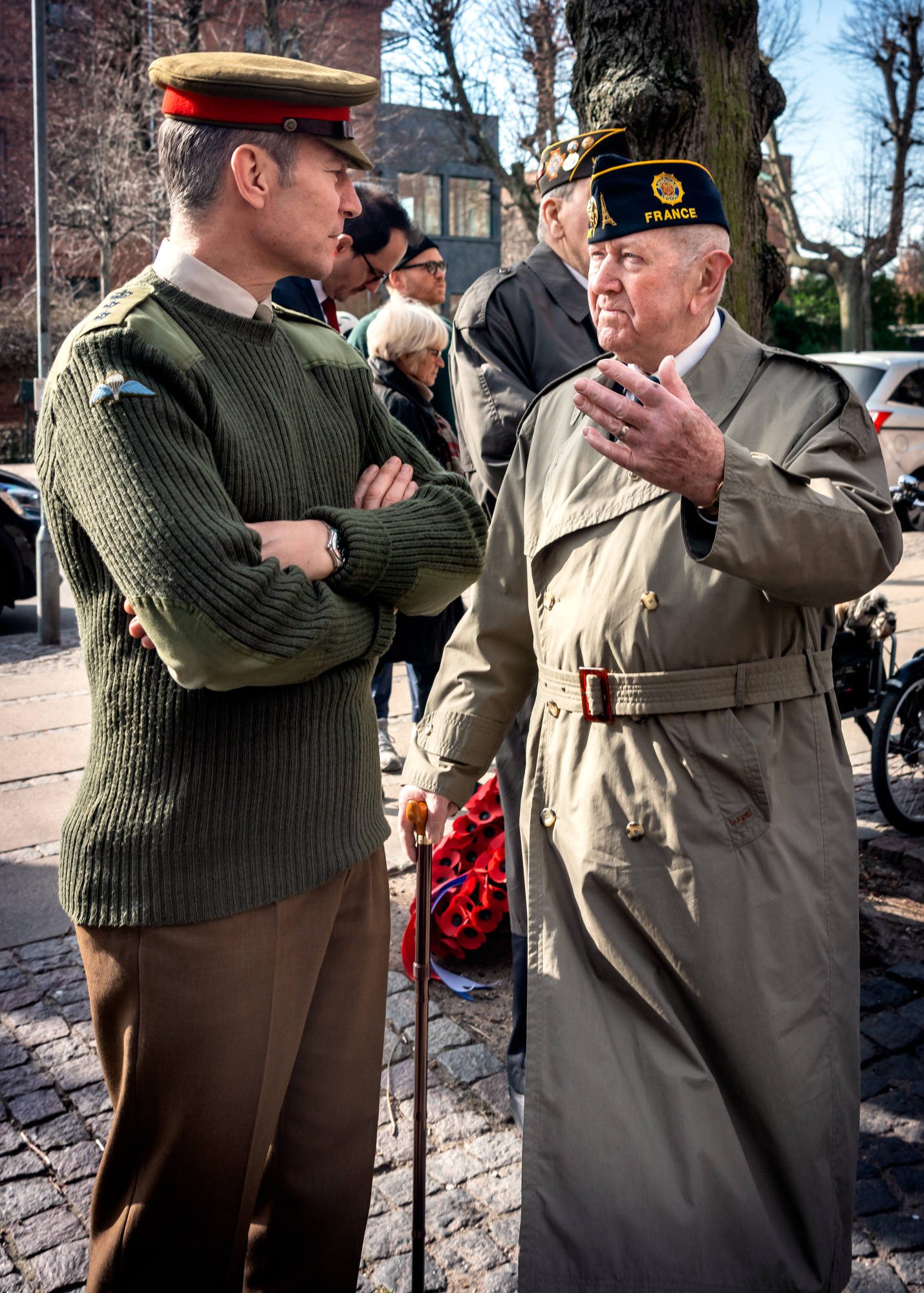
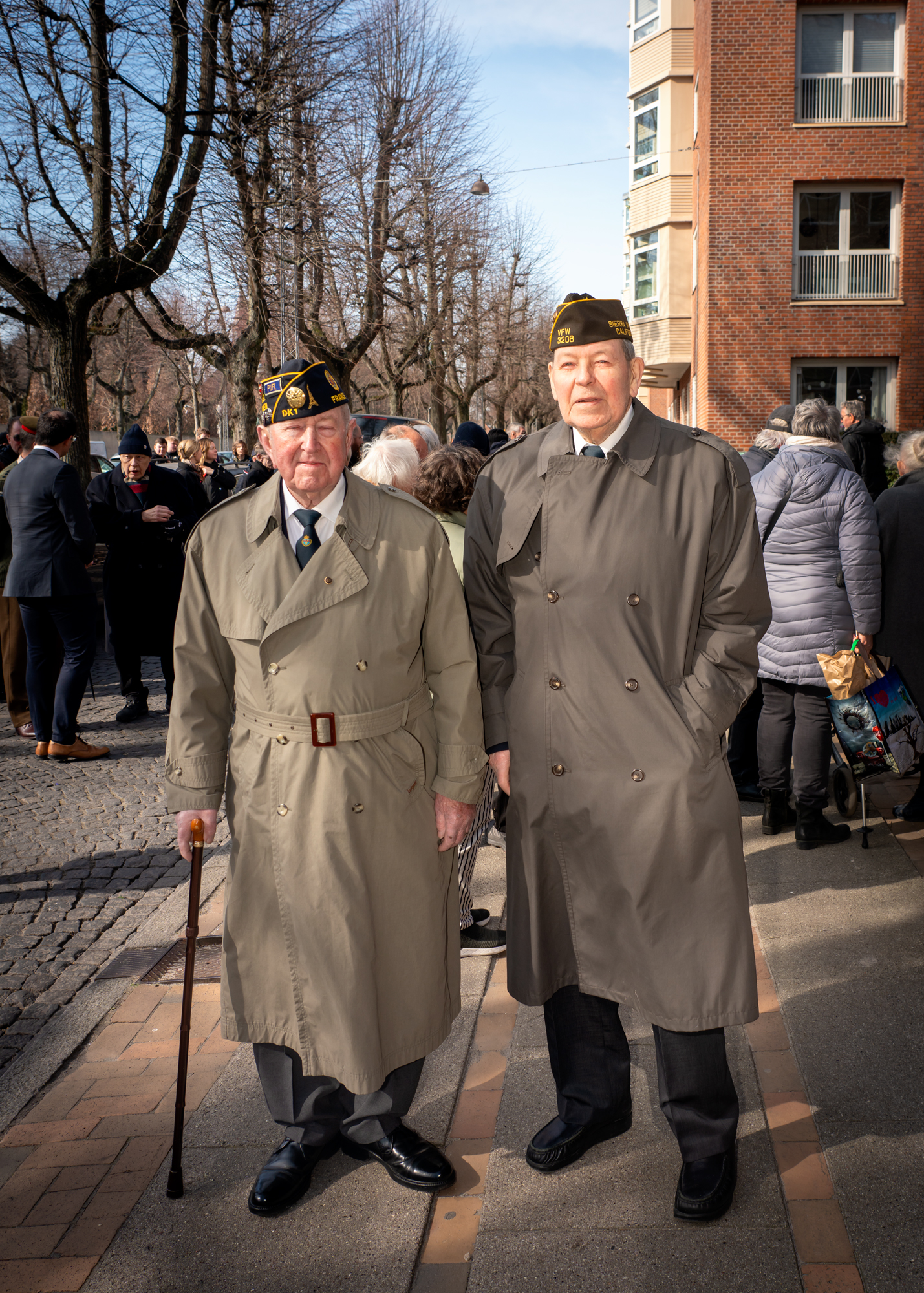
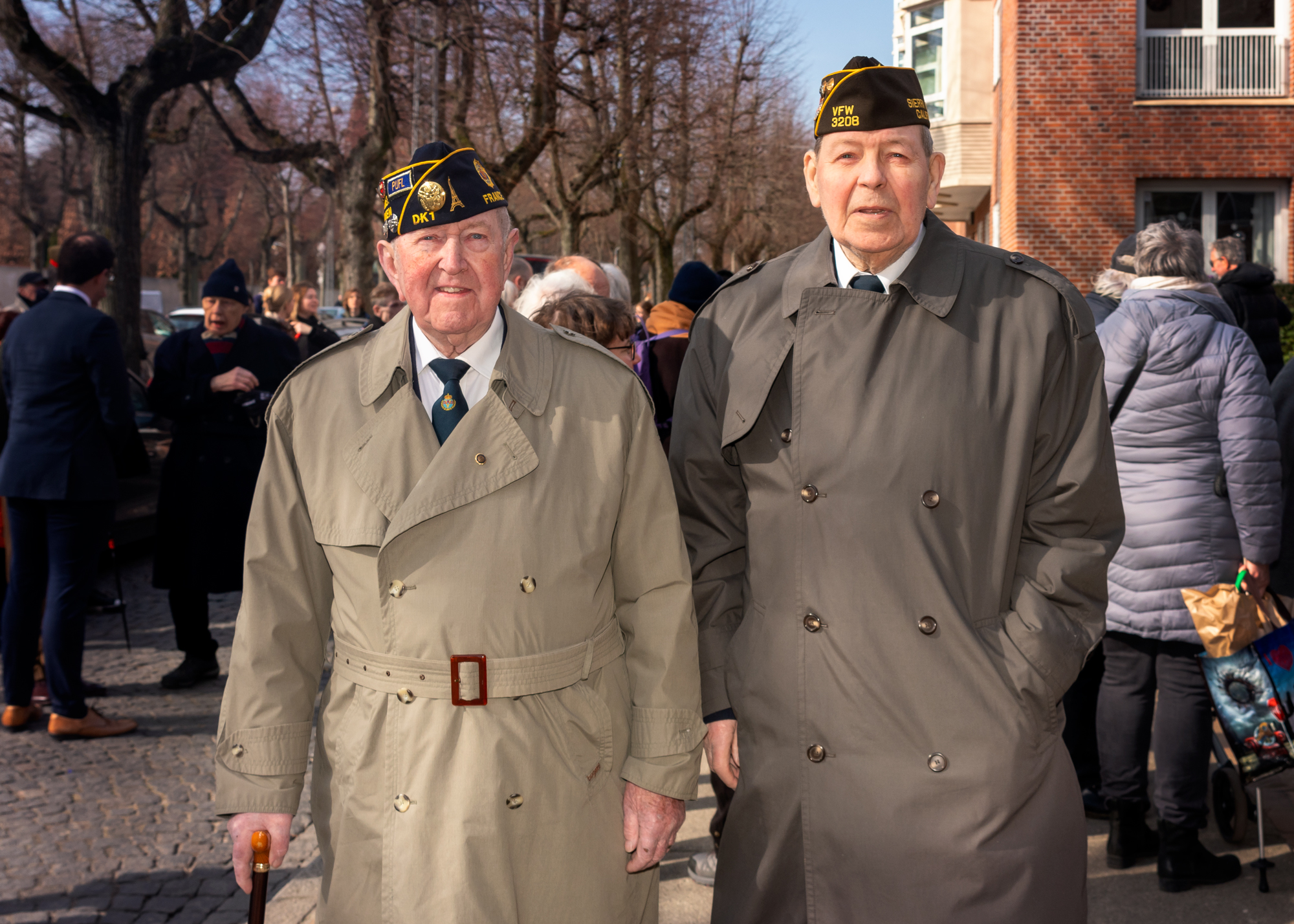
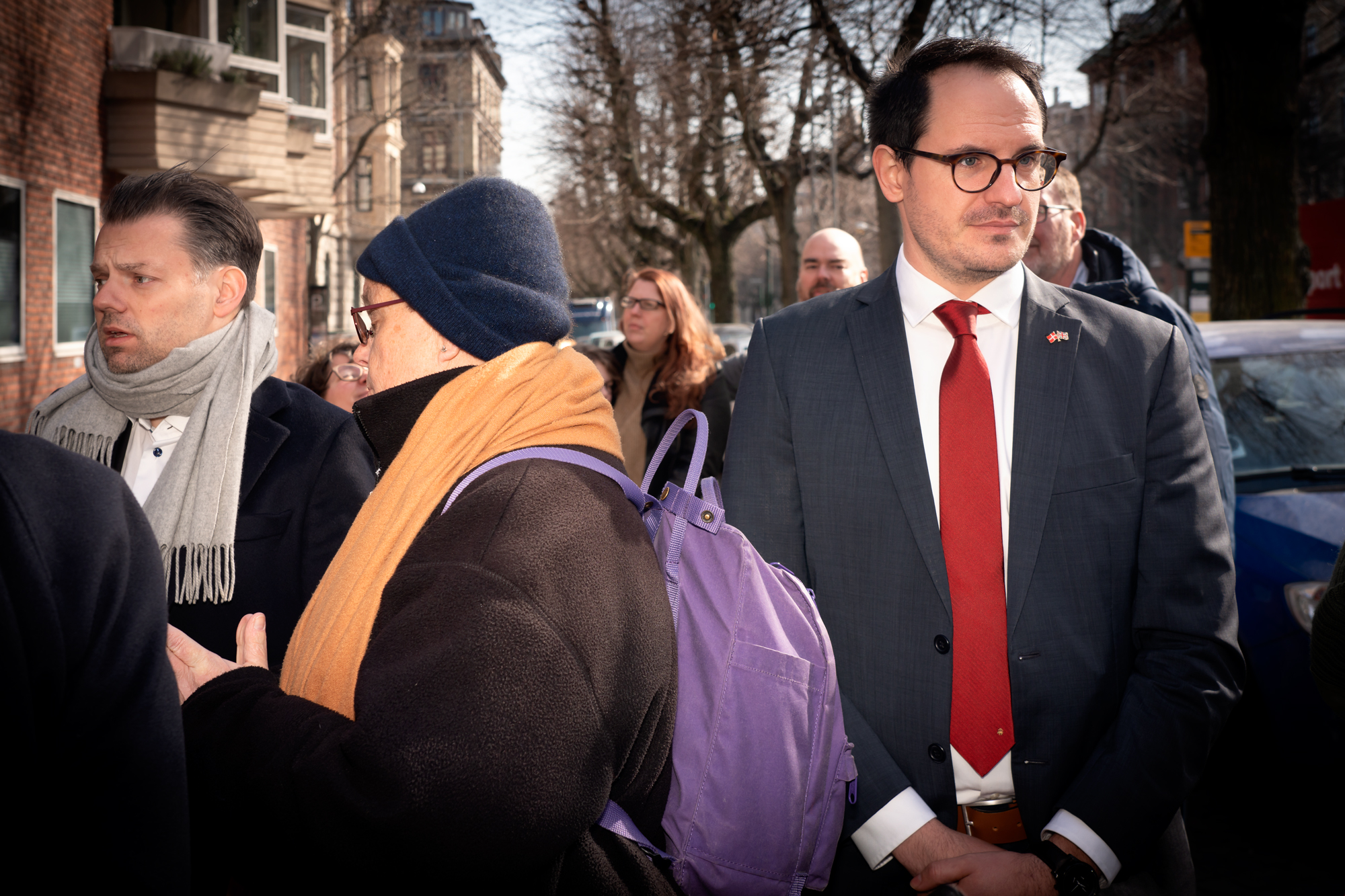
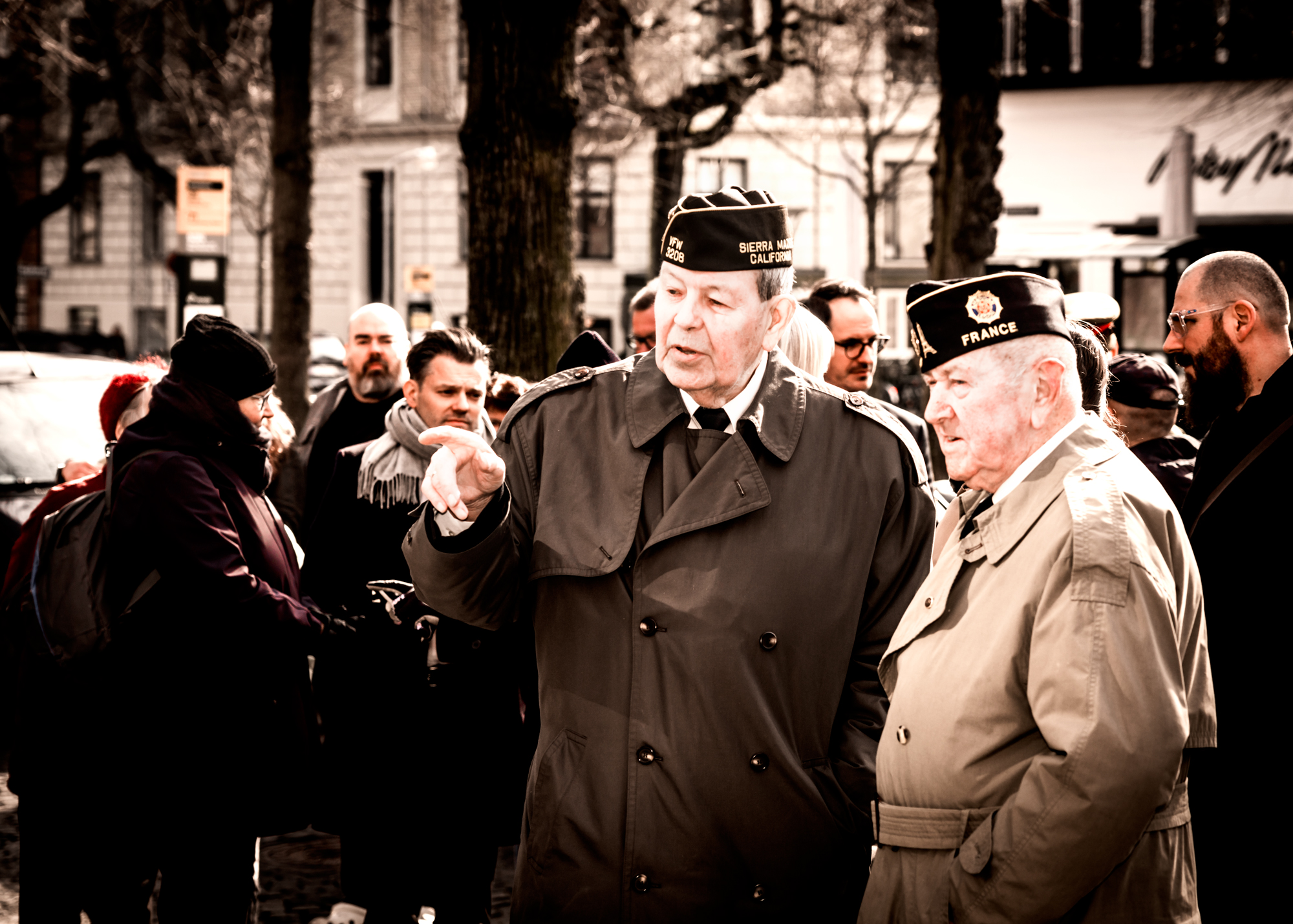
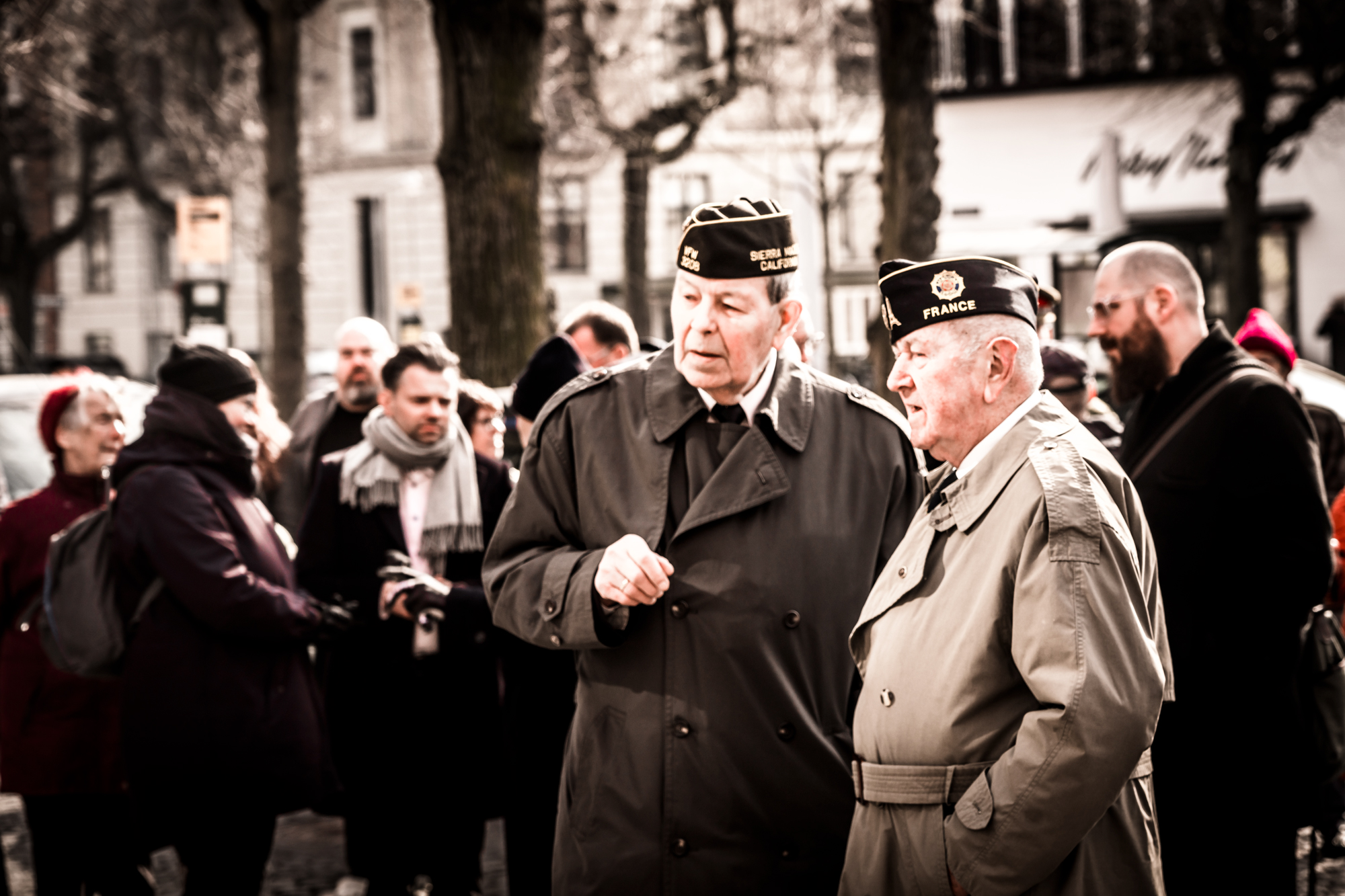
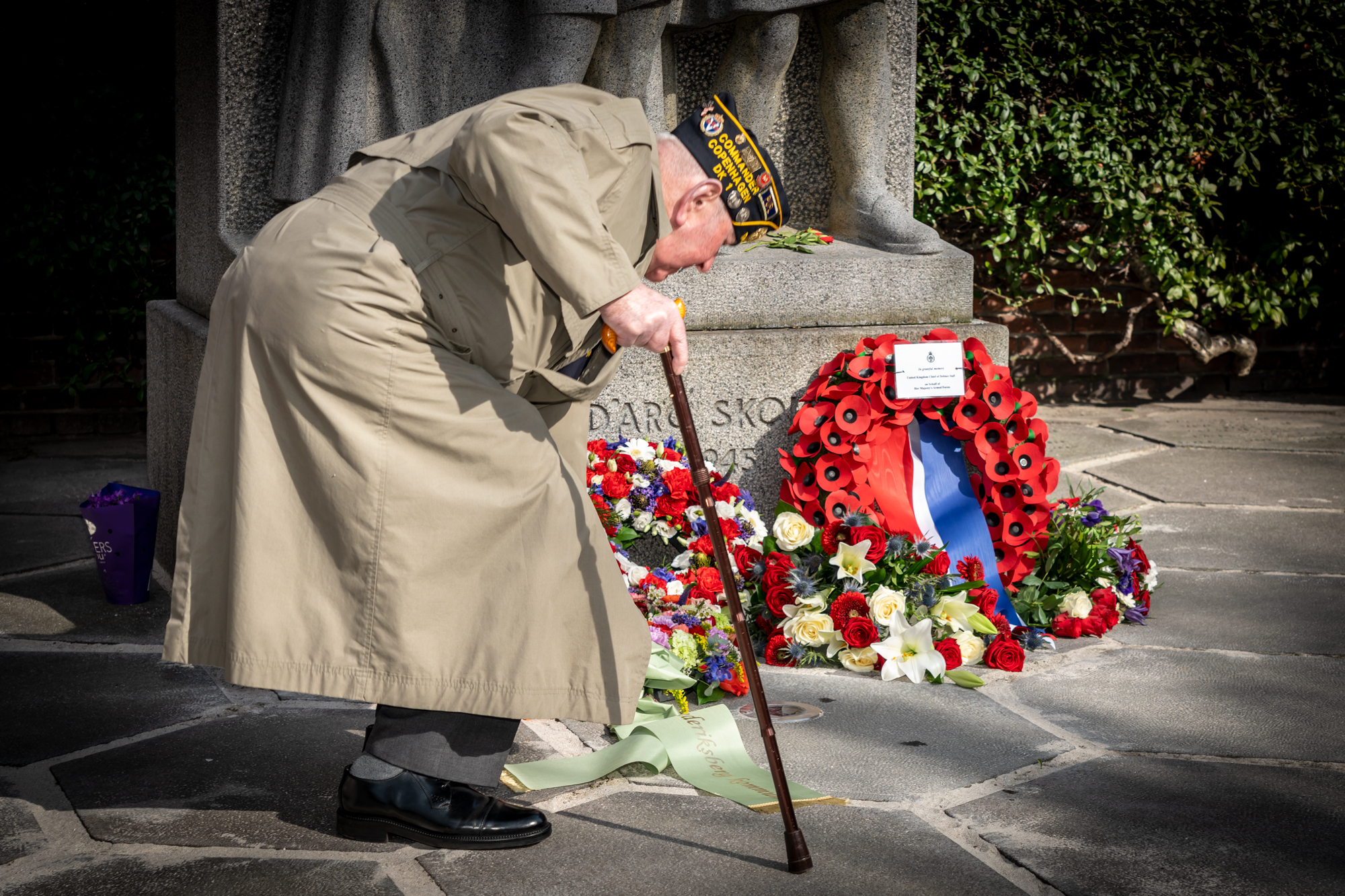
I did not realize that every year, RAF Veterans, Danish Veterans, the Mayor of Frederiksberg, the British Embassy and people either remembering or honoring the horrific accident gather in this spot. I felt it was important to document this, as less and less people will after 76 years, but also as a reminder of what war does to a peaceful nation and how long the ripples last, especially now as we seem to potentially face a much greater danger with a country that is going amok trying to repeat history.

Ingrid and I sat down for a warm drink afterwards and she also told me about the building where I currently live which is right next to her childhood home. I did not know, but it used to be a factory which was taken over by the Germans during the Occupation. It was blown up by the Resistance and all the windows in Ingrid’s building right next door were blown out. I had no idea!
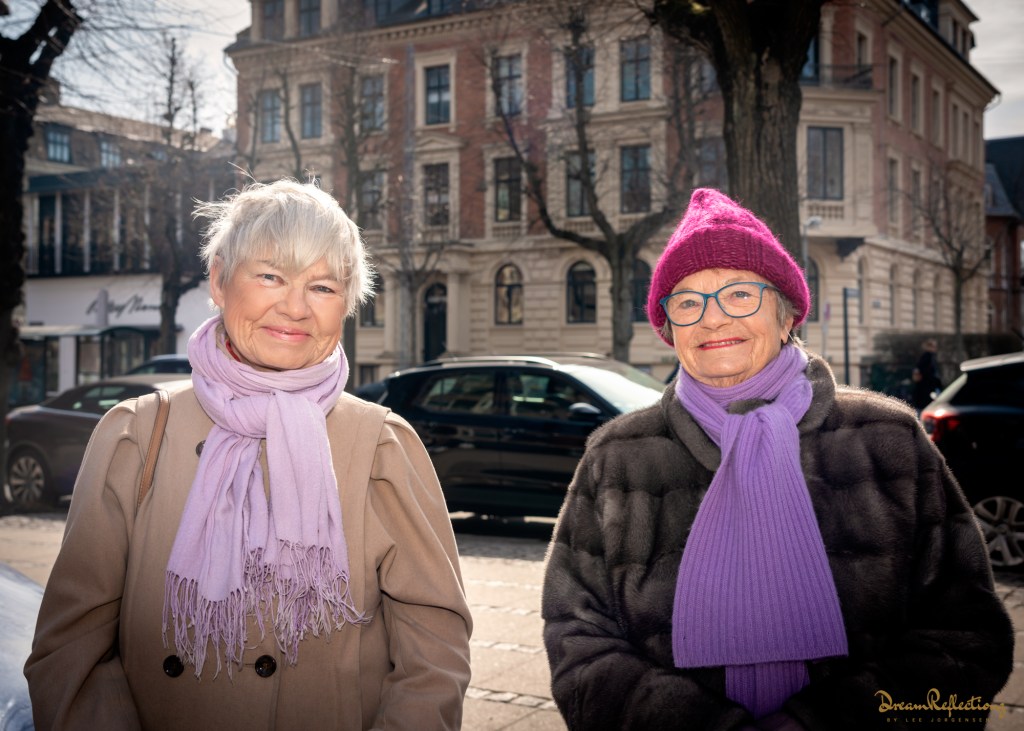
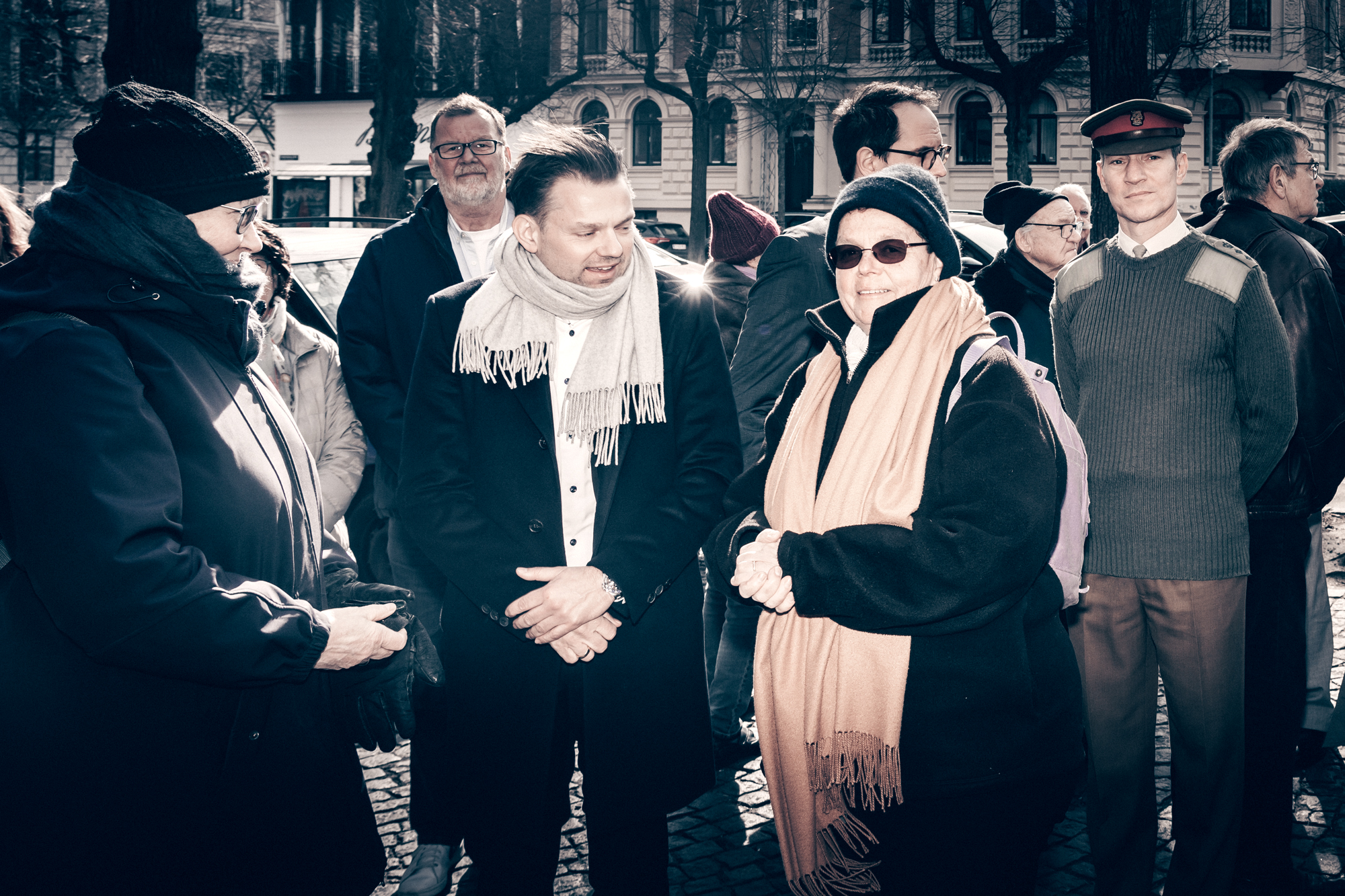
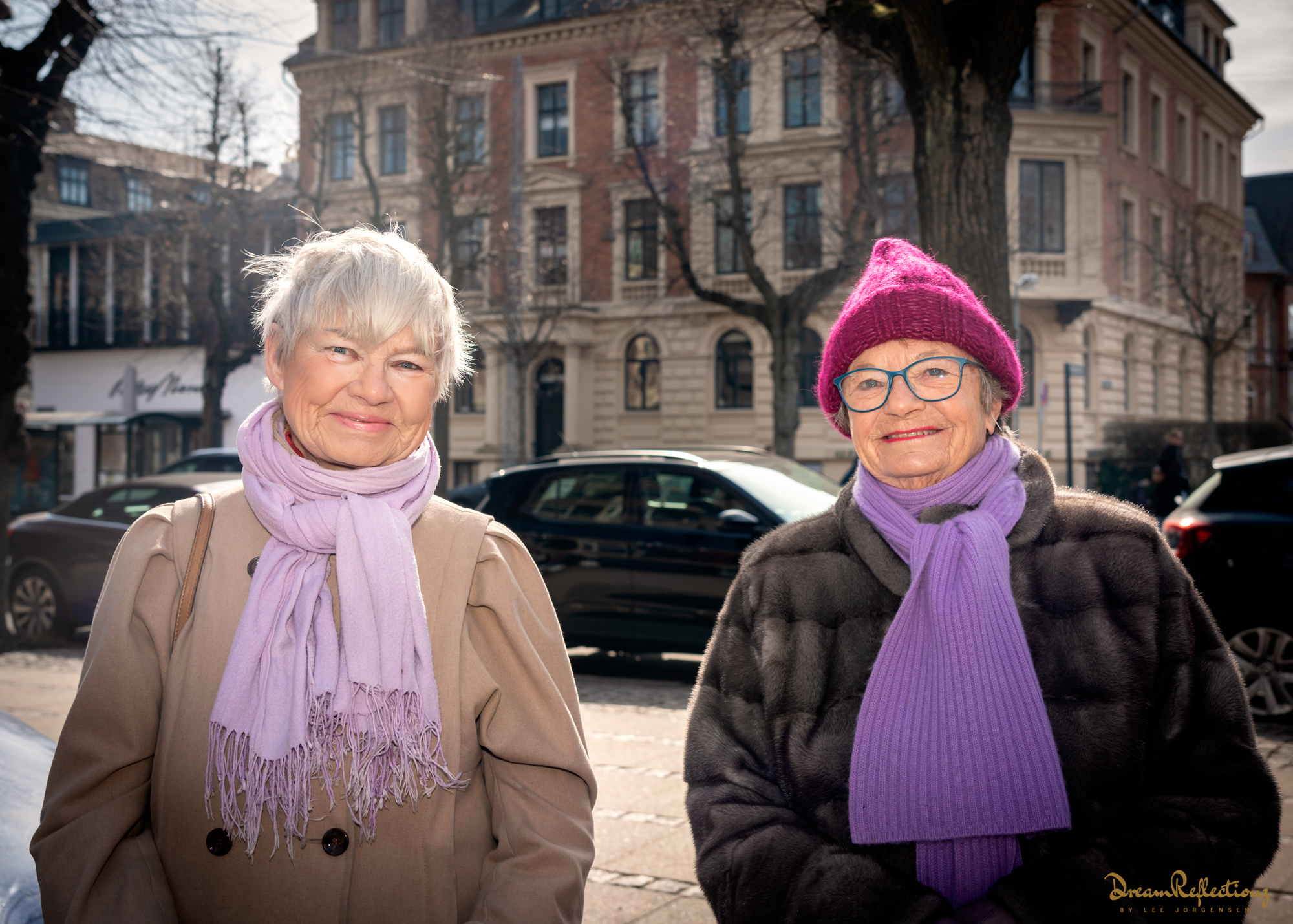
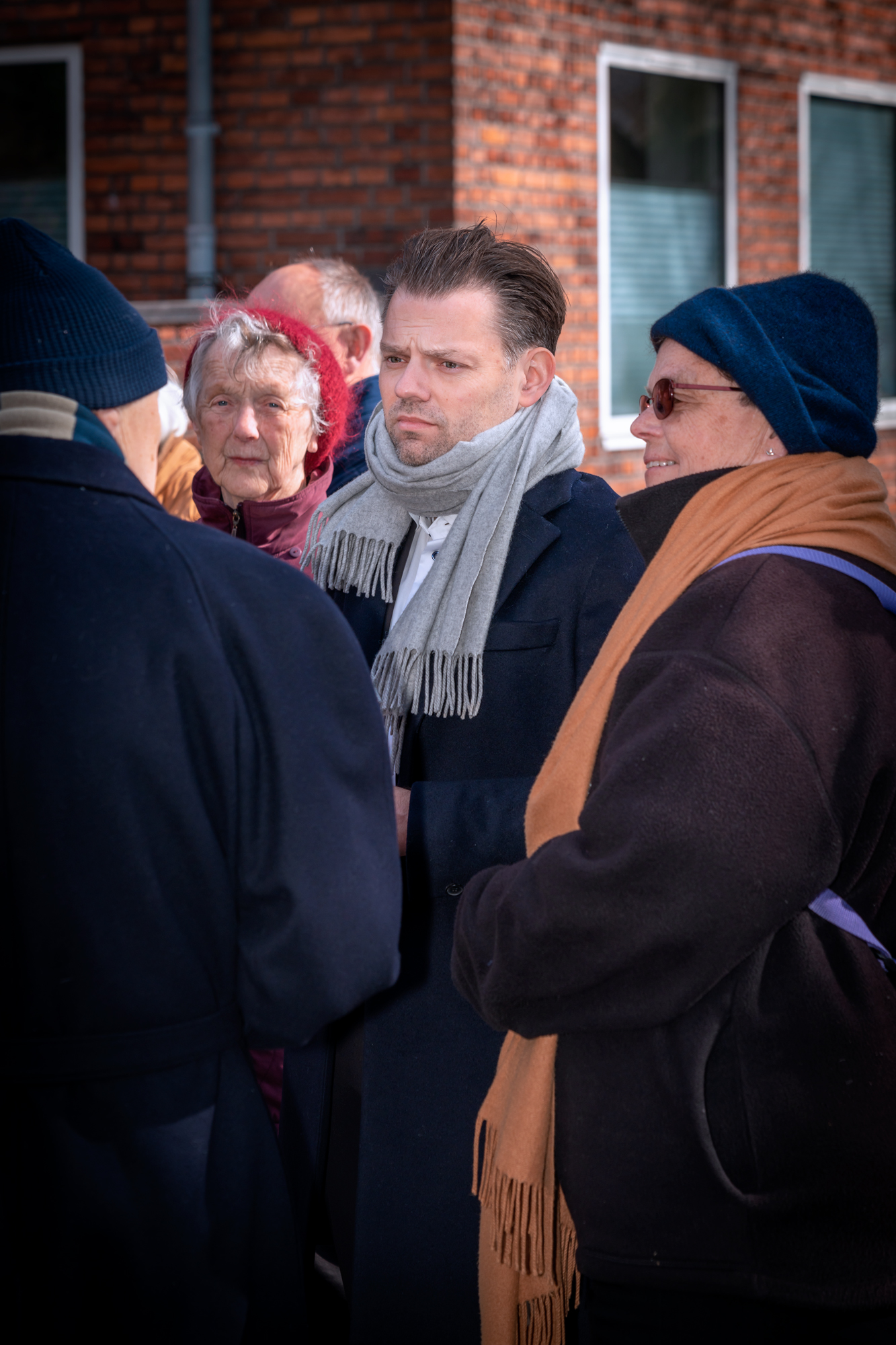
Ingrid to the left and a new friend who also remembers the event well. What an honor to be a part of this!

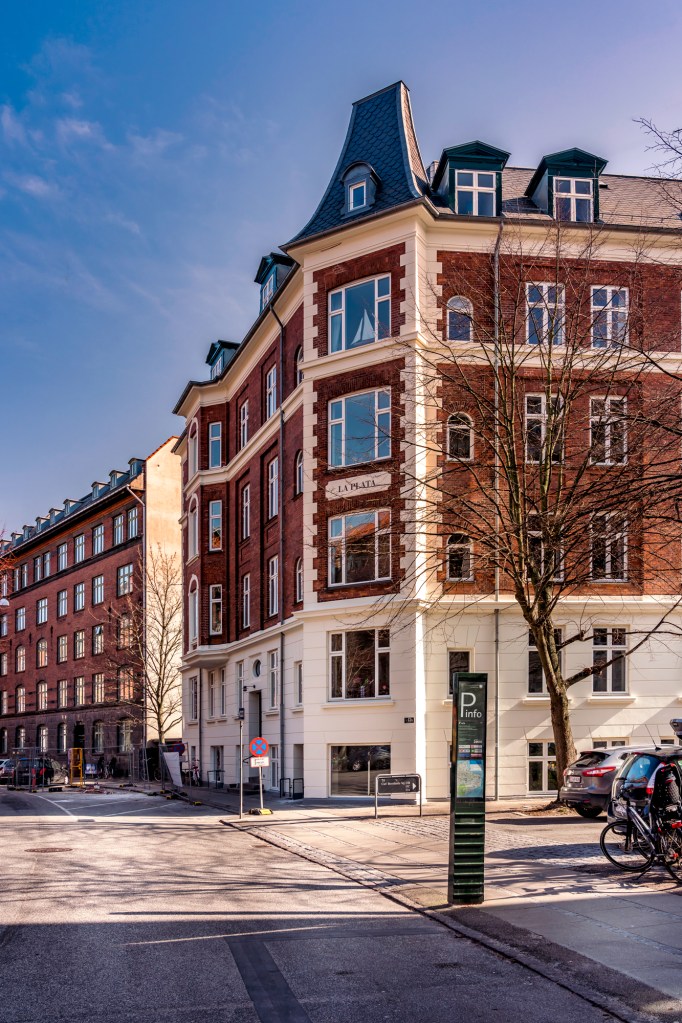
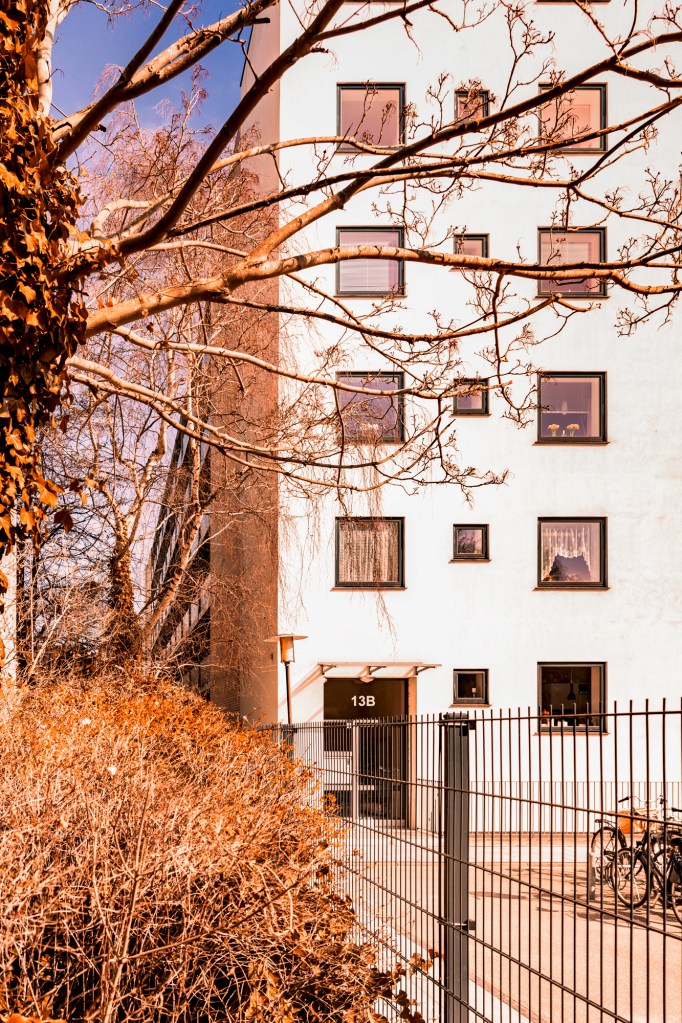
Below you can see Ingrid’s childhood building and mine where the factory once stood:

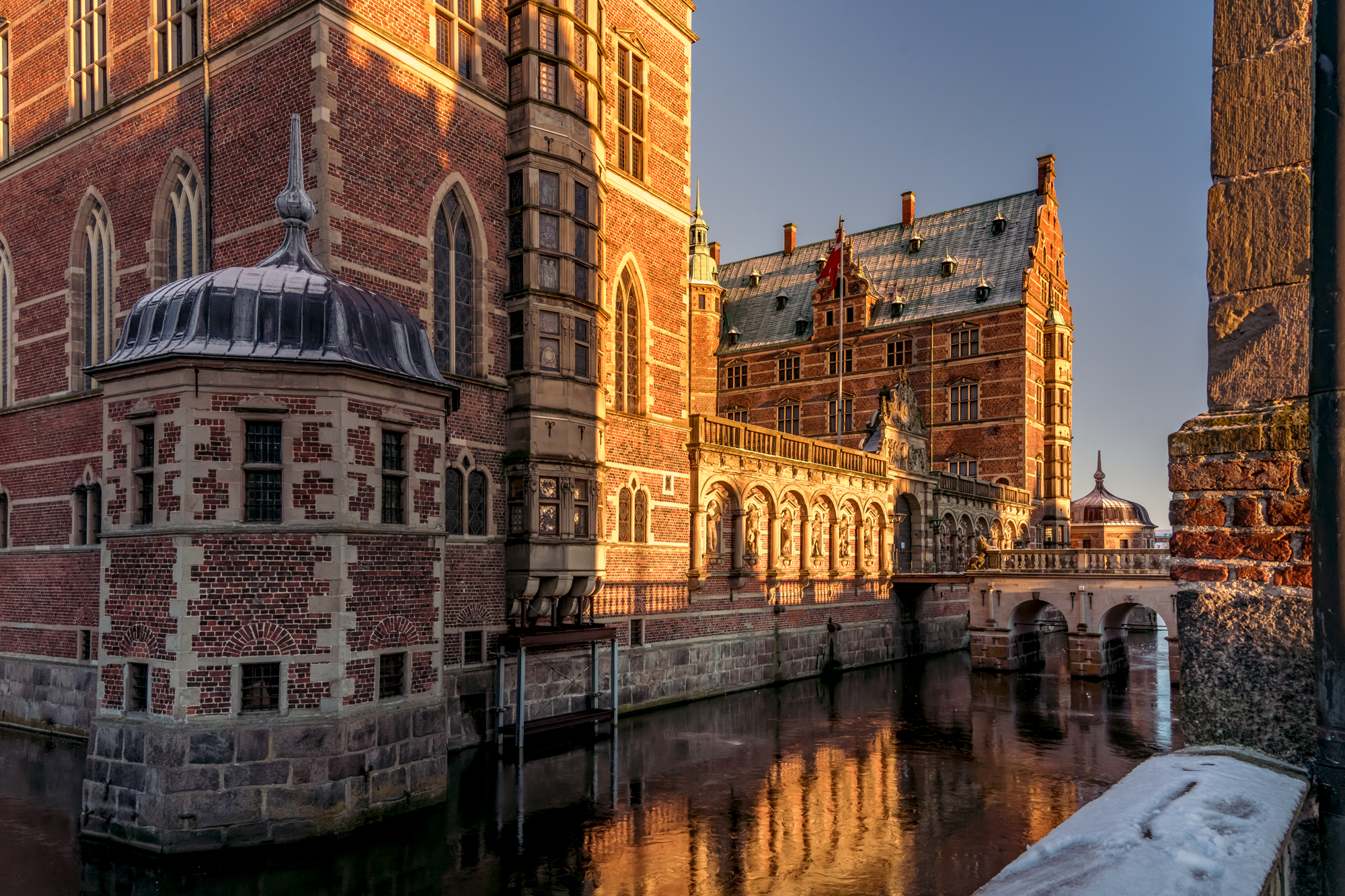
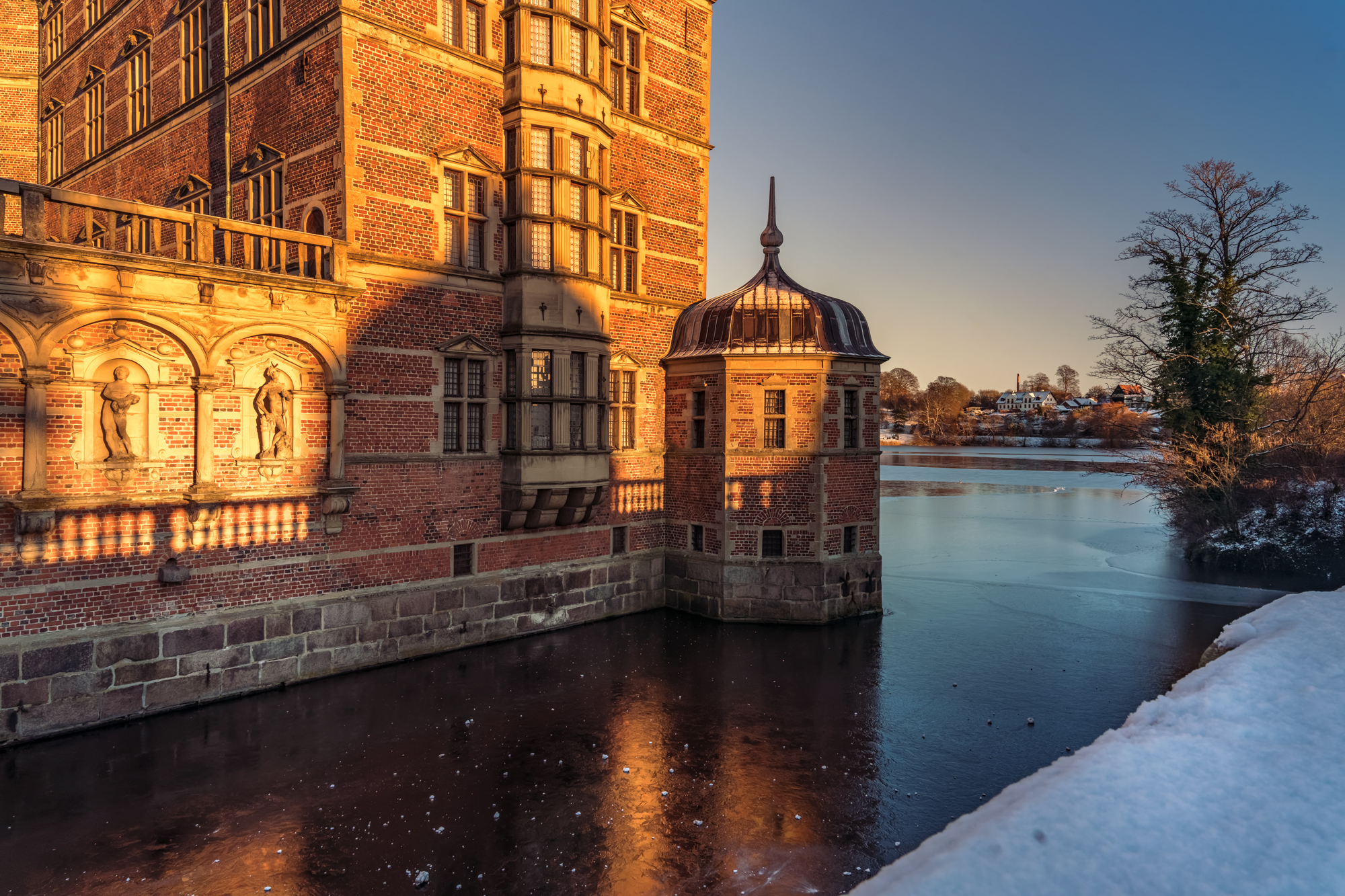
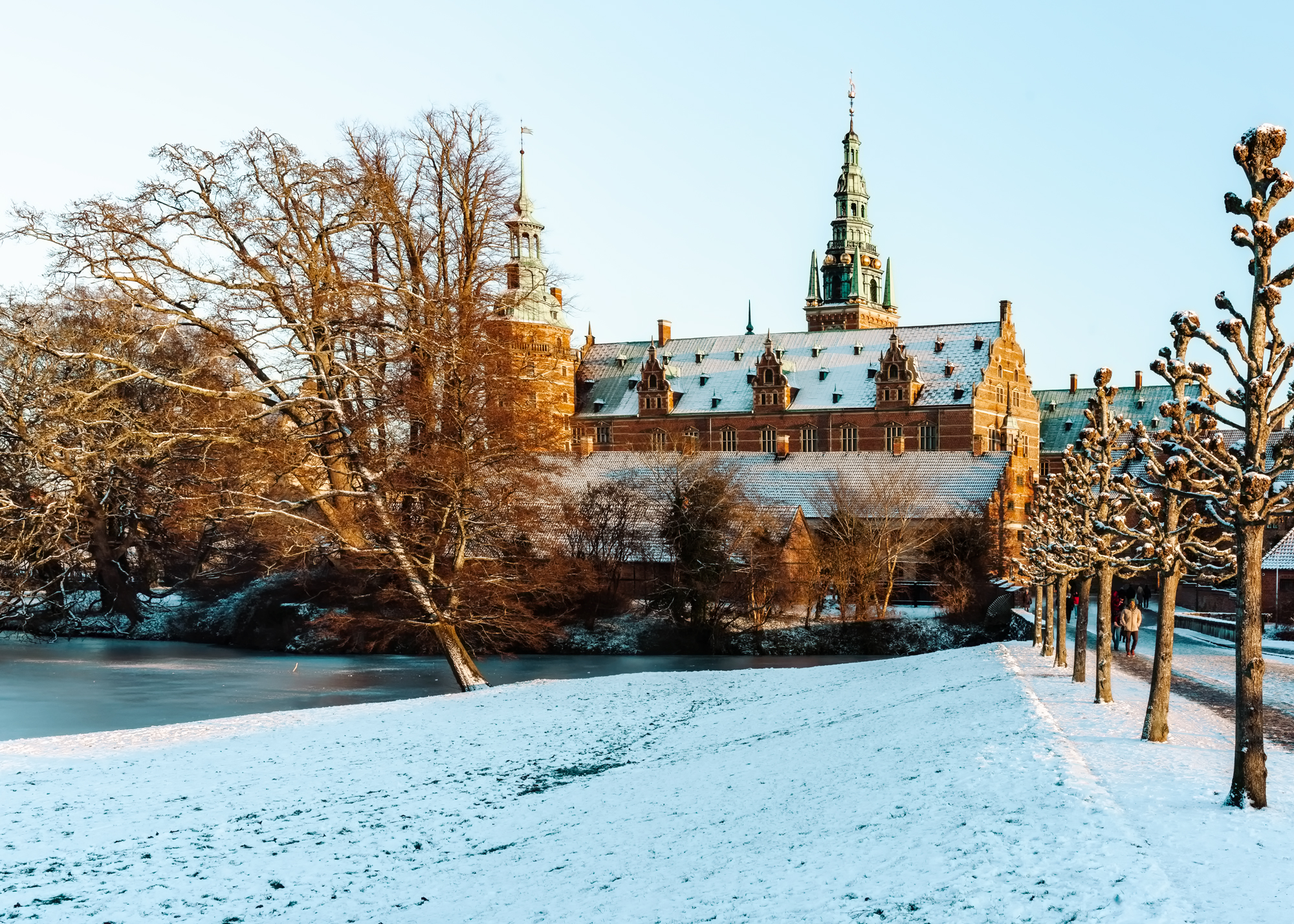
Frederiksborg Castle

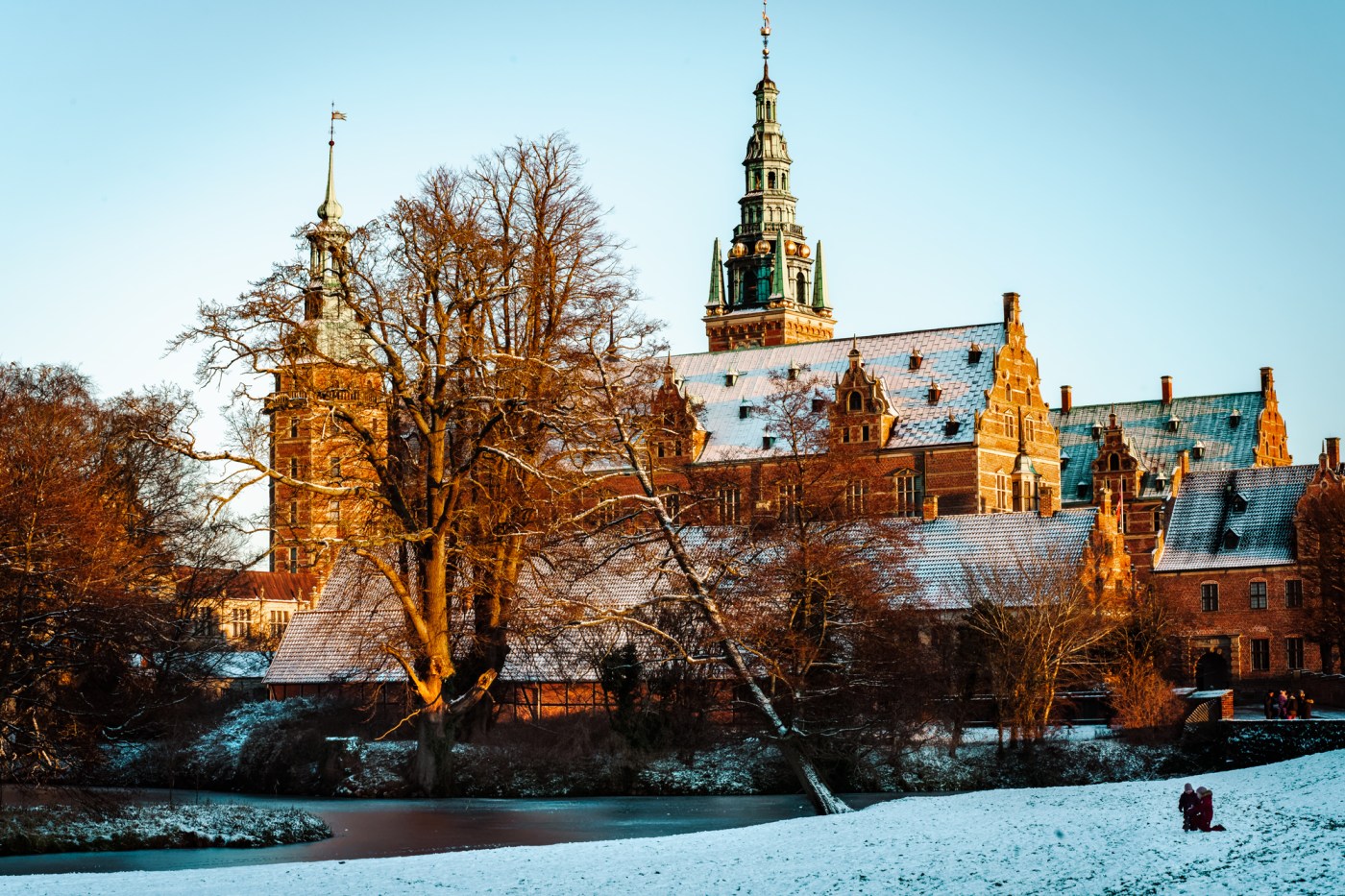
About 40 minutes from Copenhagen, in the Northern town of Hillerød, lies the majestic Frederiksberg Castle right in the middle of the old part of town. I had never visited, but remember admiring it from a jigsaw puzzle I had as a child. It was obviously closed due to Covid, but what a beautiful day to spend Christmas Day, the 25th. Having had our Christmas celebration on the 24th as usual, it was wonderful to get out in the glorious, but cold weather!

“Frederiksborg Castle (Danish: Frederiksborg Slot) is a palatial complex in Hillerød, Denmark. It was built as a royal residence for King Christian IV of Denmark-Norway in the early 17th century, replacing an older castle acquired by Frederick II and becoming the largest Renaissance residence in Scandinavia. On three islets in the Slotssøen (castle lake), it is adjoined by a large formal garden in the Baroque style.

After a serious fire in 1859, the castle was rebuilt on the basis of old plans and paintings. Thanks to public support and the brewer J. C. Jacobsen, its apartments were fully restored and reopened to the public as the Danish Museum of National History in 1882. Open throughout the year, the museum contains the largest collection of portrait paintings in Denmark. It also provides visitors with an opportunity to visit several of the castle’s state rooms including the restored Valdemar Room and Great Hall as well as the Chapel and the Audience Chamber which were both largely spared by the fire and contain sumptuous decorations.” Wikipedia

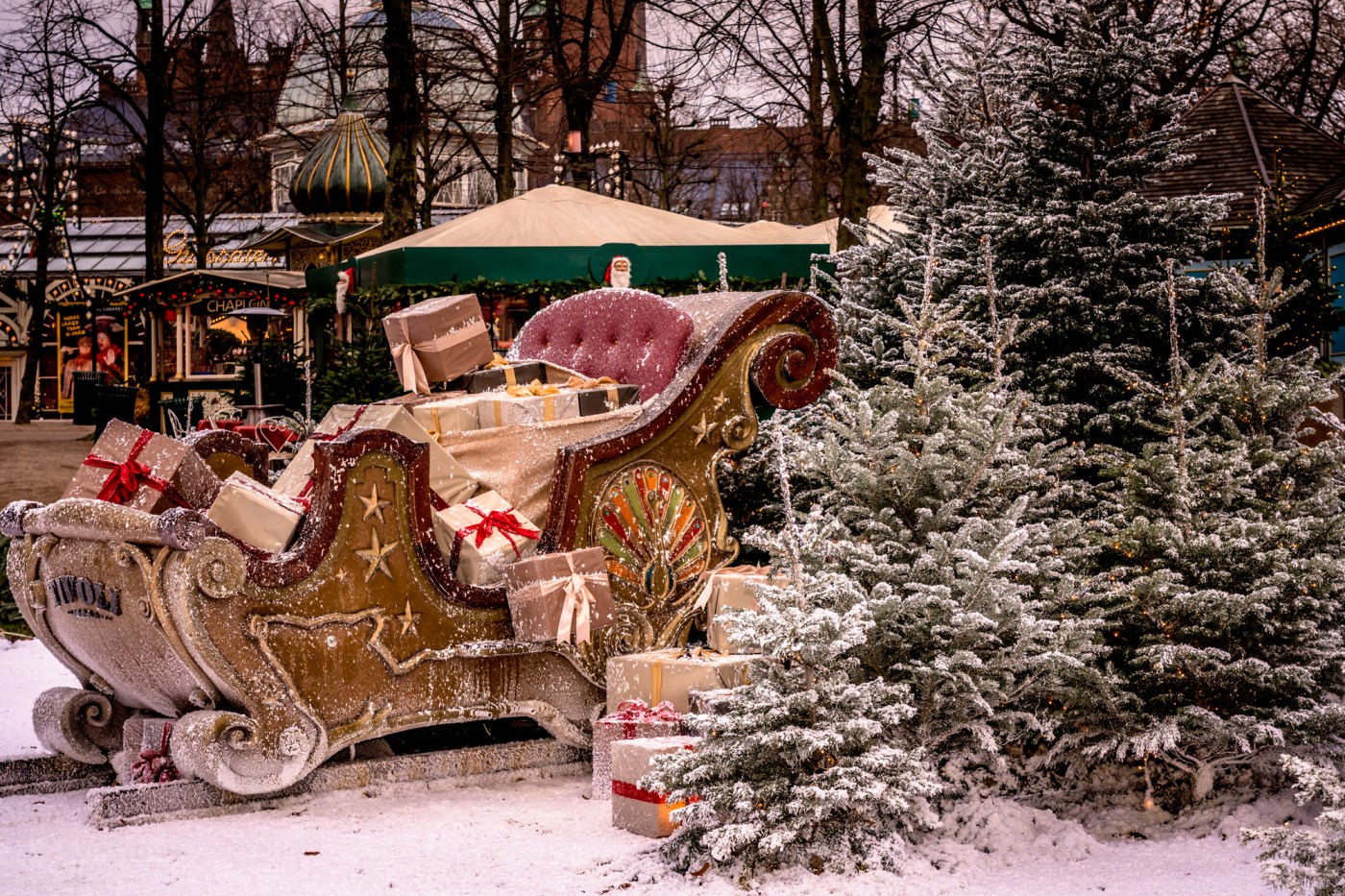
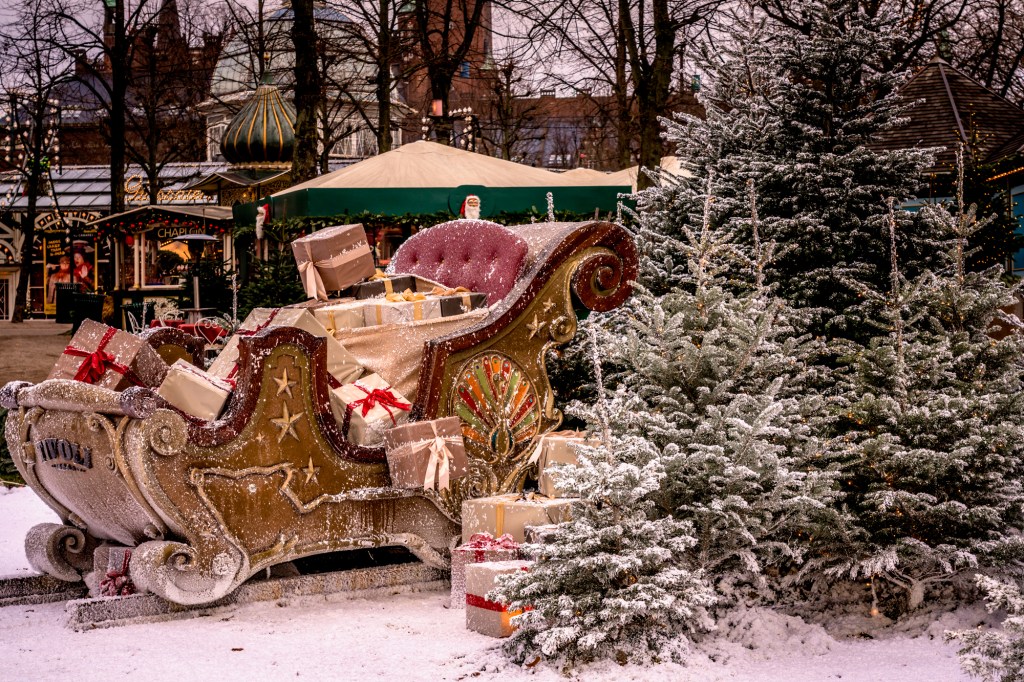
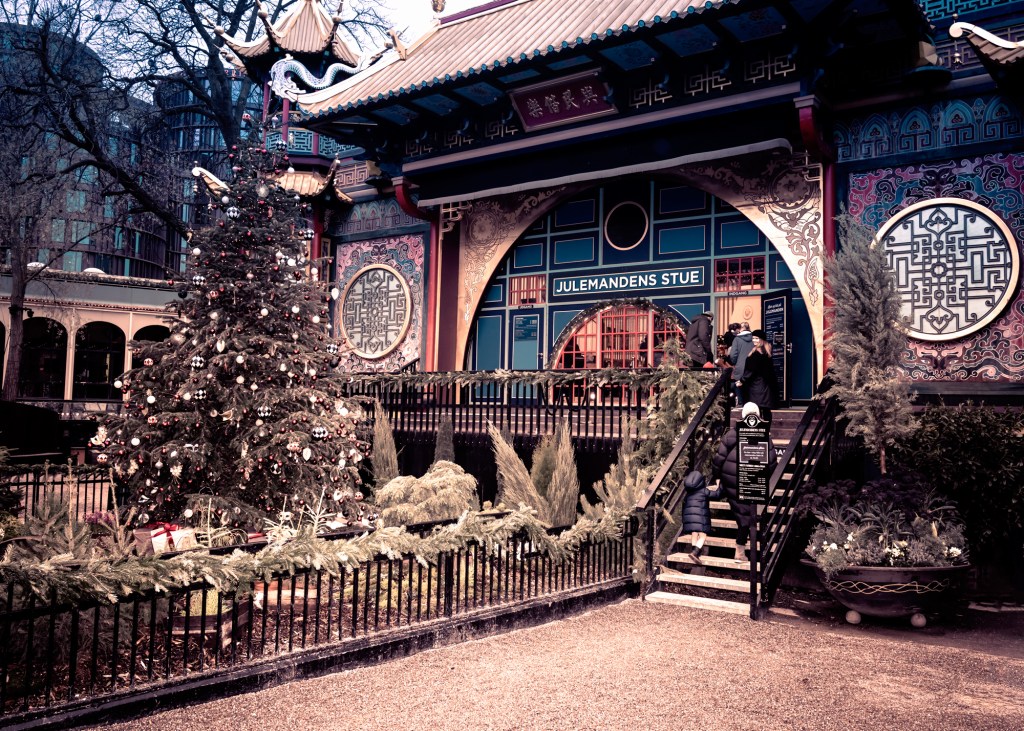
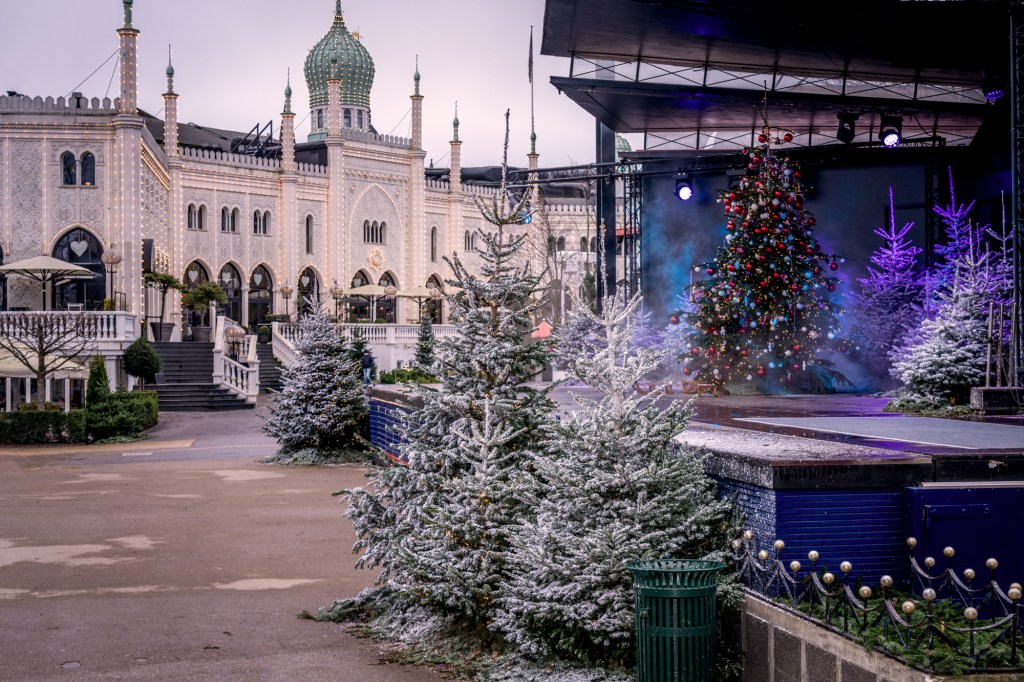
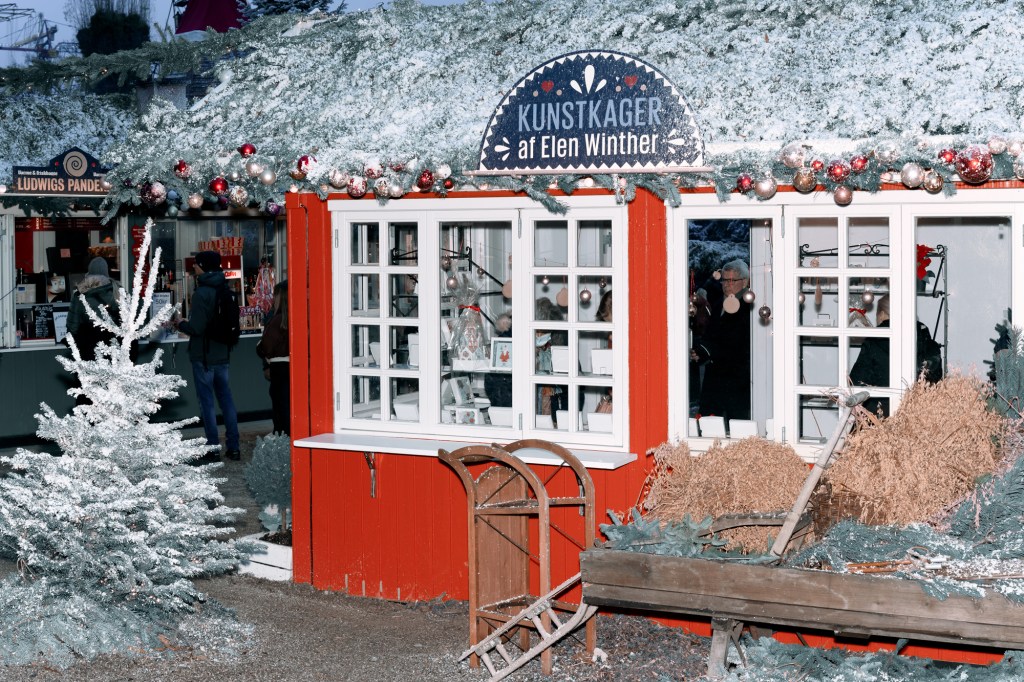
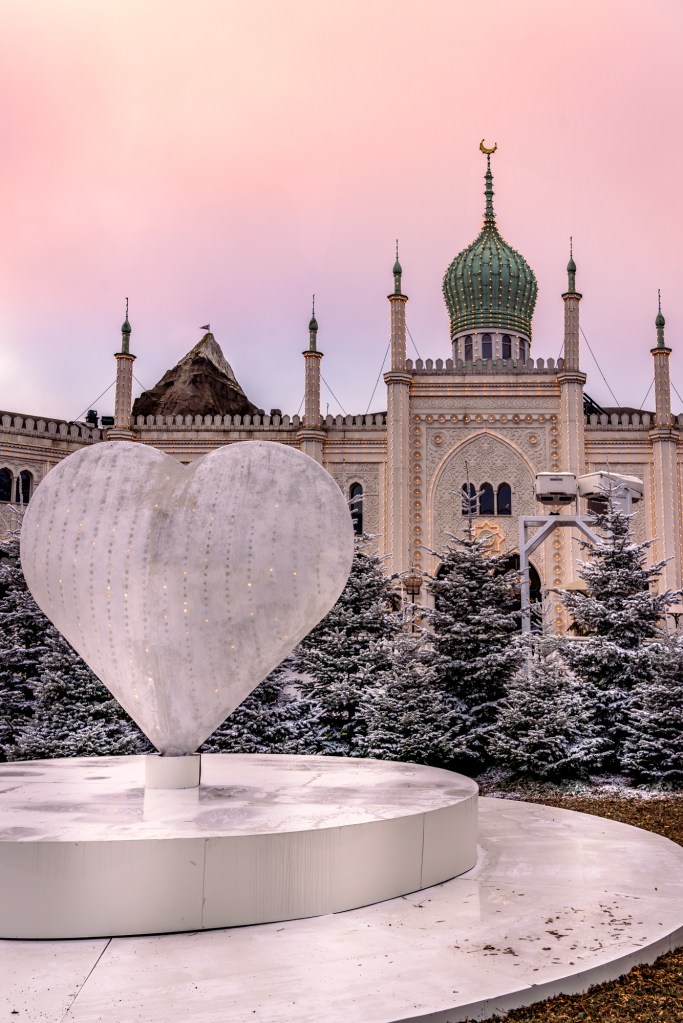
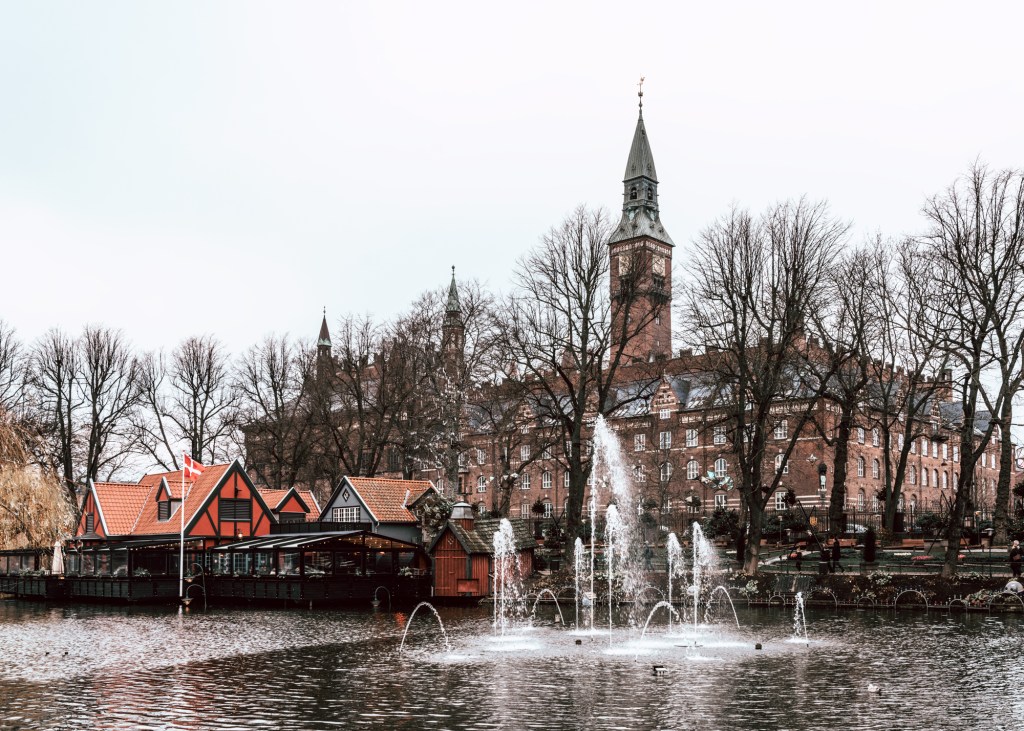
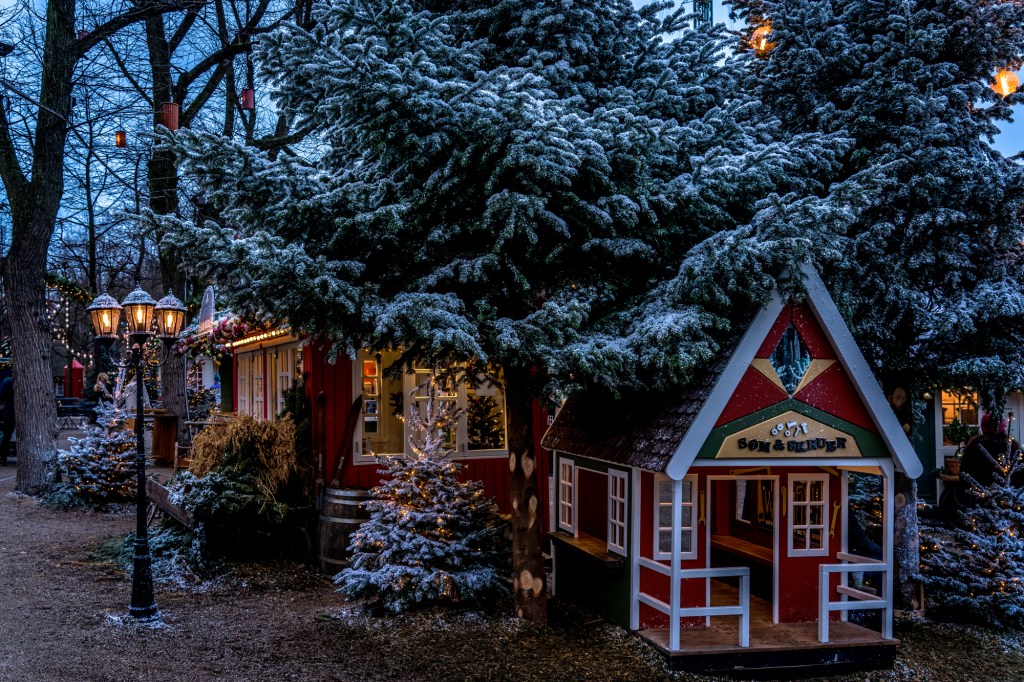
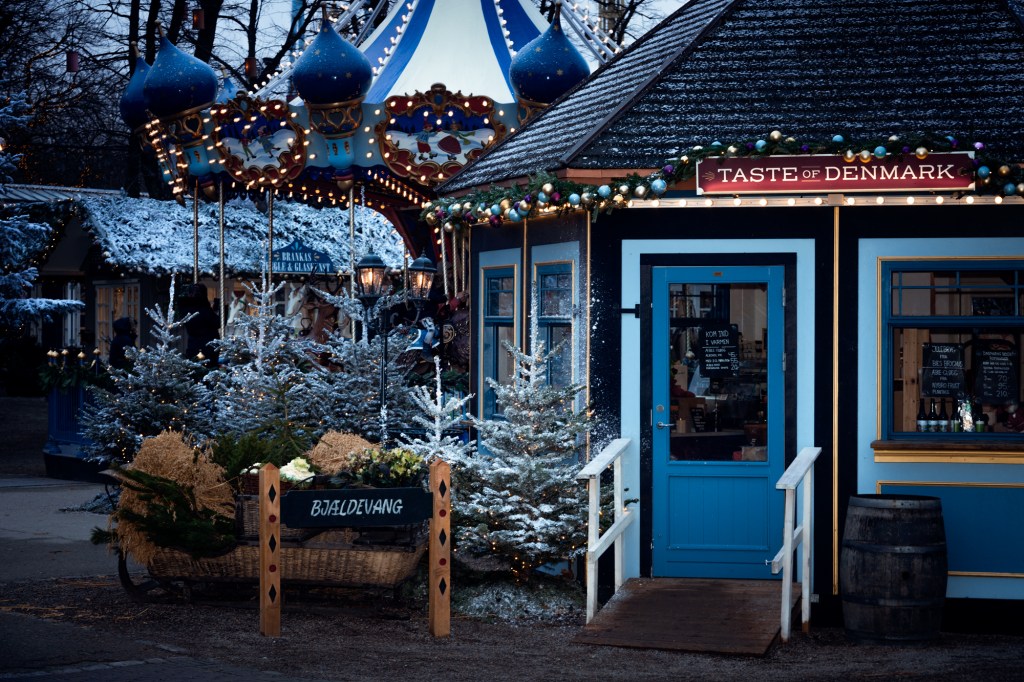
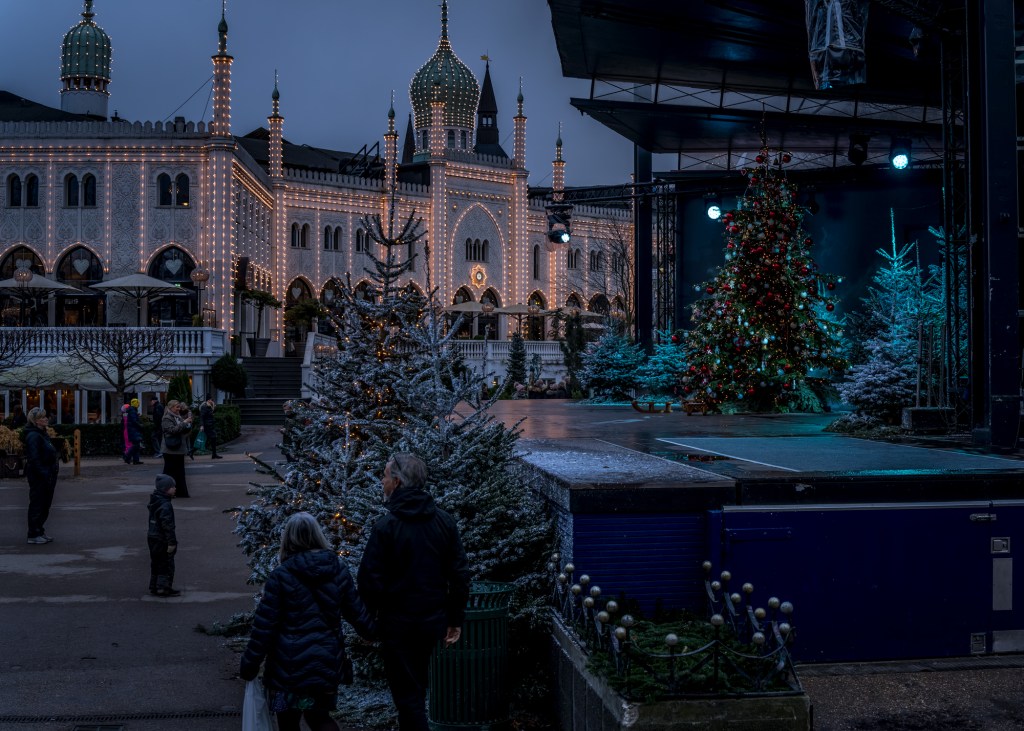
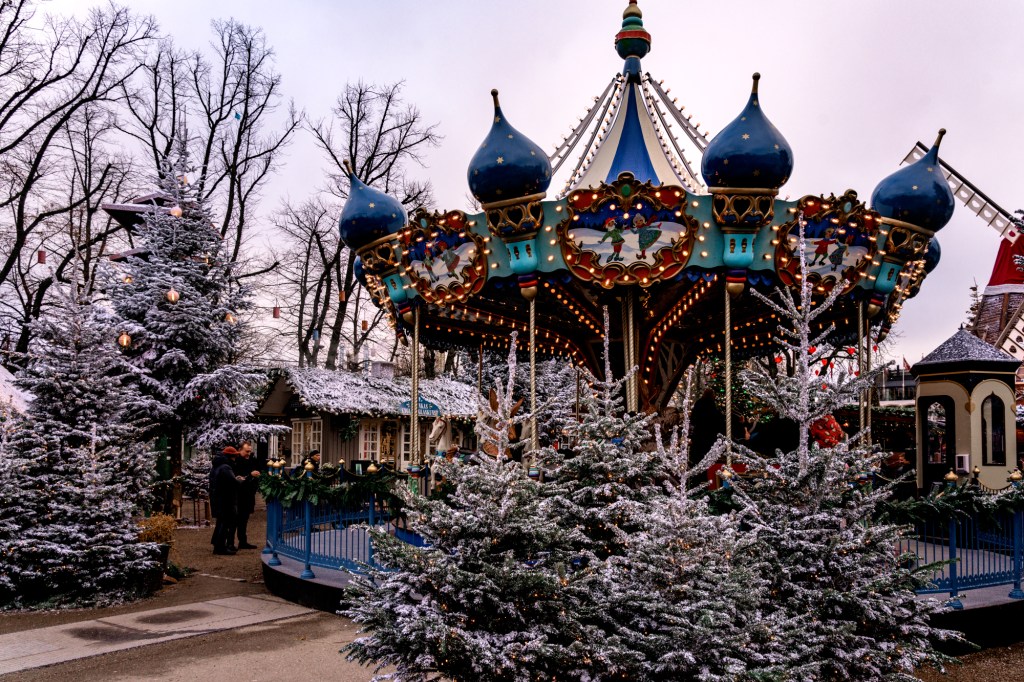
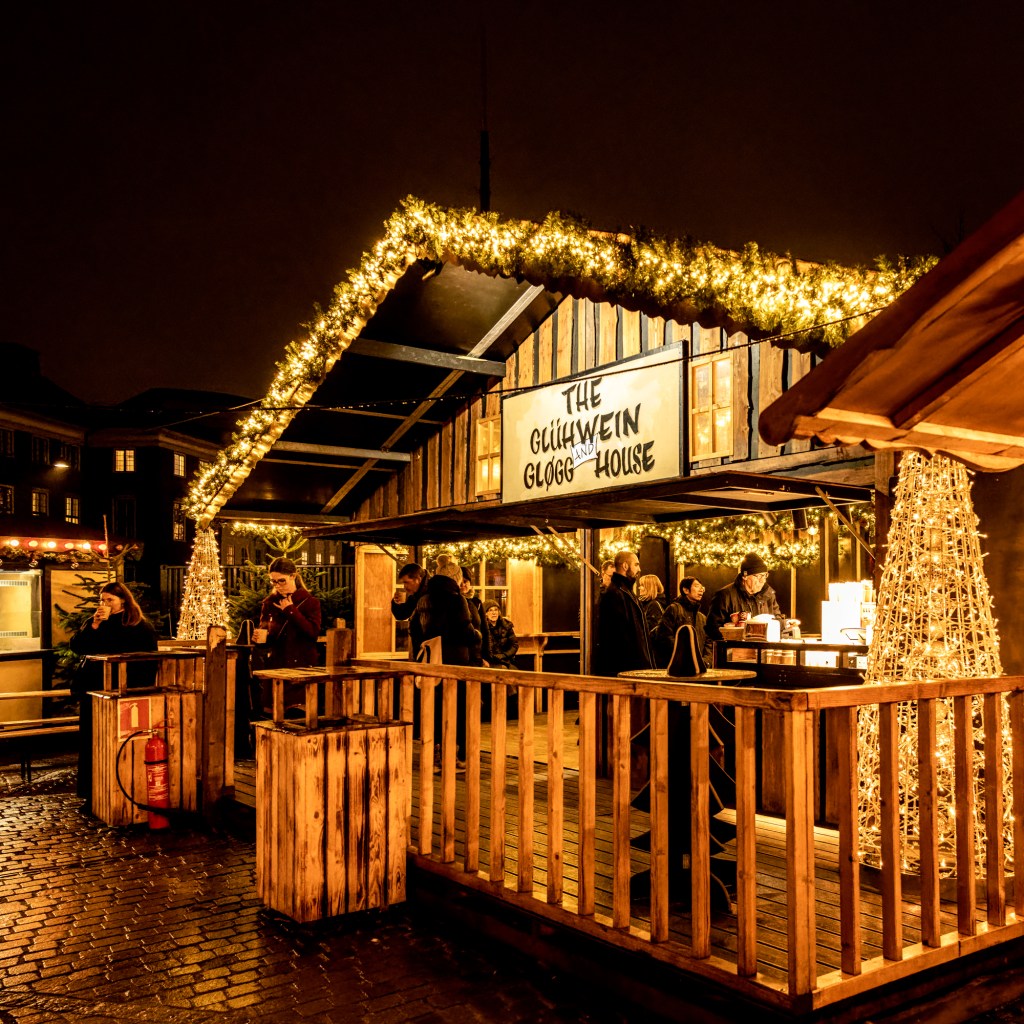
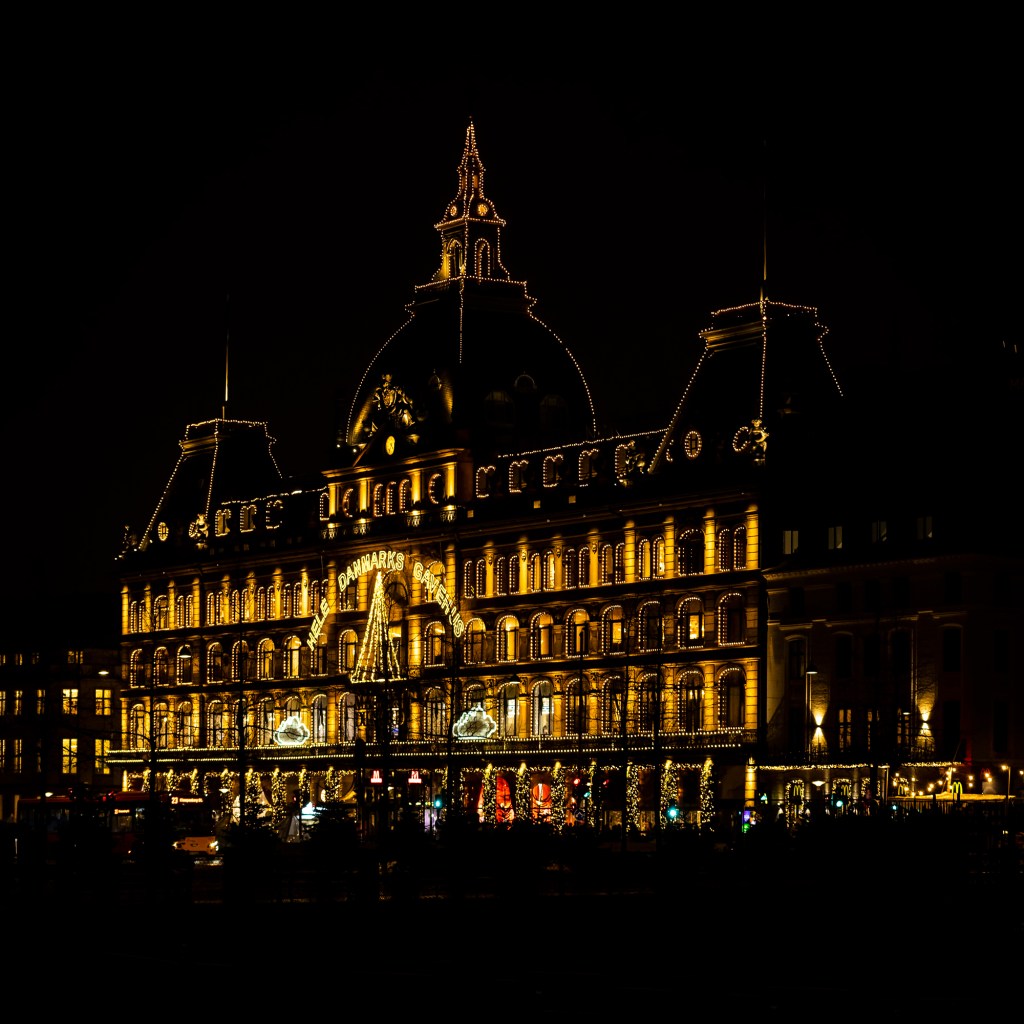
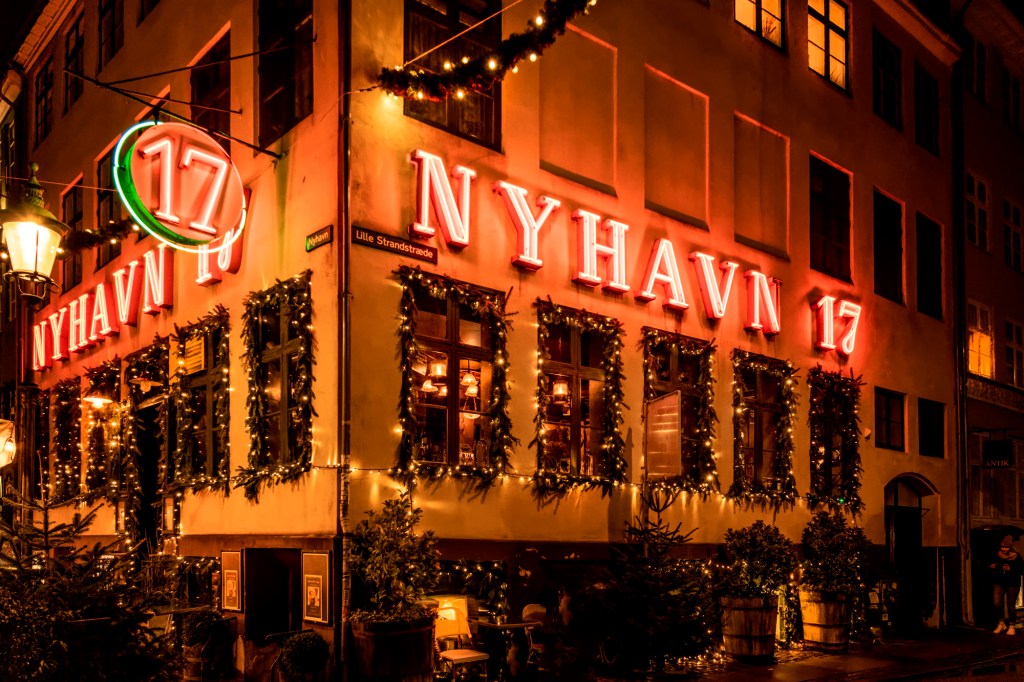
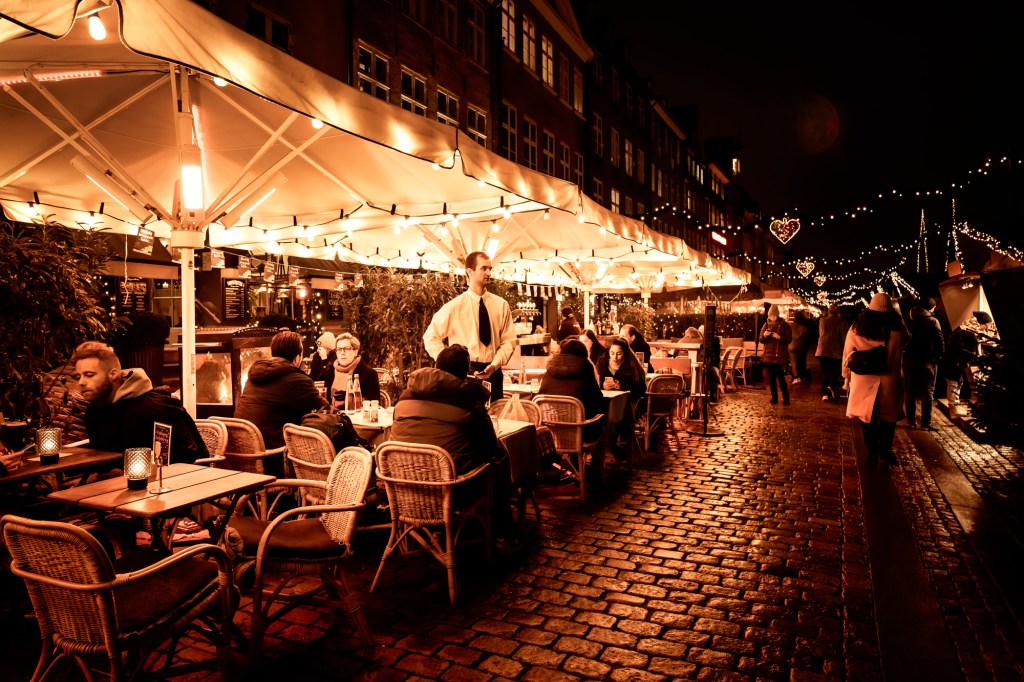
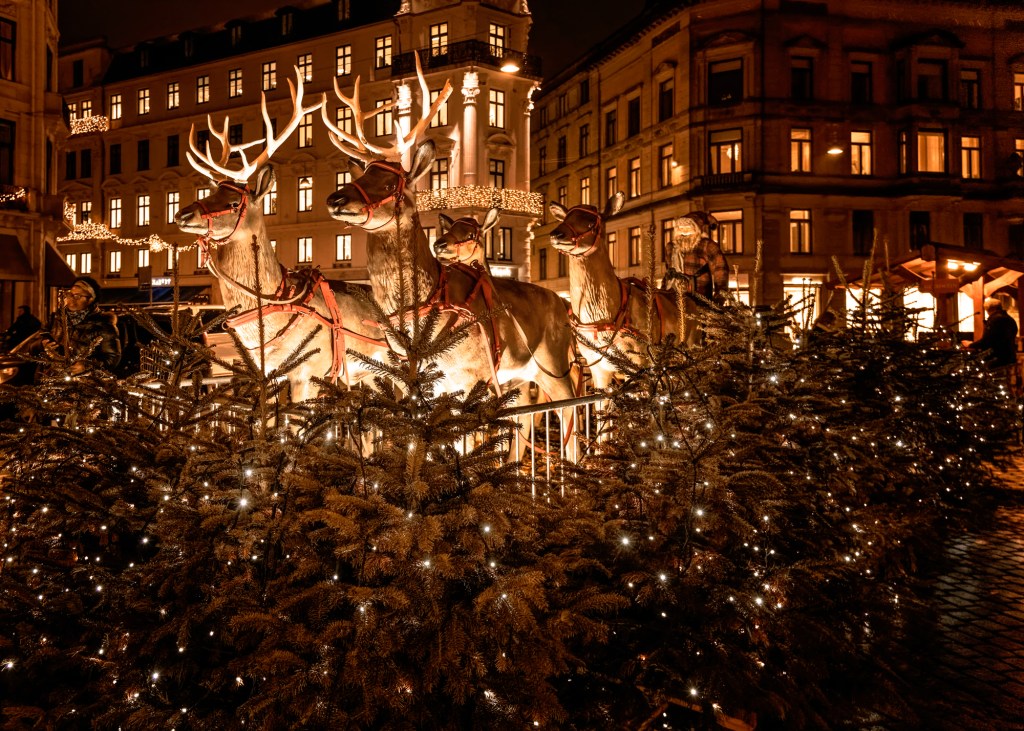
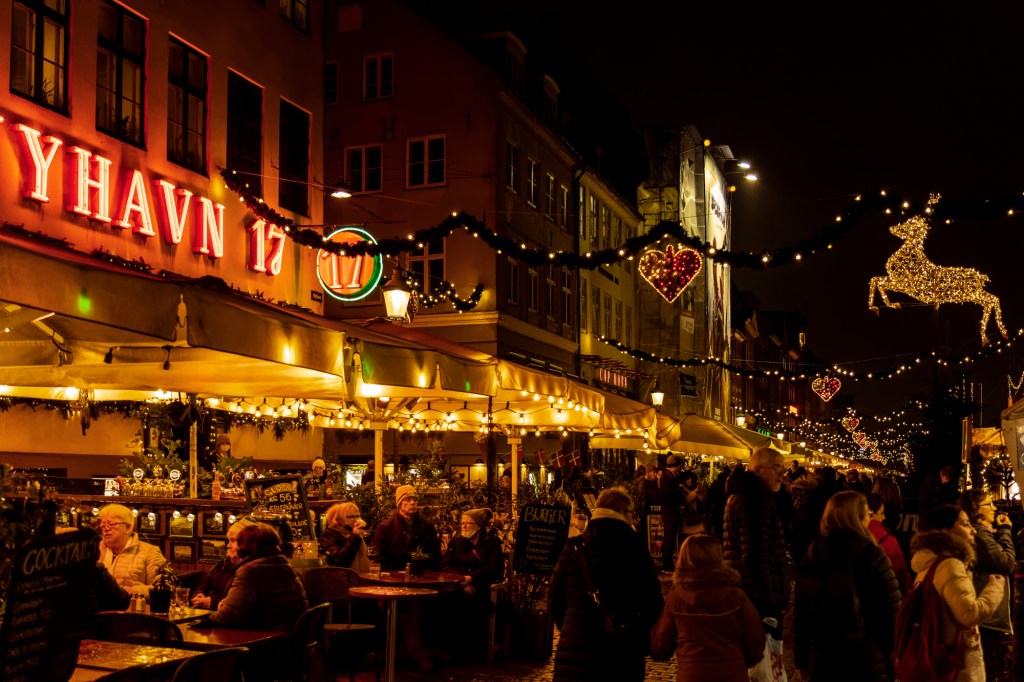
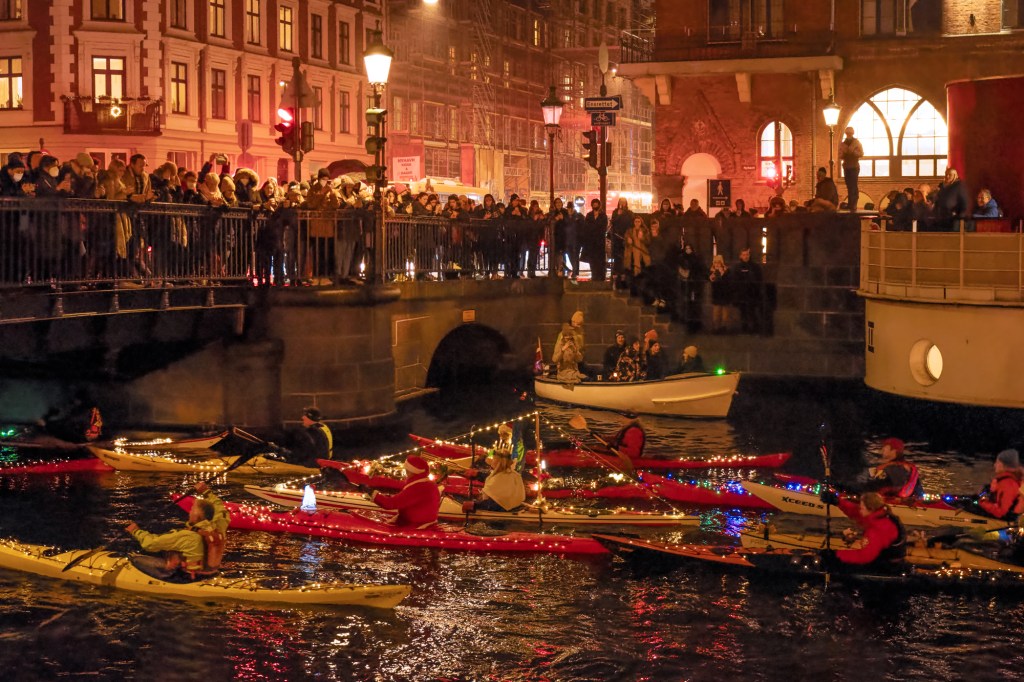
Holiday Decorations at Tivoli Gardens, Kongens Nytorv & Nyhavn

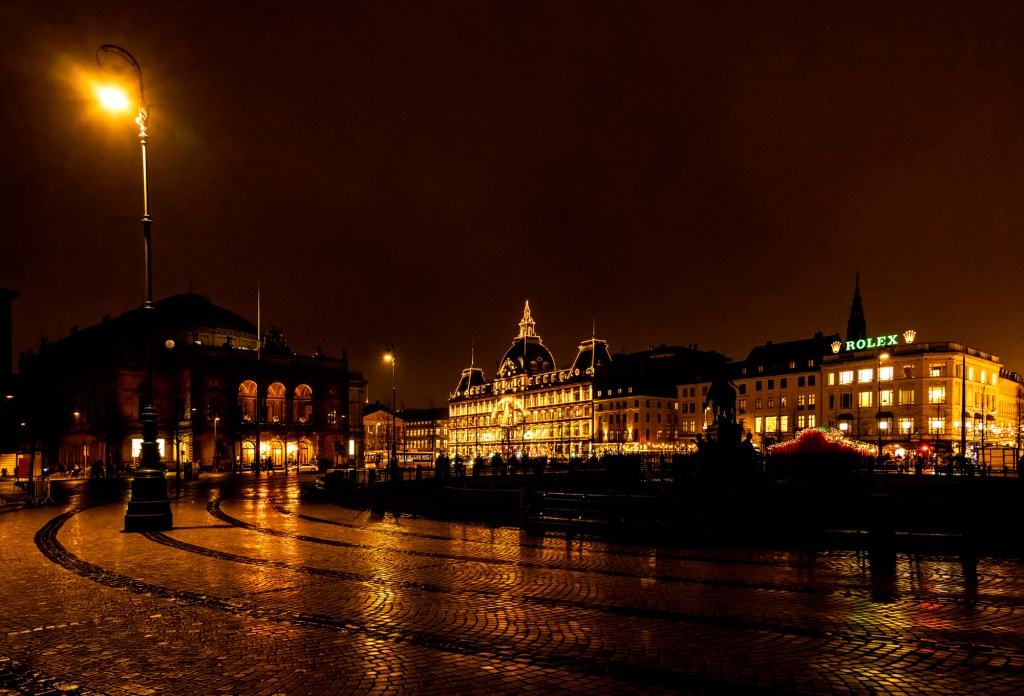
After having enjoyed the Halloween decorations, it was time to see the Holiday lights for the first time. I was there to shoot a wedding couple, but had a few hours to myself prior to the event. After a lovely lunch at Færgekroen, I started my walk around the grounds. I had most of the place to myself, as people suspected that Covid restrictions were around the corner and at 2 pm they hit us again and we are now back to square one it feels like. Luckily, I got this last day before most things closed down again.

A few days prior to this, we were still able to enjoy the Christmas markets and my Happy Place, the very touristy, but adorable Nyhavn!

I wish you all Happy Holidays and hope that 2022 will bring some relief after almost two years of having our lives put on hold.

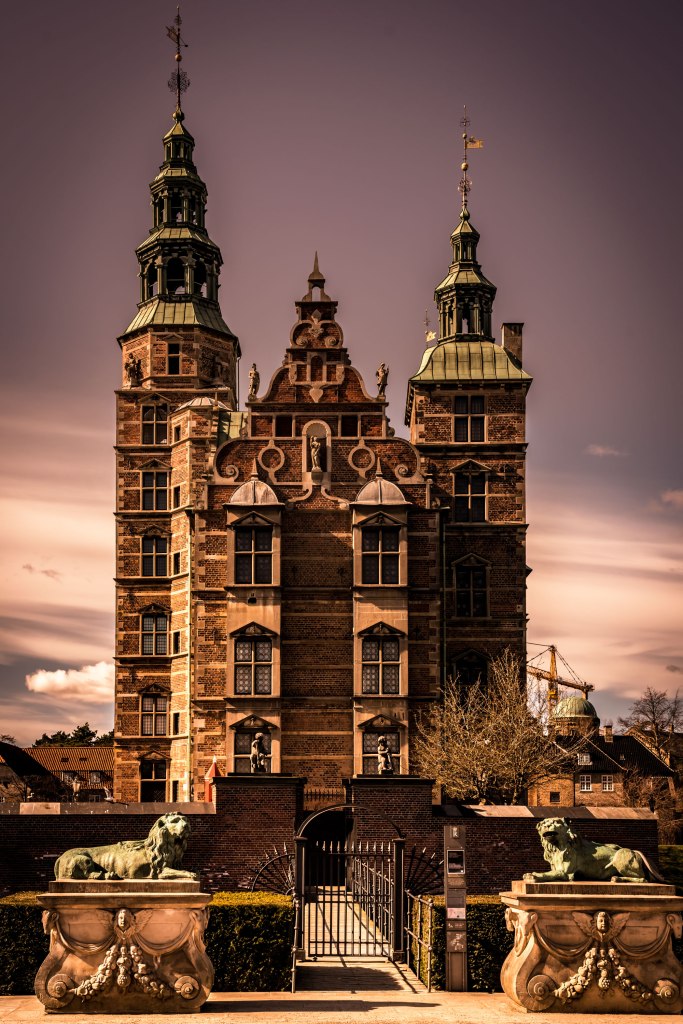
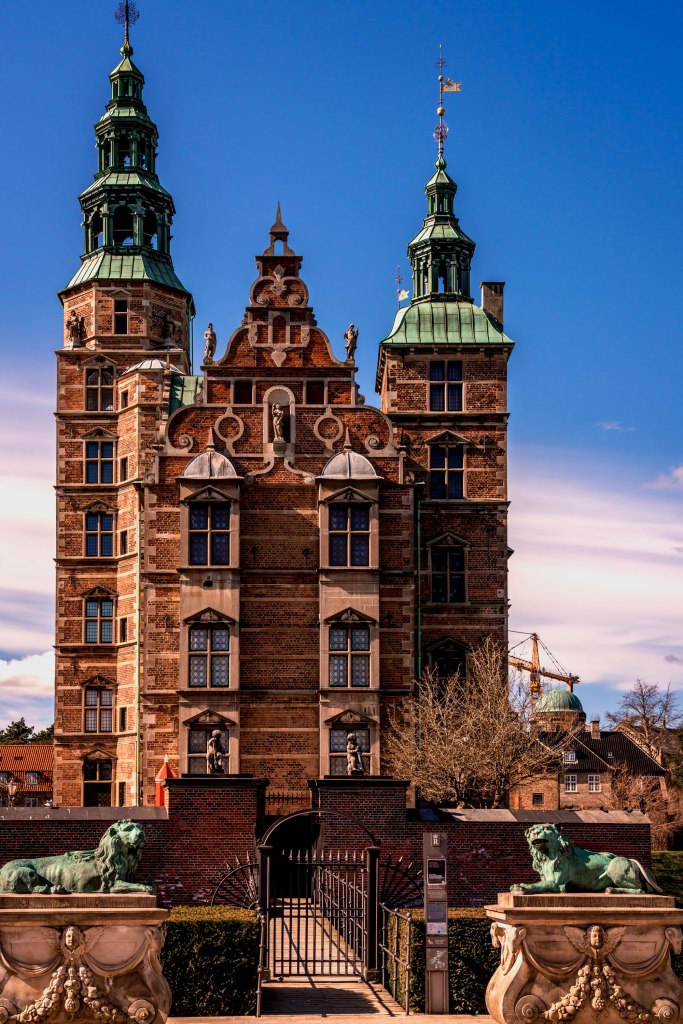
Rosenborg Castle

An adorable gem in the middle of Copenhagen!

Christian IV, responsible for most of Copenhagen’s older architecture, was deeply influenced by the Dutch Renaissance style. Rosenborg, finished in 1615, was his summer residence. Today, it houses the Danish Kings’ Chronological Collection which includes the Crown Jewels.

Rosenborg was opened to the public in 1838 and the large park is often full of sun worshippers, joggers and family picnics.

Saturday was the first day that felt like spring after a long and depressing Covid winter. Although shopping is still limited, the streets were filled with people and every square hosted myriads of people just sitting outside watching life, drinking wine or beer or enjoying family time. Hopefully, in a month or two, we will all be able to dine outside and feel the warmth of Scandinavian summer.

Spring joy!

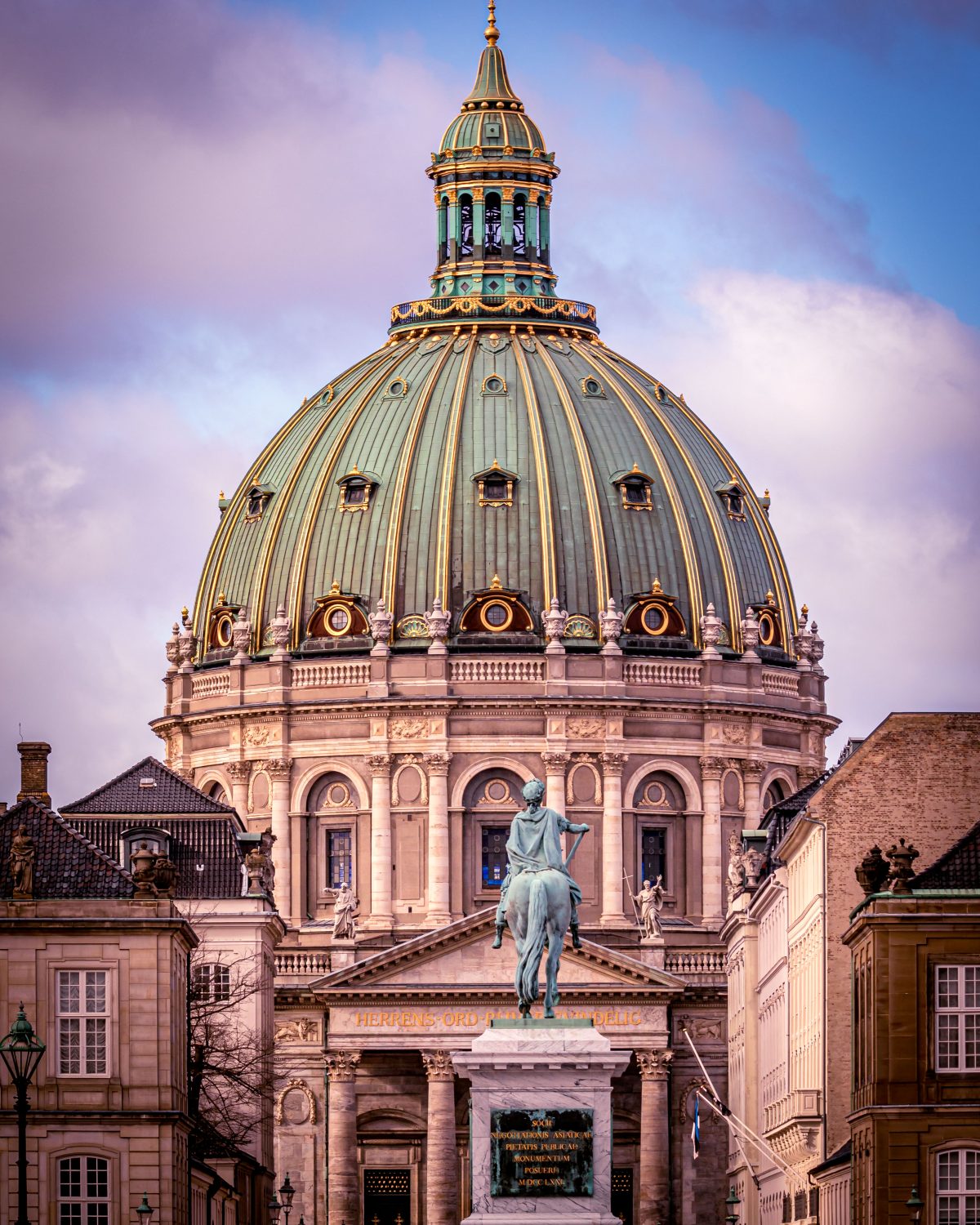
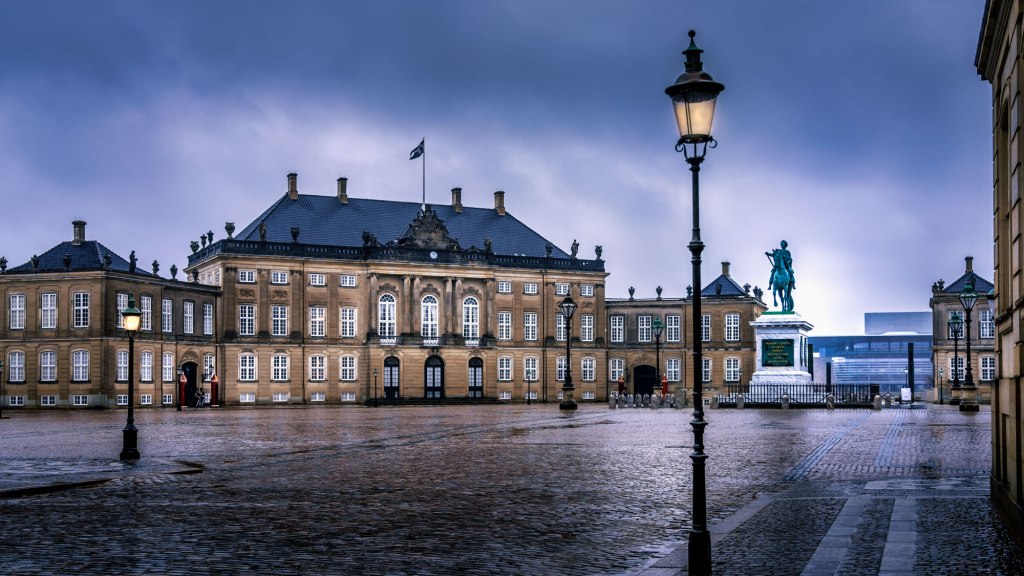
Marmorkirken & Amalienborg

The Marble Church and the Royal Palace

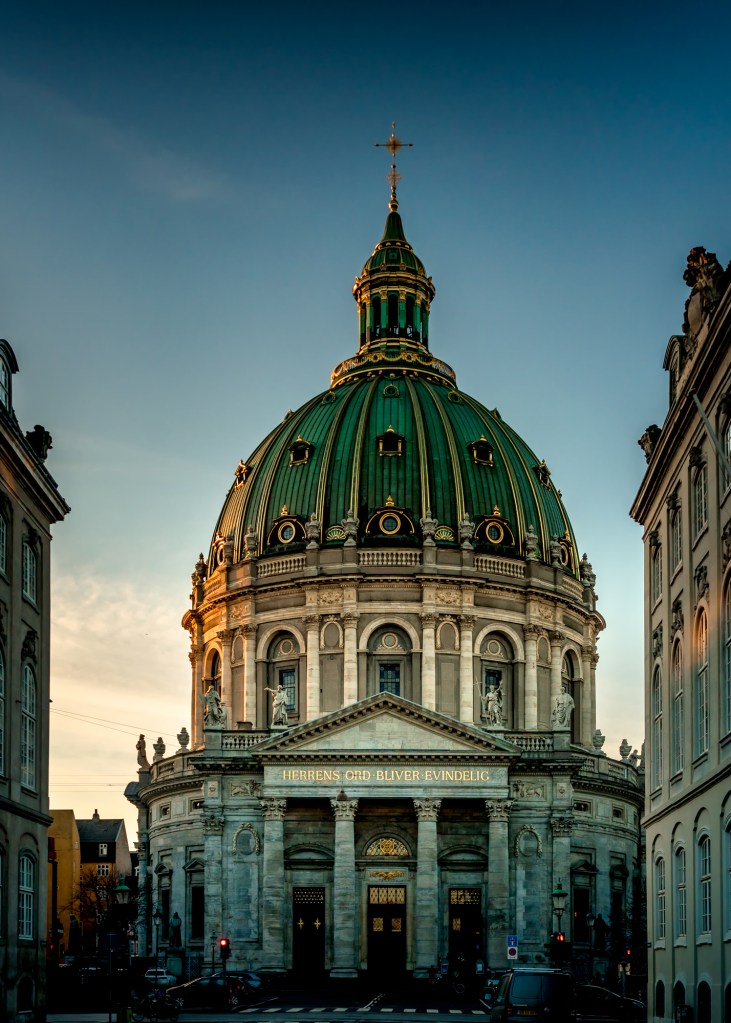
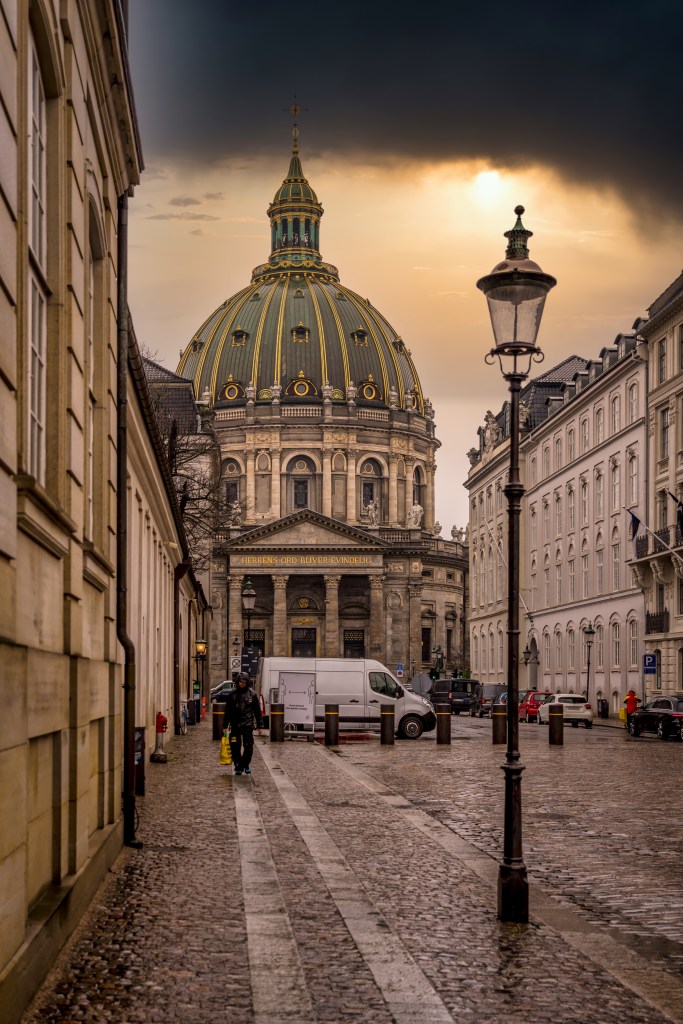
I admit it – I am totally in love with this Church! It is generally referred to as the Marble Church, but its real name is Frederiks Kirke or the Church of Frederik.

The church was designed by the architect Nicolai Eigtved in 1740 has the largest church dome in Scandinavia with a span of 31m. The dome rests on 12 columns.The inspiration was probably St. Peter’s Basilica in Rome.

The foundation stone was set by king Frederick V on October 31, 1749, but the construction was slowed by budget cuts and the death of Eigtved in 1754. In 1770, the original plans for the church were abandoned by Johann Friedrich Struensee (Interesting tidbit for those who enjoyed Mads Mikkelsen in “A Royal Affair”). The church was left incomplete and, in spite of several initiatives to complete it, stood as a ruin for nearly 150 years.

In 1874, Andreas Frederik Krieger, Denmark’s Finance Minister at the time, sold the ruins of the uncompleted church and the church square to Carl Frederik Tietgen for 100,000 Rigsdaler — none of which was to be paid in cash — on the condition that Tietgen would build a church in a style similar to the original plans and donate it to the state when complete, while in turn he acquired the rights to subdivide neighboring plots for development.

The deal was at the time highly controversial. On 25 January 1877, a case was brought by the Folketing at the Court of Impeachment, Krieger being charged with corruption over this deal. He was, however, eventually acquitted.

Tietgen got Ferdinand Meldahl to design the church in its final form and financed its construction. Due to financial restrictions, the original plans for the church to be built almost entirely from marble were discarded, and instead Meldahl opted for construction to be done with limestone. The church was finally opened to the public on August 19, 1894.

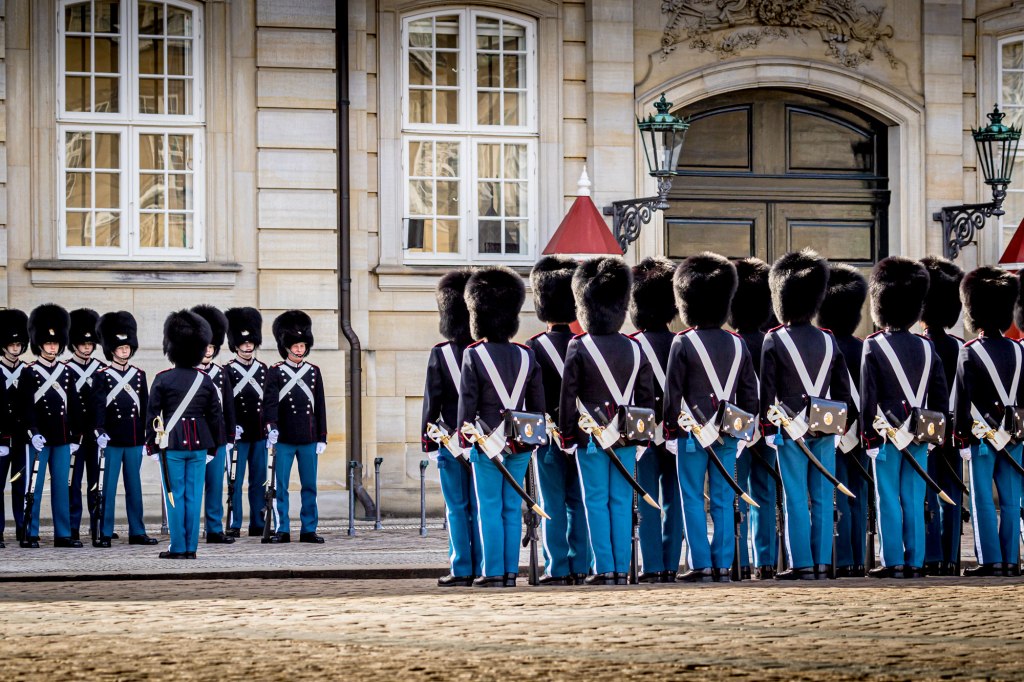
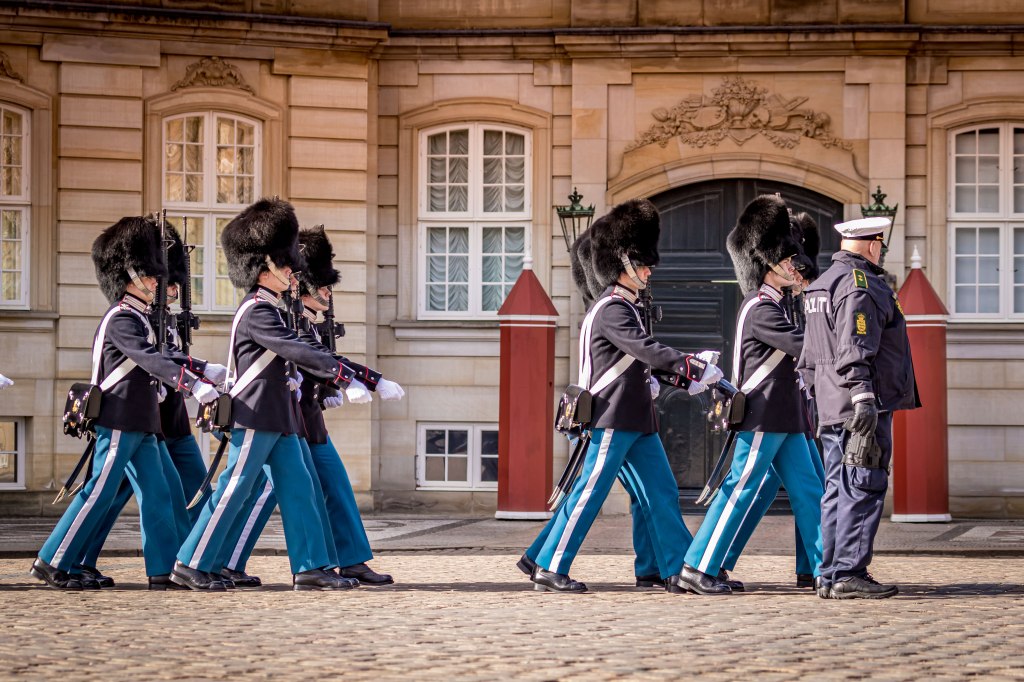
Right next to the Church is Amalienborg, home to the Royal Family and the Royal Guards who march through town every day at noon.

Fredensborg

The adorable Spring/Fall Residence of the Royal Family and occasional hotel to VIPs (I hear George W spent a night there!)

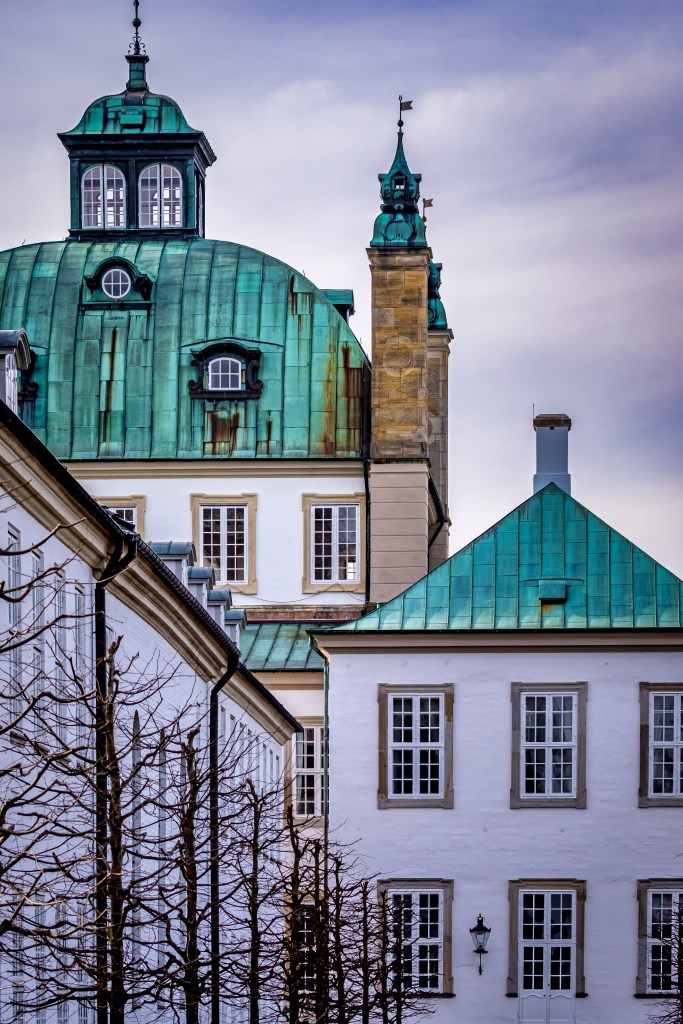
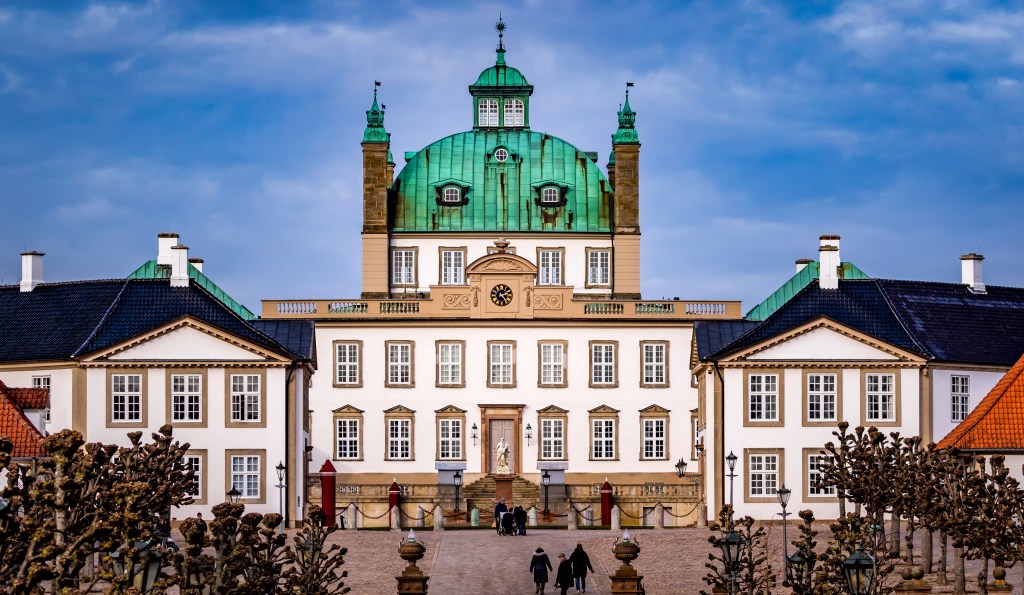
“Fredensborg Palace was built as a hunting seat for King Frederik IV by the architect J.C. Krieger. Construction began in 1719. The main building was first used in 1722 and the chapel in 1726.

It was rebuilt and expanded during the reigns of King Christian VI and of King Frederik V and his Queen, Juliane Marie, by the architects N.Eigtved, L. de Thurah and C.F. Harsdorff.

After Queen Juliane Marie’s death in 1796, the palace was rarely used. It was not until the reign of King Christian IX and Queen Louise that the palace again became the setting for the Royal Family’s life for lengthy periods. “Europe’s parents-in-law” gathered their daughters and sons-in-law, all of whom represented many of Europe’s royal and princely houses, at Fredensborg Palace every summer.

Now HM The Queen uses the palace for three months in the spring and three in the autumn”.

The visit did not start so well, as I had managed to forget the battery of my Sony and could only use my Canon with its Paparazzi lens which meant having to get creative and concentrate on the details rather than the amazing surroundings. I am now aching to go back towards the end of the day with a tripod and some filters! This zen gem definitely deserves some more time!

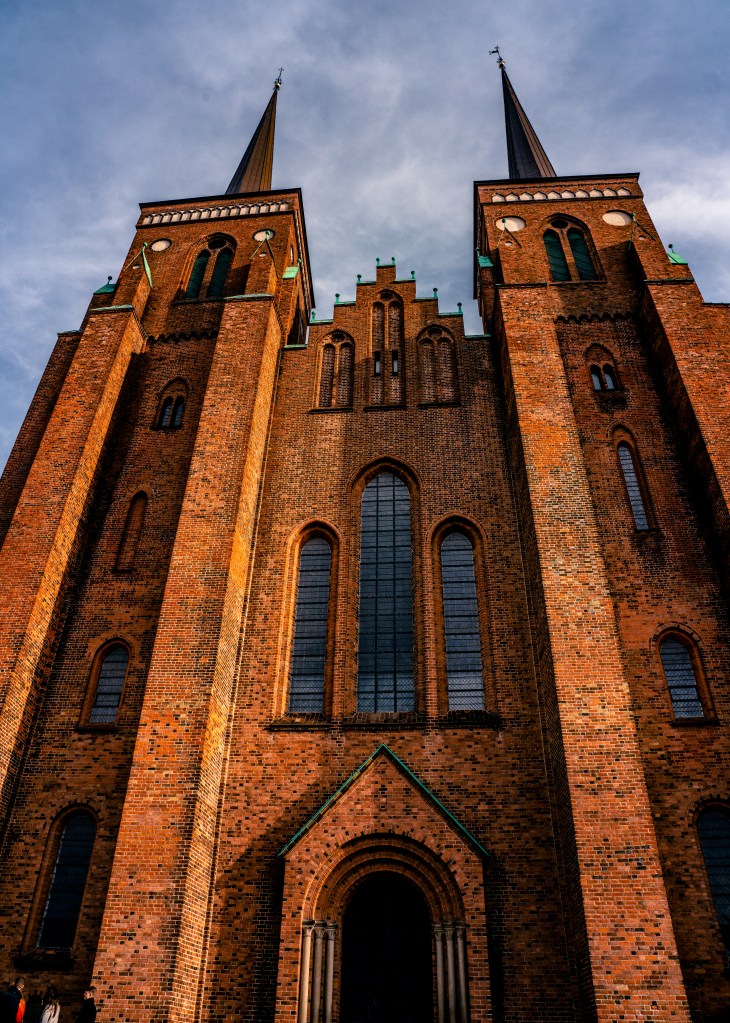
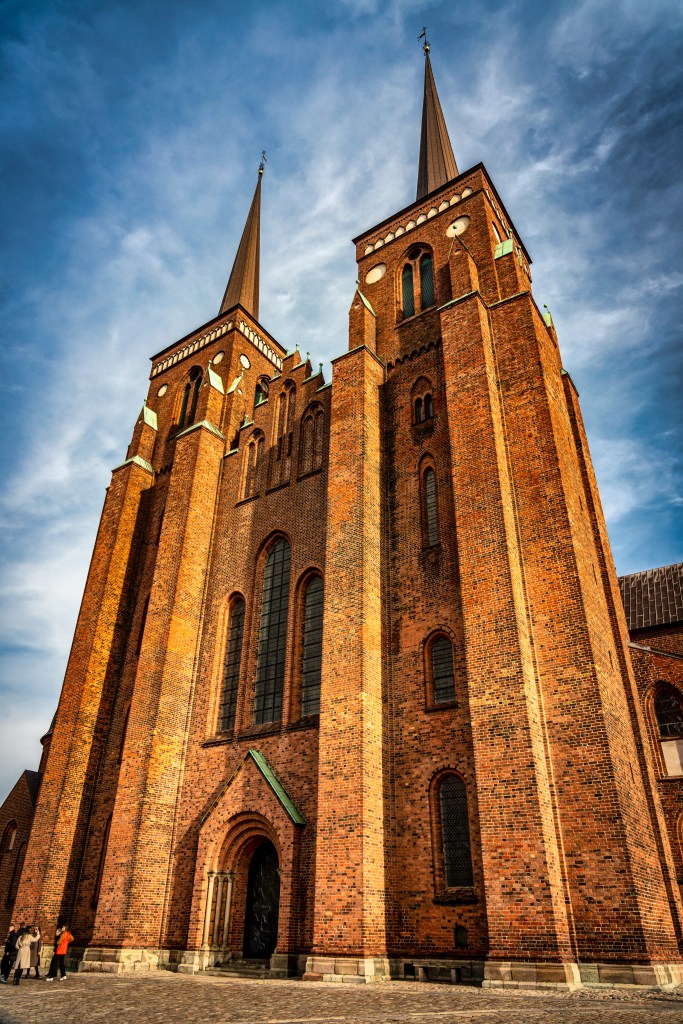
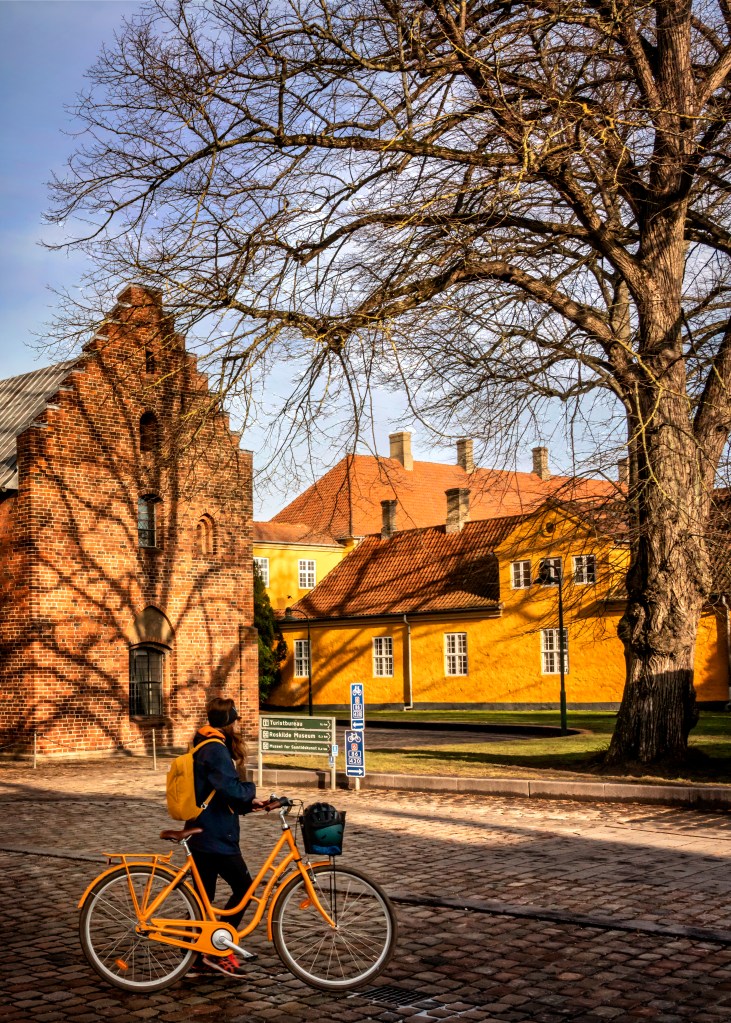
Roskilde – Home to Harald Blåtand

Denmark’s Former Capital and Unesco Site!

The drive from Copenhagen to Roskilde is not a whole lot to write home about. Flat freeways with ugly landscapes and the entry into town reminds me of any American city with car dealerships on every corner – I instinctively started looking for the inevitable Target (pardon, Tarjaaaaaiii), BUT then, once the streets all have royal names, you step into a time warp!

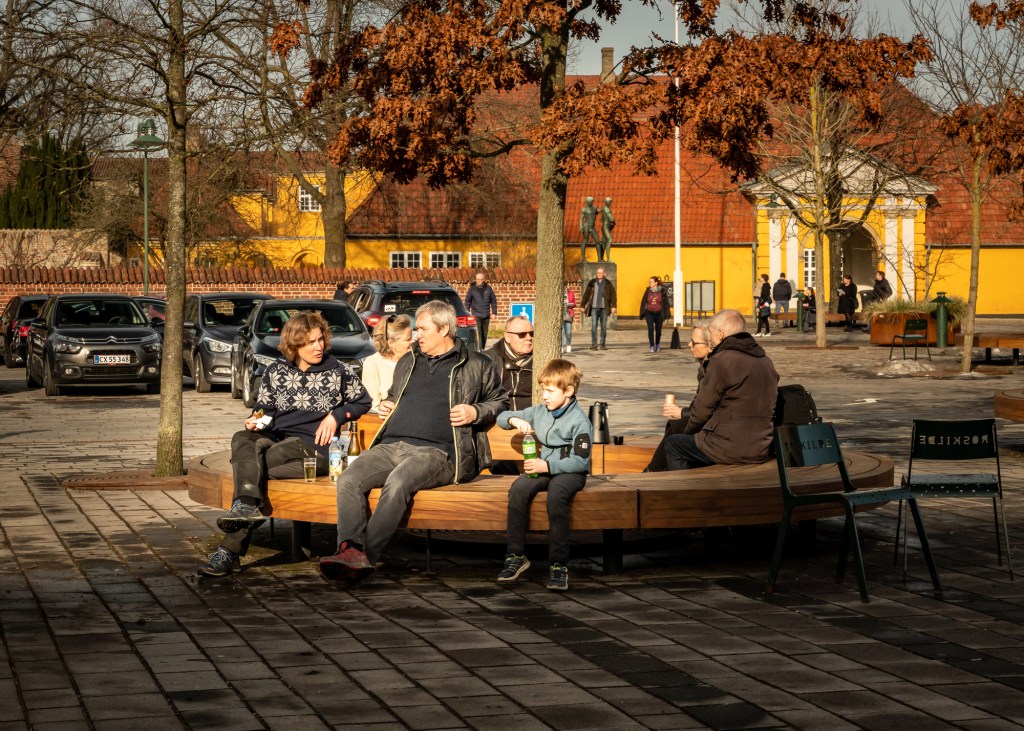
It has now been almost two months of total lockdown here in Copenhagen, added to the 10 months spent on lockdown in California, and seeing nature springing back to life while we cannot quite is almost unbearable! Danes now spend their Sundays picnicking in public squares and My Lady Mother and I spent 15 minutes gazing at every restaurant menu and dreaming of being in a noisy restaurant again! A new, wonderful life starts and we are like fish in a tank counting the moments until we can start participating again! Zen……

I do realize that most people do not know much about Viking history, but if there is one name we all recognize, it is that of its Roskilde’s Founding Father; Harald Blåtand, or the more familiar Bluetooth!

According to Wikipedia:

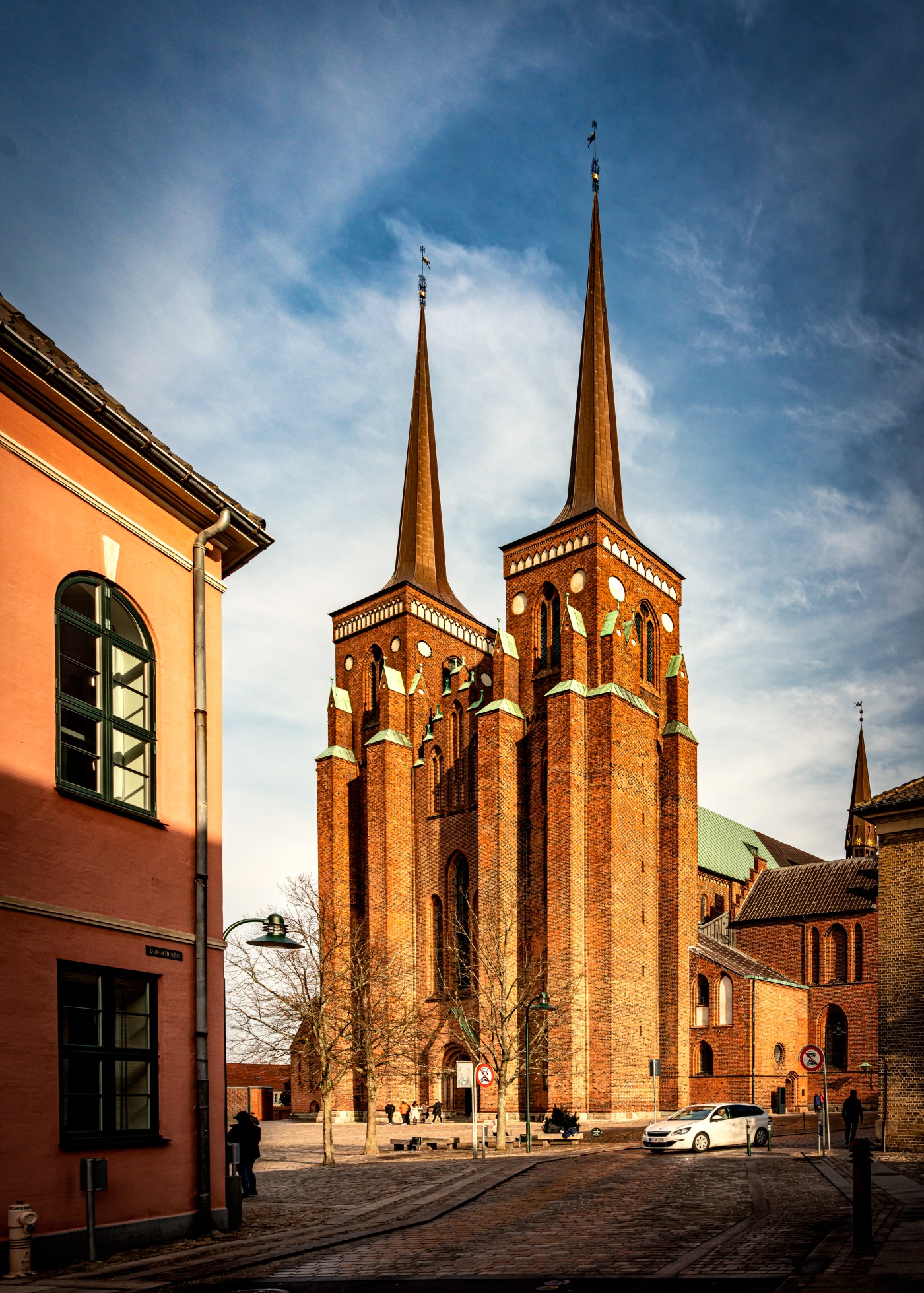
“Roskilde, which developed as the hub of the Viking land and sea trade routes over a thousand years ago, is one of Denmark’s oldest cities. From the 11th century until 1443, it was the capital of Denmark.[4] By the Middle Ages, with the support of kings and bishops, it had become one of the most important centres in Scandinavia.[5] The Saxo Grammaticus and other early sources associate the name Roskilde (meaning “Ro’s spring”) with the legendary King Roar who possibly lived there in the 6th century.[6]

According to Adam of Bremen and the Saxo Grammaticus, Roskilde was founded in the 980s by Harald Bluetooth. On high ground above the harbour, he built a wooden church consecrated to the Holy Trinity as well as a royal residence nearby.[7] Although no traces of these buildings have been discovered, in 1997 archaeologists found the remains of Viking ships in the Isefjord, the oldest of which is dated to 1030. At the time, there were also two churches in the area: St Jørgensbjerg, an early stone church, and a wooden church discovered under today’s St Ib’s Church.[8][9] Harald was buried in the wooden church he had built on the site of today’s Roskilde Cathedral.[5]

In 1020, King Canute elevated Roskilde to a bishopric, giving it high national status.[7] Absalon, the Danish bishop, had a brick church built on the site of Harald’s church in 1170. Today’s cathedral was completed in 1275 after five of Absalon’s successors had contributed to its construction. As a result of Absalon’s influence, many other churches were built in the vicinity, making Roskilde the most important town in Zealand. Coins were minted there from the 11th to the 14th century.[7] In 1150, Sweyn Grathe built a moat around the city.[8] In 1151/2, a religious confraternity was founded for the defence of the town against Wendish pirates. Under the command of Wetheman, it also took part in the Wendish Crusade.[10] The Roskilde bishops owned large areas of land in the region including, from 1186, Havn on the Øresund which later became Copenhagen. By the time of the Danish Reformation in 1536, there were 12 churches and five monasteries in the city.[7]“”

Bu-Bye 2020!

A New Life Begins

After hellish months of packing and preparing, I enjoyed one of the easiest trips ever from San Francisco International Airport to Copenhagen on SAS. Strangely enough, there was absolutely no problems going through customs equipped with a few souvenirs of California in the shape of tinctures, gummibears, marzipan/chocolate bites and one cat, nor any Covid check points.

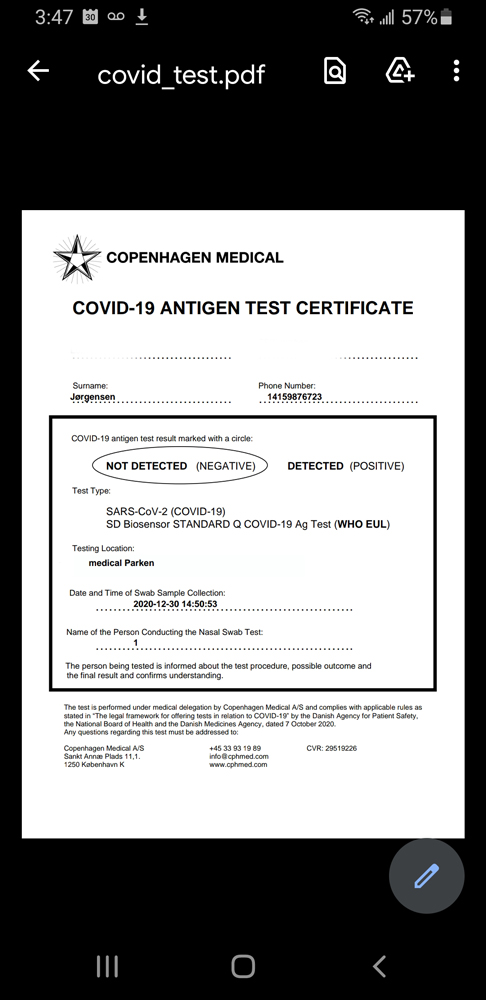
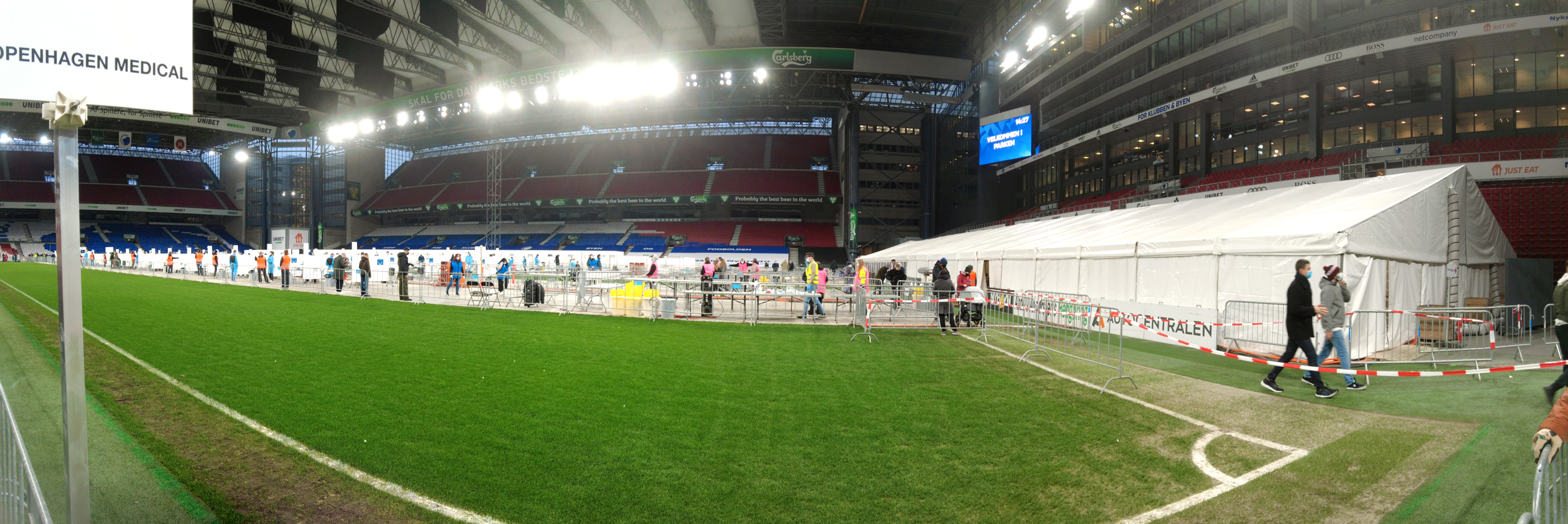
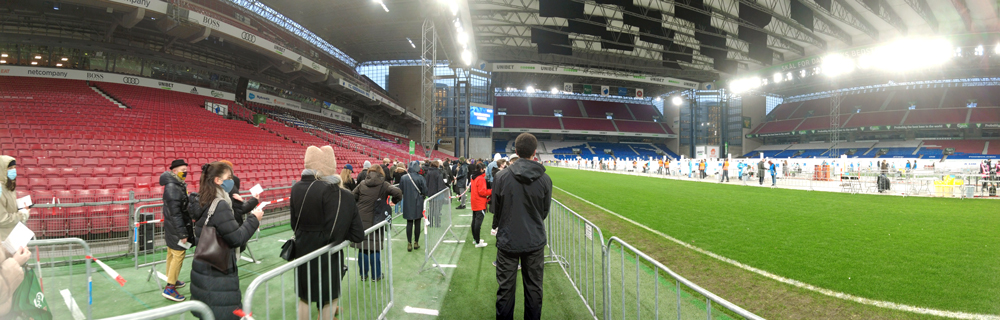
Wednesday was a huge moment, as I got to experience Covid Testing Danish Style. A gigantic soccer stadium has been commandeered as test center and long lines in the pouring rain and wind did not make it a particularly warm or fuzzy experience, but what a feeling! I still remembered my old social security number which was all I needed to provide and not a dollar or a krone. Test results appear 20 minutes later on the cell phone and VOILA.

Vaccines have started appearing and first in line are front-line workers and old folks – as it should be. I will be the last group in line, but suspect it is a matter of a month or two. After 9 months of almost constant lockdown, and this miserable weather, I am pretty sure to be able to stay out of bars and restaurants! Besides, they are all closed.

Let me start this year by wishing you all a much Happier 2021/Year of the Ox!!! I will be sharing lots of photos from Scandinavia from now on – stay tuned!

Ilulissat

ilulissat

From the New York Times this week:

“Greenland’s enormous ice sheet is melting at such an accelerated rate that it may have reached a “tipping point” and could become a major factor in sea-level rise around the world within two decades, scientists said in a study published on Monday.

The Arctic is warming at twice the average rate of the rest of the planet, and the new research adds to the evidence that the ice loss in Greenland, which lies mainly above the Arctic Circle, is speeding up as the warming increases. The authors found that ice loss in 2012, more than 400 billion tons per year, was nearly four times the rate in 2003. After a lull in 2013-14, losses have resumed.

The study is the latest in a series of papers published this month suggesting that scientific estimates of the effects of a warming planet have been, if anything, too conservative. Just a week ago, a separate study of ice loss in Antarctica found that the continent is contributing more to rising sea levels than previously thought.

Another new analysis suggested that the oceans are warming far faster than earlier estimates. Warming oceans are currently the leading cause of sea-level rise, since water expands as it warms.”


We must do so much better to help our planet!!!

Beach Blanket Babylon

snap 2019-01-23 at 12.25.42

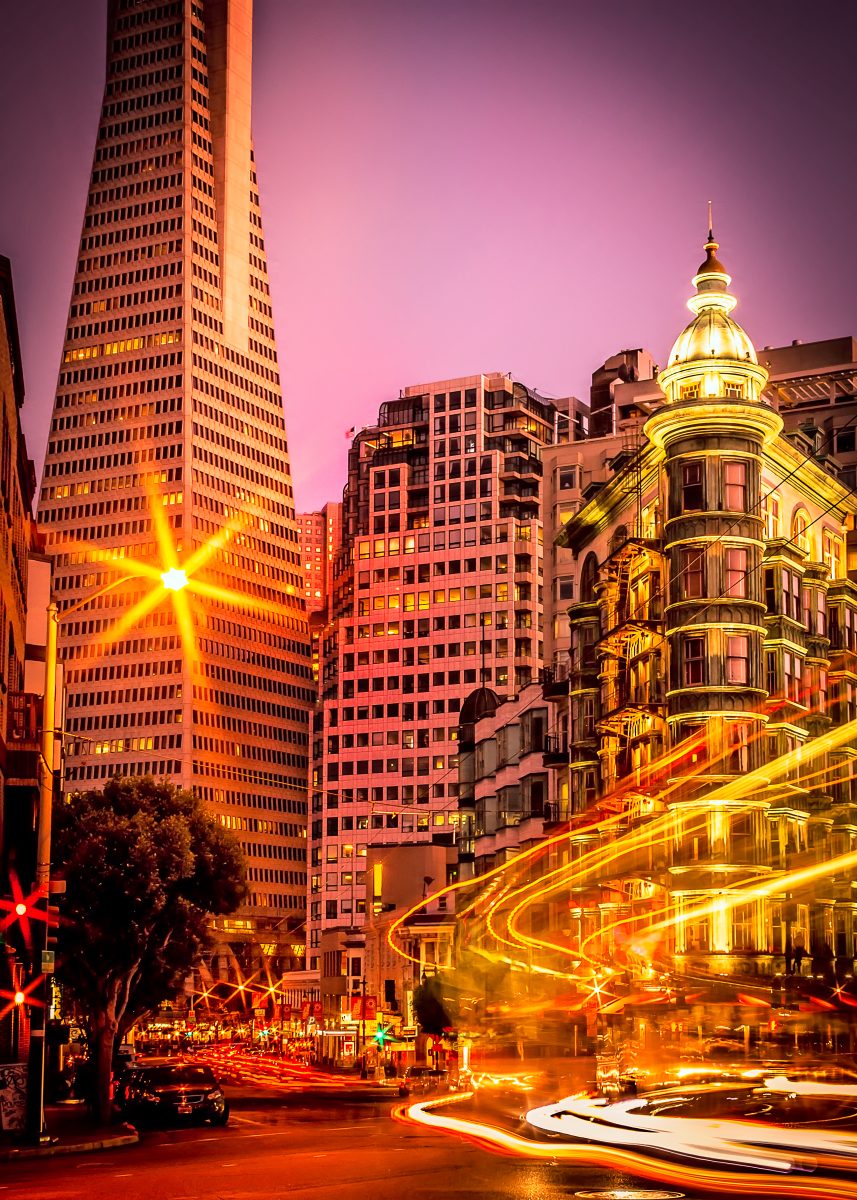
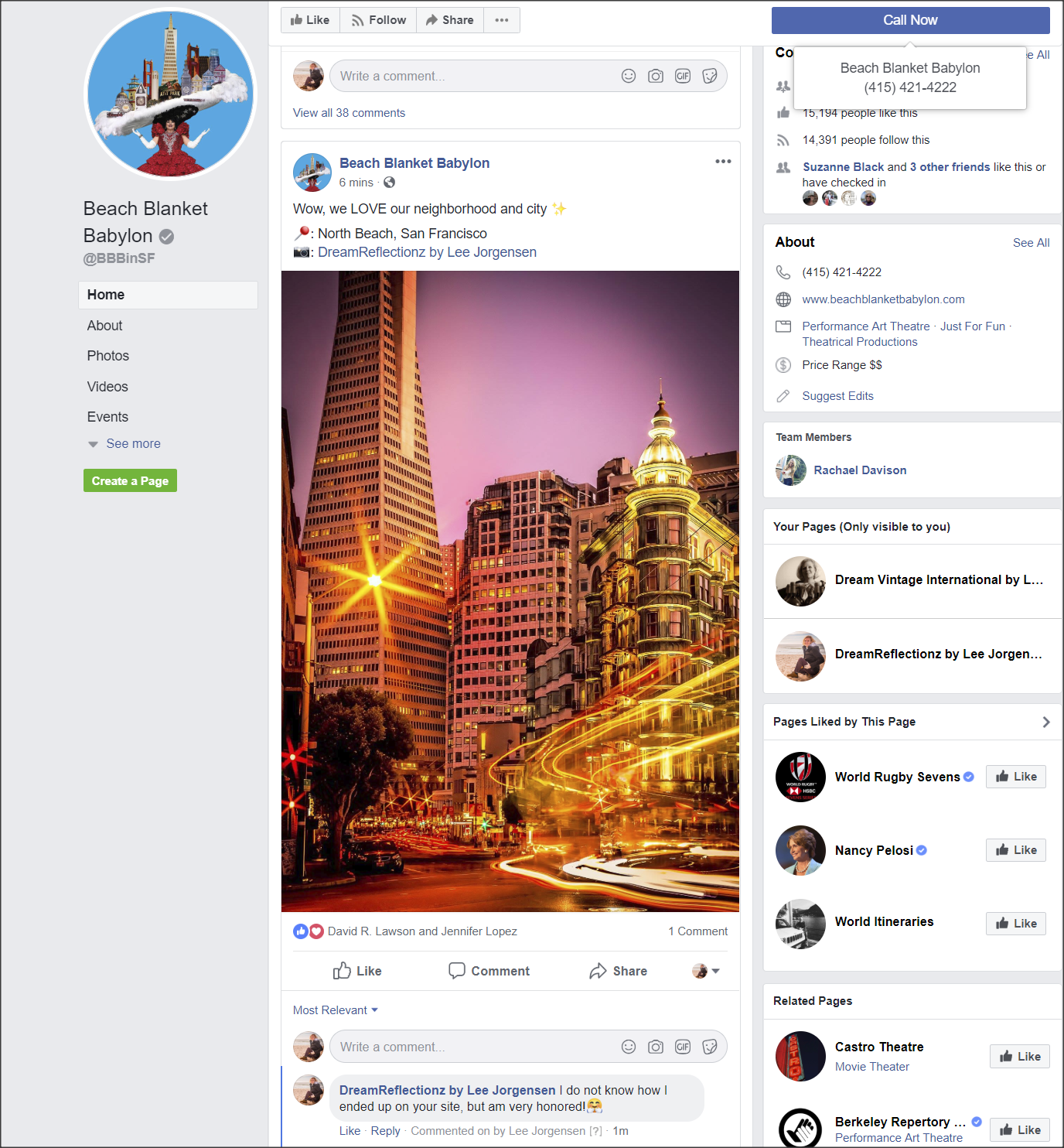
“Beach Blanket Babylon, San Francisco’s hilarious pop culture musical revue, is the perfect night out with friends. Celebrating over 16,000 performances and seen by over six million people from around the world, this internationally acclaimed production continues to delight audiences at Club Fugazi in San Francisco’s North Beach district with its spectacular costumes and outrageously gigantic hats!

Beach Blanket Babylon follows Snow White as she takes a fast-paced journey around the world in search of her “Prince Charming.”  Along the way she encounters a star-studded, ever-changing line-up of hilarious pop culture characters, including Donald and Melania Trump, Kim Jong-un, Colin Kaepernick, Vladimir Putin, Lady Gaga, Wonder Woman, Ruth Bader Ginsburg, Judge Brett Kavanaugh, Sarah Huckabee, Ivanka Trump, Serena Williams, Barack and Michelle Obama, Beyoncé, Kanye West, Bernie Sanders, Hillary Clinton, Taylor Swift, Oprah, Prince Harry and Meghan, and the Golden State Warriors.”

If you’re going to San Francisco, do not miss this absolute gem in the middle of North Beach.  I must have seen it 15 times over the past 21 years.  Here is the link to their website:  https://www.beachblanketbabylon.com/

Bordeaux Trip #4

Outside Bordeaux – The Hourtin Lake and the Atlantic Ocean

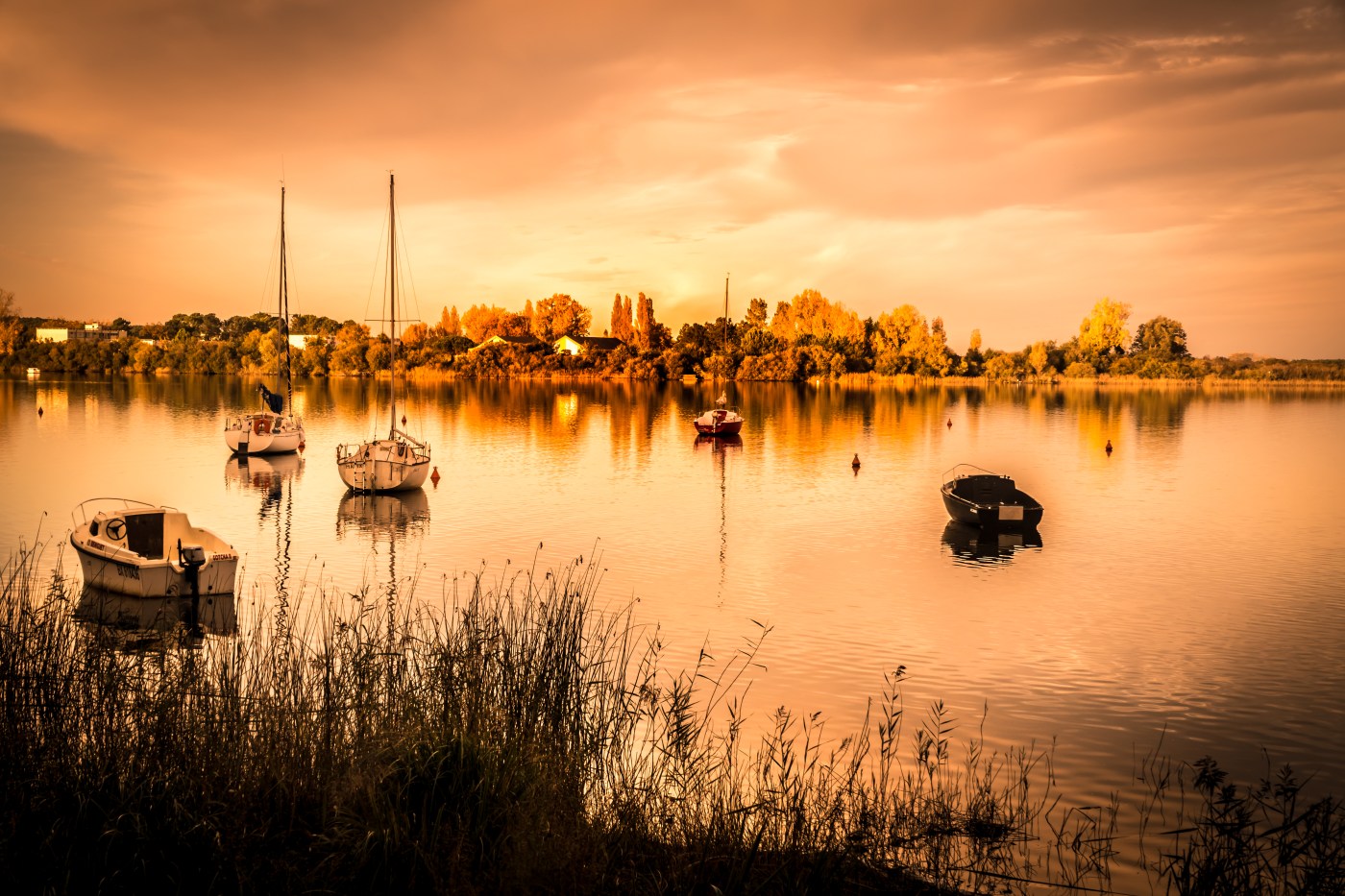
Only 1 hour from Bordeaux, or a straight shot to the West from Chateau Mouton Rothschild, you will find Hourtin with its lake and the beautiful Atlantic Coast.  Not as populated or affluent as Cap Ferret or Arcachon, it is a beautifully peaceful destination for getting out of the City of Bordeaux.


Social Media Links

Facebook Link

SmugMug Link

Instagram Link

Please visit!!!

Blog at WordPress.com.

Up ↑