Search

Lee Jorgensen Photos

Self Appointed Ambassador to Scandinavia passionate about Photography, People, Travels and all the other Magic Moments of Life!

Category

Climate Change

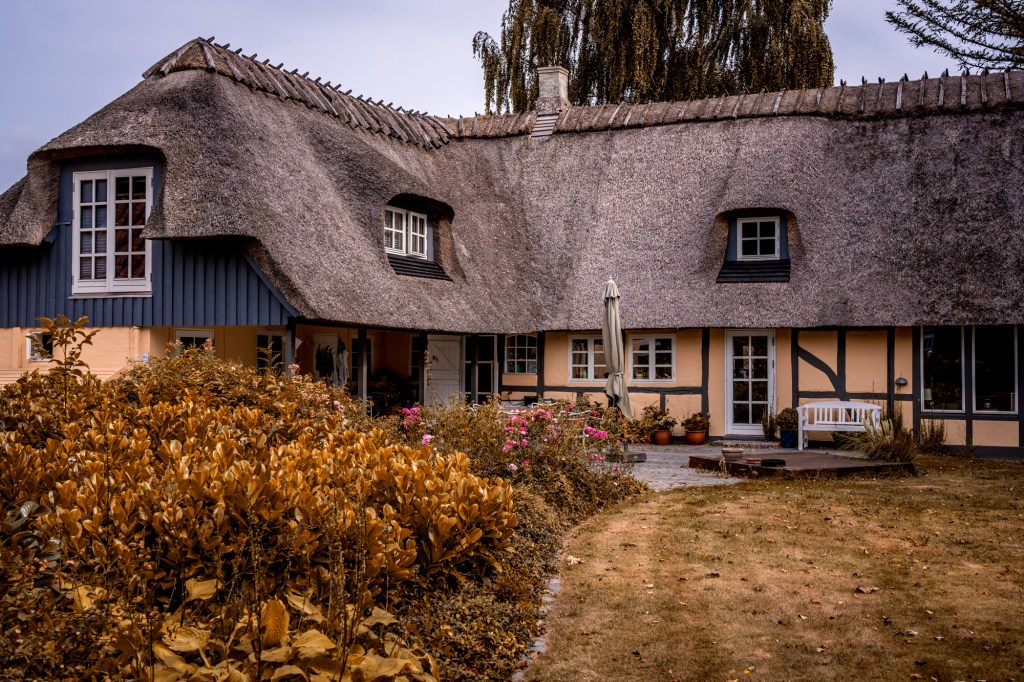
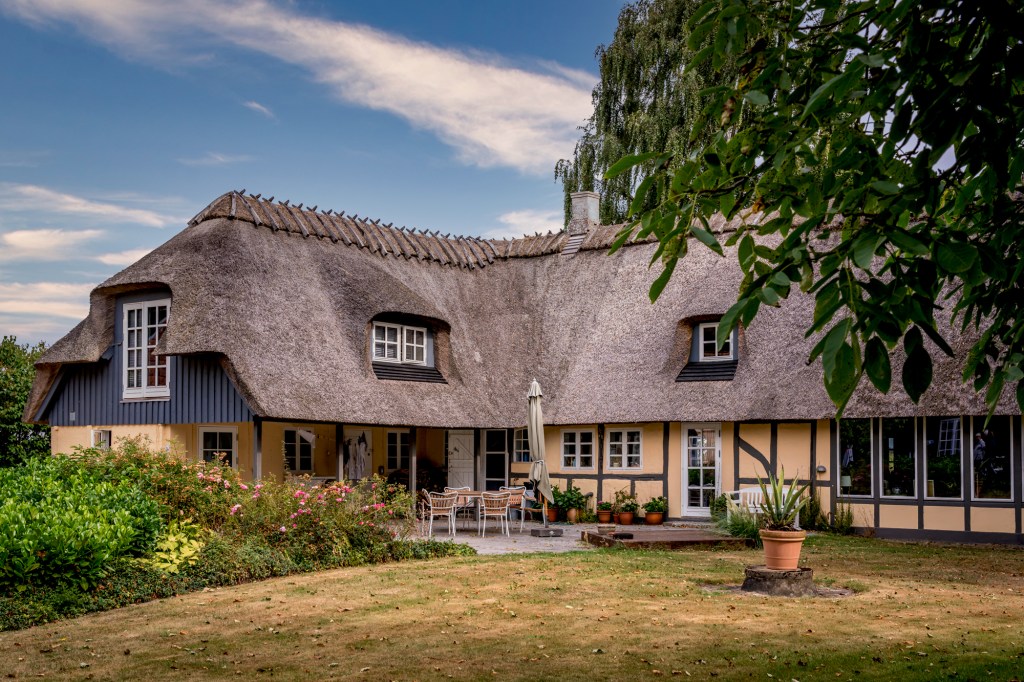
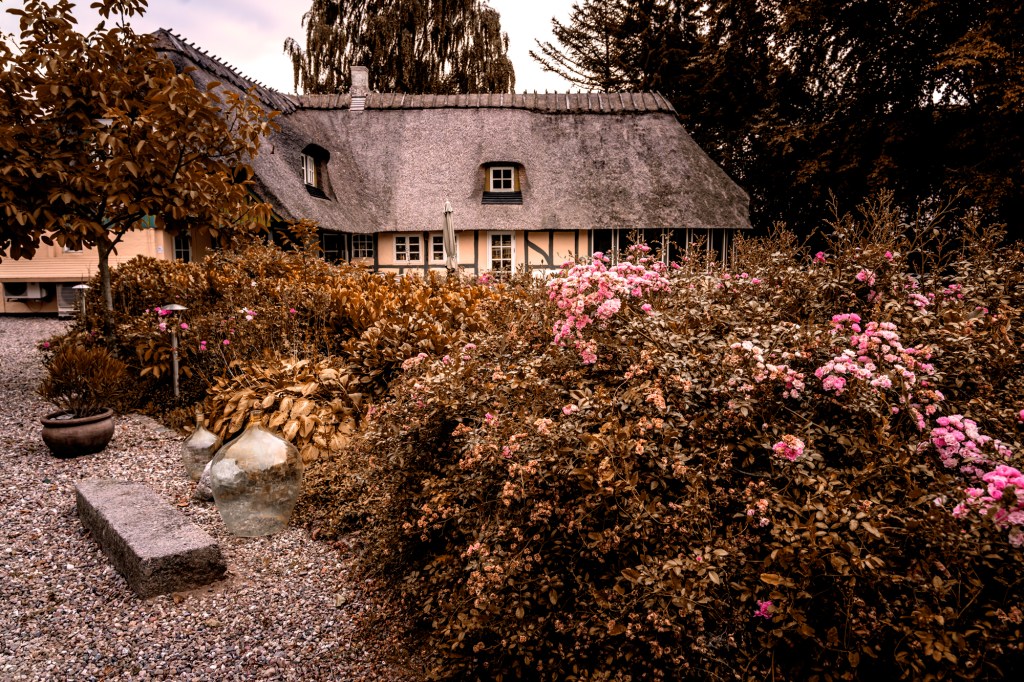
Château de Danemark

Watching History in the Making!

Nobody knows for sure when Danes discovered wine. The Vikings had what we would call wine goblets, but did they use them for wine or mead? I personally think that they did drink wine after all their travels (after all, they settled in Wineland in today’s Canada!), but since they did not document their daily lives, we just cannot know.

We first read about wine in 1269 in the town of Ribe where rules are created about how much to fine if an establishment served too much or too little to a patron. After this, wine would be bought in large quantities from Germany by various Kings. However, no wine seems to have grown in Scandinavia for thousands and thousands of years.

In the 80s and 90s, a few not so successful wineries started popping up. Today, Denmark boasts 100 professional wineries spread out across the country.

Needless to say, climate change is a huge factor for this new development, but several wine makers are of the opinion that Denmark should have started making wine much sooner. The secret is choosing varietals that can live with the relativ lack of sunshine and that will survive without nasty pesticides which are not allowed in Denmark (hurrah!).

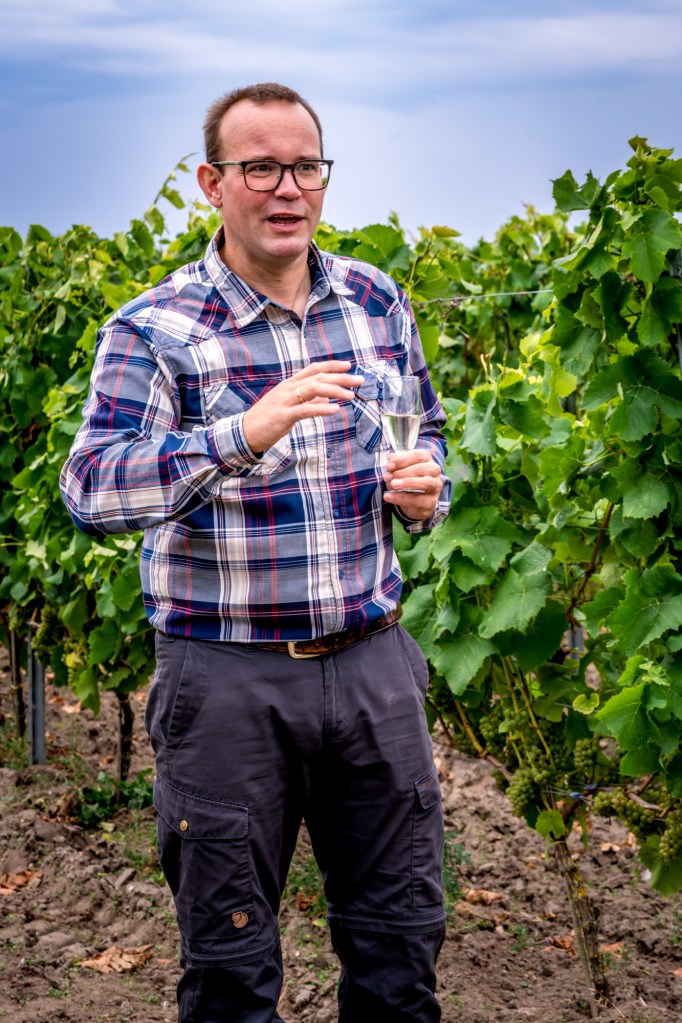
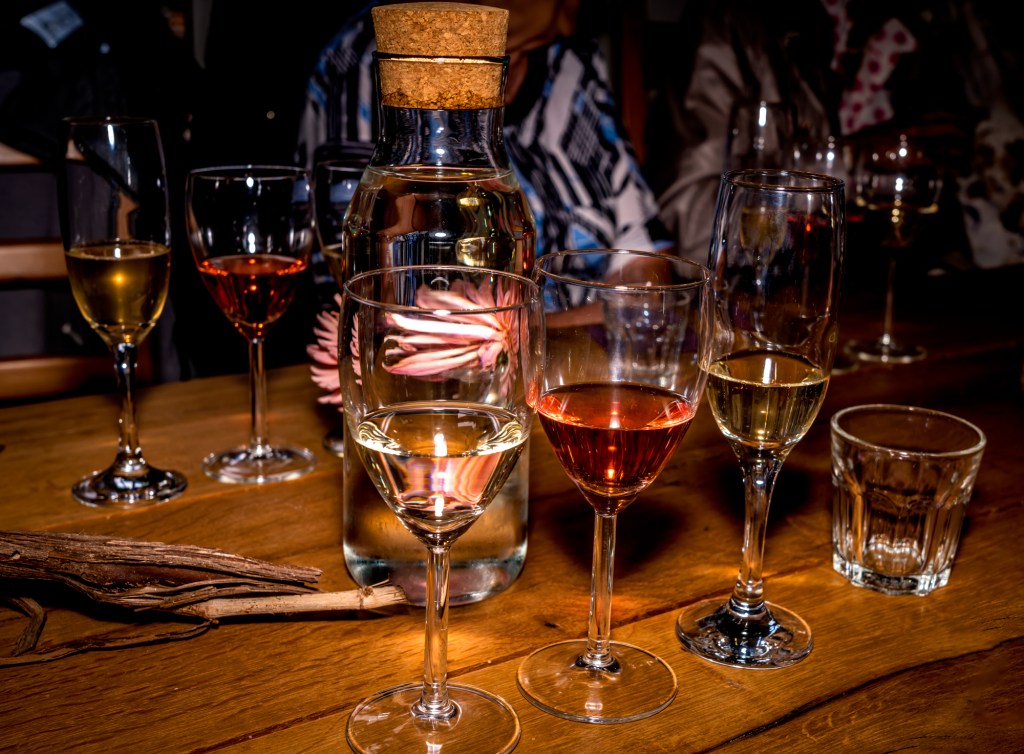
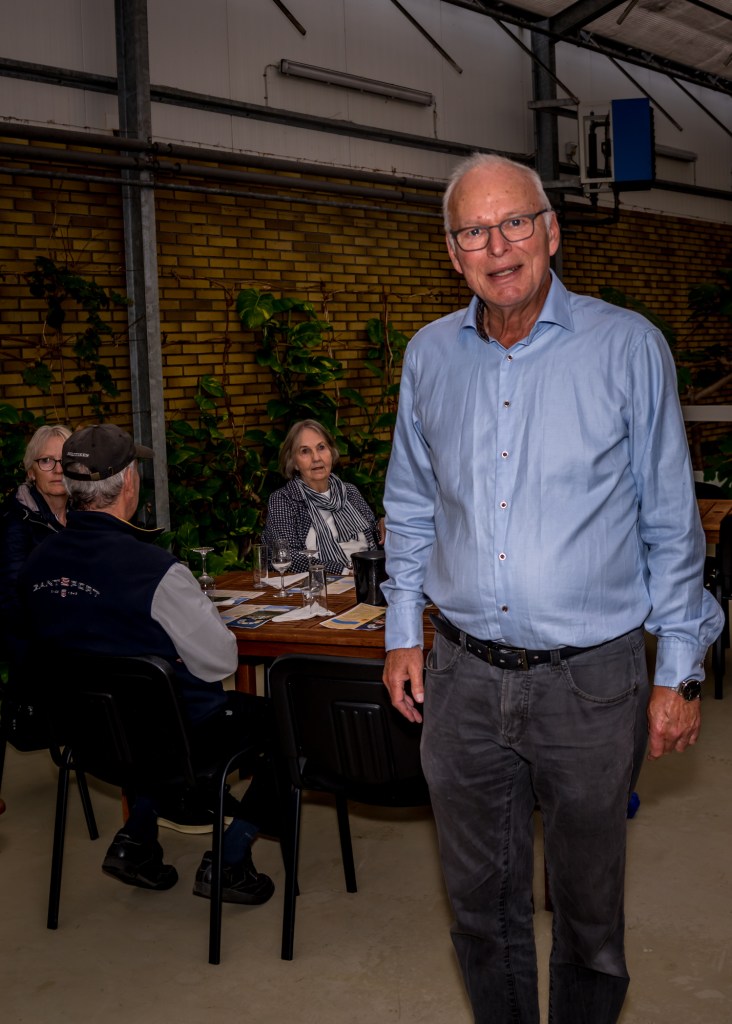
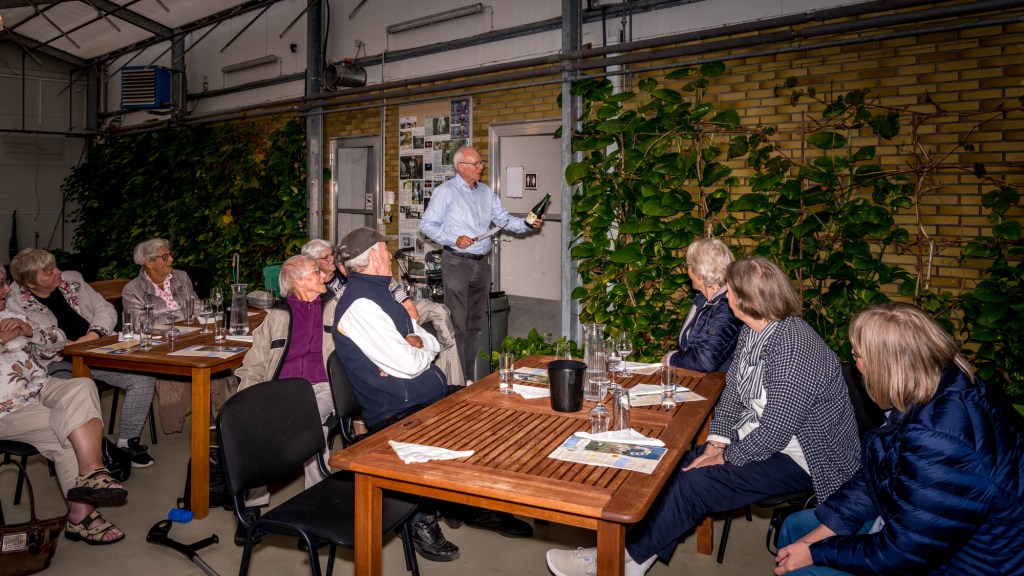
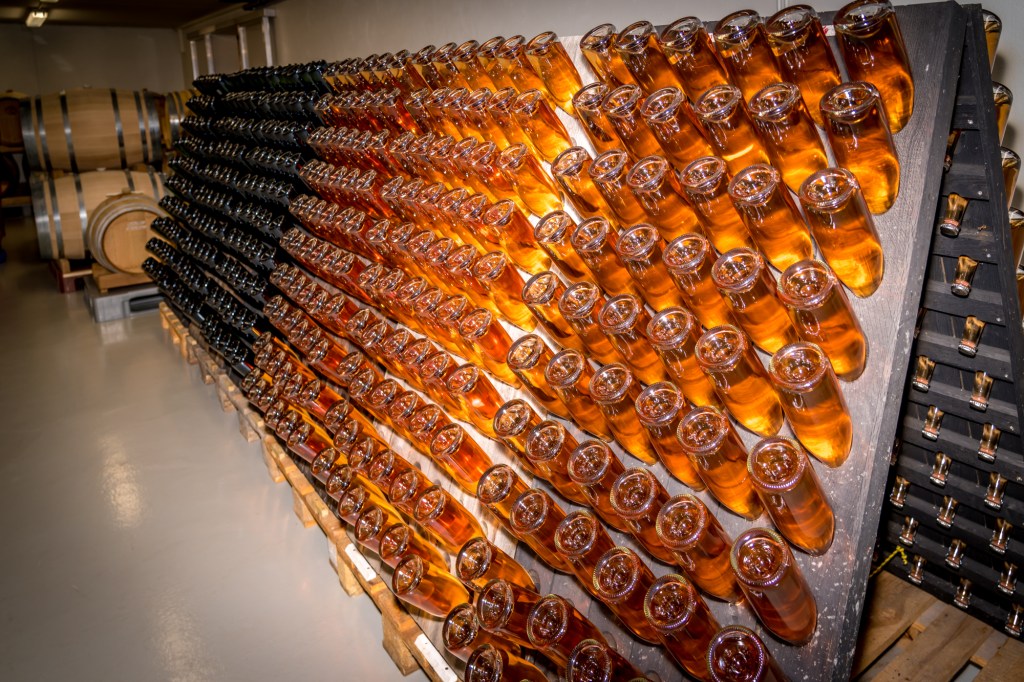
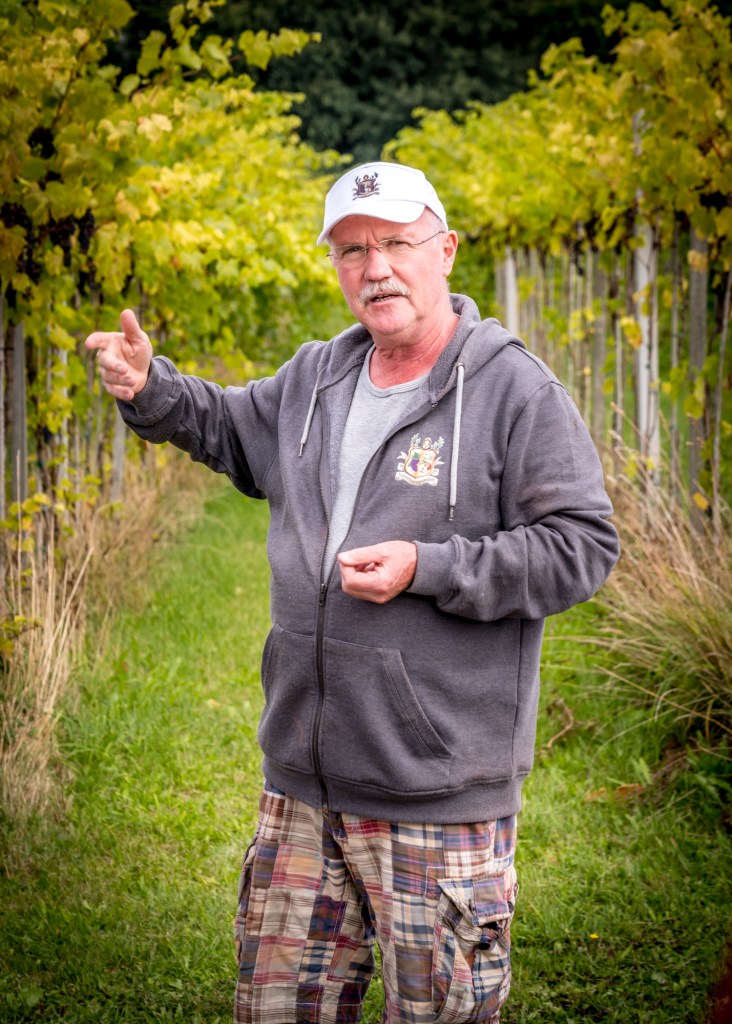
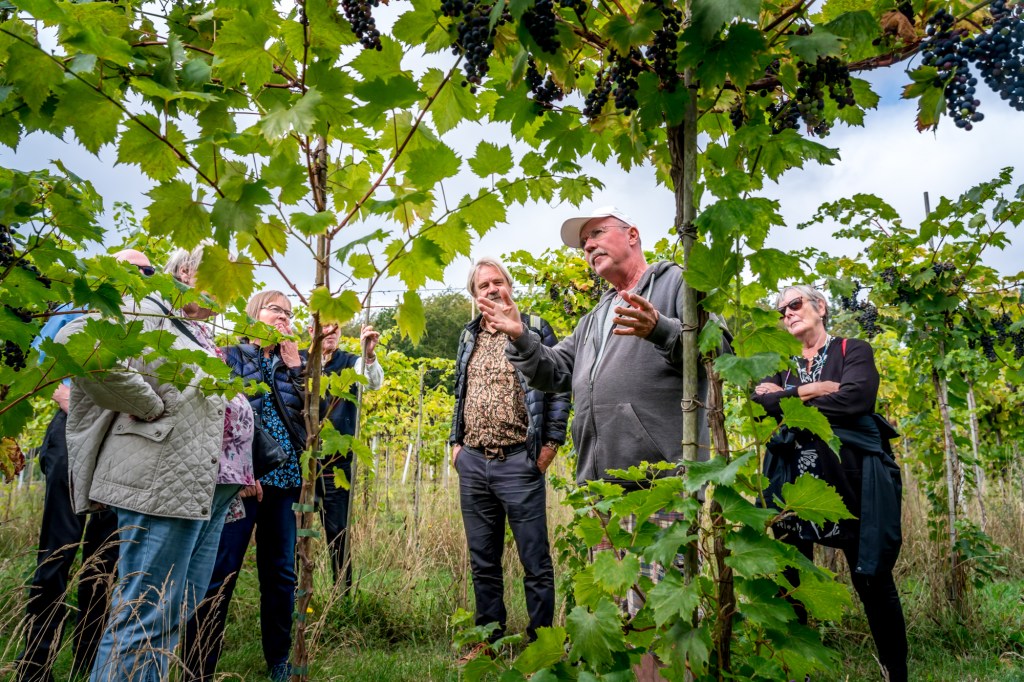
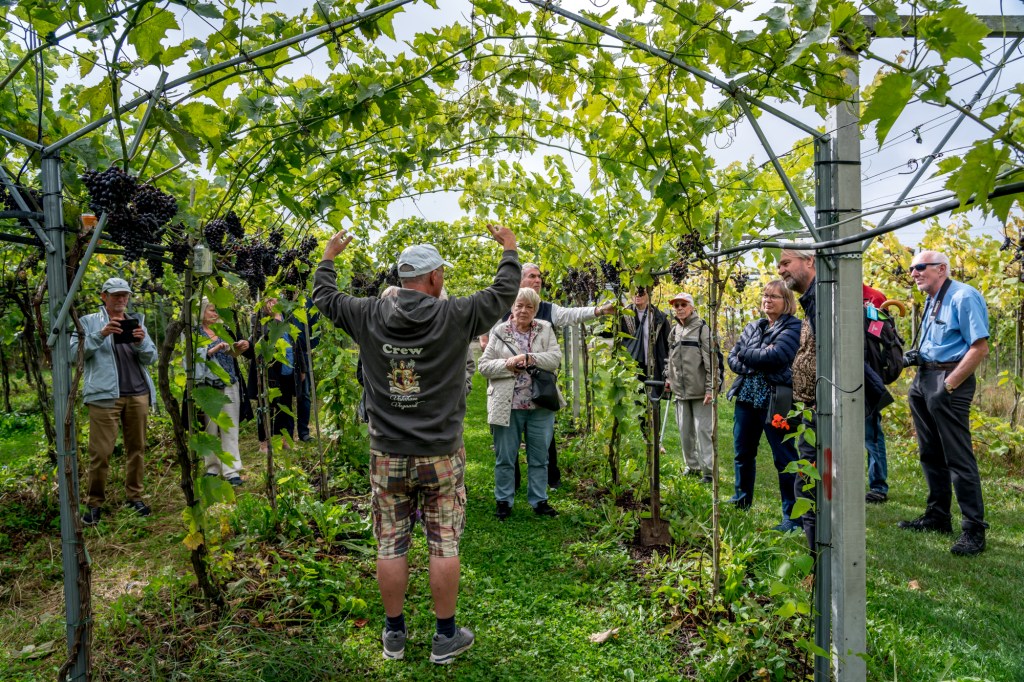
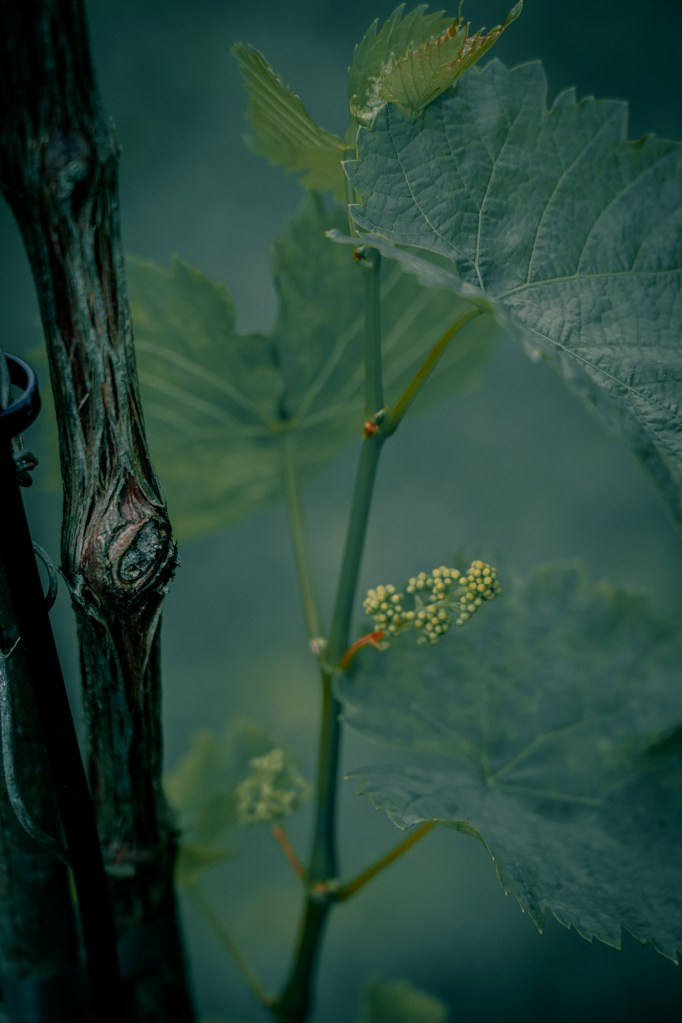
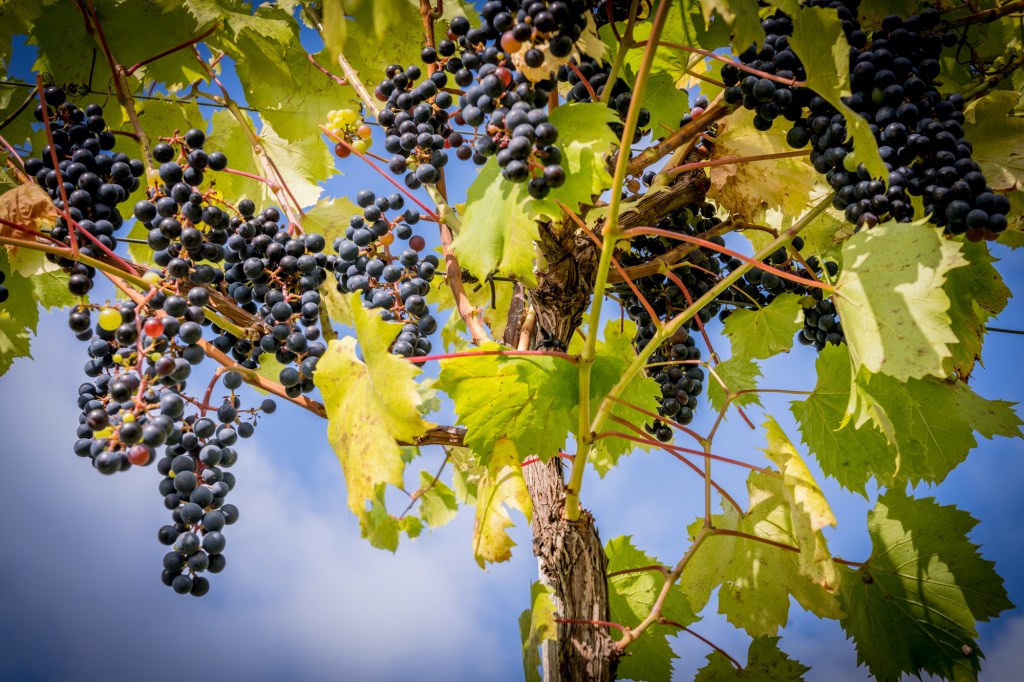
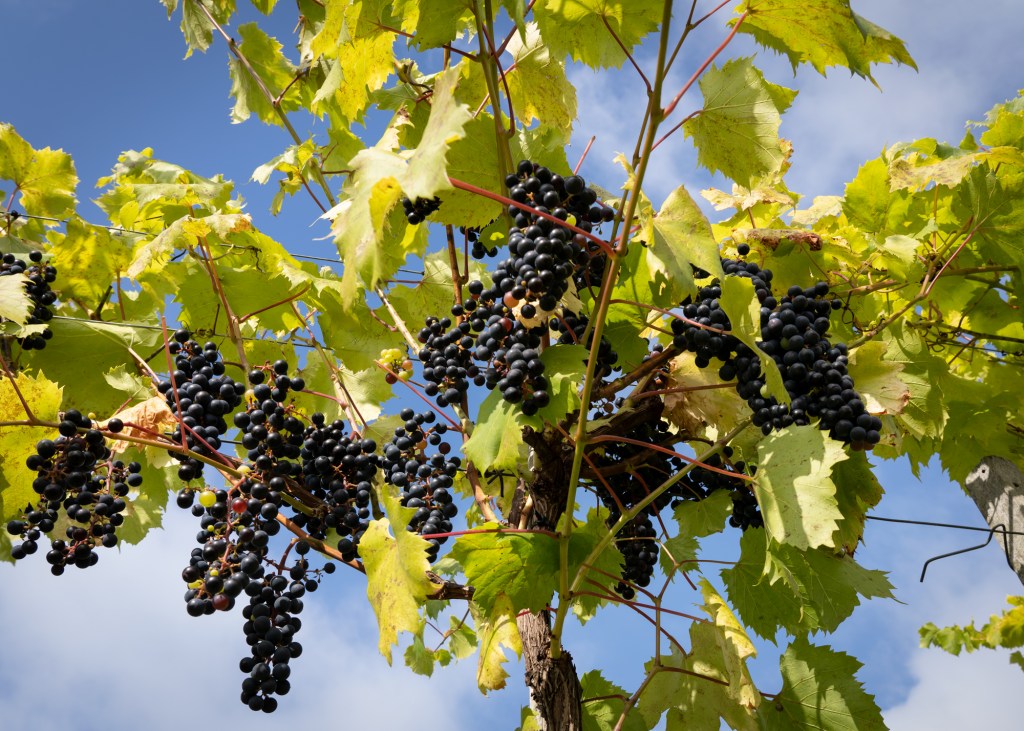
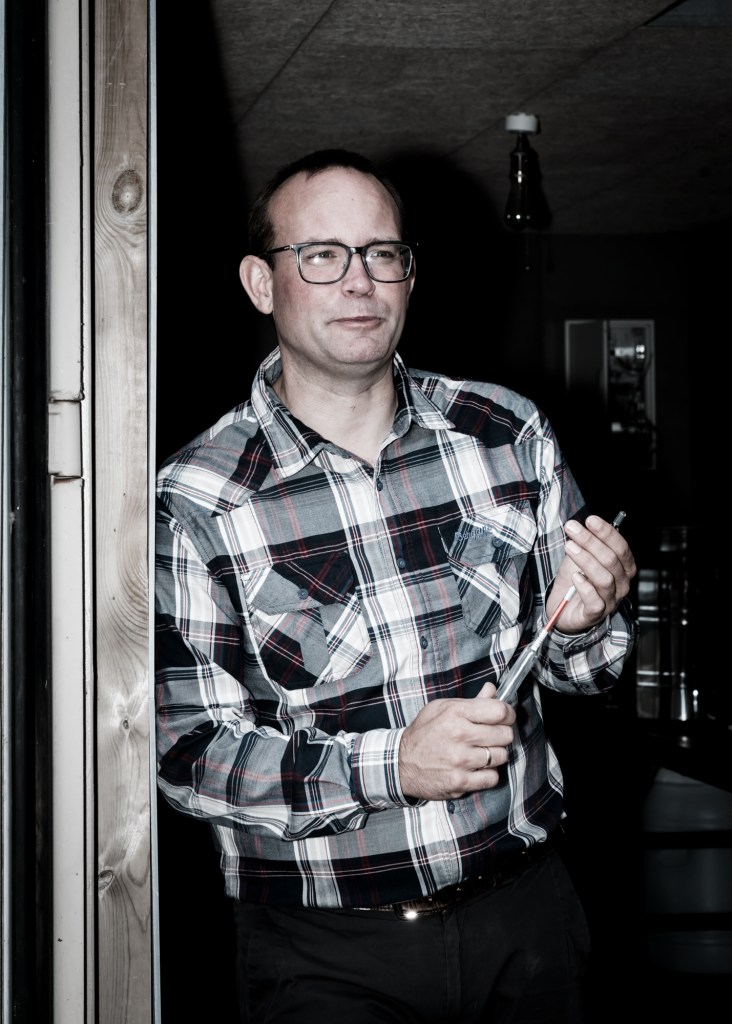
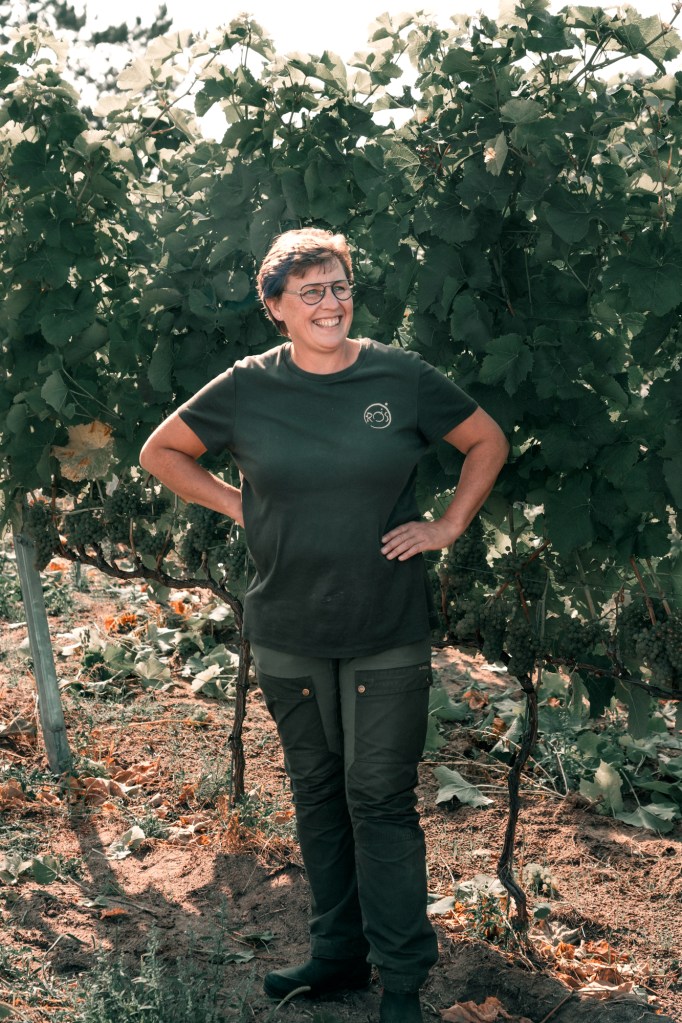
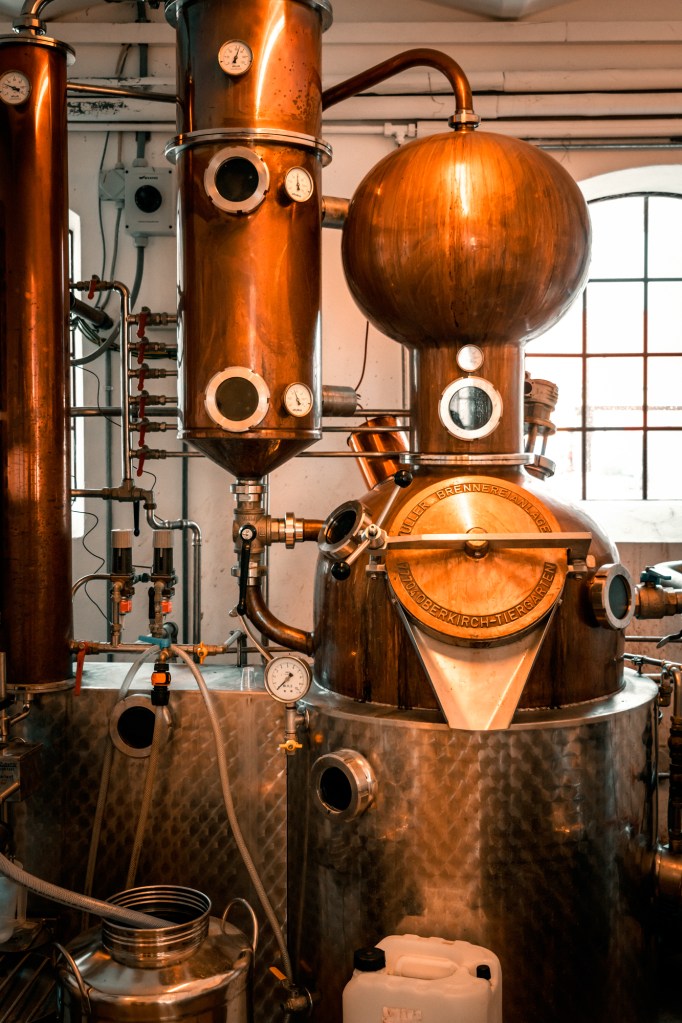
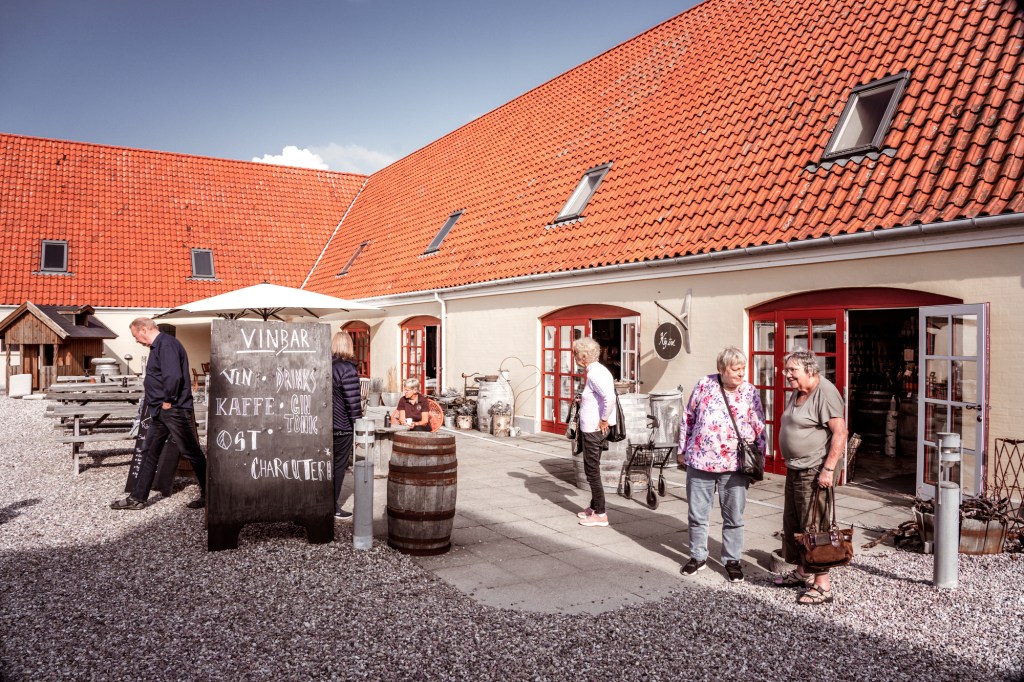
We embarked on a three day tour of 5 vineyards arranged by Vagns Kulturrejser i Danmark (Vagn’s Cultural Trips in Denmark), https://vagns.dk and I will have to admit that my life in Bordeaux and California did not create any particular expectations with regards to Danish Wineries! I was dead wrong. Instead, I discovered a highly technical and scientific world and lovely wineries that are able to cater to large groups, tastings, food pairings AND that receive international accolades and trophies in major tastings.

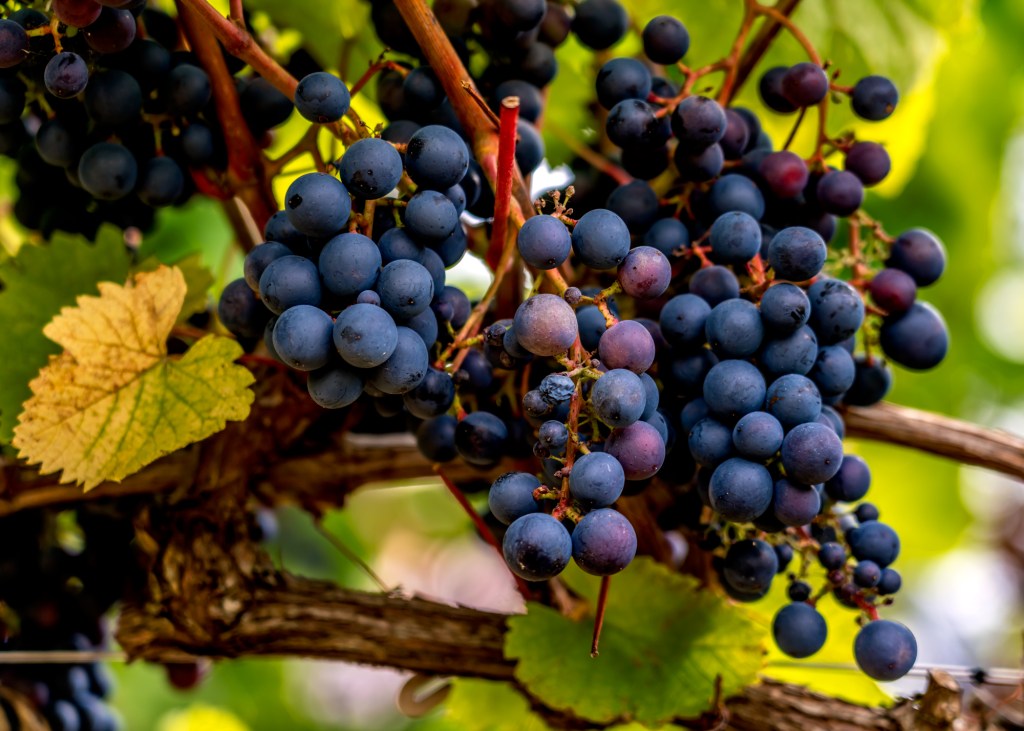
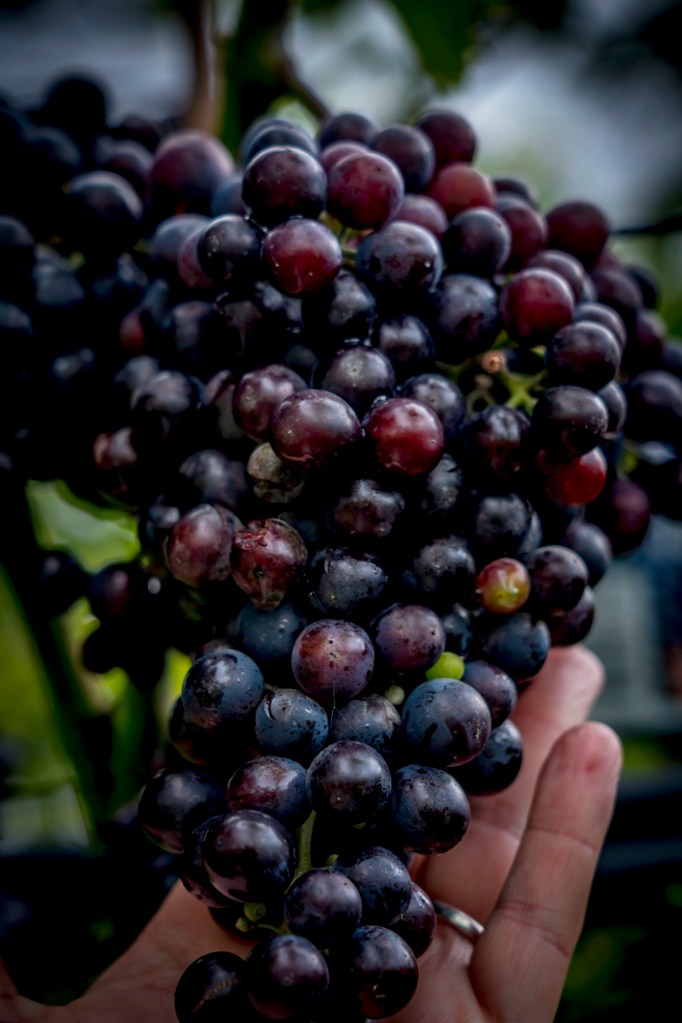
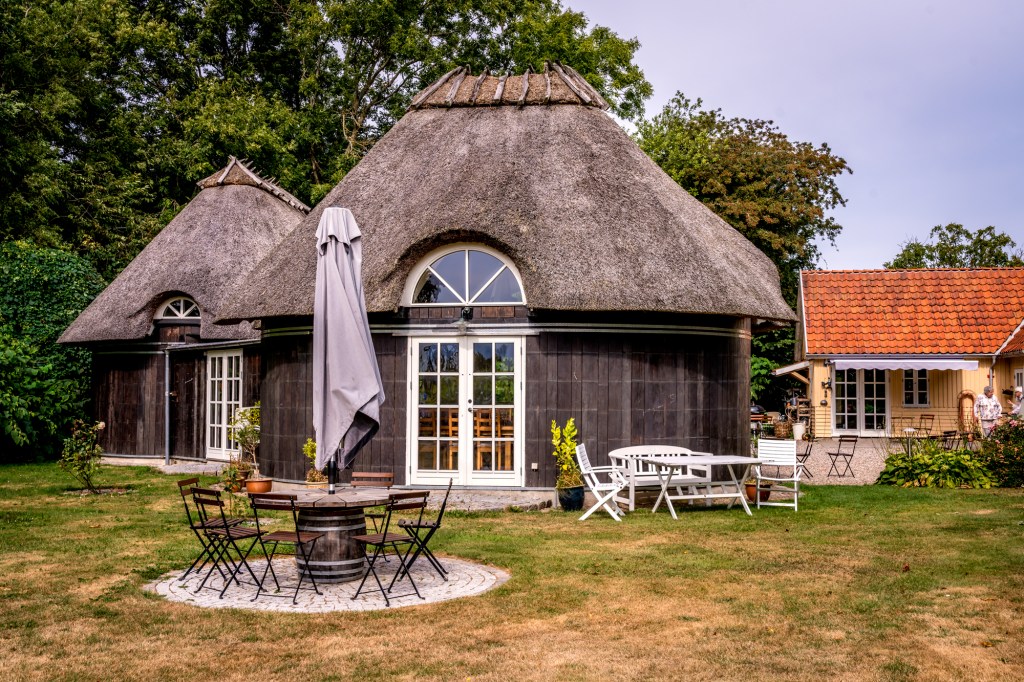
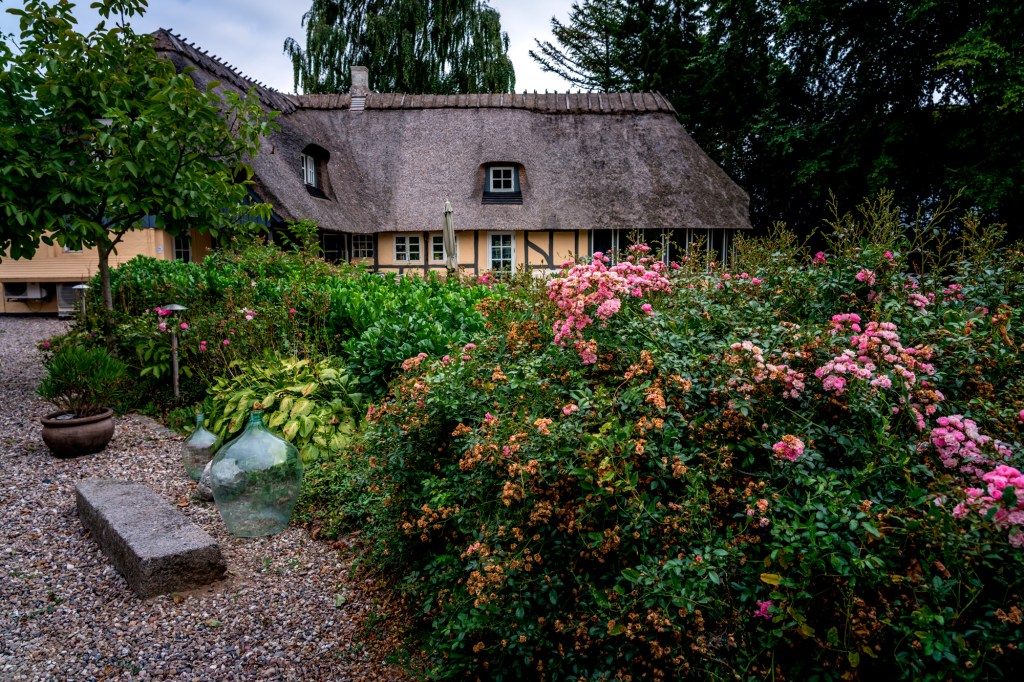
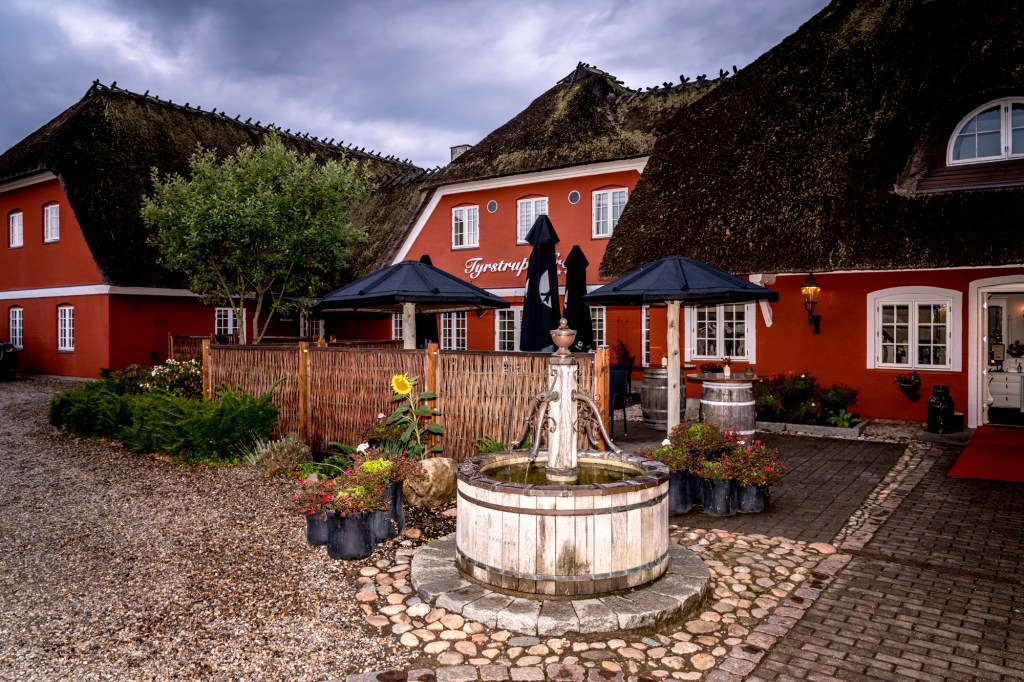
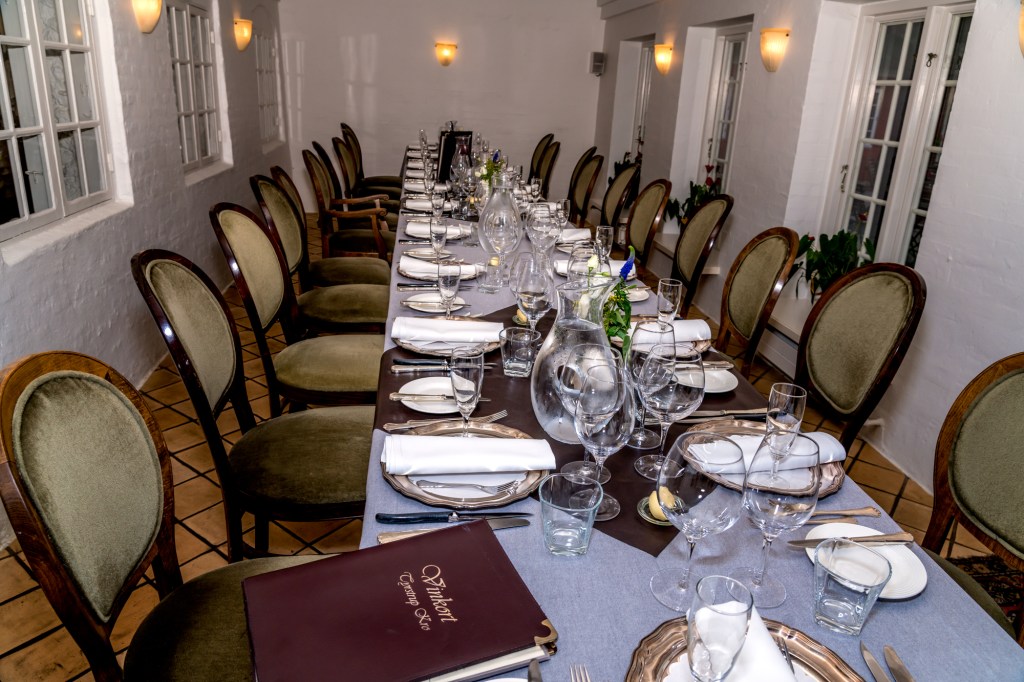
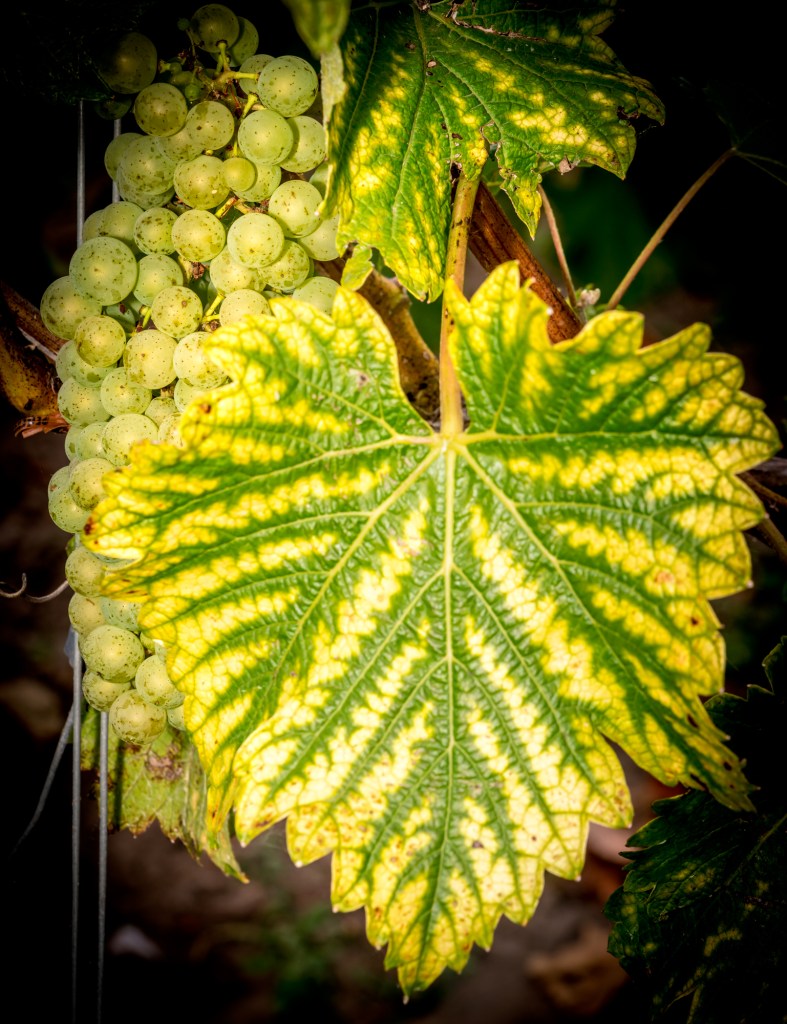
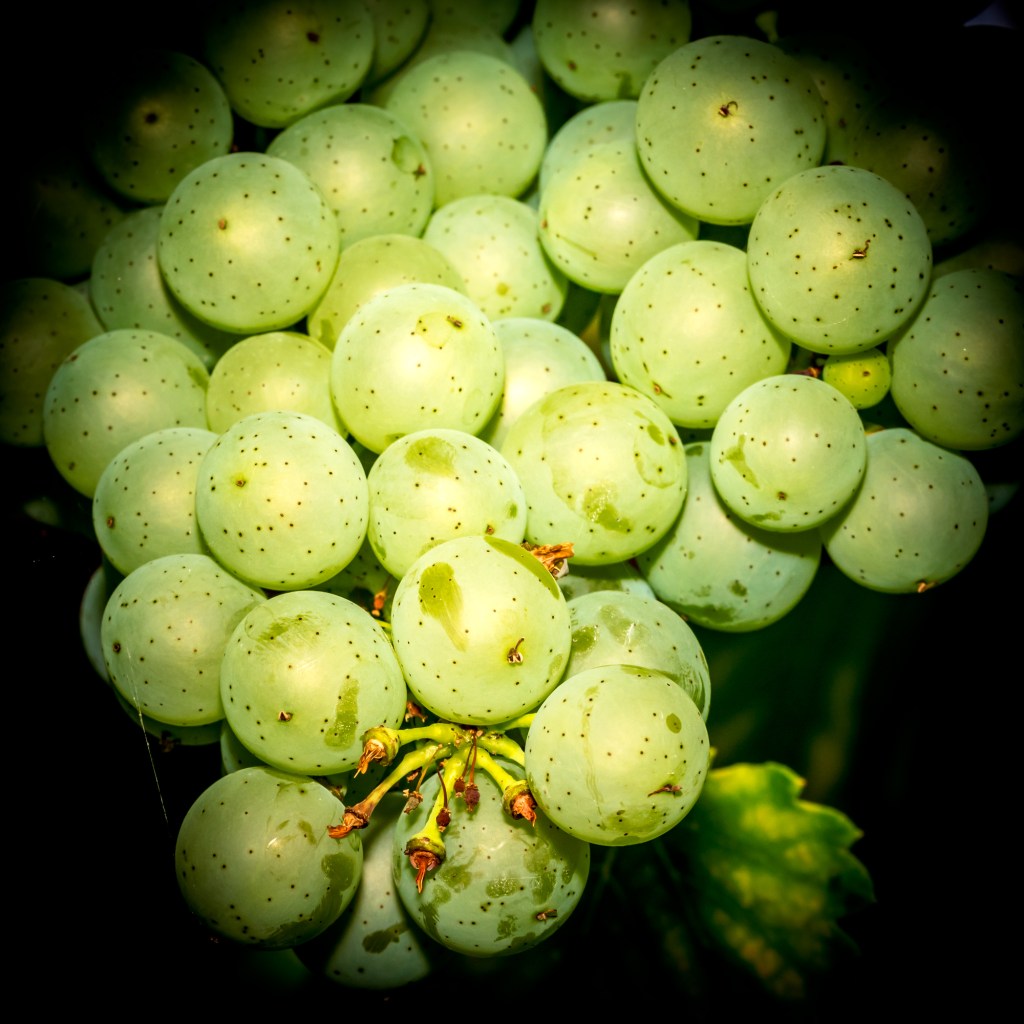
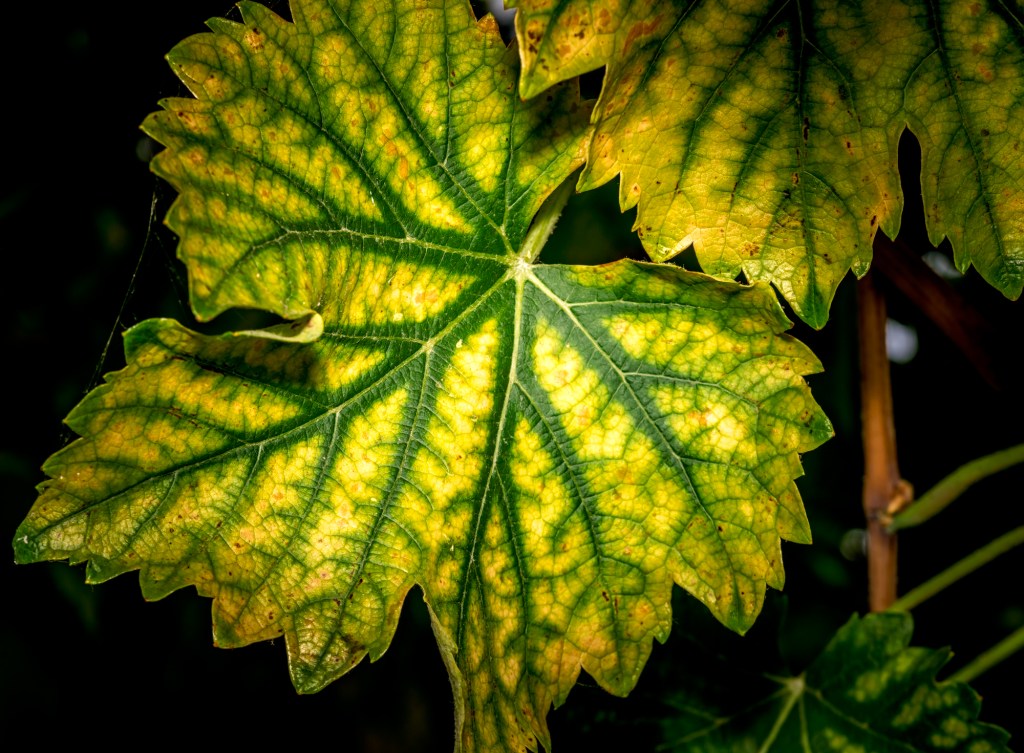
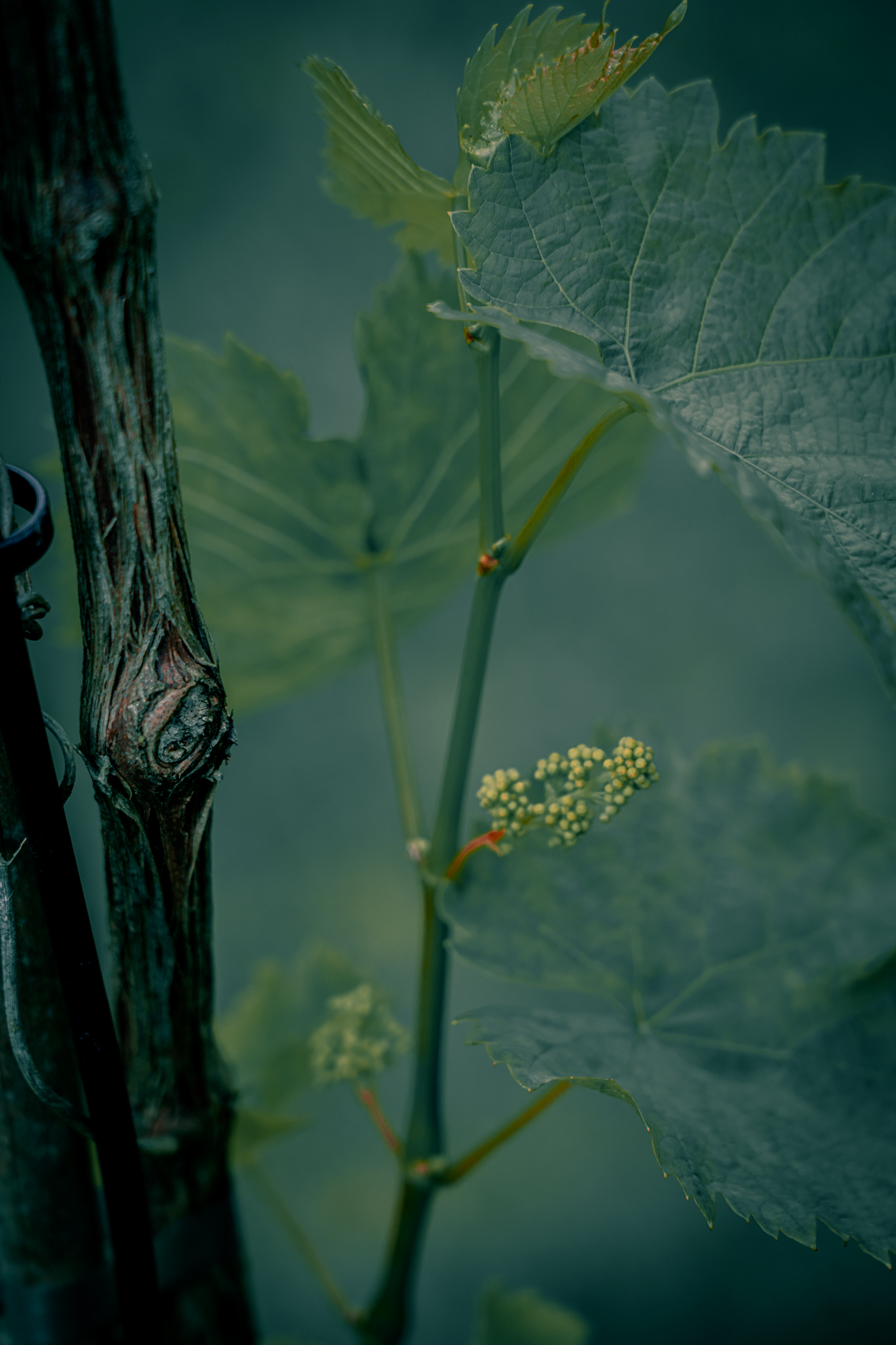
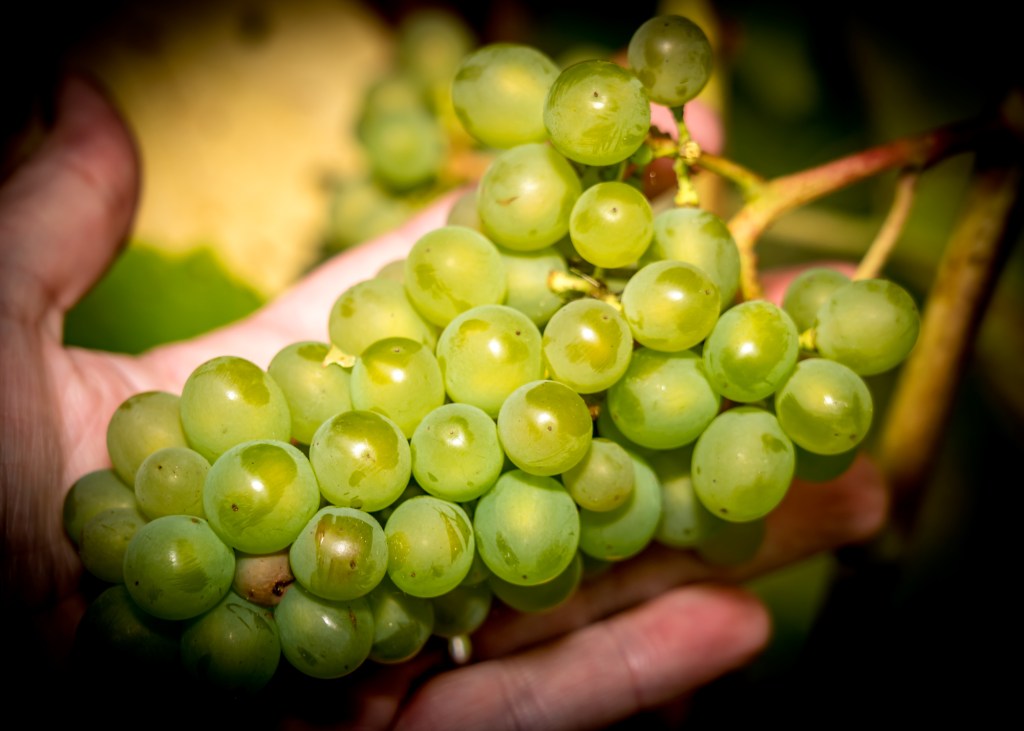
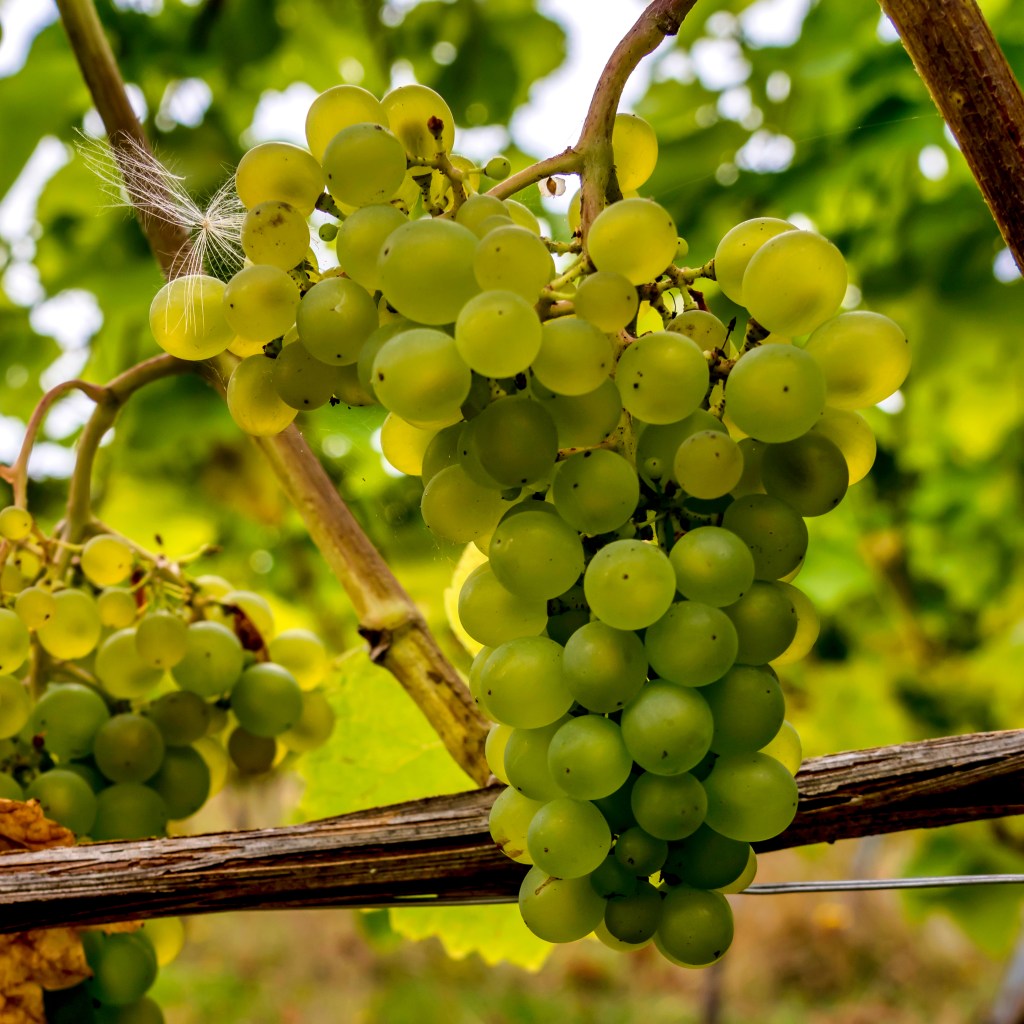
The following pictures are from the following vineyards:

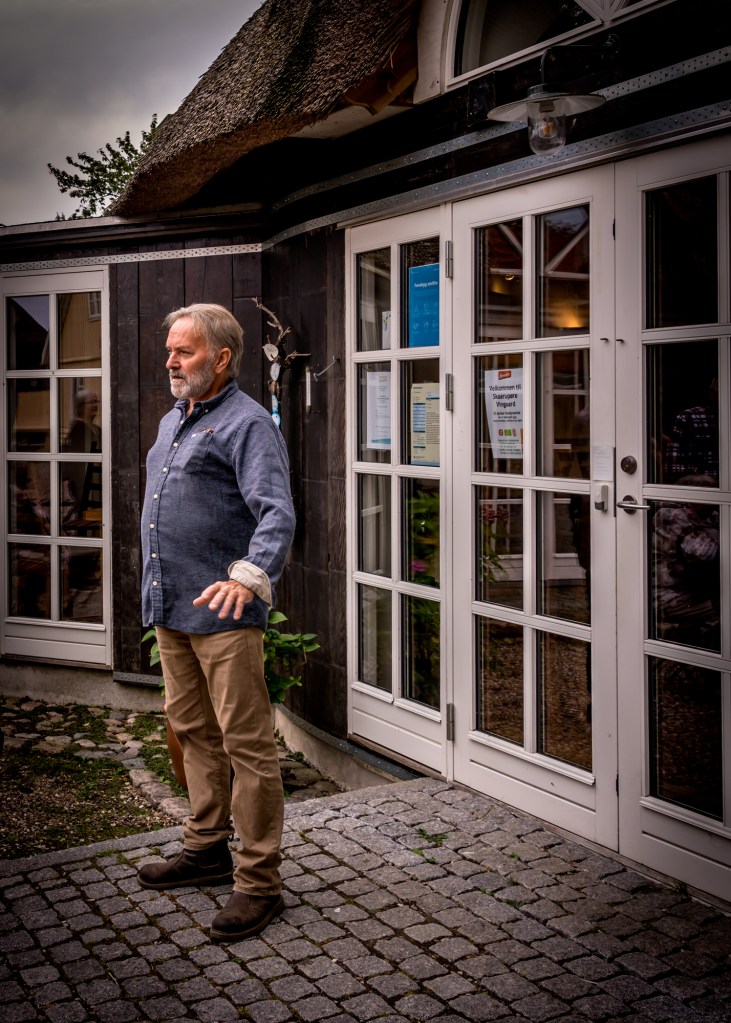
Skaarupøre Vingaard: Lovely organic winery located in Skårup on the Island of Fyn offering Bubbles, Rosé and White, as well as some fortified wines.

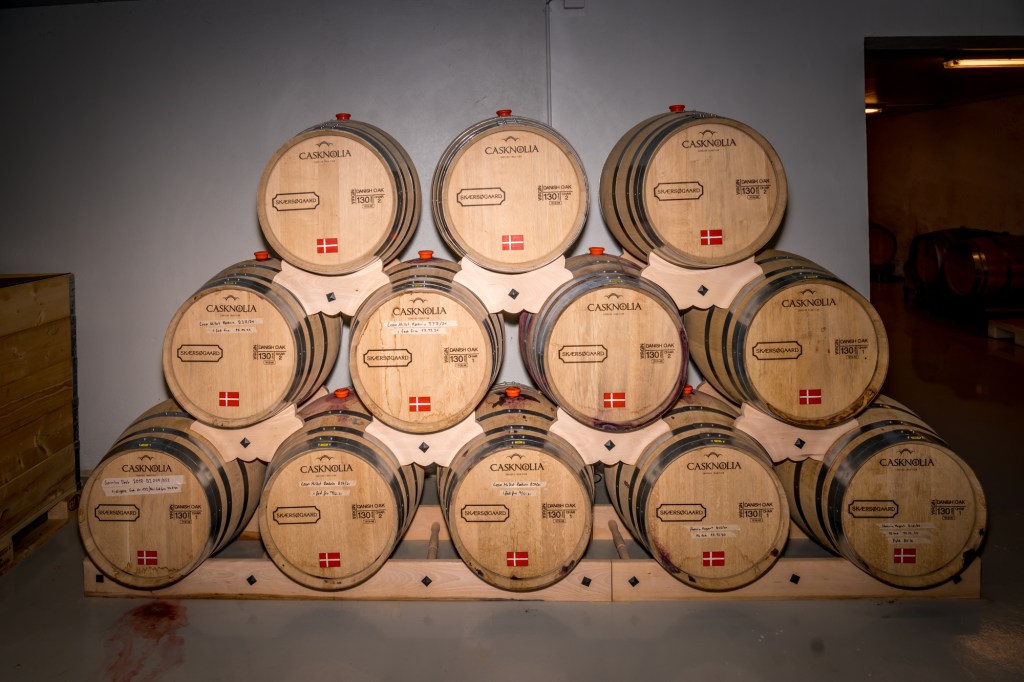
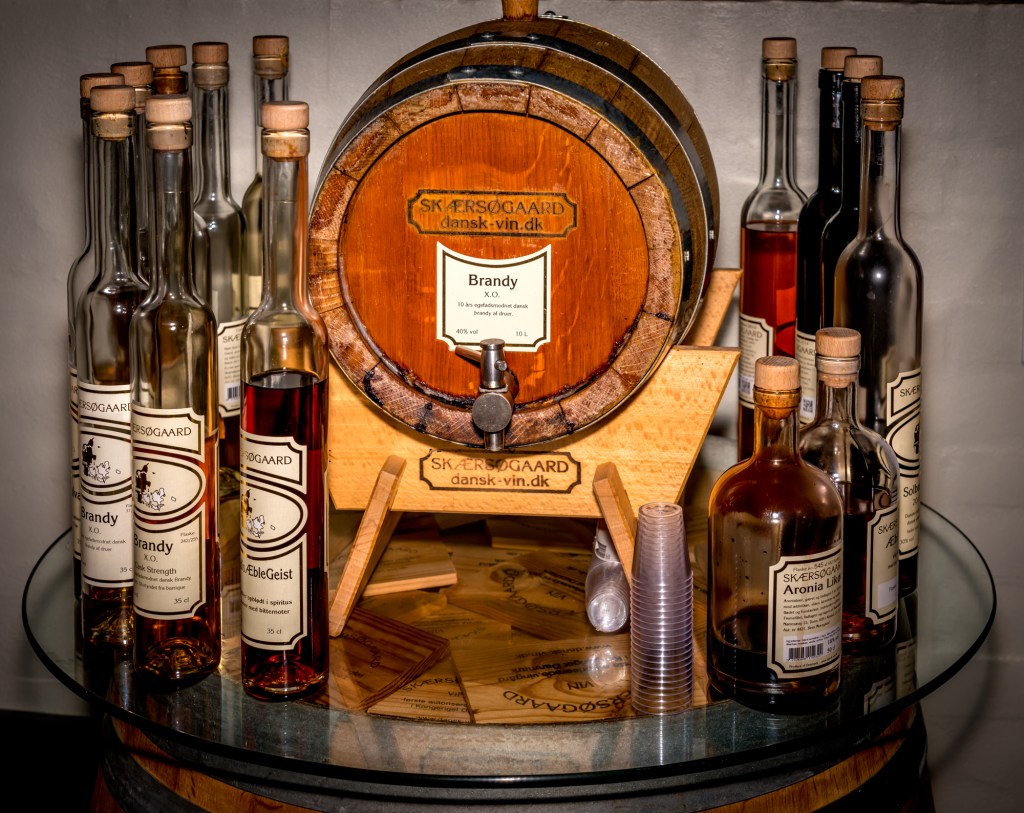
Skærsøgård Vin: The only wine with an appellation in Denmark (Dons) and the most awarded winery in the country with 126 Danish medals and 115 International ones. Located near Kolding in Jylland offering the same typical Danish wines.

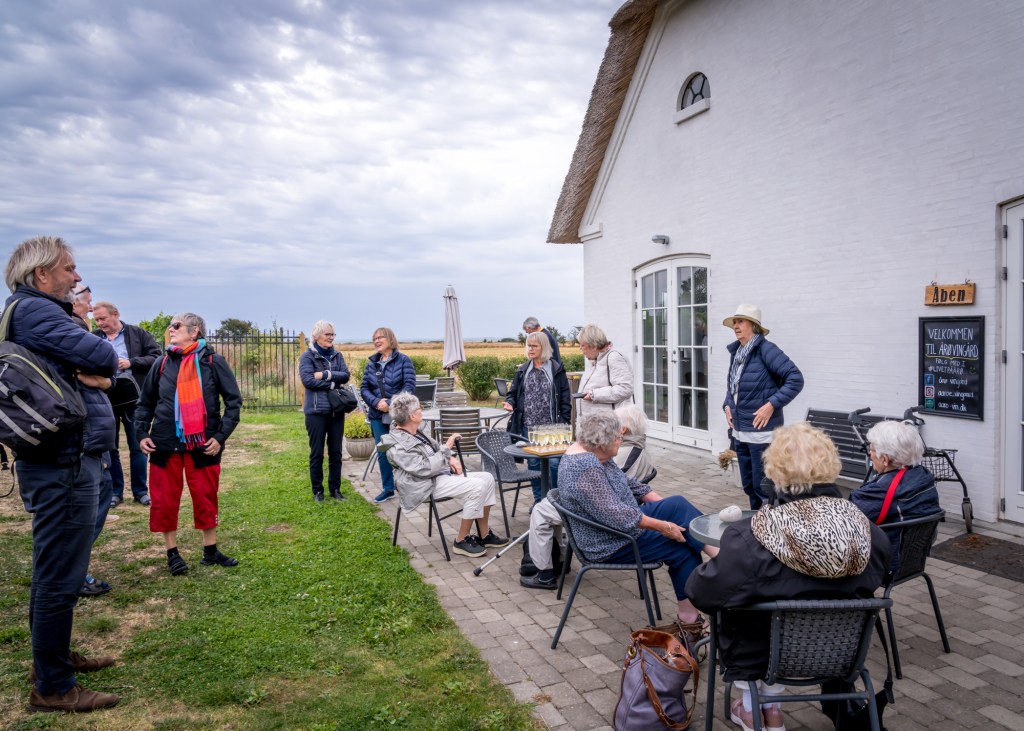
Årø Vingård: Located in Southern Jutland on the tiny island of Årø offering the usual Bubbles, Rosé and White, but also red and fortified wines. Don’t miss the “Flammkuchen” (Alsatian pizza simplified!) that come with the tasting!

Vesterhave Vingård: We are back in Zealand in the adorable town of Karrebæksminde way down south, only it feels more like tasting Amarone in Italy! Whoever said that Denmark cannot make red wine is just wrong!

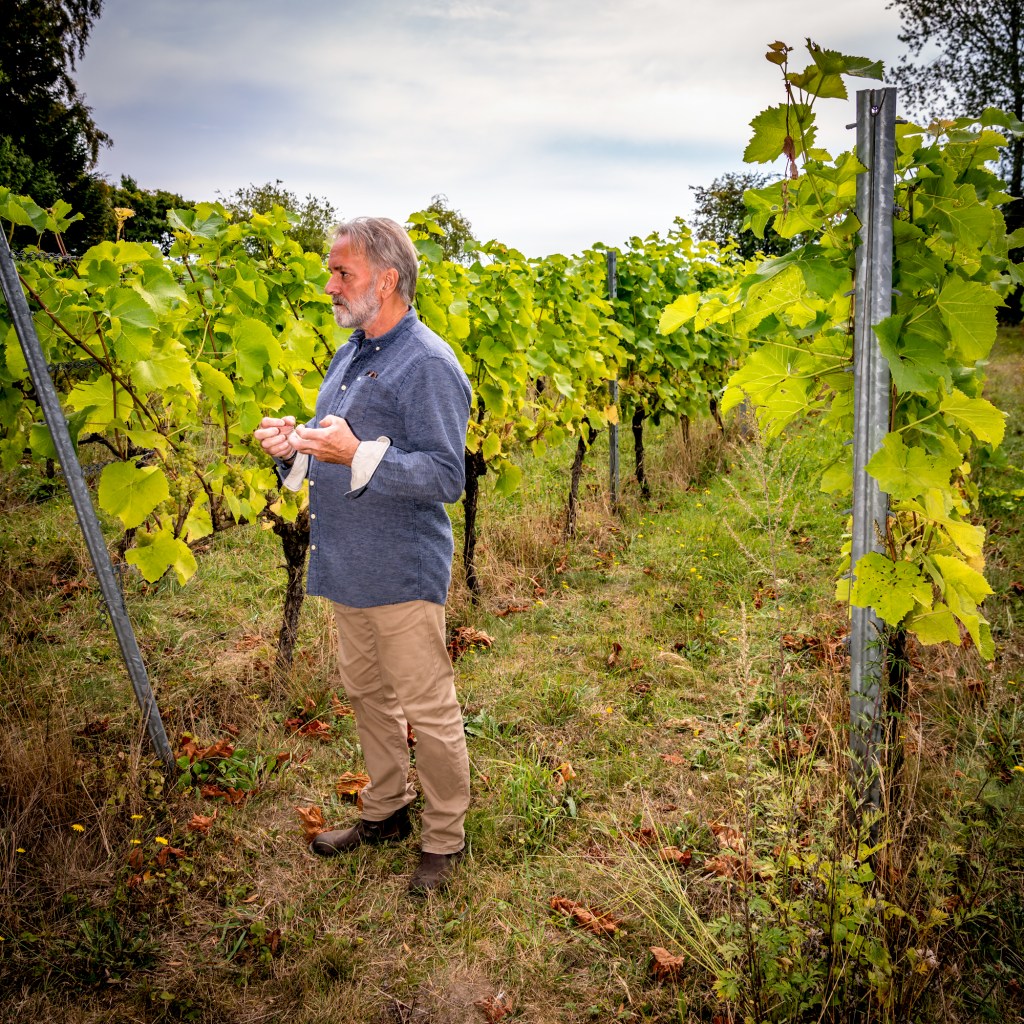
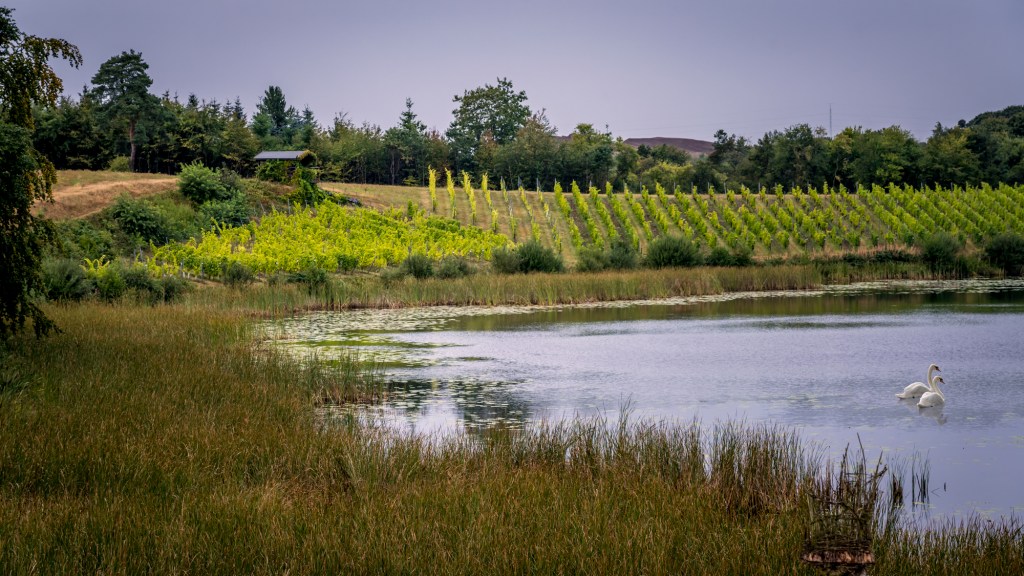
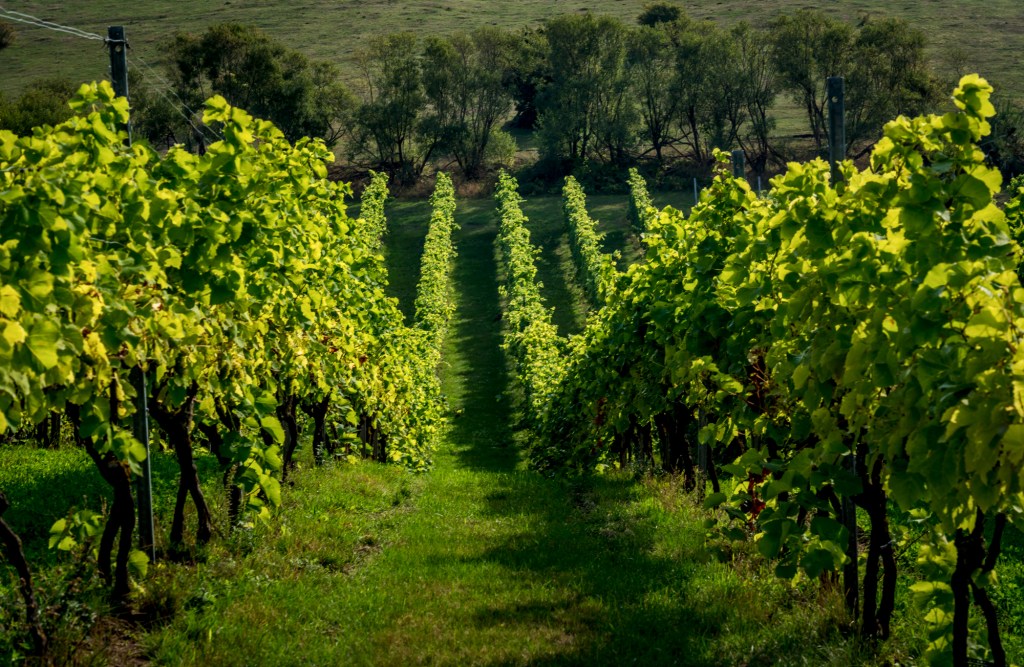
Dyrehøj Vingård: Denmark’s largest vinery with 50,000 vines spread across 4-5 parcels and the only winery on a slope that I have seen so far in this flat country! An impressive production of bubbles, rosé and white, but also gin, rum, fortified wines, liqueurs etc.

Grapes in Denmark are: Rondo, Regent, Leon Millot, Boleo, Cabernet Cantor, Cabernet Cortis, Castel, Solaris, Souvignier Gris, Orion, Zalas Perle and Riesel, all from Germany, France and Hungary.

A very special thank you to Vagn Olsen for organizing a perfect trip with wonderful wineries, food, hotels and stories, and to Alex, our fearless driver from Løvschall Bus.

Next adventure: The Vineyards of Sweden!

Skål!
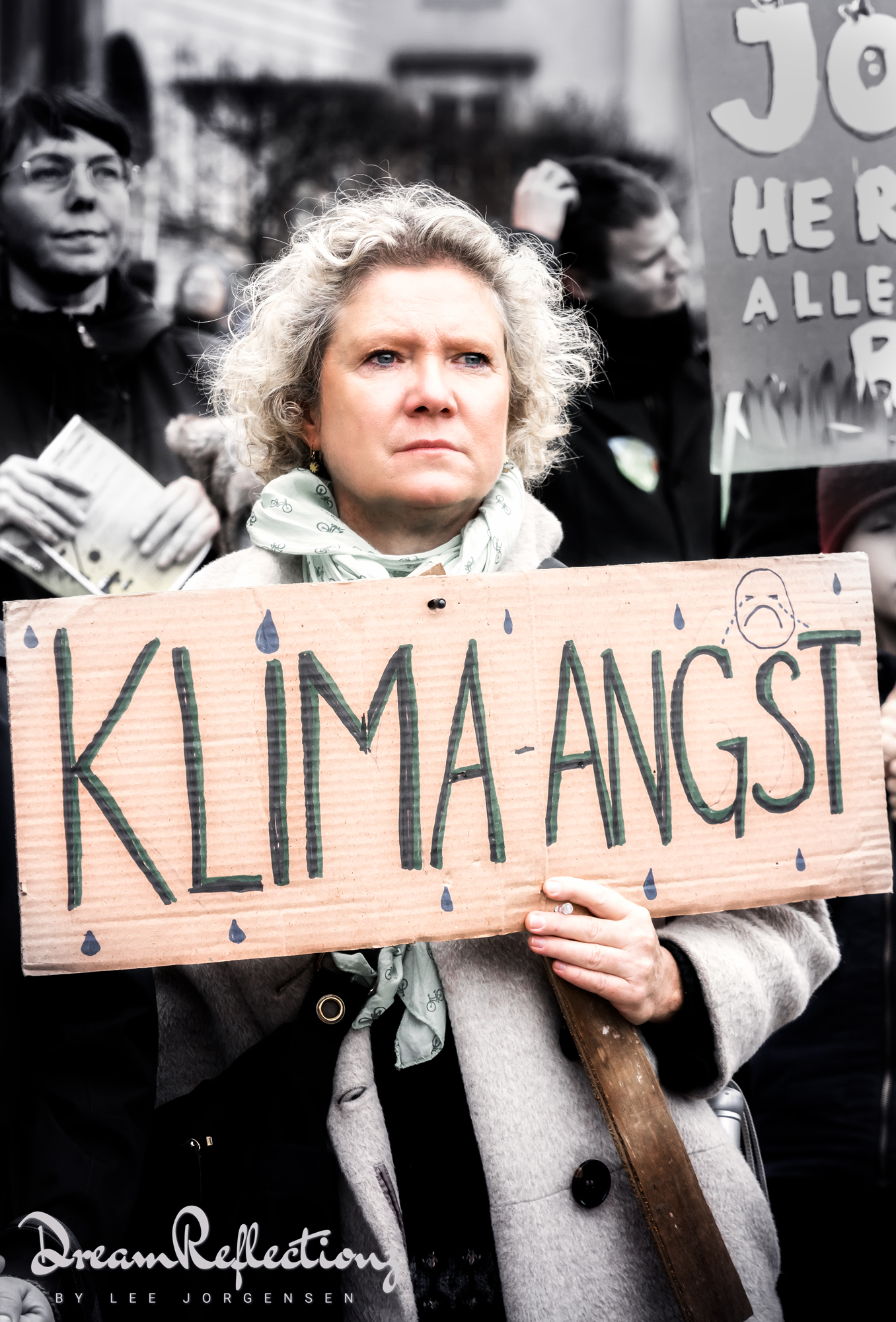
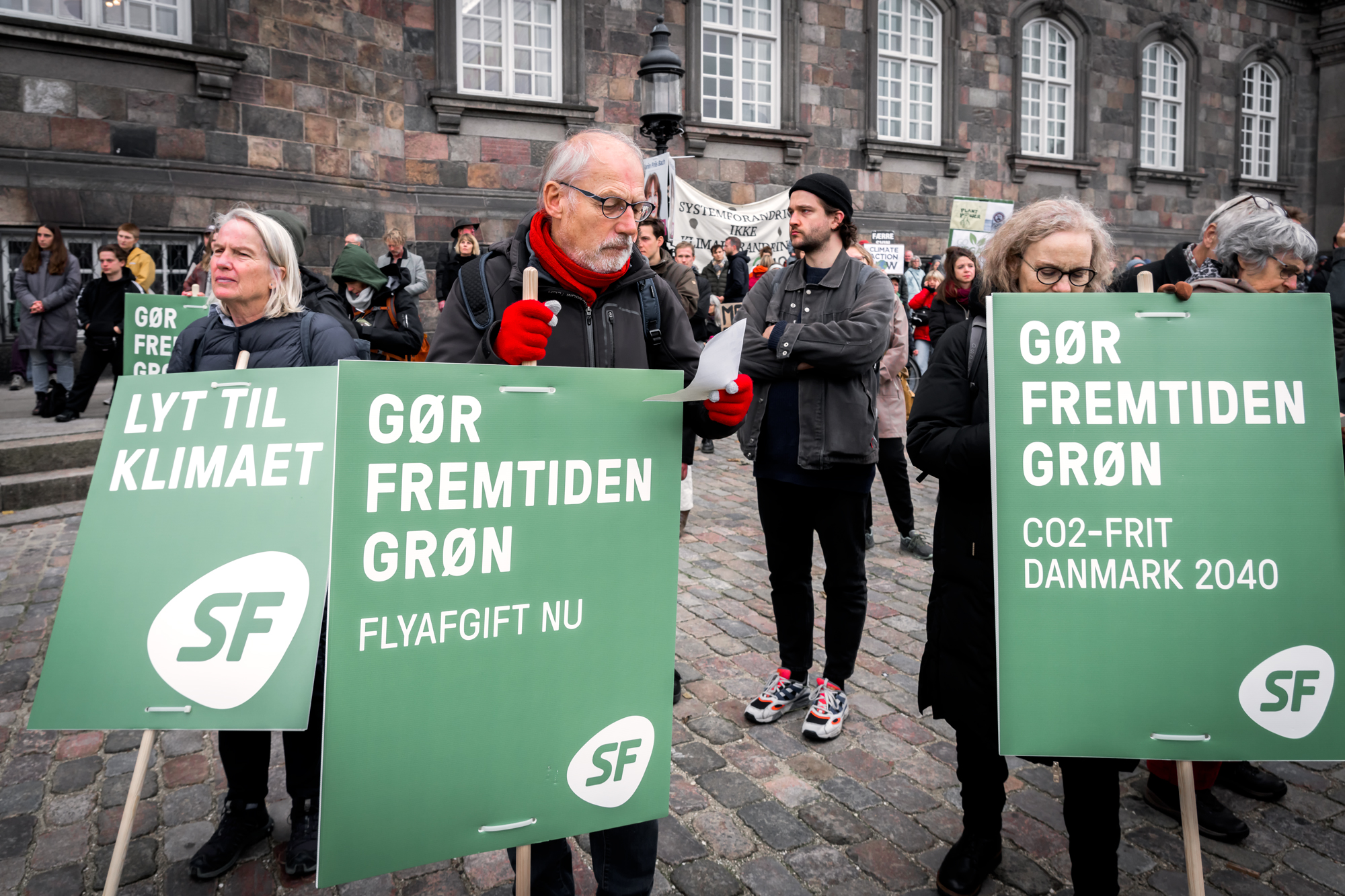
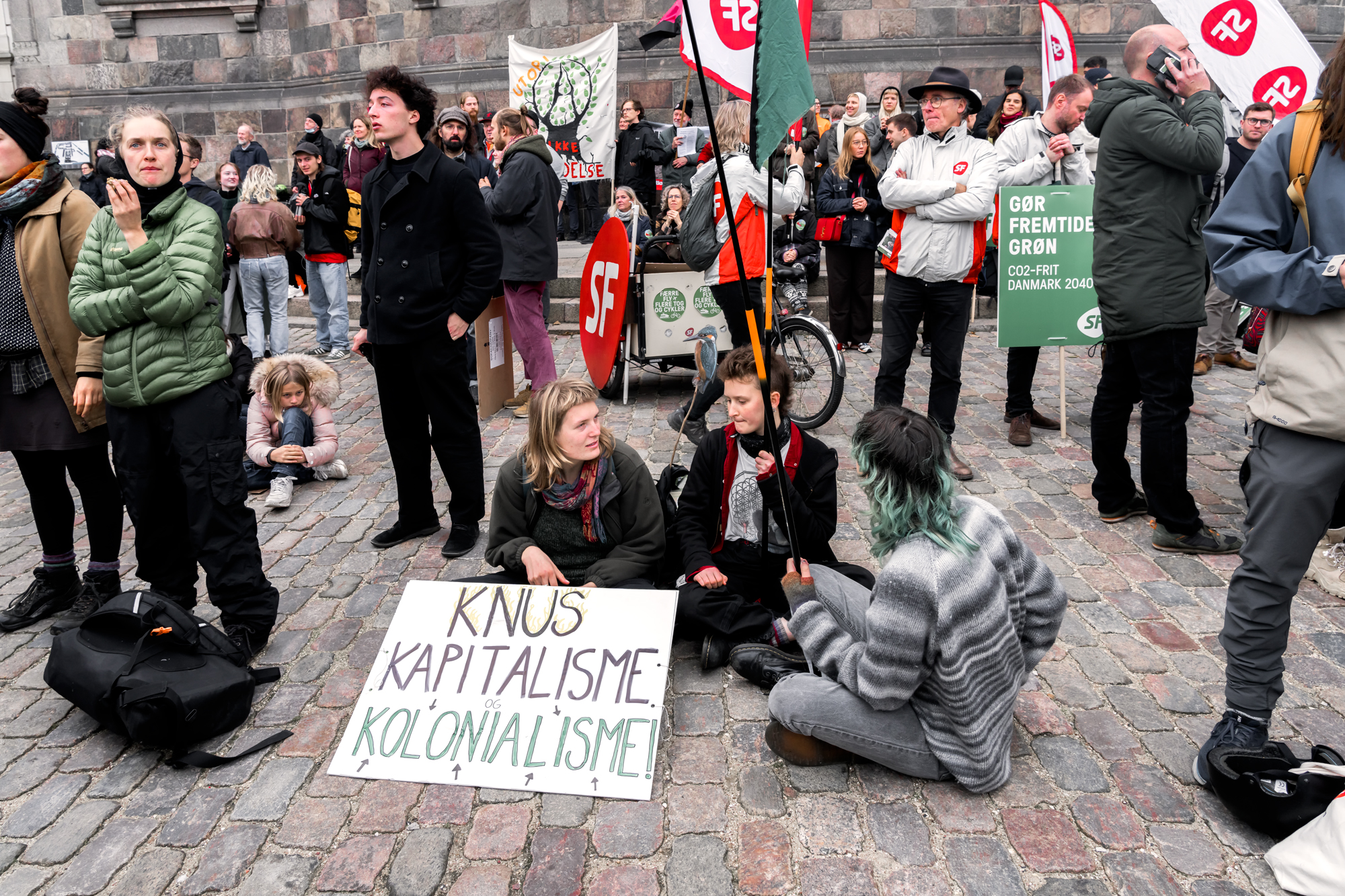
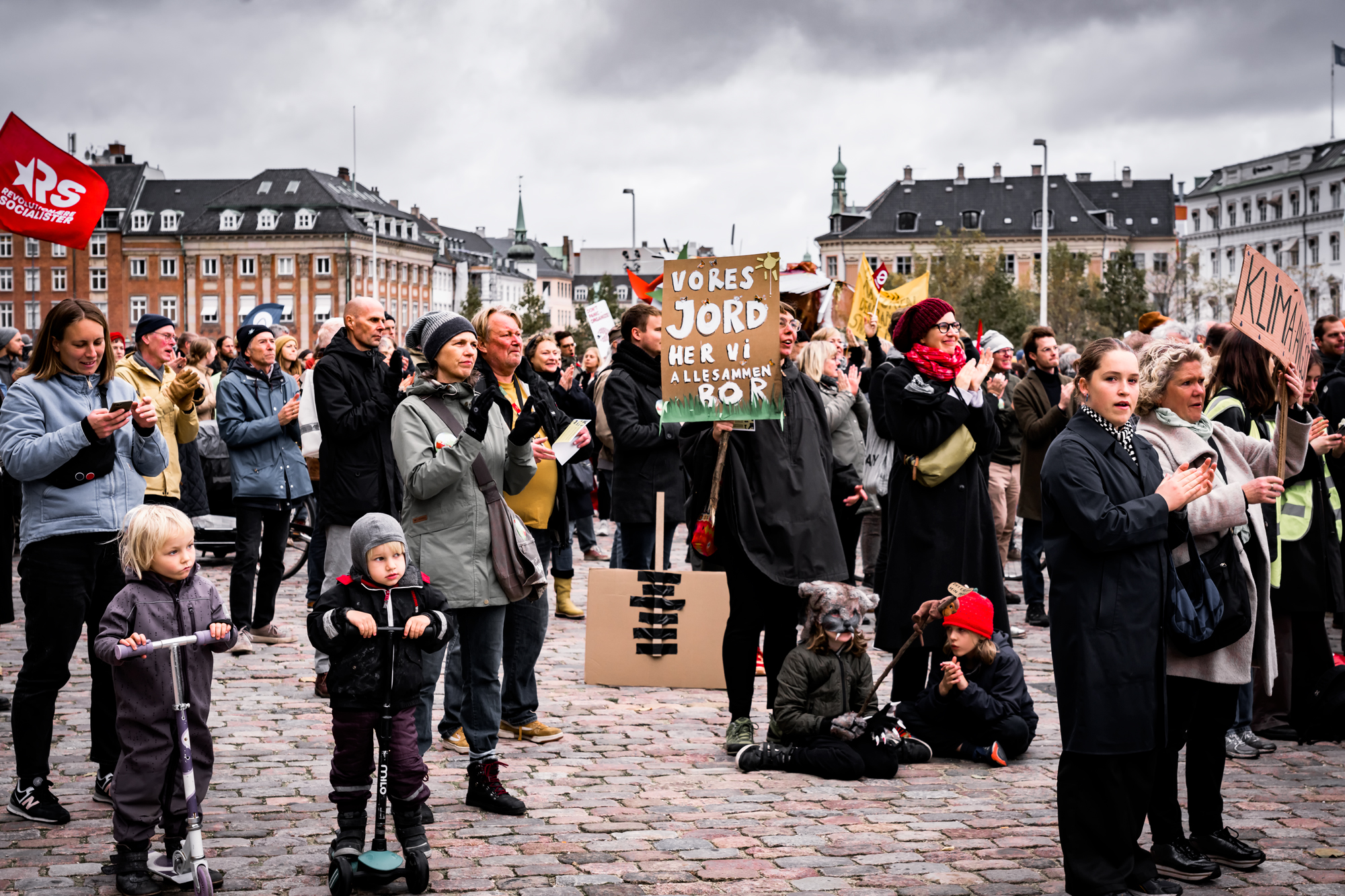
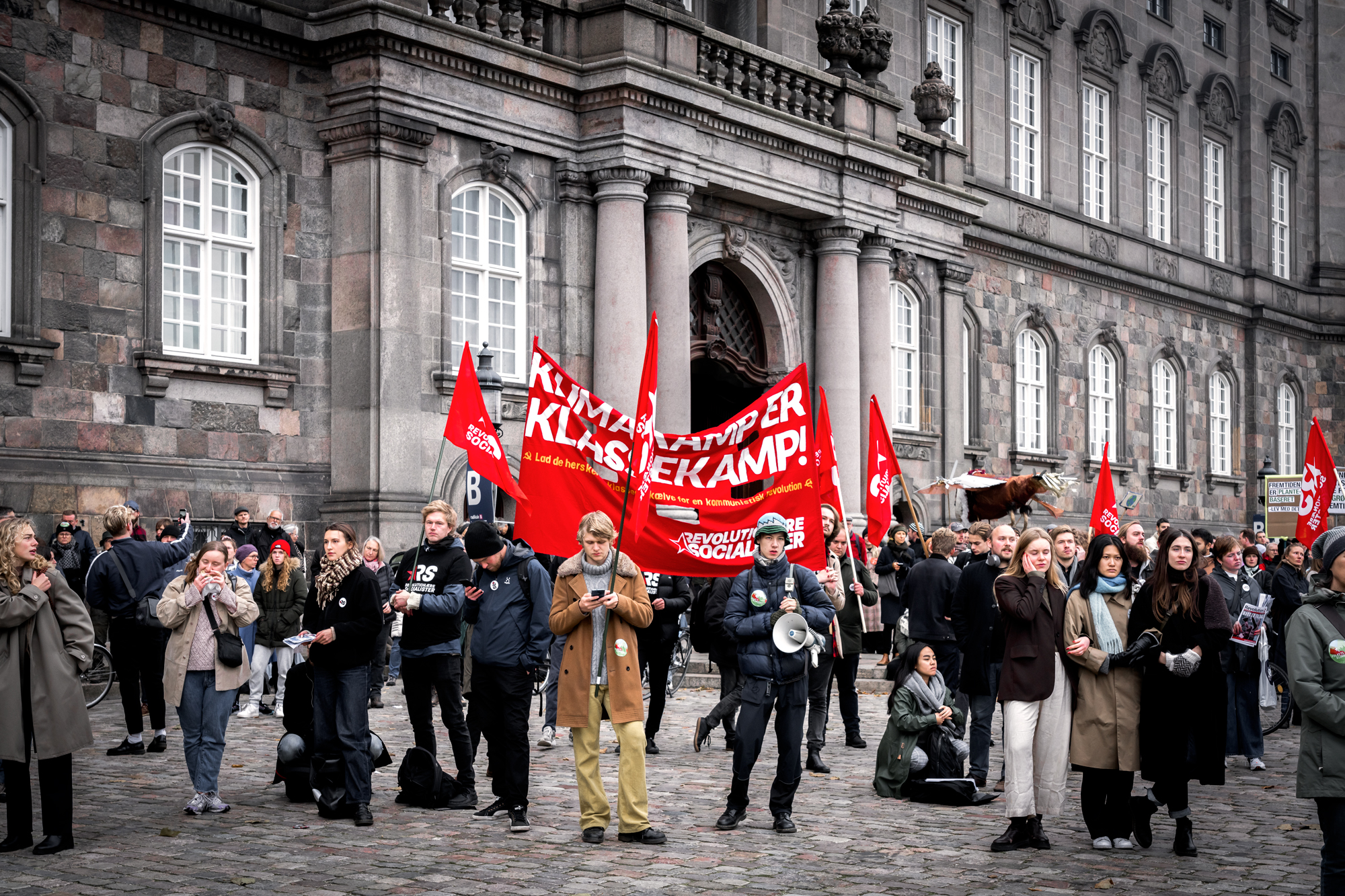
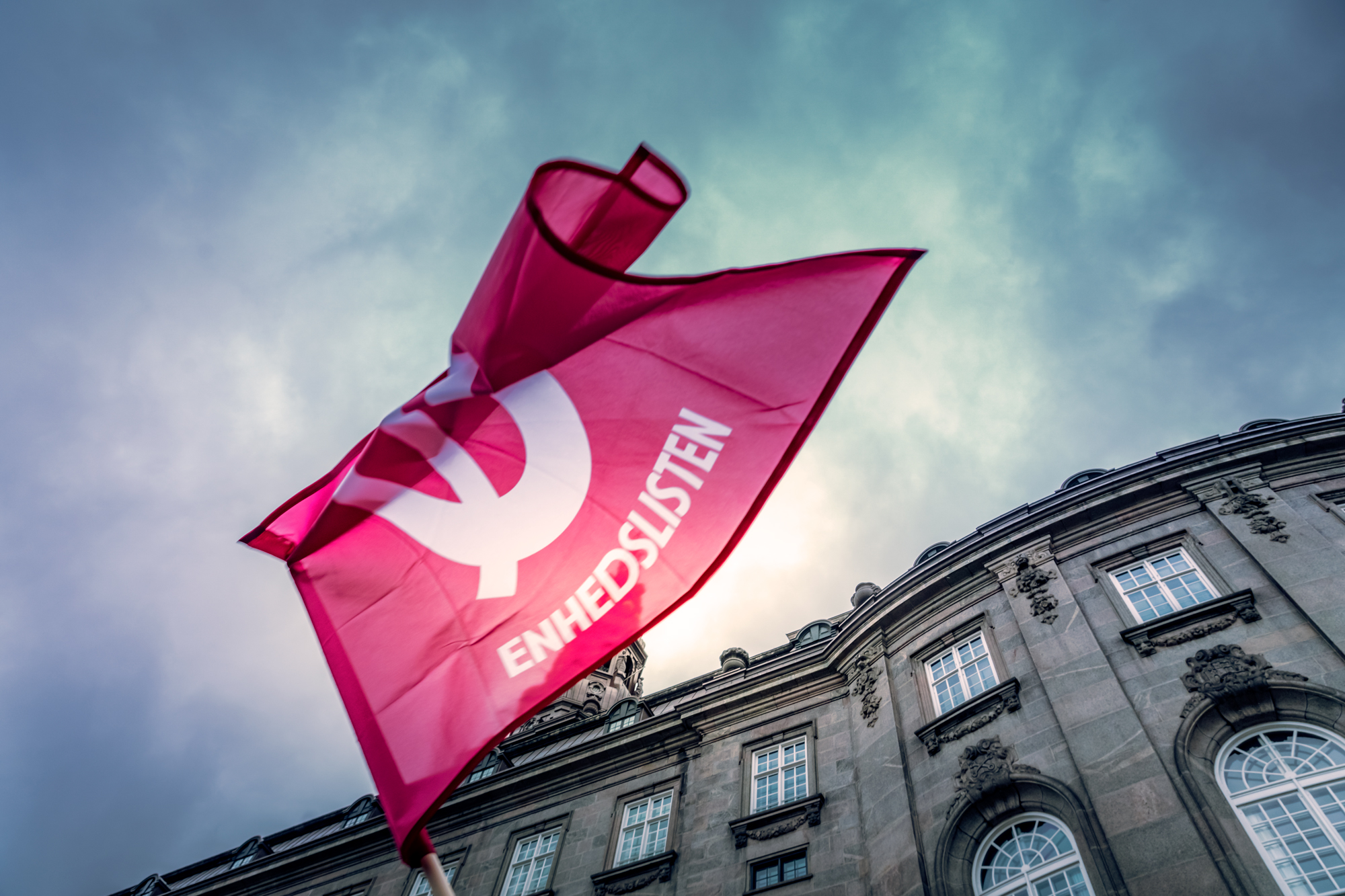
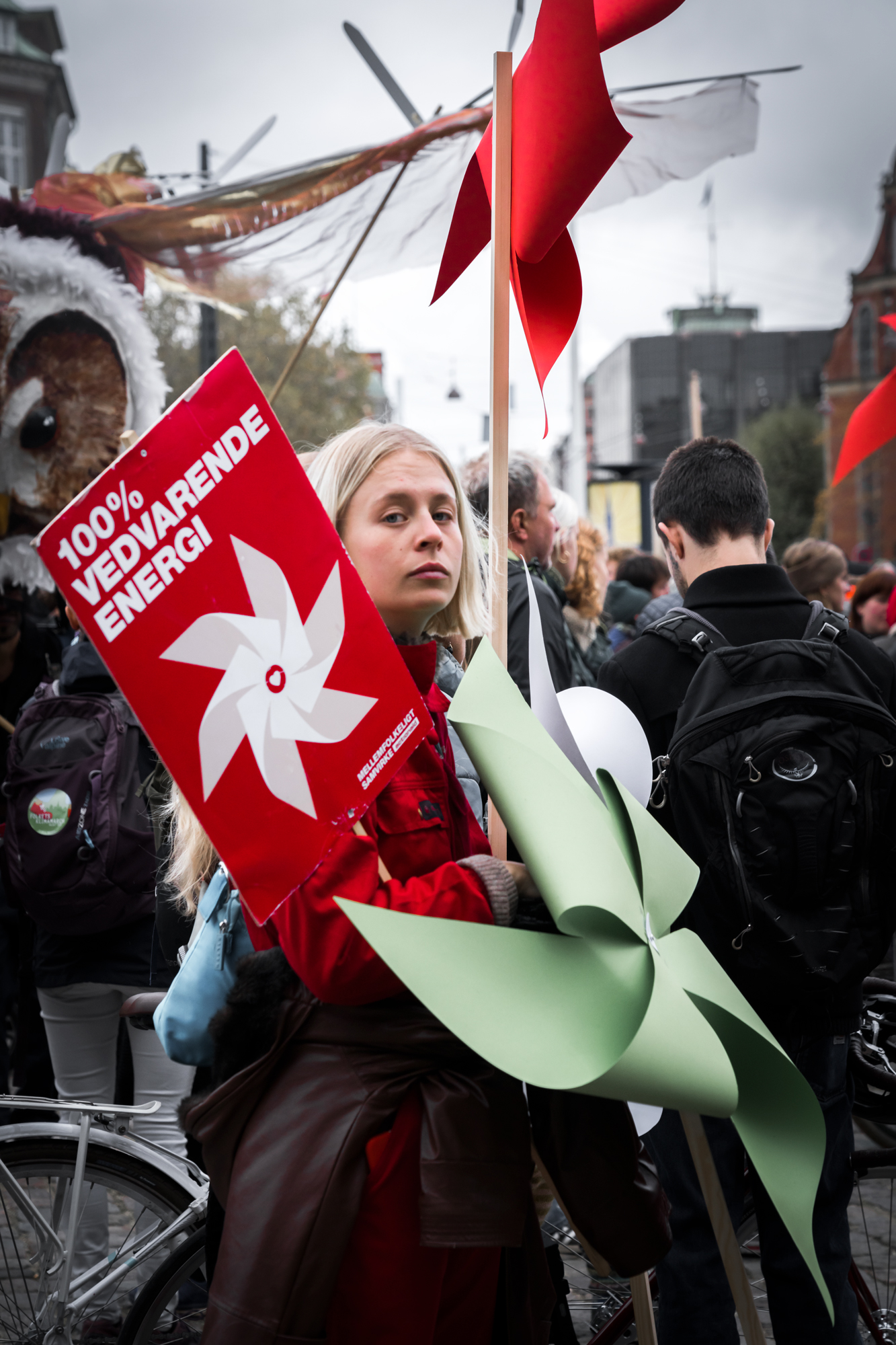
Climate March in Copenhagen

I cannot believe that we yet again have fight for the right to inhabit a planet without toxins, poisons and destruction. While the summit in Glasgow went on, people across the globe mobilized to get heard by governments and businesses that fail to fully understand or simply acknowledge the severity of the times we are in. Ice is melting, oceans are rising while certain parts of the world will become uninhabitable due to lack of water and fresh air. Food supply will dwindle and we will see a mass exodus from corners of the planet where life as we know it is no longer possible. Yet, we fail to plan ahead for that inevitability and continue to look down upon and fear refugees. What other species on the planet would achieve this level of self-destruction?

The fact that I have no children of my own is to me completely irrelevant and I see red when people use this as an excuse to not care. Should we not simply care about the only planet that we know, treat it with the utmost respect and care for our fellow human beings?

To quote somebody who clearly is more in tune with nature than most of us:

“Only when the last tree has been cut down, the last fish been caught, and the last stream poisoned, will we realize we cannot eat money.”

― Cree Indian Prophecy

The Lakes

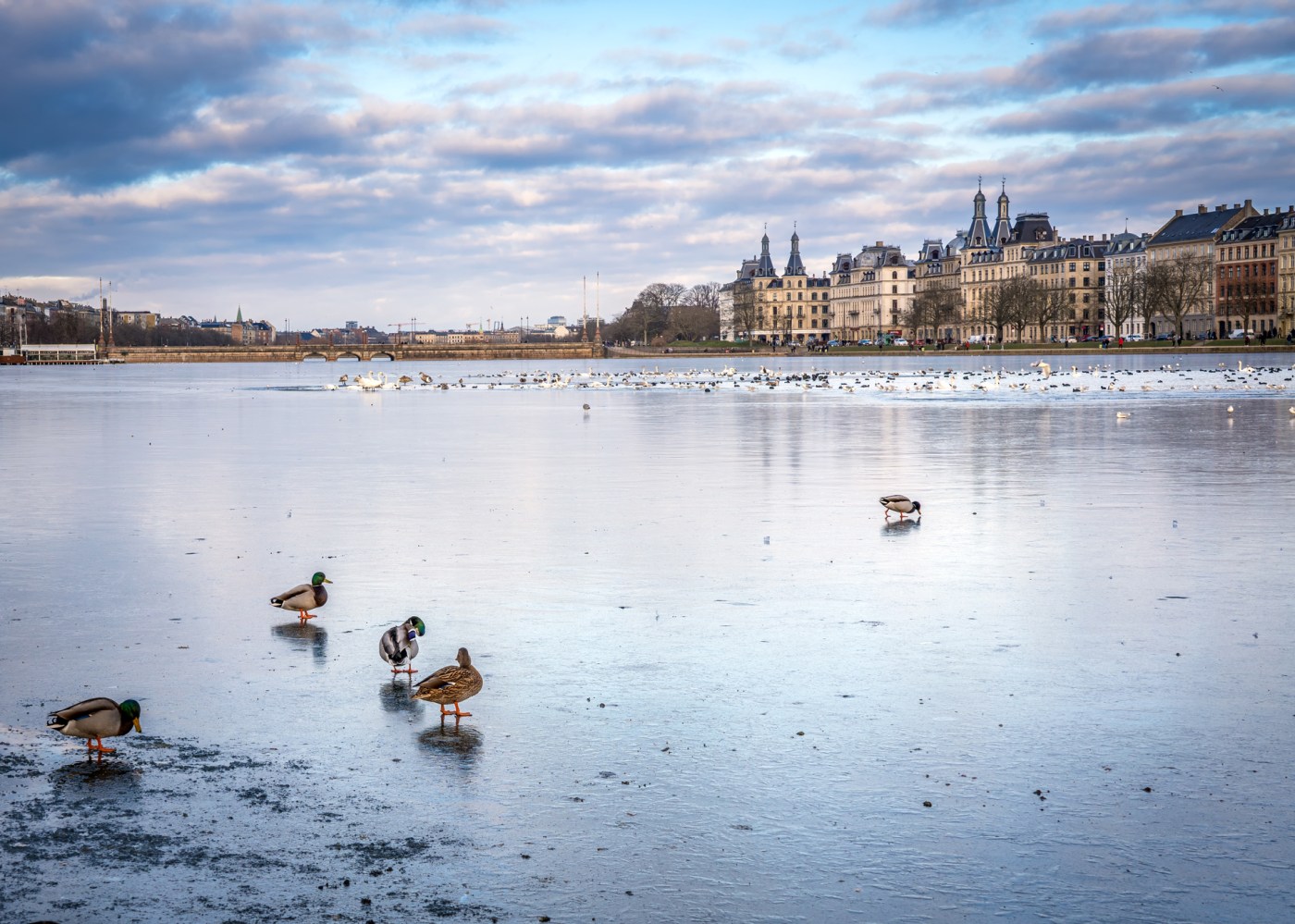
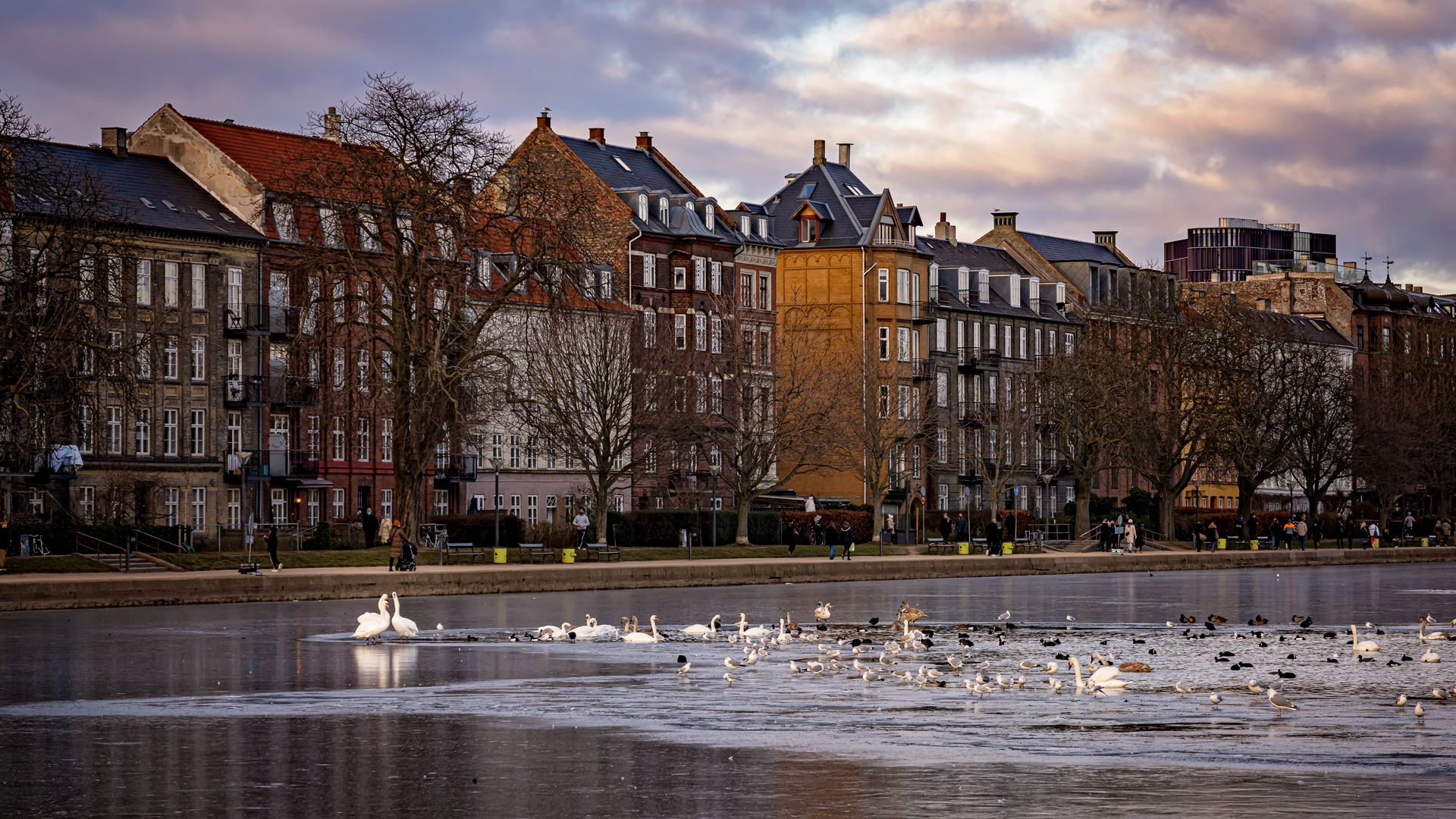
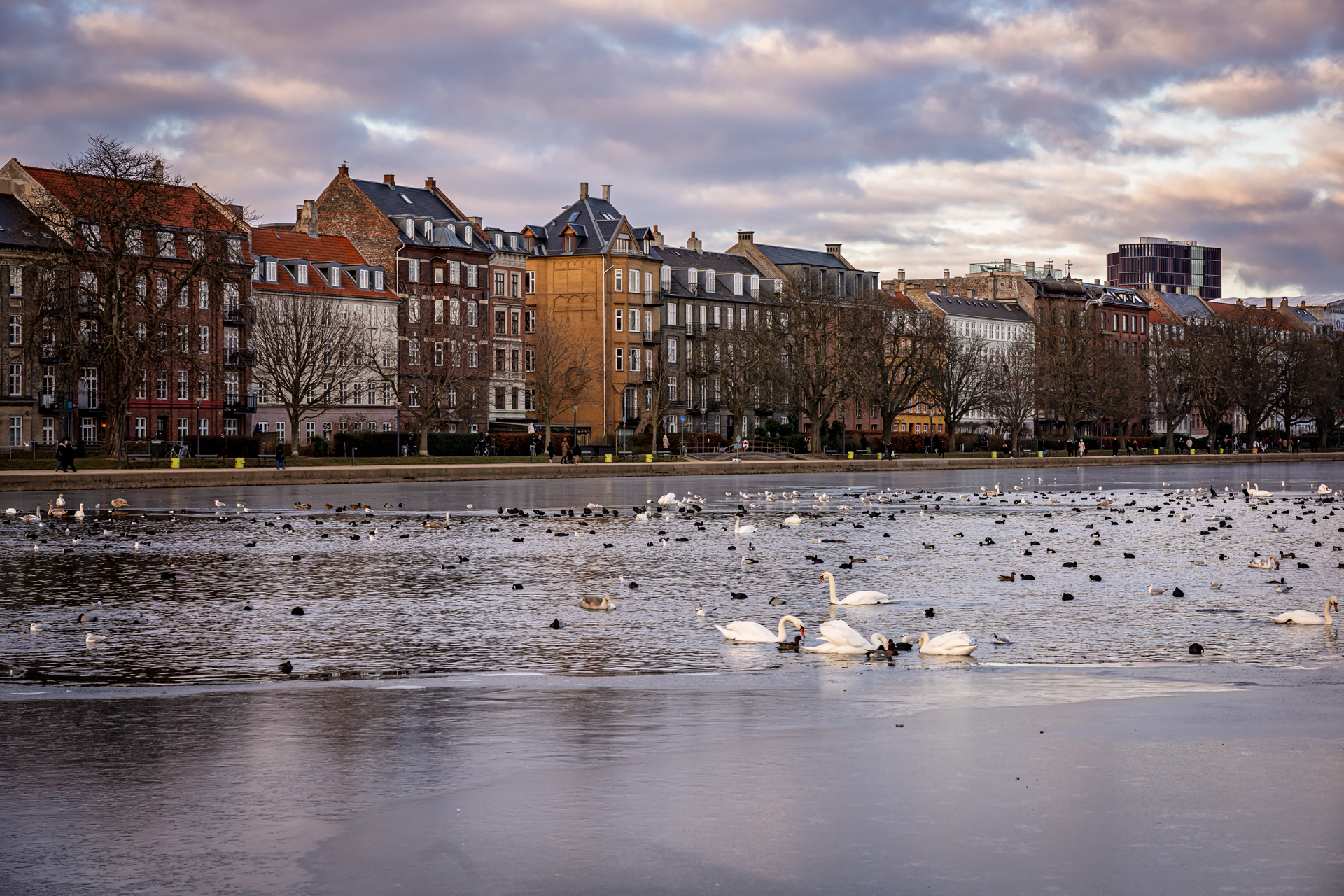
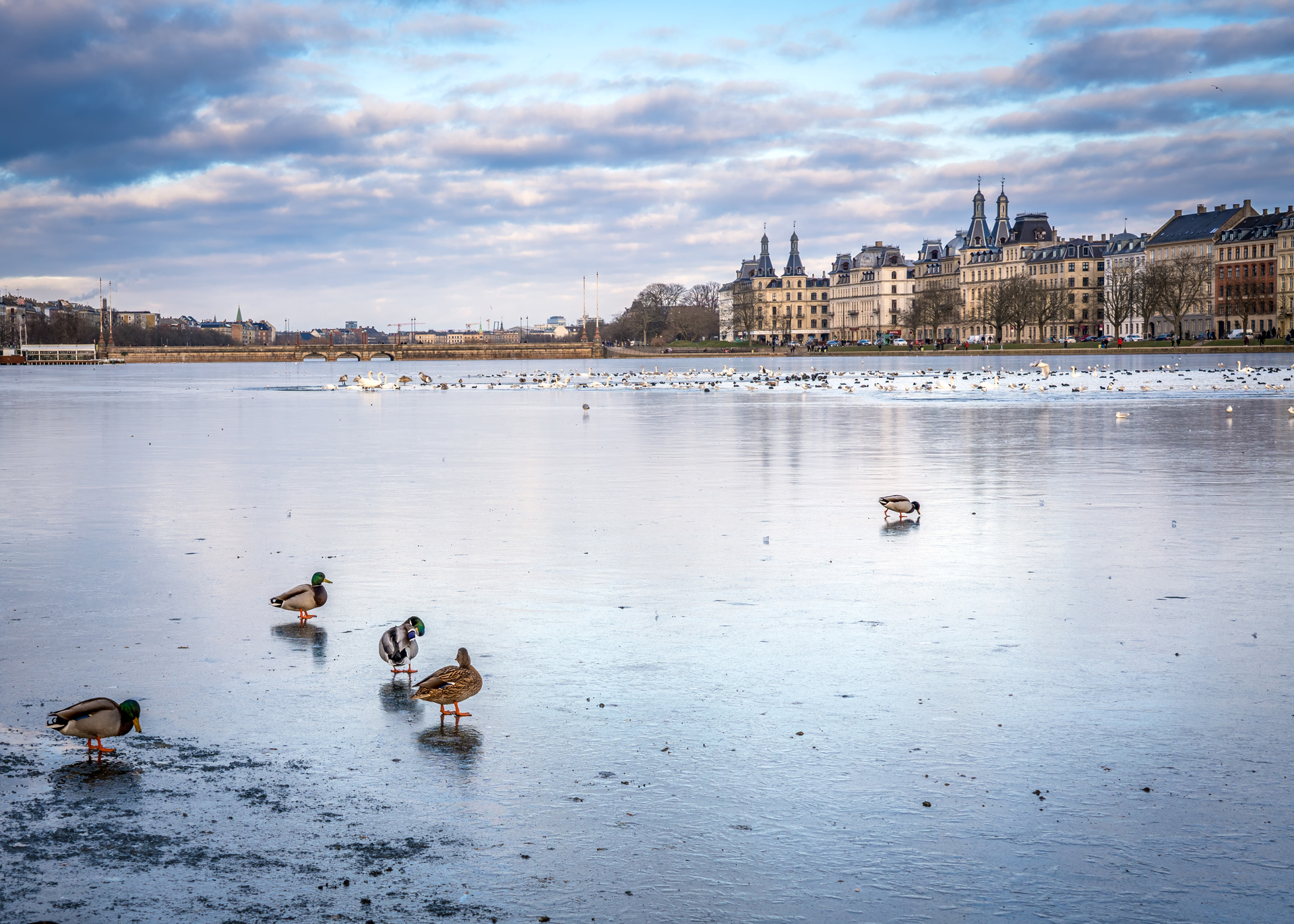
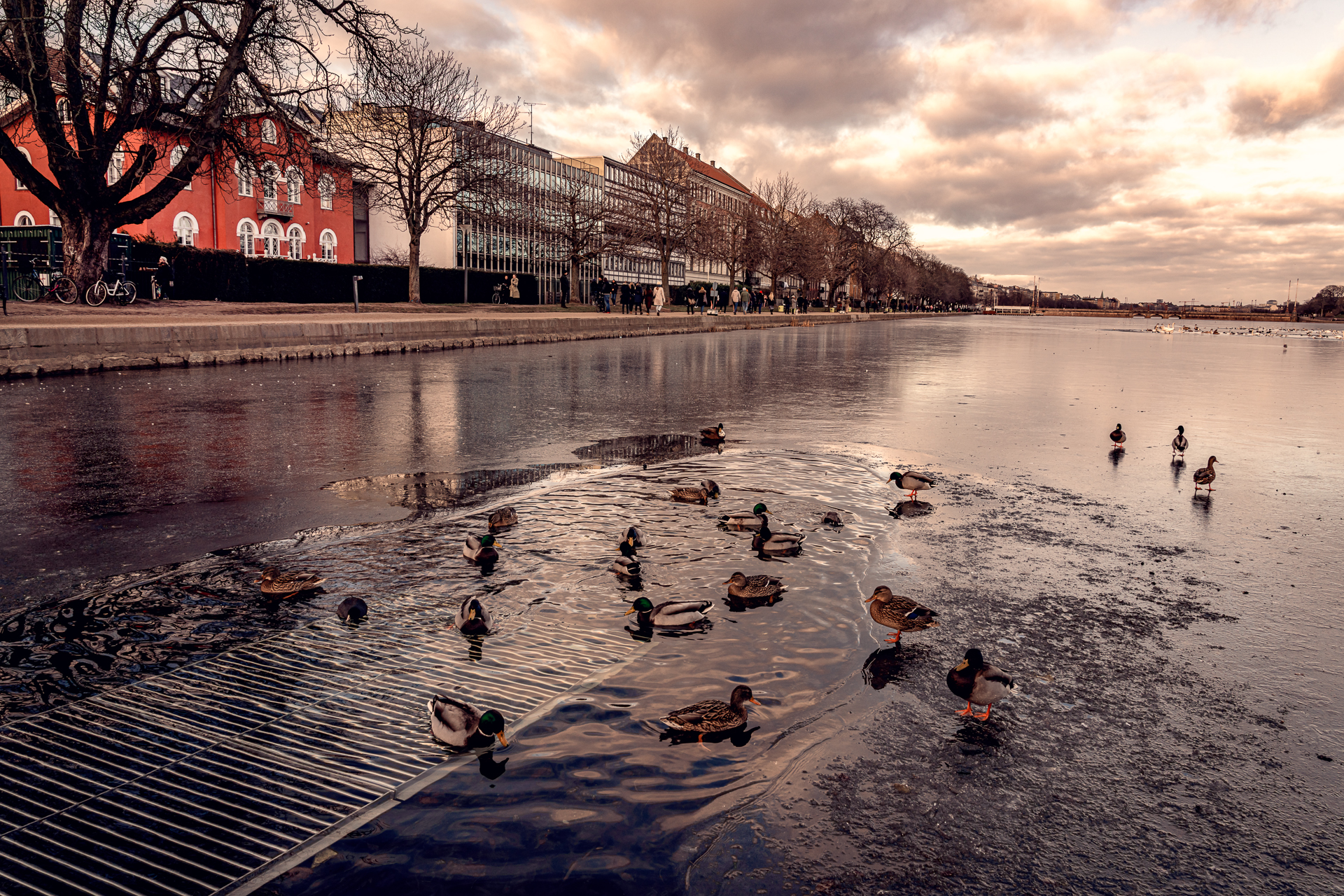
The Lakes (Danish: Søerne) in Copenhagen, Denmark are a row of three rectangular lakes curving around the western margin of the City Centre, forming one of the oldest and most distinctive features of the city’s topography. The paths around them are popular with strollers, bikers and runners.

In the early Middle Ages, a need of water for watermills was determined. As a result of this a dam was built and the Peblinge Sø was created.

As a result of a siege of Copenhagen in 1523, it was decided to expand the entrenchments in order to improve the fortifications of the city. The levee at Peblinge Sø was expanded and another was created, which resulted in the creation of Sortedams Sø. In the beginning of the 16th century, Sankt Jørgens Sø was created, by further damming. This made it possible to flood the banks and lakes in case of an attack.

There are plans to create a park around Sankt Jørgens Sø, with the dual use of acting as a detention basin for cloudburst flood waters. Likely as a consequence of Global Warming, cloudbusts have become much more common in Denmark, making the sewerage pipes designed for the old weather patterns insufficient; using Sankt Jørgens Sø as a detention basin is just one of many such projects in Copenhagen.[1] [2] The municipality of Copenhagen together with Nordic Innovation, an organisation under Nordic Council of Ministers, is launching an extensive climate adaptation and urban space initiative with objectives such as redirecting rainwater from cloudbursts, purifying the water running into the Peblinge City Lake, and creating new, attractive and more liveable urban spaces.

Source: Wikipedia

Since we are all on lockdown, but are allowed walks, Danes flock to parks and beaches in spite of the biting cold, but the views are all worth it!
San Francisco Sustainable Fashion Week

I was lucky enough to be invited to photograph all these lovely models honoring San Francisco’s Sustainable Fashion Week.  Here are some of the photos from two days in rather difficult conditions with Arctic winds!

Jewelry Design by Miae Nelson.  Models:  Julia Saori, Brandi Inocencio, Carlos Zandejas, Amethyst Huang, Sarah Peterson, Antoinette Louise, Solerena Ws, Fernanda Quieroz

Winter Wonderland Again!

Error
This video doesn’t exist

I have seen snow in Squaw Valley before, but never for a full week when even getting to the nearest restaurant was a struggle!  It has been snowing ever since and there will be lots of spring skiing this year!  My safe haven since 1993!

Ilulissat

ilulissat

From the New York Times this week:

“Greenland’s enormous ice sheet is melting at such an accelerated rate that it may have reached a “tipping point” and could become a major factor in sea-level rise around the world within two decades, scientists said in a study published on Monday.

The Arctic is warming at twice the average rate of the rest of the planet, and the new research adds to the evidence that the ice loss in Greenland, which lies mainly above the Arctic Circle, is speeding up as the warming increases. The authors found that ice loss in 2012, more than 400 billion tons per year, was nearly four times the rate in 2003. After a lull in 2013-14, losses have resumed.

The study is the latest in a series of papers published this month suggesting that scientific estimates of the effects of a warming planet have been, if anything, too conservative. Just a week ago, a separate study of ice loss in Antarctica found that the continent is contributing more to rising sea levels than previously thought.

Another new analysis suggested that the oceans are warming far faster than earlier estimates. Warming oceans are currently the leading cause of sea-level rise, since water expands as it warms.”


We must do so much better to help our planet!!!

Blog at WordPress.com.

Up ↑