Search

Lee Jorgensen Photos

Self Appointed Ambassador to Scandinavia passionate about Photography, People, Travels and all the other Magic Moments of Life!

Author

Lee Jorgensen

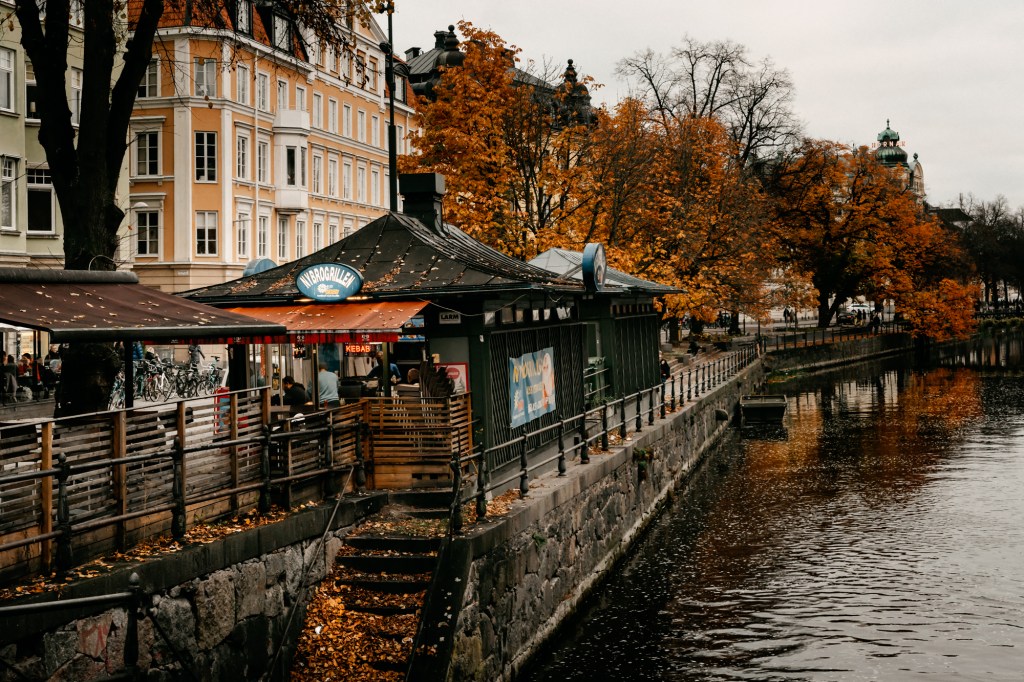
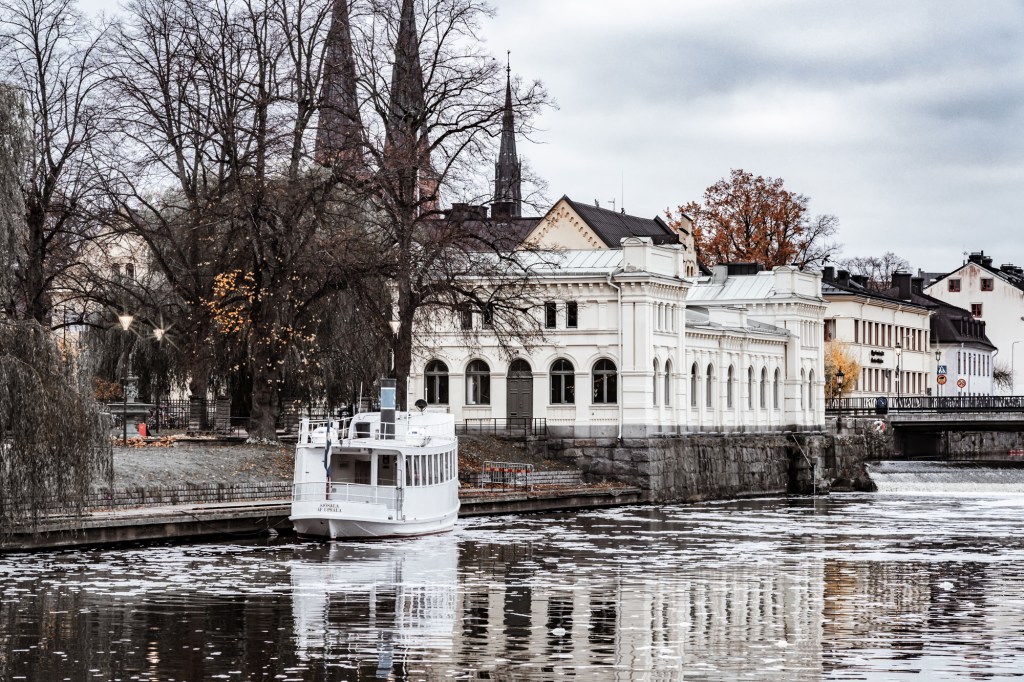
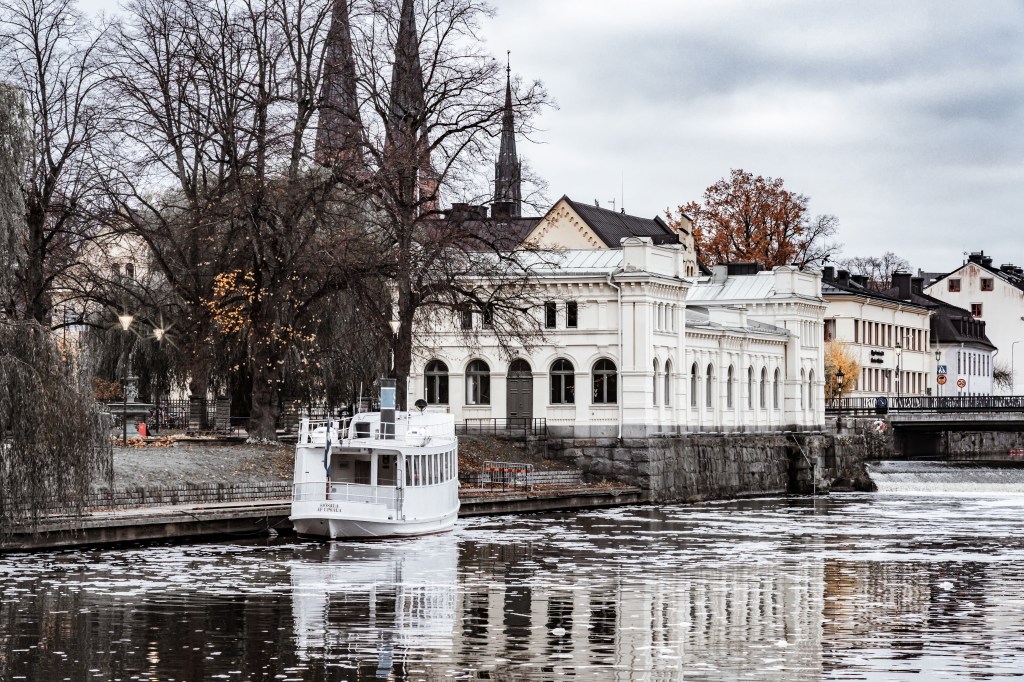
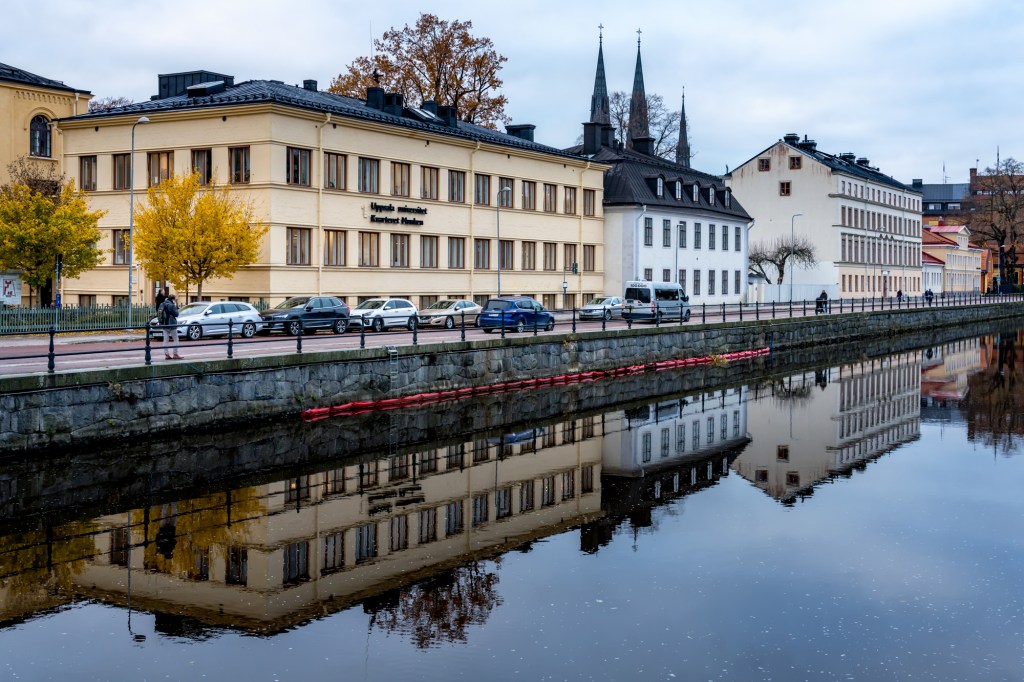
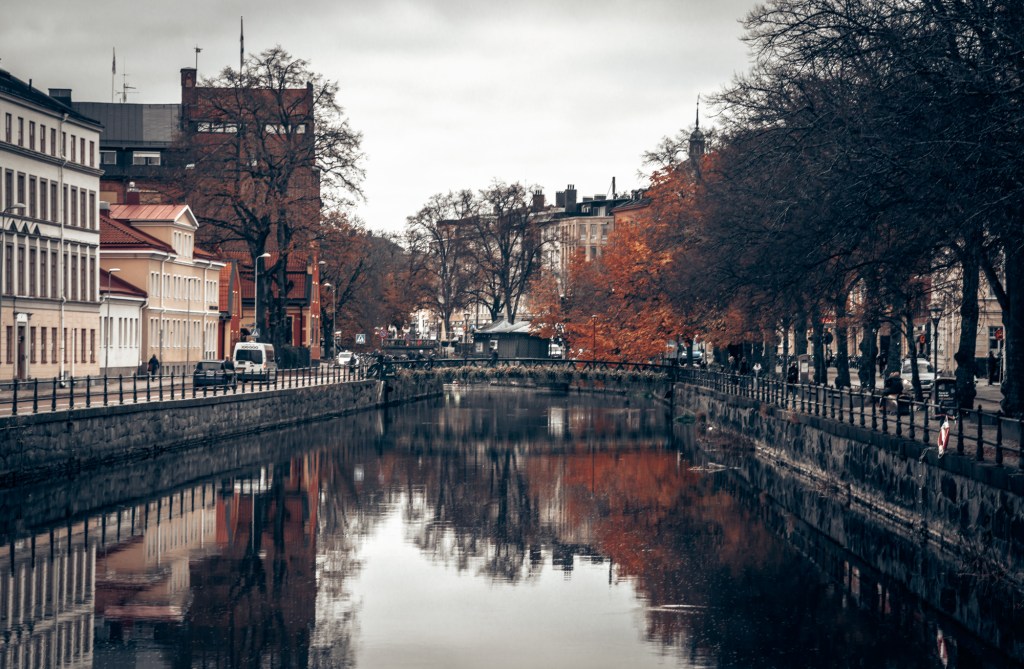
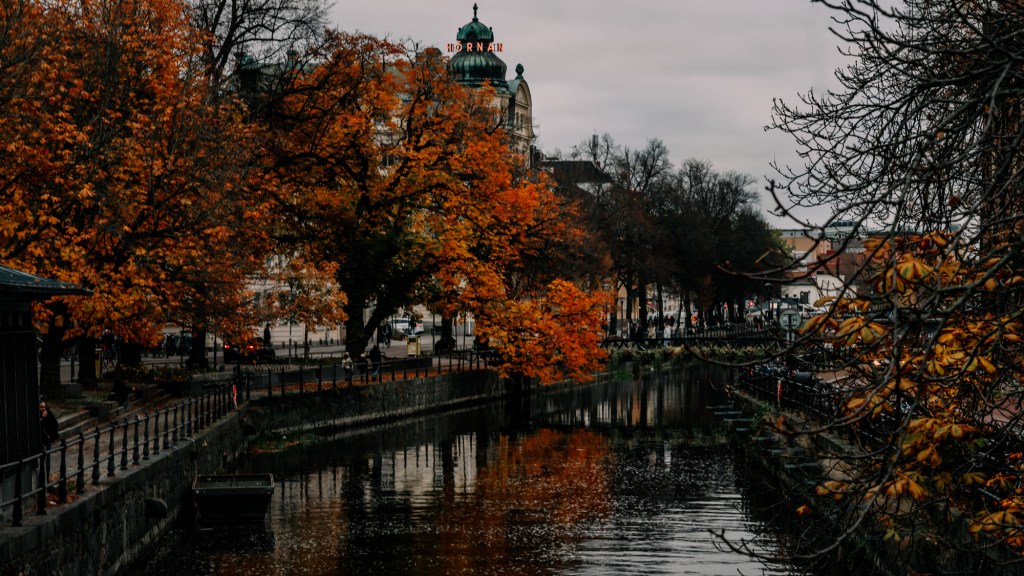
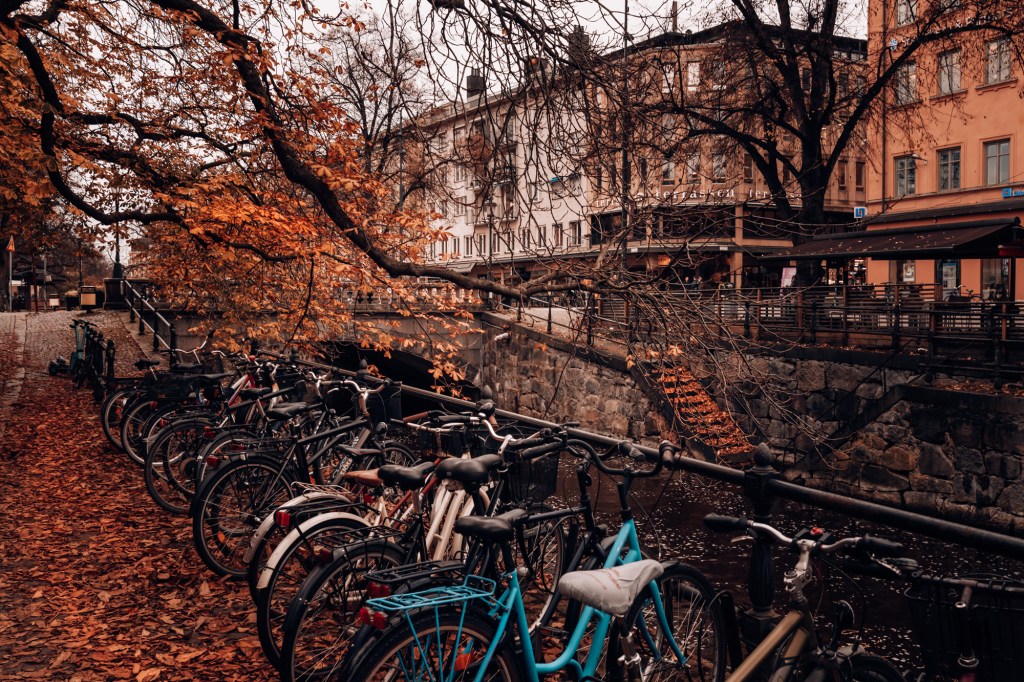
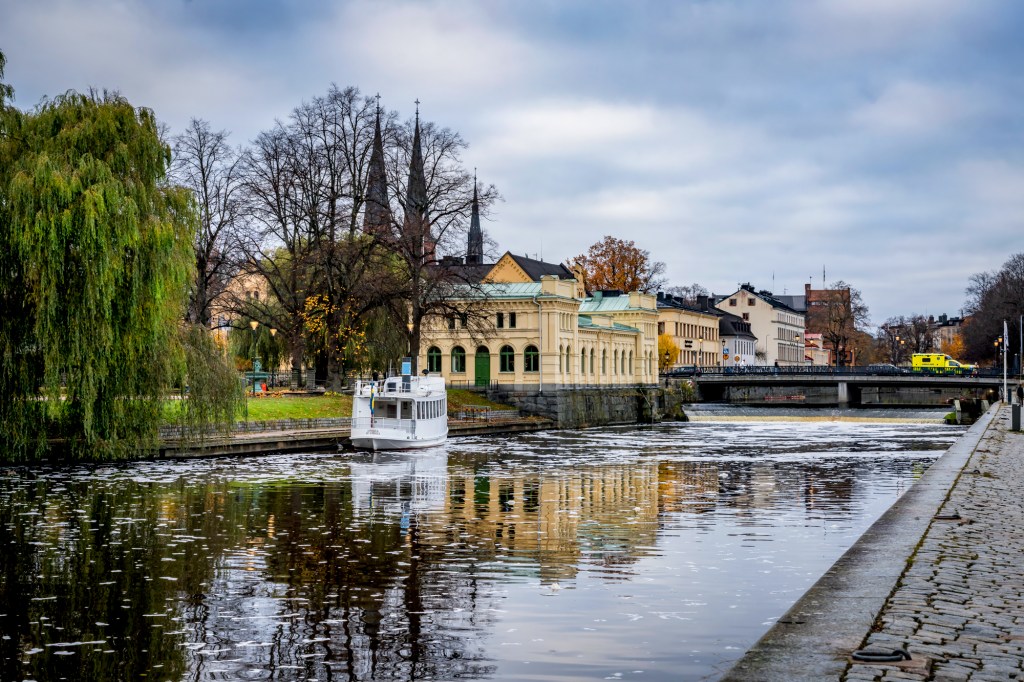
Uppsala

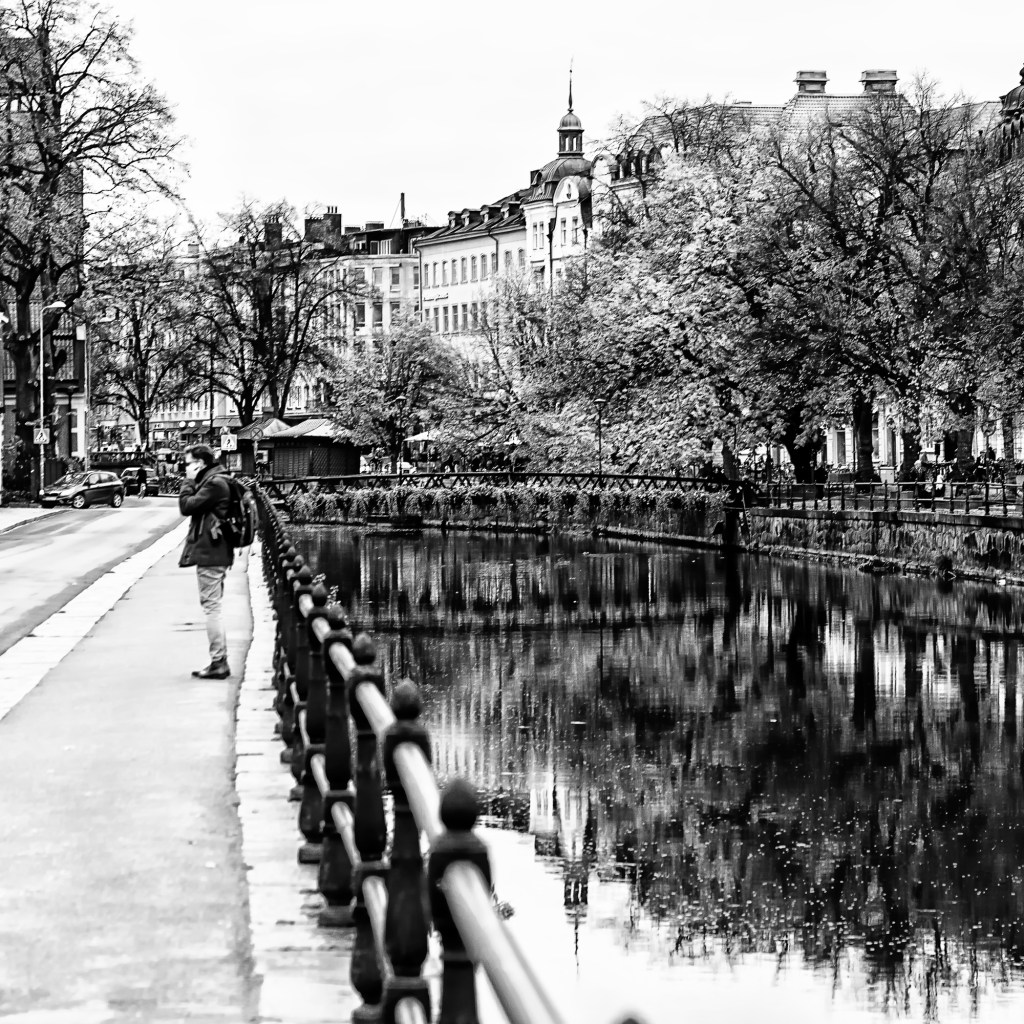
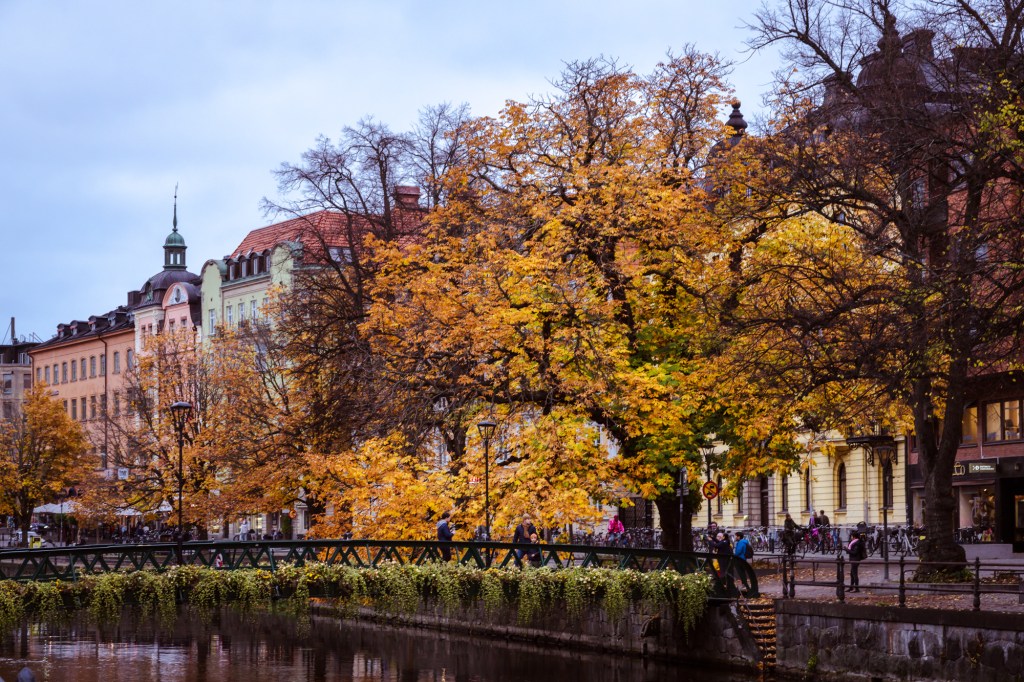
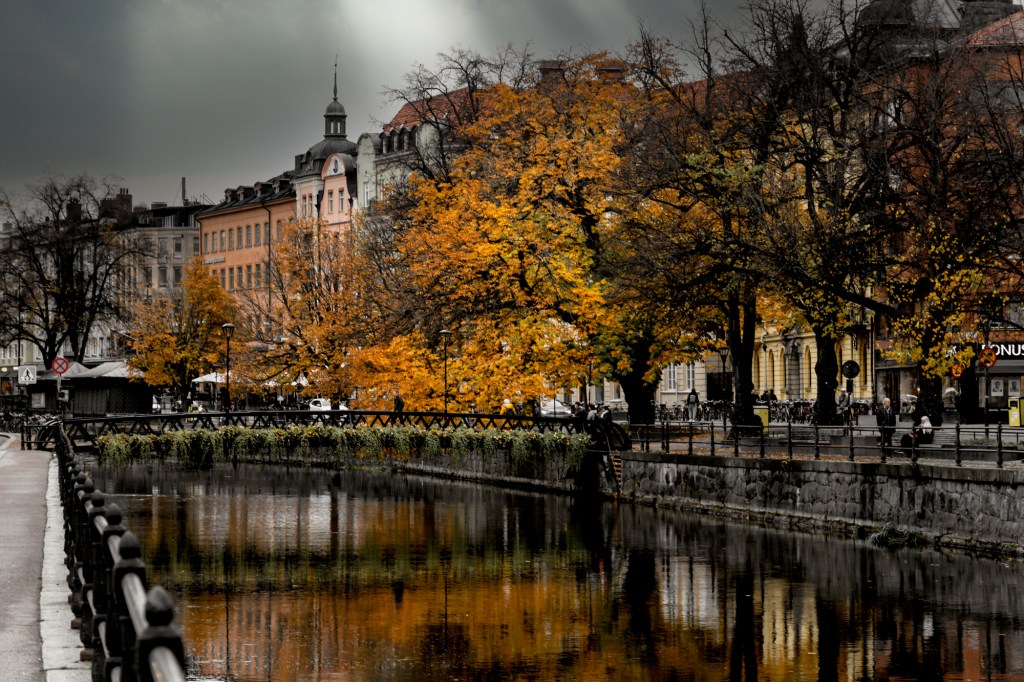
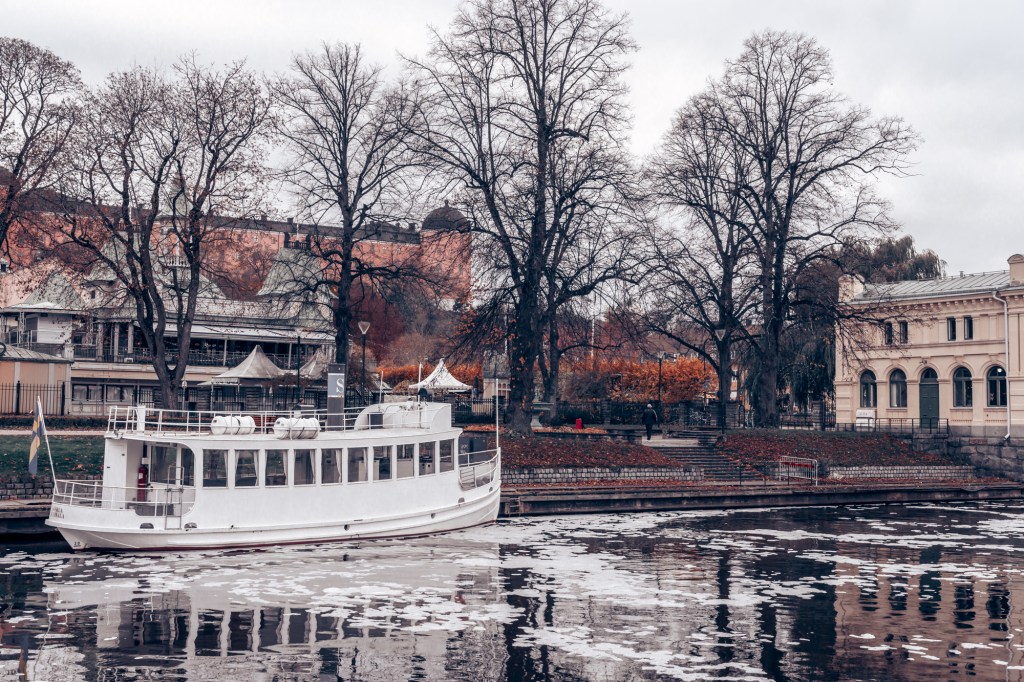
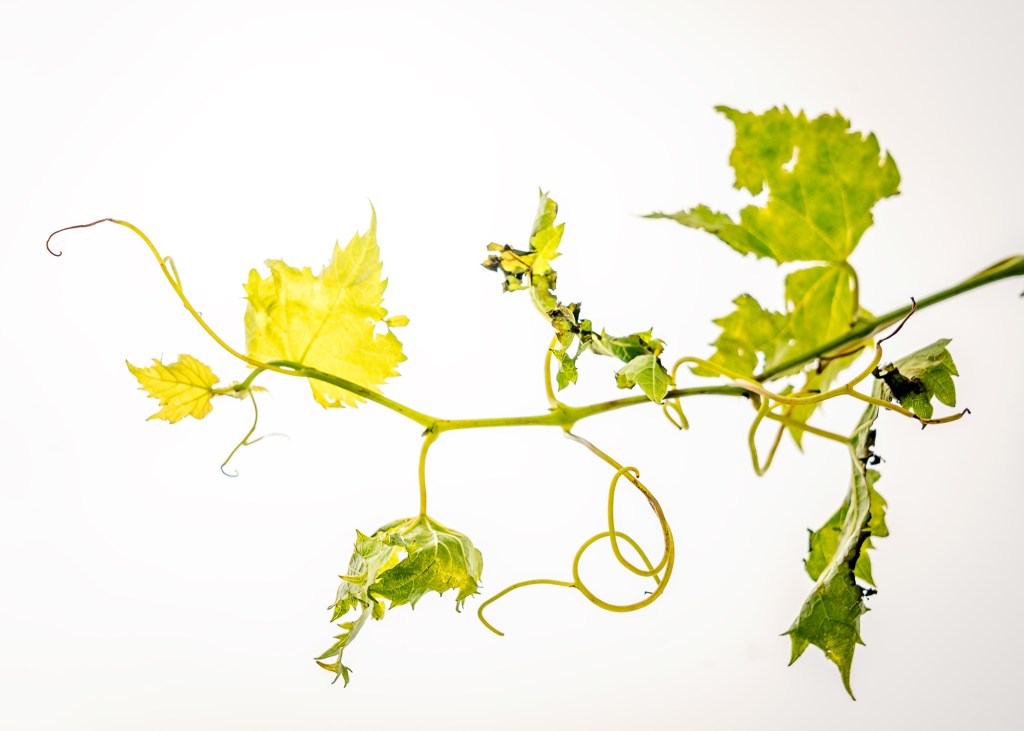
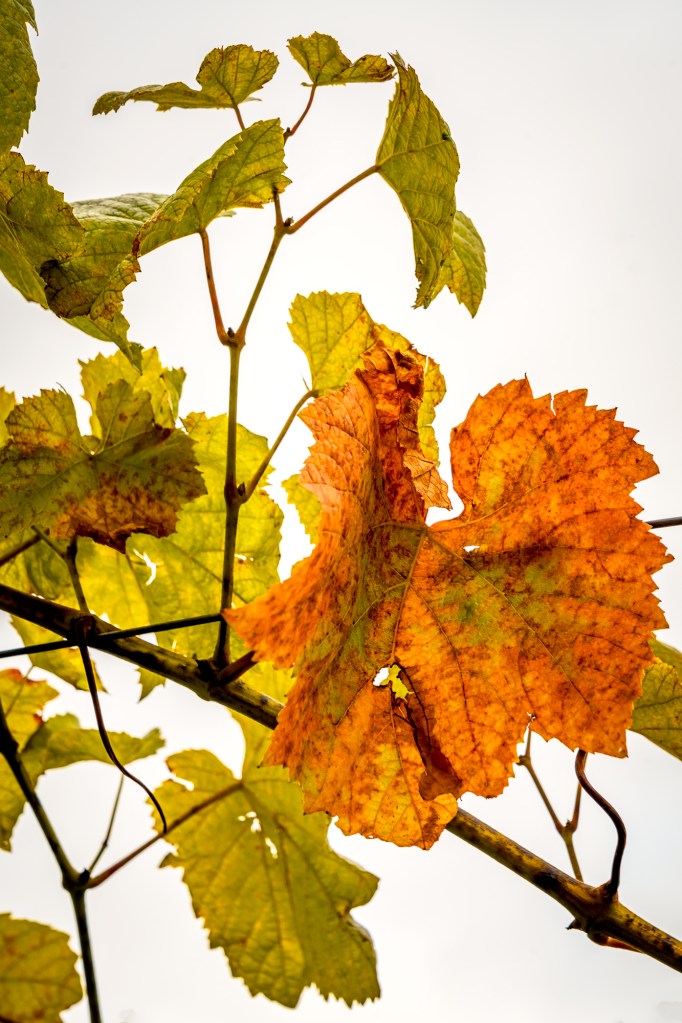
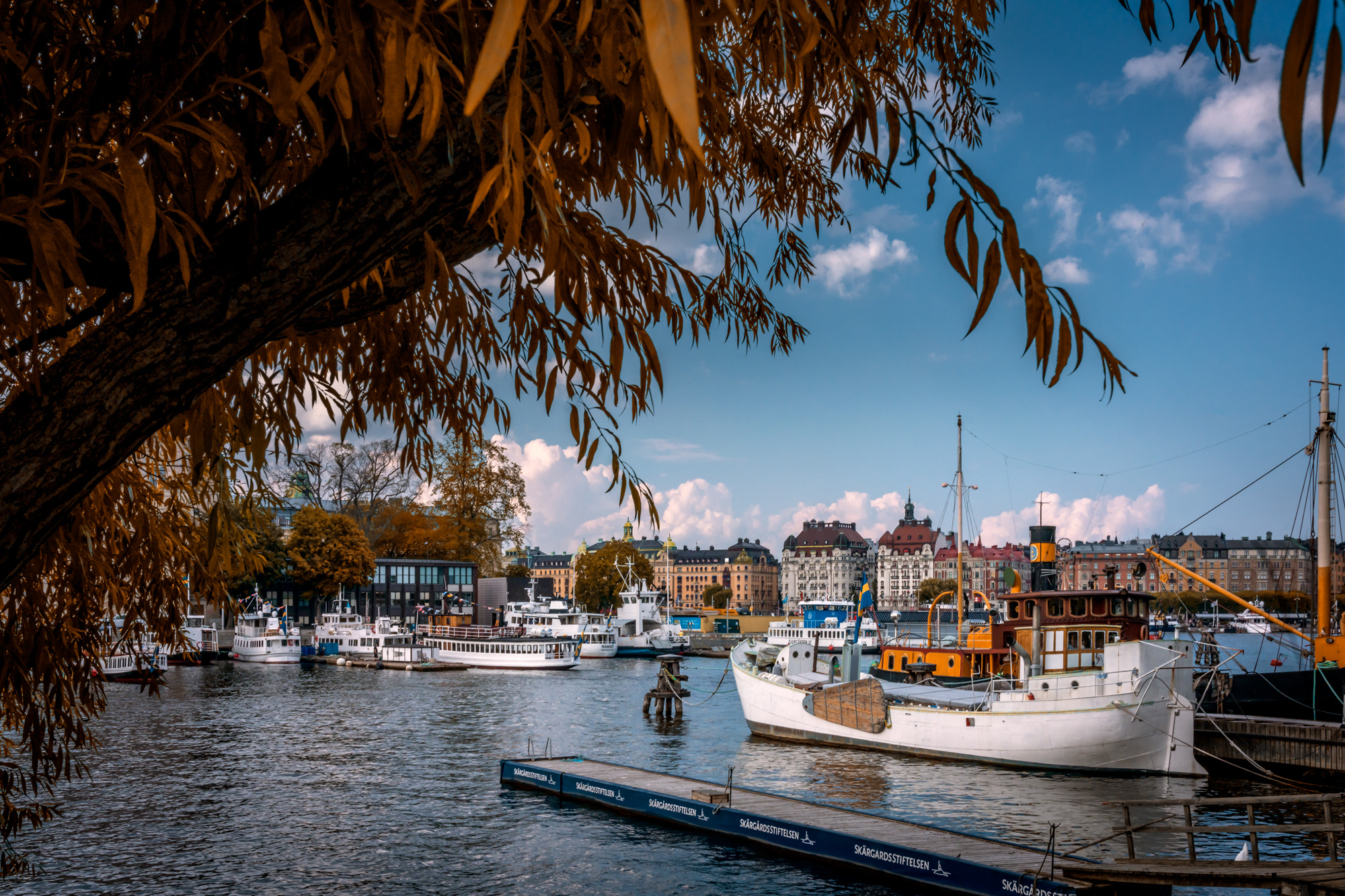
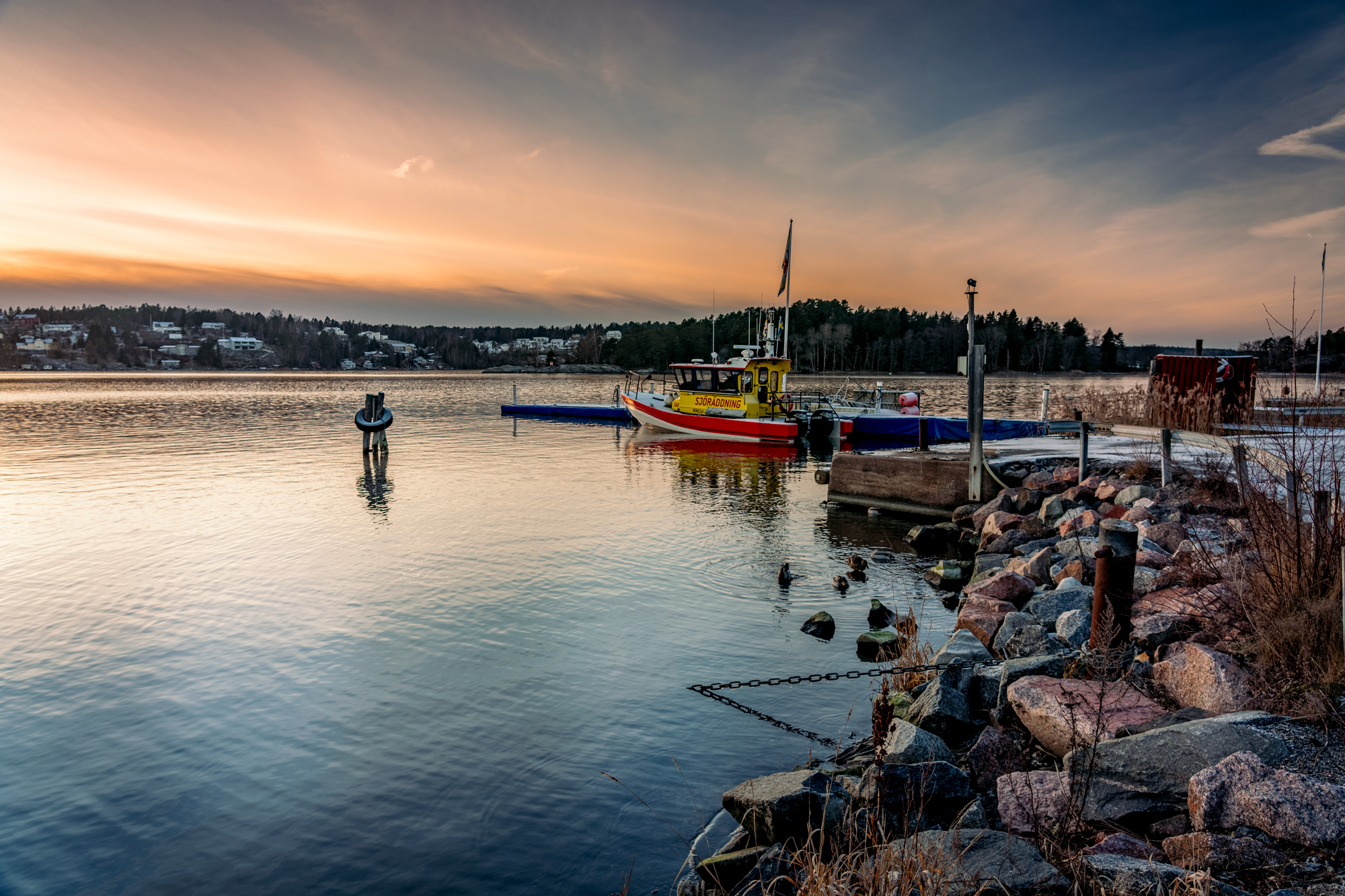
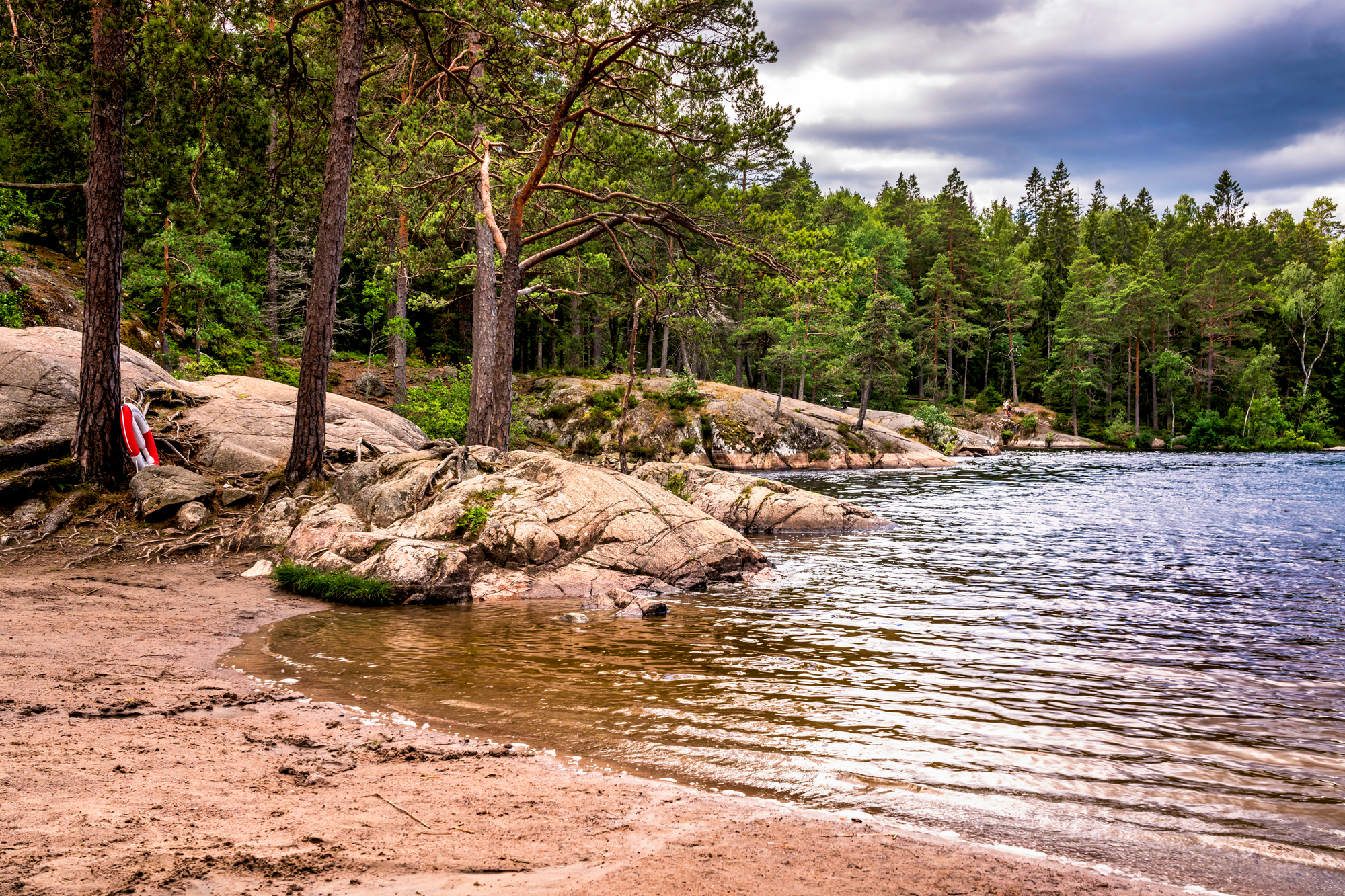
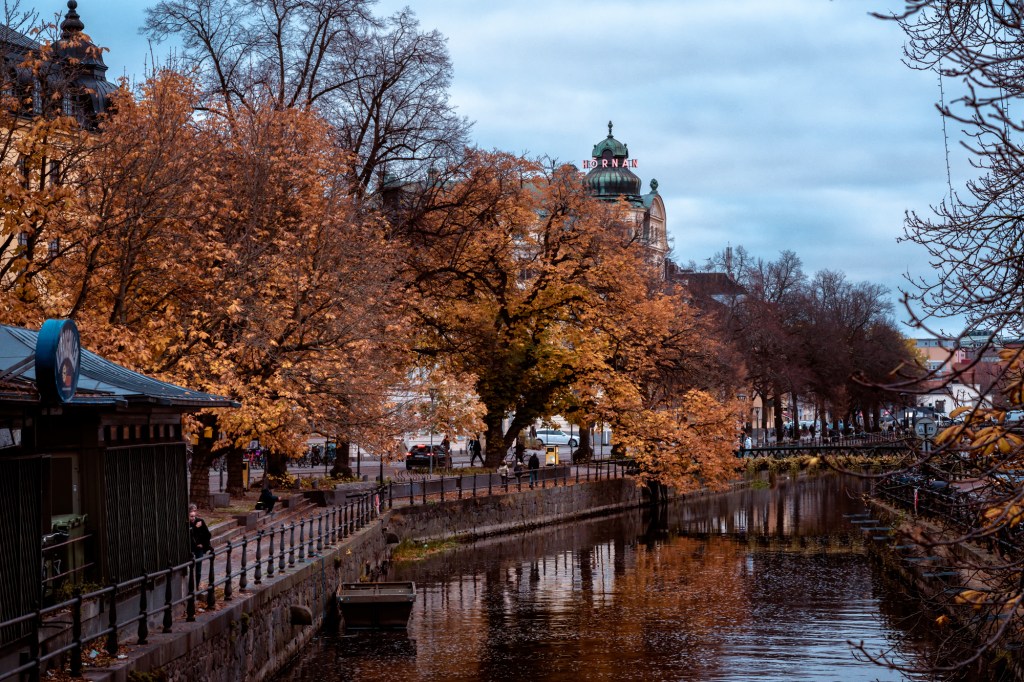
I have now lived in Sweden for a little over two weeks and finally had time to take out my beloved camera that has been quite bored lately! This was probably one of the last days of fall this year and the colors were about to disappear, but I did manage to catch a few last breaths!

Historic Uppsala – travel back in time to the Iron Age and the Viking era 

Wherever you set foot in Uppsala, you’re bound to stumble upon sights of historical significance. On display within the centrally located Carolina Rediviva, Uppsala University’s library, you’ll find the astonishing 6th century Silver Bible, one of the world’s oldest and most extensive Gothic codices. A stone’s throw away lies Uppsala Cathedral, the burial place of Swedish royals such as King Gustav Vasa, who died in 1560. Other must-see sights include Uppsala Castle and its expansive grounds. A sprawling affair, this key landmark houses two museums: Uppsala Art Museum and Vasaborgen. Don’t miss the opportunity to view the cityscape from high above by joining a guided walk atop the castle roof. 

Uppsala University, founded in the 15th century and the oldest university in Sweden, is another draw. The building – bearing the delightfully fancy name Gustavianum – dates back to the 1620s. Even non-students can discover its legacy as it now serves as a museum. Among its highlights, you’ll find the intricately constructed Augsburg Art Cabinet, a fine example of early 17th-century cabinetmaking. Gustavianum also houses a significant portion of Uppsala University’s heritage in the shape of artworks and archaeological finds, both Nordic and classical.  

Further must-see discoveries await at Gamla Uppsala Museum (Old Uppsala Museum), nestled by the royal mounds. A mythical wonderland dating back to the Iron Age, this is one of Scandinavia’s key cultural environments. You can wander around the centuries-old royal mounds, as well as take a closer look at some of the archaeological finds that illustrate a fascinating past. Courtesy of the virtual reality tour, you’ll be immersed in Viking life as you travel back in time to Uppsala of the 7th century.

Source: Visit Sweden

Croatia

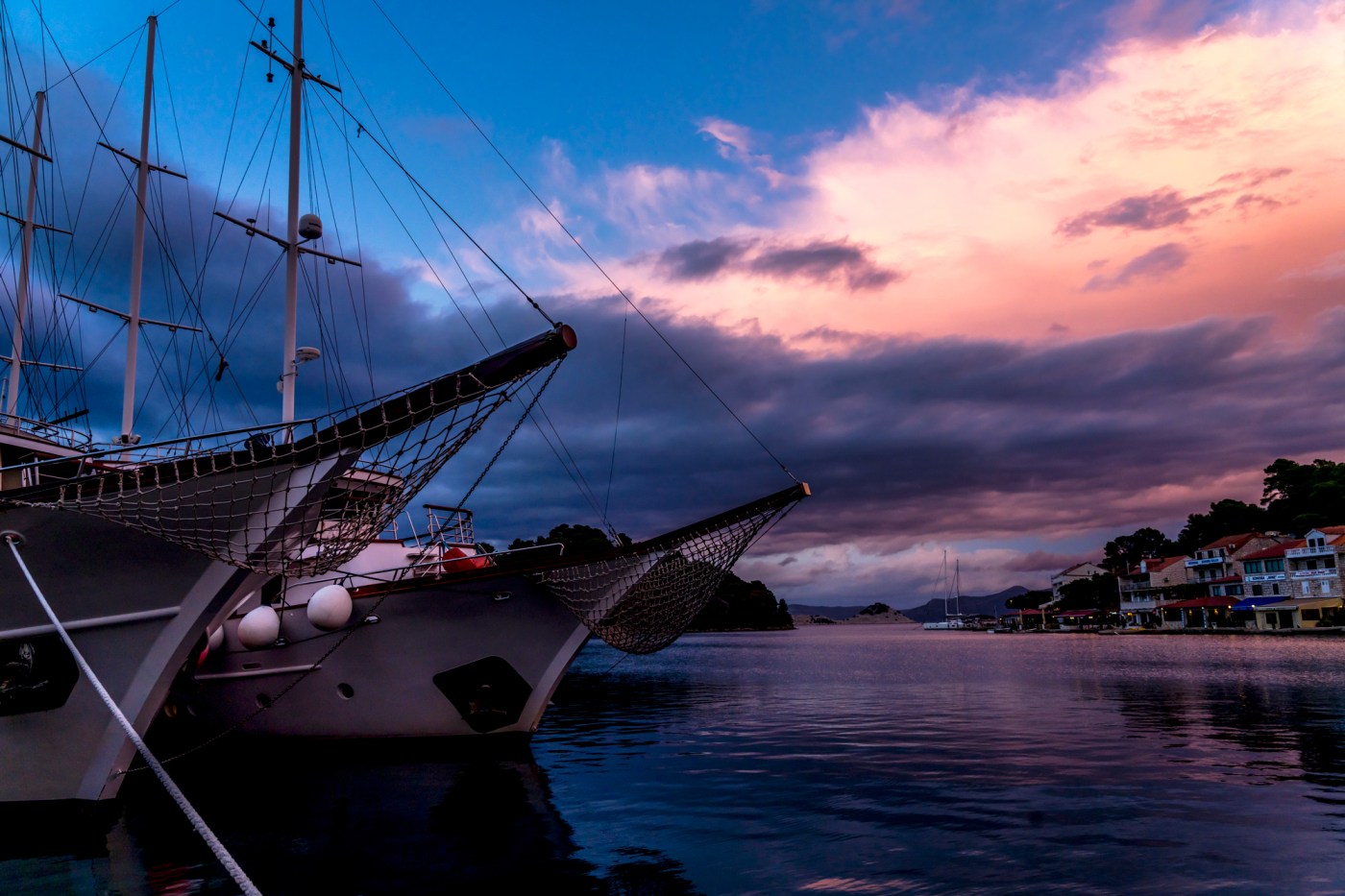
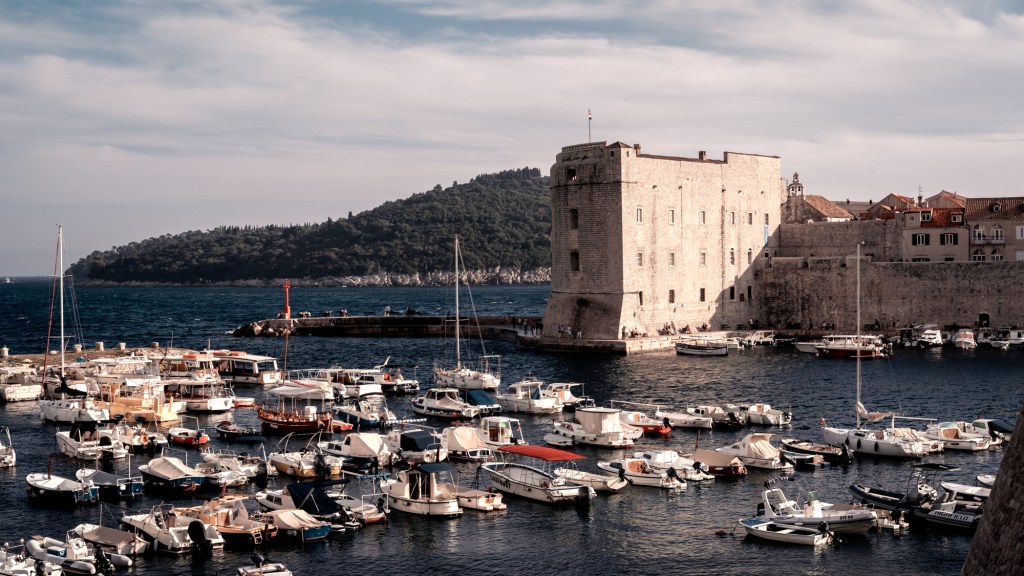
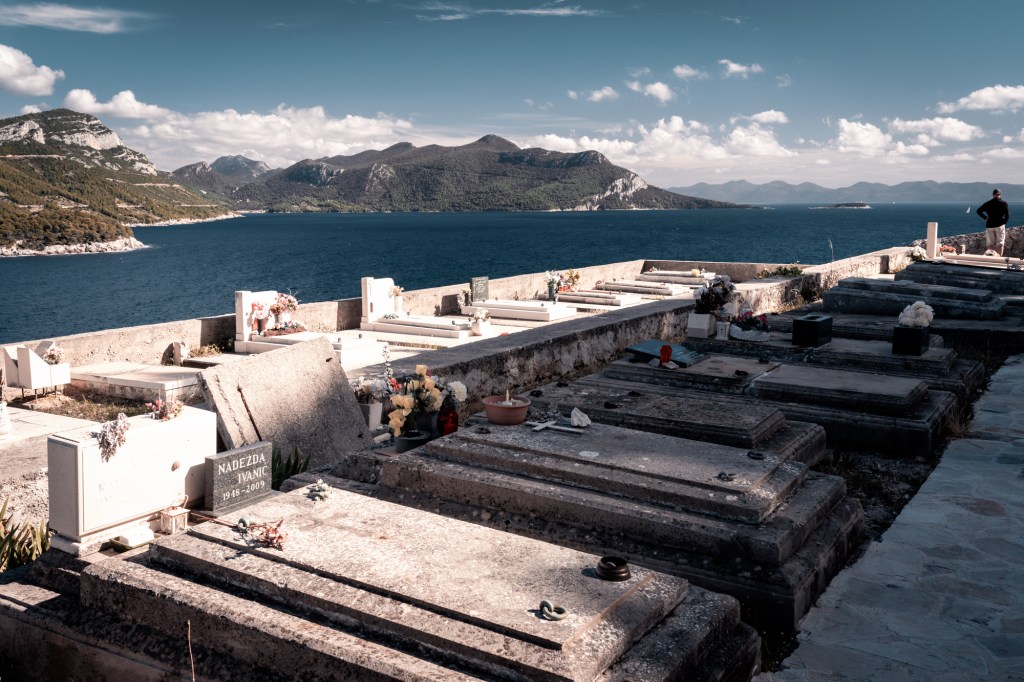
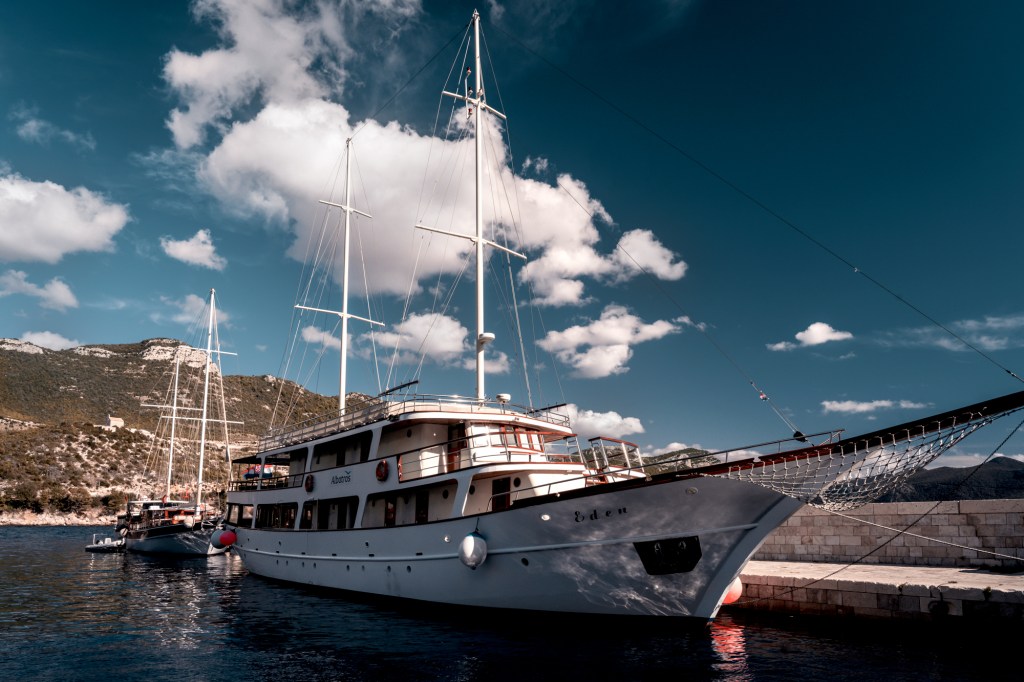
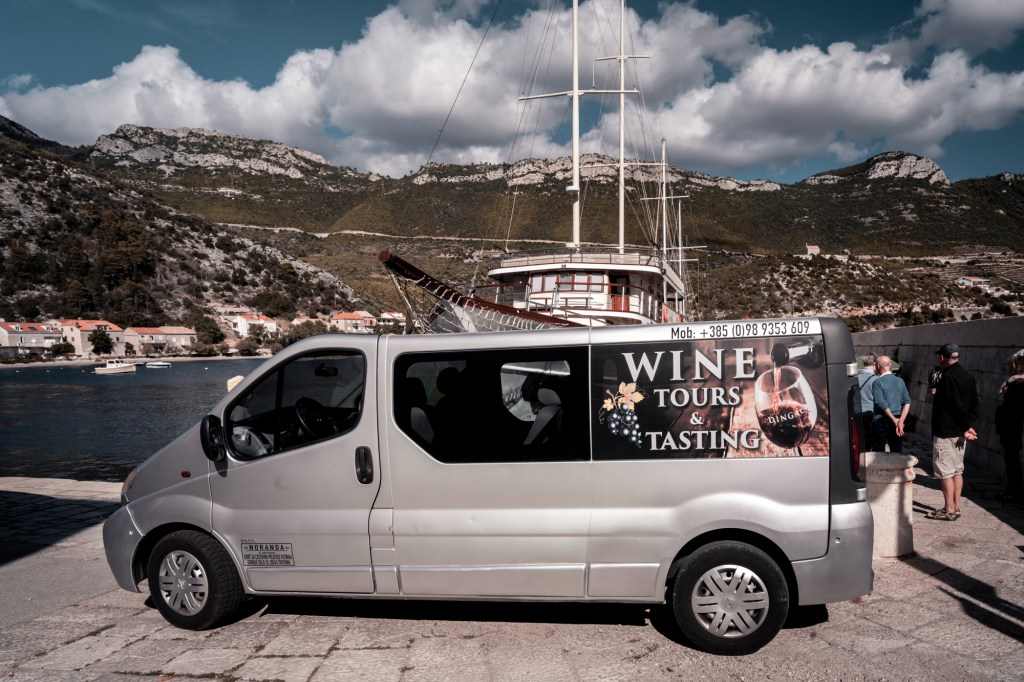
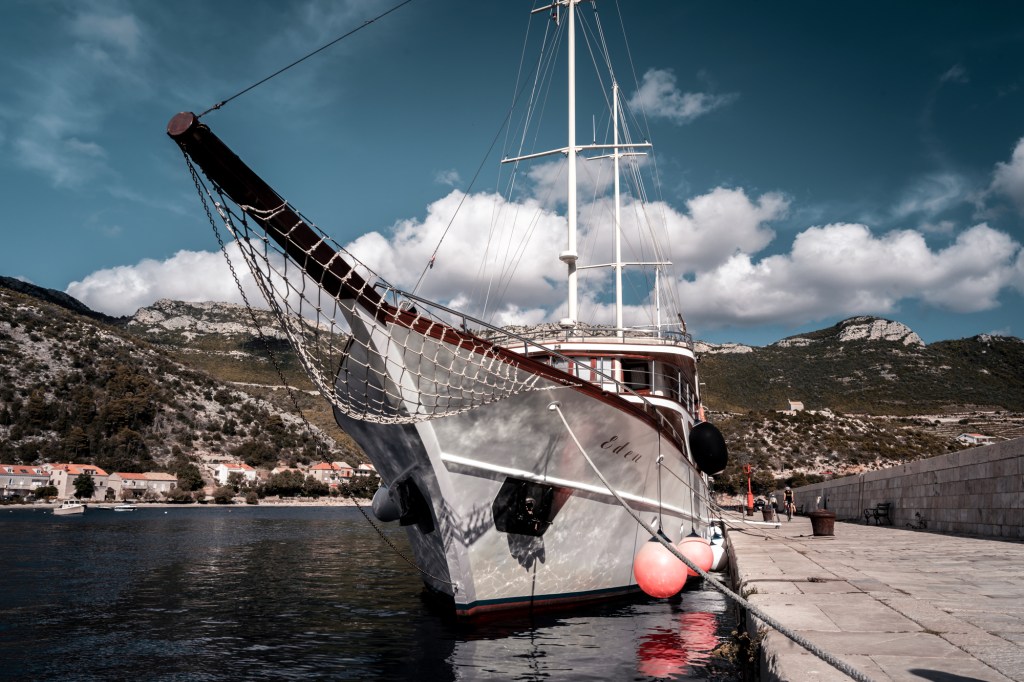
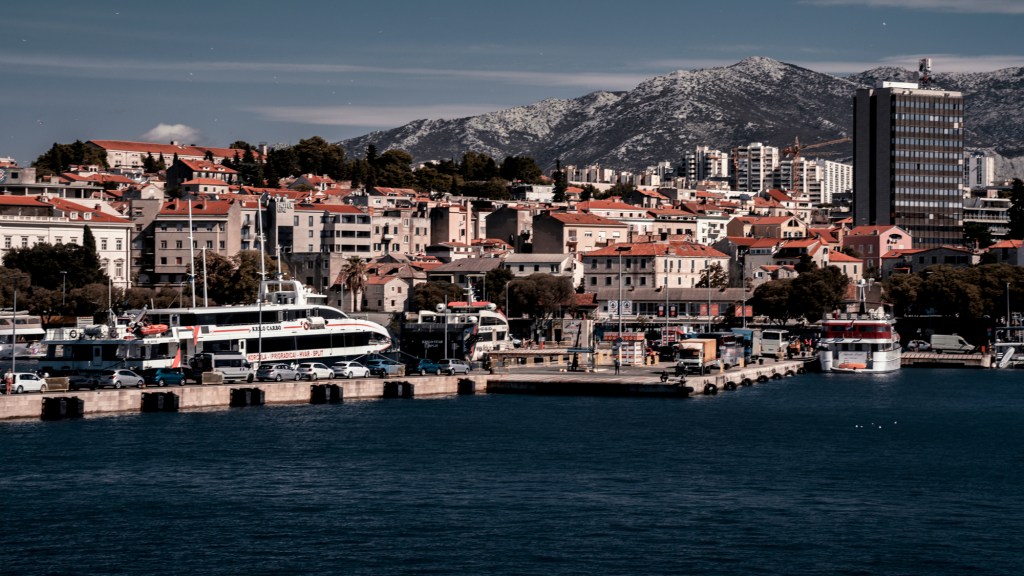
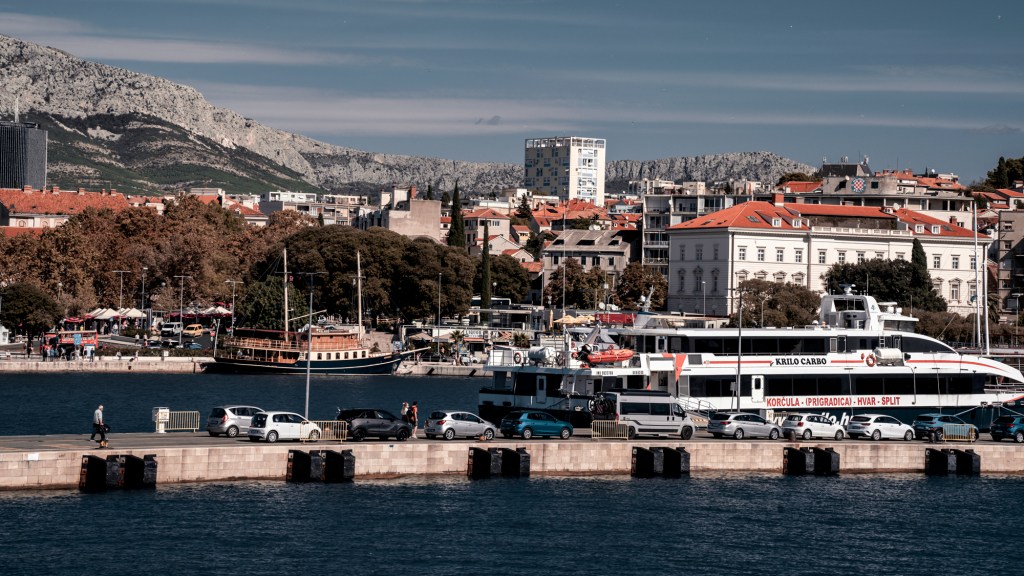
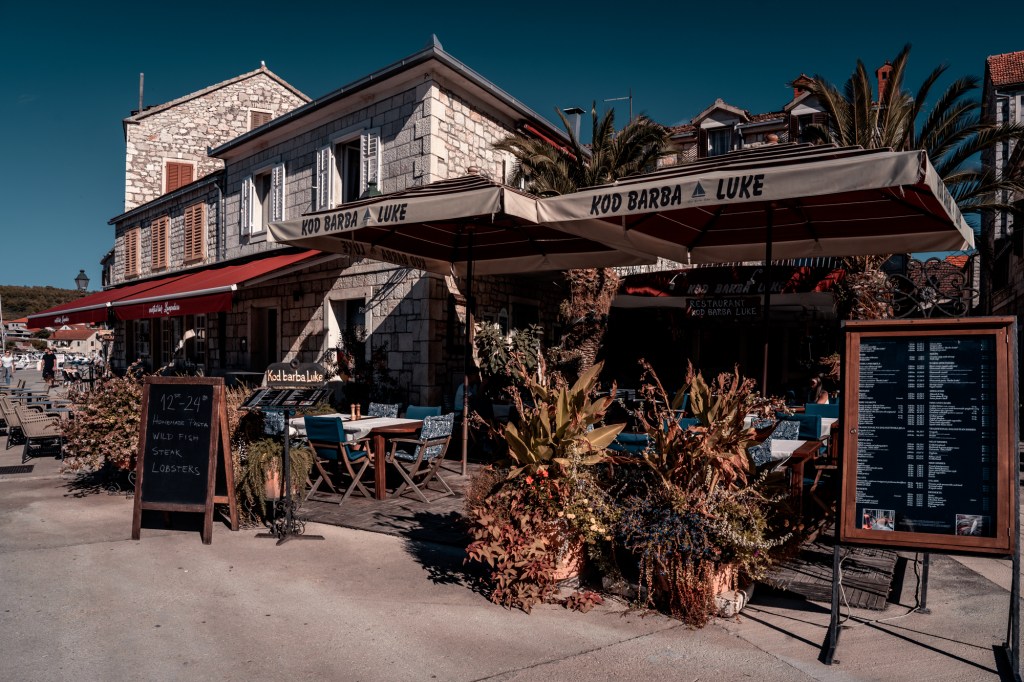
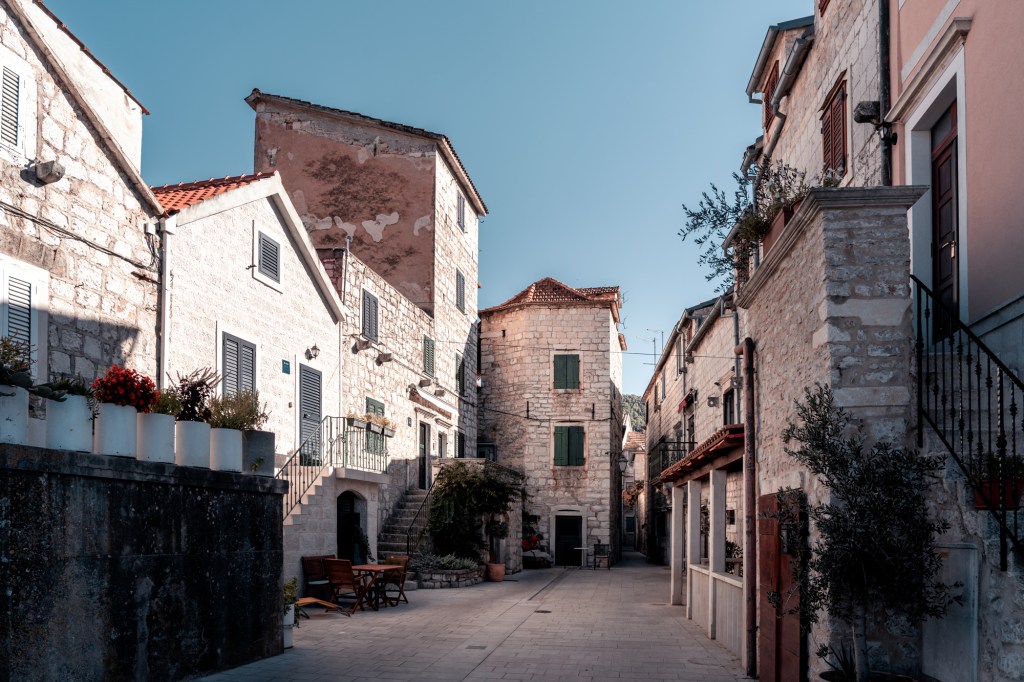
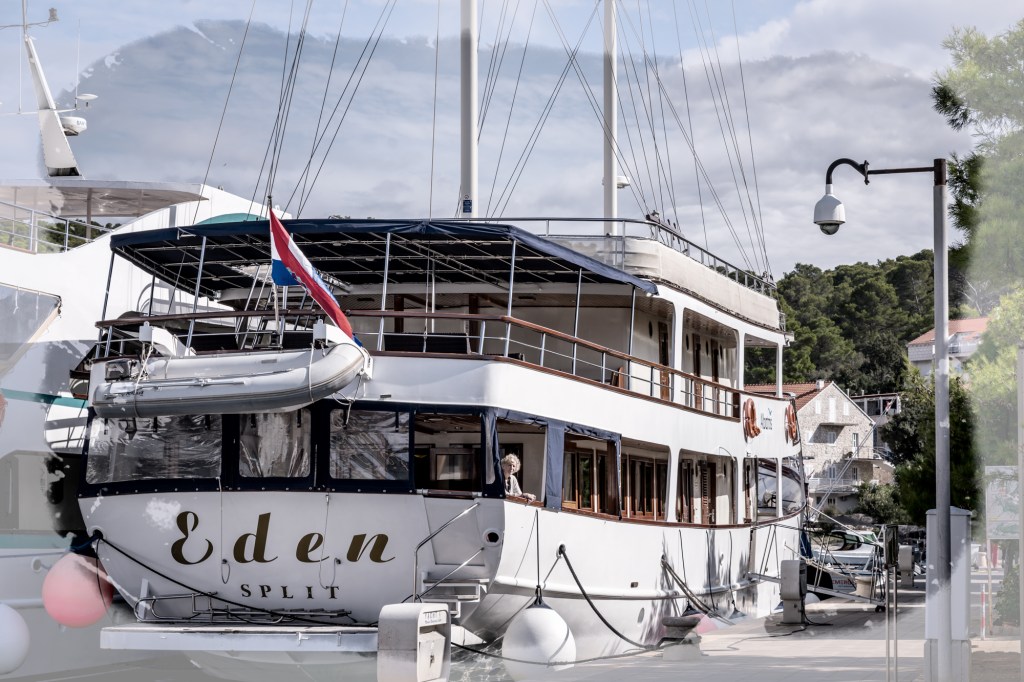
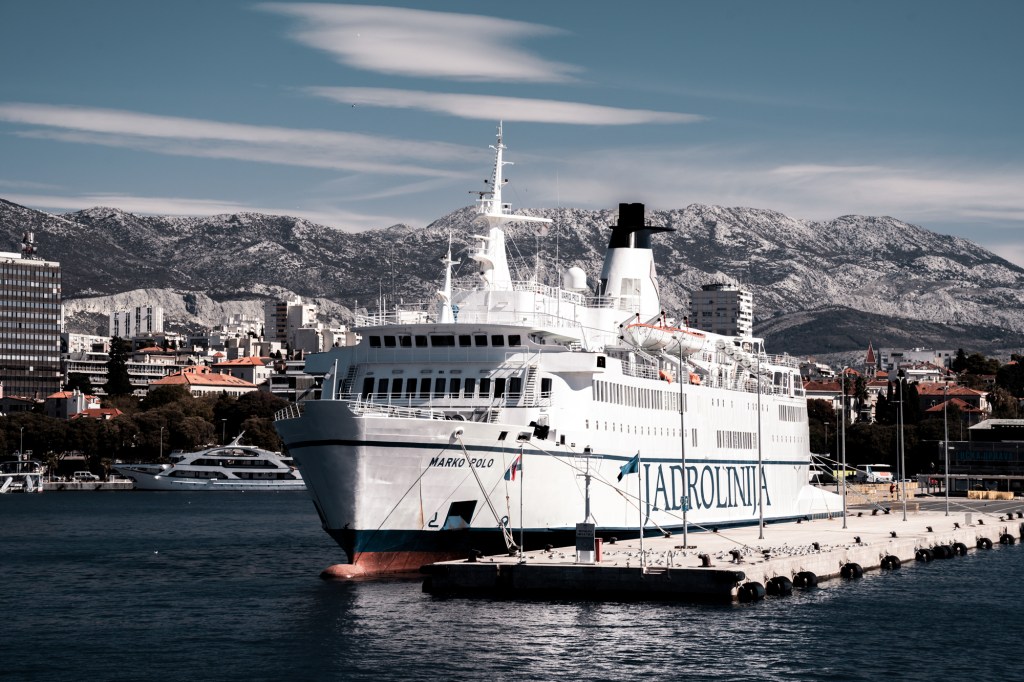
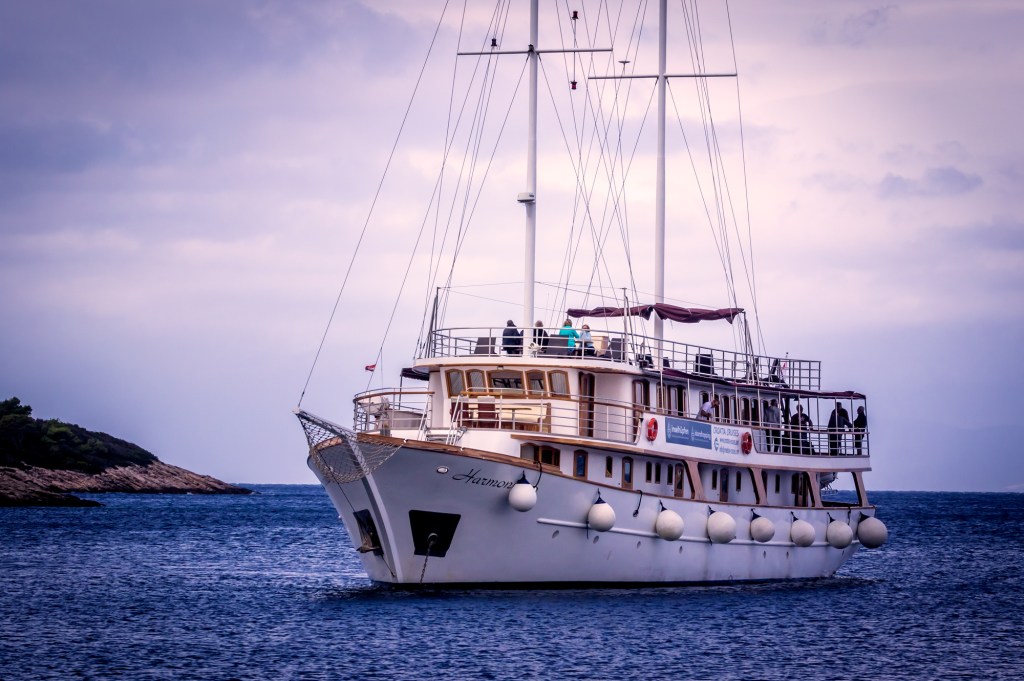
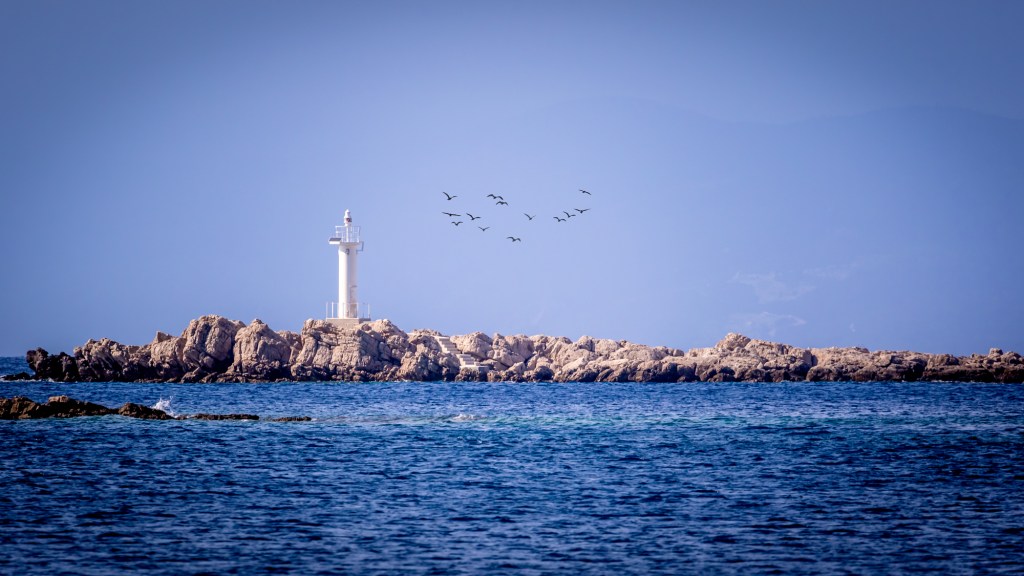
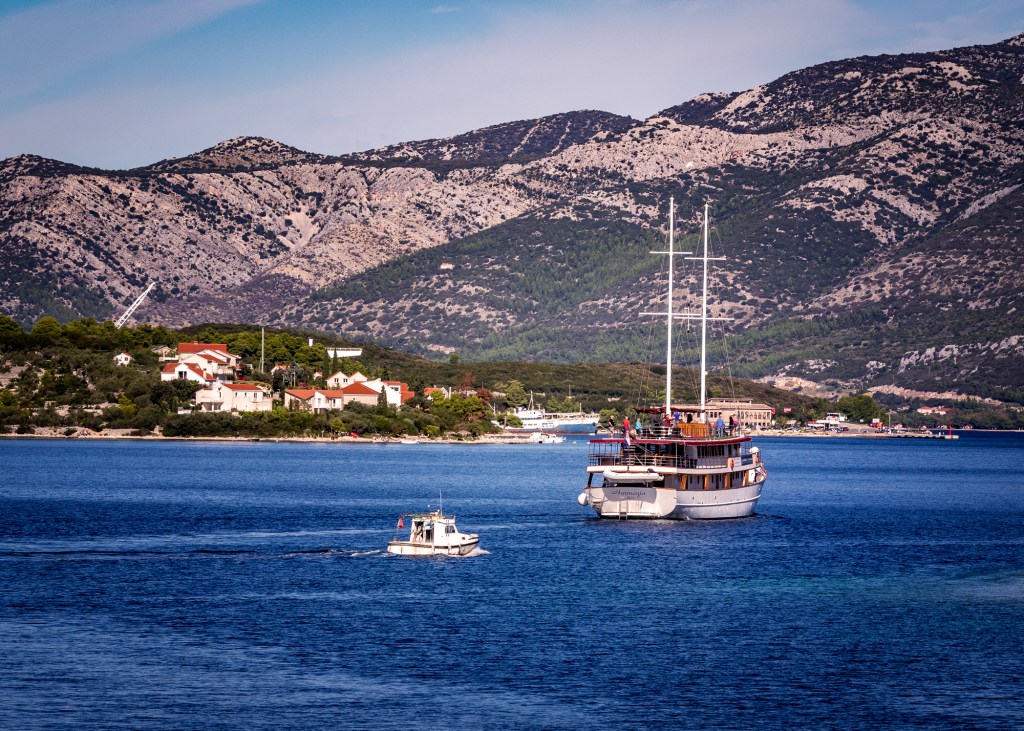
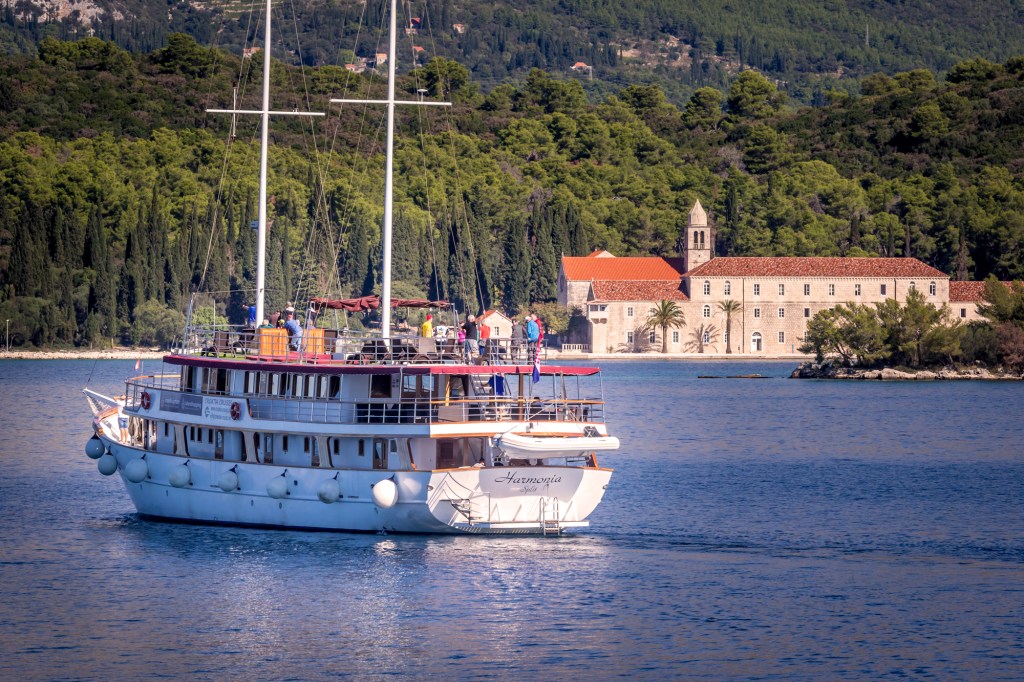
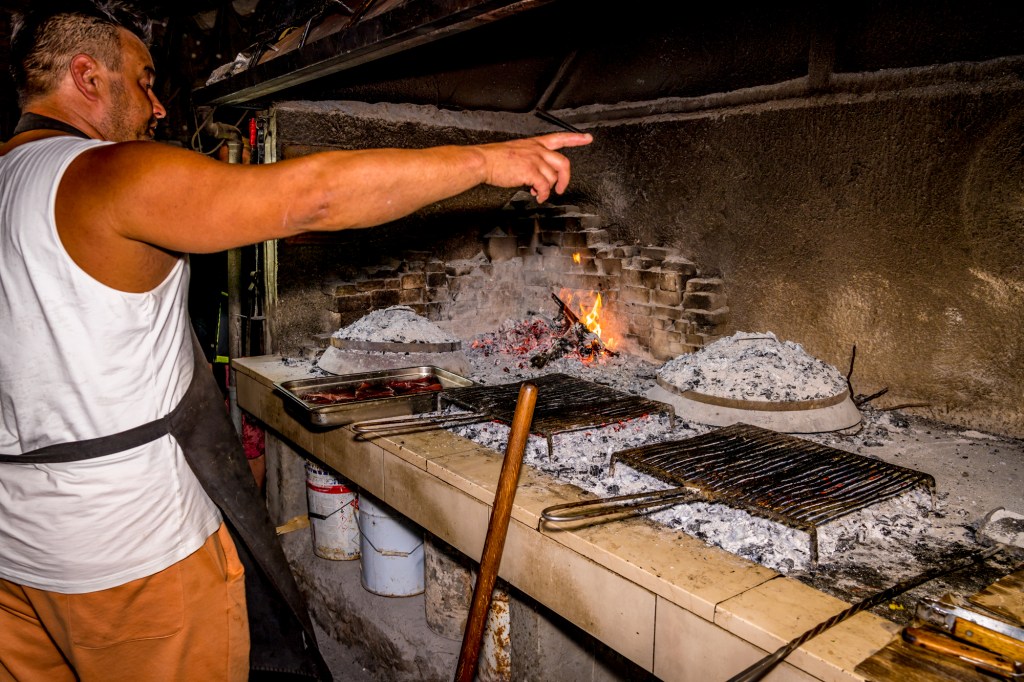
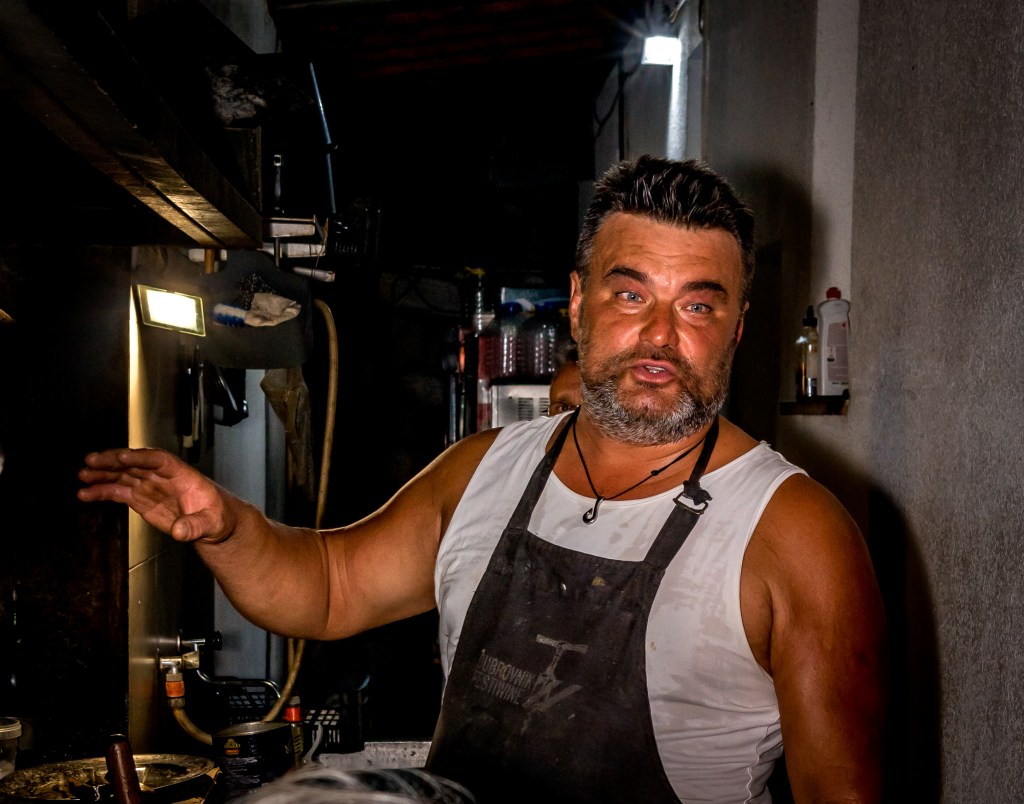
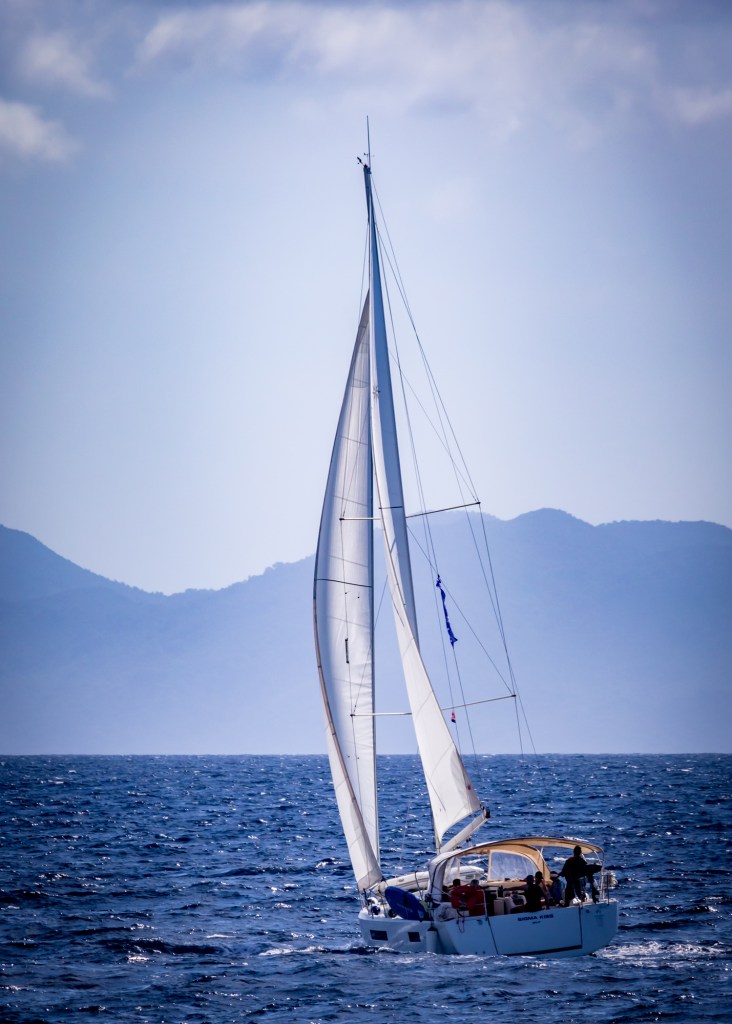
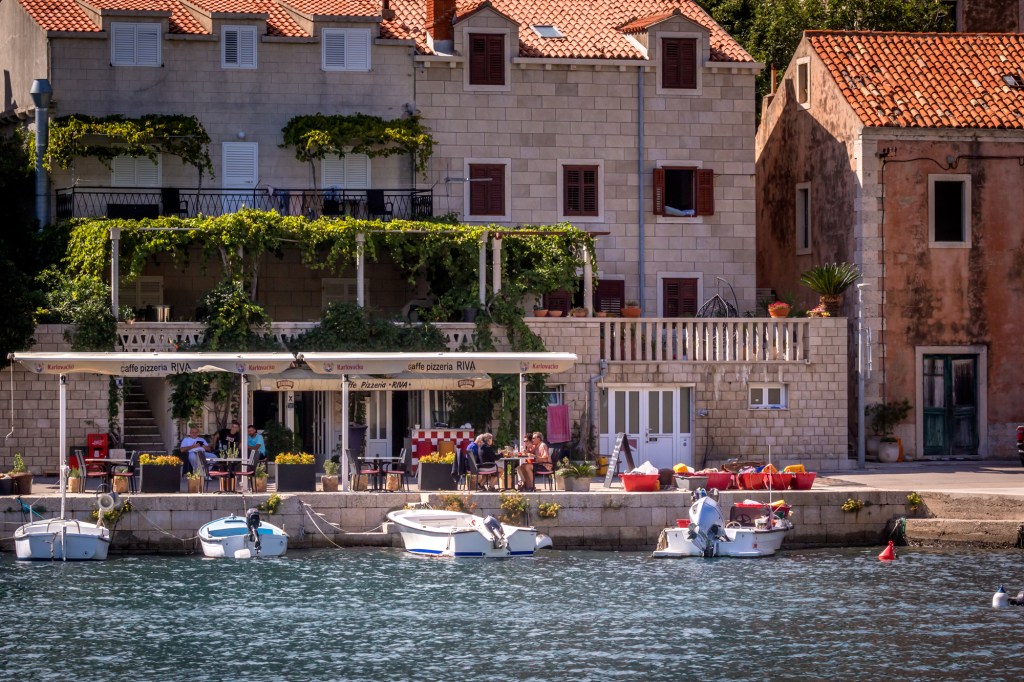
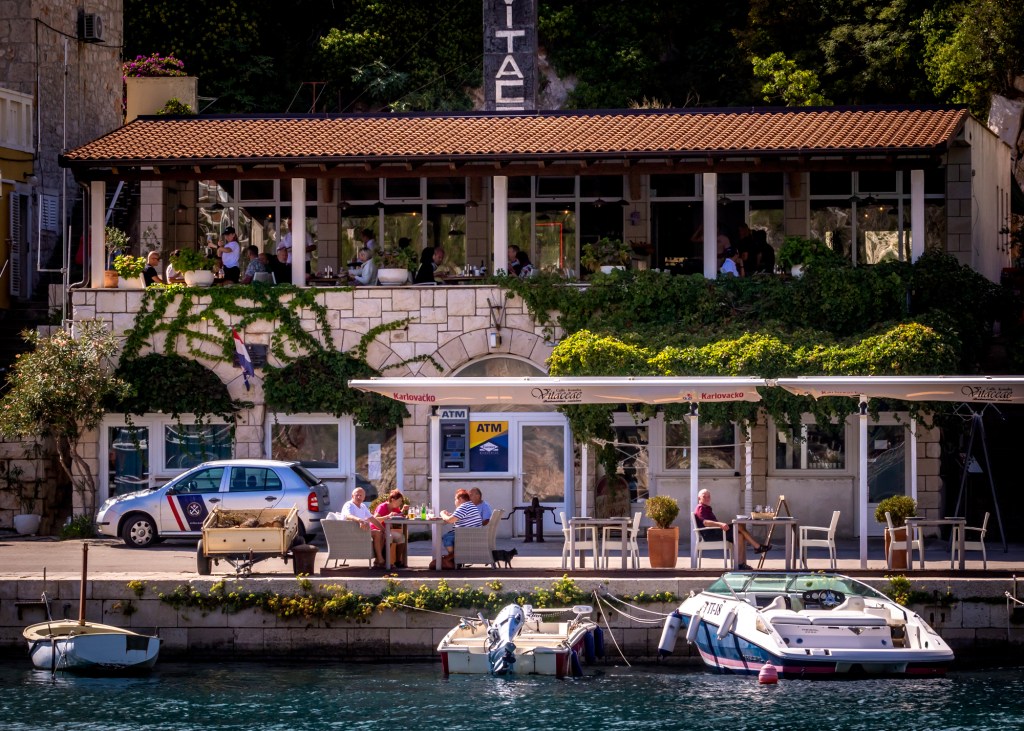
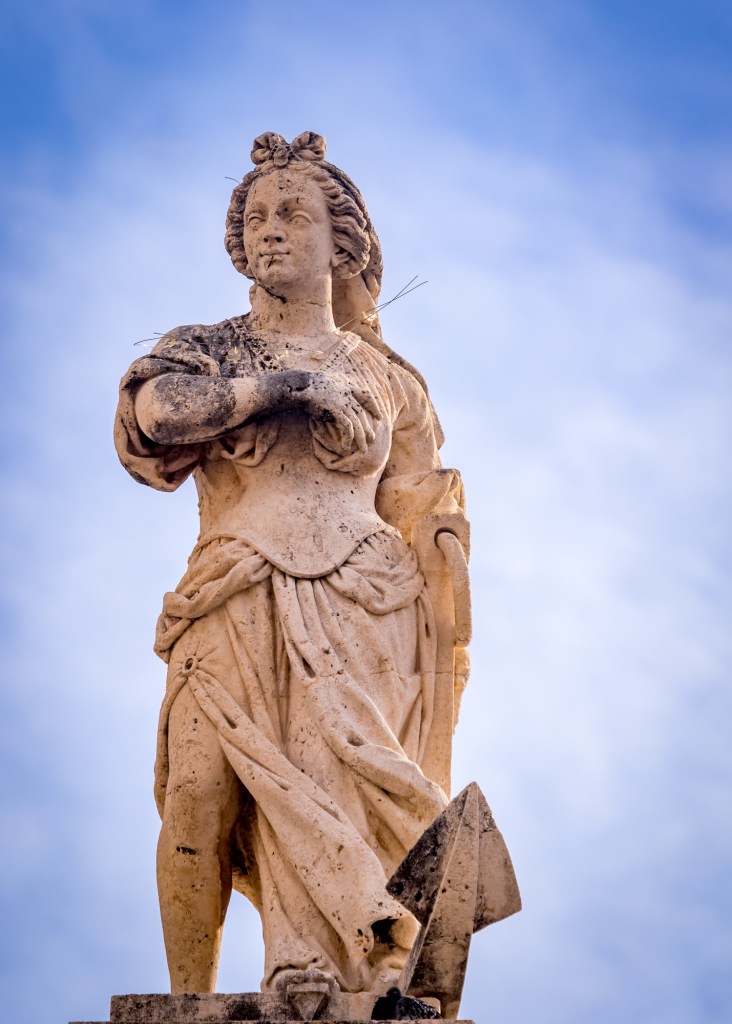
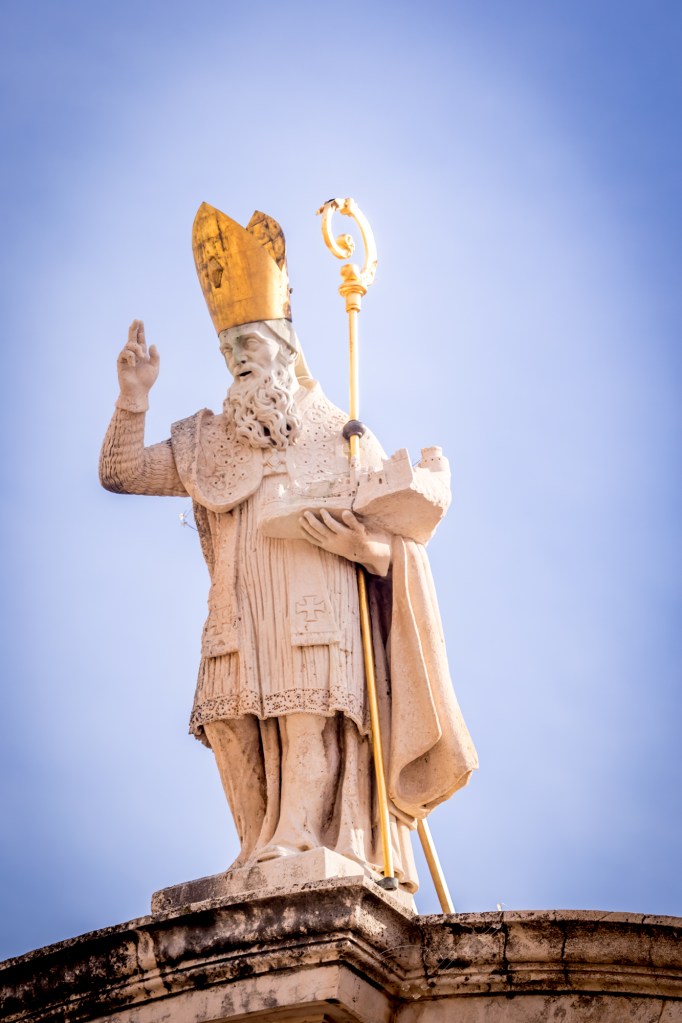
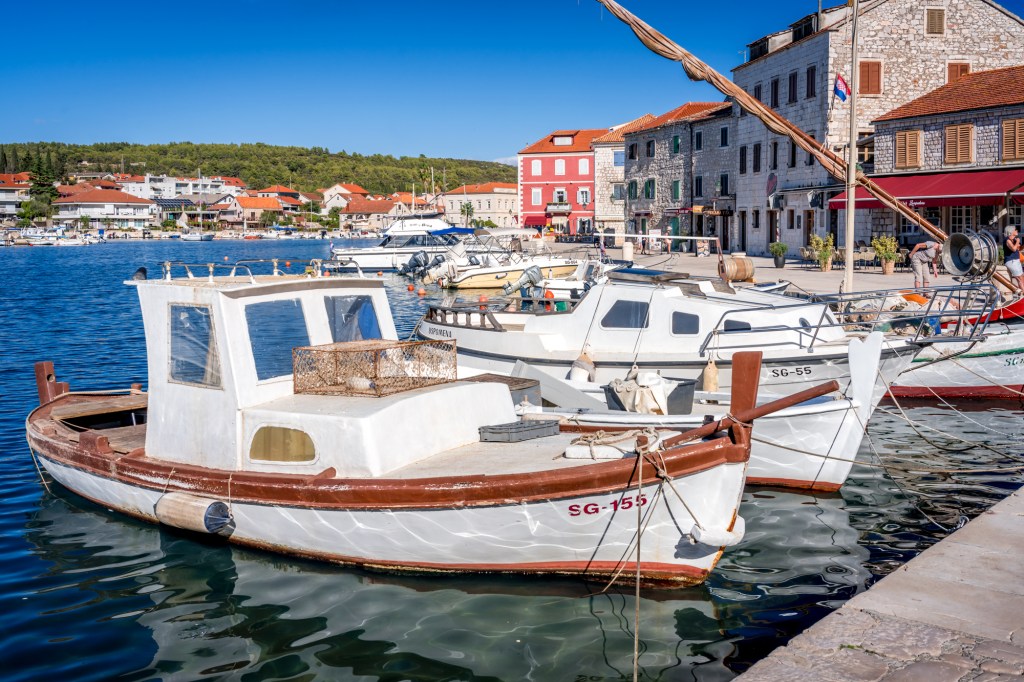
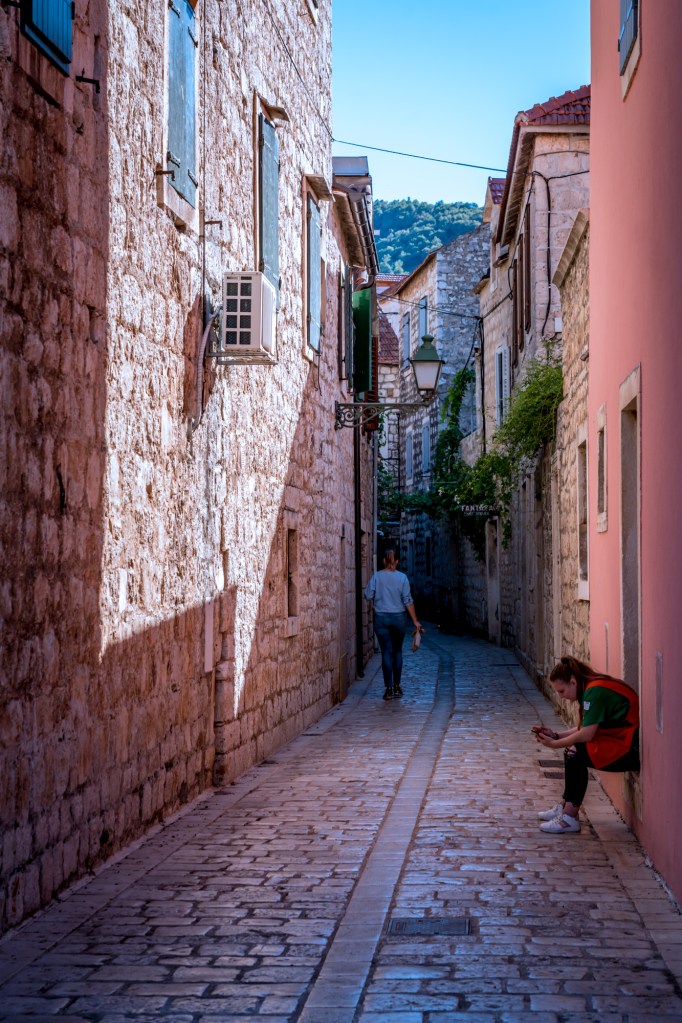
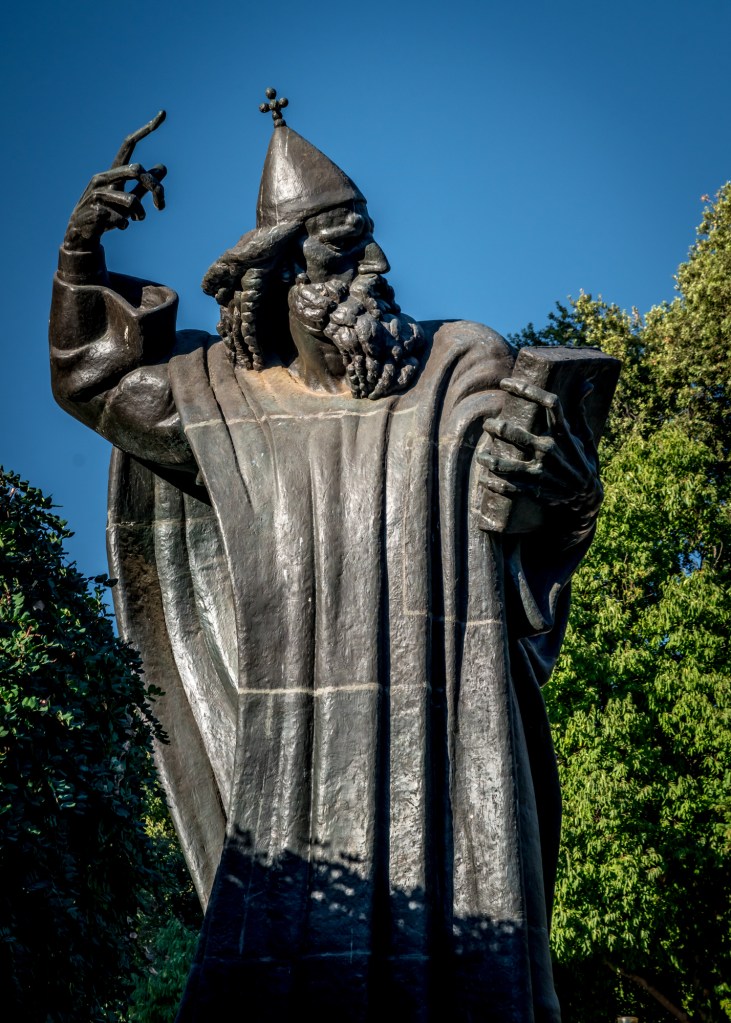
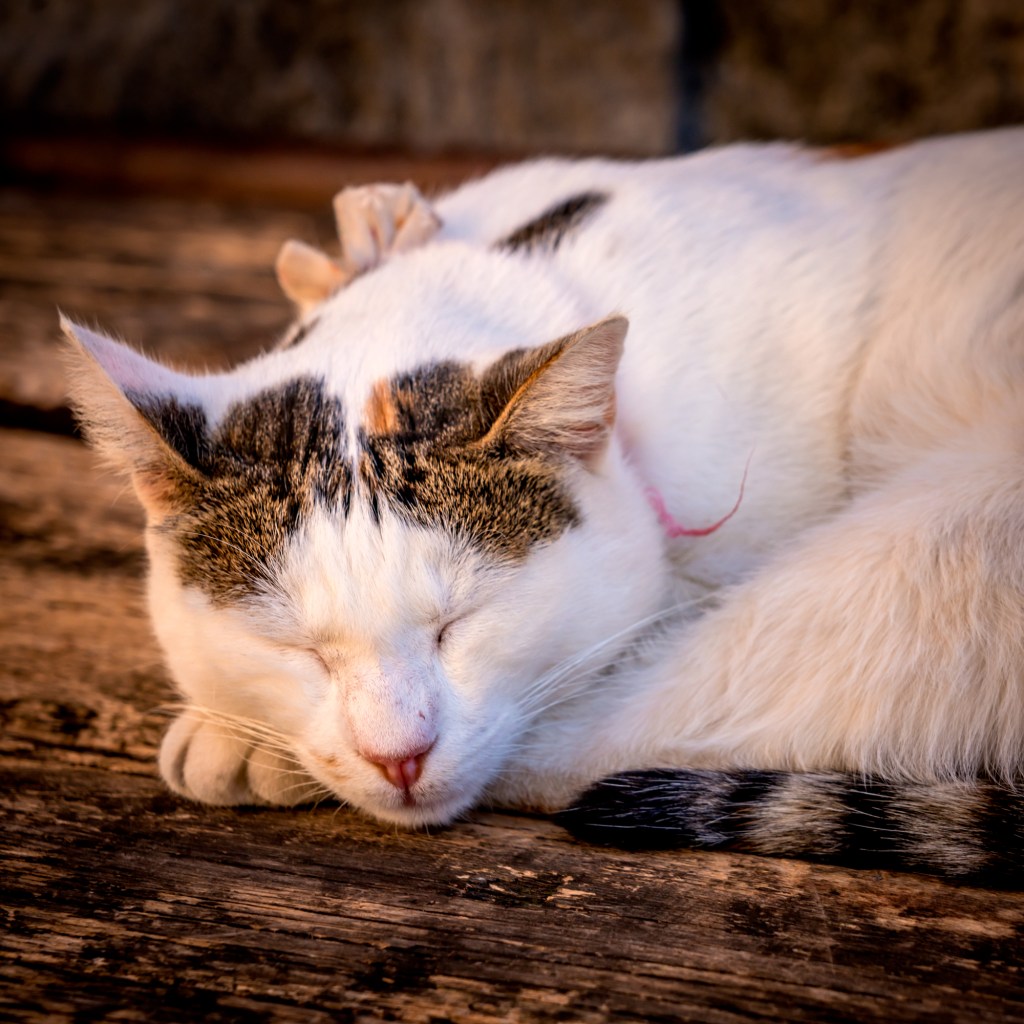
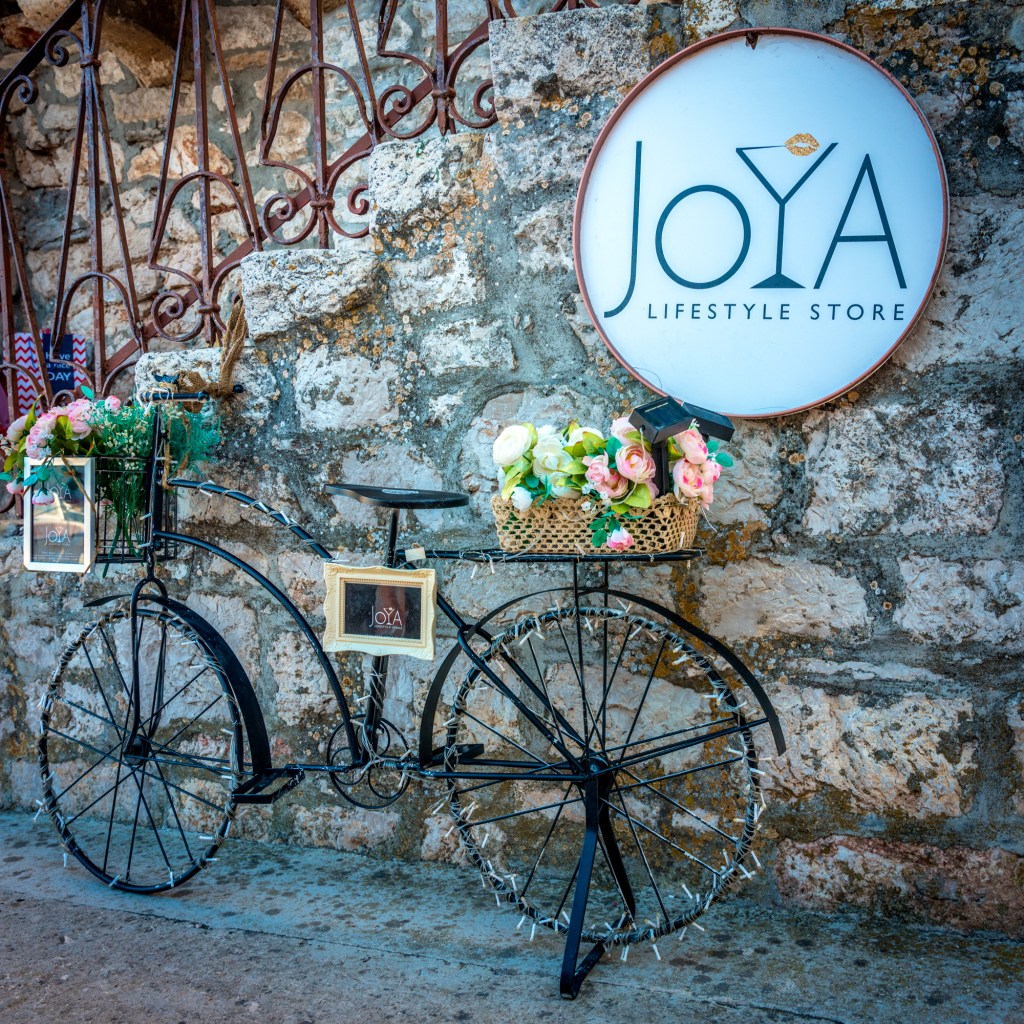
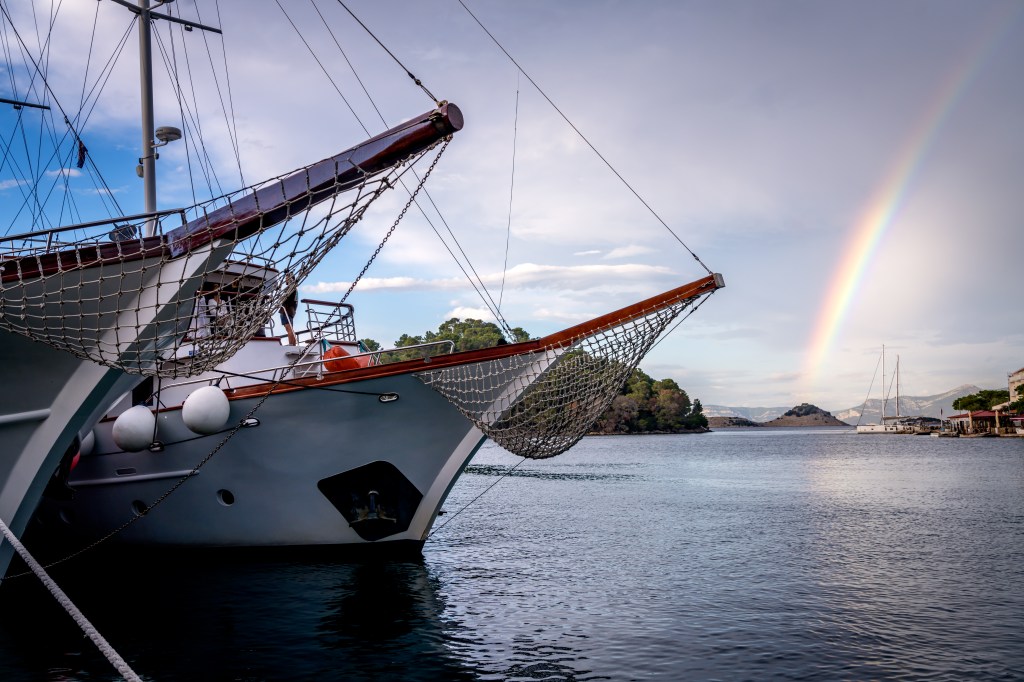
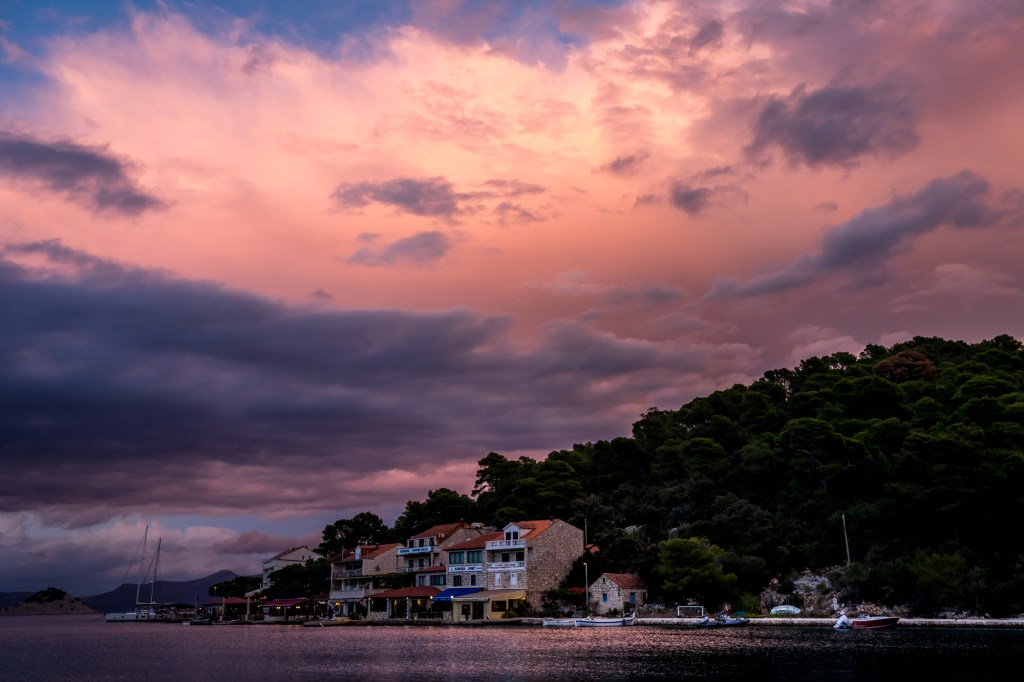
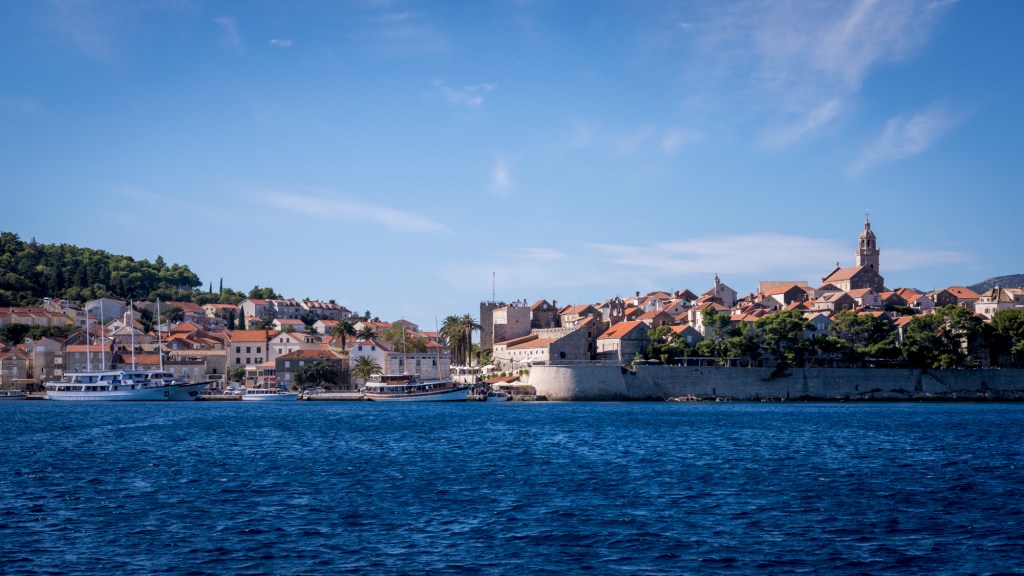
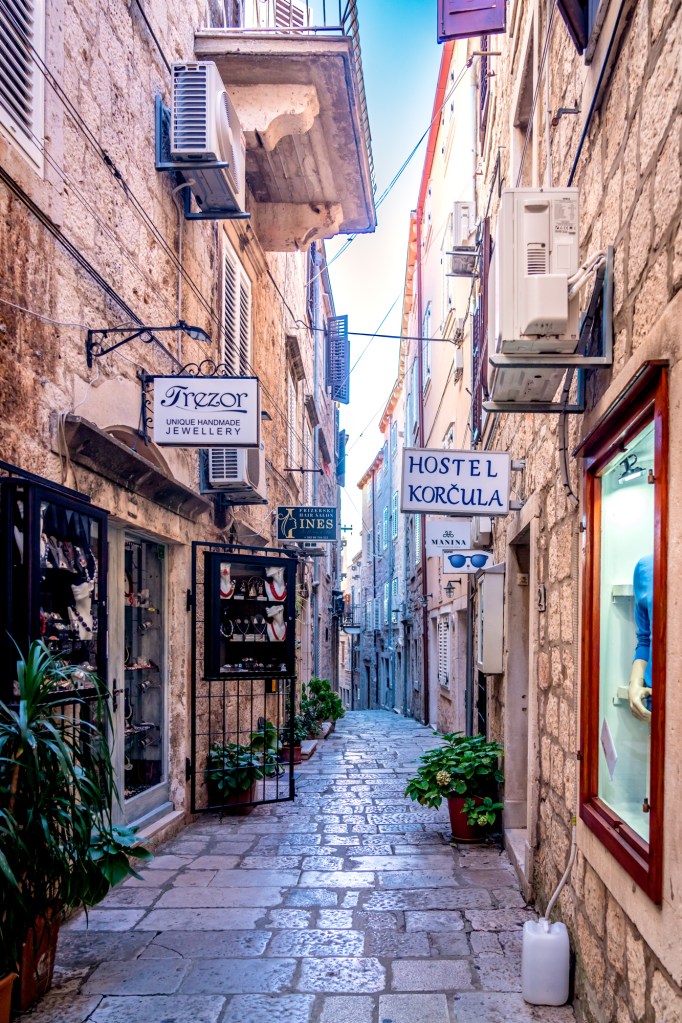
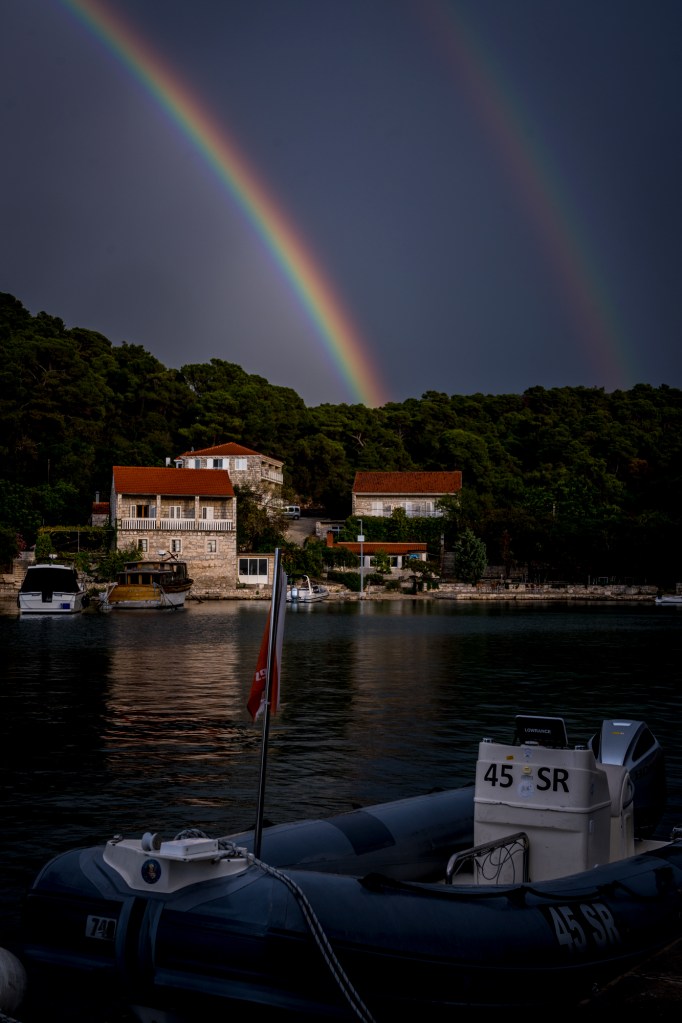
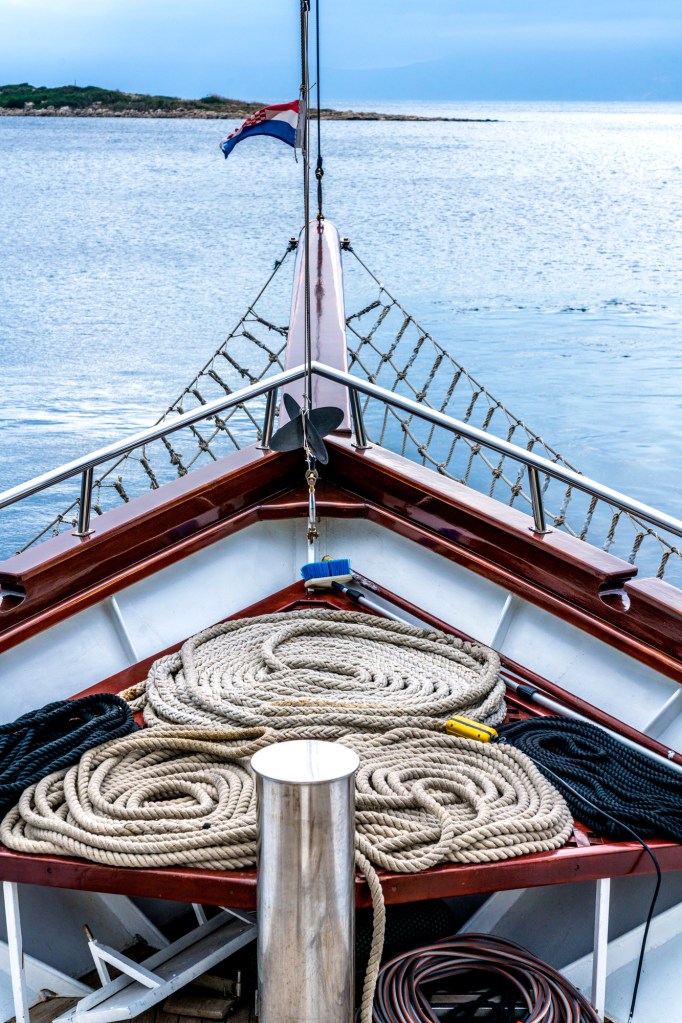
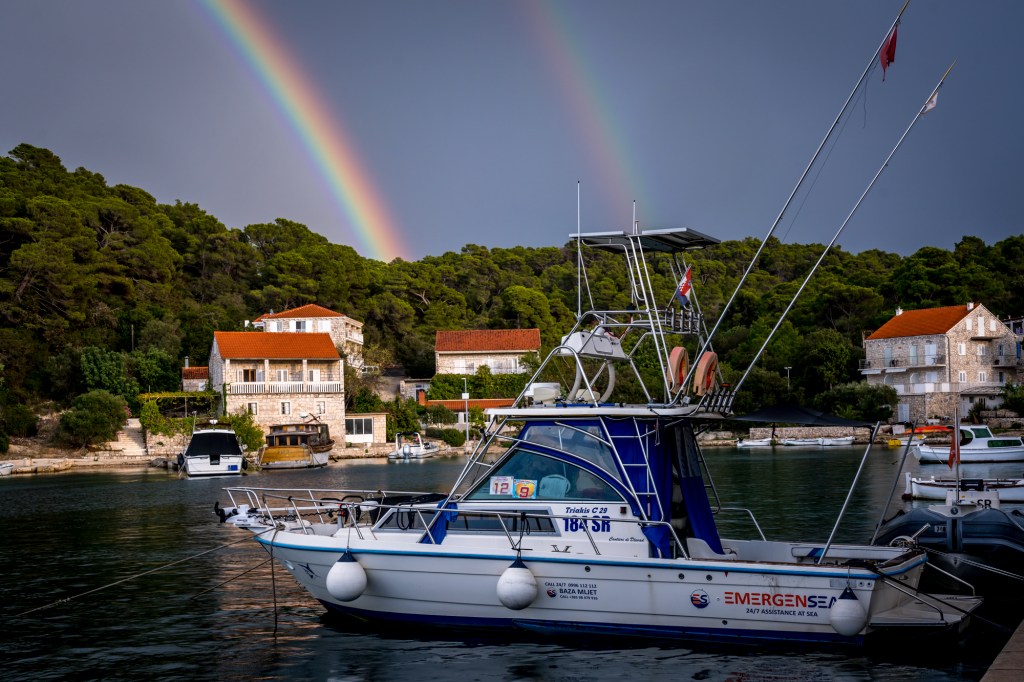
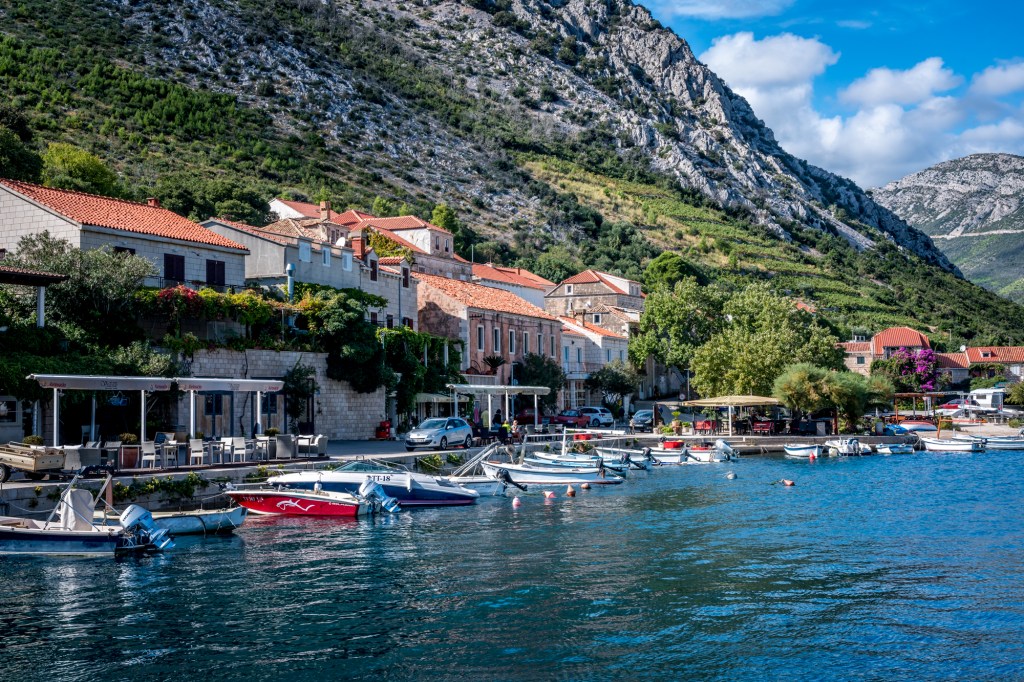
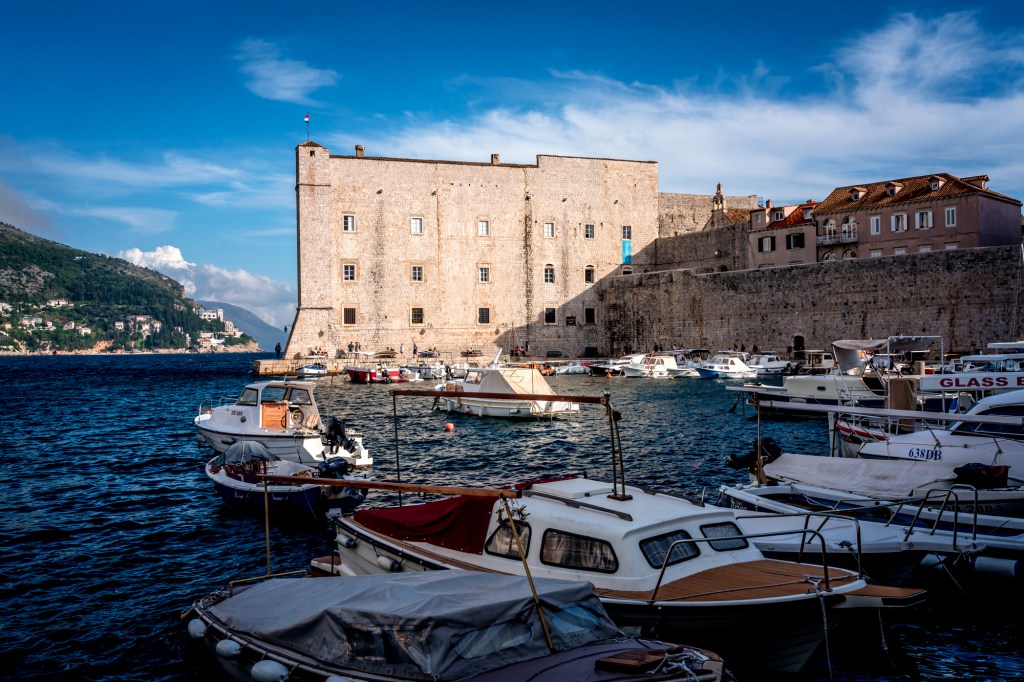
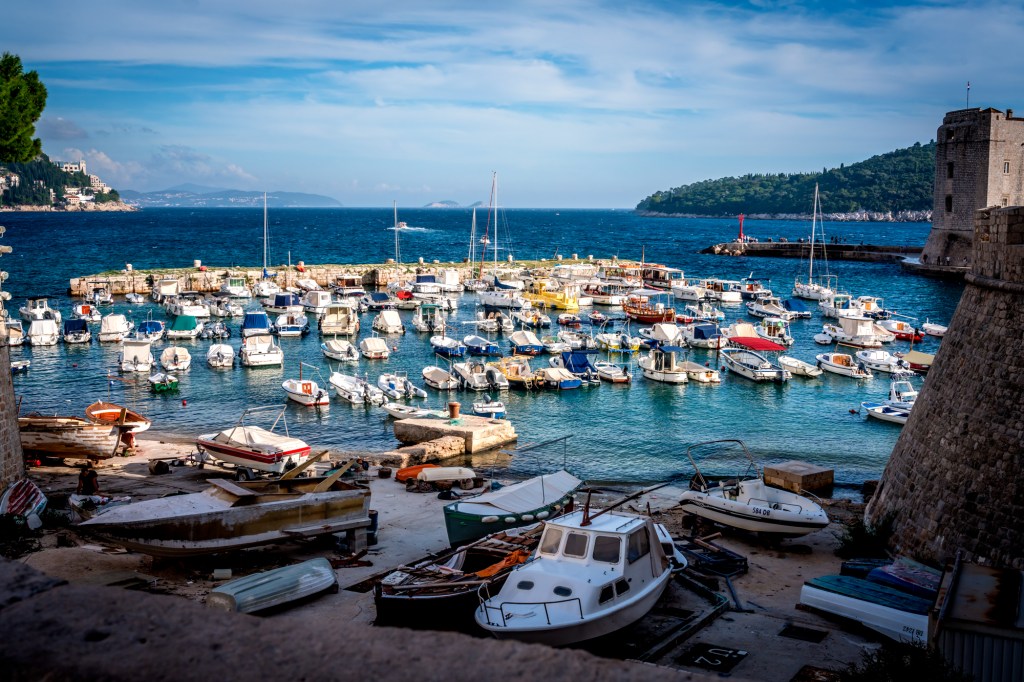
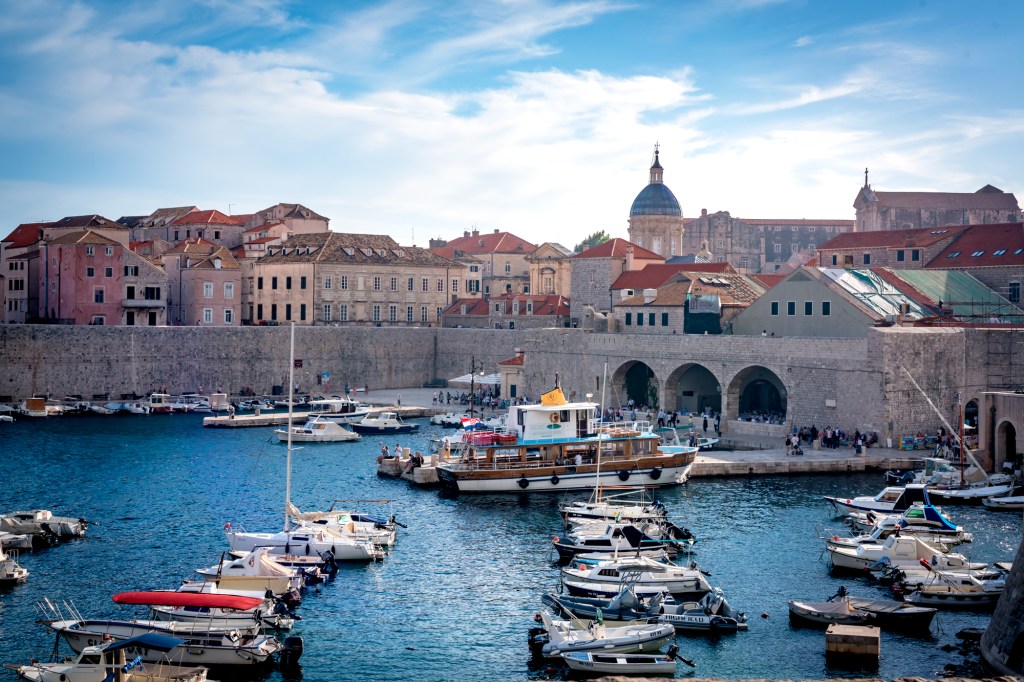
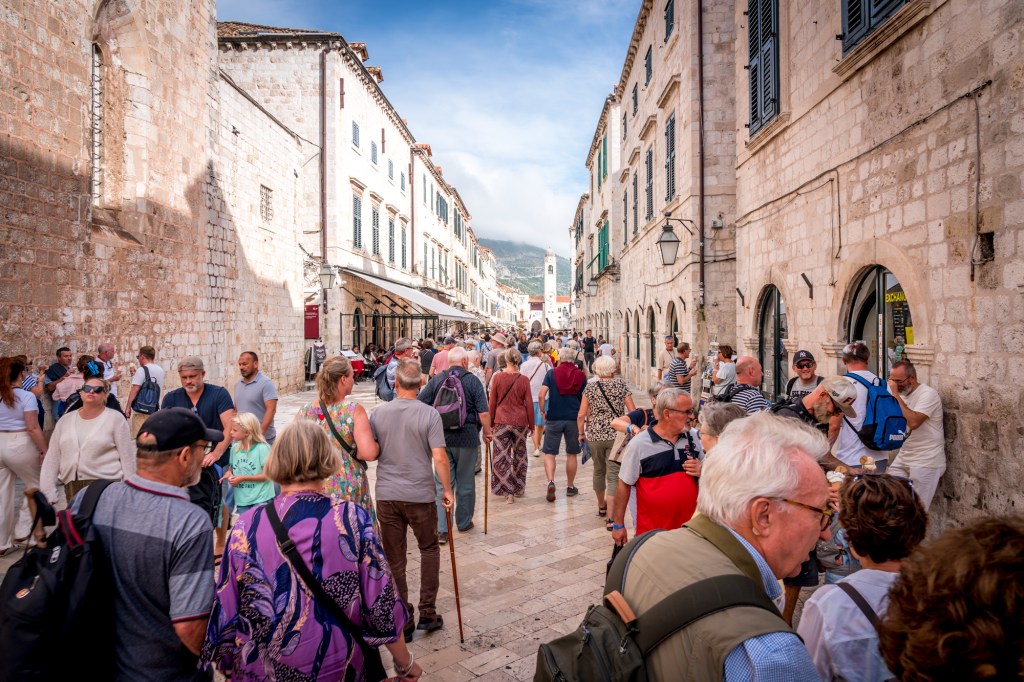
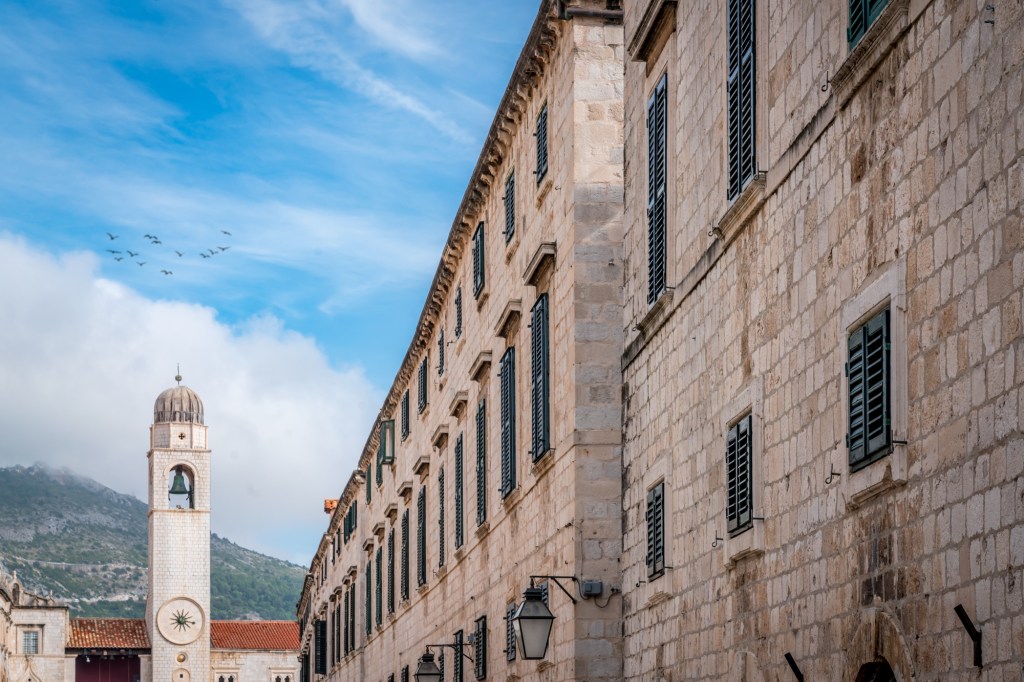
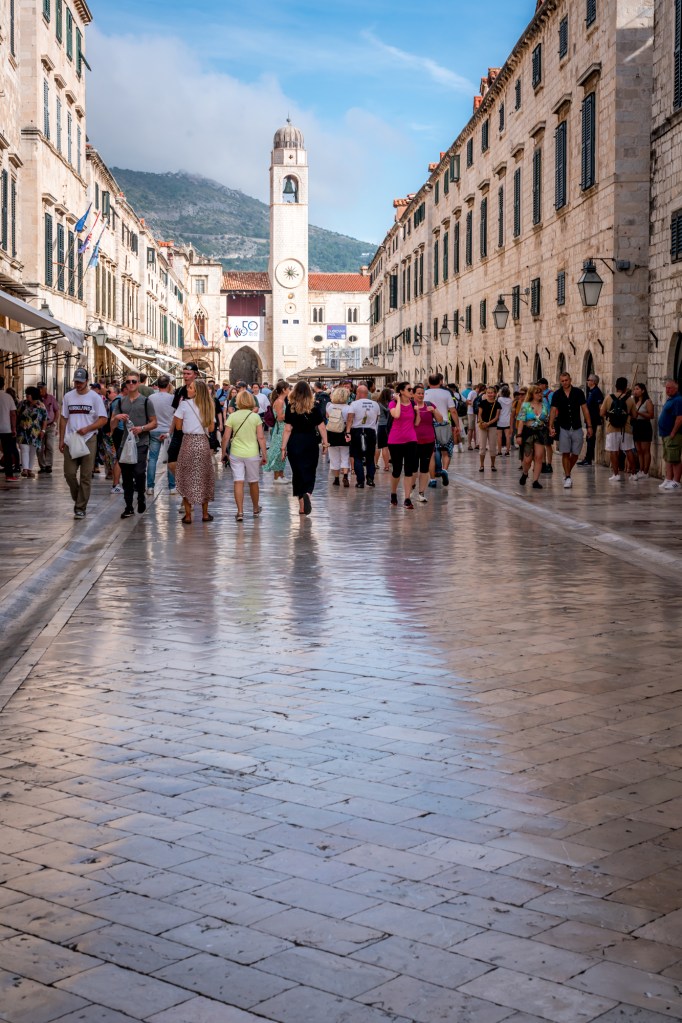
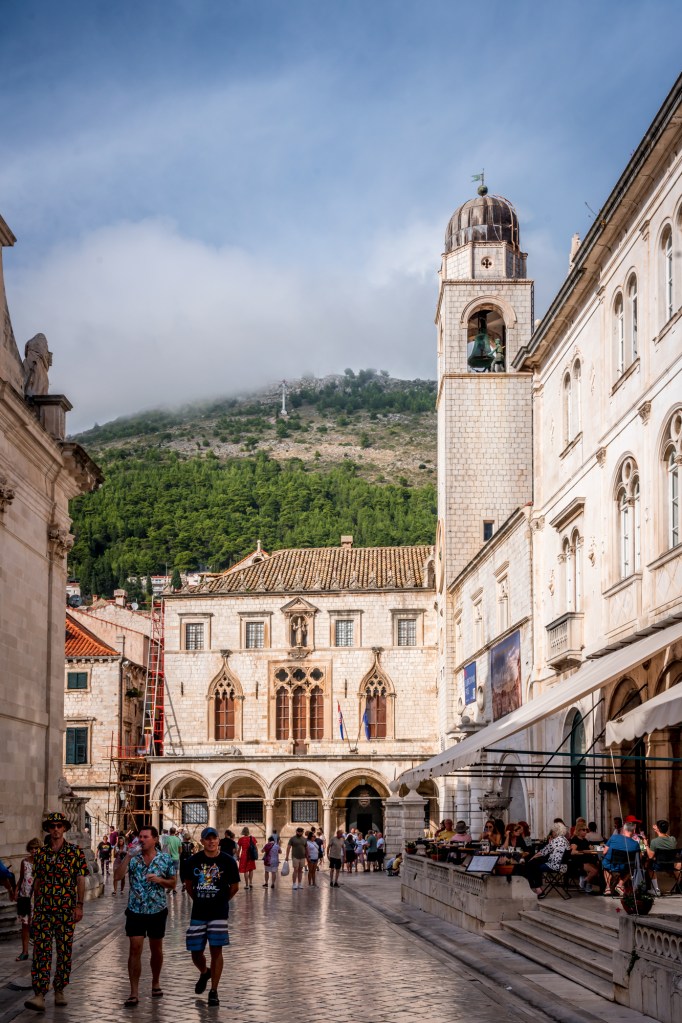
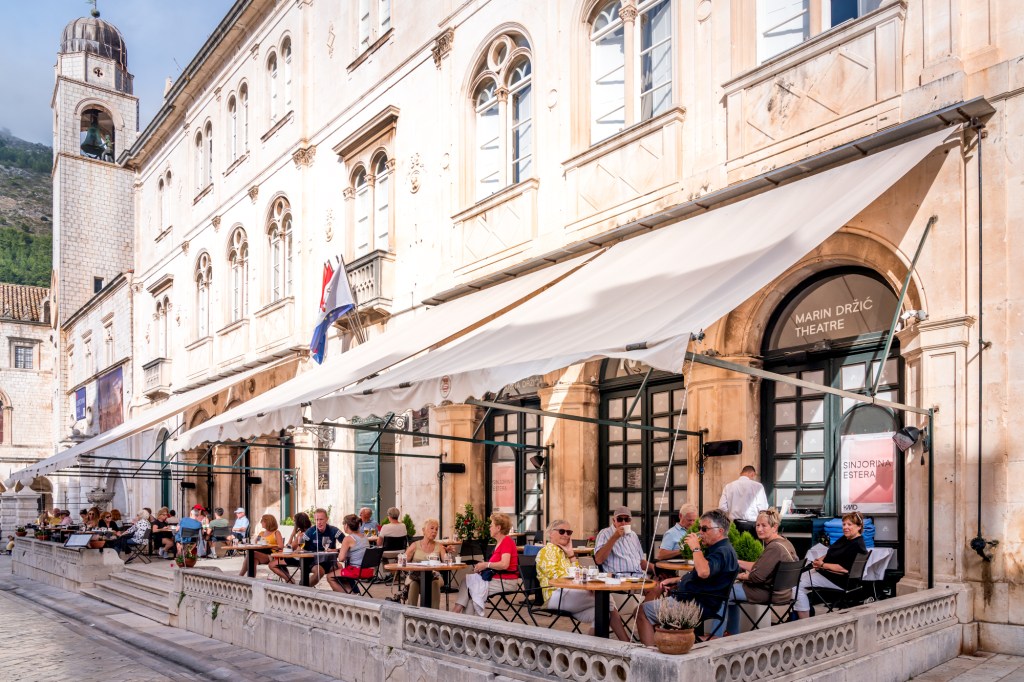
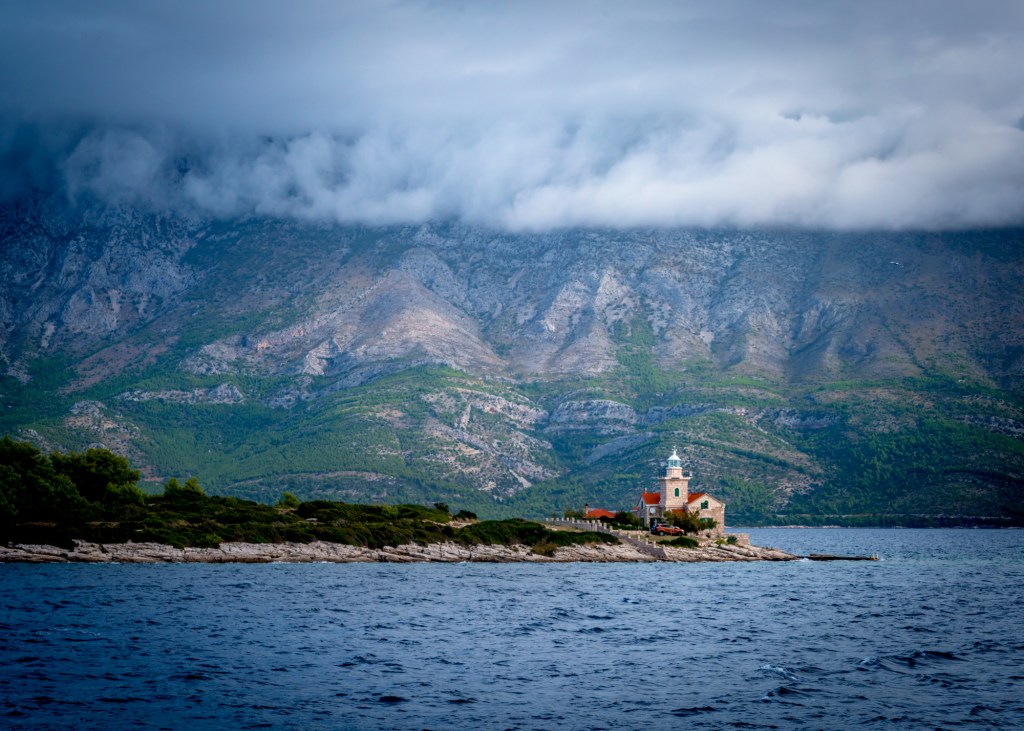
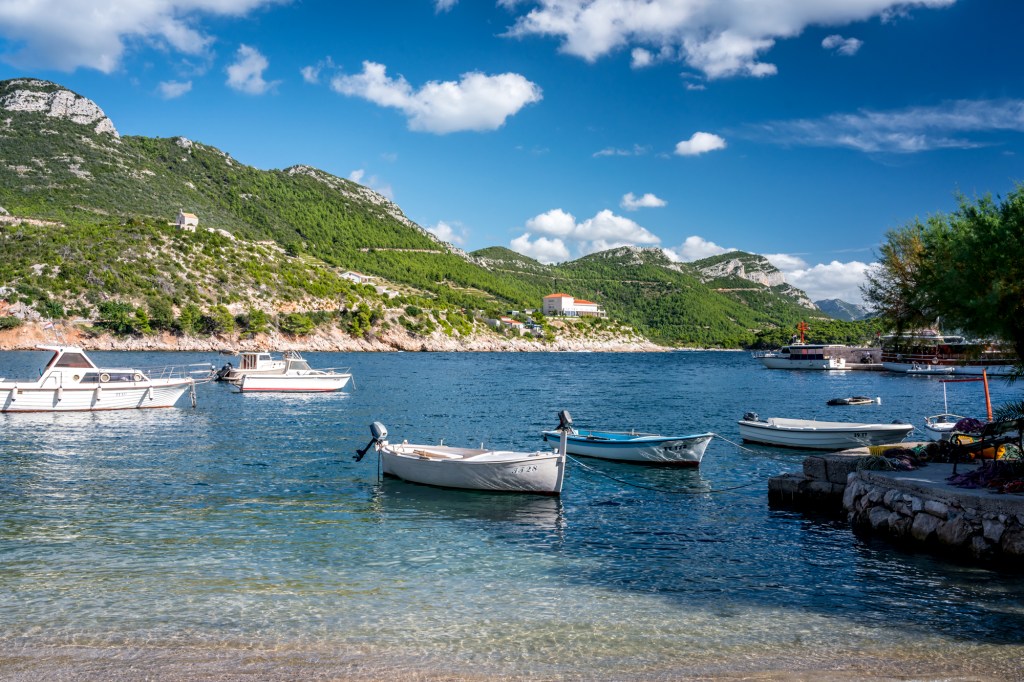
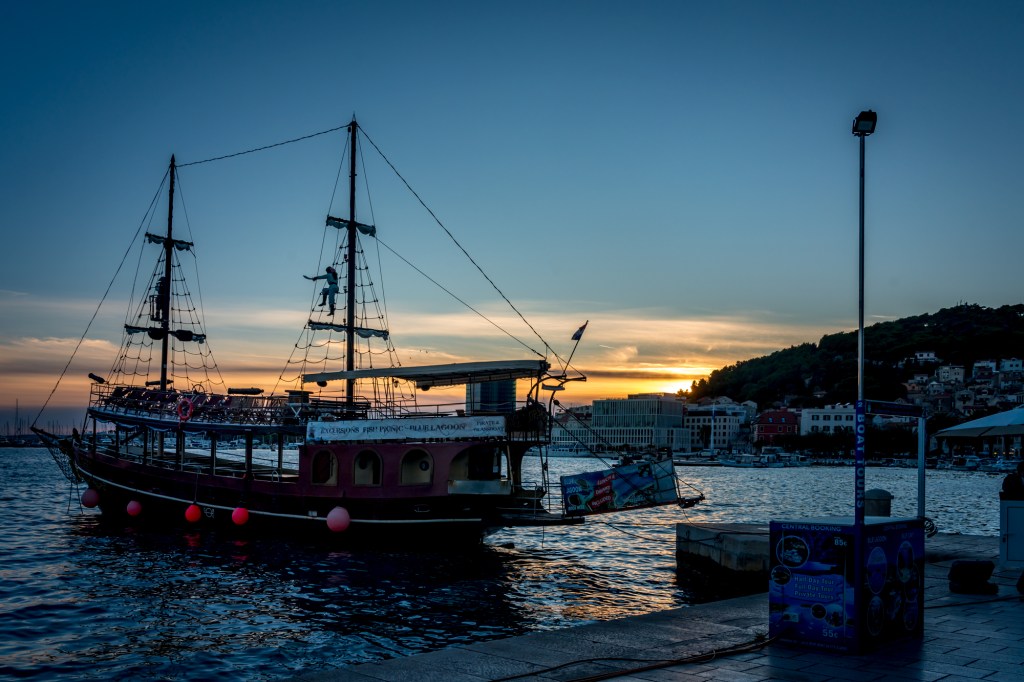
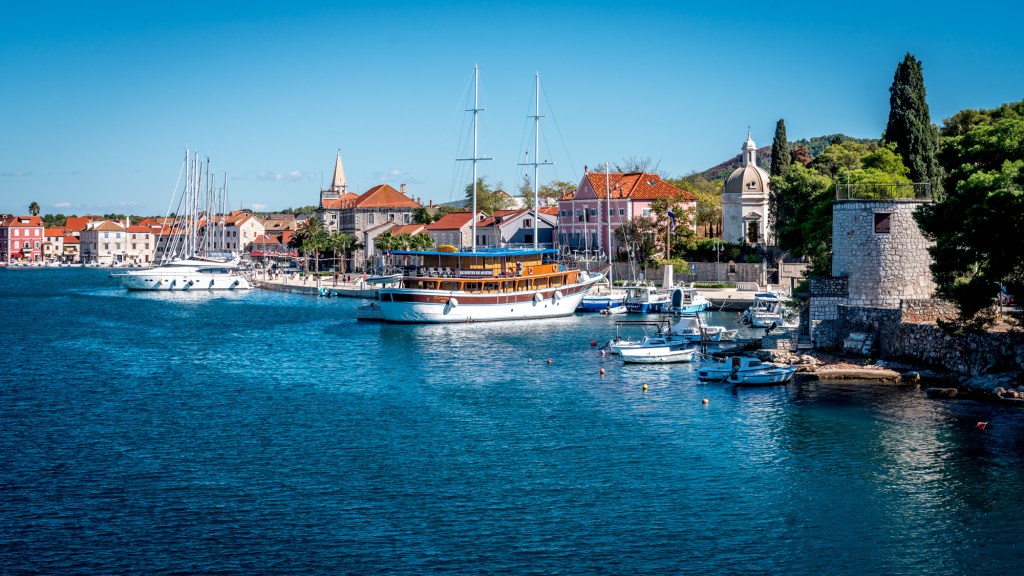
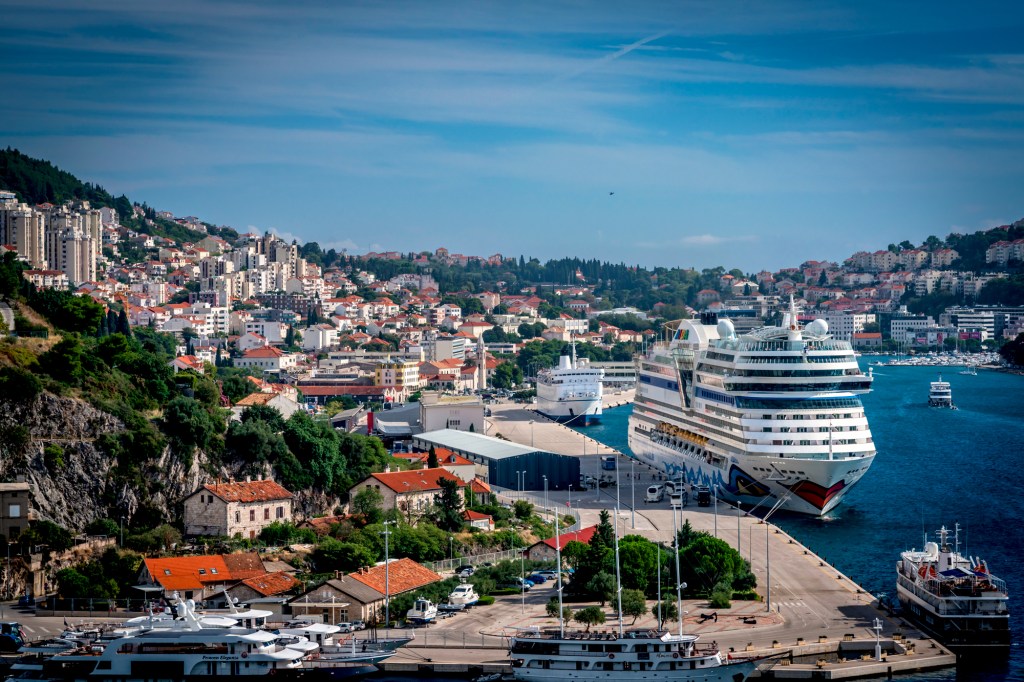
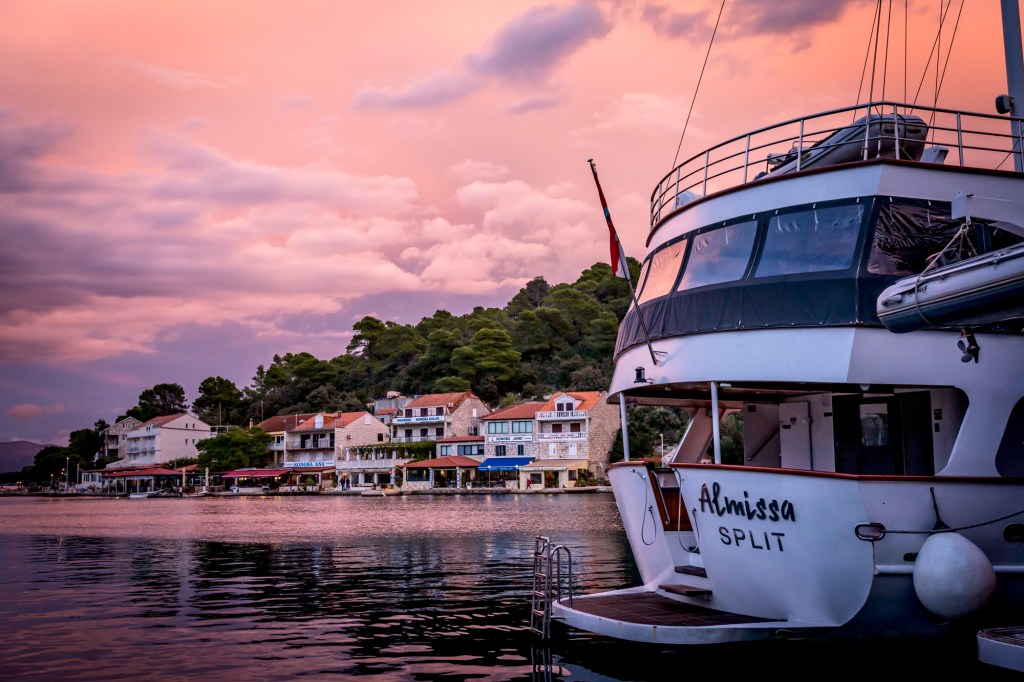
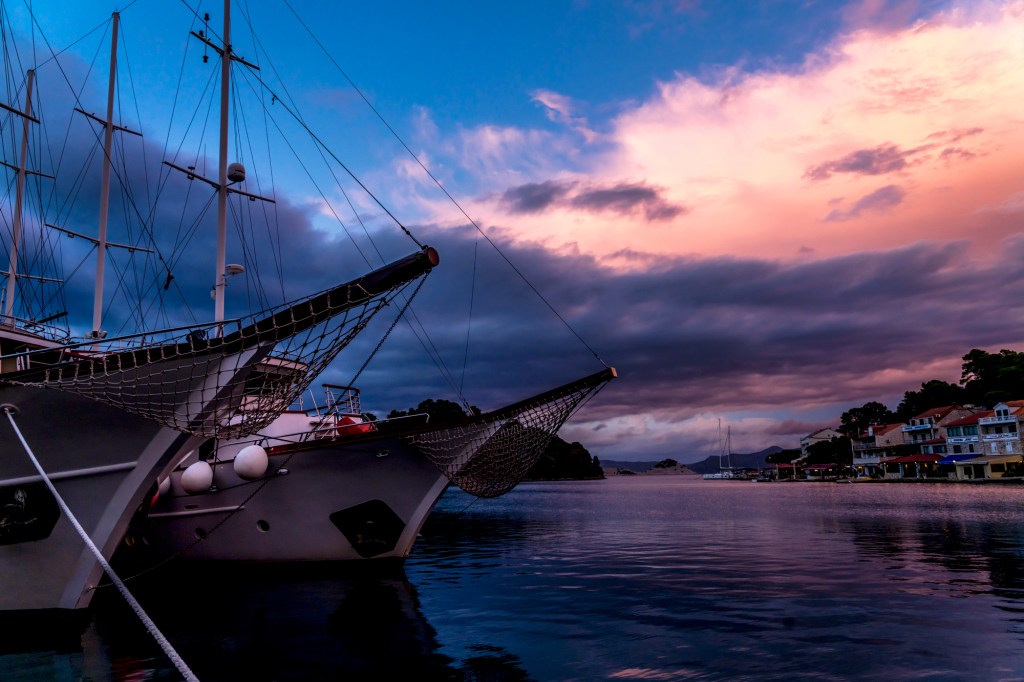
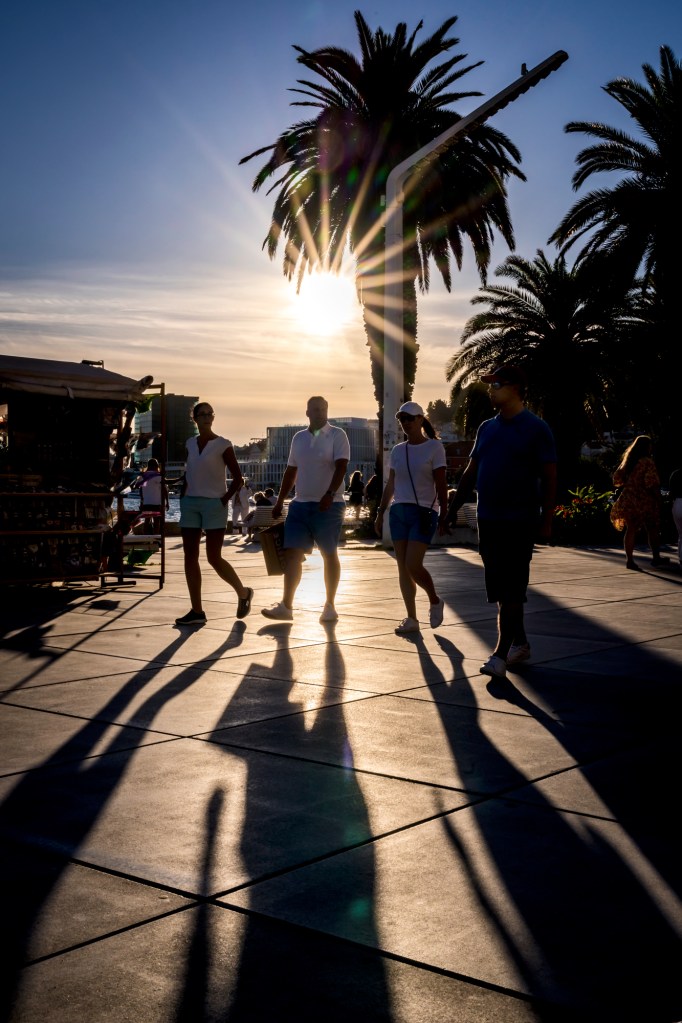
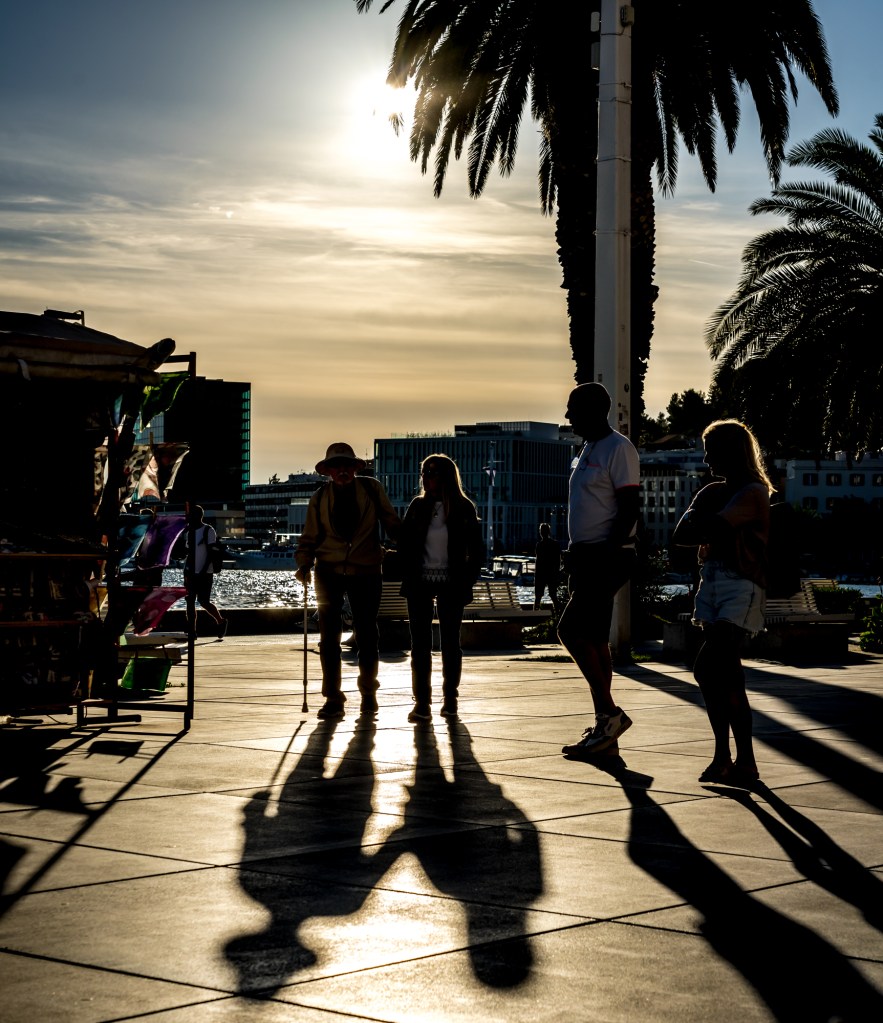
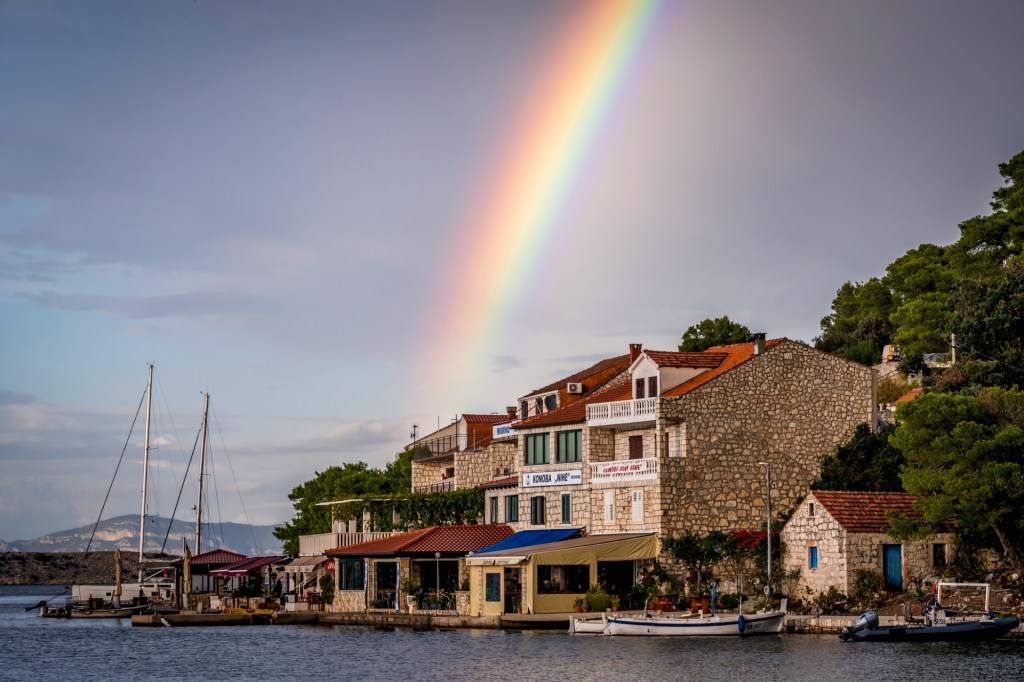
A little over a month ago, I did a cruise around Croatia which was quite unforgettable! All the gorgeous little islands and towns are now a total blur, especially since the program changed daily due to the weather conditions, but we visited Split, Dubrovnik, Trstnenik, Mljet, Hvar and Korcula. The weather was not at its best the first 2-3 days, but cleared up and we got 5 days of Adriatic Summer! We have traveled with Albatros Travel before and are now used to the Not So Big & Fluffy American Towels and the spartan cabins and can truly enjoy the guides and the excellent service!

Château de Danemark

Watching History in the Making!

Nobody knows for sure when Danes discovered wine. The Vikings had what we would call wine goblets, but did they use them for wine or mead? I personally think that they did drink wine after all their travels (after all, they settled in Wineland in today’s Canada!), but since they did not document their daily lives, we just cannot know.

We first read about wine in 1269 in the town of Ribe where rules are created about how much to fine if an establishment served too much or too little to a patron. After this, wine would be bought in large quantities from Germany by various Kings. However, no wine seems to have grown in Scandinavia for thousands and thousands of years.

In the 80s and 90s, a few not so successful wineries started popping up. Today, Denmark boasts 100 professional wineries spread out across the country.

Needless to say, climate change is a huge factor for this new development, but several wine makers are of the opinion that Denmark should have started making wine much sooner. The secret is choosing varietals that can live with the relativ lack of sunshine and that will survive without nasty pesticides which are not allowed in Denmark (hurrah!).

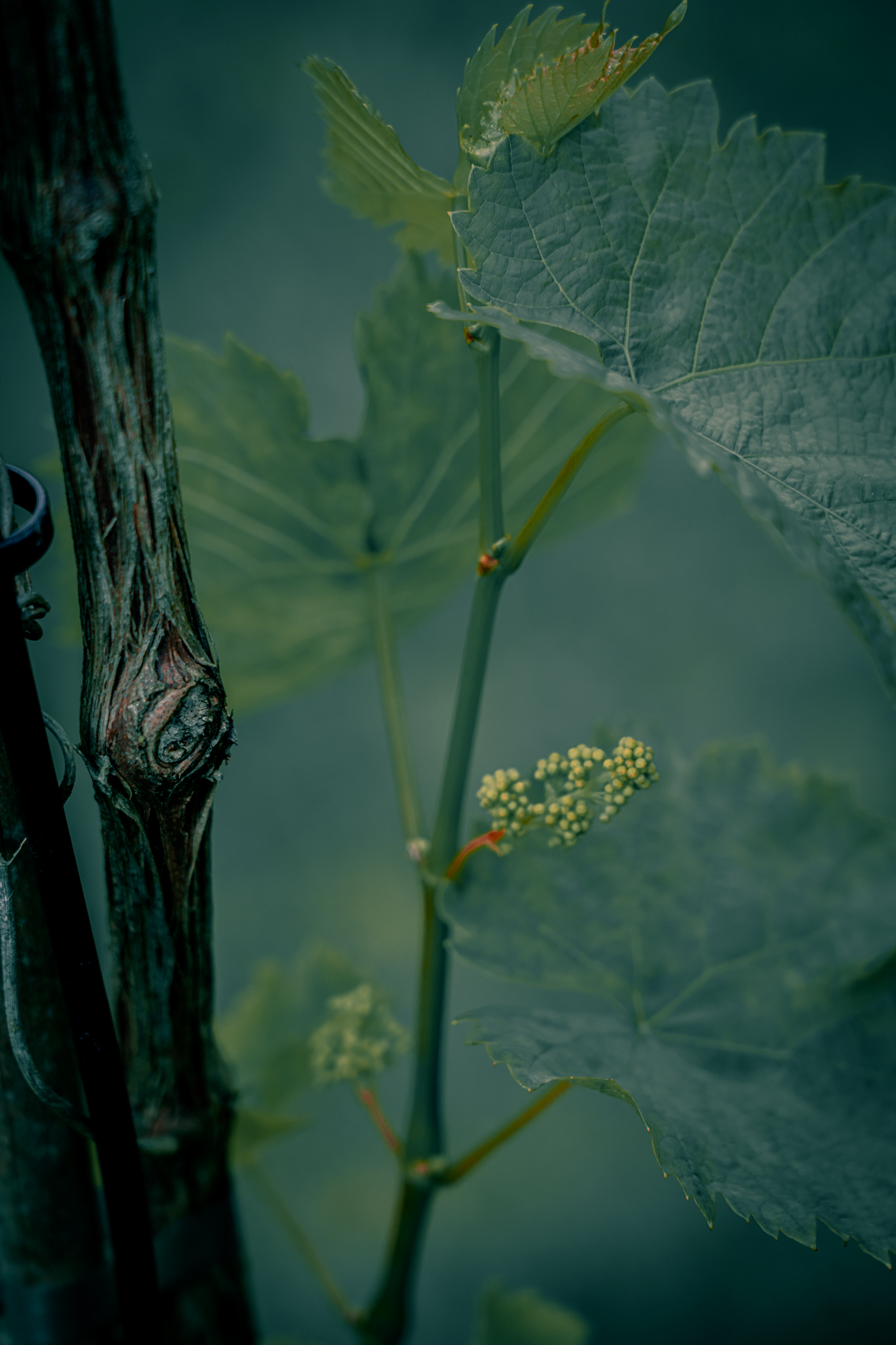
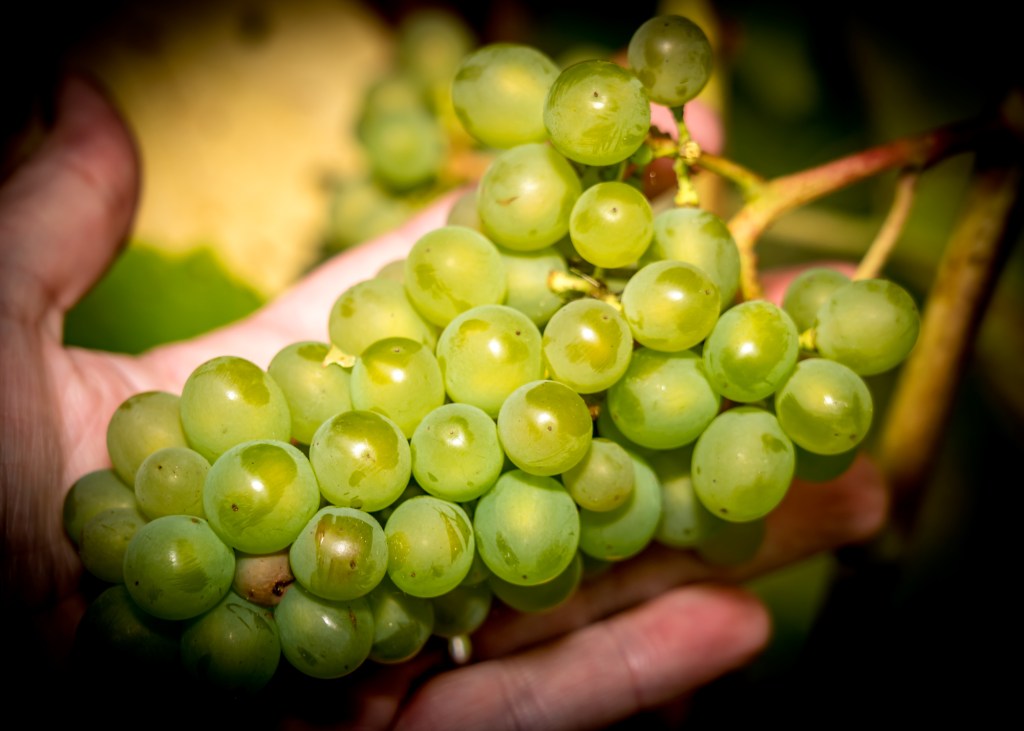
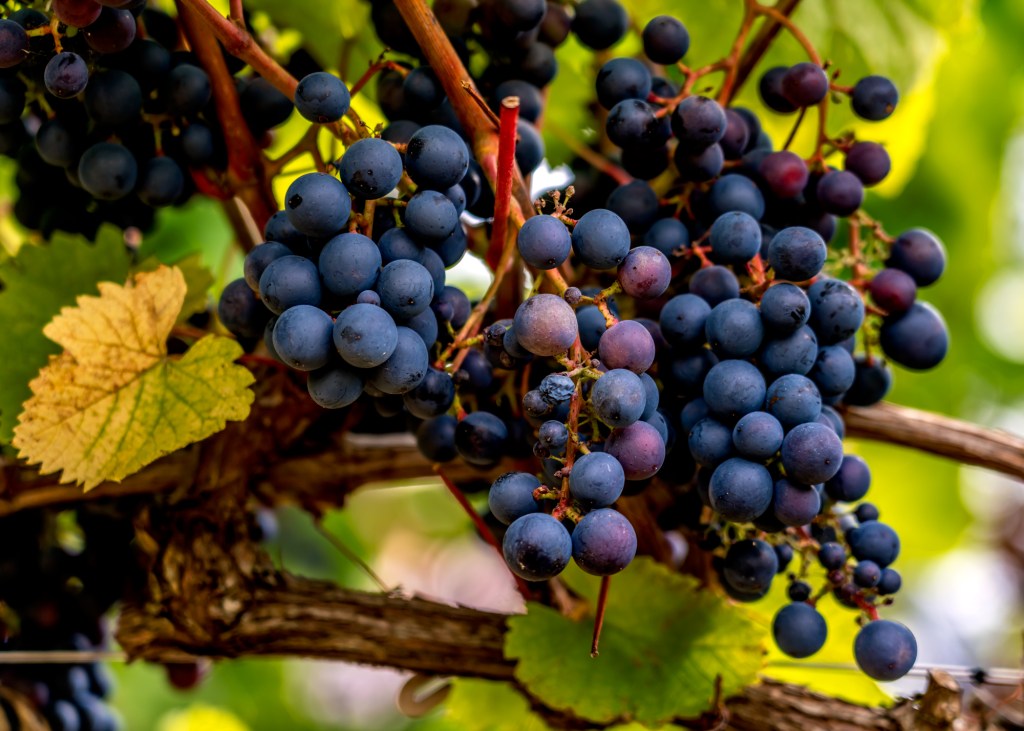
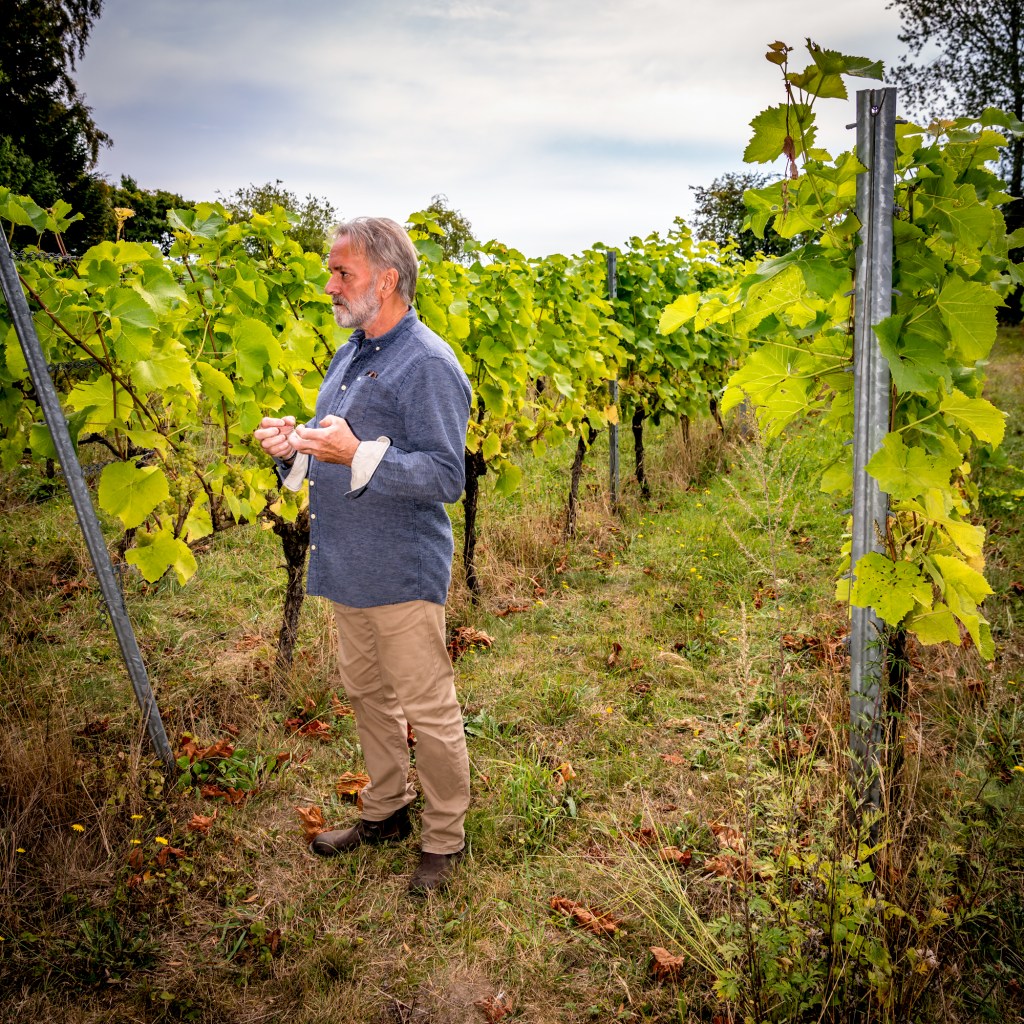
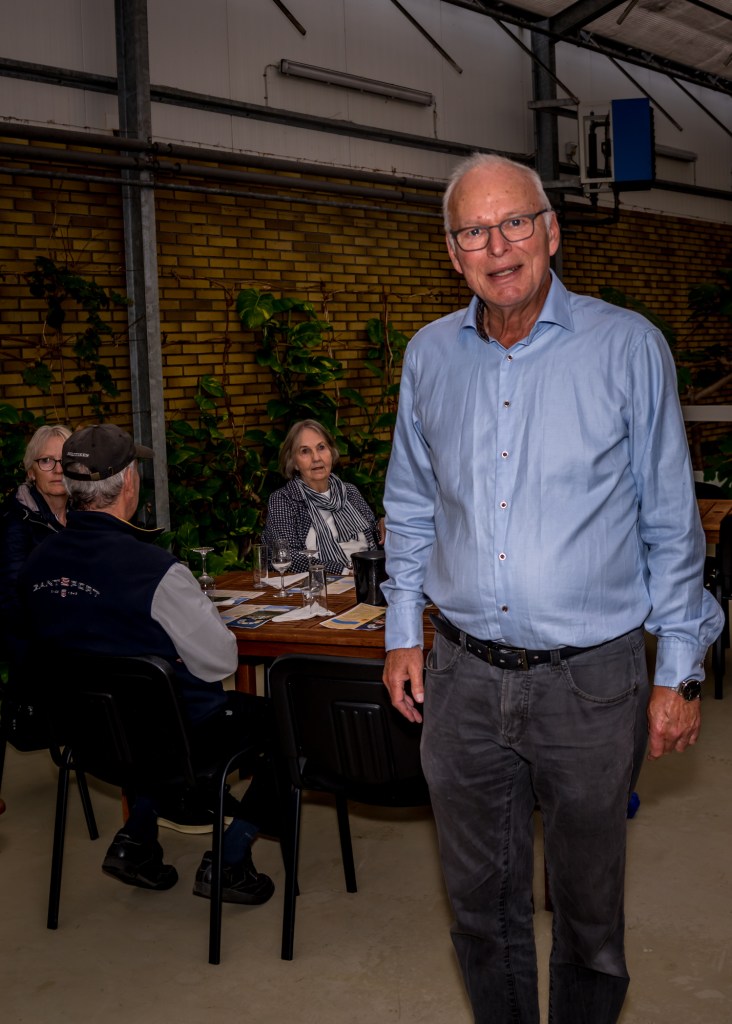
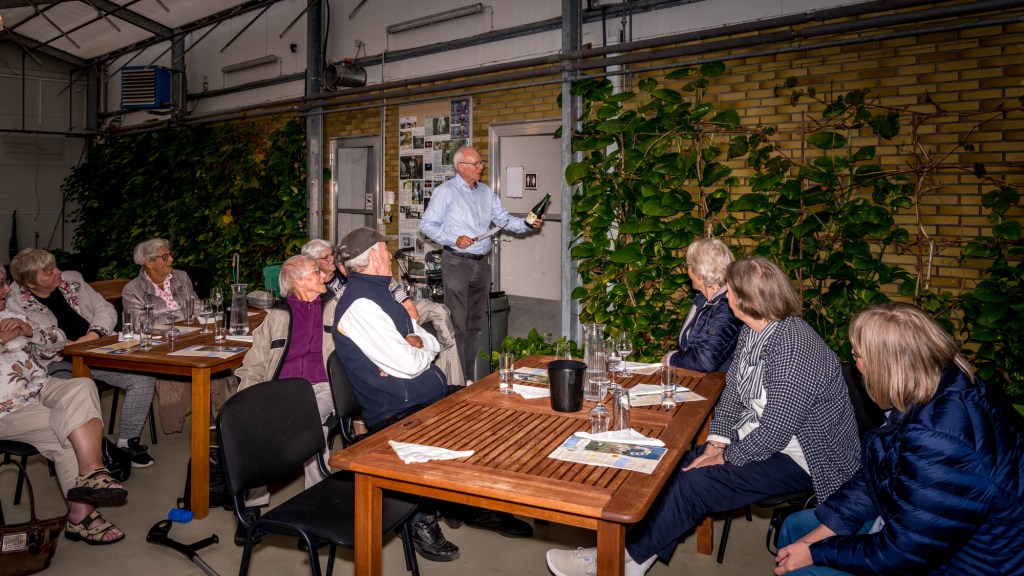
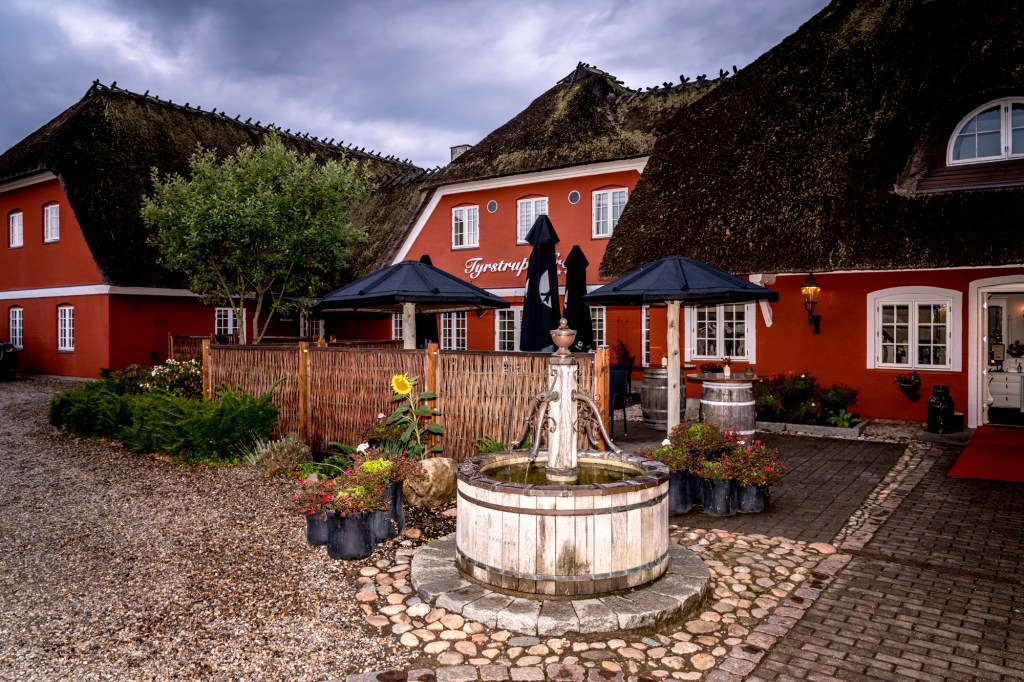
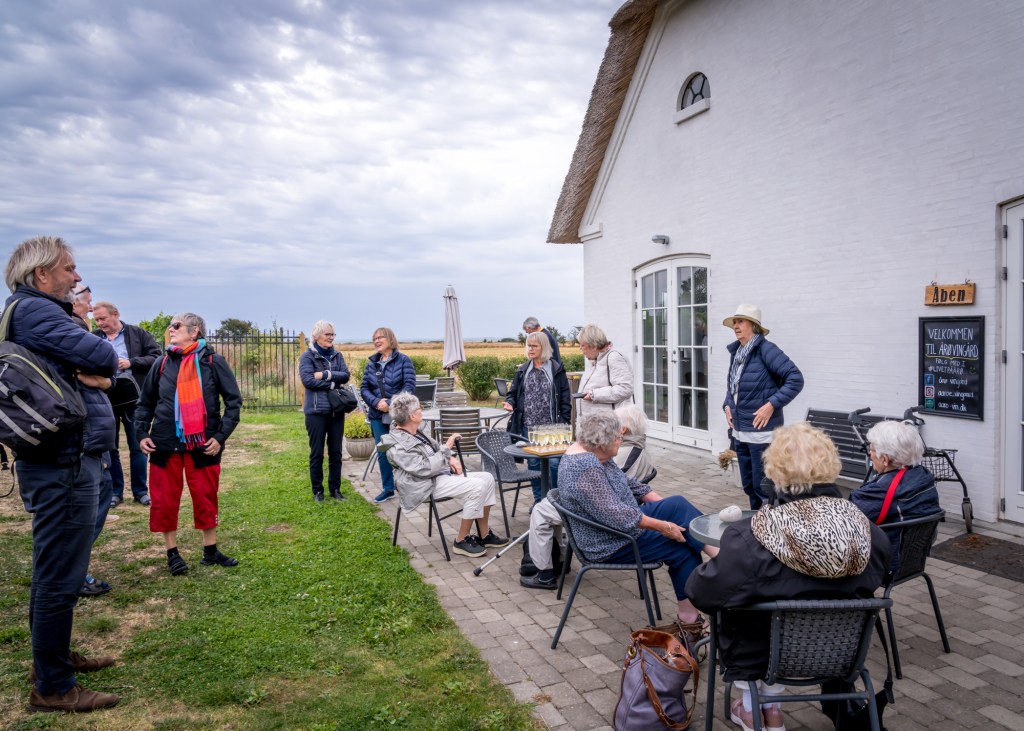
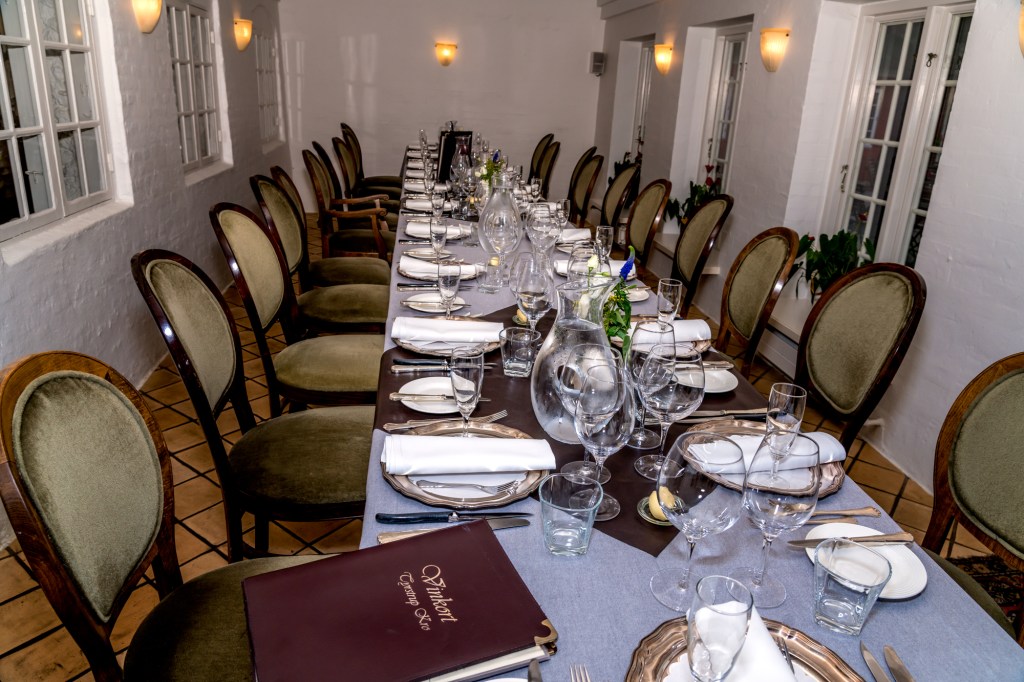
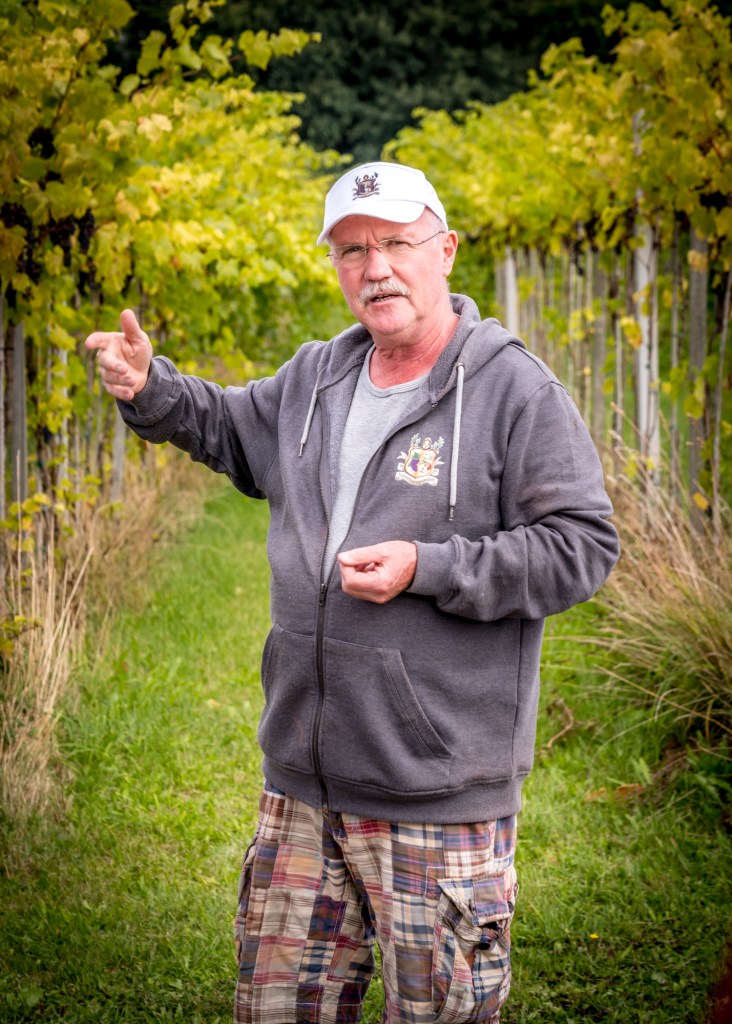
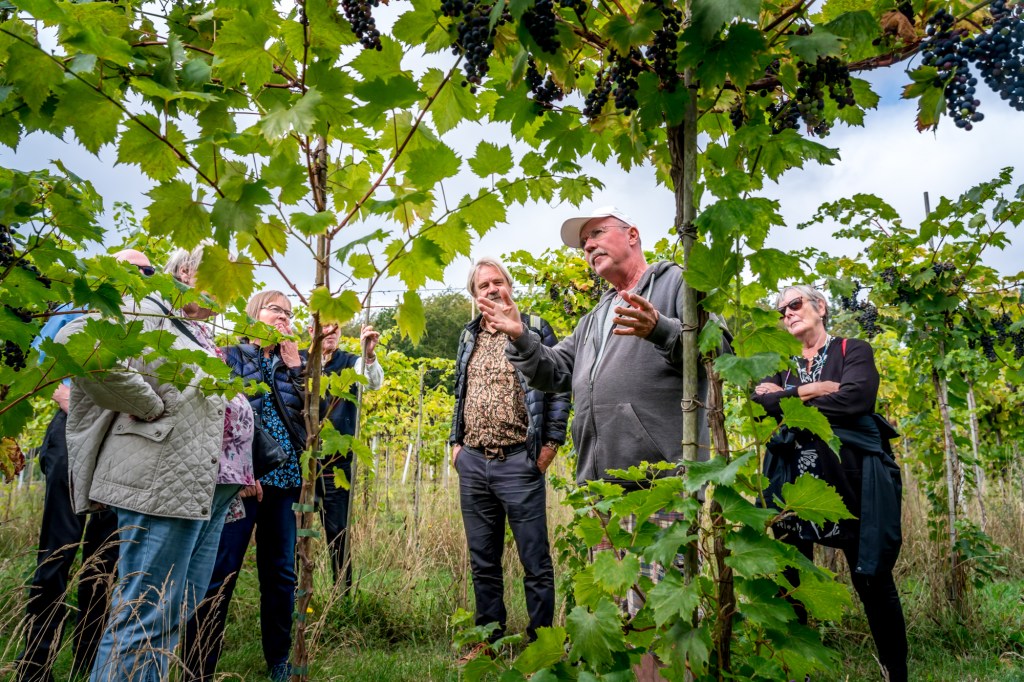
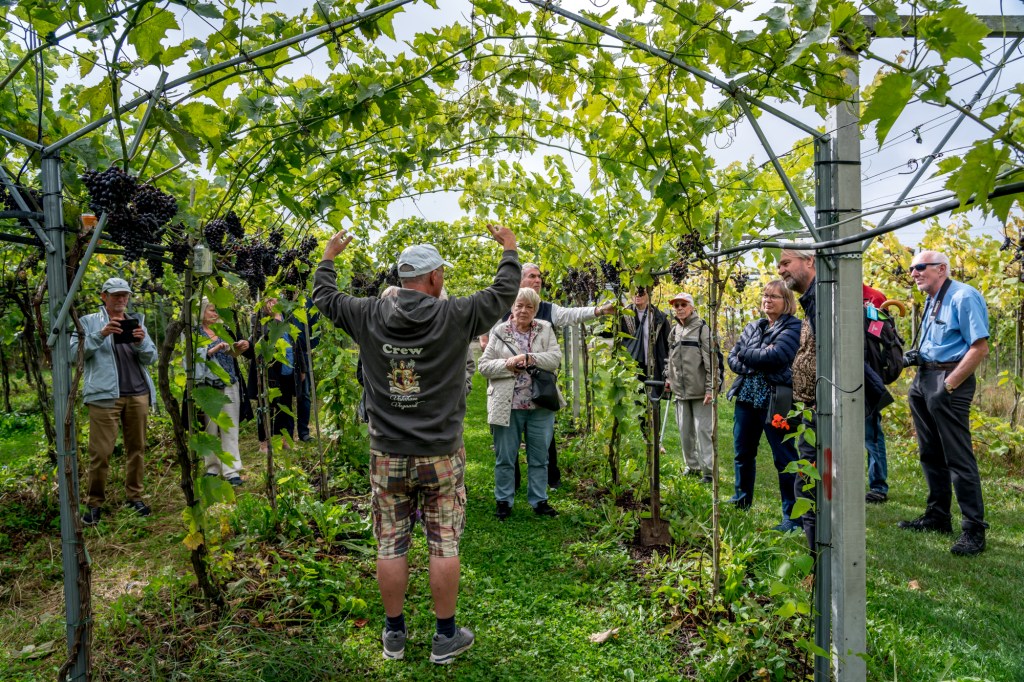
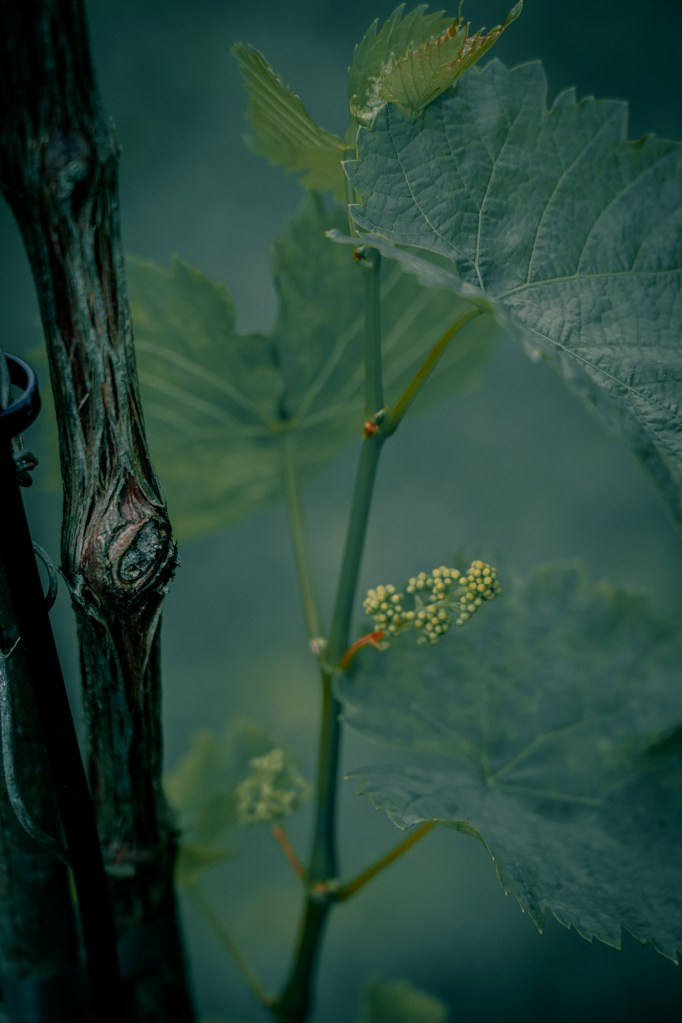
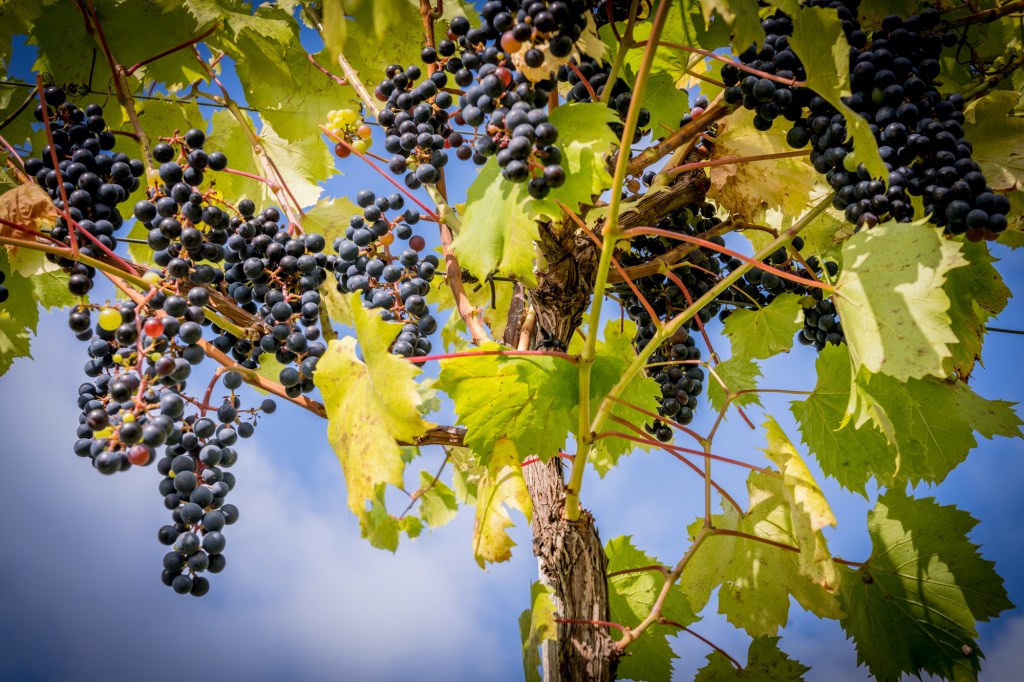
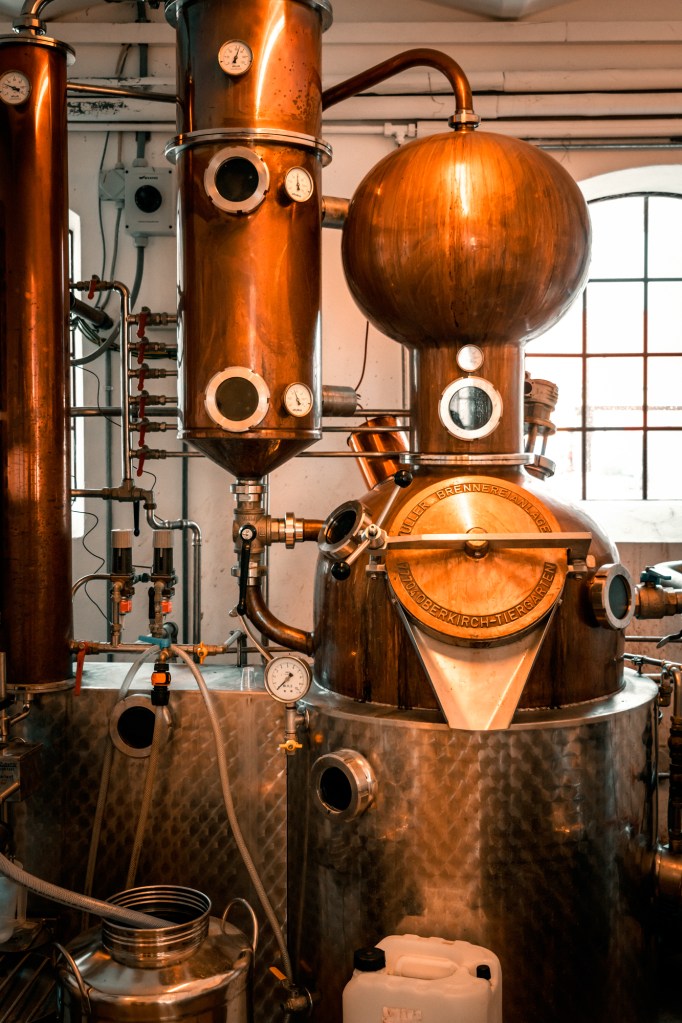
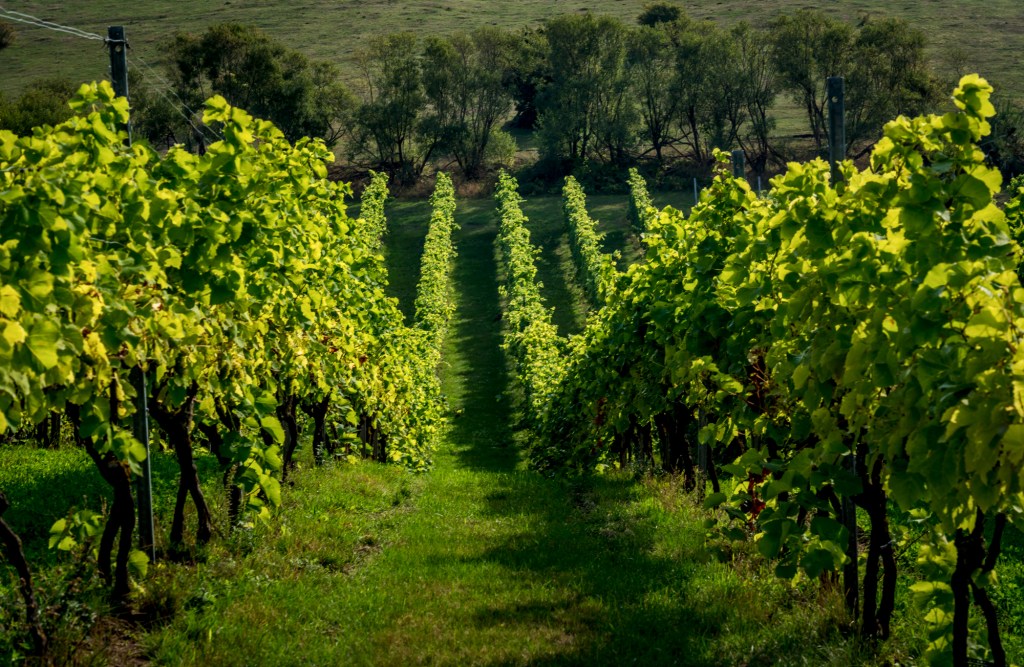
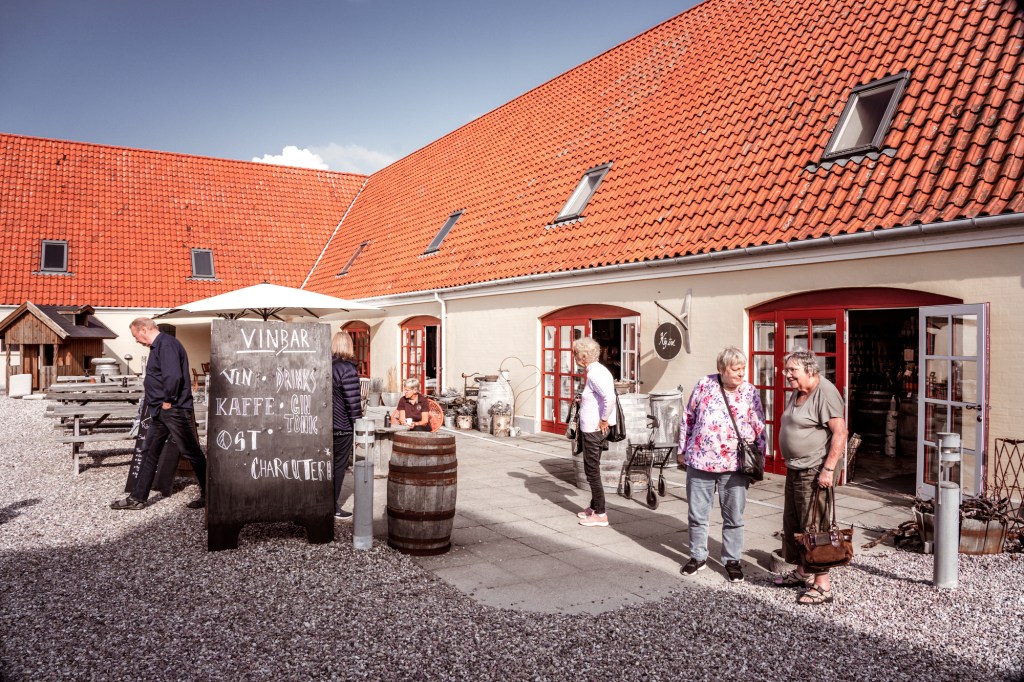
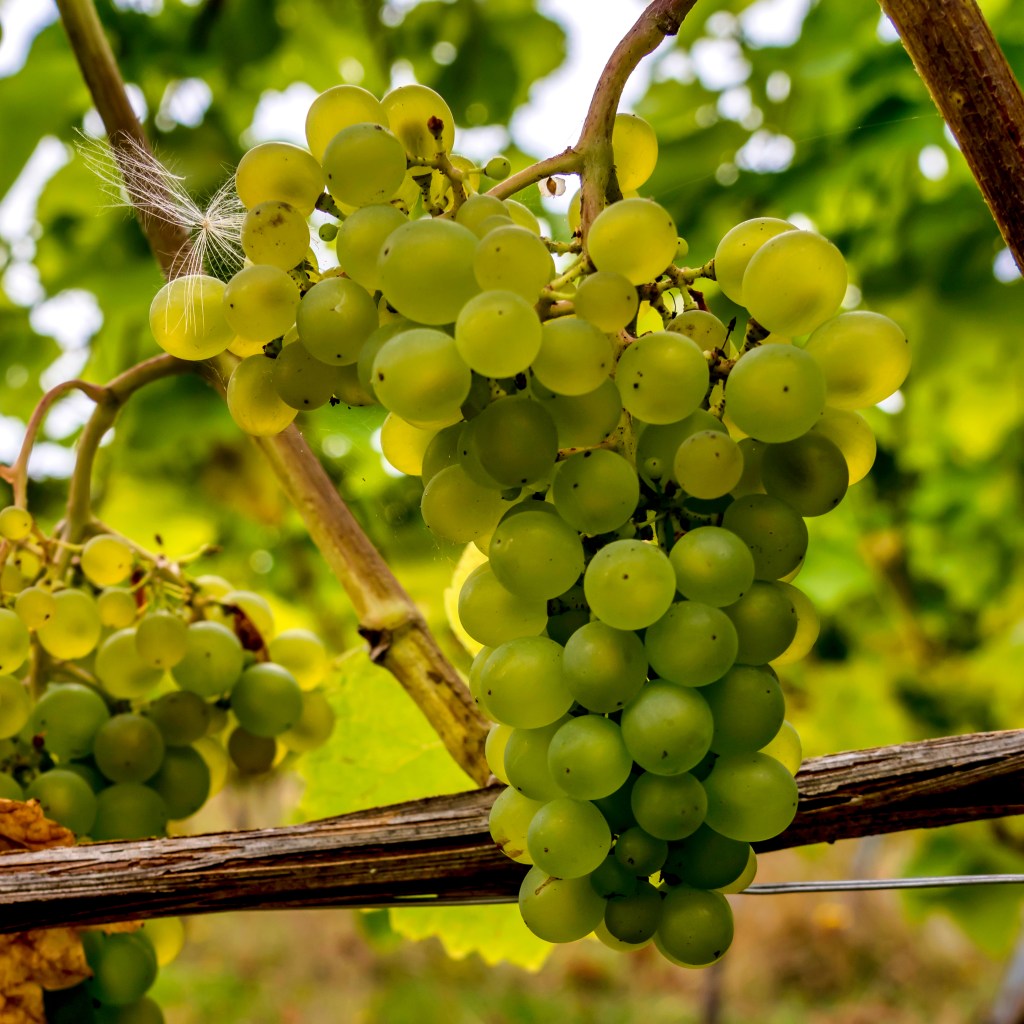
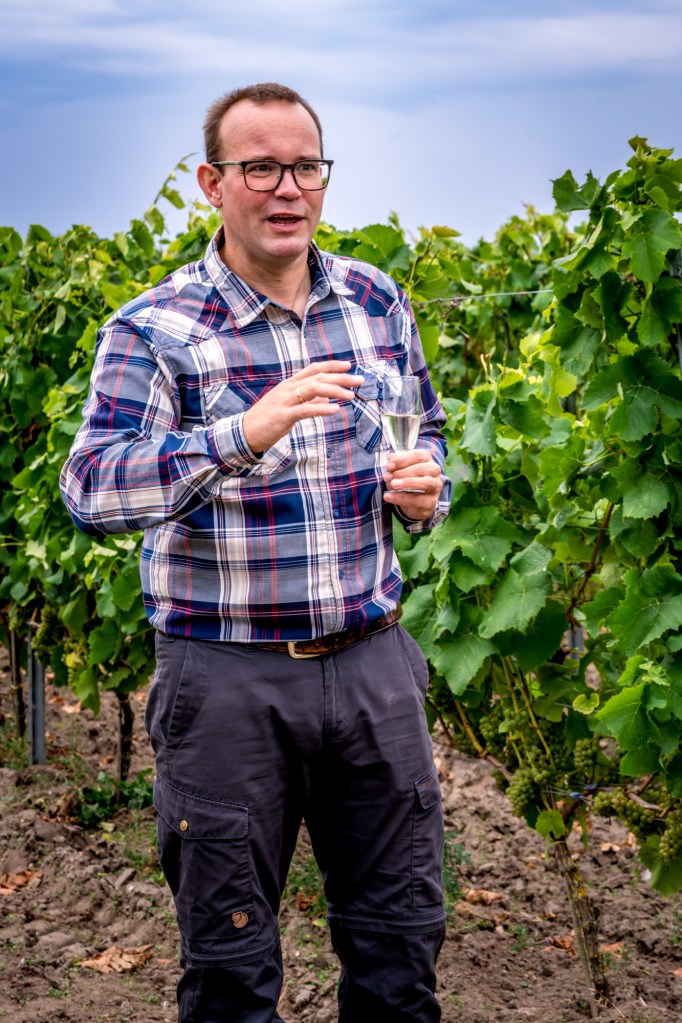
We embarked on a three day tour of 5 vineyards arranged by Vagns Kulturrejser i Danmark (Vagn’s Cultural Trips in Denmark), https://vagns.dk and I will have to admit that my life in Bordeaux and California did not create any particular expectations with regards to Danish Wineries! I was dead wrong. Instead, I discovered a highly technical and scientific world and lovely wineries that are able to cater to large groups, tastings, food pairings AND that receive international accolades and trophies in major tastings.

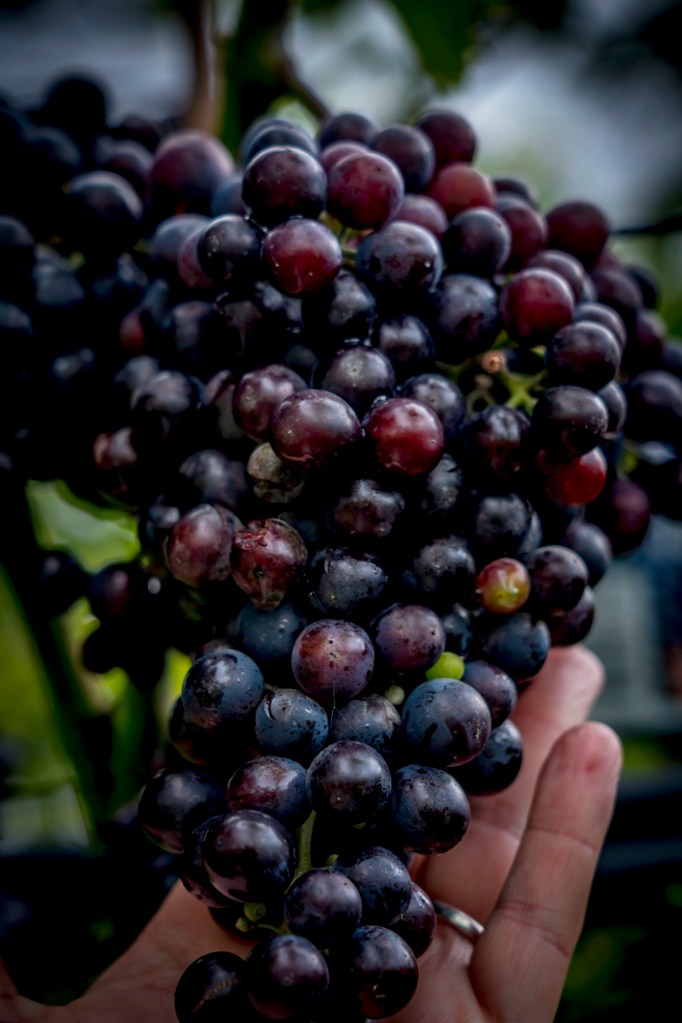
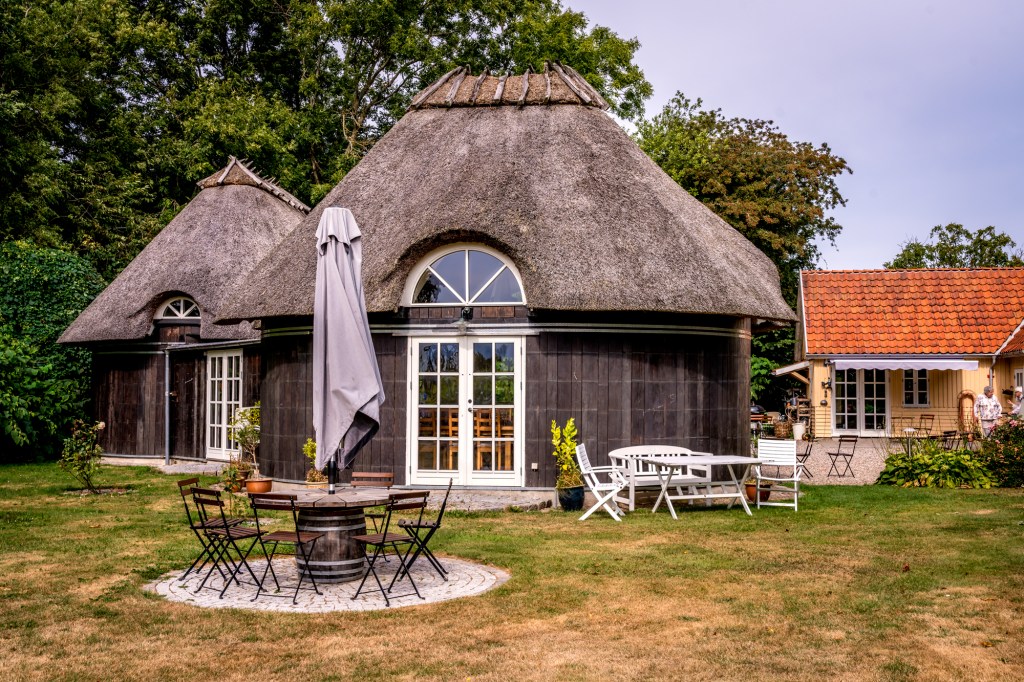
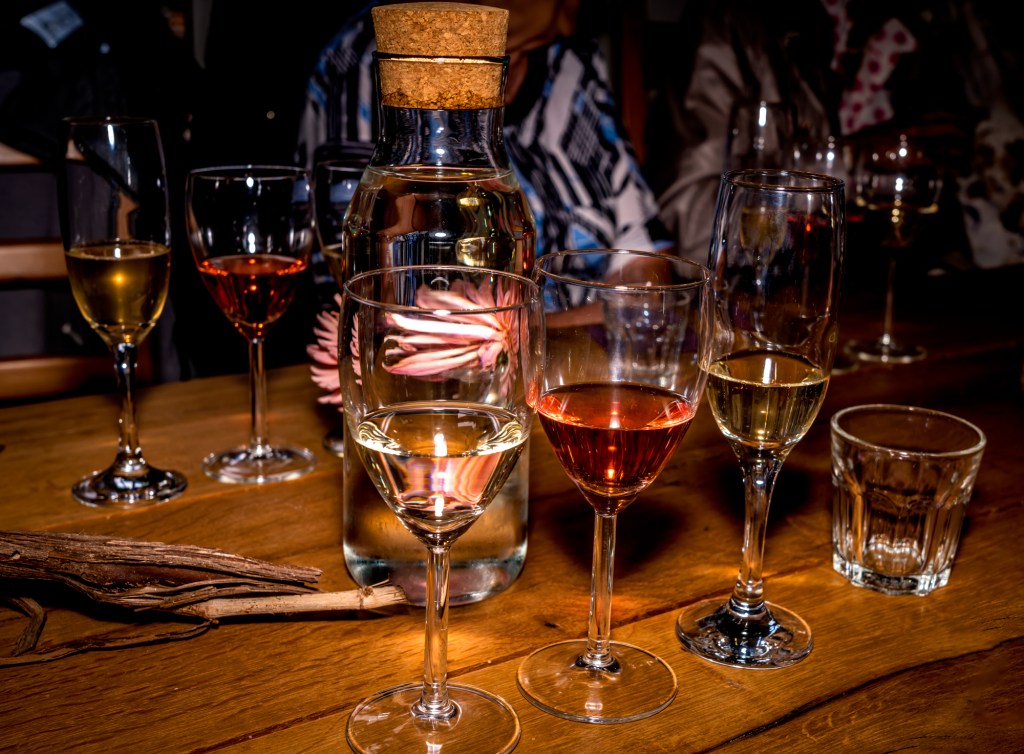
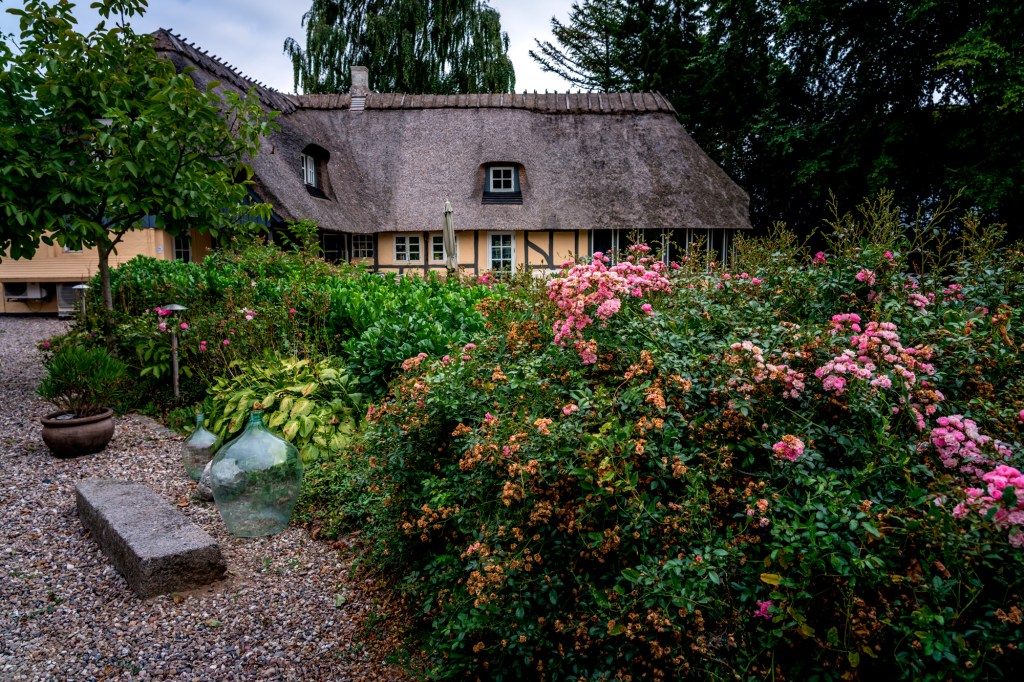
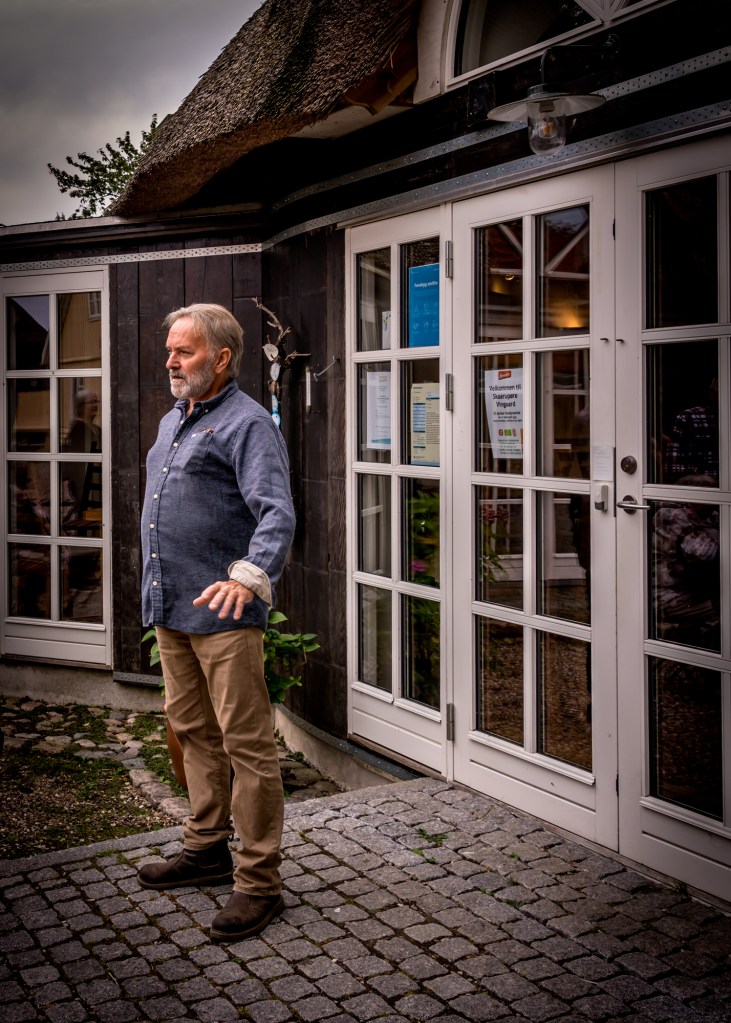
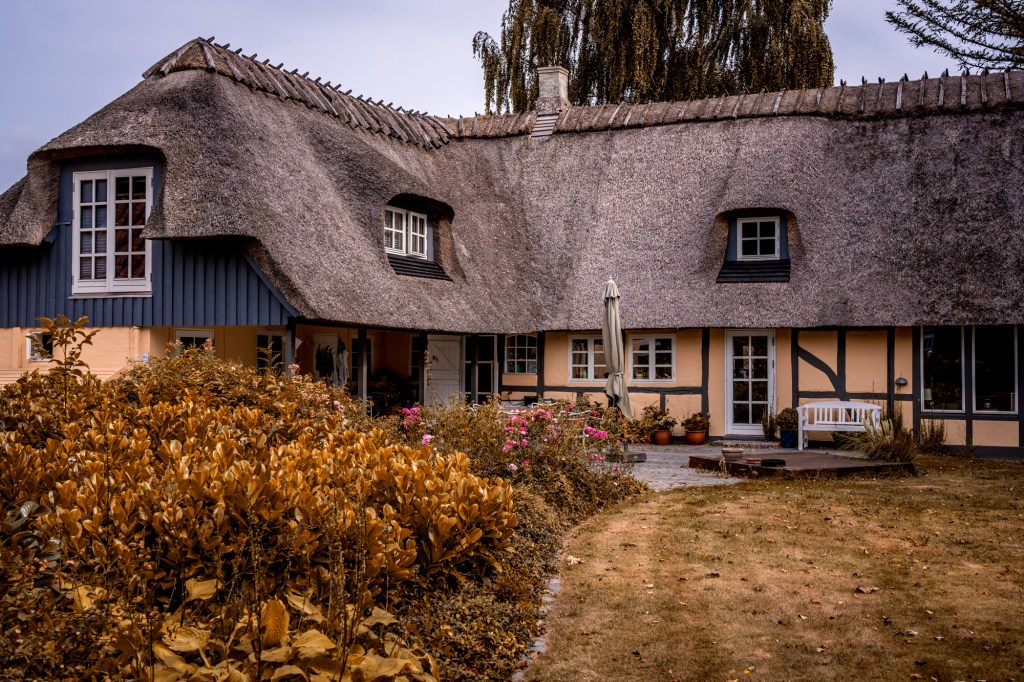
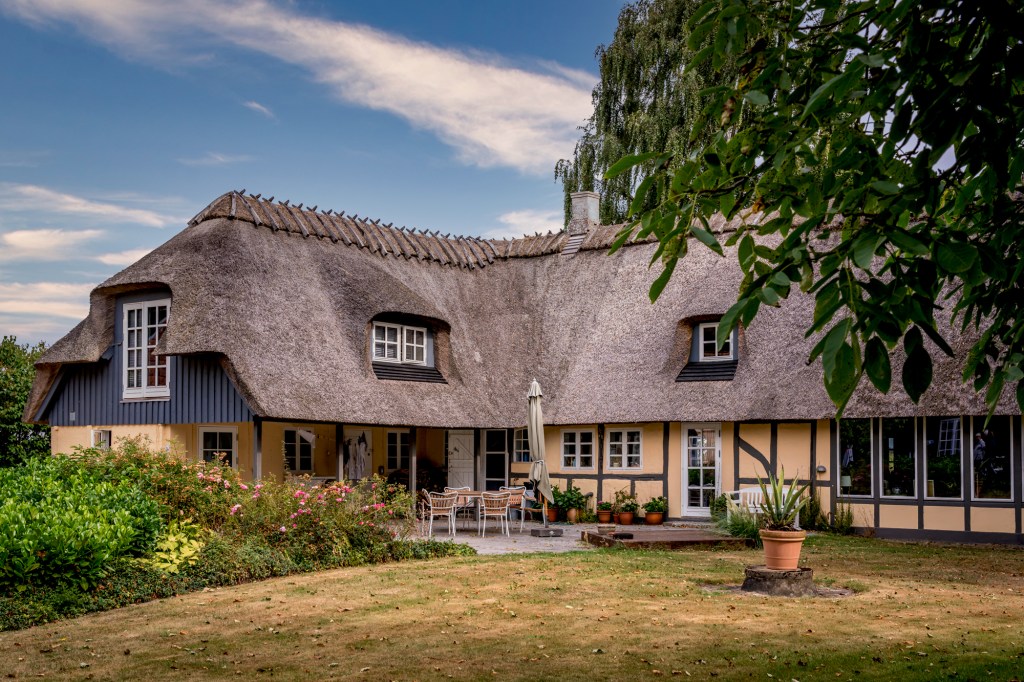
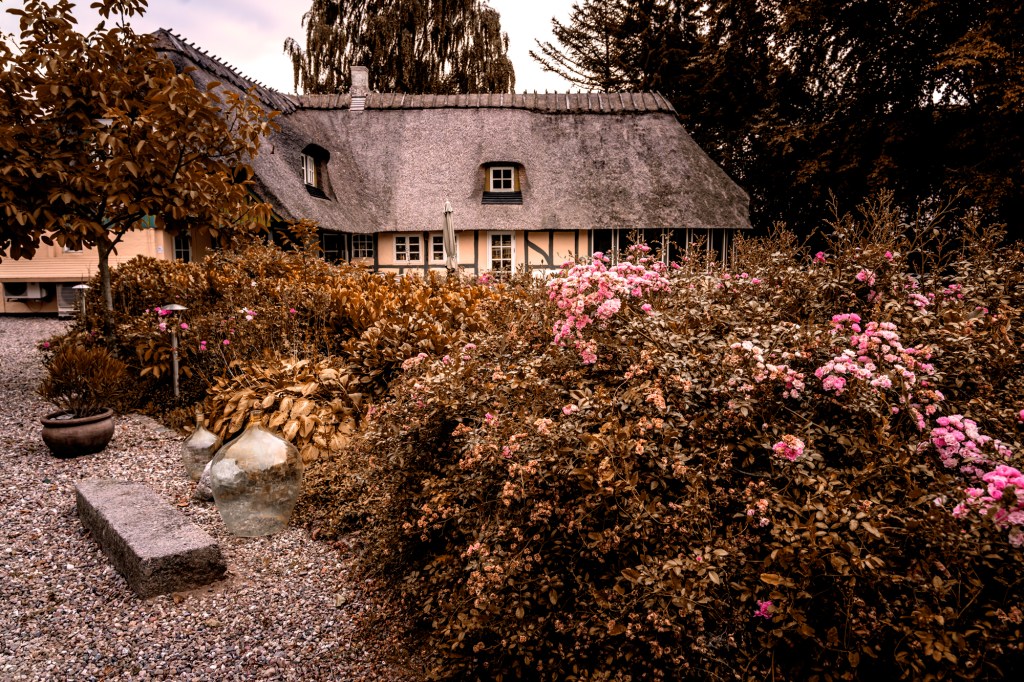
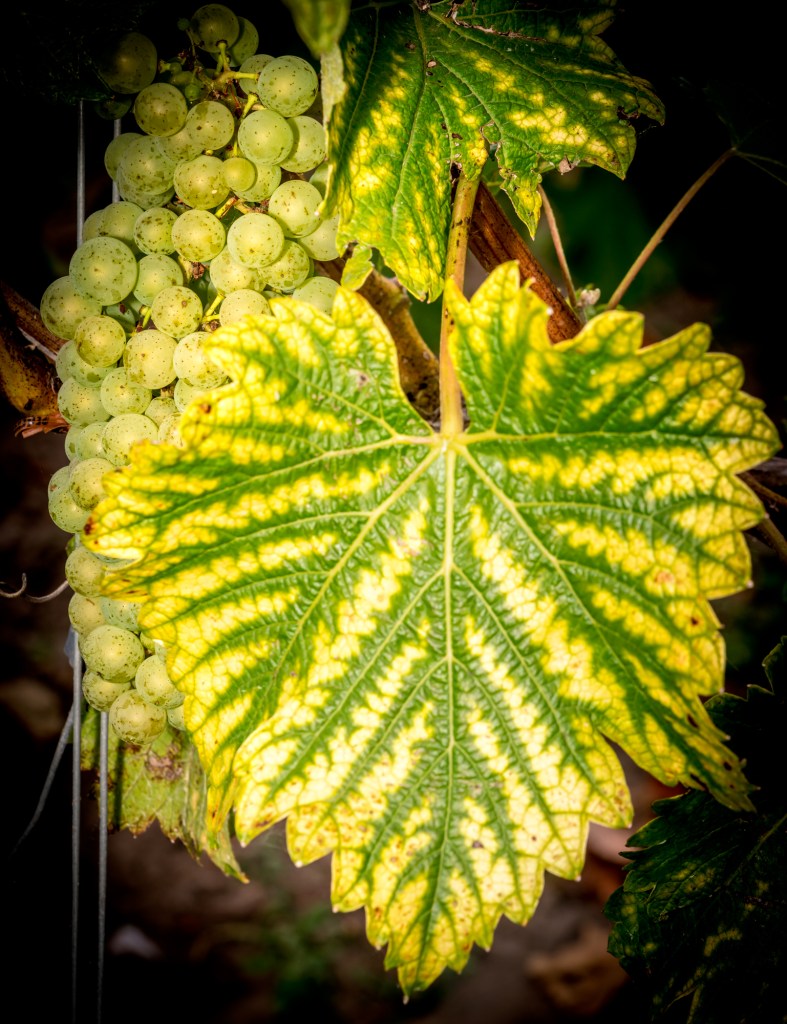
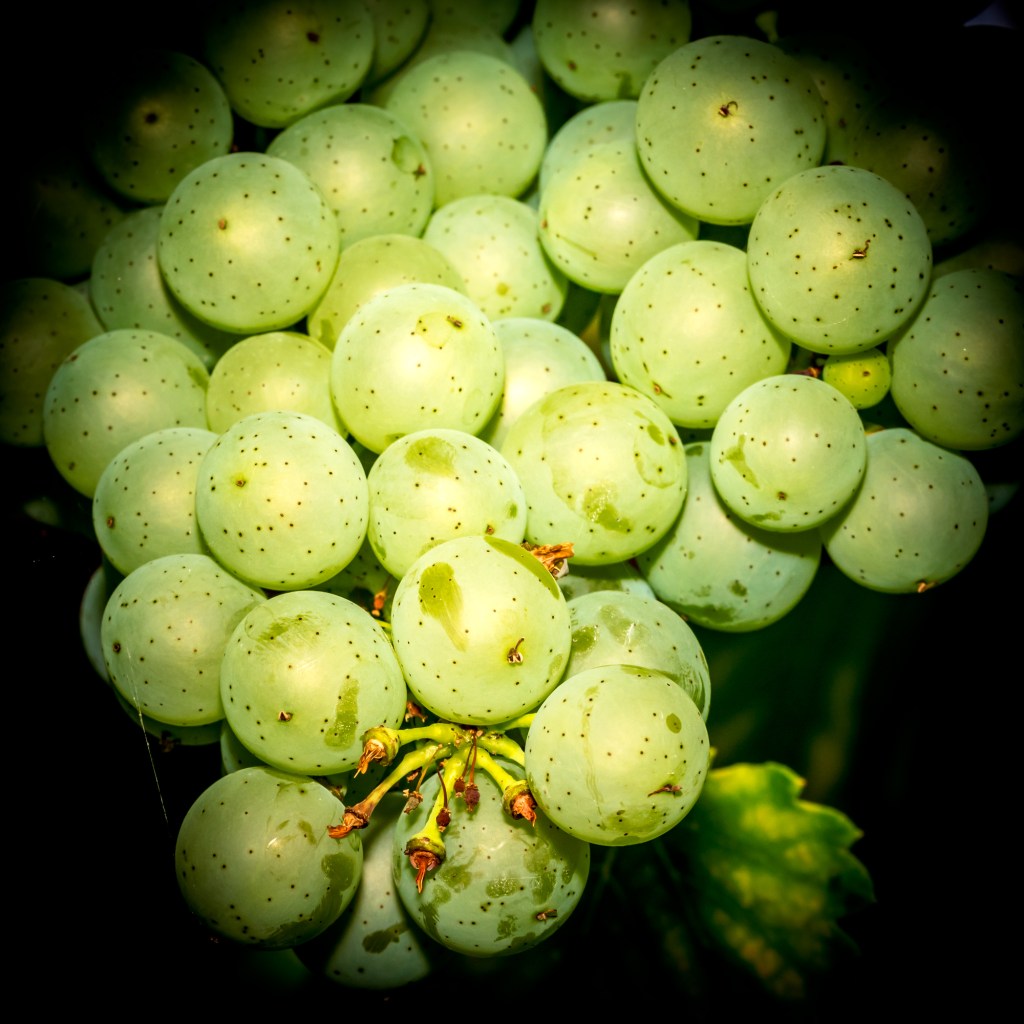
The following pictures are from the following vineyards:

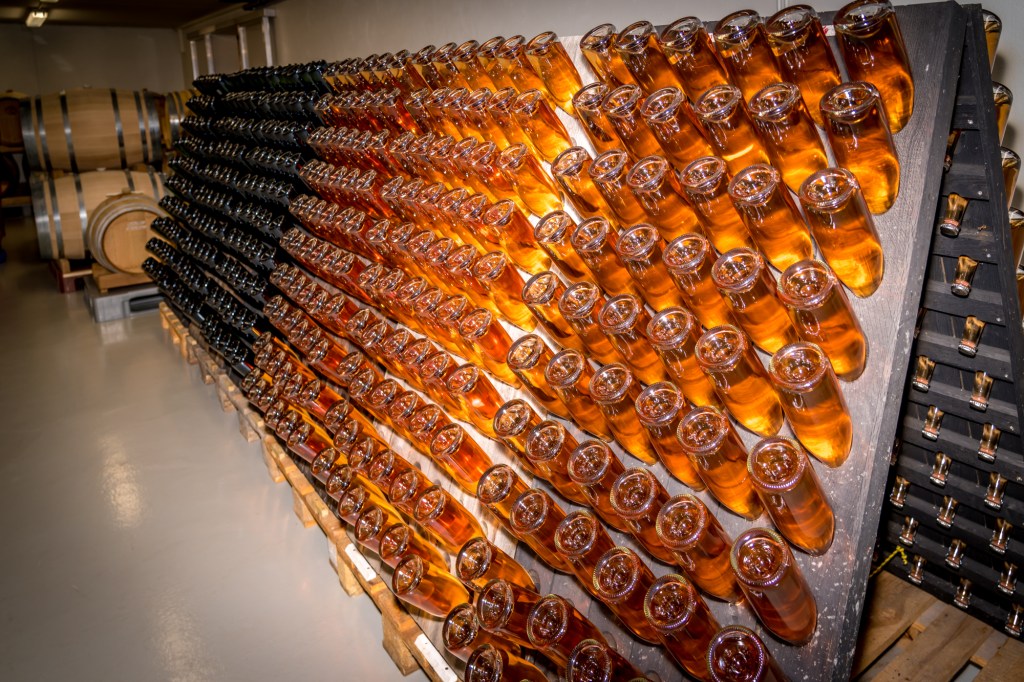
Skaarupøre Vingaard: Lovely organic winery located in Skårup on the Island of Fyn offering Bubbles, Rosé and White, as well as some fortified wines.

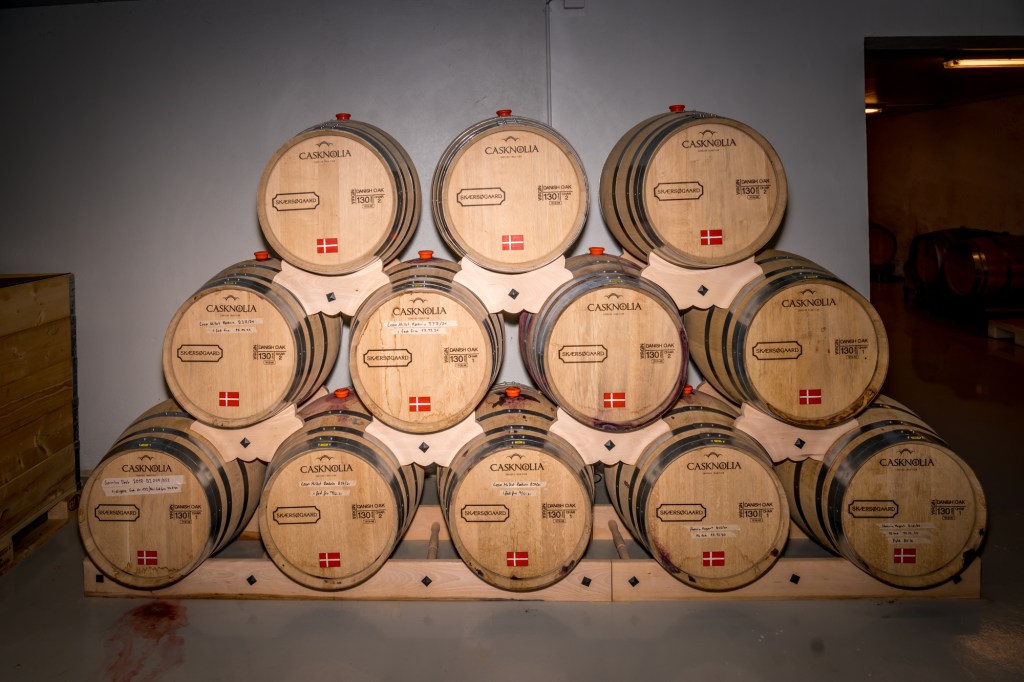
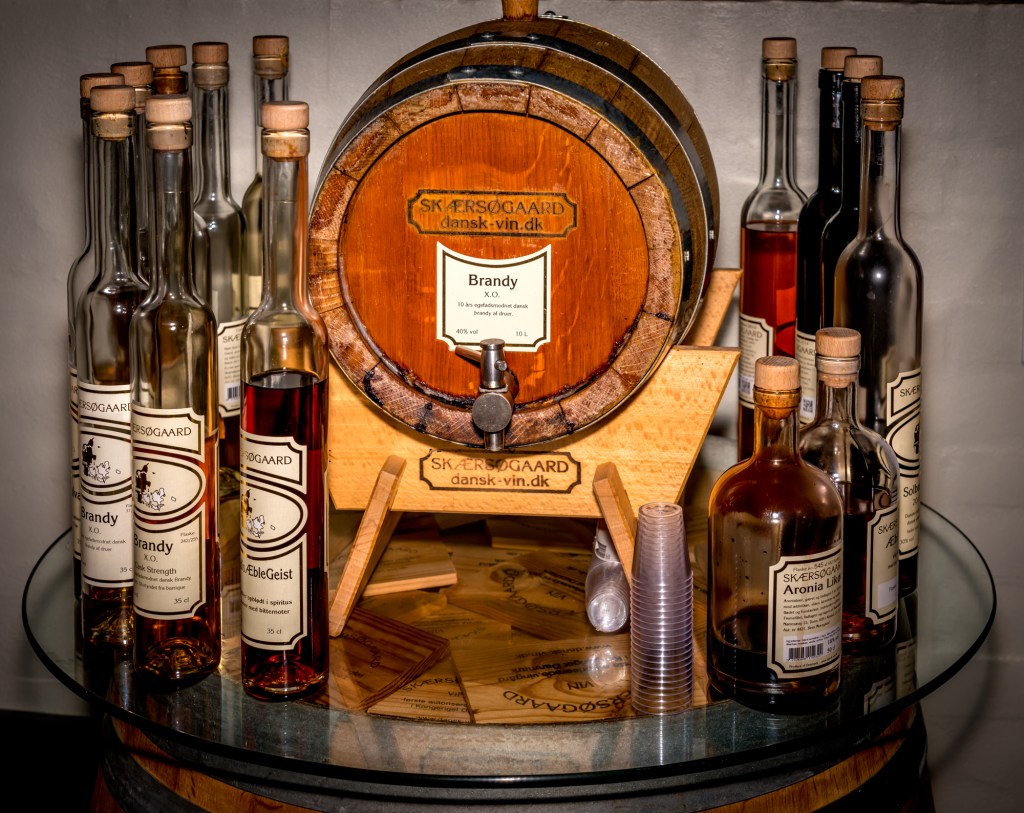
Skærsøgård Vin: The only wine with an appellation in Denmark (Dons) and the most awarded winery in the country with 126 Danish medals and 115 International ones. Located near Kolding in Jylland offering the same typical Danish wines.

Årø Vingård: Located in Southern Jutland on the tiny island of Årø offering the usual Bubbles, Rosé and White, but also red and fortified wines. Don’t miss the “Flammkuchen” (Alsatian pizza simplified!) that come with the tasting!

Vesterhave Vingård: We are back in Zealand in the adorable town of Karrebæksminde way down south, only it feels more like tasting Amarone in Italy! Whoever said that Denmark cannot make red wine is just wrong!

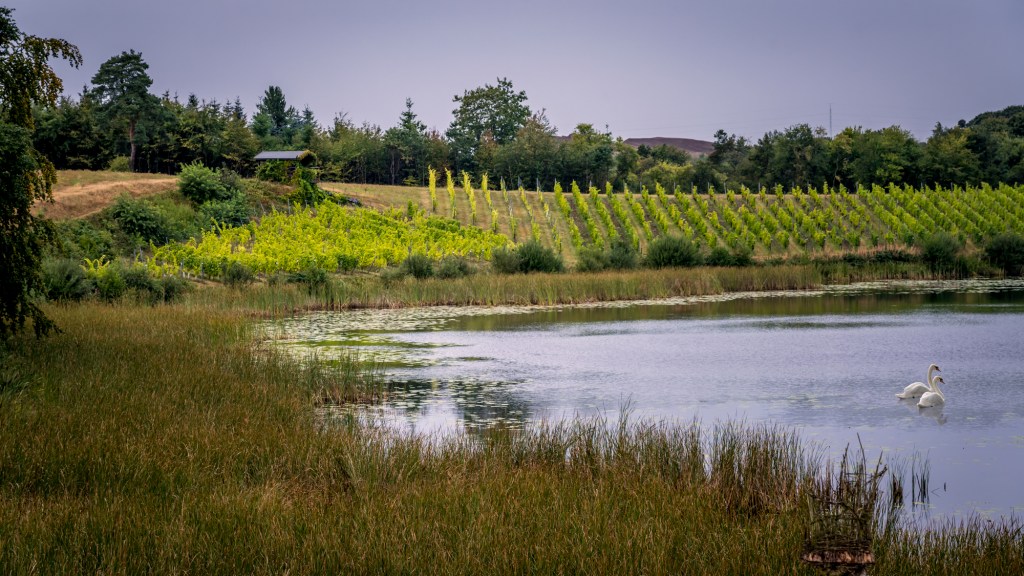
Dyrehøj Vingård: Denmark’s largest vinery with 50,000 vines spread across 4-5 parcels and the only winery on a slope that I have seen so far in this flat country! An impressive production of bubbles, rosé and white, but also gin, rum, fortified wines, liqueurs etc.

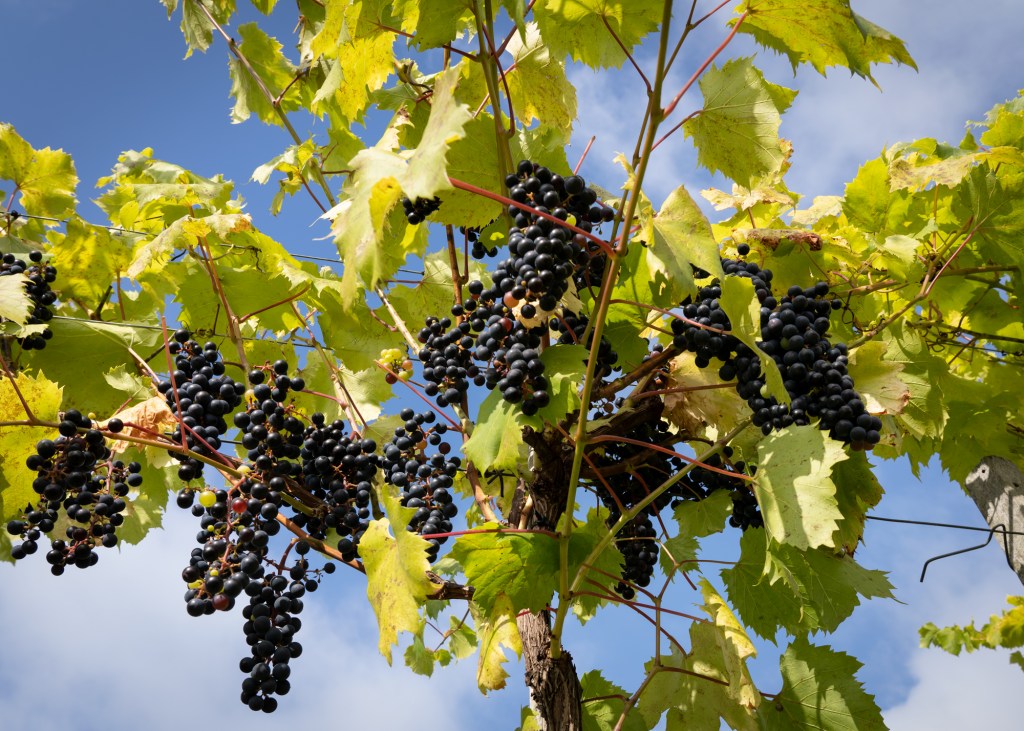
Grapes in Denmark are: Rondo, Regent, Leon Millot, Boleo, Cabernet Cantor, Cabernet Cortis, Castel, Solaris, Souvignier Gris, Orion, Zalas Perle and Riesel, all from Germany, France and Hungary.

A very special thank you to Vagn Olsen for organizing a perfect trip with wonderful wineries, food, hotels and stories, and to Alex, our fearless driver from Løvschall Bus.

Next adventure: The Vineyards of Sweden!

Skål!

Moving to Sweden!

After nearly two years of living in Copenhagen, I am finally moving to Sweden! It has been the plan since 2018 and unfortunately could only happen with the passing of my father in May. Needless to say, it is all very bittersweet and, much to my surprise, Copenhagen will be sadly missed! I am not too worried about it, though, as I plan to go back and forth at least four times a year!

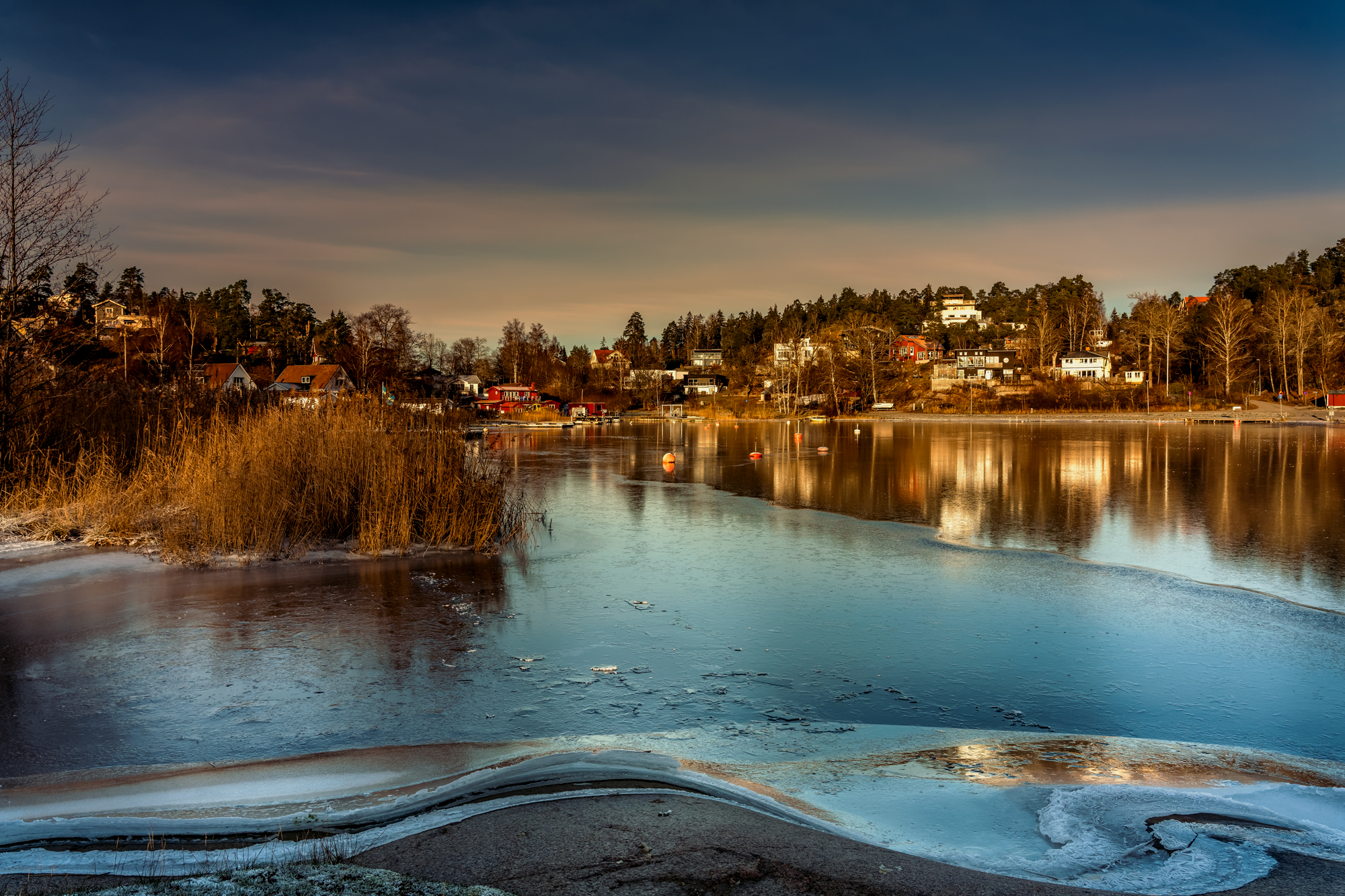
I have moved into my childhood home and it is such a wonderful feeling! When I was a child, there were so many more trees and we never saw the Baltic Sea, but a lot forrest management has revealed a view that I will never tire of!

Here is a preview of what awaits me and I plan on doing a lot of exploring and road trips!

Her Majesty the Queen visits Frederiksberg!

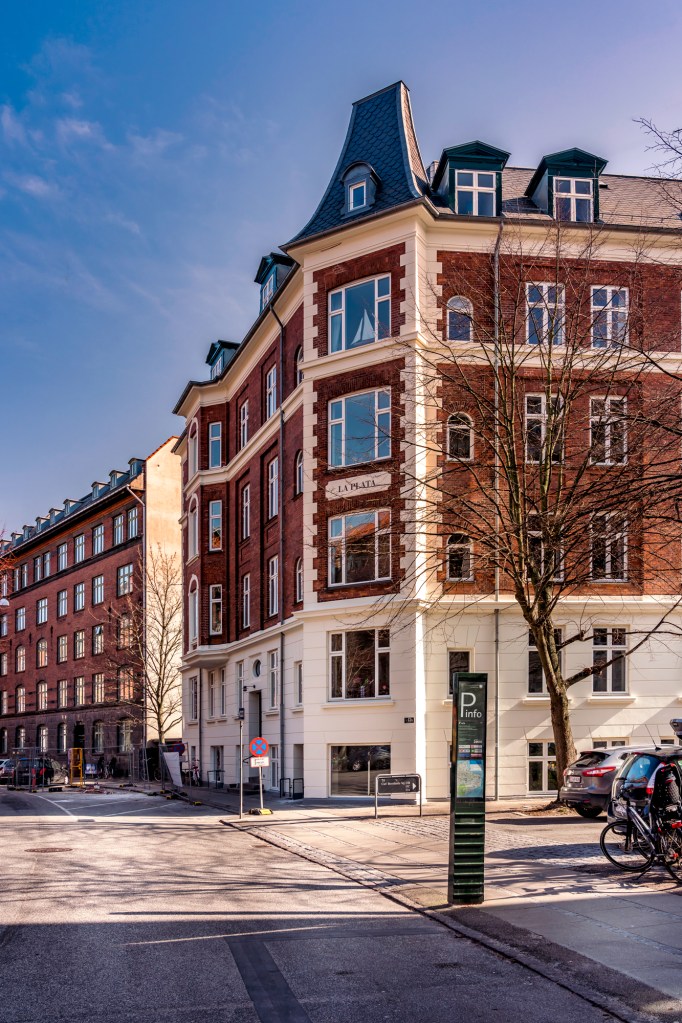
Frederiksberg is where I have been living since the end of 2020. Most people think of it as a part of Copenhagen, but it is actually a town on its own!

Wikipedia says:

Frederiksberg (Danish pronunciation: [fʁeðʁeksˈpɛɐ̯ˀ]) is a part of the Capital Region of Denmark. It is formally an independent municipality, Frederiksberg Municipality, separate from Copenhagen Municipality, but both are a part of the City of Copenhagen. It occupies an area of less than 9 km2 and had a population of 103,192 in 2015.

Frederiksberg is an enclave surrounded by Copenhagen Municipality. Some sources ambiguously refer to Frederiksberg as a quarter or neighbourhood of Copenhagen, being one of the four municipalities that constitute the City of Copenhagen (the other three being Copenhagen, Tårnby and Dragør). However, Frederiksberg has its own mayor and municipal council, and is fiercely independent.

Frederiksberg is an affluent area, characterised by its many green spaces such as the Frederiksberg Gardens, Søndermarken, and Hostrups Have. Some institutions and locations that are widely considered to be part of Copenhagen are actually located in Frederiksberg. For example, Copenhagen Zoo as well as several stations of the Copenhagen Metro (the stations Forum, Frederiksberg, Fasanvej, Lindevang, Flintholm, Axel Møllers Have, and Frederiksberg Allé) are located in Frederiksberg. The Copenhagen S-train system also has several stations in Frederiksberg, including Peter Bangs Vej station and Flintholm station.

Frederiksberg’s original name was Tulehøj, a combination of the Danish words thul (thyle) and høj (hill),indicating that a thyle lived there, the reciter of eldritch times. The term is known from the Snoldelev rune stone.In Beowulf, Unferth holds the same title. In Håvamål, Odin himself is referred to as “the old thul”. Thula translates as “song”, like in the Rigsthula poem from the Edda. By 1443 the name Tulehøj was spelled Tulleshøy. It was regarded as Copenhagen’s border to the west. People have lived in the area since the Bronze Age.

The history of Frederiksberg goes back to 2 June 1651 when King Frederik III gave 20 Danish-Dutch peasants the rights to settle at Allégade (from the words allé (tree-lined street) and gade (street)), and founded the town then named “Ny Amager” (New Amager) or “Ny Hollænderby” (New Dutchman-town). Farming was not very successful, and in 1697 most of the town burned down. This meant that the peasants were unable to pay taxes, and the land reverted to the crown by Frederik III’s son Christian V.

In 1700–1703, King Frederik IV built a palace on top of the hill known as Valby Bakke (bakke = hill). He named the palace Frederichs Berg, and the rebuilt town at the foot of the hill consequently changed its name to Frederiksberg. A number of the local houses were bought by wealthy citizens of Copenhagen who did not farm the land, but rather used the properties as country houses.

The town changed slowly from a farming community to a merchant town, with craftsmen and merchants. During the summer rooms were offered for rent, and restaurants served food to the people of Copenhagen who had left the cramped city for the open land, and to be near the royals.

Initially the town grew slowly with population growing from 1,000 in 1770, to 1,200 in 1800, and to 3,000 in 1850.

In 1852, Parliament removed restrictions which prohibited permanent construction outside Copenhagen’s city walls. Almost immediately numerous residential areas were constructed, starting in the eastern part near Copenhagen, and ending in the western part farthest away from Copenhagen in 1950. This led to rapid population growth; in 1900 the population reached 80,000, and in 1950 Frederiksberg peaked with a population of 120,000.

Today Frederiksberg consists almost entirely of 3- to 5-story residential houses, large single-family homes, and large parks; only a few small areas with light industry remain.

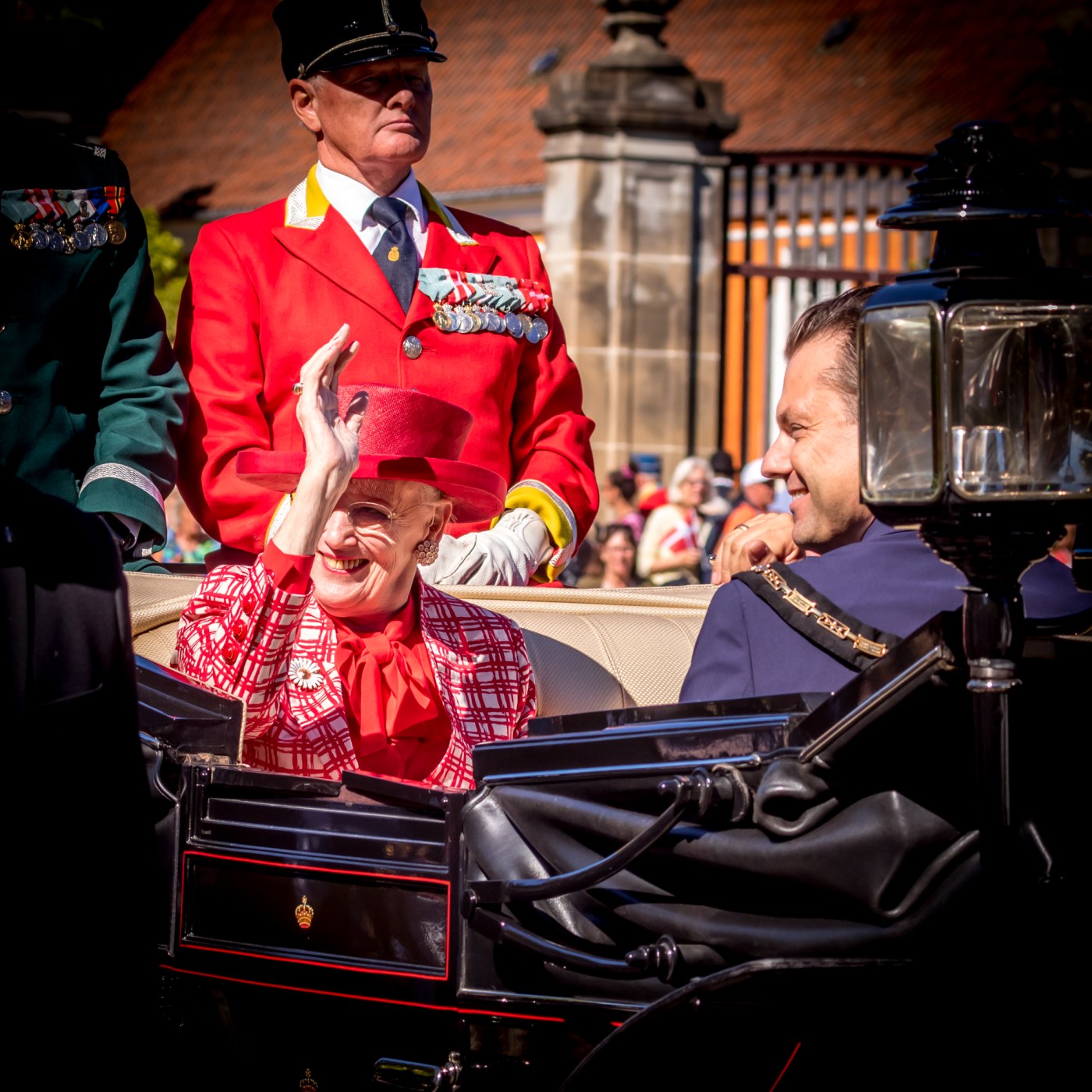
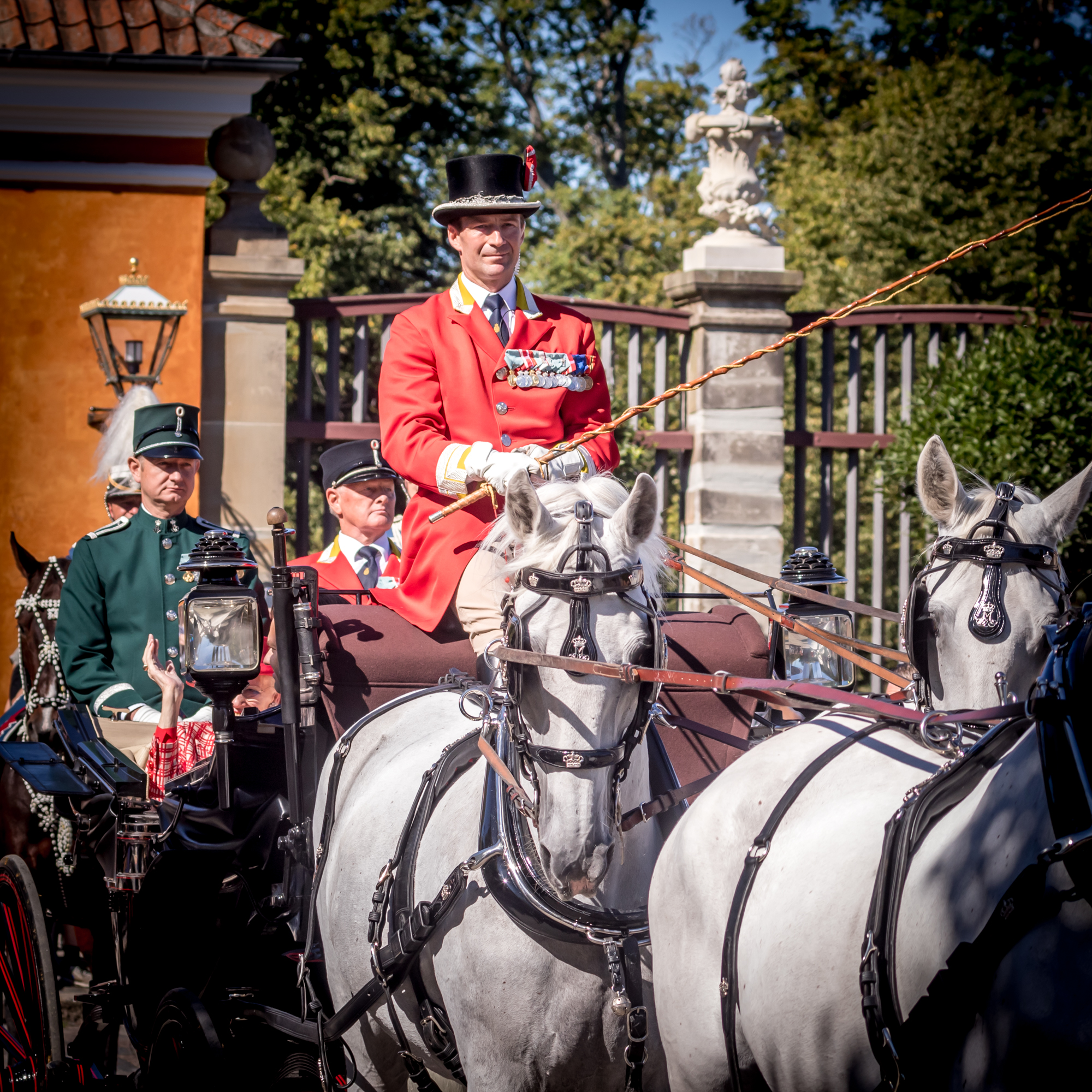
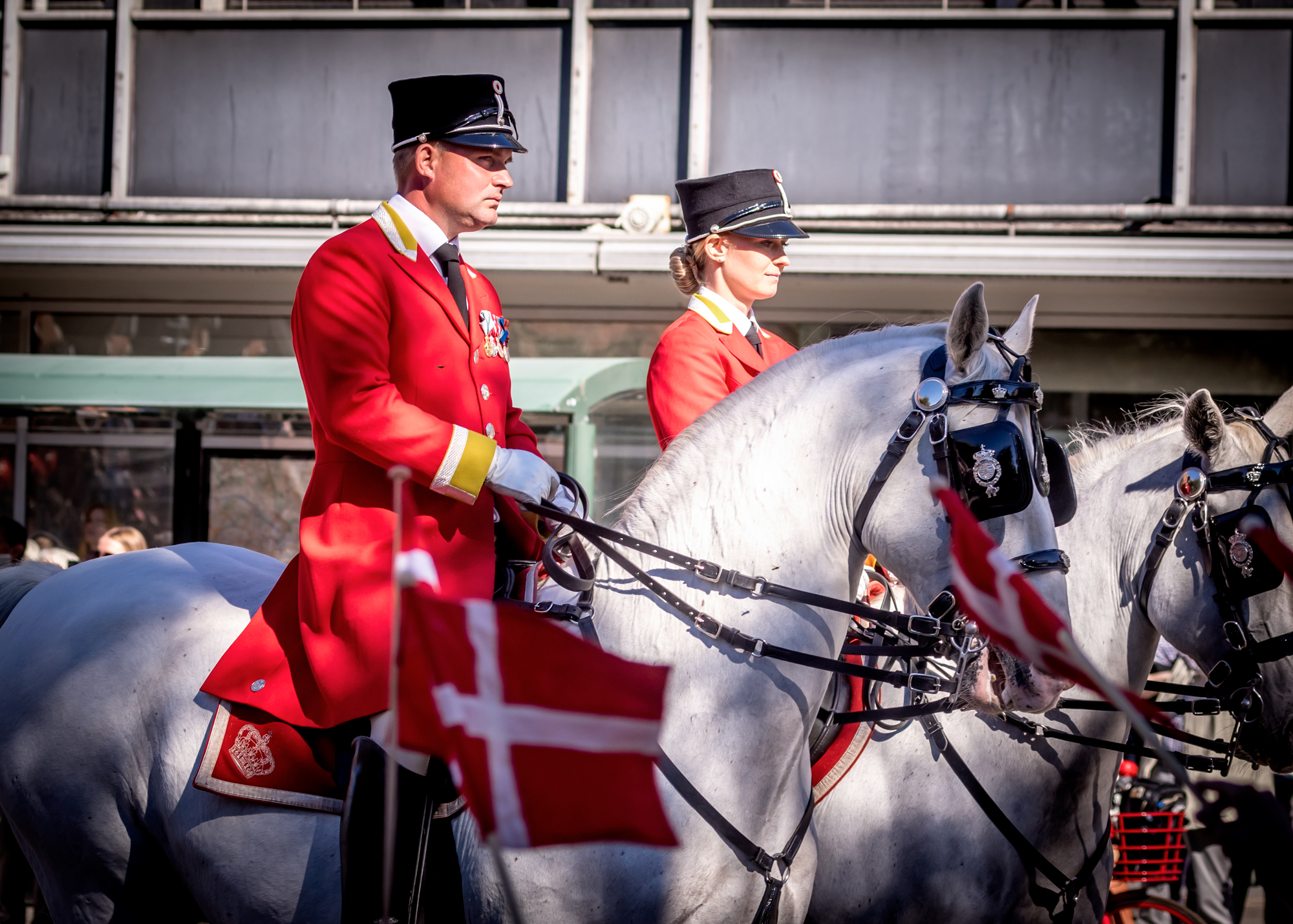
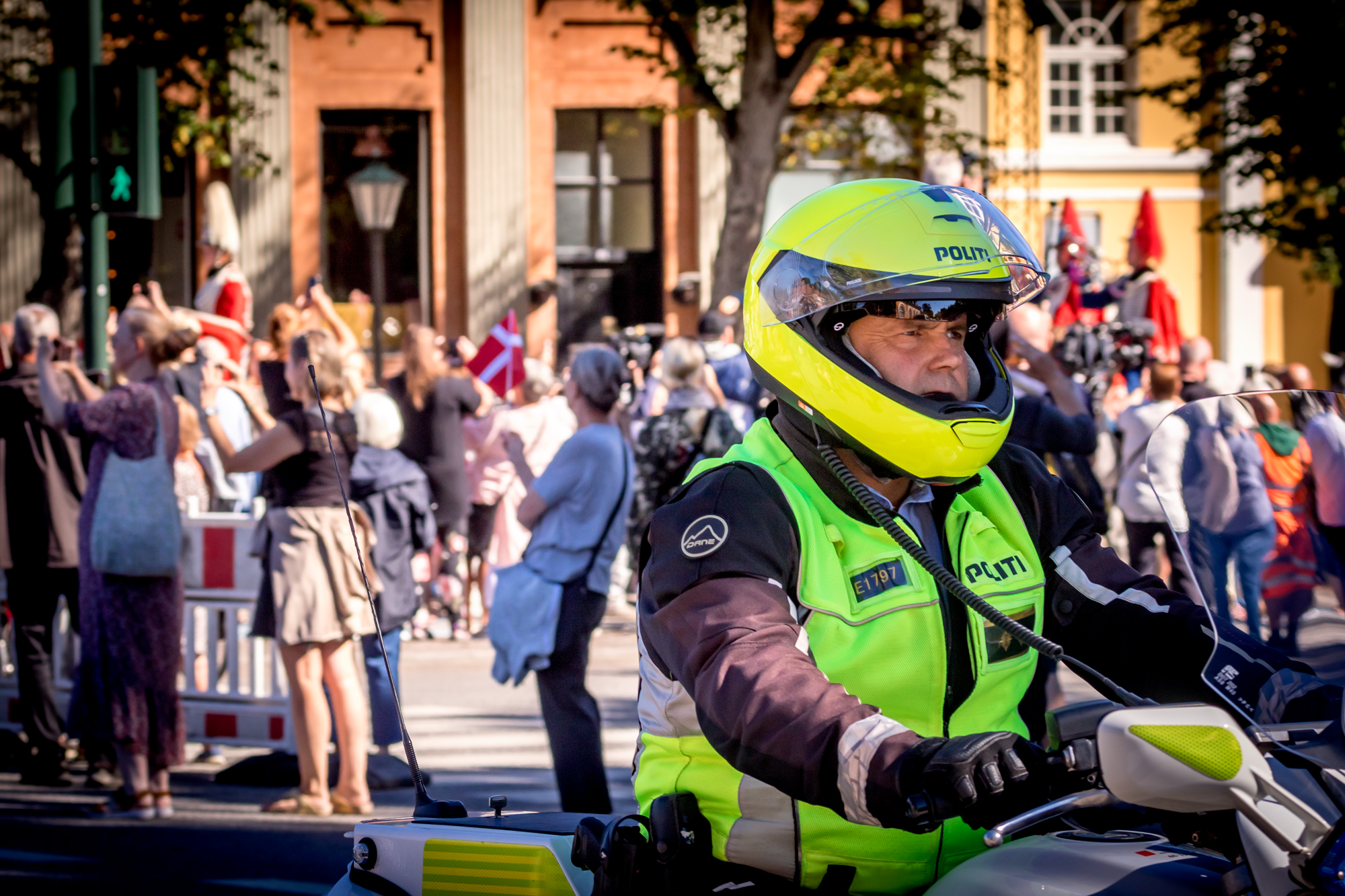
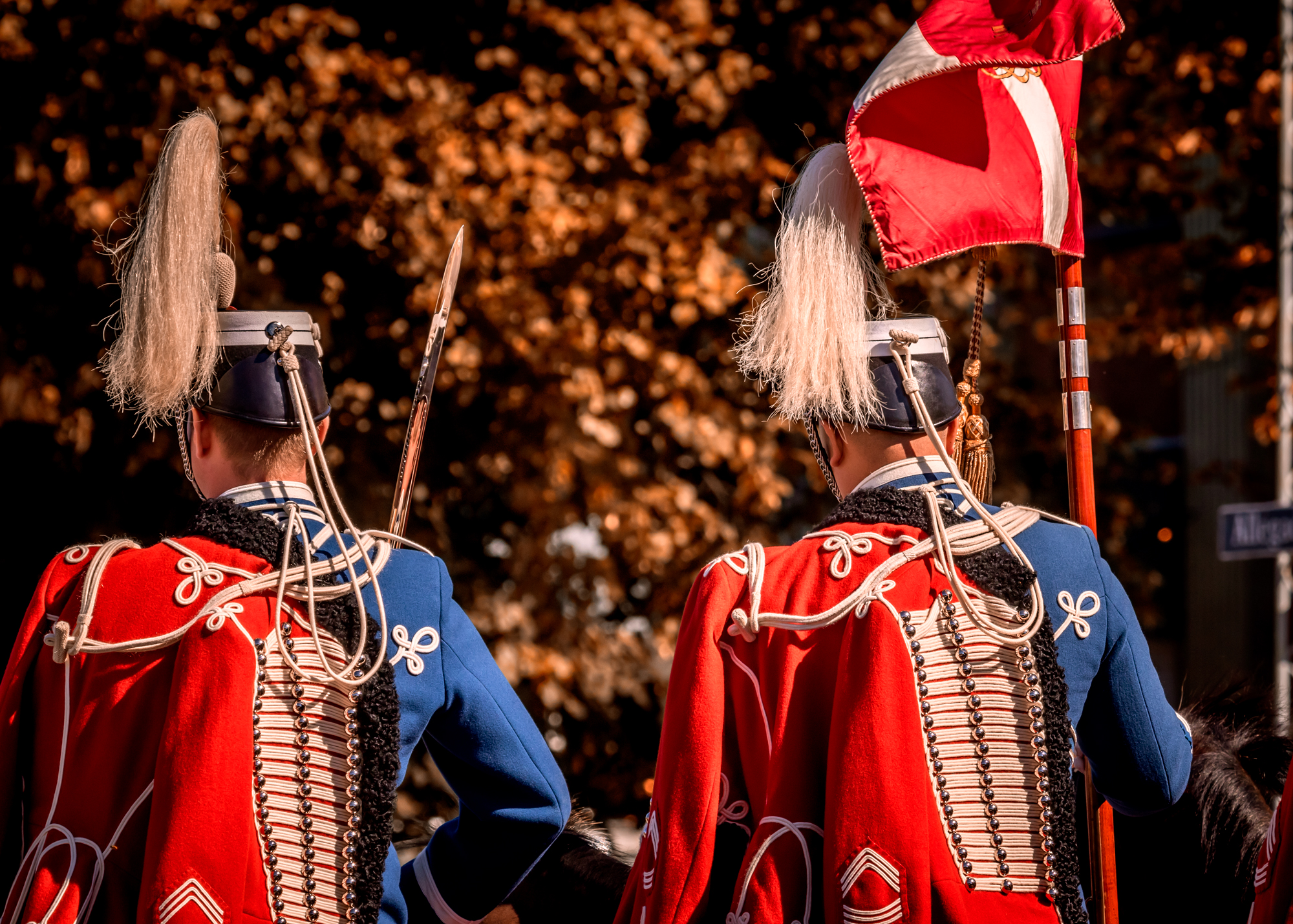
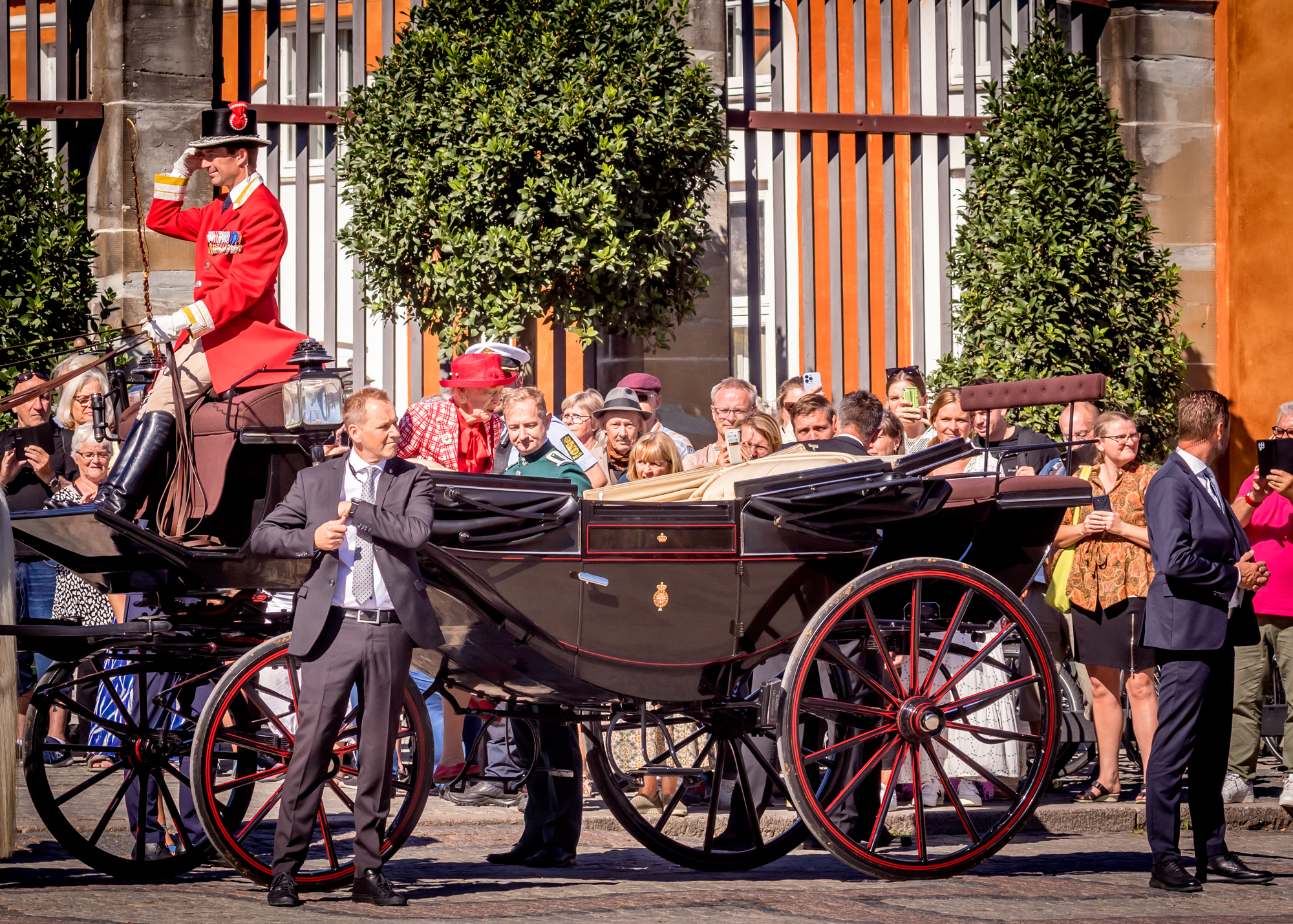
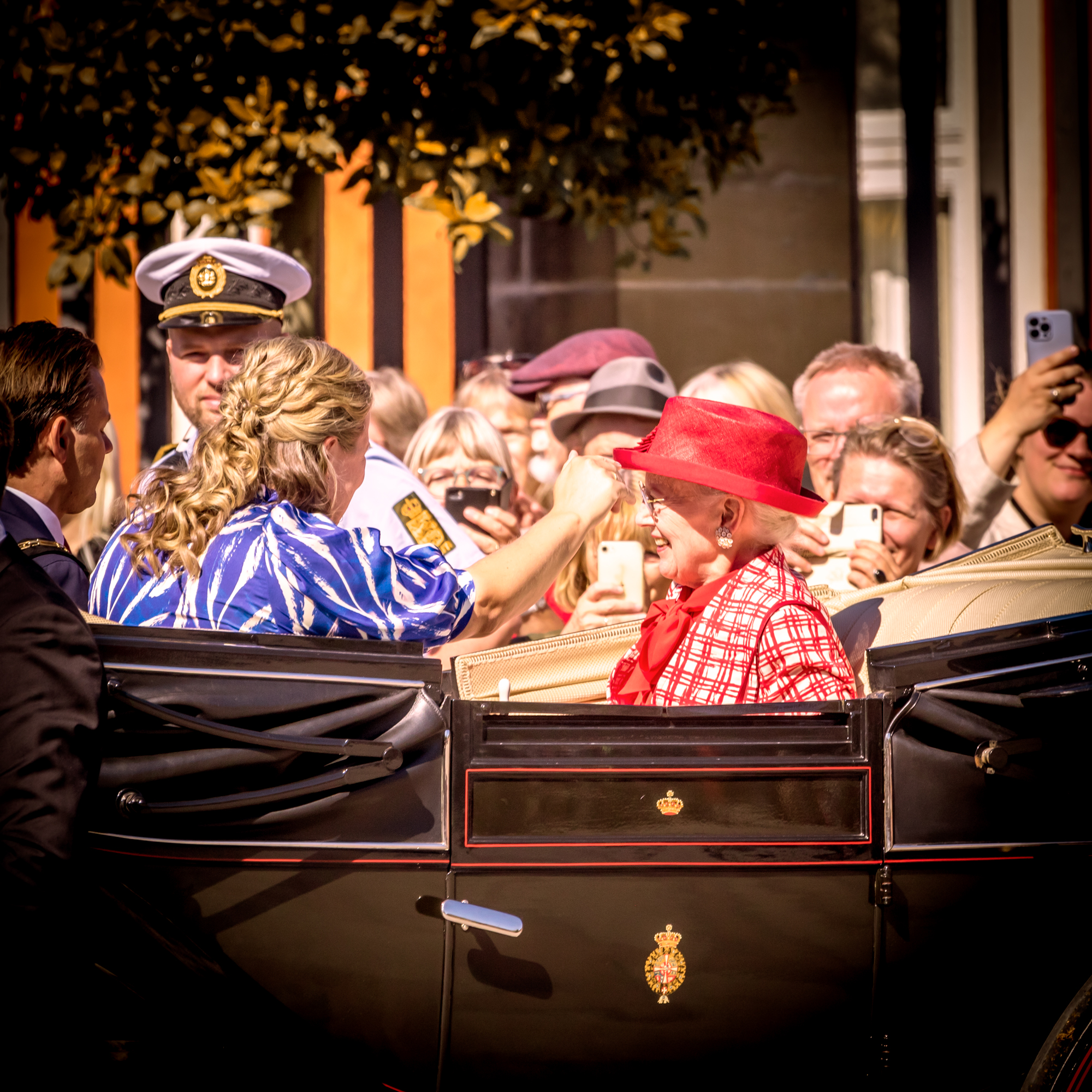
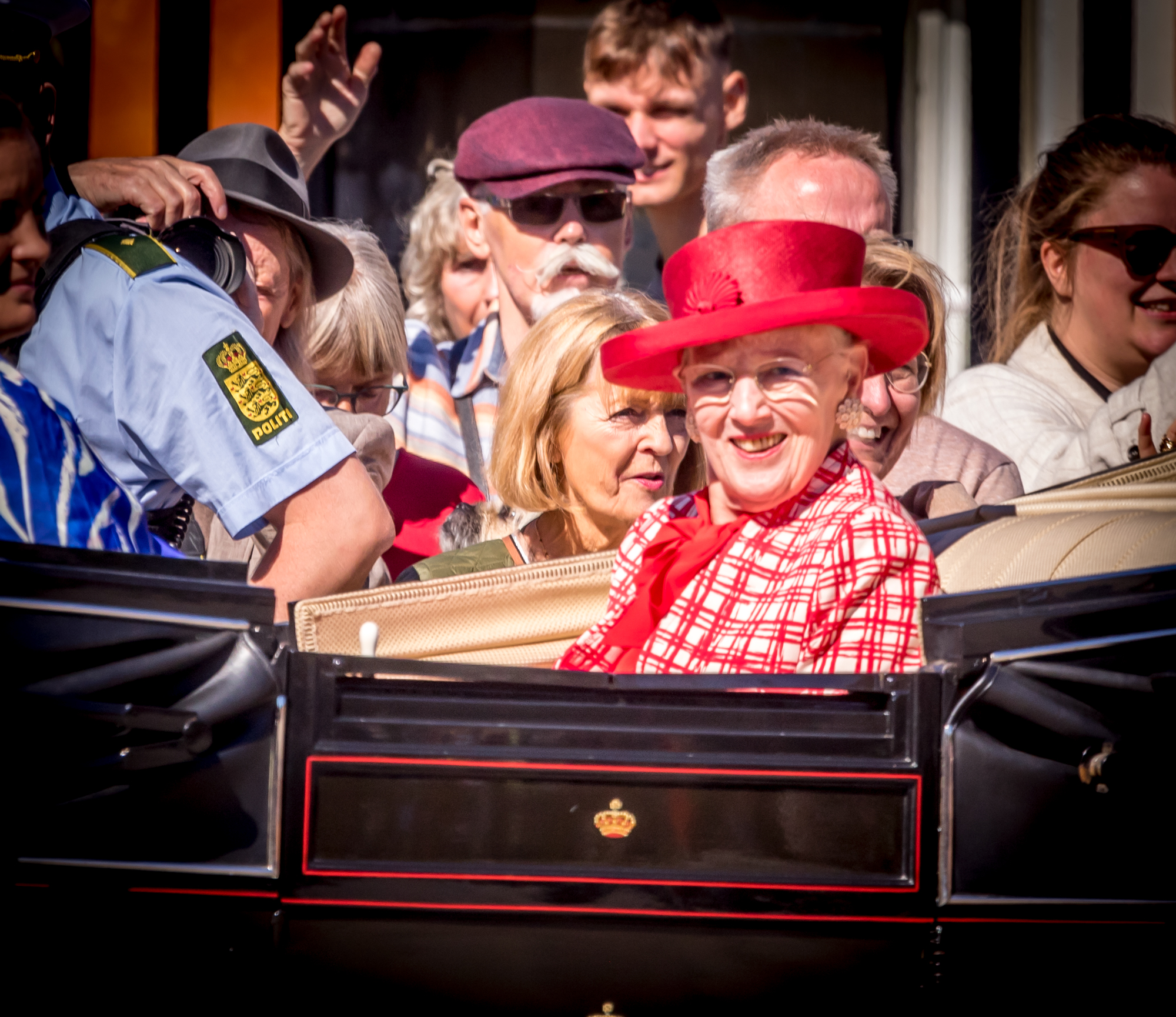
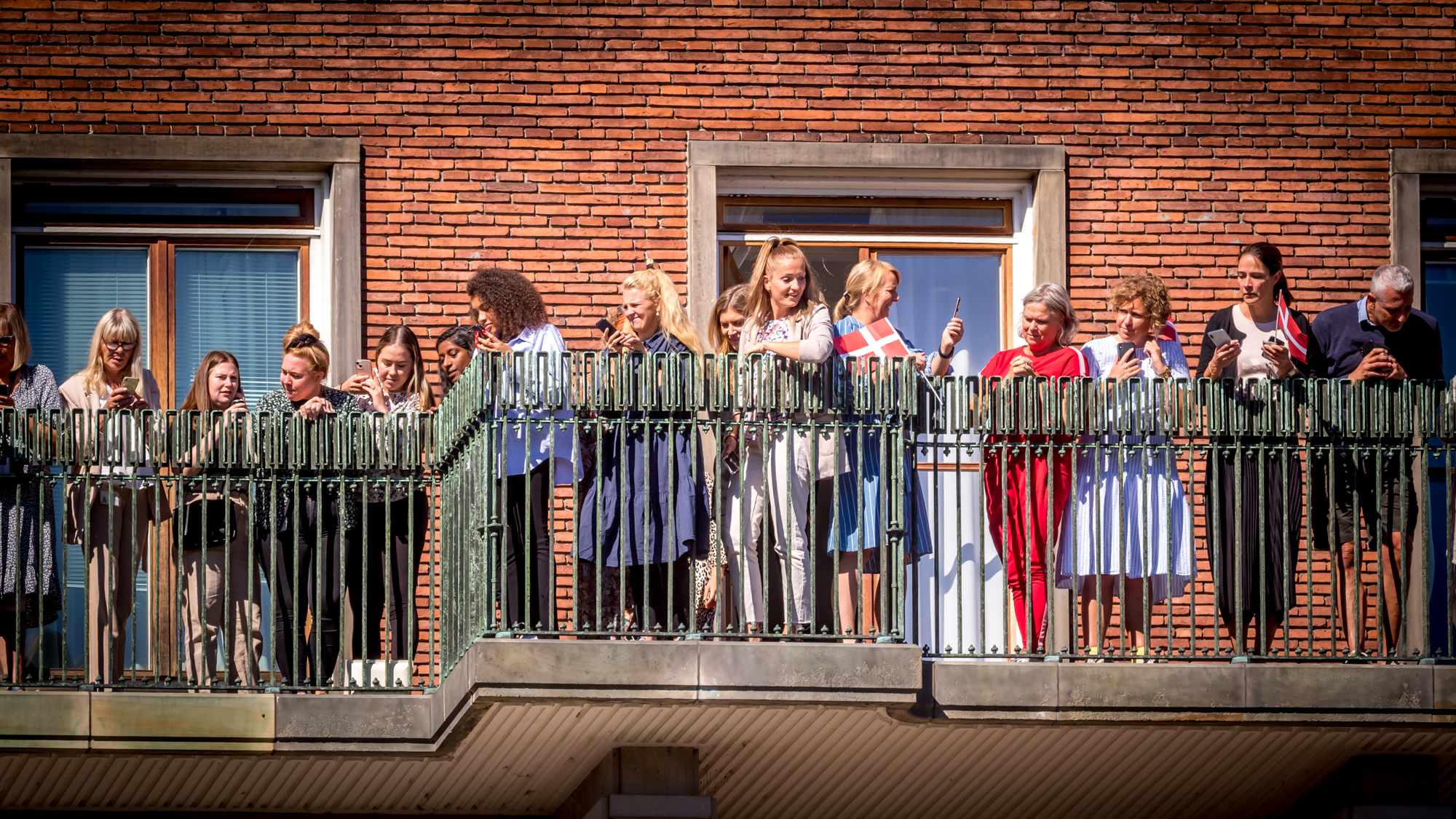
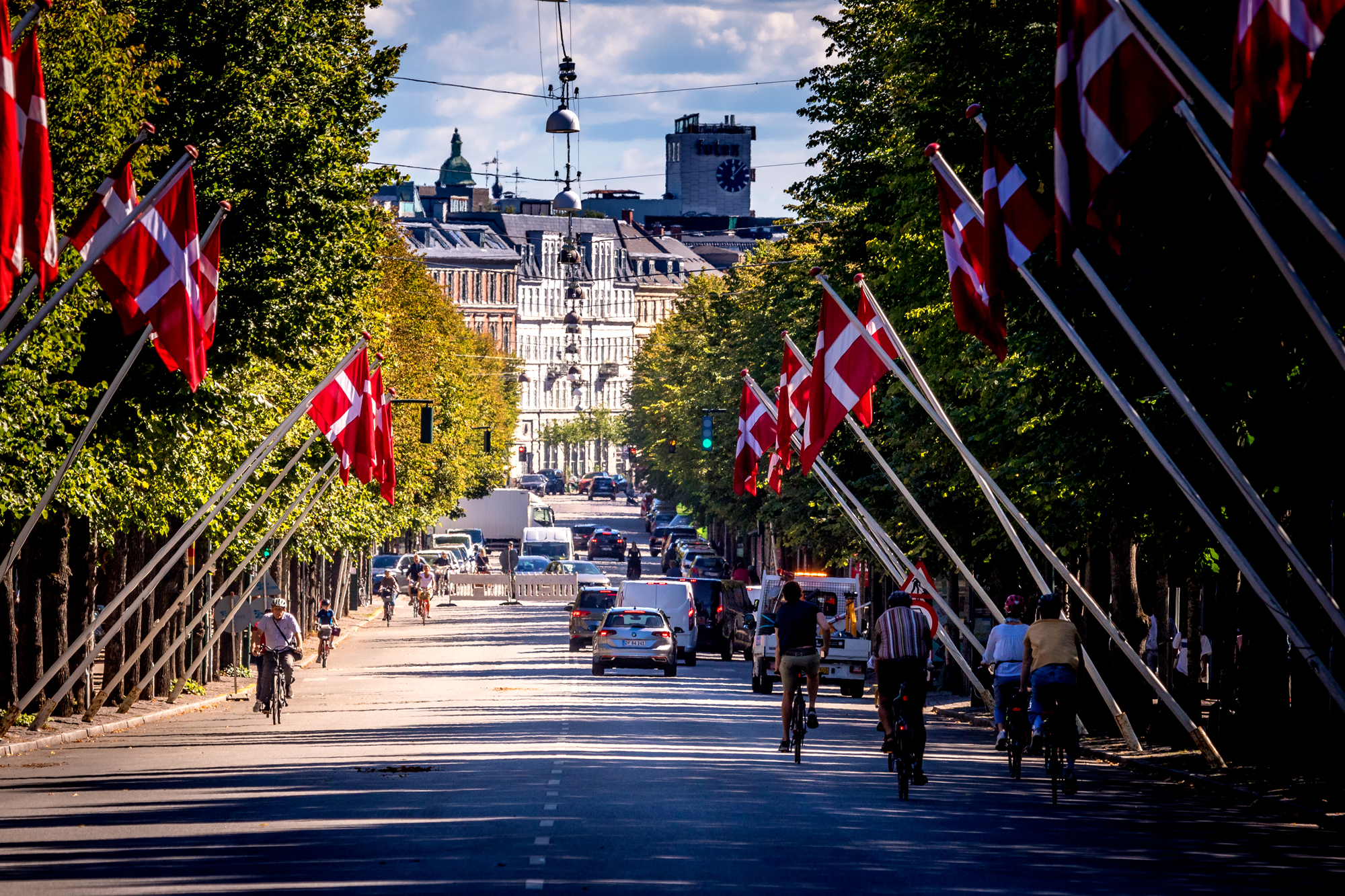
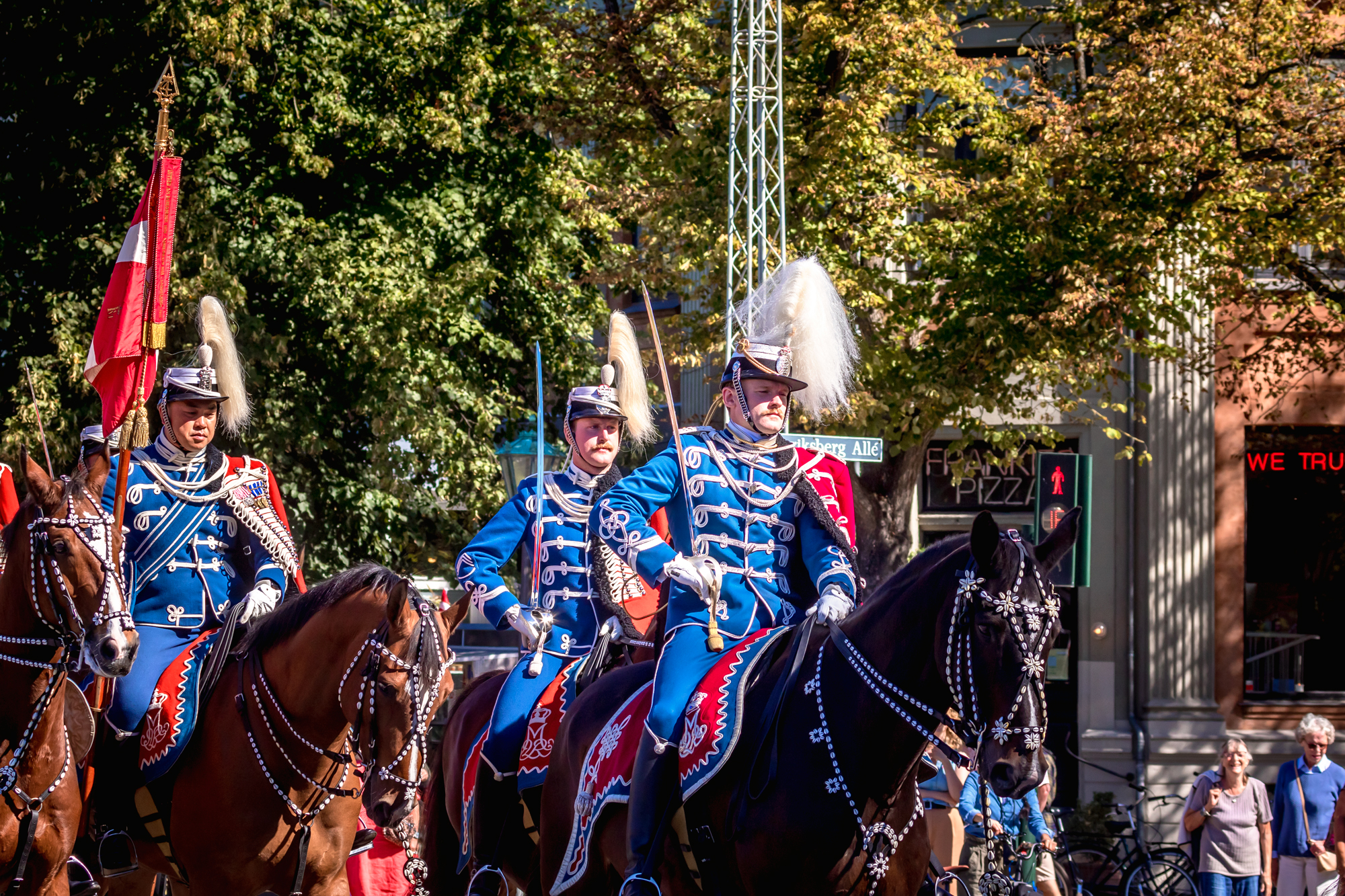
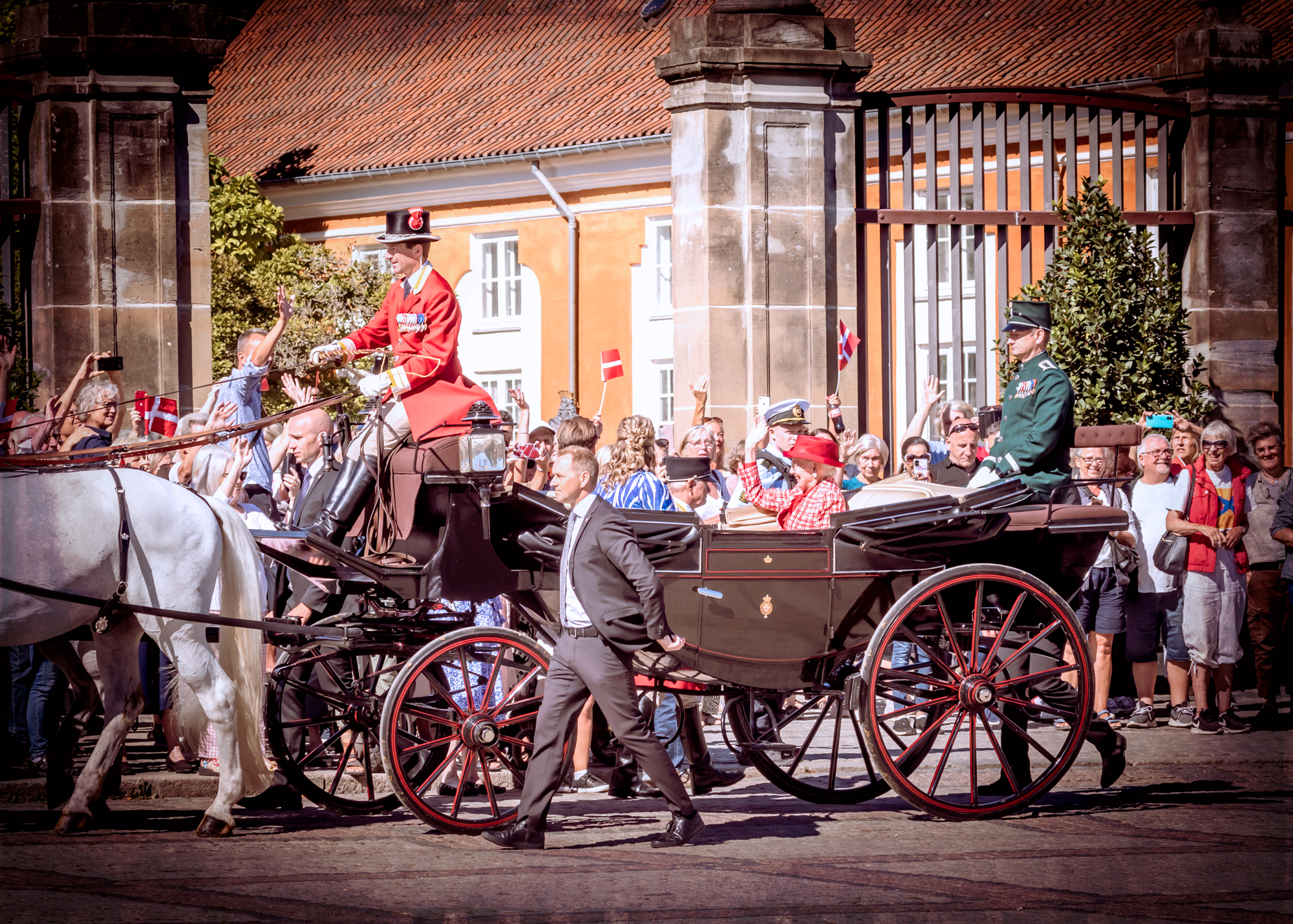
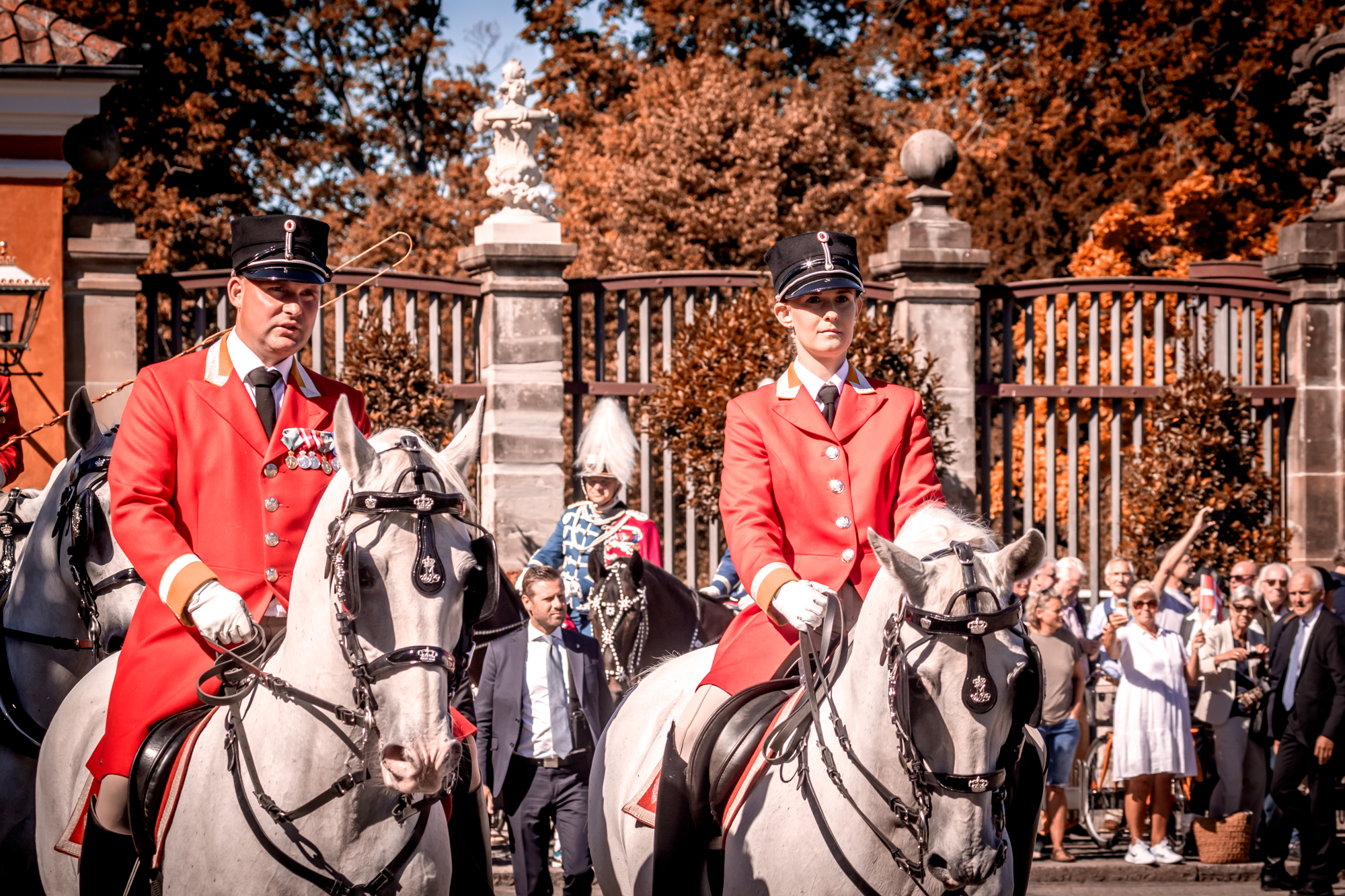
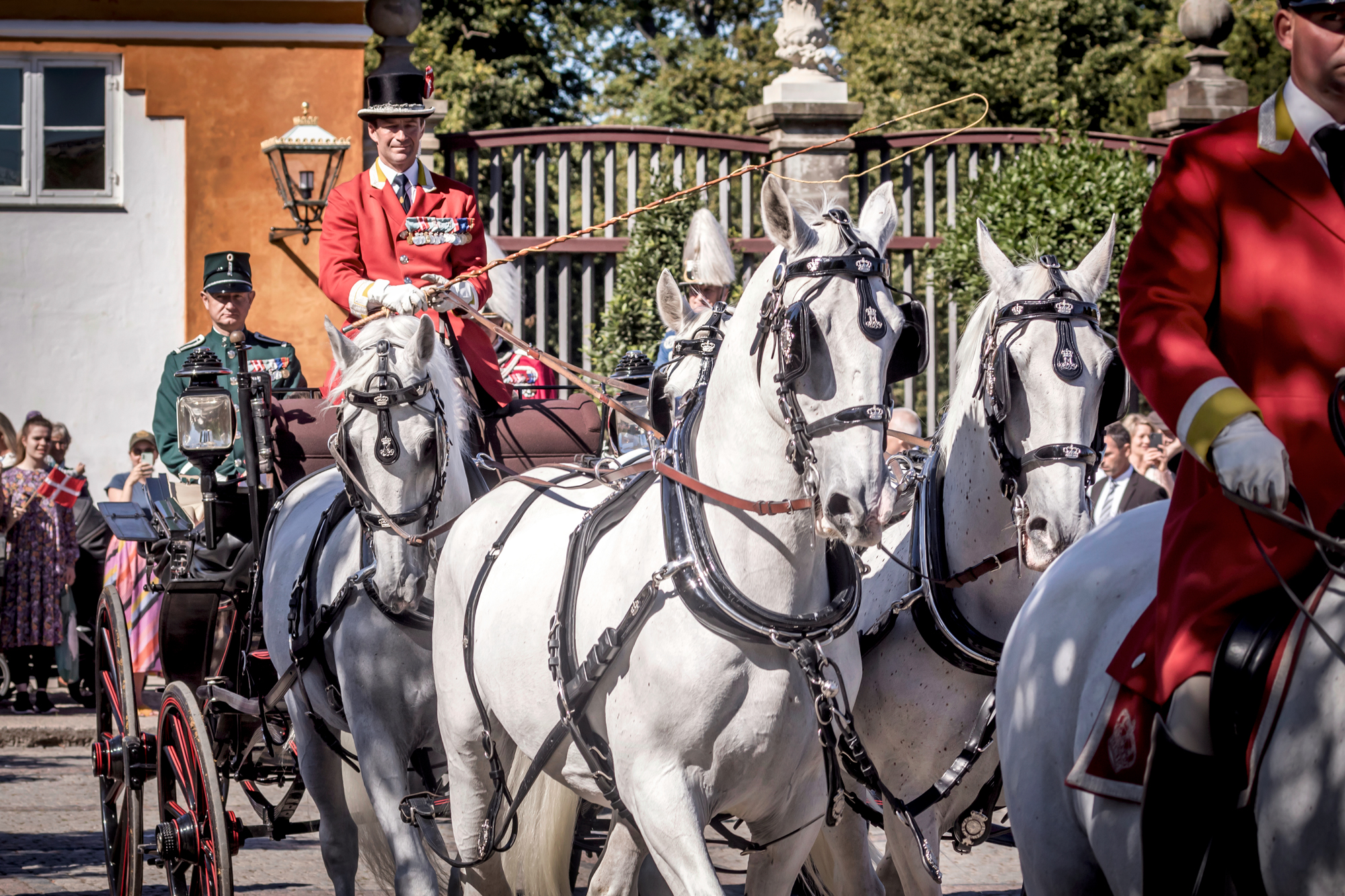
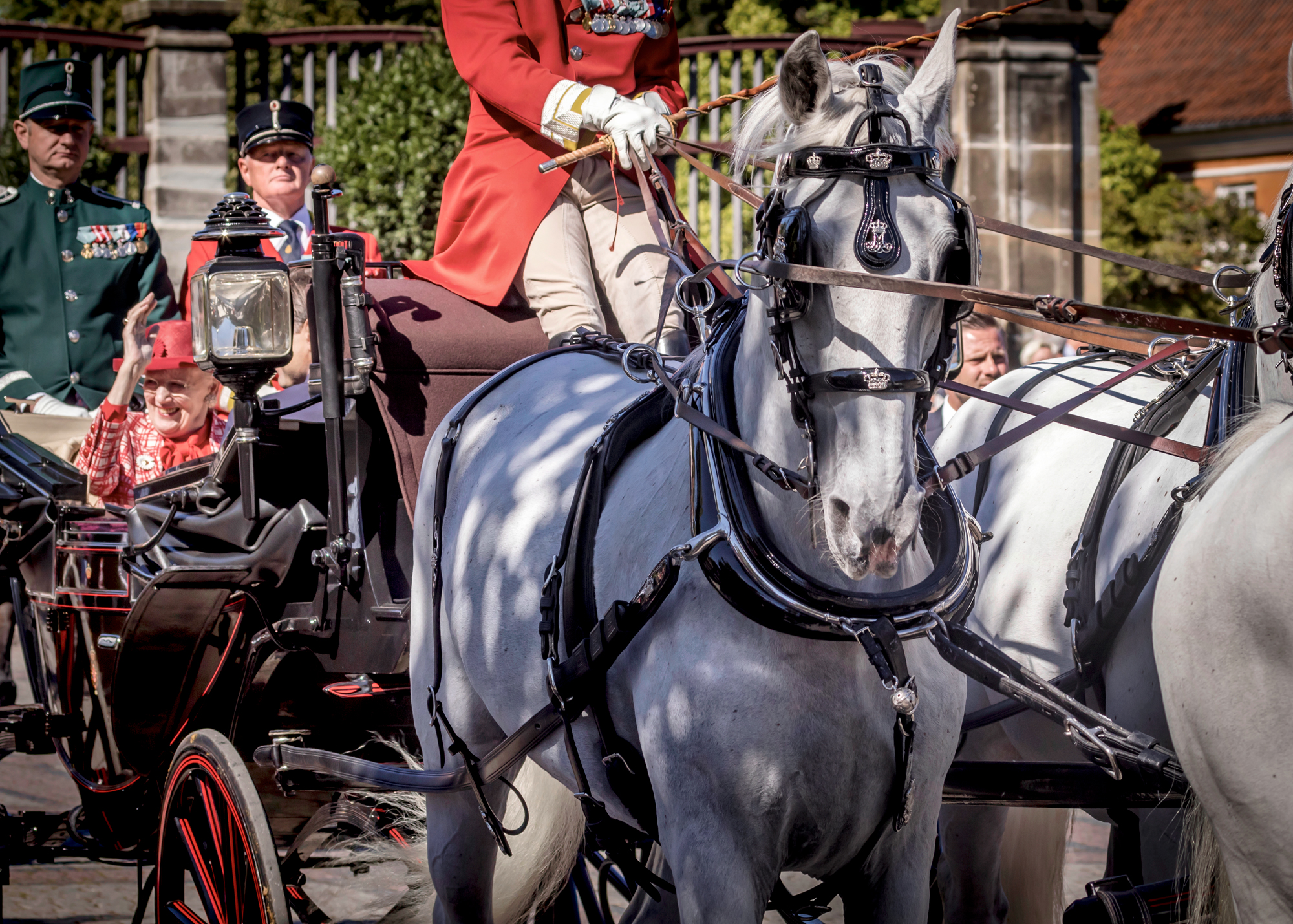
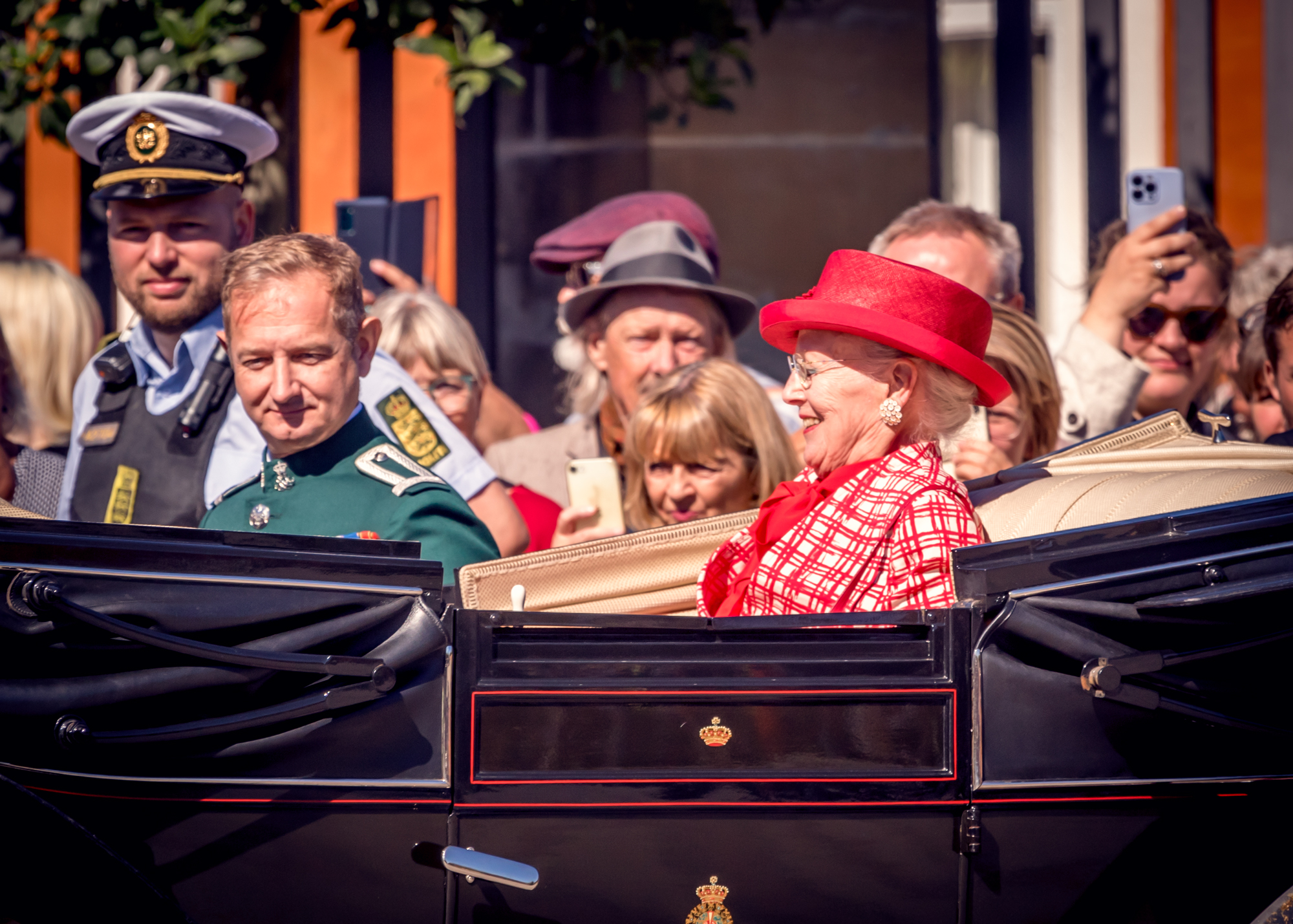
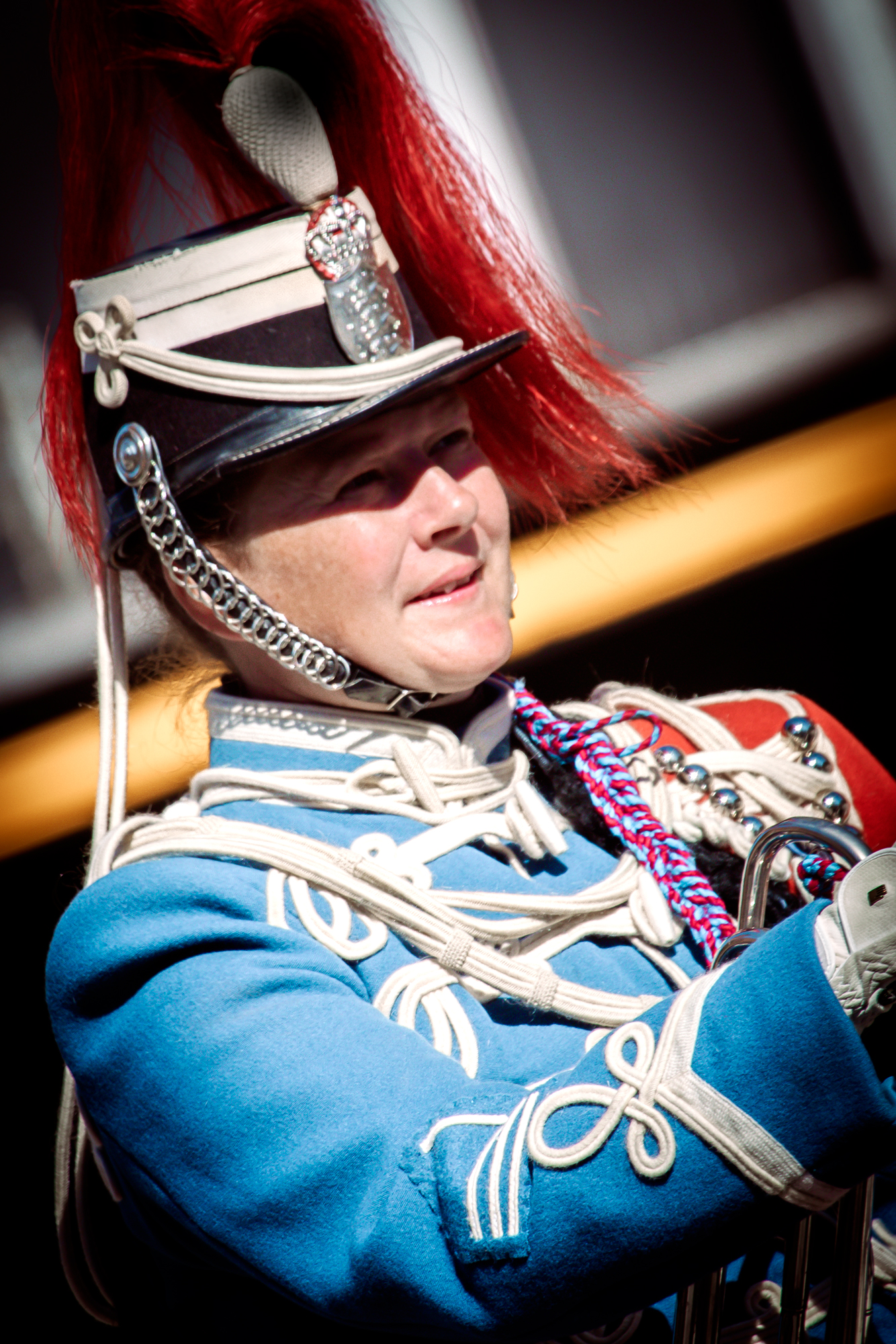
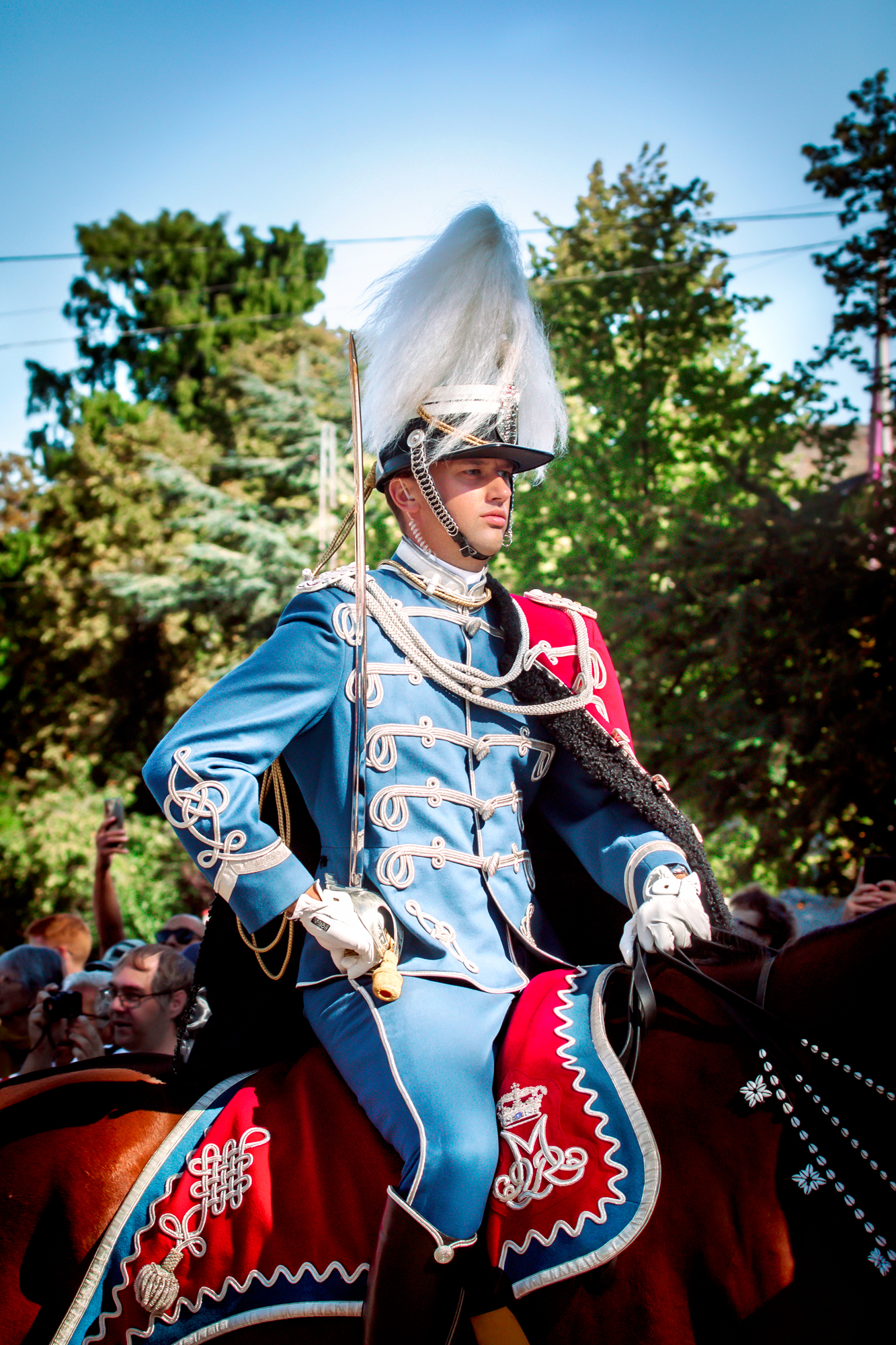
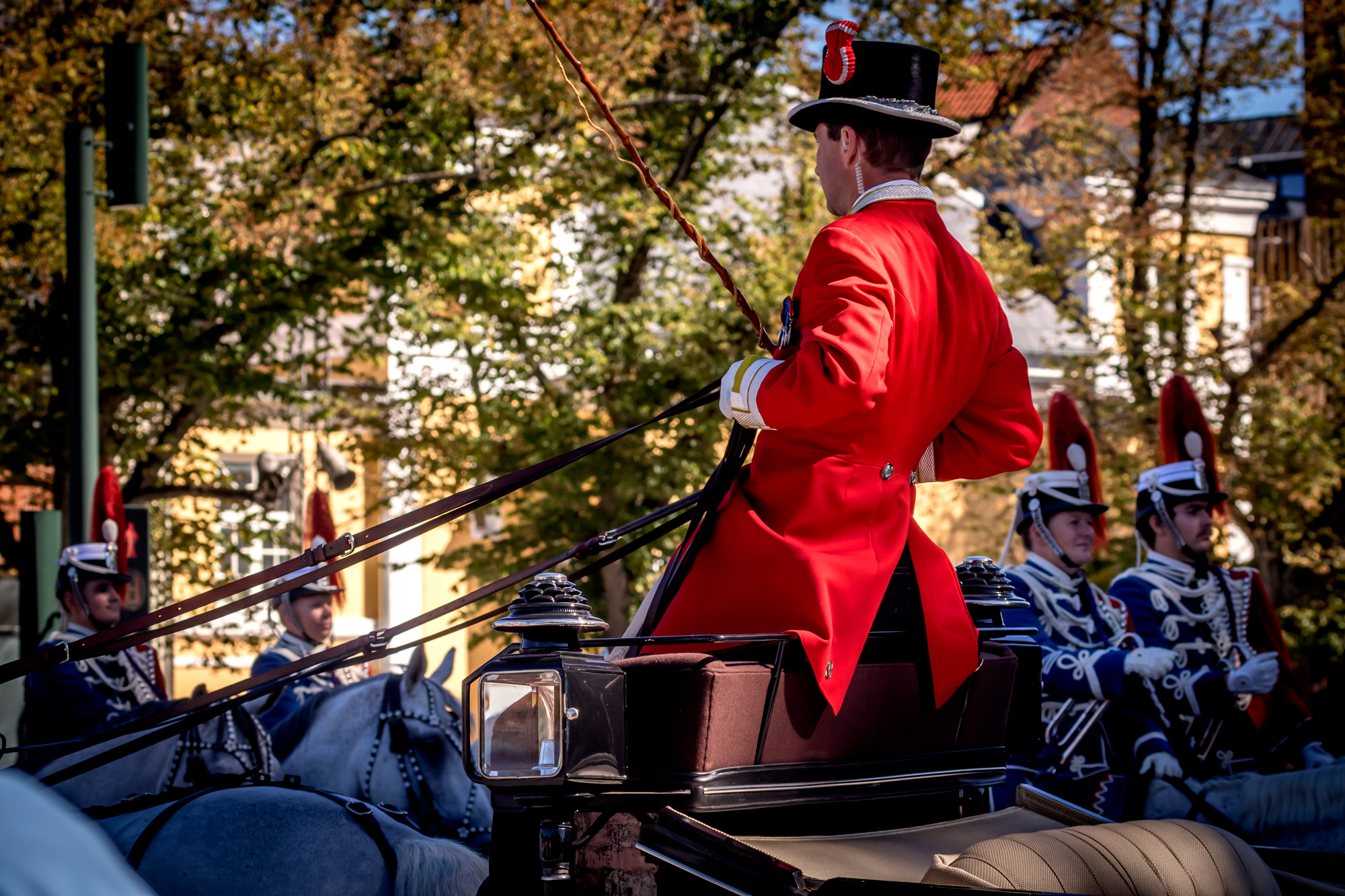
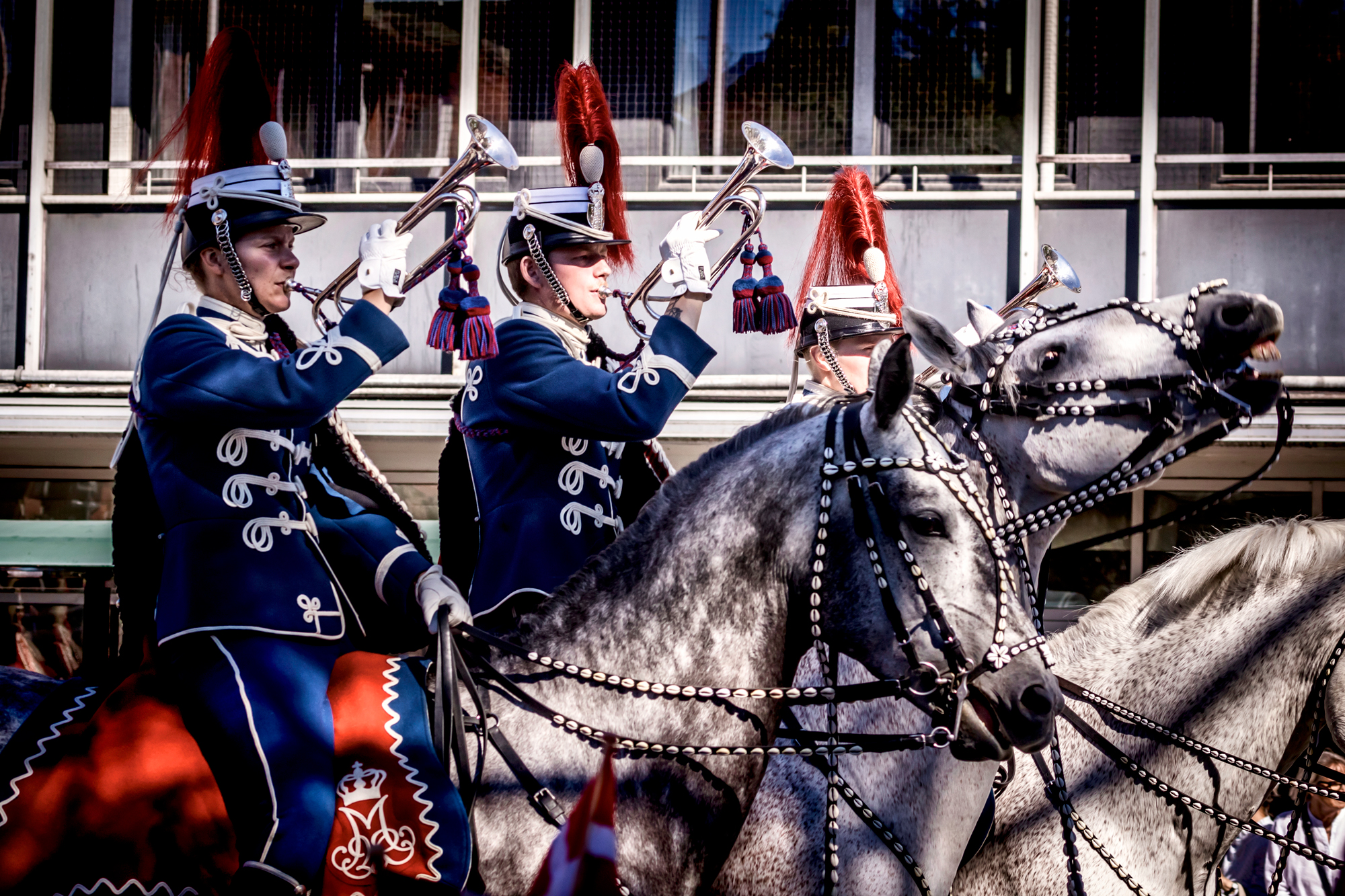
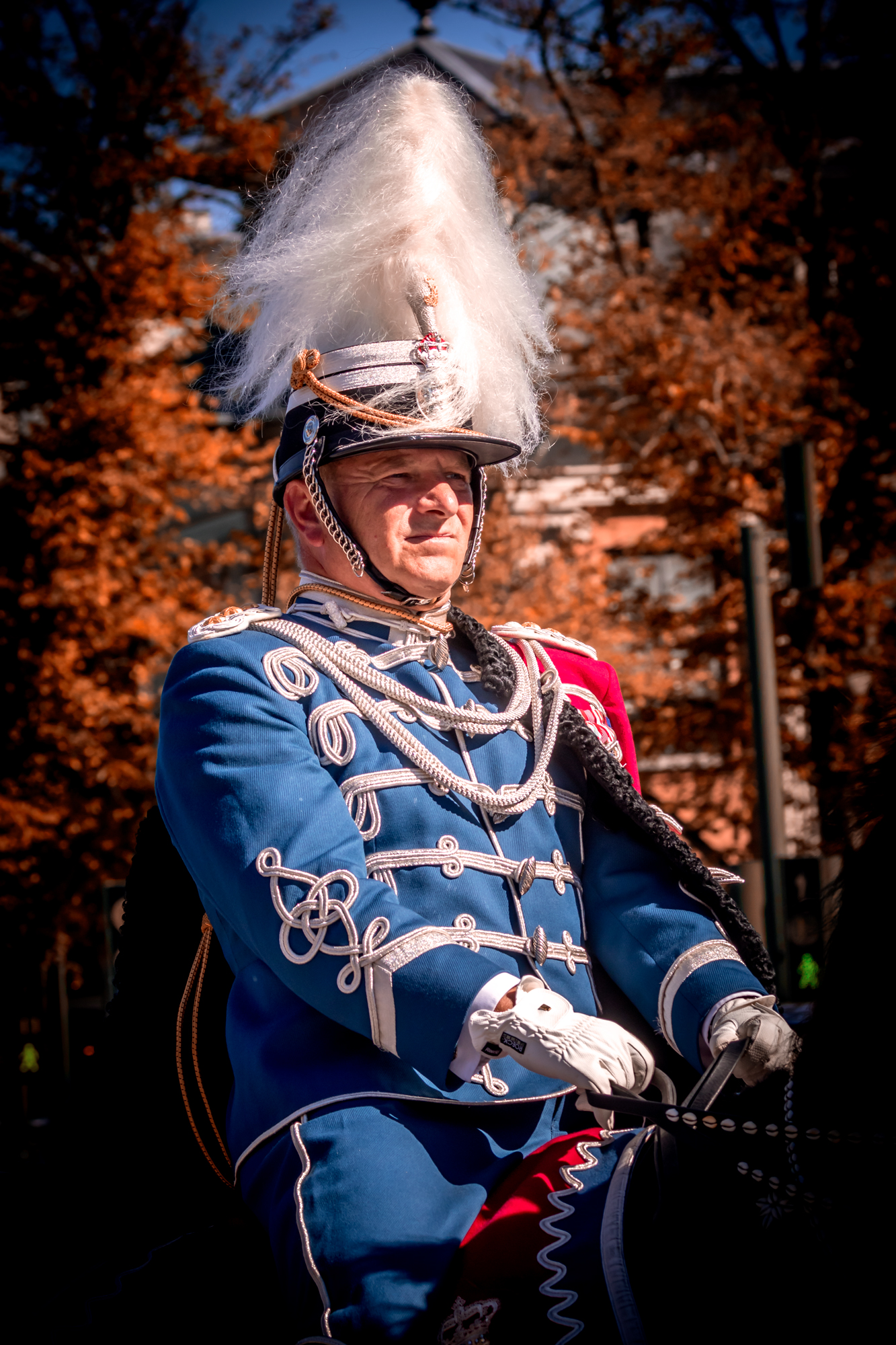
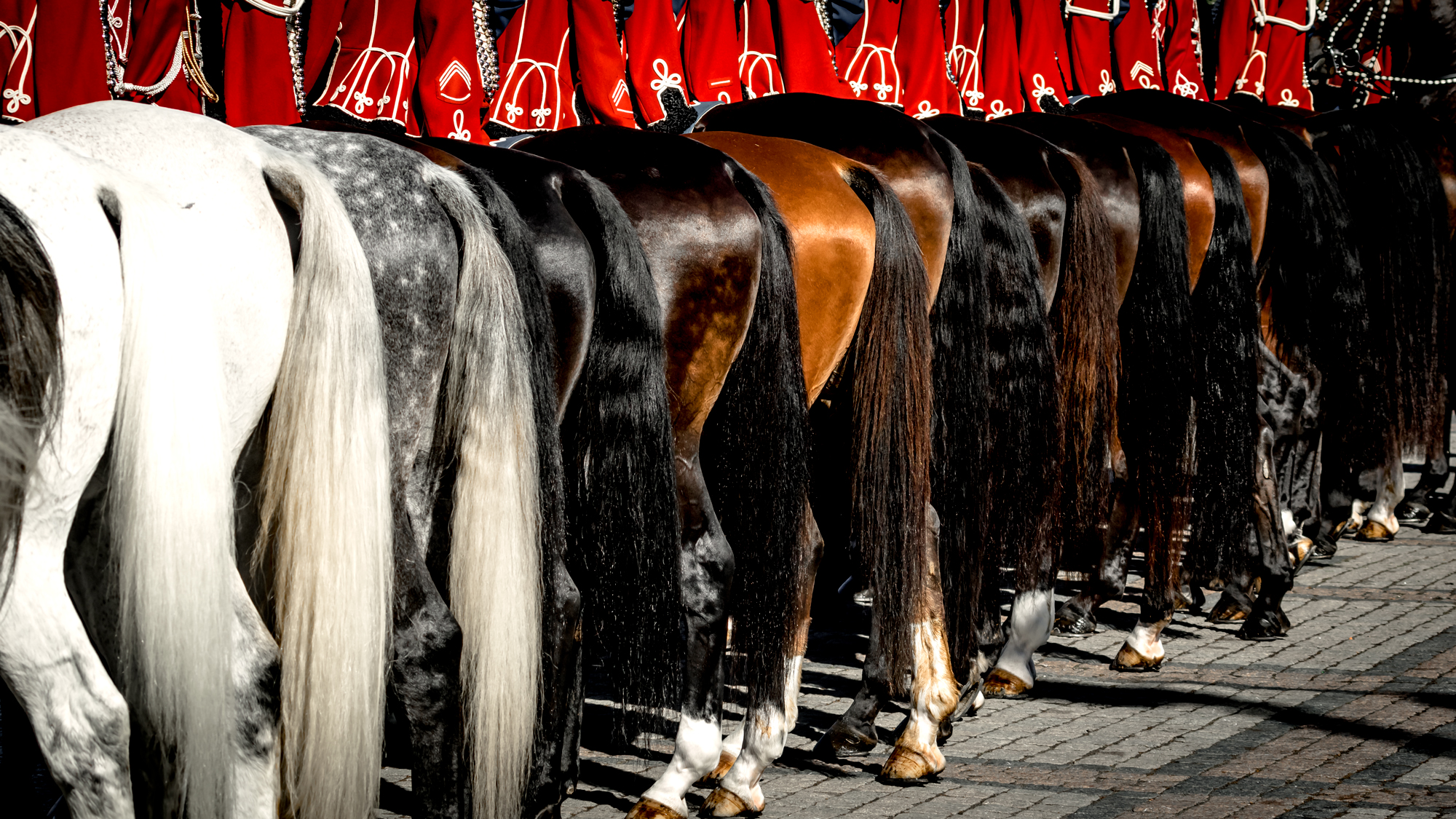
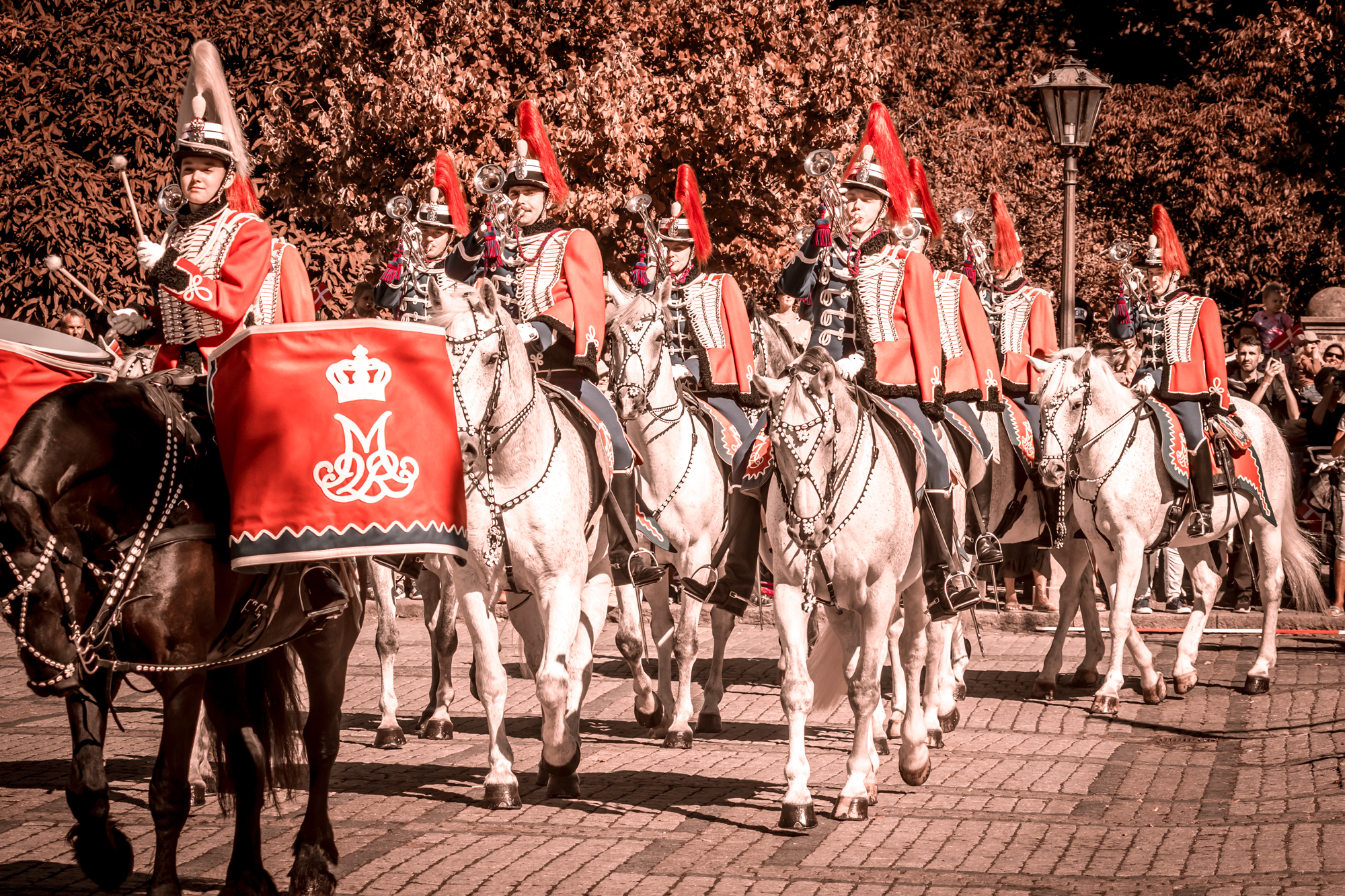
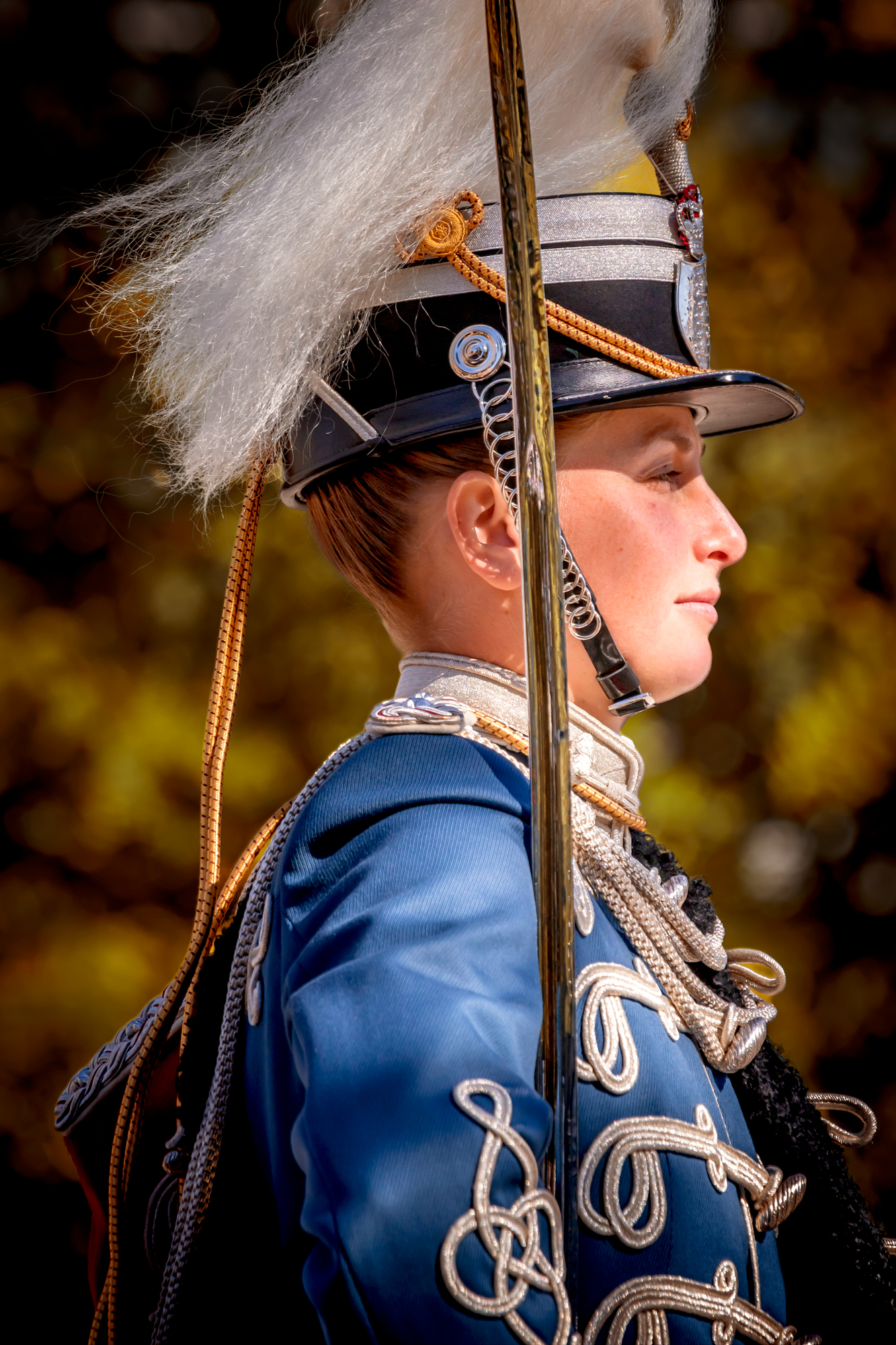
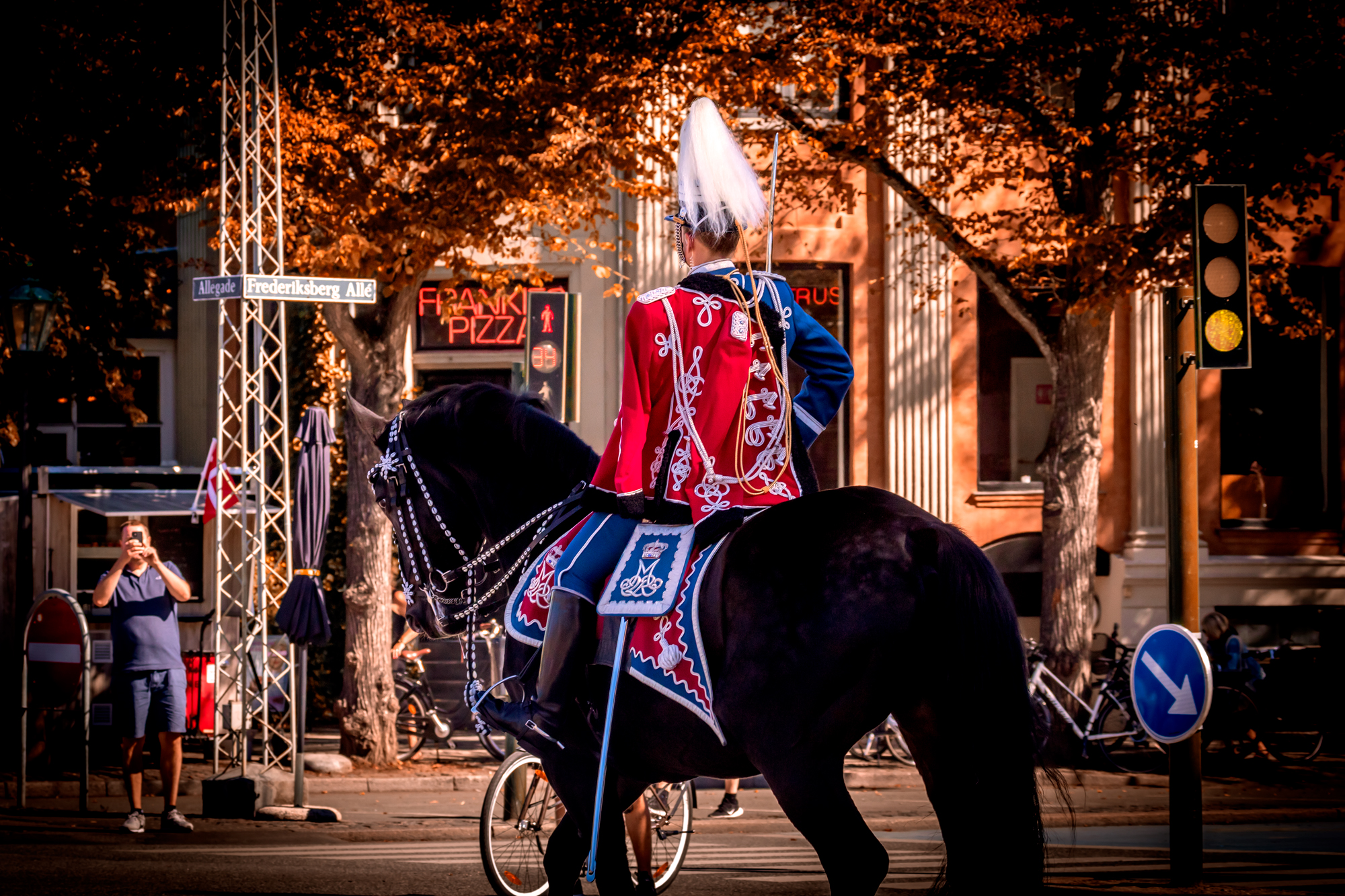
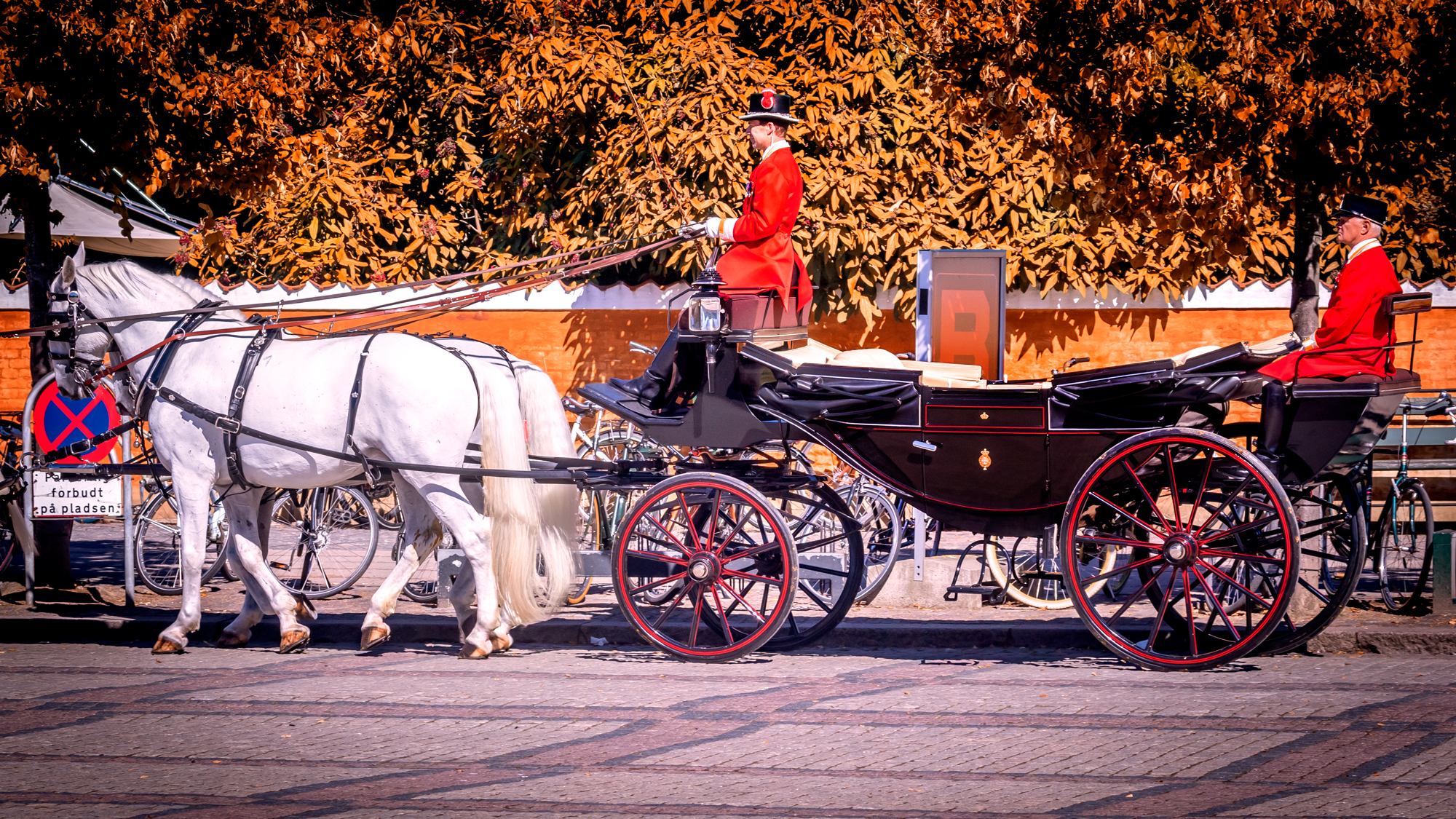
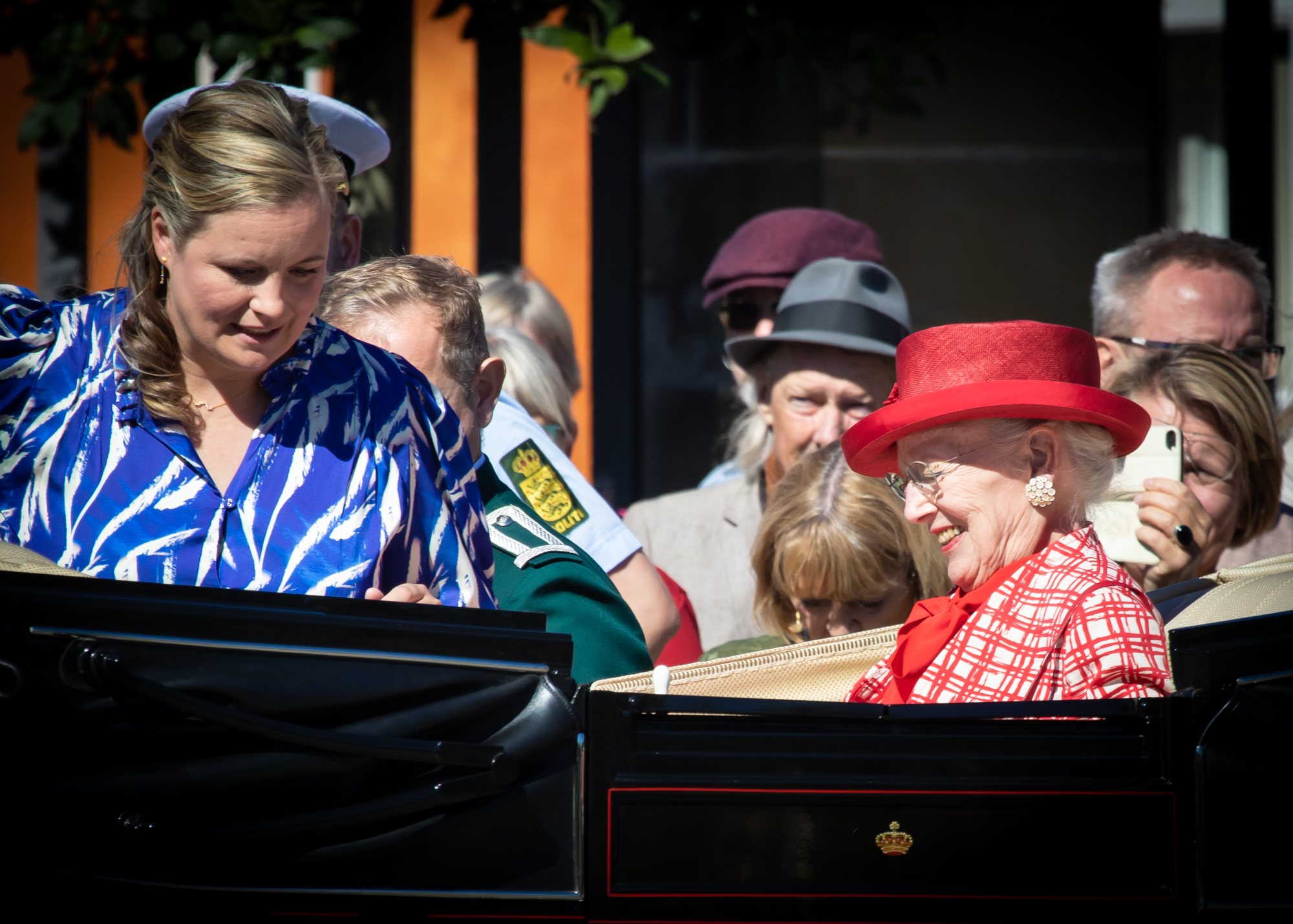
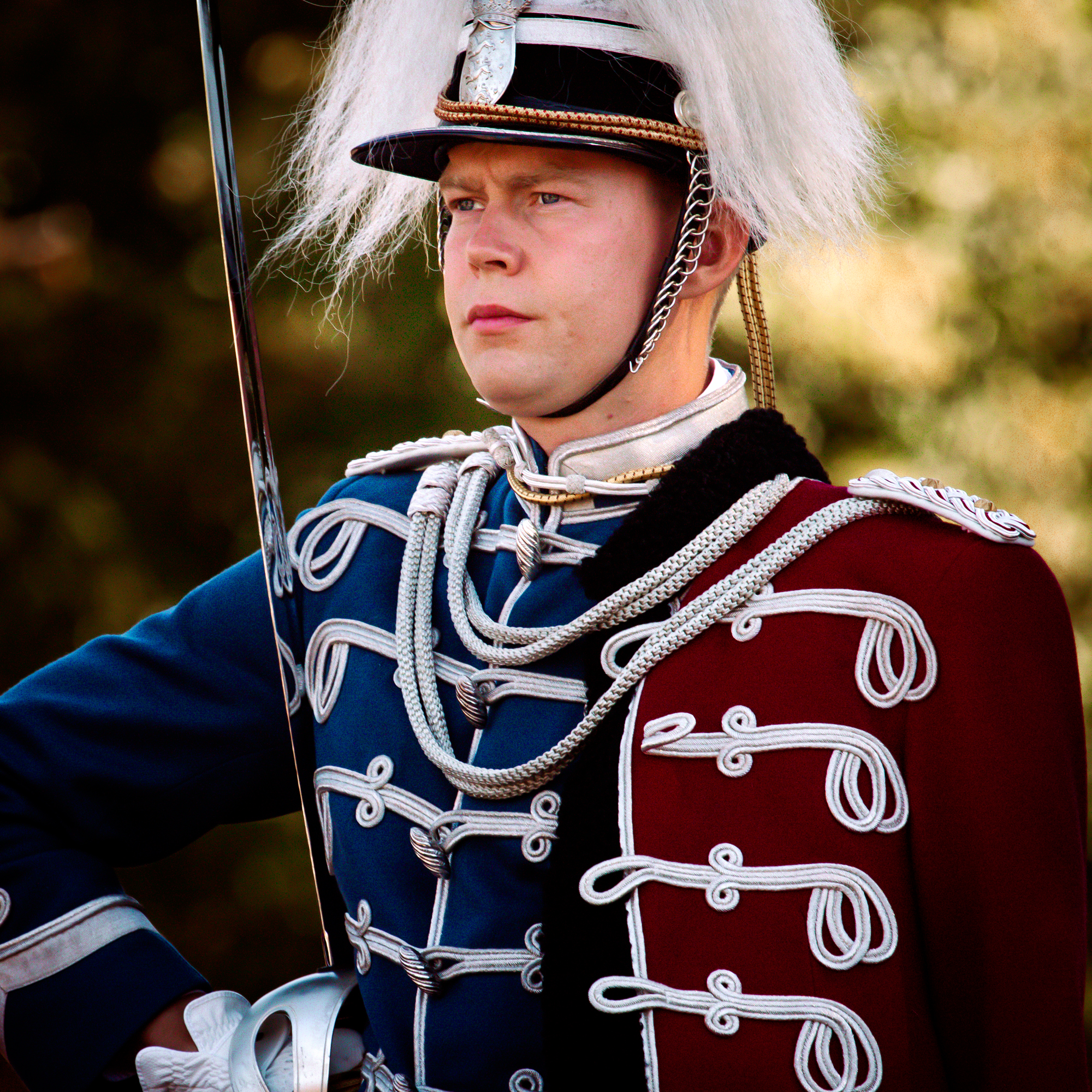
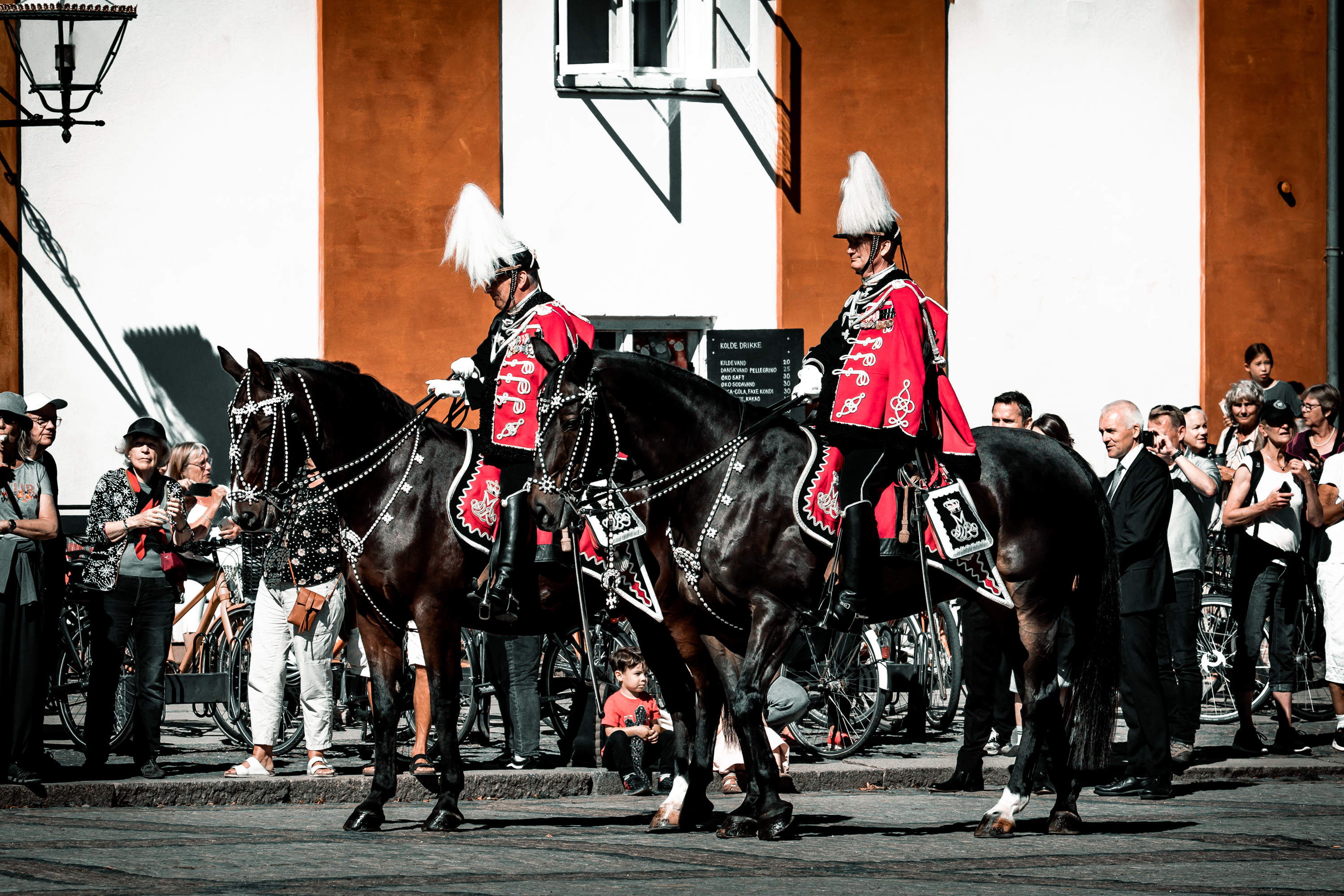
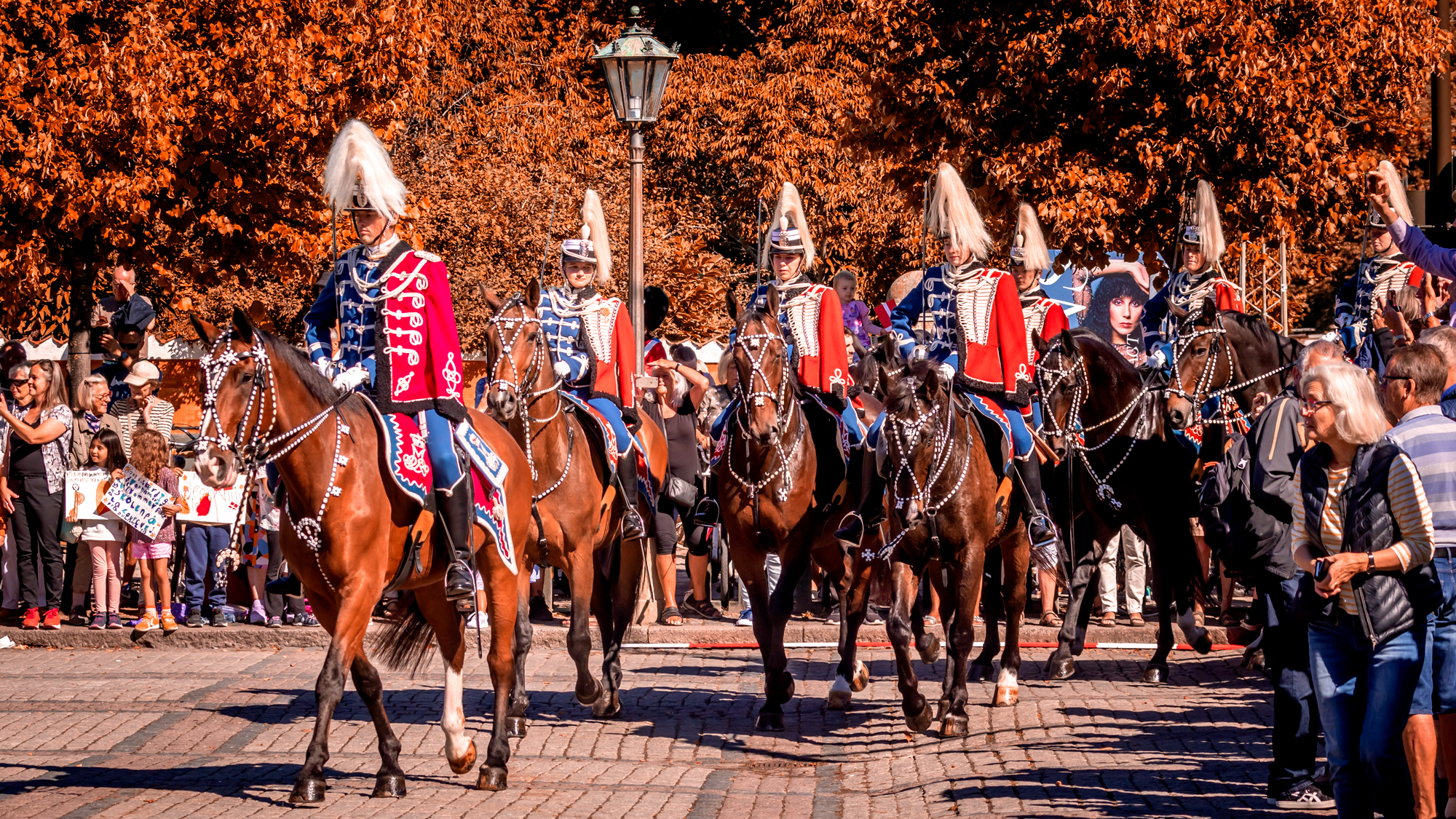
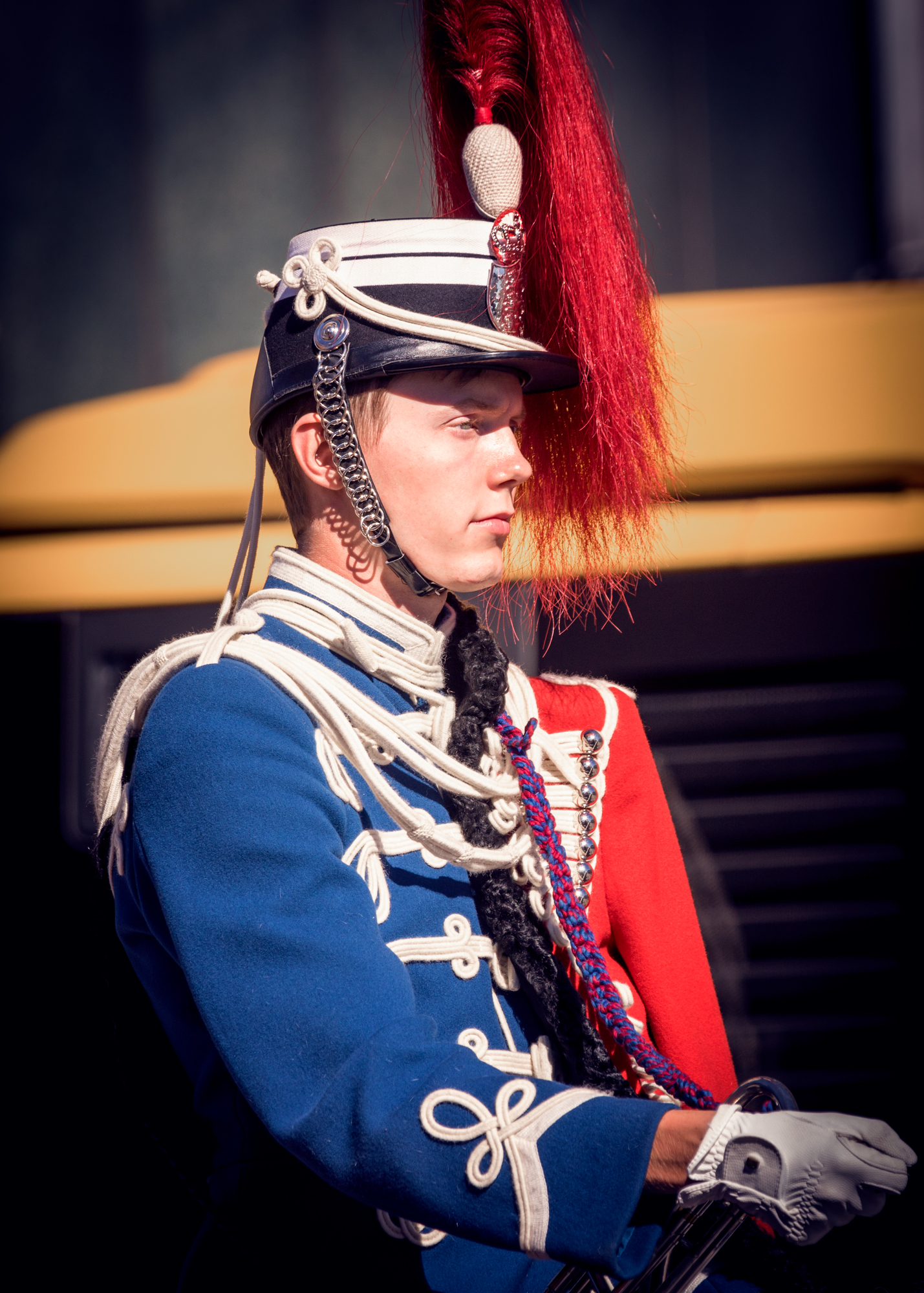
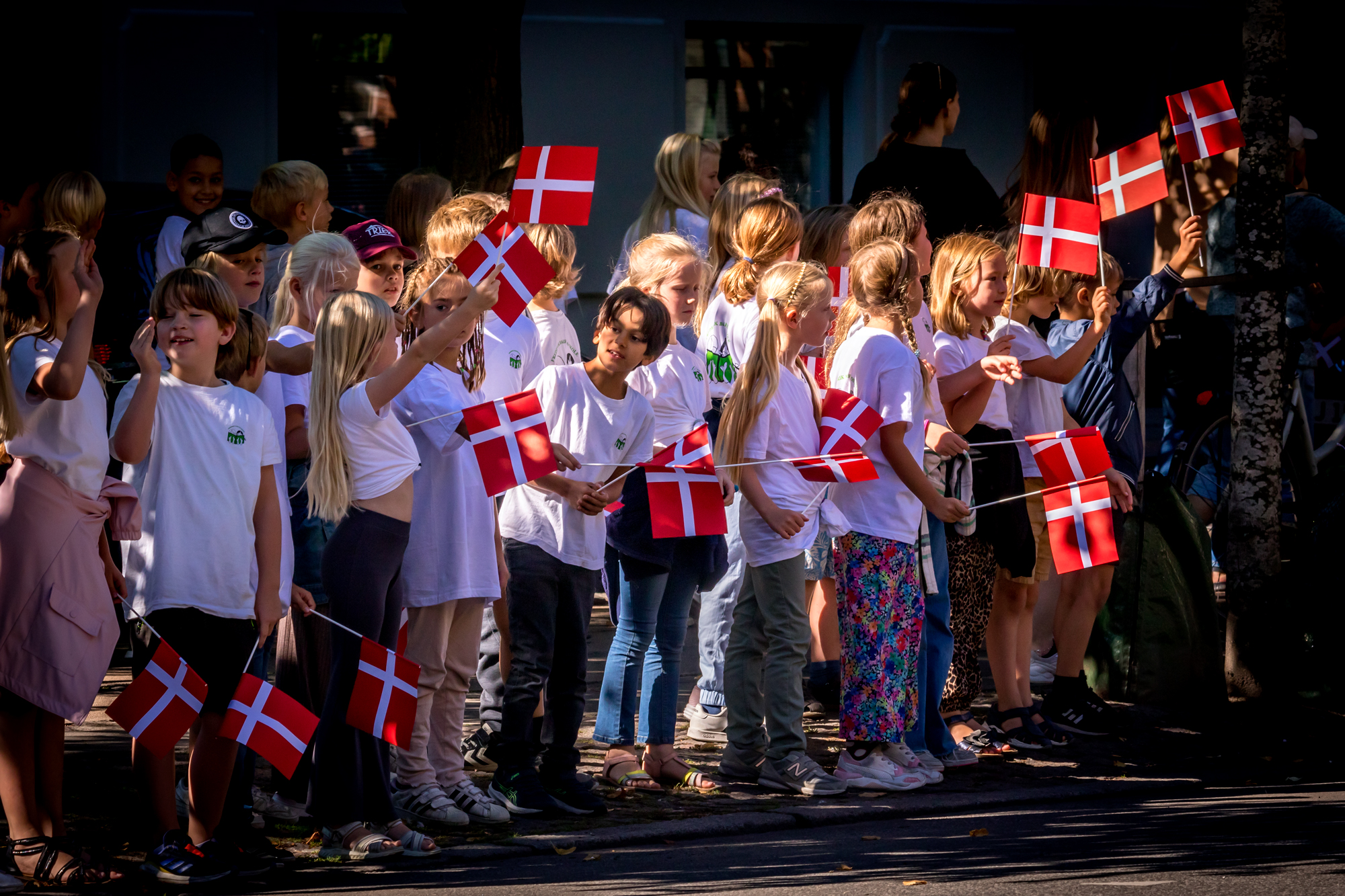
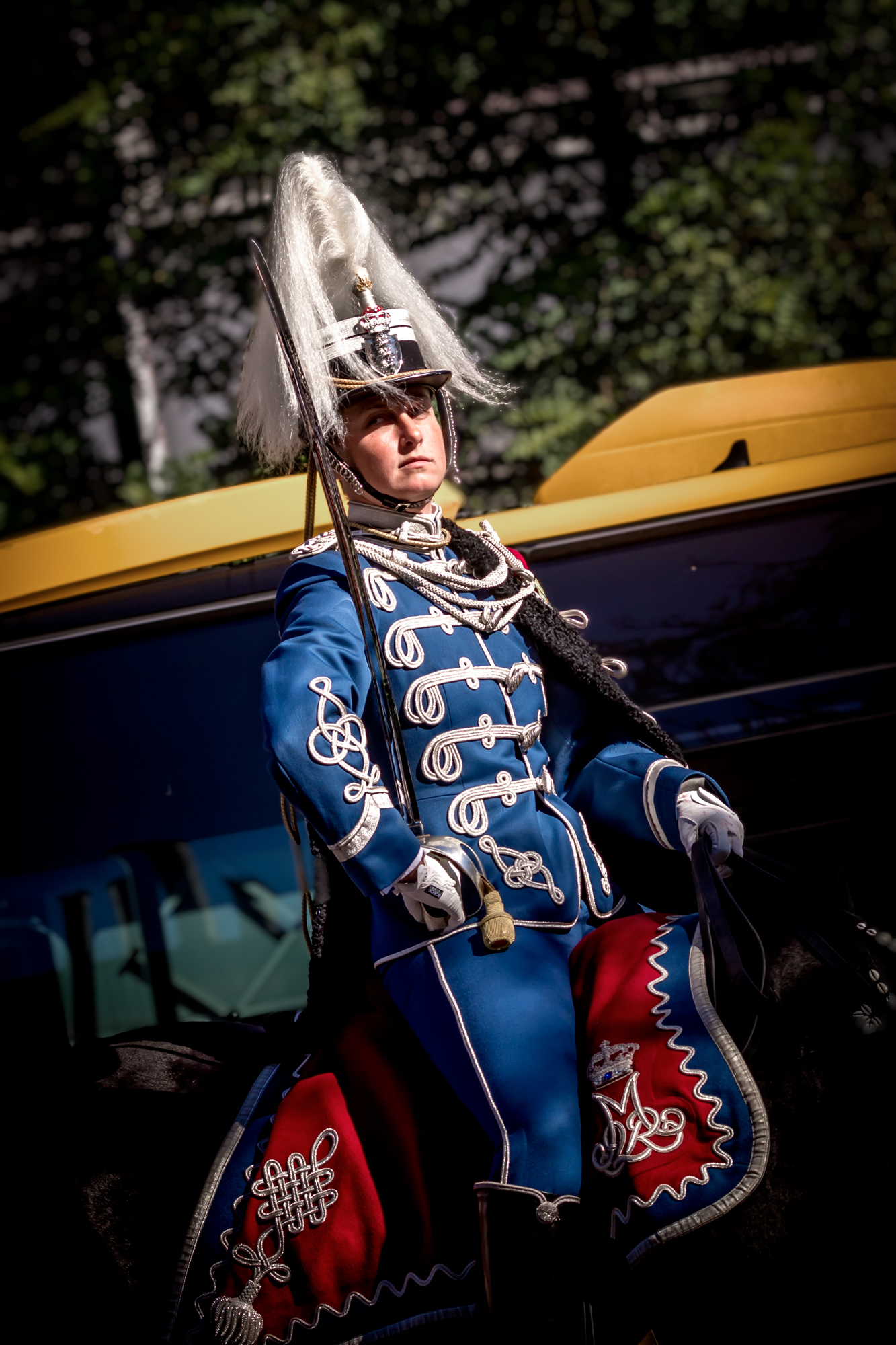
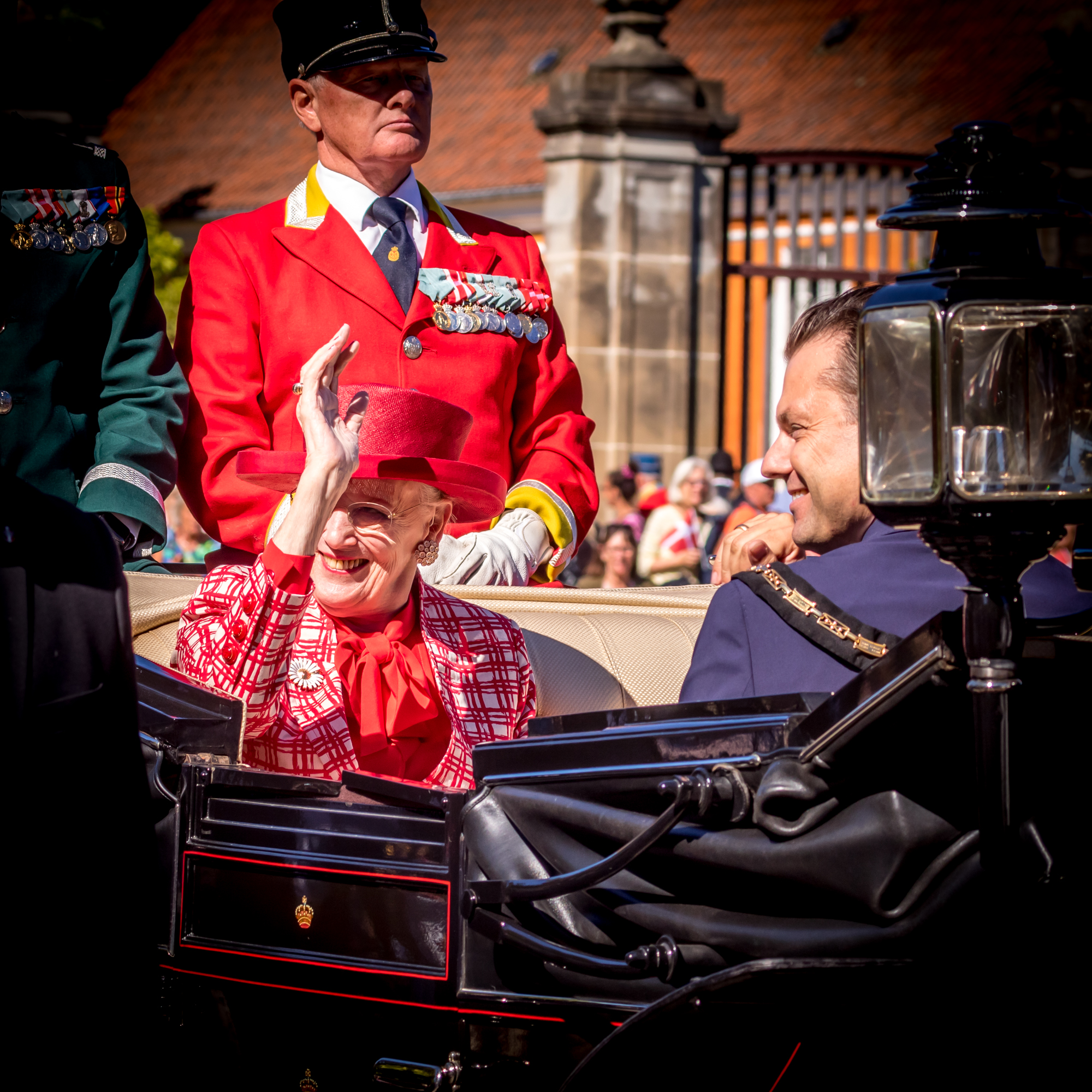
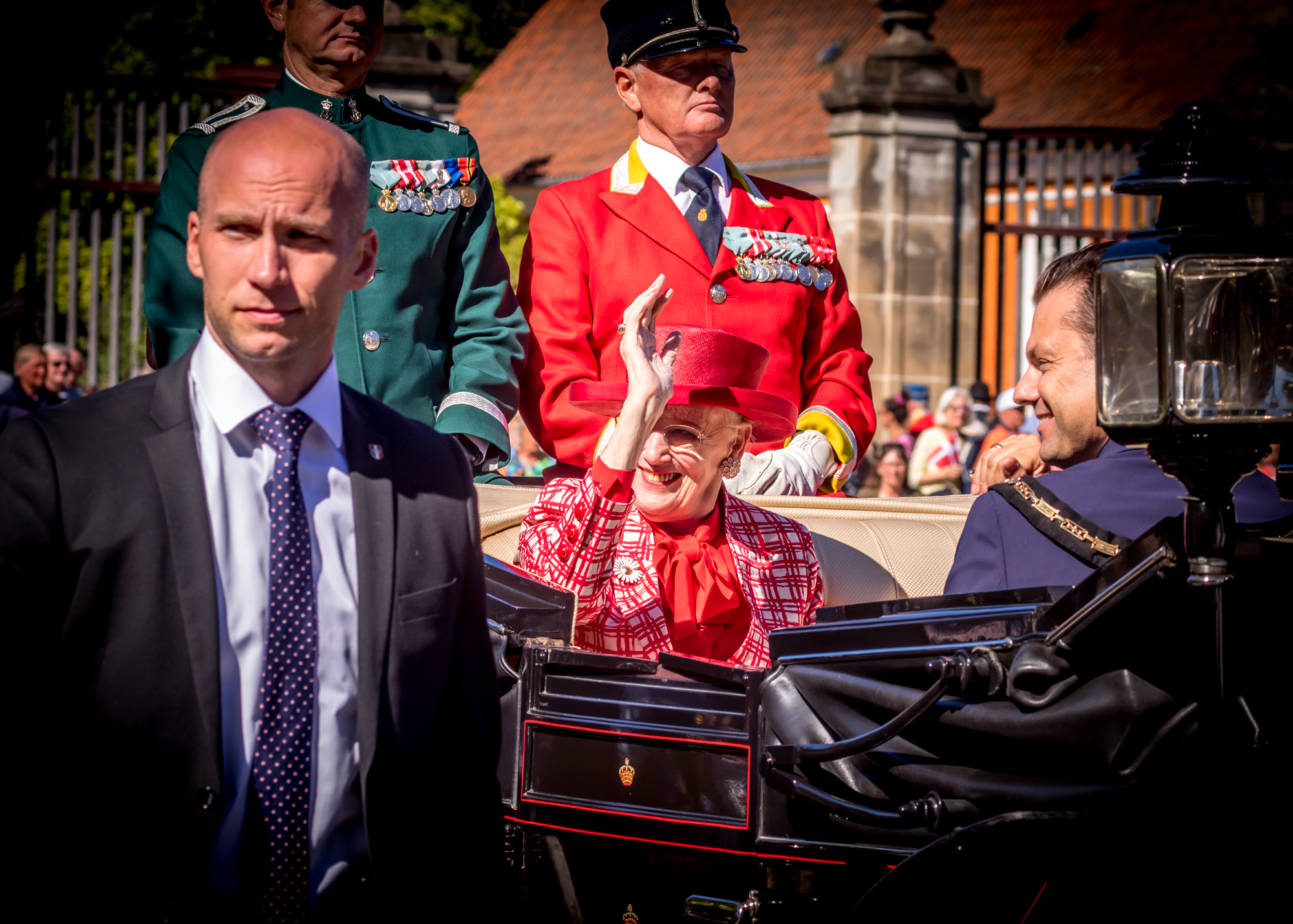
Yesterday, Her Majesty Queen Margrethe II visited Frederiksberg which caused a big hoopla with children lining the streets with flag and the Royal Guard looking absolutely smashing on their patient horses. How lovely to witness a beloved Regent being transported all over Frederiksberg in perfect safety and calm! I am not a big Royalist, but it was a rather moving moment that caused me to go a bit misty-eyed!

Sakura Matsuri!

Cherry Blossom Festival in Copenhagen

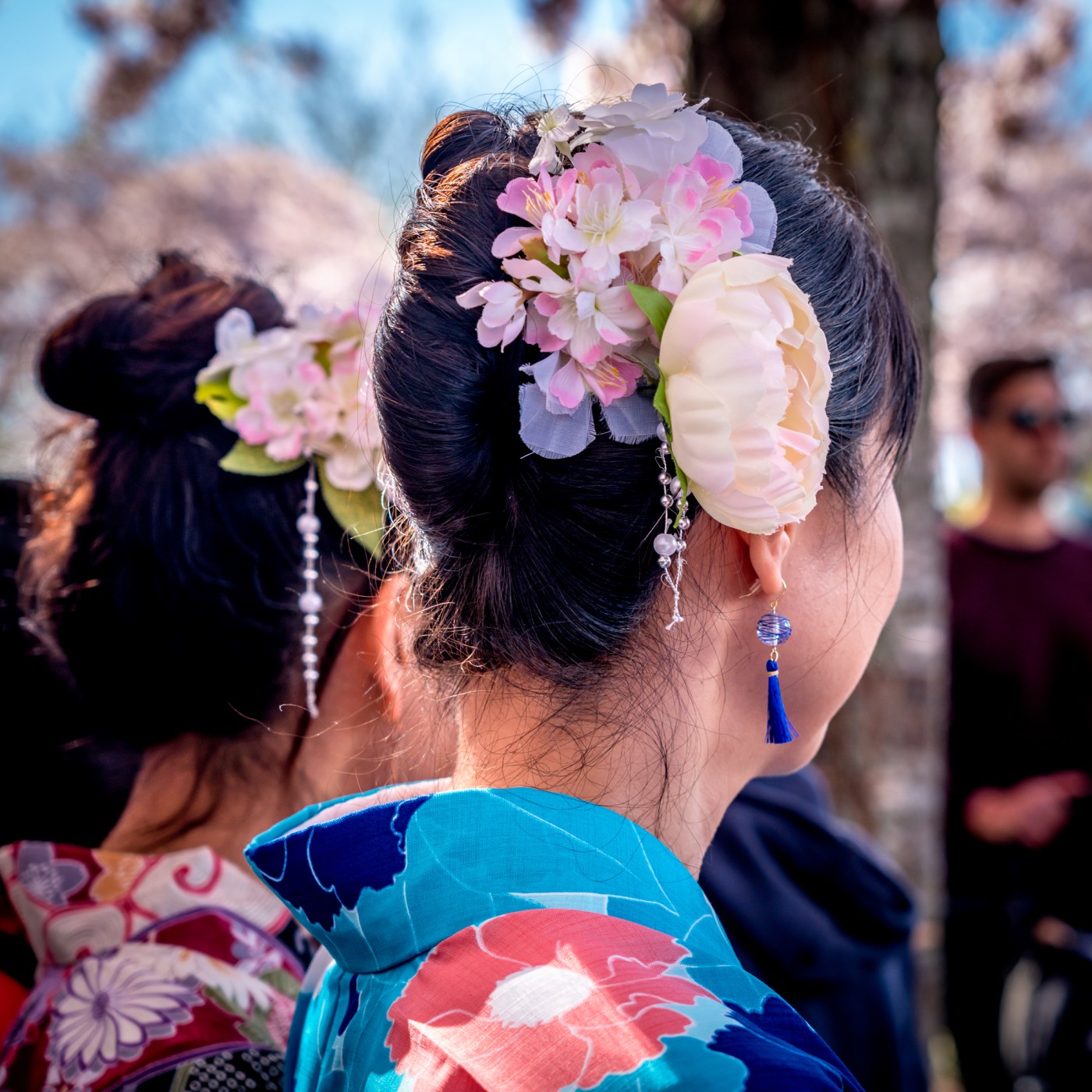
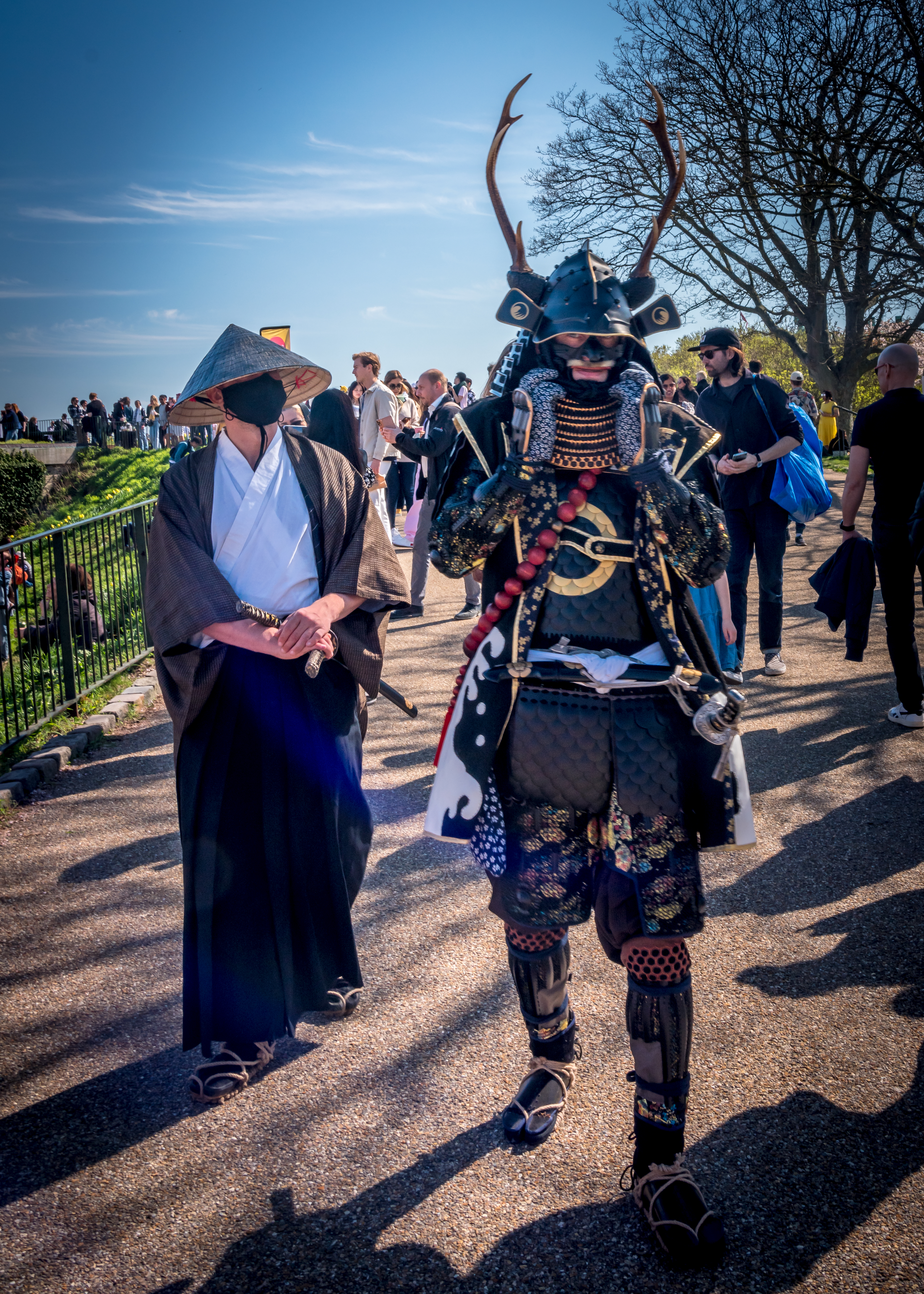
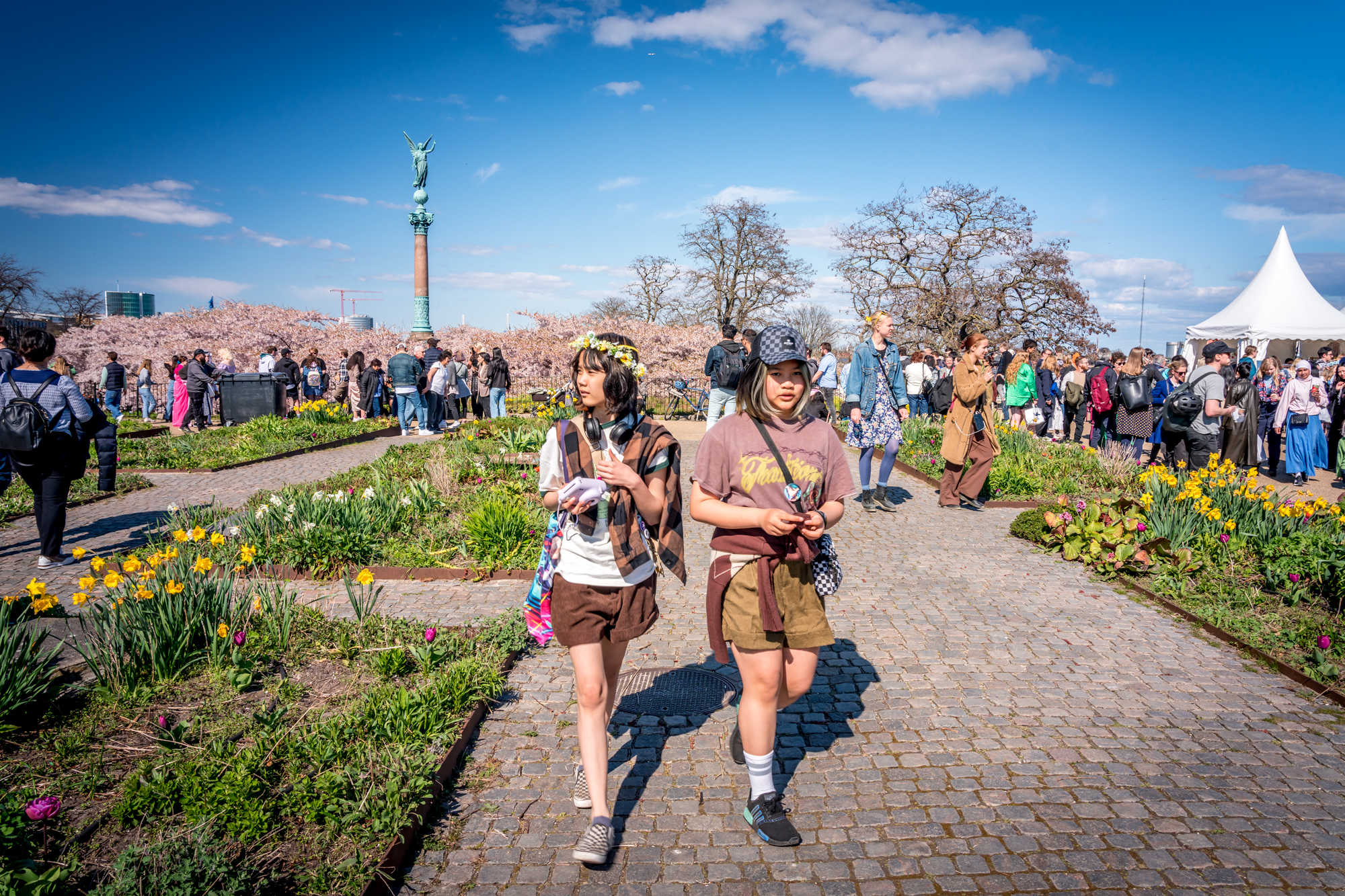
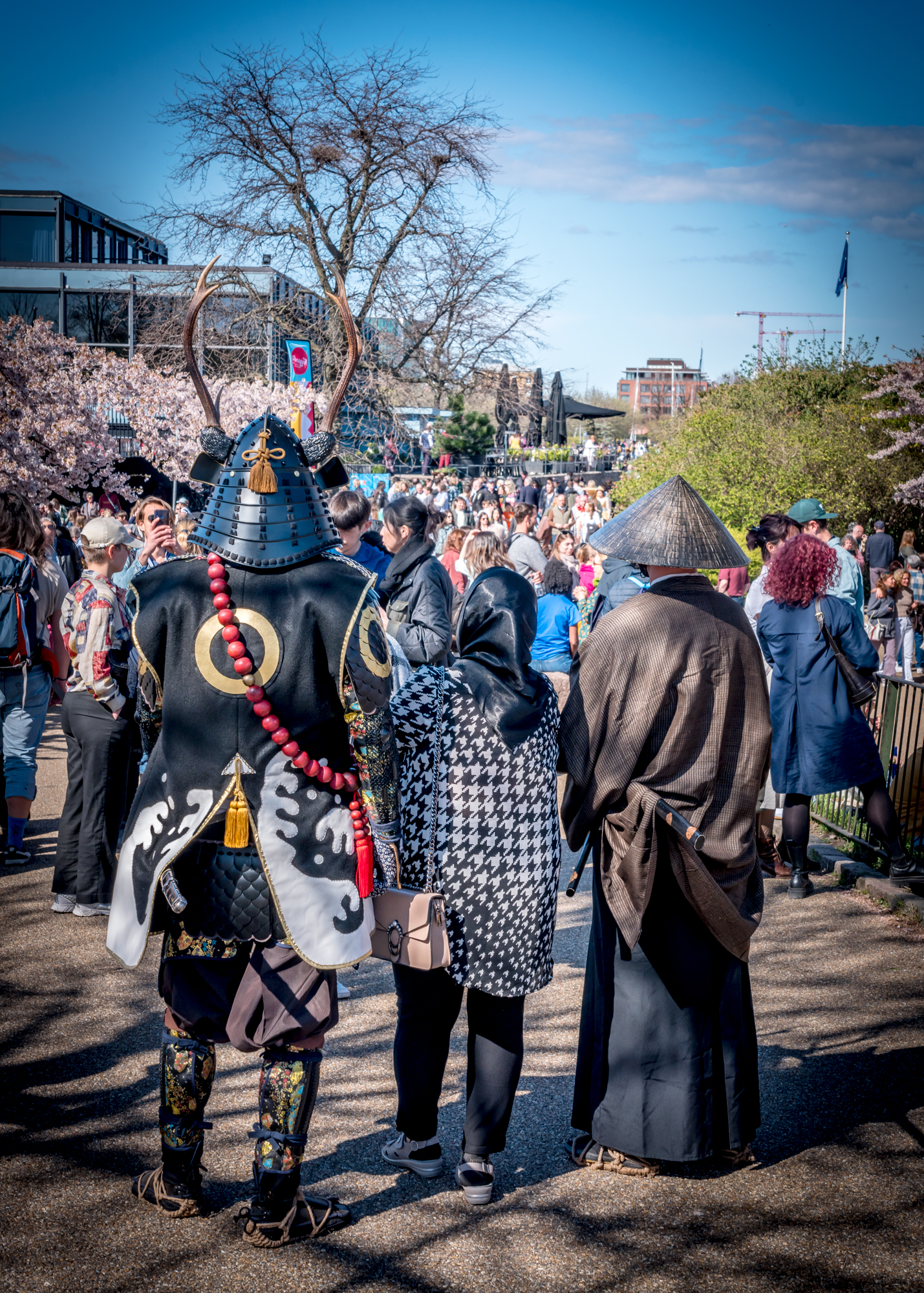
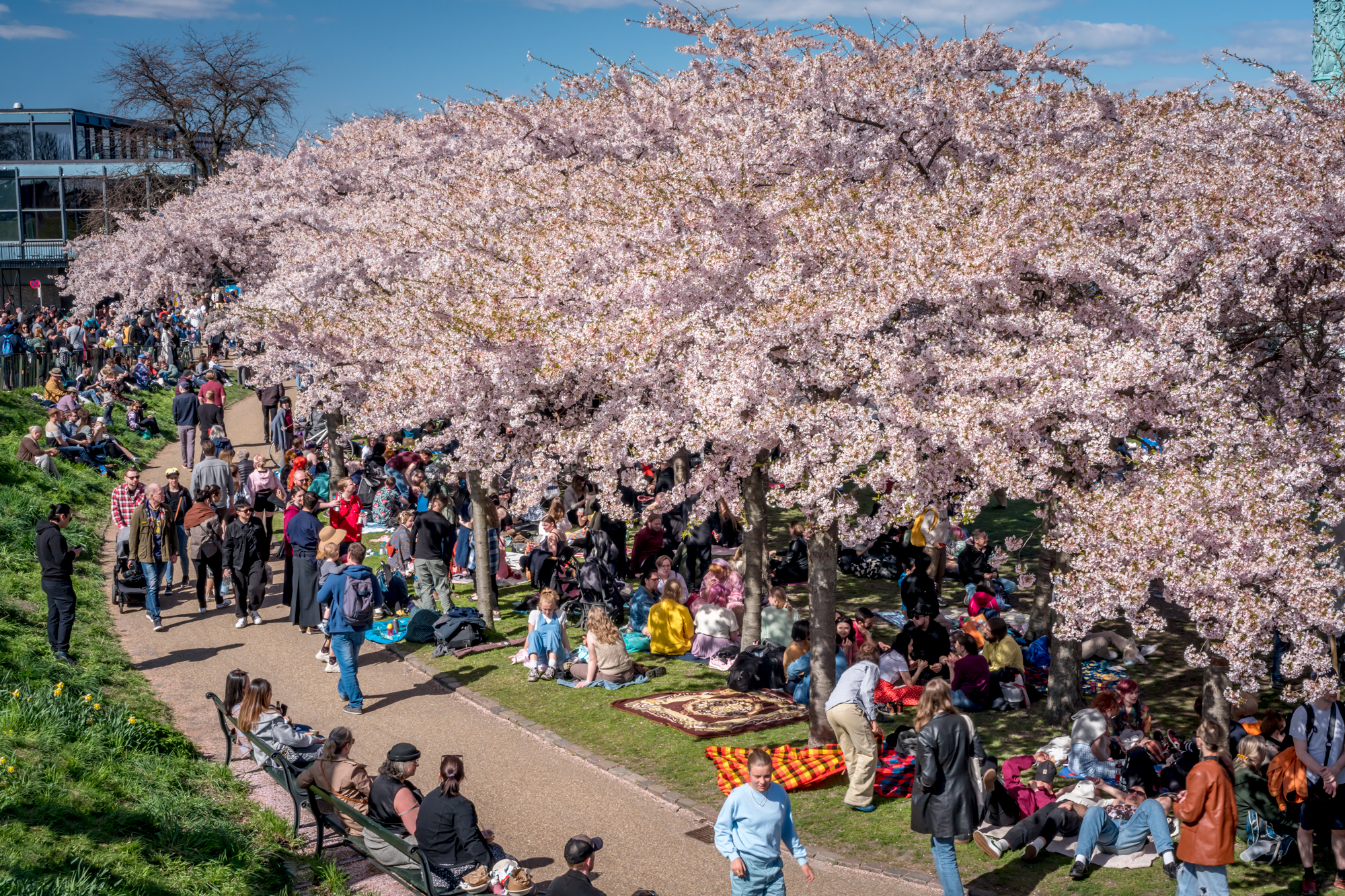
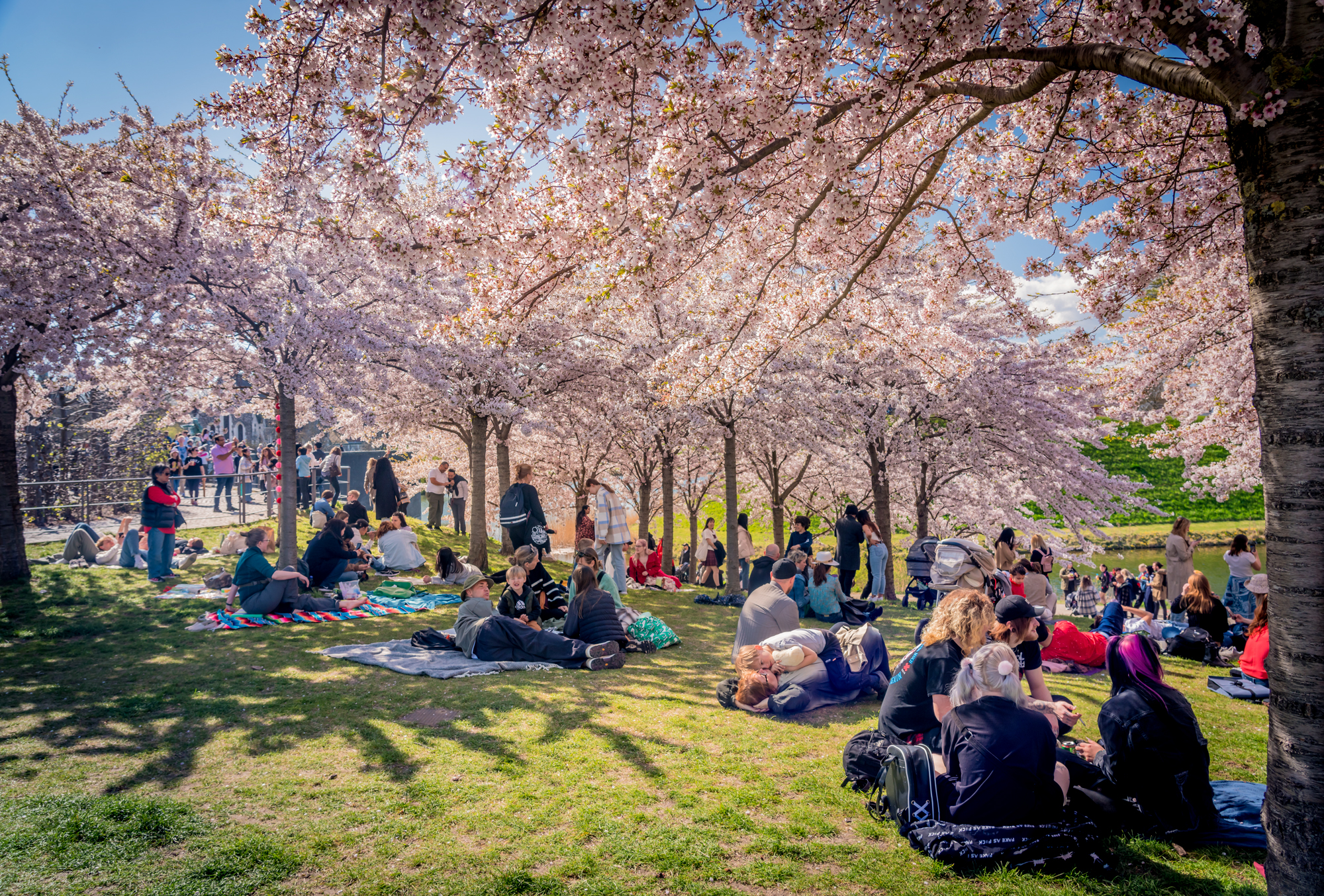
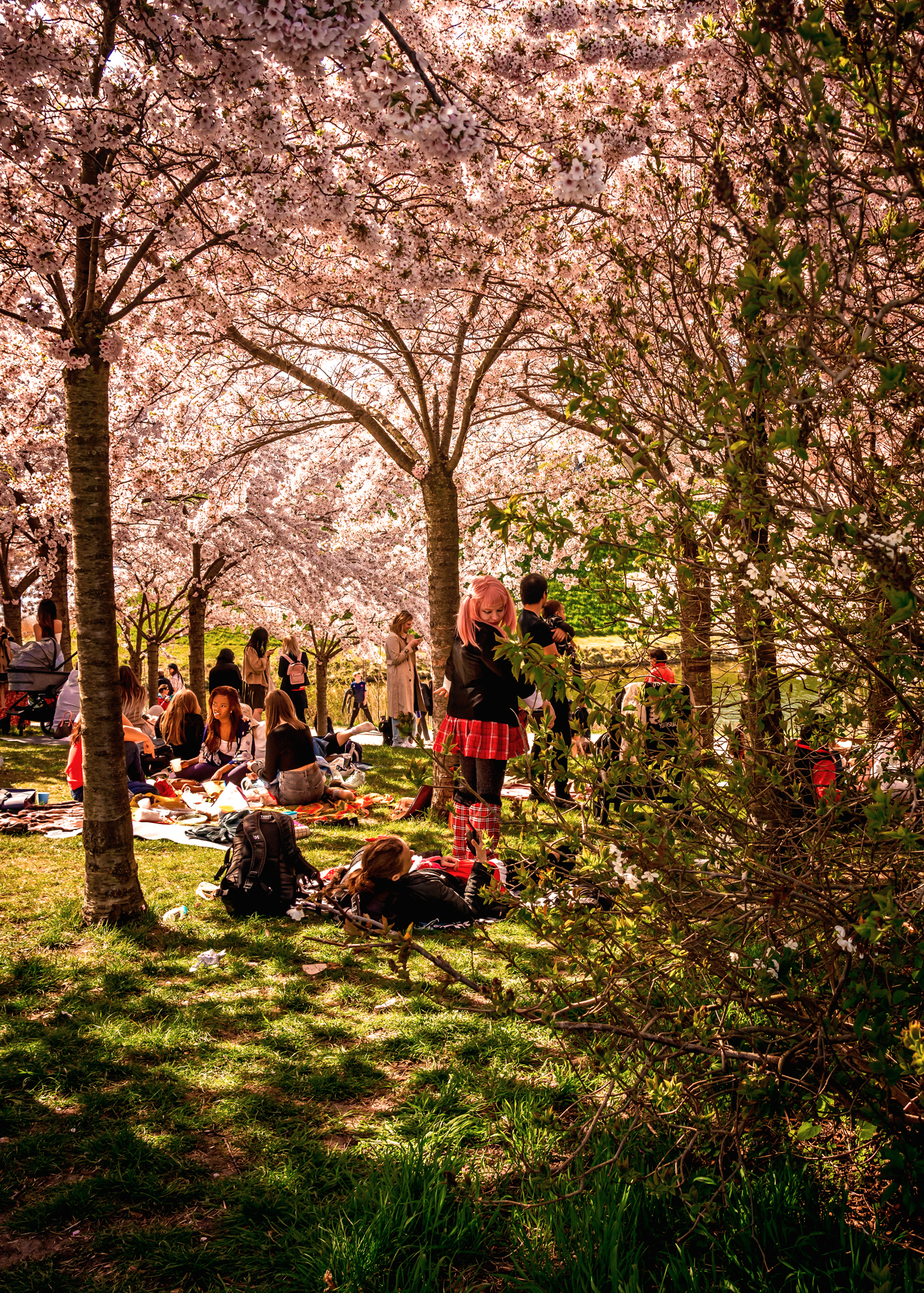
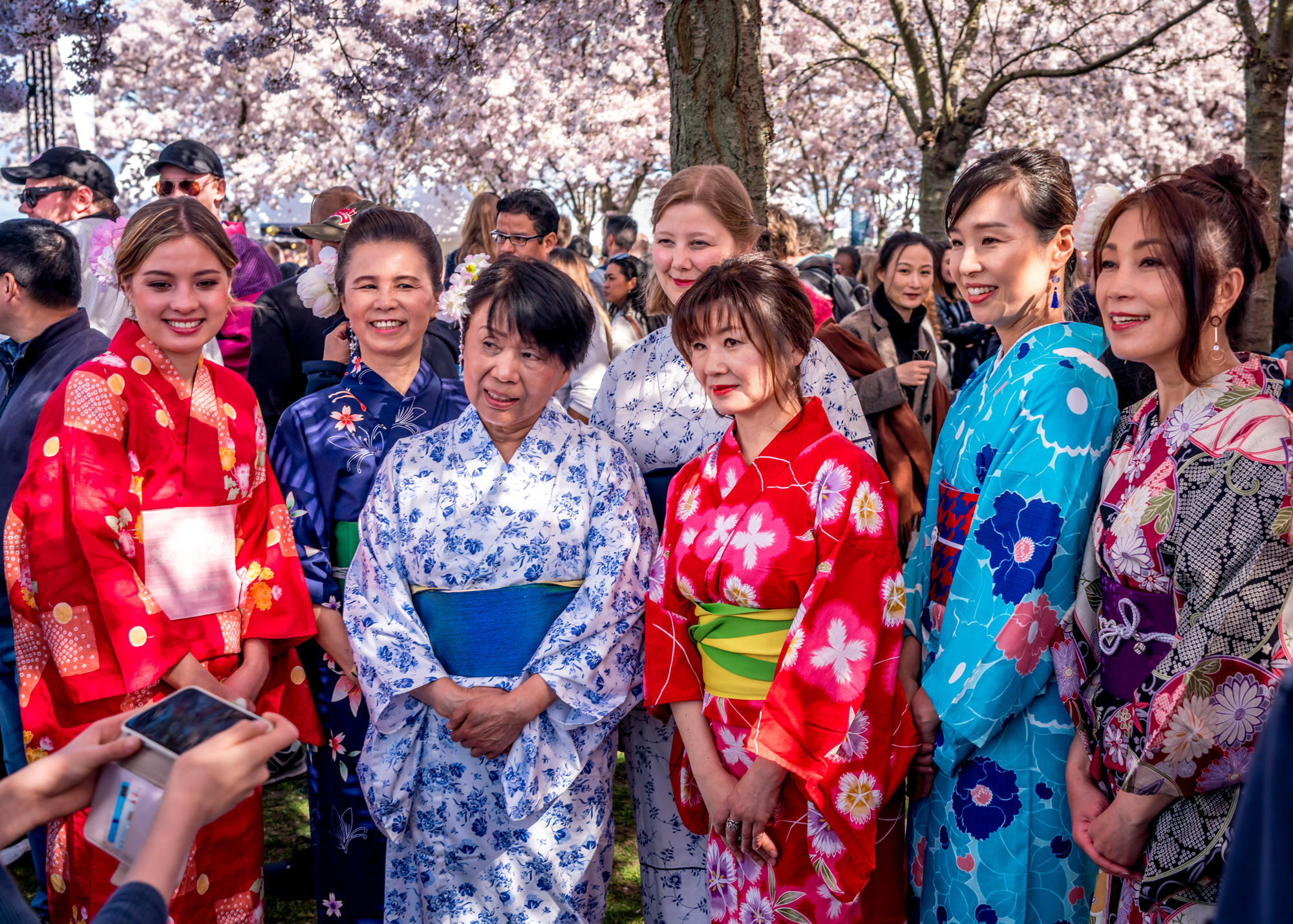
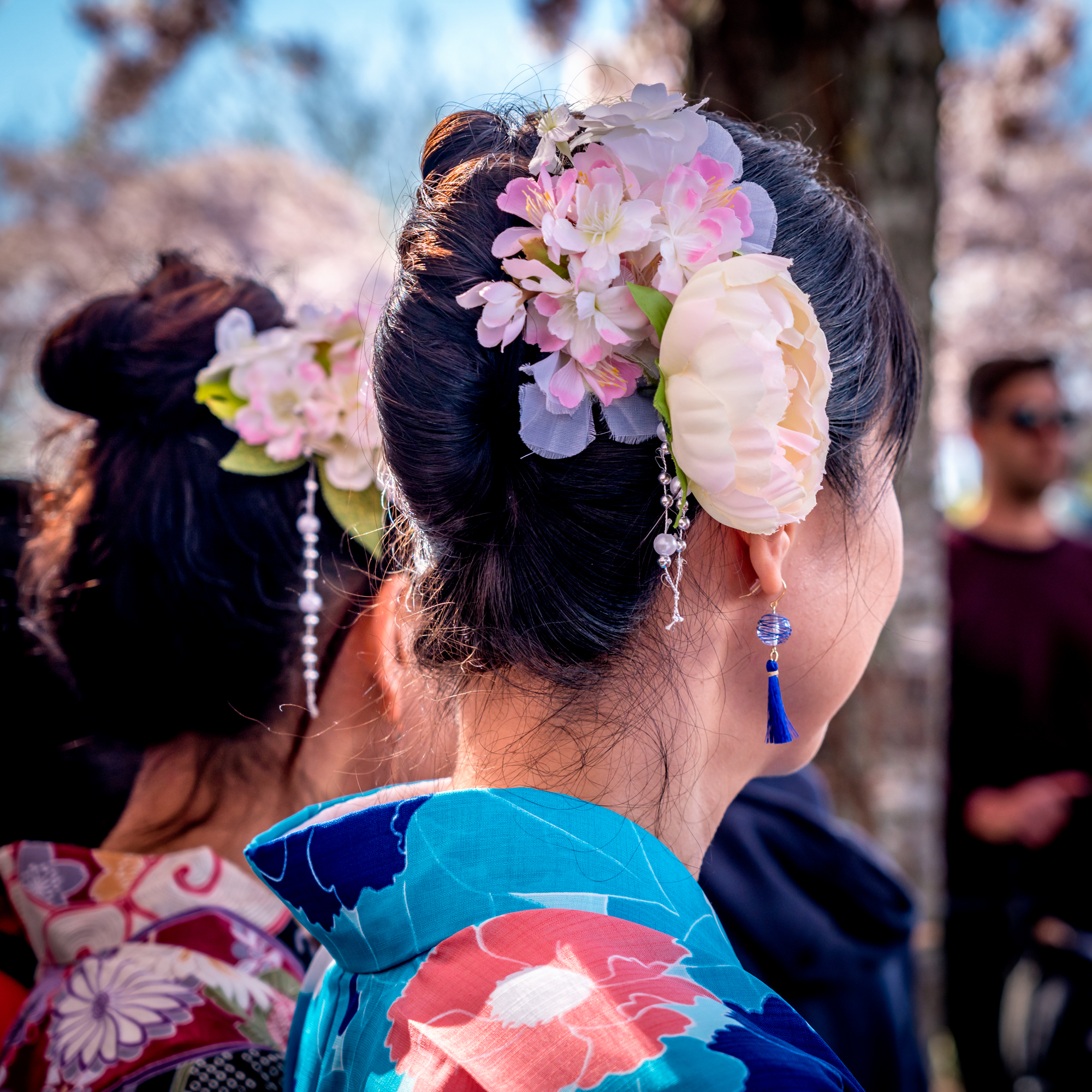
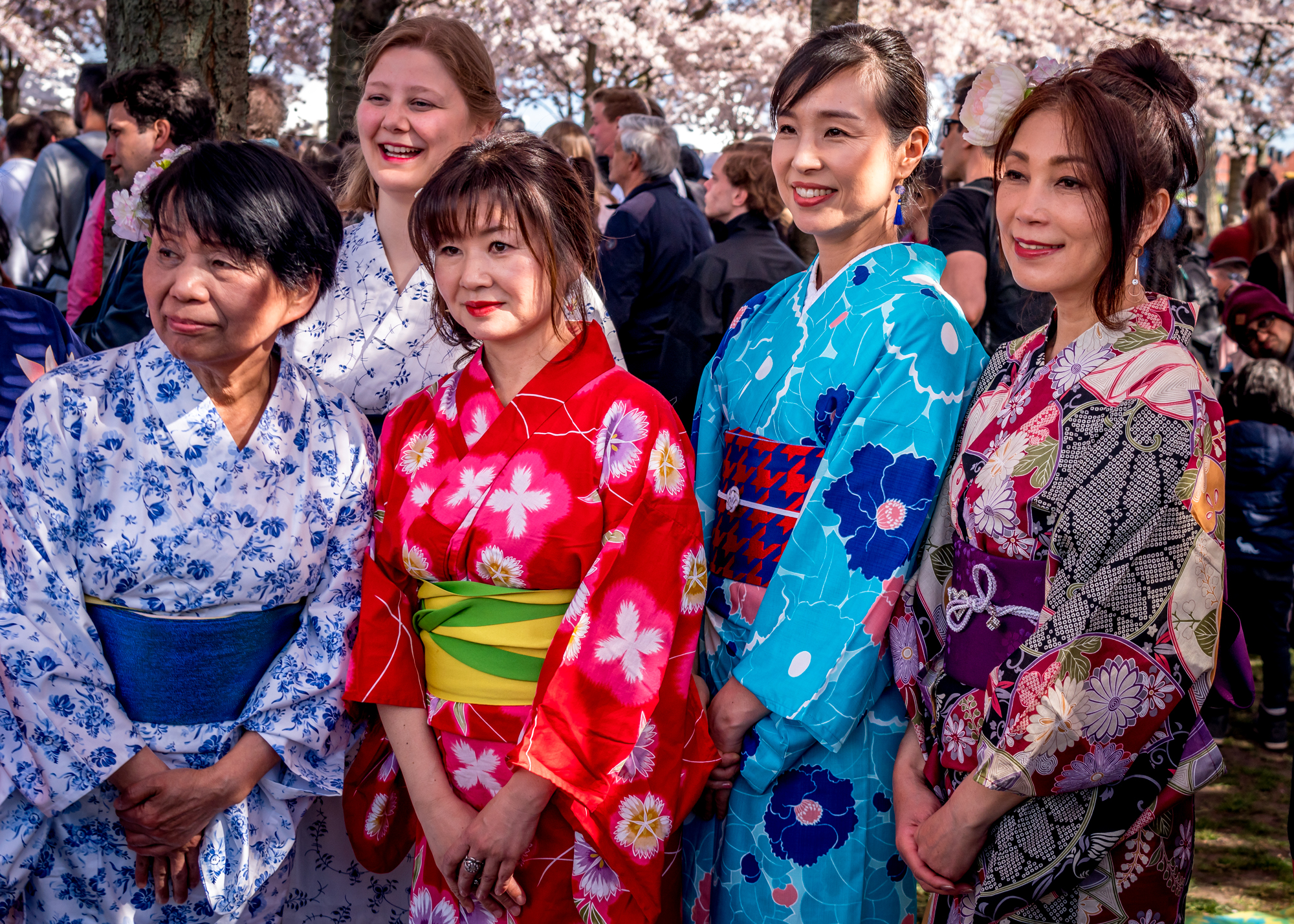
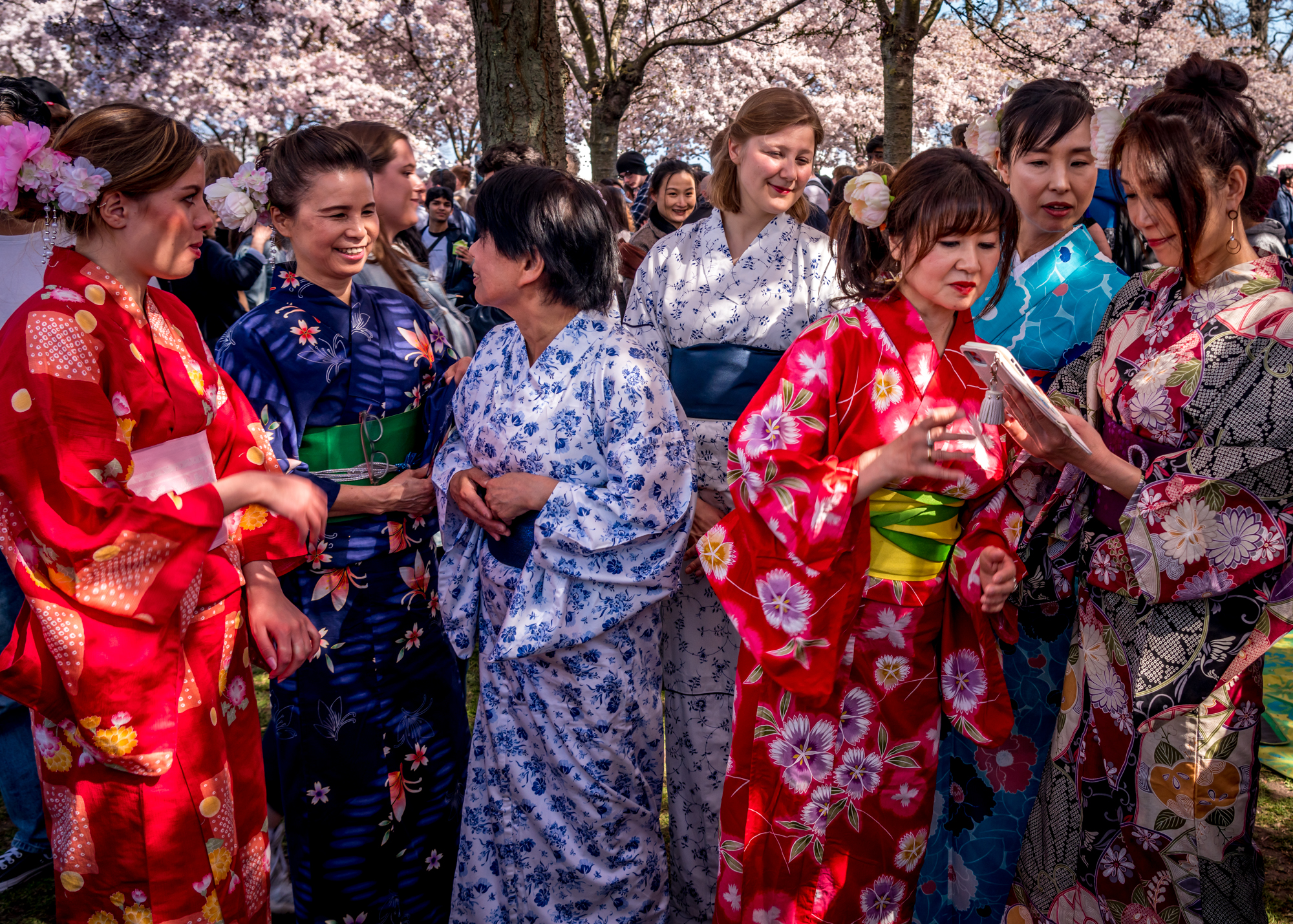
Yesterday’s mood was overshadowed by the very moving march for peace in Ukraine, but it was very life-affirming to see the huge crowds that had gathered at Langelinje for the Cherry Blossom Festival. There was traditional music, food tents, lounging spring-loving people everywhere, ladies in traditional yukata and even a samurai! This was the first real spring day after a long and dreary winter and Copenhagen was on fire!
Even in the midst of all the worry and sadness, we must remember to enjoy life and bring joy around us. Happy Sunday!

March for Ukraine

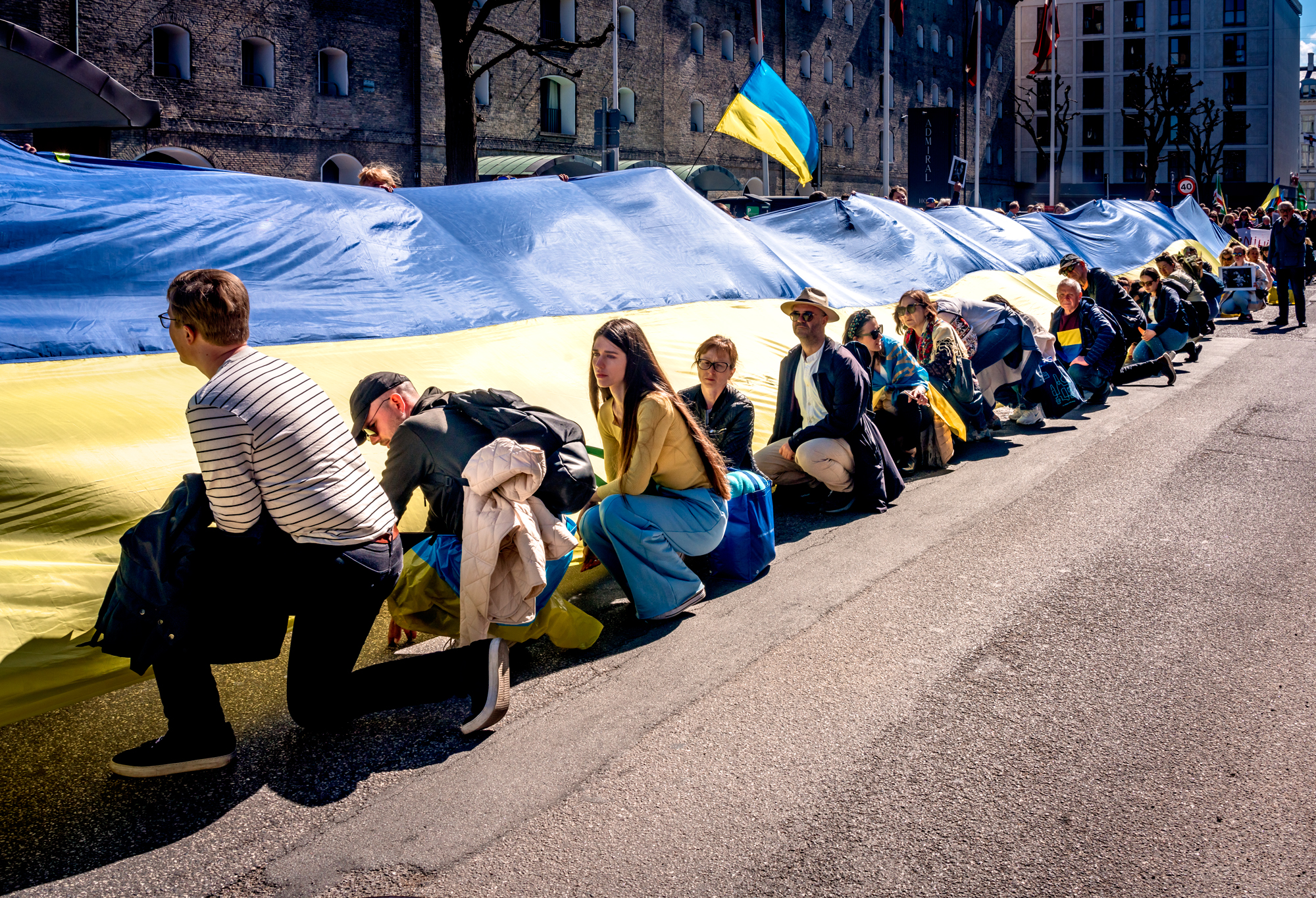
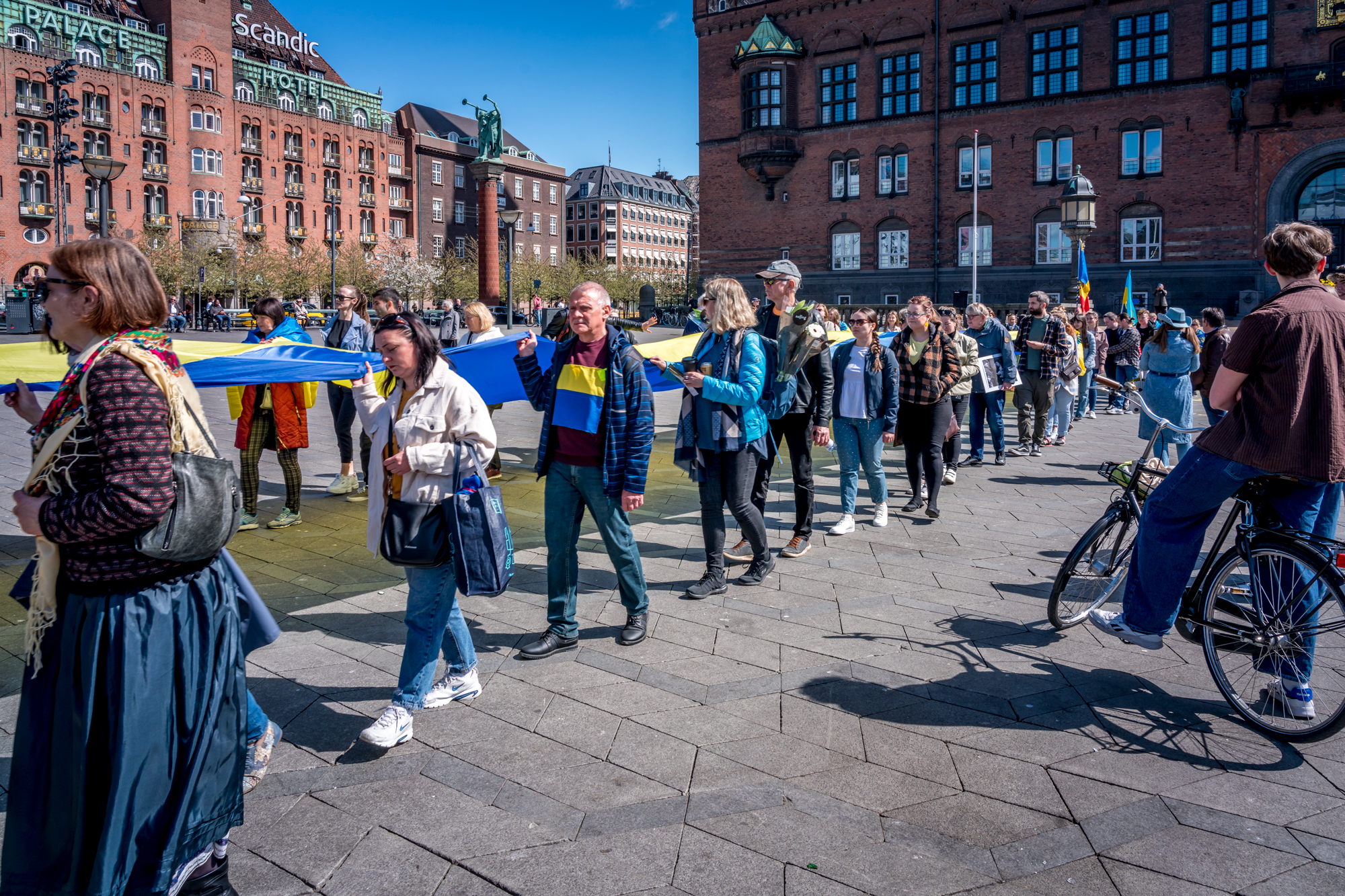
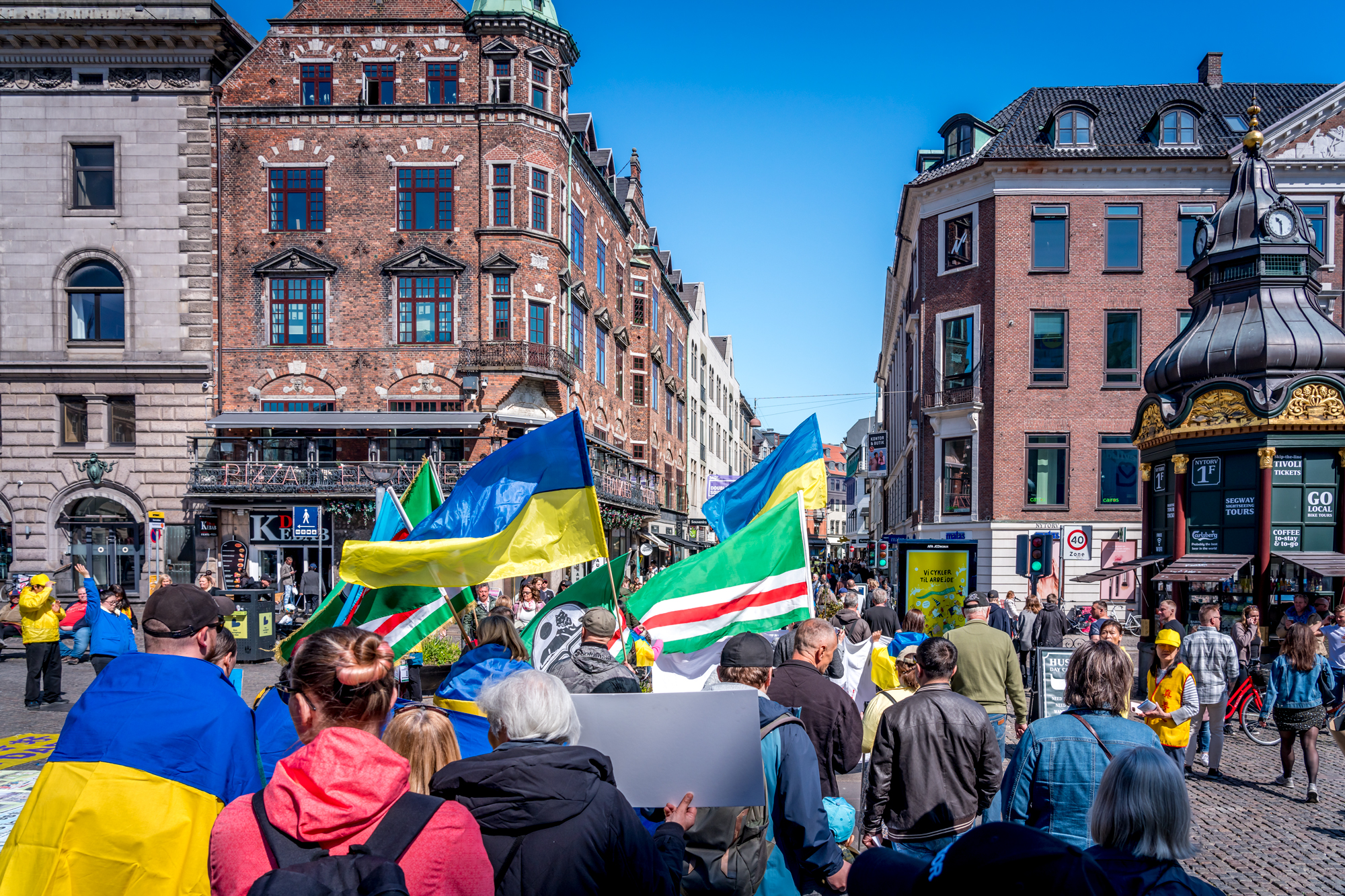
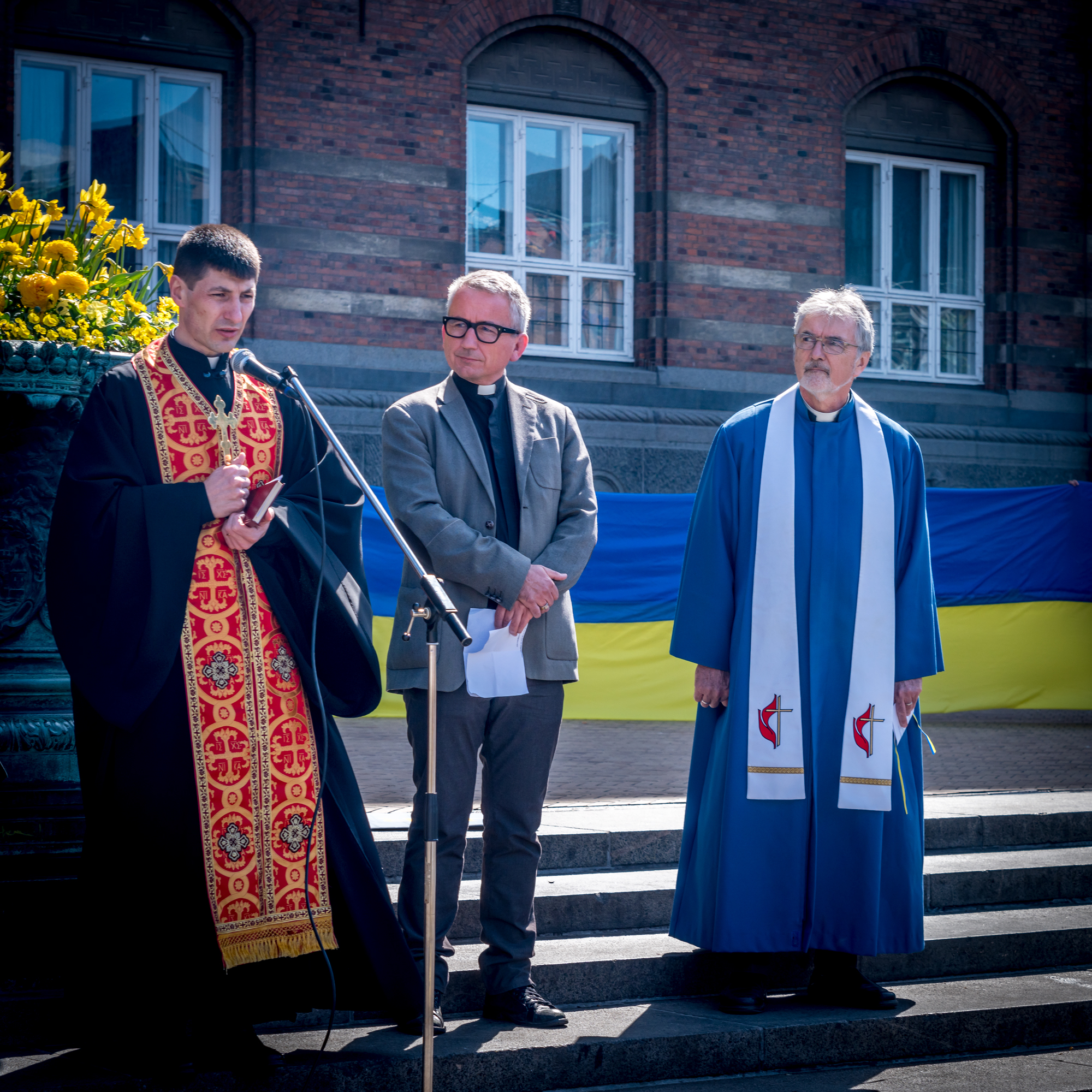
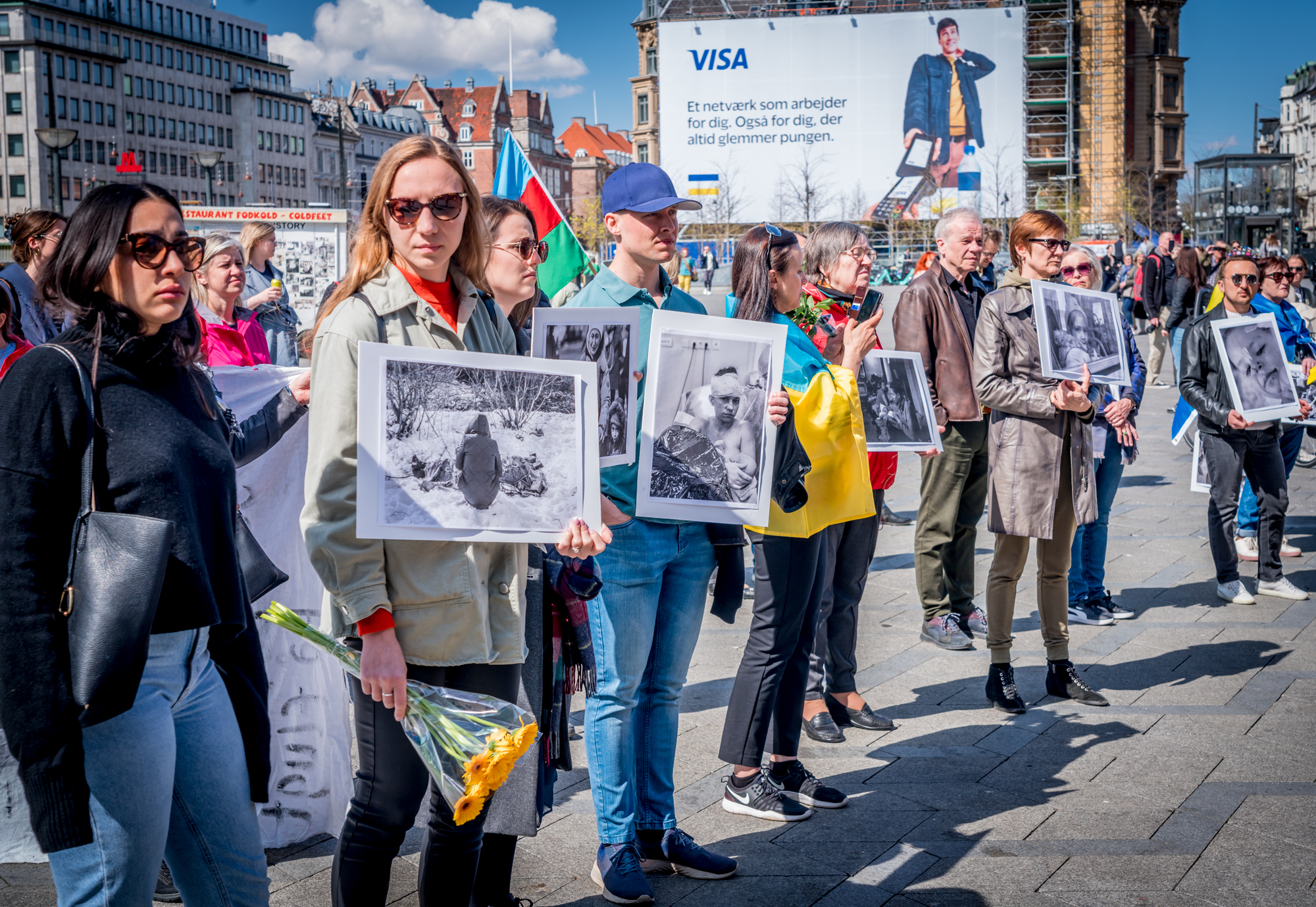
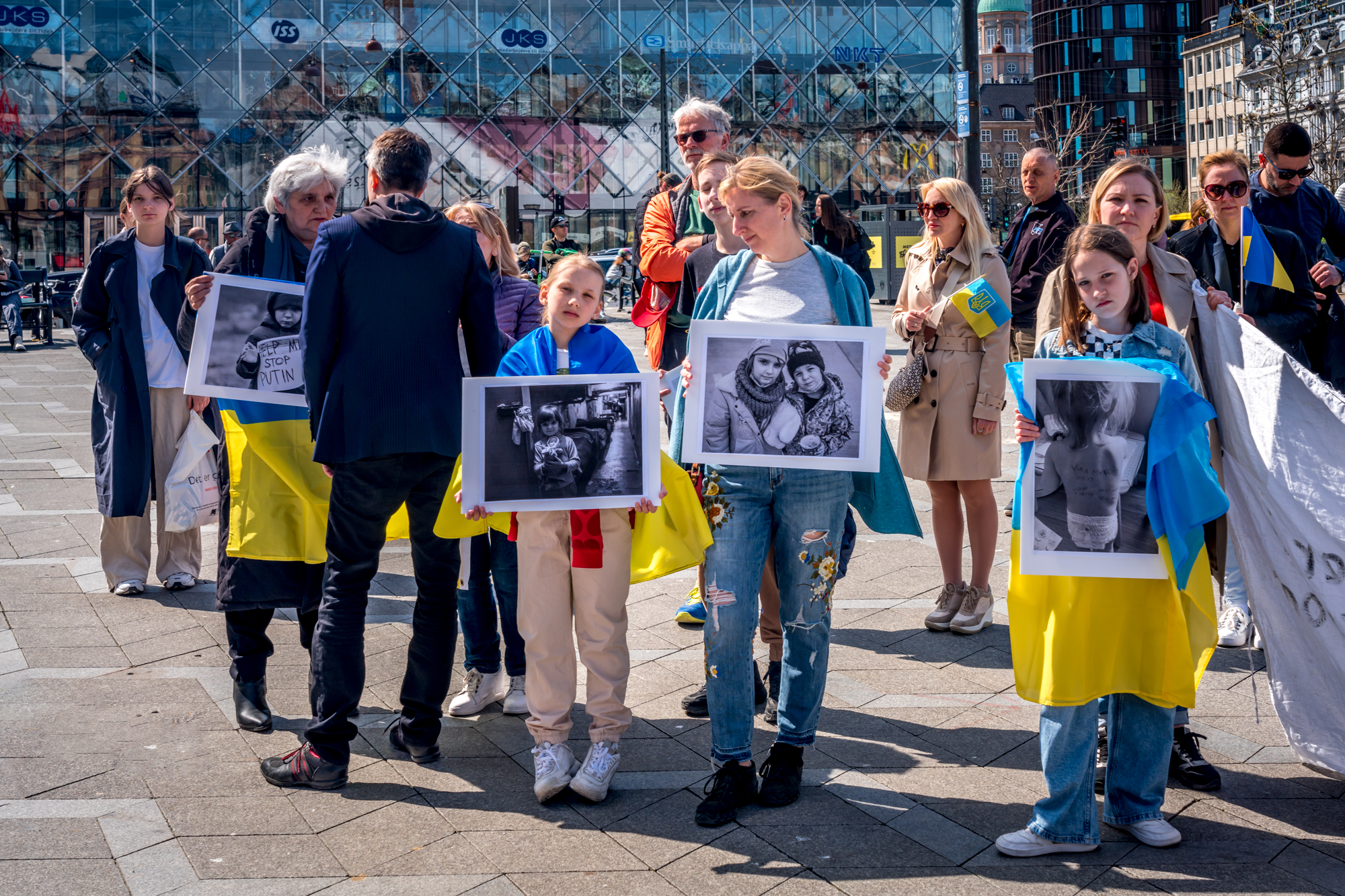
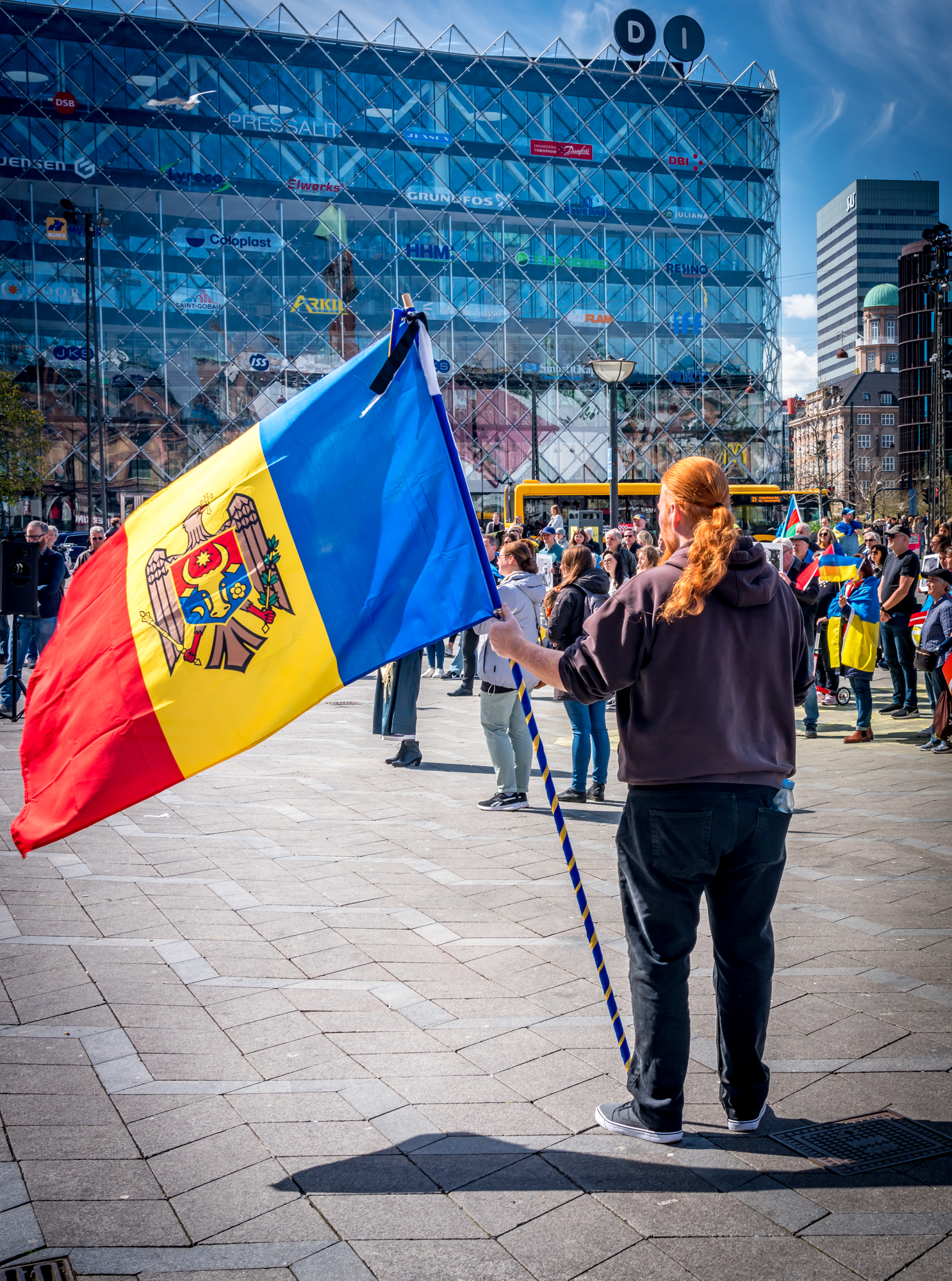
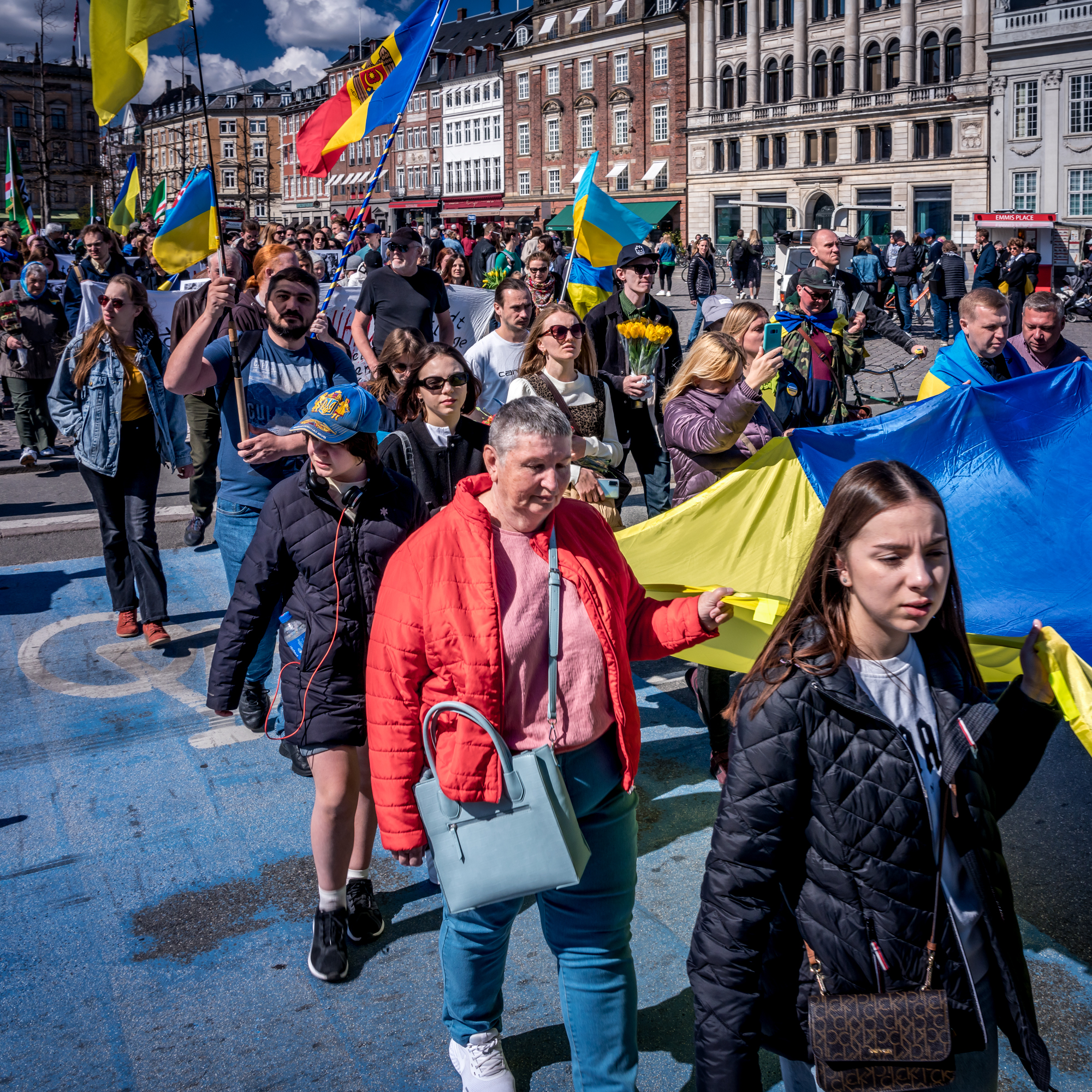
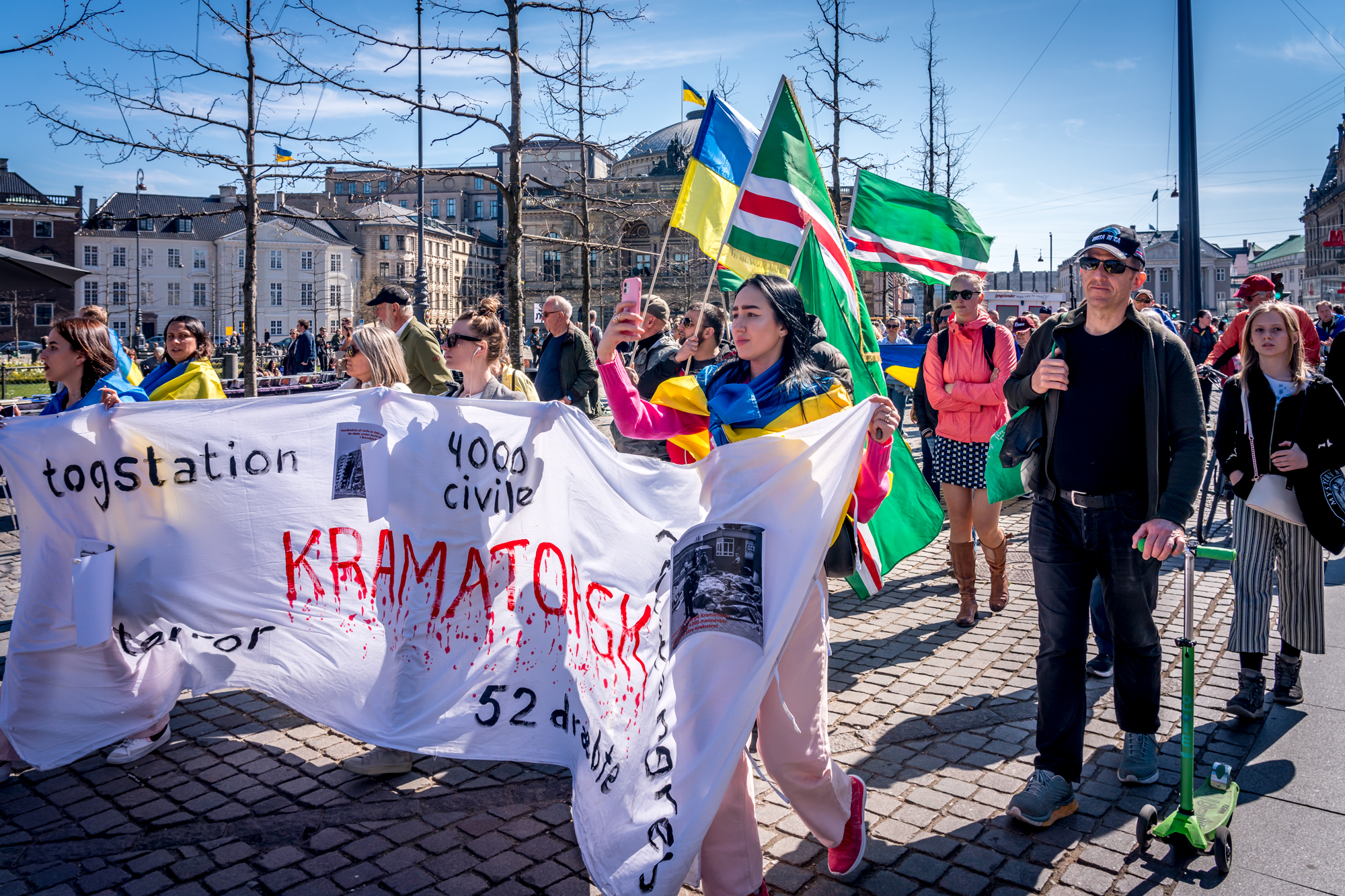
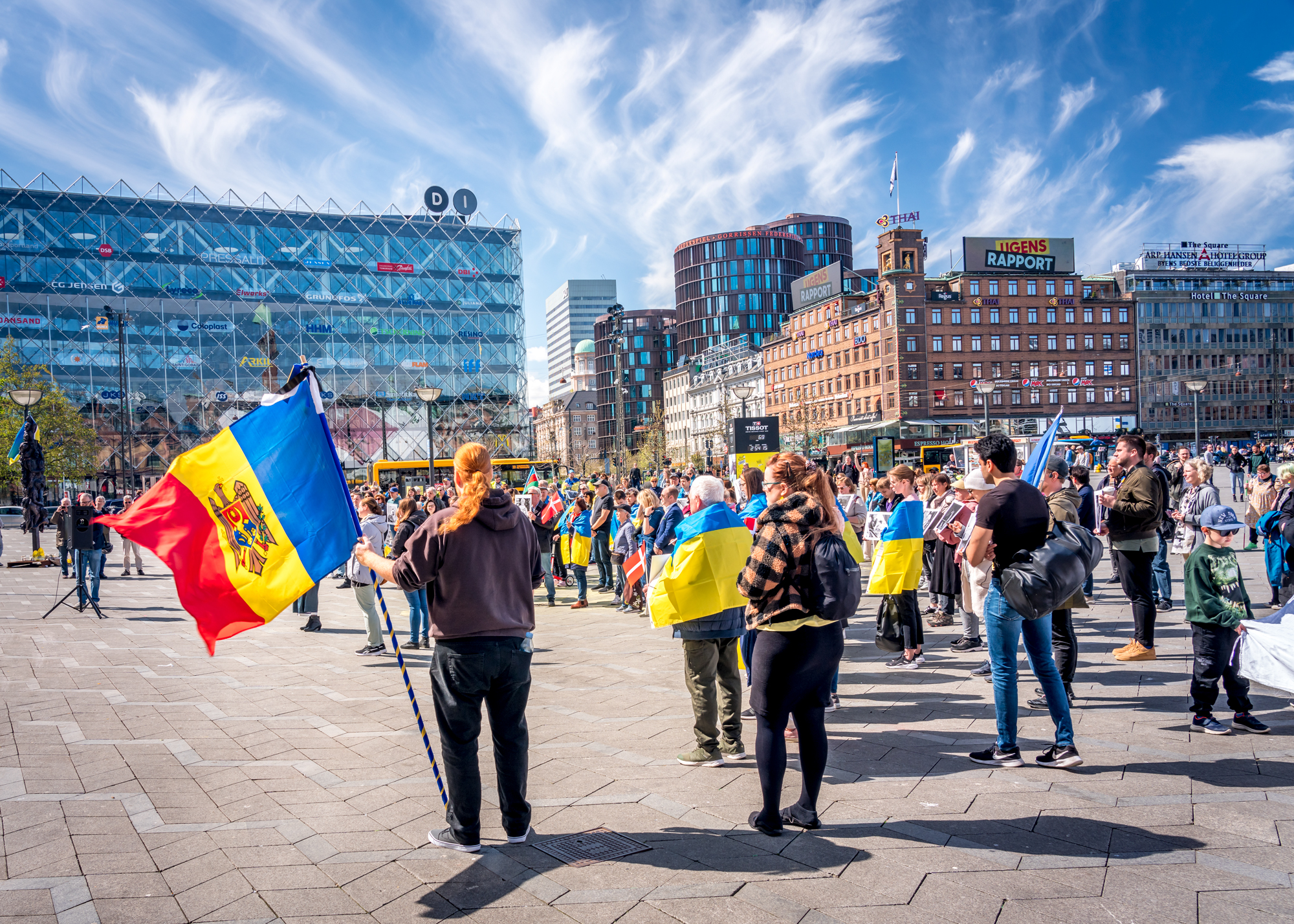
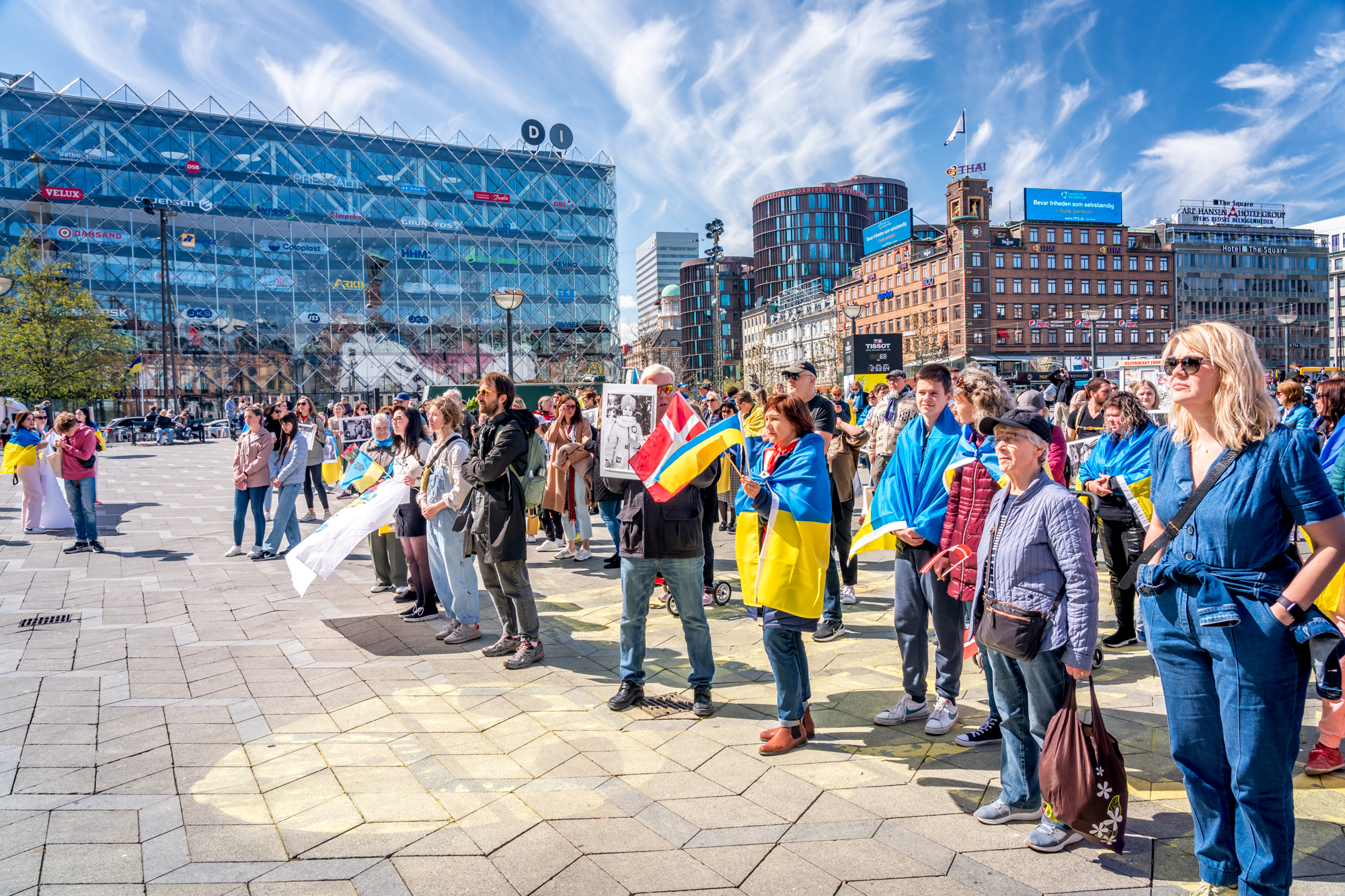
I participated in the ceremony and march for peace in Ukraine yesterday and will have to admit to being very moved by the somber mood and faces. Sadly, only about 200 people showed up (we can do better than that for our fellow Europeans!) and marched from Rådhuspladsen via Strøget to Kongens Nytorv. We then walked through the very busy Nyhavn and ended up in front of the Ukrainian Embassy.

There are no words that can describe the sadness, fear and anger that I have felt for the past two months, so I will just let the photos speak for themselves and hope that peace will soon come back to Europe. СЛАВА УКРАЇНІ ! / GLORY TO UKRAINE !

You can also see them as a slide show:

The Bombing of the French School in Frederiksberg, Copenhagen

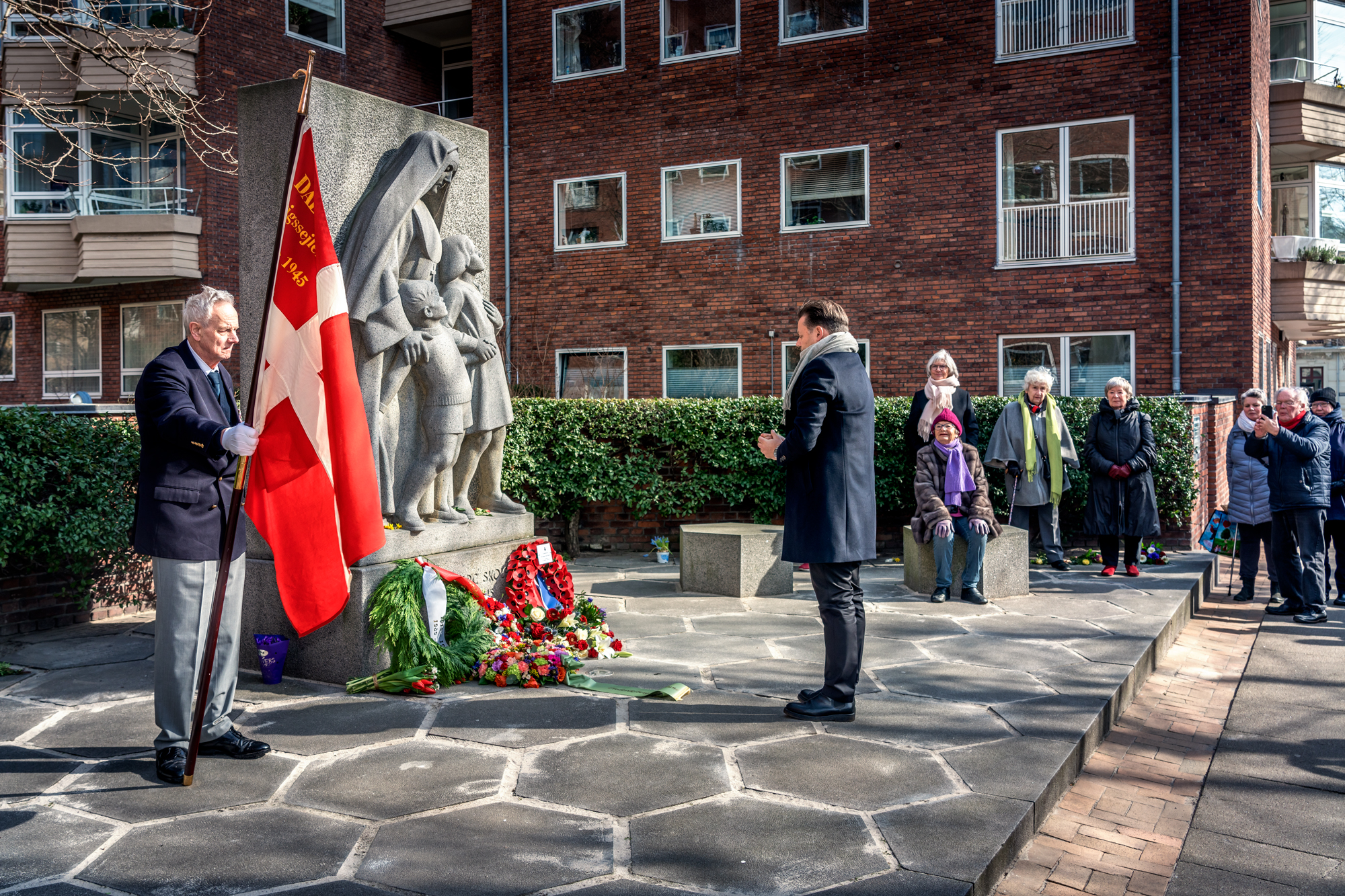
On March 21, 1945, Ingrid woke up to a normal day in her apartment on Carl Bernhards Vej in Frederiksberg. She was 5 years old and Denmark was occupied by the Germans. Just before 11:16 am, she saw planes flying very low over her apartment building and was rushed to the basement by her parents.

Little did they know what had happened….

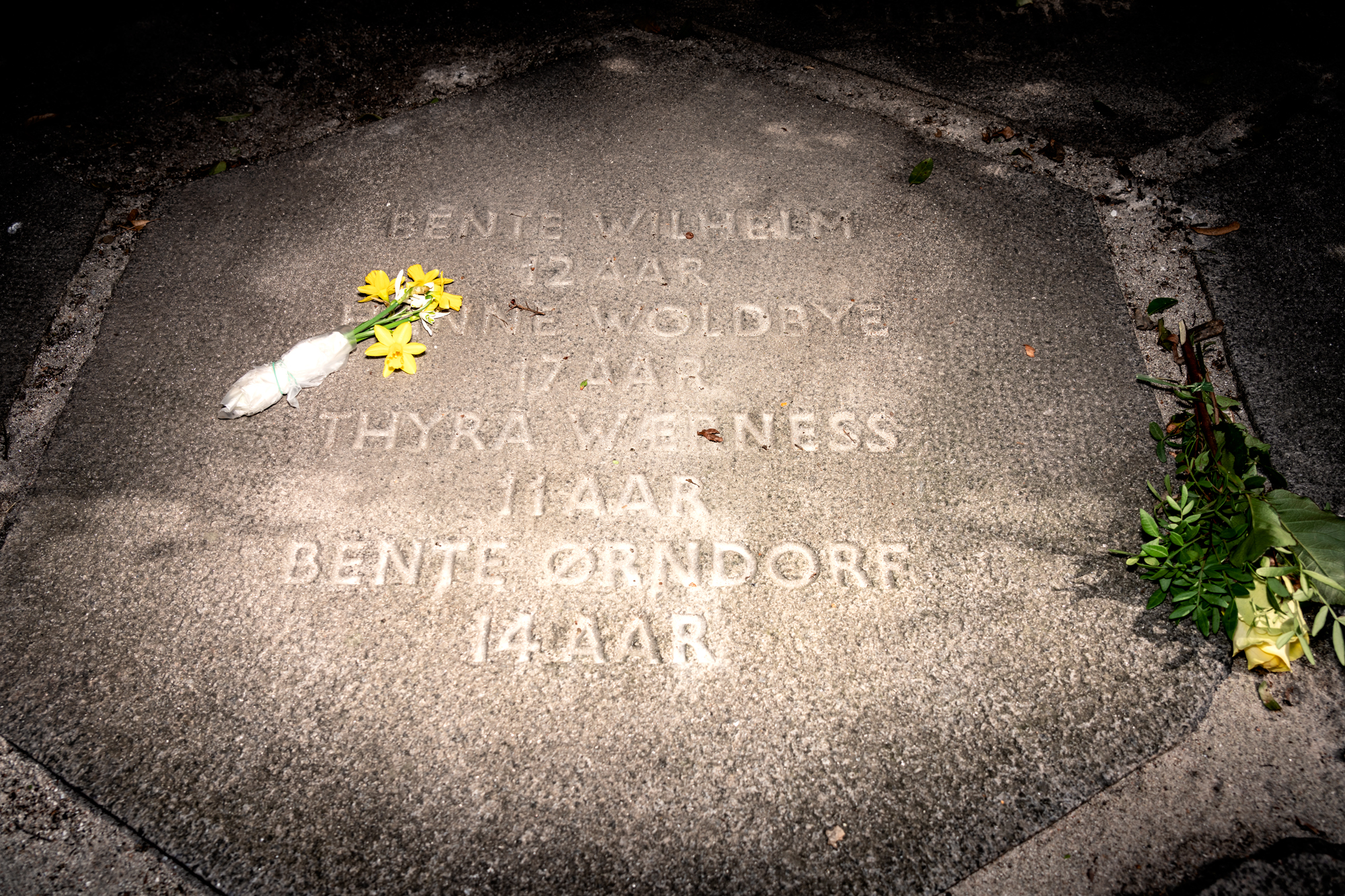
The war was drawing towards the end, but the Nazis were still here and very much active. They had chosen the Shell Building as their headquarters and were preparing a big blow against the Danish Resistance. The United Kingdom decided to do something about it and prepared an incredibly dangerous Air Force operation. It involved flying very low and targeting just one building. Unfortunately, a human error made one plane bomb the wrong building, the French School in peaceful and sleepy Frederiksberg, the independant city within the city of Copenhagen. 82 children were killed, but not necessarily from the bombs, but from drowning when the pipes in the basement burst.

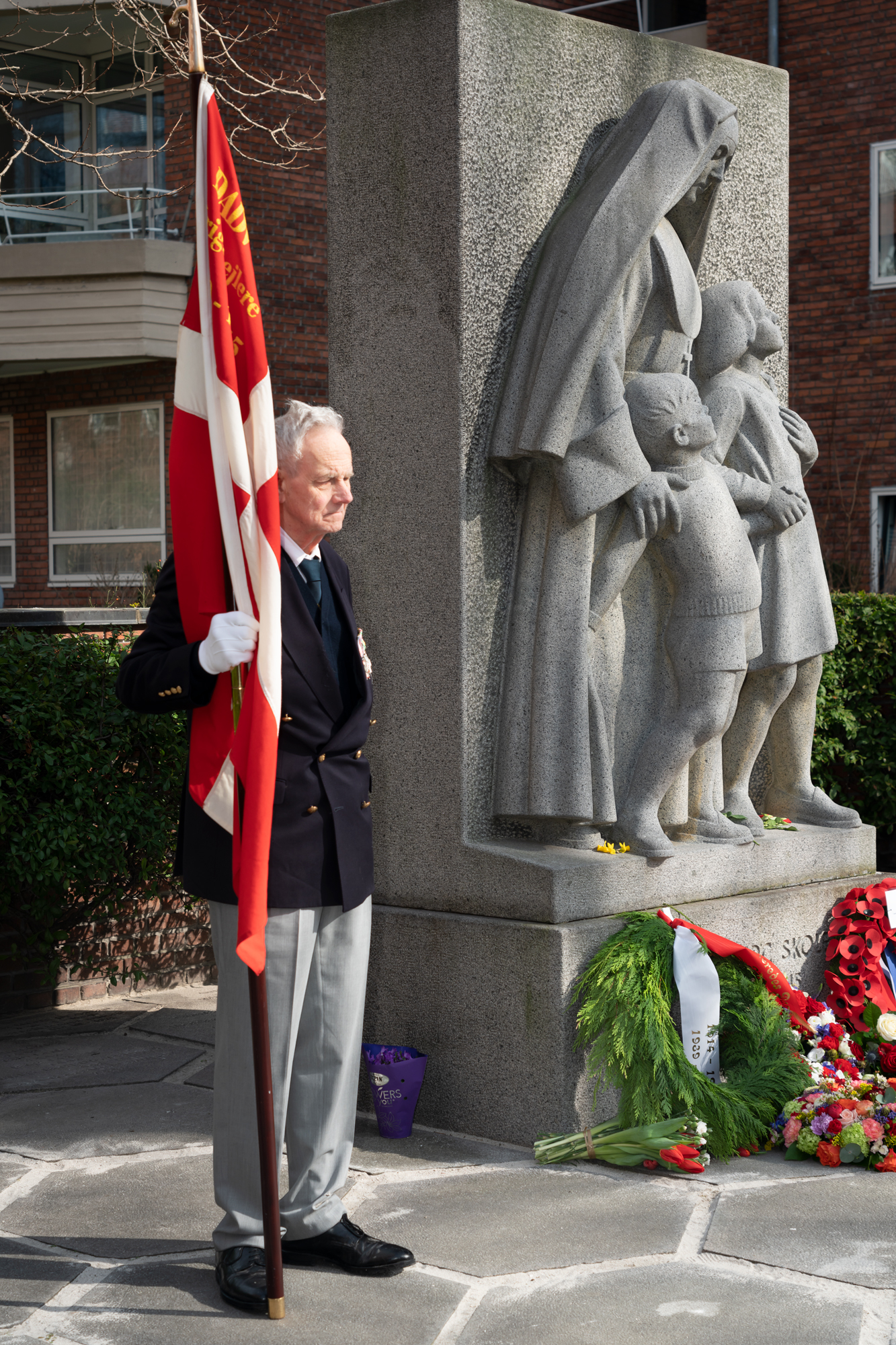
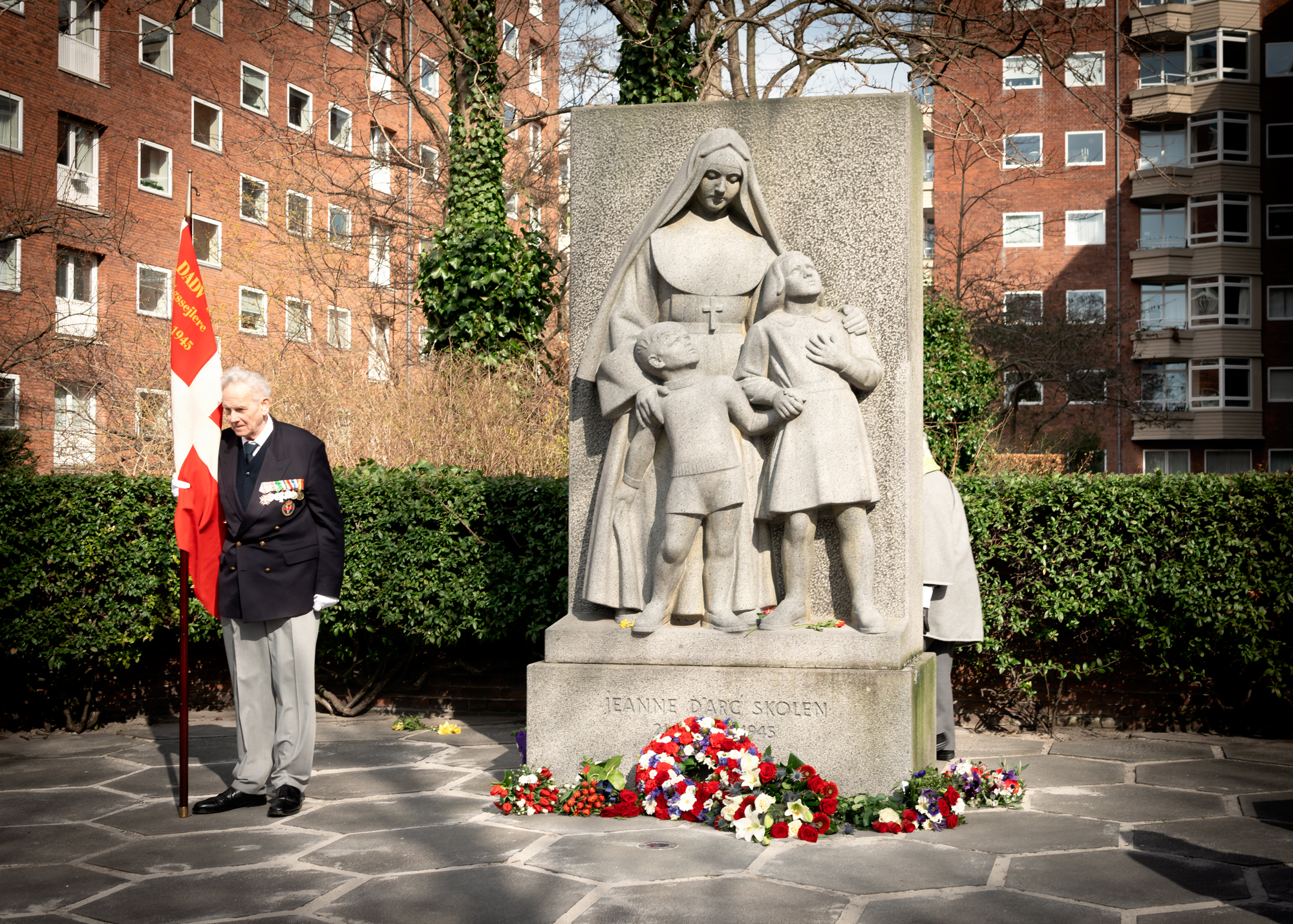
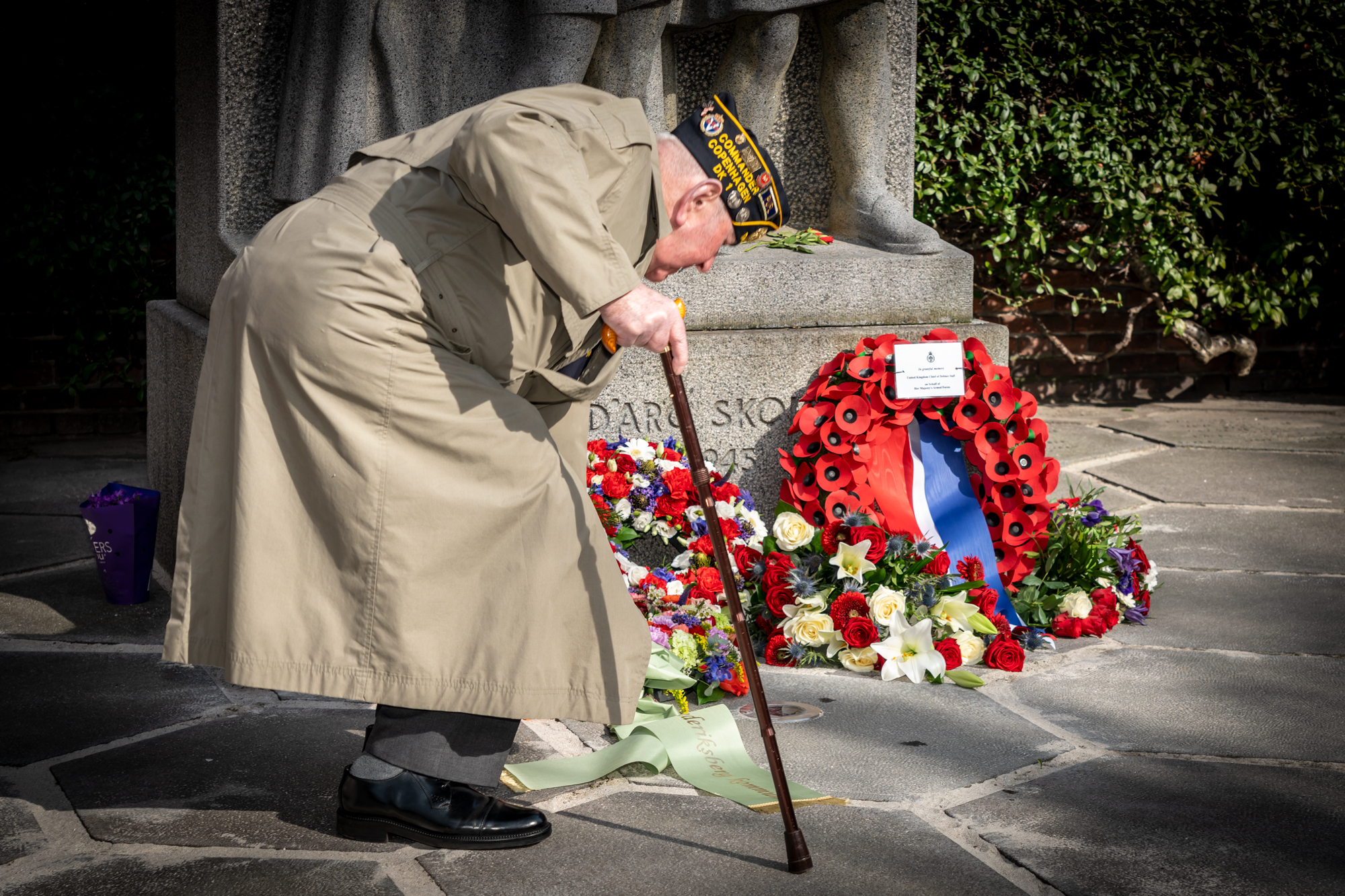
Ingrid is the mother of one of my best friends whom I have known since 6th grade. I went to see the heartbreaking, but fantastic movie “In the Shadow of my Eye” with her and could not help noticing that she, just like me, had tears running down her cheeks. She later explained to me that she knew so many of the children whose names were mentioned at the end of the movie In Memoriam. We decided to meet up at the statue that has been erected where the school used to be, 5 minutes away from my apartment on Carl Bernhards Vej!

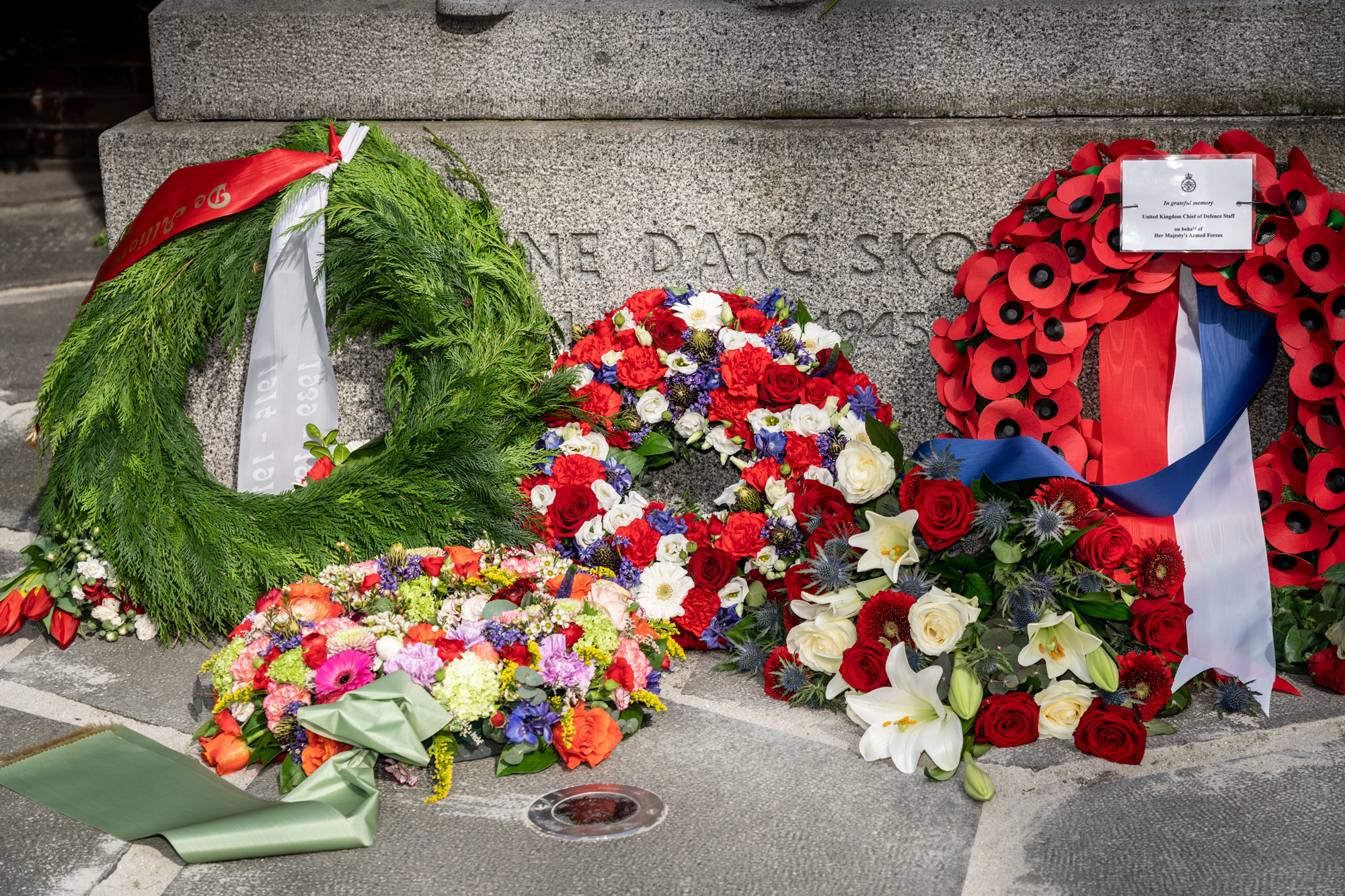
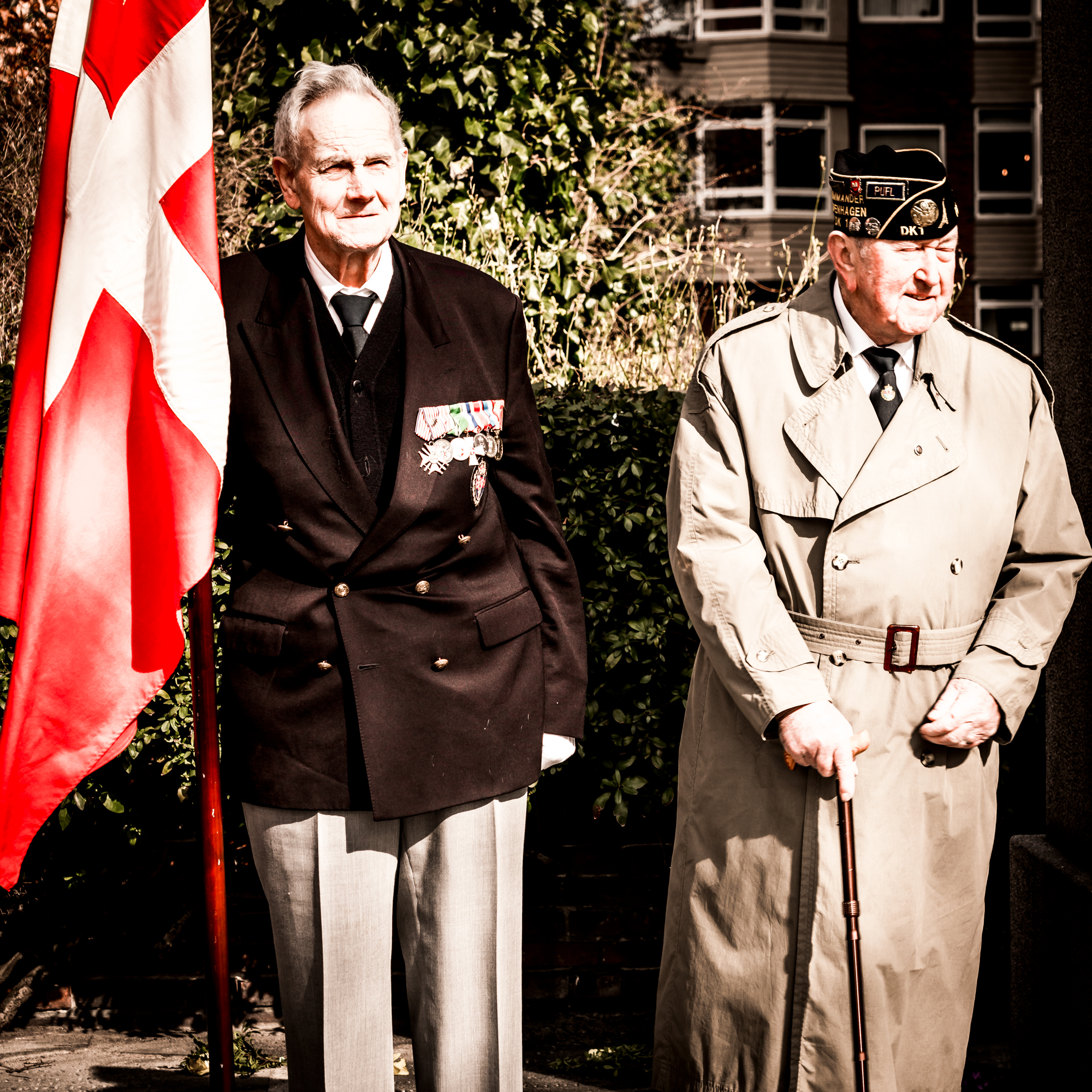
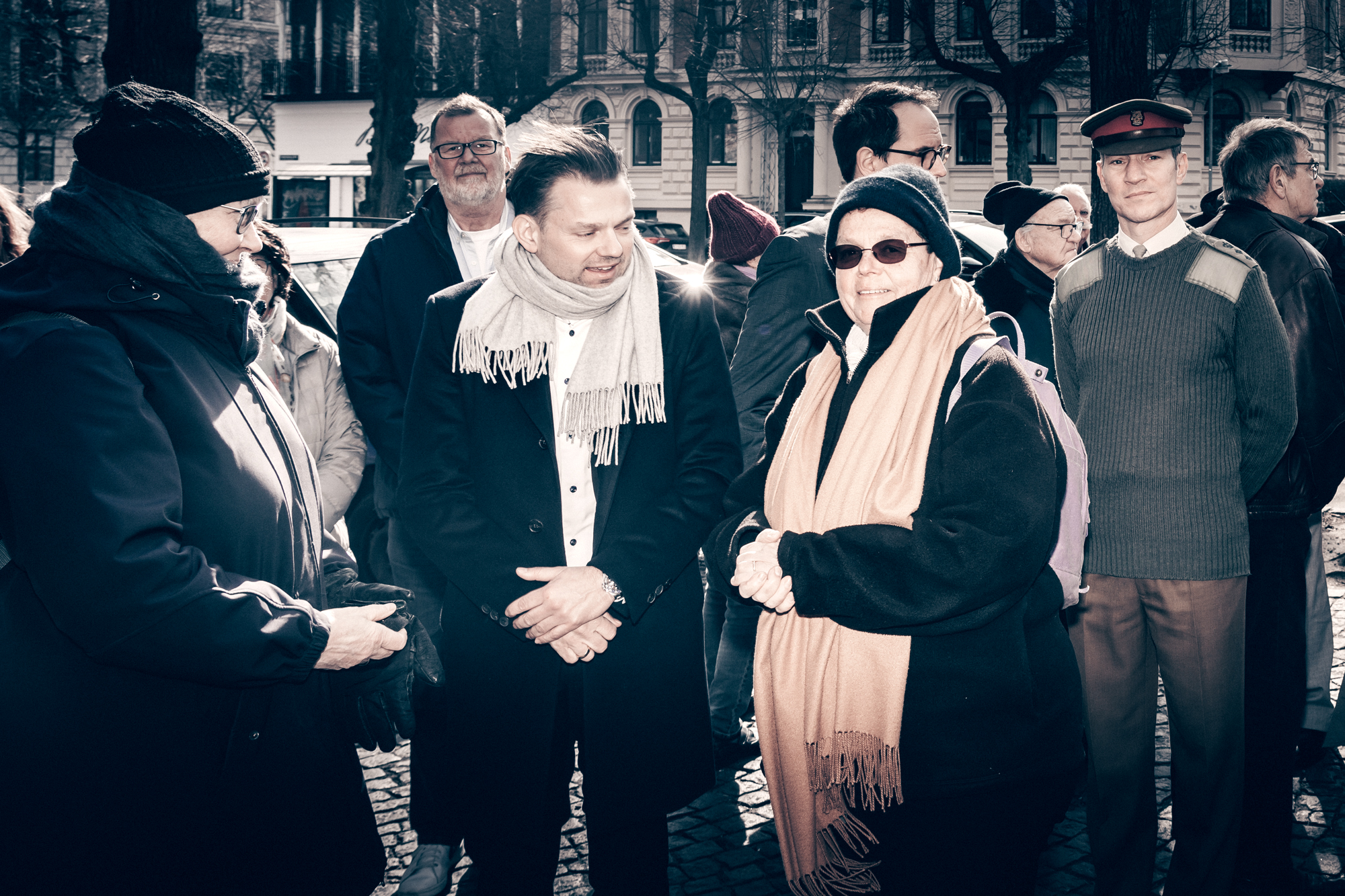
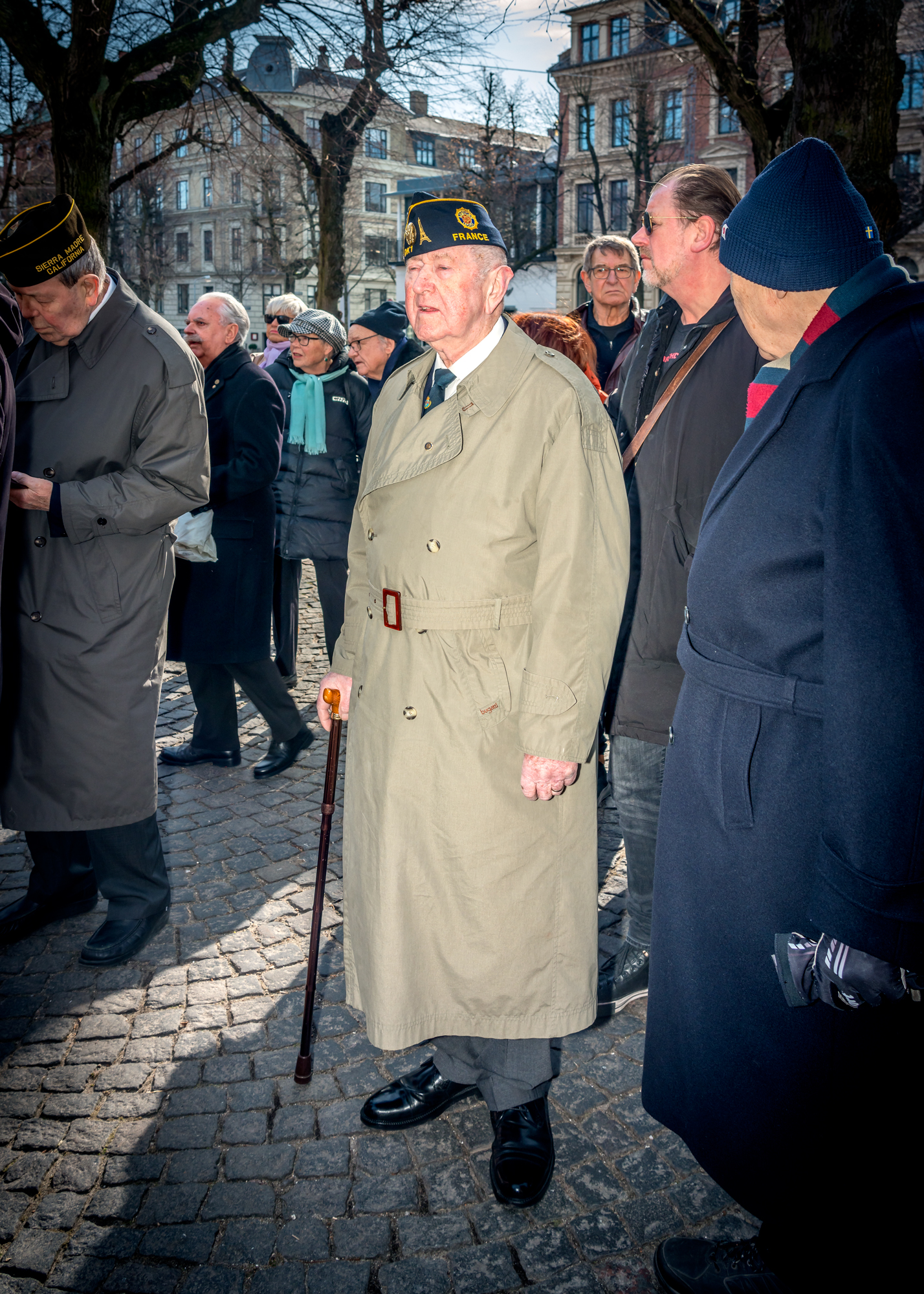
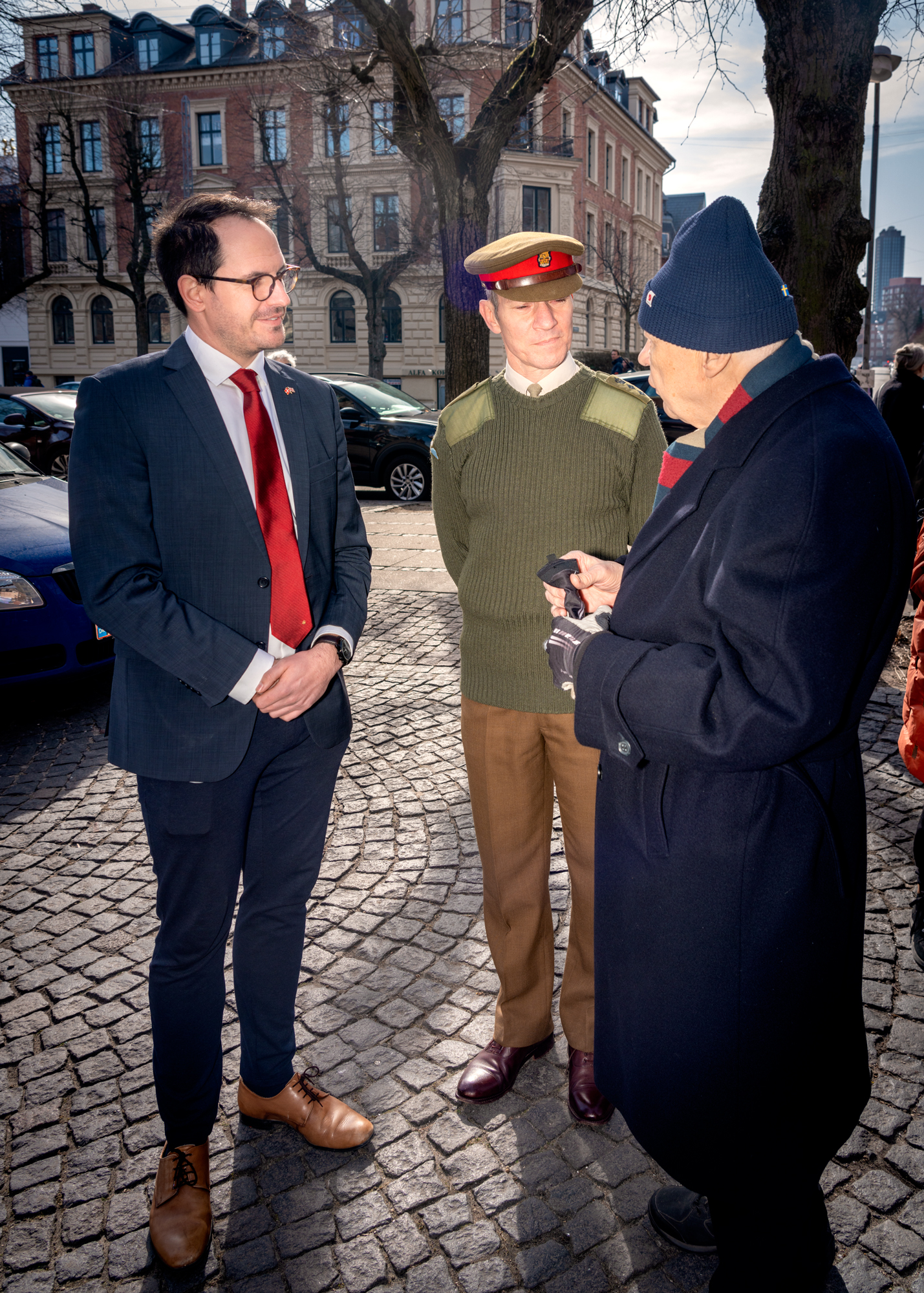
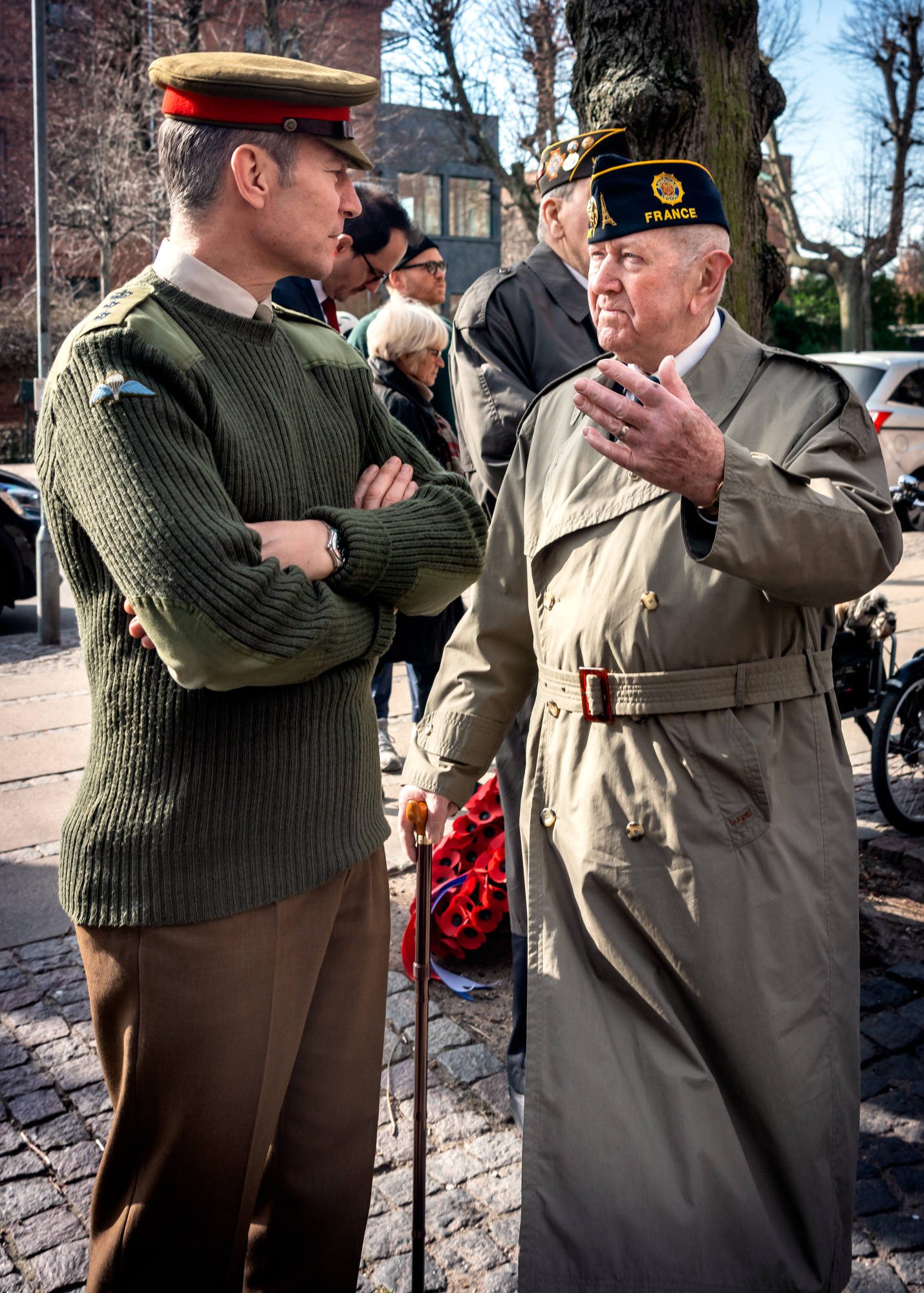
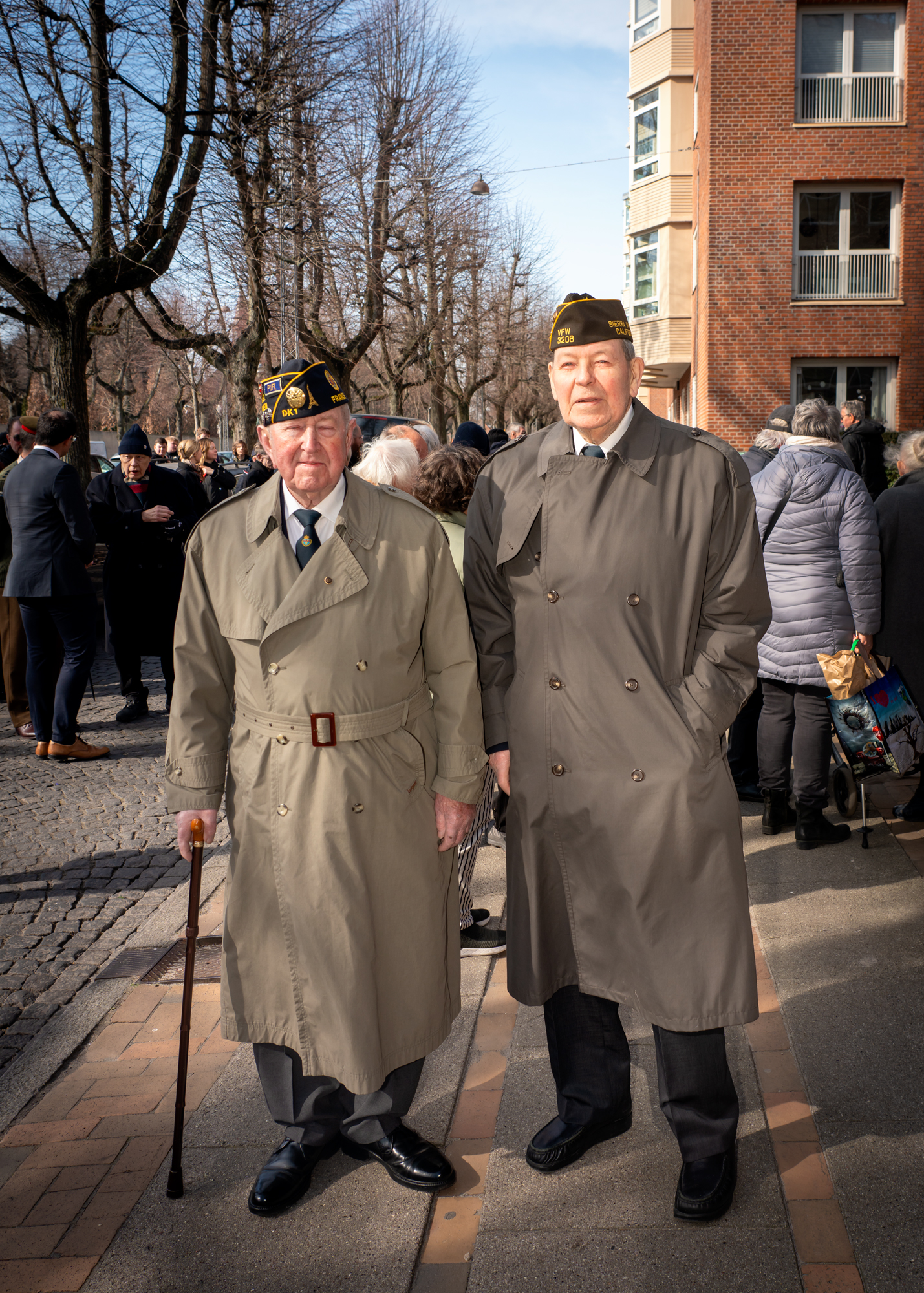
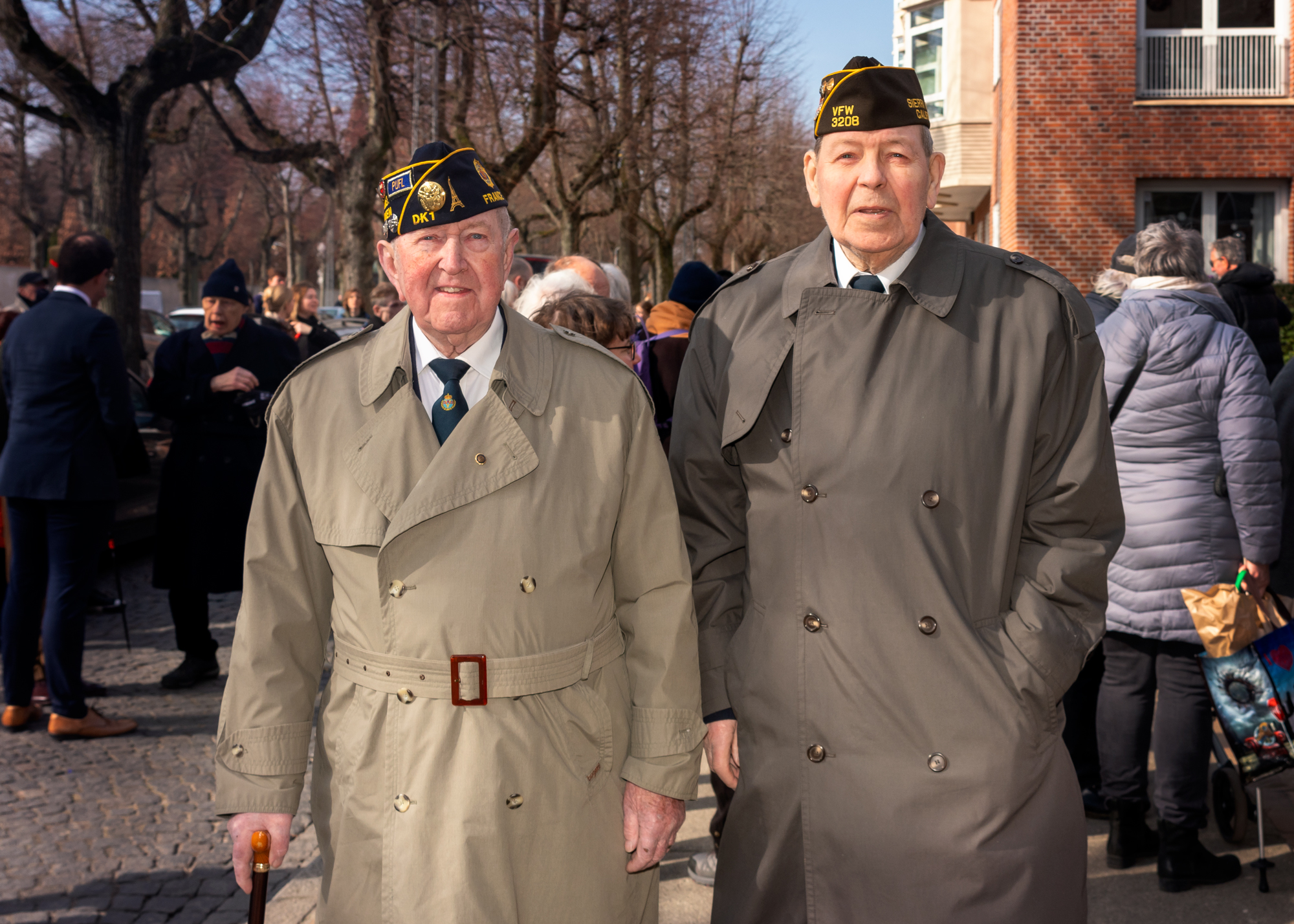
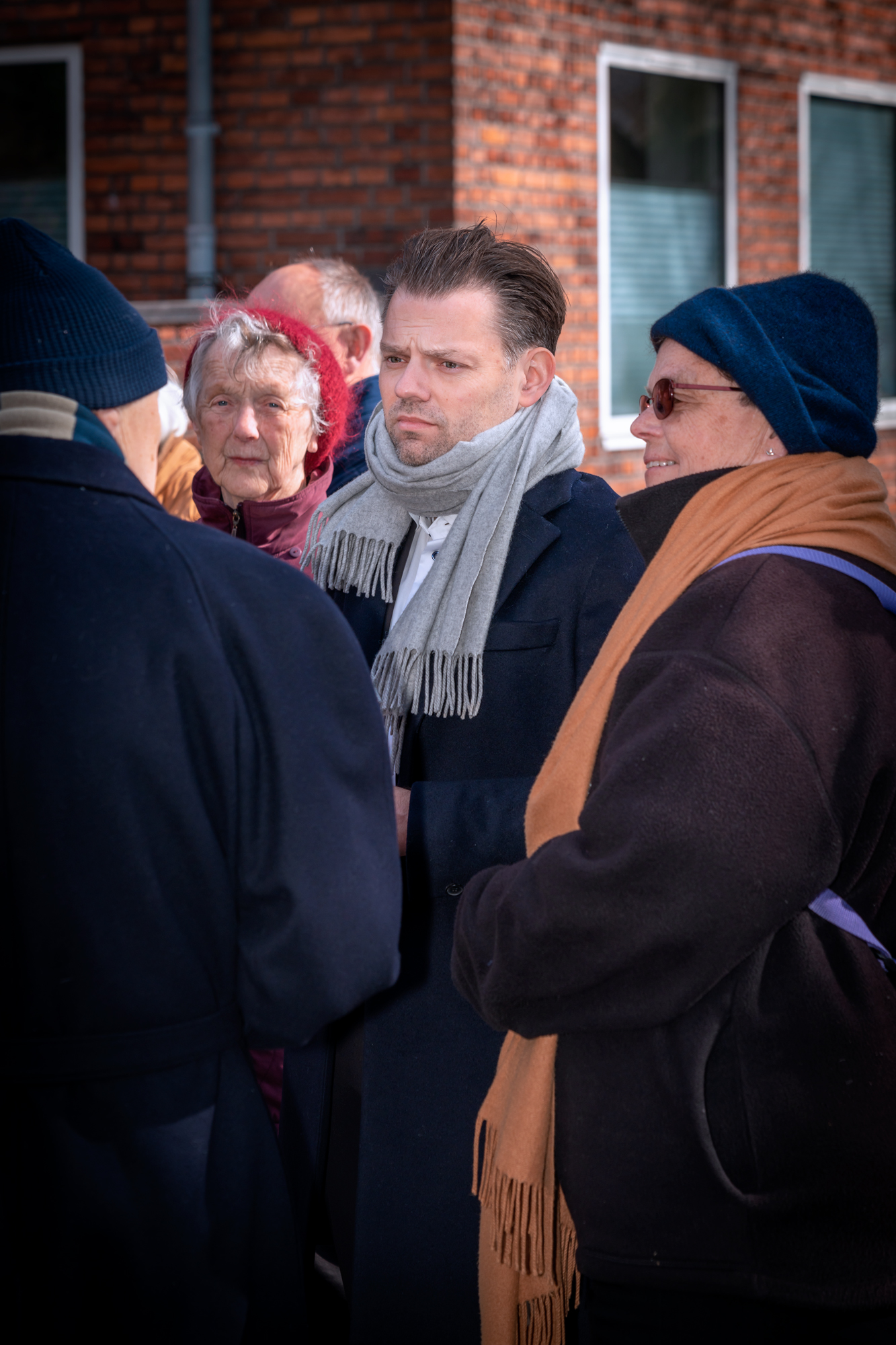
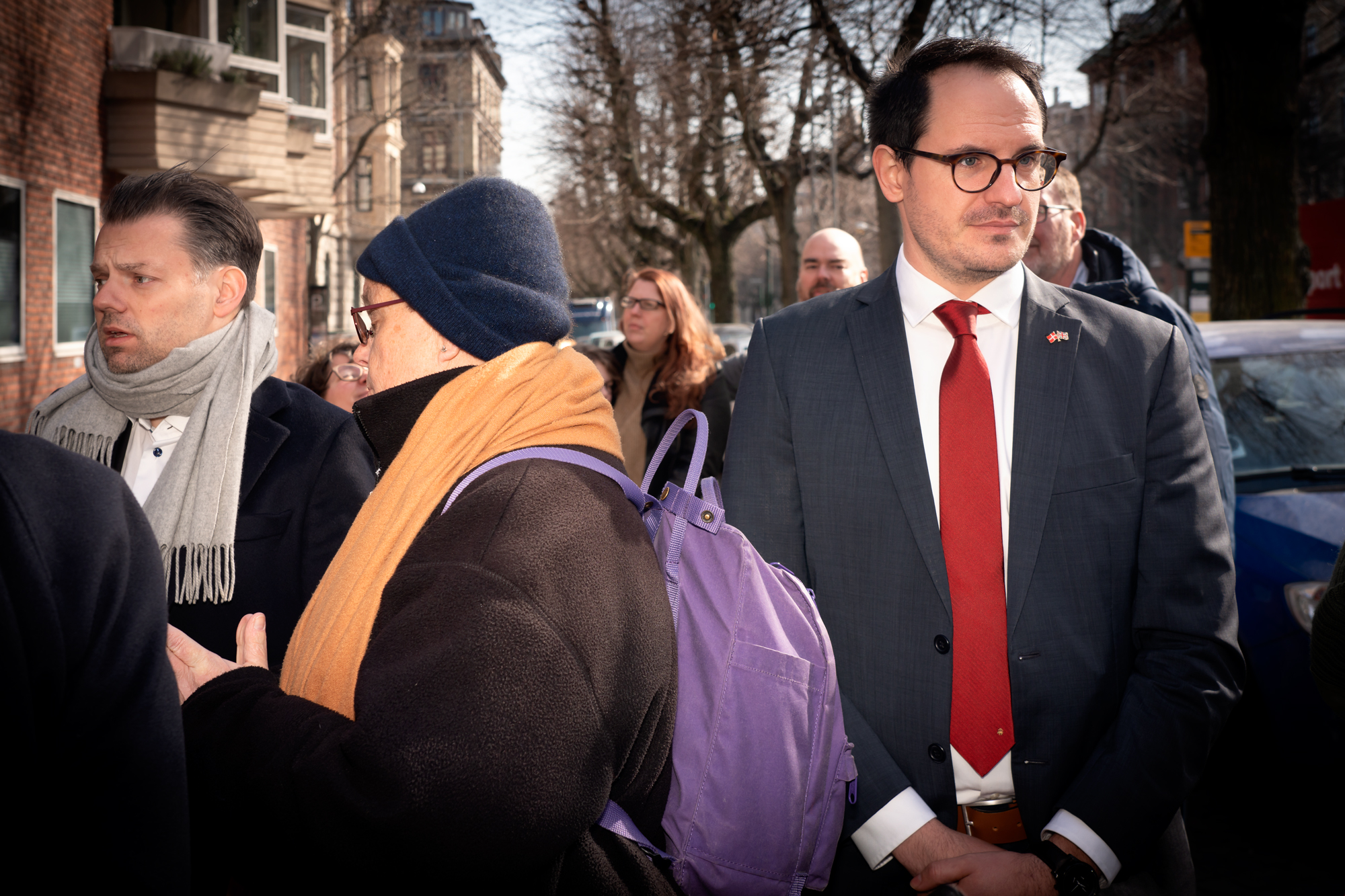
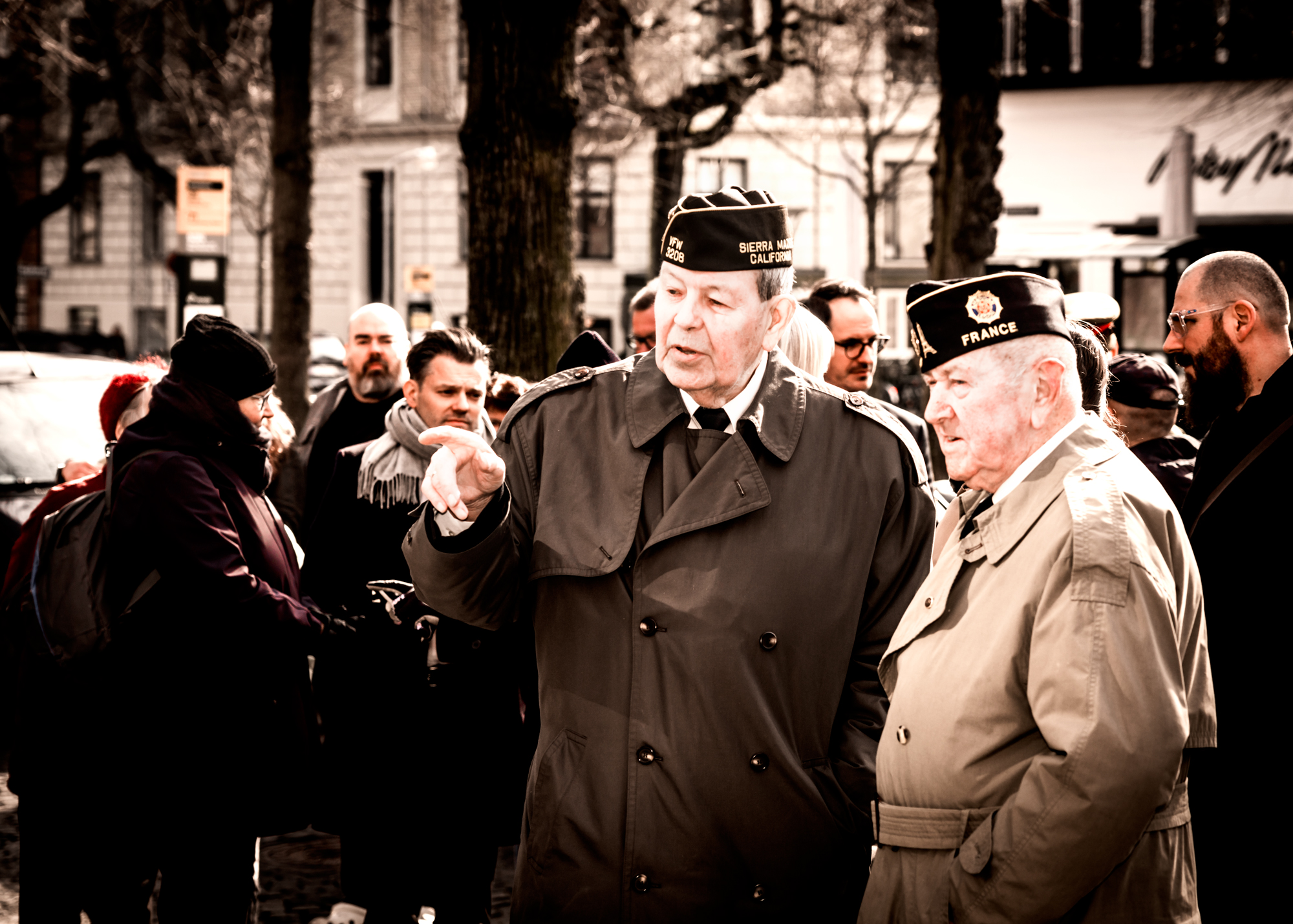
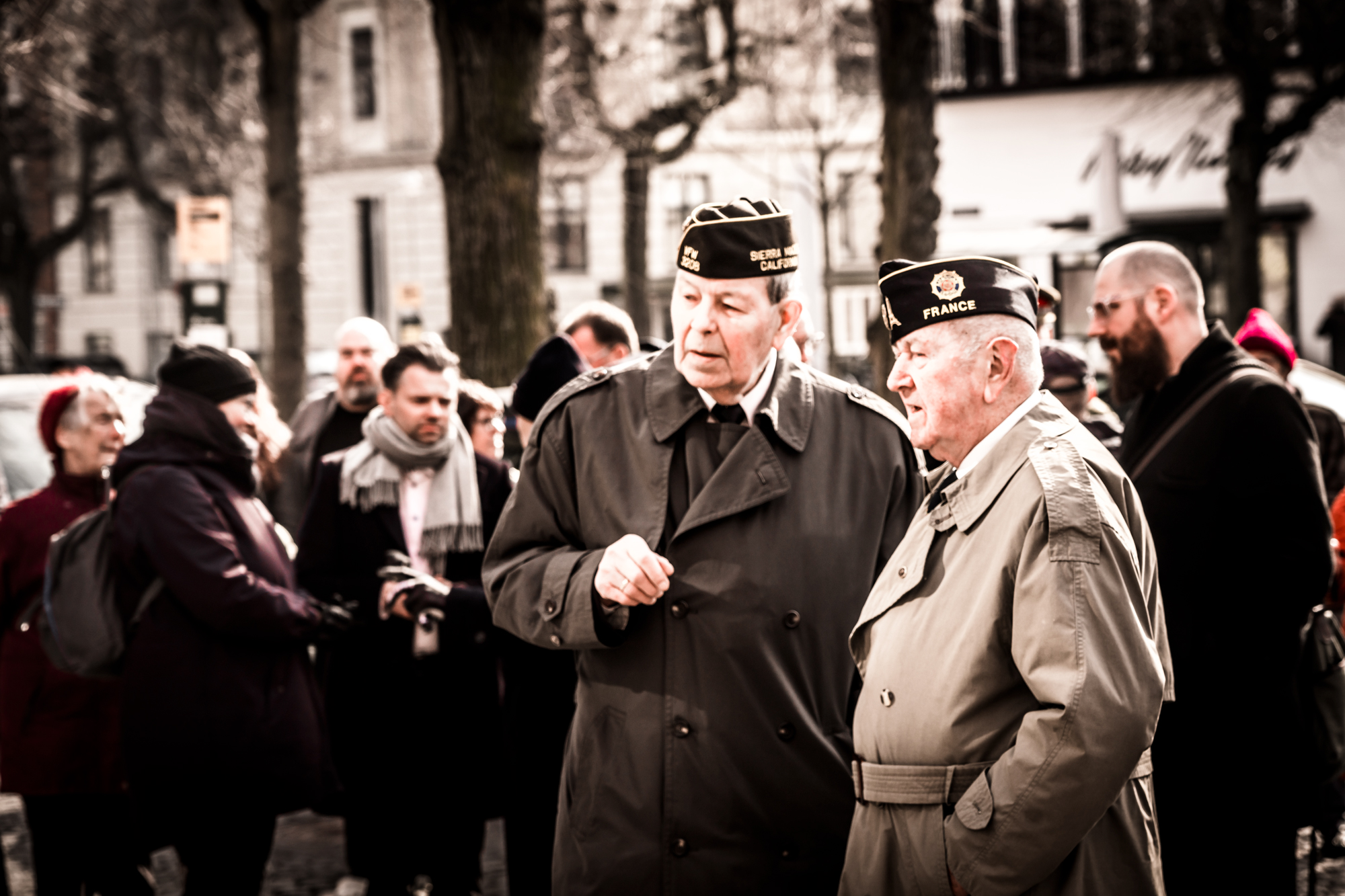
I did not realize that every year, RAF Veterans, Danish Veterans, the Mayor of Frederiksberg, the British Embassy and people either remembering or honoring the horrific accident gather in this spot. I felt it was important to document this, as less and less people will after 76 years, but also as a reminder of what war does to a peaceful nation and how long the ripples last, especially now as we seem to potentially face a much greater danger with a country that is going amok trying to repeat history.

Ingrid and I sat down for a warm drink afterwards and she also told me about the building where I currently live which is right next to her childhood home. I did not know, but it used to be a factory which was taken over by the Germans during the Occupation. It was blown up by the Resistance and all the windows in Ingrid’s building right next door were blown out. I had no idea!

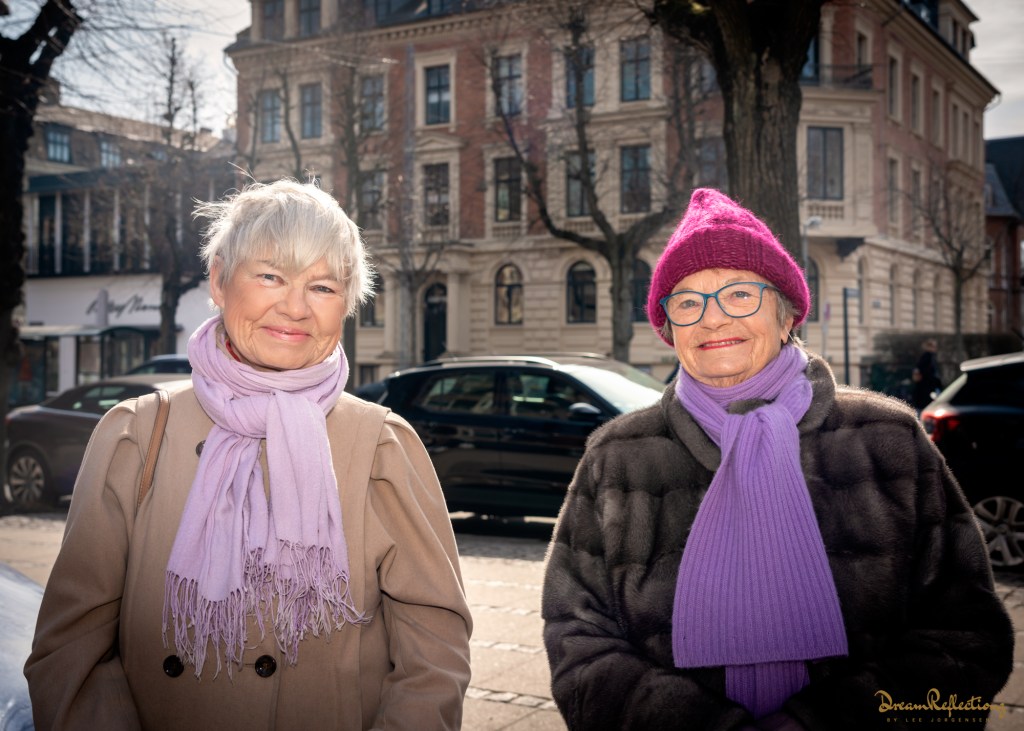
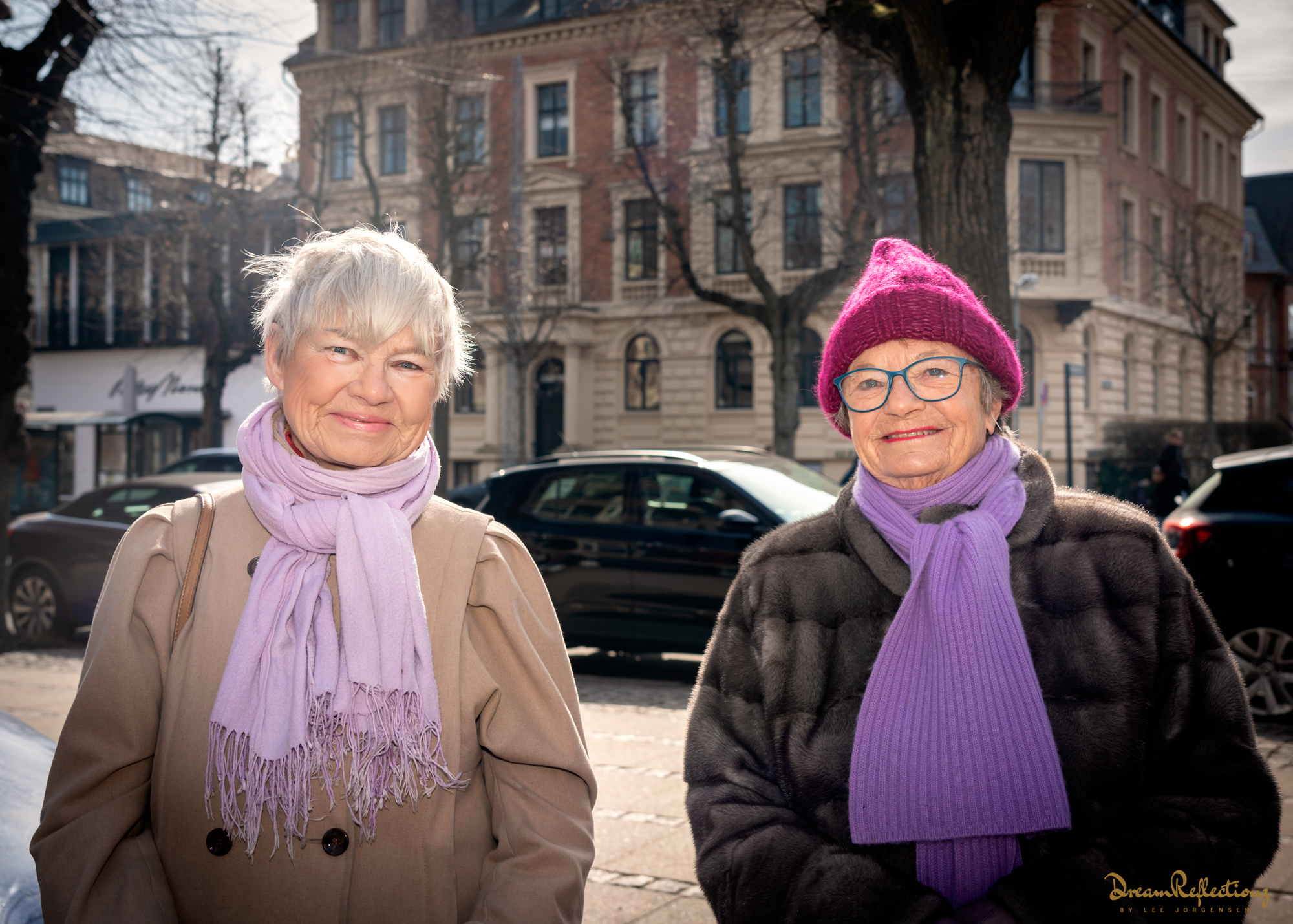
Ingrid to the left and a new friend who also remembers the event well. What an honor to be a part of this!

Below you can see Ingrid’s childhood building and mine where the factory once stood:

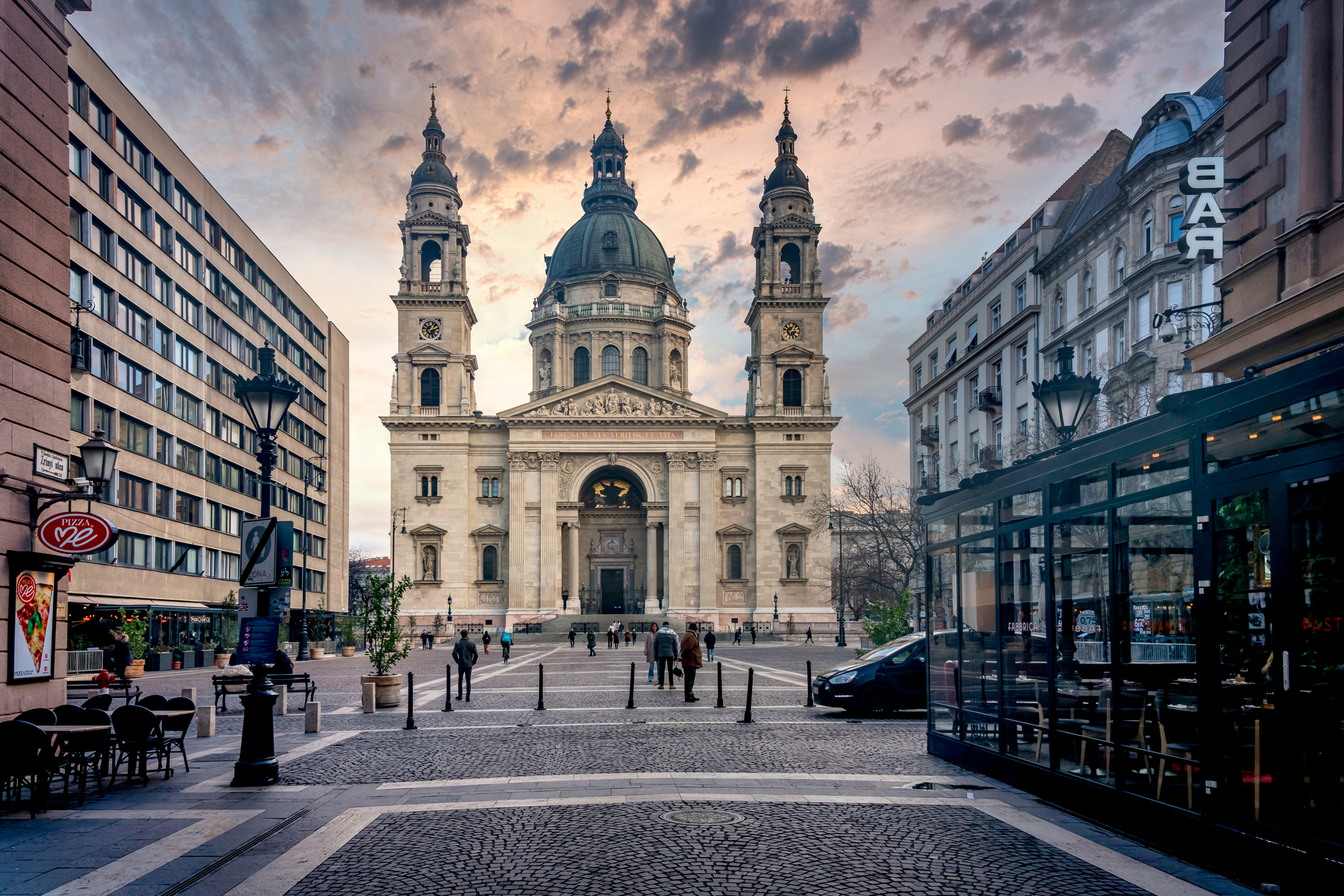
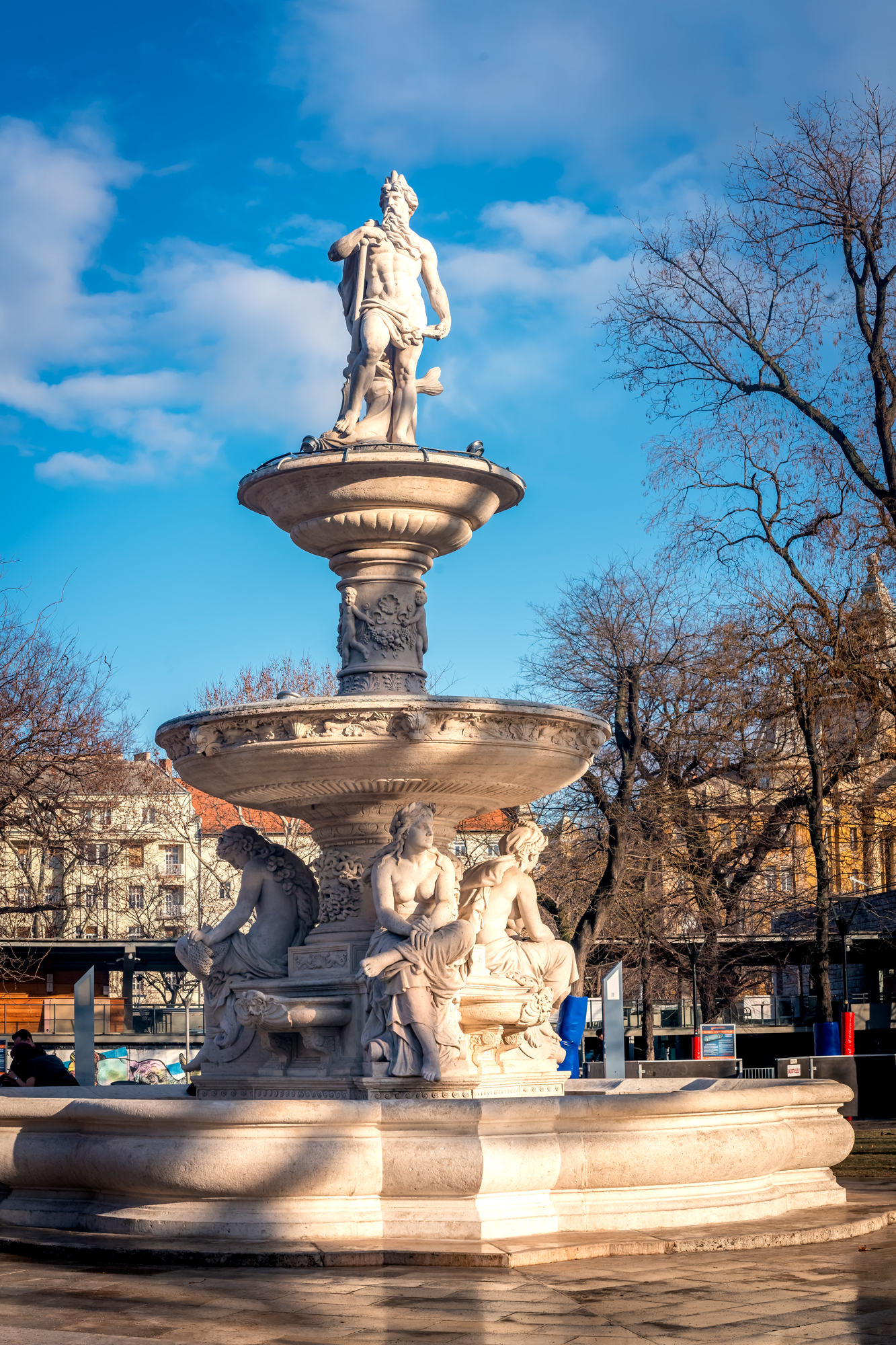
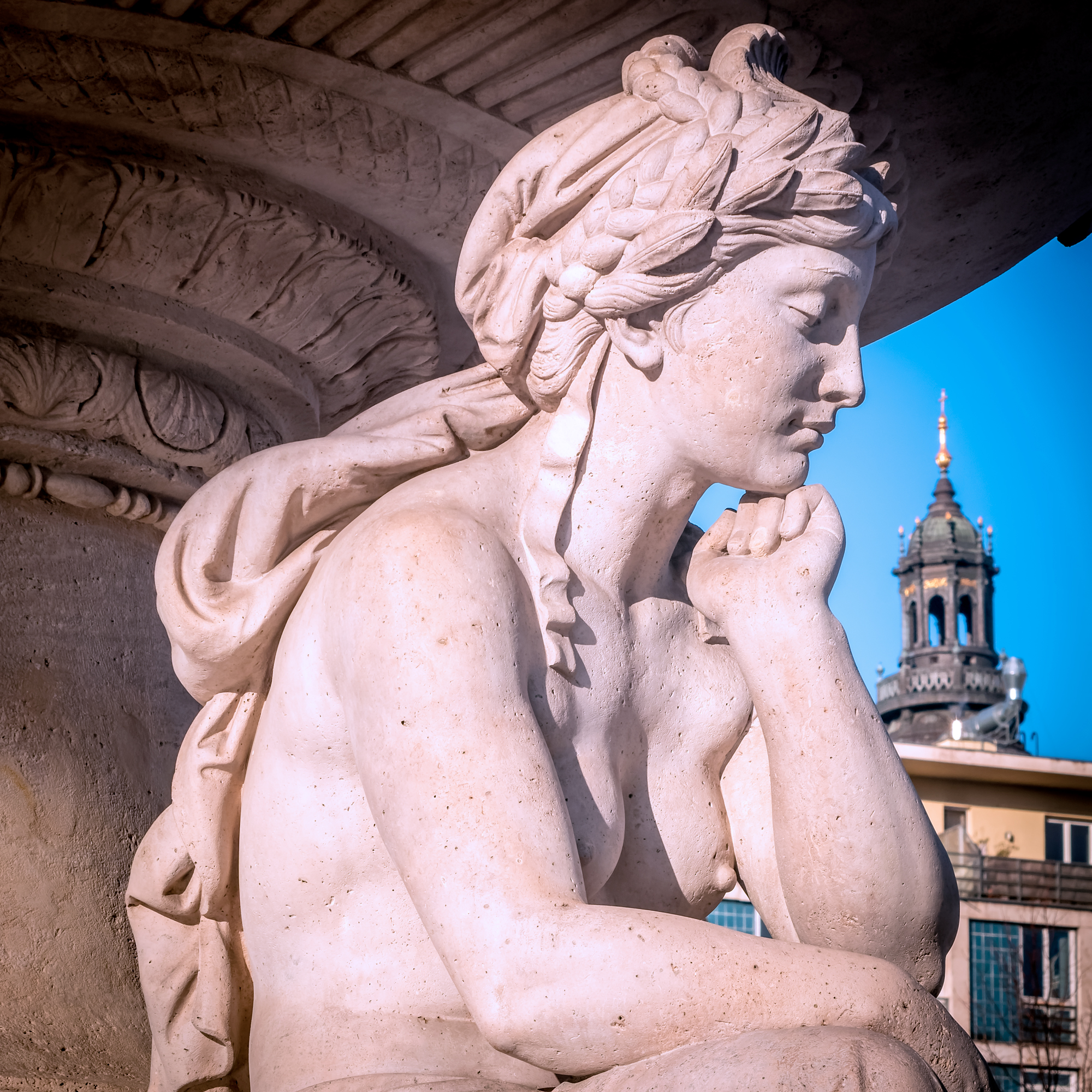
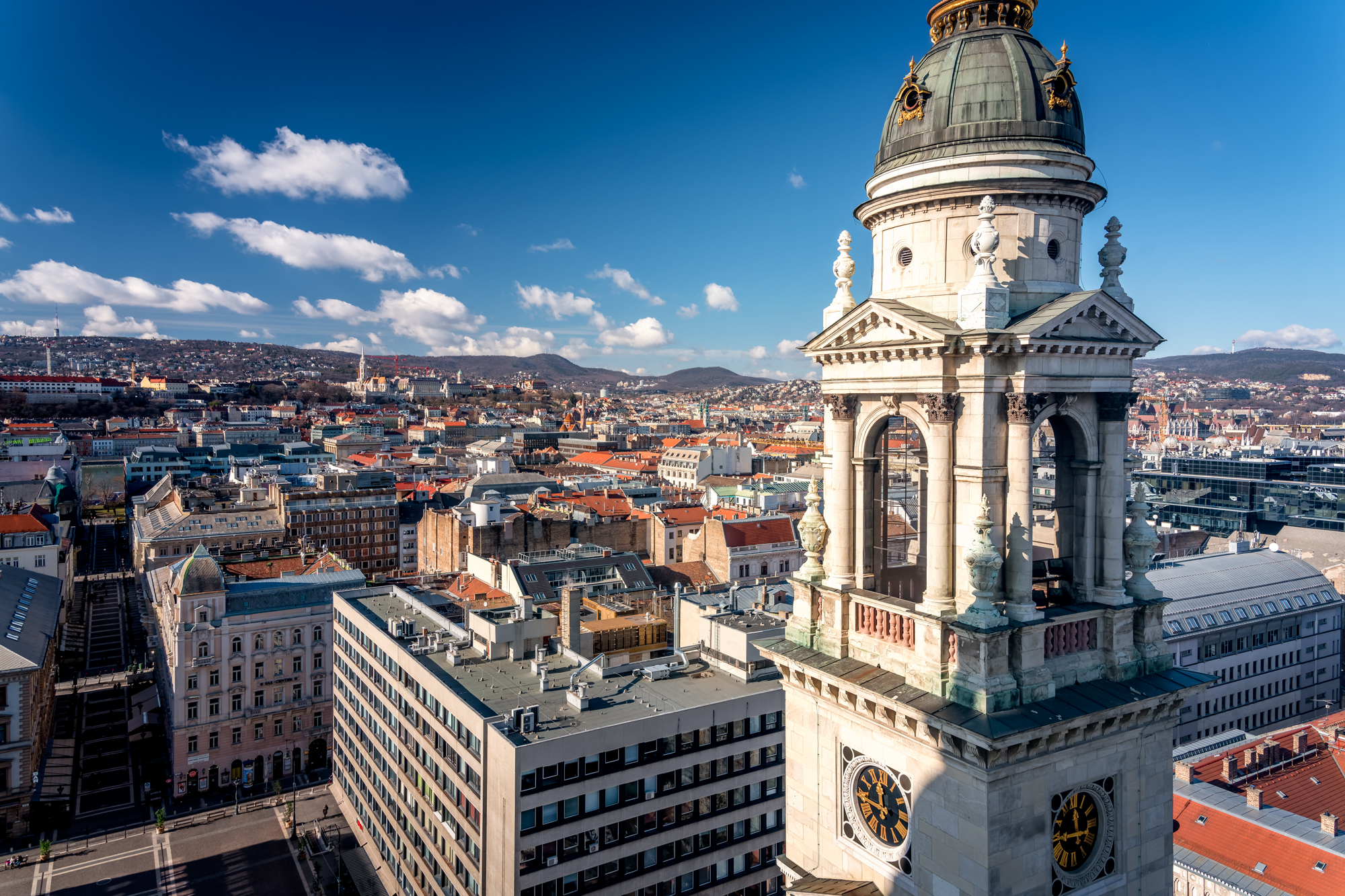
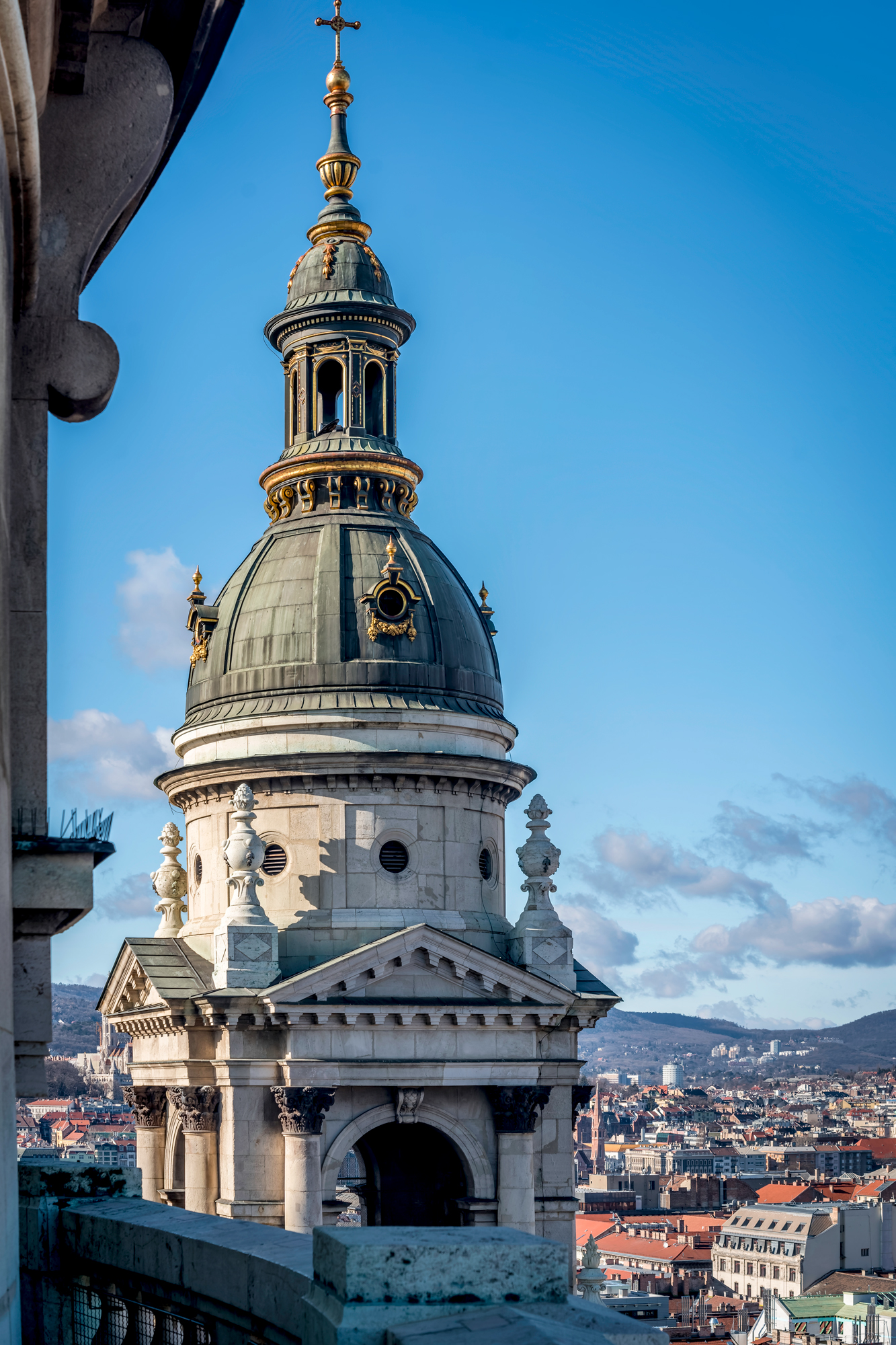
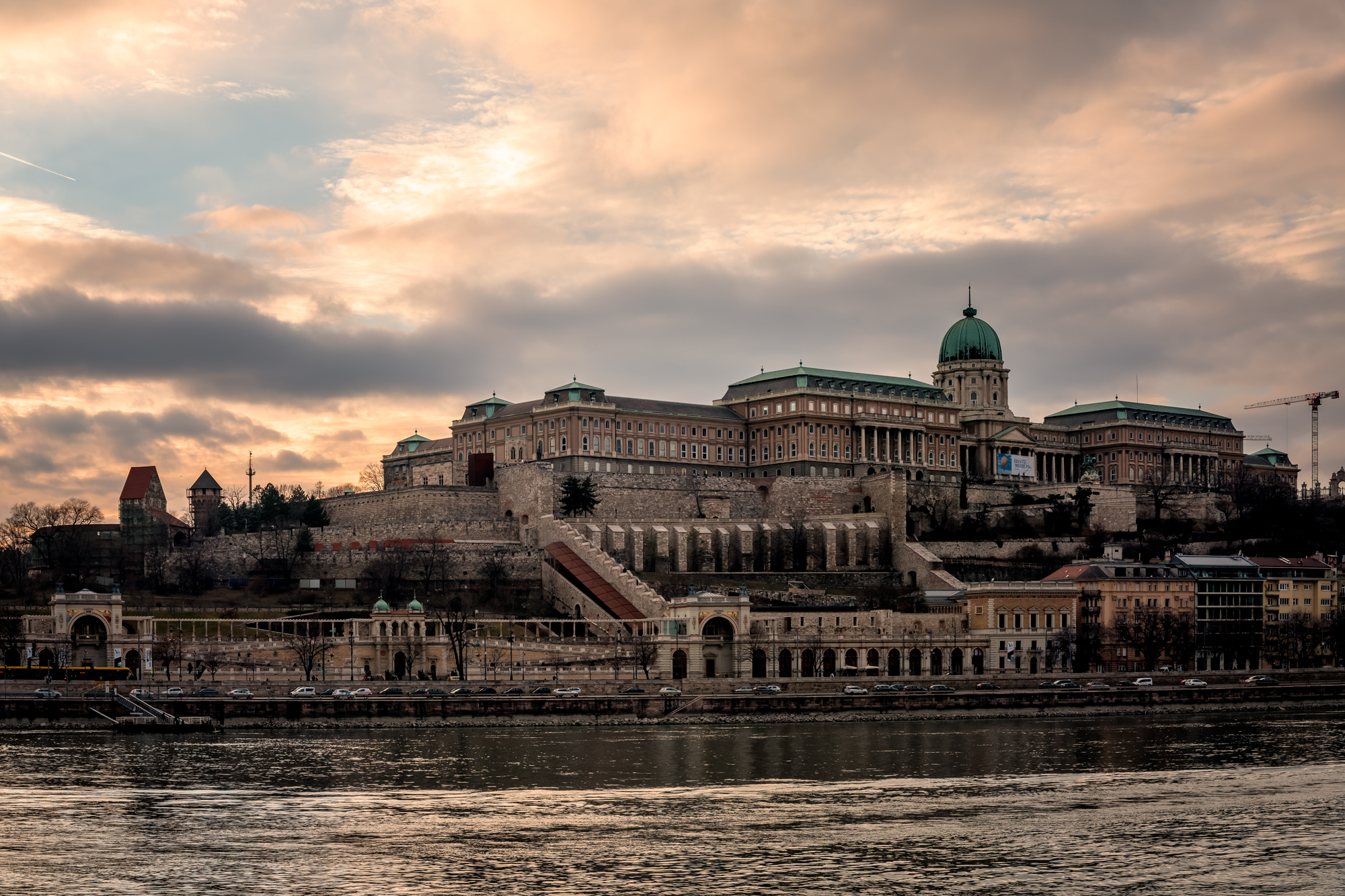
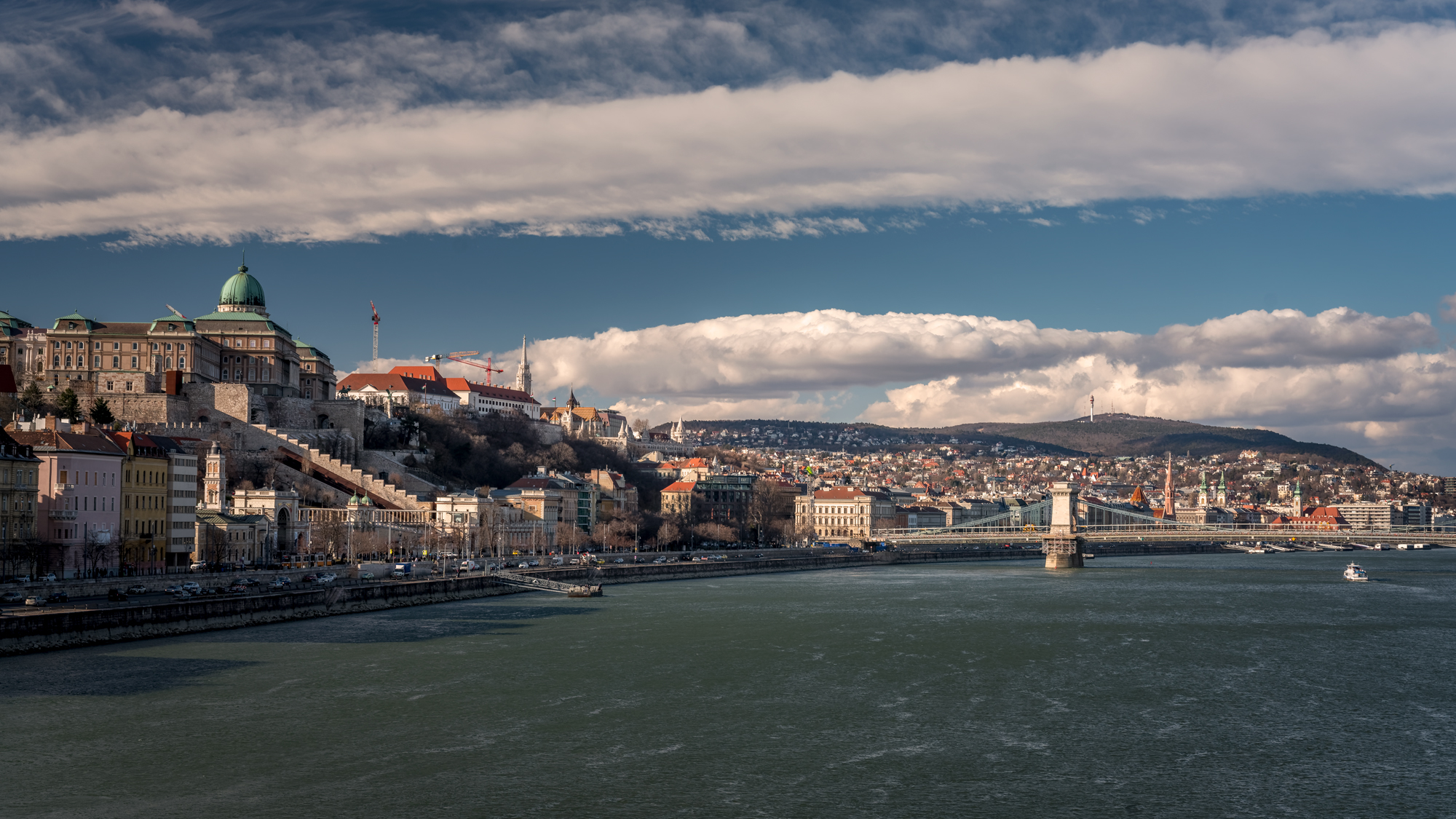
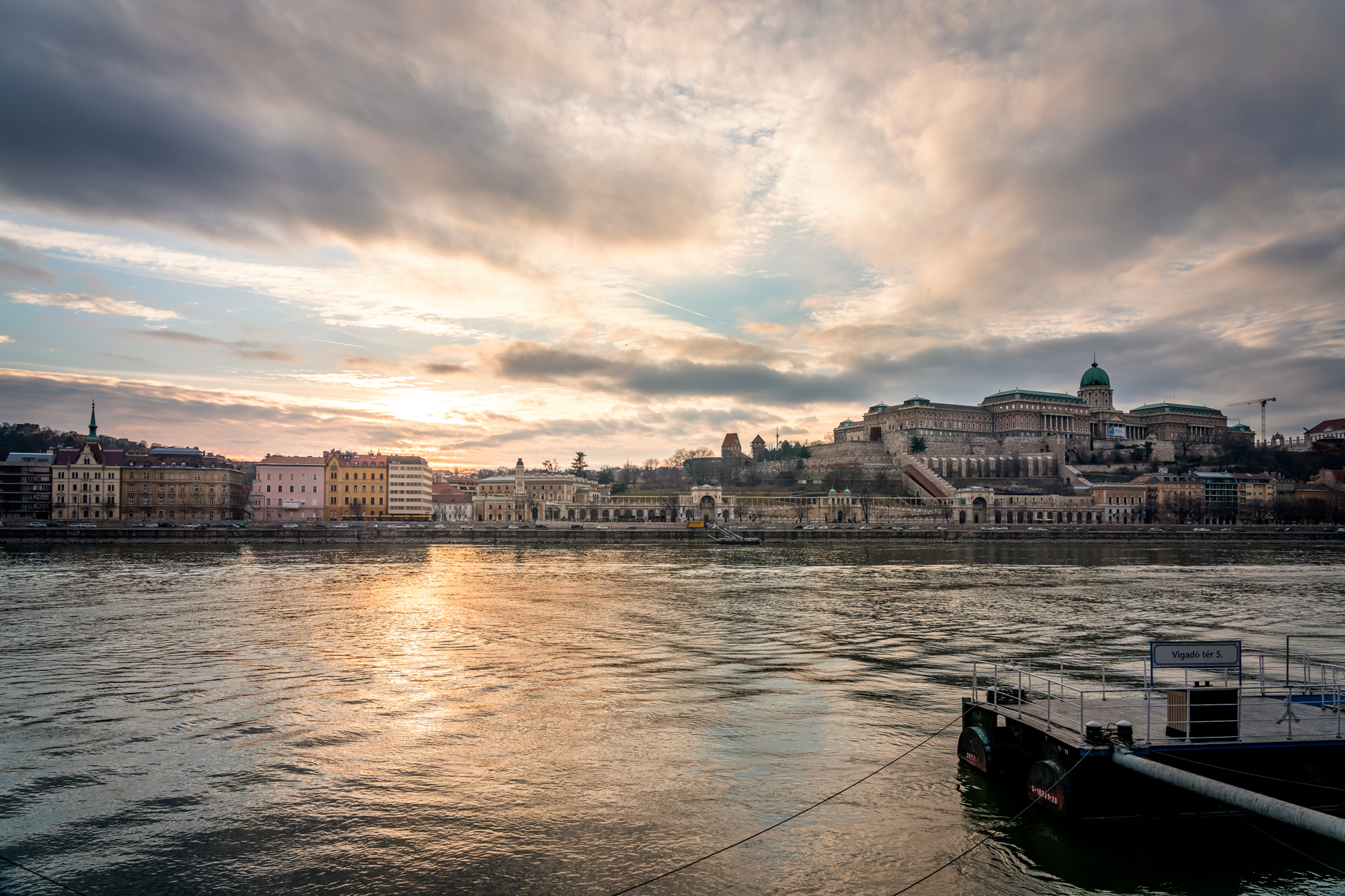
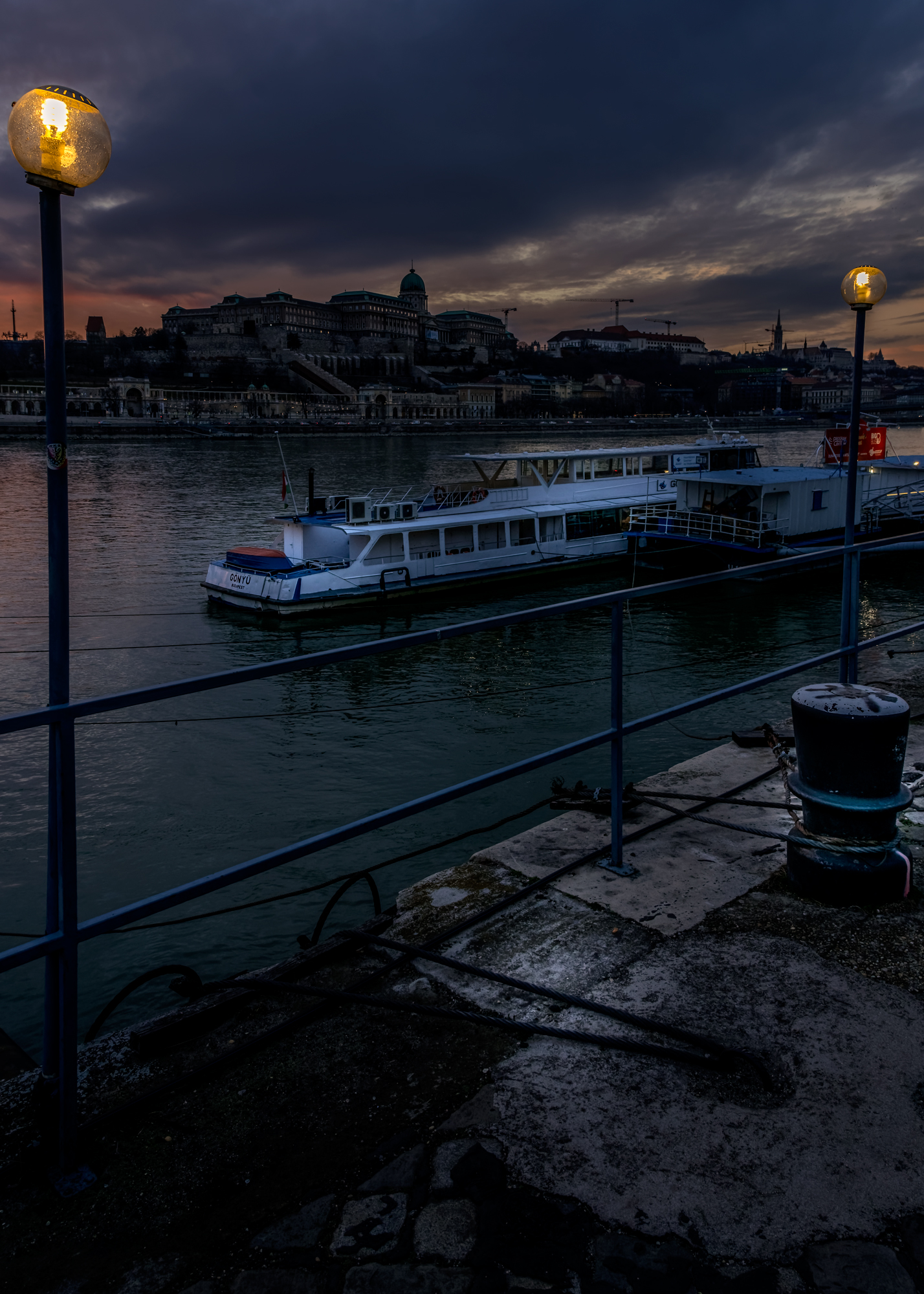
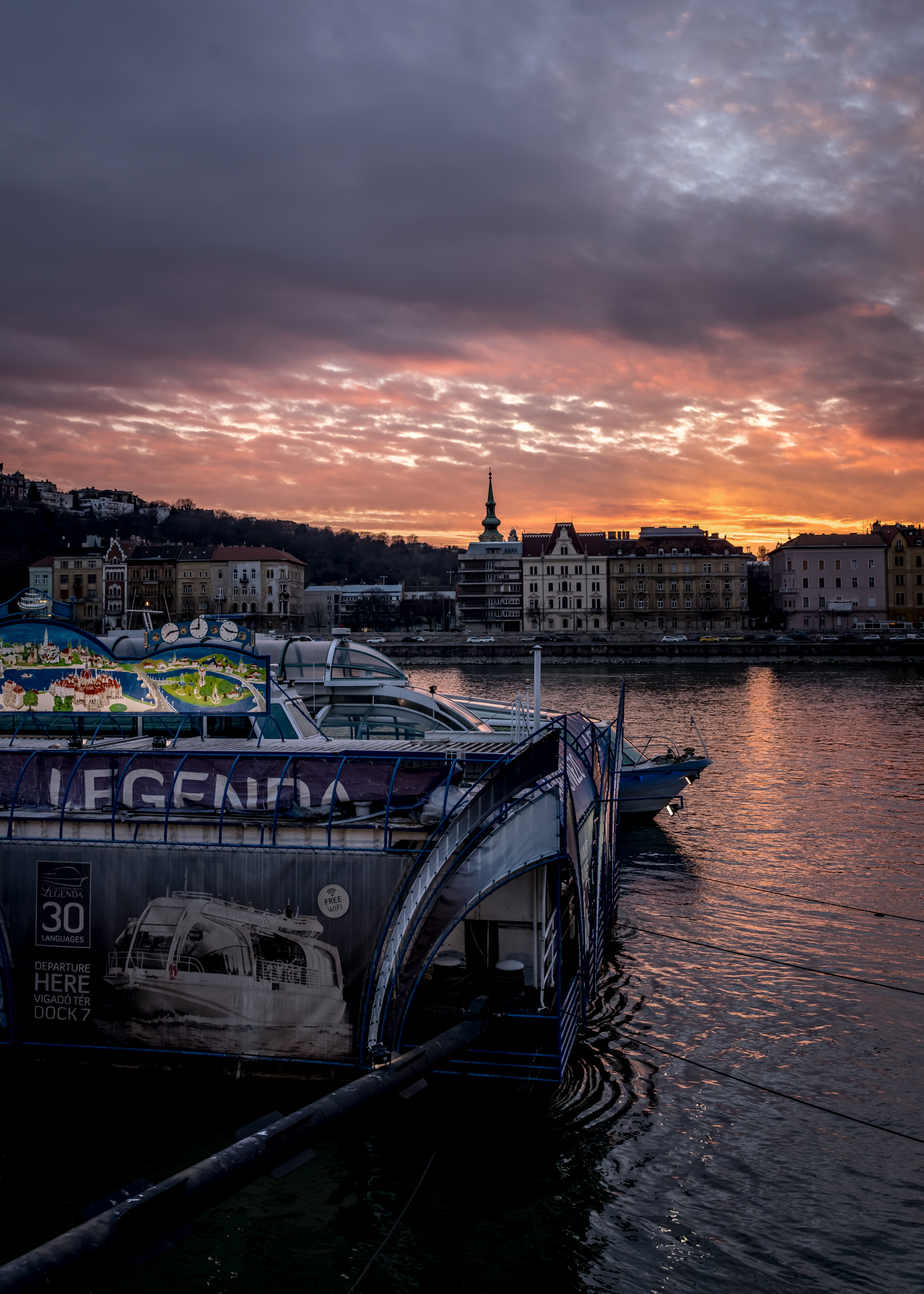
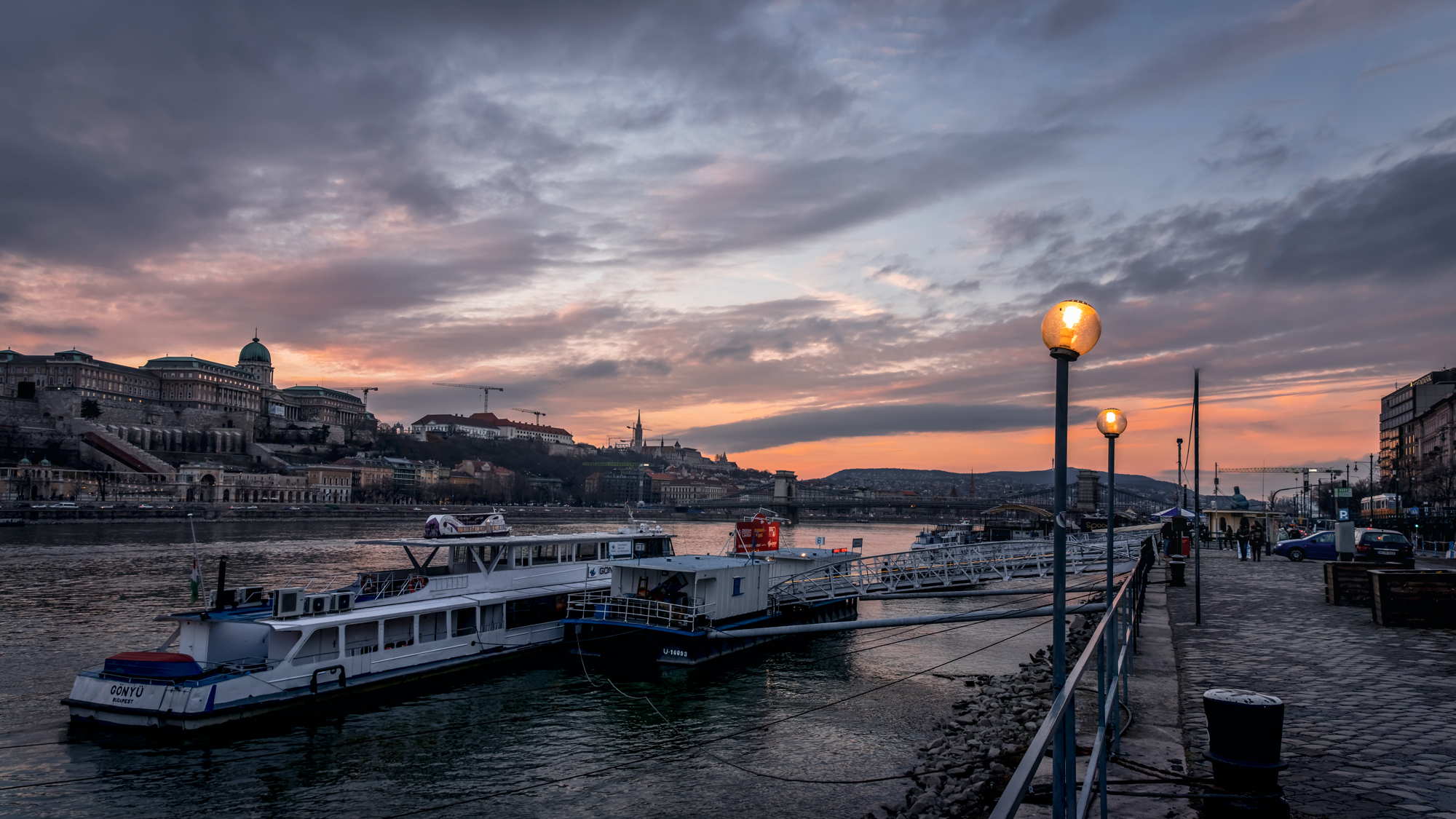
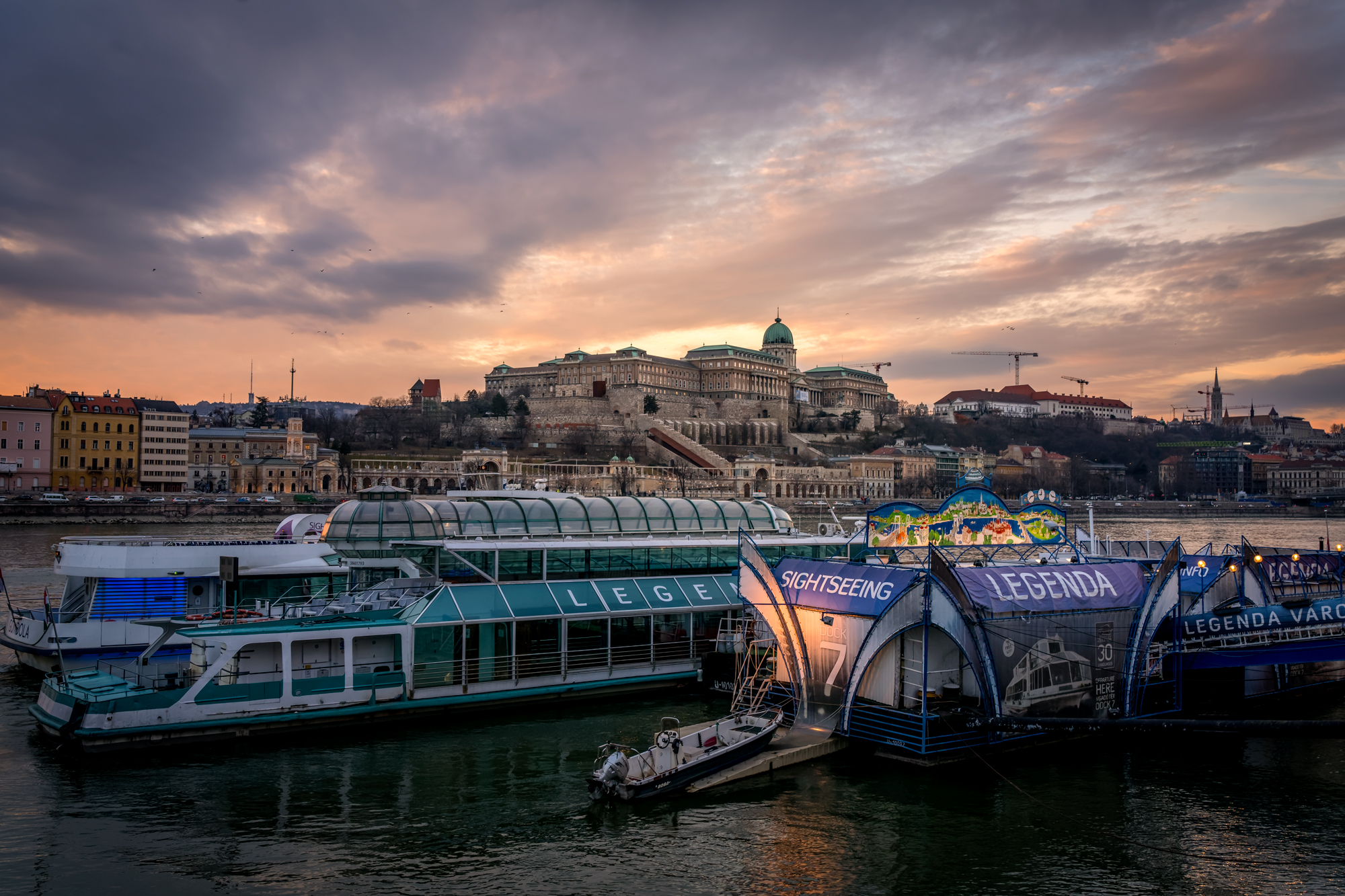
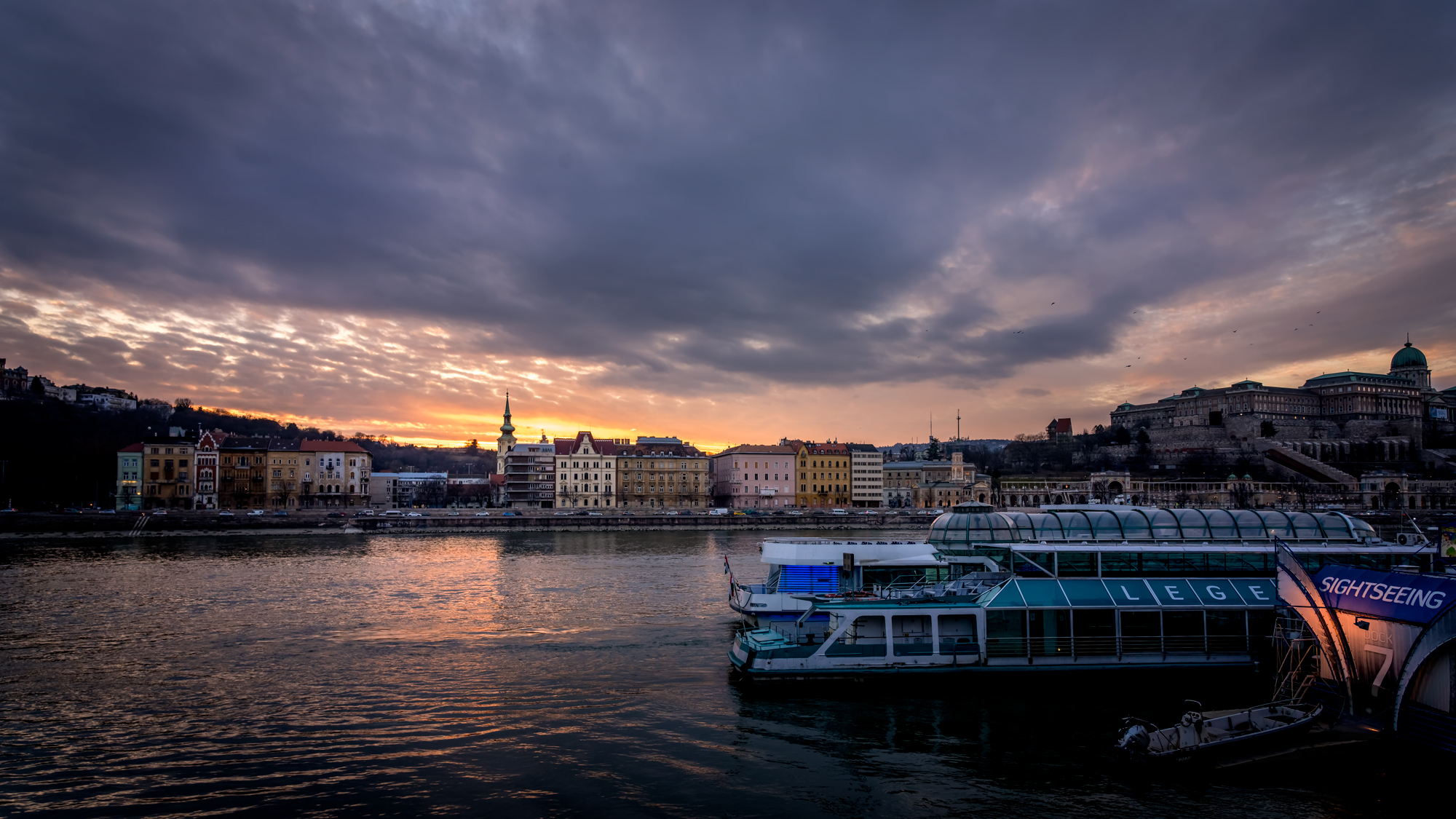
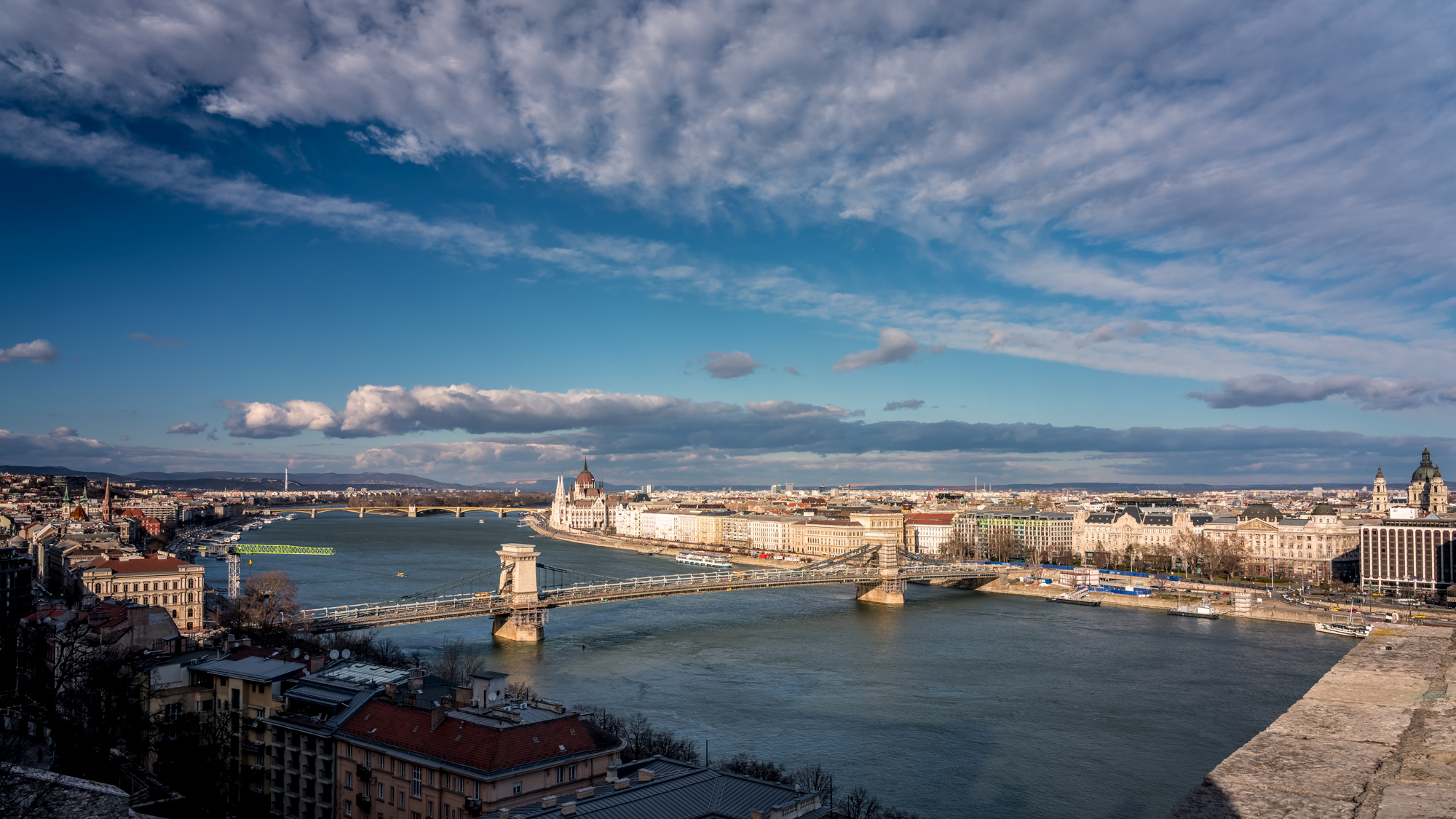
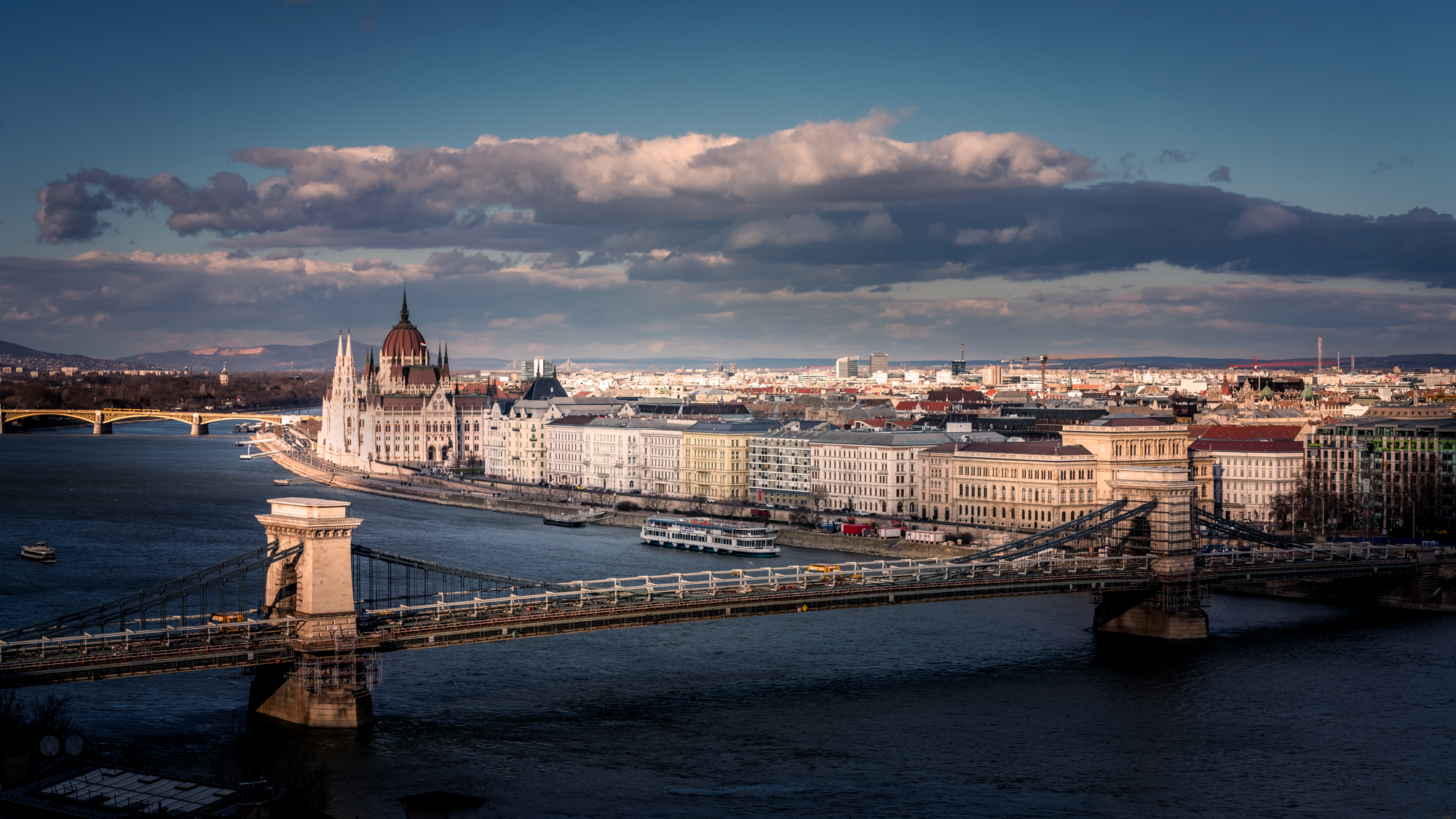
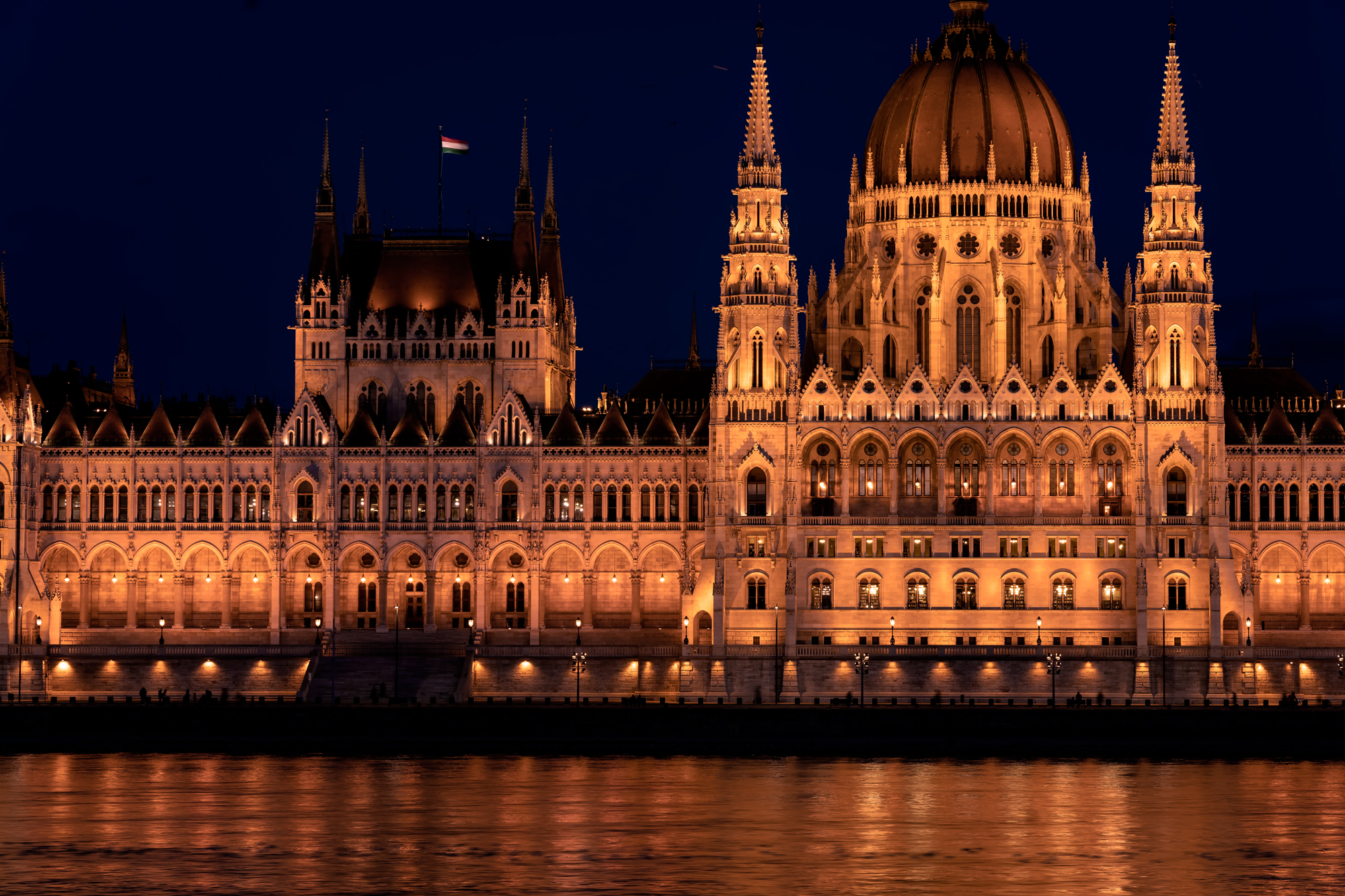
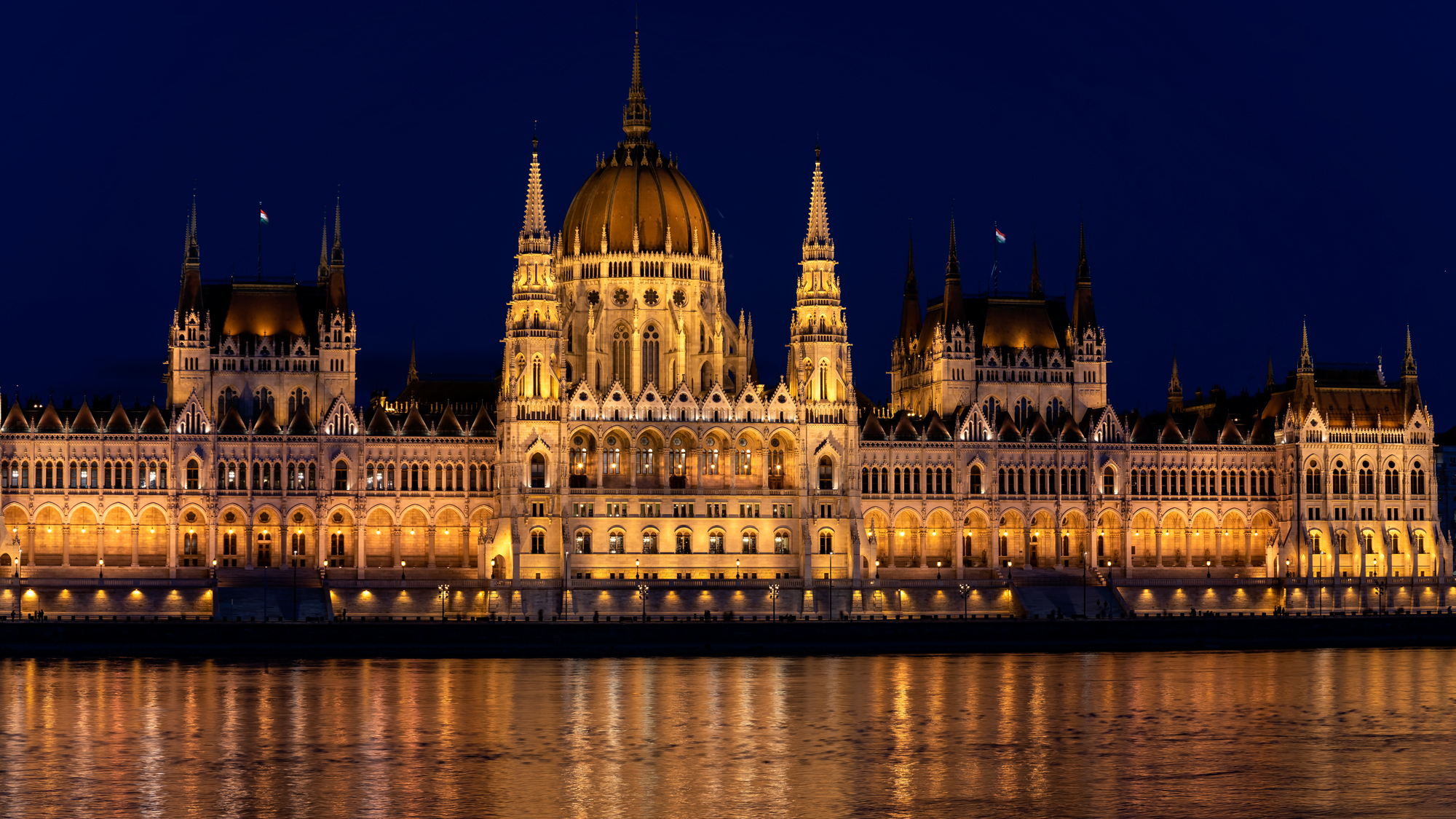
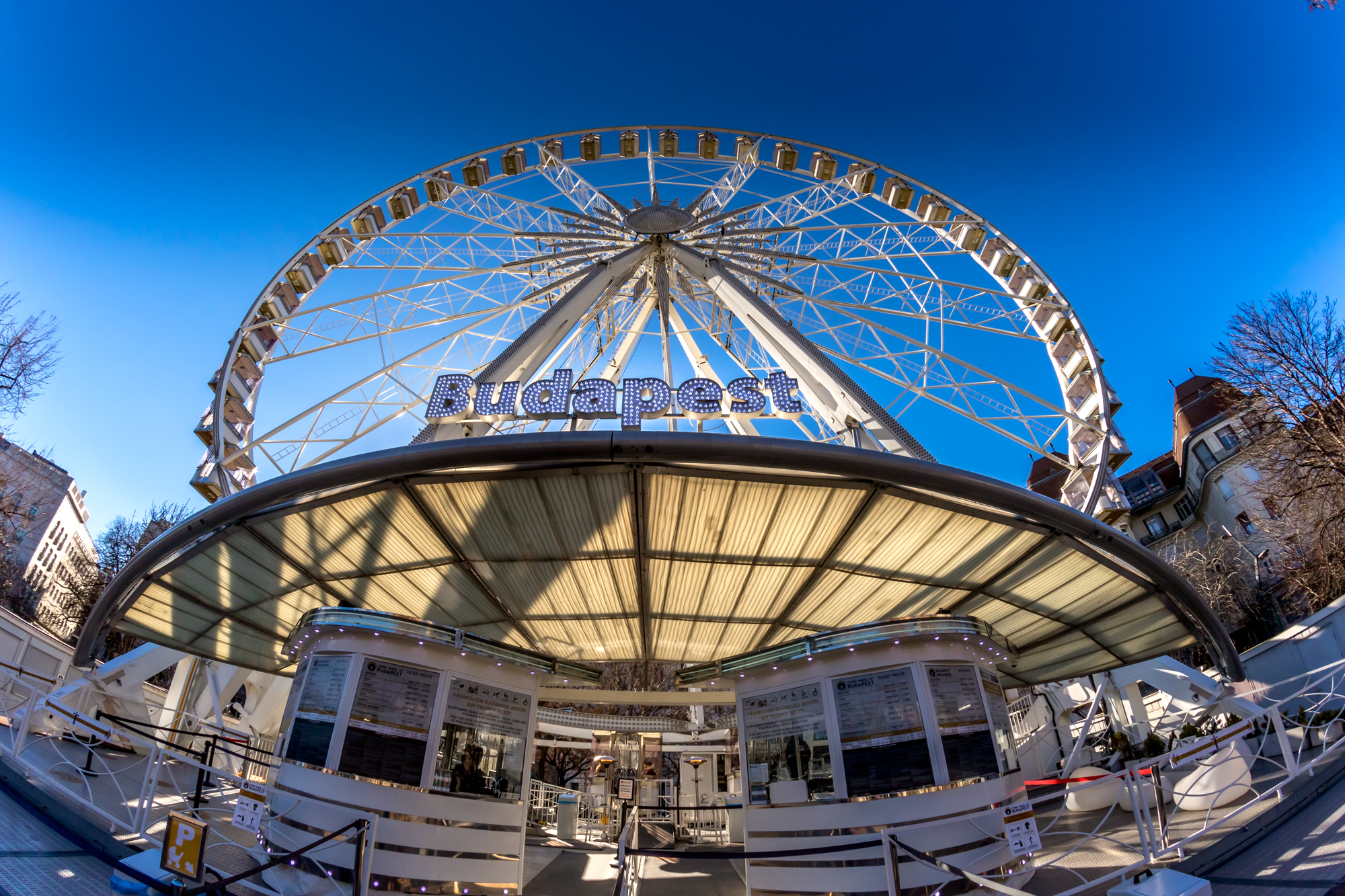
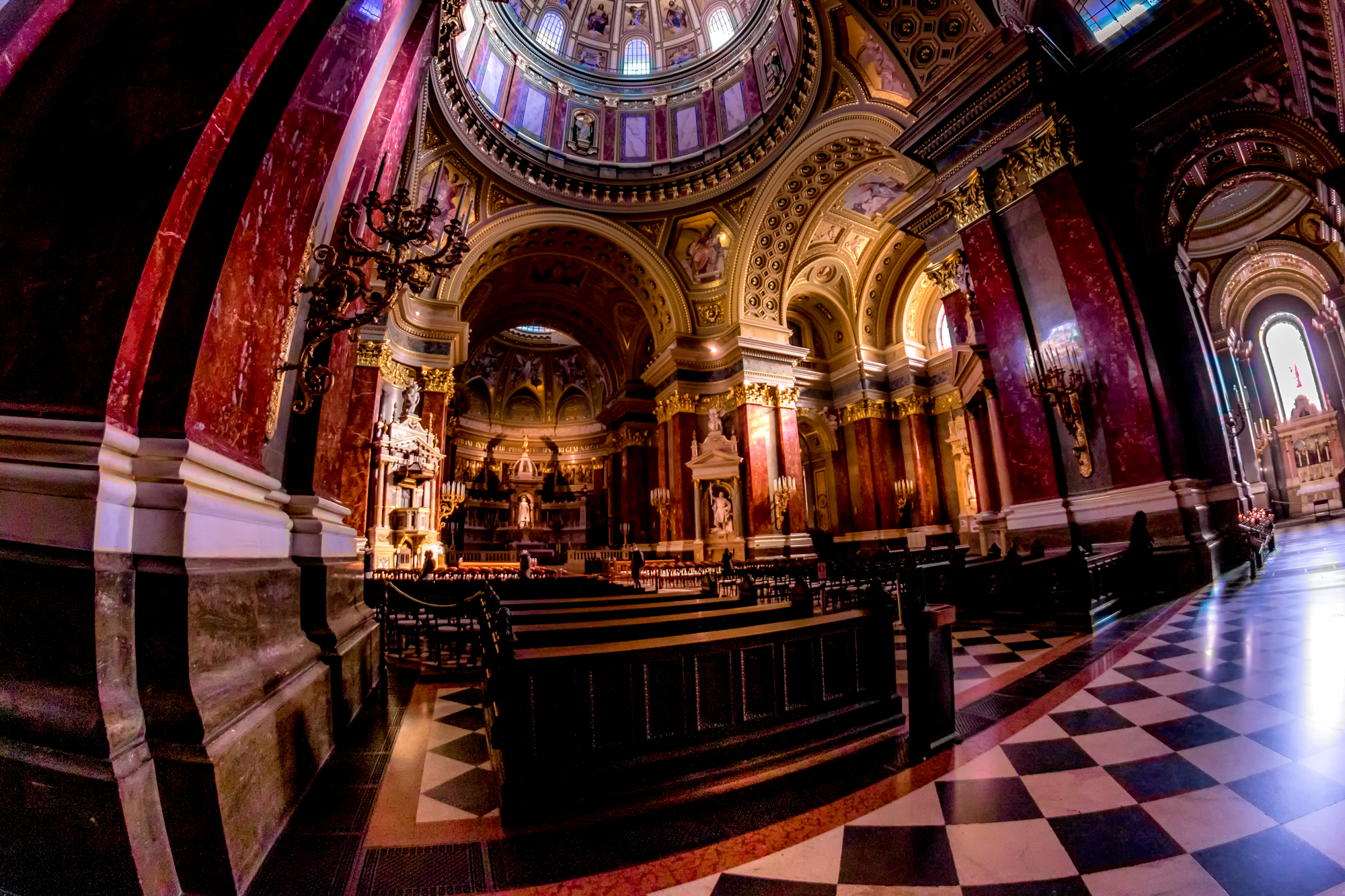
Majestic Budapest!

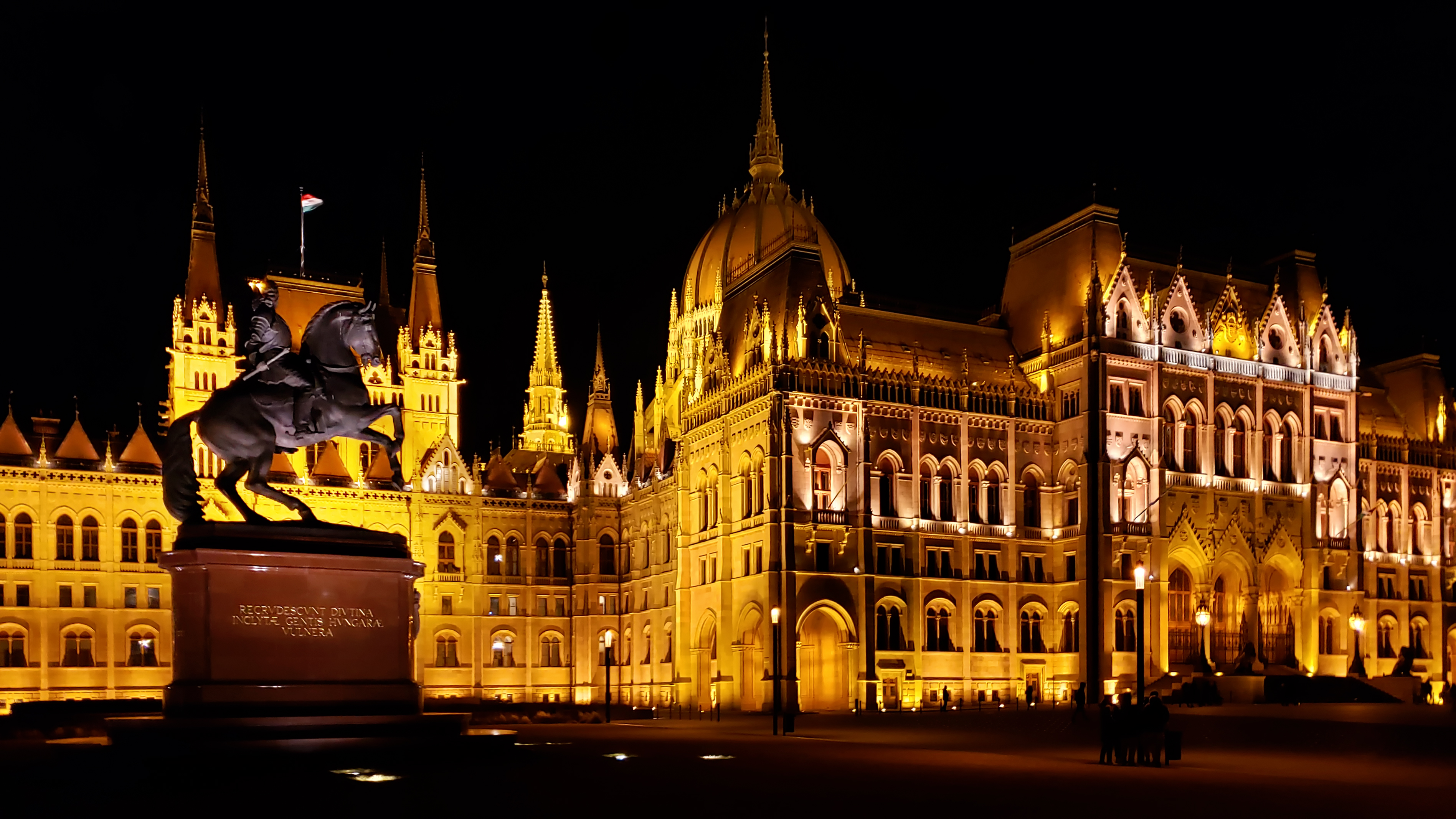
I admit it – I fell hopelessly in love with Budapest last week!

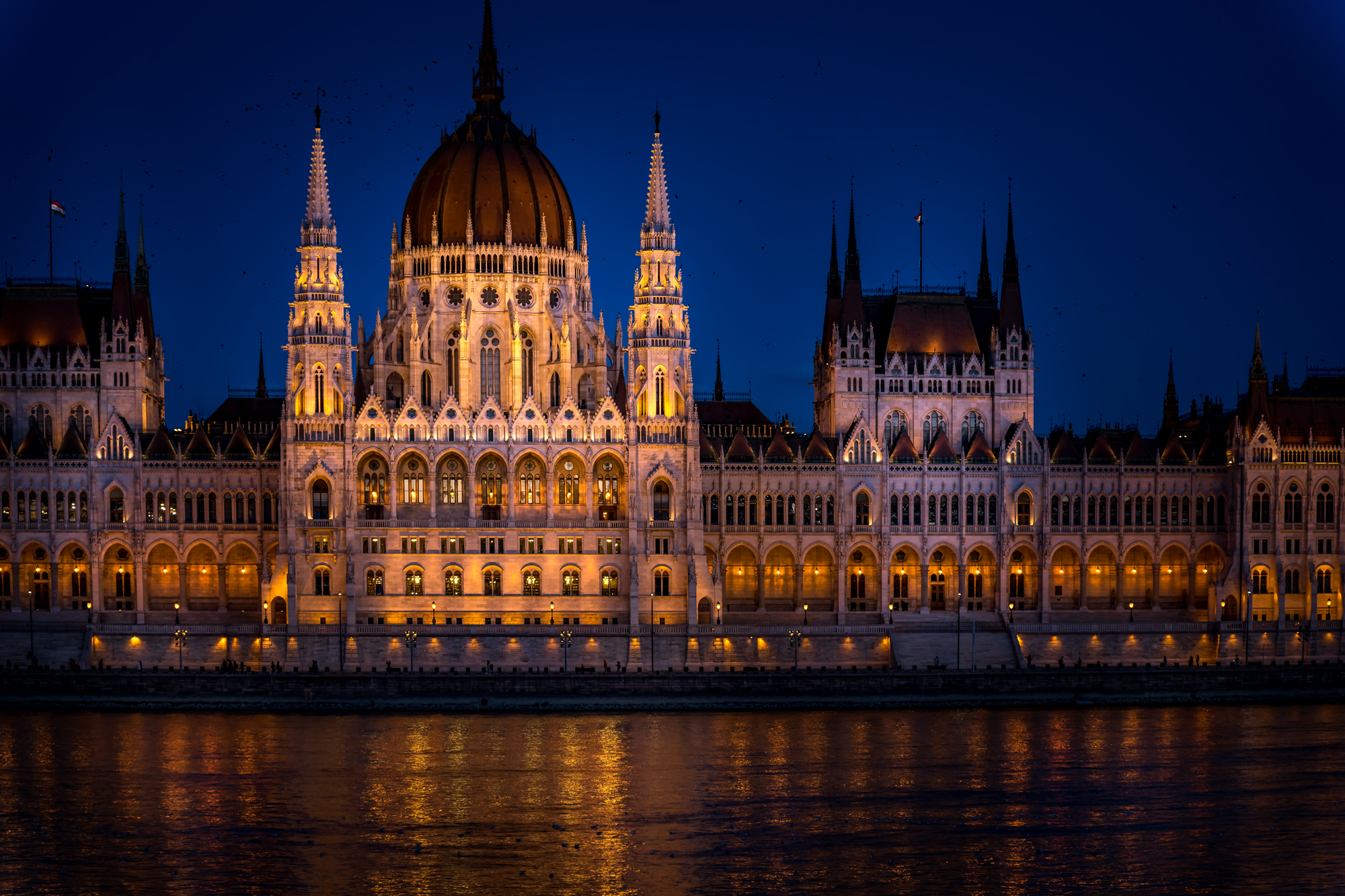
In my blissful ignorance, I had no expectations other than knowing that there was a beautiful building just begging to be shot (turned out to be the breathtaking Parliament) and some vague notion of Tokaji wines, a not so nice political leader and Goulash. The ride from the airport gave no indication of what I was about to see, as the ‘Burbs more or less look the same all over, only maybe a little bit more run down. Once I hit downtown, I could definitely begin to imagine a bustling city full of history, a glorious past, religion and modern “hipness”.

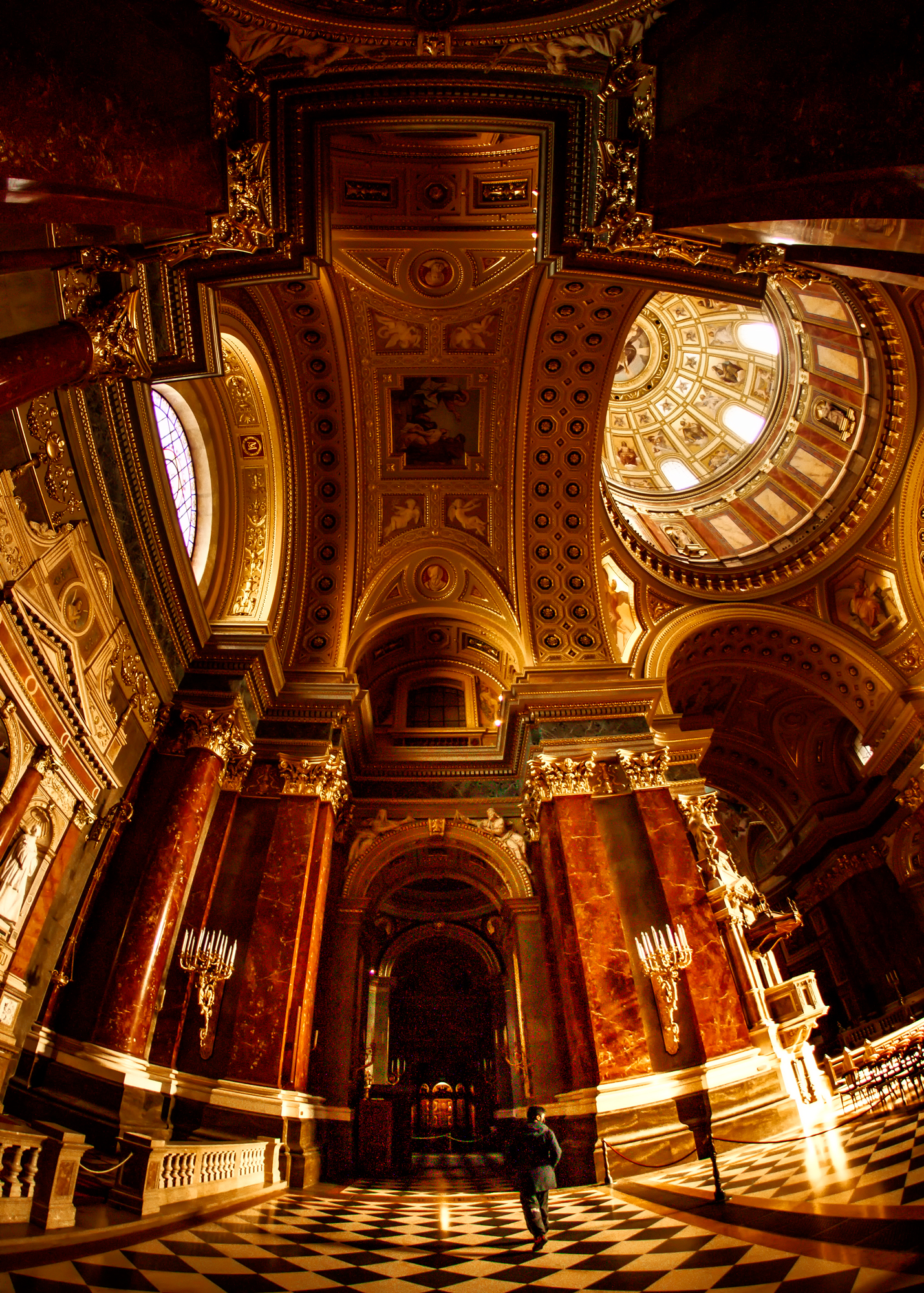
I spent 5 days walking around the relatively concentrated downtown on the Buda and Pest side, took an evening cruise on the Danube that was utterly breathtaking, visited the Church of Saint Stephen (Szent István), cried over the Shoes on Danube and saw the absolutely amazing Parliament during the day and at night. Unfortunately, Europe’s largest synagogue closed early the day I wanted to visit and my last day in Budapest was Shabat. Obviously, that only means that I have to come back. The Tree of Life in the backyard was visible, though.

It is impossible to judge a country based on 5 days of tourism, wining and dining, but I left with a feeling of somehow being at home in a country that has a certain feeling of “bonhomie” with friendly and animated people in the streets and in restaurants. Service is exceptional and the smiles genuine. I noticed a lot of bookstores and with books in many languages, as well as excellent English all over. The Hungarian language is still a complete mystery, even to this language fascist, though!

I truly hope this was not my last visit to this absolutely fascinating place! Köszönöm! (Thank you!)

The Jews of Budapest

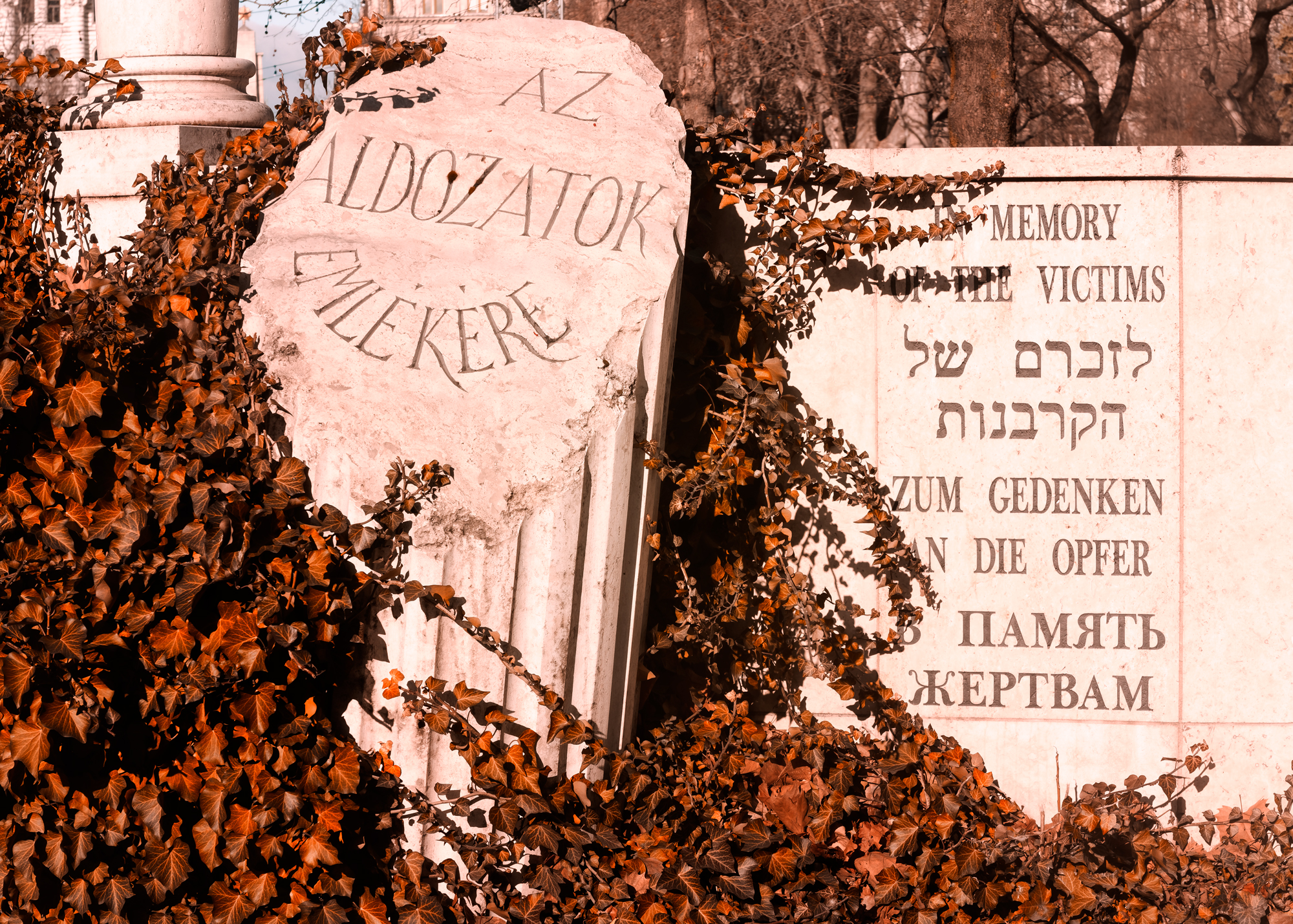
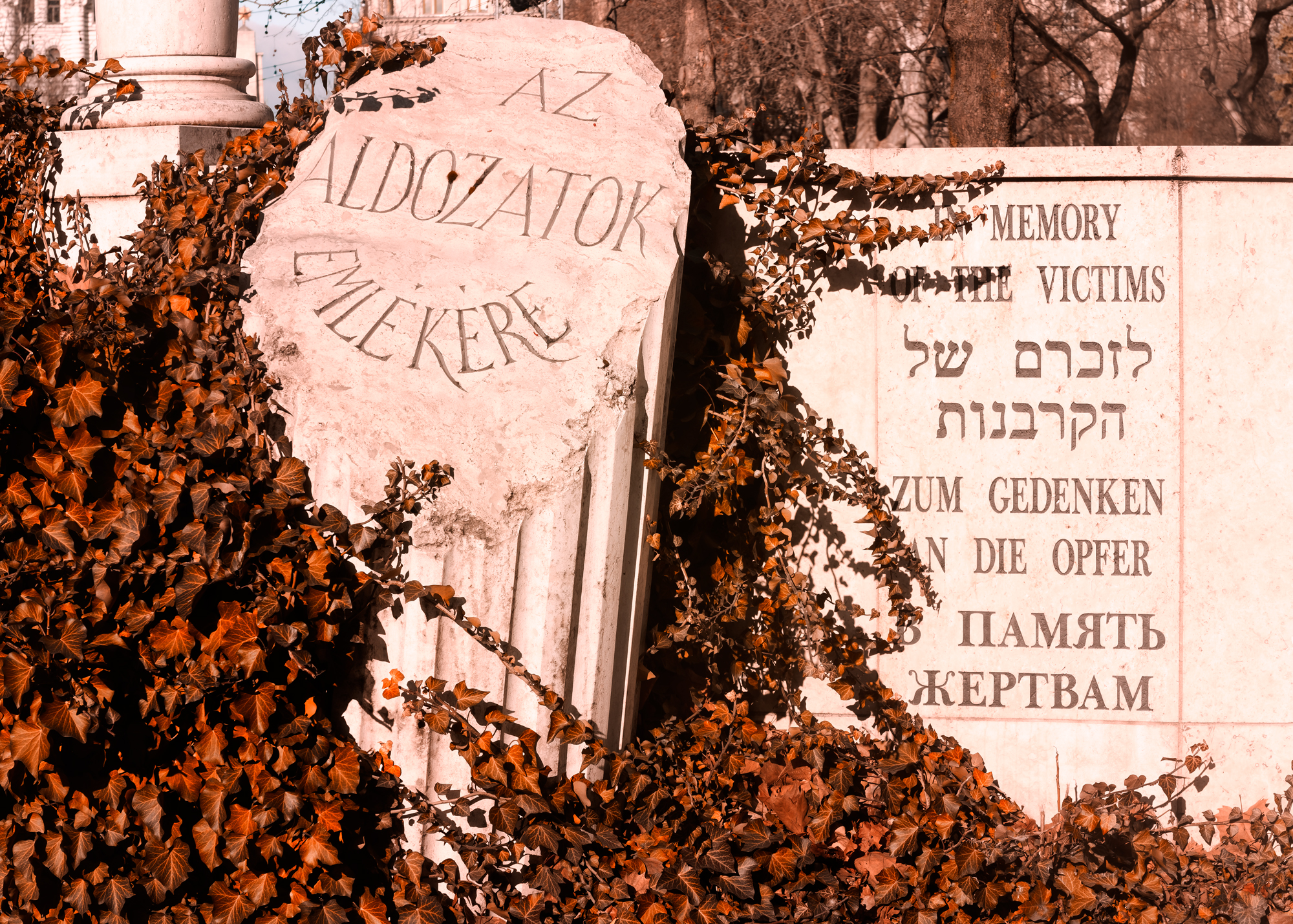
I am dedicating this post to the many Jews of Budapest who were pursued and killed during World War II. In a world that is increasingly intolerant and with frightening right-wing populist leaders on the rise, it imperative not to forget this somber past in order to prevent these atrocities from it ever happening again – anywhere.

The United States Holocaust Memorial Museum writes:

“Hungary’s capital, Budapest, straddles the banks of the Danube River and is the country’s most populous city. Budapest was created by the union of three cities: Buda, Obuda, and Pest.

Before World War II, approximately 200,000 Jews lived in Budapest, making it the center of Hungarian Jewish cultural life. In the late 1930s and early 1940s, Budapest was a safe haven for Jewish refugees. Before the war some 5,000 refugees, primarily from Germany and Austria, arrived in Budapest. With the beginning of deportations of Jews from Slovakia in March 1942, as many as 8,000 Slovak Jewish refugees also settled in Budapest.

Hungary was allied with Nazi Germany. Despite discriminatory legislation against the Jews and widespread antisemitism, the Jewish community of Budapest was relatively secure until the German occupation of Hungary in March 1944. With the occupation, the Germans ordered the establishment of a Jewish council in Budapest and severely restricted Jewish life. Apartments occupied by Jews were confiscated. Hundreds of Jews were rounded up and interned in the Kistarcsa transit camp View This Term in the Glossary (originally established by Hungarian authorities), 15 miles northeast of Budapest.

Between April and July 1944, the Germans and Hungarians deported Jews from the Hungarian provinces. By the end of July, the Jews in Budapest were virtually the only Jews remaining in Hungary. They were not immediately ghettoized. Instead, in June 1944, Hungarian authorities ordered the Jews into over 2,000 designated buildings scattered throughout the city. The buildings were marked with Stars of David. About 25,000 Jews from the suburbs of Budapest were rounded up and transported to the Auschwitz-Birkenau killing center. Hungarian authorities suspended the deportations in July 1944, sparing the remaining Jews of Budapest, at least temporarily.

In October 1944, Germany orchestrated a coup and installed a new Hungarian government dominated by the fascist Arrow Cross party. The remaining Jews of Budapest were again in grave danger. The Arrow Cross instituted a reign of terror in Budapest and hundreds of Jews were shot. Jews were also drafted for brutal forced labor.

On November 8, 1944, the Hungarians concentrated more than 70,000 Jews—men, women, and children—in the Ujlaki brickyards in Obuda, and from there forced them to march on foot to camps in Austria. Thousands were shot and thousands more died as a result of starvation or exposure to the bitter cold. The prisoners who survived the death march reached Austria in late December 1944. There, the Germans took them to various concentration camps, especially Dachau in southern Germany and Mauthausen in northern Austria, and to Vienna, where they were employed in the construction of fortifications around the city.

In November 1944, the Arrow Cross ordered the remaining Jews in Budapest into a closed ghetto. Jews who did not have protective papers issued by a neutral power were to move to the ghetto by early December. Between December 1944 and the end of January 1945, the Arrow Cross took as many as 20,000 Jews from the ghetto, shot them along the banks of the Danube, and threw their bodies into the river.

Soviet forces liberated Budapest on February 13, 1945. More than 100,000 Jews remained in the city at liberation.”

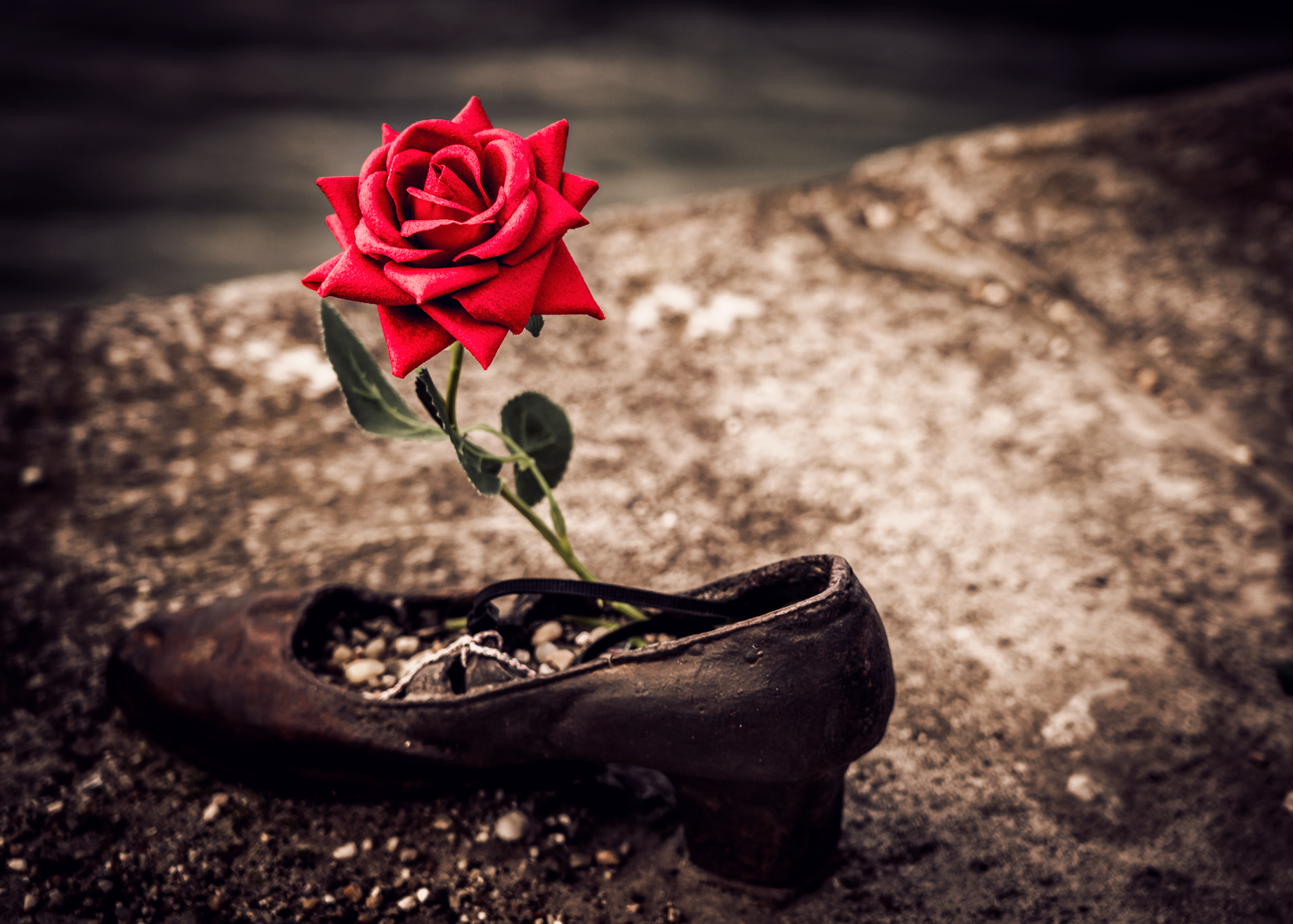
Few Memorials outside Ground Zero in New York have touched me as much as the Shoes on the Danube. Created by film director Can Togay and the sculptor, Gyula Pauer, these haunting shoes are located just South of the majestic Parliament. The Jews were told to remove their shoes, as they at least had some value in the eyes of the Third Reich, before being shot and thrown into the Danube River. I was definitely not the only one crying on the brink of the river that day. Never, ever again.

Frederiksborg Castle

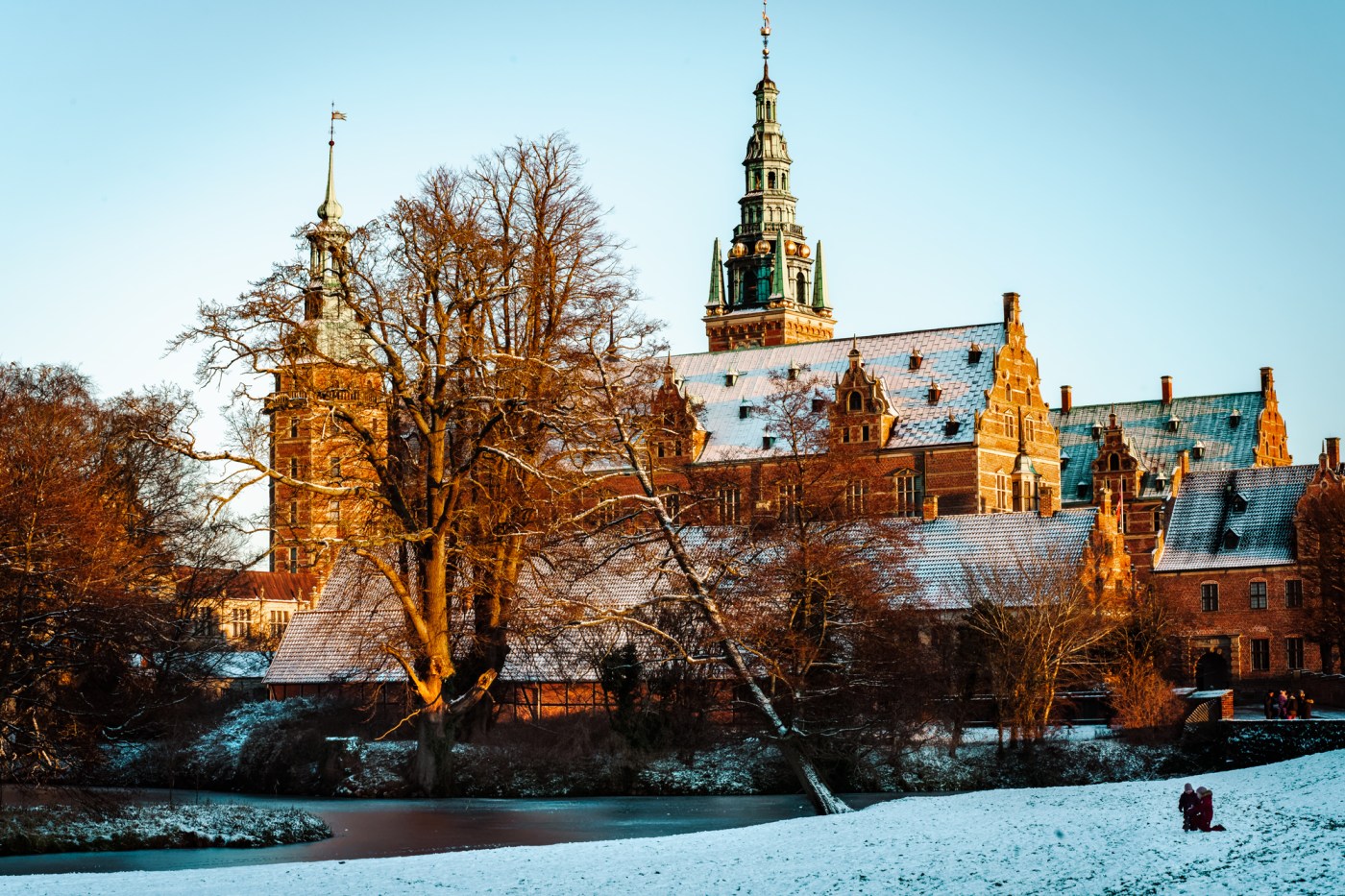
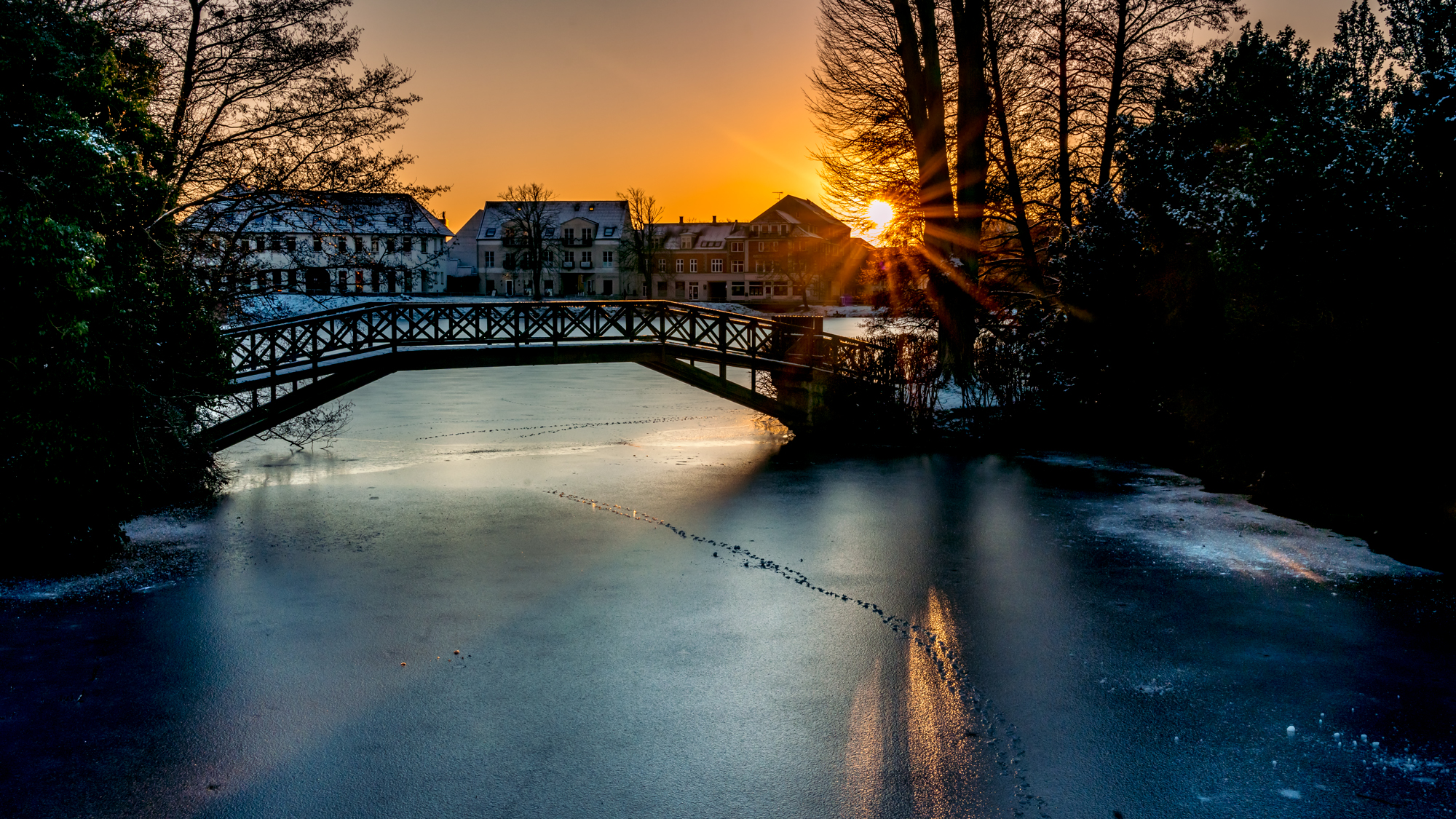
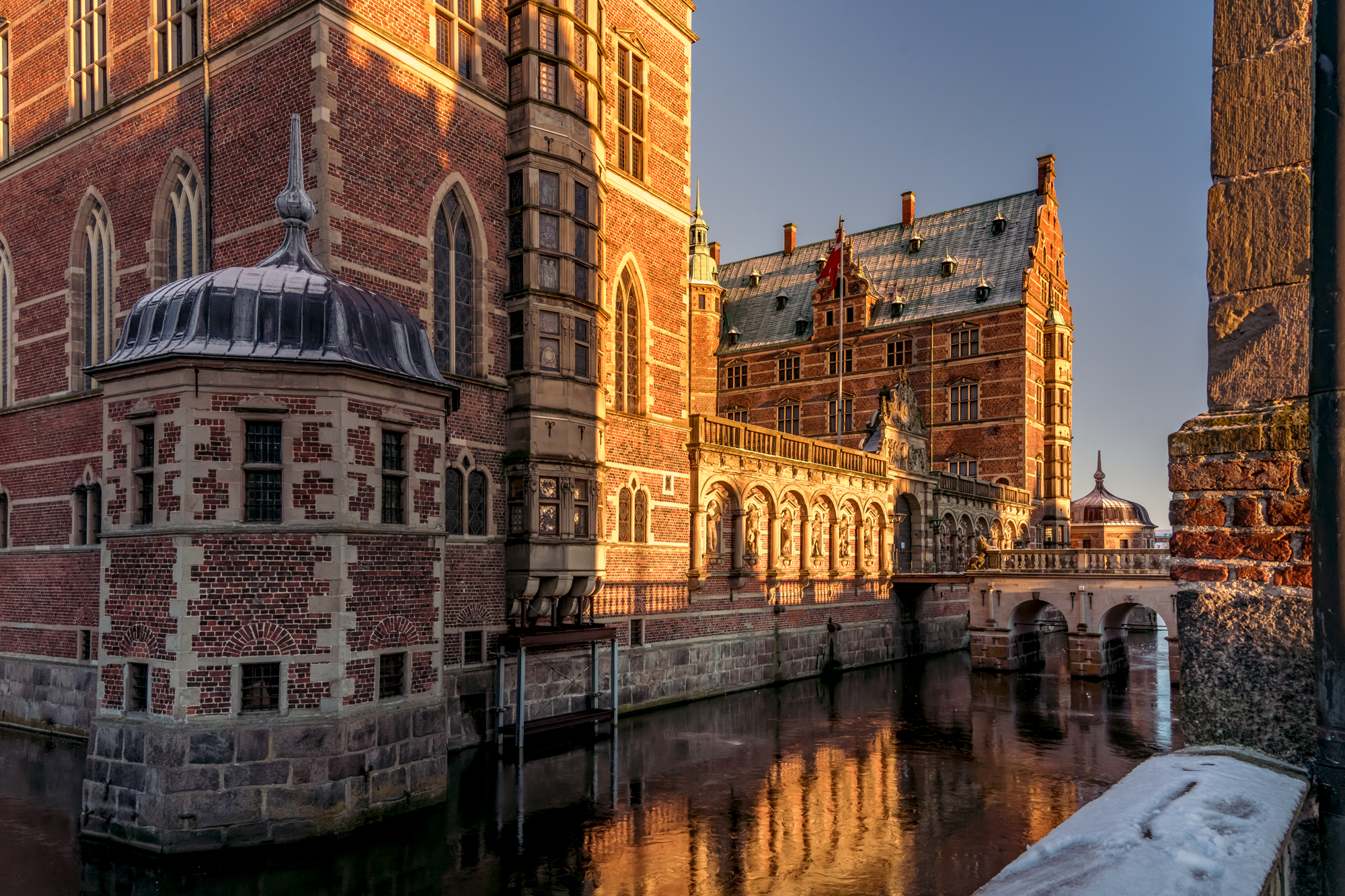
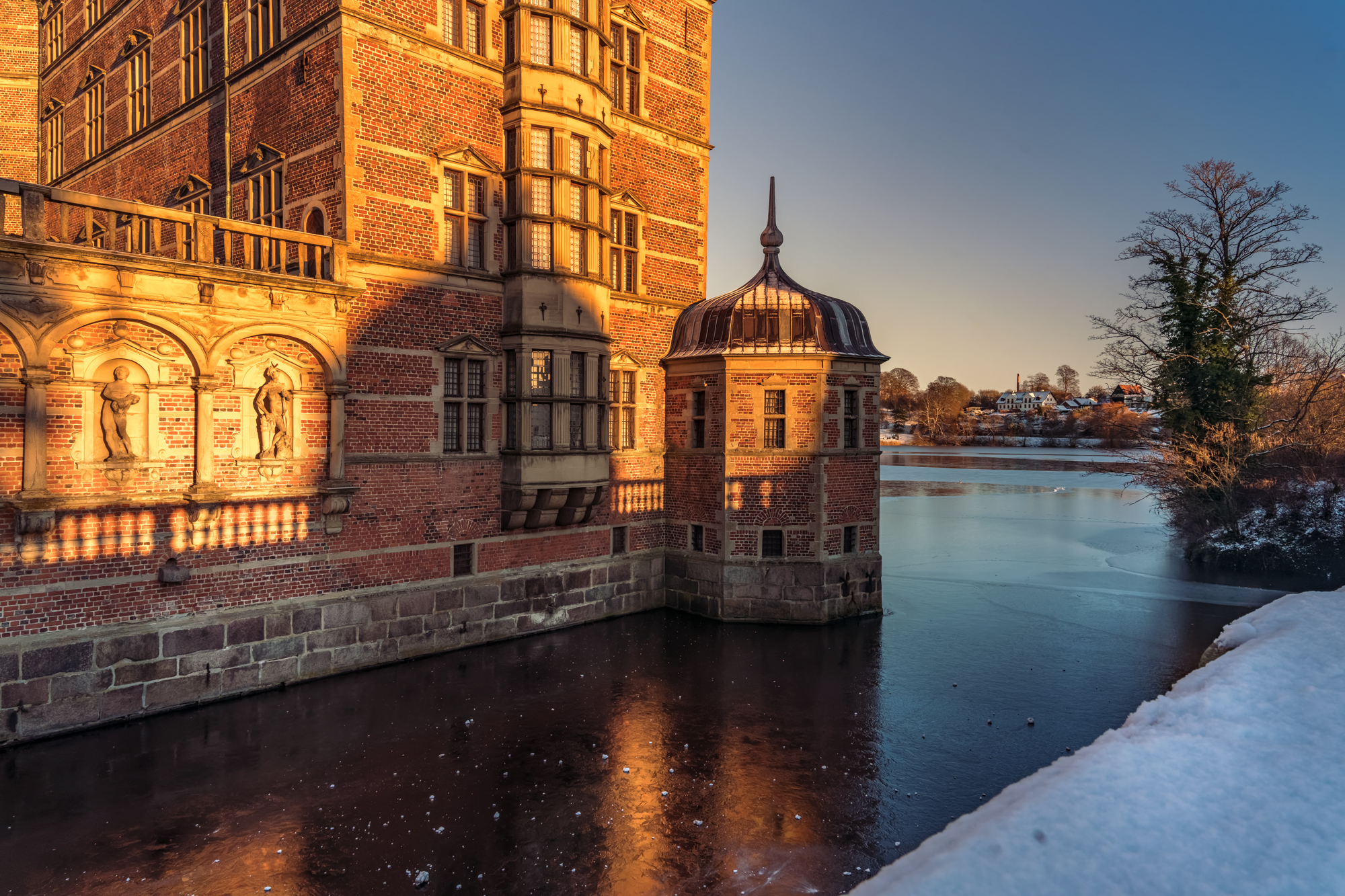
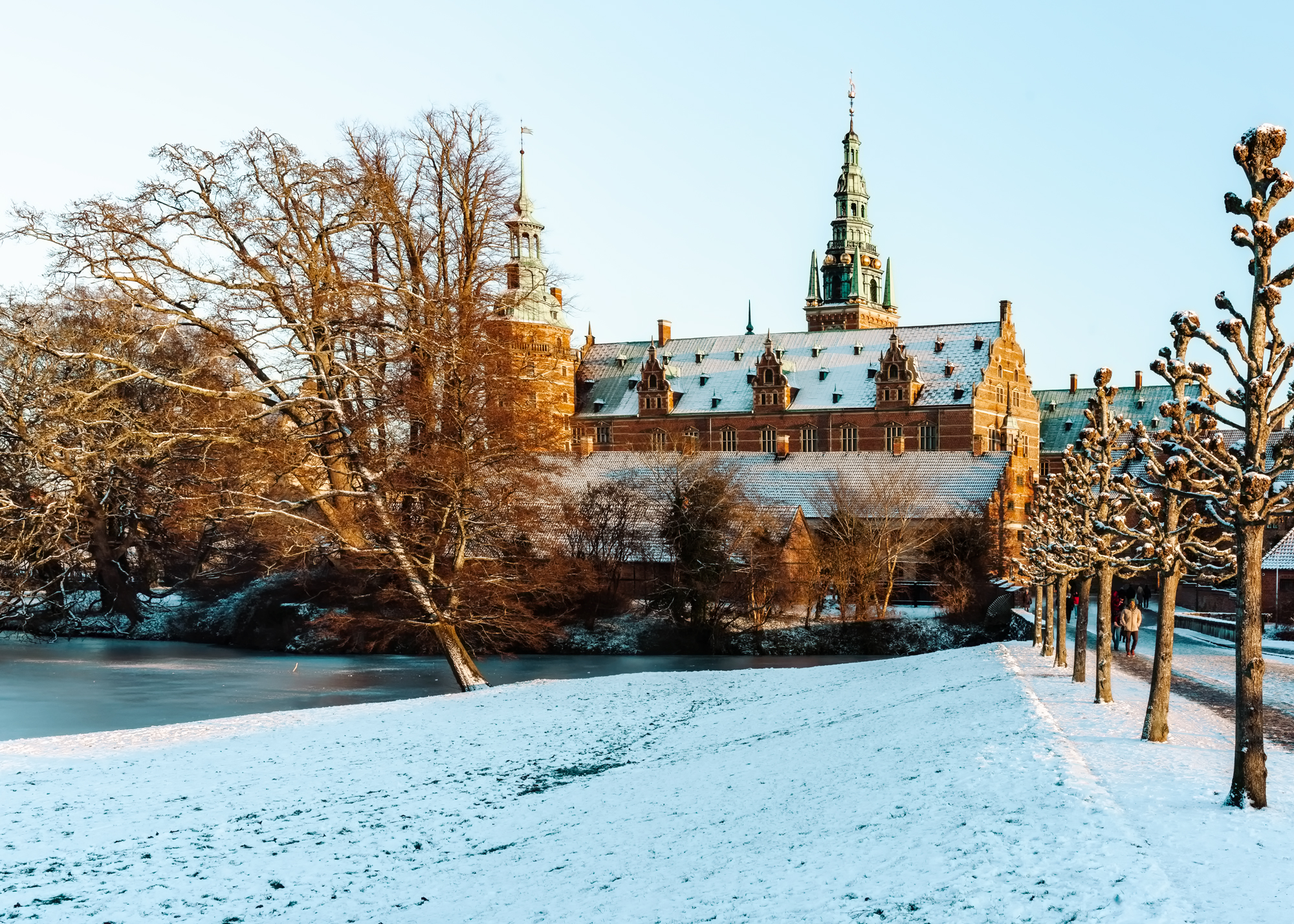
About 40 minutes from Copenhagen, in the Northern town of Hillerød, lies the majestic Frederiksberg Castle right in the middle of the old part of town. I had never visited, but remember admiring it from a jigsaw puzzle I had as a child. It was obviously closed due to Covid, but what a beautiful day to spend Christmas Day, the 25th. Having had our Christmas celebration on the 24th as usual, it was wonderful to get out in the glorious, but cold weather!

“Frederiksborg Castle (Danish: Frederiksborg Slot) is a palatial complex in Hillerød, Denmark. It was built as a royal residence for King Christian IV of Denmark-Norway in the early 17th century, replacing an older castle acquired by Frederick II and becoming the largest Renaissance residence in Scandinavia. On three islets in the Slotssøen (castle lake), it is adjoined by a large formal garden in the Baroque style.

After a serious fire in 1859, the castle was rebuilt on the basis of old plans and paintings. Thanks to public support and the brewer J. C. Jacobsen, its apartments were fully restored and reopened to the public as the Danish Museum of National History in 1882. Open throughout the year, the museum contains the largest collection of portrait paintings in Denmark. It also provides visitors with an opportunity to visit several of the castle’s state rooms including the restored Valdemar Room and Great Hall as well as the Chapel and the Audience Chamber which were both largely spared by the fire and contain sumptuous decorations.” Wikipedia

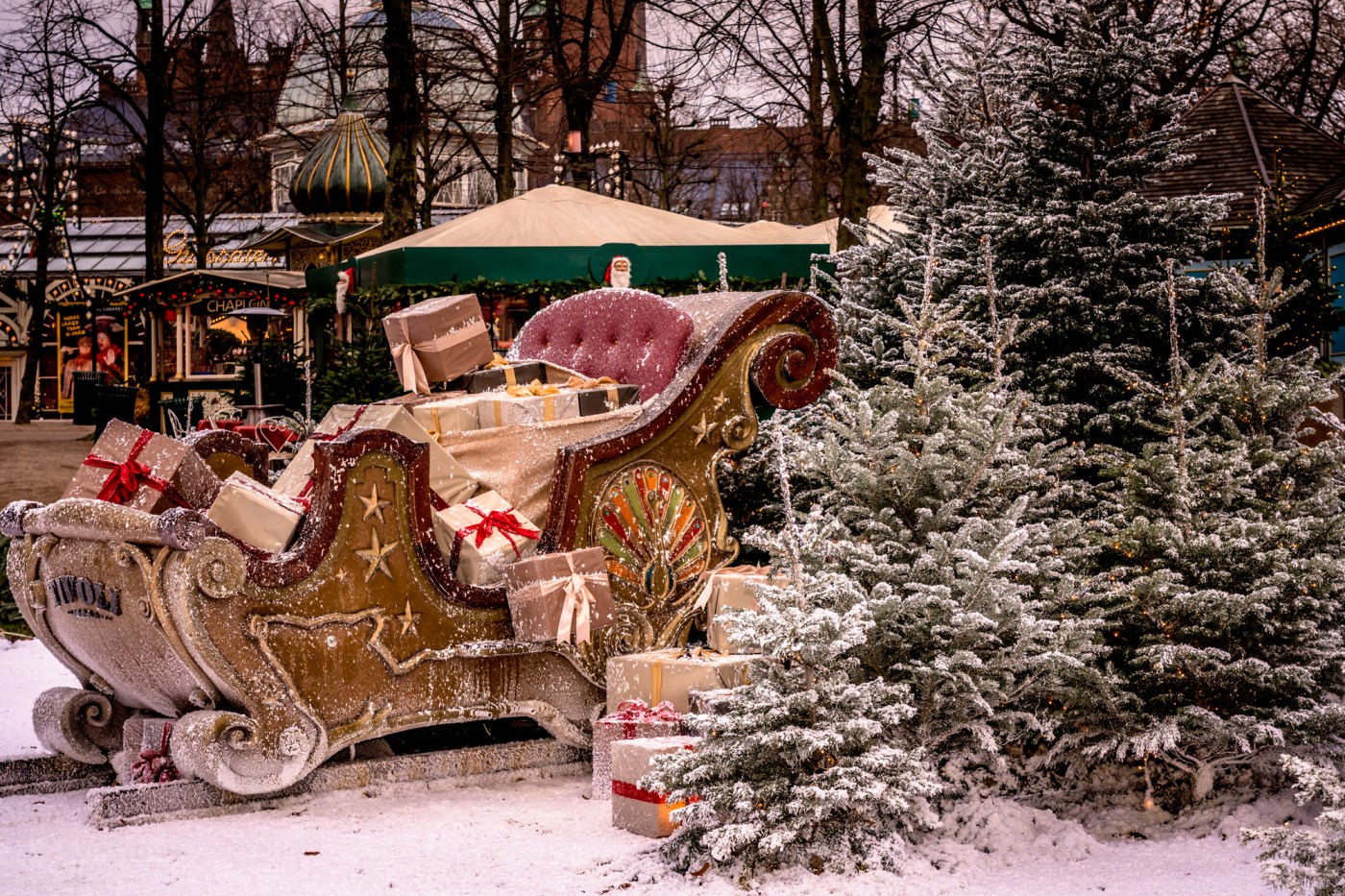
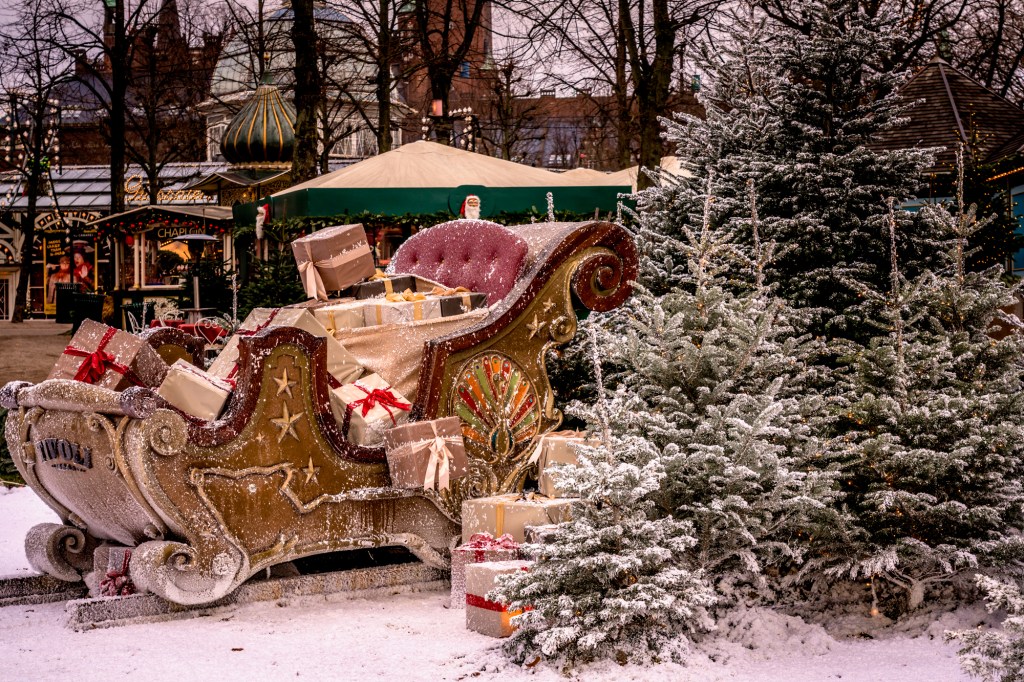
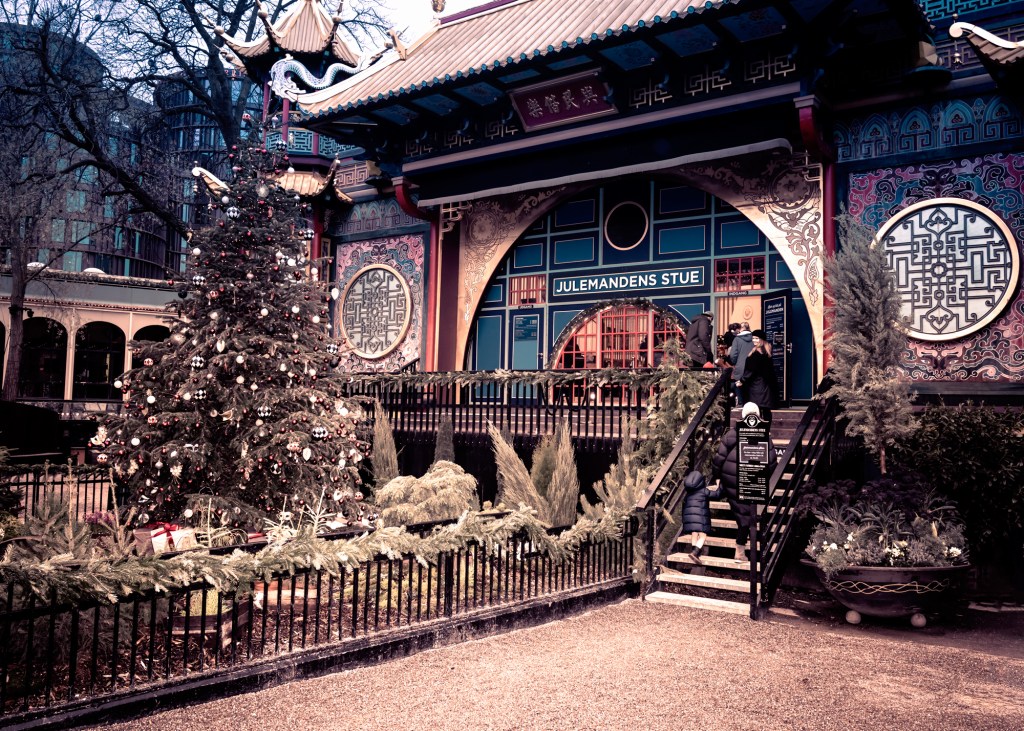
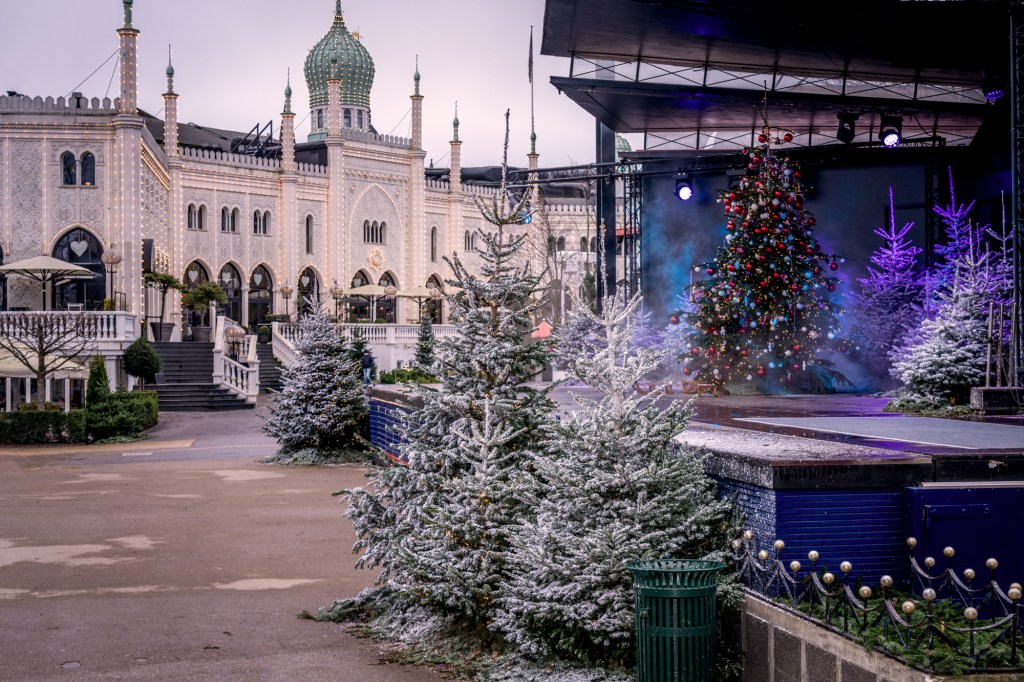
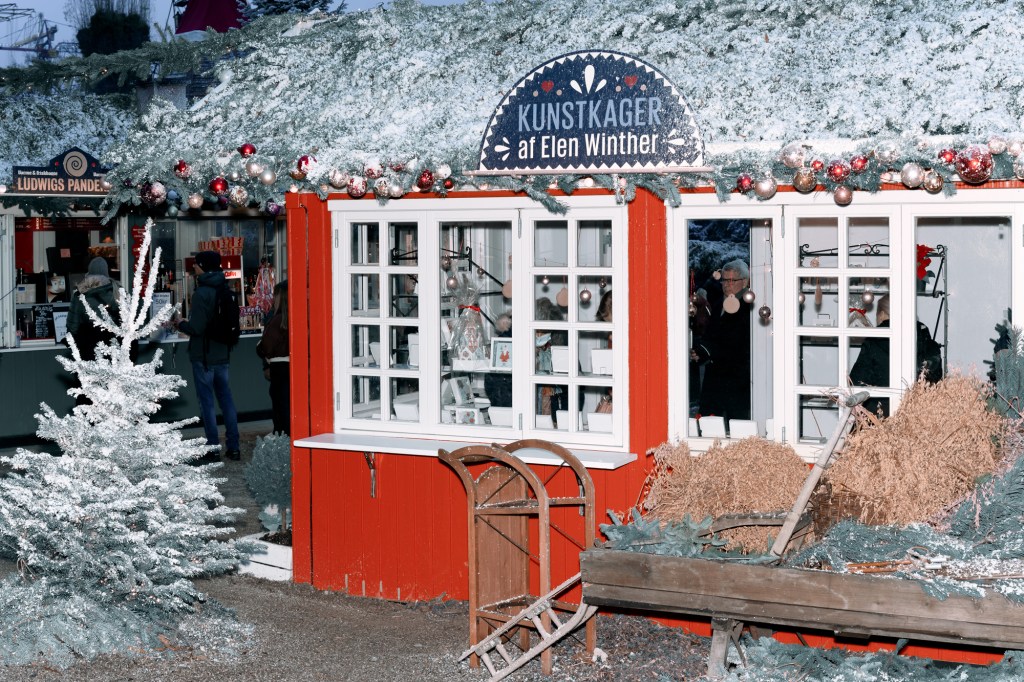
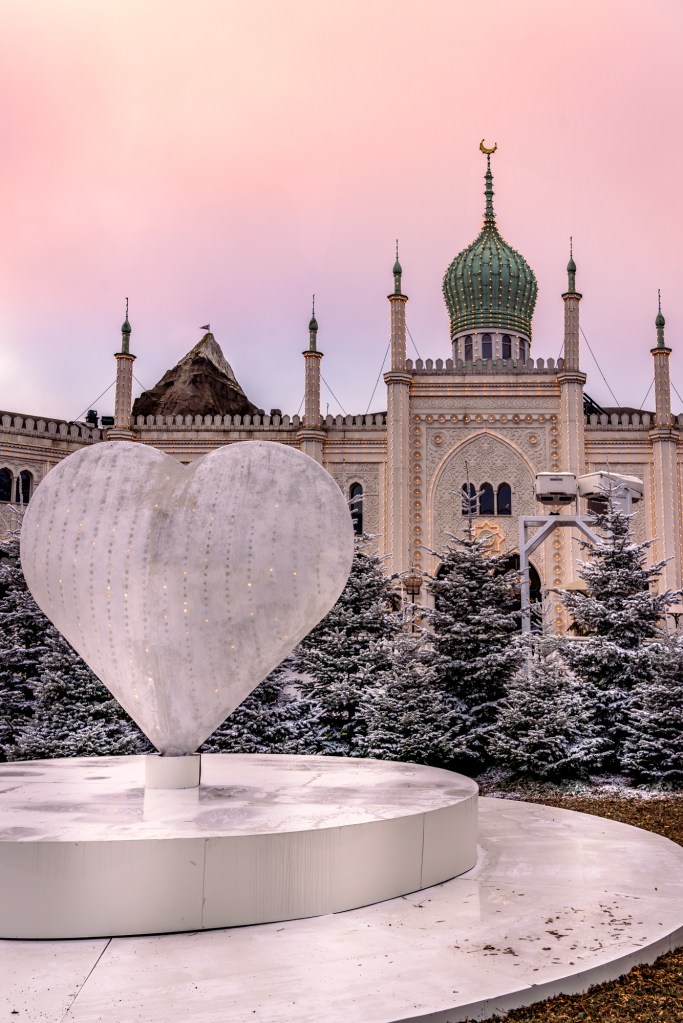
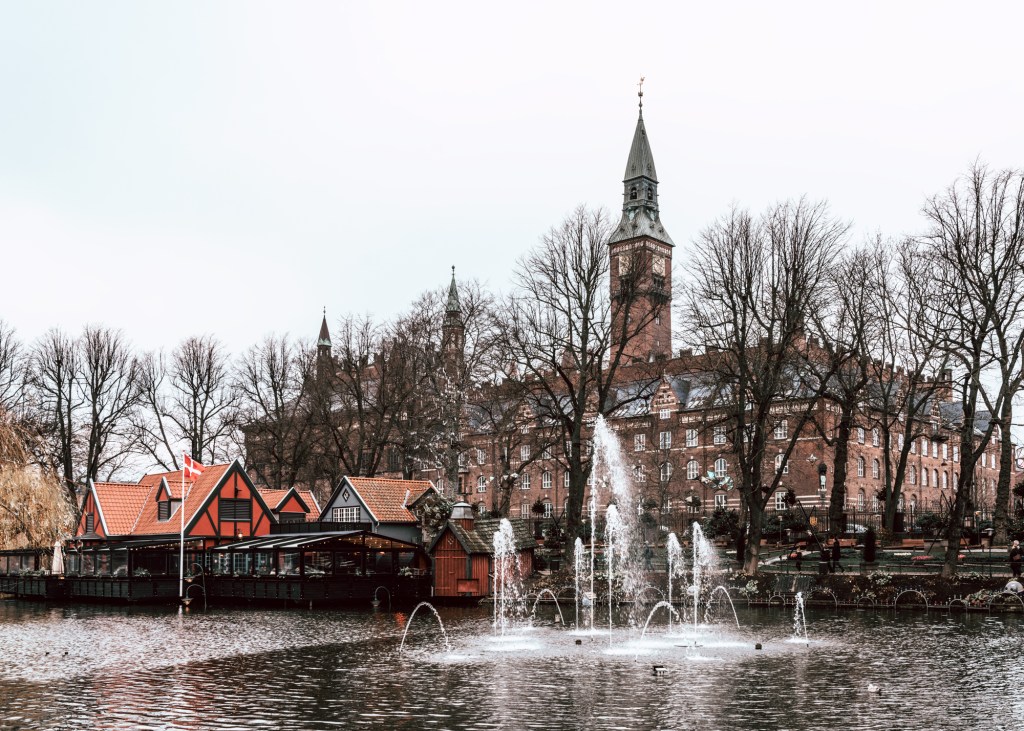
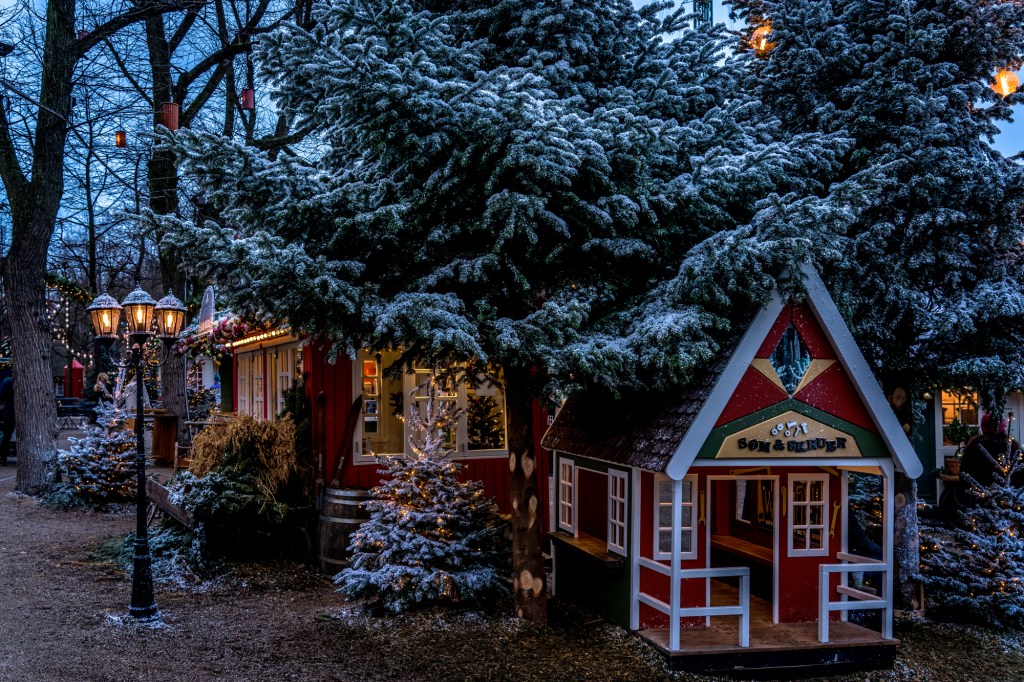
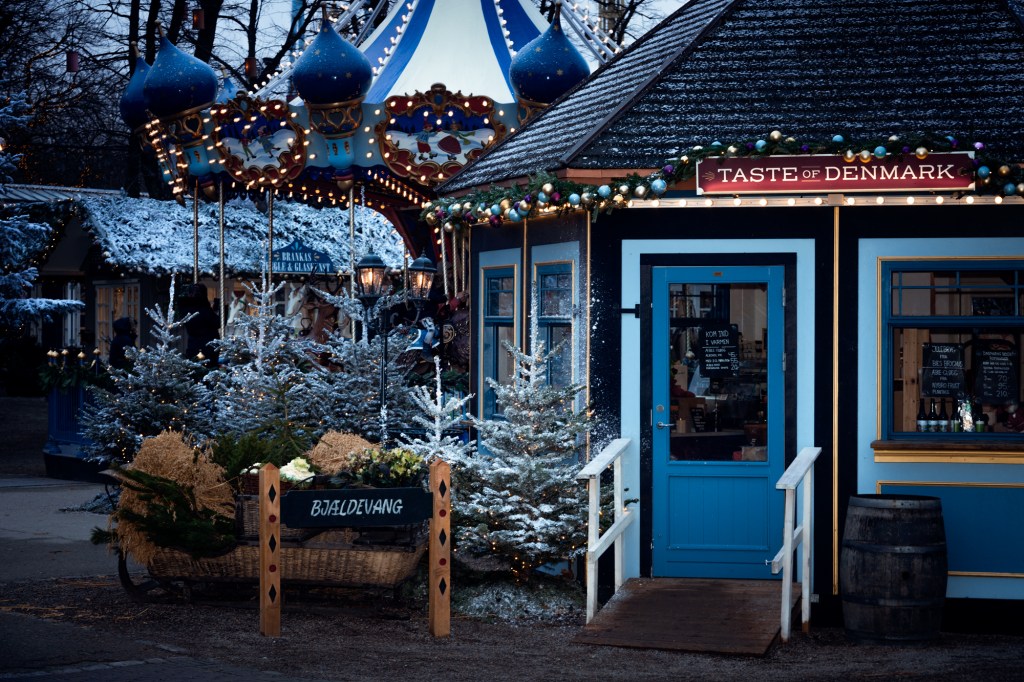
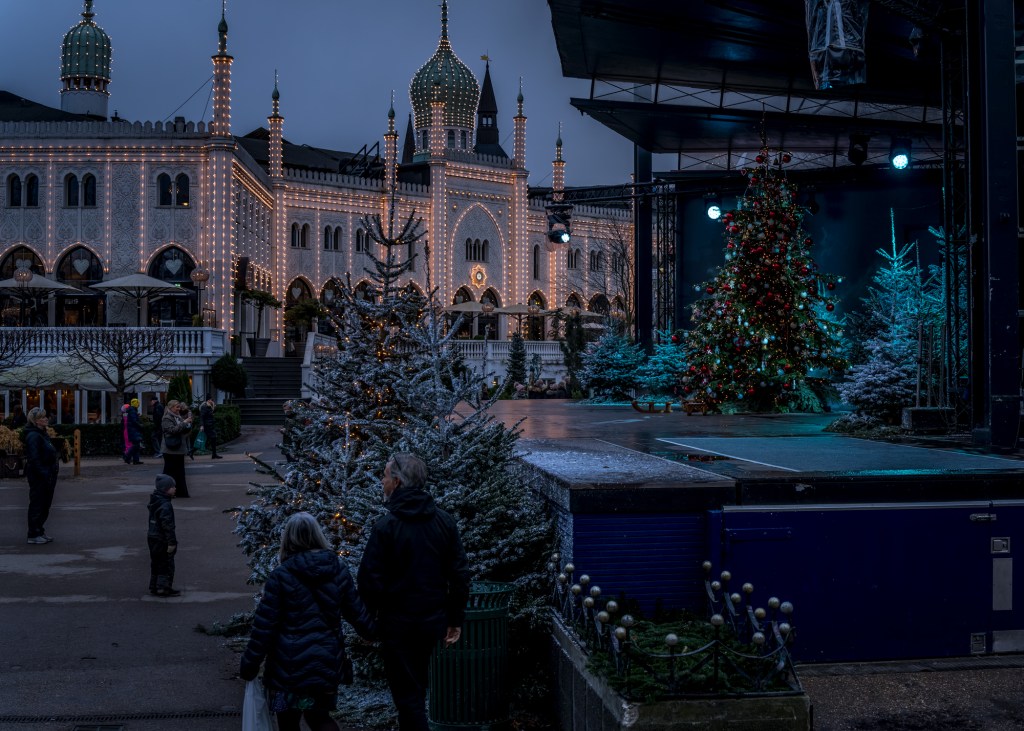
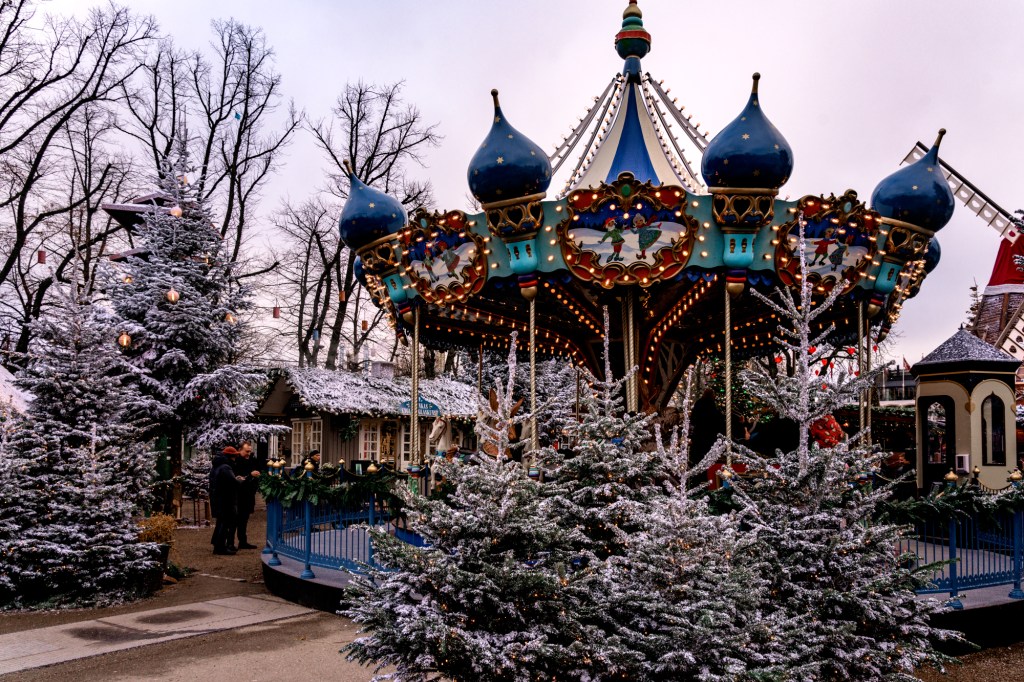
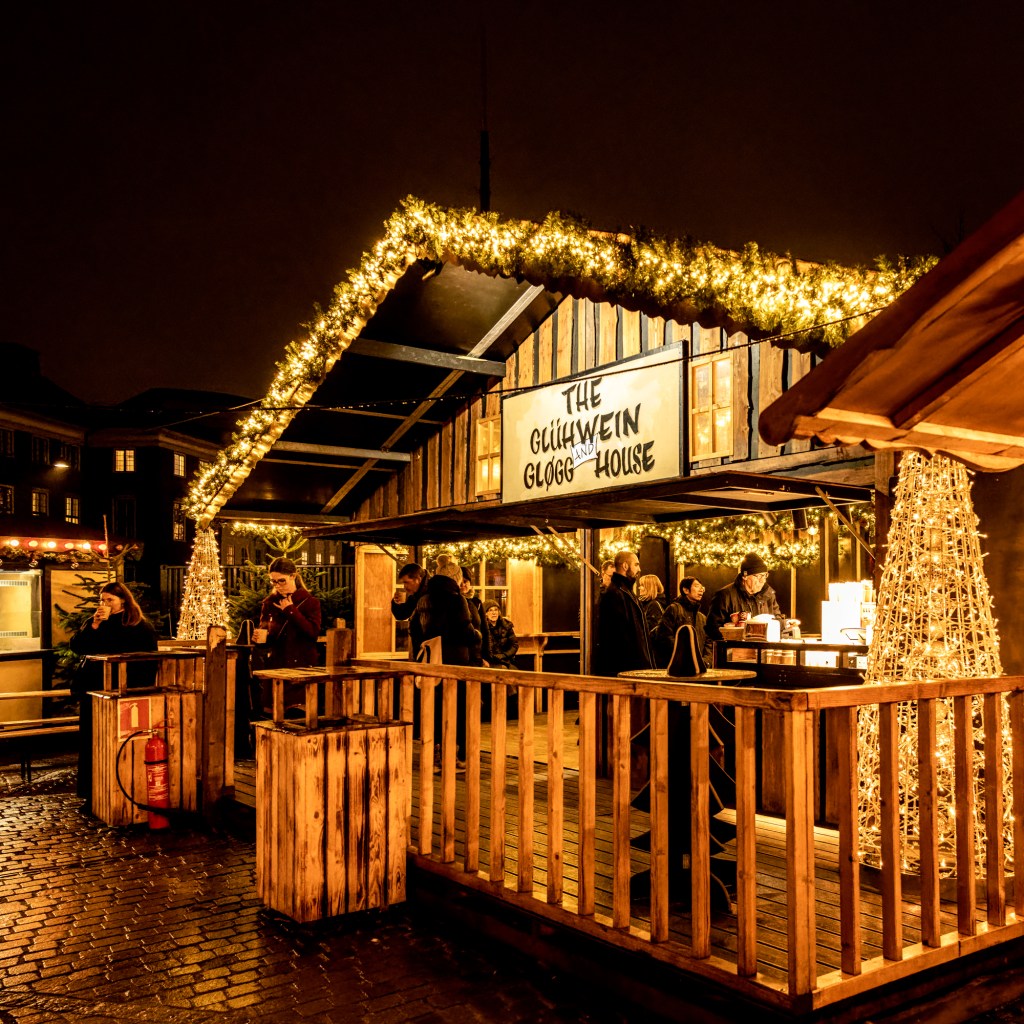
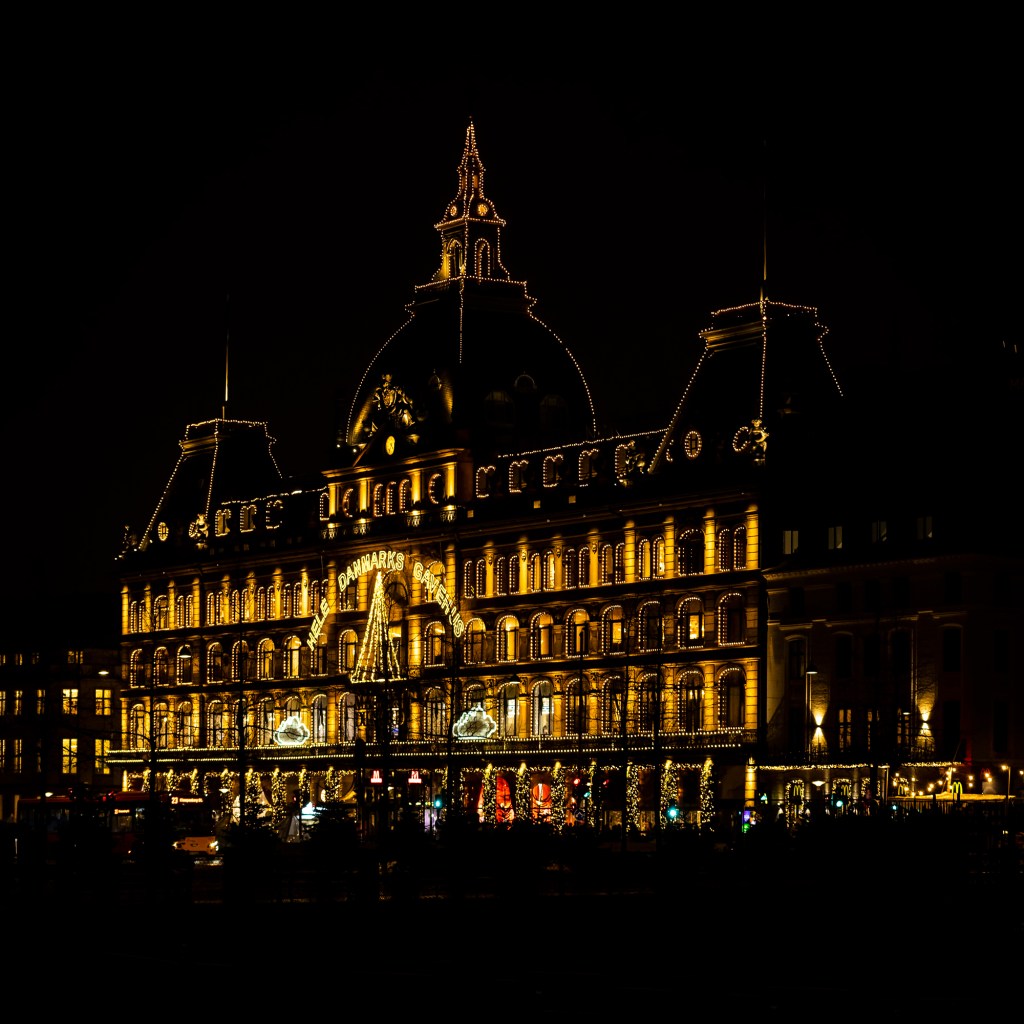
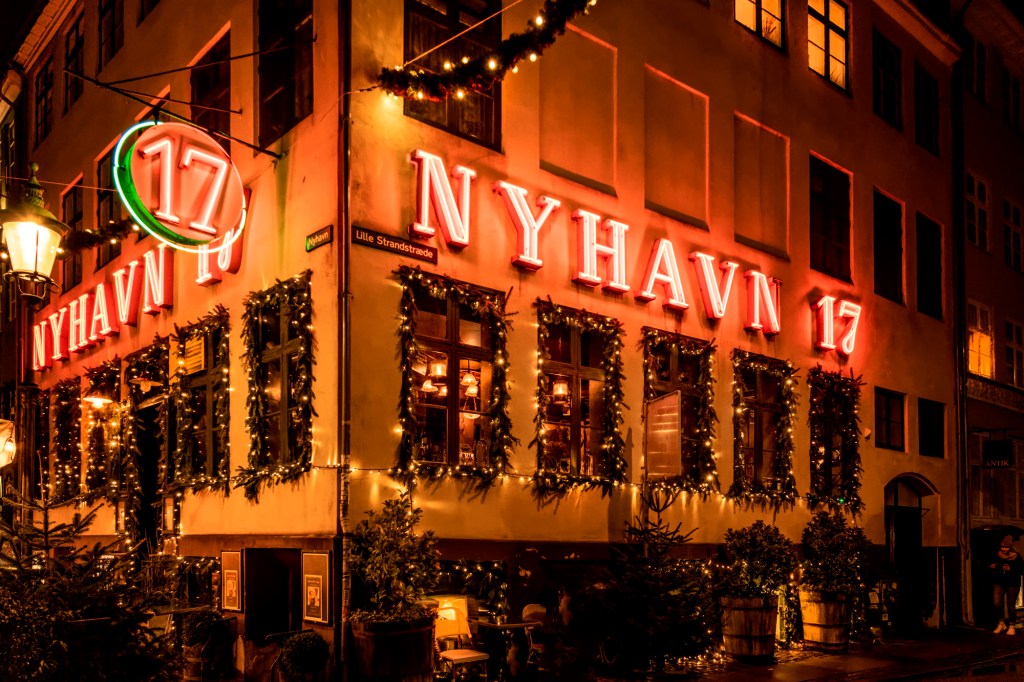
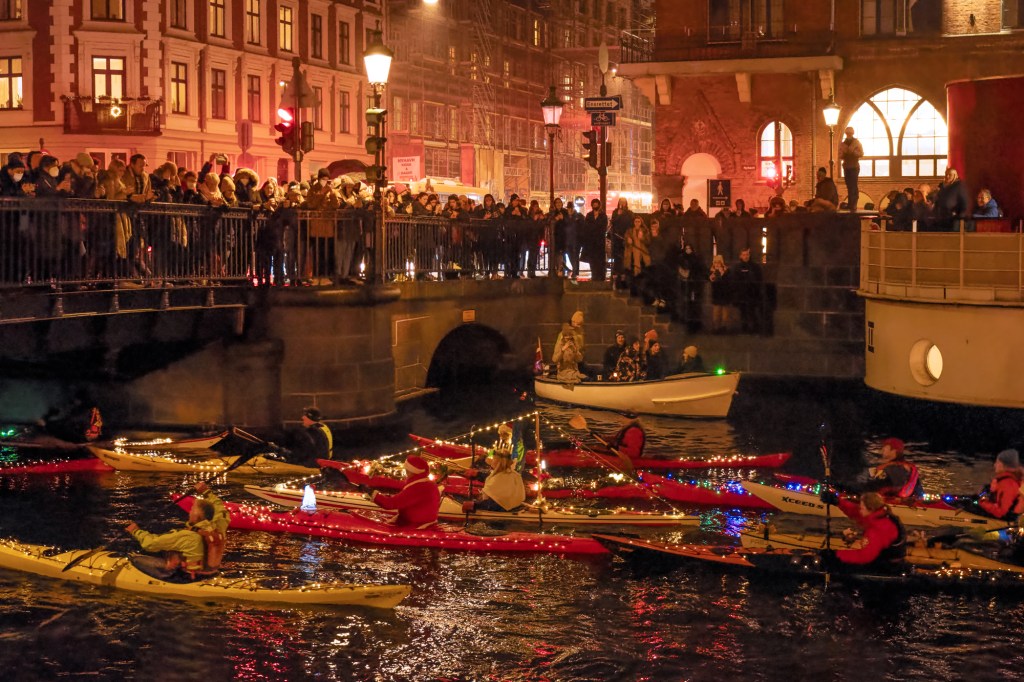
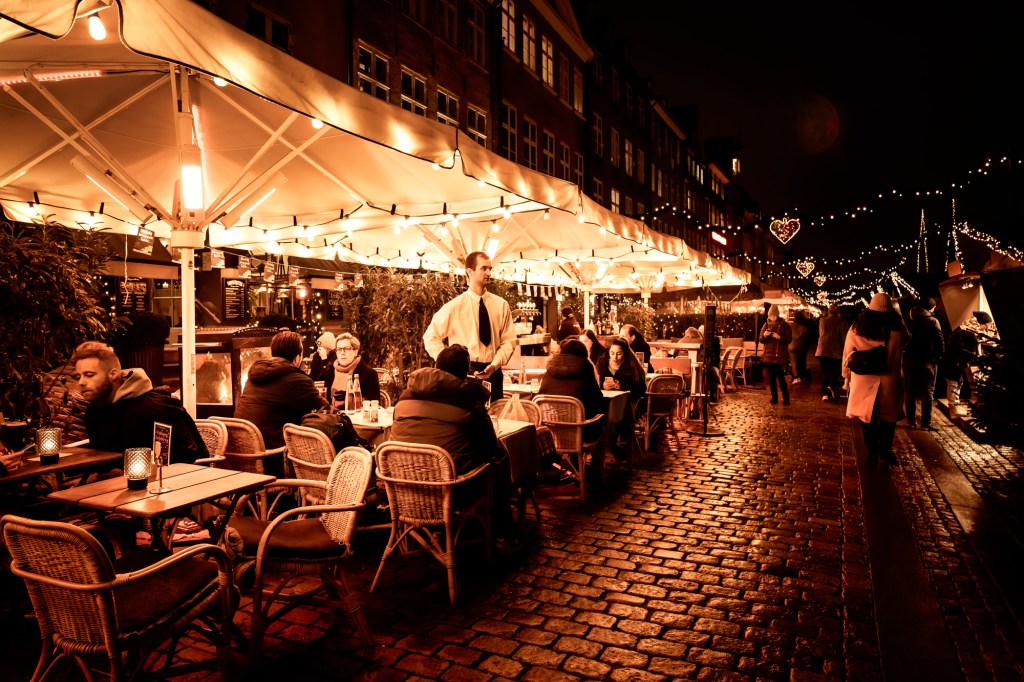
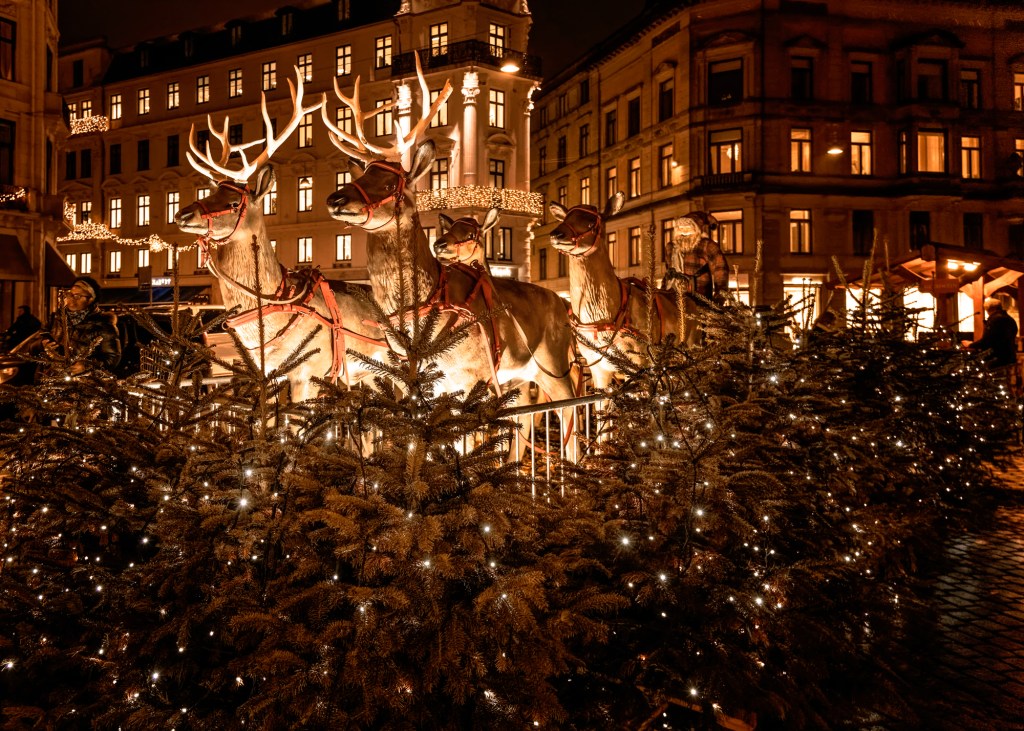
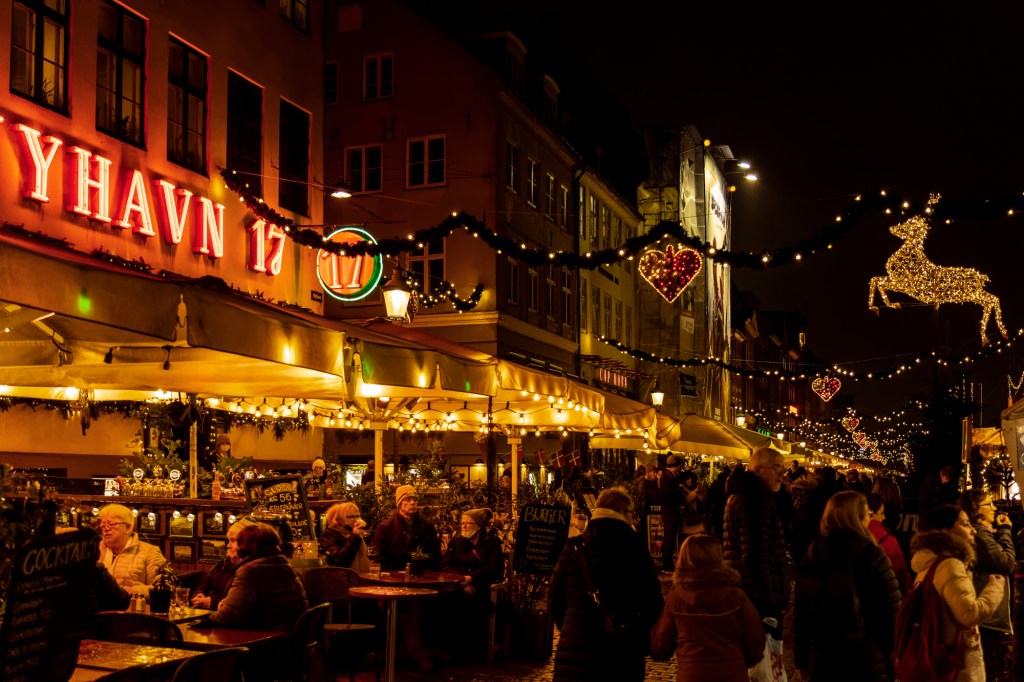
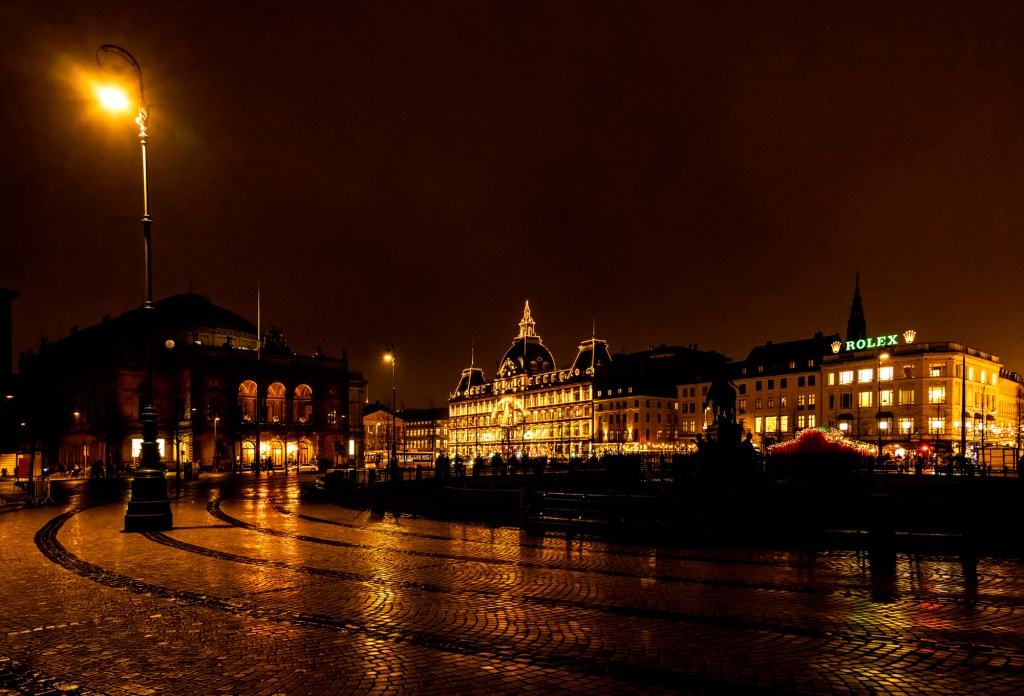
Holiday Decorations at Tivoli Gardens, Kongens Nytorv & Nyhavn

After having enjoyed the Halloween decorations, it was time to see the Holiday lights for the first time. I was there to shoot a wedding couple, but had a few hours to myself prior to the event. After a lovely lunch at Færgekroen, I started my walk around the grounds. I had most of the place to myself, as people suspected that Covid restrictions were around the corner and at 2 pm they hit us again and we are now back to square one it feels like. Luckily, I got this last day before most things closed down again.

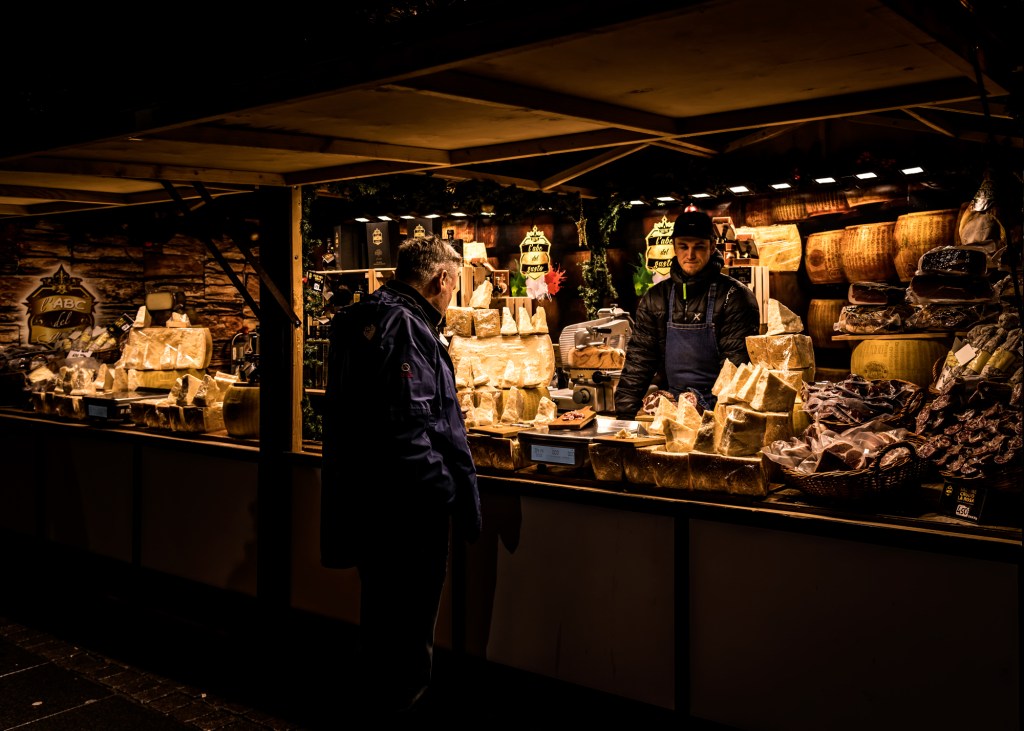
A few days prior to this, we were still able to enjoy the Christmas markets and my Happy Place, the very touristy, but adorable Nyhavn!

I wish you all Happy Holidays and hope that 2022 will bring some relief after almost two years of having our lives put on hold.

Winter Wonderland – The Movie

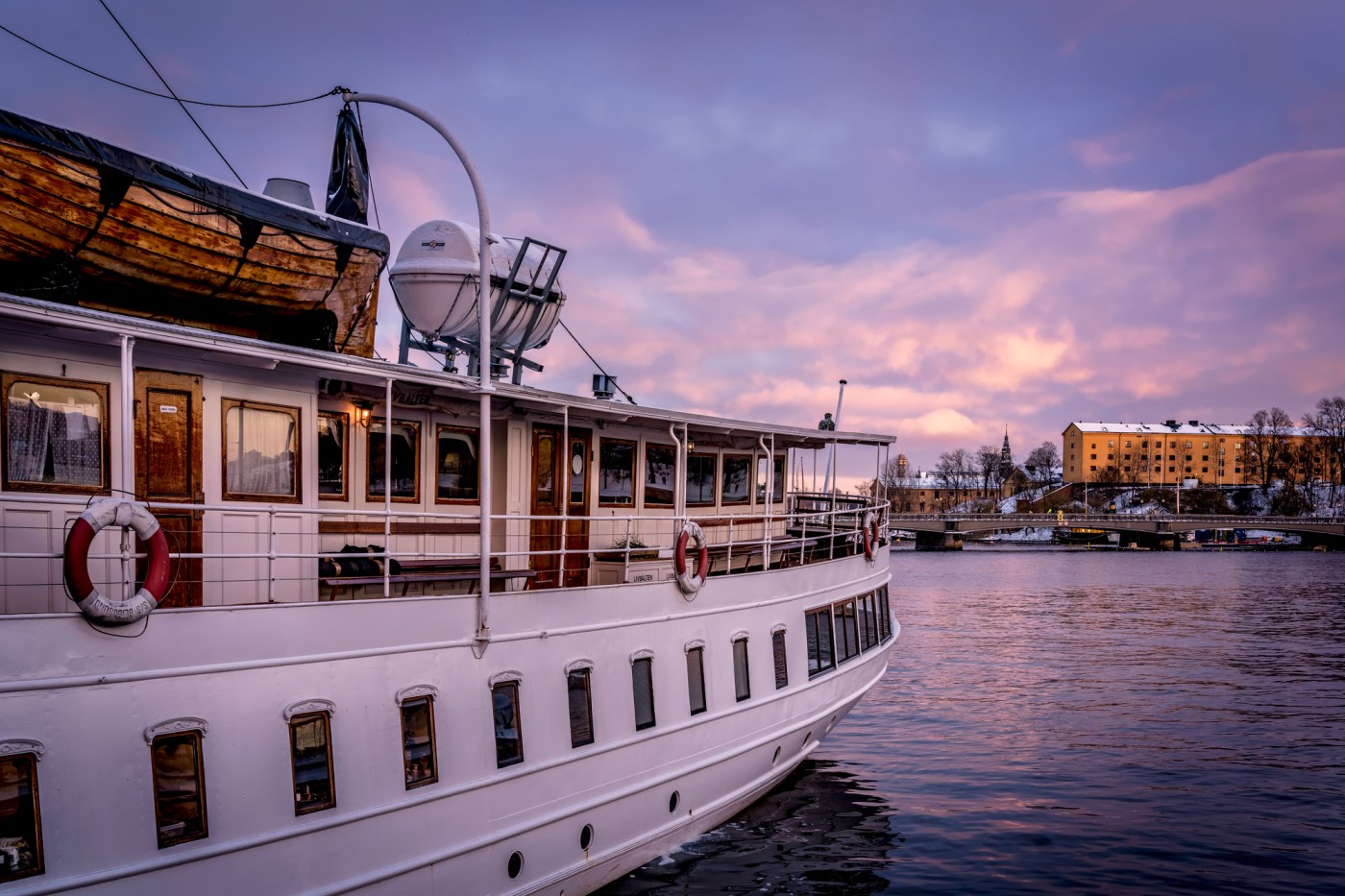
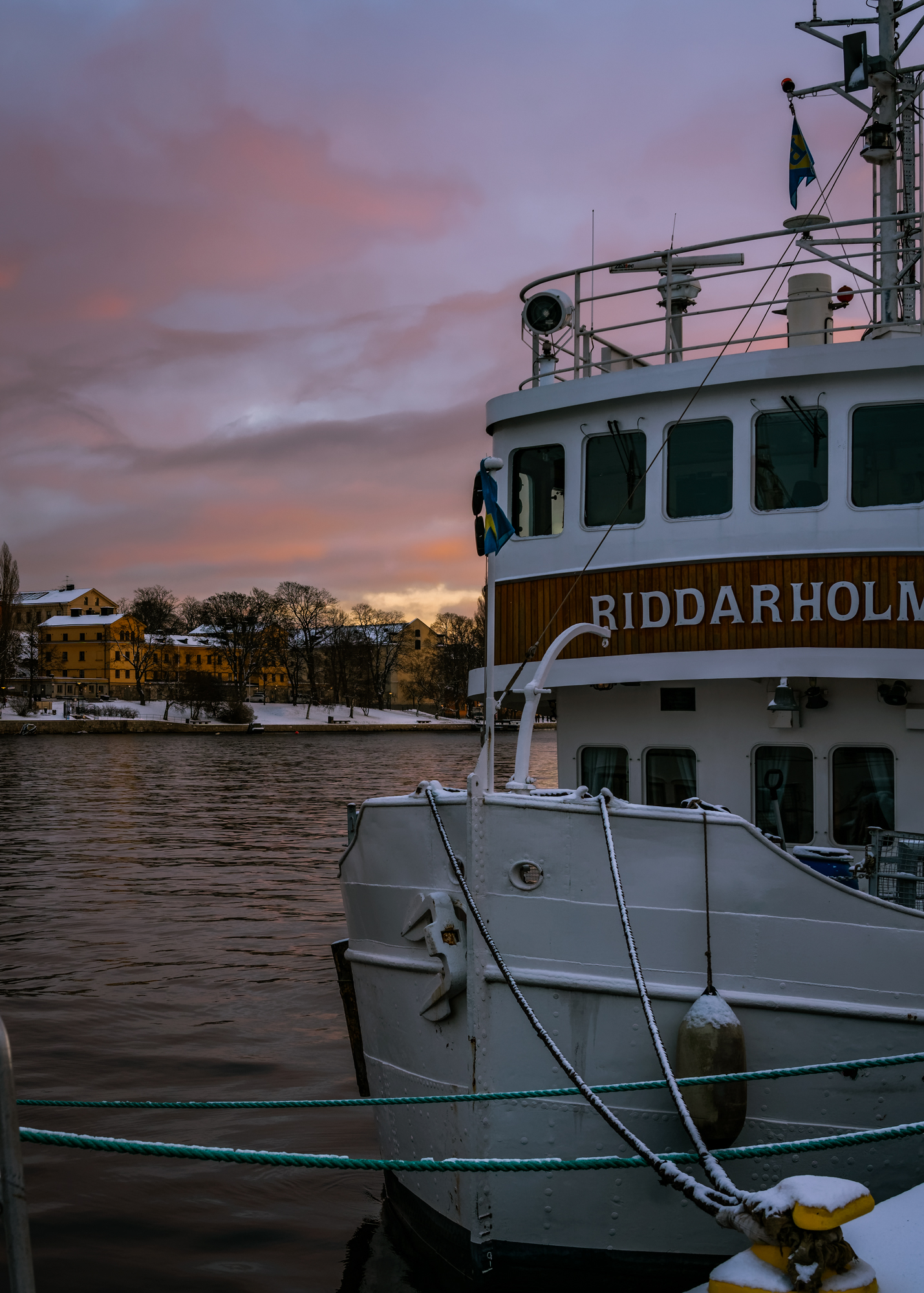
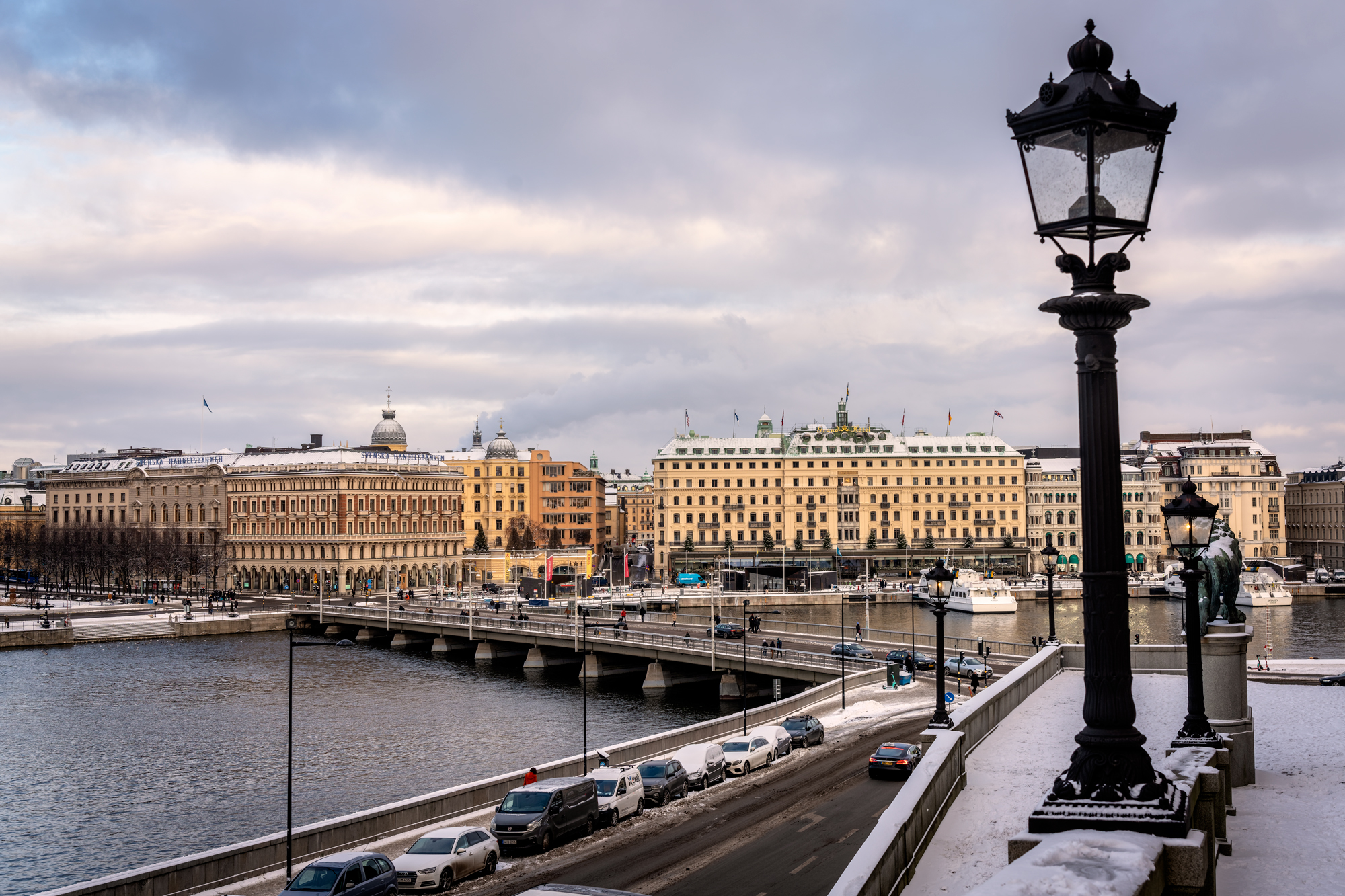
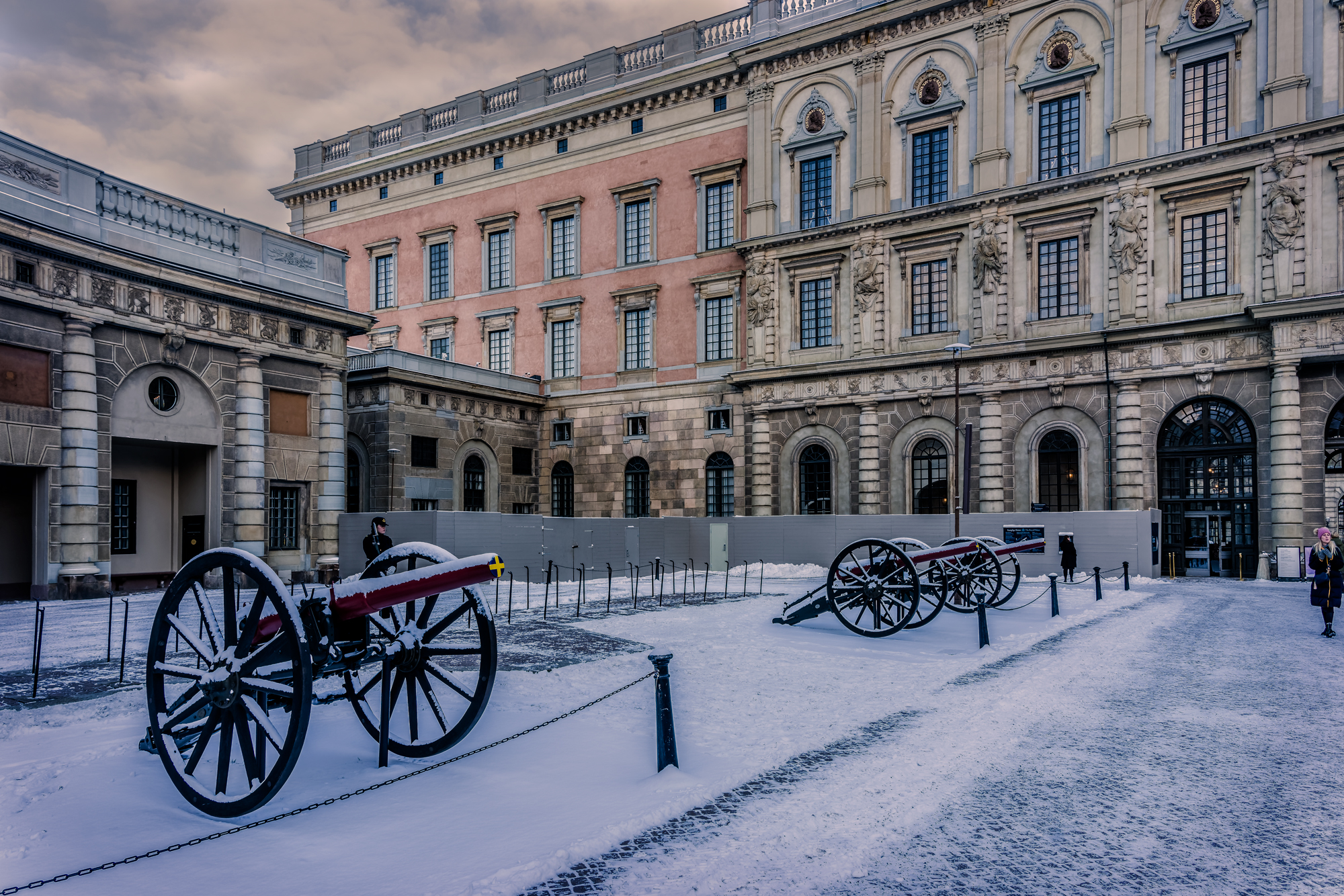
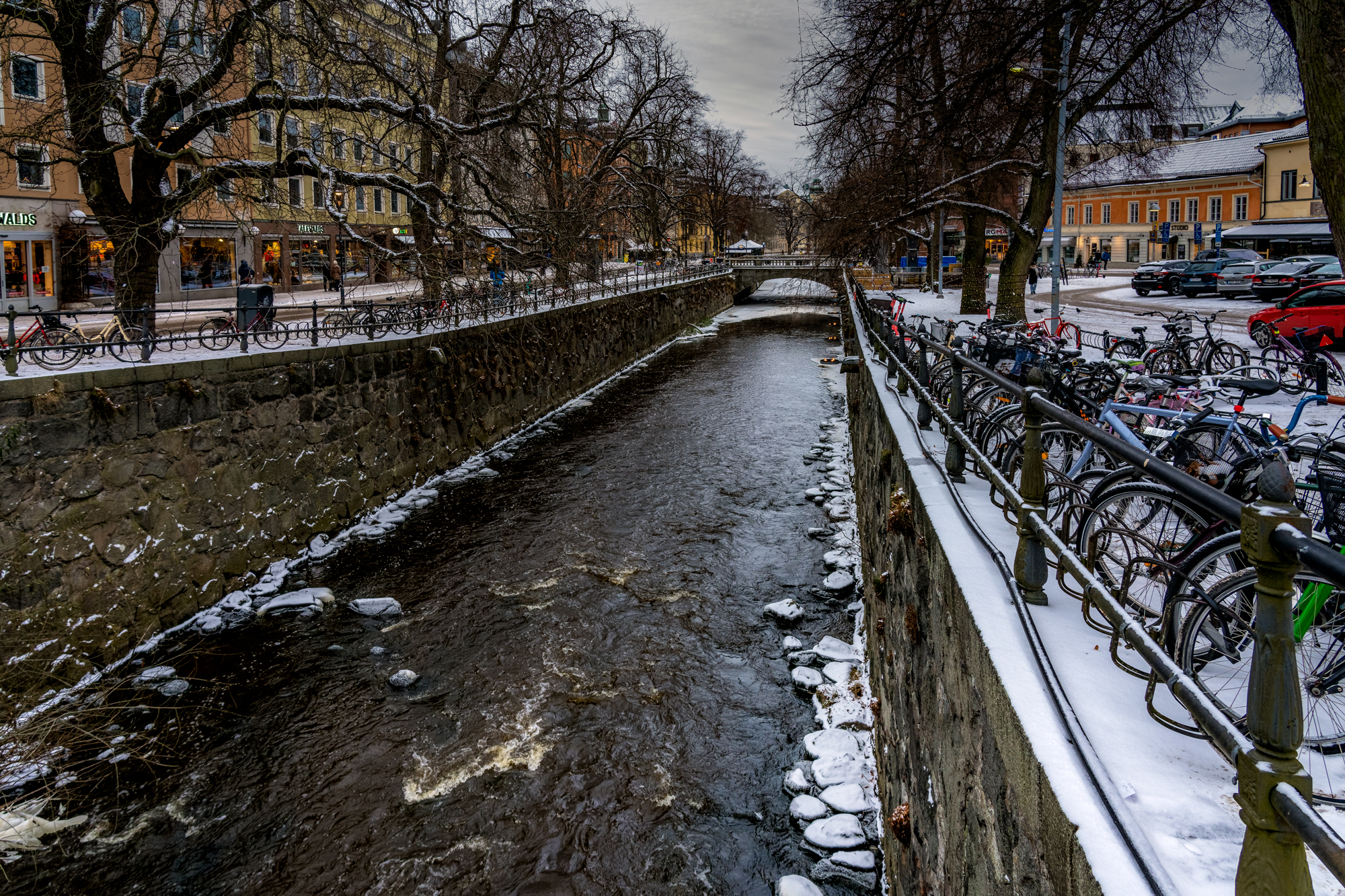
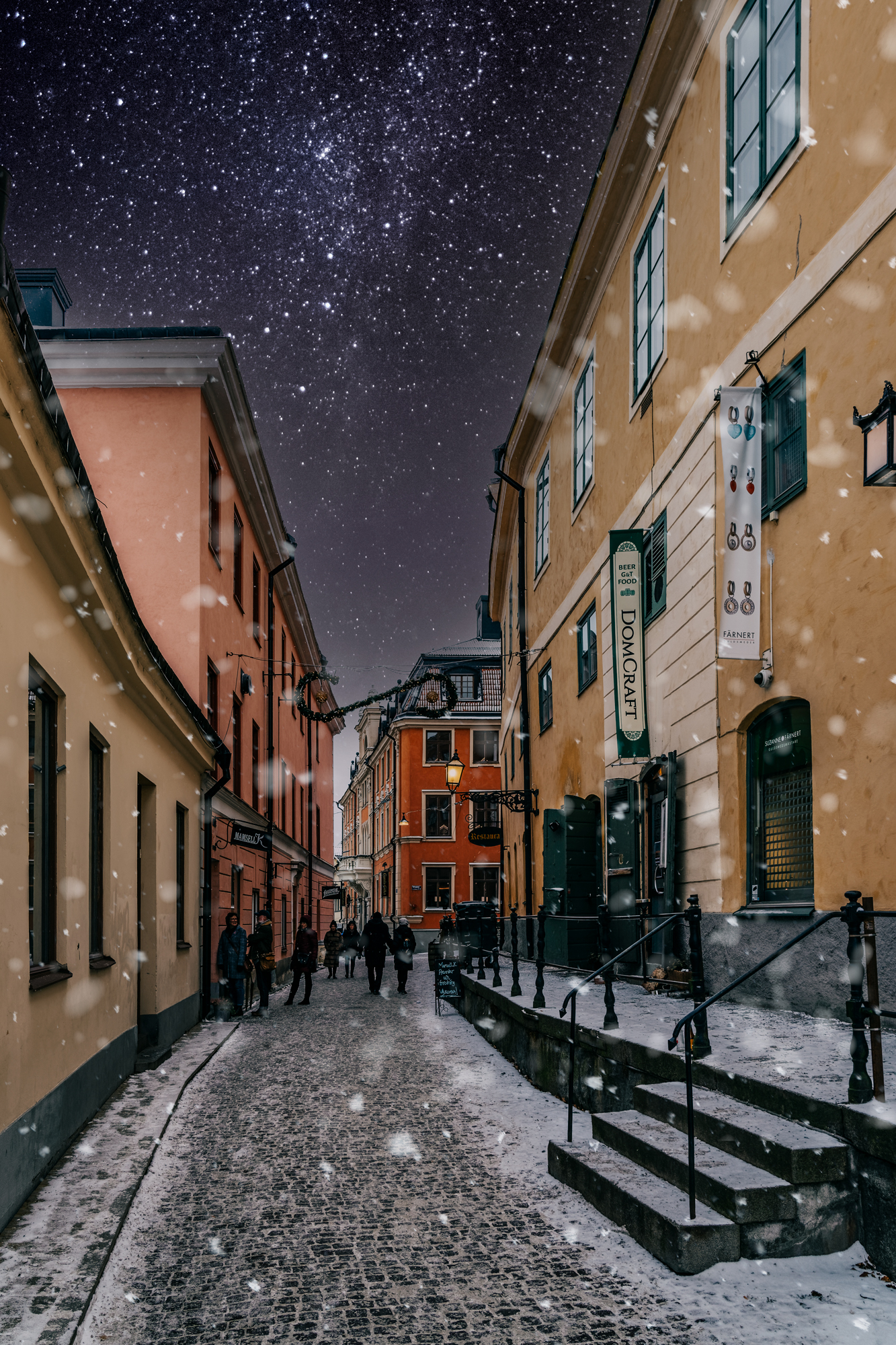
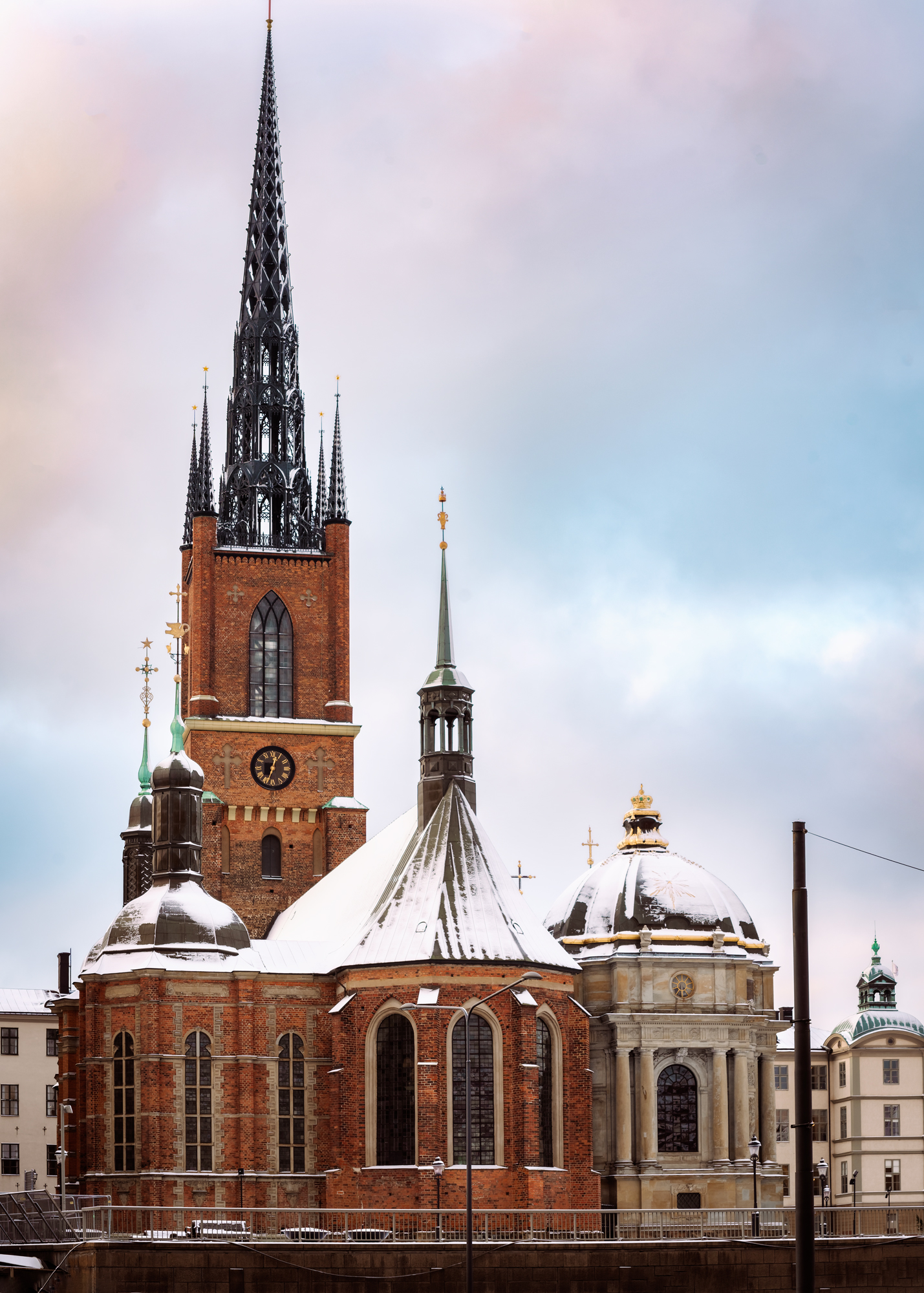
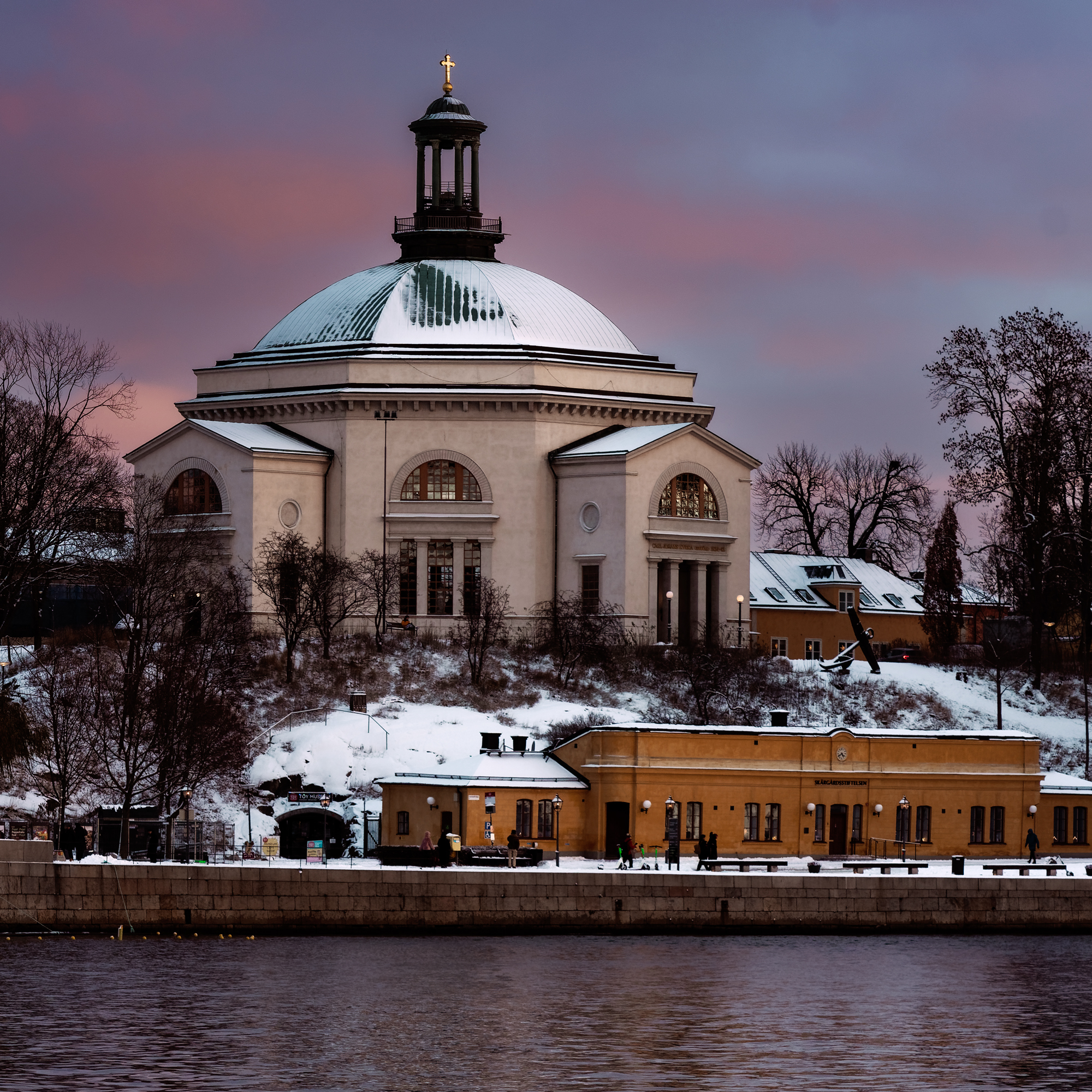
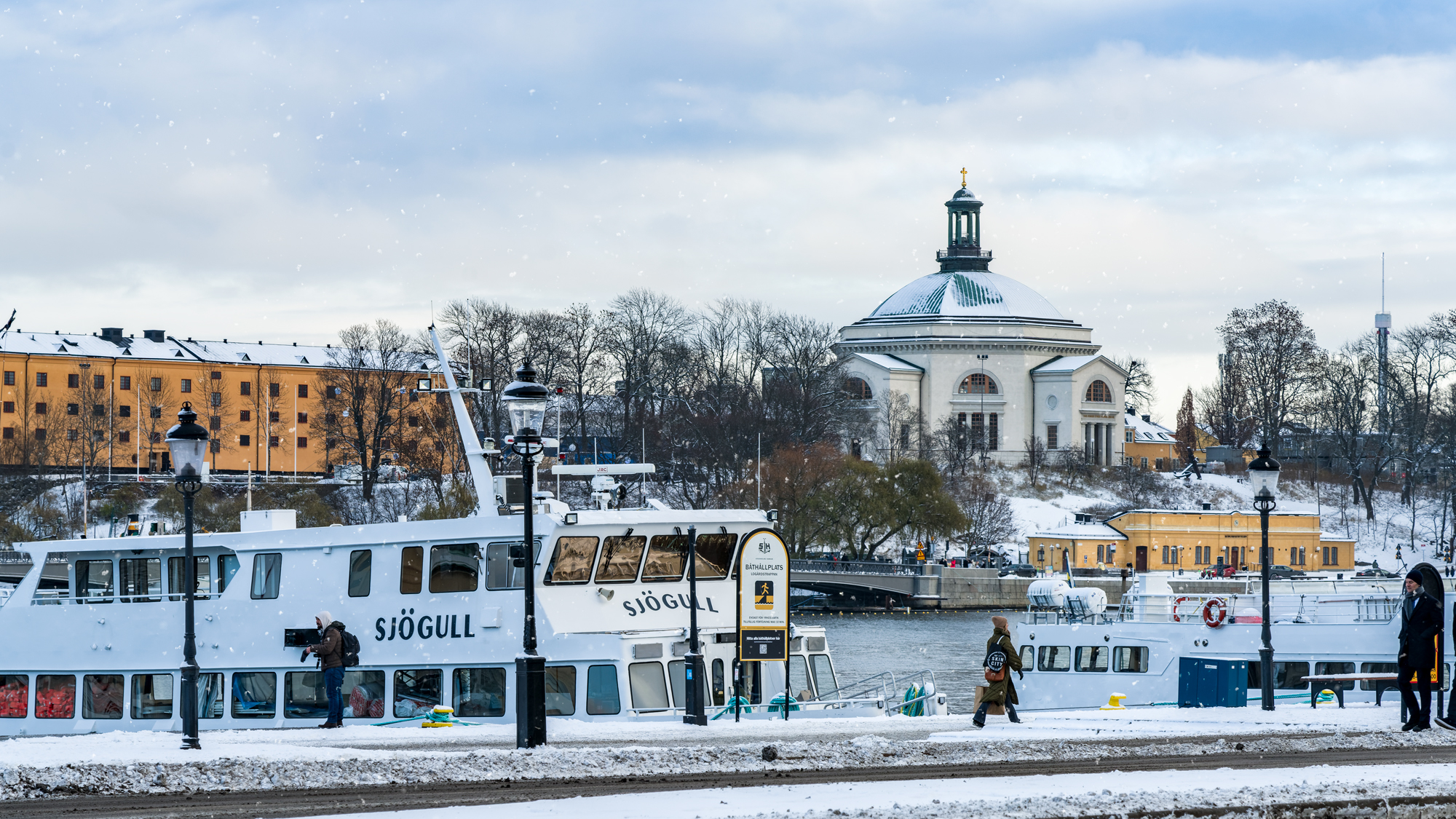
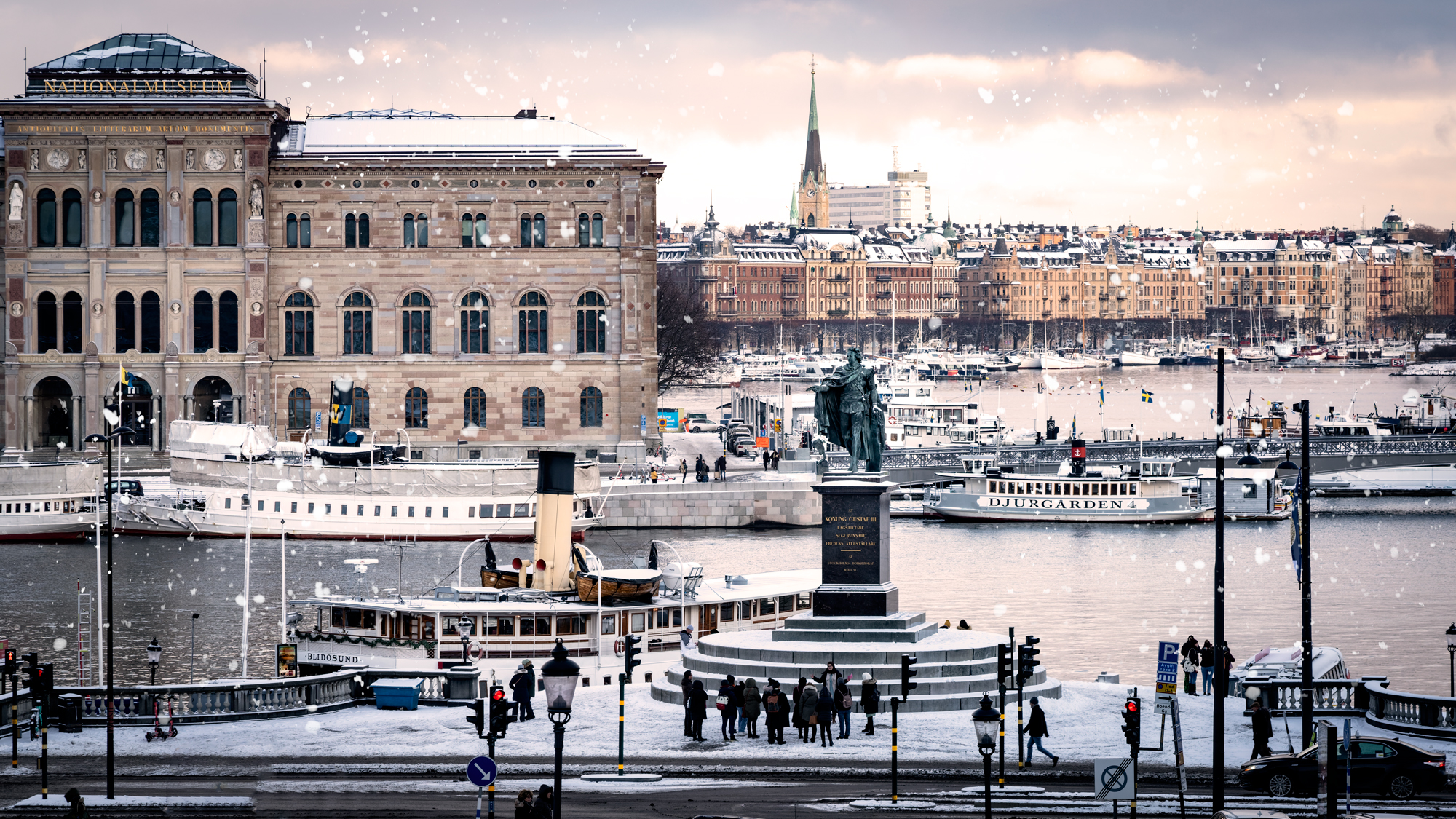
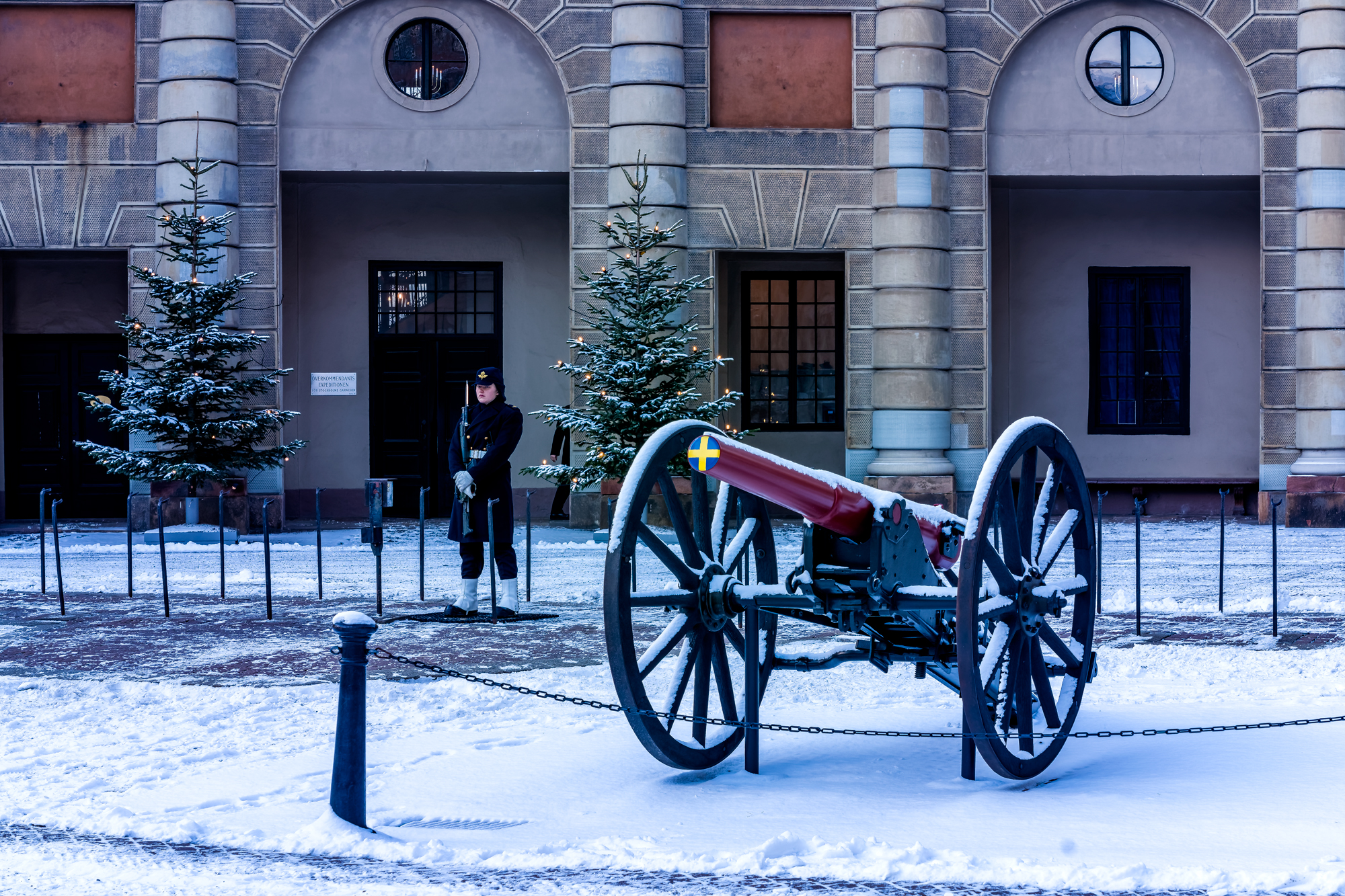
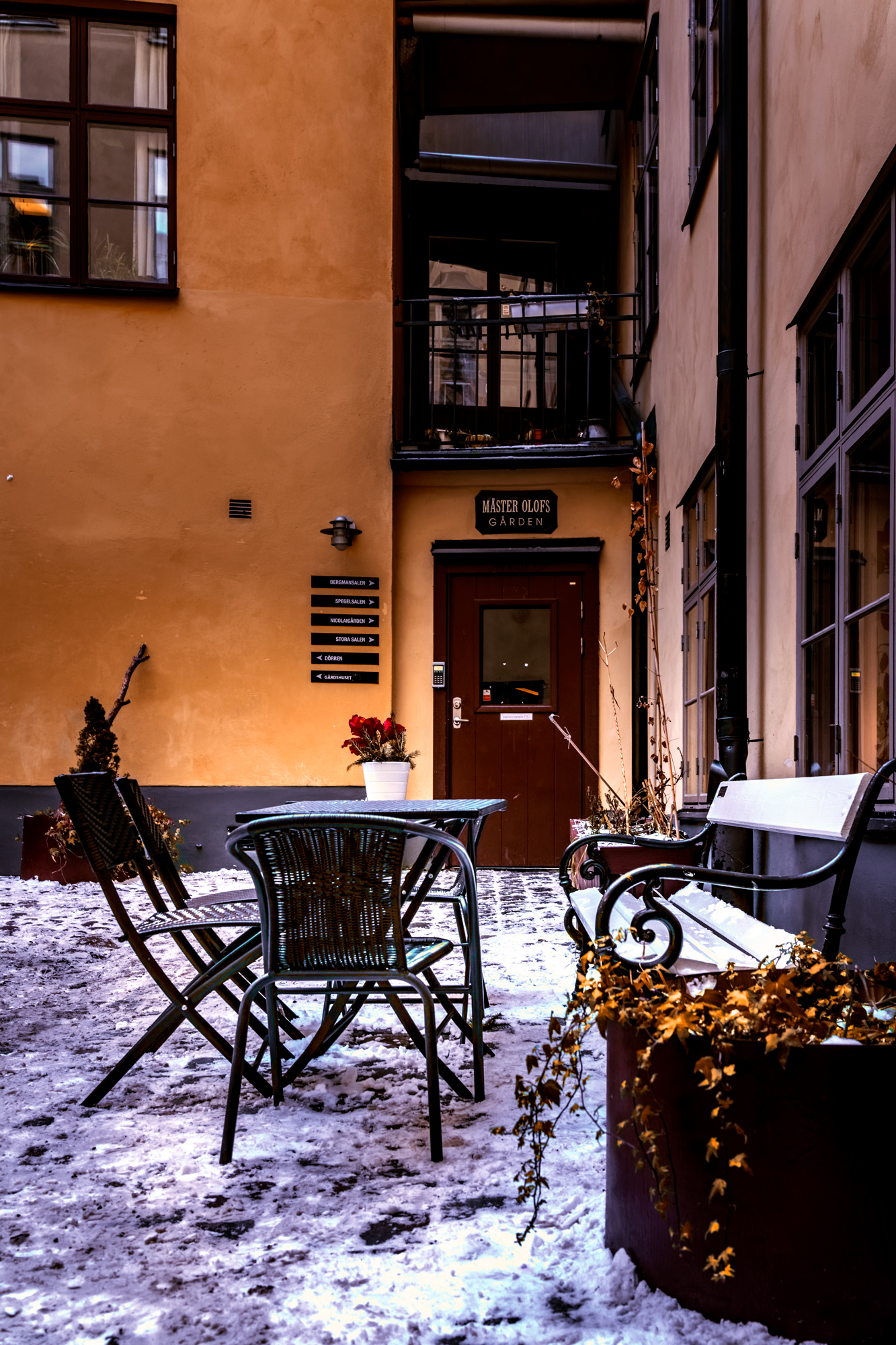
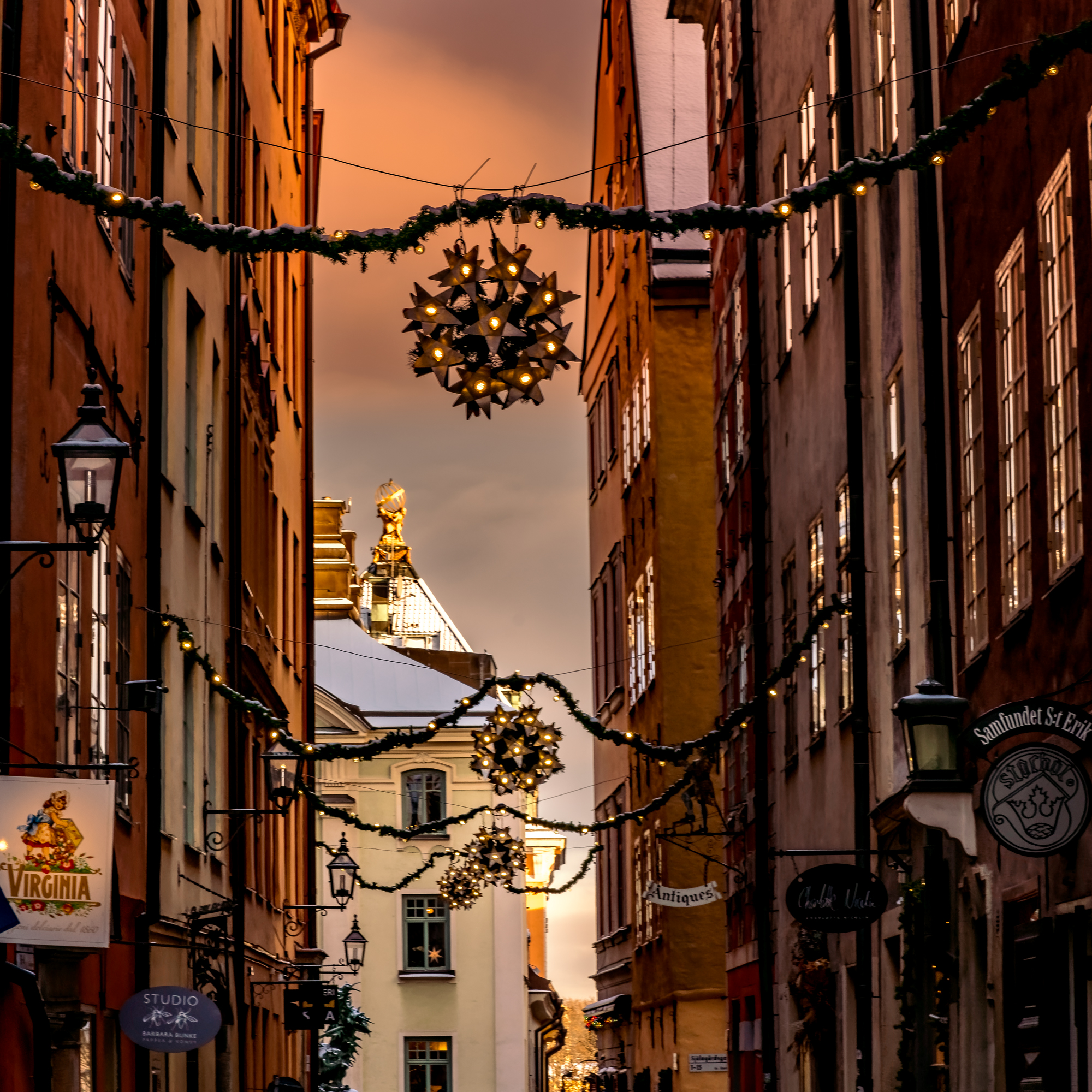
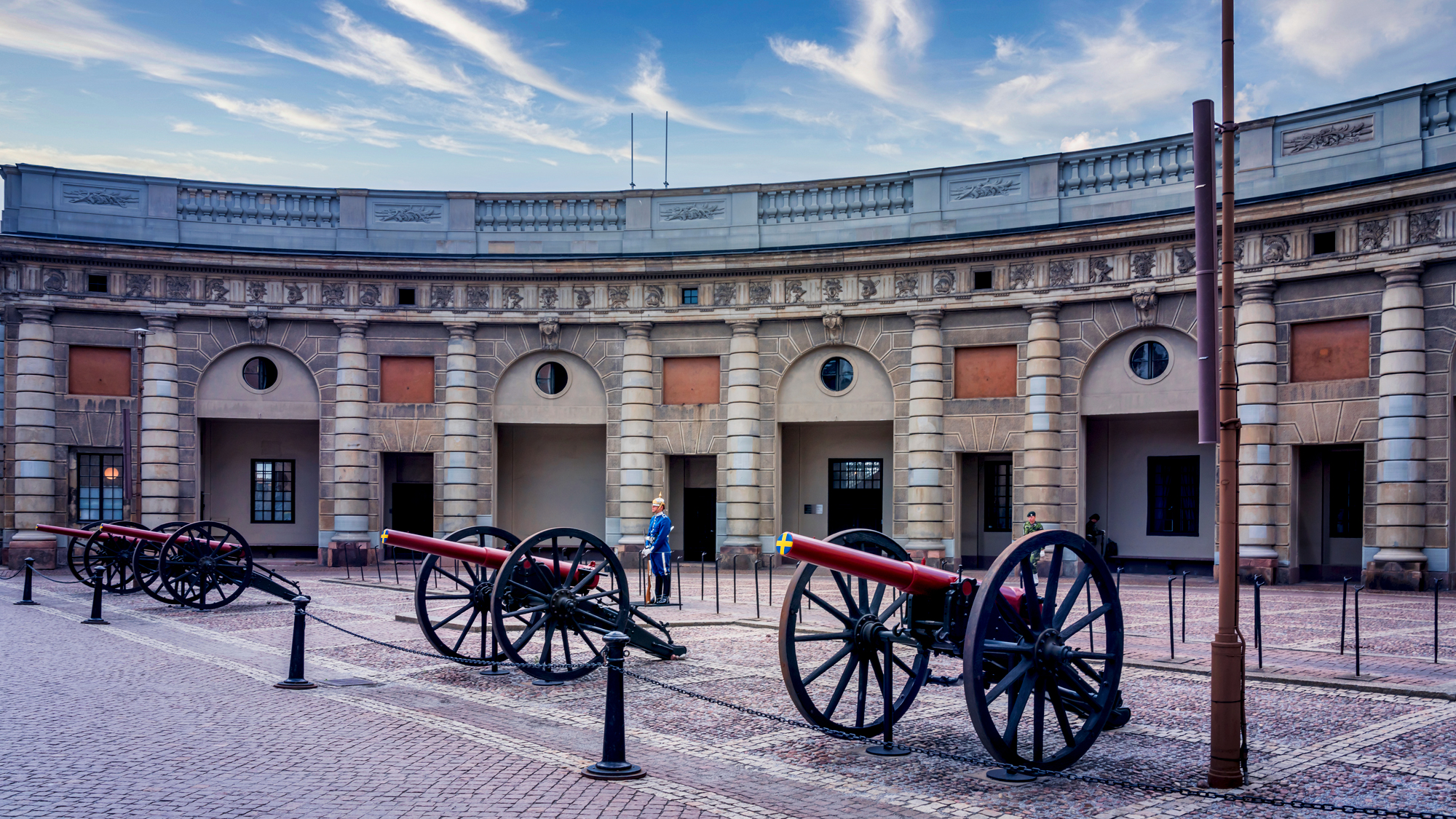
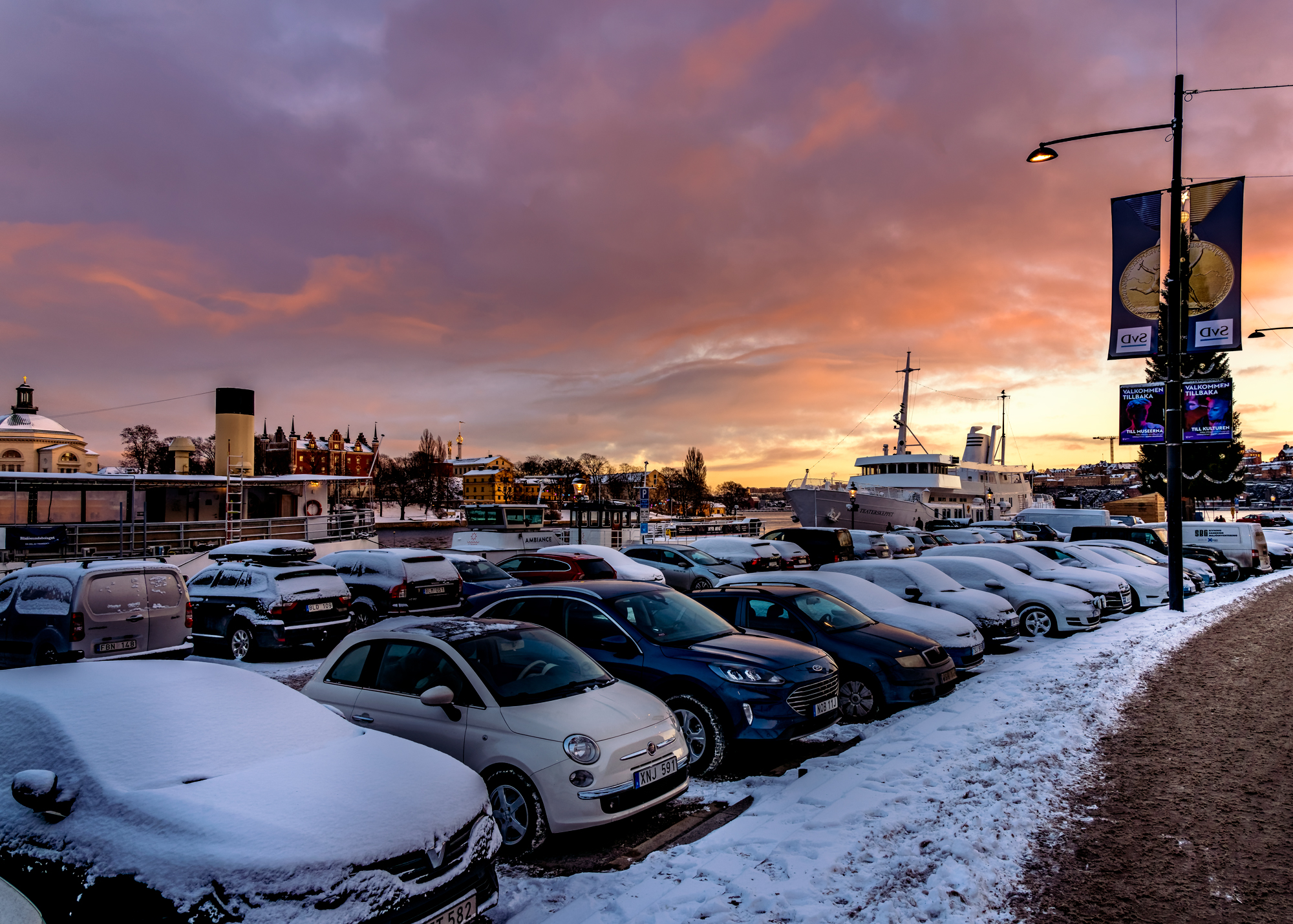
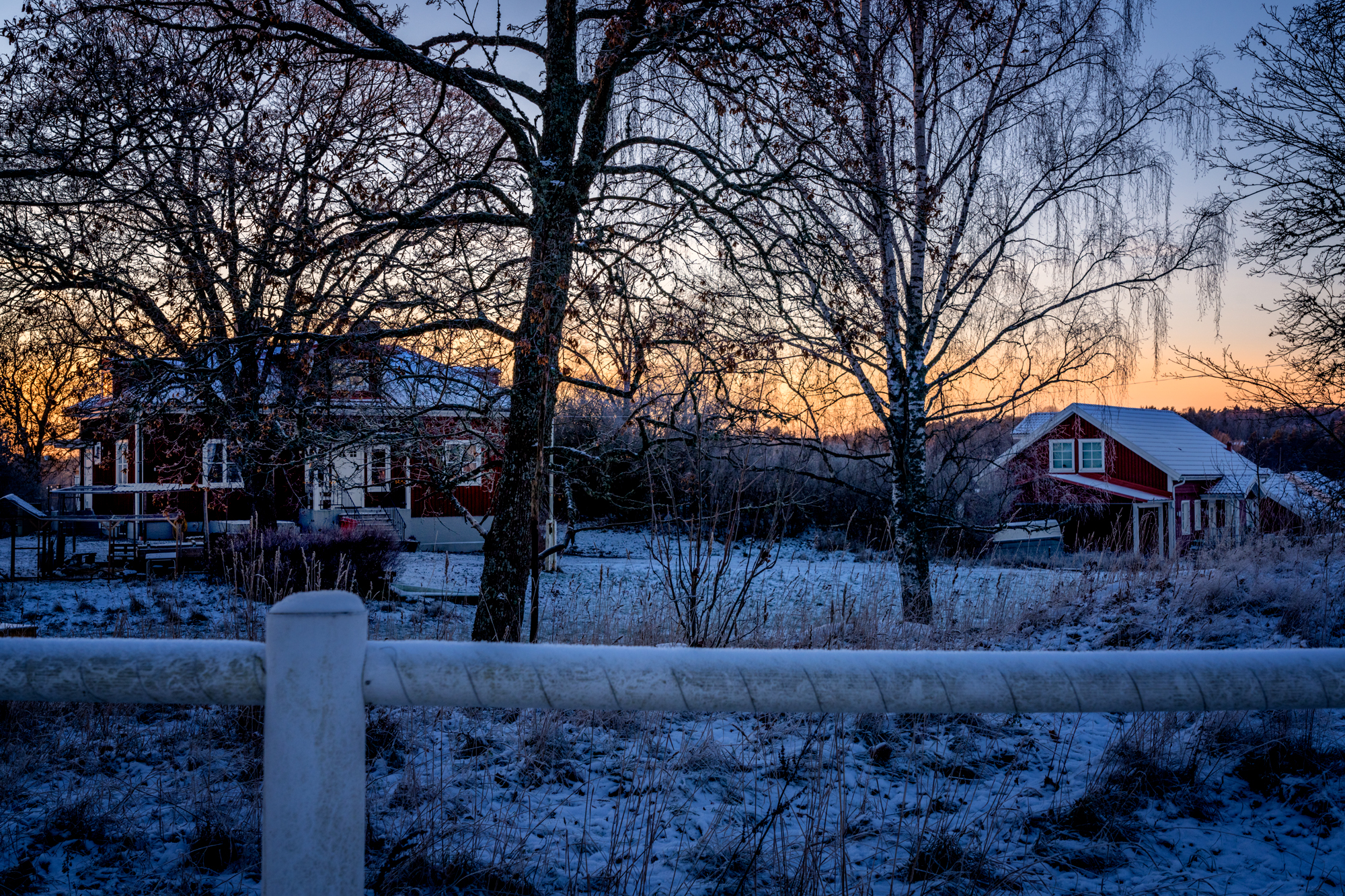
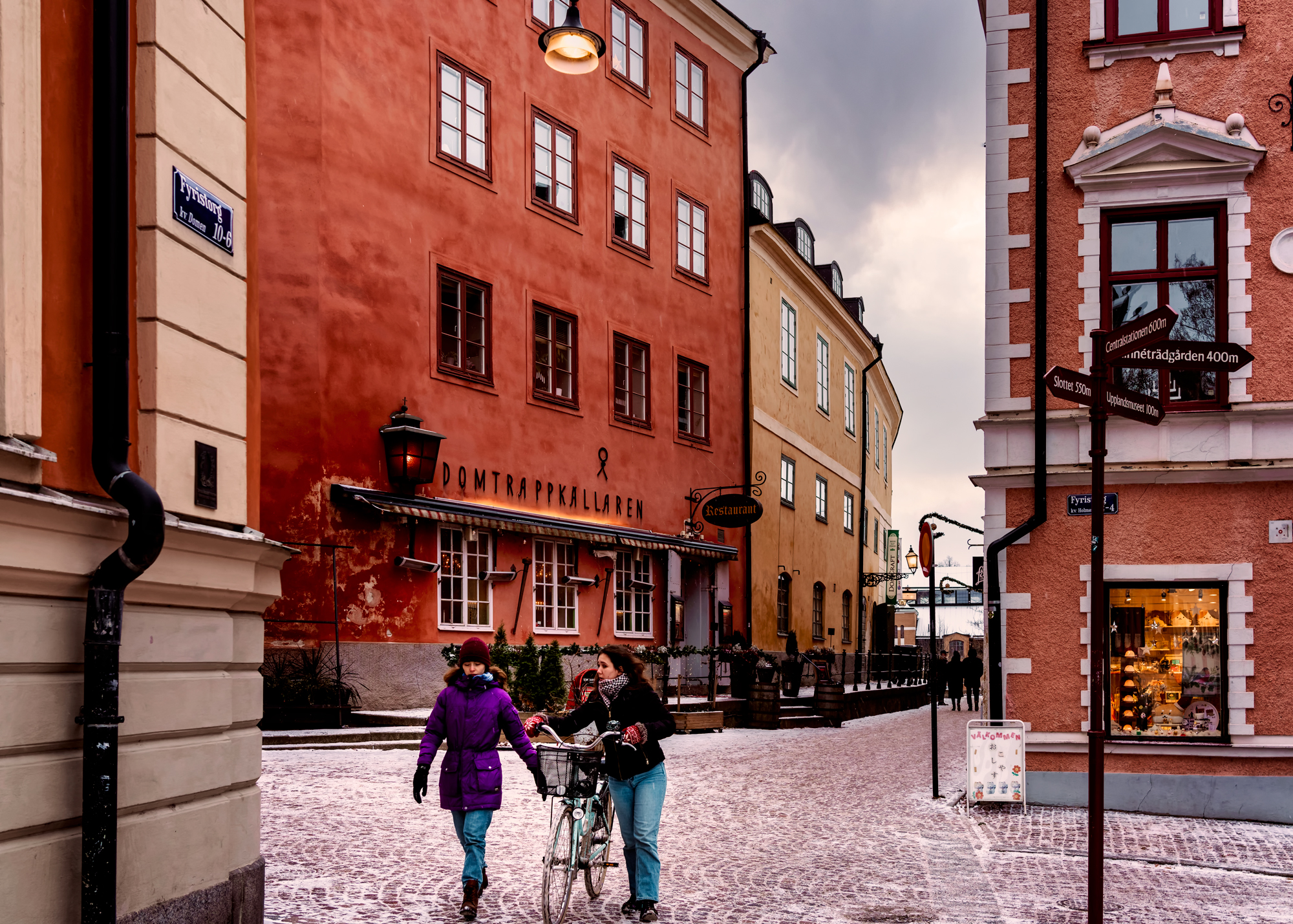
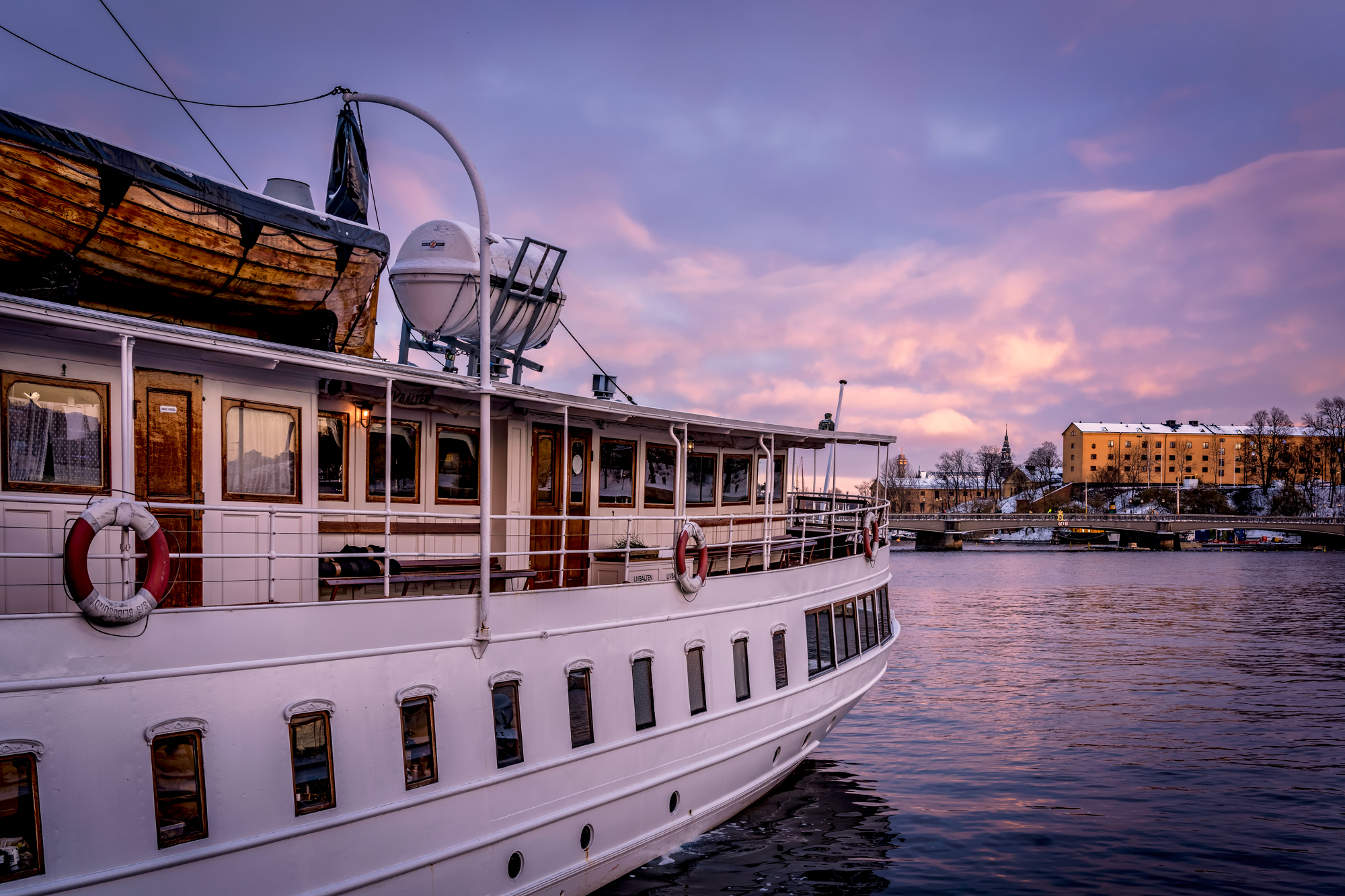
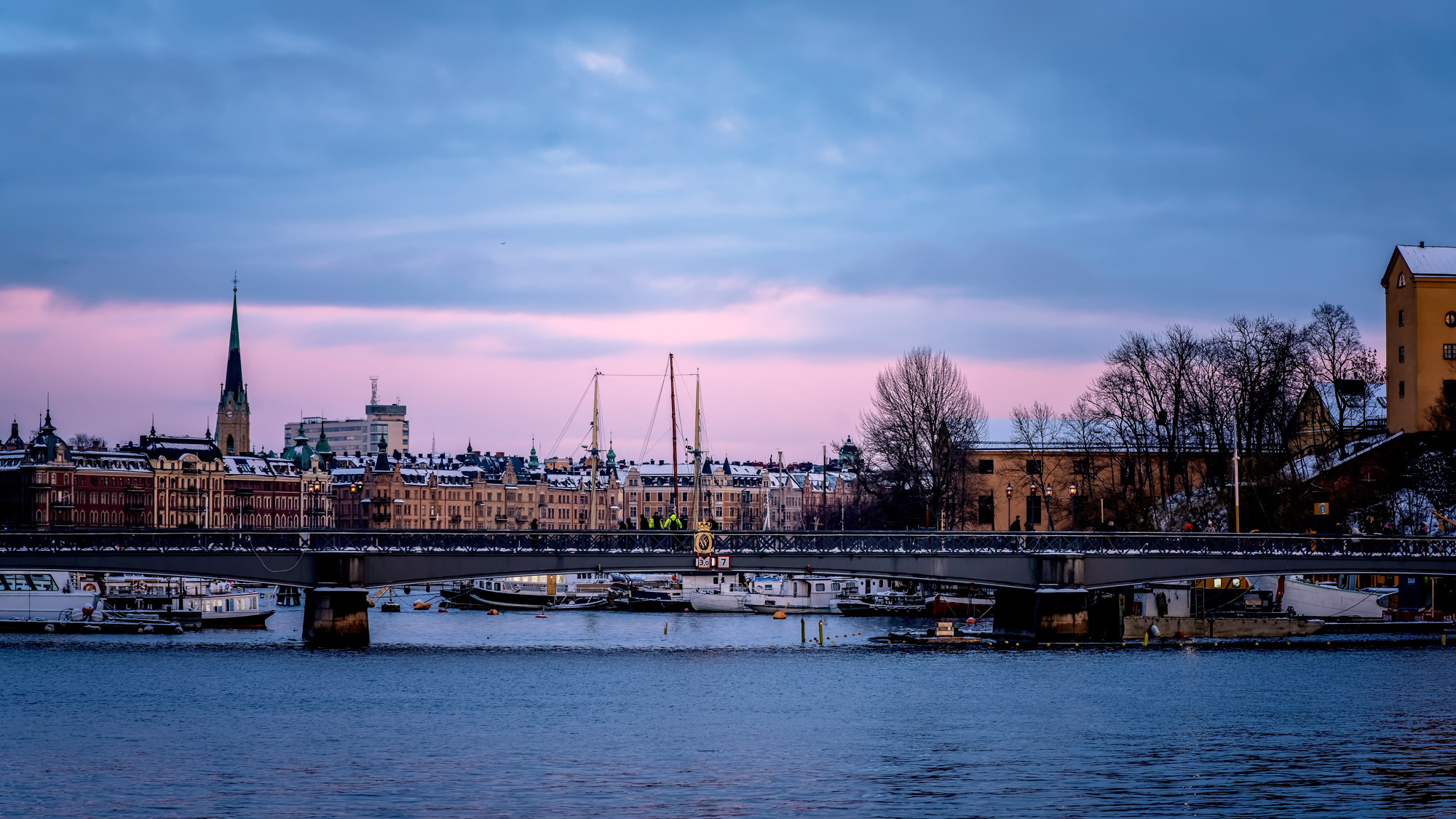
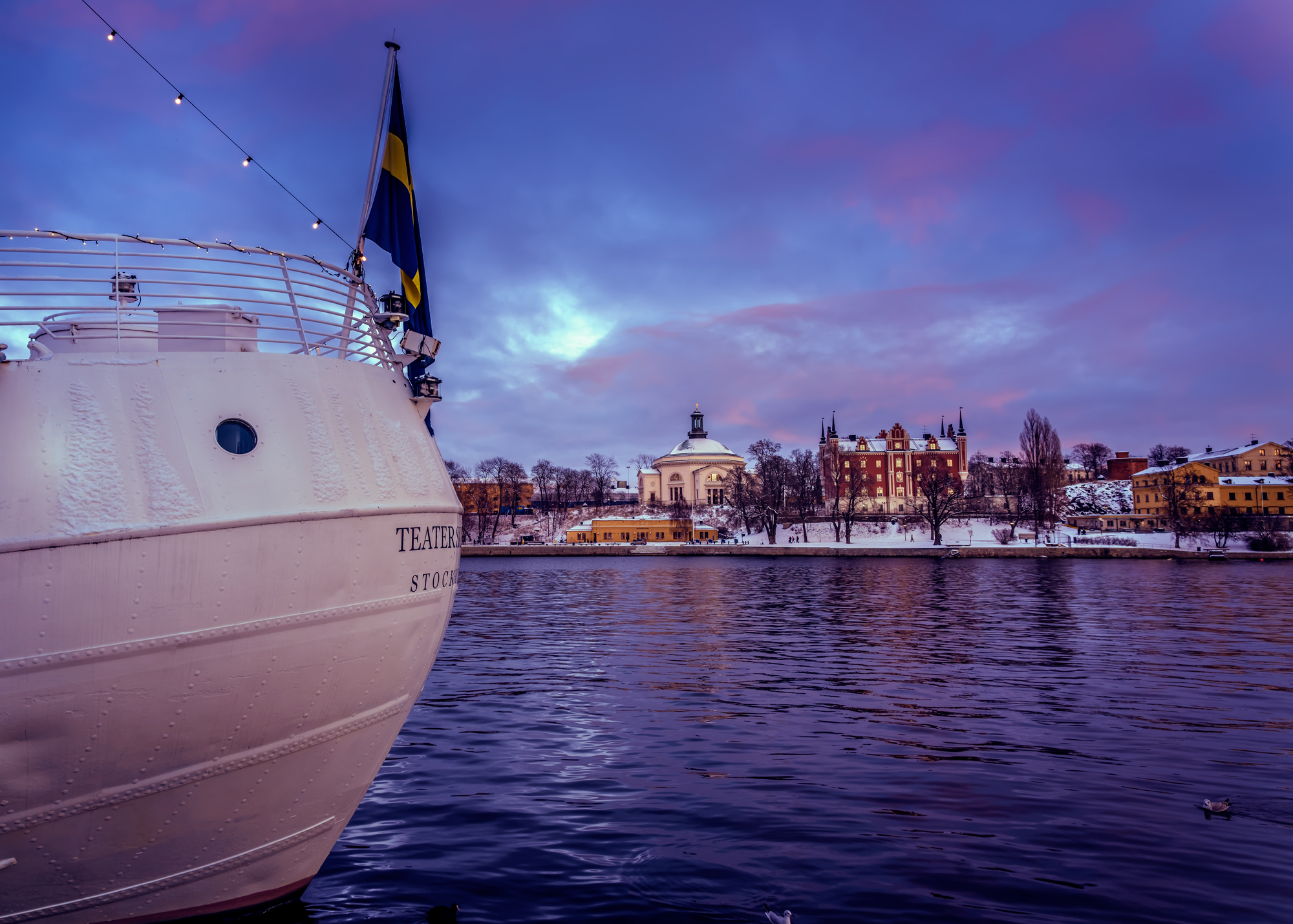
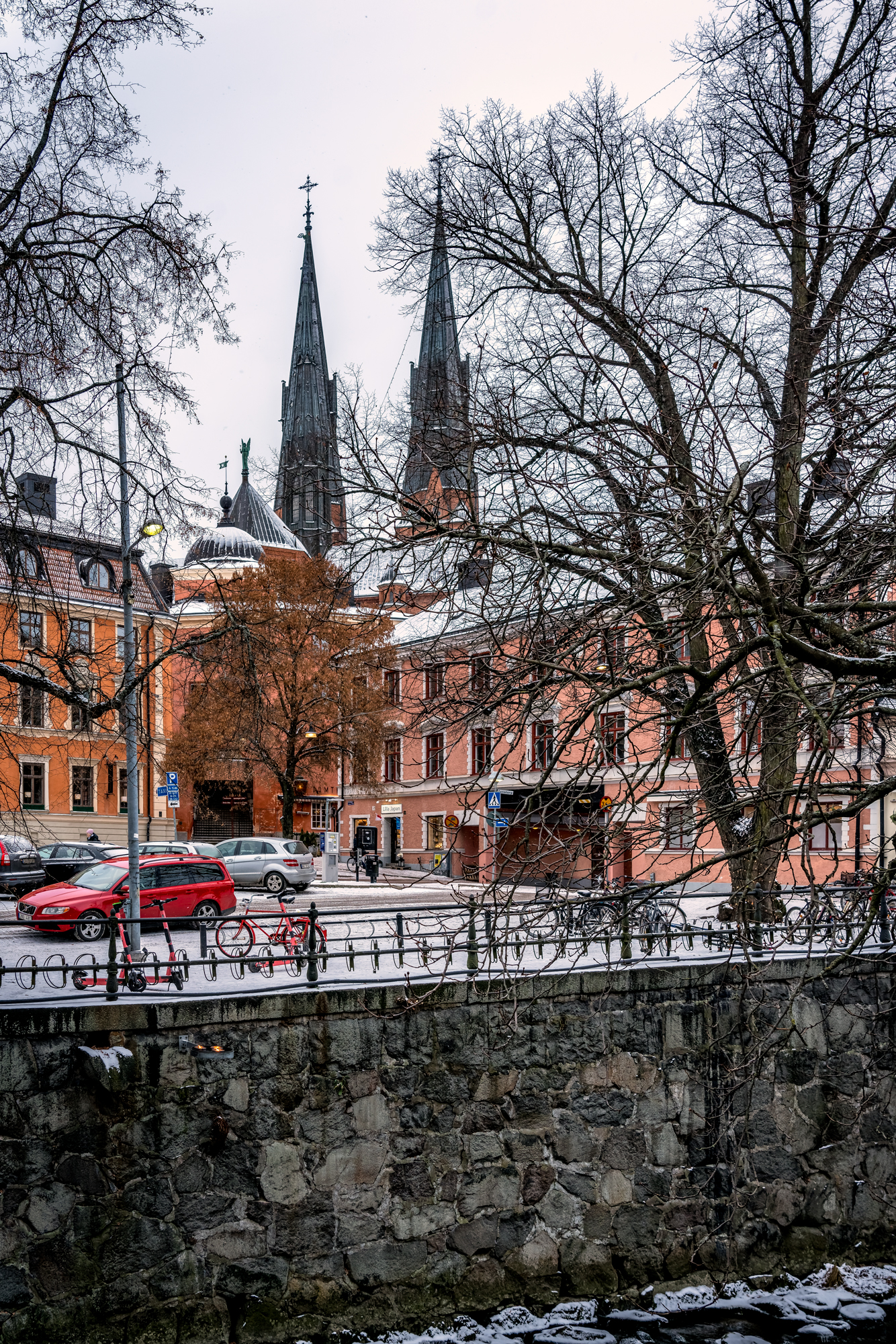
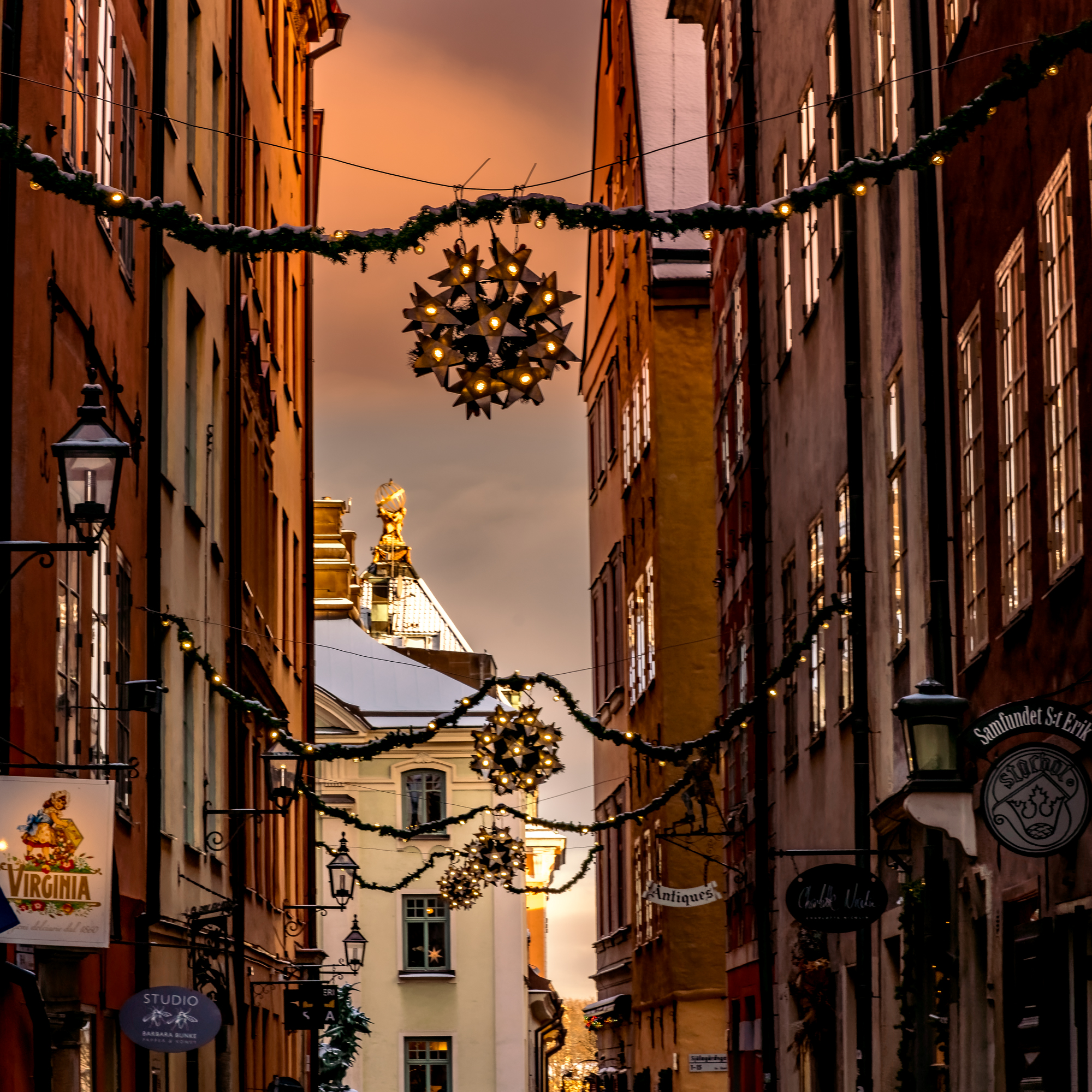
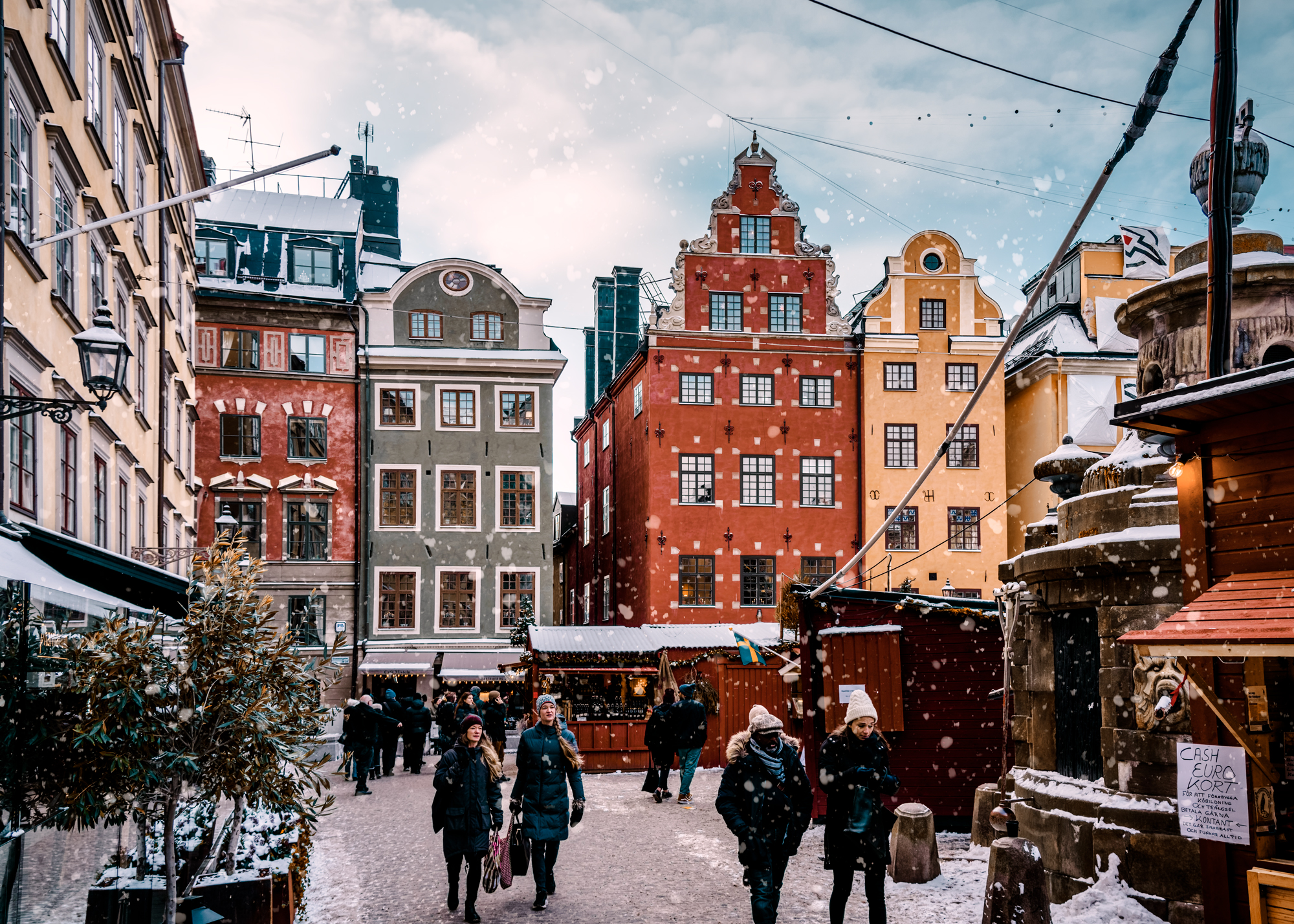
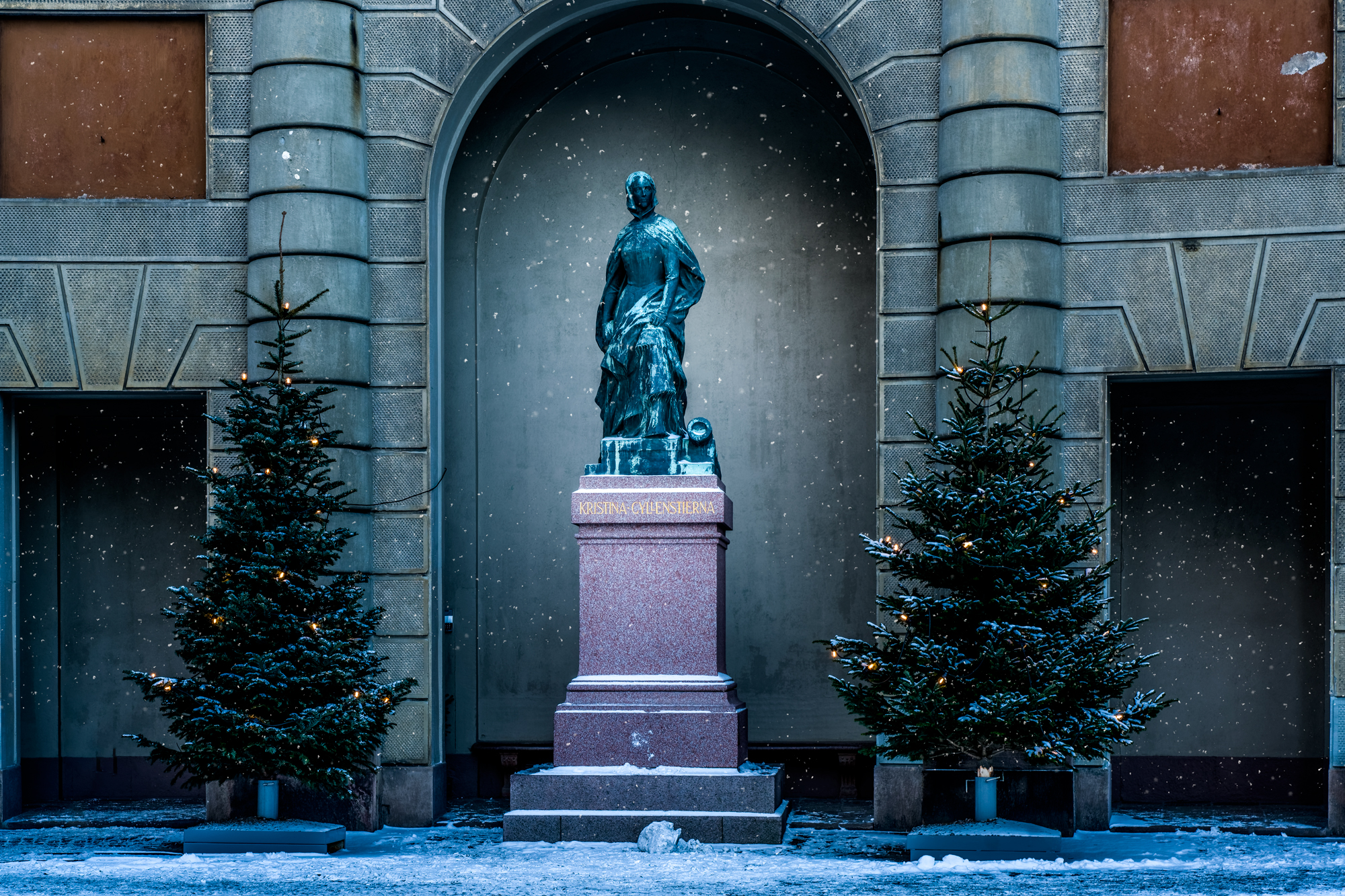
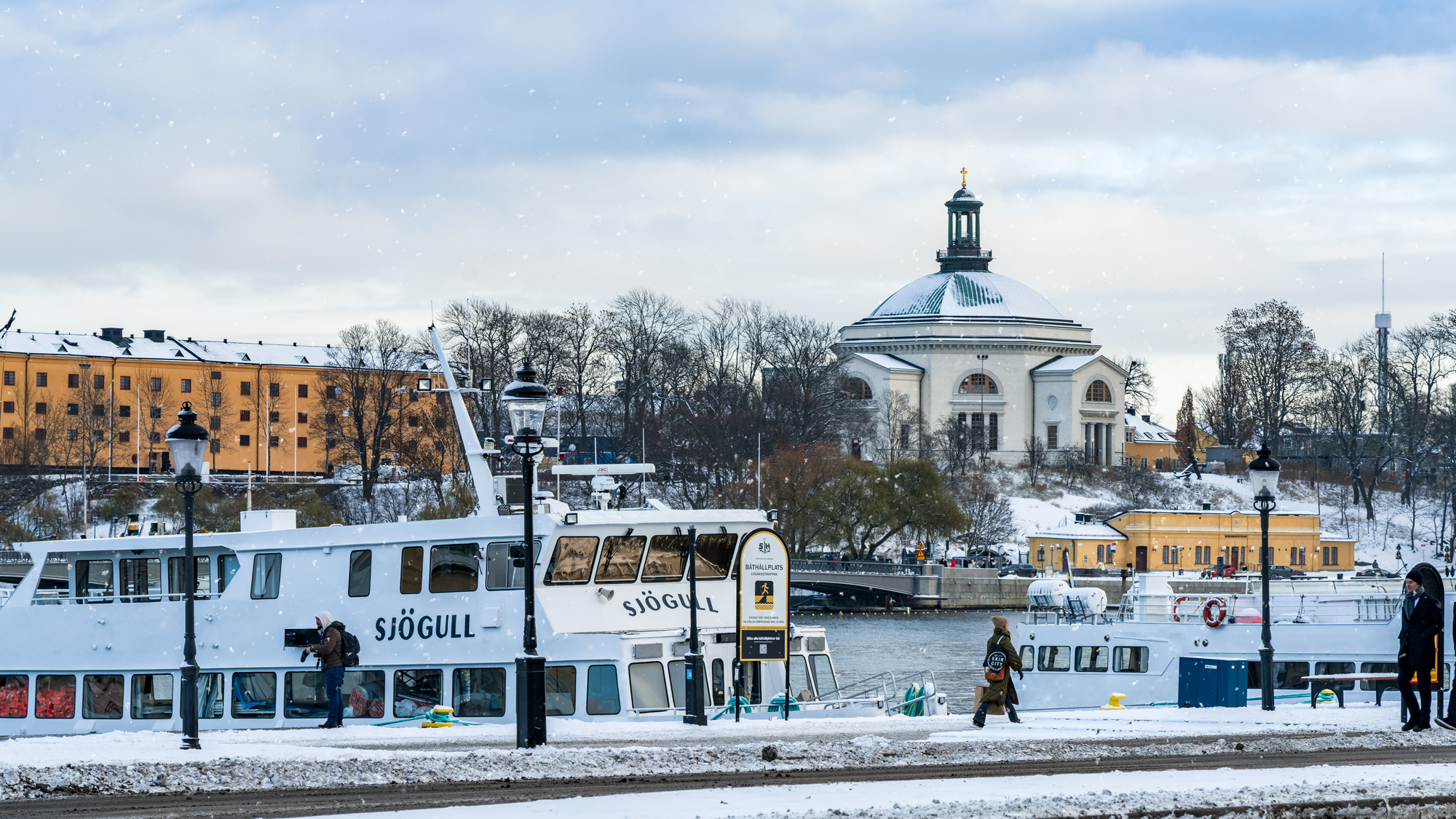
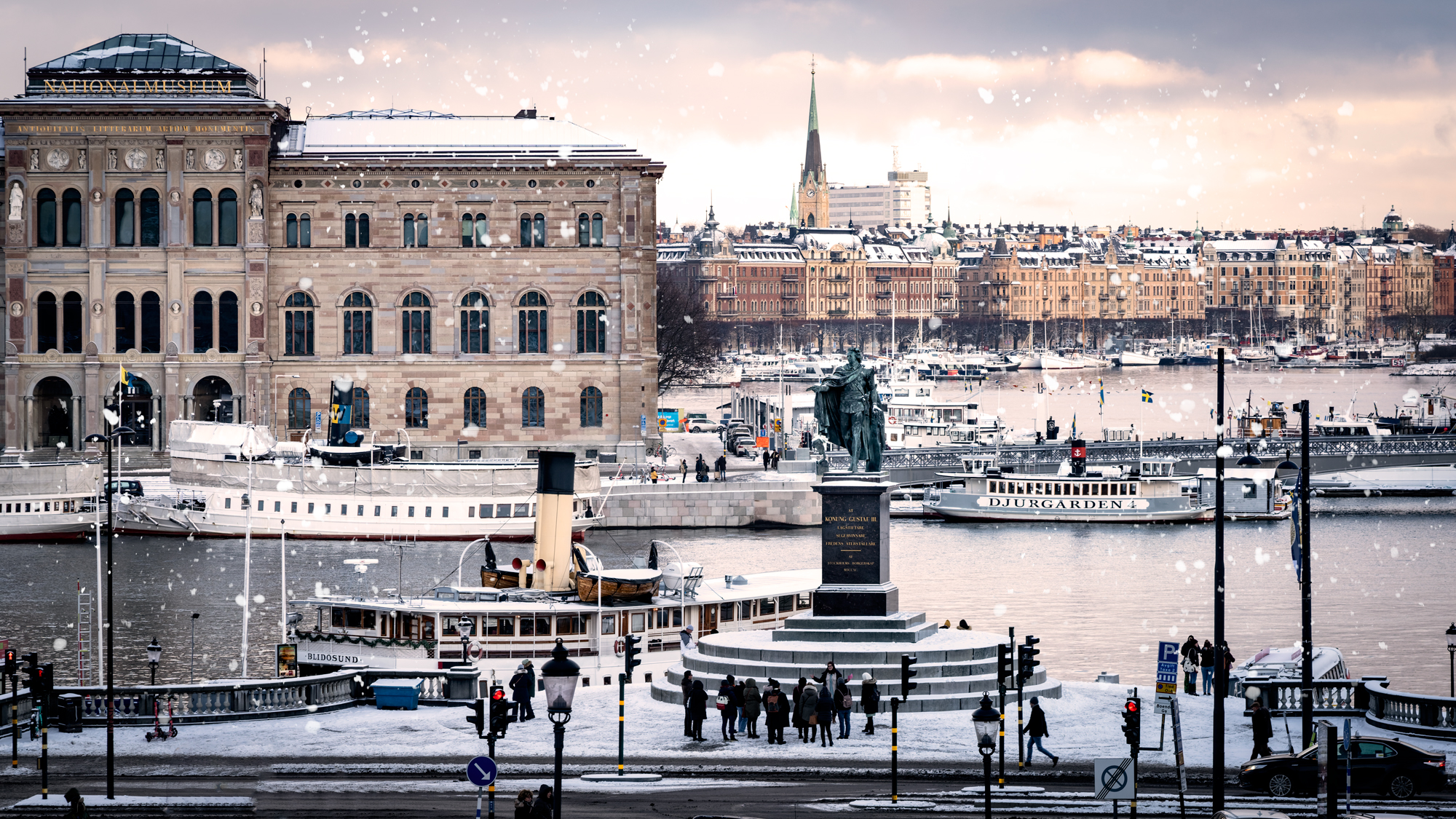
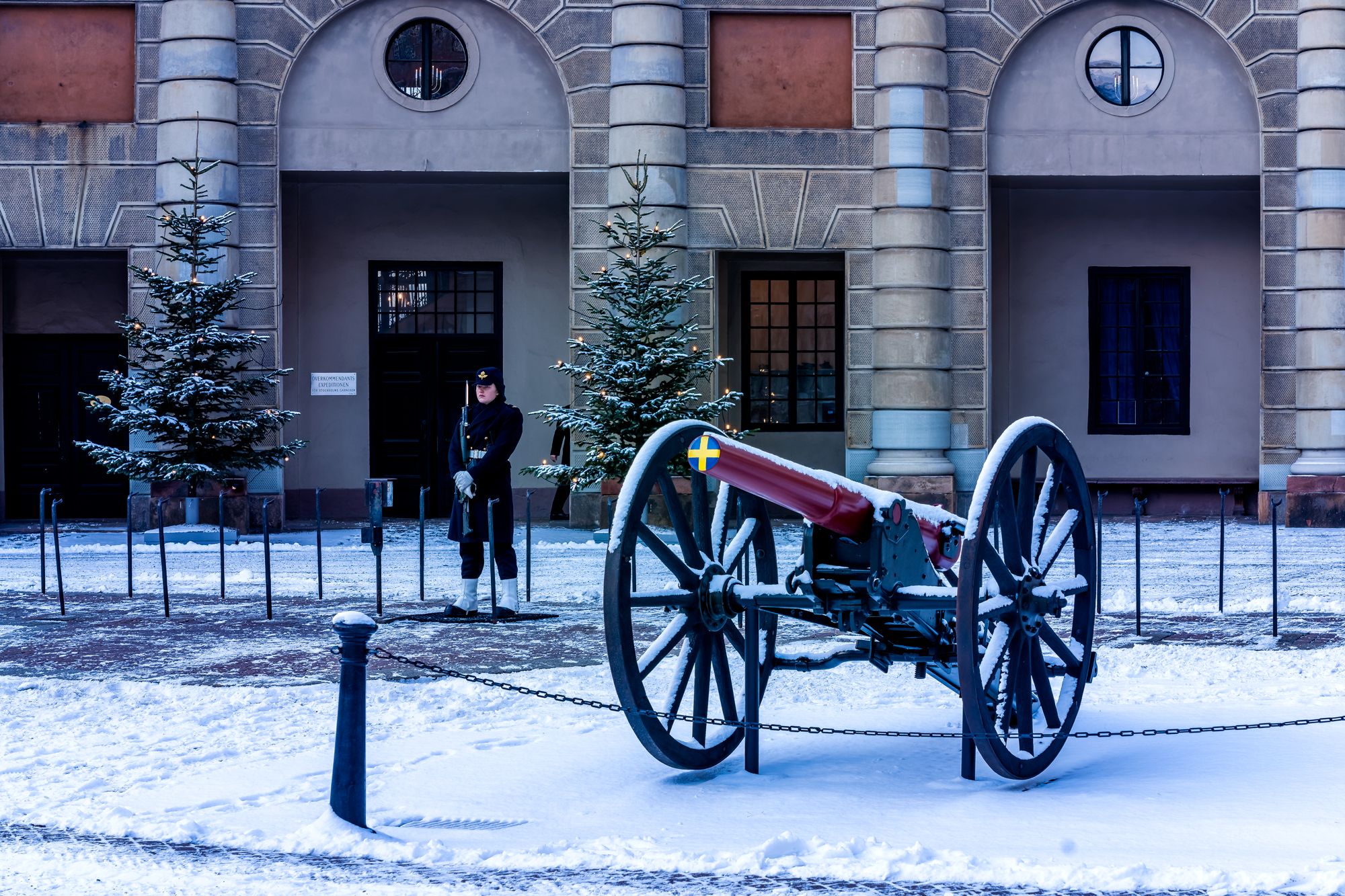
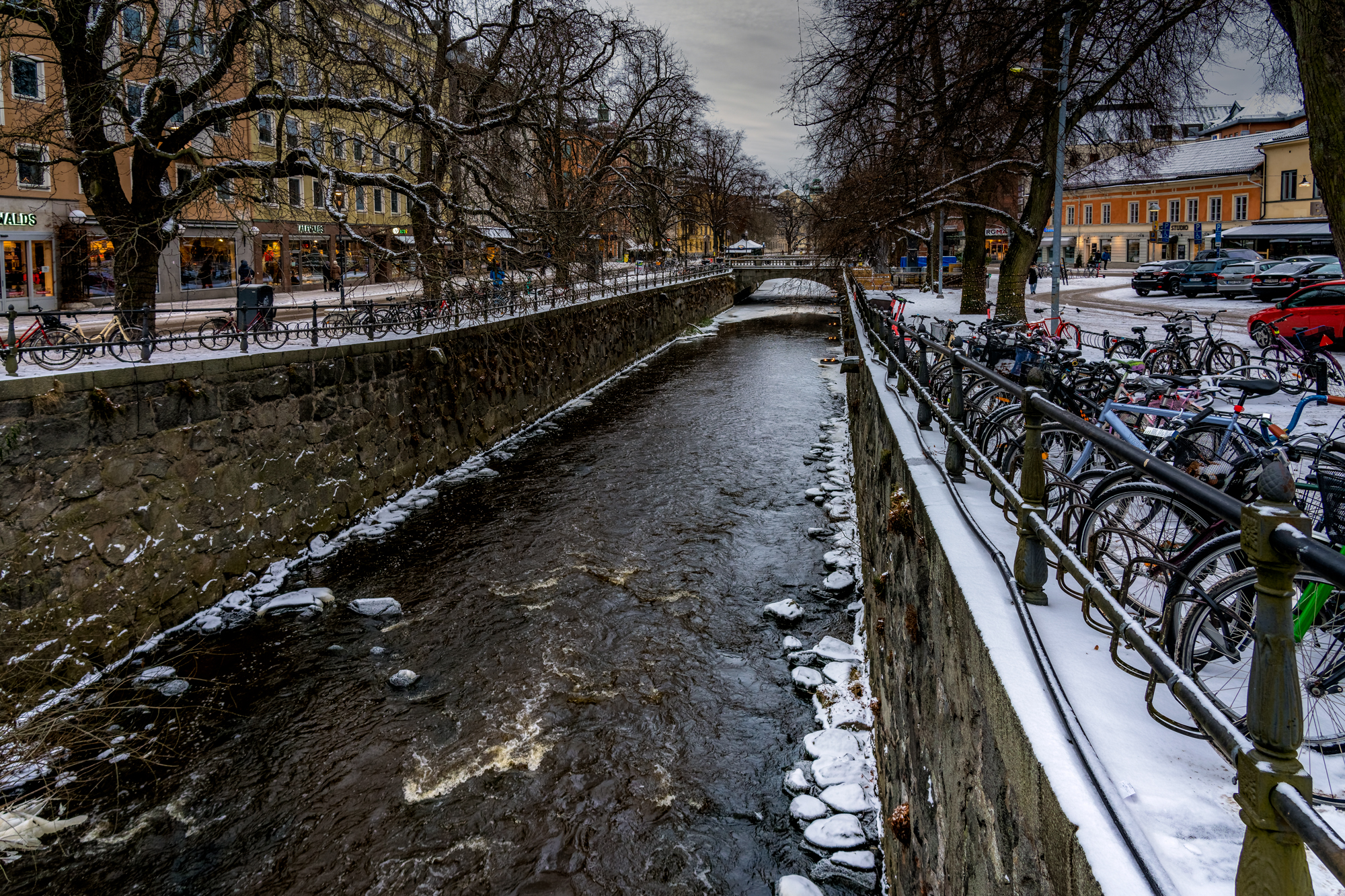
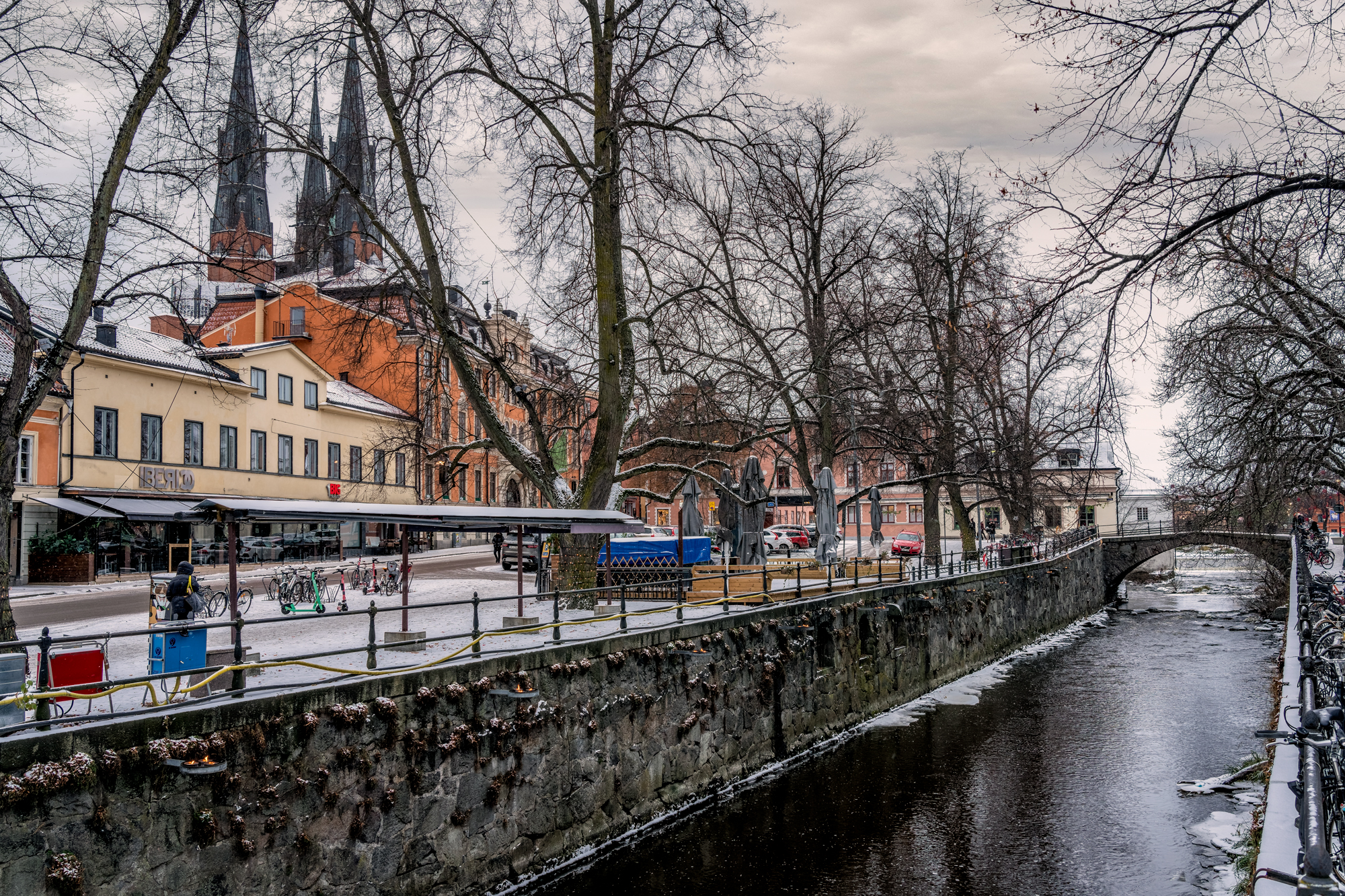
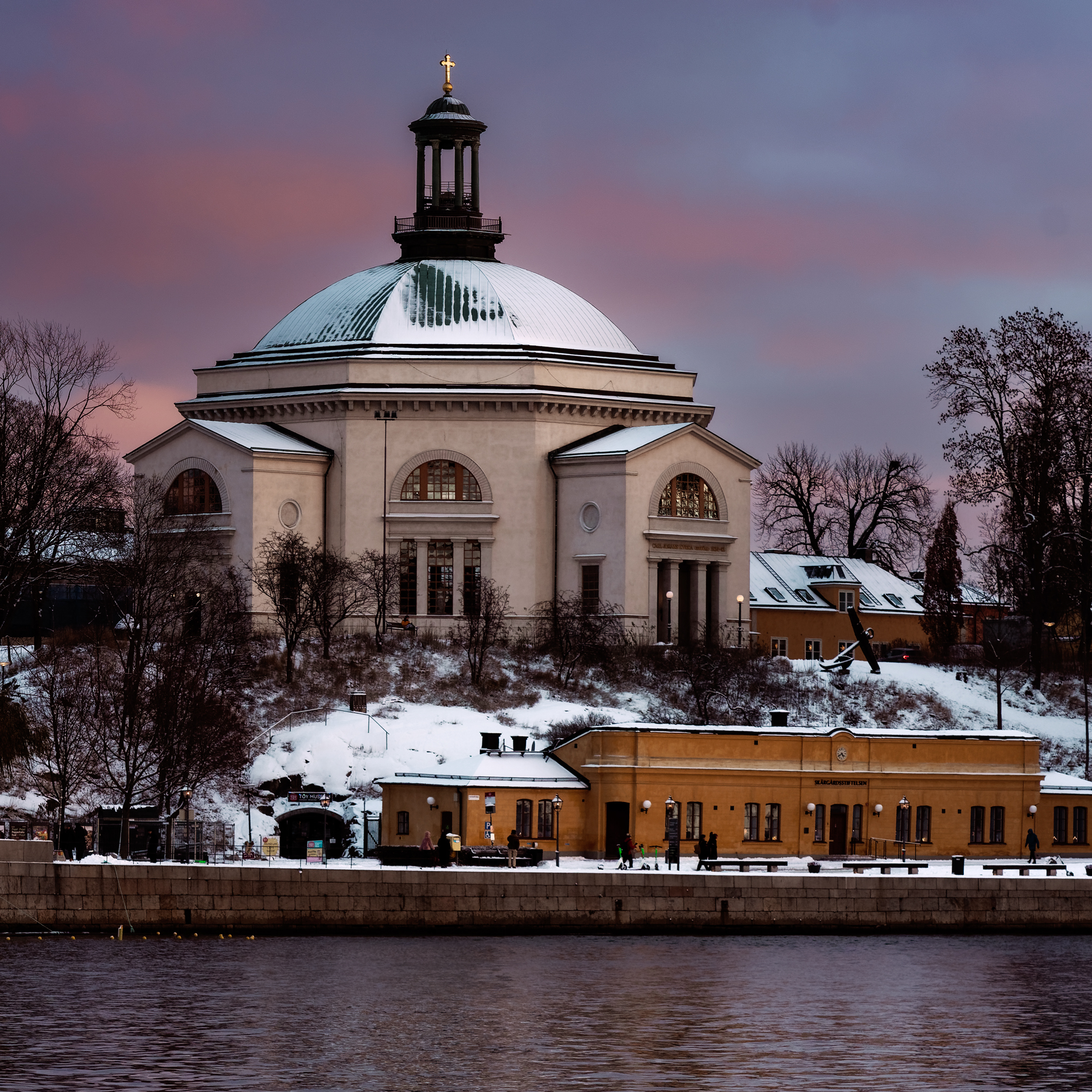
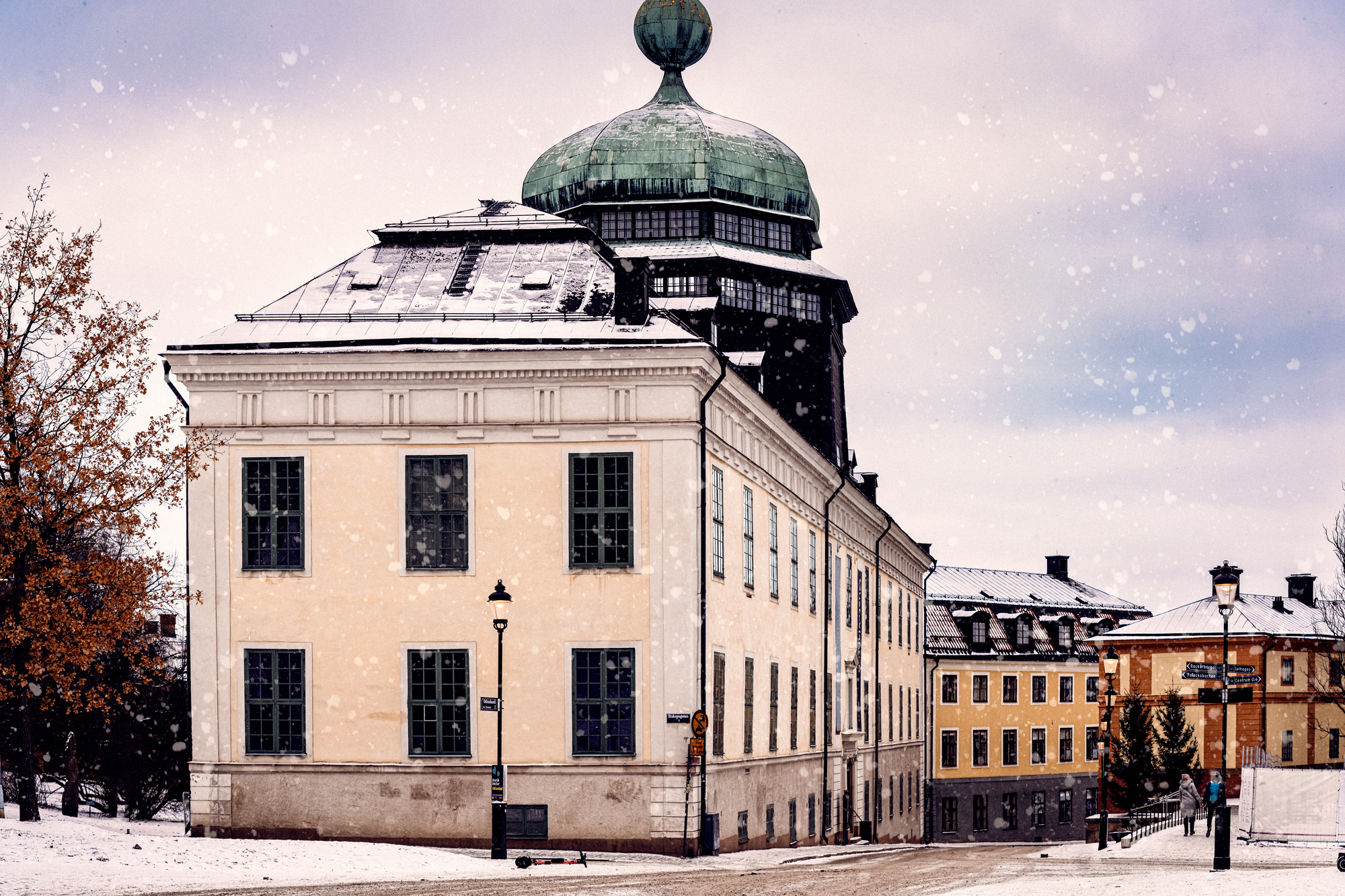
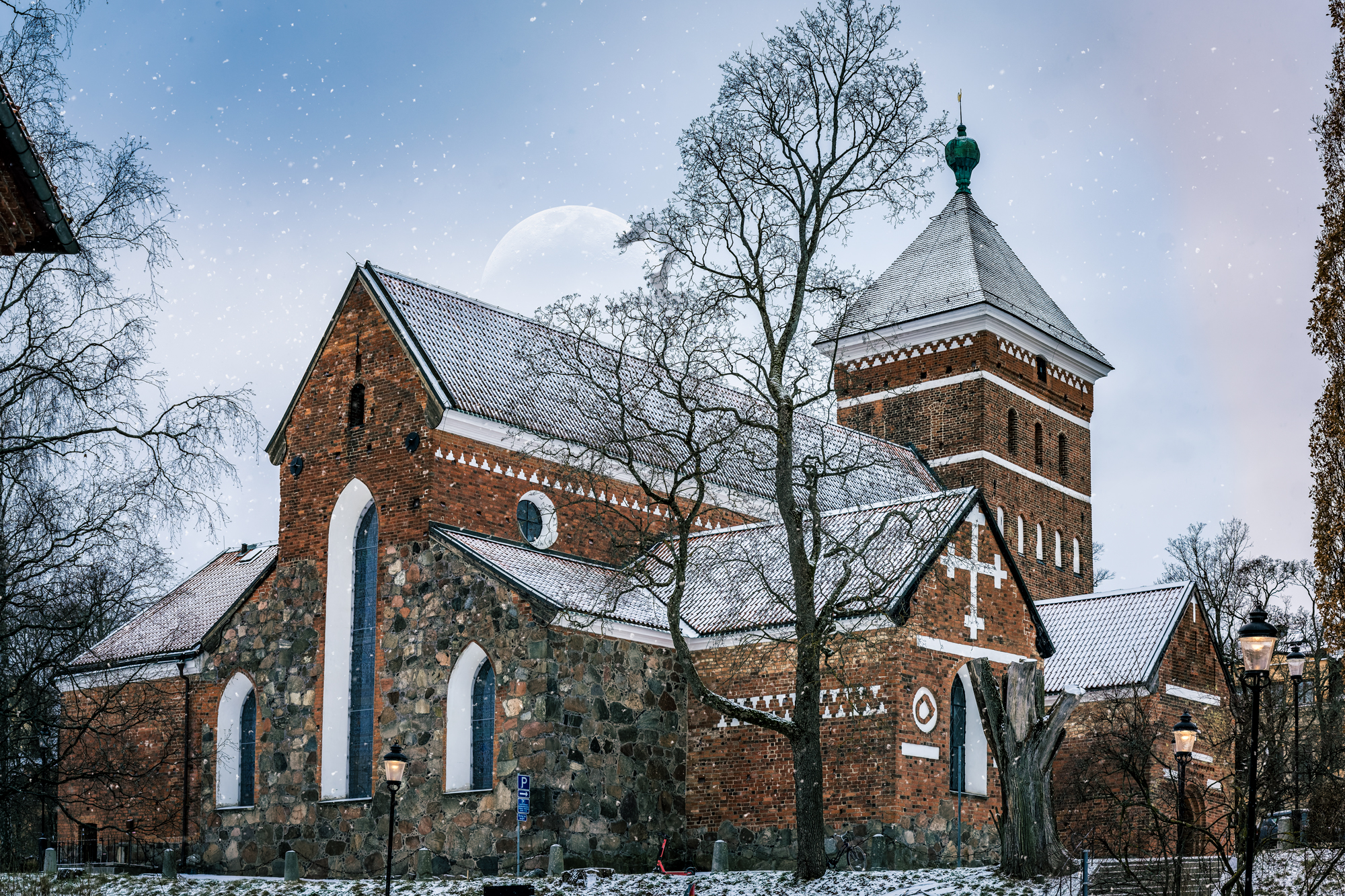
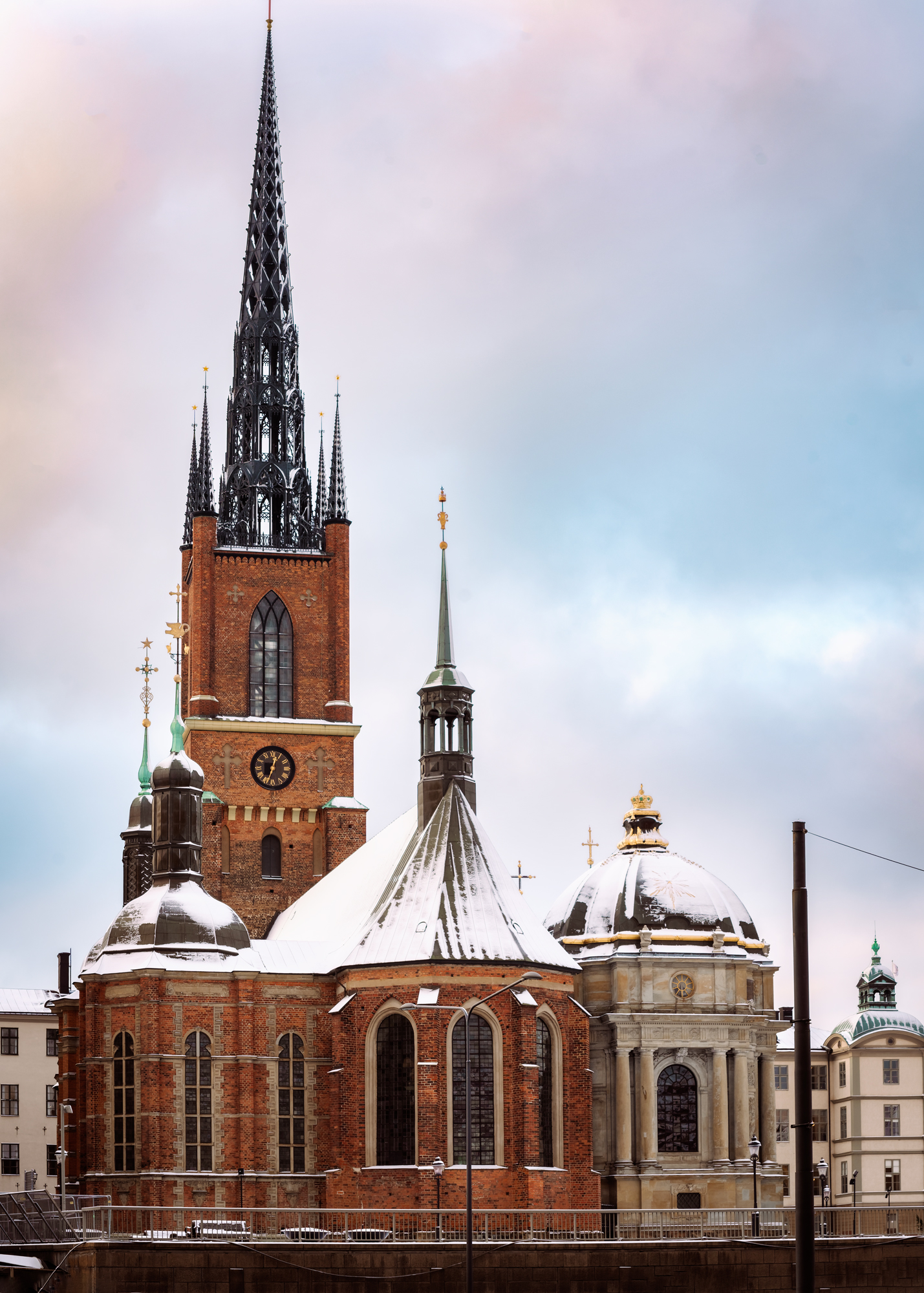
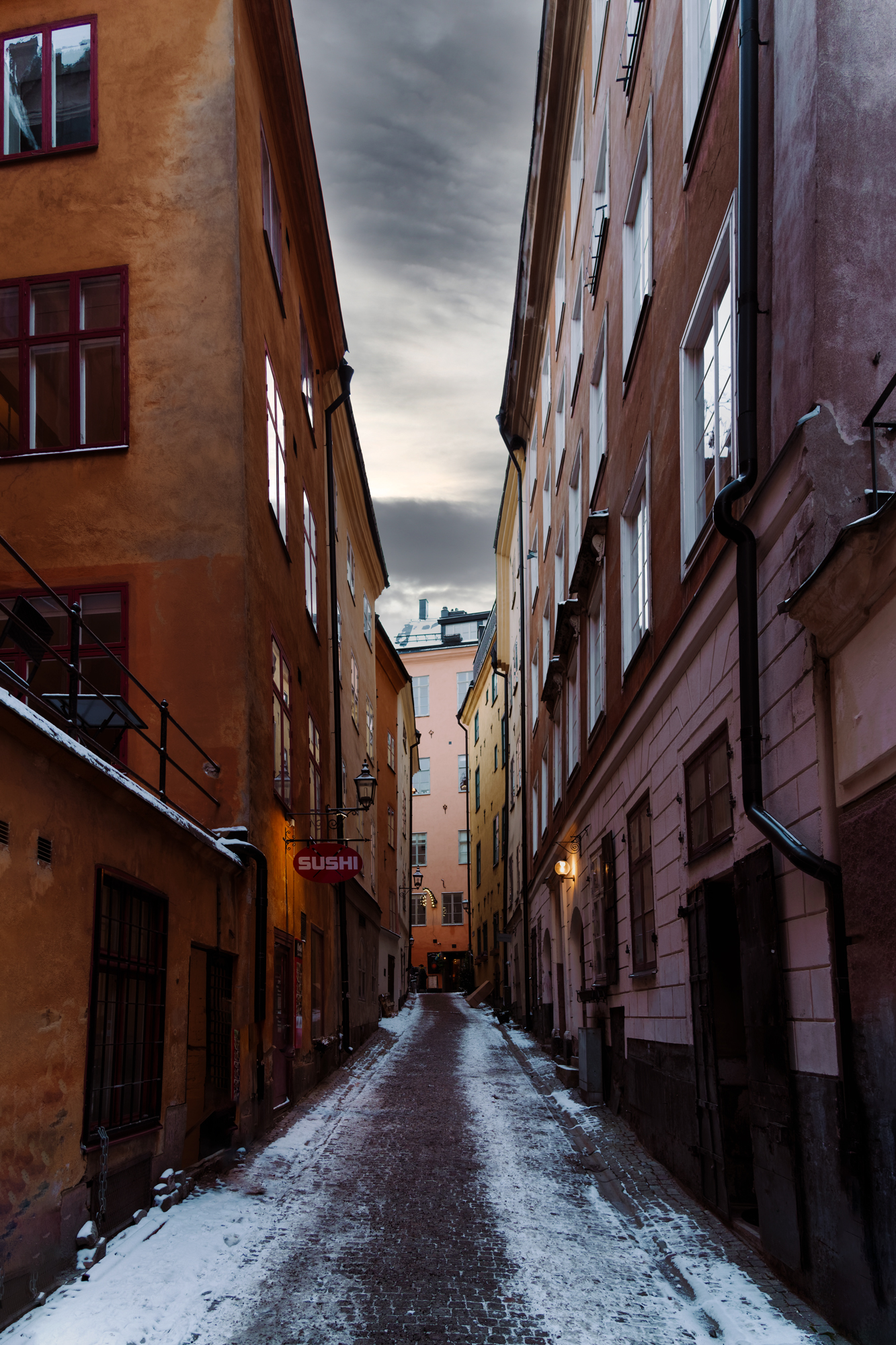
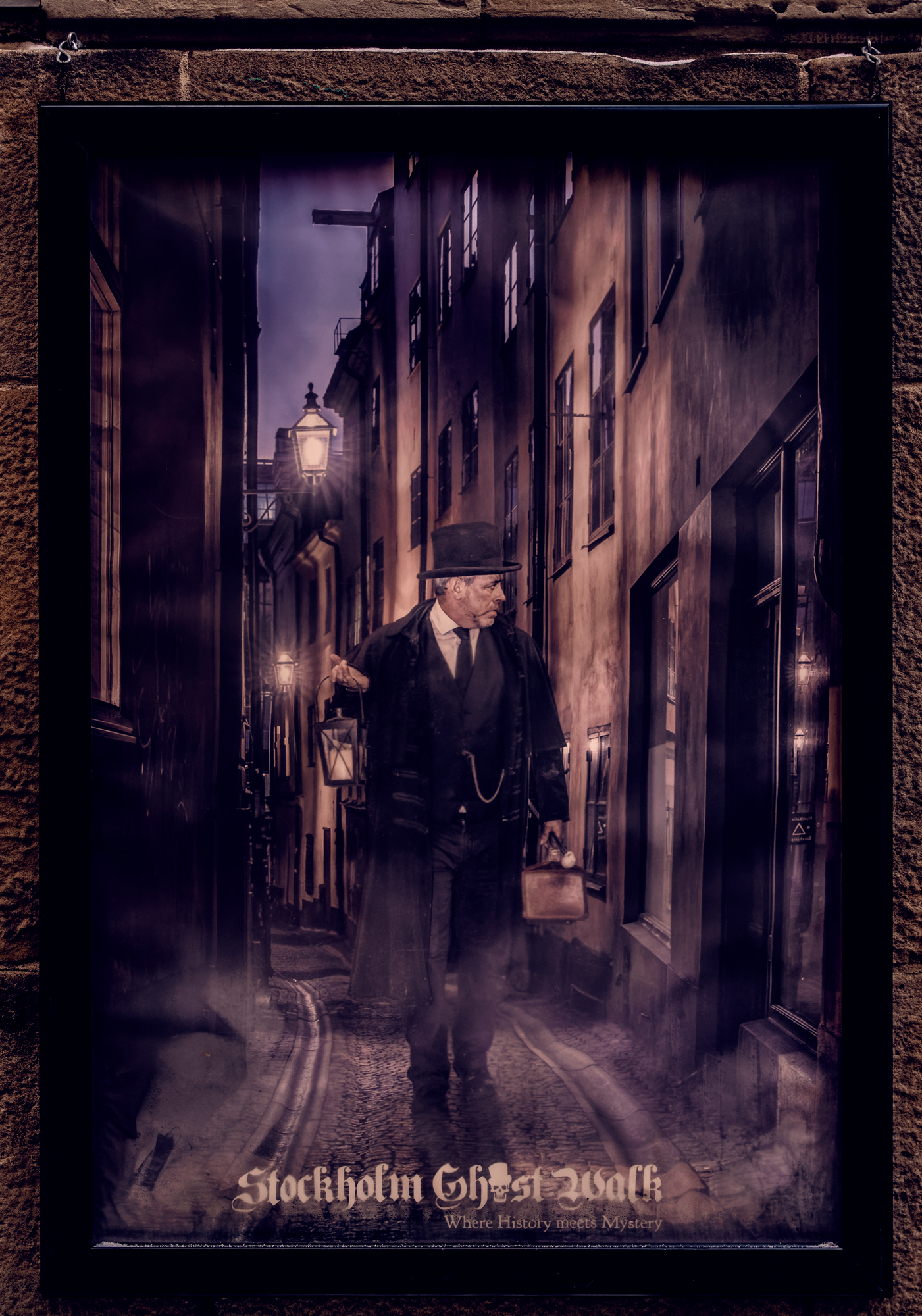
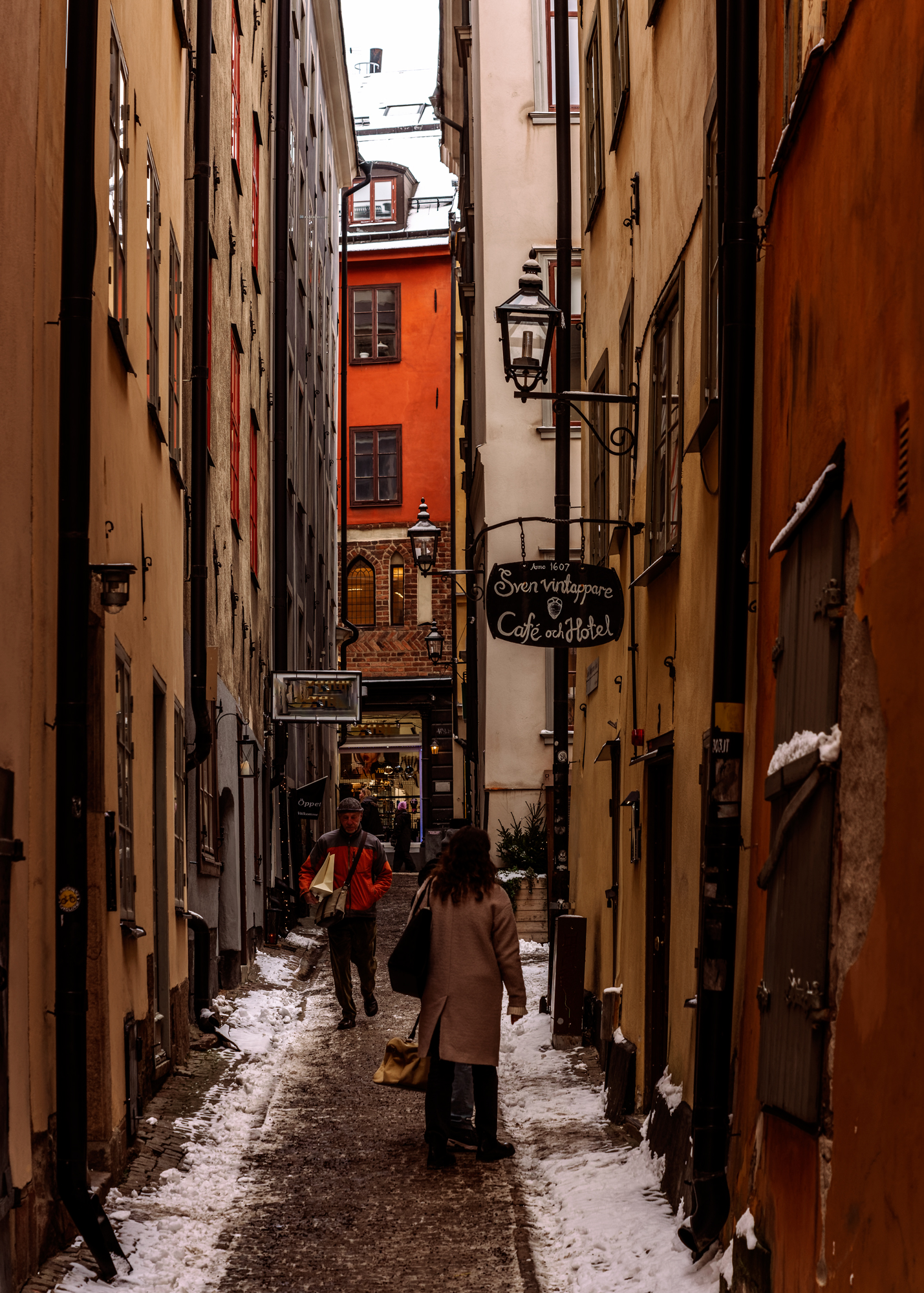
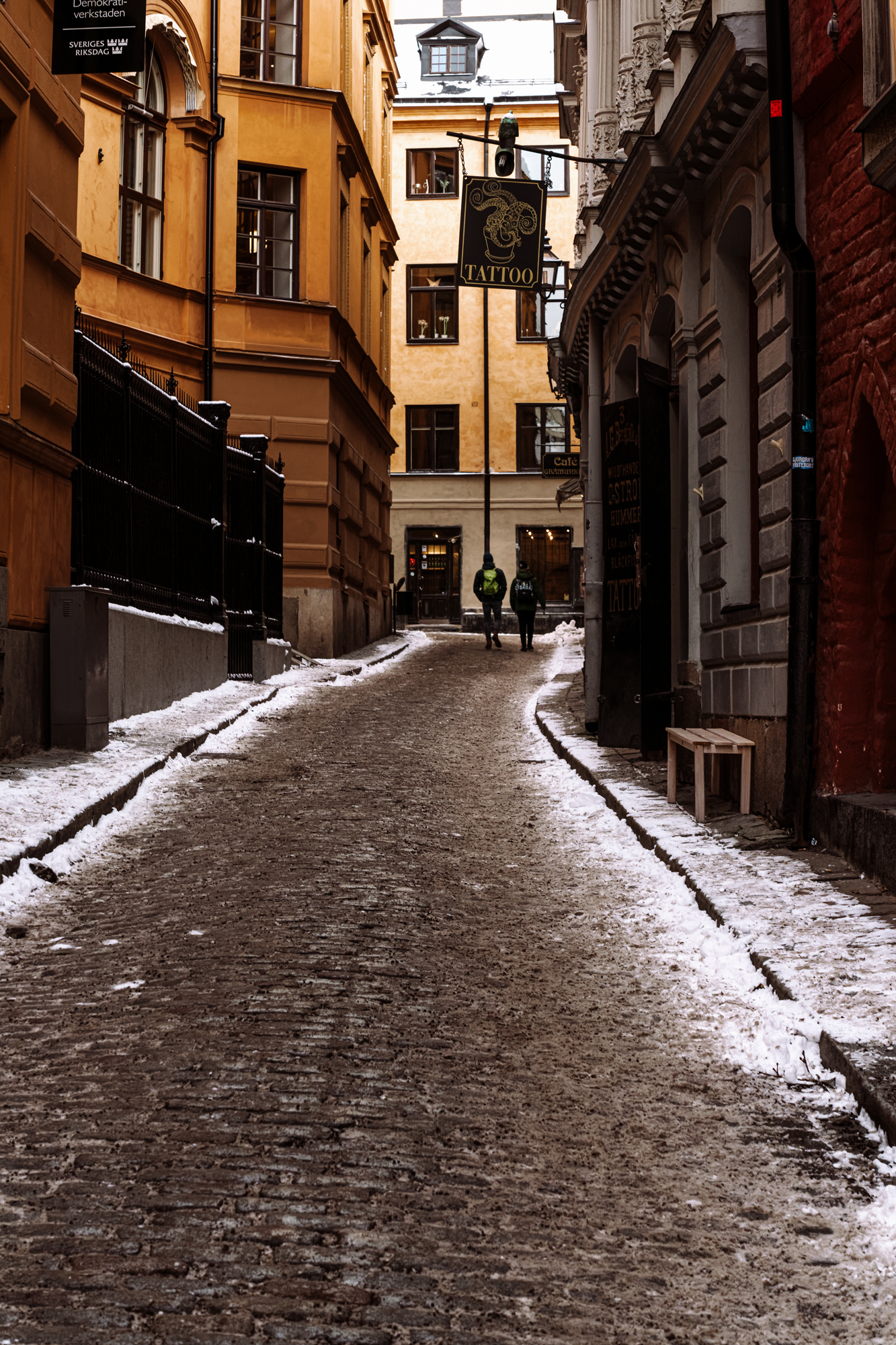
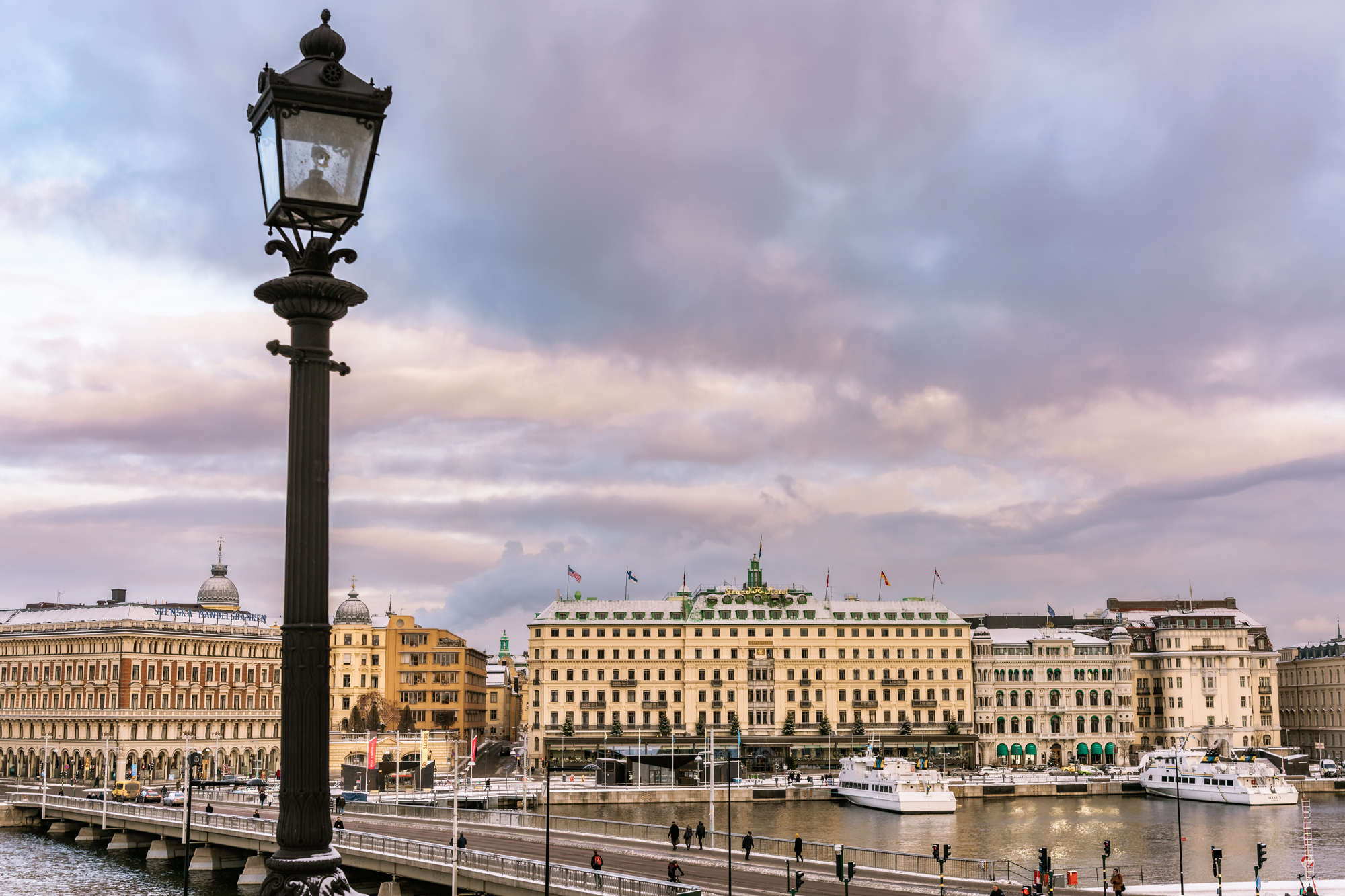
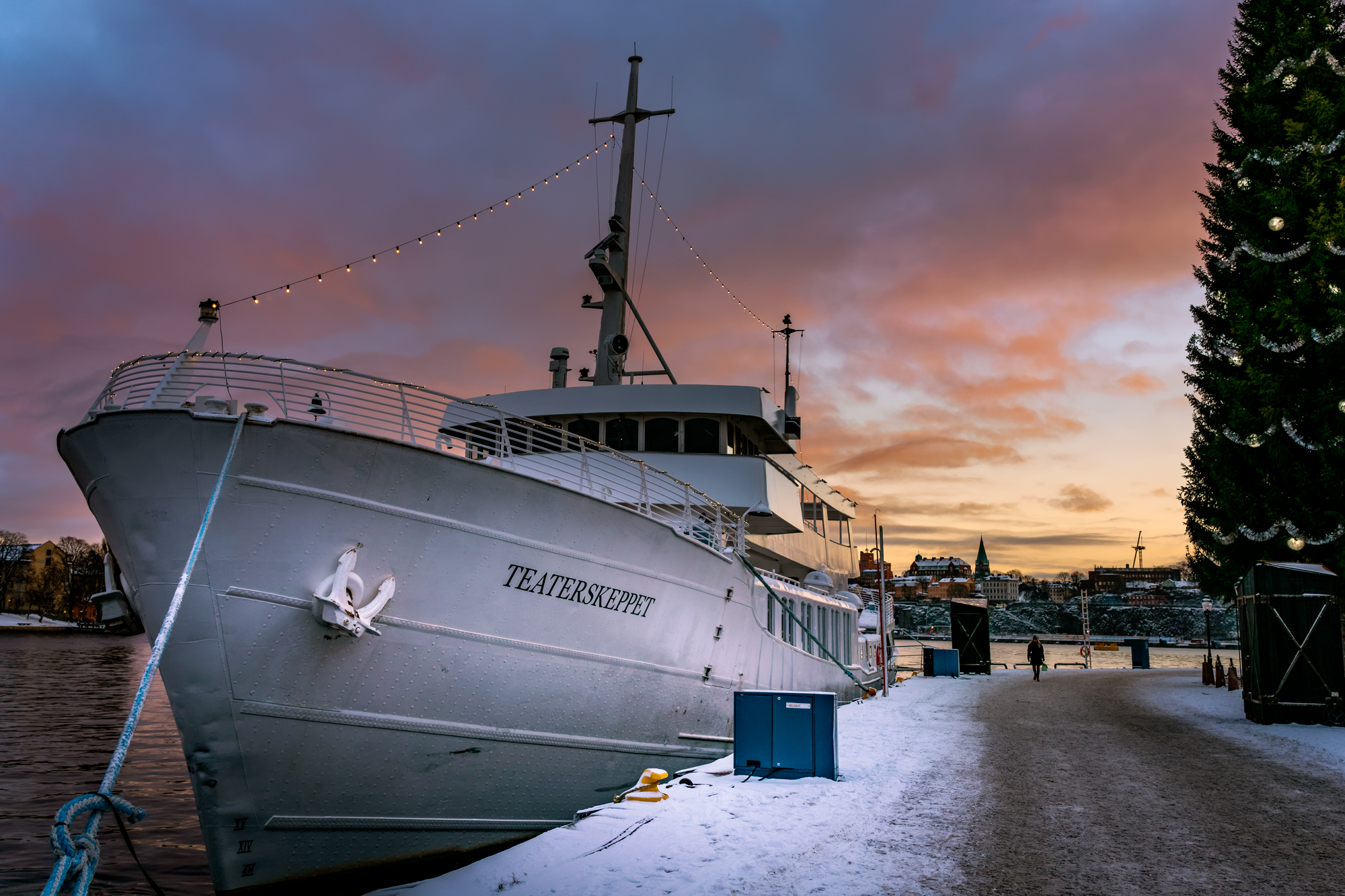
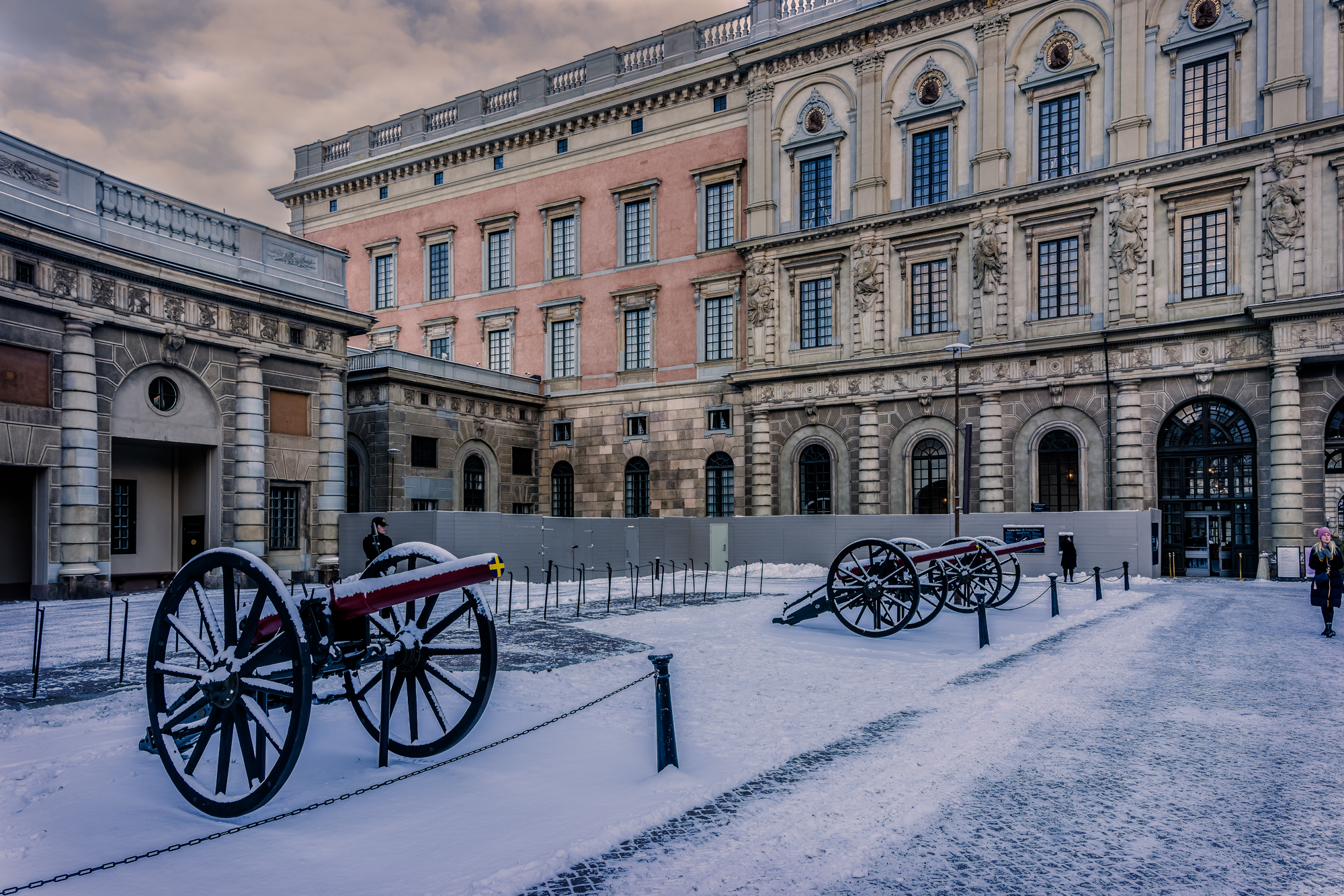
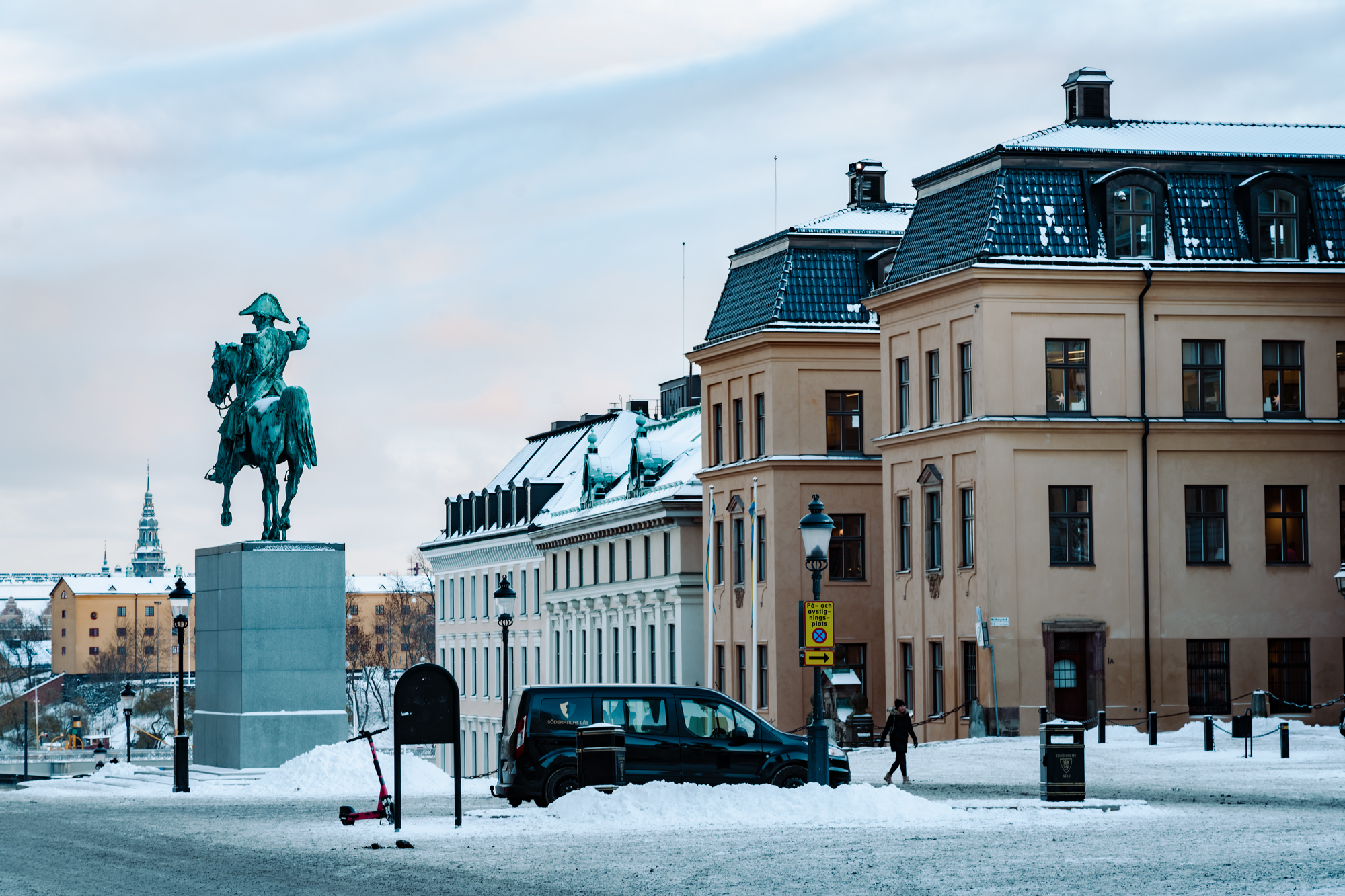
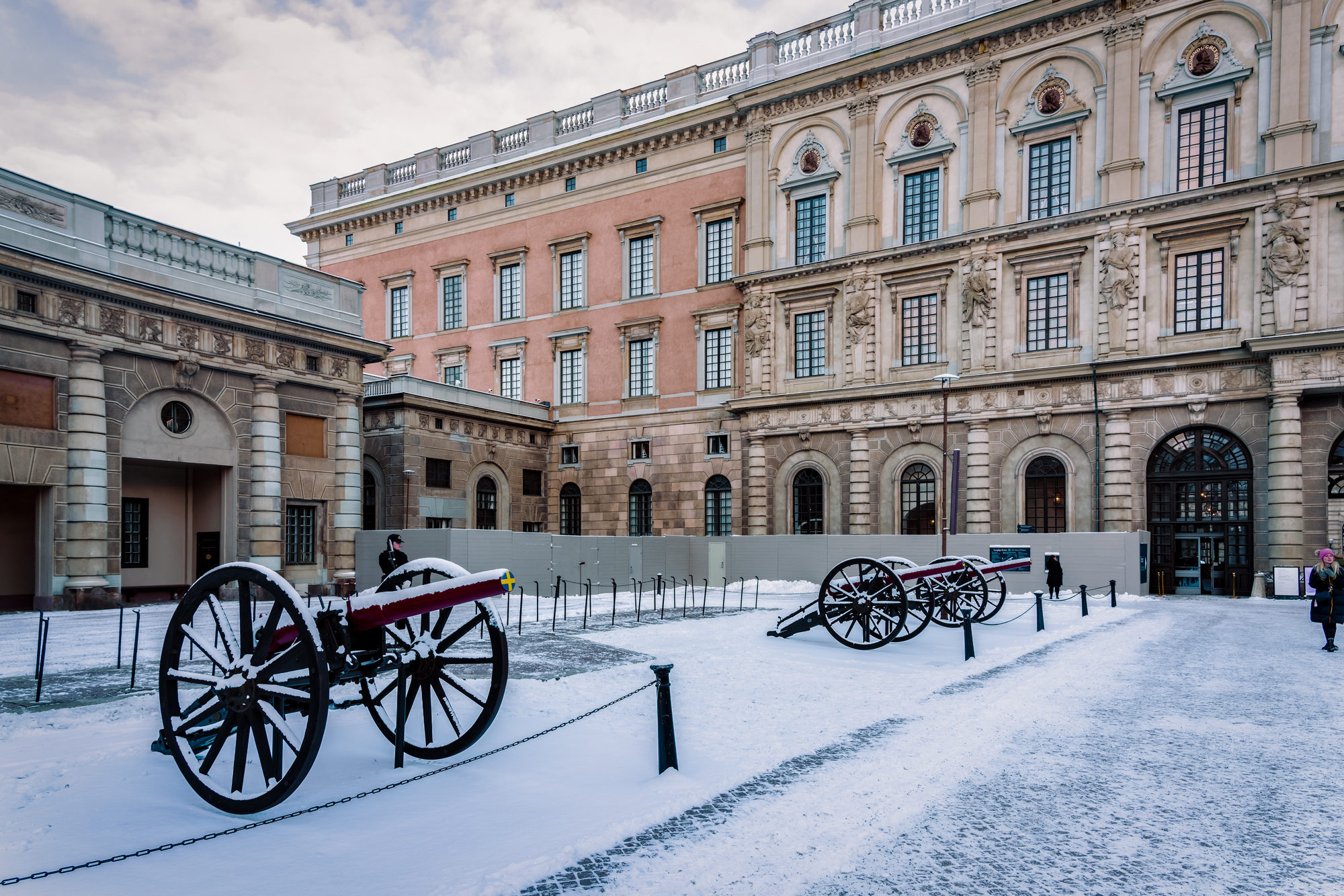
Photos from last week in Stockholm, Uppsala & Österskär

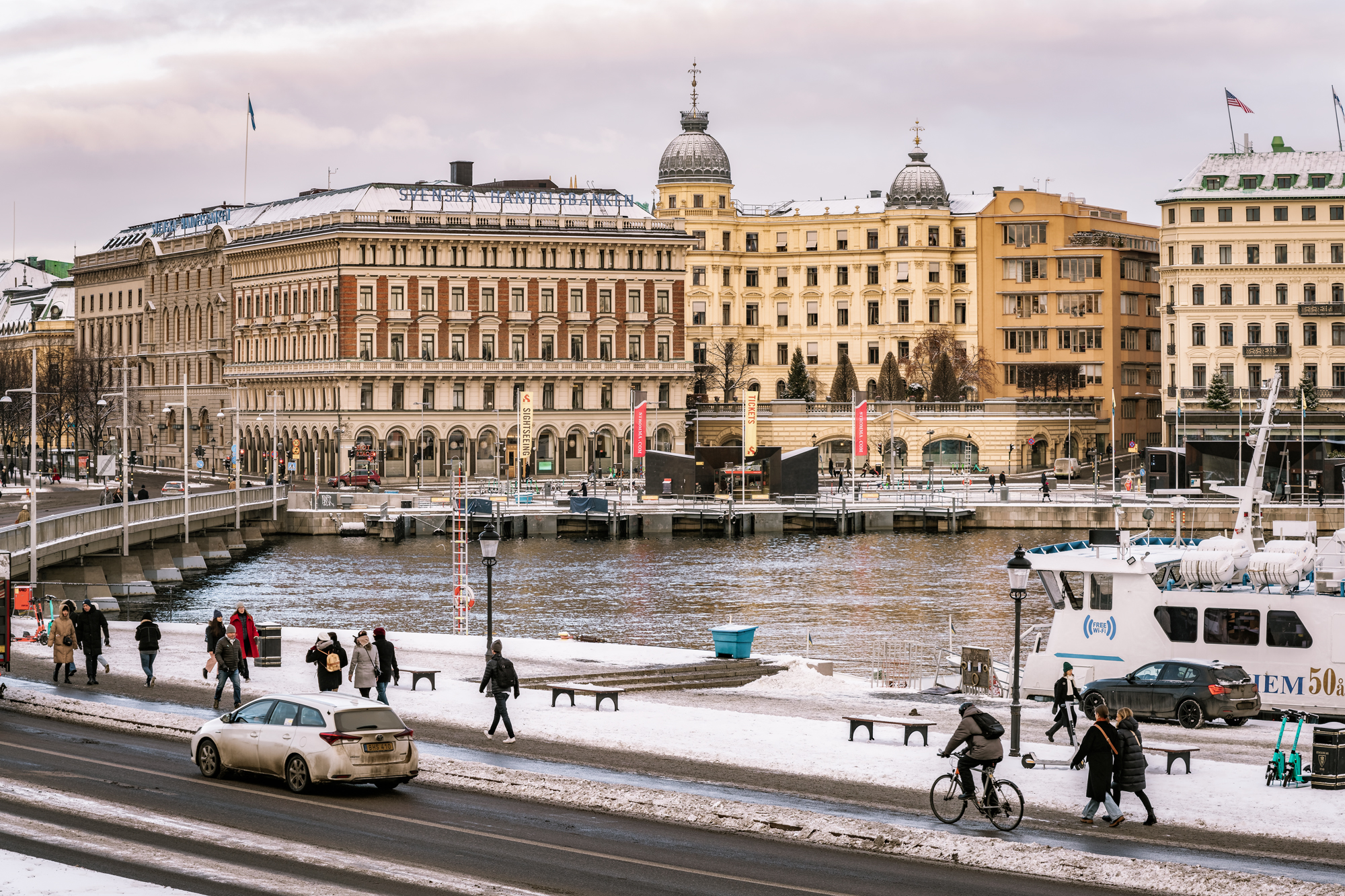
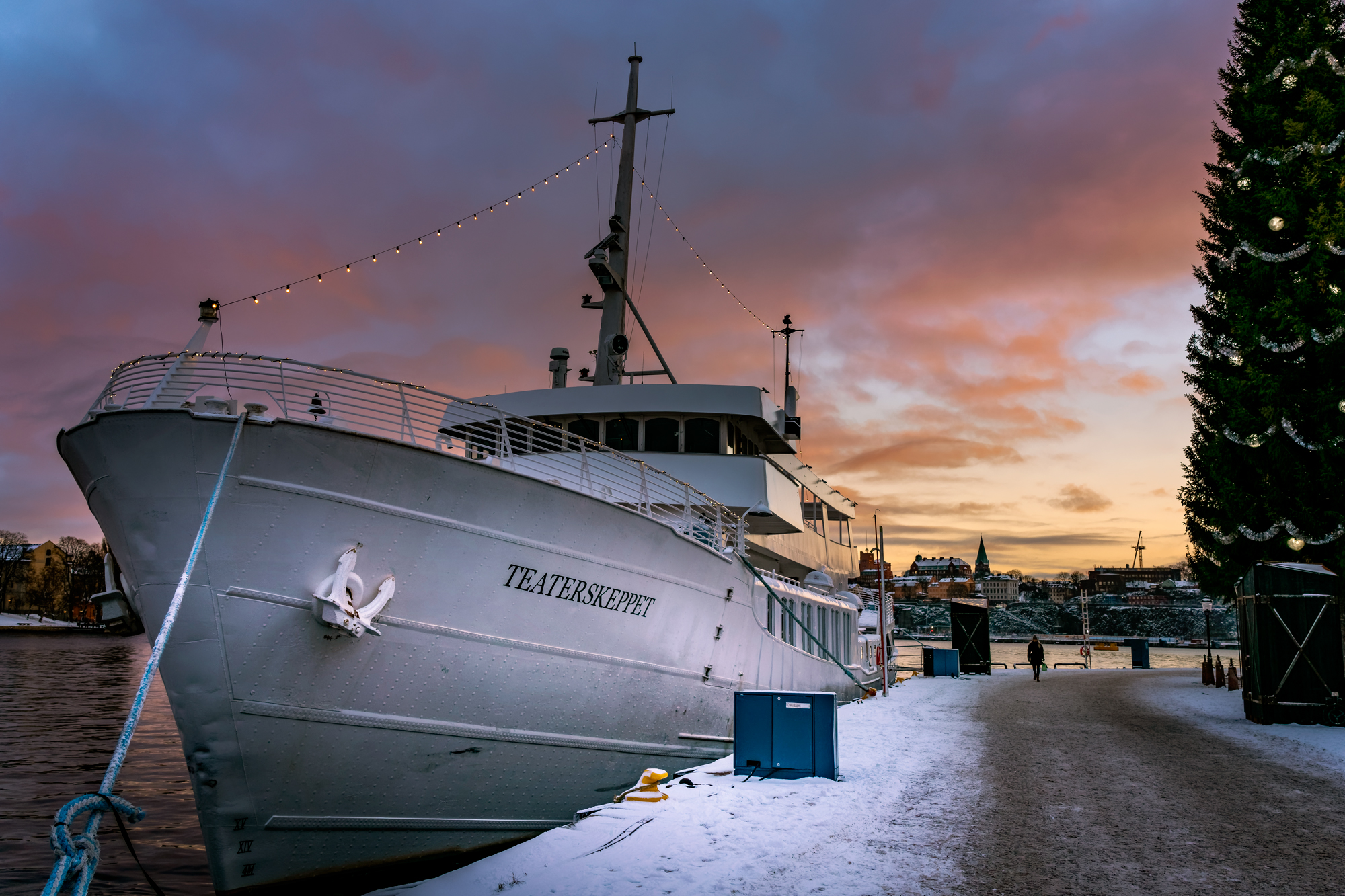
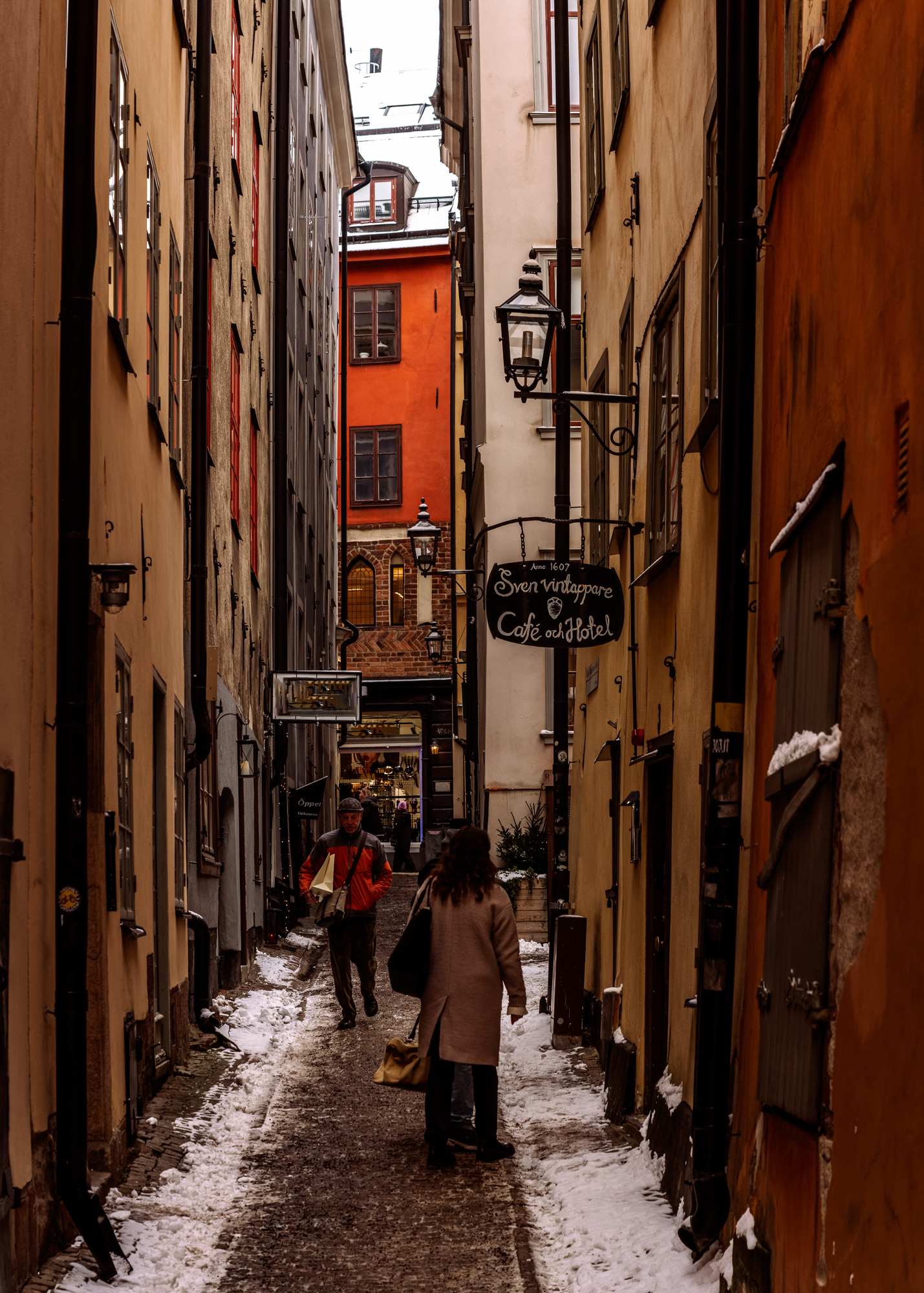
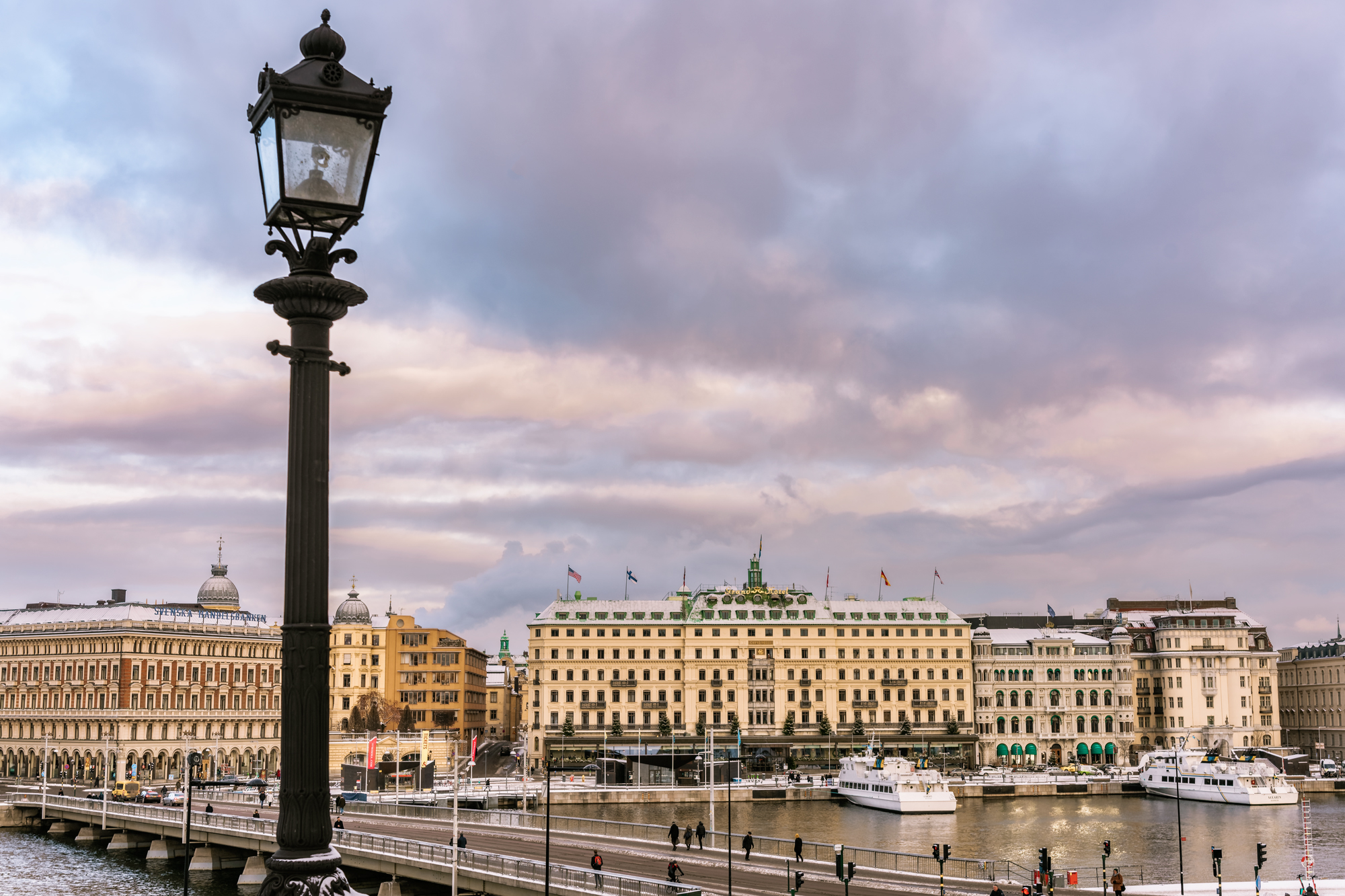
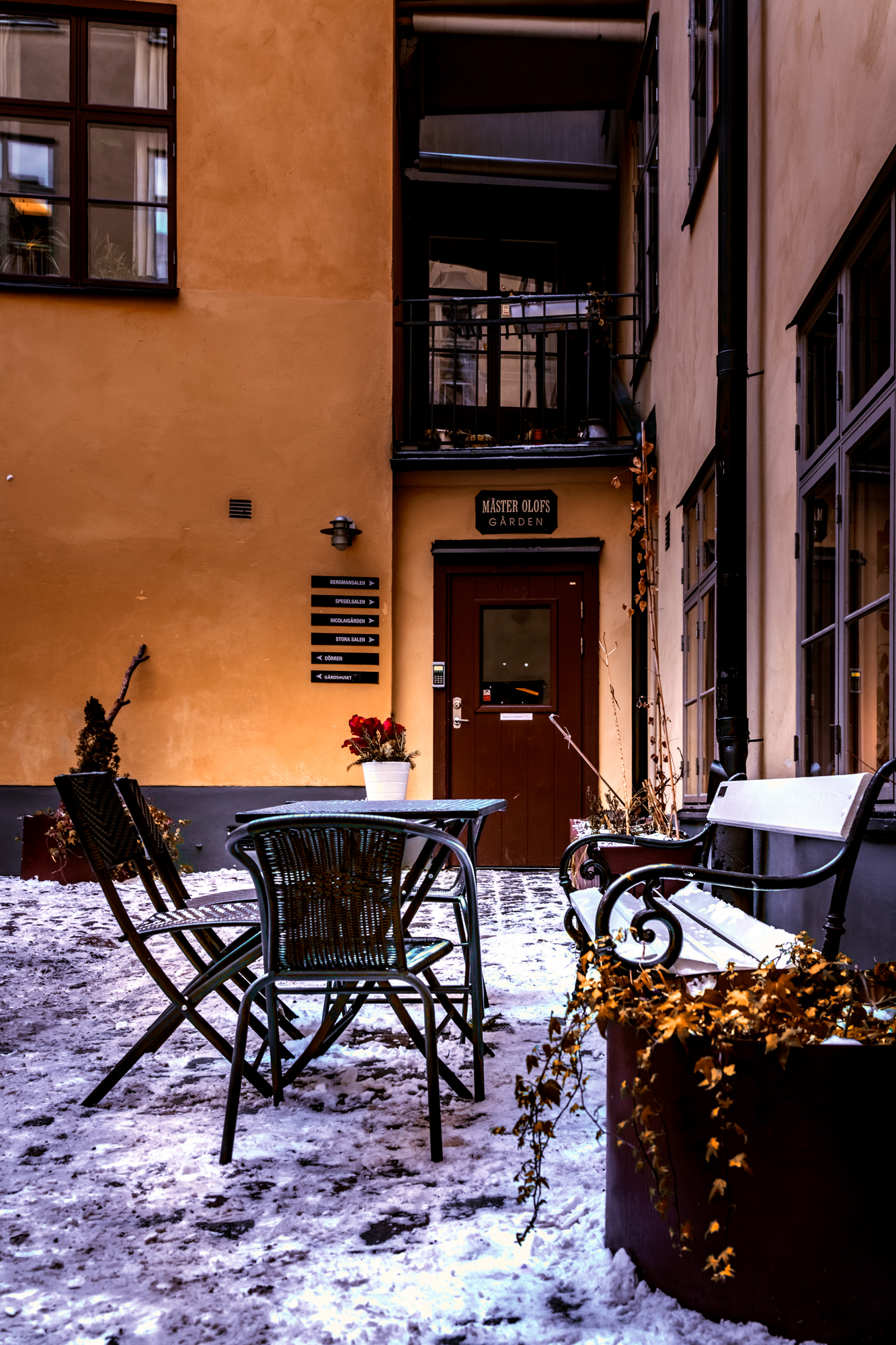
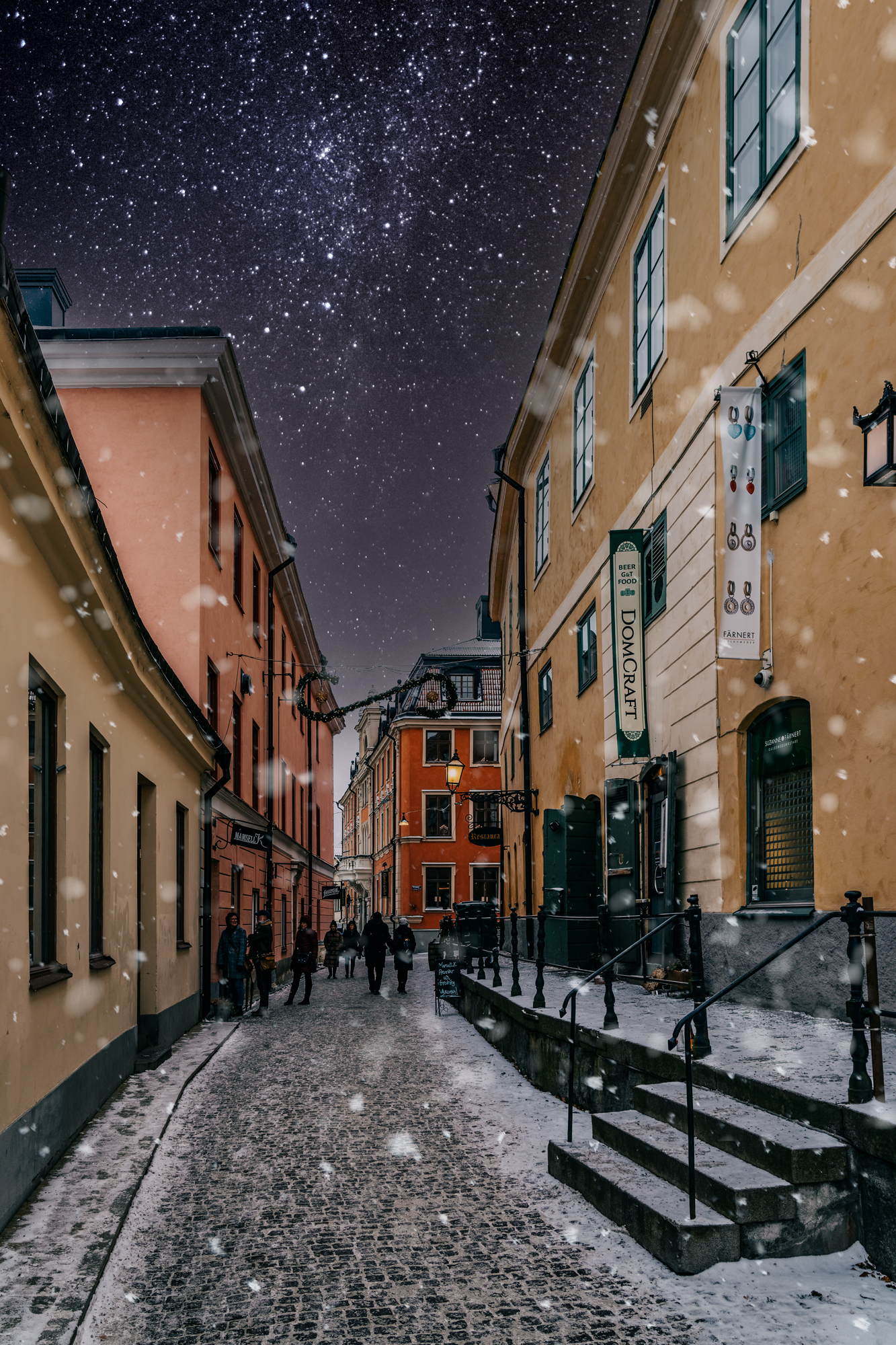
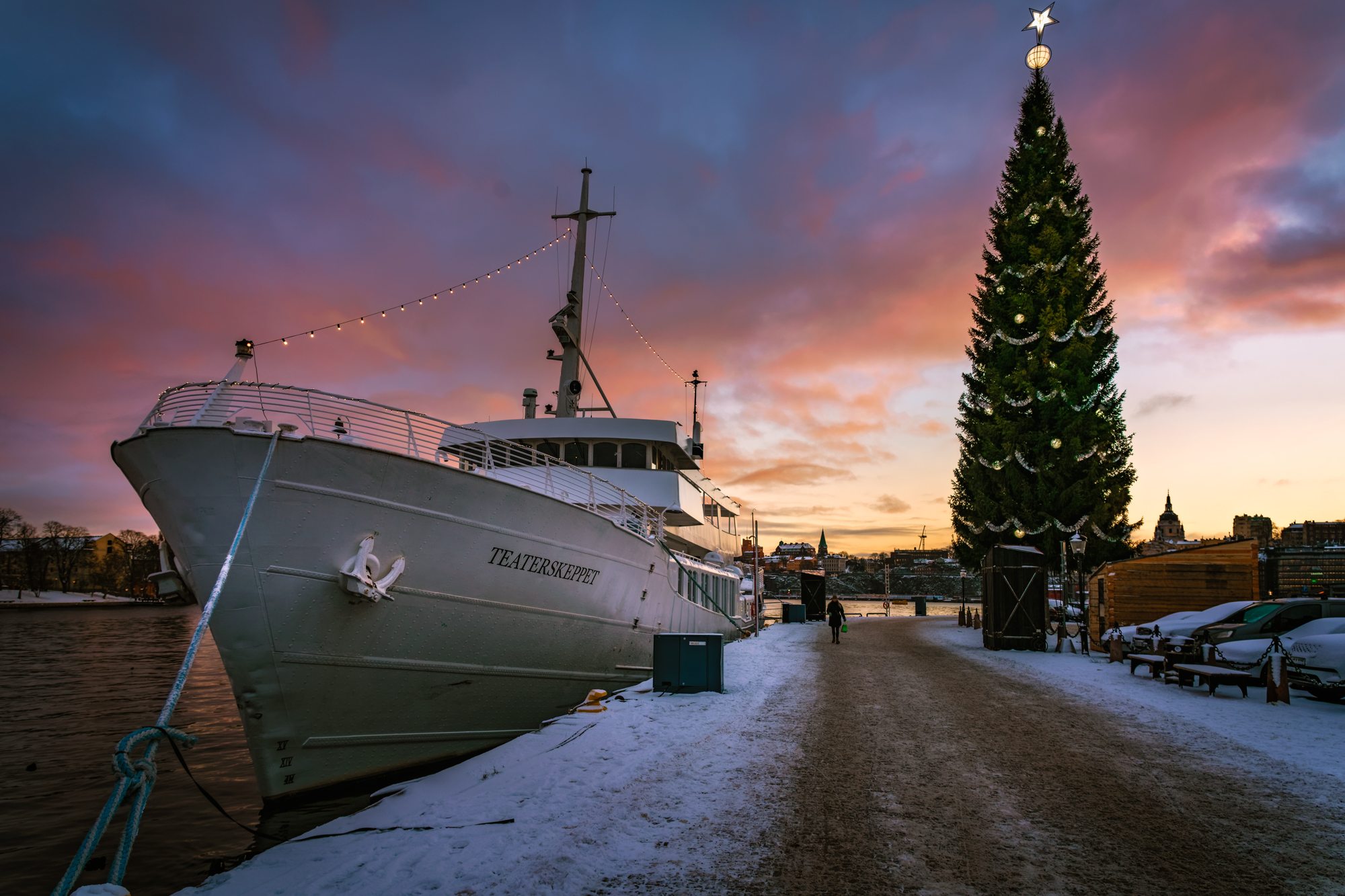
Winter Wonderland in Stockholm!

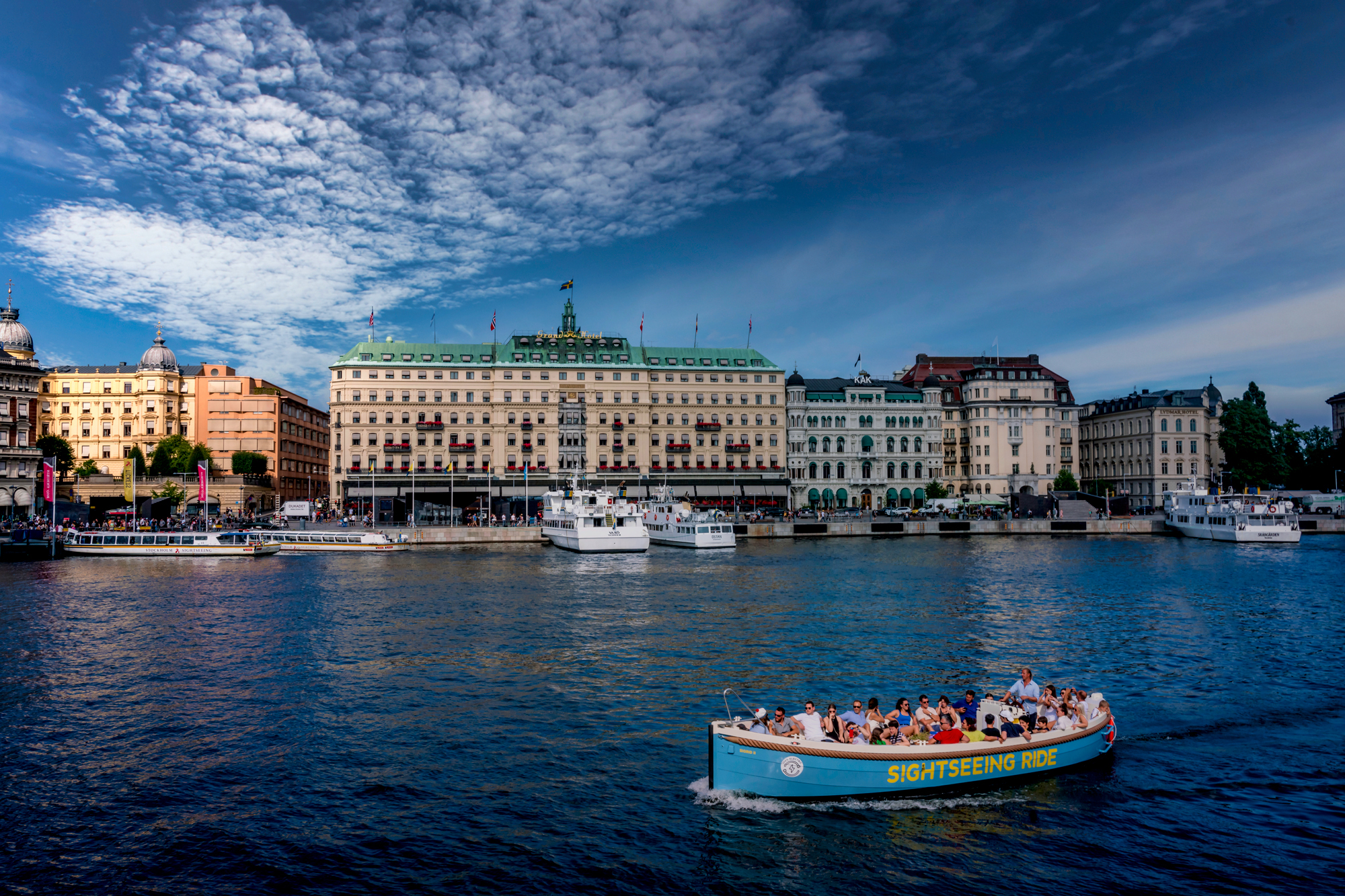
Sweden has always held a very special spot in my heart. I only lived here from the age of 6 to 10, but it has always felt “just right” to me. I was lucky enough to live in a gorgeous part of the country; the Stockholm Archipelago with an international capital about half an hour away. I will eventually move back into the house that I left close to 50 years ago when my mother and I moved to Denmark.

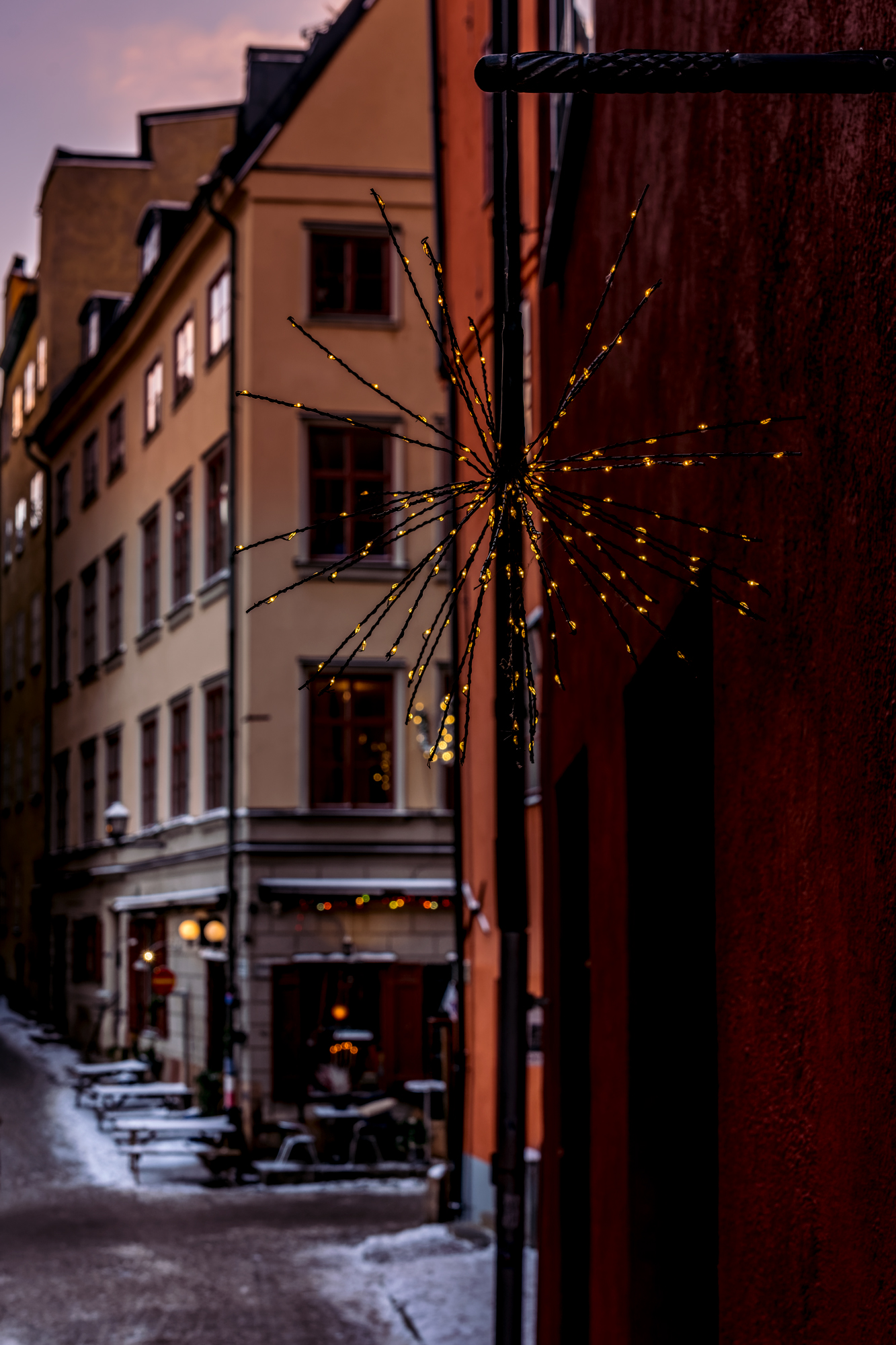
I spent the past week exploring and reliving Sweden via Stockholm, Uppsala, Vaxholm, Vallentuna och Österskär. I would have taken 100 times as many pictures of these gorgeous streets if it were not for the biting cold – minus 17 Celcius is a bit rough on this former Californian! Next year, I will do my best to channel my inner Viking!

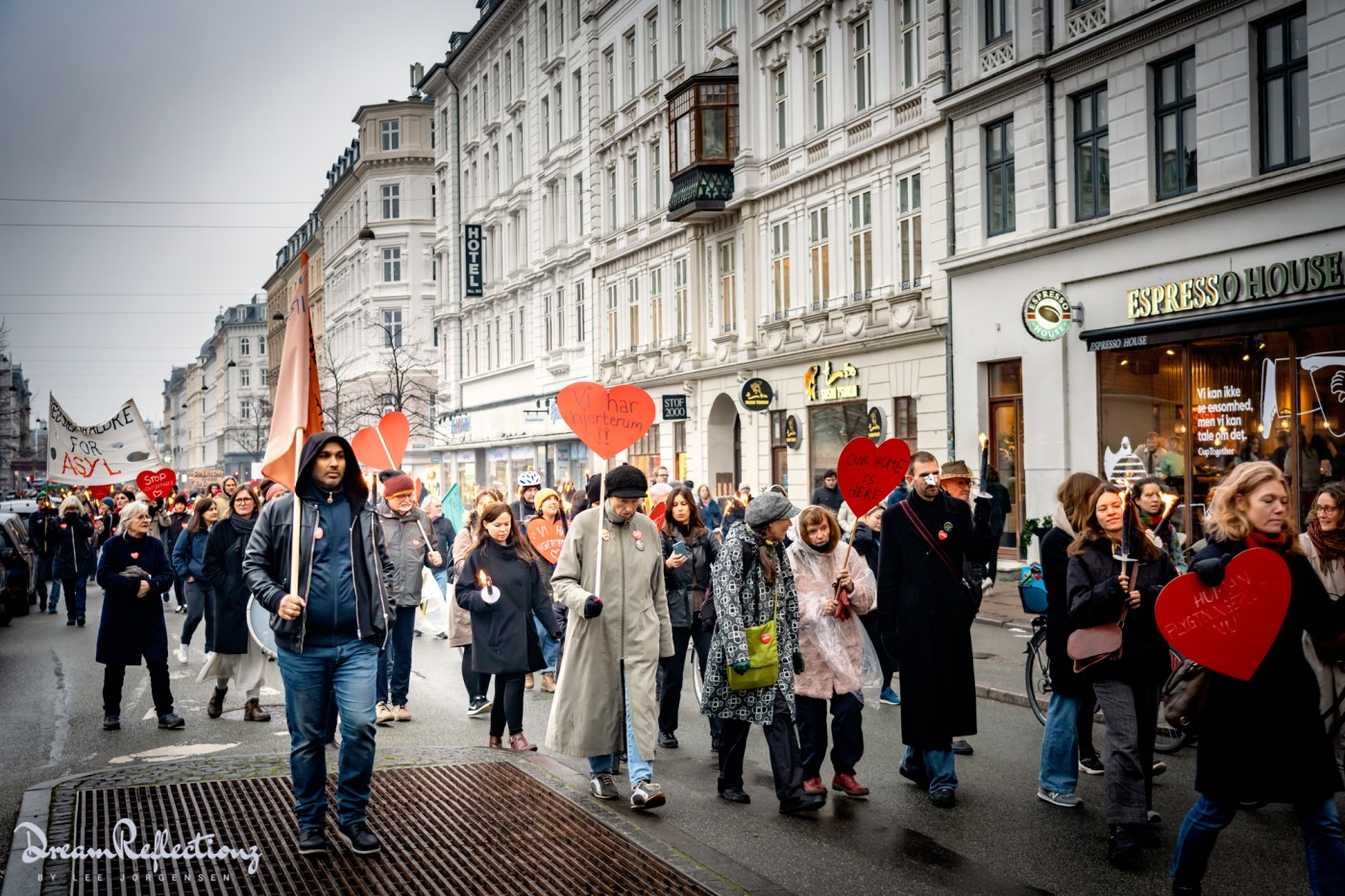
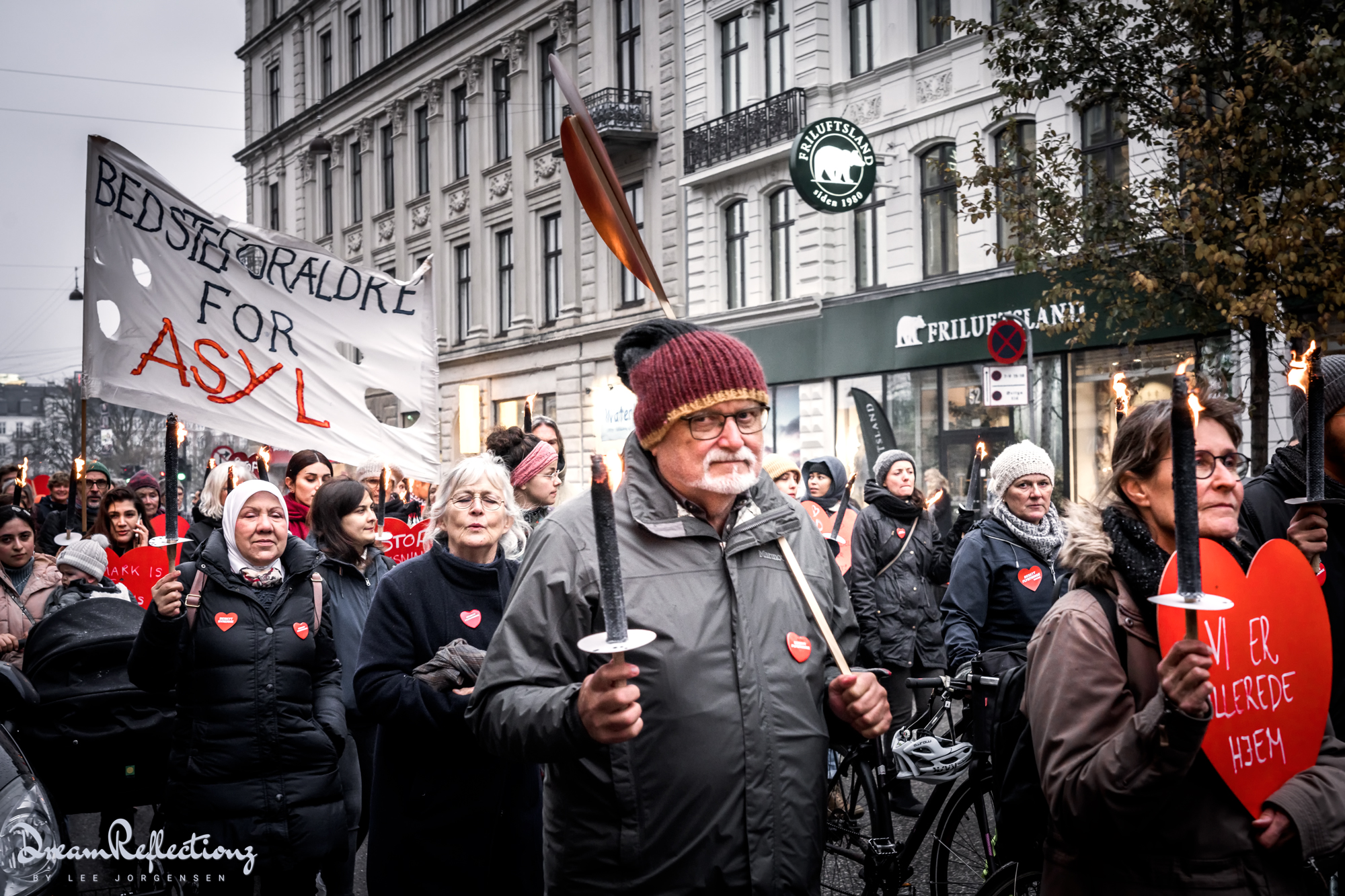
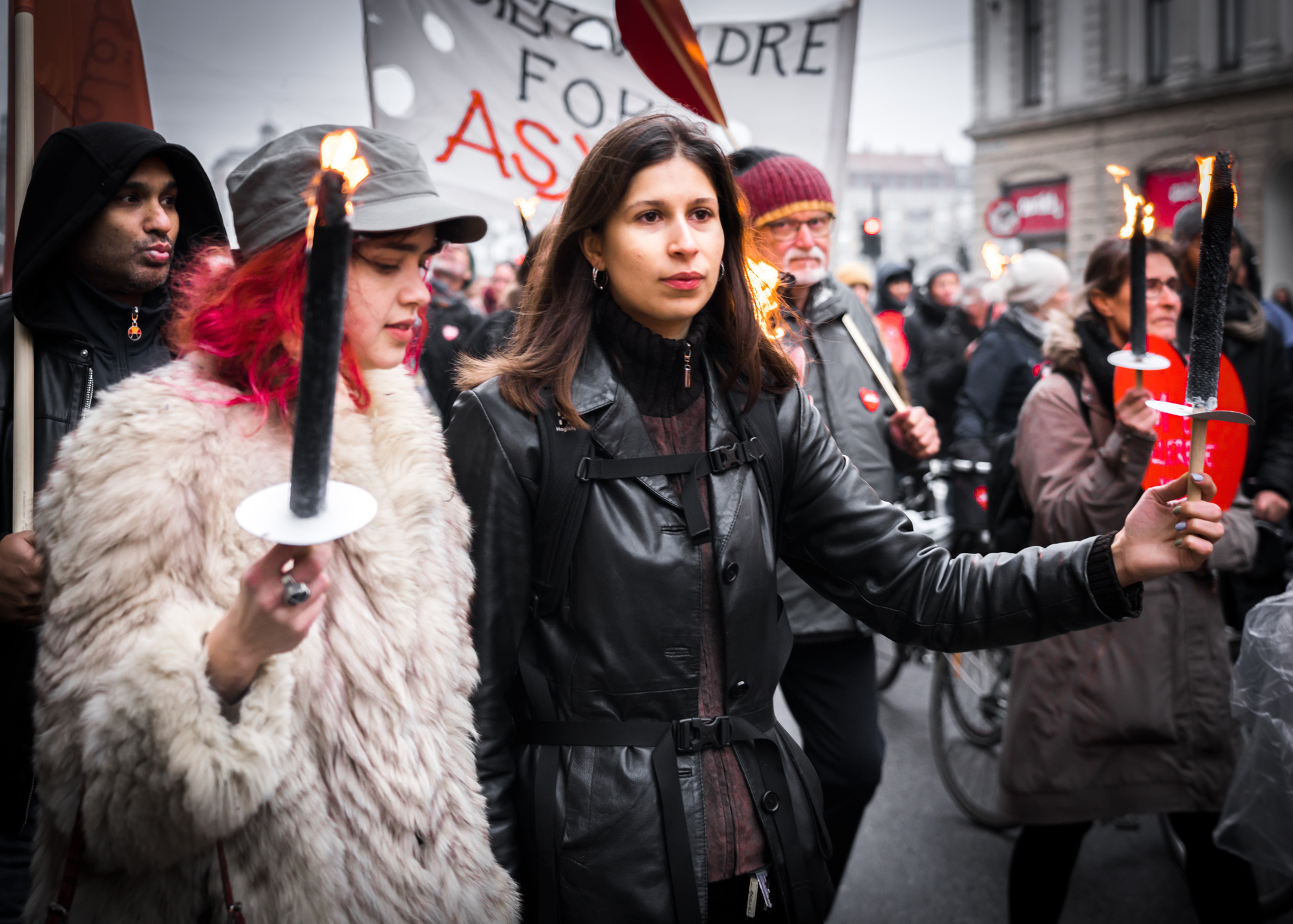
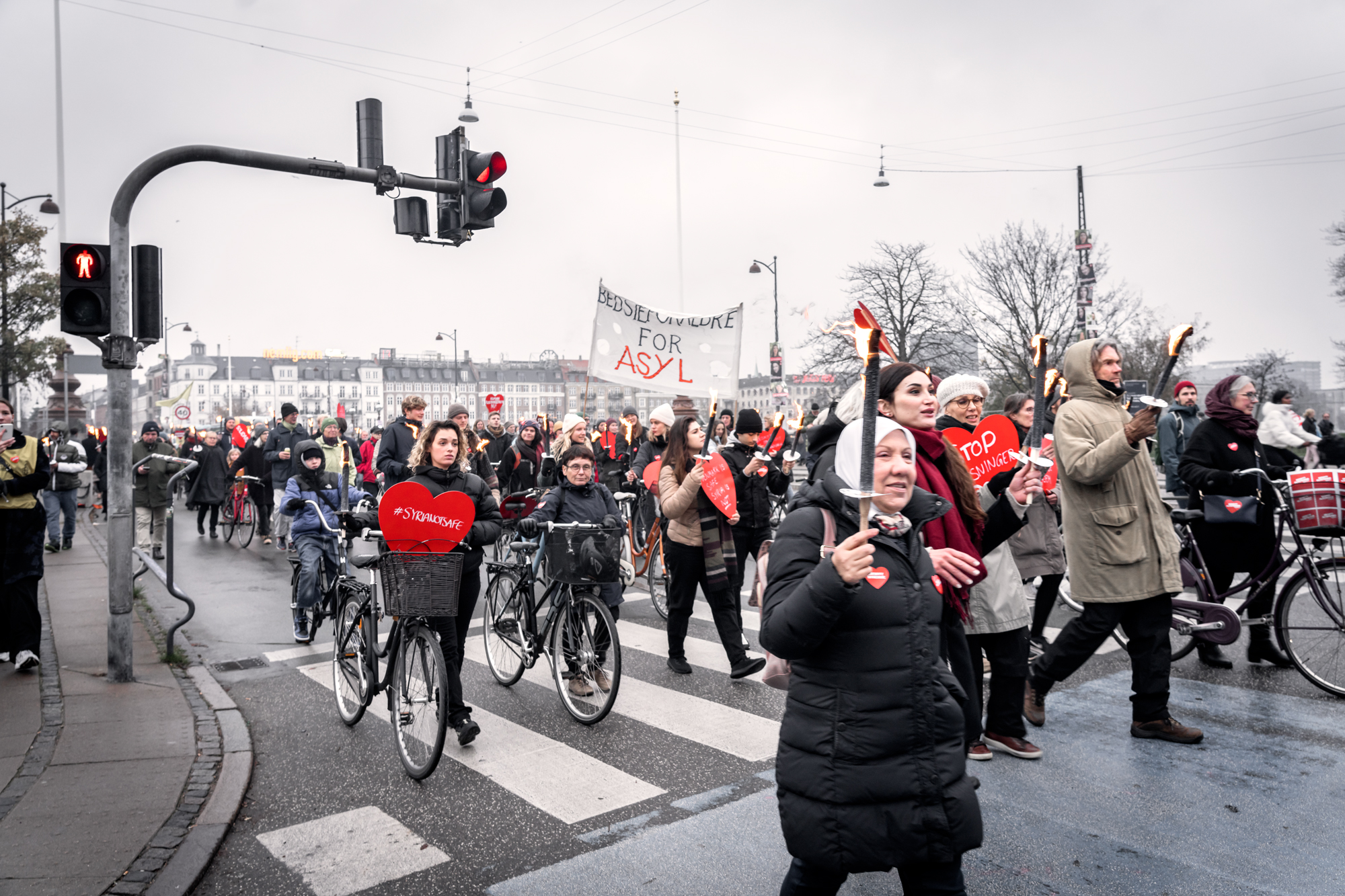
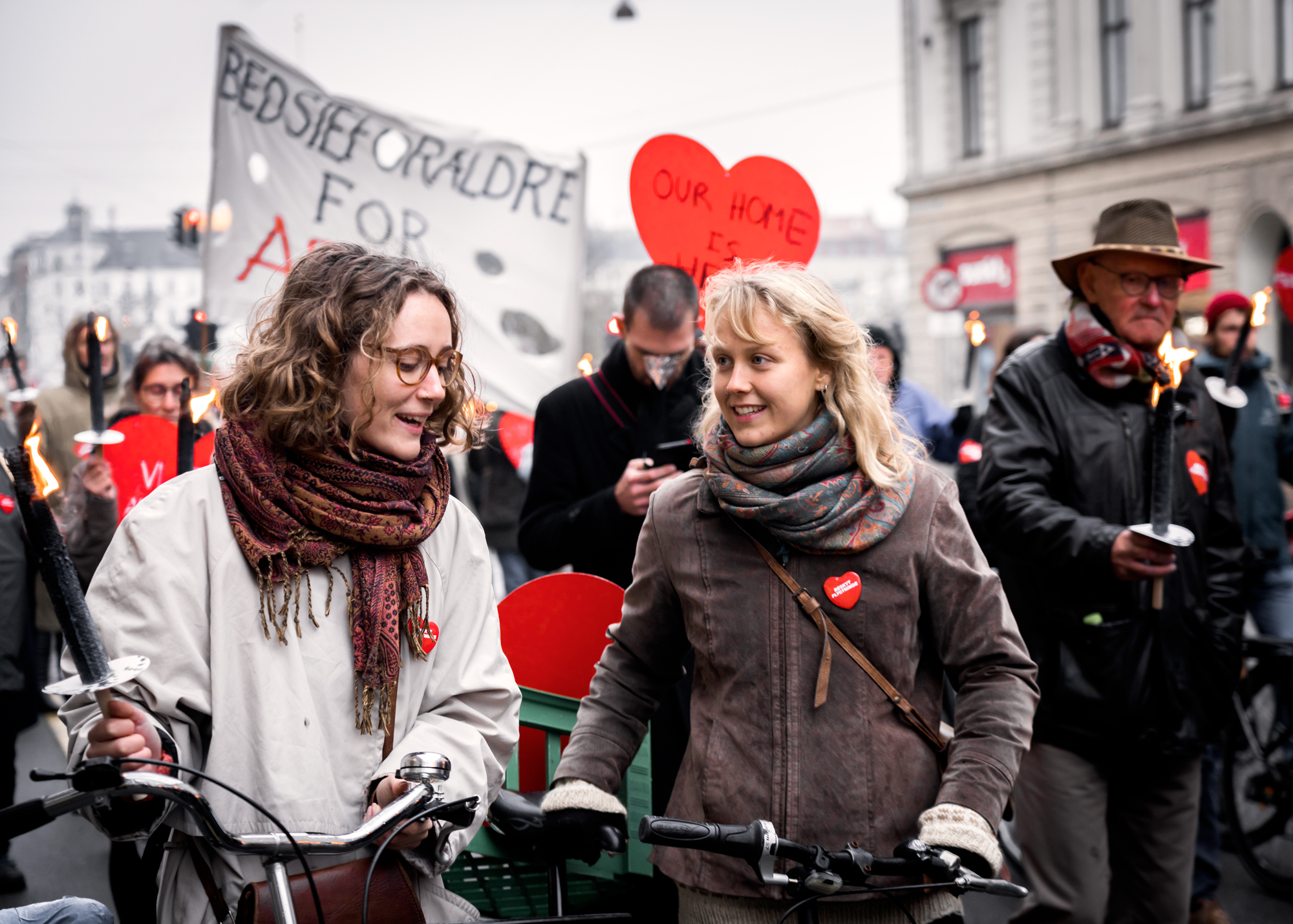
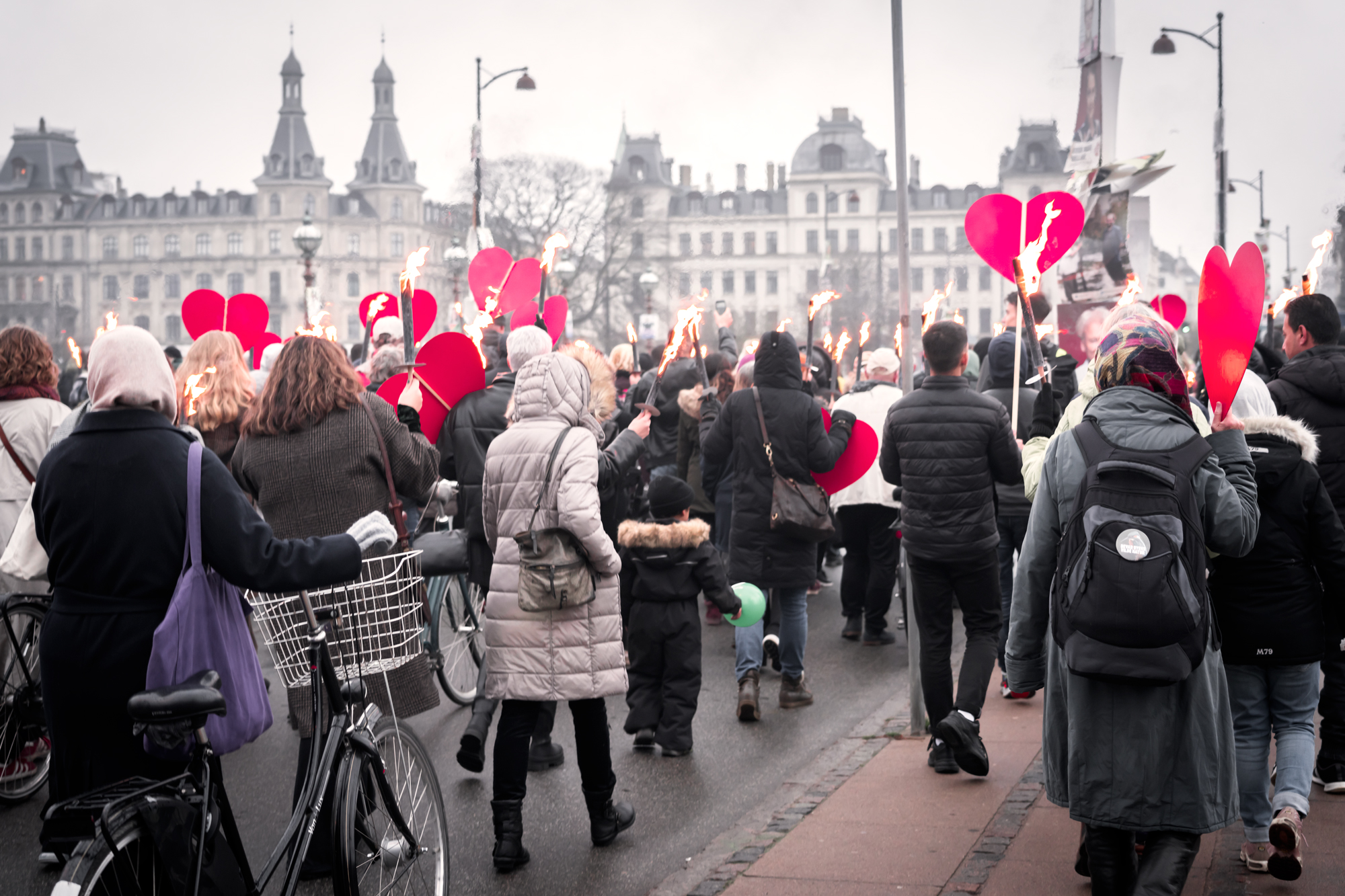
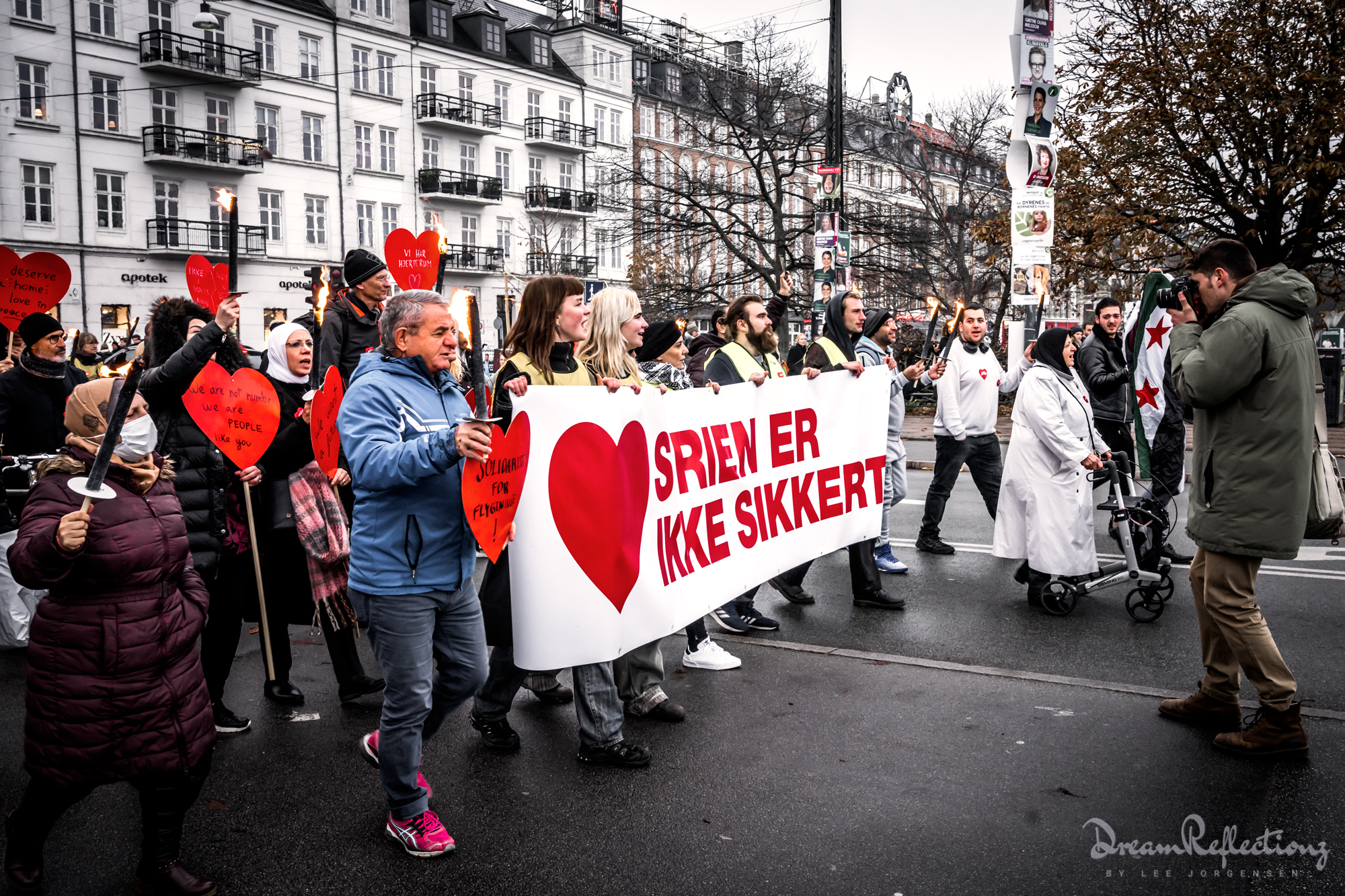
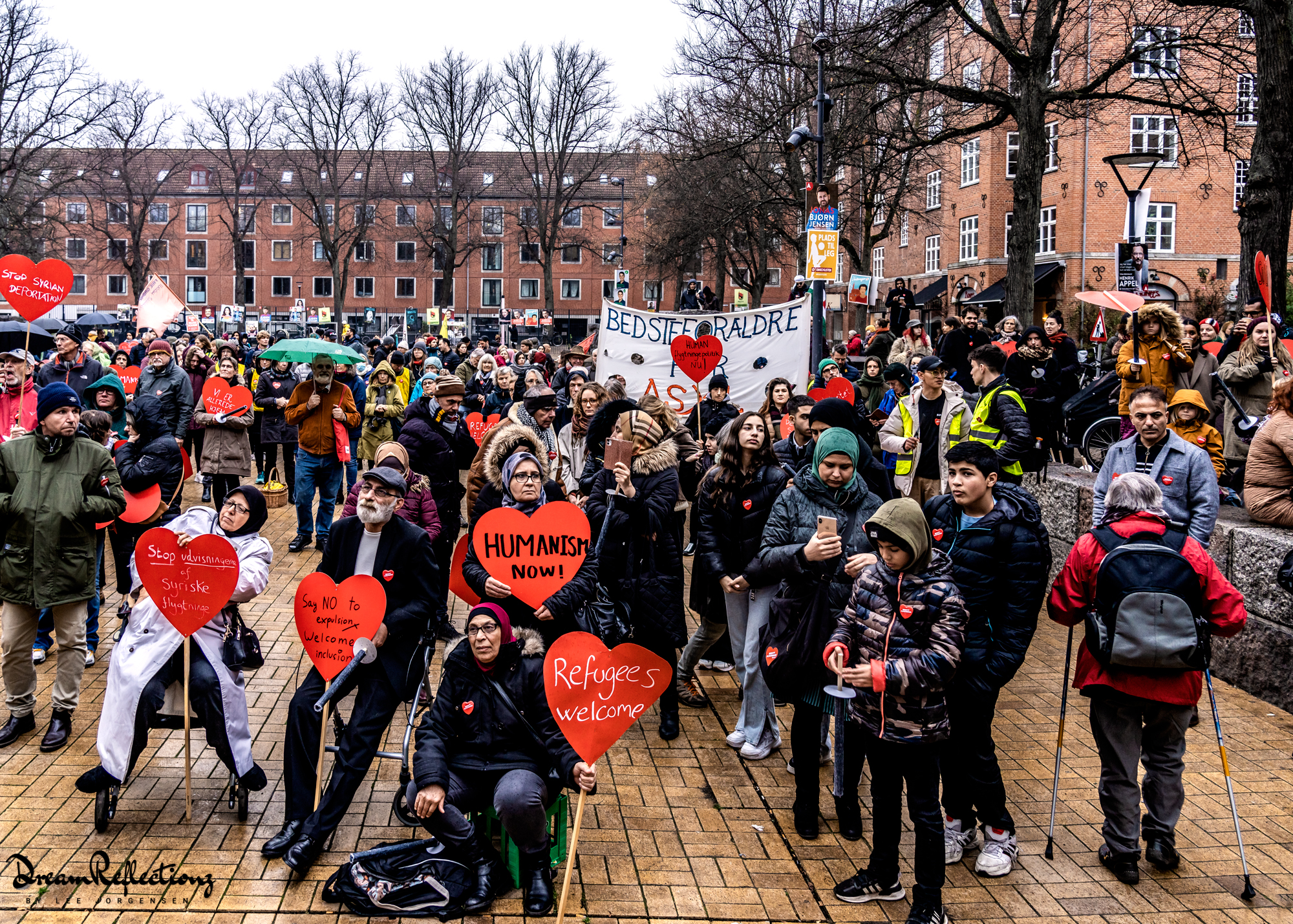
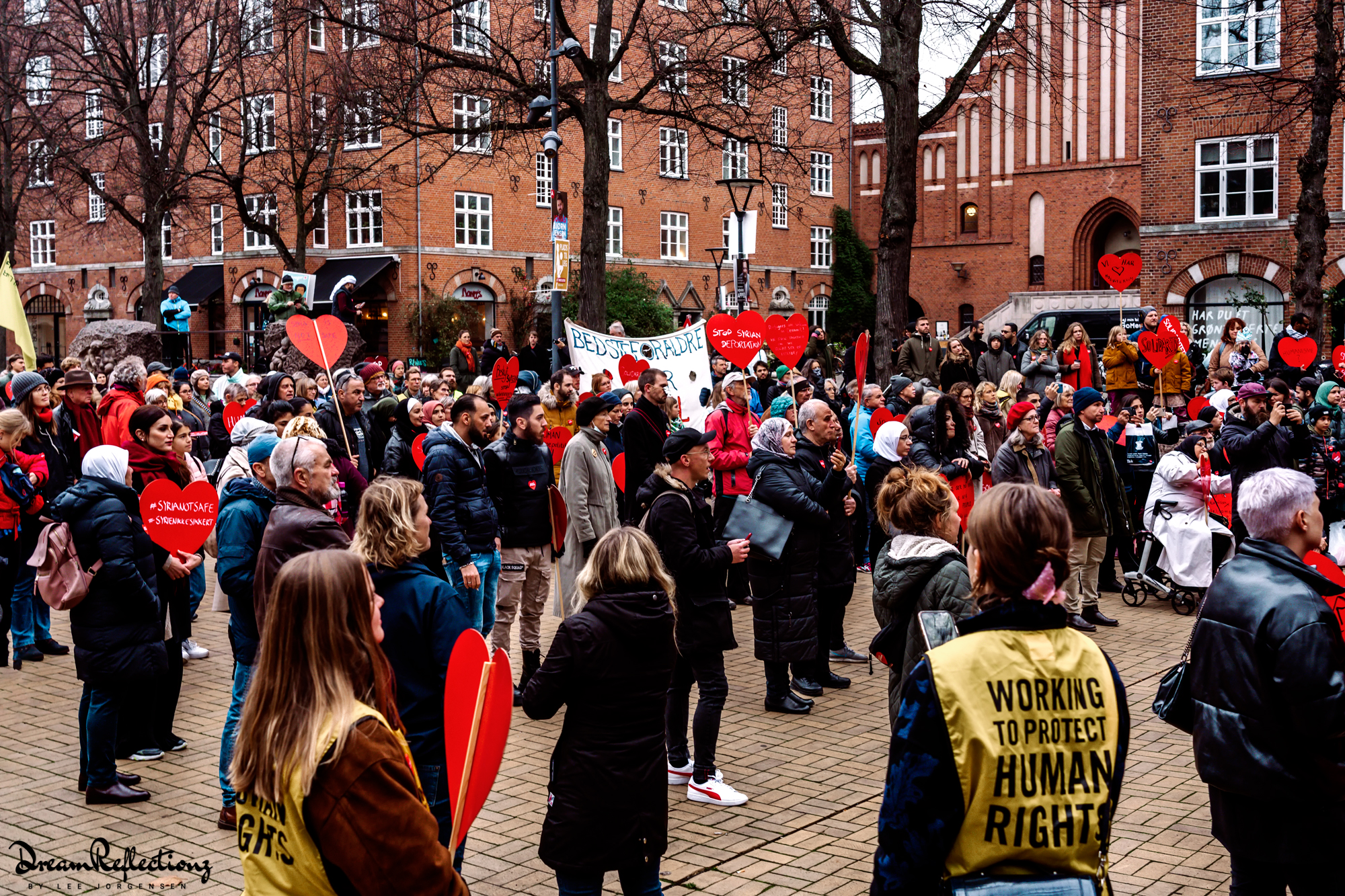
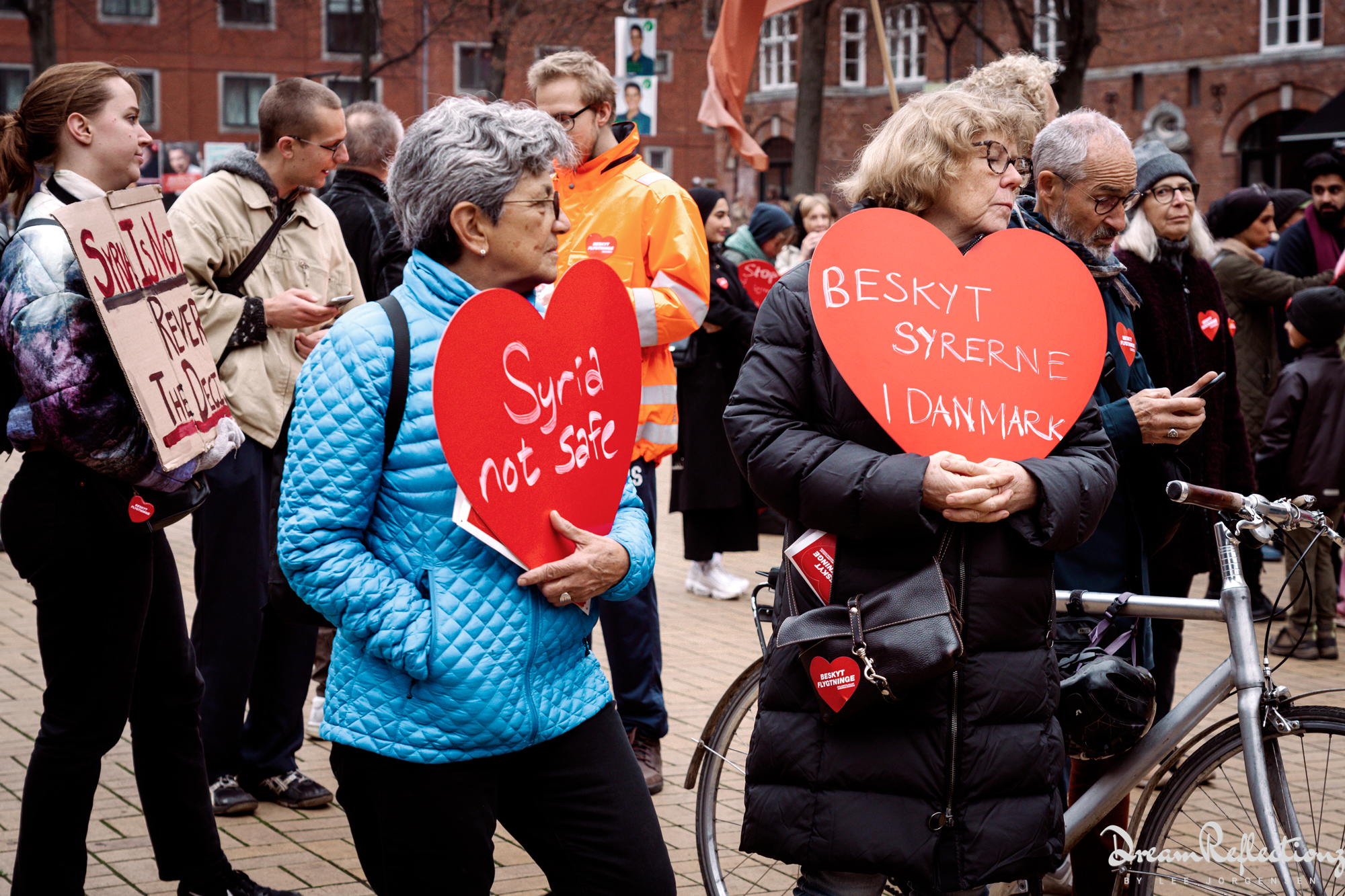
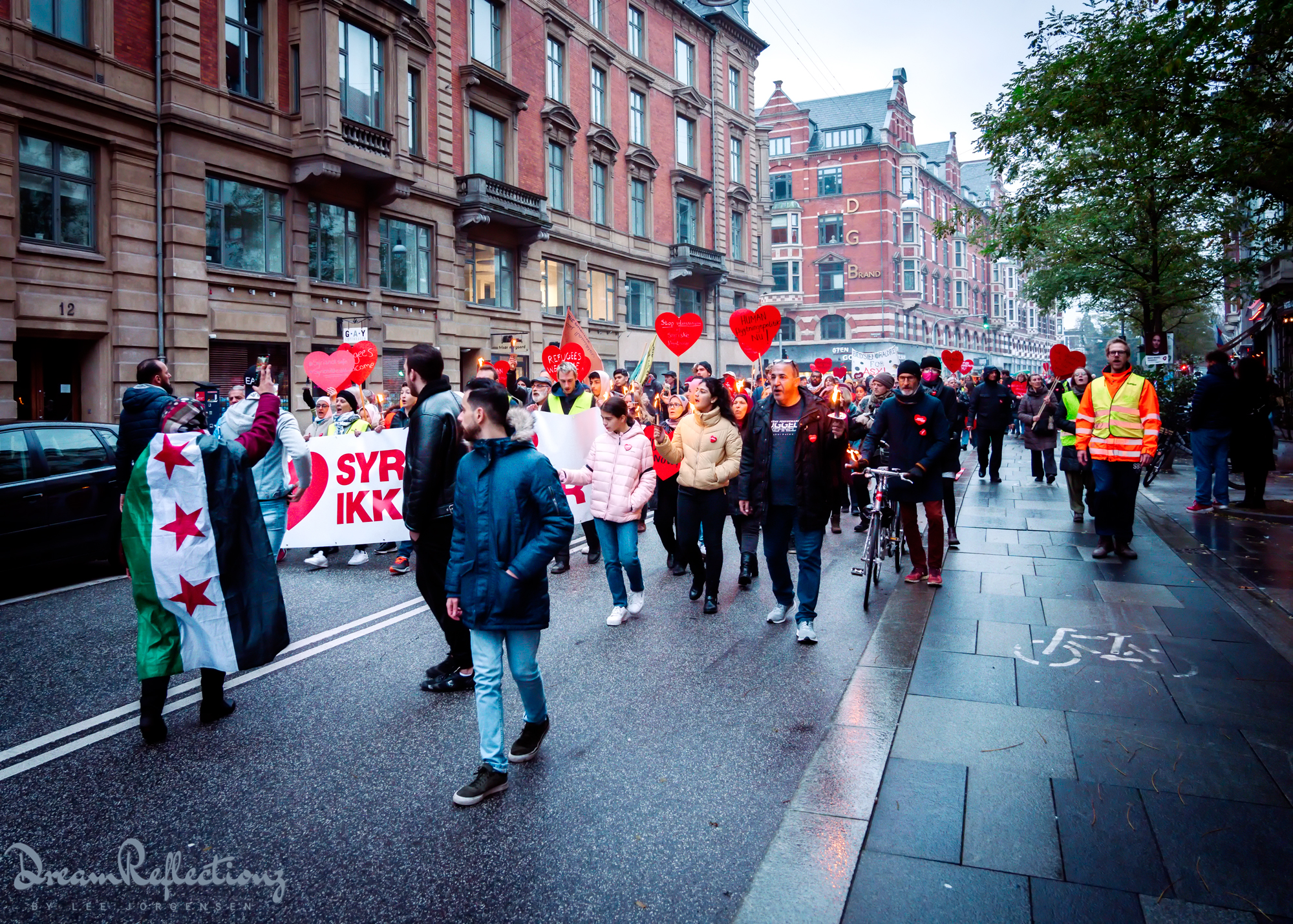
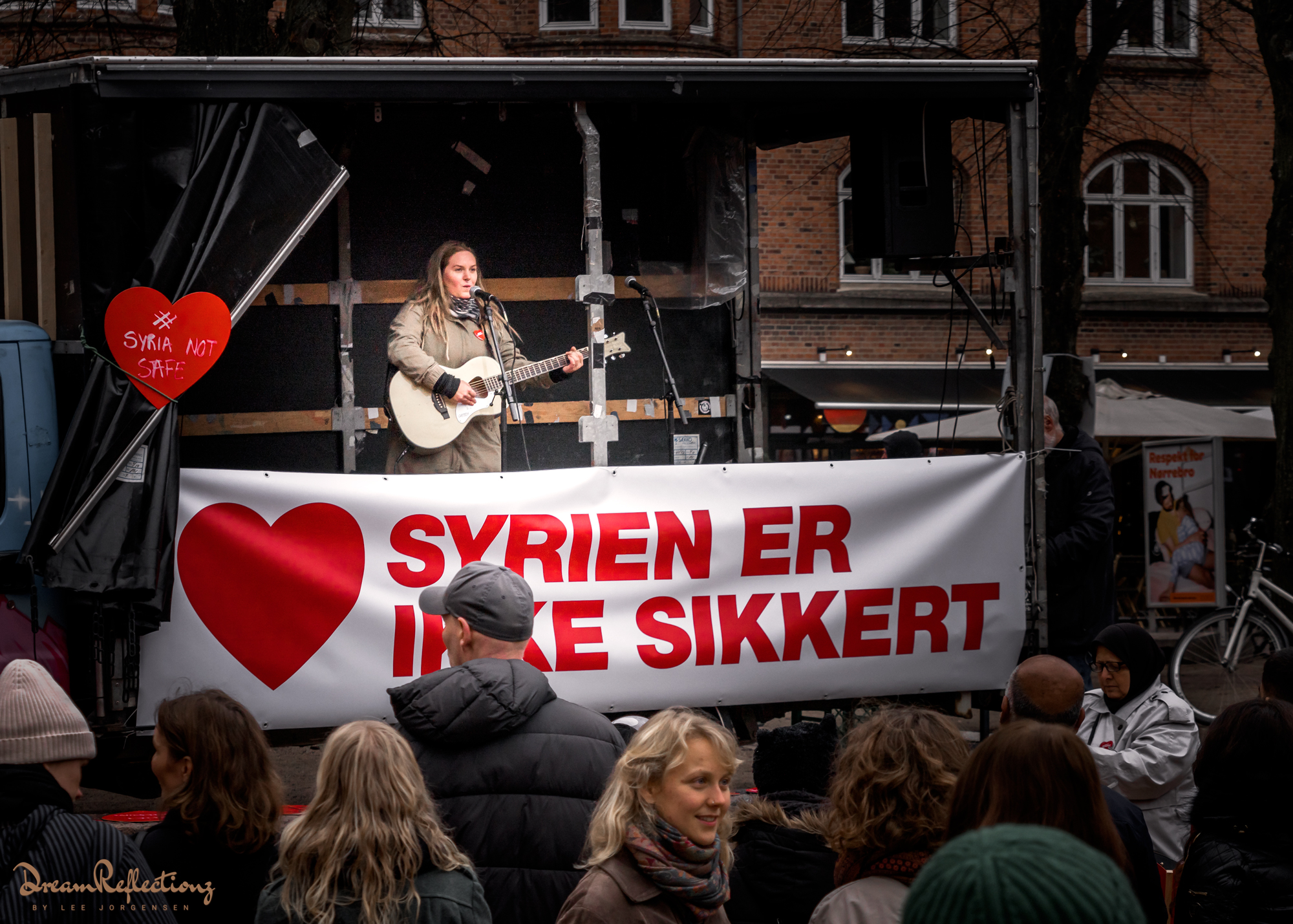
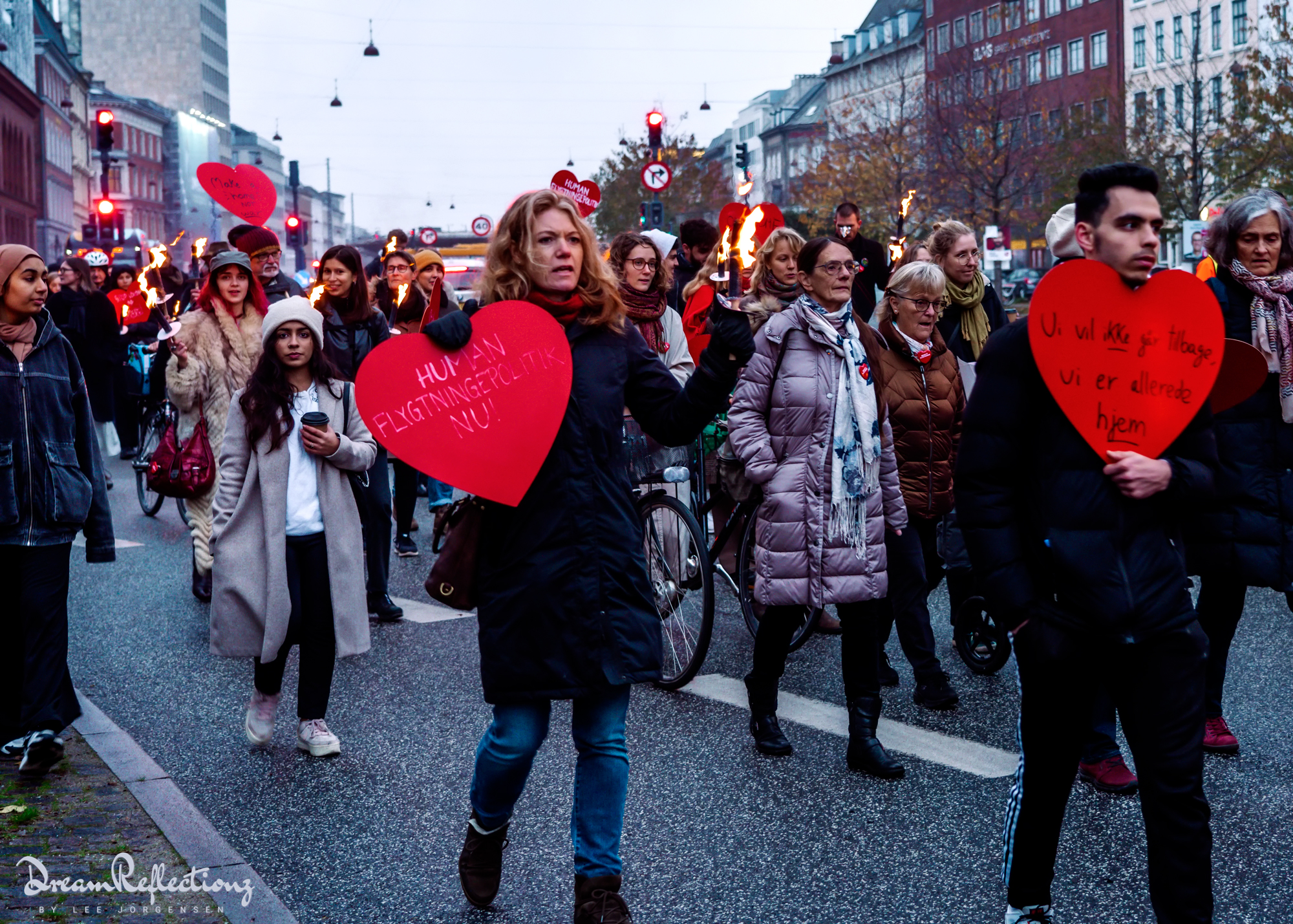
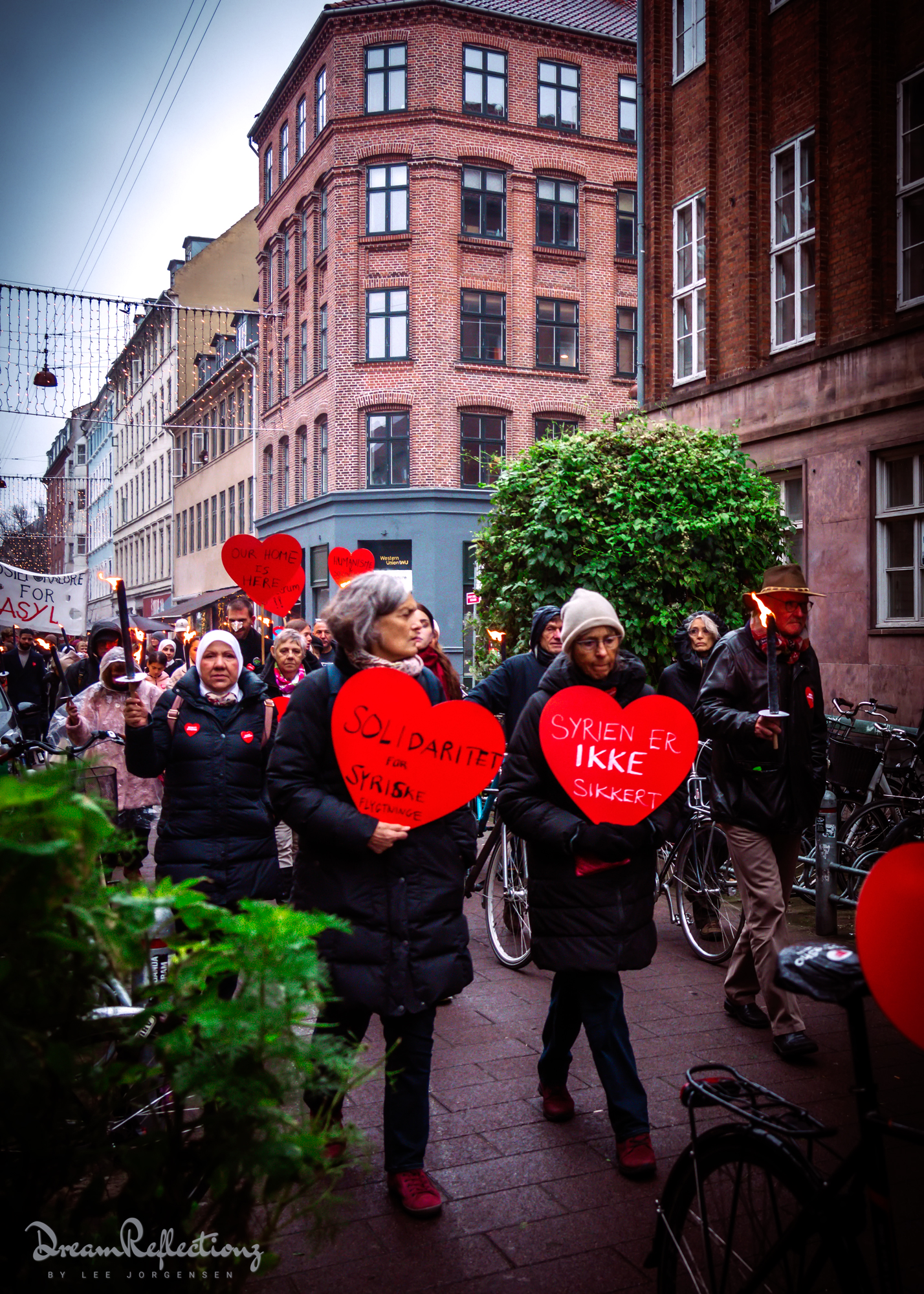
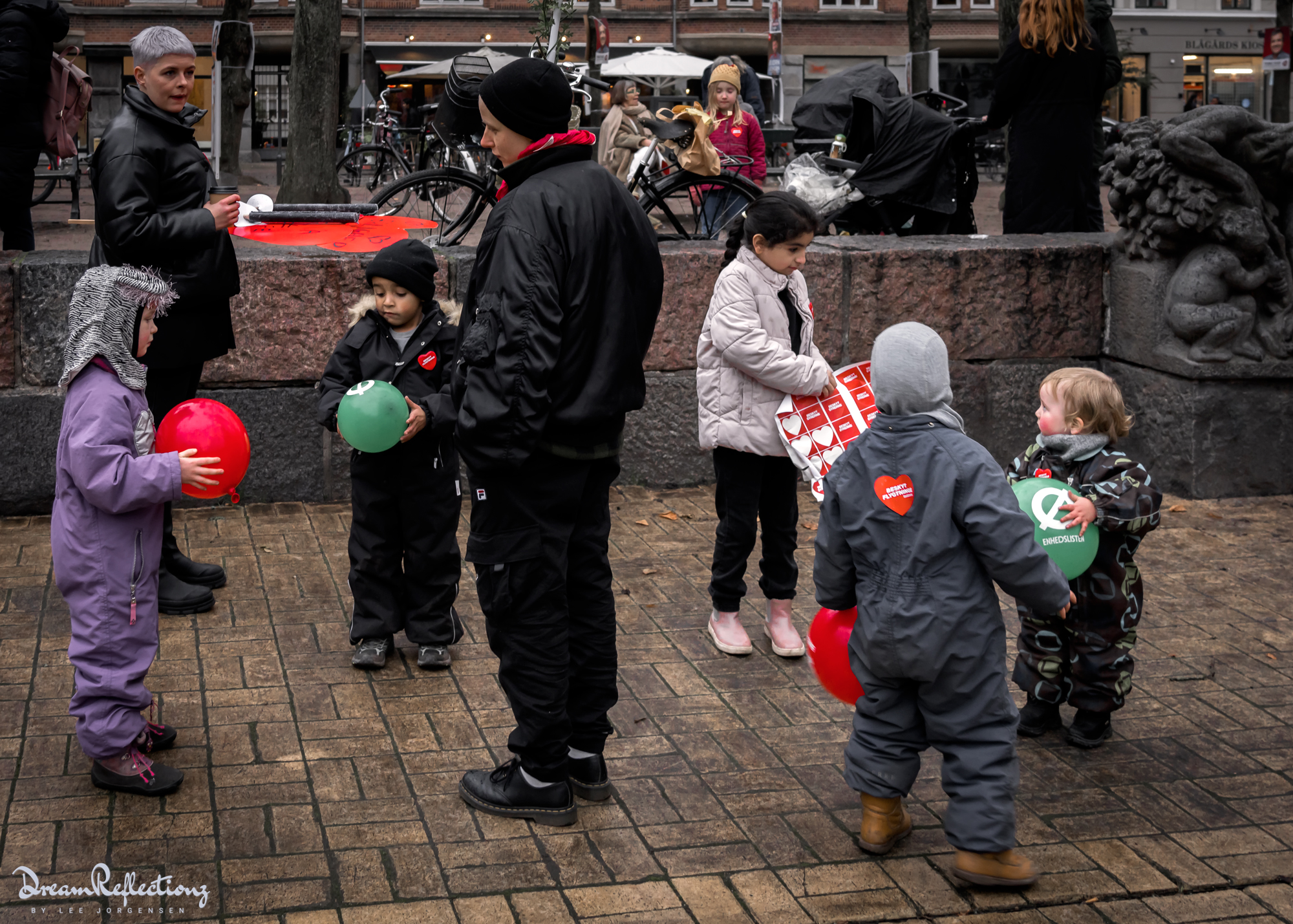
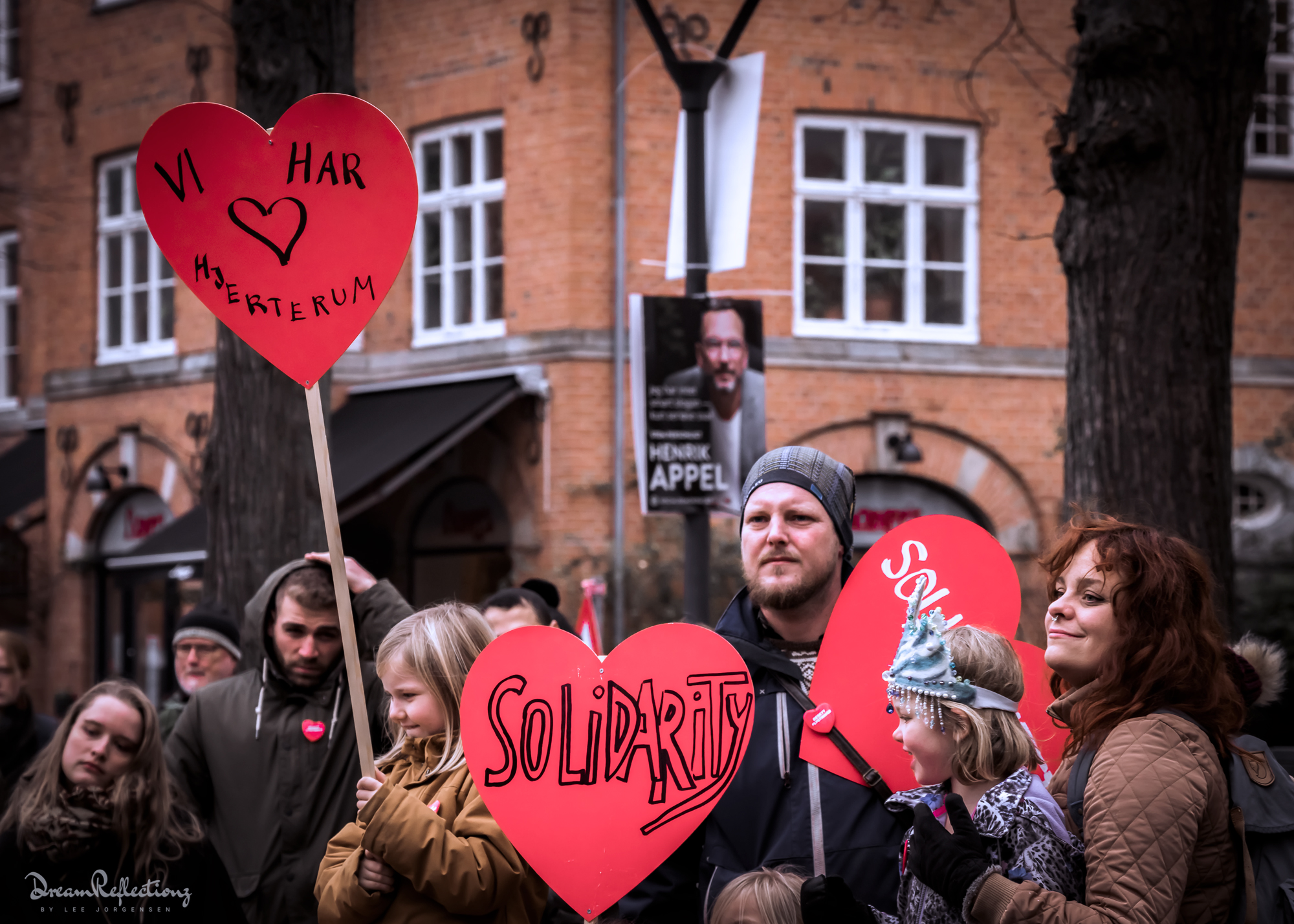
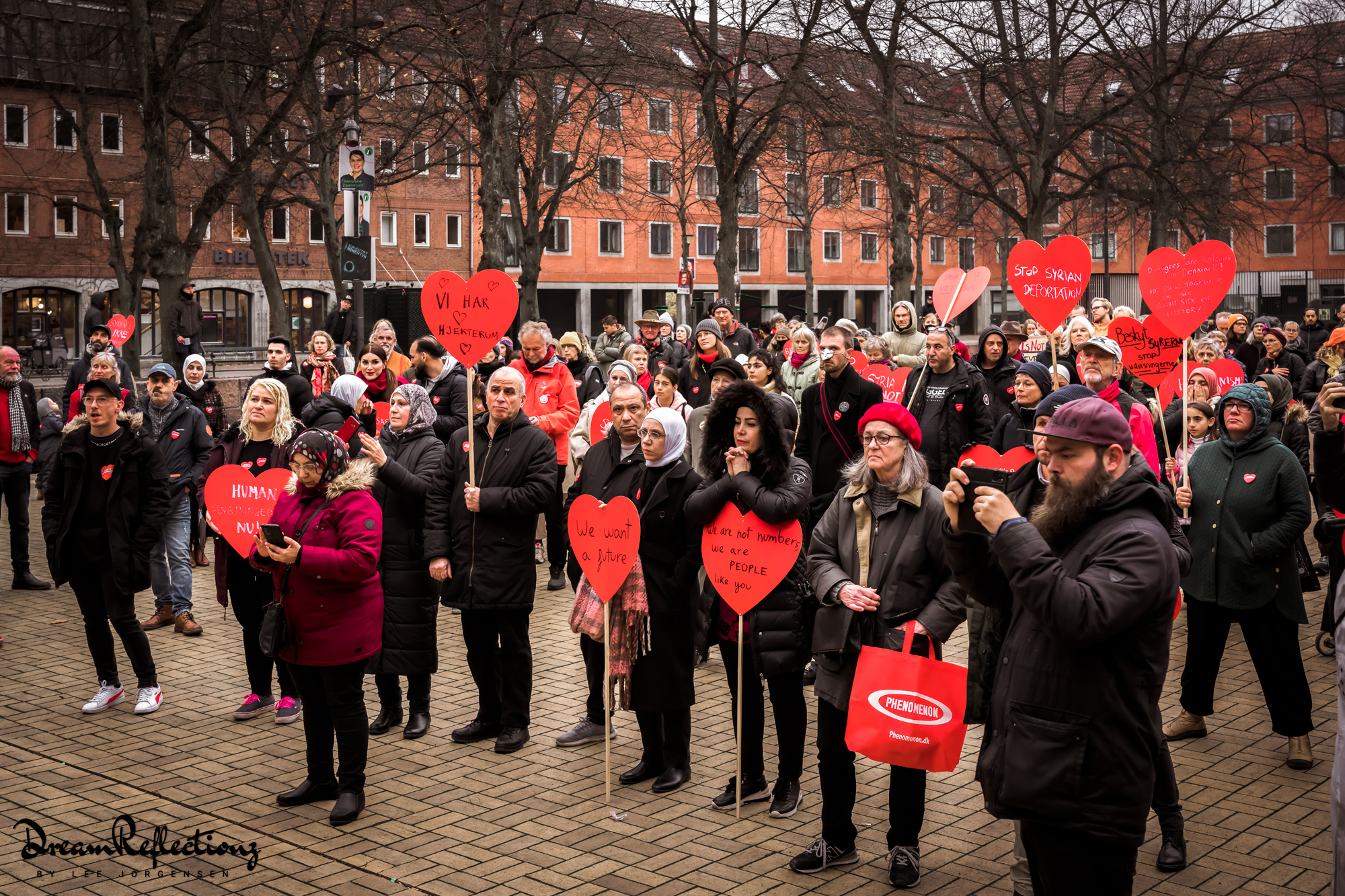
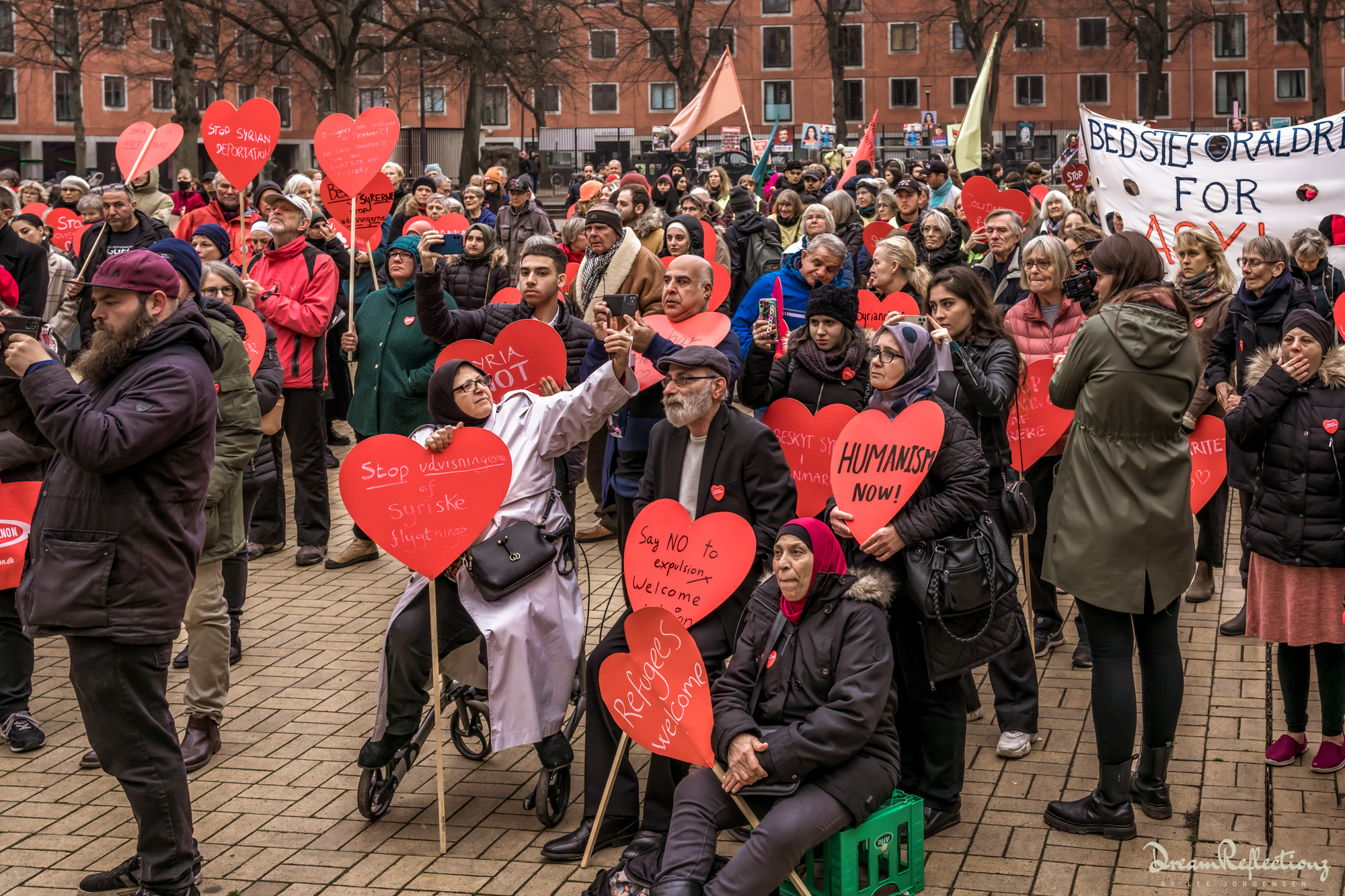
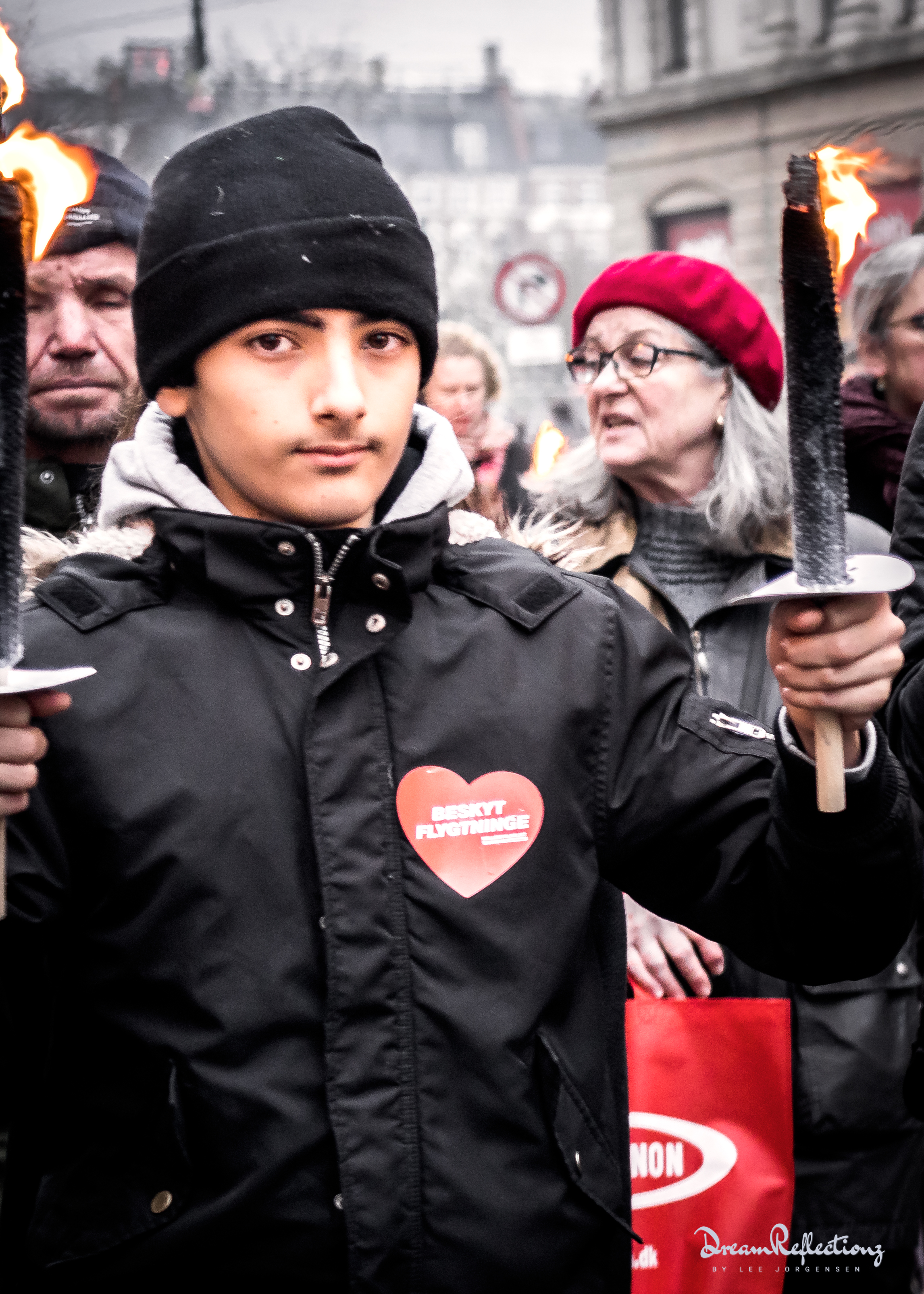
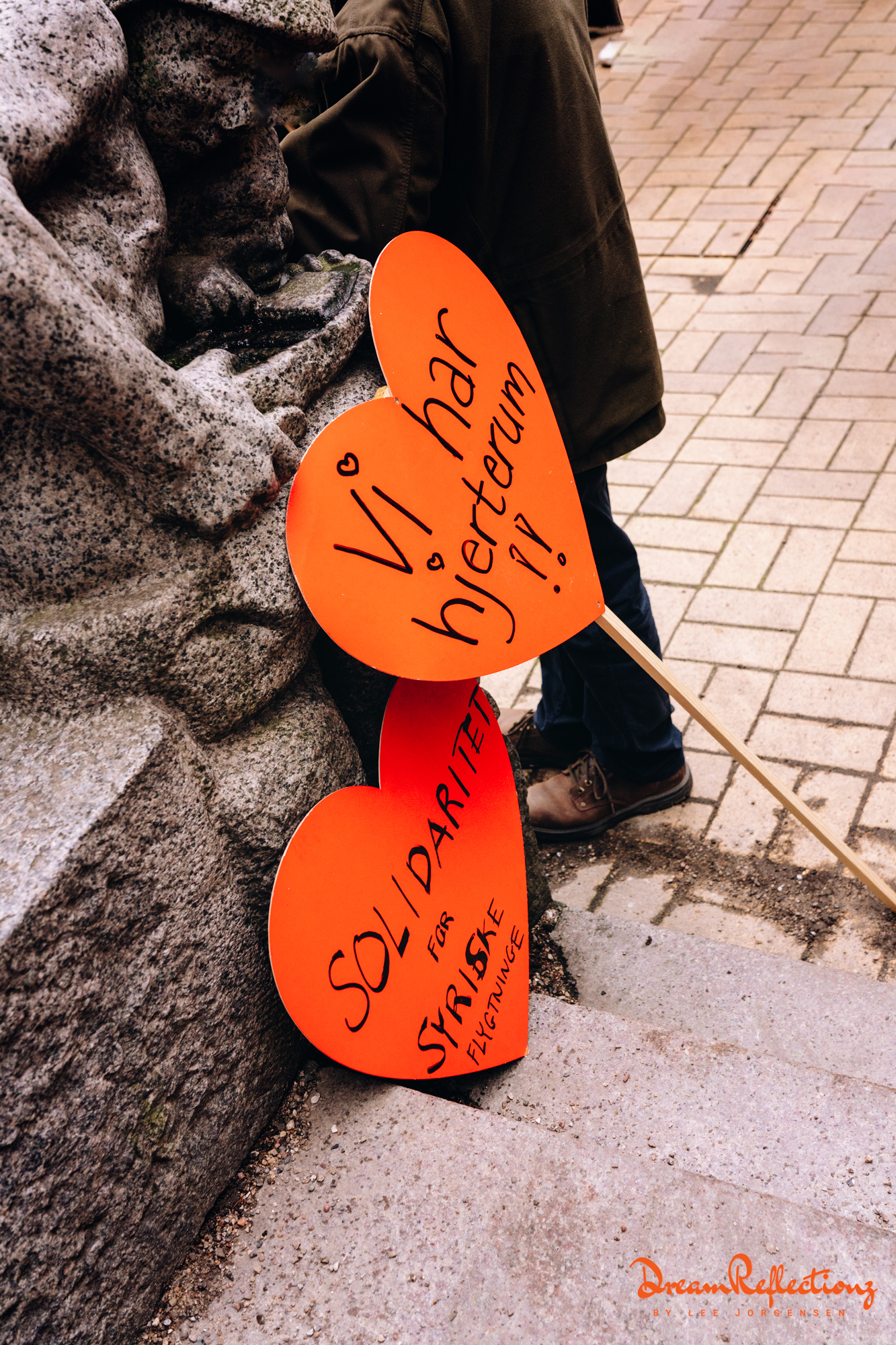
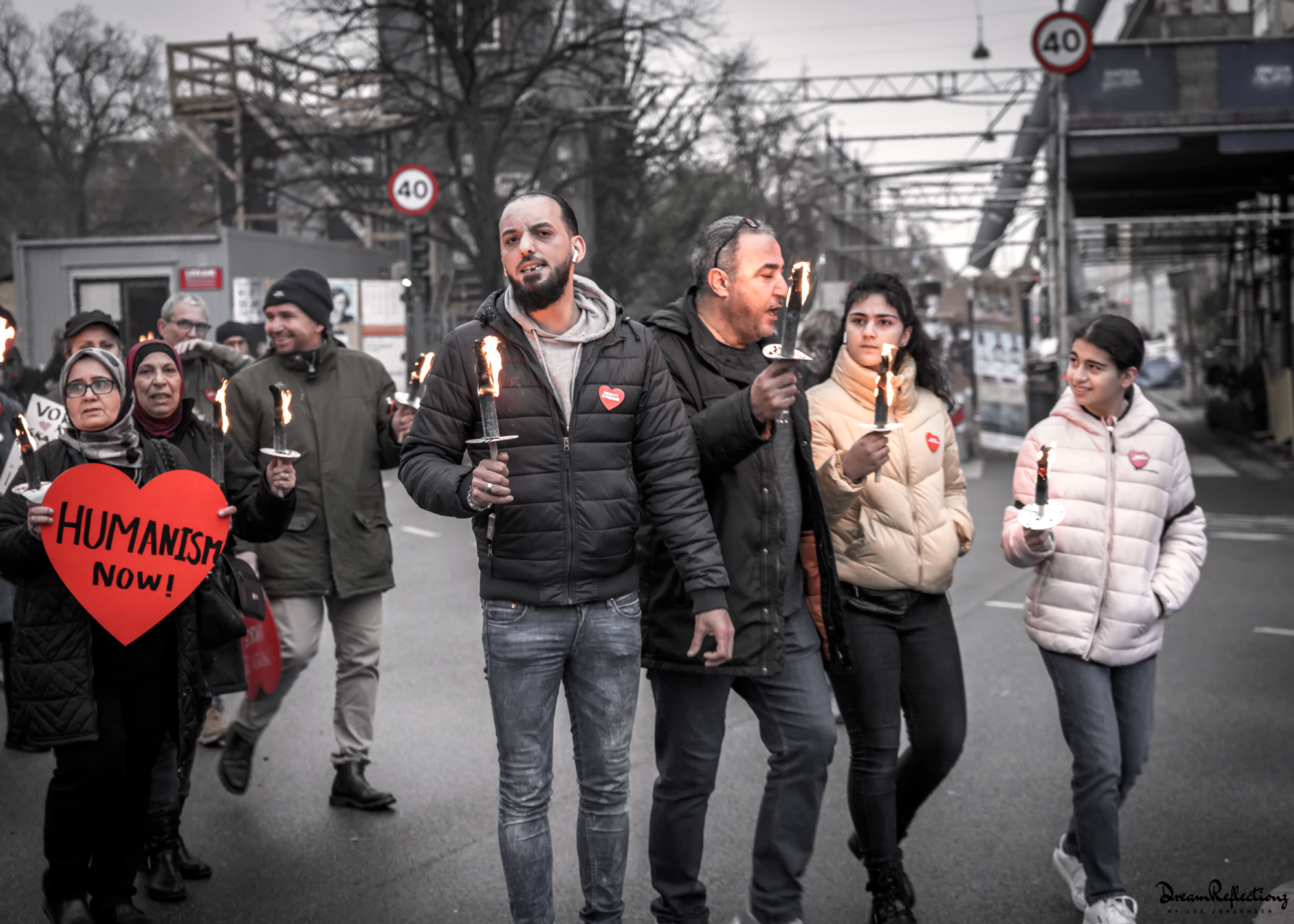
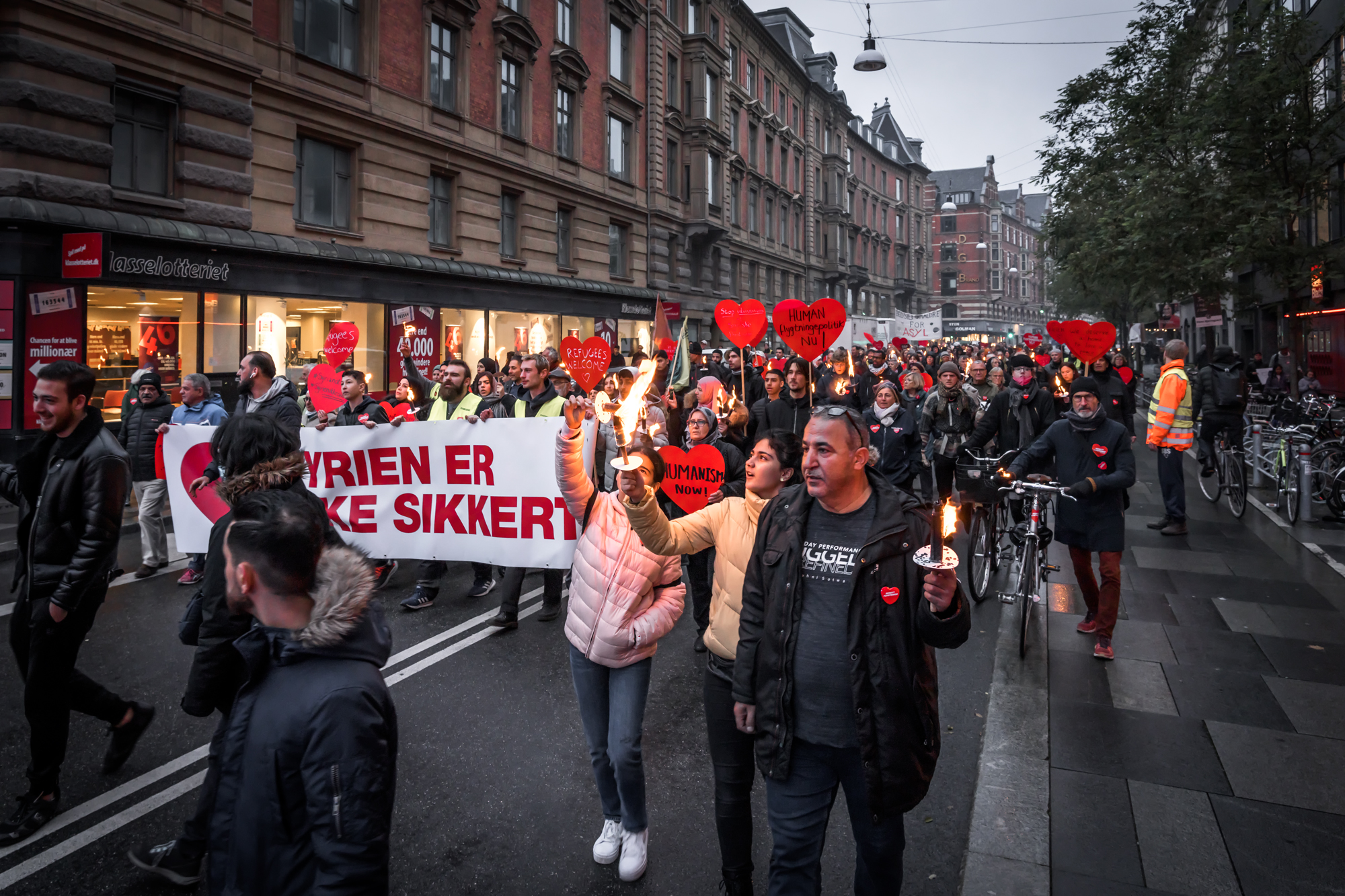
Stop the expulsion of Syrian Refugees!

More than 200 refugees have had their residence status revoked and given 60 days to leave Denmark. The Government claims that it is now safe for them to return to war-torn Syria and is kicking out people who have been leading productive and peaceful lives for many years and feel safe and at home in Denmark.

I attended the march organized by Mellemfolkeligt Samvirke yesterday. Whereas I always get very moved at occasions such as these, this hit me harder and on a more personal level. I realize that my leaving the United States after 23 years for political reasons pales in comparison with what these people are going through, but as a person who has been a foreigner for 97% of my life, I can relate. The big difference is that, as a Danish citizen, I was able to waltz into a country that I left 37 years ago and that is safe and peaceful. These people, often children, are being sent back to a hellhole of war, torture and dictatorship. I fully realize how unbelievably lucky I am, but my heart is aching for these fellow human beings.

What saddened me the most were the children. Young people who have found a new and happy life in Denmark with friends, health care and education. Some of them stood up and held speeches that had me in tears. I wish I knew their names and I wish I could help. No human being should have to be yanked from a safe future to a life of uncertainty and fear. Denmark is a rich country and can afford to keep them here. It used to be a tolerant and welcoming country – what happened?

We need to raise awareness to put pressure on the Government NOW. A 14-year old boy is scheduled to be sent to a Deportation Center on the 19th of November. That is 5 days from now and he is terrified. Please help! Share my photos, use Social Media, keep marching and contact your local politicians – the municipal election is on Tuesday!

Thank you for listening and for caring.

(I am usually too self-conscious to publish photos that are this grainy and fuzzy due to the low light, but decided to swallow my pride and focus on the message. If anybody would like these photos, please contact me and I will donate them).

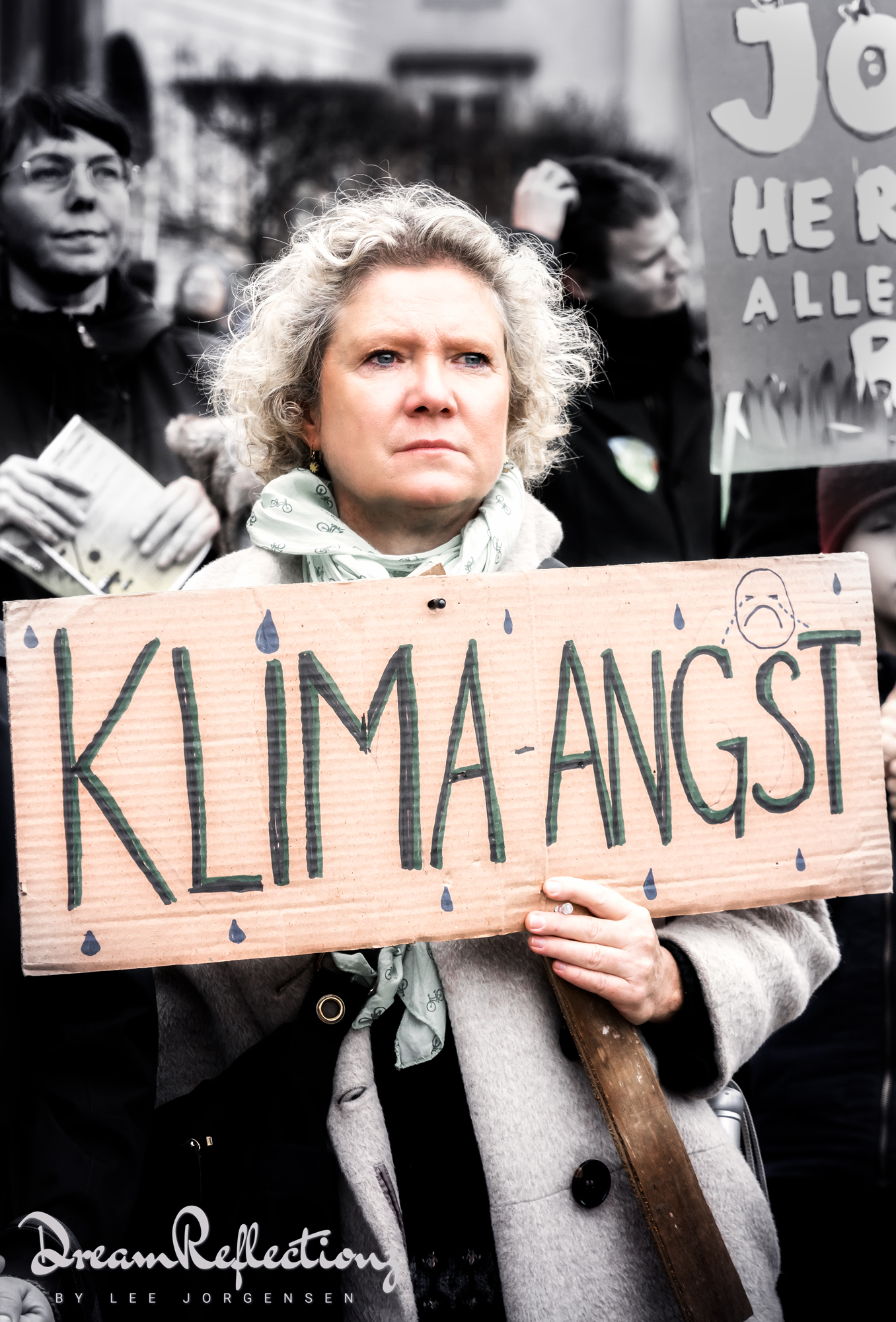
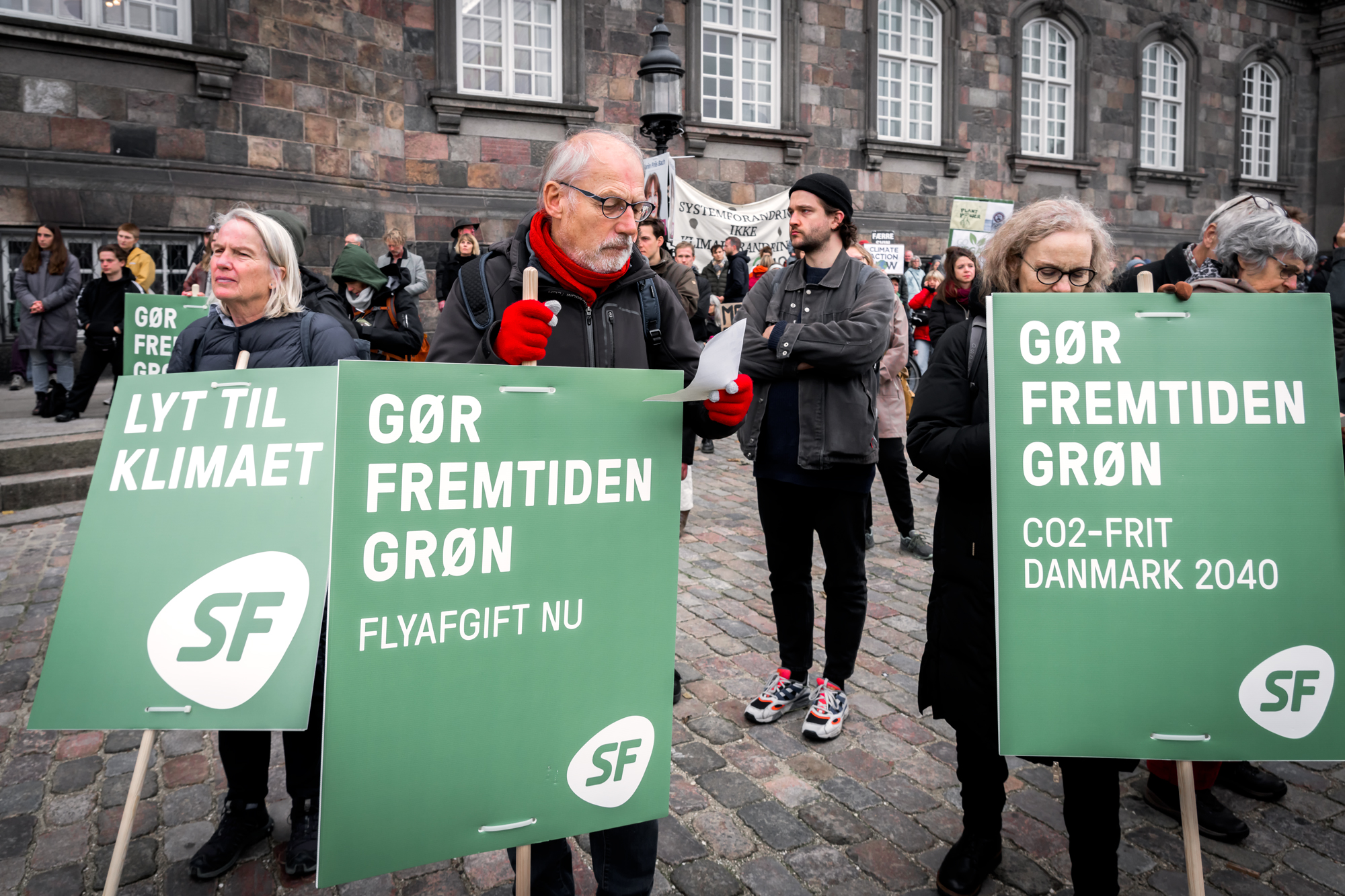
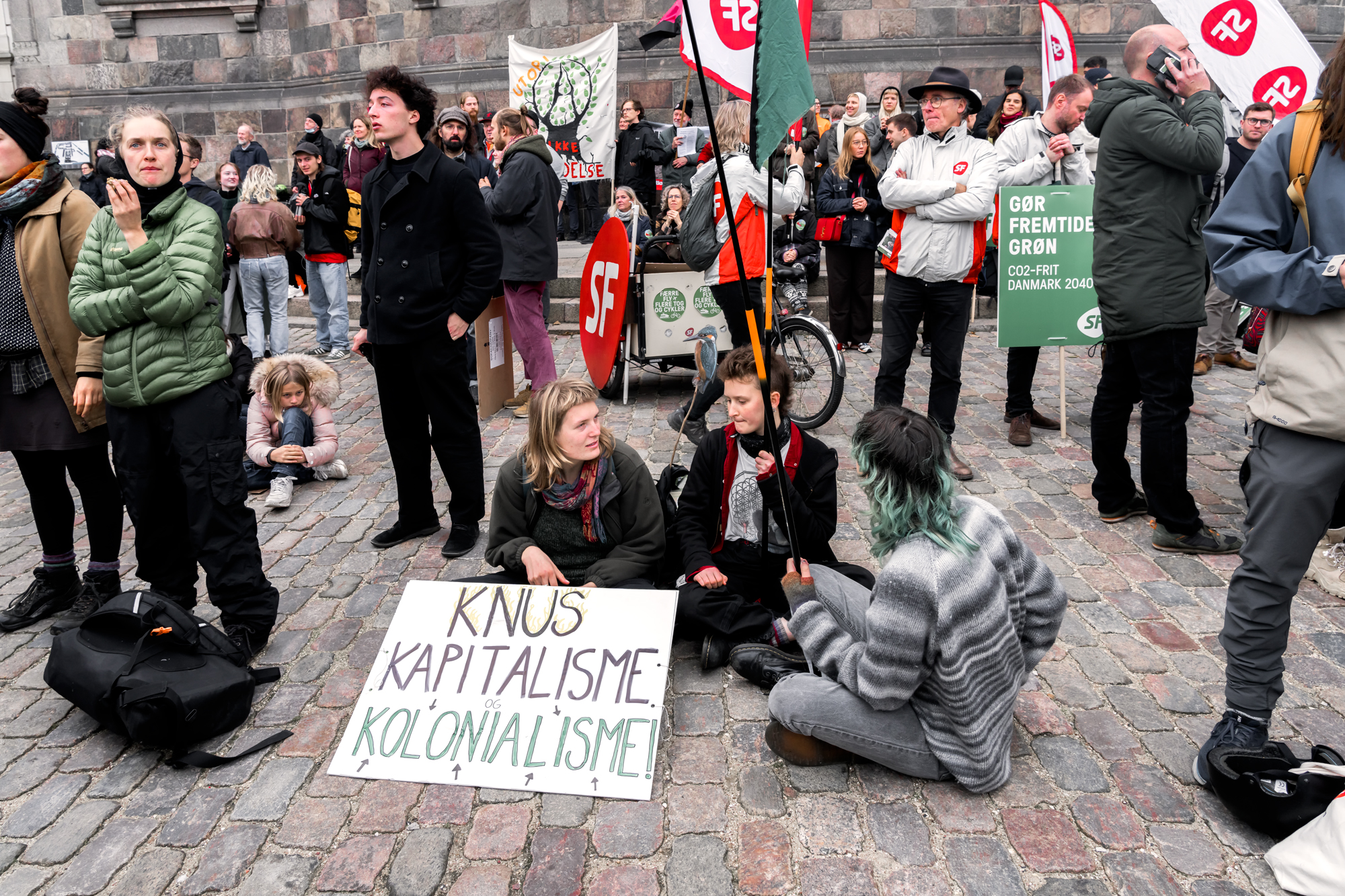
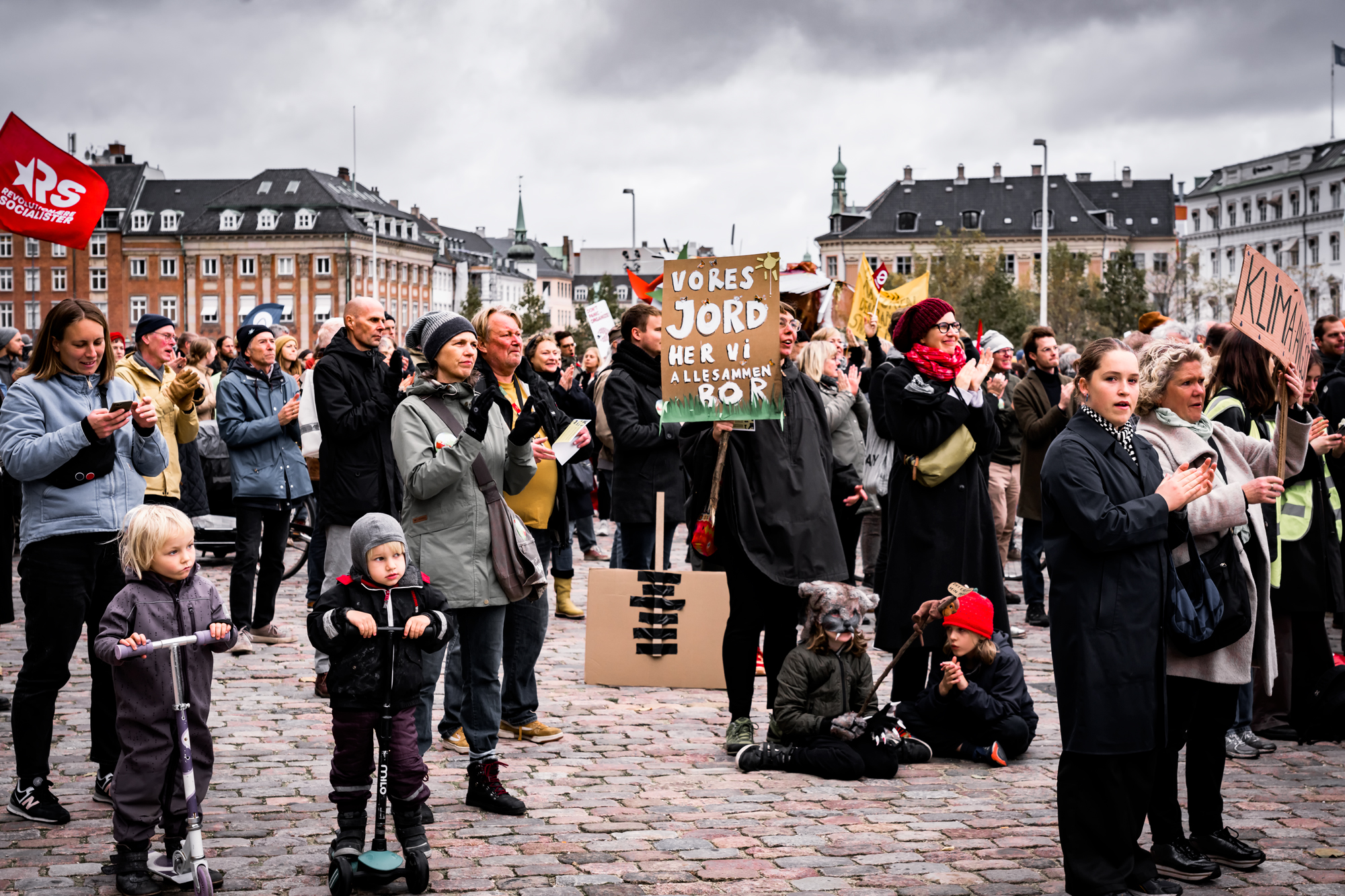
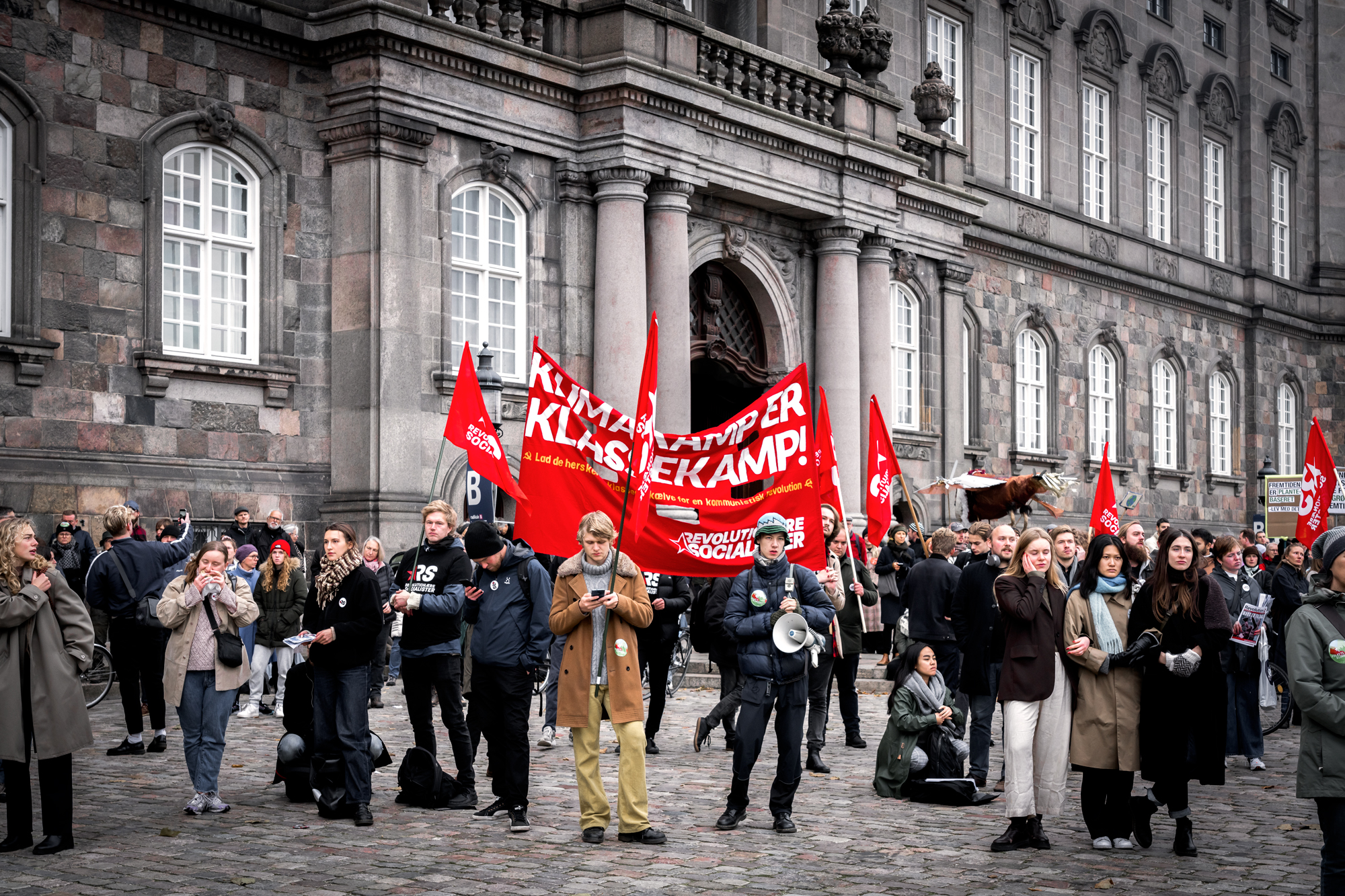
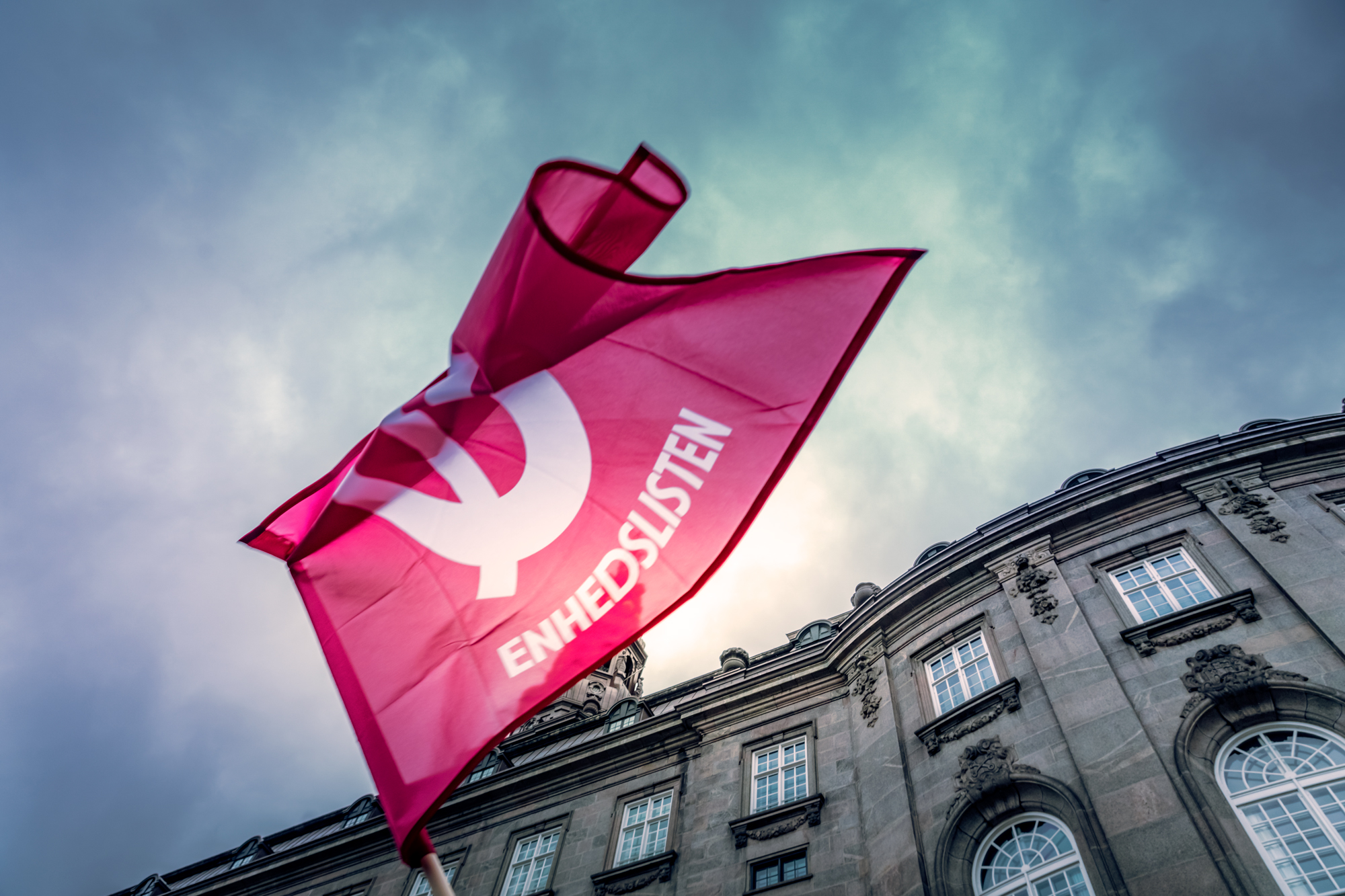
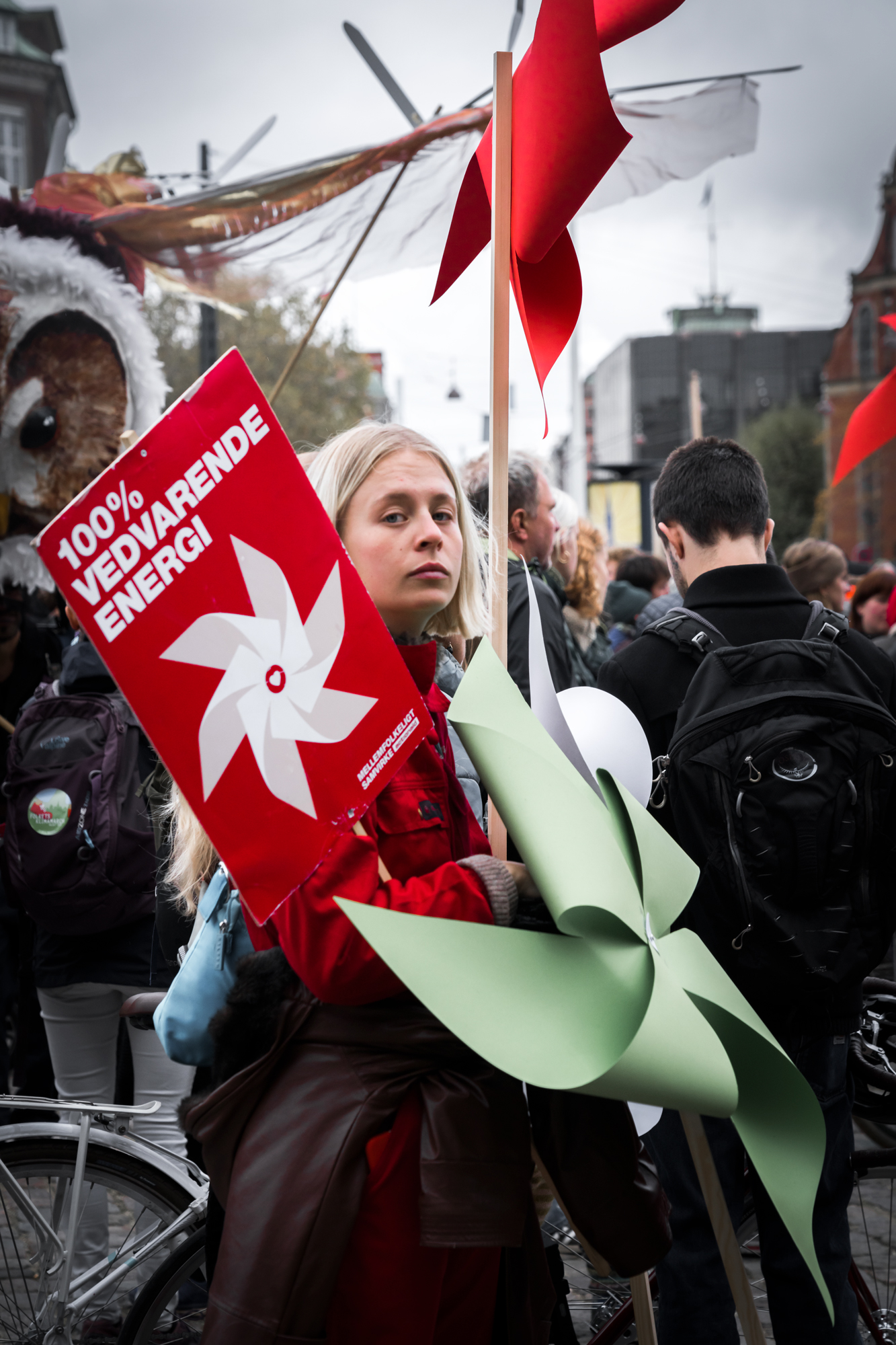
Climate March in Copenhagen

I cannot believe that we yet again have fight for the right to inhabit a planet without toxins, poisons and destruction. While the summit in Glasgow went on, people across the globe mobilized to get heard by governments and businesses that fail to fully understand or simply acknowledge the severity of the times we are in. Ice is melting, oceans are rising while certain parts of the world will become uninhabitable due to lack of water and fresh air. Food supply will dwindle and we will see a mass exodus from corners of the planet where life as we know it is no longer possible. Yet, we fail to plan ahead for that inevitability and continue to look down upon and fear refugees. What other species on the planet would achieve this level of self-destruction?

The fact that I have no children of my own is to me completely irrelevant and I see red when people use this as an excuse to not care. Should we not simply care about the only planet that we know, treat it with the utmost respect and care for our fellow human beings?

To quote somebody who clearly is more in tune with nature than most of us:

“Only when the last tree has been cut down, the last fish been caught, and the last stream poisoned, will we realize we cannot eat money.”

― Cree Indian Prophecy

Tivoli Gardens on Steroids!

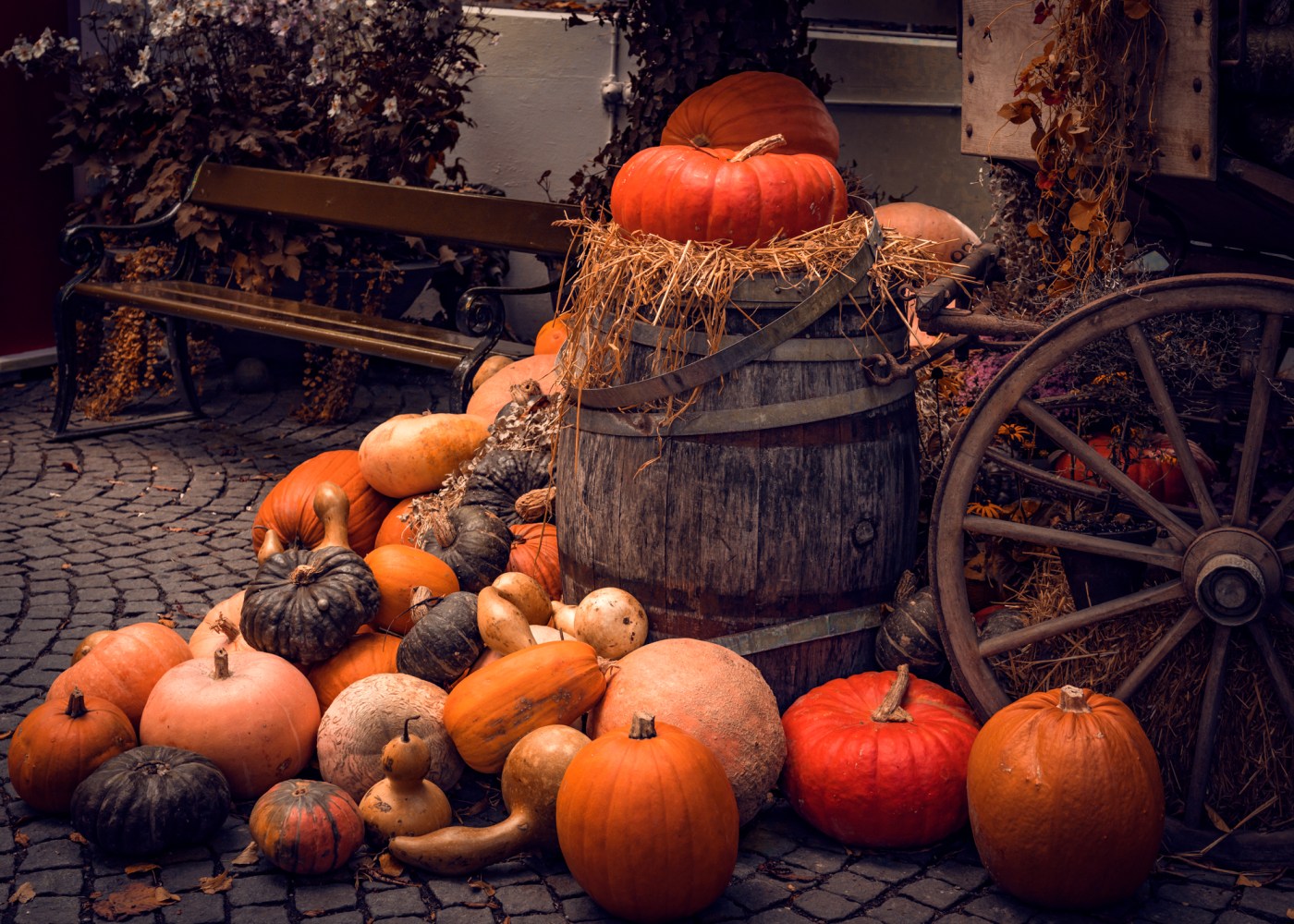
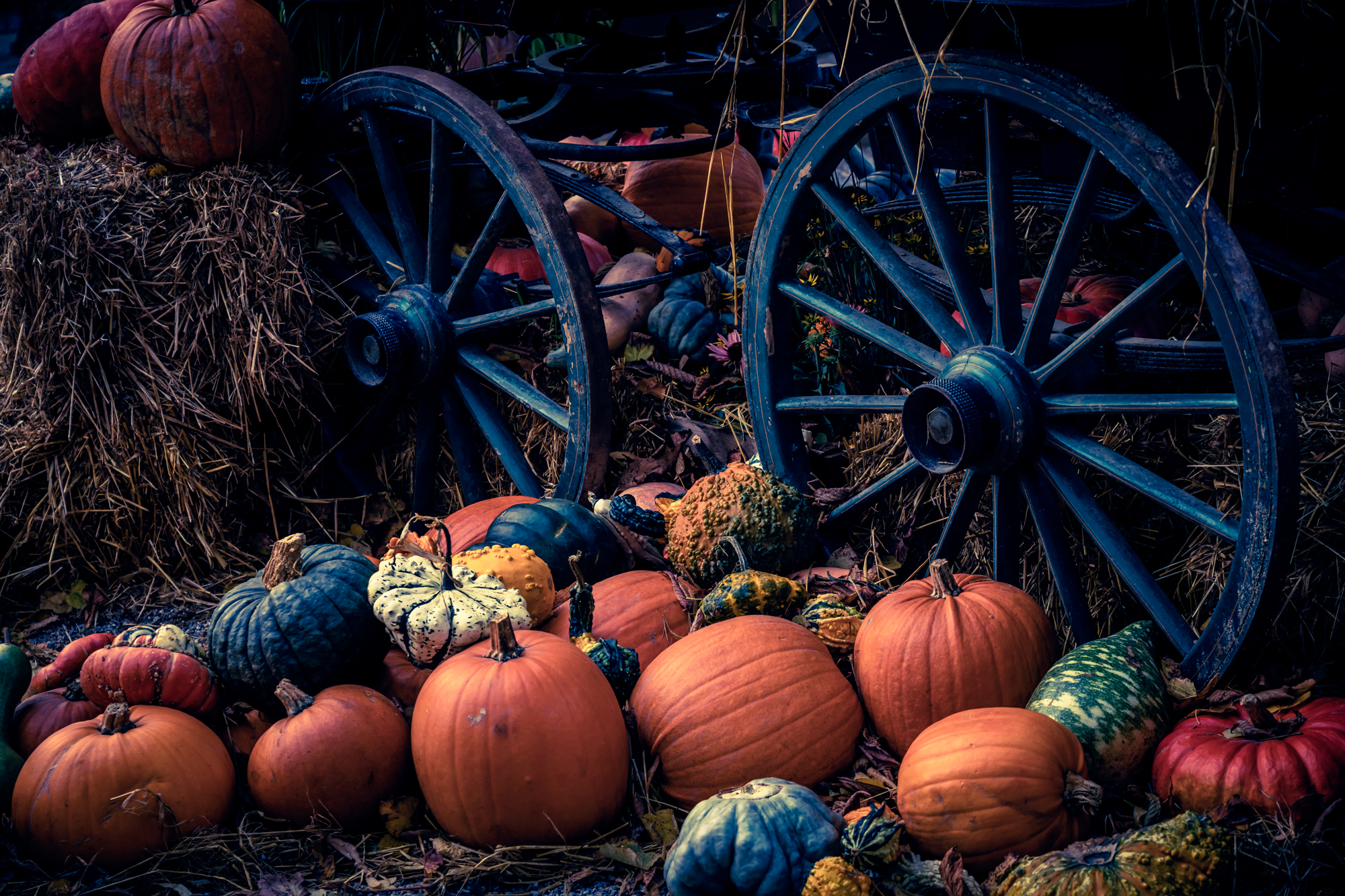
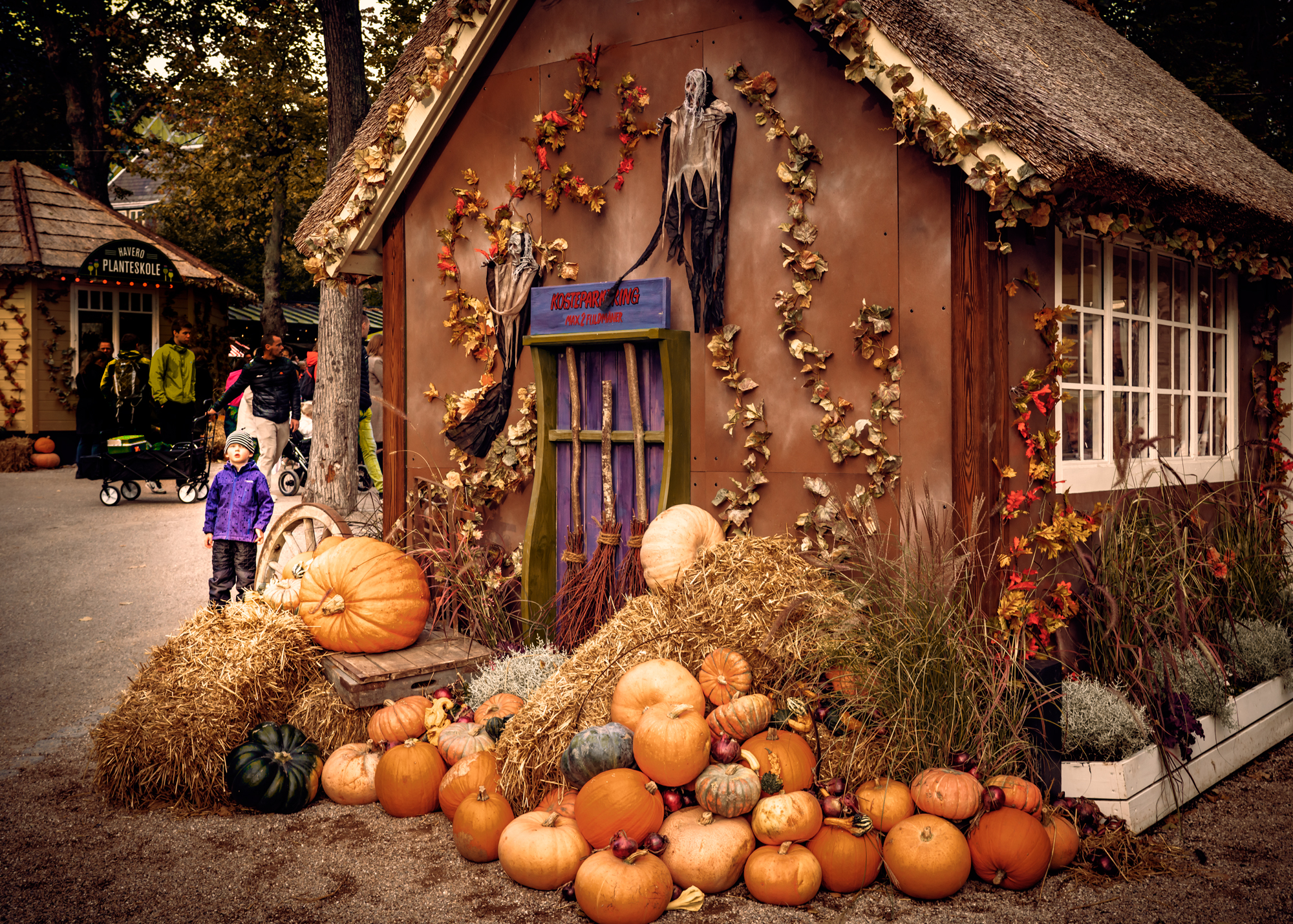
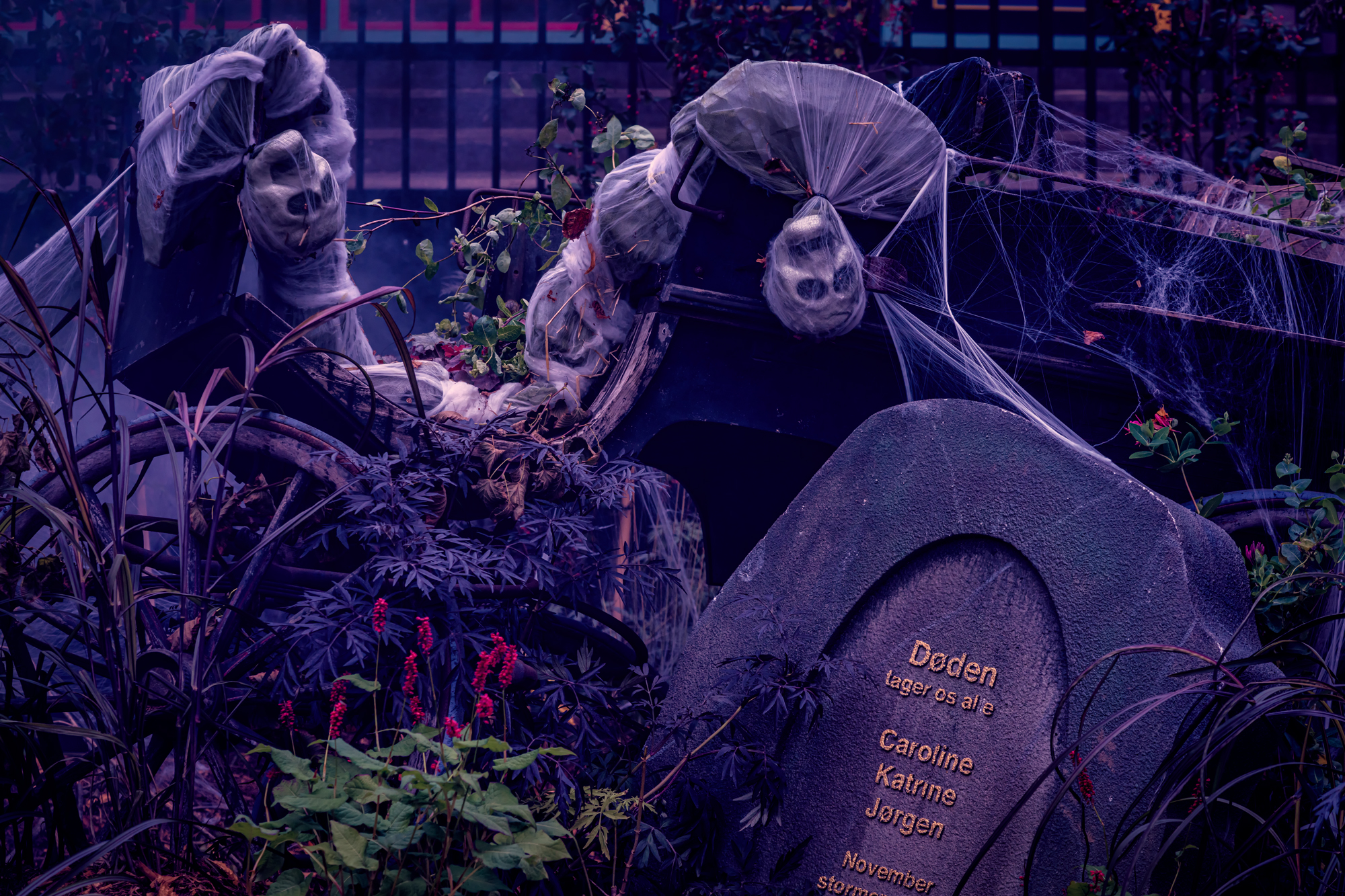
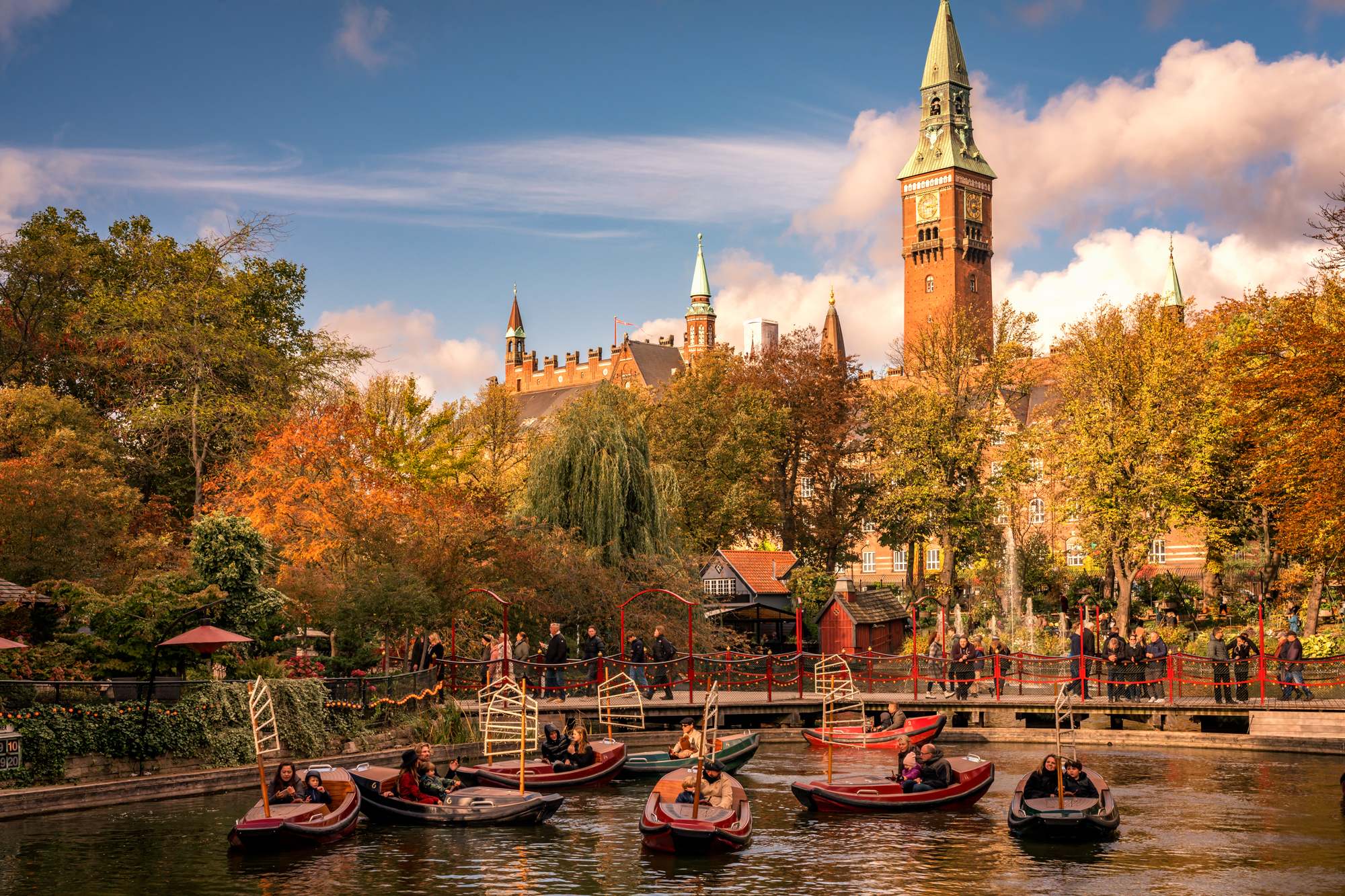
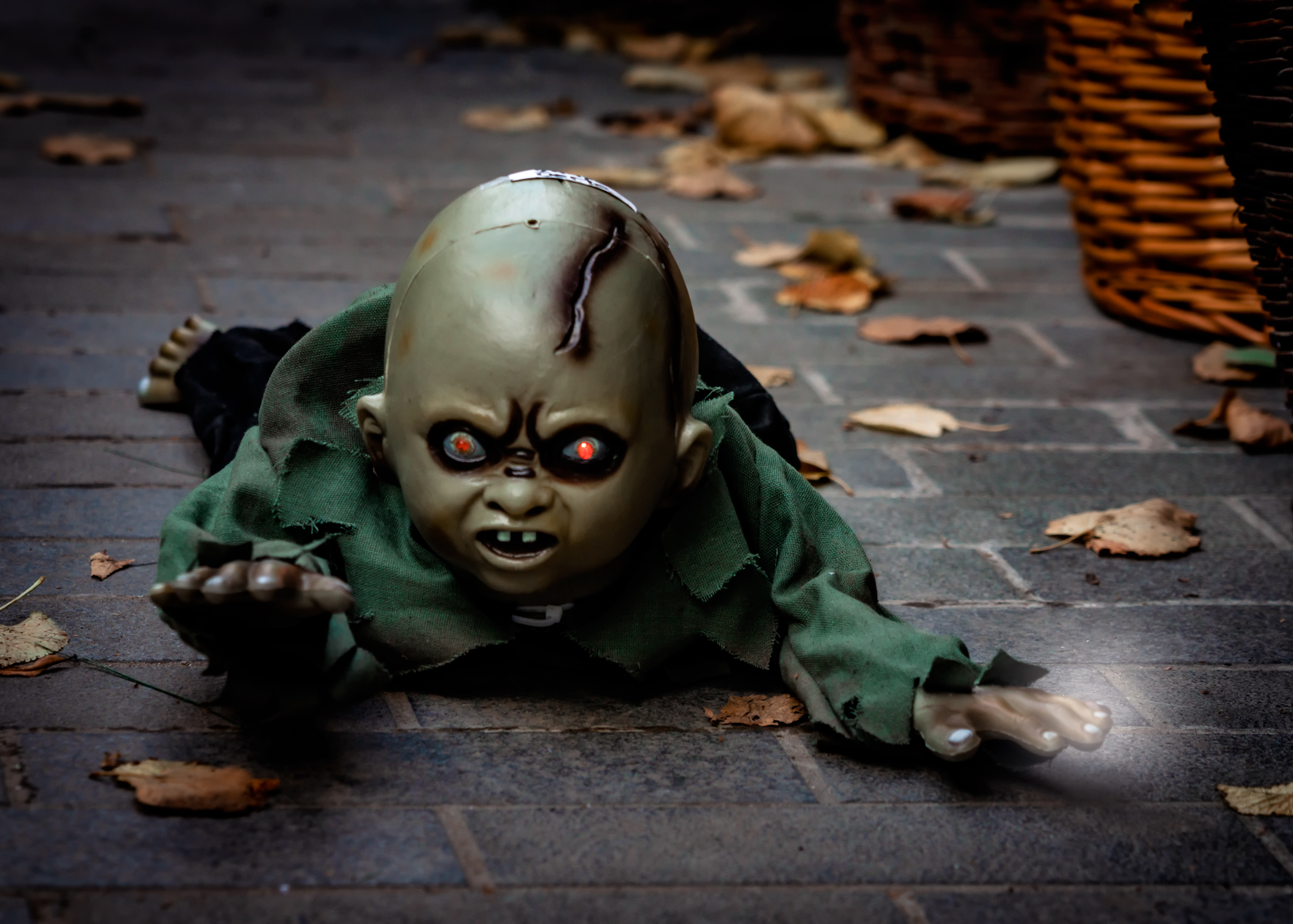
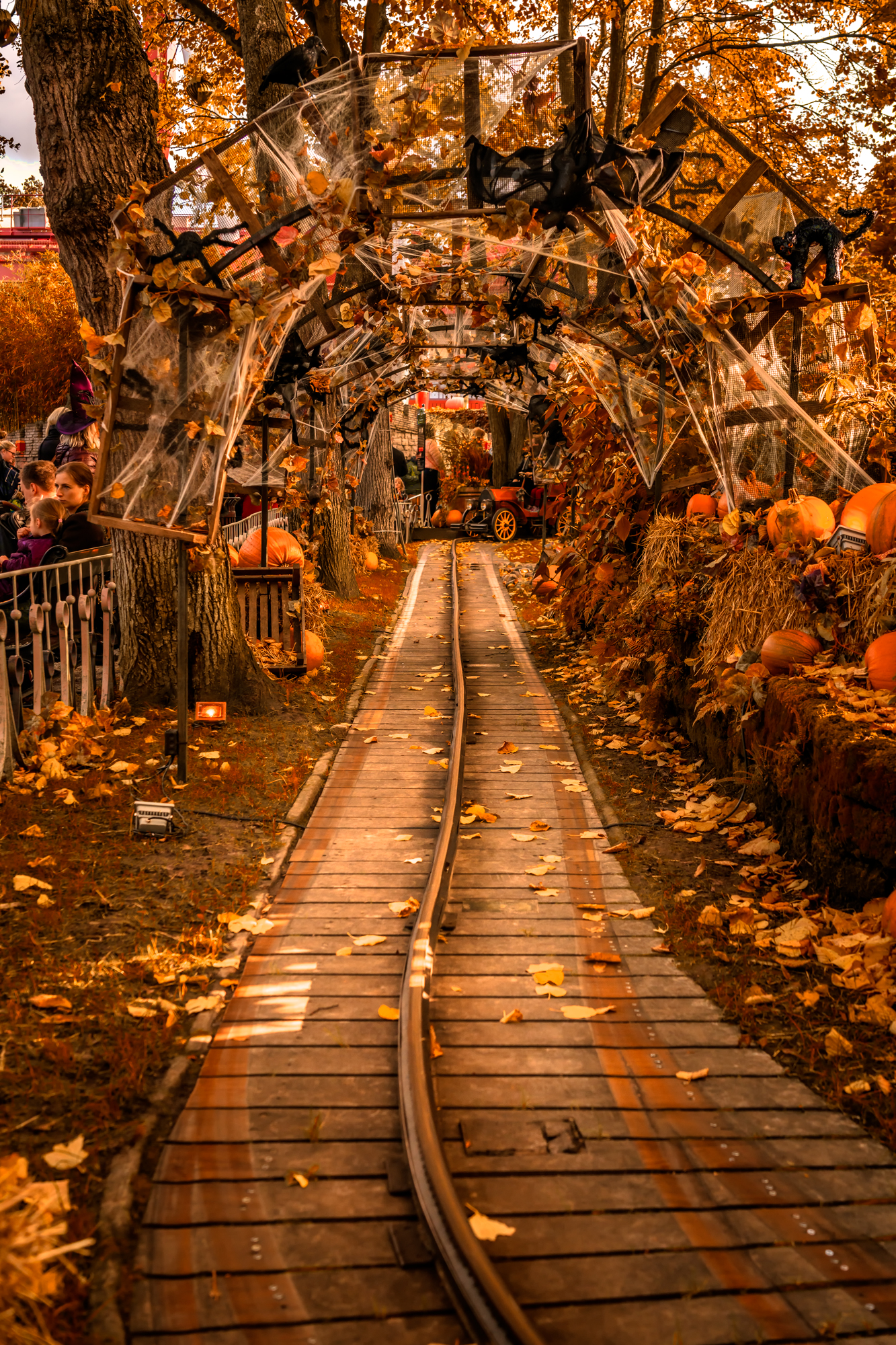
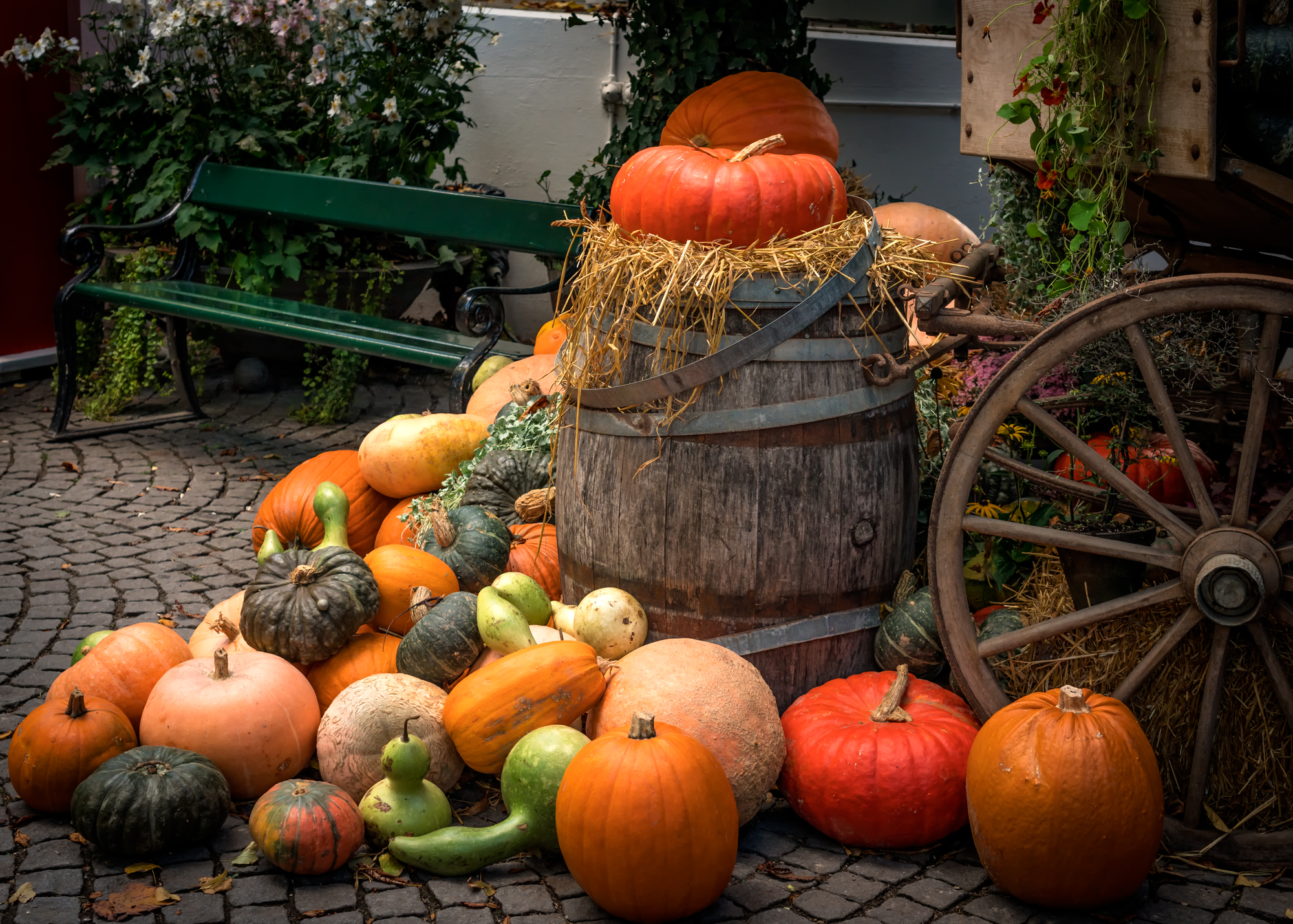
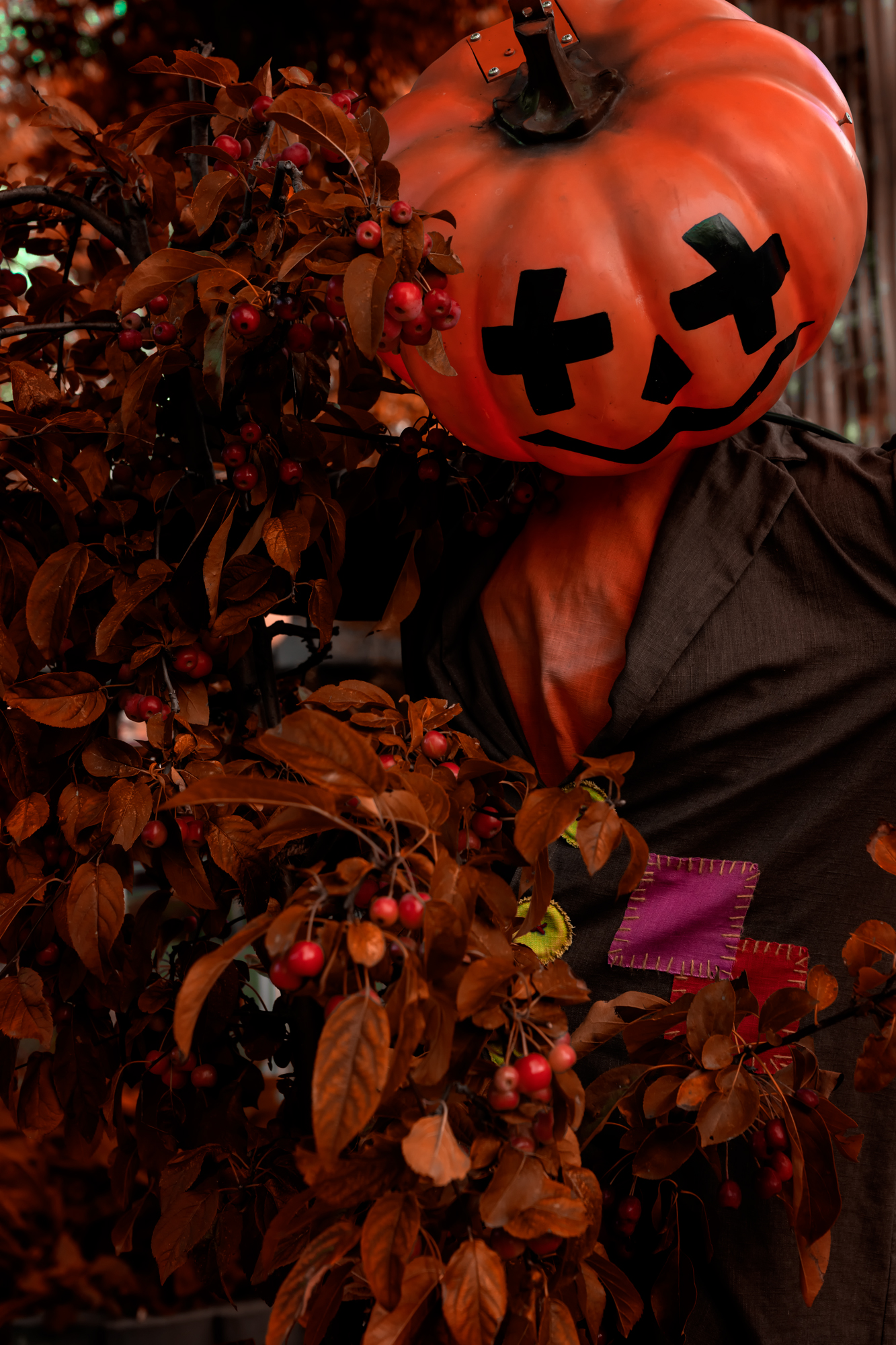
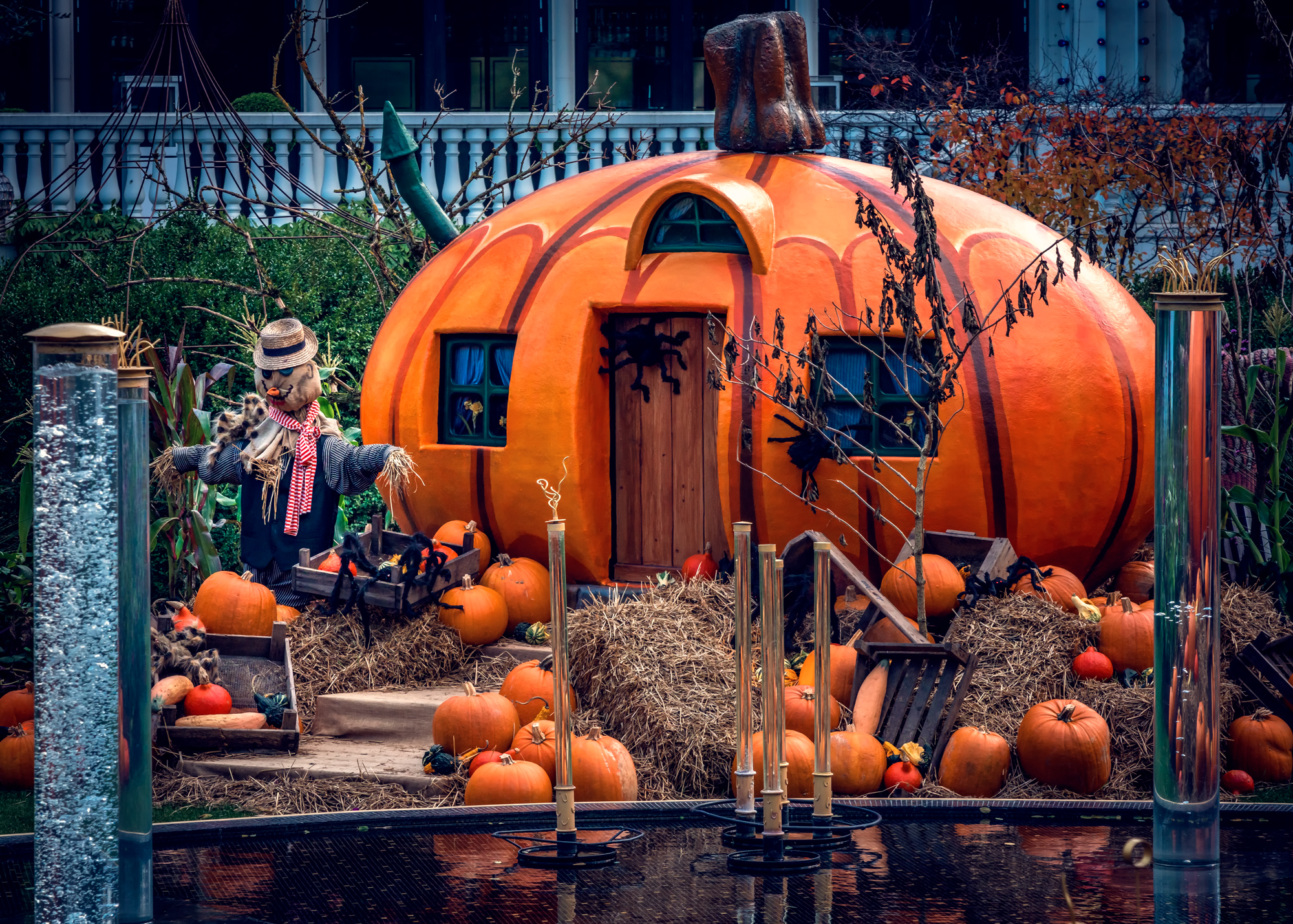
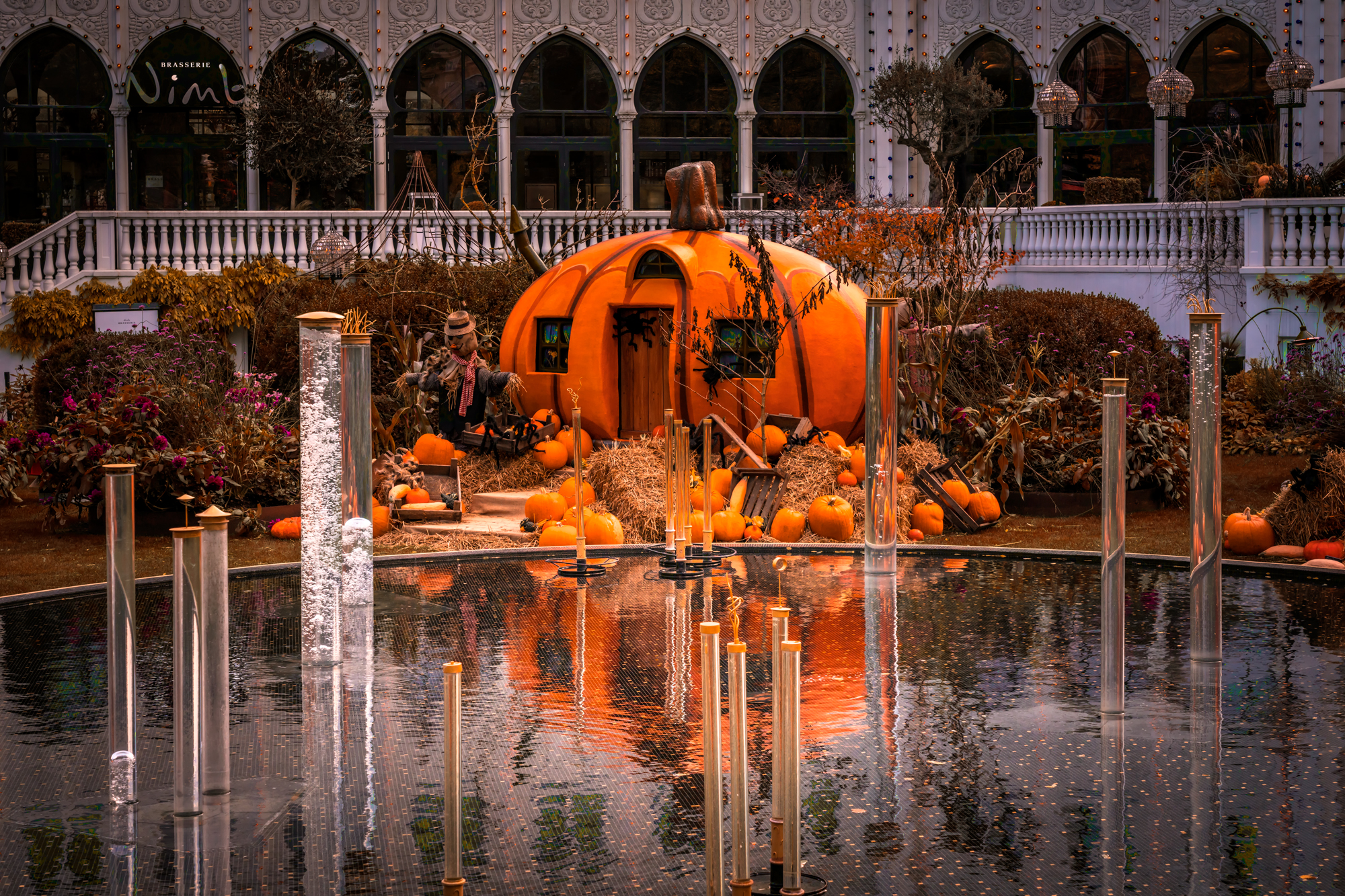
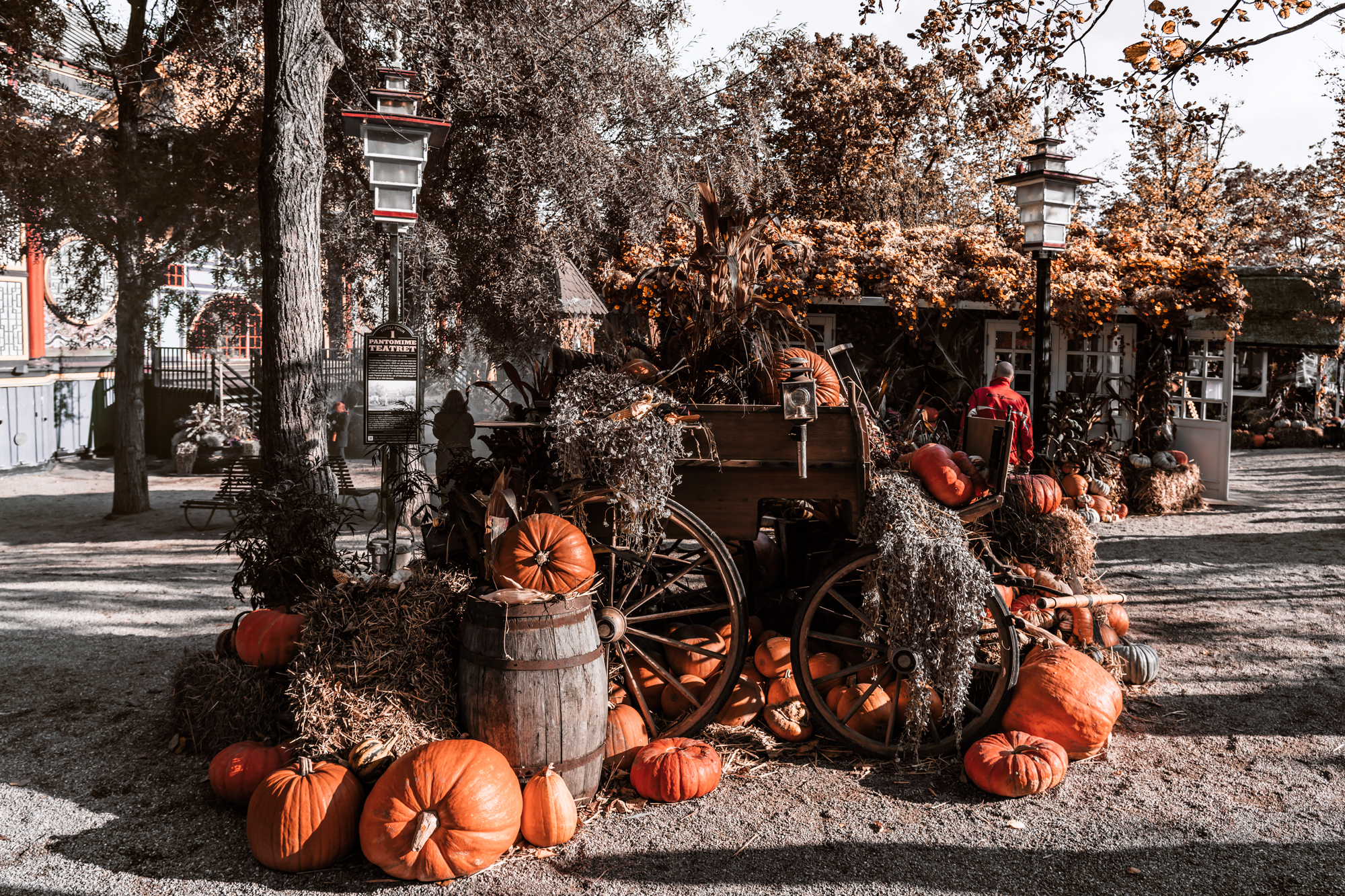
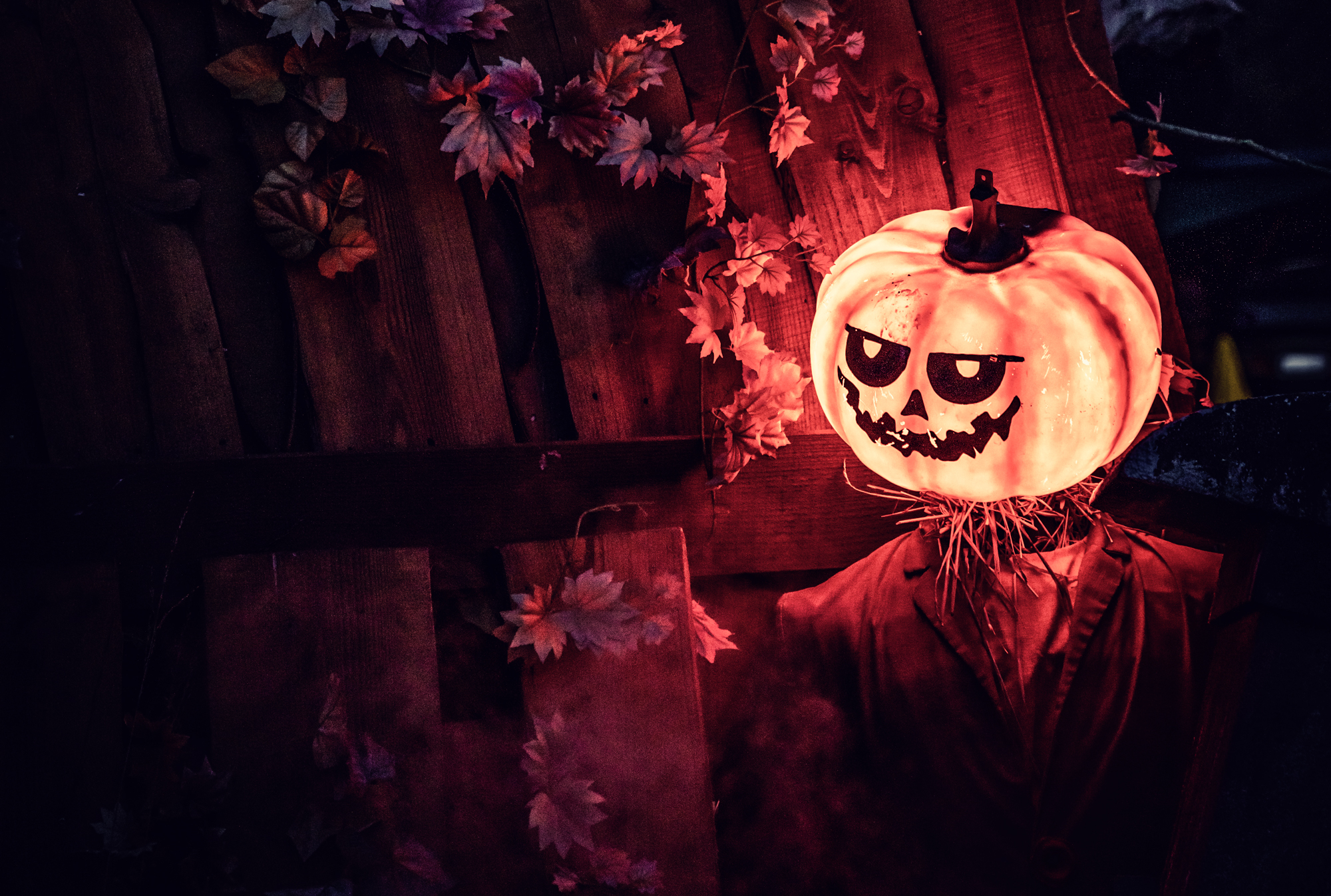
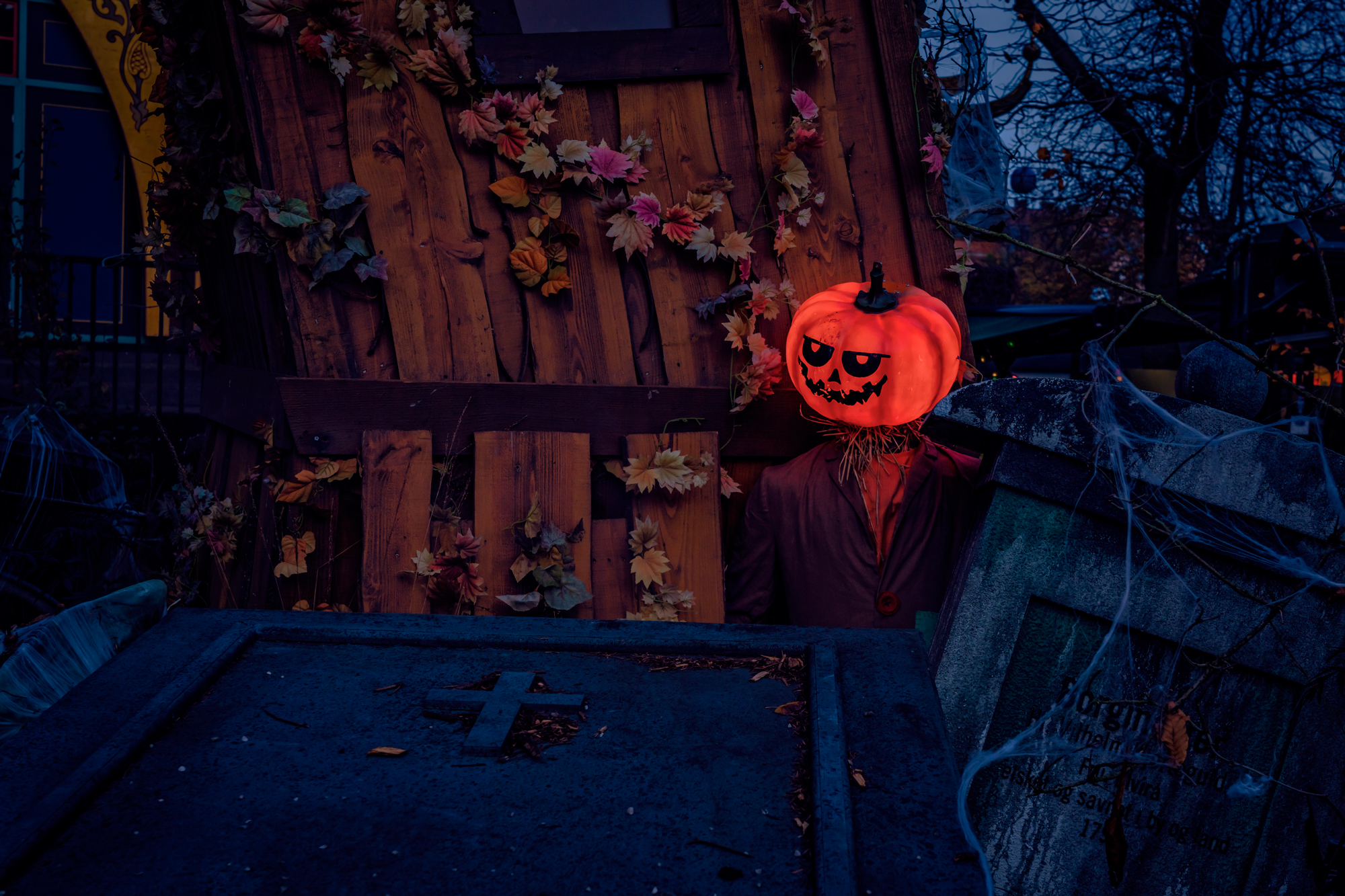
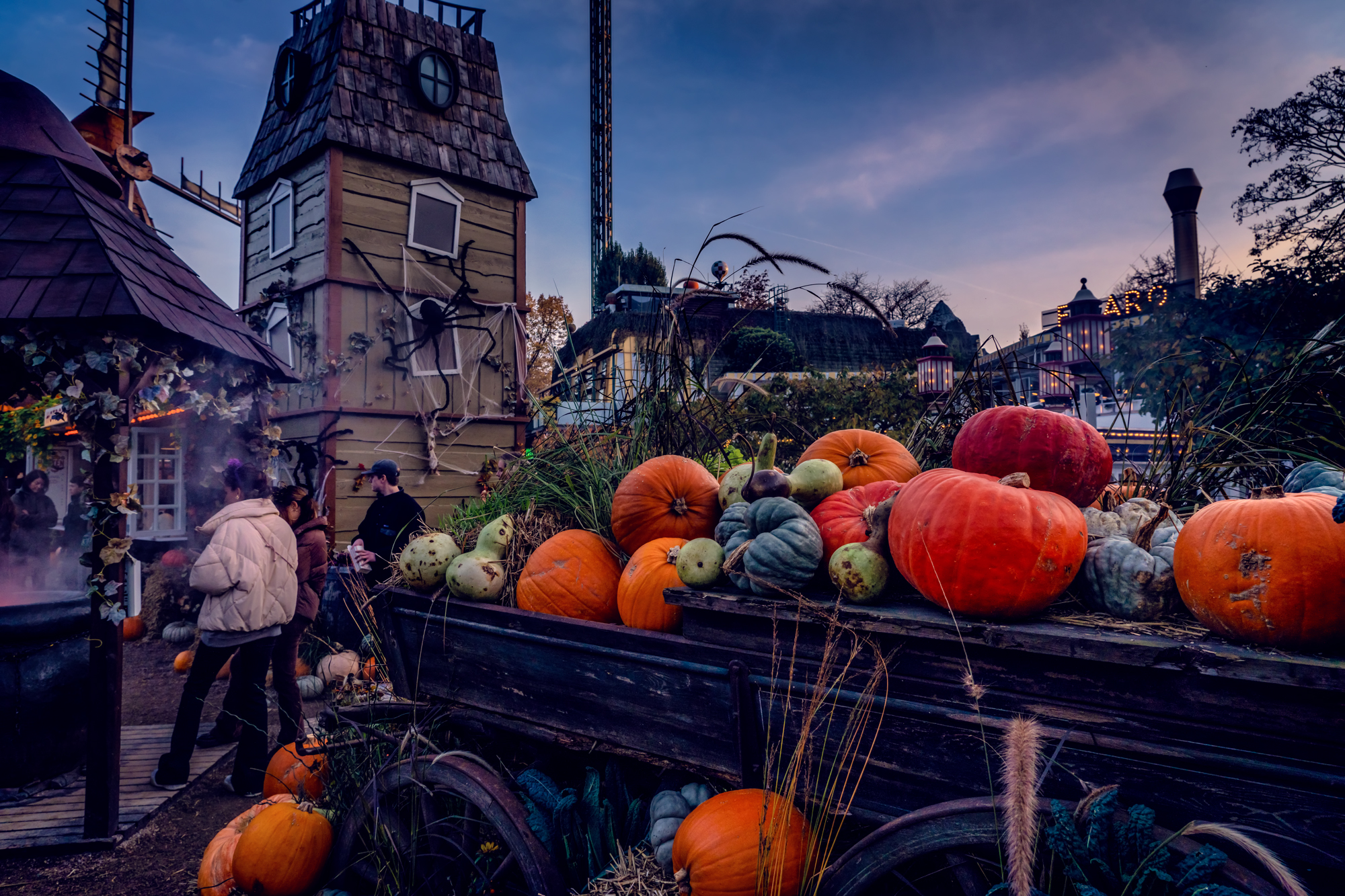
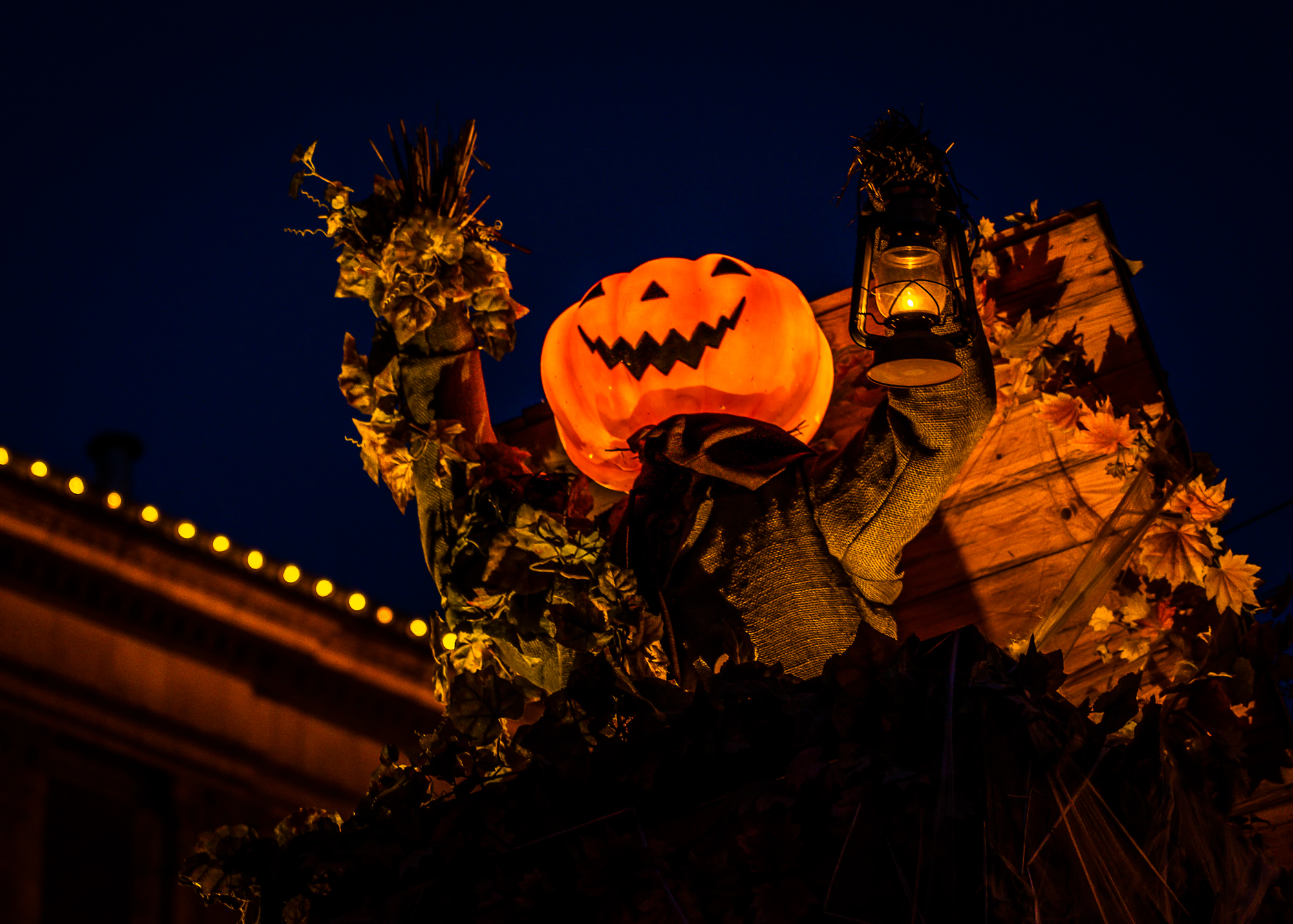
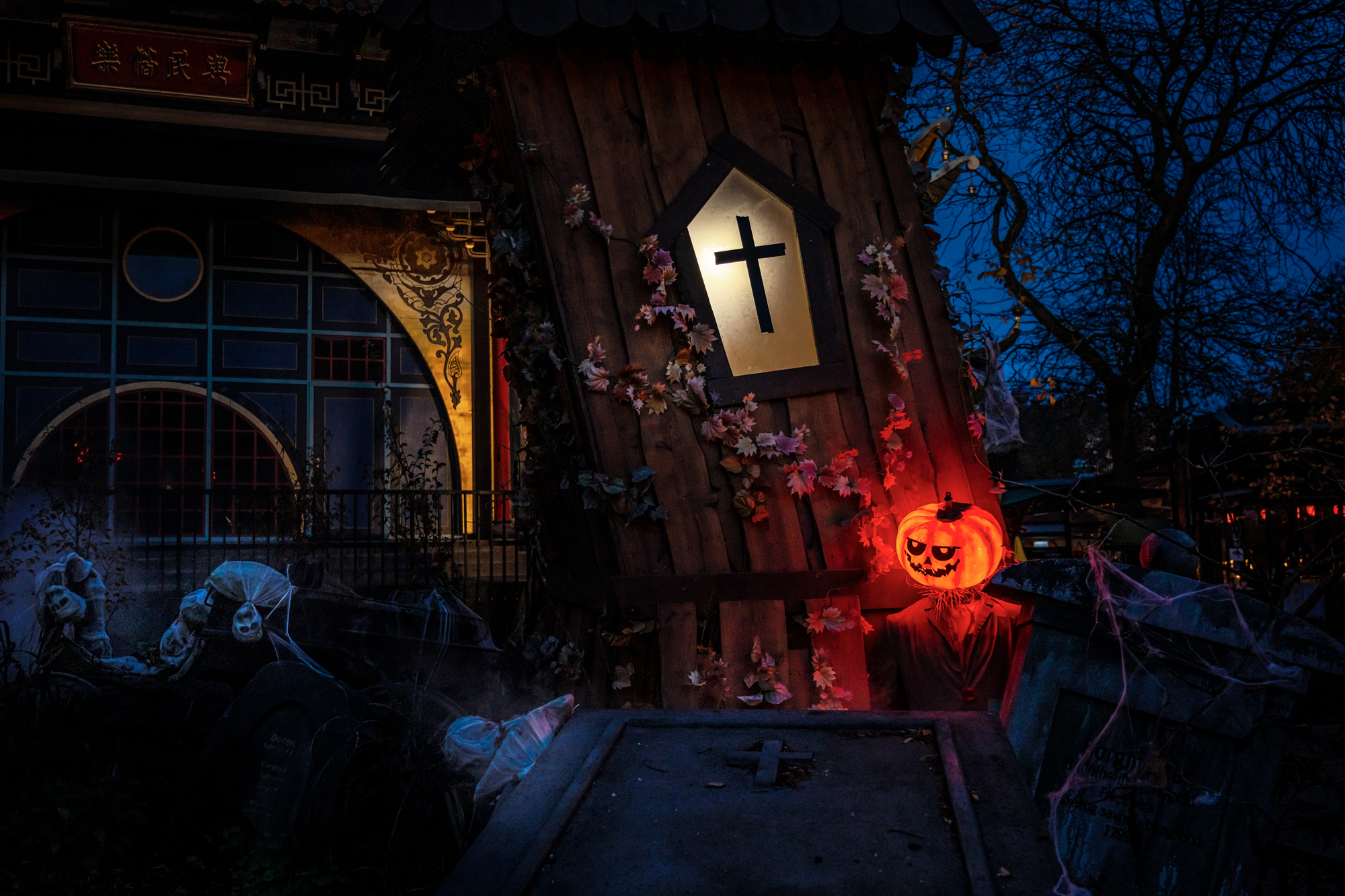
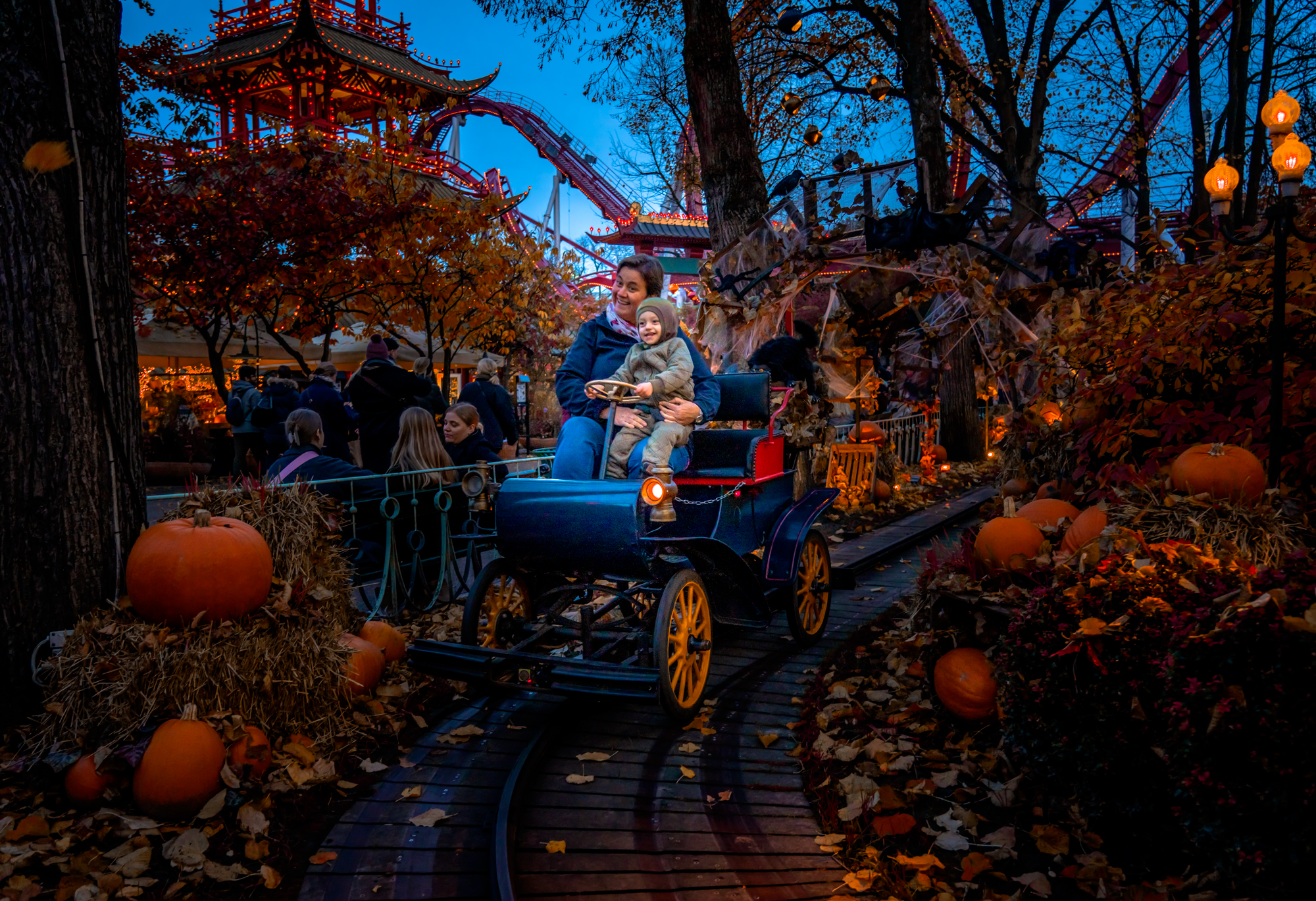
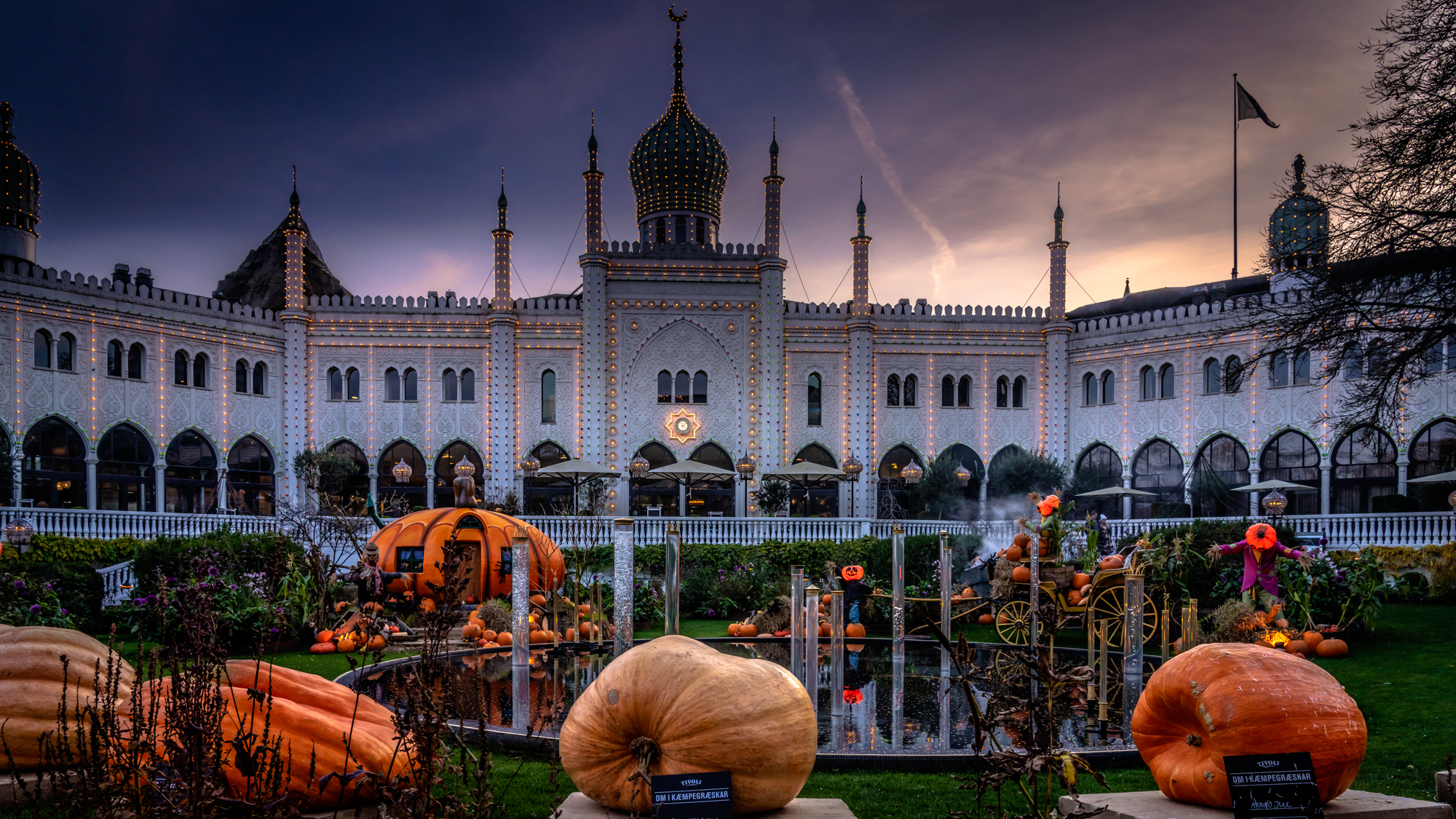
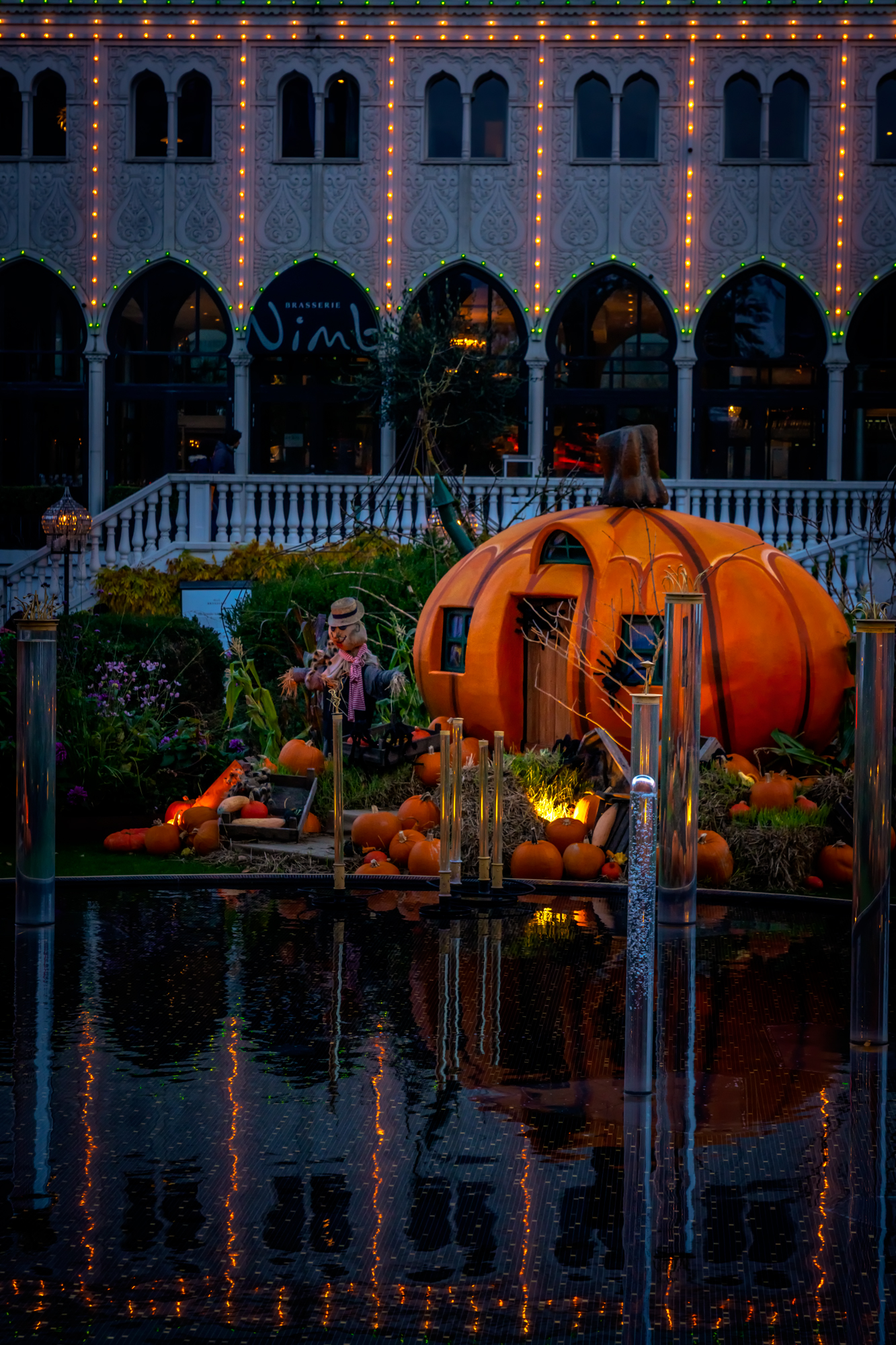
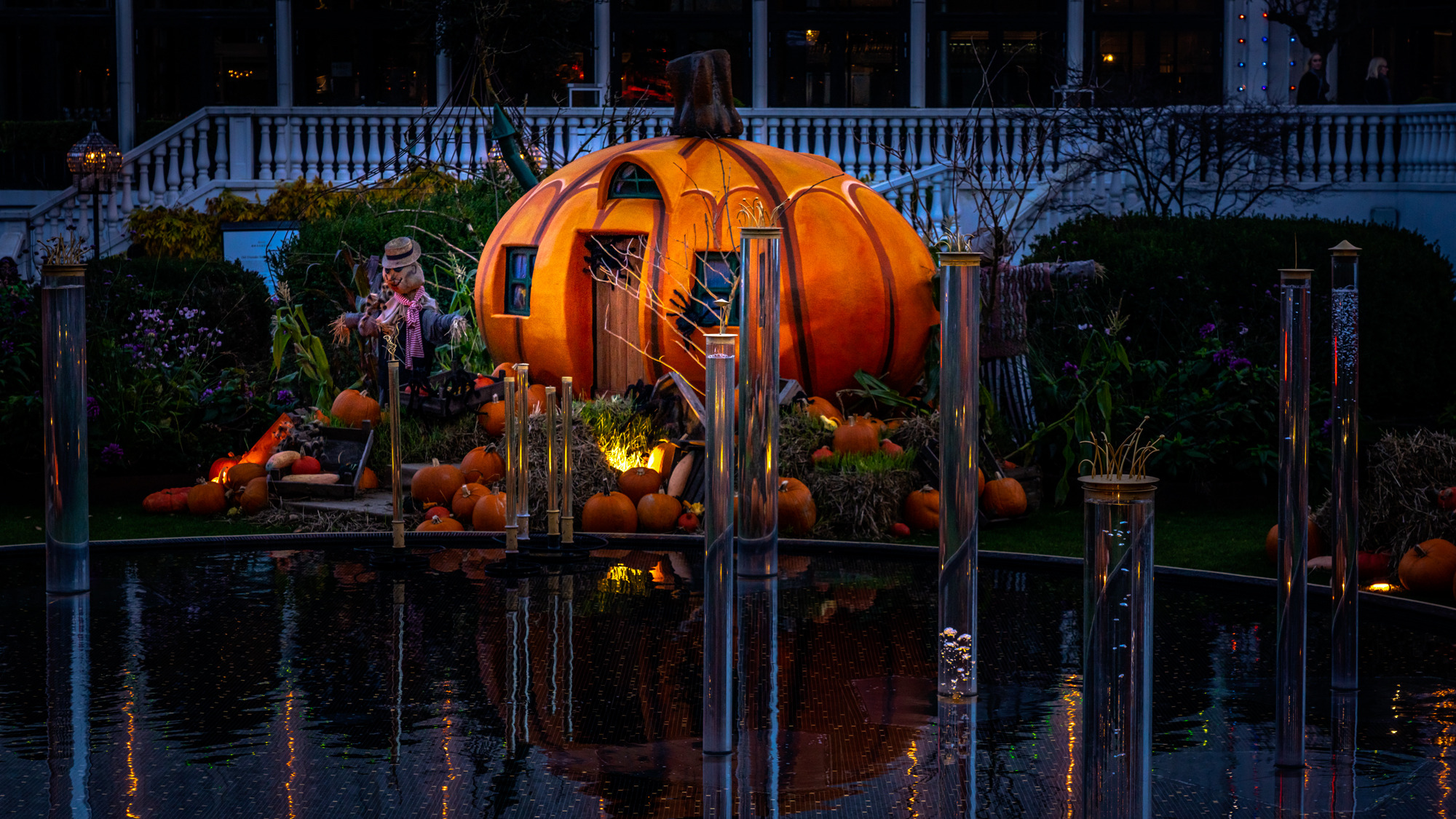
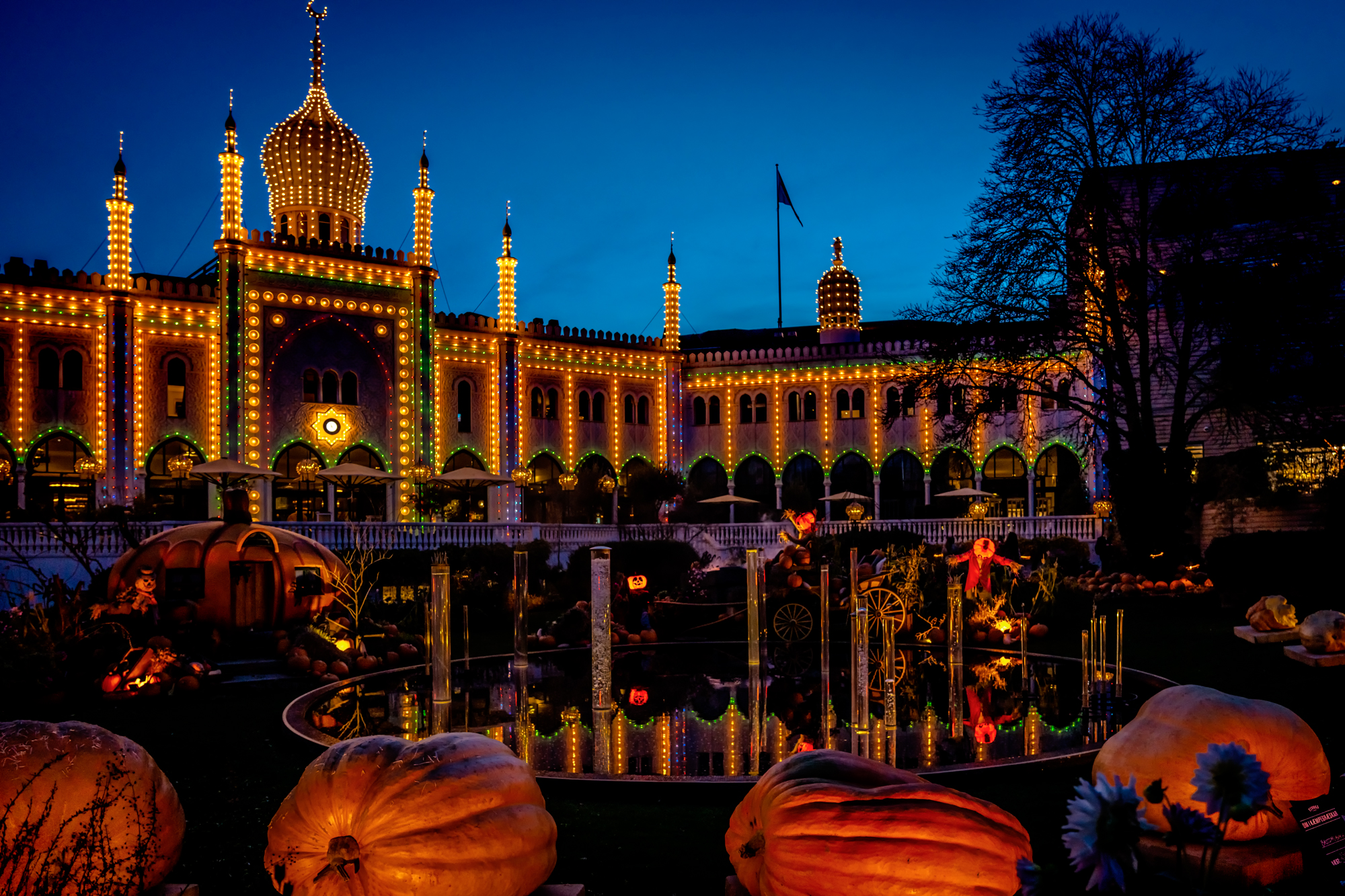
When I was a child in Scandinavia, there was no such things as Valentine’s Day, St. Patrick’s or Halloween, but it would seem that things have changed and we are now overwhelmed with goblins, scary monsters and super creeps this November! Nowhere else do they take this to the extent that Tivoli Gardens do and in spite of the relative tackiness of it all, it was a sight worth seeing – twice in 10 days! I cannot help but wonder if Denmark is the biggest producer or importer of pumpkins, though….

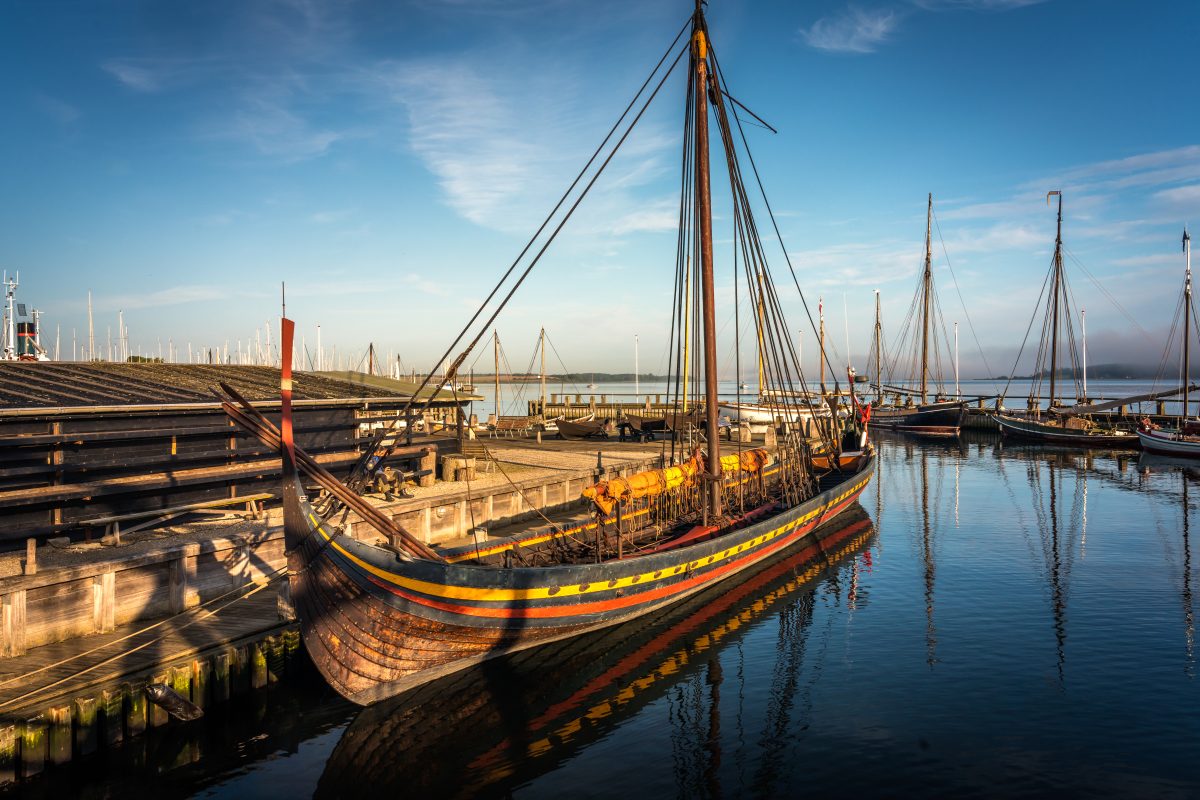
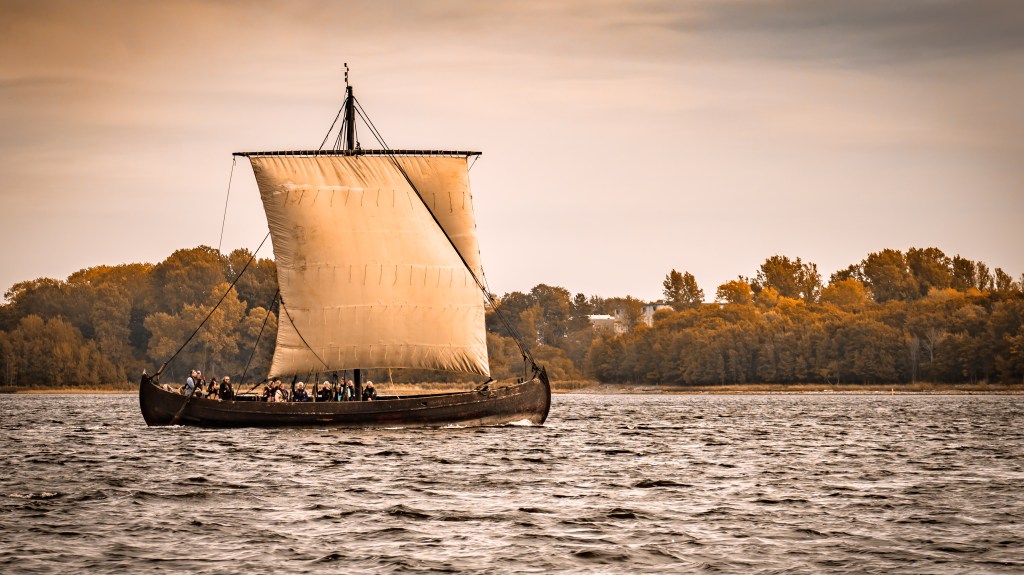
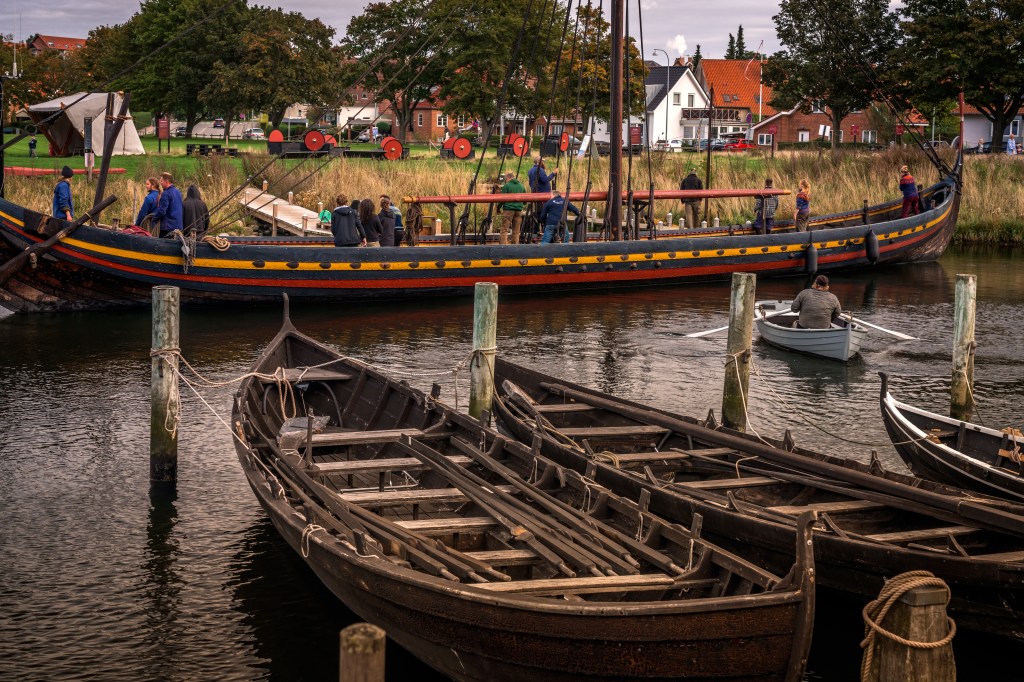
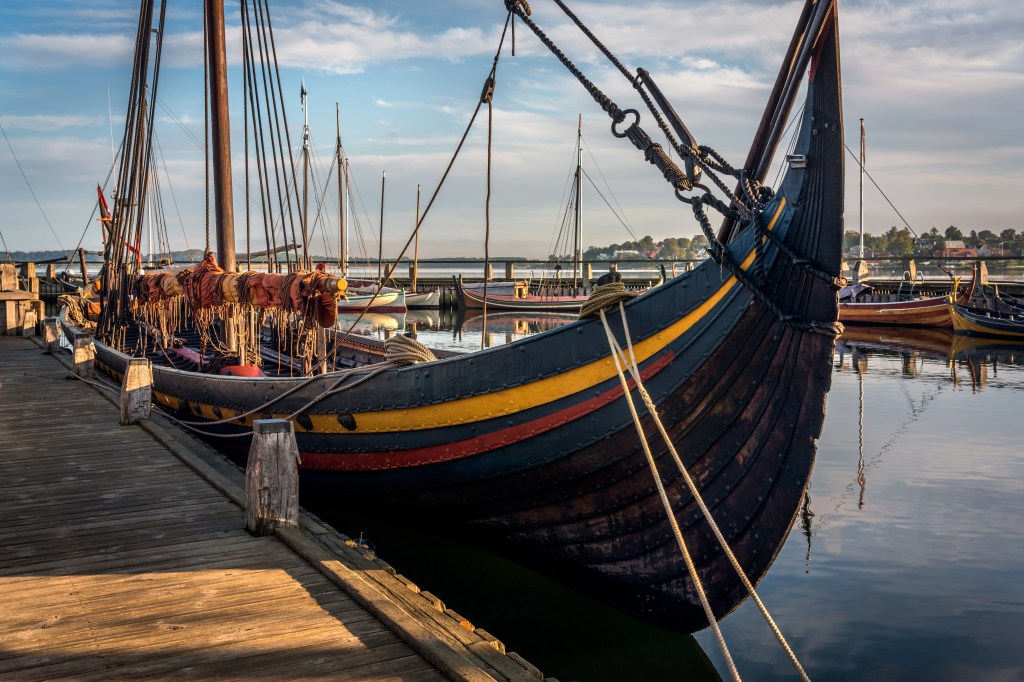
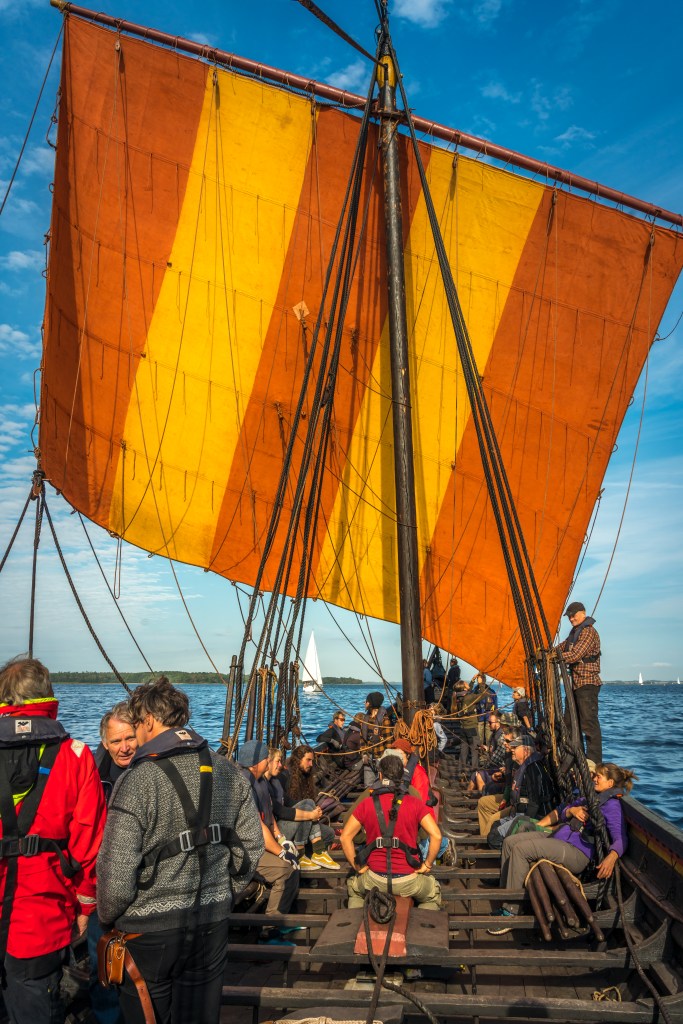
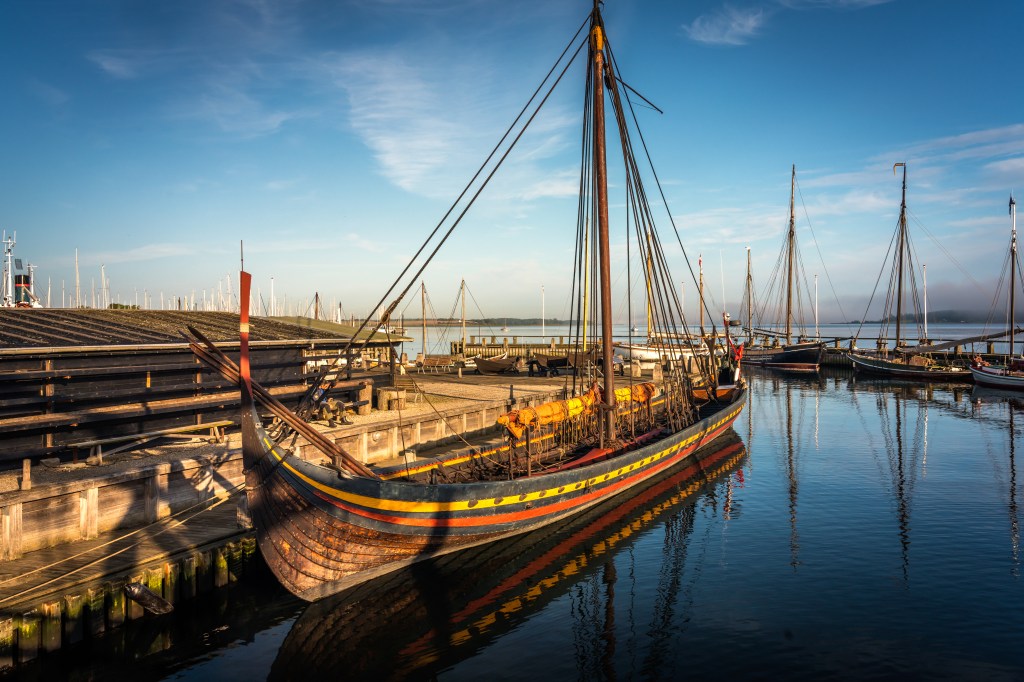
Havhingsten from Glendalough (The Sea Stallion from Glendalough)

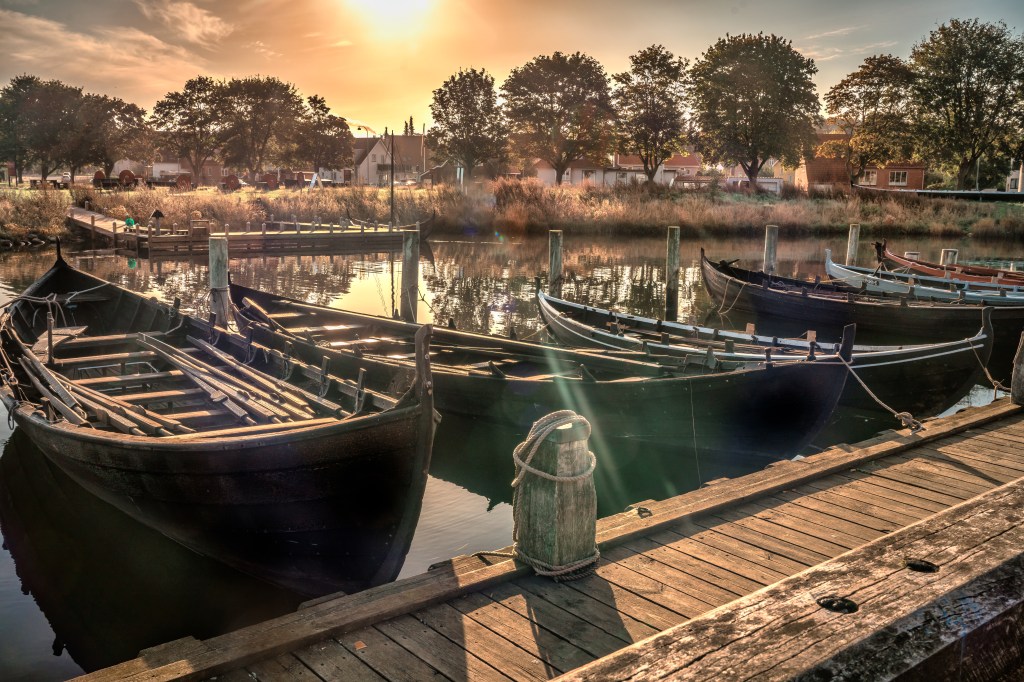
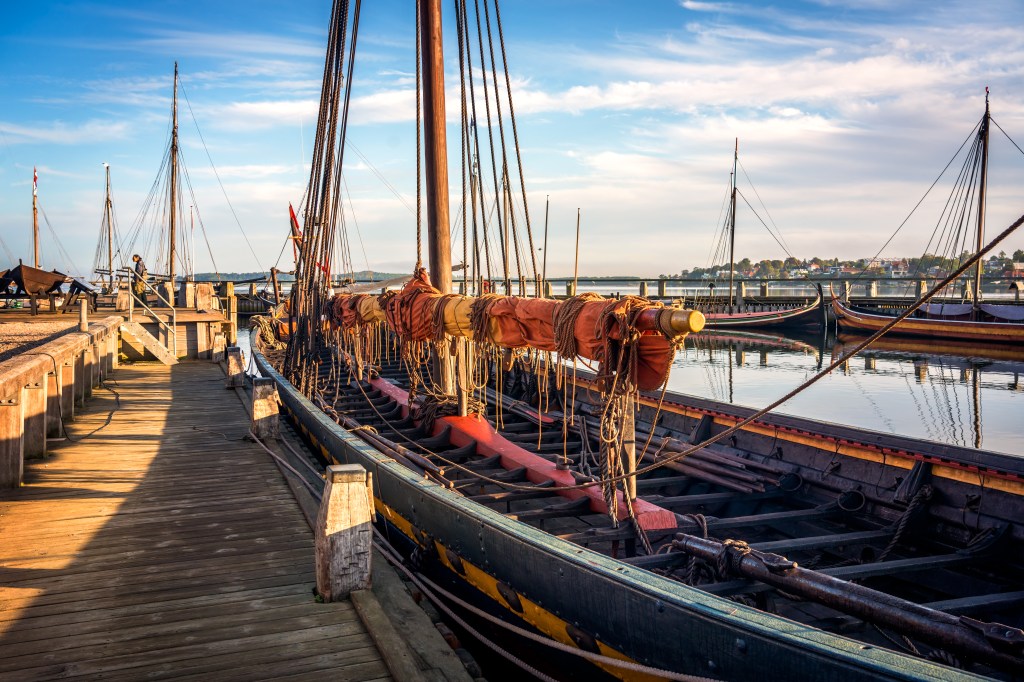
In 1962, several viking ships were found in the Fjord of Roskilde and it was decided in 2000 to try to reconstruct the largest of them which was 30 meters long. It is believed that the original warrior ship was built in Ireland in 1042.

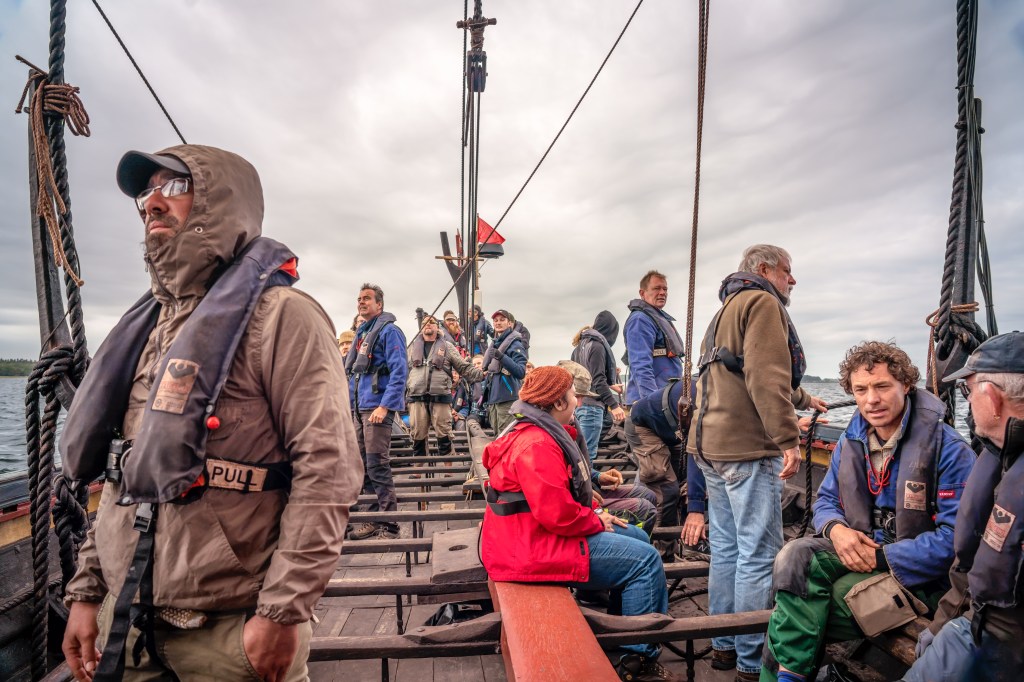
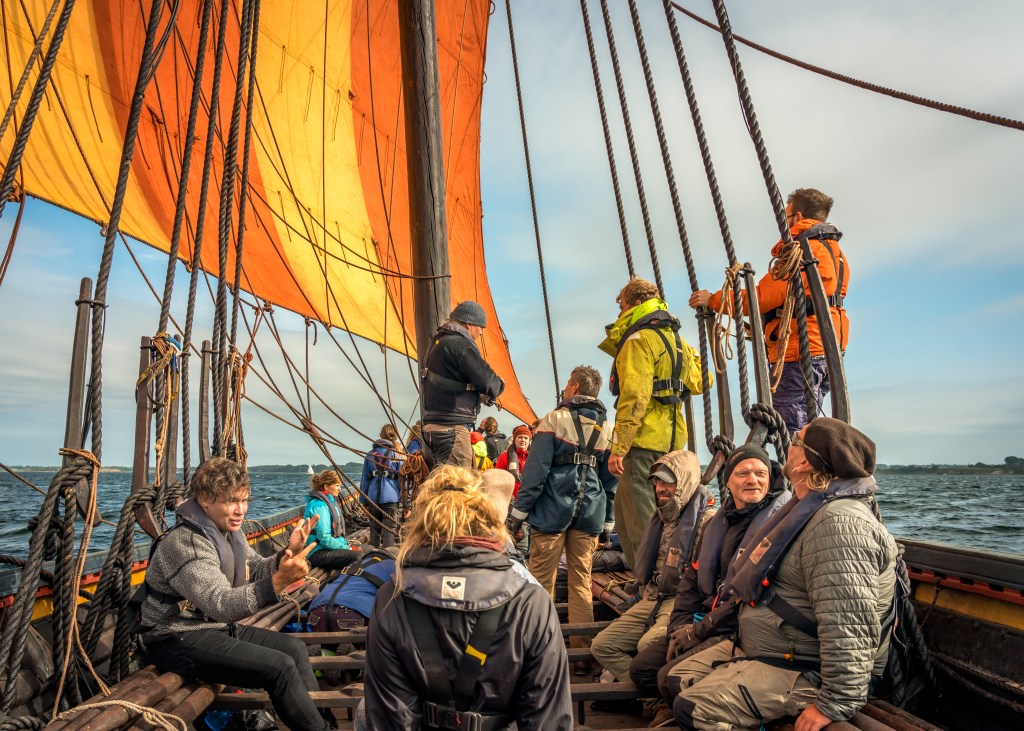
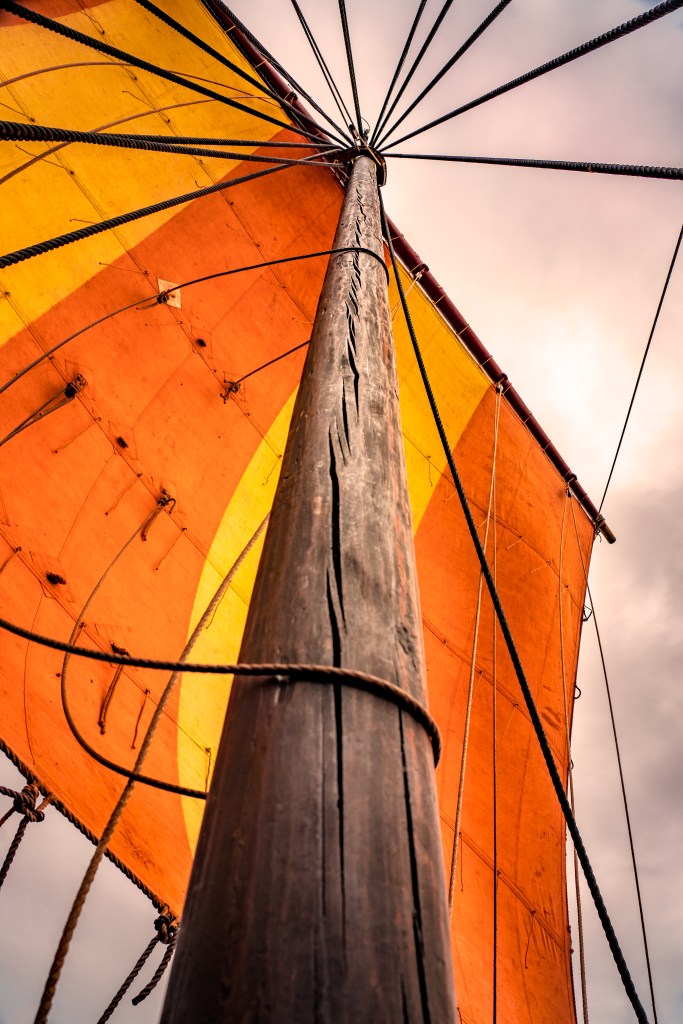
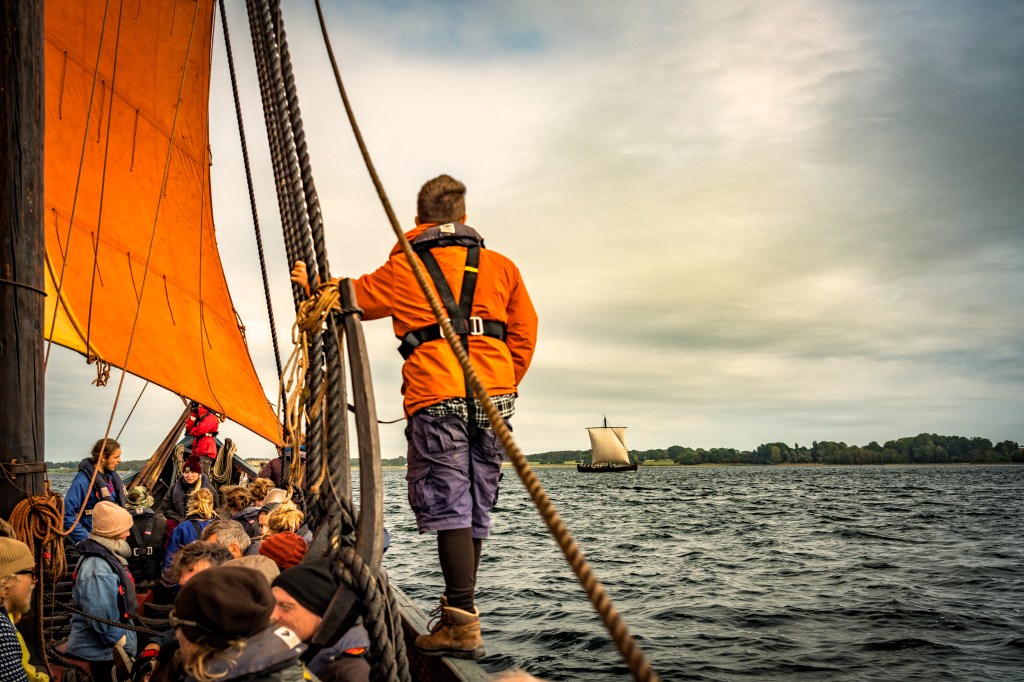
I had the privilege of spending a full day on this majestic ship on what seemed to be the last late summer day of the year. We were about 65 people onboard, most of whom were passionate sailors deeply in love with this historical gem. Sailing up and down the Fjord of Roskilde with two other viking boats in close proximity definitely set the imagination off and it was easy to be transported 1000 years back in time.

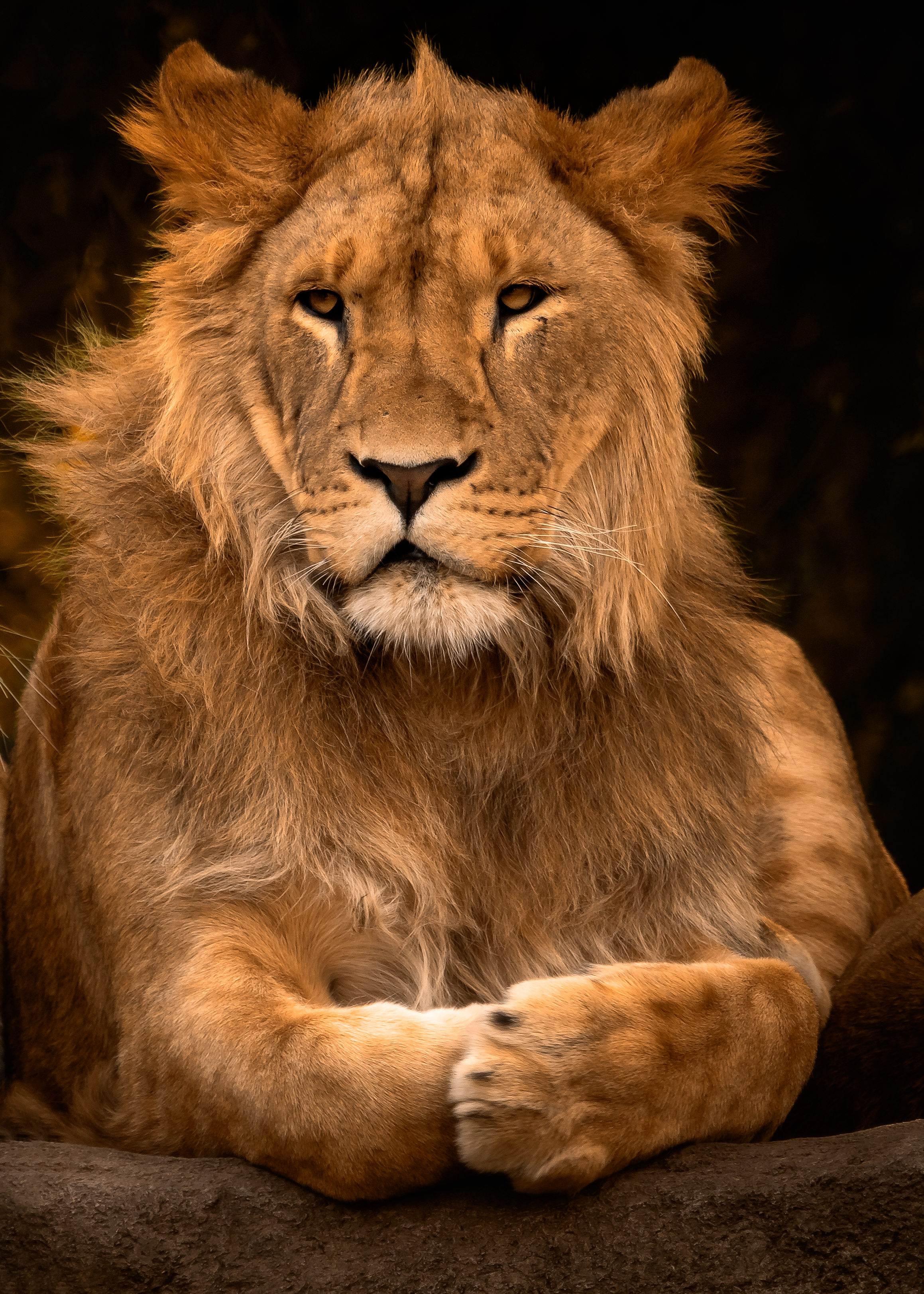
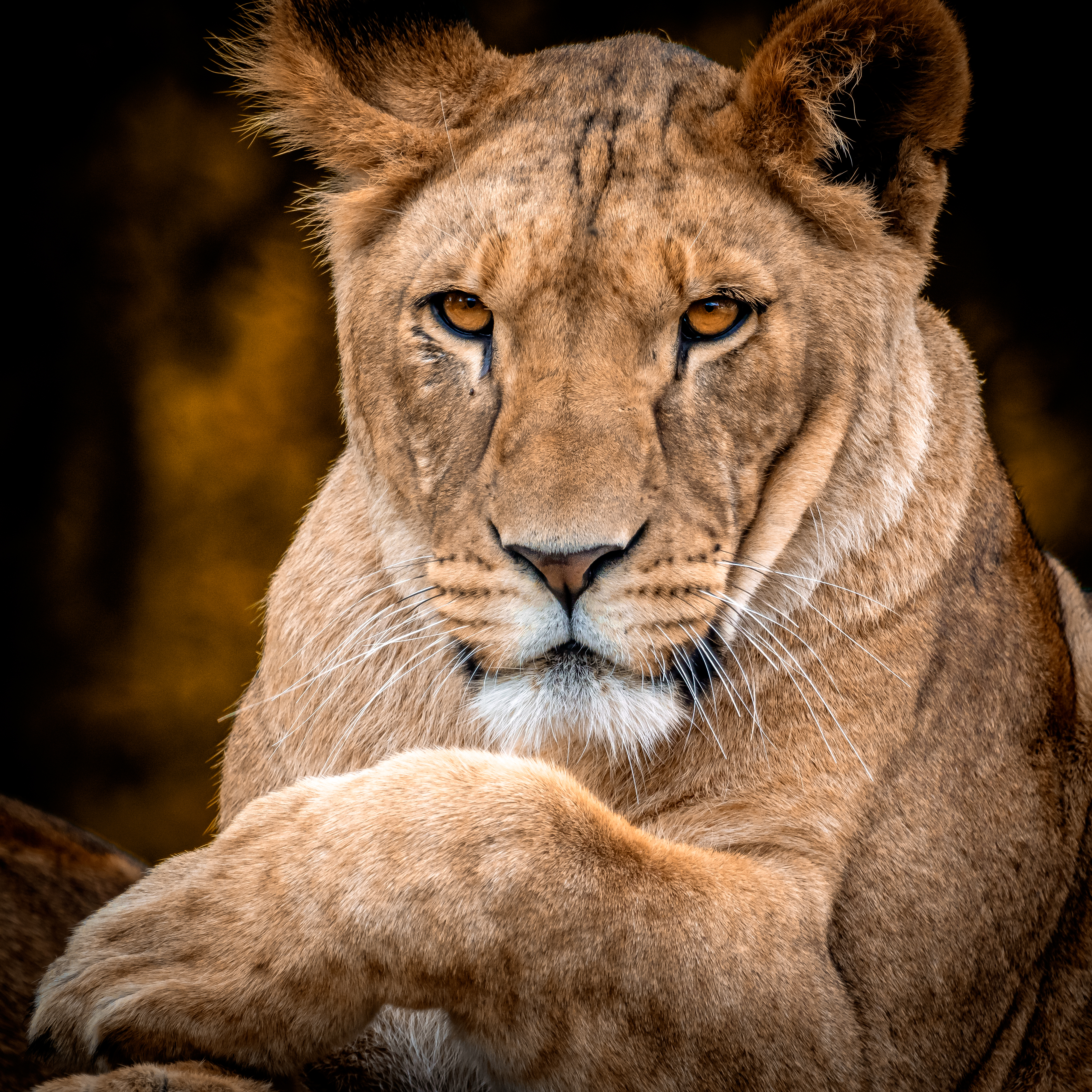
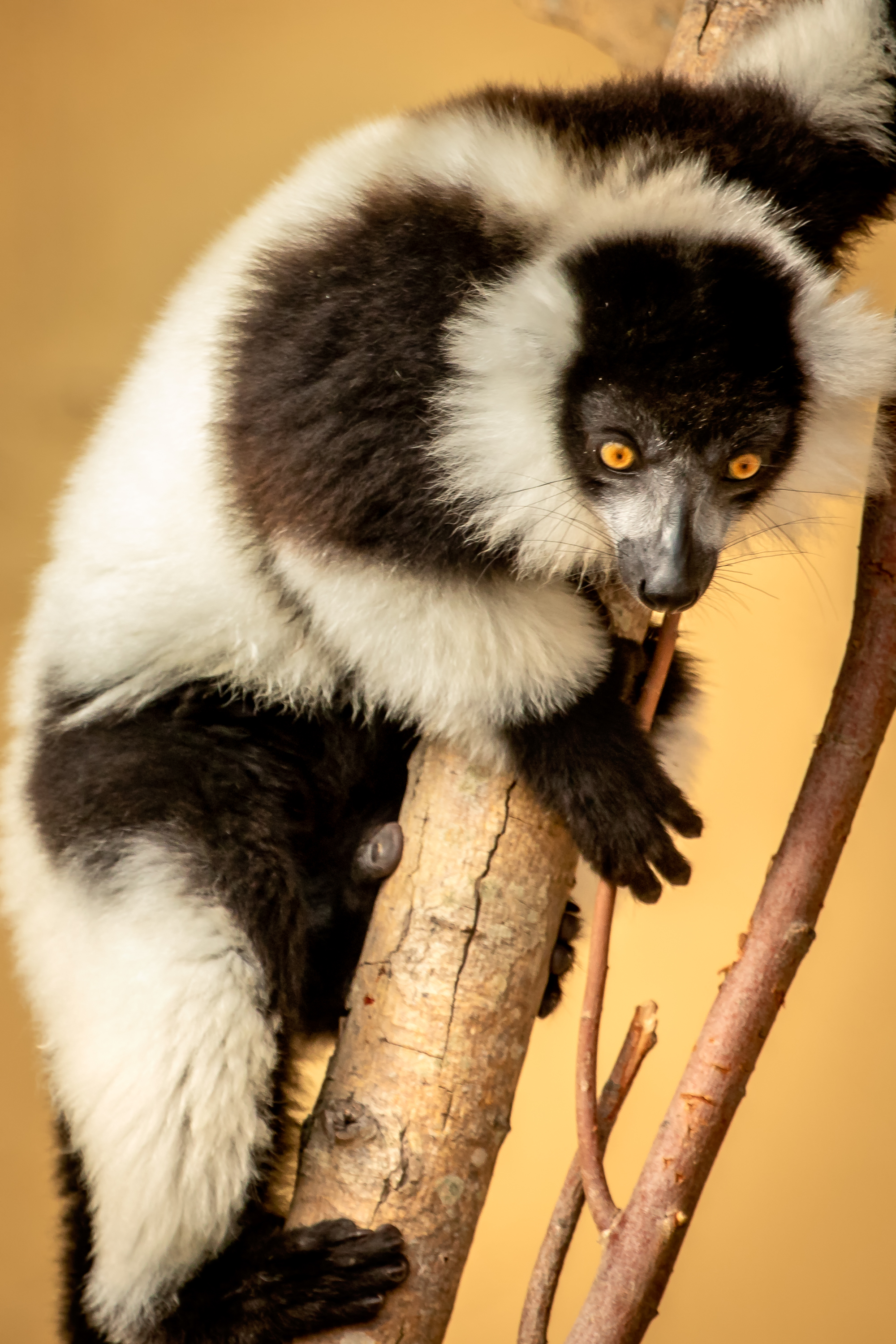
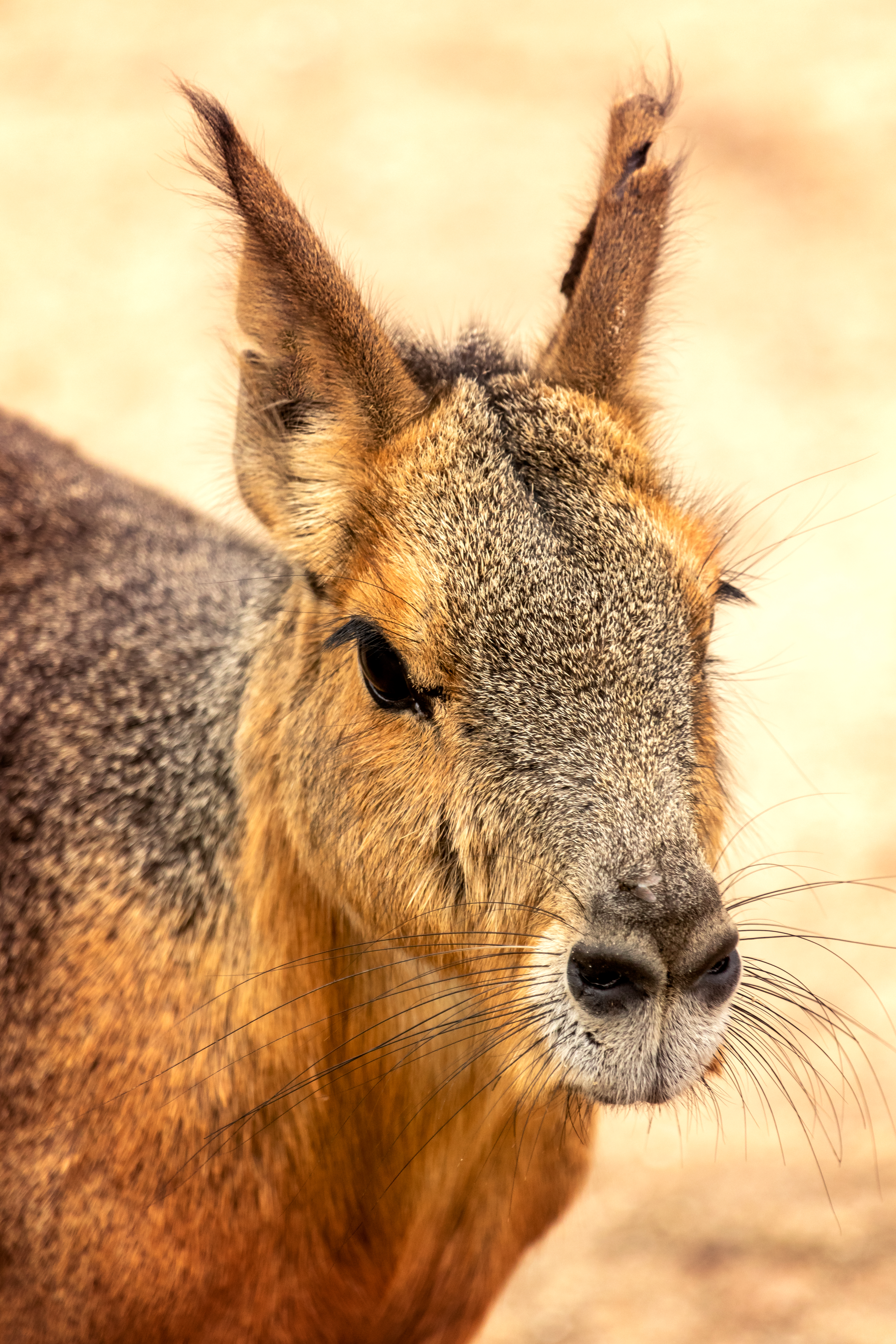
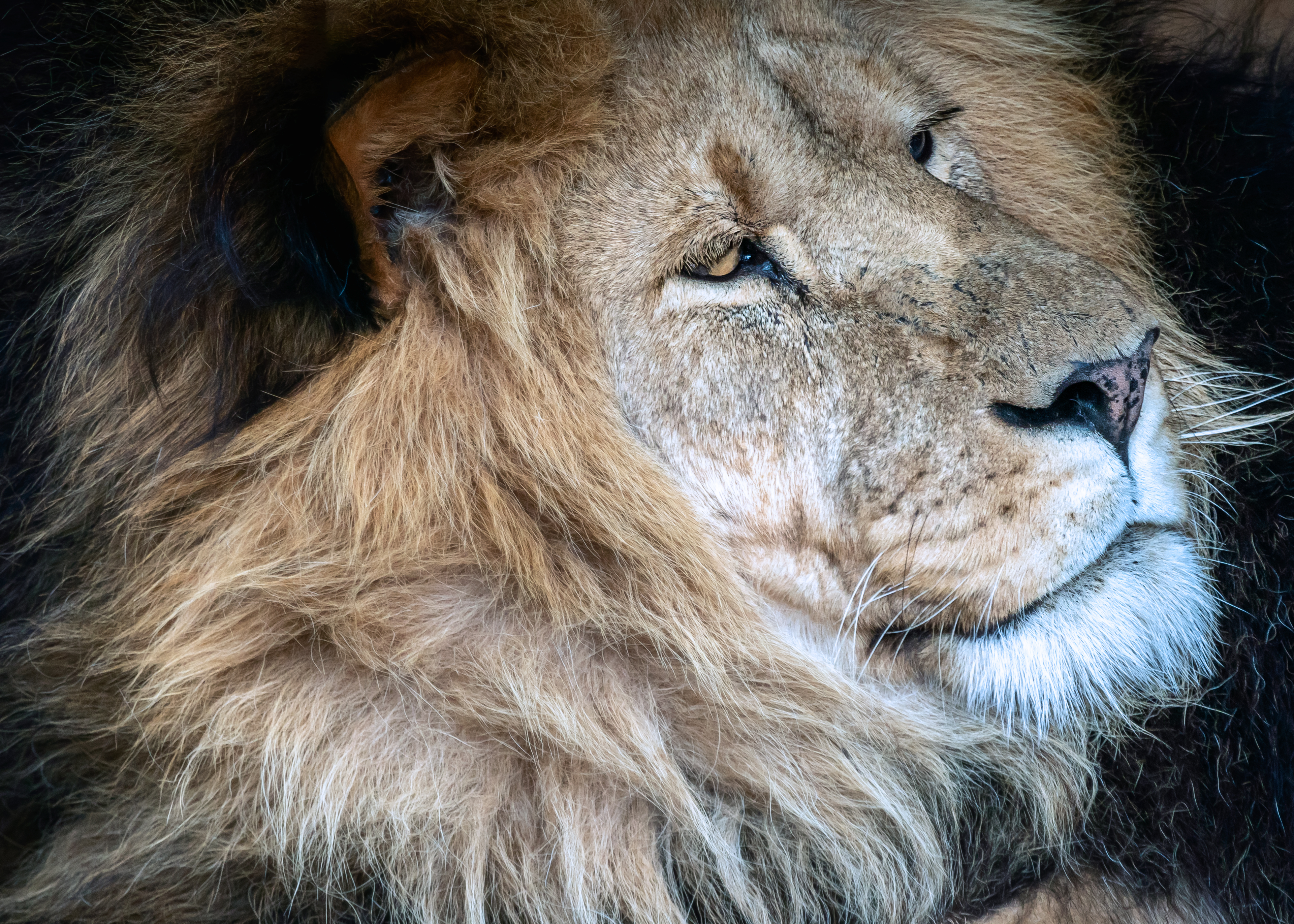
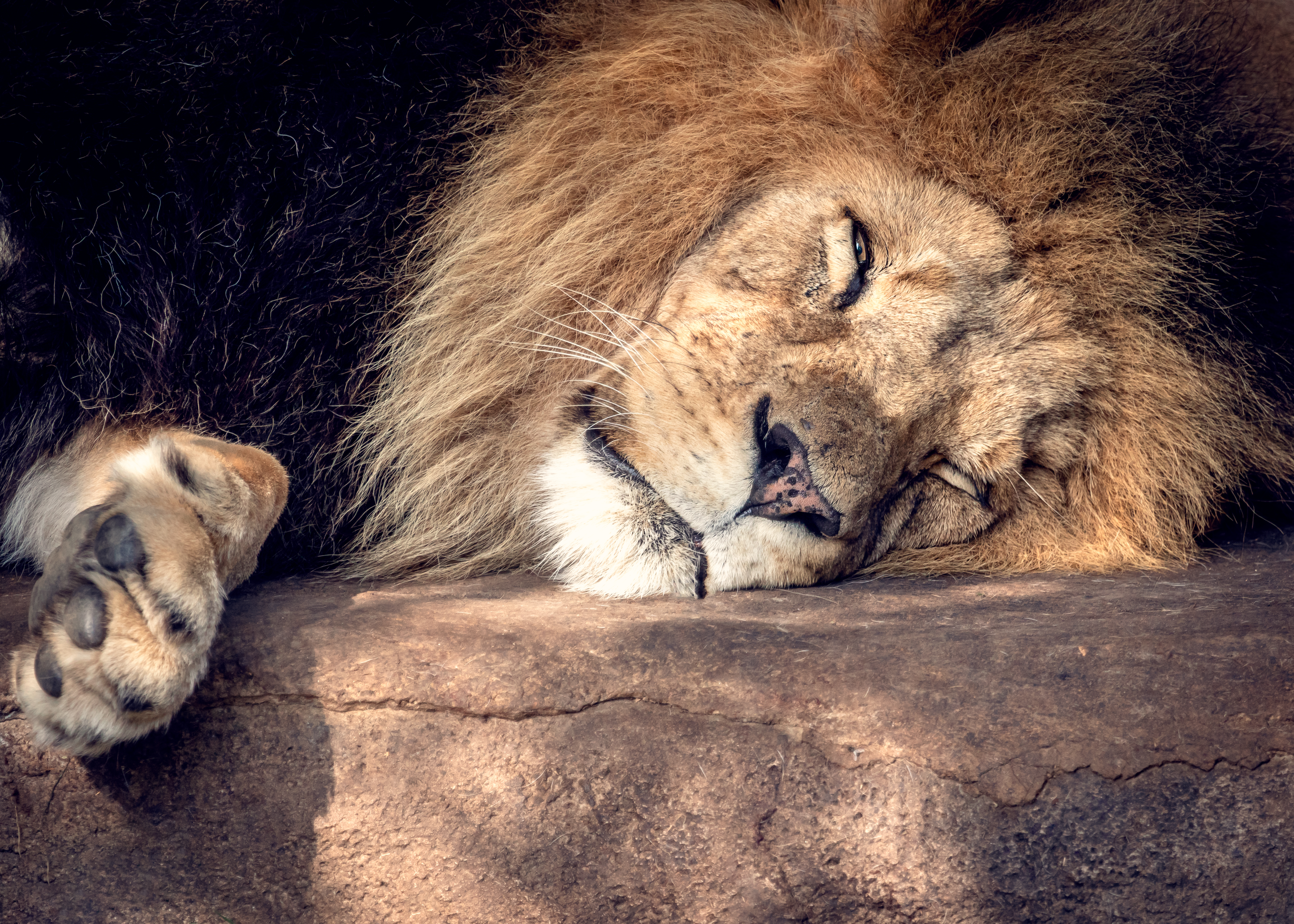
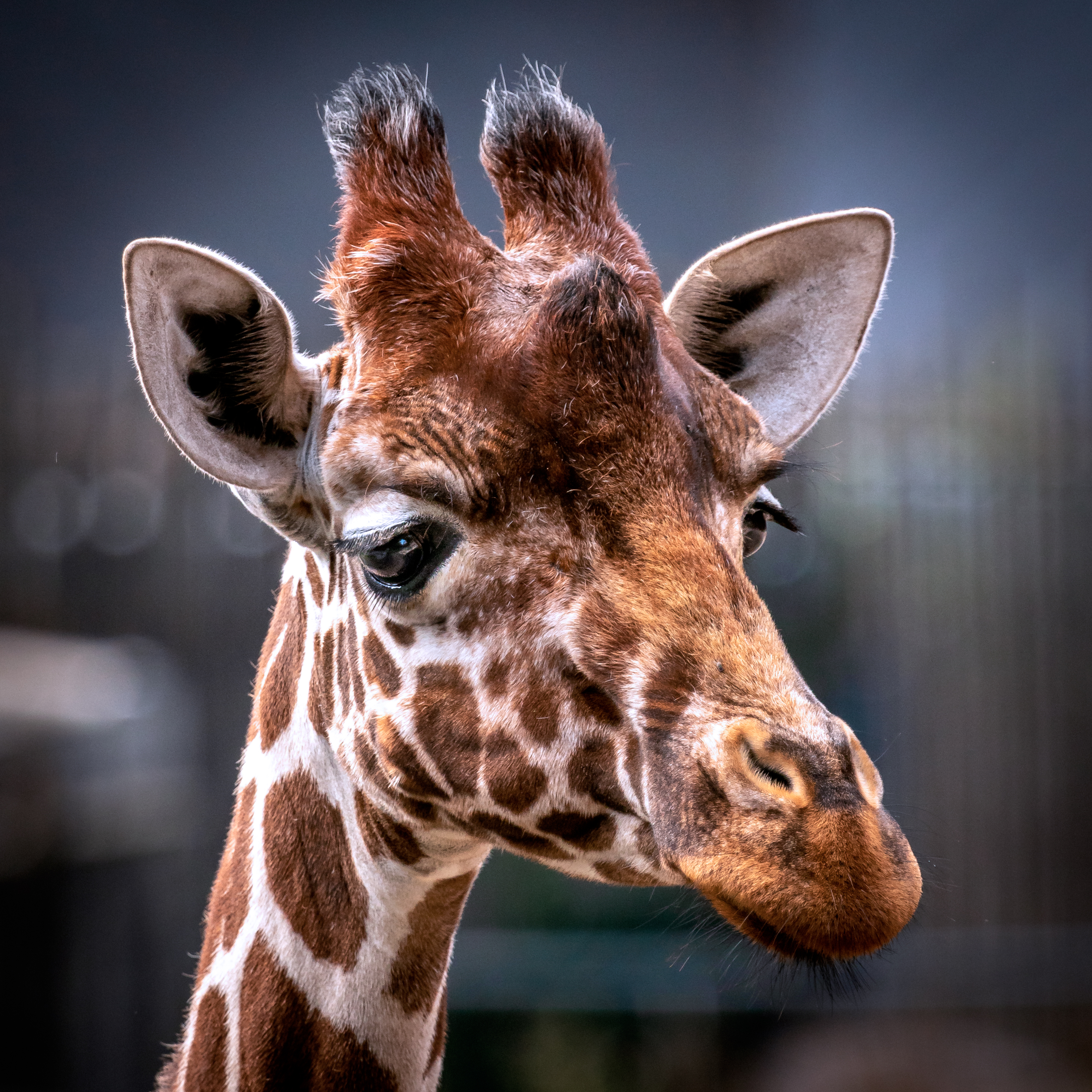
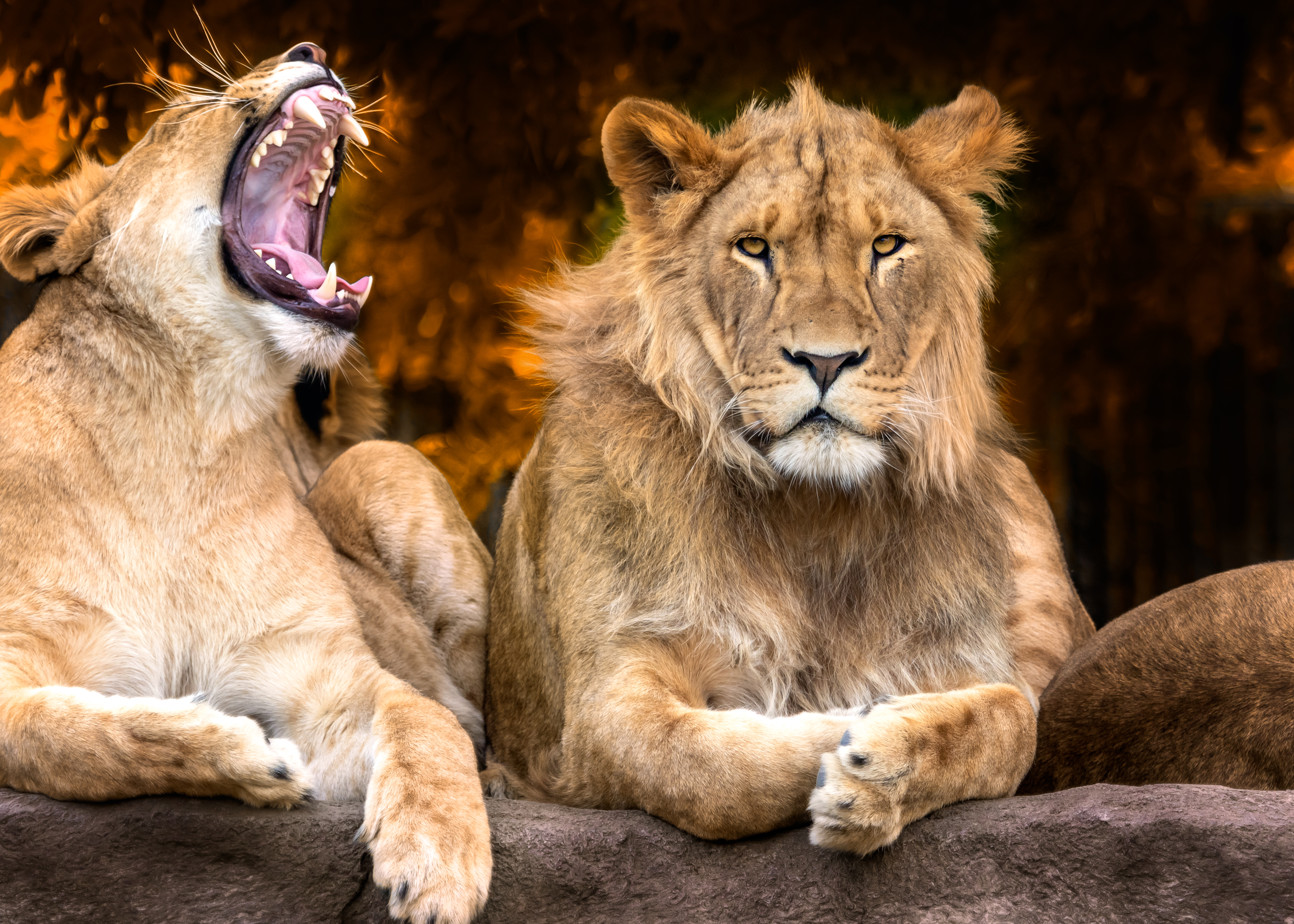
Copenhagen Zoo

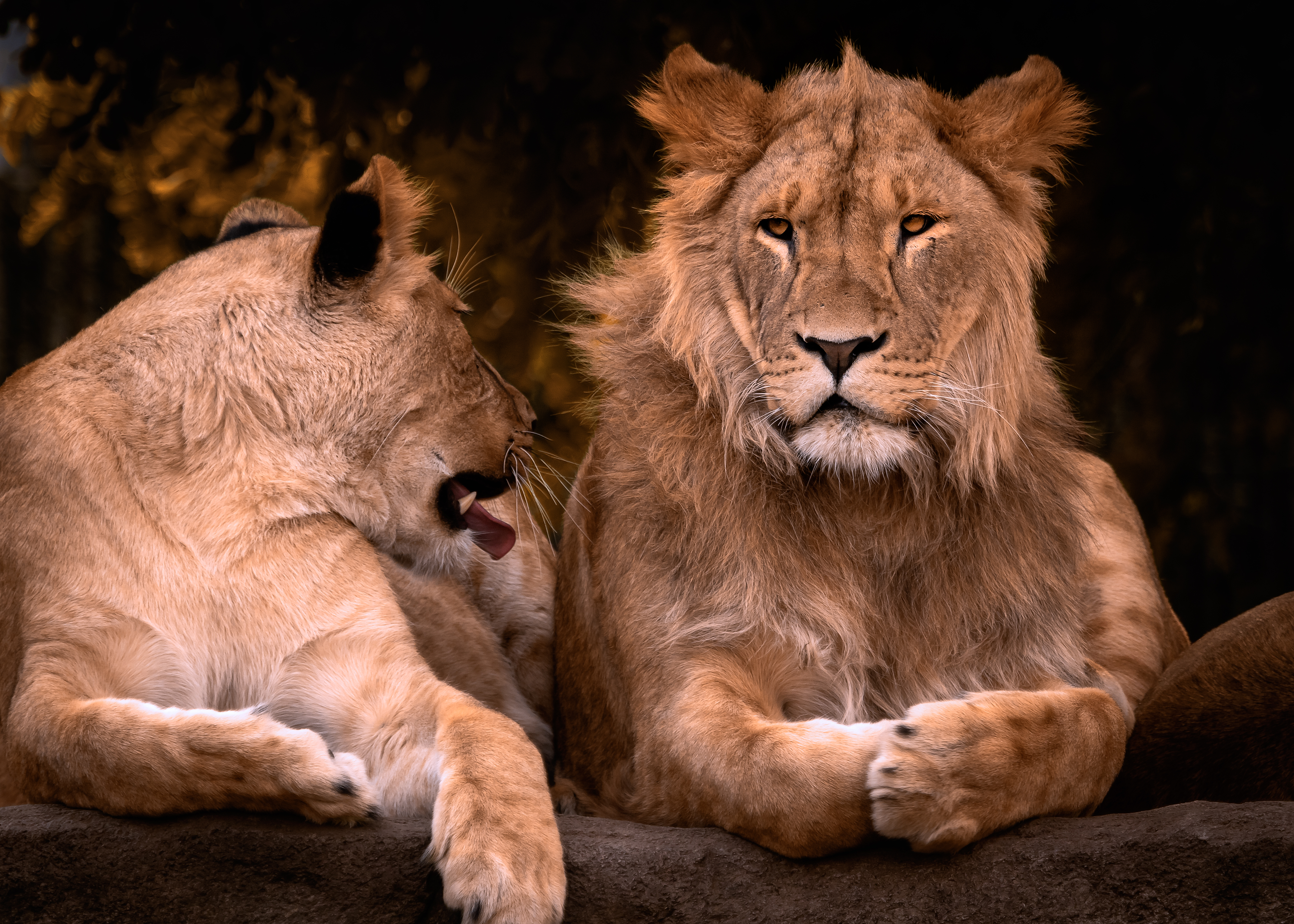
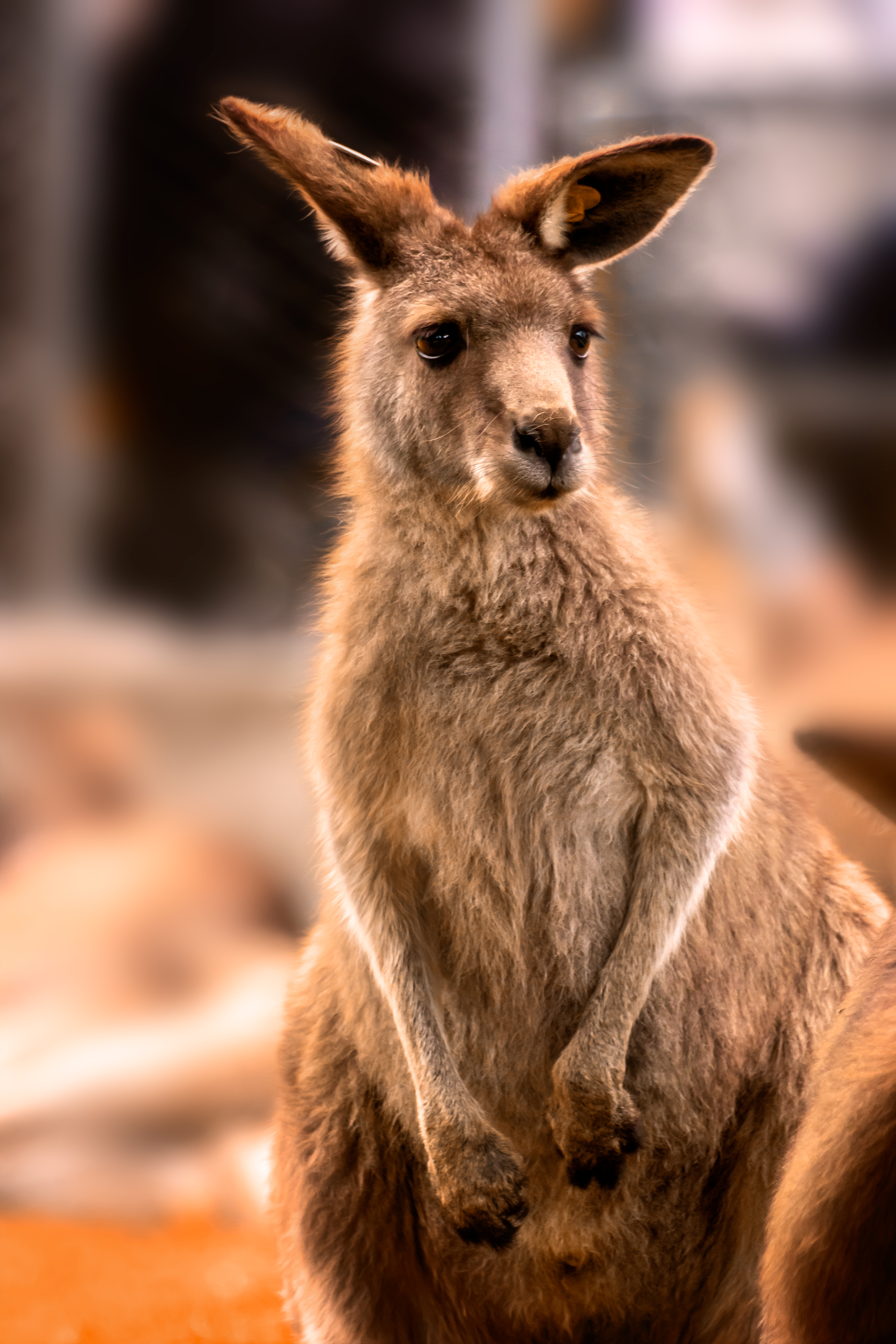
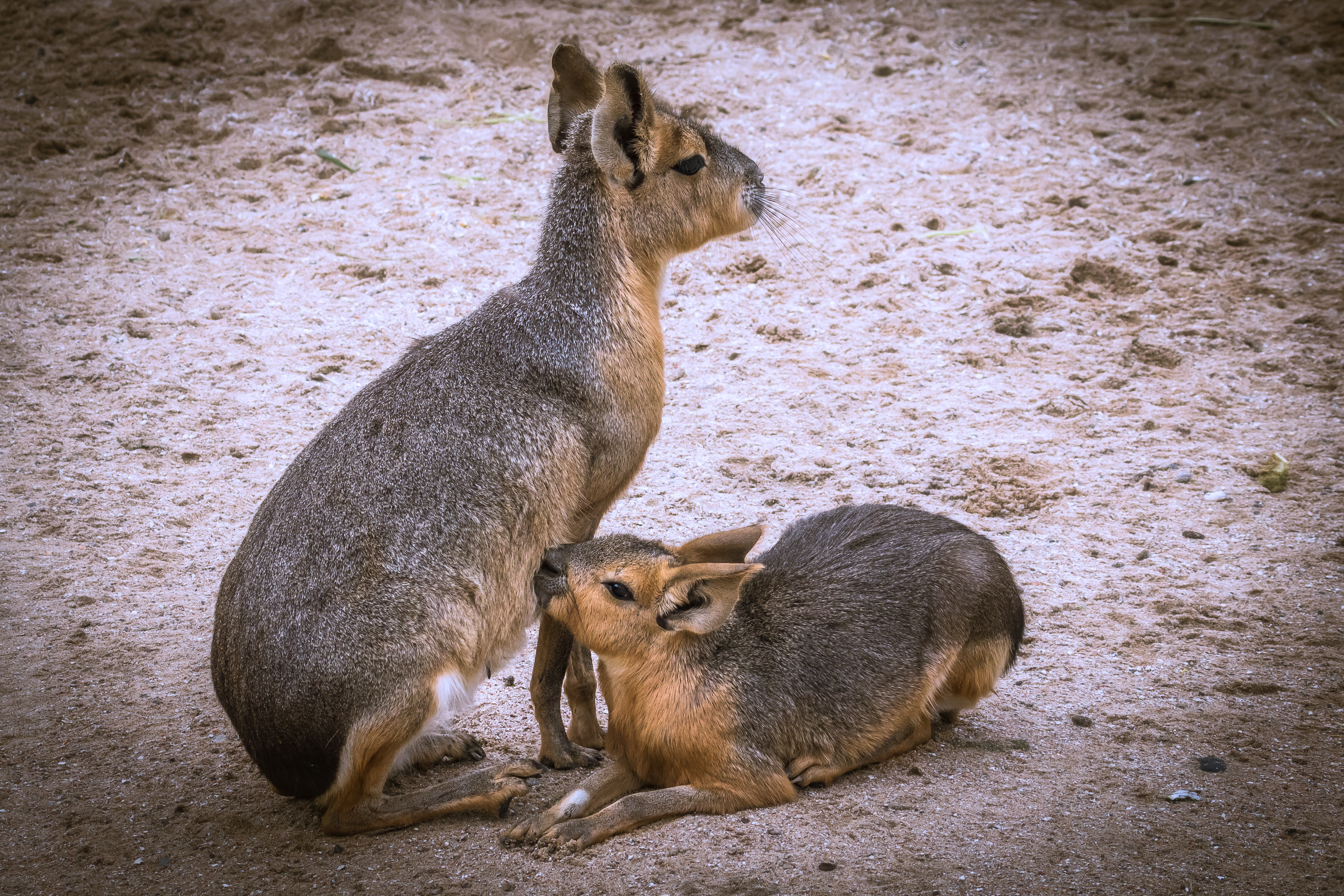
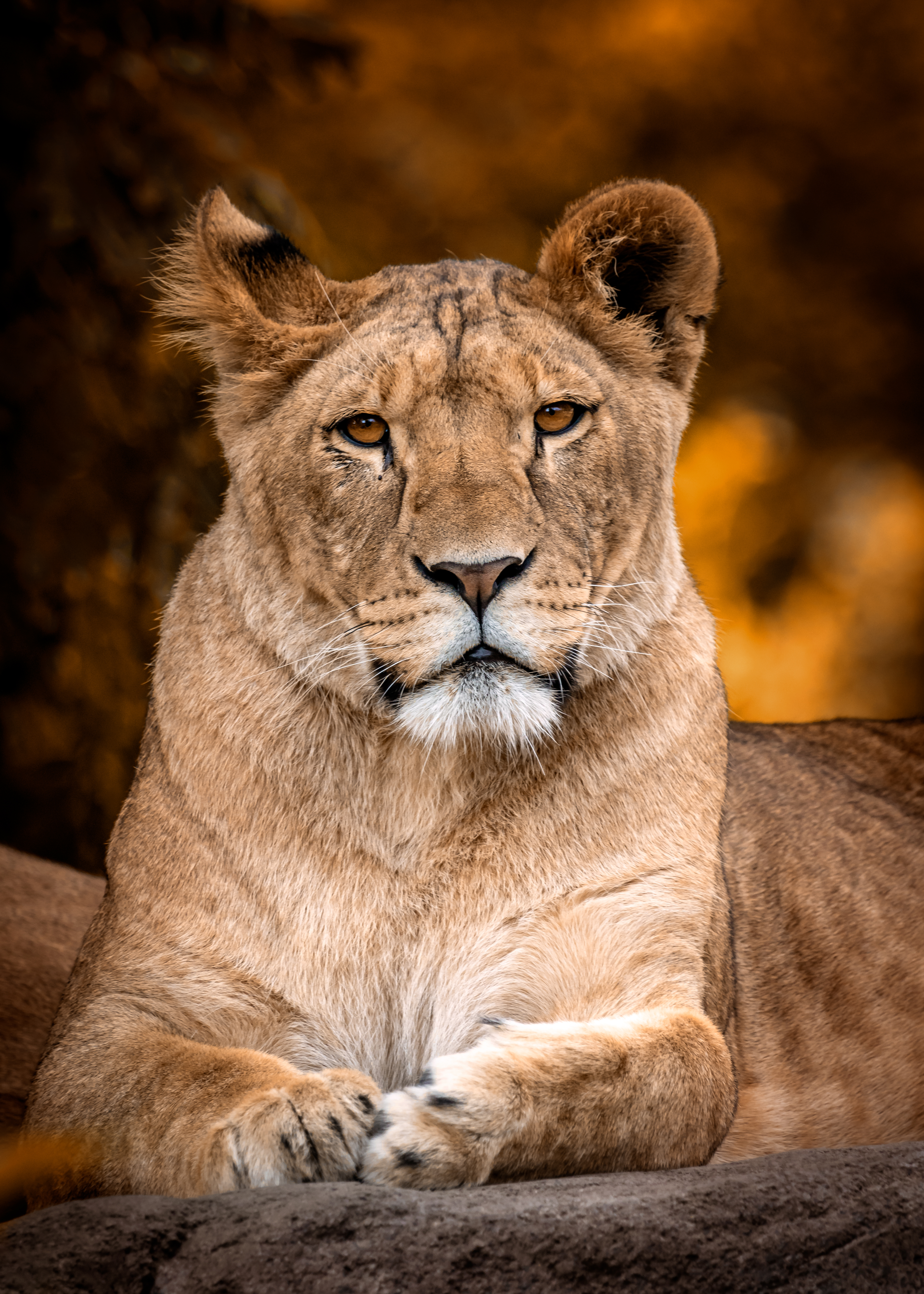
I am not a big fan of zoos, as it pains me to see animals in captivity, but once every five years or so, I do visit one, as I truly love looking at them through my zoom lens and sharing their faces and quirks.

The pictures are from the Copenhagen Zoo where life has come back after all these Covid months. I have not visited since I was around 12 years old when I had a yearly pass and would bike up that steep hill on Roskildevej several times a month. I was glad to see on Sunday that the living conditions of the animals are much better now than in the 70s!

Who could resist these faces?

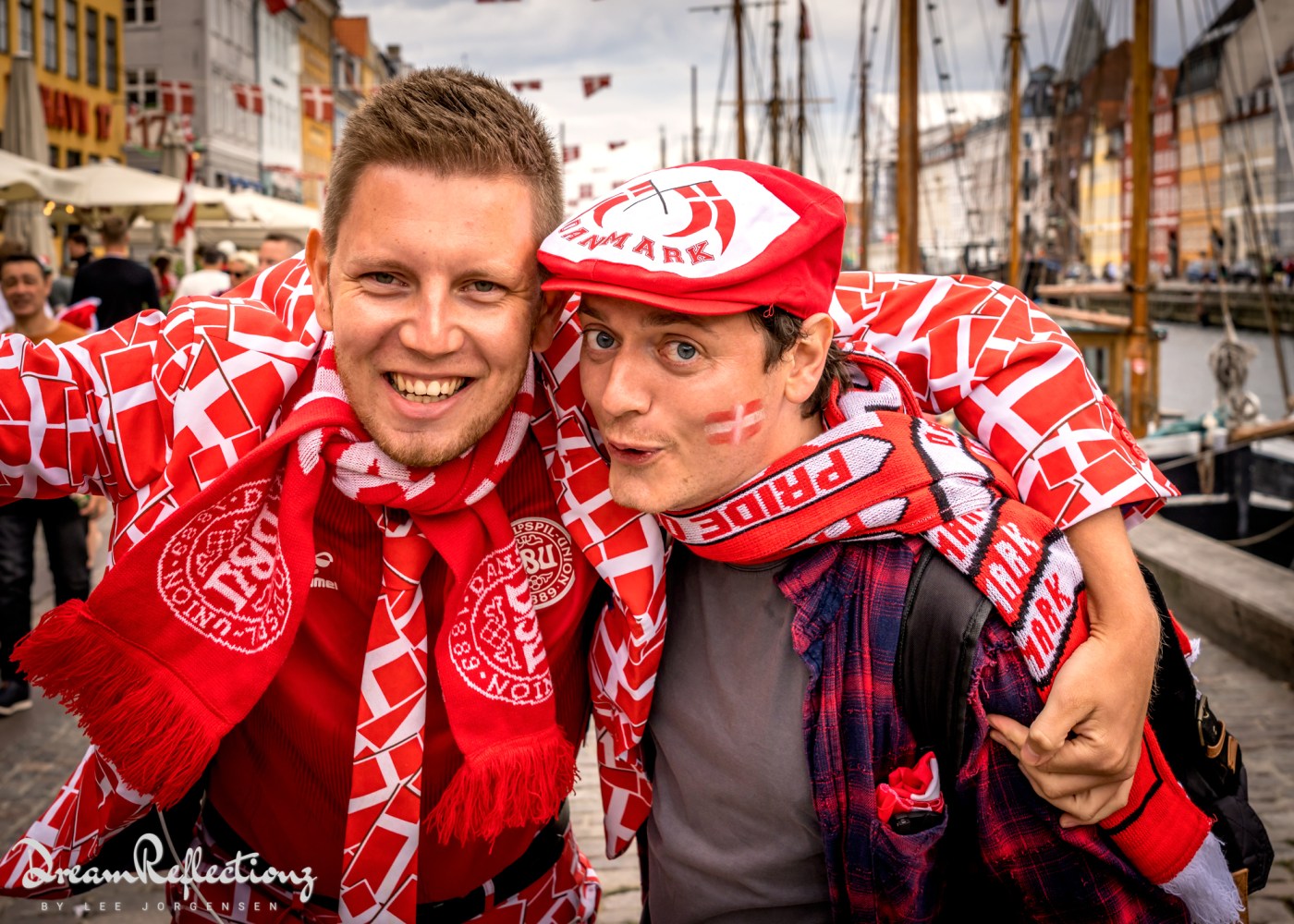
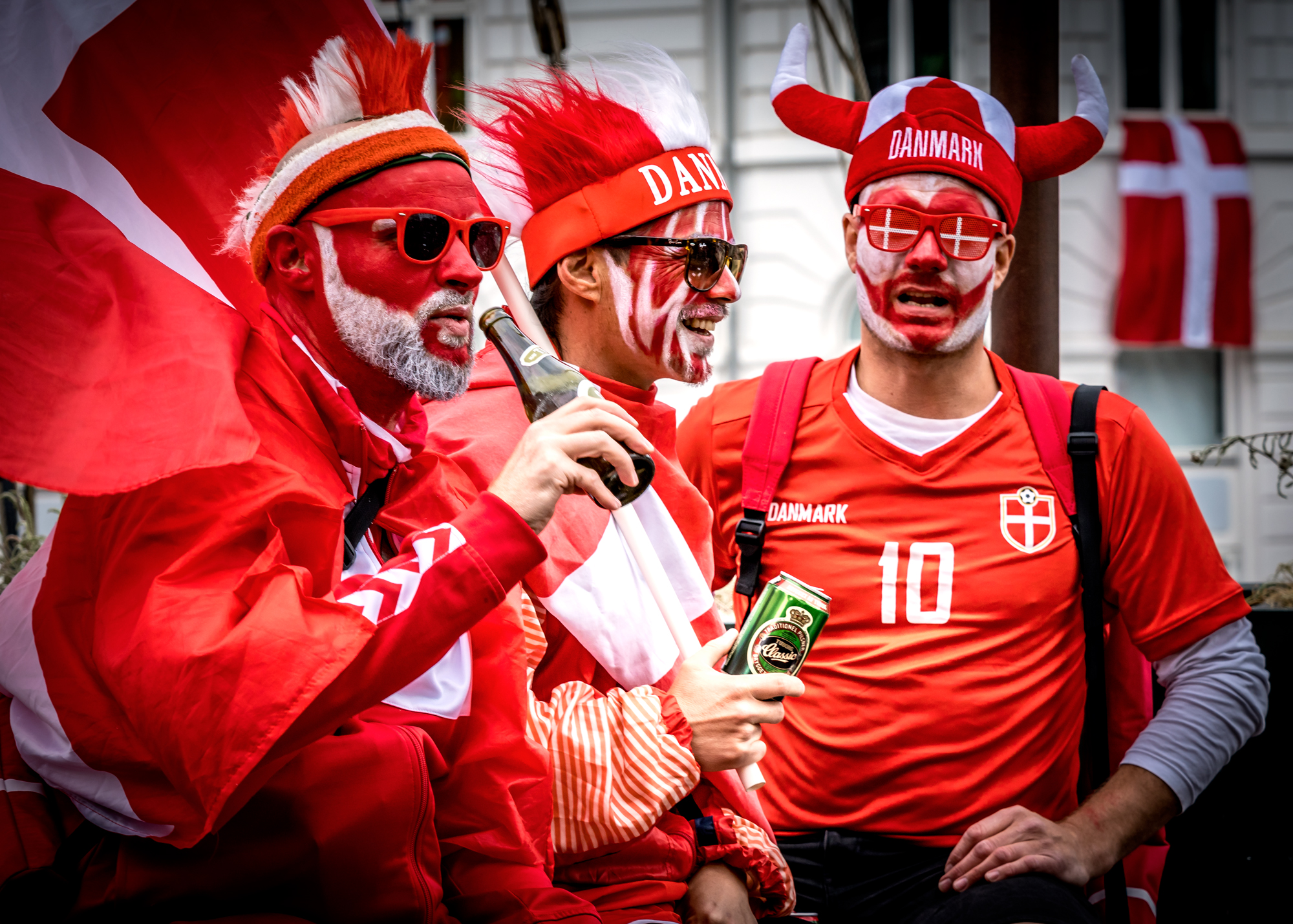
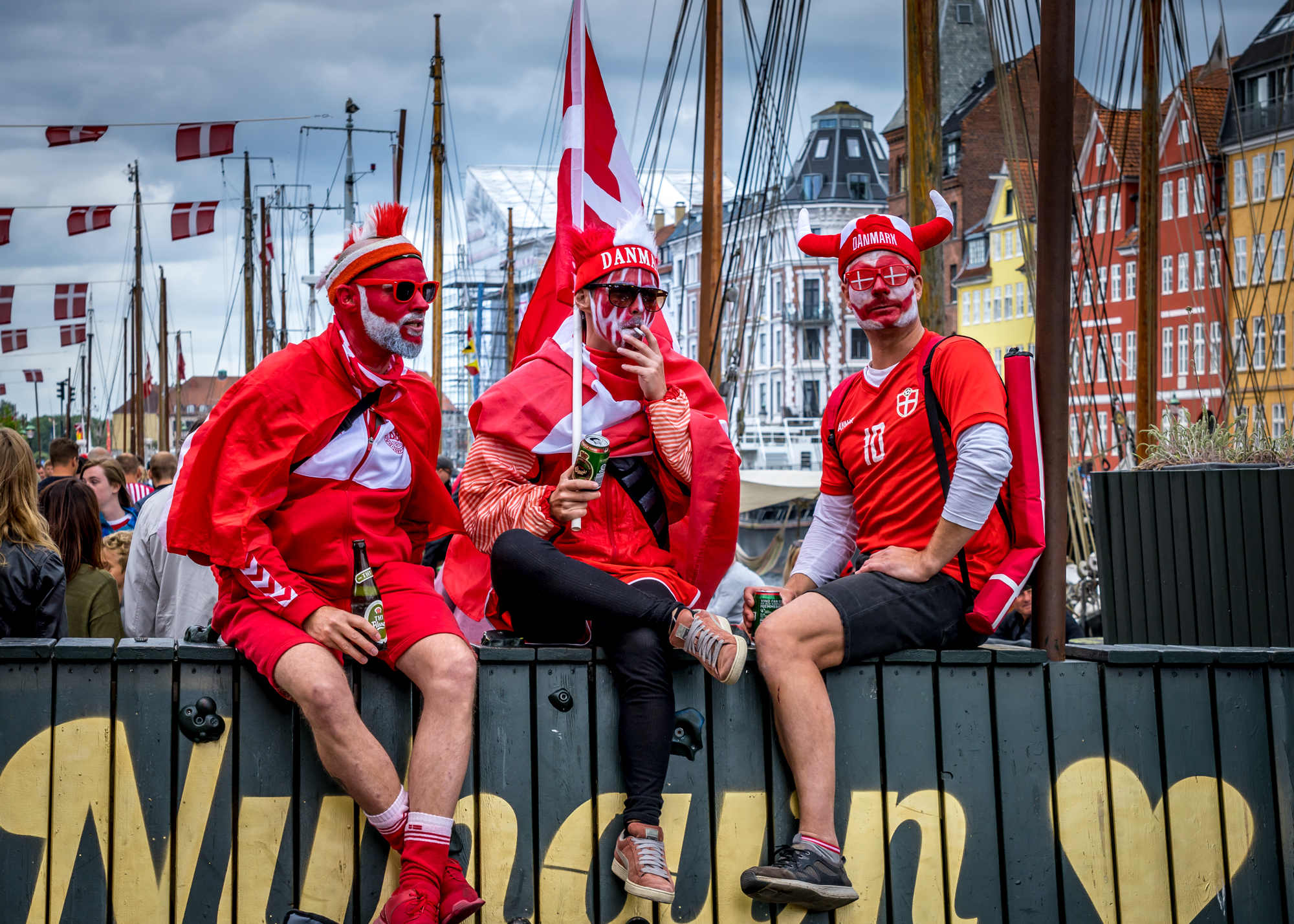
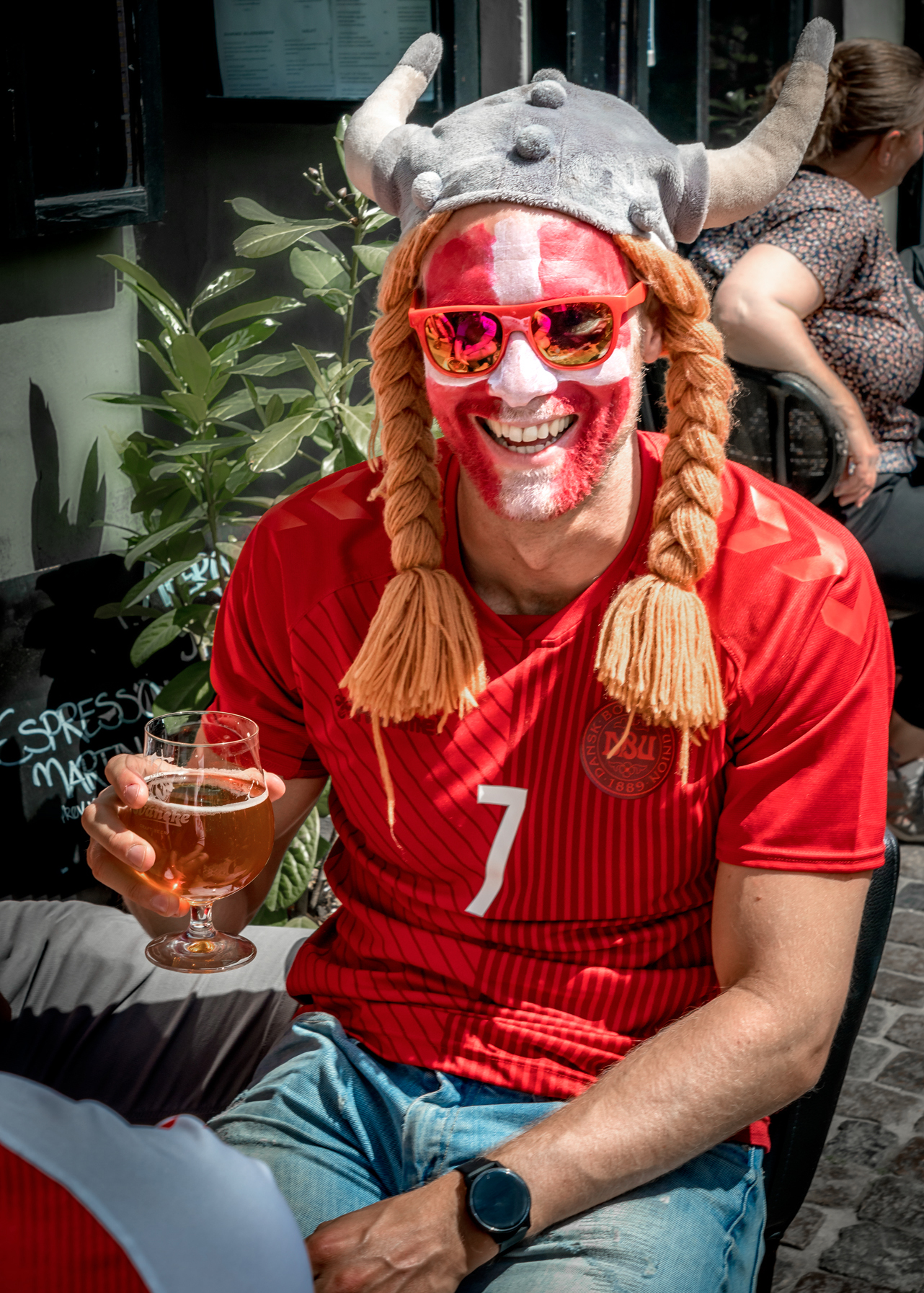
Soccer Fever!

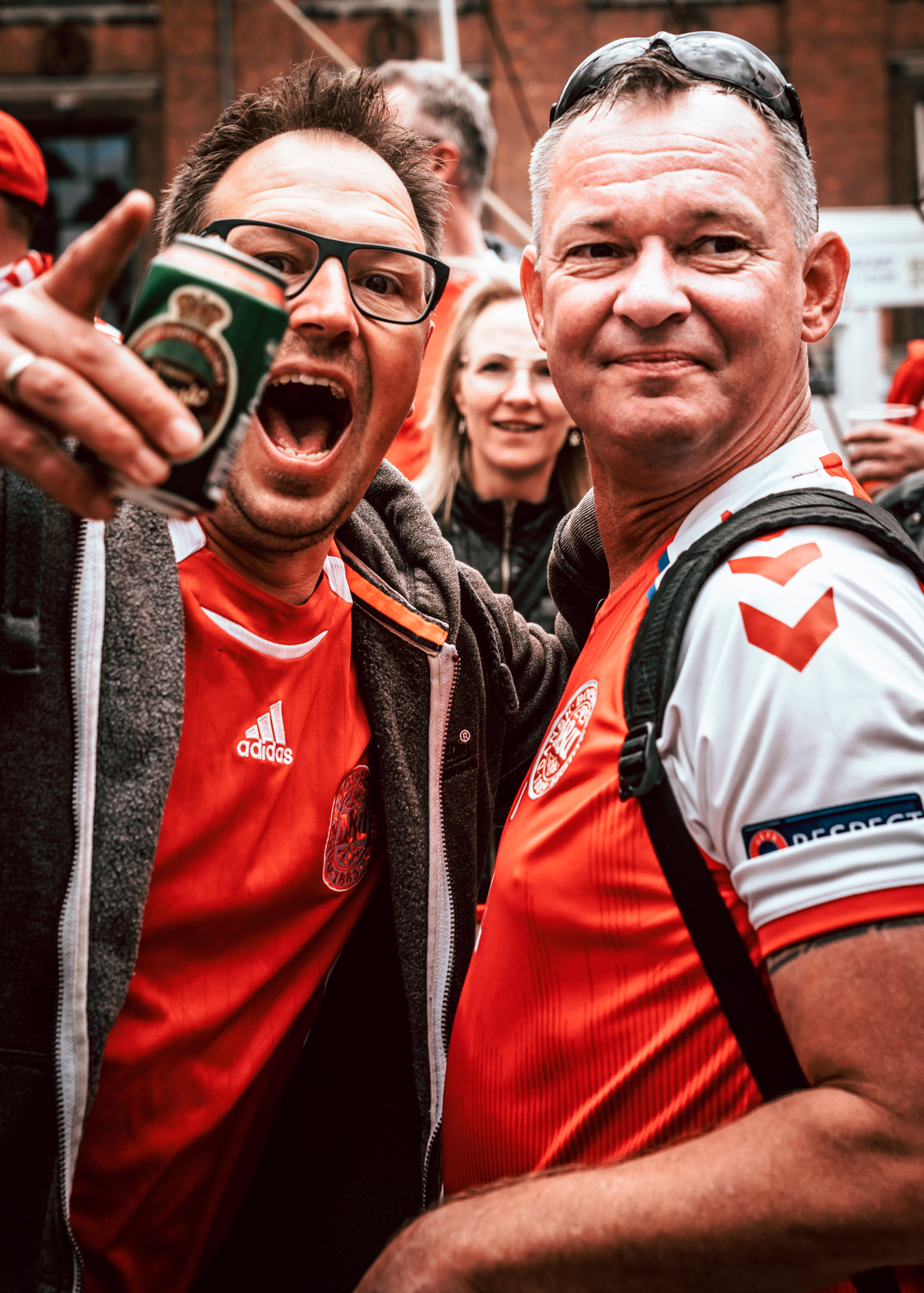
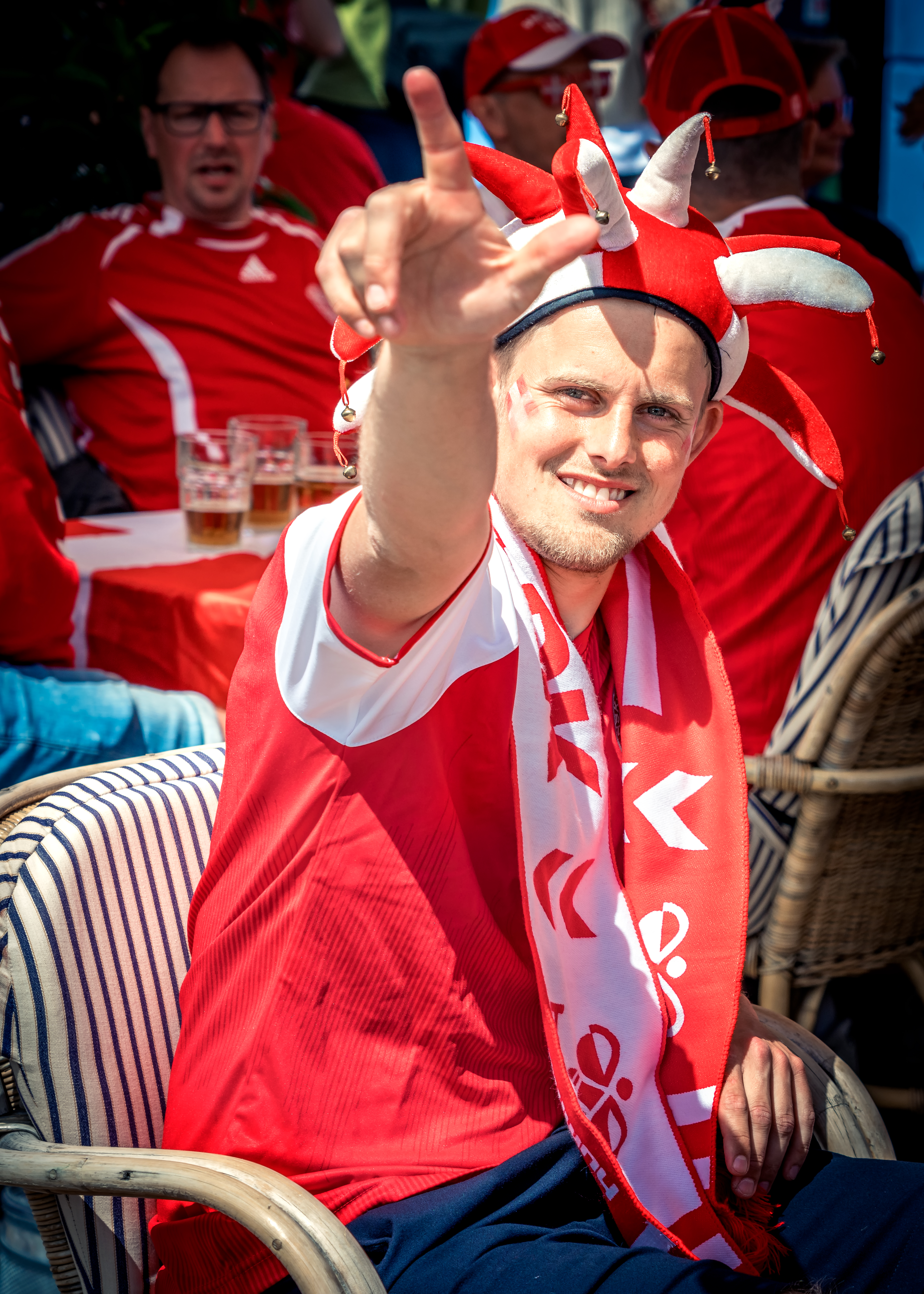
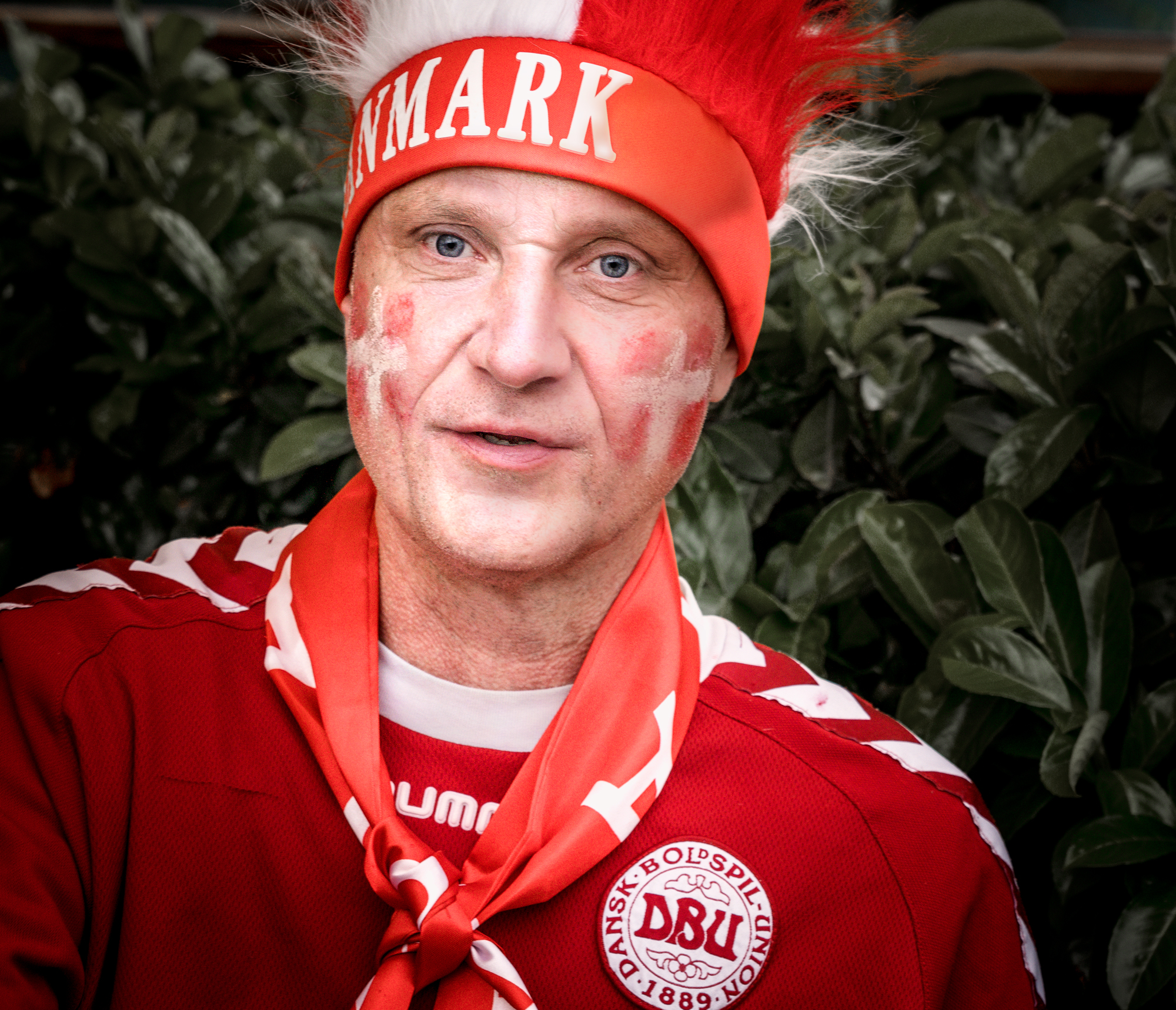
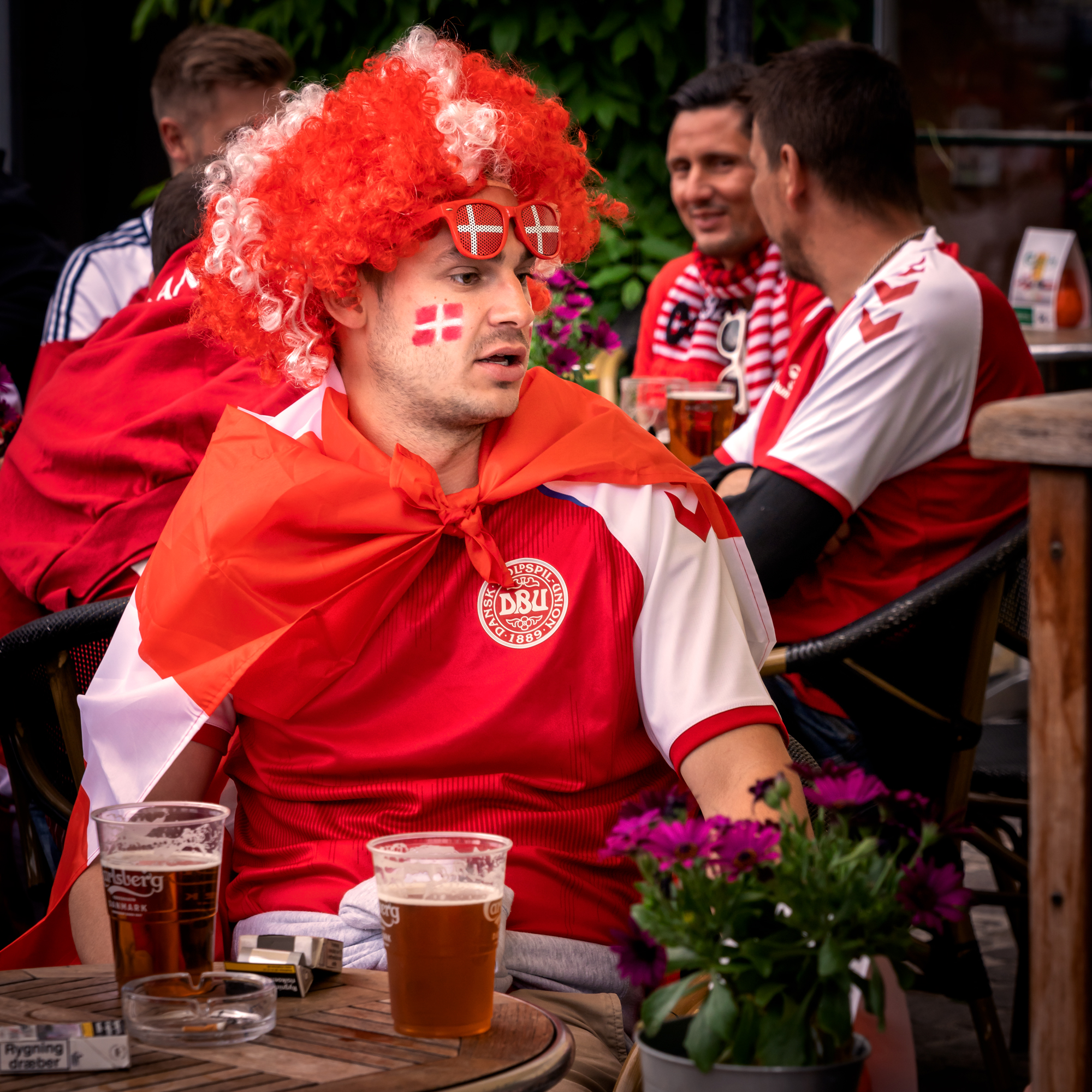
Copenhagen was on fire the day of the European Soccer Championship!

I will have to admit that I have never been the slightest interested in soccer! The only time I sat through a game was at the age of 8 when I tried to bond with my grumpy old grandfather! However, after over a year of lockdown and/or restrictions, the ambiance in Copenhagen on Saturday was electric! Thousand of people out in the streets dressed in red and white, flags and Viking helmets signing and drinking and enjoying the beautiful day. This was probably the most life-affirming day I have had since March 2020!

Unfortunately, the main player had a heart attack on the field that was fatal, but they quickly managed to revive him and it was decided that the game should continue in that spirit. Unfortunately, the bet did not pay off which was rather disappointing after all those emotions that rippled through the country and Finland won 1-0. Please enjoy this little vignette into true joy! These were all taken in Nyhavn, the former seedy sailor part of town and now a fashionable restaurant area with millions of tourists every year (except 2020 and 2021 so far!).

Blog at WordPress.com.

Up ↑